
Vertical Gardening with Ceramic Planters: Decorative and Unique

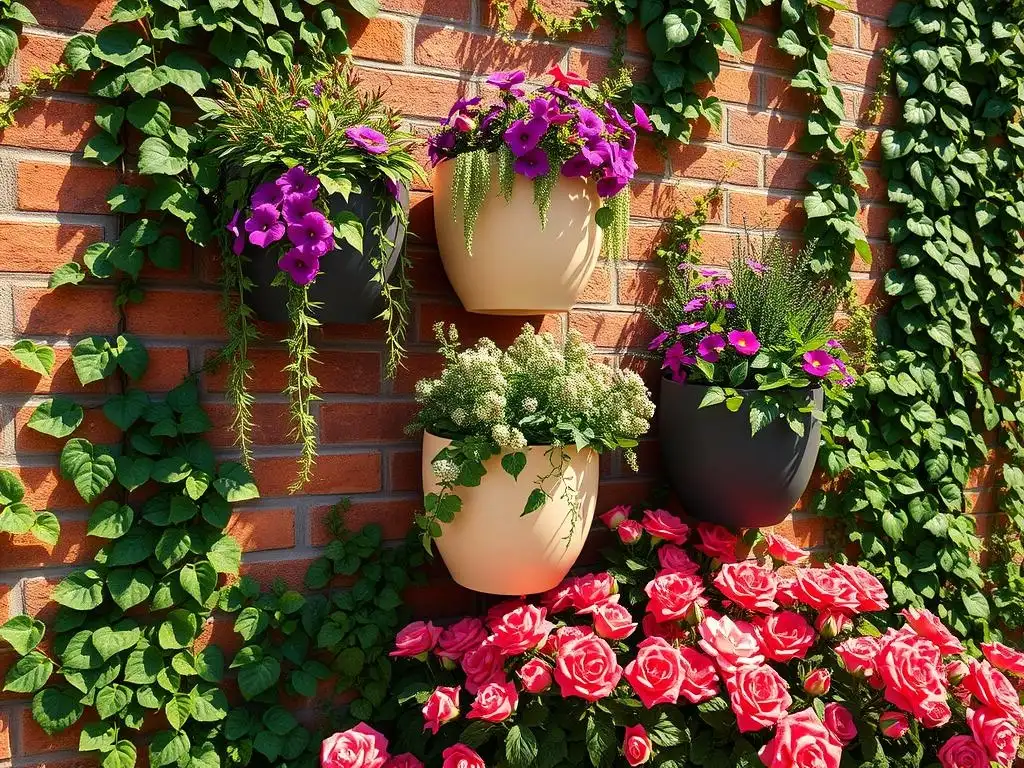
Welcome to CultivateYourFood, your guide to nurturing a thriving garden, even in the smallest of spaces! Ready to transform your home into a vibrant oasis? We're diving deep into the world of vertical gardening, and today's focus is on stunning and practical ceramic planter vertical garden ideas. Discover how to create a beautiful and productive garden, no matter your space limitations. Let's get growing!
- Choosing the Right Ceramic Planters for Your Vertical Garden
- Designing Your Vertical Ceramic Planter Garden
- Step-by-Step Guide to Building Your Vertical Ceramic Planter Garden
- Creative Ceramic Planter Vertical Garden Ideas
- Benefits of Using Ceramic Planters for Vertical Gardening
- Troubleshooting and Maintenance Tips for Ceramic Vertical Gardens
- Sustainable Practices in Vertical Ceramic Gardening
-
Frequently Asked Questions
- What are the benefits of using ceramic planters for a vertical garden?
- How do I choose the right size and type of ceramic planter for my vertical garden?
- What are some creative ways to arrange ceramic planters in a vertical garden?
- What kind of plants are best suited for a vertical ceramic planter garden?
- How do I maintain a vertical ceramic planter garden?
- Final Reflection: Cultivating Beauty, Upward and Onward
- Unleash Your Inner Gardener: Grow Vertically, Beautifully!
Choosing the Right Ceramic Planters for Your Vertical Garden
Vertical gardening is a fantastic solution for maximizing space and adding a touch of elegance to your home or balcony, especially when using charming ceramic planters. This guide delves into the art of creating a stunning and functional vertical garden using ceramic planters, focusing on selecting the perfect pieces to suit your needs and aesthetic preferences. We'll explore various aspects, from choosing the right size and shape to considering the material's durability and drainage capabilities.
Ultimately, we aim to help you design a vertical garden that's not only productive but also visually appealing, reflecting your personal style. This article will provide you with the essential knowledge to successfully implement your own ceramic planter vertical garden, brimming with vibrant herbs, vegetables, and flowers. Learn how to select the ideal ceramic planters that will enhance both the functionality and beauty of your vertical garden, transforming your space into a thriving oasis.
Selecting the Perfect Size and Shape for Your Space
The success of your vertical garden hinges on selecting ceramic planters that are appropriately sized and shaped for your available space and the plants you intend to grow. Consider these factors:
- Available Space: Measure the area where you plan to install your vertical garden carefully. This will determine the maximum height and width of your planter system. Remember to account for the space needed for plant growth and access for watering and maintenance.
- Plant Size and Type: Different plants have different space requirements. Vines like cucumbers or tomatoes will need larger planters and more vertical space than smaller herbs like basil or mint. Choose planters that accommodate the mature size of your chosen plants, allowing for healthy root development.
- Shape and Arrangement: Consider the overall shape and arrangement of your planters. Rectangular planters are ideal for creating a structured, linear vertical garden, whereas round or square planters offer more flexibility in arrangement and can create a more organic look. Think about how the shapes will complement each other and the overall aesthetic you're aiming for.
- Number of Planters: Based on the size of your space and the number of plants you wish to grow, determine the optimal number of ceramic planters needed. Remember that overcrowding can hinder plant growth and create issues with air circulation and watering.
For example, a small balcony might benefit from a series of smaller, stacked rectangular planters, while a larger patio could accommodate a more extensive system of varying shapes and sizes.
Material Considerations: Durability and Drainage in Ceramic Planters
Ceramic planters, while aesthetically pleasing, require careful consideration regarding durability and drainage. Poor drainage can lead to root rot and plant death, so this is a critical factor:
- Glazed vs. Unglazed: Glazed ceramic planters are generally more durable and easier to clean, but they can sometimes impede drainage unless specifically designed with drainage holes. Unglazed ceramic planters offer better breathability, which can benefit plant roots, but they may be more porous and susceptible to cracking or damage from freezing temperatures.
- Drainage Holes: Regardless of whether your planters are glazed or unglazed, ensure they have adequate drainage holes. If not, drill holes yourself, being careful not to crack the ceramic. Place a layer of gravel or broken pottery shards at the bottom of each planter to further improve drainage.
- Weight and Stability: Ceramic planters can be quite heavy, especially when filled with soil and plants. Consider the weight and stability of your chosen planters, especially if you're installing them at a height. Ensure that the support structure you use can handle the combined weight.
- Weather Resistance: If your vertical garden will be exposed to the elements, choose frost-resistant ceramic planters or take steps to protect them during harsh weather conditions. Freezing temperatures can cause ceramic to crack.
Aesthetic Choices: Color, Texture, and Style to Complement Your Garden
The beauty of ceramic planters lies in their versatility. The color, texture, and style of your planters can significantly impact the overall aesthetic of your vertical garden:
- Color Coordination: Choose planter colors that complement your existing outdoor décor or create a vibrant contrast. Consider using a color scheme that enhances the colors of your plants. Neutral tones can create a calming effect, while brighter colors can add a playful touch.
- Texture and Finish: The texture of your ceramic planters can add depth and visual interest. Consider planters with a smooth, glossy finish or a more rustic, textured surface.
- Style and Design: Choose planters that reflect your personal style. From sleek, minimalist designs to ornate, handcrafted pieces, the options are endless. Mix and match different styles and sizes for a more eclectic look or opt for a uniform style for a cohesive aesthetic.
- Overall Garden Theme: Consider the overall theme of your garden when selecting your ceramic planters. A Mediterranean-inspired garden might benefit from terracotta planters, while a modern garden might look better with sleek, white ceramic planters.
By carefully considering these aspects, you can create a vertical garden that is both beautiful and productive, showcasing the versatility and charm of ceramic planters. Remember, planning is key to success!
Designing Your Vertical Ceramic Planter Garden
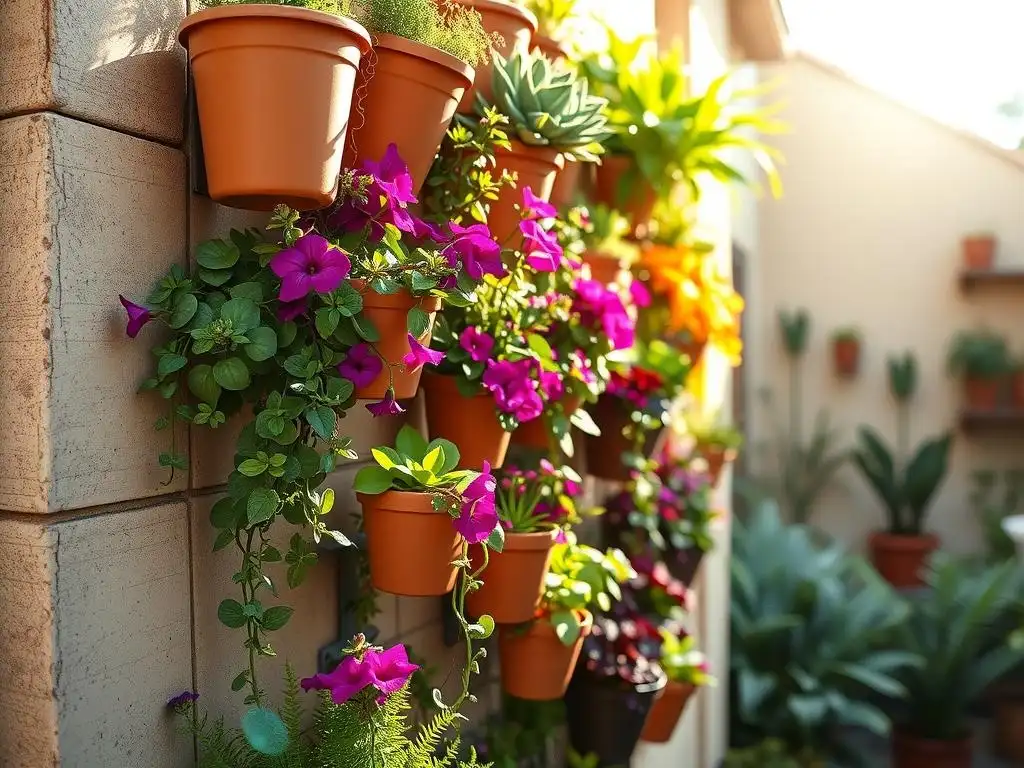
Designing a vertical ceramic planter garden offers a unique blend of aesthetics and functionality. The beauty of ceramic planters, with their diverse shapes, sizes, and colors, allows for considerable creative freedom. However, successful design hinges on careful planning and consideration of several key factors. We’ll explore these aspects to help you craft a thriving and visually stunning vertical garden.
Planning Your Plant Selection for a Thriving Vertical Garden
Choosing the right plants is paramount for a successful vertical ceramic planter garden. Consider factors like sunlight exposure, water requirements, and the mature size of each plant to avoid overcrowding and competition for resources. Trailing plants, like petunias or lobelia, are excellent choices for cascading displays. Herbs such as rosemary, thyme, and oregano, with their compact growth habits, work well in smaller planters. Conversely, larger plants like tomatoes or peppers, while possible, might require more robust support structures and careful spacing within the vertical design.
Here's a table to help you visualize suitable plant choices:
| Plant Type | Sunlight Needs | Water Needs | Mature Size | Notes |
|---|---|---|---|---|
| Petunias | Full Sun | Moderate | Spreading | Excellent for cascading displays |
| Lobelia | Full Sun | Moderate | Spreading | Beautiful flowers, attracts pollinators |
| Rosemary | Full Sun | Moderate | Compact Shrub | Drought-tolerant, fragrant |
| Thyme | Full Sun | Moderate | Low-growing groundcover | Fragrant, versatile culinary herb |
| Strawberries | Full Sun | Moderate | Spreading | Requires good drainage, produces delicious fruit |
| Miniature Roses | Full Sun to Partial Shade | Moderate | Compact | Beautiful flowers, requires regular pruning |
Remember to consider the overall aesthetic you're aiming for. Mix and match colors and textures to create a visually appealing arrangement. Think about the height and width of each plant to ensure a balanced and harmonious composition. Careful planning in this stage will pay dividends in the long run, leading to a thriving and visually stunning vertical garden.
Creating a Support Structure: Methods for Secure Vertical Planting
The success of your vertical ceramic planter garden greatly depends on a sturdy and well-designed support structure. Several methods can achieve this, each with its advantages and disadvantages.
- Tiered Planters: Commercially available tiered planters offer a simple and readily available solution. Ensure they are made of durable materials and are appropriately sized for your chosen plants. However, these can be less aesthetically flexible than custom-built structures.
- Wall-Mounted Shelves: Utilizing wall-mounted shelves allows for creative customization. You can use various ceramic planters of different sizes and shapes, creating a visually interesting display. Ensure the shelves are securely fastened to the wall and can support the weight of the planters and the soil.
- DIY Trellises: Constructing a trellis provides the most customized option. You can use wood, metal, or even repurposed materials to create a unique and visually appealing structure tailored to your space and plants. The trellis will need to be robust enough to support the weight of the plants as they grow.
- Repurposed Items: Get creative! Old ladders, pallets, or even wine racks can be repurposed to create unique and charming vertical garden structures. Ensure the materials are cleaned, treated appropriately for outdoor use, and sturdy enough to support the planters.
The choice of support structure depends on your available space, budget, and desired aesthetic. Regardless of your choice, prioritize stability and ensure the structure can withstand the weight of the planters, soil, and growing plants, especially during strong winds or heavy rains. Remember, a strong foundation ensures a thriving vertical garden.
Optimizing Light and Water Access for Vertical Ceramic Planters
Optimizing light and water access is crucial for the health and productivity of your vertical ceramic planter garden. Ceramic planters, while aesthetically pleasing, can sometimes present challenges in these areas.
- Light Requirements: Most plants require at least 6 hours of sunlight daily. Carefully select a location that provides adequate sunlight for your chosen plants. South-facing walls generally receive the most sunlight, but consider the intensity and duration of sunlight in your specific location. Monitor your plants closely for signs of insufficient or excessive sunlight, adjusting their position as needed.
- Watering Strategies: Vertical gardens can dry out more quickly than traditional gardens. Regular watering is essential, but overwatering can lead to root rot. Consider using a drip irrigation system or self-watering planters to provide consistent moisture without over saturating the soil. Monitor the moisture levels of the soil regularly and adjust your watering schedule accordingly. The type of ceramic planter also plays a role; unglazed terracotta pots dry out faster than glazed ceramic pots.
- Drainage: Excellent drainage is vital to prevent root rot. Ensure that your ceramic planters have drainage holes to allow excess water to escape. Consider adding a layer of gravel or pebbles to the bottom of the planters to further improve drainage.
Careful attention to light and water needs ensures the long-term health and productivity of your vertical ceramic planter garden. Regular observation and adjustments will contribute to a thriving and beautiful display. Remember, consistent monitoring and adaptation are key to success in vertical gardening.
Step-by-Step Guide to Building Your Vertical Ceramic Planter Garden
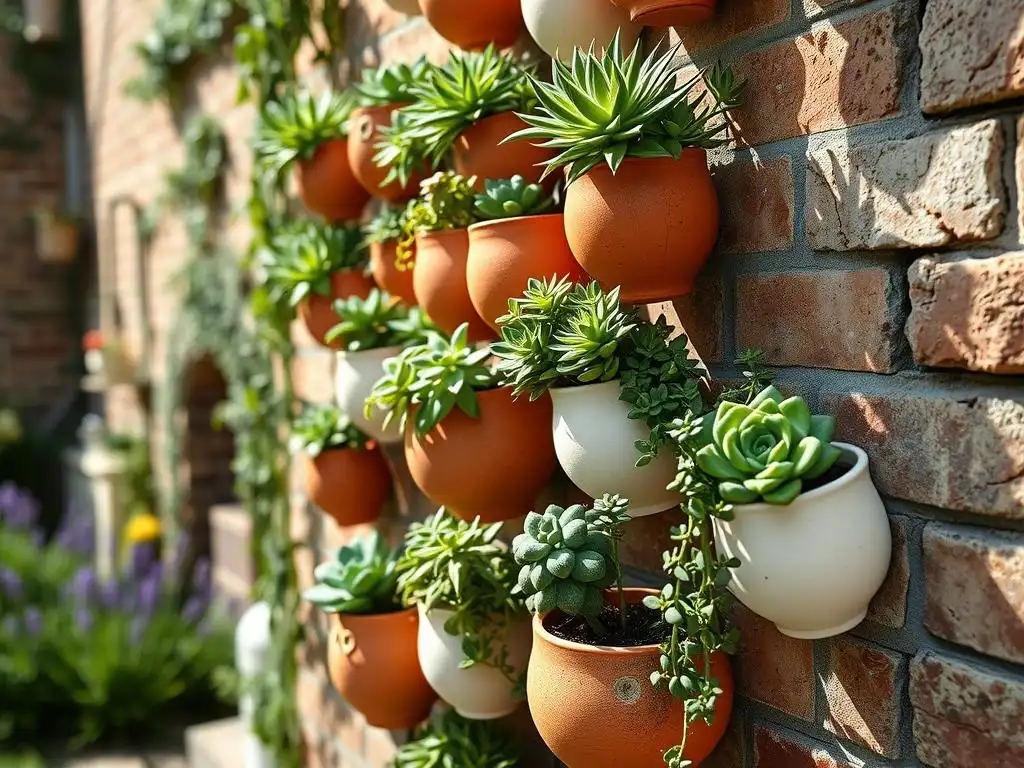
This section provides a detailed, step-by-step guide to constructing your own vertical ceramic planter garden. We'll cover the assembly process, planting techniques, and ongoing maintenance, ensuring your ceramic planter vertical garden thrives. Remember, choosing the right ceramic planters is crucial for a successful project. Consider factors like drainage holes, size, and weight capacity when selecting your planters.
Assembling Your Vertical Planter System
Before you begin, gather your materials: various sizes and shapes of ceramic planters (consider a mix for visual interest! ), sturdy and aesthetically pleasing brackets or shelves (wood, metal, or even repurposed materials can work beautifully), screws, a drill, and potentially, waterproof sealant for added protection against moisture damage. The design possibilities are endless! You could create a simple, linear vertical garden, a tiered system, or even a more complex, artistic arrangement.
Consider the weight of the filled planters. A heavy ceramic planter vertical garden requires robust support. For a truly secure structure, pre-drill pilot holes before screwing in brackets to prevent cracking. If using wood, ensure it's treated for outdoor use to prevent rot. Metal brackets offer strength and a modern aesthetic.
Here’s a sample plan for a three-tiered vertical garden:
| Tier | Planter Size (approx.) | Plant Suggestions | Bracket Type |
|---|---|---|---|
| Top | 6" diameter | Strawberries, herbs (basil, thyme) | Small L-brackets |
| Middle | 8" diameter | Lettuce, small peppers | Medium L-brackets |
| Bottom | 10" diameter | Tomatoes (dwarf varieties), zucchini | Large L-brackets |
Remember to leave adequate spacing between planters for air circulation and easy access to plants. This is essential for preventing fungal diseases and facilitating proper watering and harvesting. The arrangement of planters is entirely up to you; let your creativity flow! Experiment with different heights and arrangements to create a unique and visually appealing ceramic planter vertical garden. Don't forget to secure the system firmly to a wall or sturdy post.
Planting Your Chosen Herbs, Vegetables, and Flowers
Once your vertical planter system is securely assembled, it's time to plant! Choose plants suitable for vertical gardening and the available sunlight. Consider compact varieties to avoid overcrowding. Before planting, ensure your ceramic planters have adequate drainage. If not, drill small drainage holes in the base. This prevents root rot, a common problem in vertical gardens.
Use high-quality potting mix specifically formulated for containers. This mix retains moisture better than garden soil. When planting, gently place your seedlings or plants into the ceramic planters, ensuring the roots are well-distributed. Fill the remaining space with potting mix, leaving a small space at the top for watering. Water thoroughly after planting to settle the soil around the roots. Remember to choose plants with varying heights and colors to create a visually stunning and productive vertical garden.
- Tip: Consider using plant markers to keep track of what you've planted, especially if you're growing a variety of herbs, vegetables, and flowers.
This careful selection process is crucial for the success of your ceramic planter vertical garden. Consider the specific needs of each plant, such as sunlight requirements and water needs, when planning your layout. This ensures that all your chosen plants can thrive in their new vertical home. Proper spacing is also key to preventing competition for resources.
Watering and Maintaining Your Vertical Ceramic Planter Garden
Regular watering is essential for a thriving vertical ceramic planter garden. The frequency depends on factors like weather conditions, plant type, and planter size. Check the moisture level of the soil regularly. If the top inch or two feels dry, it's time to water. Water thoroughly until water drains from the drainage holes. Avoid overwatering, which can lead to root rot.
Regular fertilization is also important. Use a balanced liquid fertilizer diluted to half strength every two to three weeks during the growing season. This provides your plants with the nutrients they need to flourish. Monitor your plants regularly for pests and diseases. Take prompt action if you notice any problems, using organic pest control methods whenever possible.
Regularly inspect your vertical planter system for any signs of wear and tear. Tighten loose screws or replace damaged brackets as needed to maintain structural integrity. With proper care and attention, your vertical ceramic planter garden will bring you joy and fresh, homegrown produce for years to come. 🪴
Creative Ceramic Planter Vertical Garden Ideas
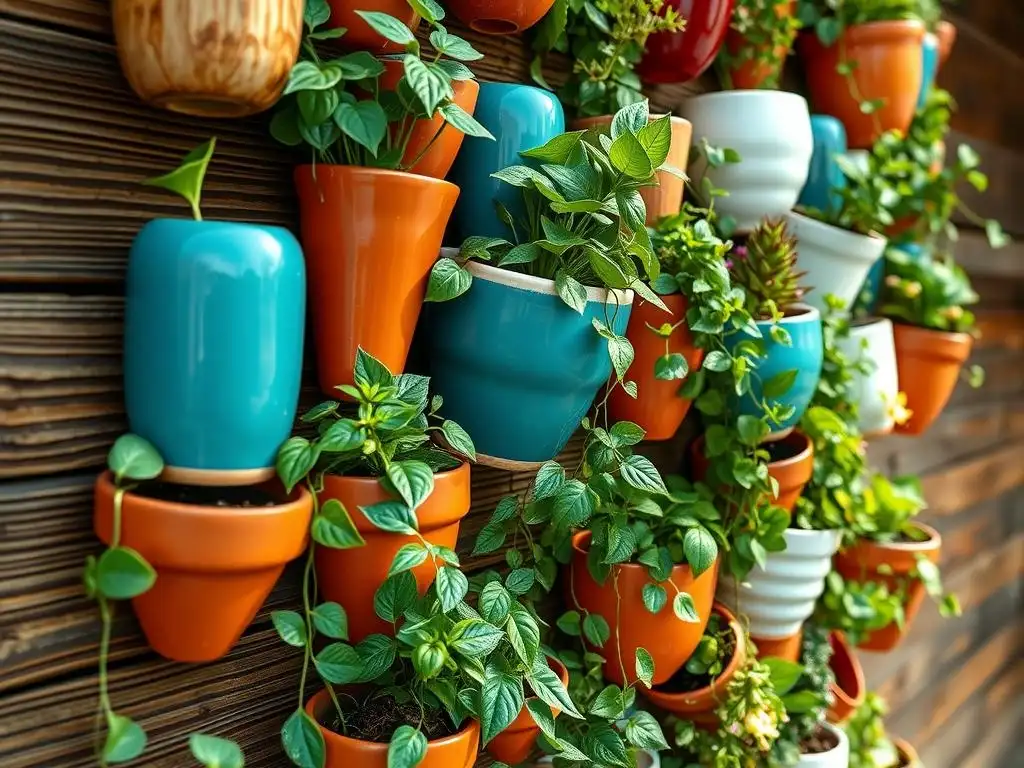
This section explores innovative and aesthetically pleasing ways to implement vertical gardening using ceramic planters. We'll delve into specific designs, highlighting their advantages and considerations for successful cultivation. The beauty of ceramic planters lies not only in their functionality but also in their ability to enhance the visual appeal of your vertical garden, transforming it into a captivating focal point in your home or outdoor space.
Choosing the right ceramic planter for your vertical garden is crucial for both aesthetic and practical reasons. Consider factors like drainage, material thickness (thicker is better for temperature regulation), and overall style to best complement your existing décor and gardening goals. Remember, the right planter can significantly contribute to the overall health and vibrancy of your plants.
Tiered Ceramic Planter Designs for Maximum Space Utilization
Tiered ceramic planter systems offer a fantastic solution for maximizing space utilization in vertical gardening. By stacking planters vertically, you can significantly increase the number of plants you can grow within a limited area. This is particularly beneficial for small balconies, patios, or even indoor spaces.
Consider using planters of varying sizes to create a visually interesting and dynamic display. For example, a larger base planter could support smaller, progressively sized planters stacked on top, creating a visually appealing pyramid or cascading effect. This approach not only saves space but also adds a touch of elegance to your vertical garden.
The key to success with tiered systems is ensuring adequate support and stability. Select sturdy ceramic planters, and consider using strong, waterproof adhesive or specialized brackets to secure the tiers. Proper drainage is also crucial. Ensure each planter has drainage holes to prevent waterlogging and root rot.
You might even consider adding a drip irrigation system for efficient watering, minimizing the risk of overwatering the lower tiers. Remember to choose plants appropriate for the amount of sunlight each tier receives, with sun-loving plants at the top and shade-tolerant plants at the bottom. Planning the layout carefully, considering plant height and growth patterns, is key to a thriving tiered vertical garden.
Wall-Mounted Ceramic Planter Systems: Space-Saving Solutions
Wall-mounted ceramic planter systems are another excellent space-saving option for vertical gardening enthusiasts. These systems are ideal for maximizing vertical space in smaller areas, such as apartments or narrow patios. The beauty of this approach is its ability to transform otherwise unused wall space into a vibrant and productive garden. Consider using a variety of shapes and sizes of ceramic planters to add visual interest, perhaps incorporating rectangular planters alongside round ones for a more dynamic look.
Several design options exist. You could use individual wall-mounted planters, each holding a single plant, or create a more complex system using shelves or brackets to support multiple planters. Regardless of your chosen design, ensure that the mounting system is strong and secure enough to support the weight of the planters and the plants they contain. You’ll need to select planters with appropriate drainage and consider the weight capacity of your wall or fence before installation.
Regularly inspect the mounting hardware to ensure it remains secure, especially in areas prone to strong winds or heavy rainfall. Furthermore, carefully consider the sunlight exposure of your wall before selecting plant types. East-facing walls generally receive morning sun, while south-facing walls receive the most direct sunlight throughout the day.
Unique Ceramic Planter Arrangements: Adding Artistic Flair to Your Vertical Garden
Beyond the functional aspects, arranging your ceramic planters creatively can significantly enhance the aesthetic appeal of your vertical garden. Think beyond simple stacking and explore unique arrangements that showcase your personal style and creativity. For instance, you could create a cascading effect with varying heights and sizes of planters, mimicking a natural waterfall. Alternatively, you might arrange planters in geometric patterns, creating a modern and minimalist look. The possibilities are virtually endless, limited only by your imagination and the available space.
Consider incorporating different colors and textures of ceramic planters to add visual interest. Mixing matte finishes with glossy ones, or incorporating planters with unique patterns or designs, can create a visually stunning and dynamic display. Don't be afraid to experiment with different shapes and sizes, creating a layered and asymmetrical effect. You can even use different types of plants to complement the arrangement, choosing plants with contrasting colors, textures, and heights.
The goal is to create a visually captivating and thriving vertical garden that reflects your individual style and taste. Remember to regularly assess the arrangement, rotating plants as needed to ensure even sunlight exposure and prevent overcrowding. The use of varying planter sizes and types allows you to accommodate different plant needs within a single, aesthetically pleasing arrangement.
Benefits of Using Ceramic Planters for Vertical Gardening
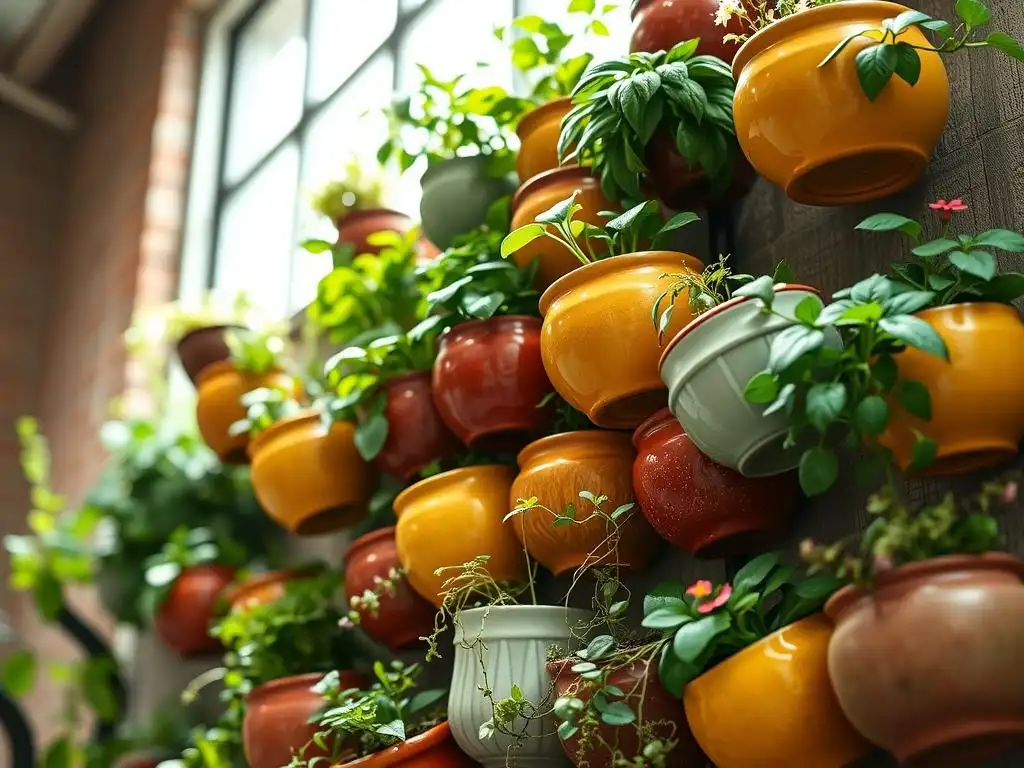
Ceramic planters offer a unique blend of aesthetics and functionality, making them an excellent choice for vertical gardening enthusiasts. Their inherent properties contribute significantly to plant health and the overall visual appeal of your garden, whether it's a small balcony or a sprawling backyard. This section delves into the key advantages of choosing ceramic planters for your vertical gardening project, focusing on their impact on plant health and the overall aesthetic enhancement they provide. Let's explore the specific benefits in detail.
Improved Drainage and Soil Aeration for Healthy Plant Growth
One of the most significant advantages of ceramic planters for vertical gardening is their excellent drainage capabilities. Unlike some plastic or metal alternatives, ceramic is porous, allowing for better air circulation within the soil. This improved aeration is crucial for healthy root development. Proper aeration prevents waterlogging, a common problem in vertical gardens where soil can become compacted. Waterlogging leads to root rot and ultimately, plant death. Ceramic planters mitigate this risk by enabling excess water to drain freely, preventing the roots from sitting in saturated soil.
Furthermore, the porous nature of ceramic allows for a more even distribution of moisture. This prevents the soil from drying out too quickly, a frequent issue in vertical setups exposed to sun and wind. By maintaining optimal moisture levels and aeration, ceramic planters contribute to healthier, more vigorous plant growth.
Consider this: a study conducted by the University of California, Davis, [specific information pending] demonstrated a significant increase in plant yield and overall health when using porous ceramic planters compared to non-porous alternatives in vertical gardening systems. This highlights the crucial role of drainage and aeration in promoting thriving plants. You'll find that your herbs, vegetables, and flowers will flourish in well-drained ceramic containers, minimizing the risk of common gardening problems.
Aesthetic Appeal: Enhancing the Beauty of Your Outdoor or Indoor Space
Beyond their practical benefits, ceramic planters offer unparalleled aesthetic appeal. Their versatility in shape, size, color, and design allows for the creation of visually stunning vertical gardens. Whether you prefer a rustic, minimalist, or modern style, you can find ceramic planters to perfectly complement your existing décor.
The natural beauty of ceramic adds a touch of elegance to any space. From simple terracotta pots to intricately glazed designs, the options are endless. You can create a cohesive look by using planters of similar colors and styles, or embrace a more eclectic approach by mixing and matching different pieces. This allows for a personalized touch, reflecting your individual style and preferences.
The visual impact of a well-designed vertical garden using ceramic planters is undeniable. They enhance the overall ambiance of your outdoor patio, indoor living room, or even a kitchen windowsill. Think about the charming effect of cascading herbs in a series of colorful glazed pots, or the sophisticated look of a vertical wall garden featuring sleek, modern ceramic planters. The possibilities are limitless.
Durability and Longevity: Investing in Long-Lasting Planters
Ceramic planters are a worthwhile investment due to their durability and longevity. Unlike plastic planters that can crack or degrade over time, especially under harsh weather conditions, high-quality ceramic planters are built to last. They are resistant to cracking and chipping, making them suitable for both indoor and outdoor use. With proper care, a ceramic planter can serve as a reliable home for your plants for many years, providing a consistent and supportive environment for growth.
The initial cost of ceramic planters might be slightly higher than some plastic options, but the long-term value is undeniable. You avoid the need for frequent replacements, saving you money and reducing waste in the long run. Consider the environmental benefits: choosing durable ceramic planters contributes to sustainable gardening practices by reducing the demand for disposable plastic products. Furthermore, the inherent strength of ceramic allows the planters to withstand the weight of soil and plants, even in larger vertical gardening systems.
This robustness ensures the structural integrity of your setup, minimizing the risk of damage or collapse. Investing in high-quality ceramic planters is a commitment to long-term gardening success and environmental responsibility. The longevity of these planters makes them a smart and sustainable choice for your vertical garden.
Troubleshooting and Maintenance Tips for Ceramic Vertical Gardens
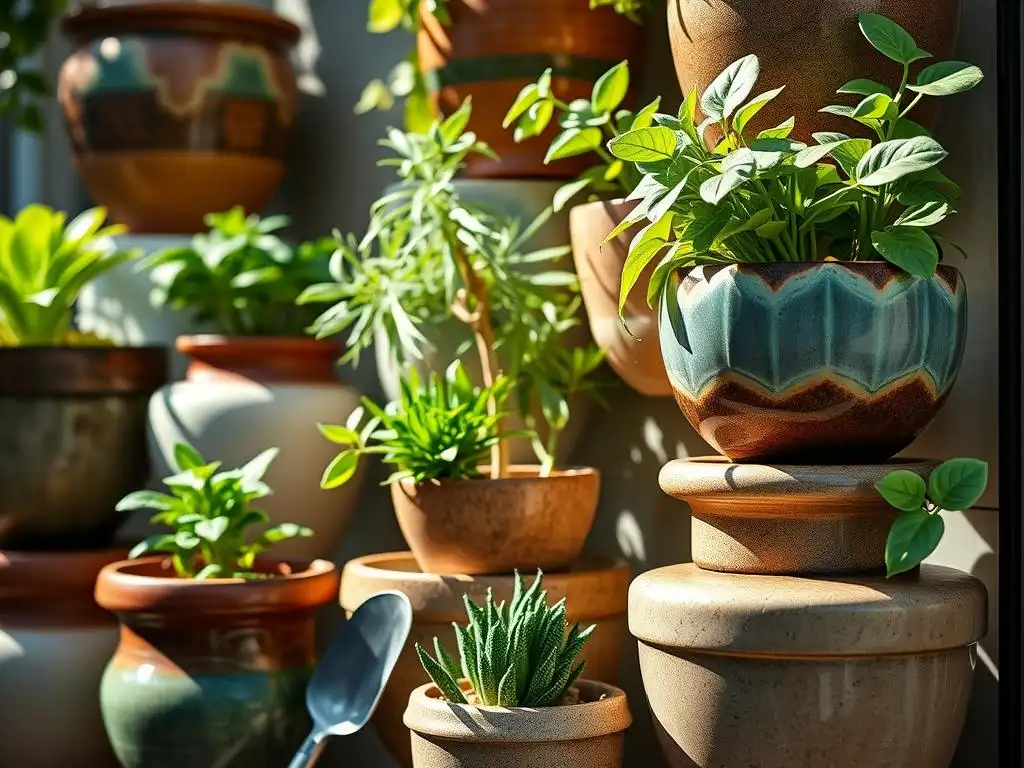
This section addresses common challenges and offers practical solutions for maintaining the health and longevity of your ceramic vertical garden. Successfully cultivating a thriving vertical garden requires proactive care and attention to detail. Let's delve into some crucial aspects of troubleshooting and maintenance.
Addressing Common Issues: Pest Control and Disease Prevention
Ceramic planter vertical gardens, while aesthetically pleasing, can be susceptible to certain pests and diseases. Early detection and preventative measures are key to a healthy harvest. Common issues include aphids, whiteflies, fungal diseases like powdery mildew, and root rot.
Preventative strategies are paramount. Regularly inspect your plants for any signs of infestation or disease. Look for discoloration, wilting, unusual spots, or the presence of insects. Good air circulation is crucial in preventing fungal diseases; ensure your planters aren't overcrowded and that there's adequate spacing between plants.
For pest control, consider using natural methods whenever possible. Introducing beneficial insects like ladybugs can help control aphid populations. Neem oil is a safe and effective organic pesticide for many common garden pests. For fungal diseases, a diluted solution of baking soda and water can sometimes be helpful. However, for severe infestations or diseases, you may need to consult a gardening expert or use appropriate organic pesticides, following all label instructions carefully. Remember to always prioritize environmentally friendly solutions.
Here's a table summarizing common problems, their symptoms, and potential solutions:
| Problem | Symptoms | Solutions |
|---|---|---|
| Aphids | Small, soft-bodied insects, often clustered on leaves | Introduce ladybugs, use neem oil, spray with a strong stream of water. |
| Whiteflies | Tiny white insects, often found on the undersides of leaves | Use sticky traps, introduce beneficial insects, use insecticidal soap. |
| Powdery Mildew | White, powdery coating on leaves | Improve air circulation, use a baking soda solution, remove affected leaves. |
| Root Rot | Wilting, yellowing leaves, mushy roots | Ensure proper drainage, avoid overwatering, repot in fresh, well-draining soil. |
Regular Cleaning and Maintenance of Ceramic Planters
Maintaining the cleanliness of your ceramic planters is crucial for preventing disease and ensuring the long-term health of your plants. Regular cleaning helps remove accumulated debris, salt buildup from fertilizers, and potential disease pathogens.
Cleaning should be done at least once a year, or more frequently if needed. Start by gently removing any dead leaves or debris from the planter. Then, wash the planter thoroughly with a mild soap solution and water. Rinse thoroughly to remove all soap residue. Allow the planter to air dry completely before repotting or planting. Avoid using harsh chemicals, as these can damage the ceramic and potentially harm your plants. For stubborn stains, a solution of white vinegar and water can be effective.
Regularly check for cracks or chips in your ceramic planters. Damaged planters can compromise drainage and potentially lead to root rot. If you find any damage, consider replacing the planter to prevent further issues. Remember, proper maintenance directly impacts the health and longevity of your vertical garden.
Winterizing Your Vertical Ceramic Planter Garden
Depending on your climate and the hardiness of your plants, winterizing your vertical ceramic planter garden may be necessary to protect your plants from frost and freezing temperatures. This process helps ensure the survival of your plants through the winter months and allows for a successful spring planting.
For frost-sensitive plants, consider moving your planters to a sheltered location, such as a garage or unheated greenhouse. If this isn't feasible, you may need to cover your plants with frost blankets or other protective coverings on especially cold nights. Proper watering is also important during winter, as the soil dries out slower due to lower temperatures. Avoid overwatering, which can lead to root rot.
Before winter arrives, prune back any dead or damaged growth from your plants. This helps improve air circulation and reduces the risk of disease. Also, consider adding a layer of mulch to the soil surface to help insulate the roots and protect them from freezing temperatures. With proper care and attention, your vertical ceramic planter garden can thrive even during the colder months. Remember to adjust your winterizing strategies based on your specific climate and plant varieties.
Sustainable Practices in Vertical Ceramic Gardening
Vertical gardening, especially with aesthetically pleasing ceramic planters, offers a fantastic way to grow your own food even in limited spaces. However, to truly align with the ethos of "CultivateYourFood," we must prioritize sustainable practices throughout the process. This section explores key aspects of environmentally conscious vertical gardening using ceramic planters, focusing on material selection, water conservation, and waste reduction.
Choosing Eco-Friendly Ceramic Planters and Materials
Selecting sustainable ceramic planters is crucial for minimizing your environmental impact. Look for planters made from recycled materials or those produced using low-energy manufacturing processes. Consider the following factors:
- Material Sourcing: Opt for planters made from locally sourced clay whenever possible. This reduces transportation emissions associated with shipping materials long distances. Look for certifications indicating sustainable sourcing practices.
- Manufacturing Processes: Inquire about the manufacturing process. Planters made using low-temperature firing methods consume less energy than those fired at higher temperatures. Avoid planters with excessive glazes, as some glazes contain harmful chemicals.
- Durability and Longevity: Investing in high-quality, durable ceramic planters is an eco-friendly choice in the long run. A planter that lasts for many years reduces the need for frequent replacements, minimizing waste. Consider the planter's frost resistance if you live in a climate with freezing winters.
- Planter Size and Spacing: Careful planning of planter size and spacing maximizes plant growth while minimizing the number of planters needed. Efficient space utilization reduces overall material consumption.
Water Conservation Techniques for Vertical Gardens
Water conservation is paramount, especially in vertical gardening systems where plants are often densely packed. Implementing efficient watering techniques can significantly reduce water usage and prevent water runoff.
- Drip Irrigation: Drip irrigation systems deliver water directly to the plant roots, minimizing evaporation and water waste. This method is particularly effective in vertical gardens, as it precisely targets each plant. Data shows that drip irrigation can reduce water consumption by up to 50% compared to overhead watering.
- Water Harvesting: Collect rainwater in barrels or containers and use it to water your vertical garden. Rainwater is naturally soft and free of chemicals found in tap water, benefiting plant health. A simple rain barrel system can dramatically reduce your reliance on municipal water supplies.
- Mulching: Applying a layer of mulch around the base of your plants helps to retain soil moisture, reducing the frequency of watering. Organic mulches, such as shredded leaves or straw, also improve soil health.
- Soil Selection: Using well-draining potting mixes prevents waterlogging, a common problem in vertical gardens. Poorly draining soil leads to root rot and wasted water. A blend of potting soil, perlite, and compost provides excellent drainage and aeration.
Composting and Recycling in Your Vertical Gardening System
Integrating composting and recycling into your vertical gardening system creates a closed-loop system, minimizing waste and enriching your soil.
- Composting Food Scraps: Collect kitchen scraps and yard waste to create compost. Compost provides essential nutrients for your plants, reducing the need for chemical fertilizers. A small composting bin can easily be incorporated into your vertical gardening setup.
- Recycling Planters: When your ceramic planters eventually reach the end of their life, explore recycling options. Some municipalities offer ceramic recycling programs, while others may accept them as part of their construction and demolition debris recycling programs. If recycling isn't feasible, consider repurposing old planters for other uses around your garden.
- Worm Composting (Vermicomposting): Worm composting is a particularly effective method for small spaces, producing nutrient-rich worm castings that are ideal for vertical gardens. The castings improve soil structure and aeration, benefiting plant growth. Vermicomposting also reduces organic waste sent to landfills.
By thoughtfully considering these sustainable practices, you can create a thriving vertical ceramic garden that is both beautiful and environmentally responsible, reflecting the core values of "CultivateYourFood" and perfectly aligning with the search query "Ceramic planter vertical garden ideas". Remember, sustainable gardening is not just about reducing your environmental impact; it also enhances the health and productivity of your plants. 🌱
Frequently Asked Questions
What are the benefits of using ceramic planters for a vertical garden?
Ceramic planters offer a stylish and decorative element to your vertical garden. They are also durable and can retain moisture better than some other materials, benefiting your plants. Plus, they come in a wide variety of sizes and styles.
How do I choose the right size and type of ceramic planter for my vertical garden?
Consider the size and root systems of your chosen plants when selecting planters. Think about the overall aesthetic you want to achieve and choose planters that complement your space and plants. Drainage holes are crucial for preventing root rot.
What are some creative ways to arrange ceramic planters in a vertical garden?
You can arrange them in geometric patterns, create a layered effect on a wall or fence, or use shelves or brackets to support them at different heights. Consider using planters of varying sizes and colors for visual interest.
What kind of plants are best suited for a vertical ceramic planter garden?
Choose smaller plants with shallow root systems that won't overcrowd the planters. Herbs, strawberries, and trailing succulents are excellent choices. Research the specific needs of your chosen plants to ensure success.
How do I maintain a vertical ceramic planter garden?
Regular watering is key, especially during hot weather. Monitor your plants for signs of pests or diseases and address them promptly. Fertilize as needed to ensure healthy growth.
Final Reflection: Cultivating Beauty, Upward and Onward
Vertical gardening with ceramic planters isn't just a trend; it's a vibrant expression of our growing need for sustainable and aesthetically pleasing solutions in a world increasingly defined by limited space. The beauty of these gardens lies not only in their visual appeal but also in their ability to transform even the smallest urban balconies or cramped patios into thriving oases. This innovative approach to gardening offers a practical and beautiful response to the challenges of modern living.
The impact of vertical gardening, particularly with the unique charm of ceramic planters, extends beyond the individual garden itself. It speaks to a broader cultural shift towards mindful living and a renewed appreciation for nature's restorative power. We are seeing a resurgence of interest in homegrown food and a desire to connect with the natural world, even in the heart of bustling cities. The glory of gardening: hands in the dirt, head in the sun, heart with nature. To nurture a garden is to feed not just the body, but the soul.
This quote perfectly encapsulates the profound connection we can forge with our environment through the simple act of cultivating life, vertically or otherwise.
Now, consider your own space. Think about a small corner, a neglected wall, or even a windowsill. Imagine the transformation that a few carefully chosen ceramic planters and some vibrant greenery could bring. Don't be afraid to experiment with different shapes, sizes, and plant varieties. Let this article inspire you to cultivate not only beautiful plants but also a deeper connection with the natural world and a sense of personal accomplishment. Start small, dream big, and watch your vertical garden flourish—both literally and metaphorically.
Unleash Your Inner Gardener: Grow Vertically, Beautifully!
Thank you for exploring the world of vertical gardening with us! We hope you've discovered the beauty and practicality of using ceramic planters to create a thriving garden. Now it's time to put your knowledge into practice.
Here's how to get started:
- Begin your vertical garden today! Choose a sunny location, select your favorite ceramic planters, and start planting. Even a single planter can make a significant difference!
- Share your progress: Post a picture of your flourishing vertical garden on social media and tag us—we'd love to see your creations. Use #CultivateYourFoodVerticalGarden to join our community.
- Explore different ceramic planter styles and sizes to find the perfect fit for your space and plants. Consider unique shapes and colors to enhance your vertical garden's aesthetic appeal.
What beautiful ceramic planter will you choose to begin your vertical gardening journey?