
How to Build a Greenhouse with Polycarbonate Panels: A Durable Option

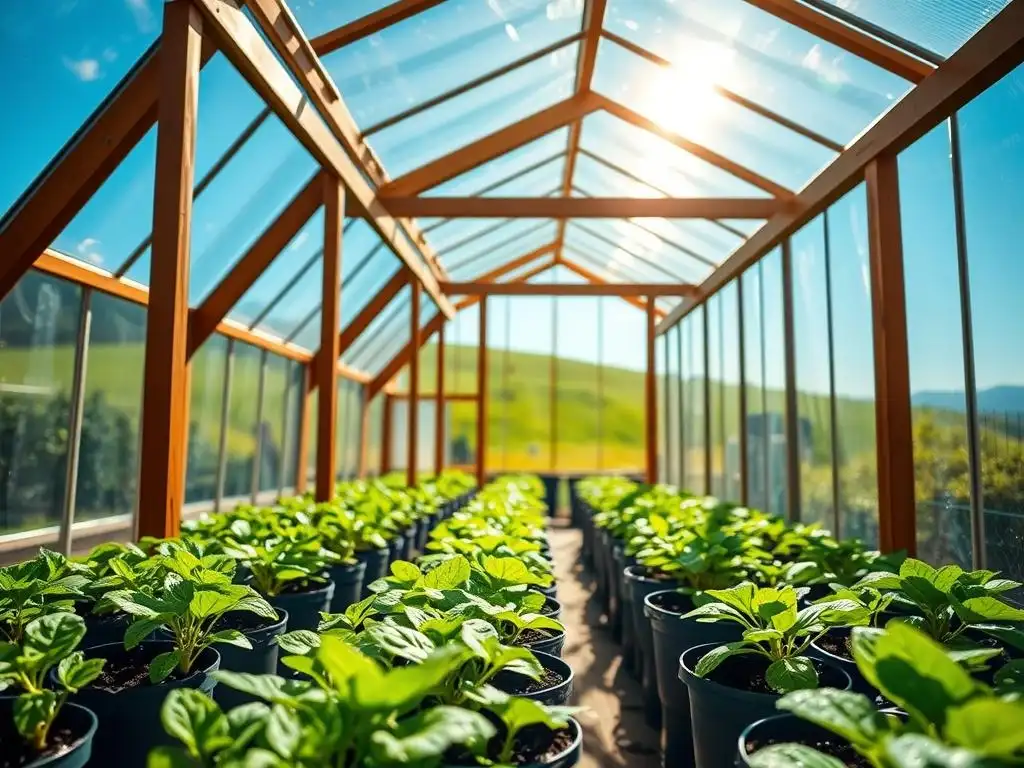
Ready to transform your backyard into a thriving oasis? At CultivateYourFood, we empower you to grow your own delicious and healthy fruits, vegetables, and herbs using sustainable methods. Learn how to create the perfect environment for your plants with our guide on how to Build a polycarbonate greenhouse durable enough to withstand the elements and yield bountiful harvests year-round. Discover the secrets to organic gardening and unlock the joy of homegrown produce – let's get started!
- Planning Your Durable Polycarbonate Greenhouse
- Building the Frame of Your Durable Polycarbonate Greenhouse
- Installing the Polycarbonate Panels on Your Greenhouse Frame
- Enhancing Your Durable Polycarbonate Greenhouse
- Maintaining Your Durable Polycarbonate Greenhouse
- Cost-Effective Polycarbonate Greenhouse Building Tips
- Troubleshooting Common Polycarbonate Greenhouse Issues
-
Frequently Asked Questions
- What makes polycarbonate panels a durable choice for greenhouses?
- How long do polycarbonate greenhouses typically last?
- Are polycarbonate panels easy to work with for greenhouse construction?
- What are the different types of polycarbonate panels available for greenhouses?
- How do I maintain a polycarbonate greenhouse to ensure its longevity?
- Final Reflection: Cultivating Resilience, One Panel at a Time
- Unleash Your Inner Gardener: Build Your Dream Greenhouse!
Planning Your Durable Polycarbonate Greenhouse
Building a greenhouse from polycarbonate panels offers a durable and effective solution for extending your growing season and cultivating a variety of plants year-round. This guide will walk you through the process of constructing a robust and long-lasting polycarbonate greenhouse, perfect for the home gardener committed to sustainable and organic practices. We'll cover everything from site selection and panel choice to structural considerations, ensuring your greenhouse stands the test of time and provides years of fruitful harvests.
Choosing polycarbonate for your greenhouse construction is a smart investment, offering superior durability compared to glass or film, while maintaining excellent light transmission for optimal plant growth. This ensures a higher return on your investment compared to less durable options that need frequent repairs or replacement. Let's delve into the specifics of building your own durable polycarbonate greenhouse.
Choosing the Right Location for Your Polycarbonate Greenhouse
The location of your greenhouse significantly impacts its success. Sunlight is crucial for plant growth, so select a spot that receives at least six to eight hours of direct sunlight daily, ideally facing south (in the Northern Hemisphere) or north (in the Southern Hemisphere). Consider the following factors when choosing your location:
- Sunlight Exposure: As mentioned, ample sunlight is paramount. Use a sun tracking app or observe the sunlight pattern throughout the day to identify the sunniest area in your yard. ☀️
- Wind Protection: Strong winds can damage your greenhouse structure and stress your plants. Choose a location sheltered from prevailing winds, perhaps near a building or a natural windbreak like a hedge or a row of trees. 💨
- Water Access: Easy access to a water source is essential for convenient watering. Locate your greenhouse near a hose bib or a readily available water supply. 💧
- Soil Drainage: Poor drainage can lead to waterlogging and root rot. Ensure the soil in your chosen location drains well. If necessary, amend the soil with organic matter to improve drainage. 🌱
- Accessibility: Consider how easily you can access your greenhouse for maintenance and harvesting. Ensure easy access for yourself and any equipment you might use. 🚶♀️
Determining the Size and Dimensions of Your Polycarbonate Greenhouse Structure
The size of your greenhouse depends on your needs and available space. Consider the number and types of plants you plan to grow. Begin by estimating the square footage required to accommodate your plants comfortably, allowing for adequate spacing between them.
Remember to account for pathways for easy access to plants. A good rule of thumb is to plan for at least 3 feet (0.9 meters) of walkway space between rows of plants. Smaller greenhouses are easier to manage, but larger ones offer more growing space. You'll also need to consider the height of your greenhouse.
Taller greenhouses allow for taller plants and better air circulation. Carefully measure your chosen location to determine the maximum dimensions of your greenhouse. Sketch a detailed plan, including precise measurements, before you begin construction. This meticulous planning will contribute significantly to the durability and longevity of your polycarbonate greenhouse.
Selecting High-Quality Polycarbonate Panels for Greenhouse Construction
Polycarbonate panels come in various thicknesses and qualities. For a durable greenhouse, opt for panels at least 6mm thick. Thicker panels offer better insulation and resistance to impacts, crucial for a long-lasting structure. Look for panels with UV protection to prevent degradation from prolonged sun exposure. This feature is essential for maximizing the lifespan of your greenhouse and preventing premature fading or weakening of the panels. Consider the following factors when choosing polycarbonate panels:
- Thickness: Thicker panels (6mm or more) are more durable and provide better insulation.
- UV Protection: UV-resistant panels are vital to prevent degradation and extend the life of your greenhouse.
- Light Transmission: Choose panels that offer high light transmission (around 85-90%) for optimal plant growth.
- Impact Resistance: Polycarbonate is known for its impact resistance, a key feature for durability, but thicker panels offer even greater protection against accidental damage.
Remember to factor in the cost of the polycarbonate panels when planning your budget. While a higher initial investment in thicker, higher-quality panels might seem more expensive, the increased durability will save you money in the long run by avoiding costly repairs or premature replacements.
Gathering Necessary Tools and Materials for Polycarbonate Greenhouse Building
Constructing a durable polycarbonate greenhouse requires careful planning and the acquisition of the right tools and materials. This phase is crucial for a smooth and efficient building process, minimizing potential delays and ensuring a high-quality final product. Failing to adequately prepare can lead to frustrating setbacks and compromises on the greenhouse's structural integrity.
The tools you'll need can be broadly categorized into measuring and cutting tools, assembly tools, and safety equipment. Measuring and cutting tools include a sturdy tape measure (at least 25 feet), a level (both a standard level and a laser level are beneficial for accuracy), a pencil, a metal cutting saw (for cutting polycarbonate panels and potentially metal framing), and a drill with various drill bits (including those suitable for metal and polycarbonate). For assembly, you'll require a wrench set (appropriate for the chosen framing material), screwdrivers (Phillips and flathead), and potentially a ratchet set for faster work.
Safety equipment is paramount: safety glasses to protect your eyes from flying debris, work gloves to safeguard your hands, and sturdy work boots to protect your feet. Consider adding a dust mask if working with materials that produce dust. Remember, the right tools make the job easier and safer.
Regarding materials, the list is more extensive and depends heavily on the chosen greenhouse design and size. The cornerstone material is, of course, the polycarbonate panels themselves. Ensure you purchase enough panels to cover the entire greenhouse structure, accounting for potential cuts and waste. Consider the thickness of the polycarbonate; thicker panels offer greater durability and insulation but are more expensive.
Choose a thickness appropriate for your climate and budget. Next, you'll need the framing material. Popular choices include galvanized steel, aluminum, or even treated lumber, each offering different levels of durability and cost. You'll also need fasteners – screws, bolts, and nuts – compatible with your chosen framing material and polycarbonate panels.
Additional materials might include a concrete foundation (depending on your plan), anchors for securing the greenhouse to the ground, sealant to ensure water tightness, and possibly additional bracing for added structural support, especially in areas prone to high winds. Before purchasing, create a detailed materials list based on your greenhouse plans to avoid unnecessary expenses or shortages. Accurate measurements are absolutely critical at this stage.
Finally, consider the environmental impact of your material choices. Opt for recycled or sustainably sourced materials whenever possible. Choosing galvanized steel over less durable options can reduce the need for replacements in the long term, contributing to a more sustainable greenhouse. Remember that building a durable polycarbonate greenhouse is not just about immediate construction; it's about long-term sustainability and minimizing environmental impact. Careful planning and material selection at this stage significantly impact the structure's longevity and environmental footprint.
Building the Frame of Your Durable Polycarbonate Greenhouse
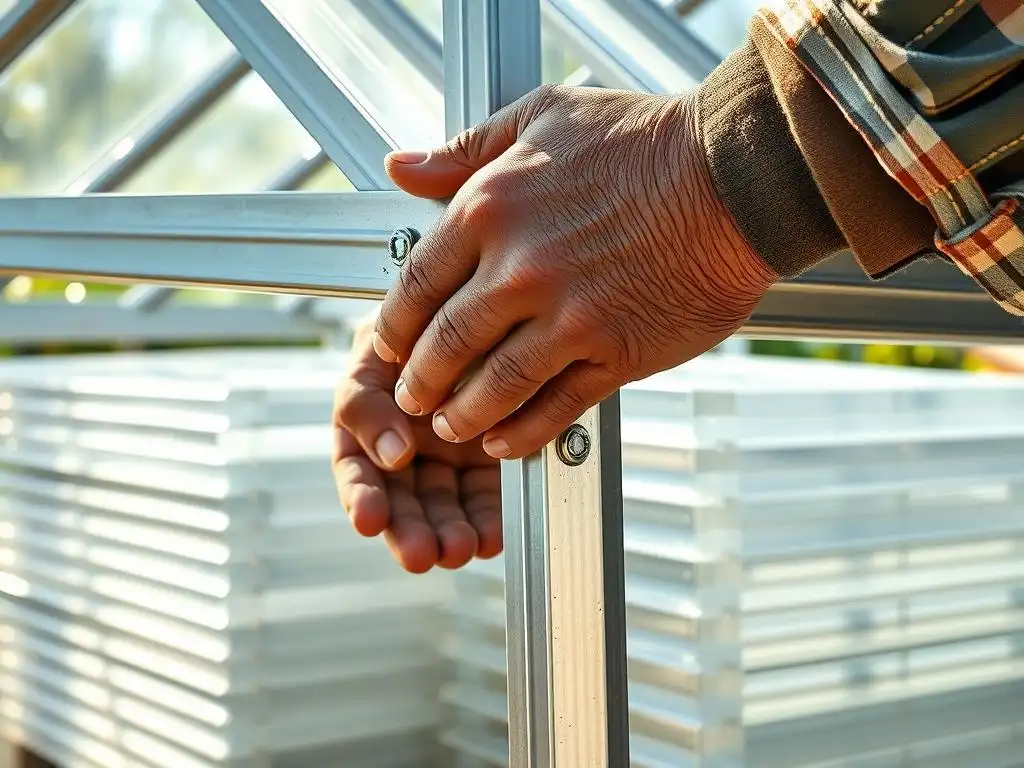
This section details the crucial first step in building a long-lasting polycarbonate greenhouse: constructing a robust frame. The frame's strength directly impacts the greenhouse's overall durability and ability to withstand various weather conditions. Choosing the right materials and employing proper construction techniques are paramount for a successful and resilient structure.
Constructing a Sturdy Frame from Wood or Metal for Your Polycarbonate Greenhouse
The choice between wood and metal for your greenhouse frame depends largely on your budget, available skills, and aesthetic preferences. Both offer distinct advantages and disadvantages regarding durability and "Build polycarbonate greenhouse durable" projects.
Wood: Wood frames, typically constructed from pressure-treated lumber (essential for outdoor use to prevent rot and insect infestation), offer a more traditional and aesthetically pleasing look. They are relatively easy to work with, requiring basic carpentry skills. However, wood requires regular maintenance, including repainting or staining, to protect it from the elements and extend its lifespan. Untreated wood will degrade significantly faster, impacting the longevity of your greenhouse.
Metal: Metal frames, usually made from galvanized steel or aluminum, boast superior durability and resistance to rot and insect damage. They require less maintenance than wood but demand more specialized tools and skills for construction. Metal can also be more expensive upfront. Consider the weight of the metal frame; a heavier frame will require a more robust foundation.
Regardless of your chosen material, precision is key. Accurate measurements and cuts are essential for a square and stable frame. Use appropriate fasteners – galvanized screws for wood and appropriate bolts and rivets for metal – to ensure a secure and long-lasting connection between frame members. Pre-drilling holes in wood before screwing helps prevent splitting.
Securing the Frame for Optimal Stability and Durability of Your Greenhouse
Once the frame is assembled, securing it to the ground is critical for withstanding wind and other external forces. This step significantly contributes to the overall "Build polycarbonate greenhouse durable" goal. Several methods can be employed, depending on your soil conditions and the size of your greenhouse:
- Ground Anchors: For smaller greenhouses, ground anchors (metal stakes driven into the ground and attached to the frame) provide a simple and effective way to secure the base.
- Concrete Footings: For larger or heavier greenhouses, concrete footings offer superior stability. These involve digging holes, setting forms, and pouring concrete to create a solid base to which the frame can be bolted.
- Masonry Blocks: Using masonry blocks as a base offers a balance between cost and stability. The blocks provide a sturdy platform for the frame, and their weight adds to the overall stability of the structure.
The choice of anchoring method should be carefully considered based on local climate and soil conditions. Areas with strong winds or loose soil will require a more robust anchoring system than those with gentler conditions. Proper anchoring is crucial for preventing damage from strong winds or heavy snow loads and is essential to the longevity of your greenhouse.
Adding Reinforcements for Extra Durability in Your Polycarbonate Greenhouse Structure
To further enhance the durability of your polycarbonate greenhouse, consider incorporating additional reinforcements:
- Bracing: Adding diagonal bracing members to the frame, particularly at corners and other stress points, significantly increases its resistance to bending and twisting forces.
- Gussets: Metal gussets (reinforced plates) can be used to strengthen joints and connections, preventing them from loosening or failing over time.
- Stronger Materials: Using thicker lumber or heavier gauge metal will inherently increase the frame's strength and resilience.
Regular inspections for any signs of wear and tear are also vital for maintaining the long-term durability of your greenhouse. Addressing minor issues promptly can prevent them from escalating into major problems. A well-maintained frame is the cornerstone of a long-lasting and productive greenhouse. Remember, investing in a robust frame from the outset is a key element in successfully answering the question, "How to Build a Greenhouse with Polycarbonate Panels: A Durable Option?" This upfront investment pays off in the long run by providing a stable and reliable foundation for your growing endeavors.
Installing the Polycarbonate Panels on Your Greenhouse Frame
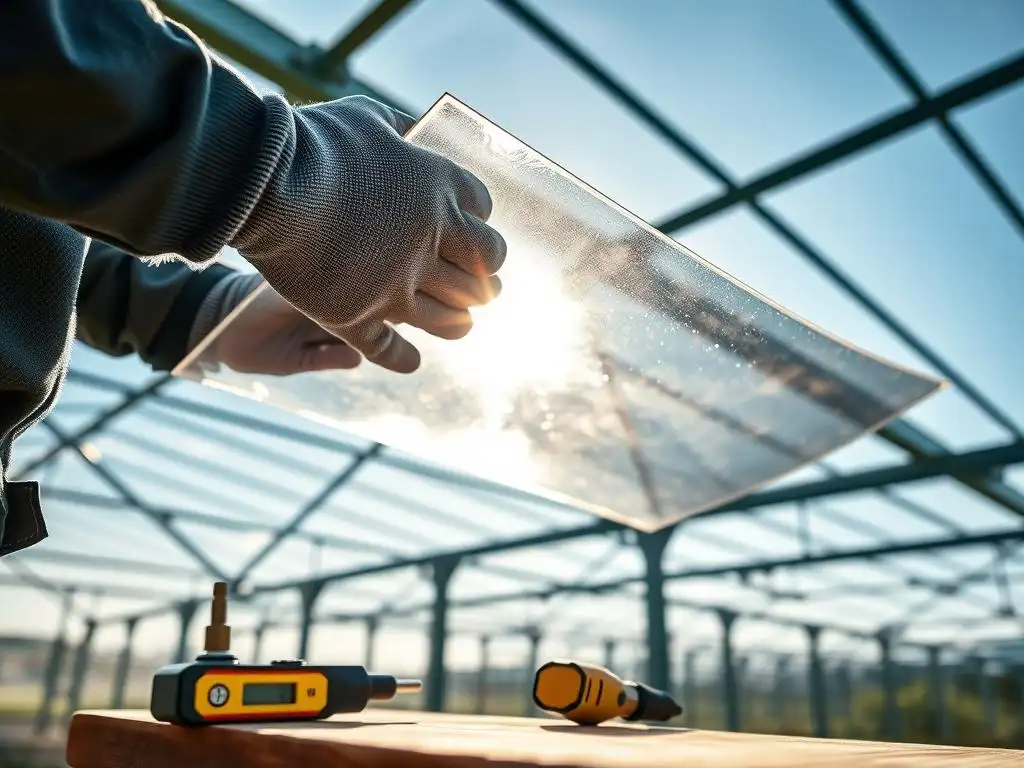
This section details the crucial process of installing polycarbonate panels onto your greenhouse frame, ensuring a robust and long-lasting structure. Proper installation is paramount for maximizing the lifespan of your greenhouse and protecting your plants from the elements. Remember, a well-installed polycarbonate greenhouse offers superior durability compared to alternatives like glass or polyethylene film, making it a worthwhile investment for the serious home cultivator. Building a polycarbonate greenhouse durable enough to withstand harsh weather conditions requires meticulous attention to detail at every stage.
Measuring and Cutting Polycarbonate Panels for Precise Greenhouse Fitting
Accurate measurements are the cornerstone of a successful polycarbonate greenhouse build. Before you even begin cutting, meticulously measure each section of your greenhouse frame where a panel will be installed. Record these measurements carefully, noting any irregularities or variations in the frame’s dimensions. This prevents costly mistakes later on. Use a high-quality measuring tape and double-check your figures.
When cutting polycarbonate panels, use a sharp utility knife or a specialized polycarbonate cutting tool. A circular saw with a fine-tooth blade can also work, but be cautious to avoid excessive heat buildup, which can damage the panel. Always score the panel along your marked line first, then gently snap it along the score. Avoid forceful pressure, as this can cause cracking or shattering.
Remember to account for the overlap between panels. A slight overlap (typically 1-2 inches) is necessary to ensure a watertight seal. Plan your cuts accordingly, ensuring that your overlaps align correctly to create a seamless and robust structure. Consider using a template to ensure consistent and accurate cuts, particularly if you have multiple identical panels. Precision in cutting translates directly to the overall durability and weather resistance of your polycarbonate greenhouse. A poorly cut panel can compromise the entire structure, leading to leaks and potential damage to your plants.
Properly Attaching Polycarbonate Panels to the Greenhouse Frame for a Secure Seal
Once your panels are cut to size, attaching them securely to the frame is the next critical step. Various methods exist, each with its own advantages and disadvantages. Common options include using specialized polycarbonate screws, clips, or adhesive tapes designed for this purpose.
- Polycarbonate screws: These screws are usually self-tapping and feature a washer to distribute pressure evenly, preventing cracking. Pre-drill pilot holes slightly smaller than the screw diameter to prevent the polycarbonate from splitting. Space the screws evenly for optimal support.
- Polycarbonate clips: These clips provide a secure and often aesthetically pleasing method of attachment. They typically snap onto the panel and then attach to the frame, allowing for easy panel replacement or removal if needed.
- Adhesive tapes: While convenient, adhesive tapes are generally less durable than screws or clips, particularly in areas exposed to significant wind or rain. If using adhesive tape, ensure it's specifically designed for polycarbonate and outdoor use.
Regardless of your chosen method, ensure that the panels are securely fastened to the frame, leaving no gaps or loose areas. Over-tightening the screws or clips can cause damage to the panels, so apply firm but not excessive pressure. Remember that a secure attachment is vital for the long-term durability of your polycarbonate greenhouse. A poorly attached panel is a weak point in the entire structure, making it susceptible to damage from wind, snow, or rain.
Sealing and Weatherproofing Your Polycarbonate Greenhouse for Maximum Durability
Sealing and weatherproofing are essential for building a durable polycarbonate greenhouse. Even with properly installed panels, gaps or cracks can allow water ingress, potentially damaging your plants and compromising the structure's integrity. Therefore, dedicate sufficient time to sealing all joints and seams.
Use a high-quality sealant specifically designed for outdoor use and polycarbonate. Apply the sealant liberally, ensuring complete coverage of all joints and overlaps between panels and the frame. Pay particular attention to corners and edges, as these areas are most susceptible to leaks. Allow the sealant to cure completely before using the greenhouse.
Consider adding weather stripping along the edges of the panels for enhanced protection against drafts and water infiltration. This is particularly important in areas exposed to harsh weather conditions. A well-sealed and weatherproofed greenhouse offers superior protection for your plants and a significantly longer lifespan for your structure, making your investment in a polycarbonate greenhouse truly worthwhile. Regular inspection and timely maintenance are key to maintaining the durability of your polycarbonate greenhouse and ensuring years of successful cultivation.
Enhancing Your Durable Polycarbonate Greenhouse
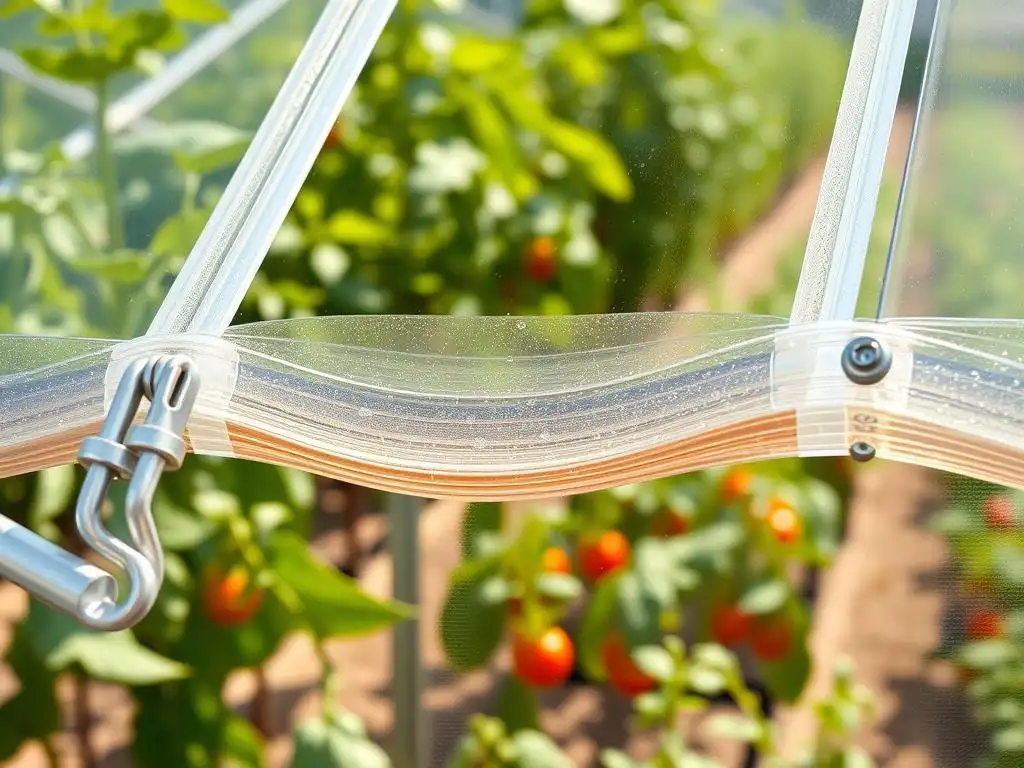
This section focuses on maximizing the lifespan and efficiency of your polycarbonate greenhouse, building upon the structural integrity already established. We'll explore key enhancements that contribute to a longer-lasting and more productive growing environment. Remember, a well-maintained greenhouse is a key component of successful "Build polycarbonate greenhouse durable" projects.
Adding Ventilation to Your Polycarbonate Greenhouse for Climate Control
Proper ventilation is crucial for maintaining optimal growing conditions within your polycarbonate greenhouse. Insufficient ventilation can lead to overheating, increased humidity, and the spread of diseases. Conversely, excessive ventilation can cause temperature fluctuations, harming delicate plants. The key is finding the right balance.
Several ventilation strategies can be implemented, depending on your greenhouse's size and design. Smaller greenhouses might benefit from simple, manually operated vents. These can be strategically placed high on the sides or roof to allow for natural convection. Consider using vents with adjustable openings to control airflow precisely. For larger structures, automated ventilation systems using motorized vents and thermostats can offer sophisticated climate control. These systems monitor internal temperature and humidity, automatically opening and closing vents as needed.
Consider the placement of vents carefully. Avoid placing them directly above plants that are sensitive to drafts. Airflow should be gentle and diffused to prevent damage. The number and size of vents will depend on the greenhouse's volume and the climate in your location. In hotter climates, larger vents or multiple smaller vents may be necessary. In cooler climates, fewer, smaller vents might suffice. Remember to consider the prevailing wind direction when planning vent placement to maximize natural ventilation.
A well-ventilated polycarbonate greenhouse reduces the risk of fungal diseases and pest infestations by promoting air circulation and reducing humidity. Investing in appropriate ventilation is a vital step toward a "Build polycarbonate greenhouse durable" project that also thrives in terms of plant health.
Incorporating a Simple Greenhouse Irrigation System
Efficient irrigation is another crucial element in maximizing your greenhouse's productivity and longevity. A well-designed irrigation system minimizes water waste, provides consistent moisture to your plants, and reduces the risk of soil erosion. Several options exist depending on your budget and the scale of your operation.
For smaller greenhouses, a simple drip irrigation system using soaker hoses or individual drip emitters can be very effective. This method delivers water directly to the plant roots, minimizing evaporation and runoff. This method is highly efficient and reduces the risk of fungal diseases associated with overhead watering. Remember to use a water timer to automate the process and ensure consistent watering, even when you are away.
Larger greenhouses might benefit from more sophisticated systems, such as a network of PVC pipes with emitters strategically placed throughout the growing area. These systems often incorporate pressure regulators to ensure even water distribution. Consider adding a water filtration system to remove sediment and chlorine from your water supply, which can harm delicate plants. Proper irrigation significantly contributes to a successful "Build polycarbonate greenhouse durable" strategy by promoting healthy plant growth.
Remember to monitor your soil moisture levels regularly, regardless of the system you choose. Adjust watering schedules as needed to account for variations in temperature, humidity, and plant growth stages. This ensures that your plants receive the appropriate amount of water without overwatering, which can lead to root rot.
Building a Foundation for Your Polycarbonate Greenhouse to Improve Durability and Longevity
A solid foundation is paramount for a long-lasting polycarbonate greenhouse. It provides stability, protects against ground moisture, and ensures the structure remains level, even over time. The type of foundation you choose will depend on the size and weight of your greenhouse, as well as the soil conditions on your property.
For smaller greenhouses, a simple concrete slab foundation may suffice. This provides a stable base and protects the structure from ground moisture. Ensure the slab is level and properly reinforced to support the weight of the greenhouse. For larger or heavier greenhouses, a more substantial foundation, such as a concrete pier and beam foundation, may be necessary. This design elevates the structure, improving drainage and minimizing the risk of frost heave.
Regardless of the foundation type, proper drainage is crucial. Ensure that water can drain away from the foundation to prevent waterlogging and soil erosion. This is particularly important in areas with heavy rainfall. A well-constructed foundation is a significant factor in achieving a truly "Build polycarbonate greenhouse durable" outcome. It protects your investment and ensures the longevity of your growing space. Consider consulting with a structural engineer for larger or more complex projects. The initial investment in a quality foundation will pay off in the long run, ensuring many years of productive gardening.
Adding Shelving or Benching to Maximize Space in Your Polycarbonate Greenhouse
Adding shelving or benching to your polycarbonate greenhouse is a crucial step in maximizing its space and optimizing your growing potential. This allows you to cultivate a greater variety of plants, particularly those that thrive in vertical spaces like strawberries or herbs. Think of it as creating multiple growing levels, effectively multiplying your usable area. Careful planning is key; consider the weight capacity of your shelving and the height of your tallest plants. Overloading shelves can lead to structural damage, potentially compromising the integrity of your greenhouse.
The material you choose for your shelving or benching is also important. Wood is a popular choice, offering a natural aesthetic and relative ease of construction. However, ensure you use treated lumber to prevent rot and pest infestation, especially given the humid environment inside a greenhouse. Alternatively, metal shelving units are durable and easy to clean, offering excellent longevity.
They are often more expensive upfront but can withstand heavier loads and potentially last longer than wooden alternatives. Consider the weight of your plants, pots, and watering cans when choosing your materials. A poorly constructed bench might sag under the weight, especially when fully laden with mature plants.
Furthermore, the placement of your shelving or benching should be carefully considered. Avoid blocking airflow, which is vital for preventing fungal diseases and maintaining a healthy growing environment. Strategic placement allows for easy access to all plants for watering, pruning, and harvesting. Consider leaving sufficient space between shelves to allow for adequate light penetration to lower levels. Taller plants should be placed on lower shelves to avoid overshadowing smaller plants. Finally, ensure that your shelving system is stable and secure, especially in areas prone to strong winds or other environmental factors. Proper anchoring and reinforcement will prevent accidental collapses, protecting your plants and your investment. Regular inspection of your shelving system is advisable to check for any signs of weakness or damage, allowing for timely repairs and preventing costly replacements. Proper planning and construction of your shelving or benching will significantly enhance the utility and productivity of your polycarbonate greenhouse.
Maintaining Your Durable Polycarbonate Greenhouse
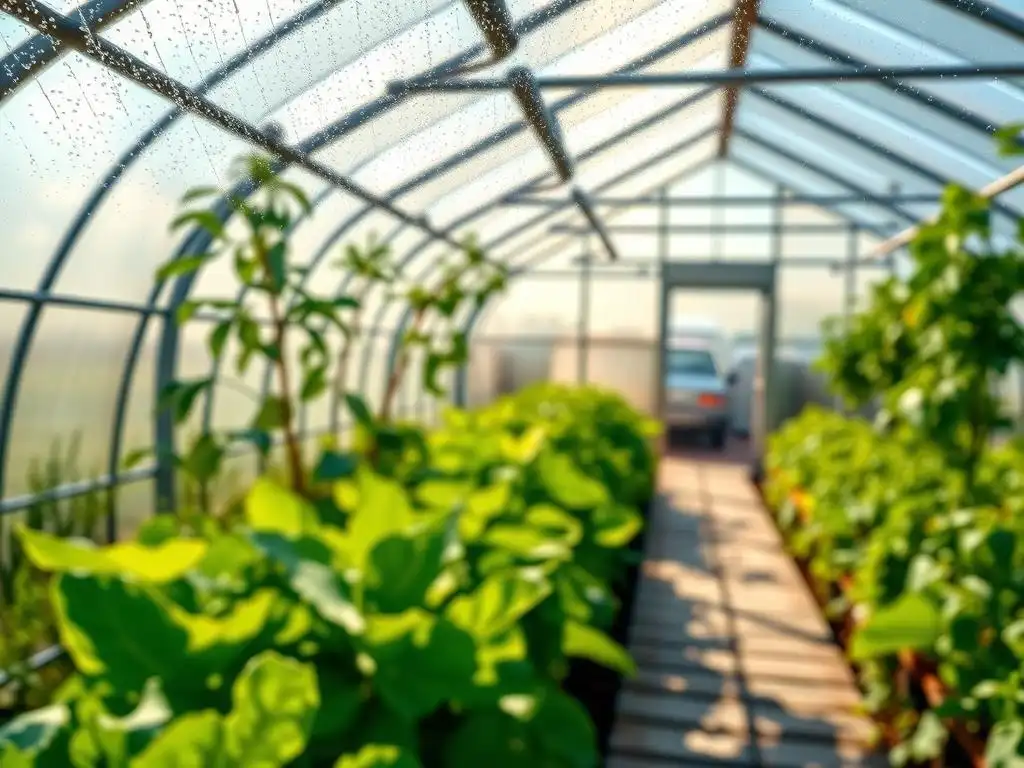
Building a polycarbonate greenhouse offers significant advantages in terms of durability and light transmission. However, to ensure its longevity and optimal performance, regular maintenance is crucial. This section details essential upkeep practices to maximize the lifespan of your investment and maintain a thriving growing environment. Proper care will ensure your greenhouse continues to provide a safe and productive space for years to come, fulfilling your vision of a thriving, sustainable garden.
Cleaning and Maintaining Polycarbonate Panels for Optimal Light Transmission
Maintaining the clarity of your polycarbonate panels is paramount for maximizing light penetration, essential for healthy plant growth. Dirt, dust, pollen, and other debris can significantly reduce light transmission, hindering photosynthesis and potentially impacting yields. Regular cleaning is therefore a key element in maintaining a productive polycarbonate greenhouse.
Cleaning should be performed at least twice a year, more frequently if needed depending on environmental conditions. A simple solution of mild soap and water, applied with a soft sponge or cloth, is generally sufficient. Avoid harsh chemicals or abrasive cleaners, as these can scratch the panels and reduce their lifespan. Always rinse thoroughly with clean water to remove all traces of soap.
For stubborn stains, a solution of warm water and white vinegar can be effective. Apply the solution, let it sit for a few minutes, and then gently scrub with a soft brush. Again, thoroughly rinse with clean water afterward. Remember to clean both sides of the panels for optimal light transmission. Consider using a soft squeegee to remove excess water and prevent streaking. Consistent, gentle cleaning will significantly extend the life of your polycarbonate panels and ensure optimal growing conditions within your greenhouse. This simple, sustainable practice contributes greatly to the overall success of your home-grown produce.
Regular Inspections and Repairs to Preserve the Durability of Your Greenhouse
Regular inspections are vital for early detection of potential problems, preventing minor issues from escalating into costly repairs. A thorough inspection should be conducted at least quarterly, paying close attention to all structural components and polycarbonate panels. Check for any signs of damage, such as cracks, chips, or loose screws. Inspect the frame for rust or rot, particularly in areas exposed to moisture. Also check the seals around the panels for any gaps that could allow pests or drafts to enter.
Addressing minor repairs promptly is key to preserving the structural integrity of your greenhouse. Replacing a damaged panel early is much more cost-effective than dealing with widespread damage later. Tightening loose screws, repairing minor cracks with appropriate sealant, and replacing damaged seals are relatively simple tasks that can significantly extend the lifespan of your greenhouse. Keeping a small supply of spare parts on hand – screws, sealant, and perhaps even a spare panel – can make repairs quick and easy.
Investing in regular maintenance prevents more significant issues and preserves the value of your greenhouse. Proactive maintenance ensures a long-lasting, efficient growing space. Remember, a stitch in time saves nine!
Protecting Your Polycarbonate Greenhouse from Extreme Weather Conditions
Polycarbonate panels are remarkably durable, but extreme weather conditions can still pose a risk. Strong winds, heavy snow loads, and hail can cause damage if not properly addressed. During periods of strong winds, consider securing the greenhouse with additional bracing or weights. This is especially important for freestanding structures. For heavy snow, regularly clear the accumulated snow from the roof to prevent structural damage. Consider investing in a snow rake designed for this purpose to avoid damaging the panels.
Hail can cause significant damage to polycarbonate panels, so consider installing additional protection during hailstorms. This could involve covering the greenhouse with a tarp or other protective material. Additionally, strategically positioning the greenhouse to minimize exposure to prevailing winds and potentially damaging weather patterns can significantly reduce the likelihood of damage.
Proper planning and preparation can significantly extend the life of your greenhouse, protecting your investment and ensuring a continued harvest of fresh, homegrown produce. Remember that a well-maintained greenhouse is a testament to sustainable and successful gardening practices. Protecting your greenhouse from extreme weather conditions is a vital part of building a durable polycarbonate greenhouse.
Cost-Effective Polycarbonate Greenhouse Building Tips
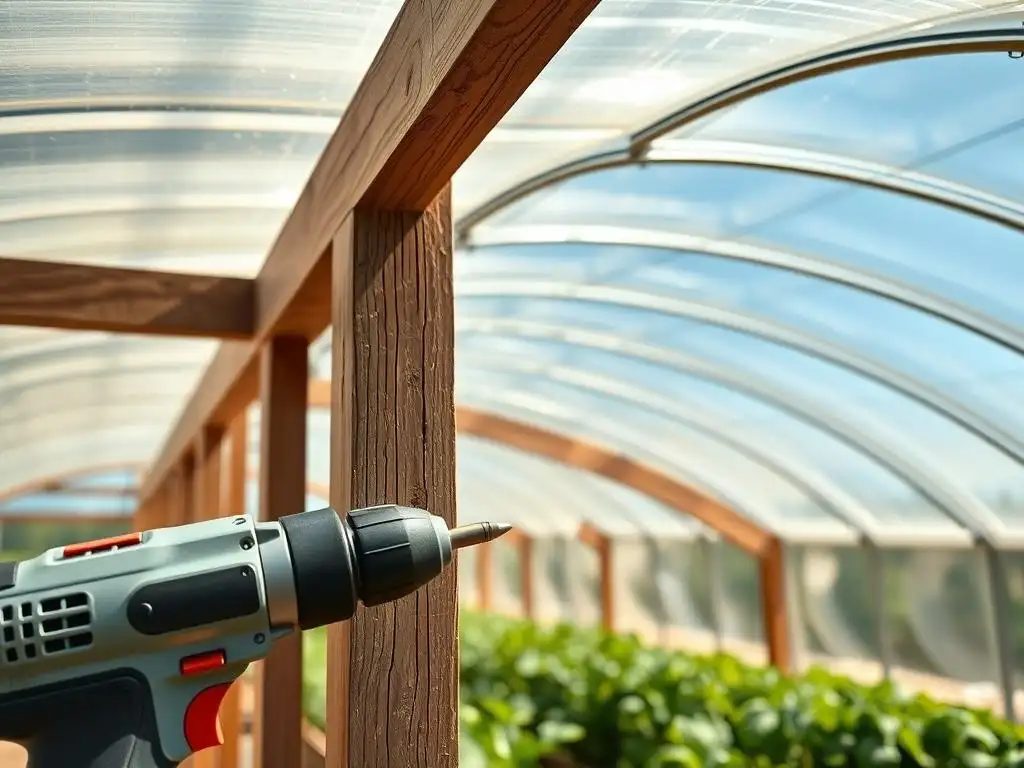
Building a polycarbonate greenhouse doesn't have to break the bank. With careful planning and smart sourcing, you can create a durable and functional structure without exceeding your budget. This section focuses on practical strategies to minimize costs while maintaining high-quality construction. Remember, a well-planned, budget-friendly build is a testament to sustainable gardening practices – minimizing environmental impact and maximizing resource efficiency. Let's explore some key cost-saving techniques for your "build polycarbonate greenhouse durable" project.
Sourcing Affordable Polycarbonate Panels and Building Materials
The cost of polycarbonate panels can vary significantly depending on the supplier, thickness, and UV protection. To find the best deals, consider the following:
- Shop around: Compare prices from multiple suppliers, both online and in local hardware stores. Don't hesitate to negotiate, especially for bulk purchases. Often, smaller, independent suppliers offer competitive pricing.
- Consider panel thickness: While thicker panels offer greater durability, they also cost more. Evaluate your climate and the level of protection needed to determine the optimal thickness without overspending. A thinner panel might suffice in milder climates.
- Look for sales and discounts: Many suppliers offer seasonal sales or discounts on polycarbonate sheets. Keep an eye out for these opportunities to save money. Signing up for email newsletters can alert you to these deals.
- Buy used panels (carefully): If you're comfortable with a slightly used product, check online marketplaces or salvage yards for polycarbonate panels. Inspect them carefully for damage before purchasing. This can lead to significant savings, aligning perfectly with sustainable practices.
- Source alternative framing materials: While aluminum framing is popular, it can be expensive. Consider using pressure-treated lumber, recycled metal, or even repurposed materials for the frame, significantly reducing costs. Consider the longevity and maintenance requirements of each material.
This strategic sourcing approach will ensure you get the best value for your money, building a durable polycarbonate greenhouse without compromising quality.
Utilizing Recycled Materials to Build a Sustainable Polycarbonate Greenhouse
Building a sustainable polycarbonate greenhouse extends beyond just using eco-friendly materials; it also involves repurposing and recycling whenever possible. This approach not only reduces costs but also minimizes your environmental footprint, a key element of sustainable gardening. Here are some ideas:
- Repurposed windows and doors: Old windows and doors can be incorporated into the greenhouse design, providing additional light and ventilation while saving on material costs. Ensure they are structurally sound and weatherproof before integration.
- Recycled pallets: Discarded pallets can be disassembled and used for framing or shelving within the greenhouse. Properly sanitize them to prevent pest or disease introduction.
- Reclaimed lumber: Source reclaimed lumber from demolition sites or salvage yards. This offers a unique aesthetic and reduces the demand for newly harvested wood.
- Upcycled containers: Use recycled plastic bottles or containers for watering systems or propagation trays. This creativity adds a charming, sustainable touch to your project.
- Compost bins for integrated systems: Integrate a compost bin into the greenhouse structure, creating a closed-loop system where greenhouse waste fuels the compost, which in turn nourishes your plants. This is a true embodiment of sustainable, self-sufficient gardening.
This resourceful approach to material selection showcases your commitment to both budgetary responsibility and environmental sustainability. The "build polycarbonate greenhouse durable" project becomes a symbol of resourcefulness and responsible gardening.
Building in Stages to Manage Costs Effectively
Instead of tackling the entire greenhouse construction at once, break down the project into manageable stages. This phased approach allows you to control expenses and prioritize essential elements.
- Phase 1: Foundation and Framing: Begin with the foundation and framing, ensuring a solid base for the structure. This is crucial for durability and longevity, justifying a larger initial investment in robust materials.
- Phase 2: Polycarbonate Panel Installation: Once the frame is complete, install the polycarbonate panels. This stage requires careful precision to ensure a watertight and thermally efficient structure.
- Phase 3: Ventilation and Climate Control: Add ventilation systems and climate control features in a later stage. This allows you to prioritize the core structure initially and add refinements as your budget allows. You could start with simple passive ventilation before investing in more sophisticated systems.
- Phase 4: Interior Finishing and Shelving: Finally, add interior features such as shelving and benches. This is the most flexible stage, allowing for adjustments based on your evolving needs and budget.
This staged approach allows for flexibility and cost management throughout the process. It promotes a gradual build, ensuring that the "build polycarbonate greenhouse durable" project remains financially feasible while maintaining high-quality construction. This smart planning maximizes your resources and minimizes financial strain.
Troubleshooting Common Polycarbonate Greenhouse Issues
Building a polycarbonate greenhouse offers many advantages, including durability and excellent light transmission. However, like any structure, it's susceptible to certain problems. Understanding these potential issues and how to address them proactively will ensure your greenhouse remains a productive and enjoyable space for years to come. This section focuses on common problems and provides practical solutions to keep your build polycarbonate greenhouse durable and efficient.
Addressing Leaks and Cracks in Your Polycarbonate Panels
Leaks and cracks in polycarbonate panels are among the most frustrating issues greenhouse owners face. They compromise the structure's integrity, leading to temperature fluctuations, pest infestations, and plant damage. Prevention is key. During installation, ensure panels are properly aligned and secured, using the correct fasteners and sealant. Avoid excessive force when handling the panels, as they can be more brittle than they appear.
Several factors can contribute to leaks and cracks:
- Impact damage: Hail, strong winds, or accidental impacts from tools or equipment can cause cracks. Regular inspections, especially after severe weather, are crucial.
- Improper installation: Incorrect installation, including inadequate sealing around fasteners or gaps between panels, can allow water ingress.
- UV degradation: Prolonged exposure to sunlight can degrade the polycarbonate over time, making it more susceptible to cracking. Choosing high-quality, UV-resistant panels is vital for long-term durability.
- Thermal expansion and contraction: Temperature fluctuations can cause the panels to expand and contract, potentially leading to stress fractures, especially if improperly installed.
Repairing minor cracks can often be achieved with a high-quality polycarbonate repair kit. These kits typically include specialized adhesives and tapes designed to bond with the polycarbonate and resist weathering. For larger cracks or significant damage, replacing the affected panel is usually the best solution to maintain the build polycarbonate greenhouse durable. Remember to always follow the manufacturer's instructions for any repairs or replacements.
Maintaining Temperature Control Within Your Polycarbonate Greenhouse
Maintaining a stable temperature inside your polycarbonate greenhouse is crucial for optimal plant growth. Polycarbonate's excellent insulation properties help, but several factors can influence internal temperatures, requiring adjustments.
- Ventilation: Adequate ventilation is essential to prevent overheating, especially during hot weather. Consider installing vents or fans to regulate airflow. Proper ventilation also helps to reduce condensation.
- Shading: During periods of intense sunlight, shading may be necessary to prevent overheating and sunscald on plants. This can be achieved through shade cloth or by strategically positioning plants to avoid direct sunlight.
- Heating: In colder climates, supplemental heating may be required, especially during winter months. Various heating systems, such as electric heaters or propane heaters, can be used. Choose a system appropriate for the size of your greenhouse and consider energy efficiency.
- Insulation: While polycarbonate itself provides good insulation, additional insulation can improve temperature stability. Consider adding insulation to the walls or floor, especially in colder regions.
Proper temperature management is key to achieving a successful harvest. Monitor temperatures regularly using a thermometer, making adjustments as needed to maintain optimal growing conditions. This consistent monitoring will contribute to the longevity and productivity of your build polycarbonate greenhouse durable setup.
Dealing with Condensation Inside Your Polycarbonate Greenhouse
Condensation is a common occurrence in greenhouses, especially in humid climates or during temperature swings. While some condensation is normal, excessive buildup can create a damp environment conducive to fungal diseases and mold growth, harming your plants.
Several strategies can help minimize condensation:
- Ventilation: Good ventilation is crucial for reducing humidity levels and preventing condensation buildup. Open vents or use fans to increase airflow.
- Air circulation: Improving air circulation within the greenhouse can help to distribute moisture more evenly and prevent localized condensation. The use of fans can greatly aid this process.
- Proper watering: Avoid overwatering, which increases humidity. Water plants at the base, avoiding wetting the foliage.
- Dehumidifier: In particularly humid environments, a dehumidifier may be necessary to reduce moisture levels.
- Ground cover: Using a ground cover, such as gravel or landscape fabric, can help to wick away excess moisture from the soil.
Regularly monitoring humidity levels and taking proactive steps to manage condensation will contribute to a healthier and more productive growing environment inside your greenhouse. By addressing these issues, you can ensure that your build polycarbonate greenhouse durable structure serves you for many seasons of bountiful harvests. 🌱
Frequently Asked Questions
What makes polycarbonate panels a durable choice for greenhouses?
Polycarbonate panels offer superior durability compared to glass or film. They are highly impact-resistant, weathering extreme conditions like hail and strong winds, and are less prone to cracking or shattering. Their UV resistance also ensures a longer lifespan.
How long do polycarbonate greenhouses typically last?
With proper installation and maintenance, a polycarbonate greenhouse can last for 10-20 years or even longer. This longevity makes them a cost-effective long-term investment compared to other materials. Regular cleaning will extend their lifespan.
Are polycarbonate panels easy to work with for greenhouse construction?
Yes, polycarbonate panels are relatively easy to cut and install, making them a suitable option for DIY projects. They are lightweight yet strong, simplifying the construction process. However, proper tools are necessary for precise cutting.
What are the different types of polycarbonate panels available for greenhouses?
Several types exist, varying in thickness and UV protection levels. Choosing the right thickness depends on your climate and desired durability. Multi-wall panels offer better insulation than single-wall panels.
How do I maintain a polycarbonate greenhouse to ensure its longevity?
Regular cleaning is crucial to remove dirt and debris, preventing algae growth. Inspect panels regularly for damage and address any issues promptly. Proper ventilation will prevent condensation buildup and maintain optimal conditions.
Final Reflection: Cultivating Resilience, One Panel at a Time
Building a durable polycarbonate greenhouse isn't just about constructing a structure; it's about cultivating resilience, both in the plants we nurture and in ourselves. The ability to create a controlled environment, shielded from the unpredictable elements, speaks to a deeper human need for stability and control in a world increasingly marked by change. This need extends beyond gardening, reflecting a desire for self-sufficiency and a connection to the natural world.
The process of building a greenhouse, from planning to construction, mirrors the journey of personal growth. It requires careful consideration, planning, and the commitment to see a project through to completion. The satisfaction derived from nurturing life within this self-created haven is profound. The glory of gardening: hands in the dirt, head in the sun, heart with nature. To nurture a garden is to feed not just the body, but the soul.
This quote perfectly encapsulates the emotional and spiritual rewards of creating and maintaining a space dedicated to growth, mirroring the resilience we build within ourselves through challenging projects.
Now, consider the potential within your own reach. You've learned the practical skills to build a durable greenhouse, but more importantly, you've gained an understanding of the resilience inherent in creating something lasting. Take this knowledge and apply it to other areas of your life. Embrace the challenges, plan meticulously, and nurture the seeds of your dreams, knowing that even in the face of adversity, you possess the strength to cultivate a thriving and resilient future.
Unleash Your Inner Gardener: Build Your Dream Greenhouse!
Thank you for exploring how to build a durable and beautiful polycarbonate greenhouse! You now have the knowledge to create your own thriving garden oasis. Ready to begin?
- Start building your greenhouse today! Gather your materials and follow the steps outlined in the article to bring your vision to life. This is your chance to cultivate something truly amazing.
- Share your progress! Post pictures of your build on social media using #CultivateYourFood and tag us – we'd love to see your creation.
- Explore our other resources on creating sustainable gardening solutions – from composting to water conservation, we offer advice and guidance.
What unique features will you add to your new greenhouse to make it truly special?