
Beneficial Insects and Organic Gardening: A Natural Partnership

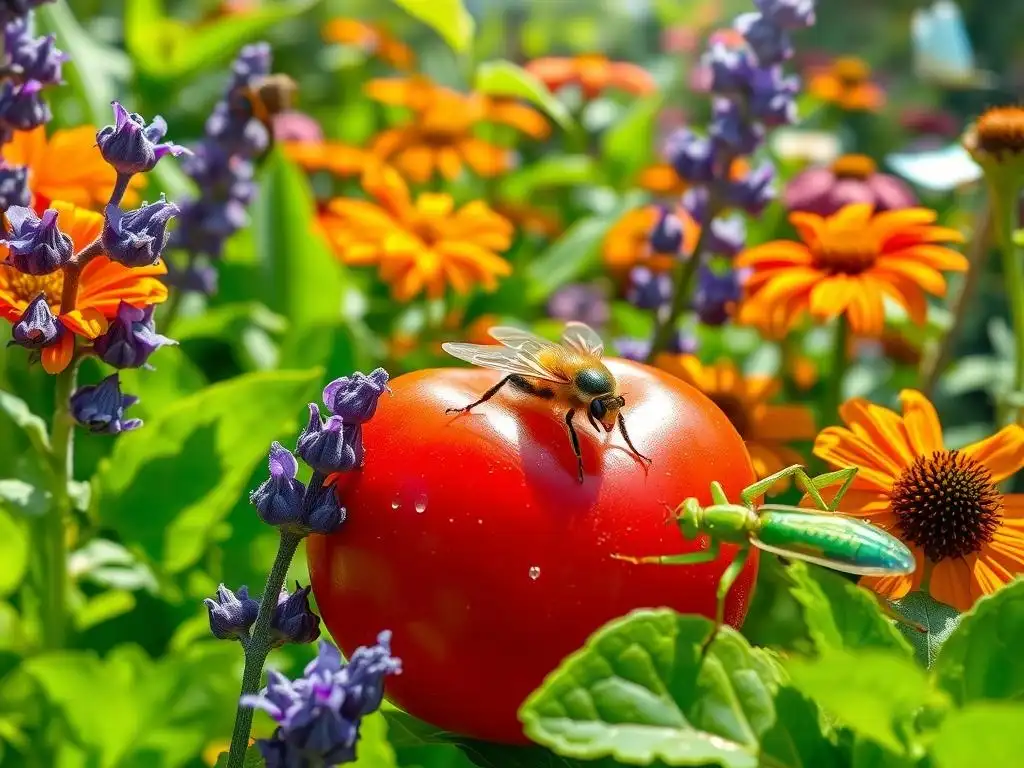
Ready to transform your backyard into a thriving ecosystem? At CultivateYourFood, we empower you to grow your own delicious fruits, vegetables, and herbs using sustainable methods. But did you know that attracting the right insects can be the key to a truly bountiful harvest? Learn how to harness the power of nature and discover the secrets to attracting beneficial garden insects – your natural allies in creating a thriving, organic garden. Dive into our "Sustainable Practices" section to unlock the potential of this amazing partnership and start cultivating a healthier, more vibrant garden today!
- Understanding the Role of Beneficial Insects in Organic Pest Control
- Attracting Beneficial Garden Insects: Creating a Habitat Haven
- Specific Beneficial Insects and Their Roles in Pest Control
- Natural Pest Control Strategies: Integrating Beneficial Insects
- Maintaining a Healthy Ecosystem for Long-Term Success
-
Frequently Asked Questions
- What are beneficial insects, and why are they important for my garden?
- How can I attract beneficial insects to my garden?
- What are some examples of beneficial insects?
- What plants are particularly good at attracting beneficial insects?
- What should I avoid doing if I want to attract beneficial insects?
- Final Reflection: Cultivating a Thriving Ecosystem in Your Garden
- Unleash Your Garden's Natural Allies!
Understanding the Role of Beneficial Insects in Organic Pest Control
Organic gardening thrives on a delicate balance, and beneficial insects are key players in maintaining that equilibrium. Instead of relying on harmful chemical pesticides, attracting and supporting a diverse population of beneficial insects provides a natural and sustainable approach to pest control. These tiny creatures act as nature's own pest control service, significantly reducing the need for synthetic interventions and promoting a healthier, more vibrant garden ecosystem.
This article will explore how to attract beneficial garden insects, highlighting the crucial role they play in maintaining a thriving and productive garden while minimizing environmental impact. We'll delve into identifying key beneficial insects, understanding the importance of biodiversity, and recognizing the natural predators for common garden pests.
By understanding these relationships, you can cultivate a garden that is both productive and environmentally responsible, effectively managing pests without resorting to harmful chemicals. This approach not only protects the environment but also contributes to healthier, tastier produce for you and your family.
Identifying Key Beneficial Insects in Your Garden
Many beneficial insects play vital roles in keeping your garden healthy. Some of the most valuable allies include:
- Ladybugs (Ladybirds): These iconic beetles are voracious aphid eaters, consuming hundreds during their lifecycle. Their larvae are equally effective predators.
- Lacewings: Both adult lacewings and their larvae are effective predators of aphids, mites, and other small pests. Their delicate, lacy wings are easily recognizable.
- Praying Mantises: These masters of camouflage are ambush predators, feeding on a wide range of insects, including many garden pests.
- Ground Beetles: These nocturnal hunters patrol the soil, preying on slugs, snails, and caterpillars. They are often overlooked but incredibly beneficial.
- Hoverflies: While some hoverflies are pests, many are beneficial, with their larvae feeding on aphids. Their adult forms resemble small wasps, but are harmless.
- Parasitic Wasps: These tiny wasps lay their eggs inside or on other insects, eventually killing their host. They are highly effective against a wide range of pests, including caterpillars and aphids.
A healthy garden should exhibit a diverse range of these beneficial insects. Their presence is a clear indicator of a thriving ecosystem. The more diversity you observe, the better equipped your garden will be to naturally manage pest populations.
The Importance of Biodiversity for a Thriving Ecosystem
A diverse garden ecosystem is crucial for attracting and supporting beneficial insects. Monocultures – planting only one type of plant – are less attractive to beneficial insects than diverse plantings. A variety of flowering plants provides nectar and pollen, essential food sources for many beneficial insects. Different plants also attract different beneficial insects, creating a more robust and resilient pest control system.
Consider incorporating a range of plants with varying bloom times to ensure a continuous food supply throughout the growing season. This approach mimics natural habitats, making your garden a more attractive and sustainable environment for beneficial insects. Think of it as creating a "buffet" for beneficial insects, ensuring they have plenty of sustenance and are more likely to stay and reproduce in your garden.
Recognizing Common Garden Pests and Their Natural Predators
Understanding the relationships between common garden pests and their natural predators is crucial for effective organic pest control. For example:
| Pest | Natural Predator(s) |
|---|---|
| Aphids | Ladybugs, Lacewings, Hoverflies, Parasitic Wasps |
| Whiteflies | Lacewings, Parasitic Wasps |
| Spider Mites | Lacewings, Predatory Mites |
| Cabbage Worms (Caterpillars) | Parasitic Wasps, Braconid Wasps |
| Slugs and Snails | Ground Beetles, Birds |
By identifying the pests in your garden and understanding their natural enemies, you can strategically attract the beneficial insects that will help control their populations. This natural approach minimizes the need for harmful pesticides, promoting a healthy and sustainable garden environment. Remember that a completely pest-free garden is unrealistic, but a balanced ecosystem will keep pest populations in check naturally. The presence of beneficial insects is a strong indicator of a healthy and productive garden.
Attracting Beneficial Garden Insects: Creating a Habitat Haven
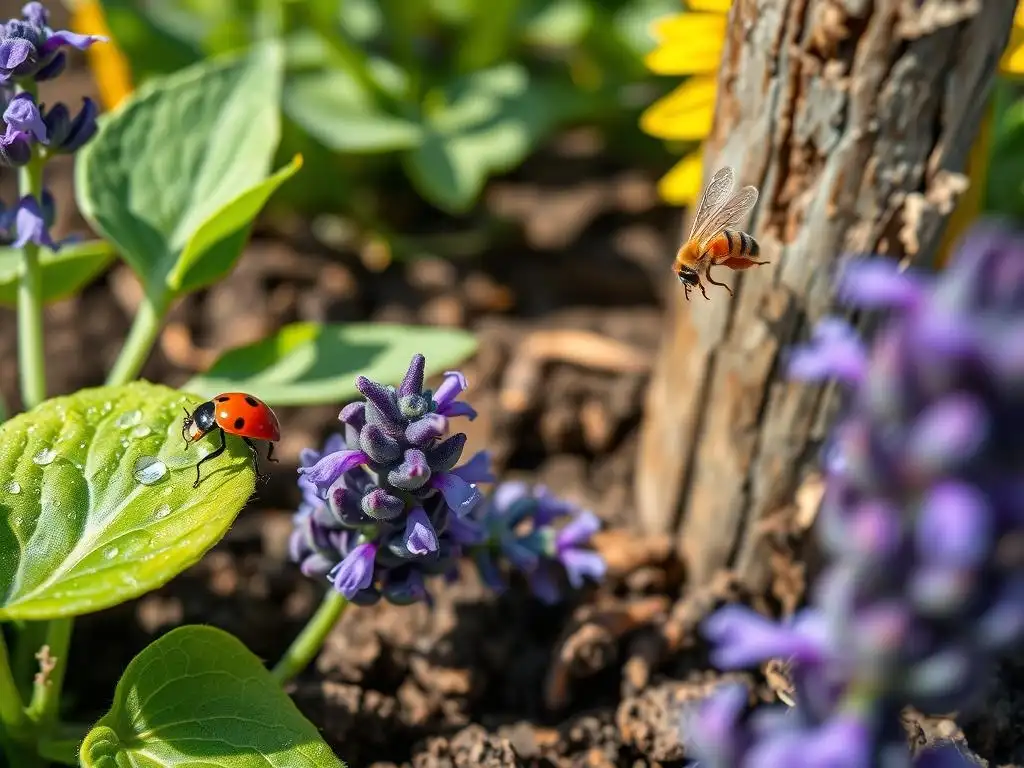
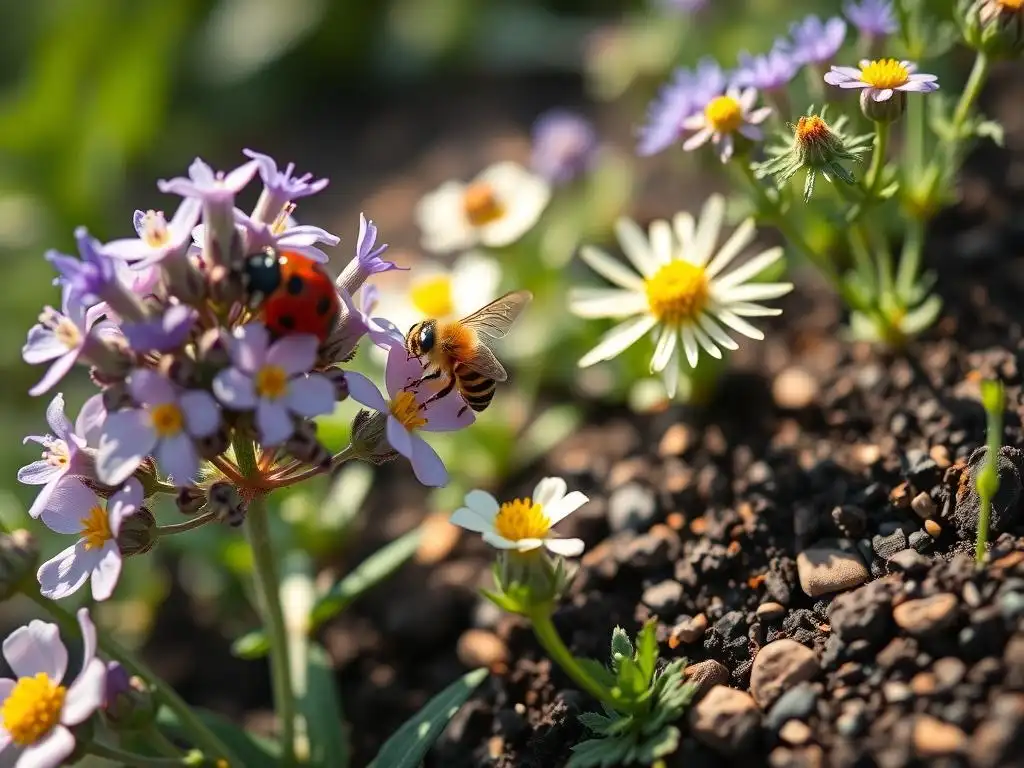
This section delves into the crucial aspects of creating a thriving habitat for beneficial insects in your organic garden. Attracting beneficial garden insects is key to a successful and sustainable harvest, reducing the need for harmful pesticides. By providing the right conditions, you'll encourage these natural allies to take up residence, helping to control pest populations and promote healthy plant growth. We'll explore the essential elements needed to transform your garden into an insect haven.
Providing Essential Resources: Food, Water, and Shelter
Beneficial insects, like any other living creature, require basic necessities to survive and thrive. Providing these resources is the cornerstone of attracting them to your garden. Let's break down each element:
- Food: Adult beneficial insects often feed on nectar and pollen from flowers. Providing a diverse range of flowering plants ensures a continuous food source throughout the growing season. Consider planting a variety of species that bloom at different times to maintain a constant supply. Some insects, particularly in their larval stages, are predatory and feed on other insects, so including plants that attract their prey is also beneficial. For example, ladybugs feast on aphids, so planting plants known to attract aphids (like roses) can indirectly attract ladybugs.
- Water: A readily available water source is crucial, especially during hot and dry periods. You can provide water in several ways: a shallow dish of water with pebbles for insects to land on, a dripping hose, or a mister. Avoid deep containers of water, as insects can drown. A simple solution is to place a few pebbles in a shallow dish filled with water; the pebbles provide landing spots for the insects to drink without drowning.
- Shelter: Providing shelter is equally important for overwintering and protection from predators. This can include leaving patches of leaf litter, creating brush piles, or using insect hotels (commercially available or DIY). These structures offer safe spaces for insects to lay eggs, pupate, and overwinter. Leaving some areas of your garden slightly unkempt can provide valuable shelter as well.
Planting Nectar-Rich Flowers to Support Beneficial Insects
Planting nectar-rich flowers is a fundamental strategy in attracting beneficial insects. These flowers provide the essential food source that fuels their activities, including predation of garden pests. The diversity of your flower selection is crucial; a monoculture of a single species won't attract a wide range of beneficial insects.
Consider incorporating these nectar-rich options into your garden design:
| Flower Type | Bloom Time | Attracts |
|---|---|---|
| Yarrow | Summer | Lacewings, hoverflies |
| Dill | Summer | Ladybugs, parasitic wasps |
| Coneflowers | Summer/Autumn | Bees, butterflies, hoverflies |
| Goldenrod | Late Summer/Autumn | Ladybugs, beneficial flies |
| Lavender | Summer | Bees, butterflies, hoverflies |
The key is to choose flowers with different bloom times to ensure a continuous supply of nectar and pollen throughout the growing season. This constant food source will keep beneficial insects in your garden longer, leading to better pest control. Rotating your planting schedule can also help extend the period of attraction.
Choosing Native Plants to Attract Local Insect Species
Focusing on native plants offers several advantages when attracting beneficial insects. Native plants have evolved alongside local insect populations, creating a symbiotic relationship that is highly effective. These plants provide the ideal food sources and habitats for insects that are already adapted to the local climate and conditions. Using native plants also supports local biodiversity and reduces the need for supplemental resources.
For example, if you are gardening in a region known for specific beneficial insects, such as certain species of lacewings or parasitic wasps, researching the native plants that attract them will be highly beneficial. This targeted approach ensures you are attracting insects that are particularly effective in controlling the pests prevalent in your area.
Consulting local gardening resources or contacting your local agricultural extension office can provide valuable information on native plants specific to your region and their associated beneficial insects. Remember, a healthy ecosystem is a resilient ecosystem, and supporting native plant life is a significant step towards achieving that.
Creating a Water Source for Insect Hydration
Providing a reliable water source is crucial for attracting beneficial insects to your garden. Dehydration is a significant threat to insects, especially during hot and dry periods. Simply leaving a bowl of water isn't enough; insects can easily drown in deep containers. Instead, create a shallow, accessible water source. A few effective methods include:
- Shallow Dishes with Pebbles: Place pebbles or small stones in a shallow dish filled with water. The pebbles provide landing platforms for insects to drink without risking submersion. This is a simple, inexpensive, and highly effective solution. Regularly replenish the water to prevent it from evaporating or becoming stagnant. Consider using a terracotta saucer, as these materials will help keep the water slightly cooler.
- DIY Insect Watering Station: You can create a more elaborate watering station using recycled materials. For example, a repurposed terracotta pot with a few holes drilled in the bottom, filled with pebbles and water, will create a mini-oasis. The water will slowly seep through the pebbles, keeping them consistently moist. This method is particularly beneficial as it minimizes the need for frequent refilling.
- Maintain Cleanliness: Regular cleaning is vital to prevent the breeding of mosquitoes or the spread of diseases. Empty and scrub the container at least once a week, replacing the pebbles with fresh, clean ones.
The type of water source you choose will depend on your garden's design and your personal preferences. However, remember that consistency is key. Providing a reliable, clean water source throughout the growing season will significantly increase the number of beneficial insects attracted to your garden, contributing to a healthier and more productive ecosystem. Regular observation will help you determine the best location and type of water source to best serve your insect visitors.
Building and Installing Insect Hotels and Shelters
Insect hotels provide shelter and nesting sites for many beneficial insects, attracting them to your garden and encouraging them to stay. These structures offer protection from predators and harsh weather conditions, leading to a thriving population of beneficial insects. Building an insect hotel is a rewarding project that can be tailored to your specific needs and garden aesthetics.
- Choosing the Right Materials: Natural materials are ideal for constructing insect hotels. Avoid treated lumber or materials that may contain harmful chemicals. Suitable materials include bamboo canes of varying diameters, untreated pine wood, straw, pine cones, hollow stems (like elderberry), and even rolled-up leaves.
- Design and Construction: A simple insect hotel can be built using a wooden frame and filled with the chosen materials. Ensure there are different sized compartments to cater to various insect species. For example, ladybugs prefer smaller, enclosed spaces, while solitary bees require longer, hollow tubes. Consider creating sections with different materials to attract a wider range of beneficial insects. Ensure that the hotel has good drainage to prevent rot and mold.
- Placement and Maintenance: Ideally, place your insect hotel in a sunny, sheltered location, but protected from strong winds and excessive rain. Mount it on a post or wall, at a height that is accessible to insects but also out of reach of potential predators like birds. Regularly inspect your insect hotel for signs of damage or infestation. Remove any dead insects or debris to maintain a clean and healthy environment. You may need to replace materials over time, especially those that decompose quickly.
Building and installing an insect hotel is a fantastic way to actively participate in attracting beneficial insects to your garden. By providing shelter and a safe haven, you are creating a sustainable ecosystem that promotes healthy plant growth and reduces the need for chemical pest control. The diversity of insects you attract will enhance your garden's biodiversity and contribute to a more vibrant and productive space.
Specific Beneficial Insects and Their Roles in Pest Control
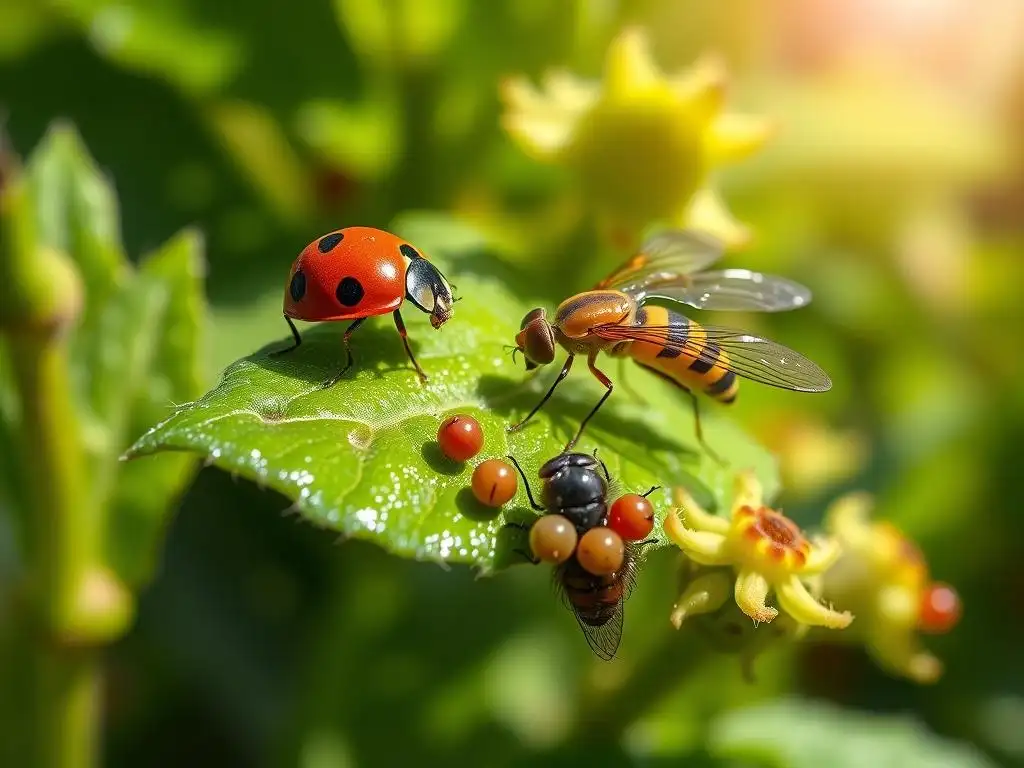
This section delves into the specifics of several beneficial insects commonly found in gardens, highlighting their unique roles in natural pest control. Attracting these beneficial garden insects is crucial for a thriving, sustainable ecosystem in your home garden. Understanding their individual strengths allows for targeted strategies to enhance their presence and maximize their impact on pest populations.
Ladybugs: Masters of Aphid Control
Ladybugs, also known as ladybirds, are arguably the most recognizable and beloved beneficial insects. Their voracious appetite for aphids makes them invaluable allies in any garden. A single ladybug can consume hundreds of aphids throughout its lifecycle. Adult ladybugs are particularly effective, consuming dozens of aphids daily. Their larvae are equally adept hunters, though they may be less visually appealing to some gardeners.
These tiny beetles don't just target aphids; they also feed on other soft-bodied insects like mites, mealybugs, and scale insects. To attract ladybugs, plant flowers that provide nectar and pollen, such as dill, fennel, yarrow, and cosmos. These flowering plants act as both food sources and shelter, encouraging ladybugs to establish themselves in your garden. Avoid using broad-spectrum insecticides, as these can harm ladybugs and disrupt the natural balance of your ecosystem.
Providing overwintering habitat, such as leaf litter or brush piles, can also help maintain ladybug populations throughout the year. Remember, a healthy ladybug population is a key component of successful aphid control. Their presence signifies a balanced and thriving garden ecosystem.
Lacewings: Effective Predators of Soft-bodied Insects
Lacewings, with their delicate wings and large, golden eyes, are another crucial component of a healthy garden ecosystem. Both the adult and larval stages of lacewings are effective predators, targeting a wide range of soft-bodied insects. Adult lacewings primarily feed on nectar and pollen, while their larvae, often called aphid lions, are voracious predators, feeding on aphids, mealybugs, whiteflies, and other small insects.
Lacewing larvae are particularly effective because they actively hunt their prey, unlike some other beneficial insects that may only feed on insects they encounter passively. To attract lacewings, plant flowers that provide nectar and pollen, similar to those that attract ladybugs. Additionally, consider leaving some areas of your garden slightly unkempt, providing sheltered areas for lacewings to lay their eggs.
Maintaining a diverse range of plants is key to supporting a healthy lacewing population. Their presence indicates a well-balanced, thriving garden ecosystem, largely free of significant pest infestations. This is a clear indication of successful "attract beneficial garden insects" strategies.
Praying Mantises: Fearsome Hunters of Many Garden Pests
Praying mantises are instantly recognizable by their distinctive posture and predatory nature. These fearsome hunters are highly effective against a wide range of garden pests. Their powerful forelegs, perfectly designed for grasping prey, allow them to capture and consume a variety of insects, including aphids, caterpillars, grasshoppers, crickets, and even other mantises. They are ambush predators, patiently waiting for unsuspecting insects to come within striking distance.
Adult praying mantises can consume a significant number of pests daily, contributing substantially to pest control. Unlike some beneficial insects, they require less specific plant choices to thrive. However, providing shelter, such as tall grasses or shrubs, can encourage them to remain in your garden. Avoid disturbing their egg cases, which often appear as tan, foamy masses attached to stems or branches.
These egg cases can contain hundreds of mantis nymphs, which will emerge in the spring, adding significantly to your garden's natural pest control army. The presence of praying mantises is a strong indicator of a healthy and balanced garden ecosystem, a testament to your success in attracting beneficial garden insects. Their effectiveness highlights the power of natural pest control methods.
Hoverflies: Aphid Control and Pollination Powerhouses
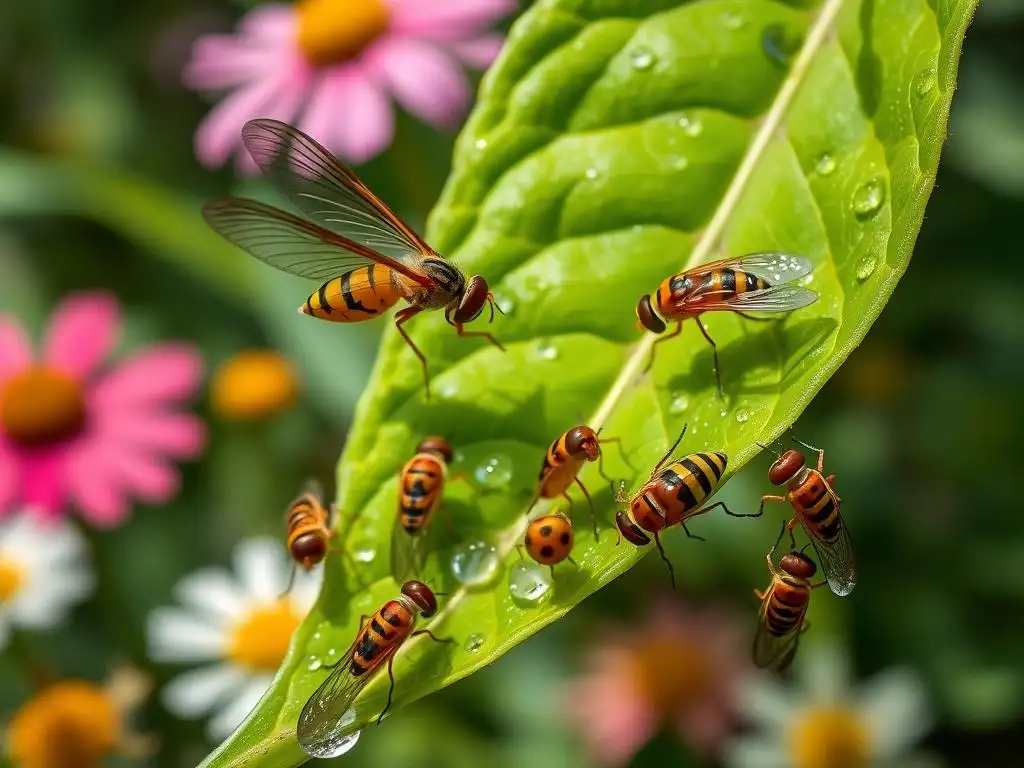
Hoverflies, often mistaken for bees or wasps due to their similar coloring, are invaluable allies in the organic garden. Their larvae are voracious aphid predators, significantly reducing aphid populations and minimizing the need for chemical interventions. A single hoverfly larva can consume hundreds of aphids during its development, making them a highly effective biological control agent. This drastically reduces the risk of aphid infestations damaging your plants and impacting your harvest.
The adult hoverflies, meanwhile, are important pollinators, flitting from flower to flower and contributing to the overall health and productivity of your garden ecosystem. Attracting hoverflies is relatively straightforward; providing a diverse range of flowering plants, especially those with umbel-shaped flowers like dill, fennel, and yarrow, will entice them to your garden. Avoid using broad-spectrum insecticides, as these will harm hoverflies as well as the pests you're trying to control.
Remember, a healthy hoverfly population is a key component of a thriving, organically managed garden. Their presence indicates a balanced ecosystem, and their work keeps your plants healthy and productive. Consider planting flowering herbs like thyme and oregano, not only for culinary use but also to enhance hoverfly attraction.
Ground Beetles: Nighttime Guardians of Your Garden Soil
While less visually striking than hoverflies, ground beetles play a crucial role in maintaining soil health and controlling pests. These nocturnal predators are highly effective at controlling slugs, snails, caterpillars, and other soil-dwelling pests. Their presence helps to prevent these pests from damaging the roots and stems of your plants. Unlike many other beneficial insects, ground beetles are less reliant on flowering plants for food.
Instead, they prefer a habitat with plenty of cover, such as leaf litter, mulch, and undisturbed areas of soil. Creating a welcoming environment for ground beetles involves minimizing soil disturbance, leaving leaf litter in place (where appropriate), and avoiding the use of harsh chemicals that can disrupt their populations. Maintaining a healthy soil structure is also key; ground beetles thrive in well-drained, fertile soil. Their hunting prowess helps to maintain a balanced ecosystem by preventing pest populations from exploding.
Consider planting ground cover plants to provide additional shelter and humidity, which ground beetles prefer. The consistent presence of ground beetles indicates a healthy soil ecosystem, essential for the long-term success of your organic garden. Their quiet, nighttime work significantly contributes to a robust and productive garden.
Natural Pest Control Strategies: Integrating Beneficial Insects
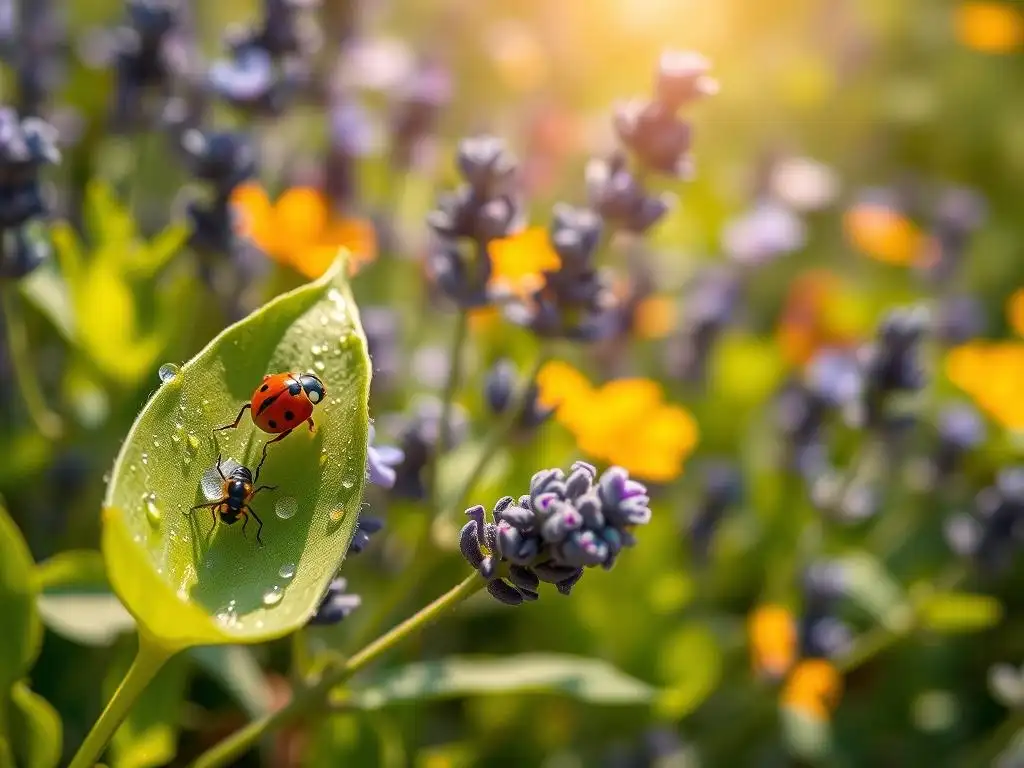
This section delves into the powerful synergy between beneficial insects and effective pest management in your organic garden. By understanding and implementing integrated pest management (IPM) strategies, you can significantly reduce reliance on harmful chemical pesticides, fostering a thriving and balanced ecosystem within your growing space. Attracting beneficial garden insects is a cornerstone of this approach, offering a sustainable and environmentally friendly solution to pest control.
The core principle lies in creating a garden habitat that supports a diverse range of beneficial insects while discouraging pest populations. This involves a multifaceted approach, encompassing habitat creation, careful plant selection, and mindful monitoring.
Implementing Integrated Pest Management (IPM) Techniques
Integrated Pest Management (IPM) is a holistic approach that prioritizes prevention and monitoring over immediate eradication. Instead of reacting to pest infestations with broad-spectrum pesticides, IPM focuses on understanding the specific pests affecting your garden and employing targeted control methods. This strategy minimizes environmental impact and protects beneficial insects. Key components of IPM include:
- Regular Monitoring: Regularly inspect your plants for signs of pests and beneficial insects. This allows early detection and intervention, preventing minor problems from escalating into major infestations. A simple record-keeping system can be invaluable in tracking pest and beneficial insect populations over time.
- Cultural Controls: These methods focus on modifying the garden environment to make it less hospitable to pests. Examples include proper plant spacing to improve air circulation, rotating crops annually to disrupt pest life cycles, and selecting pest-resistant plant varieties.
- Biological Controls: This involves introducing natural enemies of pests, such as predatory insects or nematodes. Attracting beneficial insects naturally supports this method, as they act as living, self-sustaining pest control agents.
- Mechanical Controls: Simple physical methods, like handpicking pests or using traps, can effectively manage low-level infestations without harming beneficial insects or the environment.
Implementing IPM requires patience and observation. It's a long-term strategy focused on maintaining a balanced ecosystem rather than achieving immediate eradication. The payoff, however, is a healthy, productive garden with minimal reliance on harmful chemicals. The success of IPM hinges on attracting beneficial garden insects, which act as the frontline defense against many common garden pests.
Monitoring Your Garden for Pests and Beneficial Insects
Effective monitoring is crucial for successful IPM. Regularly inspecting your plants allows you to identify pest problems early, before they cause significant damage. Simultaneously, monitoring helps you assess the presence and activity of beneficial insects, providing valuable insight into the overall health of your garden ecosystem.
Here's a practical monitoring schedule:
| Day of the Week | Time of Day | Focus | Notes |
|---|---|---|---|
| Monday | Morning | Inspect leafy vegetables for aphids and other soft-bodied insects. | Use a magnifying glass for detailed observation. |
| Wednesday | Afternoon | Check fruit trees for signs of insect damage and beneficial predators like ladybugs. | Note the presence of any eggs or larvae. |
| Friday | Evening | Inspect the soil surface for beneficial nematodes and earthworms. | Observe soil moisture levels. |
Remember to keep detailed records of your observations. Note the types and numbers of pests and beneficial insects you find, the location on the plants, and any other relevant information. This data will help you track pest populations, evaluate the effectiveness of your IPM strategies, and make informed decisions about future interventions. Regular monitoring allows for timely adjustments to your pest management approach, maximizing its efficiency and minimizing the need for more aggressive interventions. This proactive approach is key to attracting beneficial garden insects and maintaining a healthy, productive garden.
Avoiding Harmful Pesticides: Protecting Beneficial Insects
The use of broad-spectrum pesticides indiscriminately kills both pests and beneficial insects, disrupting the delicate balance of your garden ecosystem. This can lead to a resurgence of pest populations as natural predators are eliminated. Therefore, avoiding harmful pesticides is paramount to attracting beneficial garden insects and maintaining a healthy, sustainable garden.
Consider these alternatives to chemical pesticides:
- Neem Oil: A natural insecticide derived from the neem tree, effective against various soft-bodied insects.
- Insecticidal Soap: A gentle but effective solution for many common garden pests.
- Diatomaceous Earth: A naturally occurring substance that acts as a physical barrier against insects.
Remember, even these natural alternatives can have unintended consequences if not used carefully. Always follow product instructions and consider the potential impact on beneficial insects before applying any pest control method. Prioritizing prevention and attracting beneficial garden insects through habitat creation and integrated pest management strategies is the most sustainable and effective long-term solution for a healthy and thriving garden. This approach minimizes the need for any pesticide application, ensuring a safe and productive environment for both plants and beneficial insects alike.
Organic Pest Control Methods: Supplementing Beneficial Insects
Beneficial insects are a cornerstone of effective organic pest control, but they shouldn't be your sole line of defense. A truly robust strategy integrates beneficial insects with other organic methods to create a synergistic effect, maximizing pest suppression and minimizing crop damage. Think of beneficial insects as a crucial part of a larger ecosystem, not the entire solution. Relying solely on them can leave your garden vulnerable, particularly during periods of high pest pressure or unfavorable weather conditions.
One crucial supplementary method is consistent monitoring. Regularly inspecting your plants for signs of pest infestations allows for early intervention. Early detection means you can address problems before they escalate, reducing the overall burden on your beneficial insect allies and preventing significant crop losses. This involves carefully examining leaves, stems, and fruits for any signs of damage, like holes, discoloration, or the presence of pests themselves.
Another important technique is crop rotation. Rotating your crops annually disrupts the life cycles of many common garden pests, reducing their populations and making it easier for beneficial insects to maintain control. This simple practice can significantly decrease the need for more intensive pest management strategies. For instance, rotating between brassicas (like broccoli and cabbage), legumes (like beans and peas), and root vegetables (like carrots and beets) can help control specific pests that thrive on particular plant families.
Furthermore, maintaining proper plant spacing and hygiene is paramount. Overcrowded plants create humid microclimates that are ideal breeding grounds for pests. Adequate spacing improves air circulation, reducing humidity and making the environment less hospitable to pests. Regularly removing weeds and fallen leaves also removes potential hiding places for pests and reduces the overall pest pressure in your garden. This makes it easier for beneficial insects to locate and prey upon the remaining pests.
Finally, consider using organic pest deterrents. These can supplement the work of beneficial insects by directly repelling pests or making your plants less attractive to them. Examples include neem oil, insecticidal soap, and diatomaceous earth. Remember to always use these products according to label instructions and consider their potential impact on beneficial insects before application. Strategic use can bolster your beneficial insect population's effectiveness. The key is to integrate these methods thoughtfully, not to replace the beneficial insects entirely. A well-rounded approach will lead to a healthier, more resilient garden.
Maintaining a Healthy Ecosystem for Long-Term Success
Attracting beneficial garden insects is a cornerstone of successful organic gardening, but it's not a one-time effort. Maintaining a thriving ecosystem requires consistent attention and proactive management. Think of your garden as a complex web of life, where the presence of beneficial insects is intricately linked to the overall health and balance of the environment. Simply attracting them isn't enough; you need to sustain their presence. This requires a holistic approach that goes beyond simply planting attractive flowers.
Consistent Monitoring and Adjustment of Your Approach
Regular monitoring is crucial for understanding the dynamics of your garden's ecosystem and adapting your strategies accordingly. This involves visually inspecting plants for signs of pest infestations and noting the presence and abundance of beneficial insects. A consistent observation schedule, perhaps weekly or bi-weekly, depending on the season and your specific garden needs, allows for early detection of imbalances.
For example, if you notice a sudden surge in aphids, you may need to adjust your approach. Perhaps your population of ladybugs, a natural aphid predator, has dwindled. This could be due to several factors, including a lack of alternative food sources (pollen from specific flowering plants) or the use of pesticides (even organic ones, if not used judiciously). By carefully observing your garden, you can identify these imbalances and take corrective action.
This might involve introducing more beneficial insect habitats or adjusting your planting strategy to provide more diverse food sources. Keeping a detailed garden journal, documenting observations and interventions, will prove invaluable in tracking long-term trends and refining your approach. Remember, even the most experienced organic gardeners constantly adapt their practices based on observation and feedback from their garden ecosystem. It's a learning process that evolves over time.
The Long-Term Benefits of a Balanced Garden Ecosystem
A balanced garden ecosystem, rich in beneficial insects, offers numerous long-term advantages that extend far beyond simply pest control. These benefits contribute to a healthier, more resilient, and ultimately more productive garden. By attracting and supporting beneficial insects, you're fostering a natural system of pest regulation, reducing or eliminating the need for chemical interventions.
This leads to healthier plants, free from pesticide residue, resulting in tastier and more nutritious fruits, vegetables, and herbs. Furthermore, a healthy ecosystem enhances soil health through improved nutrient cycling and decomposition processes. Beneficial insects contribute to pollination, ensuring higher yields and greater genetic diversity in your plants.
This creates a self-sustaining cycle where the presence of beneficial insects positively impacts every aspect of your garden's health and productivity. The long-term payoff is a garden that requires less effort and intervention, while producing abundant, high-quality harvests. Think of it as an investment in the long-term health and vitality of your garden.
Further Resources for Attracting Beneficial Insects
While attracting beneficial insects is largely about creating the right habitat within your garden, additional resources can provide valuable insights and further enhance your efforts. Consider researching specific beneficial insects native to your region and the plants that attract them. Many local agricultural extension offices and gardening organizations offer workshops, seminars, and publications dedicated to sustainable gardening practices and beneficial insect identification. These resources often provide detailed information on creating habitats, managing pests naturally, and understanding the complex interactions within your garden ecosystem.
Remember that attracting beneficial garden insects is a journey, not a destination. Continuous learning and refinement of your techniques are key to achieving long-term success in building a thriving, balanced garden ecosystem. The more you learn, the more effective your strategies will become, leading to a healthier and more productive garden.
Frequently Asked Questions
What are beneficial insects, and why are they important for my garden?
Beneficial insects are predators and pollinators that help control pests and improve plant health. They are a crucial part of a healthy, thriving ecosystem in your garden, reducing the need for harmful pesticides. Natural pest control is key to organic gardening.
How can I attract beneficial insects to my garden?
Attract beneficial insects by planting diverse flowering plants, providing water sources, and avoiding the use of harmful pesticides. Creating a habitat that meets their needs is crucial. Consider planting herbs like dill and fennel.
What are some examples of beneficial insects?
Some common examples include ladybugs (aphid predators), lacewings (aphid and other pest predators), and hoverflies (pollinators and aphid predators). Bees are also essential pollinators. These insects are natural allies in your garden.
What plants are particularly good at attracting beneficial insects?
Many herbs like dill, fennel, and cilantro are excellent choices, along with flowers like yarrow, coneflowers, and sunflowers. These plants provide food and shelter for a wide range of beneficial insects. Choose plants that bloom at different times to ensure a continuous food supply.
What should I avoid doing if I want to attract beneficial insects?
Avoid using synthetic pesticides and herbicides, as these will harm beneficial insects along with pests. Also, avoid using broad-spectrum insecticides which can wipe out the very insects you are trying to attract. Sustainable practices are key to attracting these valuable helpers.
Final Reflection: Cultivating a Thriving Ecosystem in Your Garden
The symbiotic relationship between beneficial insects and organic gardening practices is not merely a niche interest; it's a crucial cornerstone of a sustainable and productive future. Ignoring this natural partnership means missing out on a powerful, environmentally friendly way to manage pests and boost yields, impacting both our food security and the health of our planet. The simple act of attracting beneficial insects is a powerful step towards a healthier world.
The shift towards organic gardening and the growing awareness of the vital role beneficial insects play in this system is profoundly encouraging. It represents a return to nature's wisdom, a recognition that we are part of a larger ecosystem, not separate from it. We do not inherit the earth from our ancestors; we borrow it from our children.
This quote underscores the responsibility we have to cultivate healthy environments, and attracting beneficial insects is a tangible way to fulfill that responsibility. It's more than just pest control; it's about creating a vibrant, interconnected garden that thrives on natural balance.
Now, consider your own garden, balcony, or even a single potted plant. What steps can you take today to attract these invaluable allies? Perhaps it's planting a diverse range of flowering plants, providing water sources, or simply reducing your reliance on harmful pesticides. Embrace the power of nature's own pest control system; create a haven for beneficial insects, and watch your garden flourish in a way that is both beautiful and sustainable. The future of our gardens, and indeed our planet, depends on it.
Unleash Your Garden's Natural Allies!
Thanks for exploring the world of beneficial insects and their vital role in organic gardening! You've discovered a powerful secret to a thriving, pesticide-free garden. Now, let's put that knowledge into practice.
Here's how you can make a real difference:
- Create a haven for beneficial insects: Plant a diverse array of flowering plants to attract these helpful creatures. Vibrant blooms providing nectar and pollen will offer a feast, supporting a thriving insect population.
- Reduce or eliminate harmful pesticides: Protecting beneficial insects is crucial for a healthy garden ecosystem. Their presence will naturally control pests, minimizing the need for chemical interventions.
- Share your knowledge: Spread the word about the benefits of beneficial insects! Let's build a community of gardeners working together for a healthier planet.
What's the first plant you'll add to attract beneficial insects? Let's discuss in the comments!