
Potting Mix for AcidLoving Plants: Choosing the Right Blend for Container Gardens

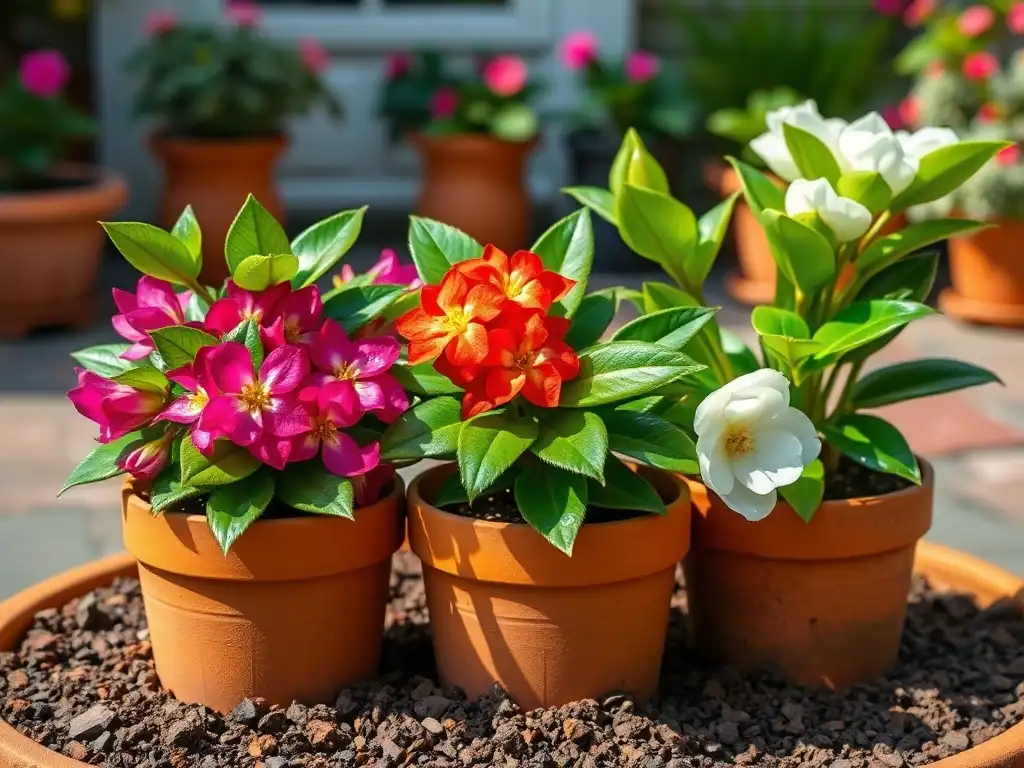
Welcome to CultivateYourFood, your guide to growing a thriving garden, naturally! Are you ready to unlock the secrets to bountiful harvests? We'll help you cultivate your own fruits, vegetables, and herbs using sustainable practices. This journey starts with understanding the essentials, and that's why we're diving right into the crucial topic of choosing the best potting mix for acid-loving plants. Discover the perfect blend for vibrant container gardens and get ready to transform your home into a flourishing oasis!
- Understanding the Needs of Acid-Loving Plants
- Choosing the Best Potting Mix for Acid-Loving Plants
- Creating a Custom Acidic Potting Mix
- Maintaining the Ideal pH Level in Your Containers
- Troubleshooting Common Issues with Acidic Potting Mixes
- Container Gardening Tips for Acid-Loving Plants
-
Frequently Asked Questions
- What is the best potting mix for acid-loving plants?
- How can I adjust the pH of my potting mix if it's too alkaline?
- What are some examples of acid-loving plants that I can grow in containers?
- How often should I repot my acid-loving plants?
- Can I use garden soil for acid-loving plants in containers?
- Final Reflection: Cultivating Success: The Art and Science of Acidic Soil
- Unleash Your Inner Gardener: Craft the Perfect Acid-Loving Haven
Understanding the Needs of Acid-Loving Plants
Cultivating a thriving container garden brimming with vibrant acid-loving plants requires a deep understanding of their specific needs. Unlike their counterparts that flourish in neutral or alkaline soils, these plants have evolved to thrive in environments with a significantly lower pH. This article will guide you through selecting the best potting mix for acid-loving plants, ensuring your container garden thrives. We'll explore the crucial role of pH levels, essential nutrients, and delve into some popular acid-loving plant species suitable for container cultivation.
Choosing the right potting mix is paramount for success, as the wrong blend can lead to nutrient deficiencies, stunted growth, and ultimately, the demise of your precious plants. This guide will empower you to create the perfect environment for these beautiful and often delicate specimens, allowing you to enjoy their vibrant colors and delicious fruits (or blooms!) in your own backyard.
pH Levels and Their Impact on Nutrient Uptake
The pH level of your potting mix directly impacts the availability of essential nutrients to your acid-loving plants. A soil pH scale ranges from 0 to 14, with 7 being neutral. Acid-loving plants, also known as acidophiles, prefer a pH range generally between 4.5 and 6.5. Below this range, toxicity from aluminum and manganese can occur; above this range, essential nutrients like iron, manganese, and phosphorus become less available, leading to chlorosis (yellowing of leaves) and stunted growth. Maintaining the correct pH is crucial.
Using a soil pH testing kit regularly is vital for monitoring and adjusting the acidity of your potting mix as needed. Regular monitoring allows for proactive adjustments, preventing nutrient deficiencies before they significantly impact plant health. Remember, consistent monitoring is key to success! 📈
Essential Nutrients for Acidic Soil Conditions
Acid-loving plants have specific nutrient requirements. While all plants need nitrogen (N), phosphorus (P), and potassium (K) (often represented as NPK on fertilizer labels), the availability of these, and other micronutrients, is heavily influenced by pH. For example, iron (Fe) is crucial for chlorophyll production, and its uptake is significantly reduced in alkaline conditions.
Similarly, manganese (Mn) plays a vital role in photosynthesis and enzyme activation, while its bioavailability is also affected by higher pH levels. Therefore, choosing a potting mix specifically formulated for acid-loving plants is crucial. These specialized mixes often contain amendments like peat moss, composted pine bark, and other organic materials that help buffer the pH and provide a slow-release source of these essential micronutrients.
Furthermore, you might consider supplementing with an acid-loving plant fertilizer formulated to provide the correct balance of nutrients at the appropriate pH. This ensures your plants have everything they need to thrive. 🌱
Common Acid-Loving Plants for Container Gardens
Many beautiful and rewarding plants thrive in acidic conditions and are perfectly suited for container gardening. Here are a few examples:
| Plant Name | Common Name | Ideal pH Range | Sun Exposure |
|---|---|---|---|
| Camellia japonica | Japanese Camellia | 4.5 - 6.0 | Shade to Part Sun |
| Hydrangea macrophylla | Bigleaf Hydrangea | 5.0 - 6.5 | Part Sun to Shade |
| Rhododendron spp. | Rhododendron/Azalea | 4.5 - 6.0 | Shade to Part Sun |
| Azalea spp. | Azalea | 4.5 - 6.0 | Shade to Part Sun |
| Blueberry spp. | Blueberry | 4.5 - 5.5 | Full Sun |
These are just a few examples; many other plants, including some herbs and vegetables, also benefit from slightly acidic conditions. Remember to research the specific needs of the plants you choose to ensure their optimal growth and health within your container garden. Careful selection and proper soil preparation will reward you with a beautiful and productive container garden bursting with life! ✨
Choosing the Best Potting Mix for Acid-Loving Plants
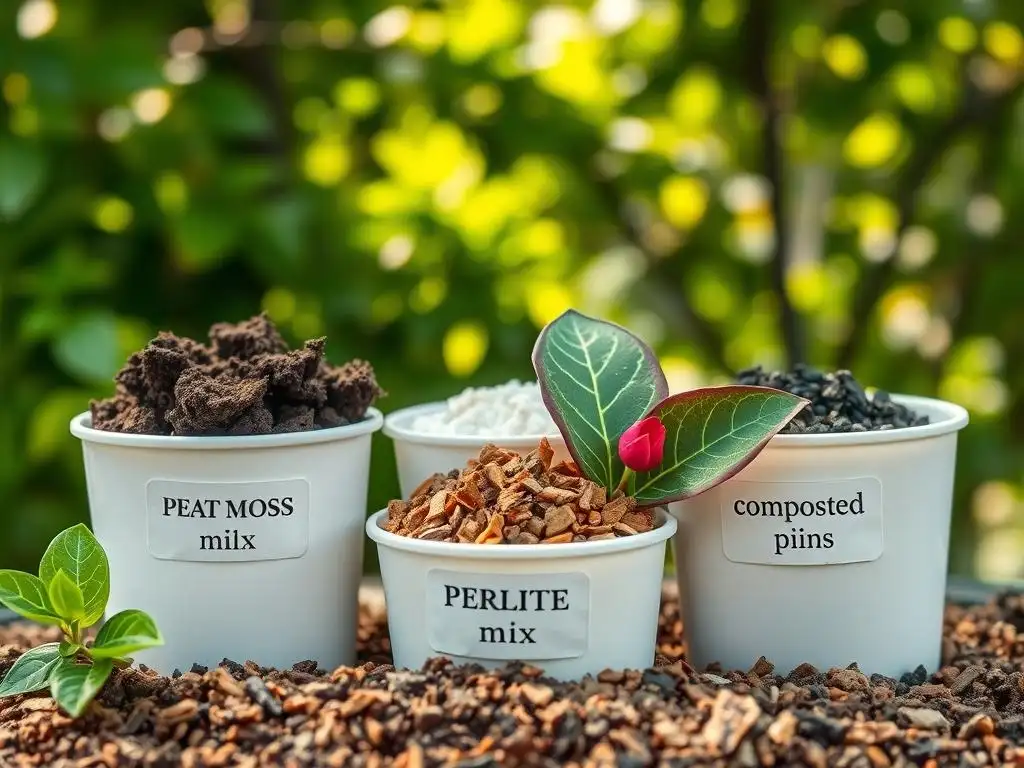
This section delves into the specifics of selecting the optimal potting mix for plants that thrive in acidic conditions. Many gardeners struggle to replicate the naturally acidic soil these plants require in a container setting. Choosing the right potting mix is crucial for the health and vigor of your acid-loving plants, ensuring vibrant blooms and abundant harvests. Understanding the components and pH levels is key to achieving success. We'll explore how to identify the best potting mix for acid-loving plants, focusing on commercial mixes and DIY options.
Analyzing Commercial Potting Mixes for Acidity
Before diving into DIY mixes, let's examine commercially available options. Not all potting mixes are created equal, and many are designed for neutral to slightly alkaline pH conditions. To find the best potting mix for acid-loving plants, carefully check the packaging. Look for labels explicitly stating that the mix is suitable for acid-loving plants, such as azaleas, rhododendrons, blueberries, or camellias. Some brands even specify the pH range of their mixes. Ideally, you should aim for a pH between 4.5 and 6.5, though the optimal range varies slightly depending on the specific plant.
However, relying solely on the label isn't always foolproof. The actual pH can fluctuate due to variations in manufacturing and the age of the product. Therefore, it's highly recommended to test the pH of the potting mix yourself using a reliable pH meter or testing kit before planting. This simple step ensures you're providing your plants with the appropriate growing environment. Consistent monitoring is also advisable, especially if you notice signs of nutrient deficiencies or poor growth.
Key Ingredients for Acidic Potting Mixes: Peat Moss, Coco Coir, and Pine Bark
Creating your own acidic potting mix offers greater control over the pH and composition. Three key ingredients are essential for achieving the desired acidity: peat moss, coco coir, and pine bark.
- Peat Moss: This naturally acidic material is a staple in many potting mixes. It provides excellent aeration and water retention, crucial for the healthy root development of acid-loving plants. However, it's important to consider the environmental impact of peat harvesting. Sustainable alternatives are discussed below.
- Coco Coir: Derived from coconut husks, coco coir is a fantastic sustainable alternative to peat moss. It offers similar water retention and aeration properties while being a renewable resource. It's also generally slightly acidic, contributing to the overall pH balance of the mix.
- Pine Bark: This component adds excellent drainage and improves the overall structure of the potting mix, preventing compaction and ensuring good airflow to the roots. The type of pine bark matters; finely shredded bark is generally preferred for container gardening. Different types of pine bark can influence pH slightly, so research your source to get the best results.
| Ingredient | pH Range | Benefits | Considerations |
|---|---|---|---|
| Peat Moss | 3.0 - 4.5 | Excellent water retention, aeration | Environmental concerns, can be expensive |
| Coco Coir | 5.0 - 6.5 | Sustainable alternative, good aeration, retention | May require pre-soaking |
| Pine Bark (finely shredded) | Slightly Acidic | Improves drainage, aeration, structure | Can break down over time, needs replacing eventually |
The ideal ratio of these ingredients will depend on your specific needs and the type of acid-loving plants you’re growing. Experimentation and pH testing are crucial for achieving the perfect blend. For example, a mix heavy in peat moss will be more acidic than one with a higher proportion of coco coir.
Adjusting pH Levels in Existing Potting Mixes
Even with carefully chosen ingredients, the pH of your potting mix may need adjustments. If your pH testing reveals a level outside the ideal range, you can modify it using readily available materials.
To lower the pH (make it more acidic): Add elemental sulfur. This is a slow-acting amendment, so it's crucial to test the pH regularly after application. Start with small amounts and retest frequently to avoid over-acidifying the mix. Alternatively, aluminum sulfate is another option that lowers pH more rapidly, though it needs careful application.
To raise the pH (make it less acidic): Incorporate lime (calcium carbonate). Lime gradually raises the pH, so again, regular testing is essential to prevent over-correction.
Remember that adjusting the pH is an iterative process. It may require several adjustments and careful monitoring over time to achieve and maintain the optimal pH for your acid-loving plants. The key to success is consistent monitoring and careful adjustments based on regular pH testing. This ensures your plants receive the ideal environment for optimal growth and abundant yields. 🌱
Creating a Custom Acidic Potting Mix
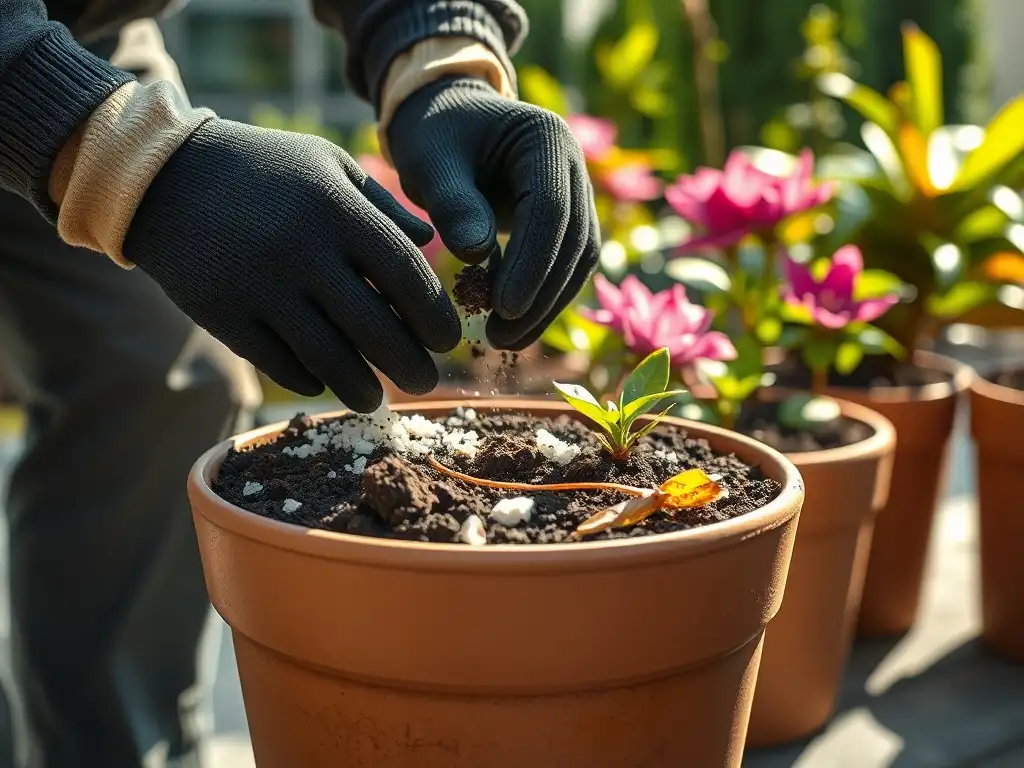
Many acid-loving plants thrive in a slightly acidic environment, with a pH ranging from 5.0 to 6.5. Standard potting mixes are often too alkaline, hindering nutrient uptake and potentially leading to chlorosis (yellowing of leaves) and stunted growth. Creating your own acidic potting mix gives you precise control over the pH and ensures your plants receive the optimal growing conditions.
This empowers you to cultivate healthier, more vibrant acid-loving plants in your container garden, maximizing your harvest and enjoying beautiful blooms. This section provides several recipes to suit different needs and plant types, ensuring you find the best potting mix for acid-loving plants in your specific situation. Remember, always test your soil pH regularly to ensure it remains within the ideal range for your plants.
Recipe 1: A Basic Acidic Potting Mix for Container Gardens
This simple recipe is perfect for a wide variety of acid-loving plants and provides a solid foundation for healthy growth. It focuses on achieving the correct pH balance while ensuring good drainage and aeration.
The key to this mix is the inclusion of peat moss, which naturally lowers the pH. However, the exact proportions might need slight adjustments based on your local water's pH and the specific peat moss used. Always test the final mix's pH before planting.
- Ingredients:
- 2 parts peat moss (sphagnum peat moss is ideal)
- 1 part perlite or vermiculite (for drainage and aeration)
- 1 part composted pine bark (adds organic matter and further acidifies the mix)
- Instructions:
- Thoroughly mix all ingredients in a large container.
- Moisten the mix gently, ensuring it's evenly damp but not soggy.
- Test the pH using a soil testing kit. Adjust accordingly by adding more peat moss to lower the pH or a small amount of lime to raise it. Aim for a pH between 5.5 and 6.0.
Recipe 2: Enriched Acidic Potting Mix for Blooming Plants
Blooming acid-loving plants, such as azaleas and rhododendrons, have higher nutrient requirements. This enriched recipe provides extra nutrients to support abundant flowering. The addition of composted manure provides a slow-release source of essential nutrients, promoting vigorous growth and vibrant blooms. However, ensure the manure is fully composted to avoid burning the plant's roots.
- Ingredients:
- 2 parts peat moss
- 1 part perlite
- 1 part composted pine bark
- ½ part well-rotted composted manure (avoid using fresh manure)
- A handful of slow-release fertilizer specifically formulated for acid-loving plants (optional)
- Instructions:
- Combine all ingredients thoroughly.
- Moisten the mix evenly.
- Test the pH and adjust as needed. The target pH for blooming plants is usually slightly lower, around 5.0 to 5.5.
Recipe 3: Potting Mix for Specific Acid-Loving Plants (e.g., Azaleas, Rhododendrons)
Some acid-loving plants have very specific needs. For example, azaleas and rhododendrons often benefit from a mix that is particularly well-draining to prevent root rot. This recipe provides excellent drainage while maintaining the necessary acidity. The addition of coarse sand improves drainage further, preventing waterlogging, a common problem for these plants. Remember consistent watering is key, but allowing the soil to dry slightly between waterings is also essential.
- Ingredients:
- 2 parts peat moss
- 1 part perlite
- 1 part composted pine bark
- ½ part coarse sand (sharp sand is ideal)
- Instructions:
- Combine the ingredients thoroughly.
- Moisten gently and test the pH, aiming for a range of 5.0-5.5.
- Adjust as necessary. For particularly sensitive plants, consider using a pH-up or pH-down solution for finer adjustments. Always follow the product instructions carefully.
Remember to always use high-quality ingredients and test your soil pH regularly to ensure your acid-loving plants continue to thrive! This careful attention to detail will help you achieve the best results in your container garden, providing a rewarding experience and a bountiful harvest. 🌱
Maintaining the Ideal pH Level in Your Containers
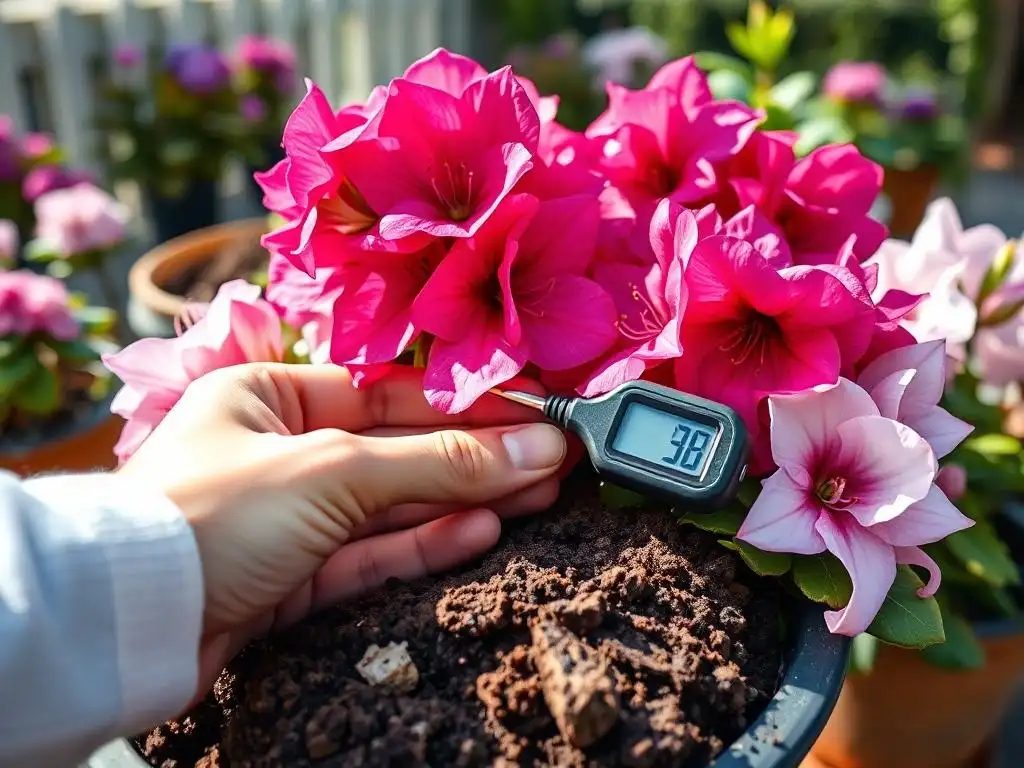
Maintaining the correct pH level is crucial for the health and vitality of acid-loving plants grown in containers. These plants, including blueberries, azaleas, rhododendrons, and camellias, thrive in a slightly acidic environment, typically between 4.5 and 6.5 pH. Unlike in-ground planting where soil pH can be more easily adjusted over larger areas, container gardening requires more precise and frequent monitoring and adjustments.
The limited volume of potting mix in a container means pH fluctuations can quickly impact plant health. Neglecting pH management can lead to nutrient deficiencies, stunted growth, and ultimately, plant death. Therefore, understanding how to maintain the ideal pH range in your containers is paramount for successful cultivation of acid-loving plants.
Regular pH Testing and Monitoring
Regular pH testing is the cornerstone of successful acid-loving plant container gardening. You should aim to test the pH of your potting mix at least every three months, and more frequently (e.g., monthly) during periods of active growth (spring and summer). Several methods exist for pH testing, including inexpensive home testing kits available at most garden centers. These kits typically involve adding a small sample of potting mix to a solution and observing the color change, which is then compared to a color chart to determine the pH level.
More precise digital pH meters offer a quicker and more accurate reading, though they come with a higher initial cost. Regardless of the method chosen, consistency in testing is key to detecting subtle shifts in pH before they negatively impact your plants. Remember to always test a representative sample of the potting mix from multiple points within the container to ensure accuracy.
Keep detailed records of your pH test results to track trends and identify any potential problems. This proactive approach enables you to intervene early and prevent significant pH imbalances. Consistent monitoring allows for timely adjustments and promotes optimal plant health.
Addressing pH Imbalances: Lime vs. Sulfur Applications
If your pH testing reveals an imbalance, you'll need to adjust the pH accordingly. For potting mixes that are too alkaline (pH above 6.5), you need to lower the pH, making the mix more acidic. Elemental sulfur is commonly used for this purpose. Sulfur slowly oxidizes in the soil, releasing hydrogen ions that lower the pH. The rate of pH reduction depends on several factors, including the amount of sulfur applied, the type of sulfur used (e.g., granular or powdered), and the moisture content of the potting mix.
Always follow the instructions on the sulfur product packaging carefully. Conversely, if your potting mix is too acidic (pH below 4.5), you need to raise the pH, making the mix less acidic. This is achieved by applying lime, which contains calcium carbonate. Lime neutralizes the acidity by reacting with the hydrogen ions in the soil. Different types of lime exist (e.g., dolomitic lime, which also provides magnesium), and the appropriate type and amount will depend on your specific needs.
Again, carefully follow product instructions. Remember that significant pH adjustments should be made gradually to avoid shocking the plants' root systems. Small, incremental adjustments over time are safer and more effective than drastic changes. Always monitor the pH after making any adjustments to ensure you've achieved the desired level.
Mulching for pH Regulation and Moisture Retention
Mulching plays a significant role in maintaining the ideal pH and moisture levels within your containers. Organic mulches, such as pine bark, peat moss, or composted wood chips, help to buffer pH fluctuations. These materials slowly decompose, releasing organic acids that can contribute to maintaining a slightly acidic environment suitable for acid-loving plants.
Furthermore, mulching helps to retain moisture in the potting mix, reducing the frequency of watering and preventing rapid pH changes due to evaporation. A consistent moisture level is essential for preventing extreme pH fluctuations. The thickness of the mulch layer should be appropriate for the size of the container and the type of mulch used, generally around 2-3 inches.
Avoid using mulches that are known to raise the pH, such as limestone or crushed shells, as these would counteract your efforts to maintain an acidic environment. Regularly replenish the mulch layer as it decomposes to maintain its effectiveness. The combination of regular pH testing, targeted amendments (sulfur or lime), and appropriate mulching creates a holistic approach to maintaining ideal conditions for your acid-loving container plants, contributing to their robust growth and vibrant blooms.
Troubleshooting Common Issues with Acidic Potting Mixes
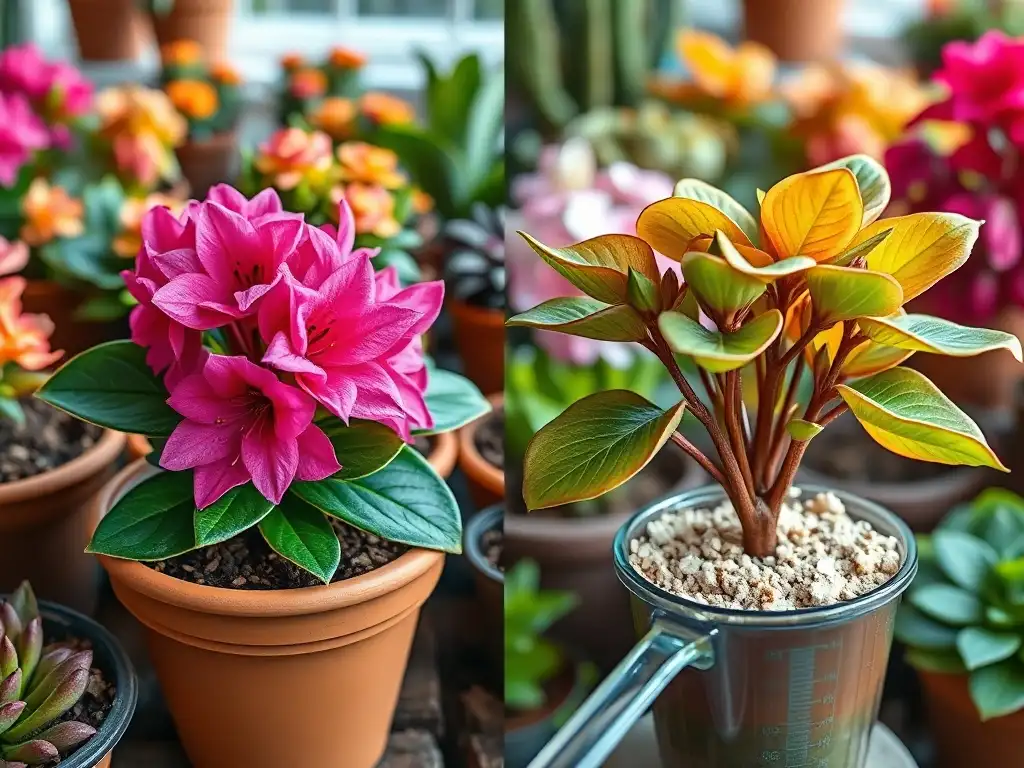
Growing acid-loving plants in containers requires careful attention to the potting mix. While selecting the best potting mix for acid-loving plants is crucial, understanding how to troubleshoot common problems is equally important for success. This section will address some of the most frequent challenges encountered when cultivating these plants in acidic soil. Remember, consistent monitoring and proactive measures are key to maintaining healthy plants.
Nutrient Deficiencies in Acidic Soil: Identification and Solutions
Nutrient deficiencies are common in acidic potting mixes, especially if the blend isn't properly balanced or if the mix has been depleted over time. Acidic soil can hinder the uptake of certain nutrients, leading to visible symptoms in your plants. The most common deficiencies are iron, magnesium, and manganese.
Iron deficiency, for example, often manifests as chlorosis – yellowing of the leaves, especially the younger ones – while the veins remain green. This is because iron is crucial for chlorophyll production. Magnesium deficiency can cause similar yellowing, but it usually starts at the edges of the older leaves and progresses inwards. Manganese deficiency presents similarly to iron deficiency, but may also show brown spots or blotches on leaves.
To address these deficiencies, you can employ several strategies:
- Soil Testing: Regular soil testing is vital for identifying specific nutrient deficiencies. Test kits are readily available, providing a quantitative assessment of nutrient levels.
- Amendments: Adding organic amendments like composted pine bark, peat moss (sphagnum peat moss is best for acidity), or leaf mold can improve soil structure and nutrient availability. These also help buffer the pH, preventing extreme fluctuations.
- Chelated Iron: For iron deficiency, chelated iron supplements are highly effective. These are specially formulated to be readily absorbed by plants, even in acidic conditions. Follow package instructions carefully.
- Balanced Fertilizer: Use a fertilizer specifically formulated for acid-loving plants. These fertilizers typically contain a balanced mix of essential nutrients, including those often deficient in acidic soil, in a form easily absorbed by the plants. Look for formulations that include micronutrients.
Remember, prevention is better than cure. Regular fertilization and soil amendment will minimize the risk of nutrient deficiencies. Always check the pH of your potting mix regularly, aiming for the optimal range for your specific plants.
Dealing with Overwatering and Poor Drainage
Overwatering is a significant issue for acid-loving plants, particularly those grown in containers. Acidic soil, especially when composed of peat moss or other organic materials, can retain excessive moisture, leading to root rot. Poor drainage exacerbates this problem. The signs of overwatering include yellowing or browning lower leaves, wilting despite moist soil, and a foul odor emanating from the soil.
To mitigate overwatering and improve drainage:
- Pot Selection: Choose pots with drainage holes to prevent waterlogging. Terracotta pots are excellent choices as they are porous and allow for better aeration.
- Potting Mix Composition: Ensure your potting mix includes sufficient inorganic components like perlite or vermiculite to improve drainage and aeration. Avoid using heavy clay soils.
- Watering Practices: Water thoroughly but only when the top inch or two of soil feels dry to the touch. Avoid letting the pot sit in standing water.
- Mulching: A layer of organic mulch on the soil surface helps to retain moisture, but be cautious not to overdo it, as this can decrease drainage.
Addressing drainage issues is paramount. If your current potting mix retains too much water, consider repotting your plants in a well-draining mix. You might need to add perlite, vermiculite or other amendments to improve drainage.
Preventing and Treating Common Pests and Diseases in Acid-Loving Plants
Acid-loving plants, while beautiful, are susceptible to certain pests and diseases. The moist conditions often preferred by these plants can encourage fungal growth, while the delicate foliage can attract various insects. Common problems include root rot (caused by Phytophthora and other fungi), leaf spot diseases, aphids, and mealybugs.
Prevention is key:
- Sterile Potting Mix: Use a sterile potting mix to minimize the risk of introducing pathogens.
- Proper Watering: Avoid overwatering to prevent fungal diseases.
- Good Air Circulation: Ensure adequate air circulation around your plants to discourage fungal growth and pest infestations. Spacing plants appropriately is crucial.
- Regular Inspection: Regularly inspect your plants for signs of pests or diseases. Early detection allows for prompt treatment.
Treatment strategies vary depending on the specific pest or disease. For fungal diseases, fungicides may be necessary. For insect pests, insecticidal soaps or neem oil are often effective, environmentally friendly options. Always identify the problem accurately before applying any treatment. Remember to follow product instructions carefully and consider the environmental impact of your choices. A healthy plant, properly cared for, is far less likely to succumb to pests and diseases.
Container Gardening Tips for Acid-Loving Plants
This section delves into the specifics of successfully cultivating acid-loving plants in containers, focusing on techniques beyond simply choosing the right potting mix (although that's crucial!). We'll explore container selection, watering strategies, and fertilization methods tailored to these plants' unique needs. Remember, even with the best potting mix for acid-loving plants, improper care can hinder growth.
Selecting Appropriate Containers for Acidic Soil
Choosing the right container is paramount for the health of your acid-loving plants. The material of the container influences both drainage and the soil's pH. Avoid using containers made from materials that leach alkaline substances into the soil, like some types of concrete or untreated wood.
- Recommended Materials: Terracotta pots offer excellent drainage, which is beneficial for acid-loving plants that don't tolerate soggy soil. Plastic containers are also a good option, provided they have adequate drainage holes. Consider using glazed ceramic pots, but ensure they have sufficient drainage.
- Drainage is Key: Excellent drainage is crucial to prevent root rot, a common problem for plants grown in containers. Always check that your containers have multiple, appropriately sized drainage holes. A layer of gravel or broken pottery shards at the bottom of the container can further improve drainage.
- Container Size: Select containers of appropriate size for your mature plants. Overly small containers restrict root growth and can lead to nutrient deficiencies, while overly large containers retain too much moisture. Research the mature size of your chosen plant species before selecting a container.
Using the wrong container can significantly impact the success of your acid-loving plants, even with the best potting mix. Proper drainage is arguably even more critical than the mix itself for avoiding root rot and other issues.
Watering Techniques for Optimal Growth
Watering acid-loving plants requires a delicate balance. Overwatering leads to root rot, while underwatering causes stress and stunted growth. The ideal watering technique depends on several factors, including the plant species, container size, and environmental conditions.
- Avoid Soggy Soil: Always allow the top inch or two of the potting mix to dry out between waterings. Stick your finger into the soil to check moisture levels before watering.
- Watering Frequency: The frequency of watering will vary depending on factors such as temperature, humidity, and sunlight exposure. During hot, dry periods, you may need to water more frequently. In cooler, wetter conditions, you may need to water less often.
- Water Quality: The quality of your water can also influence the pH of your soil. If your tap water is highly alkaline, consider using rainwater or distilled water to avoid raising the soil pH. Testing your tap water's pH is a good practice.
- Signs of Overwatering: Yellowing leaves, wilting, and a foul odor emanating from the soil are all indicators of overwatering.
- Signs of Underwater: Wilting, dry soil, and leaf browning are all indicators of underwatering.
Consistent monitoring and adjusting your watering schedule based on your plants’ needs is crucial for thriving acid-loving plants. Remember that the best potting mix for acid-loving plants will only go so far without proper watering.
Fertilizing Acid-Loving Plants in Containers
Acid-loving plants have specific nutrient requirements. Using the wrong fertilizer can disrupt the soil's pH balance and negatively impact plant health. Therefore, choosing a fertilizer specifically formulated for acid-loving plants is important.
- Types of Fertilizer: Acidic fertilizers, often formulated with ammonium sulfate or other acidifying agents, are readily available. Look for fertilizers designed for azaleas, rhododendrons, or camellias, as these are common acid-loving plants. Always check the NPK ratio (Nitrogen, Phosphorus, Potassium) to ensure it aligns with your plants' needs.
- Application: Follow the fertilizer's instructions carefully. Over-fertilizing can damage the roots and harm the plant. A slow-release fertilizer is often preferable to prevent nutrient burn.
- Frequency: Fertilize your acid-loving plants regularly during the growing season (spring and summer), usually every 2-4 weeks. Reduce or stop fertilizing during the dormant season (fall and winter).
- pH Monitoring: Regularly monitor the soil pH using a soil testing kit. If the pH rises above the optimal range for your plants, you may need to amend the soil with an acidifying agent, such as elemental sulfur or aluminum sulfate. This is a crucial aspect of maintaining a healthy environment for your acid-loving plants.
Remember, the best potting mix for acid-loving plants is only part of the equation. Proper fertilization, combined with mindful watering and container selection, ensures your plants thrive. Consistent monitoring and adjustments based on your plants' needs are key for long-term success.
Frequently Asked Questions
What is the best potting mix for acid-loving plants?
The best potting mix for acid-loving plants is one that's specifically formulated for acidic conditions, typically with a pH between 4.5 and 6.0. Look for mixes that contain peat moss, composted pine bark, and other acidic ingredients. Avoid mixes with high levels of lime or other alkaline materials.
How can I adjust the pH of my potting mix if it's too alkaline?
You can lower the pH of your potting mix by adding organic materials like peat moss, composted pine bark, or elemental sulfur. Regular testing with a pH meter is crucial to monitor the effectiveness of your adjustments. Start with small amounts and retest before adding more.
What are some examples of acid-loving plants that I can grow in containers?
Many popular plants thrive in acidic soil. Some examples include azaleas, rhododendrons, blueberries, camellias, and hydrangeas. Research the specific needs of your chosen plants to ensure they receive the optimal pH level.
How often should I repot my acid-loving plants?
The frequency of repotting depends on the plant's growth rate and the size of the container. Generally, you should repot when the roots become root-bound, usually every 1-3 years. Use fresh, acidic potting mix each time you repot.
Can I use garden soil for acid-loving plants in containers?
While you can use garden soil, it's generally not recommended for container gardening. Garden soil can be too heavy, compact easily, and may not provide the necessary drainage and aeration for optimal root health. A well-draining potting mix specifically formulated for acid-loving plants is far superior.
Final Reflection: Cultivating Success: The Art and Science of Acidic Soil
The quest for the perfect potting mix for acid-loving plants is more than just a gardening pursuit; it's a testament to our enduring connection with the natural world. Understanding the specific needs of these plants, from the delicate azaleas to the vibrant rhododendrons, allows us to nurture life and create thriving container gardens, even in environments not naturally suited to their preferences. This careful cultivation reflects a growing awareness of the importance of tailored care in achieving optimal plant health.
The impact of understanding soil pH extends far beyond the aesthetic beauty of a flourishing garden. It speaks to a deeper appreciation for the intricate balance of ecosystems and the crucial role we play in maintaining biodiversity. As we learn to provide the right conditions for these plants to thrive, we also learn to appreciate the delicate interconnectedness of all living things. The glory of gardening: hands in the dirt, head in the sun, heart with nature. To nurture a garden is to feed not just the body, but the soul.
This quote perfectly encapsulates the profound satisfaction derived from successfully cultivating acid-loving plants.
Now, consider your own gardening journey. What plants have you struggled to grow? What adjustments can you make to your potting mix to better support their needs? Take the knowledge gained from this article and apply it to your own green space. Experiment with different blends, observe the results, and learn from both successes and setbacks. The path to a thriving garden, much like life itself, is a journey of continuous learning and adaptation. Embrace the challenge, and watch your garden flourish.
Unleash Your Inner Gardener: Craft the Perfect Acid-Loving Haven
Thanks for exploring the world of acid-loving plants with us! You now have the knowledge to create thriving container gardens bursting with vibrant blooms and healthy foliage. Ready to put your expertise into action?
- Prioritize your plant's needs: Begin by carefully selecting acid-loving plants suited to your space, considering sunlight, moisture levels, and your personal preferences. Choosing the right plant is crucial for success.
- Share your success (or questions!): We'd love to see your flourishing creations! Post a picture of your container garden on social media using #AcidLovingPlants and tag @CultivateYourFood.
- Experiment with different mixes: Don't be afraid to experiment with different potting mix ratios to find the ideal blend for your unique garden environment. Even small adjustments can significantly impact plant health.
What exciting acid-loving plant will you nurture next?