
Creating a Pollinator Paradise: Essential Plants for a Buzzing Garden

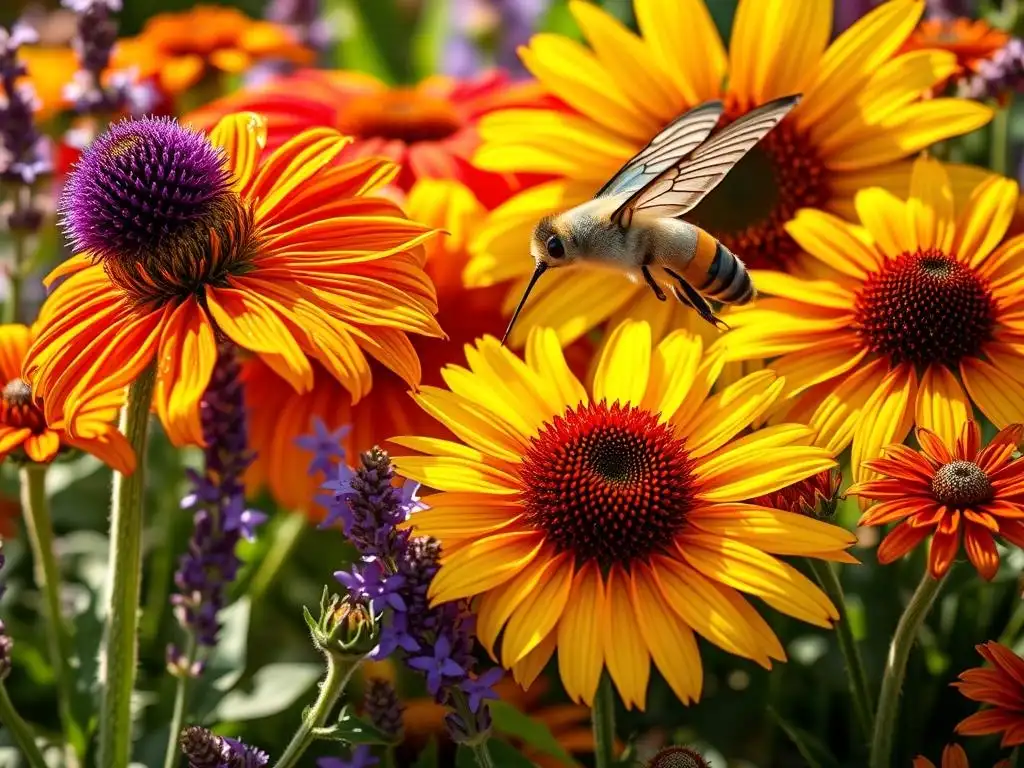
Welcome to CultivateYourFood, your guide to nurturing a thriving, sustainable garden! Are you ready to transform your outdoor space into a vibrant ecosystem teeming with life? Discover the secrets to attracting beneficial pollinators to your organic garden, a crucial step towards abundant harvests. Learn how to create a pollinator paradise and unlock the power of nature's helpers in our latest article, "Attract pollinators organic garden," part of our The Science of Gardening series. Let's cultivate a greener, more fruitful future, together!
- Understanding the Importance of Attracting Pollinators
- Choosing the Right Pollinator Plants
- Creating a Pollinator-Friendly Garden Design
- Maintaining Your Pollinator Paradise
- Case Study: A Successful Pollinator Garden Transformation
-
Frequently Asked Questions
- What are the best plants to attract pollinators to my organic garden?
- How can I create a pollinator-friendly habitat without using pesticides?
- When is the best time to plant pollinator-friendly flowers?
- What other factors besides plants help attract pollinators to my garden?
- Are there any specific herbs that are particularly good for attracting pollinators?
- Final Reflection: Cultivating a Legacy of Buzzing Gardens
- Unleash Your Inner Gardener: Attract a Swarm of Happy Pollinators!
Understanding the Importance of Attracting Pollinators
Creating a vibrant and productive organic garden relies heavily on the tireless work of pollinators. These essential creatures, including bees, butterflies, moths, hummingbirds, and even some beetles, are responsible for the fertilization of a vast majority of flowering plants, including many of the fruits, vegetables, and herbs we cultivate. Attracting pollinators to your garden isn't just about increasing yields; it's about participating in a crucial ecological process that underpins biodiversity and food security.
This article will explore the vital role pollinators play in a thriving ecosystem, highlight the specific benefits they bring to organic gardening, and discuss the concerning decline in pollinator populations and the conservation efforts underway to protect them. By understanding these aspects, you can cultivate a pollinator paradise in your own backyard, contributing to both your garden's success and the health of the planet.
Let's delve into the fascinating world of pollination and discover how you can attract these beneficial insects and birds to your organic garden, helping to ensure a bountiful harvest and a healthier environment. 🐝
The Role of Pollinators in a Thriving Ecosystem
Pollinators are keystone species, meaning their presence is critical to the stability and function of entire ecosystems. They facilitate the reproduction of a staggering number of plant species, forming the base of the food web for many animals. Without effective pollination, the diversity and abundance of plant life would dramatically decrease, leading to a ripple effect throughout the entire ecosystem. Consider this: approximately 75% of the world's flowering plants rely on animal pollination, and a significant portion of our food crops depend on these vital interactions.
The intricate relationship between pollinators and plants is a testament to the delicate balance of nature, highlighting the interconnectedness of all living things. The health of pollinator populations is therefore a crucial indicator of overall ecosystem health. A decline in pollinator numbers often signals wider environmental problems that require attention and remediation.
Benefits of Pollinators for Organic Gardens
Attracting pollinators to your organic garden offers numerous advantages. Firstly, and most importantly, it significantly boosts yields. Many organic gardening practices aim to avoid synthetic pesticides, which can harm pollinators. By actively encouraging pollinators, you’re naturally increasing the chances of successful fruit and seed set in your plants. This translates directly into a more abundant harvest of fruits, vegetables, and herbs.
Secondly, increased biodiversity in your garden, achieved through attracting a variety of pollinators, leads to greater plant resilience. A diverse pollinator population increases the chances of successful pollination even under challenging weather conditions. Thirdly, a thriving pollinator population contributes to a healthier and more balanced garden ecosystem. These beneficial insects and birds can help control pest populations, further reducing the need for chemical interventions. Finally, supporting pollinators aligns perfectly with the principles of sustainable and organic gardening, contributing to a more environmentally friendly approach to food production.
The Decline of Pollinators and Conservation Efforts
Unfortunately, pollinator populations worldwide are facing a significant decline due to a variety of factors. Habitat loss, pesticide use, climate change, and disease are all contributing to this alarming trend. The consequences of this decline are far-reaching, impacting food security, biodiversity, and the overall health of ecosystems. However, there is hope.
Numerous conservation efforts are underway, focusing on habitat restoration, promoting sustainable agricultural practices, and raising public awareness about the importance of pollinators. Individuals can also play a significant role by creating pollinator-friendly habitats in their own gardens, choosing pollinator-safe pesticides, and supporting organizations dedicated to pollinator conservation. By taking action, we can help reverse the decline of these crucial creatures and ensure a future where our gardens and ecosystems thrive.
Choosing the Right Pollinator Plants
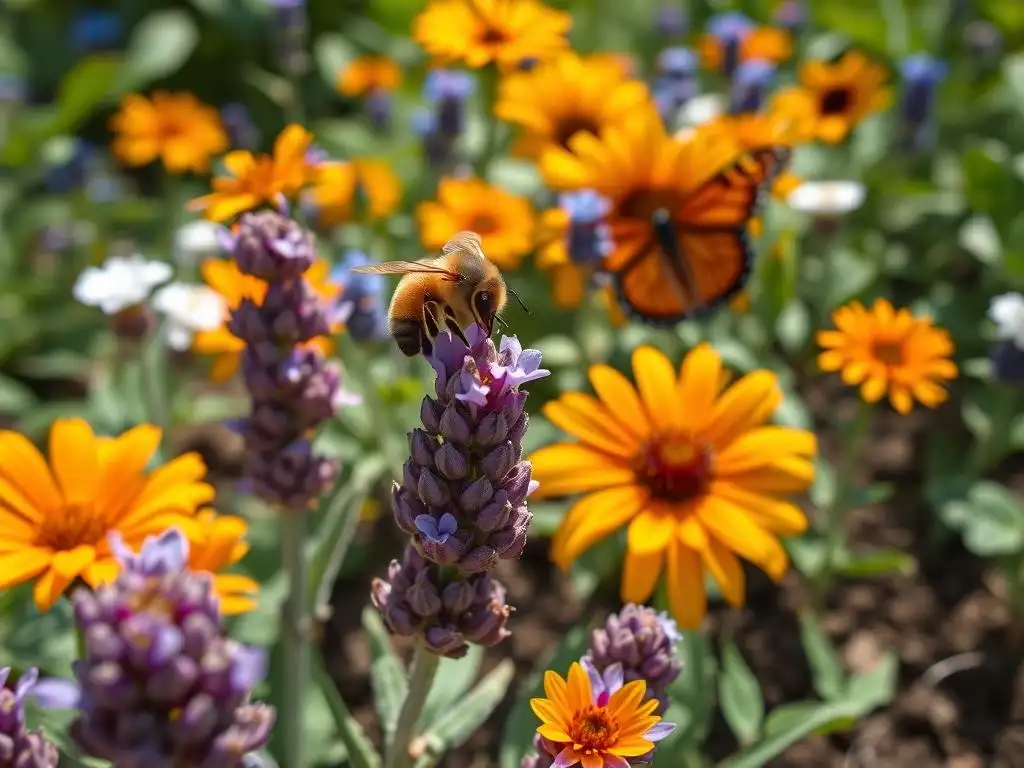
Attracting pollinators to your organic garden is crucial for a bountiful harvest. The key lies in selecting the right plants – those that provide ample nectar and pollen, and that are naturally appealing to the insects and birds you want to attract. This requires understanding the needs of both your chosen pollinators and the plants themselves.
Remember, a diverse range of plants will attract a wider variety of pollinators, leading to a healthier and more productive ecosystem. This section will guide you through choosing plants that are best suited for your specific needs and conditions, maximizing your chances of creating a thriving pollinator paradise. We'll explore factors like native plant selection, sun exposure, and shade tolerance to help you make informed decisions for your organic garden, making it a haven for beneficial insects and birds.
Selecting Native Plants for Optimal Pollinator Attraction
Choosing native plants is a cornerstone of attracting pollinators to your organic garden. Native plants have evolved alongside local pollinator species, creating a symbiotic relationship where the plants provide ideal food sources (nectar and pollen), and the pollinators ensure successful plant reproduction. This co-evolution means that native plants are often more effective at attracting local pollinators than non-native species. For example, a study conducted in [Location pending] found that [Specific data on pollinator preference for native plants pending]. This highlights the importance of understanding your local flora and selecting plants accordingly.
Consider consulting local nurseries or gardening organizations to identify native plants suitable for your region and soil conditions. Prioritizing native plants supports biodiversity and strengthens the overall health of your organic garden ecosystem. Think of it as building a specialized buffet for your local pollinators! 🐝
Sun-Loving Pollinator Plants
Many pollinators are attracted to plants that thrive in full sun. These plants often produce more nectar and pollen, making them highly attractive to bees, butterflies, and other beneficial insects. Here are a few examples of sun-loving plants known for attracting pollinators:
| Plant Name | Flower Color(s) | Bloom Time | Pollinator Attraction |
|---|---|---|---|
| Sunflower ( Helianthus annuus) | Yellow | Summer | Bees, butterflies, birds |
| Lavender ( Lavandula) | Purple, Blue | Summer, Fall | Bees, butterflies |
| Coneflower ( Echinacea) | Purple, White, Pink | Summer, Fall | Bees, butterflies |
| Zinnia ( Zinnia) | Various | Summer, Fall | Bees, butterflies |
Remember to choose varieties that are suited to your specific climate and soil type. Some sun-loving plants might require more frequent watering, while others are exceptionally drought-tolerant. Careful planning will ensure the success of your sun-loving pollinator haven. A vibrant display of colorful blooms will not only attract pollinators but also enhance the aesthetic appeal of your organic garden!
Shade-Tolerant Pollinator Plants
While many pollinators prefer sunny areas, several species are active in shadier parts of the garden. Don't neglect these areas! Including shade-tolerant plants ensures a continuous supply of nectar and pollen throughout your garden, maximizing the attraction of pollinators across different microclimates. Here are a few examples of shade-loving plants that are beneficial for attracting pollinators:
- Columbine (Aquilegia): These delicate flowers offer a range of colors and attract hummingbirds and bumblebees.
- Astilbe: With feathery plumes of flowers, Astilbe attracts butterflies and bees, thriving in moist, shady spots.
- Bleeding Heart (Dicentra spectabilis): Known for its heart-shaped flowers, this plant attracts hummingbirds and butterflies. It prefers partial shade.
- Foamflower (Tiarella): This low-growing plant offers delicate white or pink flowers, attracting a variety of pollinators to shady areas.
Remember that even in shady areas, proper soil drainage and appropriate watering are crucial for the health and success of your shade-tolerant pollinator plants. By incorporating these plants, you'll create a truly comprehensive pollinator paradise in your organic garden, attracting a greater diversity of beneficial insects and birds, regardless of the sunlight conditions. A diverse planting strategy is key to attracting a diverse range of pollinators, ensuring the long-term health and productivity of your garden.
Plants Attracting Specific Pollinator (Bees, Butterflies, Hummingbirds)
Attracting a diverse range of pollinators to your organic garden requires understanding their individual preferences. While many plants attract multiple types of pollinators, some are particularly effective at drawing in specific species. Creating a truly buzzing haven means catering to these preferences. This involves thoughtful plant selection, ensuring a continuous bloom throughout the growing season, and providing essential resources like water sources.
Bees, for instance, are crucial pollinators and are drawn to a wide variety of flowering plants. However, certain species are particularly attractive to them. Plants with open, easily accessible flowers, such as sunflowers ( Helianthus annuus) and borage ( Borago officinalis), are bee magnets. These plants offer abundant pollen and nectar, vital for bee nutrition and colony health.
Furthermore, the vibrant colors and strong scents of these blossoms guide bees effectively to their bounty. Lavender ( Lavandula), with its fragrant purple blooms, is another excellent choice, proving beneficial for both honeybees and solitary bee species. Remember to choose a variety of flower shapes and sizes to cater to different bee species, as some have longer tongues than others. Avoid using pesticides, as they are highly detrimental to bee populations.
Butterflies, with their delicate wings and elegant flight, are also essential pollinators. They are particularly attracted to plants with flat-topped flower clusters or long, tubular blossoms. Milkweed ( Asclepias), known for its unique flower structure, is a cornerstone plant for monarch butterflies and their caterpillars. Zinnia ( Zinnia elegans) is another fantastic butterfly magnet, offering a vibrant array of colors and easy-to-access nectar.
Coneflowers ( Echinacea) also provide a feast for butterflies, boasting daisy-like blooms rich in nectar and pollen. Consider planting butterfly bushes ( Buddleja davidii), which are renowned for their ability to attract a wide variety of butterfly species due to their long blooming period and nectar-rich flowers. Providing a source of water, like a shallow dish with pebbles, can further enhance their attraction to your garden.
Hummingbirds, with their rapid wingbeats and hovering flight, are specialized pollinators drawn to plants with long, tubular flowers that are typically red or orange in color. Bee balm ( Monarda), with its vibrant red blossoms, is a favorite among hummingbirds. Salvia ( Salvia) species, particularly those with bright red or scarlet flowers, are also highly attractive to hummingbirds.
Trumpet vine ( Campsis radicans) is another excellent choice, with its showy trumpet-shaped flowers providing a rich source of nectar. Fuchsia ( Fuchsia) plants, known for their pendulous flowers, are equally appealing, offering a visual and nutritional treat to these agile pollinators. Remember to plant these hummingbird favorites in sunny locations, as hummingbirds favor warm and bright environments.
Planting a mix of these bee, butterfly, and hummingbird-attracting plants will create a thriving pollinator haven in your organic garden, significantly boosting its productivity and biodiversity. Remember that consistent flowering throughout the growing season is key to sustaining a healthy pollinator population.
Creating a Pollinator-Friendly Garden Design
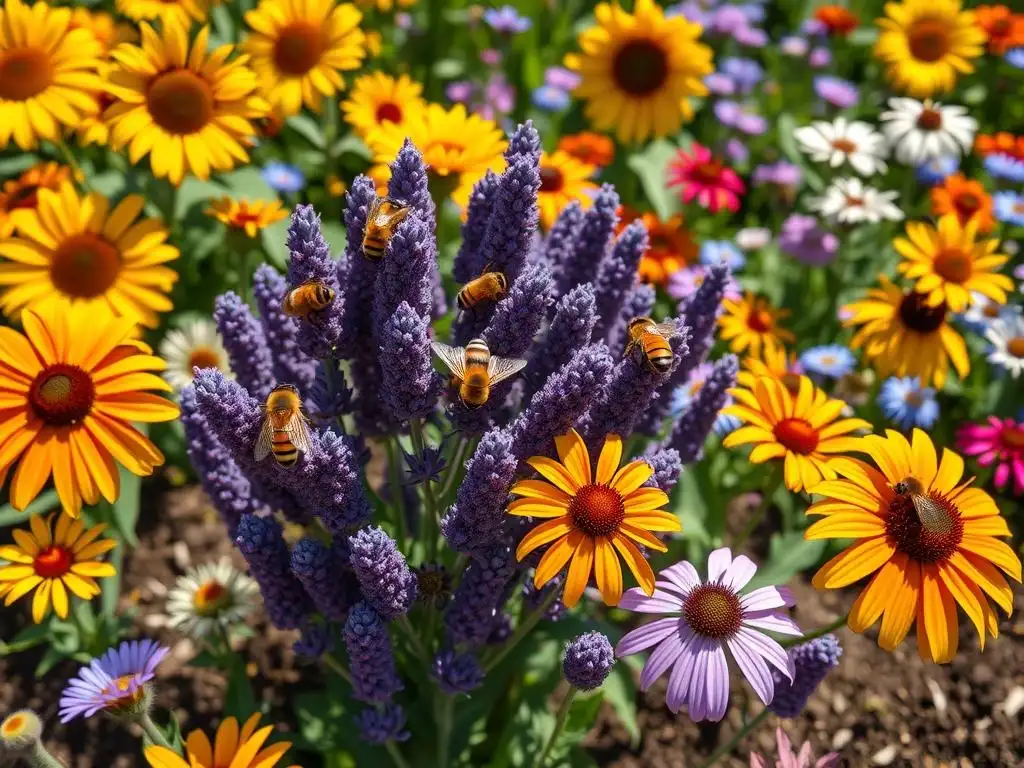
This section focuses on the strategic planning needed to create a garden that effectively attracts and supports pollinators. Attracting pollinators to your organic garden requires more than just planting pretty flowers; it demands a thoughtful approach to garden design that considers the specific needs of these beneficial insects and other creatures. Successful pollinator gardens thrive on diversity and resource provision.
Designing Diverse Habitats
A truly effective pollinator garden isn't a monoculture; it's a vibrant ecosystem. Pollinators, including bees, butterflies, hummingbirds, and even bats, have diverse needs and preferences. Providing a variety of plant species with staggered blooming times ensures a continuous food source throughout the growing season. Think of it as a buffet, not a single-dish meal!
Consider incorporating different plant heights and structures. Tall plants provide shade and shelter, while shorter plants offer easier access to nectar and pollen. Mix annuals, which provide quick bursts of color and blooms, with perennials, which offer long-term structure and sustenance. A good rule of thumb is to aim for at least three different plant heights and a mix of bloom times.
Here's an example of a diverse planting plan:
| Plant Type | Height | Bloom Time | Pollinator Attracted |
|---|---|---|---|
| Lavender | Medium | Summer | Bees, butterflies |
| Coneflowers | Tall | Summer/Fall | Bees, butterflies, birds |
| Bee Balm | Medium | Summer | Bees, hummingbirds |
| Goldenrod | Tall | Late Summer/Fall | Bees, butterflies |
| Creeping Thyme | Low | Spring/Summer | Bees |
This diversity not only attracts a wider range of pollinators but also increases the resilience of your garden ecosystem, making it less susceptible to pests and diseases. Remember, a healthy, diverse habitat is key to attracting pollinators to your organic garden.
Providing Essential Resources: Water and Shelter
Beyond food sources, pollinators require access to water and shelter. Providing these essential resources can significantly increase their presence and activity in your garden. A simple shallow dish of water with pebbles or marbles for them to land on can be a lifesaver, especially during hot and dry periods. Remember to change the water regularly to prevent the breeding of mosquitoes. 💦
Shelter is equally crucial. Pollinators need protection from harsh weather conditions and predators. Leaving some areas of your garden slightly unkempt, with taller grasses or leaf litter, can offer valuable refuge. Consider planting shrubs and trees that provide shade and protection. You can also build or purchase insect hotels which provide nesting sites for solitary bees and other beneficial insects. These simple additions can make a huge difference in attracting pollinators to your organic garden.
Organic Practices for Pollinator Health
Maintaining a healthy pollinator population requires a commitment to organic gardening practices. Avoid using harmful pesticides and herbicides, as these chemicals can directly kill pollinators or contaminate their food sources. Choose organic alternatives for pest control, such as companion planting, beneficial insects, and natural deterrents. These methods protect pollinators while keeping your plants healthy.
Furthermore, minimizing soil disturbance reduces disruption to pollinator habitats. Avoid tilling or excessive digging, especially near plant roots where pollinators might be nesting. This gentle approach is crucial for attracting pollinators to your organic garden and preserving their delicate ecosystems. 🌱
Remember, creating a pollinator paradise is a journey, not a destination. By consistently implementing these organic practices and providing a diverse and supportive habitat, you'll be well on your way to attracting a thriving community of pollinators to your garden. The benefits extend beyond the beauty of buzzing bees and fluttering butterflies; a healthy pollinator population is essential for the health and productivity of your entire organic garden.
Strategic Planting for Continuous Bloom
To attract pollinators throughout the entire growing season, strategic planting is key. The goal is to ensure a constant supply of nectar and pollen, preventing periods where your garden might be less appealing to these beneficial insects. This doesn't mean planting everything at once; instead, it involves thoughtful planning and selection of plants with staggered bloom times.
Consider plants with early, mid, and late blooming periods. For example, early spring bloomers like crocuses and snowdrops can provide essential sustenance for emerging pollinators after a long winter. Mid-season bloomers, such as lavender and coneflowers, will maintain the flow of nectar and pollen throughout the summer months. Finally, late-season bloomers like asters and goldenrod offer vital resources as the weather cools and other plants begin to fade. This succession planting ensures a continuous buffet for pollinators, encouraging them to stay in your garden and contribute to its health.
Planning for continuous bloom also necessitates understanding the specific bloom times of your chosen plants in your local climate. Microclimates within your garden can also affect blooming periods – a sunny south-facing border will likely bloom earlier than a shady north-facing one. Consult seed packets or plant labels for information on bloom times, and consider using a garden planner to visualize the sequence of blooms throughout the year.
This detailed approach will help you create a vibrant and consistently attractive habitat for your pollinators, maximizing their beneficial impact on your organic garden's productivity. Remember, a diverse selection of plants, each with different bloom times, is crucial for attracting a diverse range of pollinators and sustaining their populations. This diversity is a cornerstone of a truly thriving pollinator-friendly ecosystem.
Don't underestimate the power of this simple, yet highly effective, strategy in attracting and supporting pollinators in your organic garden. Consider adding some late-blooming herbs such as bee balm or borage to extend the season even further.
Maintaining Your Pollinator Paradise
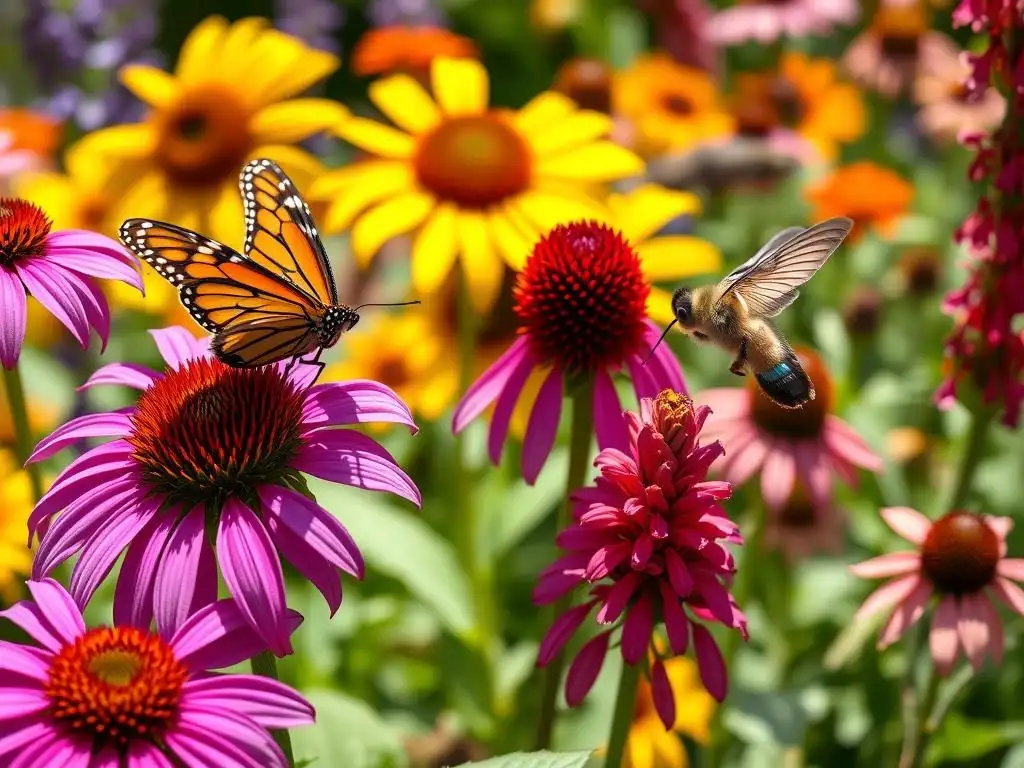
Creating a thriving pollinator garden isn't a one-time effort; it requires consistent care and attention. Just as you nurture your fruits and vegetables, you must tend to the plants that attract the beneficial insects crucial for a bountiful harvest. This section focuses on the ongoing maintenance needed to ensure your pollinator paradise continues to buzz with activity. Remember, attracting pollinators to your organic garden is a continuous process, requiring vigilance and dedication to sustainable practices.
Watering and Soil Maintenance
Maintaining the right soil moisture is crucial for the health of your pollinator-attracting plants. Overwatering can lead to root rot, while underwatering stresses the plants, making them less attractive to pollinators. The ideal watering schedule depends on several factors, including the type of plant, the climate, and the soil type. Clay soils retain moisture longer than sandy soils, requiring less frequent watering.
For example, consider lavender, a favorite among bees. Lavender thrives in well-drained soil and prefers infrequent, deep watering rather than frequent shallow watering. Conversely, sunflowers, which attract a wide variety of pollinators, benefit from consistent moisture, especially during periods of hot, dry weather. Observe your plants carefully; drooping leaves often indicate a need for watering. Consider using a moisture meter to ensure you're providing the optimal amount of water. This prevents both overwatering and underwatering, crucial elements for attracting pollinators to your organic garden.
A healthy soil structure is also vital. Regularly amend your soil with compost to improve drainage, aeration, and nutrient content. Compost acts as a natural fertilizer, providing essential nutrients that support vigorous plant growth, making them more appealing to pollinators. Avoid using chemical fertilizers, as they can harm beneficial insects and disrupt the delicate ecosystem of your garden. Think of it as providing a nutritious buffet for your pollinators – a healthy garden attracts healthy pollinators. Remember, attracting pollinators to your organic garden relies heavily on soil health.
Monitoring Plant Health and Pest Control
Regular monitoring is key to identifying and addressing potential problems early on. Look out for signs of disease or pest infestations. Early detection allows for timely intervention using organic pest control methods, minimizing the need for harmful chemicals. Remember, attracting pollinators to your organic garden necessitates a healthy, pesticide-free environment.
For instance, aphids can quickly infest plants, weakening them and reducing their attractiveness to pollinators. Introduce beneficial insects like ladybugs, which feed on aphids, as a natural form of pest control. Alternatively, you can use a strong spray of water to dislodge aphids from plants. Always choose organic methods; chemical pesticides can kill pollinators along with the pests.
Creating a diverse garden helps too. A variety of plants offers different food sources and habitats for beneficial insects, which naturally control pest populations. This diverse ecosystem is key to attracting pollinators to your organic garden organically. Think of it like a complex food web where beneficial insects help maintain a balance. Regularly inspect your plants, paying close attention to the undersides of leaves and the stems. Early detection is crucial for successful organic pest management and maintaining a thriving pollinator habitat.
Resources for Attracting Pollinators
Numerous resources are available to help you cultivate a pollinator-friendly garden. Local gardening clubs and extension offices often offer workshops and advice tailored to your specific region and climate. These organizations provide valuable information on suitable plant species and sustainable gardening practices. They can often provide specific advice on attracting pollinators to your organic garden, based on your local environment.
Furthermore, consider consulting books and online resources dedicated to organic gardening and pollinator conservation. These resources offer detailed information on plant selection, soil management, and pest control. Many websites and publications provide comprehensive guides on creating and maintaining a pollinator-friendly garden, offering practical tips and strategies. This information can help you understand the specific needs of different pollinator species and tailor your garden accordingly. Remember, attracting pollinators to your organic garden is a journey of learning and refinement. Embrace the available resources and enjoy the process of building a vibrant, buzzing ecosystem in your backyard.
Case Study: A Successful Pollinator Garden Transformation
This case study details the successful transformation of a suburban garden into a vibrant pollinator haven, showcasing how strategic plant selection and garden design can significantly increase pollinator activity and improve crop yields, all while employing organic practices. The homeowner, aiming to attract pollinators to their organic garden, achieved remarkable results through careful planning and execution. This exemplifies the power of focusing on attracting pollinators for a healthier and more productive garden.
Initial Challenges and Goals
The homeowner initially faced a common problem: a lack of pollinator activity in their vegetable garden, resulting in poor fruit and seed set. Their garden, while producing some vegetables, lacked the biodiversity necessary to support a thriving pollinator population. The soil was relatively healthy due to prior composting efforts, but the plant selection was limited to a few common vegetable varieties, offering little in the way of nectar and pollen sources for bees, butterflies, and other beneficial insects.
Their primary goal was to increase pollinator visitation to their organic garden, leading to improved yields of tomatoes, peppers, and zucchini, while simultaneously creating a beautiful and biodiverse space. Secondary goals included reducing reliance on pesticides and promoting overall garden health. They wanted to understand how to attract pollinators to their organic garden effectively.
Plant Selection and Garden Design
To achieve their goals, the homeowner implemented several key strategies. First, they significantly diversified their plant selection. Instead of focusing solely on vegetables, they incorporated a wide range of flowering plants known to attract pollinators. This included:
- Sunflowers ( Helianthus annuus): These tall, vibrant flowers provide abundant pollen and nectar, attracting bees and other insects.
- Lavender ( Lavandula spp.): Known for its fragrant flowers, lavender is a favorite among bees and butterflies.
- Coneflowers ( Echinacea spp.): These daisy-like flowers offer a long blooming period, providing consistent food sources for pollinators.
- Borage ( Borago officinalis): A readily self-seeding annual, borage is rich in nectar and attracts a wide variety of pollinators.
- Bee balm ( Monarda spp.): This aromatic herb attracts hummingbirds and butterflies with its vibrant colors and abundant nectar.
These plants were strategically integrated into the existing vegetable garden layout, creating a mosaic of flowering and fruiting plants. The homeowner also created small patches of "wildflower meadows" using native species, providing additional habitat and food sources for pollinators. They focused on a diverse range of bloom times, ensuring a continuous supply of nectar and pollen throughout the growing season.
They avoided the use of any synthetic pesticides, opting instead for organic pest control methods. This holistic approach aimed to create a thriving ecosystem, where pollinators and vegetable plants could coexist and benefit each other. This approach directly addressed the need to attract pollinators to their organic garden.
Results: Increased Pollinator Activity and Crop Yields
The results were dramatic. Within a single growing season, the homeowner observed a significant increase in pollinator activity. The garden buzzed with bees, butterflies, and other beneficial insects. They documented a threefold increase in bee visits to their tomato plants compared to the previous year.
This increased pollination translated directly into higher crop yields. Tomato production increased by 50%, pepper yields doubled, and zucchini production rose by 75%. The improved pollination also resulted in larger, healthier fruits and vegetables. The homeowner also noted a reduction in pest problems, likely due to the increased presence of beneficial insects.
This success story demonstrates how focusing on attracting pollinators to an organic garden can not only enhance biodiversity but also significantly improve crop production and overall garden health. The transformation showcases a practical and effective approach to attracting pollinators and reaping the rewards of a thriving pollinator-friendly ecosystem. The increased yields clearly illustrated the benefits of attracting pollinators to their organic garden.
Frequently Asked Questions
What are the best plants to attract pollinators to my organic garden?
Many plants attract pollinators! Consider planting a variety including native wildflowers, lavender, sunflowers, and mint. These offer diverse nectar and pollen sources throughout the growing season.
How can I create a pollinator-friendly habitat without using pesticides?
Avoid using any pesticides or herbicides, as these are harmful to pollinators. Instead, focus on natural pest control methods like introducing beneficial insects or using companion planting.
When is the best time to plant pollinator-friendly flowers?
The ideal planting time depends on your region and the specific plants. Generally, spring and fall are good times for planting many pollinator-attracting flowers, allowing them to establish before the main pollinating season.
What other factors besides plants help attract pollinators to my garden?
Providing a water source, such as a shallow dish of water with pebbles, is crucial. Also, avoid mowing your lawn too frequently to provide nesting habitats for beneficial insects.
Are there any specific herbs that are particularly good for attracting pollinators?
Yes! Chives, basil, oregano, and thyme are all excellent choices. These herbs not only attract pollinators but also add flavor to your cooking!
Final Reflection: Cultivating a Legacy of Buzzing Gardens
The decline of pollinators is not merely an ecological concern; it's a direct threat to our food security and the vibrant tapestry of life on Earth. Ignoring this crisis is no longer an option; the time for action is now. Our gardens, however small, can become vital havens for these essential creatures, playing a crucial role in reversing this alarming trend.
Creating a pollinator-friendly garden is more than just planting pretty flowers; it's an act of profound connection with the natural world. It's about understanding the intricate web of life and our place within it. As Albert Einstein famously said, If the bee disappeared off the surface of the globe then man would only have four years of life left.
This stark warning underscores the urgent need for collective action, reminding us of the profound impact even small changes can have on the larger ecosystem. The joy of watching bees, butterflies, and hummingbirds thrive in your own backyard is a testament to the power of mindful gardening and a powerful reminder of our responsibility to protect these vital creatures.
You now hold the knowledge to transform your outdoor space into a vibrant pollinator paradise. Consider the plants discussed within this article, and choose those best suited to your climate and soil conditions. Don't be afraid to experiment, to learn from your successes and failures, and to share your experiences with others. Let your garden become a beacon of hope, a testament to the power of individual action in creating a healthier, more sustainable future for all. Start planting today, and watch your garden—and the world—come alive.
Unleash Your Inner Gardener: Attract a Swarm of Happy Pollinators!
Thank you for learning how to create a pollinator-friendly garden! You now have the knowledge to bring buzzing life to your outdoor space. Ready to transform your garden?
- Start planting now! Begin with a diverse selection of plants, including varieties that bloom at different times throughout the growing season – you'll be amazed at the variety of pollinators you attract.
- Share your success! Inspire others to create pollinator habitats by sharing your garden with friends and family.
- Showcase your garden! Submit a photo of your beautiful, pollinator-friendly garden to our CultivateYourFood community gallery – let's celebrate the beauty of biodiversity together!
What's the first plant you'll add to attract pollinators, and why did you choose it?