
Troubleshooting Common NoDig Garden Problems: Solutions for Success

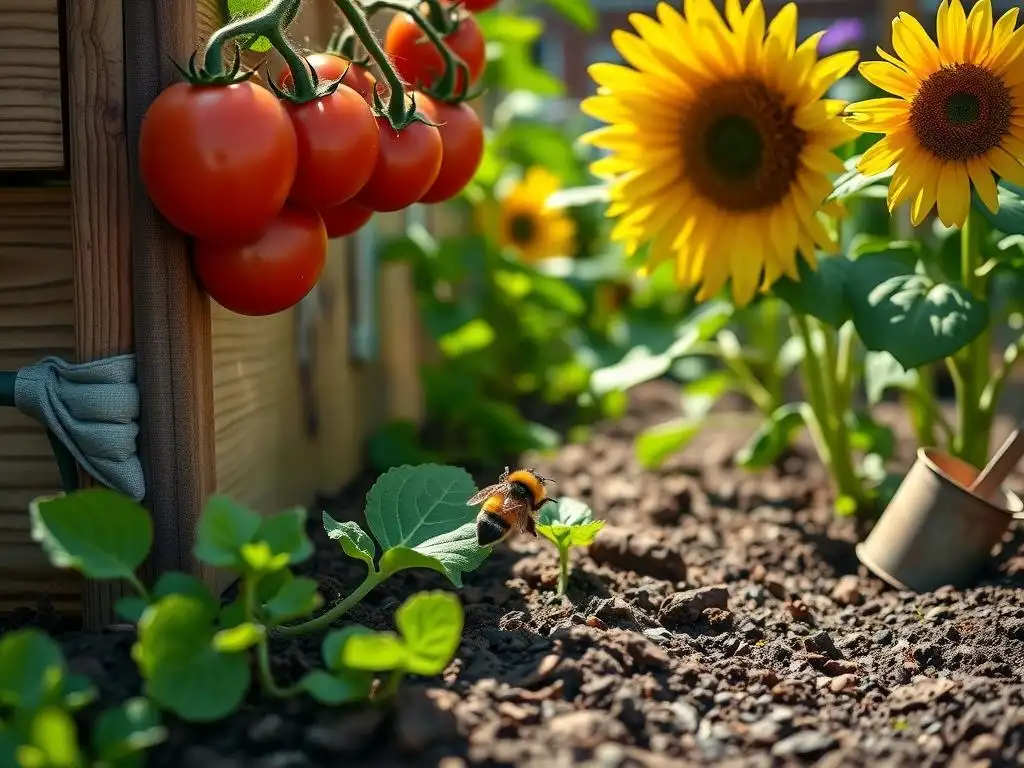
Ready to unlock the secrets of a thriving, no-dig garden? At CultivateYourFood, we champion sustainable and organic practices for growing your own fruits, vegetables, and herbs. Are you facing unexpected challenges? Discover practical solutions to common no-dig garden problems and learn how to nurture a bountiful harvest, right in your backyard. Let's dive into the world of healthy soil and effortless gardening – your journey to a flourishing garden starts now!
- Understanding No-Dig Gardening Challenges
- Solving No-Dig Garden Problems: Practical Solutions
- Optimizing Your No-Dig Garden for Success
- Advanced No-Dig Gardening Troubleshooting
- Frequently Asked Questions
- Final Reflection: Cultivating Success in Your No-Dig Garden
- Unleash Your No-Dig Garden's Full Potential!
Understanding No-Dig Gardening Challenges
No-dig gardening, a revolutionary approach to cultivating healthy and abundant harvests, offers numerous benefits including improved soil structure, reduced weed pressure, and enhanced biodiversity. However, like any gardening method, it presents unique challenges. This guide delves into common problems encountered in no-dig gardens, providing practical solutions to help you overcome these hurdles and achieve a thriving, productive space. We'll explore how to identify and address issues ranging from pest infestations and nutrient deficiencies to soil compaction, ultimately guiding you towards a successful and sustainable no-dig gardening experience.
Mastering these troubleshooting techniques will empower you to cultivate a flourishing garden brimming with organic fruits, vegetables, and herbs, all while minimizing your environmental impact. This article focuses on providing solutions for common no-dig garden problems, helping you achieve a bountiful and healthy harvest using sustainable methods. Let's cultivate success together! 🥕
Identifying Common No-Dig Garden Issues: Pests, Diseases, and Poor Growth
No-dig gardens, while beneficial for soil health, are not immune to pests, diseases, and poor plant growth. Identifying the root cause is crucial for effective treatment. Pests like slugs and snails can be particularly problematic, feasting on tender seedlings and mature plants. Diseases, often linked to poor drainage or excessive moisture, can quickly decimate your crops. Poor growth can stem from various factors, including nutrient deficiencies, compacted soil layers (even in a no-dig system! ), or inadequate sunlight.
Careful observation is key. Regularly inspect your plants for signs of damage: holes in leaves, wilting, discoloration, or unusual growths. Keep a detailed garden journal noting any unusual occurrences, including weather patterns, recent gardening activities, and any observed pests or diseases. This detailed record will assist in identifying patterns and potential causes of problems. Remember, early detection is crucial for effective pest and disease management in your no-dig garden. Prevention is always better than cure; maintaining healthy soil conditions and practicing crop rotation are vital preventative measures.
Let's consider a real example: A gardener experienced significant lettuce crop failure due to a sudden infestation of aphids. By carefully examining the plants and consulting online resources, they identified the pest and implemented a natural pest control solution using neem oil, effectively saving the remaining plants and preventing further damage. This highlights the importance of proactive monitoring and swift action in addressing no-dig garden problems.
Diagnosing Nutrient Deficiencies in No-Dig Beds
Even in a nutrient-rich no-dig system, nutrient deficiencies can occur. Plants exhibiting stunted growth, yellowing leaves (chlorosis), or discoloration may indicate a lack of essential nutrients. These deficiencies often manifest differently depending on the nutrient lacking. For example, nitrogen deficiency results in pale green or yellow leaves, while phosphorus deficiency leads to stunted growth and dark green leaves. Potassium deficiency, on the other hand, can cause leaf margins to brown and die back.
Diagnosing these deficiencies requires careful observation of your plants and potentially a soil test. A soil test will provide a quantitative analysis of your soil's nutrient content, helping you identify specific deficiencies. However, even without a test, observing the visual symptoms of nutrient deficiencies can provide valuable clues. Addressing these deficiencies involves amending your soil with appropriate organic matter, such as compost rich in the missing nutrients. For example, adding well-rotted manure can significantly increase nitrogen levels, while bone meal is a good source of phosphorus.
Addressing Soil Compaction in No-Dig Systems
While the no-dig method aims to prevent soil compaction, it can still occur, especially in heavier clay soils or if the beds are not properly managed. Compacted soil hinders root growth, reducing water and nutrient uptake, ultimately impacting plant health and yield. Signs of soil compaction include poor drainage, difficulty digging, and stunted plant growth.
Addressing soil compaction in a no-dig system requires careful consideration. Avoid heavy machinery or excessive foot traffic on your beds. Instead, focus on improving soil structure through regular additions of organic matter, such as compost, well-rotted manure, or shredded leaves. These materials improve soil aeration and drainage, reducing compaction over time.
Furthermore, the addition of bulky organic matter like wood chips or straw helps create a more porous soil structure. Remember, patience is key; improving soil structure is a gradual process requiring consistent effort and careful management. Regular top-dressing with compost will help maintain soil health and prevent future compaction issues.
Solving No-Dig Garden Problems: Practical Solutions
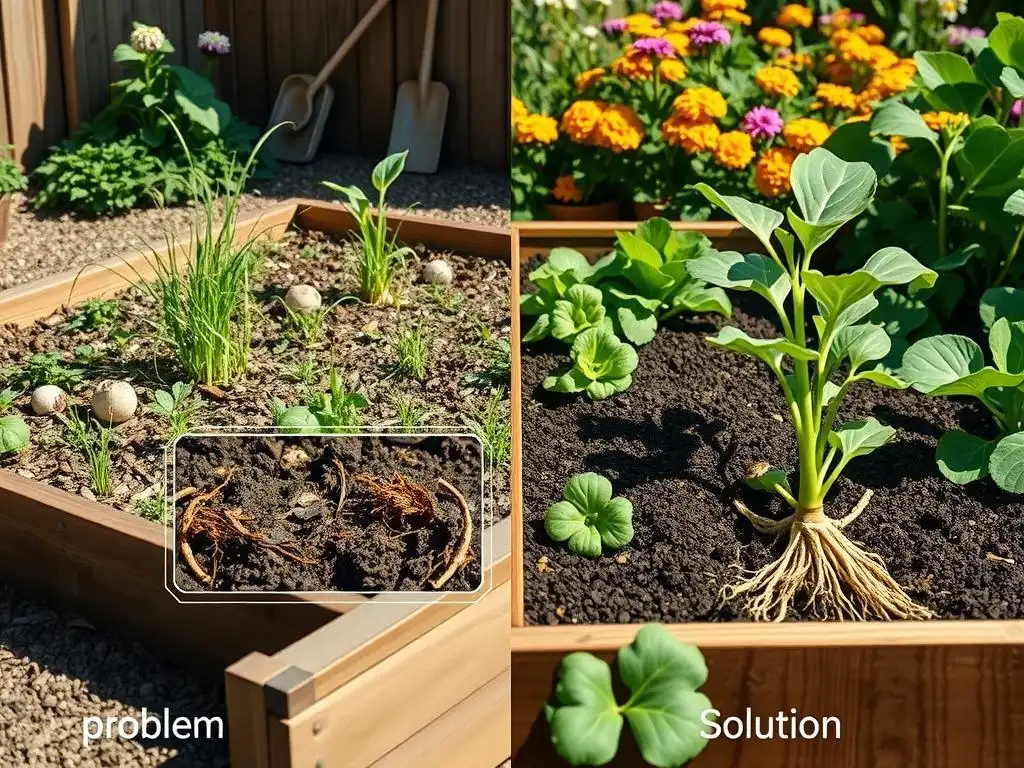
This section focuses on providing effective and sustainable solutions for common problems encountered in no-dig gardening. We'll explore organic pest control, disease management, and other challenges, offering practical advice to help you cultivate a thriving no-dig garden. Remember, a successful no-dig garden relies on proactive measures and a deep understanding of your plants' needs. Let's dive into the specifics.
Pest Control Strategies for No-Dig Gardens: Organic and Sustainable Approaches
No-dig gardening, while beneficial for soil health, can sometimes attract pests. However, by employing organic and sustainable pest control methods, you can minimize their impact without harming beneficial insects or the environment. The key is to create a balanced ecosystem within your garden.
Dealing with Slugs and Snails in Your No-Dig Garden
Slugs and snails are notorious garden pests, particularly fond of tender young leaves. In a no-dig system, their moist environment can be especially appealing. Here are some effective control strategies:
- Beer traps: Place shallow dishes filled with beer around your plants. The aroma attracts slugs and snails, which drown in the liquid. This is a relatively humane method.
- Copper barriers: Copper tape or mesh placed around plants creates a physical barrier that slugs and snails avoid. They receive a mild electric shock when they crawl across it.
- Diatomaceous earth: This natural powder, made from fossilized algae, has sharp edges that cut into the soft bodies of slugs and snails, dehydrating and killing them. Sprinkle it around plants, focusing on damp areas.
- Handpicking: Regularly check your plants, especially in the evening, and remove slugs and snails by hand. Dispose of them away from your garden.
- Natural predators: Encourage natural predators like hedgehogs, frogs, and toads into your garden by providing suitable habitats. They'll help keep slug and snail populations under control.
Preventing and Managing Aphids and Other Common Pests
Aphids are tiny sap-sucking insects that can quickly infest plants, causing stunted growth and leaf distortion. Other common pests include whiteflies and spider mites. Effective management involves a multi-pronged approach:
- Beneficial insects: Introduce ladybugs, lacewings, and parasitic wasps into your garden. These beneficial insects prey on aphids and other pests, providing natural control.
- Insecticidal soap: This organic solution can effectively control aphids and other soft-bodied insects. Always follow the product instructions carefully.
- Neem oil: Neem oil is a natural insecticide derived from the neem tree. It disrupts the life cycle of many insects, including aphids. Apply as directed on the product label.
- Strong water spray: A forceful spray of water can dislodge aphids from plants. Repeat as needed.
- Companion planting: Planting certain herbs and flowers alongside susceptible plants can deter pests. Marigolds, for example, are known to repel aphids.
Disease Management in No-Dig Gardening: Preventing and Treating Plant Illnesses
Maintaining a healthy soil ecosystem is crucial for preventing plant diseases. The no-dig approach, with its focus on soil biodiversity, inherently contributes to disease resistance. However, proactive measures are still necessary.
Identifying and Treating Common Fungal Diseases in No-Dig Beds
Fungal diseases, such as powdery mildew and blight, can thrive in humid conditions. Early detection and appropriate treatment are vital:
- Good air circulation: Ensure adequate spacing between plants to promote good air circulation, reducing humidity and the risk of fungal growth.
- Avoid overhead watering: Water at the base of plants to avoid wetting foliage, which can encourage fungal spores to germinate.
- Remove infected plant material: Promptly remove and dispose of infected leaves or stems to prevent the spread of disease.
- Organic fungicides: Consider using organic fungicides, such as copper fungicide or neem oil, following label instructions carefully. Always prioritize prevention.
- Crop rotation: Rotating crops annually helps break the disease cycle and prevent the buildup of pathogens in the soil.
Preventing and Managing Bacterial and Viral Diseases
Bacterial and viral diseases are often more challenging to manage than fungal diseases. Prevention is key:
- Healthy planting material: Use disease-free seeds or seedlings from reputable sources.
- Sanitize tools: Regularly clean and sterilize your gardening tools to prevent the spread of pathogens.
- Weed control: Weeds can harbor diseases, so keep your no-dig garden free from weeds.
- Resistant varieties: Choose plant varieties that are known to be resistant to common bacterial and viral diseases in your region.
- Soil testing: Regular soil testing can help identify potential nutrient deficiencies or imbalances that can make plants more susceptible to diseases. This proactive approach is crucial for long-term success in no-dig gardening.
Improving Soil Health and Drainage in No-Dig Gardens
Improving soil health and drainage is paramount for a thriving no-dig garden. Poor drainage leads to waterlogged roots, suffocating plants and inviting fungal diseases. Conversely, well-drained soil rich in organic matter provides the ideal environment for robust growth. This involves a multi-faceted approach focusing on both the initial soil preparation and ongoing maintenance.
The key to success lies in building a deep, rich soil profile. This isn't about digging, but rather about layering organic matter over time. Start with a generous layer of cardboard or thick newspaper to suppress weeds, followed by a thick layer of compost. This initial layer provides a foundation for improved drainage and aeration. Subsequent layers of compost, aged manure, and other organic materials will further enhance the soil structure, creating a sponge-like effect that retains moisture while preventing waterlogging. Regular additions of compost throughout the growing season will continue to improve drainage and soil health.
Remember, the goal is not to achieve perfect drainage immediately, but to gradually improve soil structure over time. Patience and consistent organic matter additions are key to long-term success in a no-dig system. Observe your soil after rain or watering – if water sits on the surface for extended periods, consider adding more organic matter to improve its absorbency.
If the soil is excessively dry, you may need to adjust your watering schedule or experiment with different mulching techniques. Don't be afraid to experiment and adjust your approach based on your specific soil type and climate. A soil test can also provide valuable insight into your soil's composition and specific needs.
Optimizing Soil Structure for Enhanced Drainage and Aeration
Optimizing soil structure in a no-dig garden is crucial for both drainage and aeration. Compacted soil hinders root growth and prevents water from penetrating effectively, leading to poor drainage and oxygen deprivation for plant roots. A well-structured soil, on the other hand, allows for easy water infiltration, adequate aeration, and optimal root development.
This is achieved primarily through the addition of organic matter. Compost, aged manure, and other organic materials are not just nutrients; they improve soil structure by creating air pockets and improving water retention. The organic matter acts like a sponge, allowing water to infiltrate slowly and preventing runoff. This improved structure also enhances aeration, ensuring that plant roots receive sufficient oxygen for healthy growth. Furthermore, the addition of materials like shredded leaves or wood chips can further improve soil structure and aeration, particularly in heavy clay soils.
The process is gradual. Over time, the decomposition of organic matter creates a crumbly soil structure, significantly improving drainage and aeration. Regular additions of organic matter maintain this structure and prevent soil compaction. Avoid walking on the soil as much as possible, especially when it's wet, to minimize compaction. Consider using raised beds or pathways to reduce foot traffic in the garden. By consistently improving soil structure, you create a more resilient and productive no-dig garden.
Choosing the Right Mulch for Your No-Dig Garden
Mulching is a cornerstone of successful no-dig gardening. The right mulch not only suppresses weeds but also significantly improves soil drainage, aeration, and moisture retention. Different mulches have varying properties, so selecting the appropriate type is crucial for your specific needs and soil type.
For improved drainage in heavy clay soils, consider using coarser mulches like wood chips or straw. These materials allow for better water penetration and prevent surface waterlogging. However, for sandy soils that drain too quickly, finer mulches like shredded leaves or compost provide better moisture retention. A balanced approach might involve layering different mulches—a coarser layer at the bottom for drainage and a finer layer on top for moisture retention.
The depth of the mulch layer is also important. A layer that's too thin might not be effective in suppressing weeds or regulating soil moisture, while a layer that's too thick can impede plant growth or even create anaerobic conditions. Aim for a layer of approximately 2-4 inches, adjusting as needed depending on the type of mulch and your specific climate. Regularly replenish the mulch layer as it decomposes to maintain its effectiveness.
Choosing the right mulch is a key element in achieving optimal drainage and soil health in your no-dig garden. Experiment with different mulches to find what works best in your particular situation. Consider factors like availability, cost, and the specific needs of your plants when making your selection.
Optimizing Your No-Dig Garden for Success
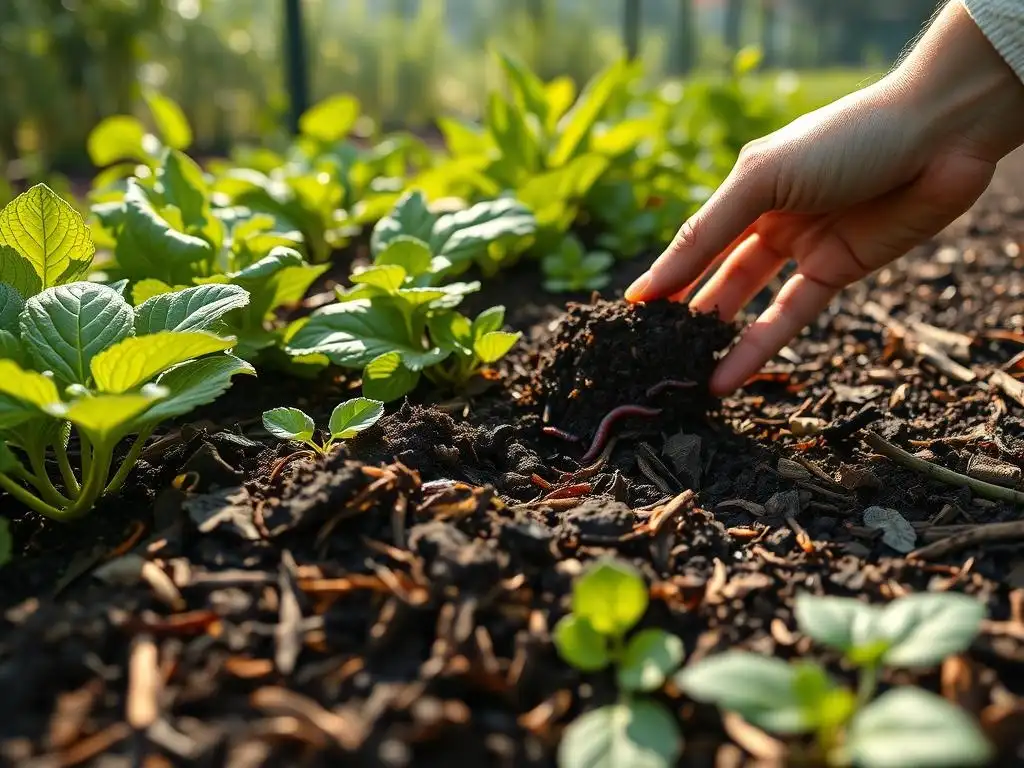
This section focuses on proactive strategies to minimize common no-dig garden problems and maximize yields. A successful no-dig garden relies heavily on careful planning and consistent maintenance. By implementing these preventative measures, you’ll significantly reduce the likelihood of encountering major issues down the line.
Preventing Future No-Dig Gardening Problems: Proactive Measures
Preventing problems is far easier than solving them. A crucial aspect of no-dig gardening is understanding the importance of soil health. Neglecting this can lead to a cascade of issues, including nutrient deficiencies, pest infestations, and poor drainage. Here's how to stay ahead of the curve:
- Regular Soil Testing: Conduct soil tests at least once a year, ideally in spring and fall. This helps identify nutrient imbalances before they become significant problems. Knowing your soil's pH and nutrient levels allows for targeted amendments, preventing deficiencies that weaken plants and make them susceptible to diseases. For example, a soil test revealing low phosphorus levels indicates a need to add composted manure or bone meal.
- Careful Mulching: A thick layer of mulch (at least 4 inches) is paramount. This suppresses weeds, regulates soil temperature and moisture, and gradually enriches the soil as it decomposes. Choose organic mulches like shredded leaves, straw, or wood chips. Avoid using fresh wood chips, as they can deplete nitrogen from the soil initially.
- Crop Rotation: Rotating your crops annually helps prevent the buildup of pests and diseases associated with specific plant families. For instance, planting brassicas (like broccoli and cabbage) in one area one year and legumes (like beans and peas) the next reduces the risk of soilborne diseases specific to those families.
- Pest Monitoring: Regularly inspect your plants for signs of pests or diseases. Early detection allows for timely intervention, preventing minor problems from escalating into major infestations. Consider using beneficial insects or companion planting to deter pests naturally.
Maintaining Soil Fertility in No-Dig Systems: Long-Term Strategies
The beauty of no-dig gardening lies in its ability to continuously improve soil health over time. However, maintaining fertility requires ongoing effort. Here are some long-term strategies for ensuring your soil remains vibrant and productive:
- Composting and Green Manure: Regularly adding compost and green manure crops (like clover or rye) significantly enhances soil fertility. Compost introduces beneficial microbes and a wide range of nutrients, while green manure crops fix nitrogen and improve soil structure. Aim for a consistent supply of both.
- Layered Composting: Instead of mixing compost directly into the soil, layer it on top. This mimics the natural decomposition process and improves soil structure while gradually enriching the soil below. This method is particularly effective for building soil depth over time.
- Avoid Over-Fertilizing: While adding nutrients is important, over-fertilizing can harm beneficial soil organisms and lead to nutrient imbalances. Follow soil test recommendations carefully and avoid using synthetic fertilizers whenever possible.
Choosing the Right Plants for Your No-Dig Garden
Plant selection is critical for no-dig success. Choosing plants suited to your climate and soil conditions minimizes stress on the plants and reduces the likelihood of problems. Consider these factors:
- Climate Suitability: Select plants that thrive in your specific climate zone. Consider factors like sunlight, temperature, and rainfall when choosing your plants.
- Soil Preferences: Ensure the plants you choose are compatible with the soil type and pH of your no-dig bed. Some plants prefer slightly acidic soil, while others prefer neutral or alkaline conditions. Your soil test will be invaluable here.
- Disease Resistance: Opt for plant varieties known for their disease resistance. This reduces the need for chemical interventions and minimizes the risk of widespread disease outbreaks. Look for disease-resistant cultivars when selecting your seeds or seedlings.
- Spacing and Companion Planting: Proper spacing prevents overcrowding and improves air circulation, reducing the risk of fungal diseases. Companion planting can also enhance pest control and improve overall plant health. Research which plants grow well together.
By diligently applying these strategies, you'll significantly improve your chances of a bountiful and trouble-free no-dig garden. Remember, patience and observation are key to success in this rewarding gardening method! Happy gardening! 🌱
Advanced No-Dig Gardening Troubleshooting
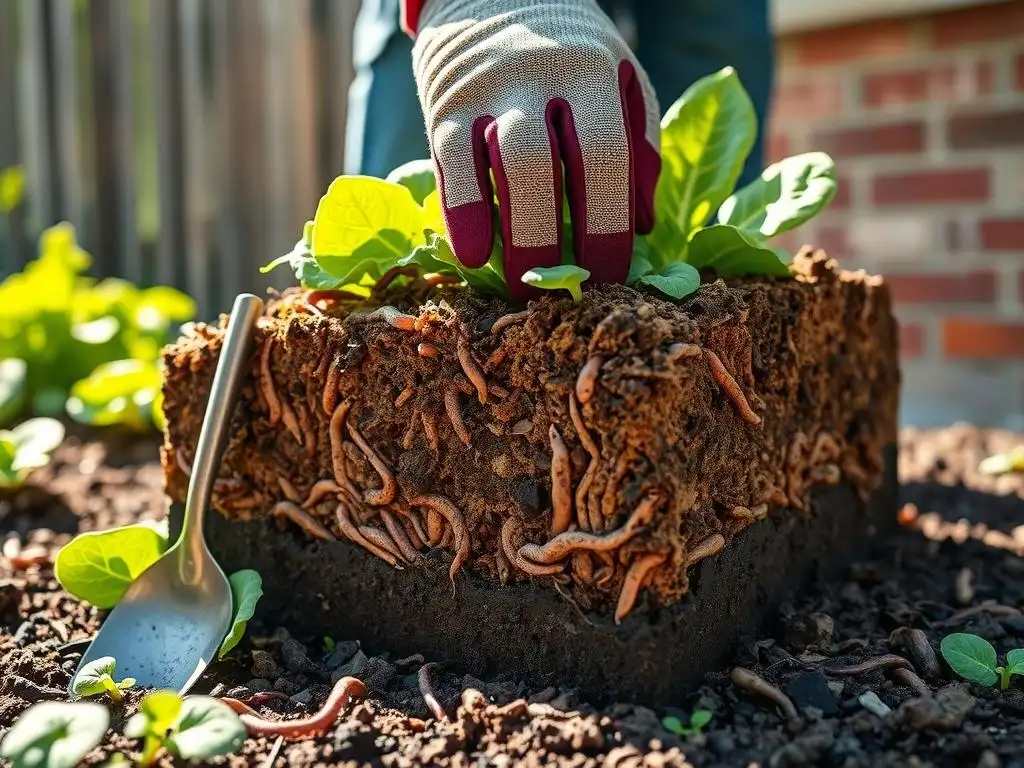
This section delves into advanced troubleshooting for your no-dig garden, providing detailed solutions to common challenges. We'll explore specific case studies, offering practical advice to overcome obstacles and maximize your harvest. Remember, patience and observation are key to successful no-dig gardening. Addressing issues promptly can prevent small problems from escalating into larger ones, ensuring a thriving and productive garden.
Addressing Specific No-Dig Garden Problems: Case Study: Dealing with Root Rot in Tomatoes
Root rot, a fungal disease, is a common problem in no-dig gardens, particularly if the soil is poorly drained or overly saturated. Tomatoes, with their shallow root systems, are especially susceptible. The symptoms include wilting, yellowing leaves, and a soft, mushy stem at the base of the plant. Prevention is crucial.
Here's how to address root rot in your no-dig tomato plants:
- Improve Drainage: Ensure your no-dig beds have adequate drainage. Raised beds are particularly beneficial for preventing waterlogging. Adding a layer of coarse gravel or broken pottery at the bottom of the bed can also improve drainage.
- Avoid Overwatering: Overwatering is a significant contributor to root rot. Water deeply but less frequently, allowing the soil to dry slightly between waterings. Monitor the soil moisture with your finger – it should feel moist but not soggy.
- Mulching: Apply a thick layer of organic mulch, such as straw or wood chips, to help regulate soil moisture and temperature. This also helps suppress weeds that can compete with your tomatoes for resources.
- Crop Rotation: Rotate your tomato crops annually to break the disease cycle. Avoid planting tomatoes in the same location for consecutive years.
- Sanitation: Remove and destroy infected plants immediately to prevent the spread of the disease. Do not compost infected plant material.
Remember, early detection is key. Regularly inspect your plants for signs of root rot. If you suspect root rot, take immediate action to prevent its spread. Proper soil preparation and attentive watering practices can greatly reduce the risk of this common no-dig garden problem.
Addressing Specific No-Dig Garden Problems: Case Study: Improving Growth in Clay Soil
Clay soil presents unique challenges for no-dig gardening. Its dense structure restricts water and air movement, hindering root growth and nutrient uptake. However, with the right techniques, you can create a thriving no-dig garden even in clay.
Here's a step-by-step approach to improve growth in clay soil:
- Amend the Soil: Improving soil structure is paramount. Incorporate generous amounts of organic matter, such as well-rotted compost, aged manure, and leaf mold. This improves drainage, aeration, and water retention. Aim for a significant layer – at least 6-12 inches – of organic matter.
- Raised Beds: Consider using raised beds to further improve drainage and aeration. Fill the beds with a mixture of clay soil and ample organic amendments.
- Mulching: A thick layer of mulch helps regulate soil moisture and temperature, preventing the clay soil from becoming compacted or excessively dry.
- Soil Testing: Conduct a soil test to determine the pH and nutrient levels. Amend the soil accordingly to address any deficiencies.
- Careful Watering: Avoid overwatering, as clay soil retains moisture for longer periods. Water deeply but less frequently, allowing the soil to dry somewhat between waterings.
- Choose Appropriate Plants: Select plants that tolerate clay soil conditions. Some vegetables that perform well in clay include beetroot, kale, and potatoes.
By implementing these strategies, you can significantly improve the growing conditions in your clay soil, fostering healthy growth in your no-dig garden. Remember that patience is key – improving clay soil is a long-term process that requires consistent effort.
Resources for Further No-Dig Gardening Support
Continued learning is essential for success in no-dig gardening. While this guide provides valuable solutions, exploring additional resources can further enhance your understanding and skills. Consider seeking out local gardening workshops, joining online gardening communities, and consulting expert gardening books and websites for further no-dig garden problem solutions. Many experienced no-dig gardeners are happy to share their knowledge and experiences, offering invaluable support and guidance.
Remember to document your garden's progress and adapt your strategies based on your observations and results. The journey of no-dig gardening is a continuous learning process, and consistent effort is rewarded with a healthy and productive garden. Happy gardening! 🌱
Frequently Asked Questions
What are the most common problems in no-dig gardening?
Common issues include weed encroachment, poor drainage, and nutrient deficiencies. Addressing these early prevents larger problems later.
How can I improve drainage in a no-dig garden?
Raised beds or incorporating plenty of organic matter like compost can significantly improve drainage. Avoid compacting the soil when adding materials.
How do I deal with weeds in a no-dig garden?
Regular mulching helps suppress weeds. Hand weeding is best to avoid disturbing the soil structure. Consider using cardboard or other ground cover techniques.
What is the best way to add nutrients to a no-dig garden?
Use compost, well-rotted manure, and cover crops to naturally enrich the soil. Avoid harsh chemical fertilizers.
How can I prevent pest problems in my no-dig garden?
Encourage beneficial insects by planting flowers. Use natural pest control methods like companion planting and insecticidal soaps rather than chemical pesticides.
Final Reflection: Cultivating Success in Your No-Dig Garden
The principles of no-dig gardening, once considered a niche practice, are now more relevant than ever in a world grappling with soil degradation and climate change. Building healthy soil through minimal disturbance is not just a gardening technique; it's a vital step towards a more sustainable future, ensuring food security and environmental resilience for generations to come.
The journey of establishing a thriving no-dig garden is a testament to the power of patience and observation. It's a process of learning to work with nature, rather than against it. The glory of gardening: hands in the dirt, head in the sun, heart with nature. To nurture a garden is to feed not just the body, but the soul.
This quote perfectly encapsulates the deeply rewarding experience of nurturing life from the earth, especially when employing methods that enhance its health and longevity. The challenges encountered, as detailed in this article, are merely stepping stones on the path to a bountiful and sustainable harvest.
You now possess the knowledge to troubleshoot common no-dig garden problems and cultivate a flourishing space. Consider the lessons learned – from understanding soil health to recognizing the signs of nutrient deficiencies – and apply them to your own garden. Don't be afraid to experiment, to adapt techniques to your specific environment, and to embrace the learning process.
Your success in creating a thriving no-dig garden is not just about the yield; it's about connecting with the earth, fostering biodiversity, and contributing to a healthier planet. Begin your journey today, and watch your garden – and your understanding of nature – flourish.
Unleash Your No-Dig Garden's Full Potential!
Thank you for exploring the world of no-dig gardening! We hope you've gained valuable insights and are ready to create a thriving garden. Now it's time to put your new knowledge into practice.
- Design your ideal no-dig garden: Plan your next garden using pen and paper, or your preferred digital tool. Consider soil improvements, appropriate plant spacing, and crop rotation to maximize your harvest. This is your opportunity to create the garden of your dreams!
- Share your progress: Inspire others by sharing photos of your garden's development on social media using #NoDigSuccess and #CultivateYourFood. Let's build a strong and supportive community of no-dig gardeners!
- Experiment with companion planting: Try a new companion planting combination and keep a detailed journal to track your results. You might be surprised by the benefits you discover!
Ready to transform your garden into a thriving ecosystem? What's the first step you'll take to implement these no-dig techniques?