
The Secret to Growing Large and Sweet Beets: CultivateYourFood's Expert Advice

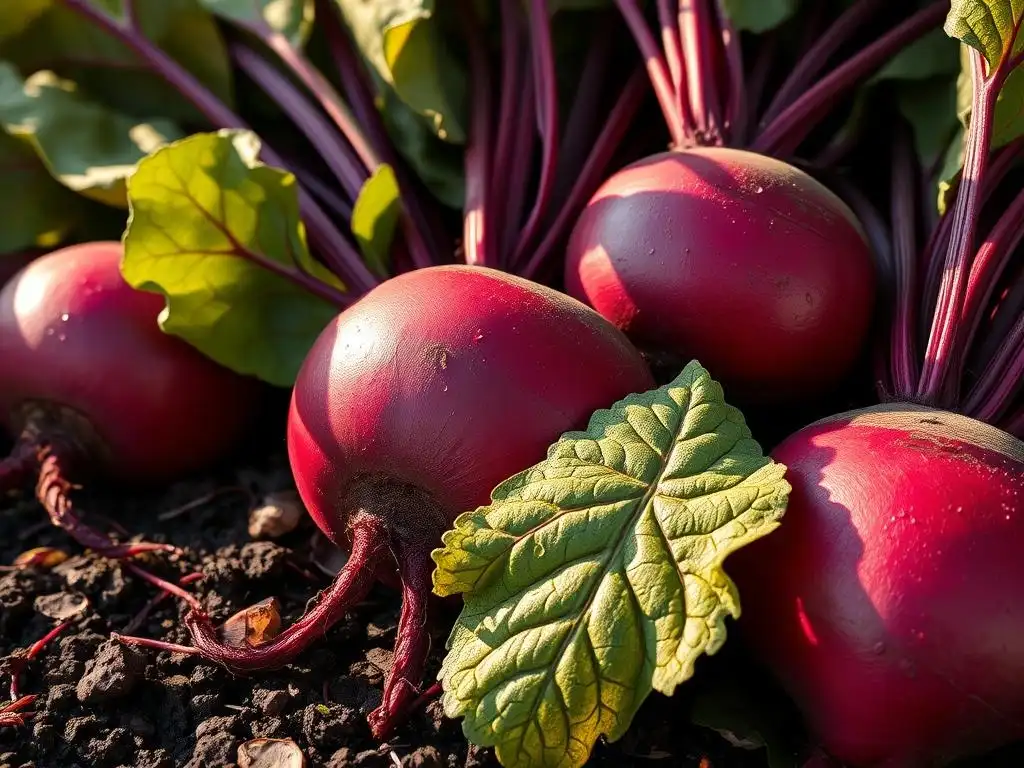
Welcome to CultivateYourFood, your guide to nurturing a thriving garden using sustainable and organic methods. Are you ready to experience the unparalleled satisfaction of harvesting your own homegrown bounty? Discover the secrets to cultivating vibrant, flavorful produce, starting with our expert advice on how to grow huge sweet beets organically. This is more than just gardening; it's a journey towards self-sufficiency and a deeper connection with nature. Let's get started!
- Selecting the Right Beet Seeds for Huge, Sweet Harvests
- Preparing Your Soil for Abundant Beetroot Growth
- Planting Your Beet Seeds for Maximum Yield
- Nurturing Your Beet Plants for Sweet, Plump Roots
- Harvesting Your Bountiful Beet Crop
- Enjoying Your Homegrown, Extra-Sweet Beets
- Preserving Your Beet Harvest: Canning, Freezing, and Pickling Techniques
- Frequently Asked Questions
- Final Reflection: Harvesting the Bounty of Knowledge and the Sweetness of Success
- Unlock Your Beet Harvest: Grow Bigger, Sweeter Beets Today!
Selecting the Right Beet Seeds for Huge, Sweet Harvests
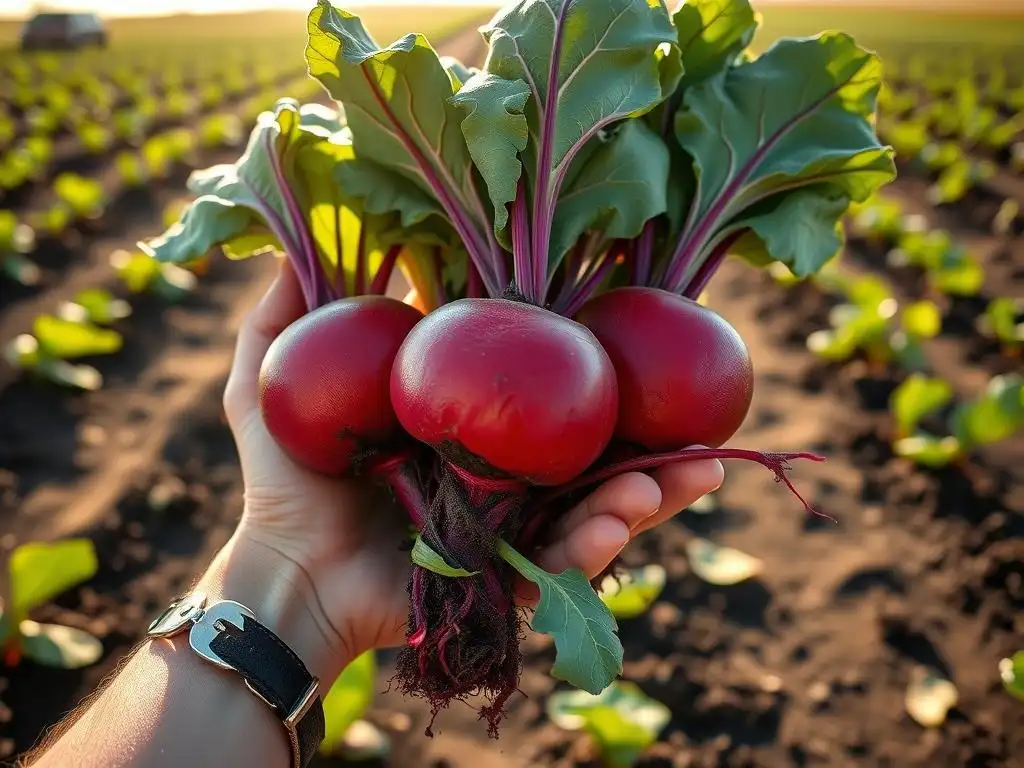
Growing plump, vibrantly colored, and intensely sweet beets organically is achievable with the right knowledge and techniques. This guide, crafted by CultivateYourFood, will walk you through the process, from selecting the perfect seeds to harvesting your bountiful crop. We'll explore how to cultivate huge, sweet beets organically, focusing on sustainable practices that benefit both your garden and the environment.
Forget those small, pithy beets you may have experienced in the past; with our expert advice, you'll be enjoying the sweetness of generously sized, homegrown beets in no time. This comprehensive guide addresses every step, ensuring even novice gardeners can achieve impressive results and enjoy the rewards of their labor. Get ready to unlock the secret to growing truly exceptional beets!
Choosing Beet Varieties for Optimal Size and Sugar Content
The foundation of a successful beet harvest lies in selecting the right variety. Not all beet seeds are created equal; some varieties are naturally predisposed to larger sizes and higher sugar content. Consider these factors when choosing your seeds:
- Size: Look for varieties known for producing large beets. Descriptions often specify the expected size, ranging from small to extra-large. Aim for varieties advertised as producing beets exceeding 3 inches in diameter for truly impressive yields.
- Sugar Content: Sugar content is crucial for sweetness. While many varieties are naturally sweet, some are specifically bred for enhanced sweetness. Look for descriptions highlighting high sugar content or exceptional flavor.
- Maturity Time: Choose a variety that matches your growing season. Longer-season varieties generally produce larger beets but require a longer growing period. Shorter-season varieties are ideal for cooler climates or shorter growing seasons.
- Disease Resistance: Selecting disease-resistant varieties minimizes the risk of crop failure and the need for chemical interventions, aligning with our organic approach. Look for descriptions mentioning resistance to common beet diseases.
Here's a simple table to illustrate the key characteristics you should consider:
| Variety Name | Expected Size (inches) | Sugar Content (relative) | Maturity Time (days) | Disease Resistance |
|---|---|---|---|---|
| [Variety Name 1] | [Size] | [High/Medium/Low] | [Days] | [Yes/No/Partial] |
| [Variety Name 2] | [Size] | [High/Medium/Low] | [Days] | [Yes/No/Partial] |
| [Variety Name 3] | [Size] | [High/Medium/Low] | [Days] | [Yes/No/Partial] |
Remember to always check the seed packet for specific details on expected size, maturity, and other relevant information.
Sourcing High-Quality Organic Beet Seeds
Choosing organic beet seeds is paramount for maintaining the integrity of your organic gardening practices. Sourcing from reputable suppliers ensures the seeds are not treated with harmful chemicals and are of high germination rates. Look for seeds certified organic by a recognized organization. Consider factors such as:
- Supplier Reputation: Research seed suppliers and choose those with a proven track record of providing high-quality, certified organic seeds. Read reviews and seek recommendations from fellow gardeners.
- Seed Germination Rate: A high germination rate ensures a greater number of successful seedlings, maximizing your yield. Look for suppliers who provide information on their seed germination rates.
- Seed Purity: Ensure the seeds are free from contamination with other plant species or unwanted weeds. This helps maintain the integrity of your organic garden.
- Packaging: Check that the seeds are packaged properly to maintain their viability and prevent damage during shipping and storage.
Selecting high-quality organic seeds is an investment that directly impacts the success of your beet crop and aligns perfectly with the principles of sustainable gardening. The effort in this initial stage will significantly contribute to a healthier and more abundant harvest.
Seed Starting Techniques for a Strong Beetroot Crop
Successful beet cultivation begins with proper seed starting. While beets can be directly sown, starting seeds indoors provides a head start, resulting in larger and earlier harvests. Consider these steps:
- Starting Time: Begin sowing seeds indoors 4-6 weeks before the last expected frost in your region. This allows ample time for seedlings to develop before transplanting outdoors.
- Seed Starting Mix: Use a well-draining seed starting mix, avoiding garden soil which may contain pathogens. A specialized seed starting mix provides optimal conditions for germination and early growth.
- Planting Depth: Sow seeds about ½ inch deep and 1 inch apart. Gently cover with soil and keep the soil consistently moist but not waterlogged.
- Light and Temperature: Provide ample sunlight (at least 6 hours per day) and maintain a consistent temperature around 70°F (21°C) for optimal germination and growth.
- Hardening Off: Before transplanting seedlings outdoors, gradually acclimate them to outdoor conditions over a period of 7-10 days. This process strengthens the seedlings and reduces transplant shock.
Following these steps ensures strong, healthy seedlings ready to thrive in your garden, setting the stage for a plentiful harvest of large and sweet beets. 🌱
Preparing Your Soil for Abundant Beetroot Growth
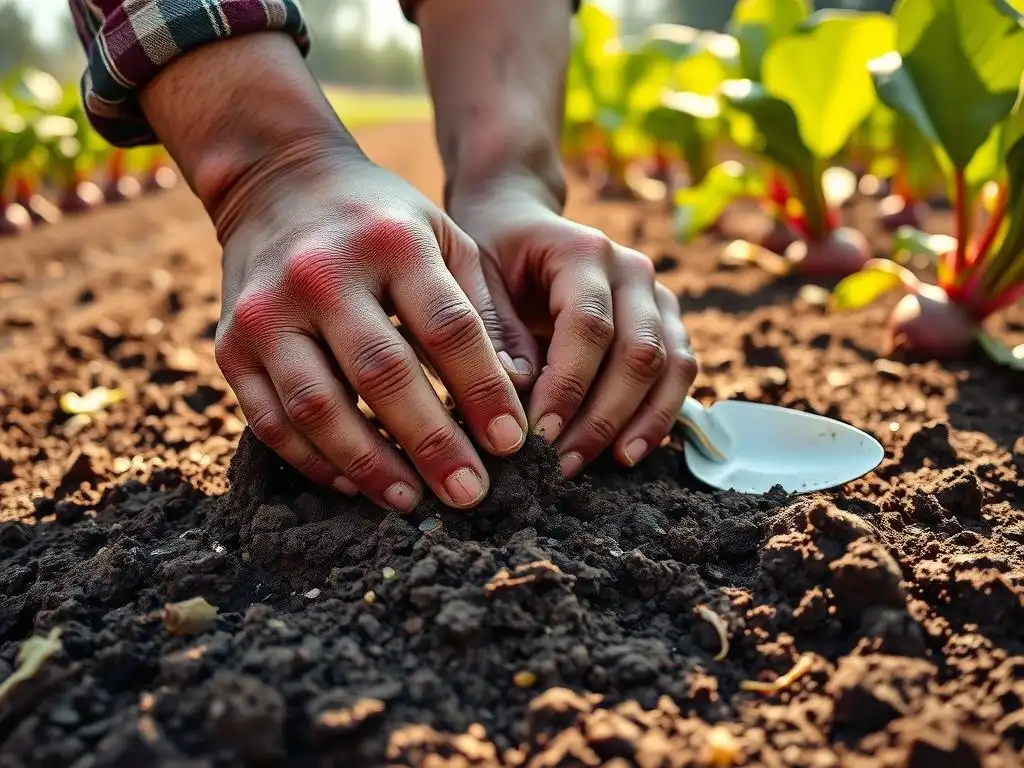
Growing huge sweet beets organically hinges significantly on soil preparation. Beets, unlike some other vegetables, are quite sensitive to soil conditions. Neglecting this crucial step can lead to small, misshapen roots, or even a complete crop failure. This section details the key aspects of soil preparation to ensure you cultivate the sweetest, largest beets possible. We'll cover everything from soil pH and composition to amending your soil and preparing the planting bed itself.
Soil Requirements for Large and Sweet Beets: Ideal pH and Composition
Beets thrive in loose, well-drained soil that's rich in organic matter. The ideal soil pH for beets is slightly acidic to neutral, ranging from 6.0 to 7.0. Soil that's too acidic (below 6.0) can lead to nutrient deficiencies and hinder beet growth, resulting in smaller, less sweet roots. Conversely, alkaline soil (above 7.5) can also impede nutrient uptake, impacting both size and sweetness.
A soil test is highly recommended before planting. This will provide a precise measurement of your soil's pH and nutrient levels. Based on the results, you can then amend your soil accordingly. Remember, a healthy soil is the foundation for healthy beets! The soil texture is also crucial; beets abhor compacted soil. Compacted soil restricts root growth and leads to stunted, misshapen beets. The ideal soil texture is a sandy loam or a silty loam which allows for excellent drainage and aeration. This ensures that the roots can easily penetrate the soil and access the necessary nutrients and water.
Amending Your Soil for Optimal Beet Growth: Organic Matter and Nutrients
Amending your soil is a vital step in preparing for a bountiful beet harvest. This involves improving the soil's structure, fertility, and drainage. Adding ample organic matter is key – think composted manure, leaf mold, or peat moss. These materials not only improve soil structure and drainage, but also provide essential nutrients. Aim for at least 2-4 inches of well-rotted compost incorporated into the top layer of soil.
Beyond organic matter, you might need to supplement with specific nutrients depending on your soil test results. Beets are particularly hungry for boron, potassium, and nitrogen. However, excessive nitrogen can lead to leafy growth at the expense of root development. Therefore, balanced fertilization is crucial. Organic fertilizers, like bone meal (for phosphorus) and kelp meal (for trace minerals), are excellent choices for organic beet cultivation. Always follow the package instructions carefully to avoid over-fertilizing. Remember, a slow-release fertilizer is preferable to a fast-release one to ensure a consistent supply of nutrients throughout the growing season.
Preparing the Planting Bed: Ensuring Proper Drainage and Sunlight
Before planting your beet seeds, ensure your planting bed is properly prepared. This involves creating raised beds if your soil is prone to poor drainage. Raised beds improve drainage and soil warming, particularly beneficial in cooler climates. The bed should receive at least 6 hours of direct sunlight daily. Less sunlight will lead to smaller beets and reduced sweetness.
Before sowing the seeds, loosen the soil to a depth of about 12 inches using a garden fork or tiller. This ensures that the beet roots have ample space to grow without encountering compacted soil. Remove any rocks or debris that might hinder root development. Finally, level the surface of the planting bed to create a uniform planting depth. Following these steps meticulously will significantly increase your chances of growing truly magnificent, sweet beets, fulfilling your goal of growing huge sweet beets organically.
Planting Your Beet Seeds for Maximum Yield
Growing huge sweet beets organically hinges on proper seed planting. This isn't just about throwing seeds into the ground and hoping for the best; it's a strategic process that maximizes yield and sweetness. We'll explore the crucial elements of depth, spacing, and timing to ensure your beetroot harvest is bountiful. Remember, consistent soil moisture is key throughout the entire growing process. Evenly moist soil promotes even root growth and prevents cracking.
Optimal Planting Depth and Spacing for Beetroots
The ideal planting depth for beet seeds is about ½ inch (1.3 cm). Planting too shallow exposes the seeds to drying out, reducing germination rates. Planting too deep, conversely, can hinder emergence, resulting in weak and stunted plants. Use a hand rake or similar tool to gently create furrows, ensuring consistent depth.
Spacing is equally critical. Overcrowding leads to competition for resources, resulting in smaller beets. Aim for 2-3 inches (5-8 cm) between individual seeds within the row, and at least 12-18 inches (30-45 cm) between rows. This spacing allows for adequate airflow and sunlight penetration, promoting healthy leaf and root development, essential for growing huge sweet beets organically. Consider using a seed tape or marker to help maintain consistent spacing. This method reduces the need for thinning later, minimizing stress on the young plants.
Timing Your Beet Planting for a Successful Harvest: Spring vs. Fall Sowing
The timing of your beet planting significantly impacts the size and sweetness of your harvest. Beets thrive in cool weather and prefer soil temperatures between 40-70°F (4-21°C). Therefore, you have two main sowing windows: spring and fall.
Spring sowing is ideal in areas with cooler summers. Plant seeds as soon as the soil can be worked in early spring, usually after the last frost. This allows the beets to mature before the intense summer heat sets in, which can cause bolting (premature flowering) and smaller roots. Aim for a harvest 50-70 days after planting, depending on the variety.
Fall sowing is an option in milder climates where the ground doesn't freeze solid during the winter. Plant seeds 6-8 weeks before the first expected frost. The beets will overwinter and produce a larger harvest the following spring. This method is particularly effective for achieving larger beets, as the cooler temperatures encourage root growth over leaf development. Remember to protect your fall plantings with a layer of mulch to insulate them from extreme cold.
| Season | Planting Time | Advantages | Disadvantages |
|---|---|---|---|
| Spring | Early spring, after frost | Earlier harvest, avoids summer heat stress | Shorter growing season, may not produce largest beets |
| Fall | 6-8 weeks before first frost | Larger beets, extended growing season | Risk of winter damage, later harvest |
Thinning Beet Seedlings for Enhanced Growth and Size
Even with careful spacing, some thinning is usually necessary. Once the seedlings have developed their first true leaves (approximately 2-3 inches tall), carefully thin them to the desired spacing. Remove weaker seedlings, leaving the strongest plants to maximize resource allocation. Don't pull the seedlings out; instead, use small scissors or a sharp knife to cut them off at ground level to avoid disturbing the roots of the remaining plants.
This gentle thinning minimizes stress and encourages the remaining beets to grow larger and sweeter. Remember, thinning is crucial for those aiming to "grow huge sweet beets organically". The extra space allows for unimpeded root development, leading to a significantly improved harvest. Regular weeding around the plants is also crucial to minimize competition for nutrients and water.
Nurturing Your Beet Plants for Sweet, Plump Roots
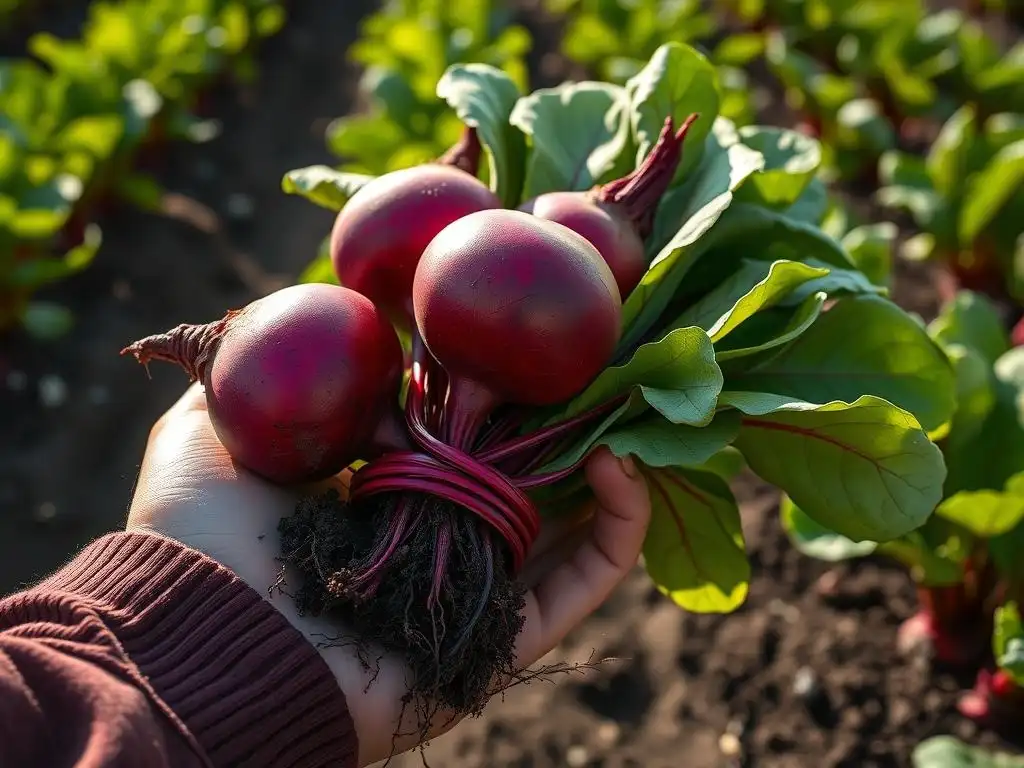
Growing huge, sweet beets organically requires a multifaceted approach, focusing on optimal growing conditions and proactive pest management. This section delves into the key practices that will transform your beet harvest from modest to magnificent. Remember, consistent effort throughout the growing season is crucial for achieving truly exceptional results when you grow huge sweet beets organically.
Watering Techniques for Sweet Beet Production: Consistency and Depth
Consistent moisture is paramount for plump, sweet beets. Erratic watering leads to cracked or misshapen roots, compromising both size and flavor. Aim for consistently moist soil, but avoid waterlogging, which can lead to root rot. Deep, infrequent watering encourages deeper root growth, resulting in larger beets. Instead of frequent shallow watering, opt for a thorough soaking once or twice a week, depending on weather conditions and soil type.
Consider using a soaker hose or drip irrigation system to deliver water directly to the roots, minimizing water waste and preventing fungal diseases. Monitor soil moisture regularly by feeling the soil a few inches below the surface. If it feels dry, it's time to water. Remember, the goal is to mimic natural rainfall patterns, providing consistent moisture without over-saturating the soil. This approach is crucial to achieving the desired outcome when you want to grow huge sweet beets organically.
Organic Fertilization Strategies for Maximizing Beet Size and Sugar Content
Nutrient-rich soil is the foundation for growing large, sweet beets. Avoid using synthetic fertilizers, as they can negatively impact the flavor and quality of your harvest. Opt instead for organic methods to boost soil fertility and provide your beets with the nutrients they need to thrive. Compost is an excellent choice, adding organic matter and beneficial microorganisms to the soil.
Before planting, incorporate a generous amount of well-rotted compost into the soil. Side-dress your beets with compost tea or a liquid seaweed fertilizer midway through the growing season to provide a boost of nutrients. Avoid over-fertilizing with nitrogen, as this can promote leafy growth at the expense of root development.
A balanced organic fertilizer, rich in potassium and phosphorus, will promote larger, sweeter roots. Regular soil testing can help you determine your soil's nutrient levels and tailor your fertilization strategy accordingly. This careful approach to organic fertilization is key to understanding how to grow huge sweet beets organically.
Pest and Disease Management for Healthy Beetroot Growth: Organic Solutions
Protecting your beet plants from pests and diseases is crucial for a successful harvest. Several organic methods can be employed to keep your beets healthy and productive. Regularly inspect your plants for signs of pests or diseases. Early detection and intervention are key to preventing widespread damage.
Use row covers to protect young seedlings from flea beetles, a common beet pest. Handpick any visible pests, such as aphids or slugs. Encourage beneficial insects, such as ladybugs, to control pest populations naturally. Practice crop rotation to break pest and disease cycles.
Avoid planting beets in the same location year after year. If fungal diseases like leaf spot appear, consider using an organic fungicide, such as neem oil or copper spray. Maintaining good air circulation around your beet plants by spacing them appropriately can also help prevent fungal diseases. A proactive and holistic approach to pest and disease management is essential when you aim to grow huge sweet beets organically.
Harvesting Your Bountiful Beet Crop
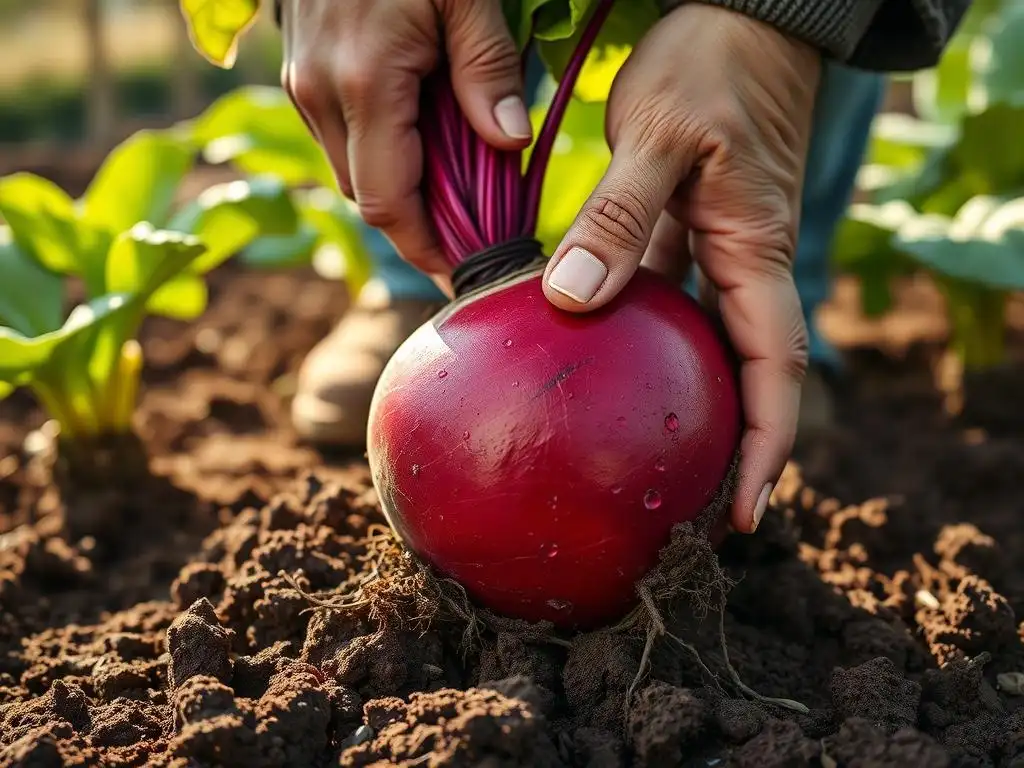
This section focuses on maximizing your beet harvest, ensuring you get the biggest, sweetest beets possible from your organic garden. We'll cover how to determine ripeness, the best harvesting techniques, and optimal storage methods to keep your beets fresh and delicious for as long as possible. Remember, patience and careful attention to detail are key to achieving a truly bountiful beet crop!
Determining Beet Maturity: Signs of a Ready Harvest
Knowing when to harvest your beets is crucial for achieving optimal size and sweetness. Harvesting too early results in small, underdeveloped beets, while harvesting too late can lead to tough, woody roots. Here's how to identify the perfect moment:
- Size: Generally, beets are ready for harvest when they reach a diameter of 2-4 inches, depending on the variety. Check the seed packet or plant tag for specific size recommendations for your chosen beet type. Remember, even within a variety, there will be some size variation.
- Color: The beet's color is a great indicator of maturity. The roots should be deeply colored, reflecting the variety; for example, a deep red for red beets, or a vibrant golden hue for golden beets. A pale or faded color suggests immaturity.
- Leaf Condition: While the beet itself is important, the leaves also provide clues. Healthy, vibrant green leaves indicate a healthy root. If the leaves start to yellow or wilt significantly, it might be a sign that the beet is nearing the end of its prime. However, don't automatically assume that yellowing leaves mean it's time to harvest – other factors like water stress can cause this as well.
- Soil Texture: Gently probe the soil around the beet with your fingers. If the beet feels firm and full, it's likely ready. If it feels soft or spongy, it might need more time.
Remember to check several beets in different parts of your garden bed to get a representative sample. Don't be afraid to gently pull up a test beet or two to assess their maturity before harvesting the entire crop. This allows you to refine your harvesting schedule for future beet crops.
Proper Harvesting Techniques to Prevent Damage
Harvesting beets carefully is crucial to prevent damage that can affect their quality and storage life. Bruising or cracking can lead to spoilage, so gentle handling is key. Here's how to do it right:
- Use a Garden Fork: A garden fork is a better tool than a trowel for harvesting beets. Its tines allow you to loosen the soil around the beet without damaging the root itself. Gently insert the fork into the soil a few inches away from the beet, then carefully lift the beet.
- Avoid Pulling: Pulling the beet directly from the ground can cause the root to break or crack. Instead, loosen the soil around it first, then gently lift it out.
- Clean Gently: After harvesting, gently brush off excess soil. Avoid scrubbing or washing the beets until you're ready to use them. This prevents damage and helps maintain their freshness.
- Handle with Care: Beets are delicate; handle them with care to prevent bruising.
Storing Your Harvested Beets for Optimal Freshness and Longevity
Proper storage is essential to prolong the life of your harvested beets and maintain their quality. Here are some tips for optimal storage:
- Trim the Greens: Remove the beet greens immediately after harvesting. Leaving them attached will draw moisture from the roots, leading to faster spoilage. You can, however, compost the greens.
- Refrigerate: Store your harvested beets in a plastic bag in the refrigerator's crisper drawer. They'll stay fresh for about two weeks under these conditions.
- Root Cellar Storage (Optional): If you have a root cellar or cool, dark, and humid storage space, you can extend the storage life significantly. Beets can last for several months under these conditions. Make sure to check them periodically for signs of spoilage and remove any damaged beets.
By following these harvesting and storage tips, you can enjoy your organically grown, huge, and sweet beets for weeks—or even months—to come! Happy harvesting! 🥕 👨🌾
Enjoying Your Homegrown, Extra-Sweet Beets
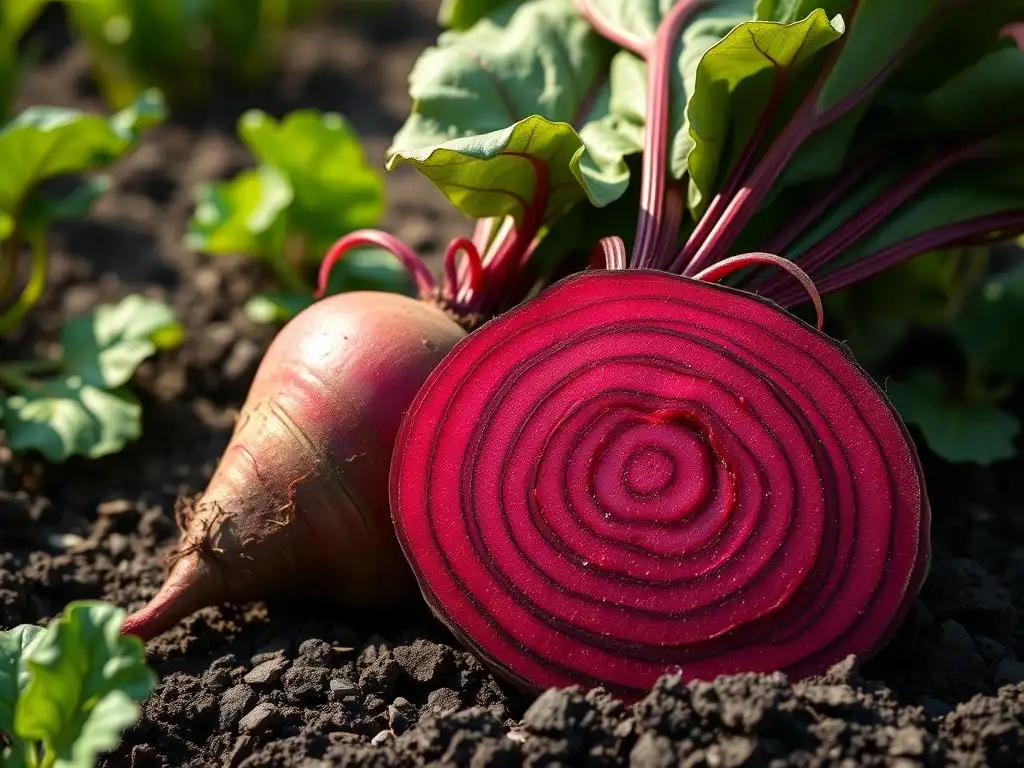
After months of careful tending, you've finally harvested a bounty of plump, vibrantly colored beets—the reward for your dedication to growing huge sweet beets organically! Now it's time to enjoy the fruits (or rather, roots!) of your labor. But beyond the simple boiled beet, a world of culinary possibilities awaits.
Your homegrown beets, cultivated with organic methods, offer a superior sweetness and earthiness compared to store-bought varieties. This unique flavor profile makes them ideal for a range of dishes, from simple salads to elegant entrees. Don't let your hard work go to waste; let's explore ways to fully appreciate your exceptional beet harvest. The intense flavor and vibrant color will transform your meals.
Creative Recipes Showcasing Your Delicious Beet Harvest
The possibilities for using your homegrown beets are truly endless! Their earthy sweetness pairs beautifully with a variety of flavors. Here are a few ideas to inspire your culinary creativity:
- Roasted Beet and Goat Cheese Salad: Roast your beets until tender, then toss them with crumbled goat cheese, toasted walnuts, and a light vinaigrette. The sweetness of the beets complements the tangy goat cheese perfectly. Consider adding some peppery arugula for a delightful contrast in textures and flavors.
- Beetroot and Orange Risotto: The vibrant color and subtle sweetness of beets add a unique twist to a classic risotto. The orange juice adds a complementary citrusy note, balancing the earthiness of the beets. This dish is visually stunning and surprisingly simple to prepare.
- Beet Carpaccio: Thinly sliced beets arranged artfully on a plate create a beautiful and flavorful starter. A drizzle of olive oil, balsamic glaze, and a sprinkle of fresh herbs elevate this simple dish to a culinary masterpiece.
- Beetroot Hummus: A vibrant twist on a classic! Blend roasted beets with chickpeas, tahini, lemon juice, and garlic for a creamy and colorful dip. Serve with pita bread or crudités for a healthy and flavorful snack or appetizer.
Remember to always taste your beets before using them in recipes. Their sweetness can vary depending on the variety and growing conditions. Adjust the amount of sugar or other seasonings accordingly to achieve your desired flavor profile. Growing huge sweet beets organically ensures a superior taste experience!
Preserving Your Beet Harvest: Canning, Freezing, and Pickling Techniques
Once you've enjoyed a portion of your fresh beet harvest, you'll want to preserve the rest to enjoy their deliciousness throughout the year. Proper preservation techniques ensure the quality and flavor of your organically grown beets are maintained. Here's a breakdown of popular methods:
Canning, Freezing, and Pickling Techniques
- Canning: Canning beets requires careful sterilization and processing to ensure safety and prevent spoilage. This method is ideal for long-term storage and allows you to enjoy the vibrant color and flavor of your beets months after harvesting. Properly canned beets can last for up to a year or more. Research specific canning guidelines for beets to ensure safety and quality.
- Freezing: Freezing is a quick and convenient method for preserving beets. Blanch the beets before freezing to maintain their color and texture. Freezing preserves the beets’ nutrients and flavor for several months. Beets frozen properly maintain their quality for up to 12 months.
- Pickling: Pickling transforms beets into tangy and flavorful treats. Pickled beets are a delicious addition to salads, sandwiches, and charcuterie boards. Experiment with different pickling brine recipes to find your favorite flavor profile. Pickled beets can last for several months when stored properly in a cool, dark place.
Remember to always prioritize food safety when preserving your homegrown beets. Follow established guidelines for each preservation method to ensure your beets are safe and delicious to enjoy throughout the year. This ensures you can savor the rewards of your efforts in growing huge sweet beets organically for months to come! 🥕
Frequently Asked Questions
What is the secret to growing huge sweet beets organically?
The secret lies in optimal soil conditions, consistent watering, and thinning to prevent overcrowding. Using organic compost and avoiding nitrogen-heavy fertilizers also contributes to sweetness.
How much space do beet plants need?
Beets require about 4-6 inches of space between plants for optimal growth. Overcrowding leads to smaller, less sweet beets. Proper thinning is crucial.
When is the best time to plant beets?
The best time to plant beets is in early spring or late summer/early fall, depending on your climate. Aim for cool soil temperatures and avoid planting during the hottest part of the summer.
What are some common problems when growing beets?
Common issues include beet leaf miner infestation, poor soil drainage leading to cracking, and bolting (premature flowering) due to heat stress. Regular monitoring and proper soil preparation are key.
How do I know when my beets are ready for harvest?
Beets are typically ready for harvest when they reach 2-4 inches in diameter, depending on the variety. You can gently pull a few to check; avoid over-harvesting. A smooth, firm beet indicates ripeness.
Final Reflection: Harvesting the Bounty of Knowledge and the Sweetness of Success
The quest for plump, intensely sweet beets isn't merely about gardening; it's a reflection of our desire to connect with nature and cultivate nourishment from the earth. Successfully growing these vibrant root vegetables, as detailed in this article, offers a tangible reward that extends far beyond the harvest itself. It's a testament to the power of understanding the nuances of organic gardening and the satisfaction of nurturing life from seed to table.
The journey of growing beets, mirroring life's own process, requires patience, observation, and a willingness to adapt. It's a humbling experience, teaching us to respect the rhythms of nature and appreciate the delicate balance required for successful cultivation. The glory of gardening: hands in the dirt, head in the sun, heart with nature. To nurture a garden is to feed not just the body, but the soul.
This quote perfectly captures the profound connection we forge with the earth through the simple act of growing our own food. The knowledge gained extends beyond the garden, fostering a deeper appreciation for the origins of our food and the importance of sustainable practices.
Now, consider your own garden, whether it's a sprawling plot or a single pot on a balcony. What seeds of knowledge have you sown today? Embrace the challenge of growing your own beets – or any other crop that sparks your interest – and experience the profound satisfaction of nurturing life and harvesting the rewards of your efforts. Let the sweetness of your success be a reminder of the power we hold to cultivate not only food, but also a deeper connection with the natural world and ourselves.
Unlock Your Beet Harvest: Grow Bigger, Sweeter Beets Today!
Thanks for exploring the world of extraordinary beets! We hope you've learned valuable tips to improve your harvest. Ready to put your knowledge into practice?
- Start planting your beets now: Don't delay! The ideal planting time is approaching. Get your seeds and start growing!
- Share your beet-growing experience: Join our online community and inspire others with your progress, challenges, and triumphs. Let's grow together!
- Experiment with various beet varieties: Try a new color or size this year – you might discover a new favorite!
What unique methods will you employ to achieve your biggest, sweetest beet harvest yet?