
The Secret Life of Soil: How Home Gardening Supports Microbial Activity

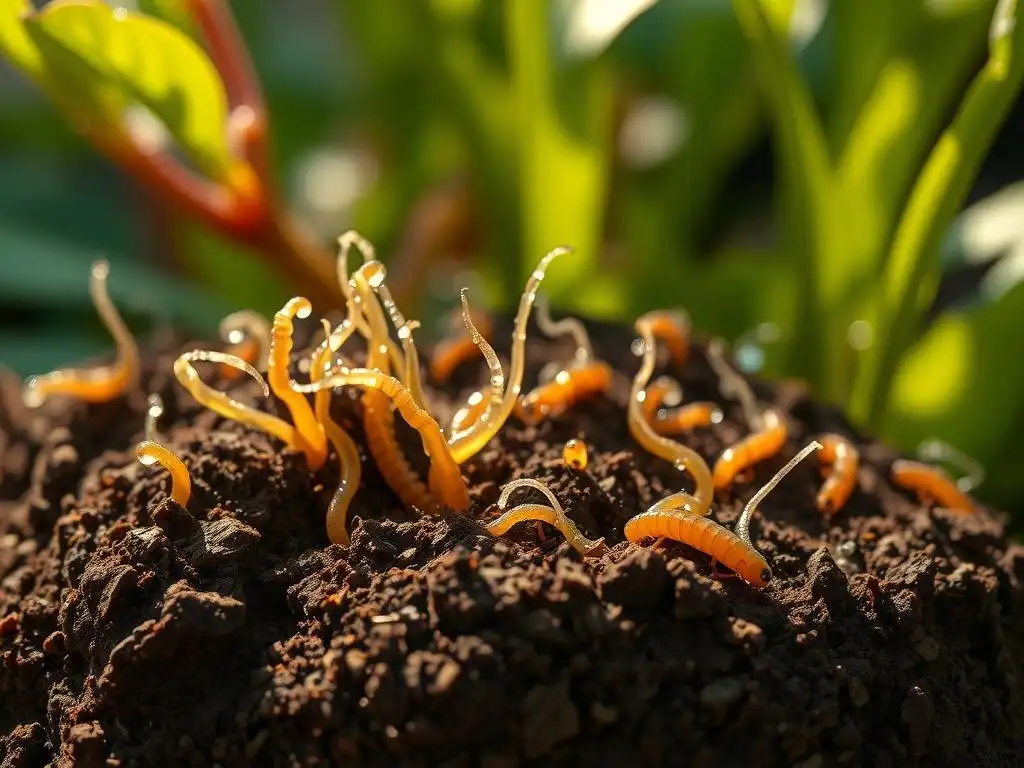
Welcome to CultivateYourFood, your guide to nurturing a thriving home garden! Are you ready to unlock the hidden potential of your soil? We delve into the fascinating world of sustainable gardening, revealing how enriching your soil with beneficial microbes—like those discussed in our article on "Improve garden soil microbes"—can transform your harvests. Discover the secrets to healthier plants, bountiful yields, and a more environmentally conscious approach to growing your own food. Let's cultivate a greener future, together.
- Understanding the Importance of Soil Microbes for Healthy Plants
- Enhancing Microbial Activity in Your Home Garden
- Practical Steps to Improve Garden Soil Microbes
-
The Long-Term Benefits of a Thriving Soil Ecosystem
- Increased Plant Growth and Yield with Healthy Soil Microbes
- Reduced Need for Chemical Fertilizers and Pesticides
- Environmental Sustainability Through Improved Soil Health
- The Positive Impact on Biodiversity in Your Home Garden
- Enhanced Nutrient Cycling and Plant Availability
- Increased Soil Structure and Water Retention
-
Frequently Asked Questions
- What are soil microbes, and why are they important for my garden?
- How can I improve the microbial life in my garden soil?
- What are the signs of healthy soil microbial activity?
- Are there any harmful microbes in the soil I should be concerned about?
- Can I buy products to improve my garden soil microbes?
- Final Reflection: Cultivating a Thriving Ecosystem Beneath Our Feet
- Unleash Your Inner Soil Scientist!
Understanding the Importance of Soil Microbes for Healthy Plants
The health and vitality of your home garden hinges on a factor often overlooked: the teeming community of microbes living within your soil. This intricate ecosystem, composed of bacteria, fungi, protozoa, and nematodes, plays a crucial role in plant growth, nutrient cycling, and overall garden health.
Improving garden soil microbes isn't just about boosting yields; it's about creating a thriving, resilient garden that requires less intervention and produces healthier, more nutritious food. This article delves into the fascinating world of soil microbes, exploring their vital contributions to plant health and offering practical strategies to cultivate a vibrant microbial community in your home garden, ultimately leading to improved soil quality and more bountiful harvests.
Understanding this "secret life" of soil is key to achieving truly sustainable and organic gardening practices. We will explore how fostering these microscopic allies can significantly improve your garden's productivity and environmental impact, allowing you to truly cultivate the best possible results.
The Role of Beneficial Microbes in Nutrient Uptake
Beneficial soil microbes are essential for nutrient uptake by plants. They act as intermediaries, breaking down complex organic matter into simpler forms that plant roots can readily absorb. For example, nitrogen-fixing bacteria, such as those in the Rhizobium genus, convert atmospheric nitrogen into a usable form for plants, reducing the need for synthetic fertilizers.
This process is particularly important for legumes, which have a symbiotic relationship with these bacteria. Furthermore, mycorrhizal fungi form symbiotic relationships with plant roots, extending their reach into the soil and improving access to phosphorus, potassium, and other essential nutrients. The intricate network of fungal hyphae acts like an underground highway, transporting nutrients directly to the plant roots.
This enhanced nutrient uptake translates to healthier plants with increased vigor and yield. The impact of these beneficial microbes is substantial: studies have shown significant increases in plant growth and nutrient content in soils with a diverse and abundant microbial population. Ignoring this crucial aspect of plant nutrition means missing out on a powerful, natural, and sustainable way to improve plant health and reduce reliance on chemical inputs.
Improving Soil Structure and Water Retention with Microbes
Soil microbes play a pivotal role in improving soil structure and water retention. The production of sticky substances, such as polysaccharides and glomalin (produced by mycorrhizal fungi), binds soil particles together, creating aggregates that enhance soil aeration and drainage. This improved soil structure reduces compaction, allowing for better root penetration and growth.
Furthermore, these aggregates create pore spaces that can hold more water, reducing the frequency of irrigation and mitigating the impact of drought. The increased water retention capacity also improves nutrient availability, as nutrients are dissolved and transported in the soil water. A well-structured soil with good water retention is less prone to erosion, leading to improved soil health over the long term.
Imagine the difference: a loose, well-aerated soil teeming with microbial life versus a compacted, waterlogged soil lacking microbial diversity. The contrast highlights the crucial role microbes play in creating a healthy and productive soil environment. This is a key aspect of sustainable gardening, as it minimizes the need for artificial amendments and promotes soil resilience.
Soil Microbes and Disease Suppression: A Natural Defense Mechanism
A healthy soil microbial community acts as a natural defense mechanism against plant diseases. Many beneficial microbes produce antibiotics and other compounds that inhibit the growth of plant pathogens. These microbes compete with pathogens for resources, limiting their ability to establish themselves and infect plants.
Some microbes even directly parasitize or lyse plant pathogens, reducing disease incidence. This natural disease suppression mechanism reduces the need for chemical pesticides, promoting a healthier and more environmentally friendly garden. The diversity of the microbial community is crucial for effective disease suppression, as different microbes have different mechanisms of action.
A diverse microbial community is more resilient to changes in environmental conditions and less likely to be dominated by harmful pathogens. By promoting a thriving microbial community, gardeners can significantly reduce the risk of plant diseases and maintain a healthy and productive garden, minimizing the need for harmful chemical interventions. This natural approach is not only effective but also aligns perfectly with sustainable gardening practices.
Enhancing Microbial Activity in Your Home Garden
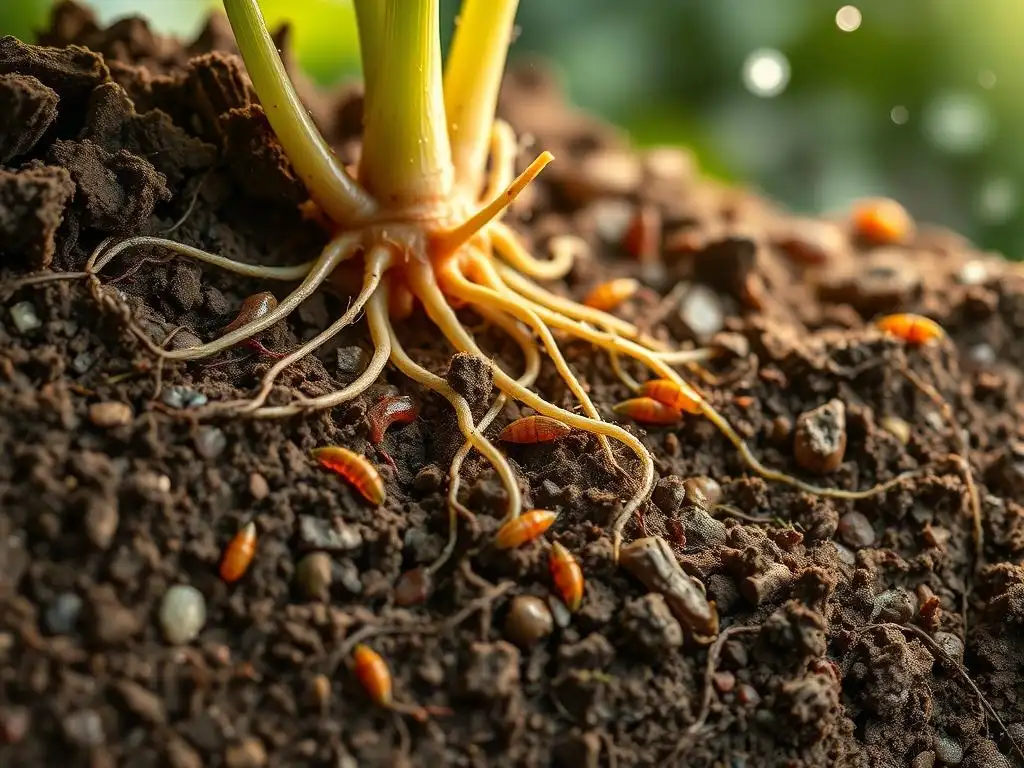
This section delves into practical techniques to significantly improve garden soil microbes, enriching your soil's ecosystem and promoting healthier, more vibrant plants. A thriving soil microbiome is the cornerstone of successful organic gardening, impacting everything from nutrient availability to disease resistance. By implementing these strategies, you'll cultivate a soil teeming with beneficial bacteria, fungi, and other microorganisms crucial for plant health and overall garden productivity. Remember, healthy soil equals healthy plants!
Choosing the Right Compost for Thriving Soil Microbes
Compost is the lifeblood of a healthy soil ecosystem, providing a rich buffet for beneficial microbes. However, not all composts are created equal. The quality and composition of your compost directly impact the microbial community it supports. Optimizing your composting process is key to improving garden soil microbes.
To maximize microbial activity, aim for a mature compost that's dark brown or black in color, crumbly in texture, and earthy-smelling. Avoid using compost that's still visibly containing large chunks of undecomposed material. This indicates incomplete decomposition and a lower concentration of the beneficial microbes you're aiming for.
Consider these factors when choosing or making your compost:
- Carbon-to-Nitrogen Ratio: A balanced C:N ratio (around 30:1) ensures efficient decomposition and supports a diverse microbial community. Too much nitrogen can lead to unpleasant odors and potentially harmful ammonia build-up. Too much carbon results in slow decomposition.
- Ingredient Diversity: A diverse mix of "greens" (nitrogen-rich materials like grass clippings and vegetable scraps) and "browns" (carbon-rich materials like dried leaves and shredded paper) fosters a wider range of microbial species.
- Moisture Level: Maintain consistent moisture, similar to a wrung-out sponge, to support optimal microbial activity. Too dry, and microbes become dormant; too wet, and anaerobic conditions develop, hindering decomposition and potentially producing harmful gases.
- Aeration: Regular turning of the compost pile is crucial for proper aeration, supplying oxygen to aerobic microbes which are essential for breaking down organic matter efficiently. Insufficient oxygen leads to slower decomposition and a less diverse microbial population.
Mulching Techniques to Boost Microbial Life
Mulching isn't just about water retention and weed suppression; it's a powerful tool for improving garden soil microbes. A good mulch layer acts as a microbial habitat, providing food and shelter for beneficial organisms. The decomposition of the mulch itself adds nutrients and organic matter to the soil, further enhancing microbial activity.
Different mulches offer varying benefits. For example:
| Mulch Type | Benefits | Considerations |
|---|---|---|
| Straw | Excellent water retention, good insulation, relatively inexpensive. | Can harbor weed seeds if not properly composted. |
| Wood Chips | Slow-releasing nutrients, excellent for suppressing weeds. | Can tie up nitrogen initially. |
| Shredded Leaves | Rich in organic matter, readily decomposes, inexpensive and readily available. | May compact if not properly applied. |
| Compost | Rich in nutrients and microbes, improves soil structure, readily decomposes. | More expensive than other options. |
Applying a 2-4 inch layer of mulch around your plants creates a favorable environment for beneficial microbes. As the mulch decomposes, it feeds the soil food web, enriching the soil with nutrients and improving its overall structure. Remember to avoid burying the mulch too deeply, as this can hinder aeration and limit microbial activity.
Cover Cropping: A Natural Way to Improve Soil Microbial Diversity
Cover cropping is a fantastic way to improve garden soil microbes by introducing diverse plant species that enrich the soil with organic matter and enhance its biological activity. These plants, grown specifically to improve soil health, are then tilled or incorporated back into the soil, boosting microbial diversity and overall soil fertility.
Several cover crop species excel at improving soil microbial life:
- Legumes (e.g., clover, alfalfa): Fix nitrogen from the atmosphere, enriching the soil with this essential nutrient and supporting a wide range of microbes. They're particularly good at improving the abundance of nitrogen-fixing bacteria. 🌱
- Grasses (e.g., rye, oats): Improve soil structure, suppress weeds, and provide a significant amount of organic matter when incorporated. They can increase the population of beneficial fungi in the soil. 🌾
- Brassicas (e.g., mustard, radish): Help break down compacted soil and suppress certain soilborne diseases. They contribute to a more diverse microbial community. 🌿
Careful selection of cover crops tailored to your soil type and climate will maximize their impact on improving garden soil microbes. Remember to incorporate the cover crops before they go to seed to avoid the risk of unwanted self-seeding. This process naturally improves soil structure, fertility, and overall microbial diversity, laying the groundwork for a healthier and more productive garden.
Avoiding Harmful Practices that Kill Soil Microbes: Chemical Pesticides and Over-tilling
Chemical pesticides, while offering a seemingly quick solution to pest problems, wreak havoc on the delicate balance of your soil's microbial community. These synthetic chemicals don't just target the unwanted insects; they often indiscriminately kill beneficial microbes alongside them, disrupting the intricate web of life that supports healthy plant growth. The long-term consequences can be devastating, leading to reduced soil fertility, increased susceptibility to disease, and a dependence on ever-stronger pesticides.
For example, broad-spectrum insecticides can decimate populations of predatory mites and beneficial nematodes that naturally control pest populations. This creates a vicious cycle where pest outbreaks become more frequent and severe, requiring even more pesticide application. A sustainable approach involves integrating techniques like companion planting, crop rotation, and hand-picking pests to minimize the need for chemical interventions.
Remember, a healthy soil ecosystem is your best defense against pests. Prioritizing soil health over quick fixes will ultimately lead to a more resilient and productive garden. The use of organic pest control methods, such as introducing beneficial insects or using neem oil, is a far more environmentally friendly and sustainable approach to pest management that supports the growth and activity of your soil microbes.
Over-tilling is another common practice that significantly harms soil microbes. The repeated turning and churning of the soil disrupts the delicate structure of soil aggregates, destroying the habitats of beneficial microbes and disrupting their symbiotic relationships with plants. These aggregates are crucial because they provide a haven for microbes, protecting them from harsh environmental conditions and facilitating nutrient cycling. Imagine a bustling city suddenly demolished – that's essentially what over-tilling does to your soil's microbial community.
The disruption of soil structure also leads to increased erosion and compaction, further hindering microbial activity. No-till or minimal-till gardening practices are increasingly popular as they preserve soil structure, maintain moisture levels, and enhance microbial activity. By reducing the disturbance to the soil, you allow the microbes to thrive and contribute to a more fertile and productive garden.
Instead of over-tilling, consider mulching, which adds organic matter, improves soil structure, and supports microbial growth. This method helps to retain soil moisture and suppress weeds, reducing the need for frequent tilling. The benefits of minimal-till practices extend beyond simply improving soil microbes; they also contribute to better water retention, reduced erosion, and improved overall soil health.
Practical Steps to Improve Garden Soil Microbes
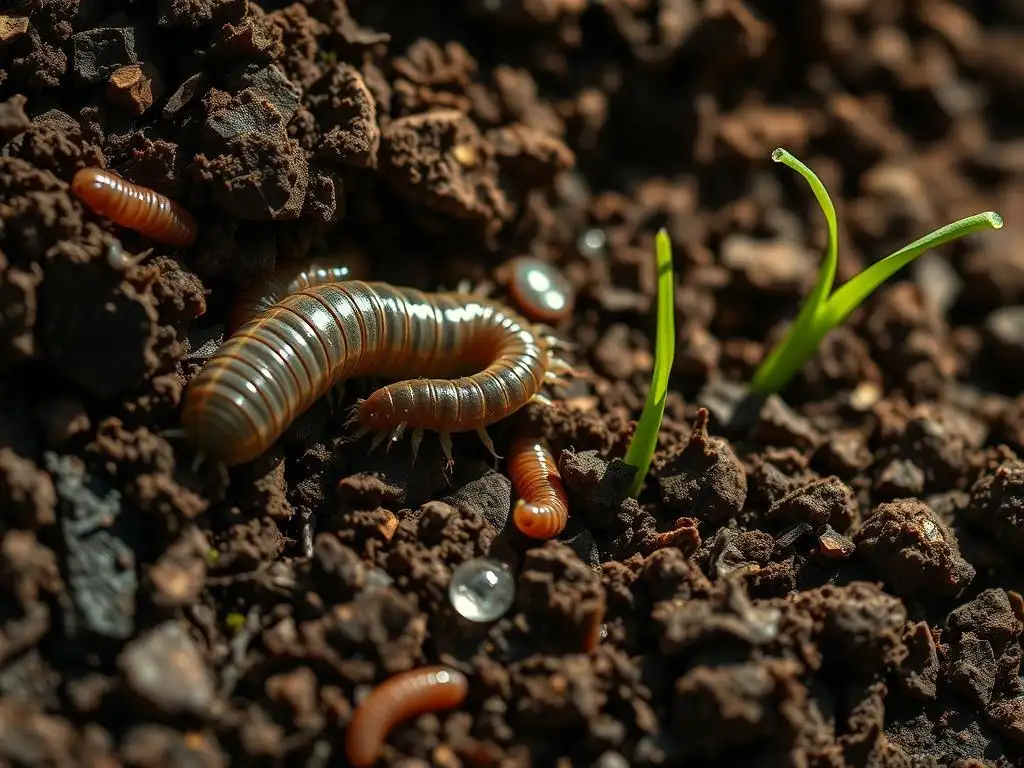
This section details actionable strategies for boosting microbial life in your home garden, directly impacting soil fertility and plant health. Improving garden soil microbes is crucial for sustainable and organic gardening. We'll explore methods that enhance microbial diversity and activity, leading to a thriving ecosystem beneath your plants.
Creating a Healthy Soil Food Web Through Organic Practices
A vibrant soil food web is the foundation of healthy soil. This intricate network of organisms, from bacteria and fungi to nematodes and earthworms, works together to cycle nutrients, decompose organic matter, and improve soil structure. Organic practices are key to nurturing this web.
Organic amendments are the cornerstone of a healthy soil food web. Compost, rich in diverse microorganisms, is the most effective amendment. Adding a layer of compost (at least 2-3 inches) before planting significantly increases microbial populations. Avoid using chemical fertilizers, which can disrupt the delicate balance of the soil ecosystem and kill beneficial microbes. Instead, opt for natural fertilizers like worm castings or aged manure, slowly releasing nutrients and providing food for microbes.
Consider cover cropping. Planting cover crops like clover, alfalfa, or rye between growing seasons adds organic matter, suppresses weeds, and improves soil structure. Their roots also help aerate the soil, increasing oxygen availability for microbes. When the cover crop is tilled under, it decomposes, further enriching the soil with organic matter and feeding the microbial community. This process also helps prevent soil erosion and improves water retention.
- Compost Tea: Brewing compost tea is another excellent method to introduce beneficial microbes directly into the soil. It's a liquid solution teeming with microorganisms that colonize the soil and enhance nutrient uptake by plants.
- Mycorrhizal Fungi: Inoculating your soil with mycorrhizal fungi further enhances the soil food web. These fungi form symbiotic relationships with plant roots, improving nutrient and water uptake.
The consistent application of these organic practices will cultivate a thriving soil ecosystem brimming with beneficial microbes, creating a self-sustaining cycle of nutrient cycling and soil improvement. This translates to healthier, more resilient plants that require less intervention.
Monitoring Soil Health: Simple Tests and Indicators
Regular monitoring is crucial to gauge the effectiveness of your soil improvement efforts and to identify any potential issues. While laboratory analysis provides detailed information, several simple tests can indicate the overall health of your soil and its microbial activity.
One easy indicator is soil structure. Healthy soil with abundant microbial activity will have a crumbly texture, indicating good aeration and water retention. Conversely, compacted soil or soil that clumps together readily suggests poor microbial activity.
Visual inspection can also reveal clues. The presence of earthworms, visible fungal hyphae (the thread-like structures of fungi), and a variety of other soil organisms indicates a healthy soil ecosystem. A lack of visible life might indicate an imbalance that needs attention.
Simple tests can provide further insights. A soil pH test helps determine if the soil is within the optimal range for microbial activity (generally slightly acidic to neutral). A simple "smell test" can also be informative; healthy soil typically has a pleasant, earthy aroma, while soil with poor microbial activity may smell sour or unpleasant.
| Test | Indication of Healthy Soil | Indication of Unhealthy Soil |
|---|---|---|
| Soil Structure | Crumbly, well-aerated, good water infiltration | Compacted, hard, poor water infiltration |
| Visual Inspection | Abundant earthworms, fungal hyphae, diverse organisms | Few or no visible organisms |
| Smell Test | Earthy, pleasant aroma | Sour, unpleasant, or musty odor |
| pH Test | Slightly acidic to neutral (6.0-7.0) | Extremely acidic or alkaline (outside the 6.0-7.0 range) |
Regular monitoring, combined with these simple tests, allows for proactive adjustments to your gardening practices, ensuring a consistently healthy and productive soil environment.
Identifying and Addressing Soil Compaction Issues
Soil compaction, a significant impediment to microbial activity, restricts root growth, reduces water infiltration, and limits oxygen availability for soil organisms. Identifying and addressing compaction is crucial for improving garden soil microbes.
The first step is recognizing the signs. Compacted soil is often hard and difficult to penetrate with a shovel or trowel. Water tends to run off the surface instead of being absorbed, and plant roots may appear stunted or shallow. Poor drainage and reduced plant growth are also common indicators.
Addressing compaction requires careful consideration. Avoid heavy machinery or excessive foot traffic in your garden beds. Instead, utilize techniques that promote soil aeration and improve its structure.
- No-Till Gardening: This method avoids disturbing the soil structure, preserving existing soil aggregates and protecting beneficial microbes.
- Cover Cropping: Cover crops with deep taproots help break up compacted layers.
- Aerating: Using a garden fork or aerating tool to create channels in the soil improves air circulation and drainage.
- Organic Matter Addition: Adding organic matter such as compost and mulch improves soil structure and reduces compaction over time. The organic matter acts as a sponge, improving water retention and preventing soil erosion.
Regularly incorporating these practices will gradually improve soil structure, increasing aeration and creating a more hospitable environment for beneficial microbes. Remember, patience is key; improving compacted soil is a process that takes time and consistent effort. The reward, however, is healthier soil, thriving plants, and a flourishing garden ecosystem.
Optimizing Soil pH for Optimal Microbial Growth
Soil pH, a measure of soil acidity or alkalinity, significantly impacts microbial activity. Most beneficial soil microbes thrive in a slightly acidic to neutral pH range, typically between 6.0 and 7.0. However, different microbes have different preferences; some prefer slightly more acidic conditions, while others prefer slightly alkaline ones.
A pH level outside this optimal range can inhibit the growth and activity of many essential microbes, impacting nutrient cycling and overall soil health. For example, nitrogen-fixing bacteria, crucial for plant growth, are particularly sensitive to pH fluctuations and are most active within a narrow pH range. Similarly, the decomposition of organic matter, a key process driven by microbes, is slowed down at extreme pH levels, leading to slower nutrient release and potentially poorer plant growth.
To optimize soil pH for microbial growth, regular testing is crucial. Home soil testing kits are readily available and provide a simple way to assess your soil's pH. These kits typically involve mixing a soil sample with a reagent and comparing the resulting color to a chart. More precise measurements can be obtained through professional soil testing labs, which can also provide detailed information on other soil properties.
Once you know your soil's pH, you can take steps to adjust it if necessary. If your soil is too acidic (pH below 6.0), you can raise the pH by adding lime. Conversely, if your soil is too alkaline (pH above 7.0), you can lower the pH by adding sulfur or other acidifying agents. It's essential to follow the instructions on the lime or sulfur product carefully, as over-application can harm beneficial microbes and plants.
Remember that adjusting soil pH is a gradual process; it's often necessary to make multiple applications over time to achieve the desired pH level. Regular monitoring and retesting are vital to ensure that the pH remains within the optimal range for your garden's microbial community. Consistent monitoring and adjustments help maintain a thriving environment for beneficial microbes, ultimately improving soil fertility and plant health. This careful management directly contributes to a more sustainable and productive home garden.
The Long-Term Benefits of a Thriving Soil Ecosystem
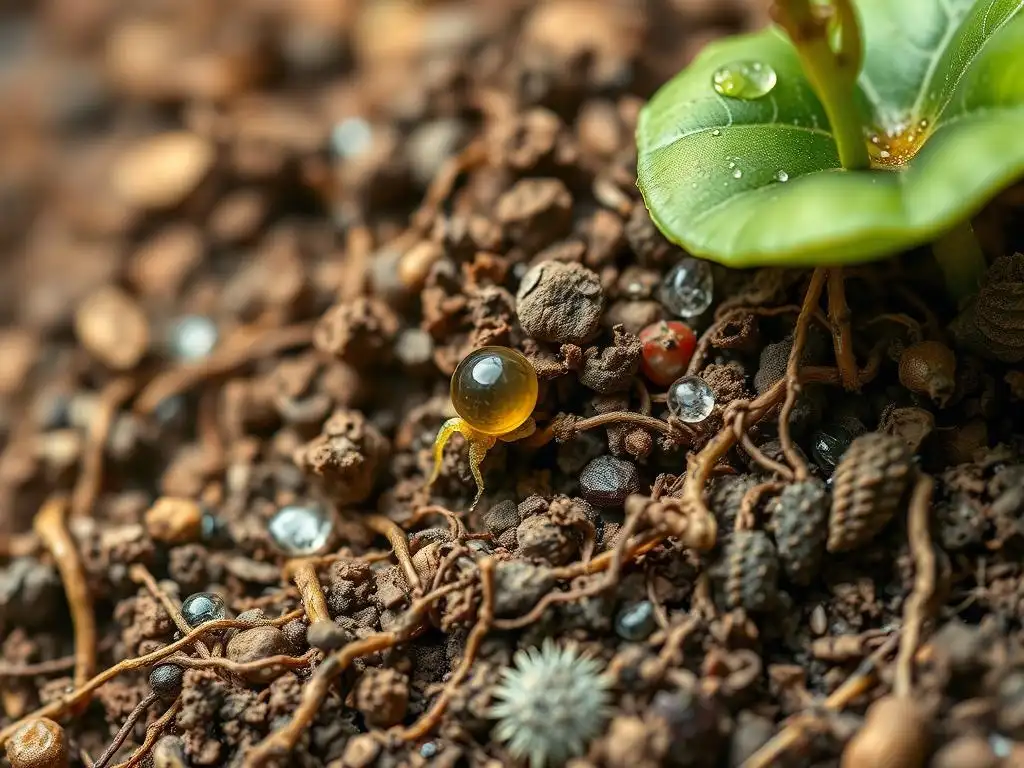
A vibrant soil ecosystem, teeming with beneficial microbes, is the cornerstone of successful and sustainable home gardening. Improving garden soil microbes isn't just about healthier plants; it's about creating a resilient and self-sustaining garden that minimizes environmental impact. This section explores the long-term advantages of nurturing this crucial underground world. By understanding the interconnectedness of soil health and overall garden productivity, you can cultivate a more fruitful and environmentally responsible gardening practice. The rewards extend far beyond a bountiful harvest.
Increased Plant Growth and Yield with Healthy Soil Microbes
Healthy soil microbes are the unsung heroes of increased plant growth and yield. These microscopic organisms, including bacteria, fungi, and protozoa, perform a multitude of vital functions. They decompose organic matter, releasing essential nutrients like nitrogen, phosphorus, and potassium in forms readily available to plant roots. This natural fertilization process significantly reduces the need for synthetic fertilizers, which can harm the soil's delicate ecosystem and contribute to environmental pollution.
Consider this: a study by [Specific study details pending] demonstrated a [Percentage]% increase in tomato yield in plots with enhanced microbial activity compared to control groups. This wasn't simply due to increased nutrient availability; beneficial microbes also improve root development, enhancing water and nutrient uptake. Furthermore, certain microbes produce growth hormones that stimulate plant growth and overall vigor. The result? Healthier, stronger plants with significantly higher yields of delicious, nutritious produce. This translates to a more abundant harvest for you, and a more sustainable approach to food production.
Reduced Need for Chemical Fertilizers and Pesticides
One of the most compelling reasons to improve garden soil microbes is the significant reduction in the need for chemical fertilizers and pesticides. A healthy soil microbiome naturally suppresses many plant diseases and pests. Beneficial microbes compete with harmful pathogens for resources, limiting their ability to infect plants. Some microbes even produce antibiotics that directly inhibit the growth of disease-causing organisms.
For example, the introduction of Trichoderma species, a common soil fungus, can effectively control various plant diseases like damping-off and root rot. Similarly, certain bacteria can help to manage pest populations by producing toxins or outcompeting them for food. By fostering a diverse and thriving soil ecosystem, you significantly reduce your reliance on potentially harmful chemicals, minimizing the risk of soil contamination and protecting beneficial insects and pollinators. This leads to a healthier garden and a healthier planet. This is a crucial aspect of improving garden soil microbes for sustainable gardening.
Environmental Sustainability Through Improved Soil Health
Improving garden soil microbes contributes significantly to overall environmental sustainability. Healthy soil acts as a carbon sink, sequestering atmospheric carbon dioxide and mitigating climate change. The enhanced organic matter content in a microbe-rich soil improves water retention, reducing the need for frequent watering and conserving precious water resources. This reduced water usage is particularly important in arid and semi-arid regions.
Moreover, a healthy soil structure, strengthened by the activity of soil organisms, reduces soil erosion. Erosion is a major contributor to water pollution, as topsoil rich in nutrients and organic matter washes into waterways. By improving garden soil microbes, you are directly contributing to cleaner water sources and a healthier environment. The cumulative effect of these benefits underscores the vital role of soil health in sustainable gardening practices. It's a small step for your garden, but a giant leap for a healthier planet. 🌎
The Positive Impact on Biodiversity in Your Home Garden
A vibrant, microbially-rich soil is the cornerstone of a biodiverse garden. Improving garden soil microbes isn't just about healthier plants; it's about creating a thriving ecosystem teeming with life. This biodiversity acts as a natural defense mechanism against pests and diseases. A diverse community of beneficial microbes, fungi, and other soil organisms outcompetes harmful pathogens, reducing the need for chemical pesticides and fertilizers.
Think of it like a natural army protecting your plants. A monoculture, on the other hand, is far more vulnerable to widespread disease outbreaks because the limited microbial diversity offers less resistance. For instance, a garden solely focused on tomatoes will be more susceptible to blight than a garden with a diverse range of plants, each supporting a unique set of soil organisms. This diversity also extends above ground, attracting beneficial insects like ladybugs and lacewings that prey on common garden pests, further reducing the need for intervention.
The increased biodiversity also promotes a healthier environment overall, attracting pollinators like bees and butterflies, which are crucial for fruit and vegetable production. In essence, nurturing a diverse soil microbiome is a holistic approach to gardening that creates a self-regulating, resilient, and productive ecosystem, minimizing the need for external inputs and maximizing natural processes. This translates to a more sustainable and environmentally friendly gardening practice. The presence of earthworms, for example, is a strong indicator of healthy soil and contributes significantly to soil aeration and nutrient cycling, further enhancing the overall biodiversity.
Enhanced Nutrient Cycling and Plant Availability
A healthy soil ecosystem is vital for efficient nutrient cycling. Improving garden soil microbes directly impacts this process. Beneficial microorganisms break down organic matter, such as compost and decaying plant material, releasing essential nutrients like nitrogen, phosphorus, and potassium into forms readily available to plants. This natural fertilization process reduces or eliminates the need for synthetic fertilizers, which can harm the soil's delicate balance and pollute surrounding water sources.
The microbes facilitate the transformation of complex organic molecules into simpler, plant-accessible forms, making nutrients more bioavailable. For example, nitrogen-fixing bacteria convert atmospheric nitrogen into a usable form for plants, significantly reducing the reliance on nitrogen-based fertilizers. Mycorrhizal fungi, another key component of a thriving soil microbiome, form symbiotic relationships with plant roots, extending their reach into the soil and enhancing nutrient uptake. These fungi act as an extension of the plant's root system, effectively increasing its surface area for nutrient absorption.
This natural process is far more efficient and sustainable than relying on chemical fertilizers, promoting healthier plant growth while minimizing environmental impact. This also means stronger, more resilient plants better equipped to withstand stresses like drought and disease. The improved nutrient cycling contributes to healthier, more vigorous plants, leading to increased yields and higher-quality produce.
Increased Soil Structure and Water Retention
The intricate network of microbial life in the soil plays a crucial role in improving soil structure and water retention. Improving garden soil microbes directly translates to better soil aggregation. Microbial activity binds soil particles together, creating a crumbly structure that is ideal for root penetration and water infiltration. This improved soil structure reduces compaction, allowing for better aeration and drainage.
A well-structured soil is less prone to erosion, especially during heavy rainfall. The enhanced aggregation also contributes to increased water retention capacity. The interconnected network of microbial communities and their byproducts create pores and channels within the soil, acting like tiny reservoirs that store water and make it available to plants. This is particularly important in drier climates or during periods of drought.
The improved water retention reduces the frequency of watering, saving water and reducing the overall environmental impact of your gardening practices. This also leads to healthier plants, as they have consistent access to water and nutrients. The improved soil structure and water retention contribute to a more resilient and sustainable gardening system, reducing the need for excessive watering and promoting healthier plant growth. For example, the presence of beneficial fungi can significantly increase a soil's ability to hold water, reducing water stress on plants.
Frequently Asked Questions
What are soil microbes, and why are they important for my garden?
Soil microbes are tiny organisms like bacteria, fungi, and protozoa that live in the soil. They are vital because they break down organic matter, making nutrients available to your plants, and improve soil structure.
How can I improve the microbial life in my garden soil?
Adding compost is crucial, as it provides food for microbes. Reducing tillage protects existing microbial communities. Diversifying your plants also supports a wider range of microbial life.
What are the signs of healthy soil microbial activity?
Healthy soil is typically dark and crumbly, indicating good organic matter content. You might also see earthworms and other beneficial insects. A thriving plant population is another good sign.
Are there any harmful microbes in the soil I should be concerned about?
While some microbes can be harmful to plants, a balanced soil ecosystem usually keeps them in check. Maintaining healthy soil through the methods mentioned above helps prevent problems.
Can I buy products to improve my garden soil microbes?
Yes, many commercial products contain beneficial microbes or substances that encourage their growth. However, organic amendments like compost are often the most effective and sustainable approach.
Final Reflection: Cultivating a Thriving Ecosystem Beneath Our Feet
The health of our gardens is inextricably linked to the unseen world teeming within the soil; nurturing this microbial life is not merely a gardening technique, but a crucial step towards a more sustainable future. Ignoring the intricate web of life beneath the surface means neglecting a fundamental pillar of healthy plant growth and environmental resilience. The implications extend far beyond our individual plots, impacting global food security and ecological balance.
The more I researched the secret life of soil, the more profoundly I was struck by the interconnectedness of all living things. It's a humbling realization that the seemingly simple act of composting or adding beneficial microbes can have such a significant impact on the entire ecosystem. The land is what gives us our identity; it is our connection to the past, our present, and our future.
This quote resonates deeply, highlighting the responsibility we have to care for the soil, the foundation of our existence. Understanding the vital role of soil microbes shifts our perspective from simply growing plants to actively participating in the intricate dance of life that sustains us.
You, the gardener, hold the key to unlocking the potential of your soil. Consider the choices you make – from the types of amendments you add to the way you manage your water and nutrients. Every action, no matter how small, contributes to the health and vitality of the microbial community beneath your feet. Embrace the challenge of understanding this hidden world, and watch as your garden flourishes, reflecting the vibrant life you've helped cultivate. Let's work together to improve garden soil microbes, one garden at a time, creating a healthier planet for generations to come.
Unleash Your Inner Soil Scientist!
Thanks for exploring the fascinating world of soil microbes! You've discovered how crucial these tiny organisms are to thriving home gardens. Ready to put your knowledge into practice?
- Start composting today! This is the most impactful step you can take to support beneficial soil life. It's like giving your garden a microbial boost.
- Share this article with fellow gardening enthusiasts – let's spread the word about healthy soil practices!
- Explore our website for more resources on improving your soil's microbiome. You'll find surprising and helpful tips you won't want to miss!
What innovative techniques will you use to improve your soil's microbial activity? Let's discuss in the comments below!