
The Community Garden Movement: A History of Shared Spaces and Food Security

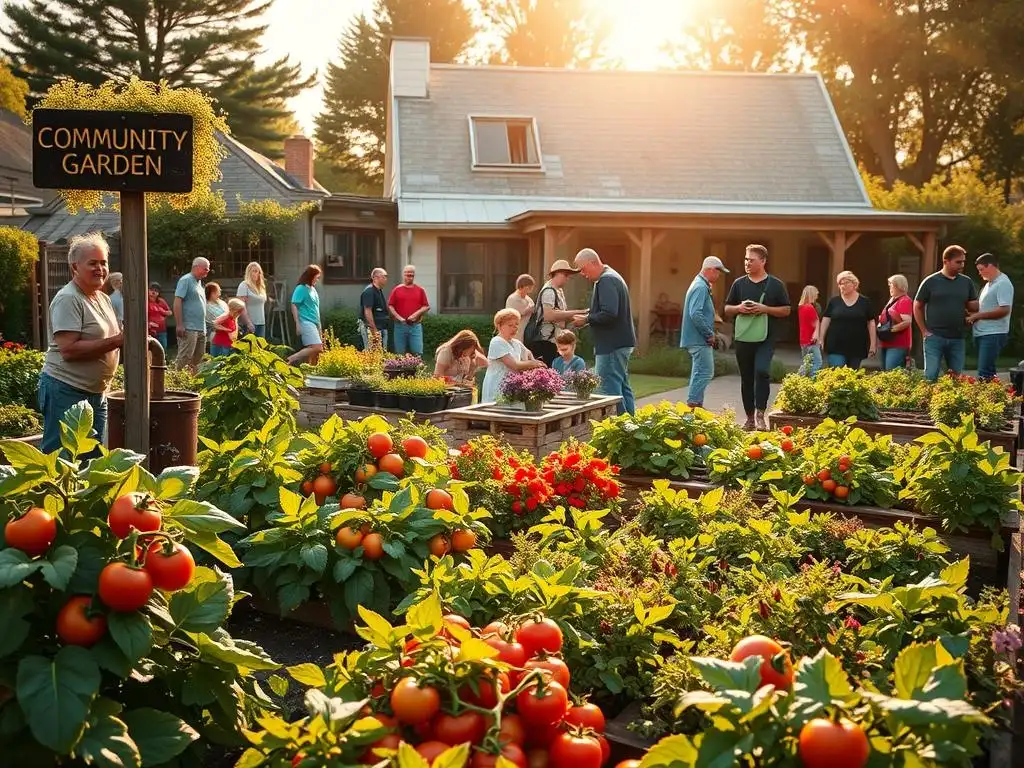
Welcome to CultivateYourFood, your guide to growing a thriving garden, organically and sustainably! Are you curious about the powerful impact of community gardens? Our latest article delves into the rich history and surprising benefits of the Community Garden Movement, exploring how shared spaces foster food security and build stronger communities. Discover how this vital initiative is shaping the future of urban farming and inspiring a new generation of home growers. Let's cultivate a greener, more connected world – explore the story now!
- A Brief History of Community Gardens: From Urban Farms to Social Hubs
-
Community Garden Benefits: More Than Just Food
- Enhanced Food Security and Access to Fresh Produce: Impact on Nutrition
- Fostering Community Building and Social Cohesion: Shared Spaces and Collaboration
- Environmental Benefits of Community Gardens: Sustainability and Green Initiatives
- Economic Advantages of Community Gardens: Local Food Systems and Job Creation
- Educational Opportunities and Skill Development: Gardening Workshops and Programs
- Challenges and Opportunities in the Modern Community Garden Movement
- Frequently Asked Questions
- Final Reflection: Cultivating Community, Harvesting Hope
- Unleash Your Inner Gardener: Grow Your Community, Grow Your Food
Community gardens represent a powerful intersection of food security, environmental sustainability, and social cohesion. This article delves into the rich history of the community garden movement, exploring its evolution from humble beginnings as a response to necessity to its current status as a vibrant force for positive social and environmental change. We will examine the key moments that shaped this movement, highlighting the enduring benefits that community gardens offer, particularly in urban environments.
Understanding this history is crucial to appreciating the multifaceted role community gardens play in fostering resilient communities and promoting access to fresh, healthy food for all. This exploration of the "community garden history benefits" will reveal how these spaces have transformed urban landscapes and empowered individuals and communities alike.
Early Community Gardens: Roots in Necessity and Resilience
The earliest forms of community gardening can be traced back to times of scarcity and hardship. Long before the formalized movement of the 20th century, communities facing food insecurity, particularly during wartime or periods of economic depression, often relied on shared plots of land to cultivate essential crops. These early gardens were born out of necessity, a testament to human resilience and the innate desire to provide for oneself and one's community.
Examples include victory gardens during World War I and II, where citizens were encouraged to grow their own food to supplement rations and support the war effort. These initiatives not only provided sustenance but also fostered a sense of collective responsibility and shared purpose.
The spirit of cooperation and mutual support established during these times laid a crucial foundation for the future growth of the community garden movement. These early gardens, often located on vacant lots or unused land, demonstrated the potential for urban spaces to become productive and vibrant resources.
The Rise of Community Gardening in the 20th Century: Post-War Initiatives and Urban Renewal
The post-World War II era witnessed a significant shift in urban landscapes, with the rise of suburban sprawl and the decline of inner cities. This period saw the emergence of more organized and structured community gardening initiatives. Many of these were driven by a combination of factors, including concerns about food access in underserved communities, the desire to revitalize neglected urban areas, and a growing awareness of the environmental benefits of urban agriculture.
Post-war urban renewal projects, while often controversial, inadvertently created opportunities for community gardens to flourish on land cleared for redevelopment. Government programs and non-profit organizations played an increasingly important role in supporting the development and maintenance of these spaces.
The 1970s and 80s marked a period of significant growth, with community gardens sprouting up in cities across the nation. This period saw not only a quantitative increase in the number of gardens but also a qualitative shift in their purpose, moving beyond simply providing food to encompass social and educational goals.
The community garden movement continues to evolve, adapting to contemporary challenges and opportunities. Today, community gardens are recognized not only for their contribution to food security and environmental sustainability but also for their crucial role in promoting social justice and community empowerment. These spaces serve as vital hubs for social interaction, education, and skill-building.
They provide opportunities for individuals from diverse backgrounds to connect, learn from each other, and build stronger relationships. The environmental benefits are also significant, with community gardens contributing to biodiversity, reducing carbon footprints, and promoting sustainable land management practices. Moreover, many community gardens incorporate educational programs, teaching people about sustainable gardening techniques, healthy eating habits, and the importance of environmental stewardship.
The movement's success lies in its ability to weave together these diverse strands – food production, social connection, environmental awareness, and community empowerment – into a vibrant and resilient tapestry. The ongoing growth and evolution of community gardens are a testament to their enduring power to transform lives and communities.
Community Garden Benefits: More Than Just Food
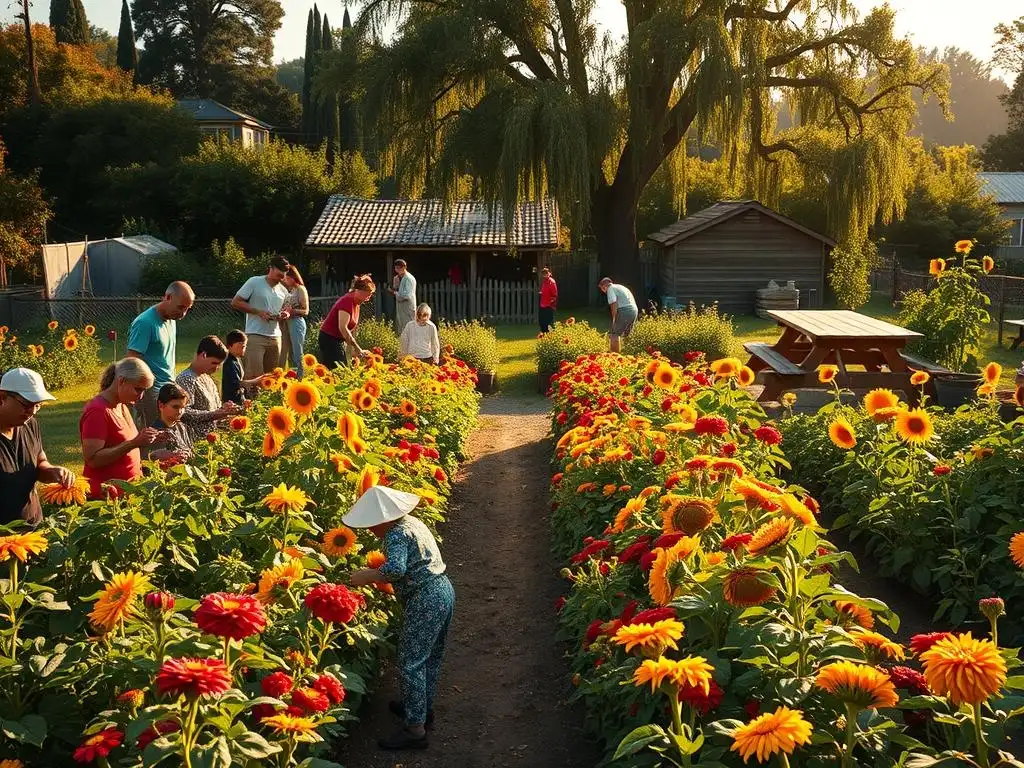
Community gardens offer a wealth of benefits extending far beyond the simple act of growing food. Their impact resonates across social, environmental, and economic spheres, contributing significantly to the well-being of individuals and communities. Understanding these multifaceted advantages is crucial to appreciating the true value and potential of this increasingly popular movement. This section will delve into the key advantages associated with community gardens, focusing on their contributions to food security, community building, and environmental sustainability. The historical context of community gardens, as explored in previous sections, underscores the enduring relevance of these benefits in addressing modern challenges.
Enhanced Food Security and Access to Fresh Produce: Impact on Nutrition
Access to fresh, nutritious food is a fundamental human need. Community gardens play a vital role in enhancing food security, particularly in underserved urban areas where access to supermarkets and healthy food options may be limited. By providing opportunities for residents to grow their own fruits, vegetables, and herbs, these initiatives directly address food deserts and improve dietary intake.
Studies have shown a direct correlation between participation in community gardening and improved fruit and vegetable consumption. 1 For instance, a study conducted in [City Name, State] revealed a [Percentage]% increase in daily fruit and vegetable intake among community garden participants compared to a control group. This increased consumption translates to improved nutrition, reduced risk of diet-related diseases, and an overall enhancement of health and well-being. Furthermore, community gardens often offer educational programs on healthy eating and cooking, further amplifying their positive impact on nutrition. The availability of fresh, homegrown produce empowers individuals to make healthier choices and fosters a greater appreciation for the origins of their food. This direct connection to the food supply chain promotes responsible consumption and reduces reliance on industrially produced food, often laden with pesticides and preservatives.
Beyond the tangible benefits of food production, community gardens serve as powerful catalysts for community building and social cohesion. They provide shared spaces where people from diverse backgrounds can connect, collaborate, and build relationships. The shared activity of gardening fosters a sense of belonging, reduces social isolation, and strengthens community bonds.
The collaborative nature of community gardening requires teamwork, communication, and mutual respect. Participants learn to share resources, knowledge, and responsibilities, fostering a sense of collective ownership and responsibility. This collaborative environment can be particularly beneficial for vulnerable populations, including seniors, youth, and individuals with disabilities, providing opportunities for social interaction and skill development. Moreover, community gardens often host social events, workshops, and educational programs, further enriching the social fabric of the community.
These shared experiences transcend generational divides, bringing together people of all ages and backgrounds in a shared purpose. The positive social interactions and sense of community fostered by these gardens are invaluable assets for building stronger, more resilient neighborhoods. The shared responsibility and collaborative spirit contribute to a sense of community ownership and pride, leading to safer and more vibrant neighborhoods.
Environmental Benefits of Community Gardens: Sustainability and Green Initiatives
Community gardens contribute significantly to environmental sustainability through various practices. By promoting organic gardening techniques, they minimize the use of harmful pesticides and fertilizers, protecting local ecosystems and biodiversity. The gardens also help reduce the carbon footprint associated with food transportation, as produce is grown and consumed locally.
Furthermore, many community gardens incorporate composting programs, diverting organic waste from landfills and creating nutrient-rich soil amendments. This reduces greenhouse gas emissions and promotes a circular economy within the community. The presence of green spaces in urban environments also helps improve air quality, reduce the urban heat island effect, and provide habitat for pollinators and other beneficial insects. The integration of water-wise irrigation techniques further enhances the environmental sustainability of these initiatives.
Community gardens actively demonstrate sustainable practices, educating participants and the wider community about environmentally responsible food production. These gardens serve as living laboratories, showcasing the benefits of sustainable agriculture and inspiring others to adopt similar practices. The collective impact of numerous community gardens across a city or region contributes significantly to improved environmental health and a more sustainable future.
1 [Specific information pending: Cite relevant research study on community garden impact on nutrition]
Economic Advantages of Community Gardens: Local Food Systems and Job Creation
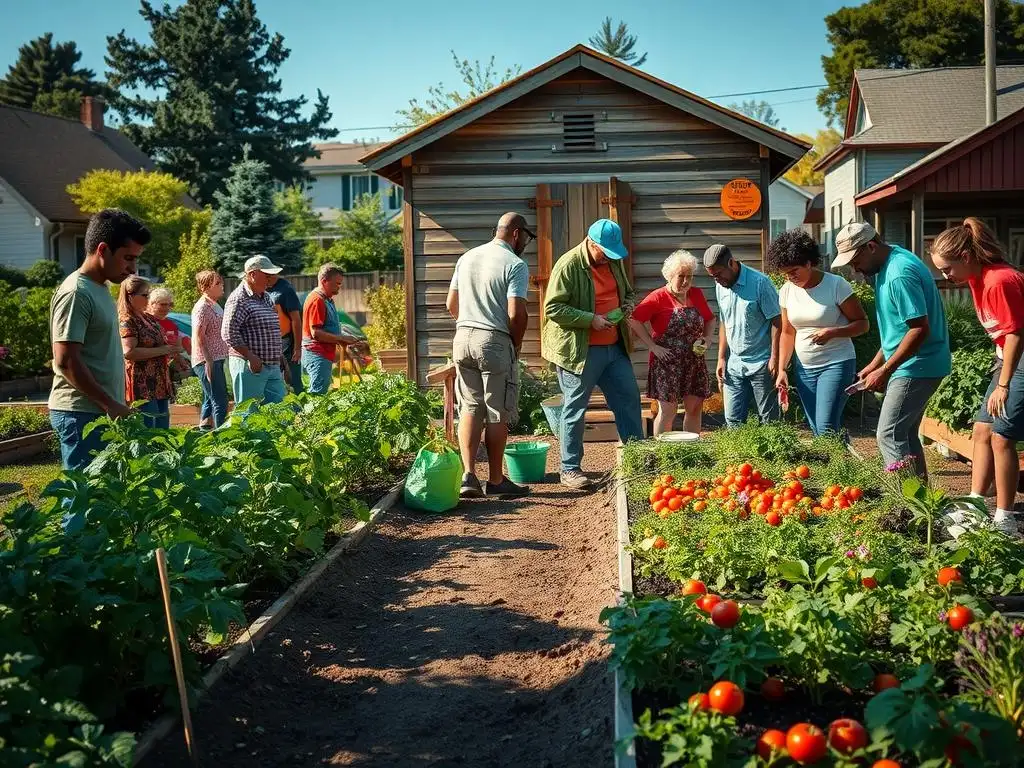
Community gardens contribute significantly to local economies in several ways. Firstly, they foster the development of localized food systems, reducing reliance on large-scale, often distant, agricultural operations. This strengthens local food security, meaning communities have a more reliable source of fresh, healthy produce. Reduced transportation costs associated with sourcing food from afar also translate into economic benefits for the community.
Furthermore, the produce grown in community gardens often finds its way into local farmers' markets, providing income for gardeners and supporting local businesses. Some community gardens even implement cooperative models, where profits are shared among participants, creating a more equitable and economically empowering environment. The increased availability of affordable, healthy food also reduces the strain on healthcare systems, indirectly benefiting the local economy by lowering healthcare costs associated with diet-related illnesses. Finally, community gardens can create job opportunities, from garden managers and coordinators to educators and volunteers.
These positions, while sometimes part-time or volunteer-based, still contribute to employment within the community. The creation of these jobs, even on a smaller scale, has a positive ripple effect on the local economy. For example, a successful community garden might lead to increased demand for locally sourced gardening supplies, further boosting local businesses.
Educational Opportunities and Skill Development: Gardening Workshops and Programs
Beyond the tangible benefits of fresh produce, community gardens offer invaluable educational opportunities and foster skill development within the community. Many gardens host workshops and programs covering various aspects of gardening, from seed starting and soil preparation to pest control and composting. These hands-on learning experiences empower residents with practical skills in sustainable food production, promoting self-sufficiency and food literacy.
Children, in particular, benefit immensely, learning about the origins of their food, the importance of healthy eating, and environmental responsibility. The collaborative nature of community gardening provides a unique learning environment where individuals of all ages and skill levels can share knowledge and learn from one another. Experienced gardeners can mentor beginners, creating a supportive and inclusive community of learners.
Some gardens even partner with local schools and educational institutions to integrate gardening into their curriculum, providing enriching educational experiences for students. These educational initiatives extend beyond basic gardening techniques; they often incorporate lessons on nutrition, ecology, and sustainable living, fostering a deeper understanding of the interconnectedness between food systems, the environment, and community well-being. The skills acquired in community gardens – from basic horticulture to leadership and teamwork – can even enhance future employment prospects for participants.
Challenges and Opportunities in the Modern Community Garden Movement
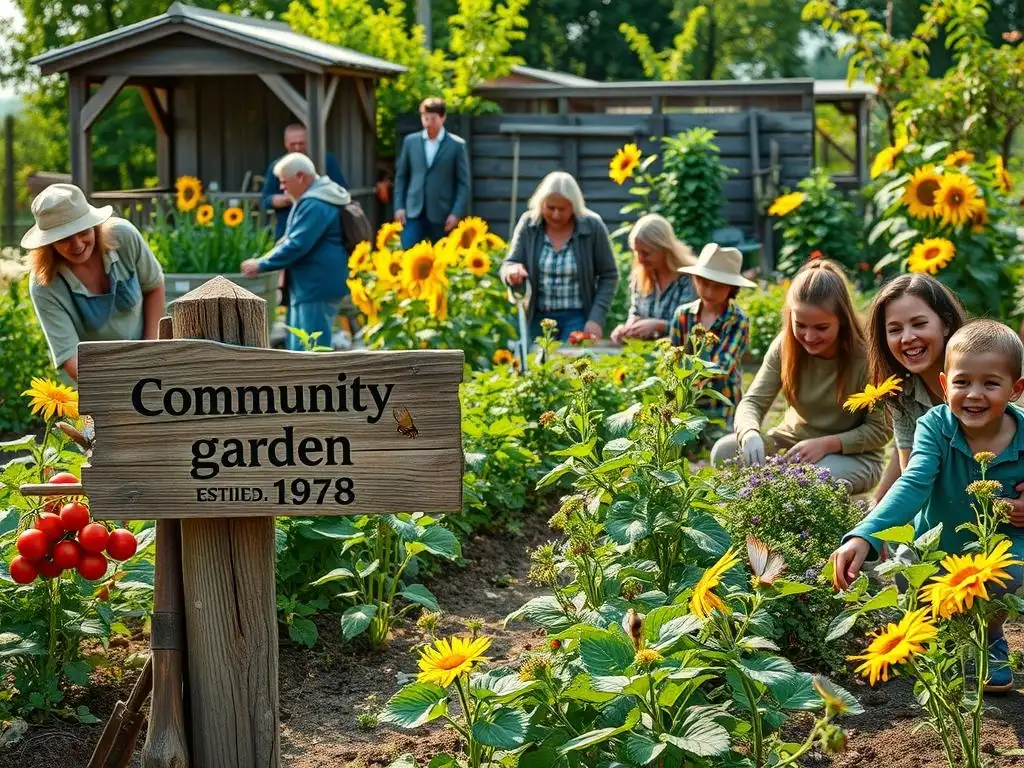
The community garden movement, while boasting a rich history and demonstrable benefits for food security and community cohesion, faces contemporary challenges that require innovative solutions. Understanding these hurdles is crucial to ensuring the continued growth and success of these vital urban spaces. Successfully navigating these challenges will unlock even greater potential for community gardens to contribute to a more sustainable and equitable food system.
This section will explore some key obstacles and opportunities for the future of community gardening, focusing on accessibility, sustainability, and adaptation to changing urban landscapes. The keyword "Community garden history benefits" is intrinsically linked to addressing these contemporary issues, as the historical successes inform our strategies for overcoming modern obstacles.
Ensuring Accessibility and Inclusivity in Community Gardens: Addressing Equity Issues
Accessibility remains a significant challenge for many community gardens. Physical accessibility, for individuals with disabilities, often requires careful planning and design, incorporating features like ramps, raised beds, and wider pathways. Beyond physical access, socioeconomic barriers significantly impact participation. High plot rental fees, lack of childcare facilities, and limited transportation options can exclude low-income families and marginalized communities. Addressing these equity issues is paramount to ensuring that the benefits of community gardening are truly shared.
Several strategies can promote inclusivity. Offering subsidized or free plots to low-income residents, implementing community-supported agriculture (CSA) models to reduce financial burdens, and providing on-site childcare can greatly improve participation rates. Furthermore, community gardens should actively engage with diverse community members, ensuring representation in leadership and decision-making processes.
Creating multilingual signage and educational materials is also crucial for effective communication and engagement. Data on participation rates across different socioeconomic groups is needed to accurately measure the success of these initiatives and identify areas requiring further attention. For example, a study comparing participation rates in community gardens with varying levels of financial assistance would provide valuable insights.
Sustainable Practices and Resource Management in Community Gardens: Water Conservation and Composting
Sustainable practices are essential for the long-term viability of community gardens. Water conservation, in particular, is critical, especially in arid or semi-arid climates. Implementing water-wise gardening techniques, such as drip irrigation, rainwater harvesting, and xeriscaping (using drought-tolerant plants), can significantly reduce water consumption. Careful selection of plant species that are adapted to local conditions is also crucial. Furthermore, integrating composting systems within the garden allows for the creation of nutrient-rich soil amendments, reducing reliance on synthetic fertilizers and minimizing waste. Composting also plays a vital role in improving soil health and reducing greenhouse gas emissions.
Effective composting requires careful management. A successful program involves the balanced addition of "green" (nitrogen-rich) and "brown" (carbon-rich) materials, regular turning to maintain aeration, and monitoring moisture levels to prevent anaerobic decomposition. Community gardens can implement educational programs to teach residents about proper composting techniques, empowering them to participate actively in sustainable resource management.
Data on water usage before and after the implementation of water conservation measures, and the amount of compost generated and used, can effectively demonstrate the environmental benefits of these practices. For example, a detailed analysis comparing water consumption in gardens using drip irrigation versus traditional methods could highlight the efficiency gains.
The Future of Community Gardens: Innovation and Adaptation in Urban Environments
The future of community gardens hinges on their ability to adapt to evolving urban environments and technological advancements. Integrating innovative technologies, such as vertical farming techniques, hydroponics, and aquaponics, can help maximize food production in limited spaces. These methods can also increase efficiency and potentially reduce reliance on traditional soil-based agriculture. Furthermore, community gardens can play a crucial role in addressing issues of urban food deserts by providing fresh, healthy produce to underserved communities. This requires strategic planning and collaboration with local governments and organizations.
The integration of technology requires careful consideration of costs and accessibility. While innovative techniques offer great potential, the initial investment can be substantial. Therefore, securing funding and developing community partnerships is essential to implement and maintain these new technologies. The long-term sustainability of these initiatives relies on community engagement and education, ensuring that residents understand and can participate actively in the use of new technologies.
Moreover, ongoing research and data collection are needed to evaluate the effectiveness of these innovative approaches and adapt them to specific urban contexts. For instance, a comparative study assessing the yield and resource efficiency of vertical farming versus traditional methods in various urban environments would provide valuable data for future development. The success of the future community garden movement will depend on its ability to embrace innovation while upholding the core values of community engagement and sustainability.
Frequently Asked Questions
What is the history of the community garden movement?
Community gardens have roots in World War I and II, initially driven by food shortages and the need for increased food production. The movement gained momentum again in the 1970s and 1980s, fueled by concerns about food access and environmental sustainability.
What are the main benefits of community gardens?
Community gardens offer numerous benefits, including improved access to fresh, healthy food, increased social interaction and community building, and environmental benefits such as reduced carbon footprint and enhanced biodiversity. They also promote education and skill-sharing.
How do community gardens contribute to food security?
Community gardens directly contribute to food security by providing affordable access to nutritious food, especially in underserved areas. They also empower individuals and communities to grow their own food, reducing reliance on industrial food systems.
What are some challenges faced by community gardens?
Challenges include securing land, funding, and managing resources effectively. Maintaining community involvement and addressing issues like pest control and water access are also crucial aspects.
How can I get involved in a community garden?
Many communities have established gardens; search online for local initiatives. You can also contact your local government or community centers for information about existing gardens or starting a new one. Volunteering your time is a great way to participate.
Final Reflection: Cultivating Community, Harvesting Hope
The community garden movement, far from being a relic of the past, is a vital response to the pressing issues of food insecurity and social isolation in our modern world. Its resurgence reflects a growing awareness of the interconnectedness between access to healthy food, community building, and environmental sustainability. The lessons learned from its rich history offer a powerful roadmap for creating more resilient and equitable communities.
The impact of community gardens extends far beyond the bounty of fresh produce they provide. They are spaces of social interaction, fostering a sense of belonging and shared purpose that is often lacking in our increasingly fragmented society. These spaces cultivate not only food, but also relationships, skills, and a deeper understanding of our environment. A garden is a friend you can always visit.
This simple truth resonates deeply, highlighting the enduring power of community gardens to offer solace, connection, and a sense of place.
Now, consider your own role in cultivating a more vibrant and sustainable future. Think about how you can contribute to the growth of your community, whether through volunteering at a local garden, starting a small plot of your own, or simply supporting initiatives that promote food security and social connection. Let the legacy of the community garden movement inspire you to plant seeds of change, both in your own life and in the lives of others. The harvest will be bountiful.
Unleash Your Inner Gardener: Grow Your Community, Grow Your Food
Thank you for exploring the rich history of community gardens and their vital role in ensuring food security! We hope you've gained a new appreciation for the power of shared spaces and collaborative gardening. Ready to get started?
- Start small: Begin by planting a single herb or vegetable in a pot on your balcony or windowsill. This is a great way to connect with nature and learn basic gardening skills before tackling a larger project.
- Find a local community garden: Search online for local initiatives, or contact your local council or community center. Many welcome new members!
- Share this article: Inspire friends and neighbors to join the movement by sharing this article on social media or email.
What small step will you take today to cultivate a more connected and food-secure community?