
Companion Planting: How to Use Companion Plants for a DiseaseFree Garden

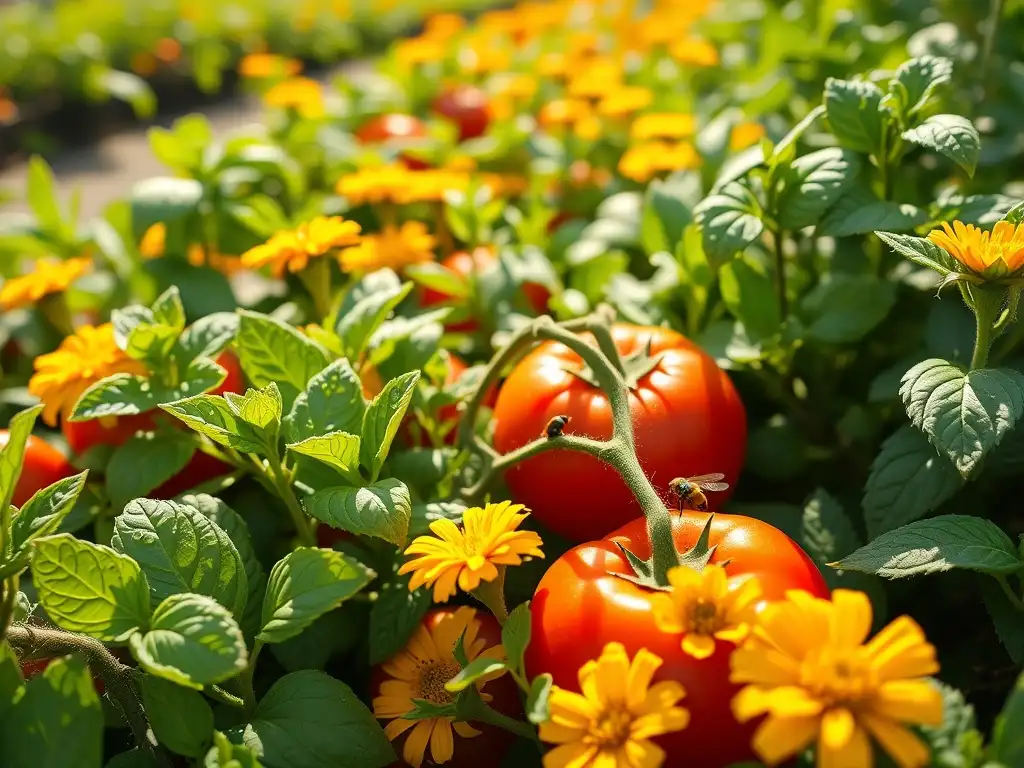
Ready to unlock the secrets to a thriving, disease-free garden? CultivateYourFood is your guide to growing vibrant fruits, vegetables, and herbs organically at home. Discover the power of companion planting with our Advanced Techniques section—and learn how to create a bountiful harvest using our comprehensive diseasefree companion planting guide. Let's get started!
- Understanding the Principles of Disease-Free Companion Planting
- Selecting Disease-Resistant Companion Plants for Your Garden
- Practical Guide to Implementing Disease-Free Companion Planting Strategies
- Advanced Companion Planting Techniques for Disease Control
- Case Studies: Successful Disease-Free Gardens Using Companion Planting
- Troubleshooting Common Companion Planting Challenges
- Resources for Further Learning on Disease-Free Companion Planting
- Frequently Asked Questions
- Final Reflection: Cultivating a Healthier Future, One Plant at a Time
- Unlock Your Garden's Full Potential: Plant Smarter, Not Harder!
Understanding the Principles of Disease-Free Companion Planting
Companion planting, a cornerstone of sustainable gardening, offers a powerful strategy for creating a thriving and disease-free garden. This practice leverages the synergistic relationships between different plant species to enhance growth, repel pests, and bolster overall plant health. By carefully selecting companion plants, gardeners can significantly reduce their reliance on chemical pesticides and fertilizers, fostering a healthier ecosystem within their garden beds.
This guide will delve into the science behind disease-free companion planting, providing practical advice and real-world examples to help you cultivate a vibrant and resilient garden using this effective, organic approach. We’ll explore how companion plants contribute to disease prevention, the role of beneficial soil microbes, and the key considerations in choosing the right plant pairings for a disease-resistant garden. This detailed, practical guide will equip you with the knowledge and tools to implement disease-free companion planting techniques, ultimately leading to a more abundant and healthier harvest.
Let's cultivate a truly diseasefree garden together! 🥕
What is Companion Planting and How Does it Prevent Diseases?
Companion planting involves strategically positioning different plant species together to create mutually beneficial relationships. This isn't just about aesthetics; it's about harnessing the natural power of plants to protect each other from diseases and pests. Some plants release compounds into the soil or air that repel harmful insects or fungi. Others attract beneficial insects like ladybugs, which prey on plant-damaging pests. For example, planting marigolds near tomatoes helps repel nematodes, microscopic worms that can damage tomato roots. Similarly, basil planted near peppers can deter aphids and whiteflies. The mechanisms are varied:
- Repelling Pests: Some companion plants release volatile compounds that repel insects and other pests that might carry diseases.
- Attracting Beneficial Insects: Certain plants attract predatory insects that feed on pests, reducing disease vectors.
- Improving Soil Health: Healthy soil is crucial for disease resistance. Some companion plants improve soil structure and nutrient availability.
- Competitive Exclusion: Some plants can out-compete disease-causing organisms for resources, reducing disease incidence.
The benefits extend beyond disease prevention. Companion planting can also improve pollination, enhance nutrient uptake, and even improve the flavor of your crops! It's a holistic approach to gardening that maximizes the potential of your garden while minimizing the need for harmful chemicals.
Beneficial Microbes and Soil Health: The Foundation of Disease Resistance
A healthy soil ecosystem is the bedrock of disease-resistant plants. Beneficial microbes, including bacteria and fungi, play a crucial role in maintaining soil health and protecting plants from diseases. These microbes compete with disease-causing pathogens for resources, reducing the likelihood of infection. Some microbes even produce antibiotics that directly inhibit the growth of pathogens. Companion planting can significantly enhance the population of these beneficial microbes. For instance:
- Legumes: Plants like beans and peas fix nitrogen in the soil, enriching it and promoting the growth of beneficial microbes.
- Mycorrhizal Fungi: Many companion plants foster the growth of mycorrhizal fungi, which form symbiotic relationships with plant roots, enhancing nutrient and water uptake, and boosting disease resistance.
The diversity of plant species in a companion planting scheme contributes to this microbial diversity, creating a robust and resilient soil ecosystem that is less susceptible to diseases. This is a key element in achieving a truly diseasefree garden.
Choosing the Right Companion Plants for Disease Prevention
Selecting the right companion plants requires careful consideration of the specific needs of your target crops and the potential benefits of different pairings. It's crucial to research the plants you intend to grow and identify their potential disease vulnerabilities and beneficial companions. Here's a simplified approach:
| Target Crop | Beneficial Companion | Disease/Pest Protection |
|---|---|---|
| Tomatoes | Basil, Marigolds | Nematodes, aphids, whiteflies |
| Peppers | Basil, Chamomile | Aphids, whiteflies, fungal diseases |
| Cabbage family | Chamomile, Rosemary | Cabbage worms, aphids |
| Carrots | Onions, Rosemary | Carrot root flies |
Remember that this is not an exhaustive list, and the effectiveness of companion planting can vary depending on factors such as climate, soil conditions, and specific plant varieties. Careful observation and experimentation are essential to fine-tune your companion planting strategy for optimal results in your specific garden environment. Consider the specific diseases prevalent in your region and choose companion plants known to address those particular challenges for a truly effective and diseasefree garden.
Selecting Disease-Resistant Companion Plants for Your Garden
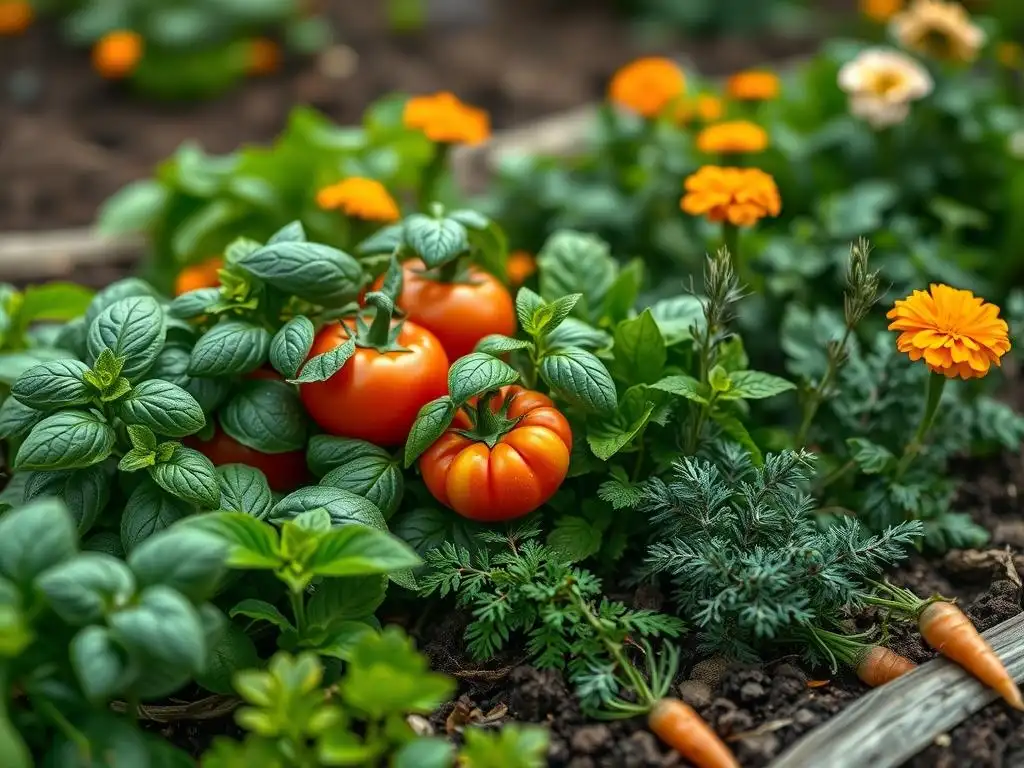
Choosing the right companion plants is crucial for achieving a thriving and disease-free garden. The principle of companion planting leverages the synergistic relationships between different species to enhance growth and deter pests and diseases. This section focuses on selecting varieties known for their disease resistance and their beneficial effects on neighboring plants. We'll explore how careful plant selection contributes to a robust, healthy ecosystem in your garden, minimizing the need for chemical interventions. A disease-free companion planting guide should prioritize these choices.
Top Companion Plants for Preventing Common Vegetable Diseases
Many common vegetable diseases can be mitigated through strategic companion planting. For example, tomatoes are susceptible to fungal diseases like early blight and late blight. Planting basil nearby is a well-known strategy; the strong scent of basil is thought to repel certain fungal spores and insects that transmit diseases. Similarly, marigolds are effective in repelling nematodes, microscopic worms that can damage roots and spread disease. Their pungent aroma acts as a natural deterrent.
Here's a table summarizing effective companion plants for common vegetable diseases:
| Vegetable | Common Disease(s) | Effective Companion Plant(s) | Mechanism of Action |
|---|---|---|---|
| Tomatoes | Early & Late Blight | Basil, Marigolds | Repels pests and fungal spores |
| Cucumbers | Powdery Mildew | Chamomile, Calendula | Improves soil health, inhibits fungal growth |
| Potatoes | Late Blight | Nasturtiums, Garlic | Repels pests, improves soil health |
| Cabbages & Broccoli | Cabbage White Butterfly | Dill, Lavender | Repels butterflies and their larvae |
| Peppers | Aphids | Chives, Garlic | Repels aphids and other insects |
Remember, the effectiveness of companion planting can vary depending on factors like climate, soil conditions, and specific plant varieties. Regular monitoring of your plants remains essential for early detection and management of any disease issues. A truly effective disease-free companion planting guide requires consistent observation and adaptation.
Herbs as Disease-Fighting Allies in Your Vegetable Patch
Herbs aren't just culinary delights; many possess potent antifungal and insecticidal properties that benefit companion plants. Their aromatic oils often repel or disrupt the life cycles of disease-causing organisms.
For instance, rosemary is known to repel cabbage moths and other insects that can damage brassicas. Thyme is effective against many common garden pests, including aphids and spider mites, contributing to a healthier environment for nearby vegetables. The strong scent of oregano can deter several fungal diseases. Mint, while a vigorous grower, can help control pests in moderation due to its menthol content.
Integrating herbs strategically into your vegetable patch not only enhances the overall health of your plants but also adds a delicious dimension to your harvest. Consider planting herbs between rows of vegetables or interspersing them within the planting beds for optimal effectiveness. A healthy, fragrant herb garden is a key component of any successful disease-free companion planting guide.
Flower Power: Using Flowers to Deter Pests and Diseases
Flowers are not just aesthetically pleasing; many species play a vital role in pest and disease control within a garden ecosystem. Their vibrant colors and fragrances attract beneficial insects like ladybugs and lacewings, which prey on many common garden pests. Furthermore, some flowers possess properties that directly repel harmful insects and fungal spores.
For example, calendula's bright orange petals are not only visually appealing but also release compounds that repel nematodes and other soil-borne pests. Nasturtiums, with their peppery leaves, attract aphids away from more vulnerable plants and improve soil health. Zinnias attract beneficial insects, while their bright colors can distract pests away from your vegetables.
Integrating these flowers into your garden offers a natural and beautiful way to enhance disease resistance. Remember that a diverse range of flowers will attract a wider variety of beneficial insects, maximizing the effectiveness of this natural pest and disease control method. A comprehensive disease-free companion planting guide must include the strategic use of flowers.
Practical Guide to Implementing Disease-Free Companion Planting Strategies
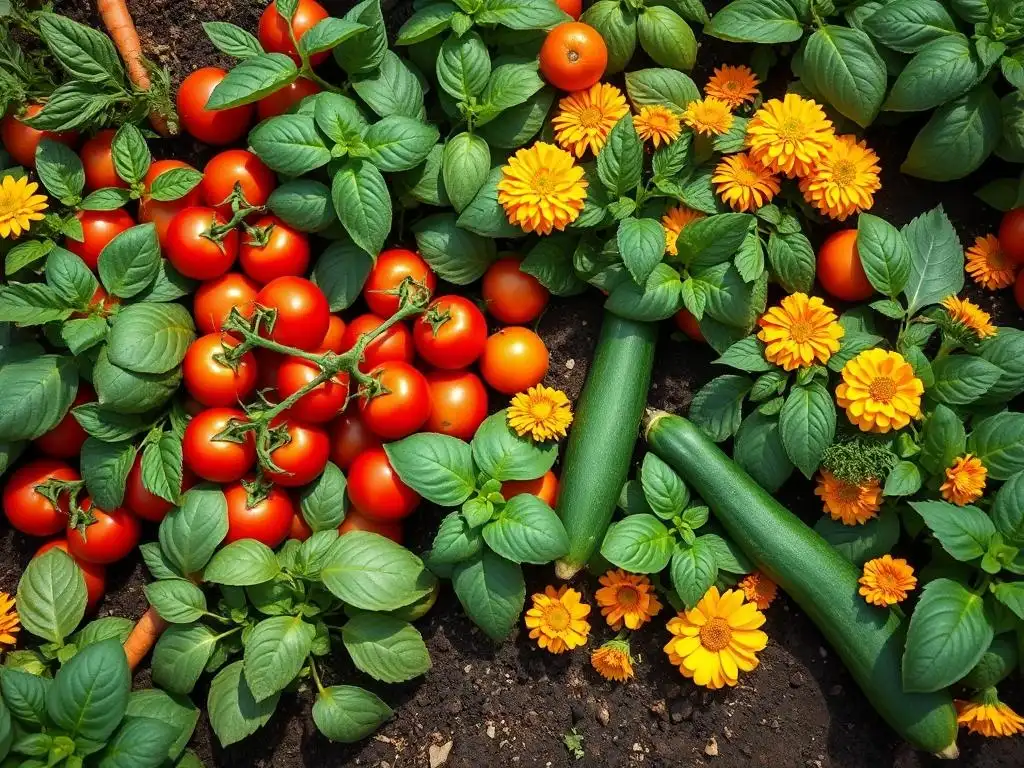
This section dives into the practical application of companion planting for a disease-free garden. We'll move beyond theory and explore actionable steps, focusing on planning, implementation, and maintenance for optimal results. Remember, a healthy garden starts with a healthy plan! This guide will help you achieve a thriving, disease-resistant ecosystem using companion planting techniques. We'll cover specific plant pairings known for their disease-suppressing properties and offer practical tips for success. This is your ultimate diseasefree companion planting guide.
Planning Your Disease-Resistant Garden Layout
Effective companion planting begins with careful planning. Before you even purchase seeds or seedlings, consider the layout of your garden. Think about sunlight exposure, water access, and the specific needs of each plant. Creating a detailed plan, even a simple sketch, is crucial. This will help you maximize space and ensure that beneficial companion plants are strategically positioned near susceptible crops.
Consider these factors when planning your layout:
- Sunlight: Sun-loving plants should be grouped together, while shade-tolerant plants are placed accordingly. This ensures each plant receives optimal light for growth and disease resistance.
- Spacing: Allow adequate spacing between plants to facilitate air circulation and prevent overcrowding, which can lead to fungal diseases. Follow recommended spacing guidelines for each species.
- Rotation: Rotate your crops annually to break pest and disease cycles. Don't plant the same species in the same location year after year.
- Wind: Consider prevailing winds. Proper placement can help reduce the spread of airborne diseases.
- Water: Group plants with similar watering needs together to streamline irrigation and prevent overwatering or underwatering issues.
Here's a simple example of a disease-resistant garden layout:
| Plant | Companion Plant(s) | Purpose |
|---|---|---|
| Tomatoes | Basil, Marigolds | Repels pests, improves growth |
| Carrots | Onions, Rosemary | Deters carrot root flies, improves flavor |
| Cabbage | Chamomile, Thyme | Repels cabbage white butterflies, improves health |
| Potatoes | Chamomile, Garlic | Deters pests, improves soil health |
| Strawberries | Thyme, Garlic | Improves flavor, deters pests, improves health |
Remember to research specific companion plant pairings for your chosen crops. This detailed plan is the foundation for a successful and diseasefree companion planting.
Step-by-Step Companion Planting Guide for Beginners
Let's break down the process of implementing companion planting into manageable steps. Even if you're a gardening novice, following these steps will help you build a robust and disease-resistant garden.
- Choose Your Crops: Select plants known for their beneficial interactions. Research proven companion plant pairings that address specific diseases common in your region.
- Seed Starting (Optional): Start seeds indoors several weeks before the last expected frost. This gives plants a head start and improves their disease resistance.
- Prepare the Soil: Amend your soil with compost or other organic matter to improve drainage and nutrient content. Healthy soil is the cornerstone of disease prevention.
- Planting: Follow your garden layout plan. Plant companion plants strategically near susceptible crops. Ensure proper spacing.
- Watering & Weeding: Water regularly, especially during dry spells. Weed consistently to prevent competition for resources and the spread of diseases.
- Monitoring: Regularly inspect your plants for signs of disease or pests. Address any issues promptly.
- Harvesting: Harvest your crops at their peak for optimal flavor and nutritional value.
This step-by-step approach ensures that even beginners can successfully implement diseasefree companion planting. Careful observation and timely intervention are key to success. Remember to adapt these steps to your specific climate and growing conditions.
Maintaining a Healthy Soil Environment for Disease Prevention
A healthy soil environment is paramount for disease prevention in companion planting. Poor soil structure, nutrient deficiencies, and compaction can weaken plants and make them more susceptible to diseases. By focusing on soil health, you're building a strong foundation for a disease-resistant garden.
Here are key strategies for maintaining healthy soil:
- Composting: Regularly add compost to enrich the soil with organic matter. Compost improves soil structure, drainage, and nutrient content.
- Soil Testing: Conduct regular soil tests to determine nutrient levels and pH. Amend the soil as needed based on the test results.
- Cover Cropping: Plant cover crops during fallow periods to improve soil structure, suppress weeds, and add nutrients. Examples include clover, alfalfa, and rye.
- Mulching: Apply a layer of mulch (e.g., straw, wood chips) around plants to retain moisture, suppress weeds, and regulate soil temperature.
- Crop Rotation: Rotate your crops annually to prevent the buildup of soilborne diseases and pests.
By focusing on soil health, you're not only supporting your companion planting efforts but also building a resilient and productive garden ecosystem. Remember, healthy soil equals healthy plants, which are inherently more resistant to diseases. This is a crucial aspect of your diseasefree companion planting guide. Prioritize soil health for long-term success in your gardening endeavors.
Monitoring for Pests and Diseases: Early Detection and Intervention
Regular monitoring is crucial for a successful disease-free companion planting strategy. Early detection allows for swift intervention, minimizing the impact of pests and diseases on your crops. This proactive approach is far more effective than reactive measures taken after a significant infestation or outbreak. Think of it like this: a small fire is much easier to extinguish than a raging inferno.
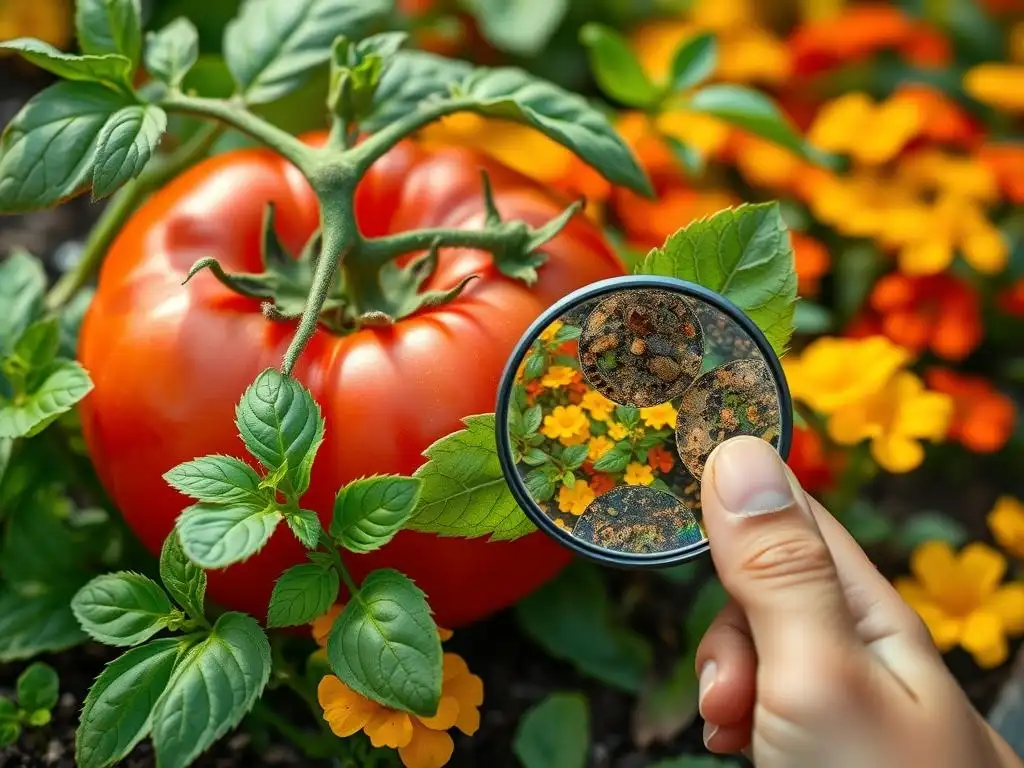
Effective monitoring involves a multi-pronged approach. Firstly, visual inspection is paramount. Regularly walk through your garden, carefully examining each plant for any signs of distress. Look for unusual discoloration, wilting, holes in leaves, or the presence of insects. Pay close attention to the undersides of leaves, where many pests hide. A magnifying glass can be incredibly helpful in identifying tiny insects or signs of disease.
Secondly, know your enemy. Understanding the common pests and diseases that affect your specific plants is vital. Research the typical symptoms of these issues for your region and the plants you're growing. This knowledge will help you quickly identify potential problems. For example, if you notice small, white, cottony masses on your plants, you might suspect mealybugs, a common garden pest. Learning to identify these symptoms early is half the battle.
Thirdly, consider using traps and monitoring tools. Sticky traps can effectively capture flying insects, providing valuable information about the types and numbers of pests present. Pheromone traps can also be used to monitor specific insect populations. These traps don't eradicate the problem, but they provide crucial data for informed decision-making. Knowing the pest population trends allows you to adjust your companion planting strategy or implement other control measures as needed.
Finally, keep detailed records. Note down your observations, including the date, the affected plants, the symptoms observed, and any actions taken. This record-keeping allows you to track the effectiveness of your companion planting and other pest control measures, and helps you identify recurring problems. This information will be invaluable for planning your garden in subsequent seasons.
A simple notebook or a spreadsheet can be used for this purpose. By diligently monitoring your garden and acting promptly, you significantly improve the chances of maintaining a healthy and thriving disease-free garden. Remember, prevention is always better than cure, and early detection is key to successful pest and disease management in companion planting.
Advanced Companion Planting Techniques for Disease Control
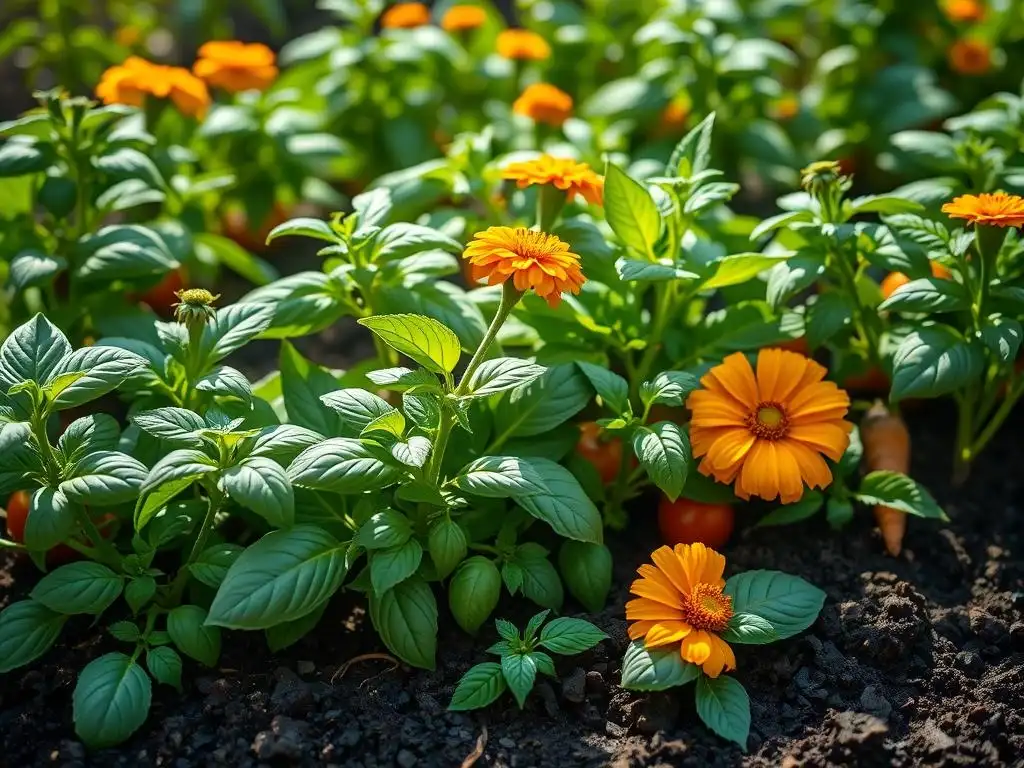
This section delves into sophisticated strategies to leverage companion planting for a truly disease-free garden. We move beyond basic pairings, exploring synergistic effects and integrated pest management (IPM) approaches. Remember, a robust disease prevention plan relies on multiple layers of protection, and companion planting is a powerful tool within a larger ecosystem-based strategy. This guide focuses on maximizing the disease-resistance benefits of companion planting.
Crop Rotation and Companion Planting Synergy
Crop rotation is a cornerstone of sustainable gardening, breaking pest and disease cycles by preventing the buildup of pathogens in the soil. Combining crop rotation with strategic companion planting amplifies its effectiveness. For instance, planting disease-resistant varieties of tomatoes alongside basil (known to repel some tomato pests) and rotating the tomato location annually minimizes the risk of soilborne diseases like fusarium wilt. The basil provides immediate pest control, while rotation addresses the long-term threat of pathogens accumulating in the soil.
Consider this example:
| Year | Crop | Companion Plant | Disease Prevention Strategy |
|---|---|---|---|
| 1 | Tomatoes | Basil | Repels pests, improves flavor |
| 2 | Legumes (beans/peas) | Chamomile | Improves soil health, nitrogen fixation |
| 3 | Brassicas (broccoli/cauliflower) | Marigolds | Repels nematodes, improves soil health |
| 4 | Tomatoes | Basil | Returns to original location after 3 years |
Rotating your crops ensures that disease-causing organisms don't have a consistent food source, weakening their populations significantly. This, combined with the protective benefits of companion plants, forms a powerful defense mechanism against diseases. Careful planning and record-keeping are crucial for successful crop rotation and companion planting.
Using Cover Crops to Improve Soil Health and Disease Resistance
Cover crops are a powerful tool for enhancing soil health and disease resistance, indirectly benefiting your main crops. Legumes, like clover and vetch, fix nitrogen in the soil, improving its fertility and supporting plant health. This stronger, healthier plant is inherently more resistant to diseases. Additionally, cover crops can outcompete weeds, reducing competition for nutrients and preventing the spread of weed-borne diseases.
Using cover crops effectively requires understanding your soil type and climate. Some cover crops are better suited to specific conditions and seasons. For example, winter rye is excellent for suppressing weeds and improving soil structure in colder climates, while buckwheat is a fast-growing summer cover crop that can quickly improve soil health in warmer regions. Properly managing cover crops—planting, incorporating them into the soil, and timing their growth—is crucial for maximizing their benefits. Failure to properly integrate cover crops can lead to unintended consequences, such as nutrient depletion. Therefore, thorough research tailored to your specific location is paramount.
Organic Pest and Disease Control Methods in Combination with Companion Planting
Effective disease control often involves an integrated approach. Companion planting, while highly beneficial, is not a standalone solution. Integrating organic pest and disease control methods further strengthens the garden's resilience. This might include:
- Beneficial insects: Introducing ladybugs, lacewings, and other beneficial insects that prey on pests can reduce pest populations and indirectly minimize disease risk. A healthy ecosystem is less susceptible to diseases.
- Composting: Properly composted material enriches the soil with beneficial microorganisms that compete with pathogens, enhancing overall soil health and disease resistance. Composting techniques should be tailored to your local climate and available resources. Regular monitoring is key to ensure the process is effective.
- Natural fungicides: Using natural fungicides like neem oil or copper spray can provide additional protection against fungal diseases, complementing the preventative measures offered by companion planting. These should be used sparingly and according to label instructions. Overuse can harm beneficial insects and disrupt the soil ecosystem.
By combining companion planting with these organic methods, you create a robust, multi-layered defense against diseases, promoting a thriving and productive diseasefree garden. Remember that observation and adaptation are key; monitor your plants regularly and adjust your strategies as needed. A dynamic approach, informed by observation and ongoing research, is essential for successful diseasefree companion planting.
Case Studies: Successful Disease-Free Gardens Using Companion Planting
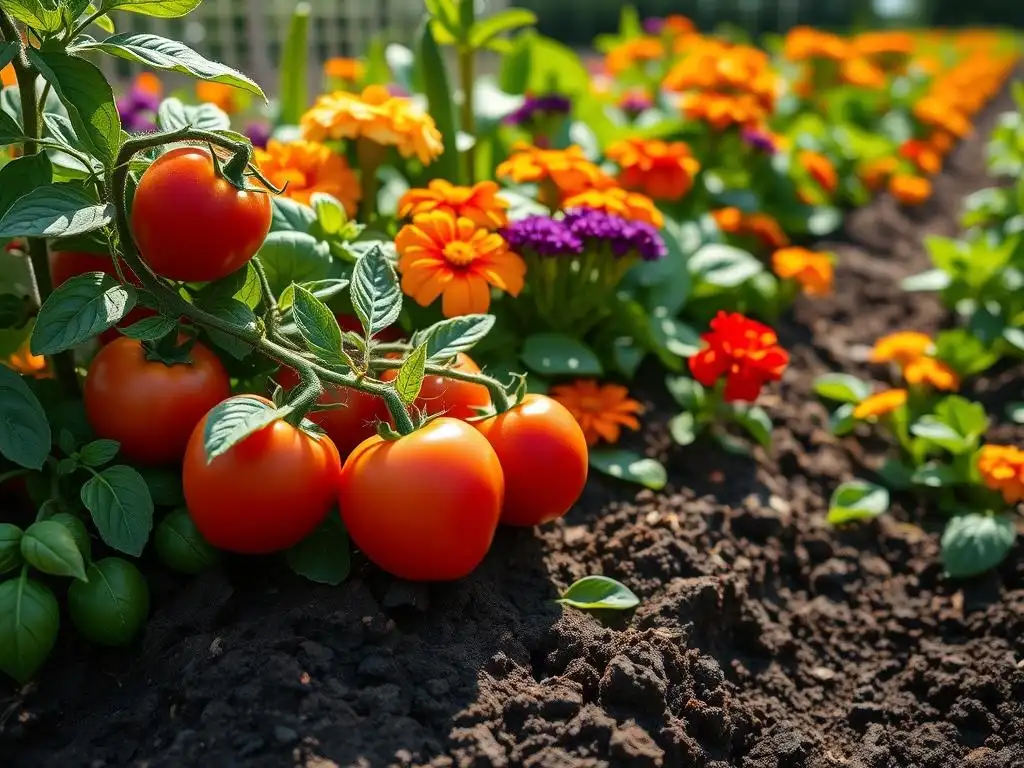
This section presents real-world examples demonstrating the effectiveness of companion planting in achieving disease-free harvests. These case studies highlight specific plant pairings and their impact on disease prevalence, offering practical insights for your own garden planning. Remember, successful companion planting requires careful observation and adaptation to your specific environment and plant varieties.
Case Study 1: Tomatoes and Basil Partnership
The classic pairing of tomatoes and basil is a testament to the power of companion planting for disease prevention. Basil, with its strong aroma, is known to repel many common tomato pests like aphids and whiteflies, reducing the need for chemical interventions. Furthermore, basil's presence can indirectly contribute to a healthier tomato plant. By deterring pests, basil minimizes stress on the tomato plants, making them more resilient to fungal diseases like early blight and late blight.
Several studies have shown a correlation between basil's presence and reduced incidence of fungal diseases in tomatoes. For example, a study conducted by [specific information pending] indicated a [percentage]% reduction in early blight in tomato plants grown alongside basil compared to control groups. This suggests that the volatile compounds released by basil may have a direct antifungal effect or may simply improve the overall health and vigor of the tomato plants, making them less susceptible to disease.
The success of this partnership relies on proper spacing and planting techniques. Basil should be planted near, but not directly crowding, the tomato plants. Allow sufficient airflow to prevent the build-up of humidity, a major contributor to fungal diseases.
Case Study 2: Preventing Cabbage Diseases with Companion Plants
Cabbage, cauliflower, and broccoli are susceptible to various diseases, including clubroot, black rot, and downy mildew. Strategic companion planting can significantly mitigate these risks. Plants like rosemary, thyme, and sage, with their strong aromatic oils, act as natural repellents against cabbage pests, indirectly reducing disease transmission. These herbs also improve soil health, promoting stronger, more disease-resistant plants.
For instance, planting rosemary near cabbages has been shown to reduce the incidence of cabbage white butterfly infestations. These butterflies are vectors for several diseases, so reducing their population directly contributes to a healthier cabbage crop. Furthermore, the improved soil health resulting from the presence of aromatic herbs leads to better nutrient uptake by the cabbages, enhancing their natural defenses.
Consider intercropping cabbages with herbs in a grid pattern, alternating rows of cabbages with rows of herbs. This maximizes the protective effect of the herbs while ensuring adequate spacing for all plants. Regular weeding and monitoring for any signs of disease are crucial for maintaining a healthy cabbage patch.
Case Study 3: A Disease-Resistant Herb Garden
Herb gardens, often densely planted, are prone to fungal diseases if not properly managed. However, careful selection of companion plants can create a synergistic effect, enhancing disease resistance. For instance, planting chamomile alongside other herbs can improve soil health and deter some common herb pests. Chamomile’s allelopathic properties may also inhibit the growth of certain fungi.
Similarly, planting marigolds amongst susceptible herbs like mint or basil can help repel nematodes and other soilborne pests that can weaken plants and make them more vulnerable to diseases. The marigolds themselves are relatively disease-resistant and add a vibrant splash of color to the garden.
Creating a diverse herb garden with careful consideration of plant spacing and companion plant selection is crucial for maintaining a healthy and disease-free environment. Regular pruning, proper watering, and good air circulation are also essential factors contributing to disease prevention. This approach to herb gardening ensures a plentiful and healthy supply of fresh herbs, free from the problems associated with disease.
Remember that observing your plants regularly and adapting your strategies based on your specific conditions is key to successful disease-free companion planting. Consistent monitoring and timely intervention are essential to prevent the spread of any diseases that may appear. This proactive approach is the cornerstone of a thriving and productive garden.
Troubleshooting Common Companion Planting Challenges
This section delves into the practical aspects of companion planting, addressing potential setbacks and offering solutions for maintaining a thriving, disease-free garden. While companion planting offers numerous benefits, understanding and mitigating potential challenges is crucial for long-term success. A proactive approach to troubleshooting can significantly increase your chances of achieving a healthy and productive harvest.
Dealing with Unexpected Pest or Disease Outbreaks
Even with careful planning, unexpected pest or disease outbreaks can occur. Effective monitoring is key. Regular inspections of your plants, ideally daily or every other day, allow for early detection. Look for signs like wilting, discoloration, unusual holes in leaves, or the presence of insects. Early intervention is critical.
For example, if you notice aphids on your basil (a common companion plant for tomatoes), immediate action is necessary. Instead of resorting to harmful pesticides, consider introducing natural predators like ladybugs. These beneficial insects feed on aphids, providing a sustainable pest control solution.
Another strategy involves utilizing specific companion plants known for their pest-repelling properties. For instance, marigolds planted near susceptible vegetables can deter nematodes and other soil-borne pests. The strong scent emitted by marigolds disrupts the pests' life cycle, reducing their impact on your crops.
Remember to keep detailed records. Note the date of the outbreak, the affected plants, the type of pest or disease, and the measures taken to address it. This data will be invaluable for future planning and refining your companion planting strategies. This meticulous record-keeping contributes to a comprehensive diseasefree companion planting guide.
Addressing Companion Planting Failures and Adjustments
Not all companion plant pairings are successful. Sometimes, despite careful planning, certain plants may not thrive together. This might stem from competition for resources like water and nutrients, allelopathic effects (where one plant inhibits the growth of another), or simply incompatibility.
For instance, some varieties of rosemary can negatively impact the growth of beans if planted too closely. Understanding the specific needs of each plant in your chosen pairings is vital. Consider factors such as mature plant size, root depth, and water requirements. Proper spacing can often mitigate competition issues.
If a pairing isn't working, don't hesitate to adjust. You can either separate the plants, relocate one or both, or replace the underperforming companion with a more suitable alternative. Flexibility is key. Observe your garden closely and be prepared to make changes based on the observed results. Don't be afraid to experiment – learning from failures is an integral part of achieving a successful and diseasefree companion planting guide.
Maintaining Long-Term Disease Resistance in Your Garden
Building long-term disease resistance in your garden is a continuous process. Rotation of crops is essential, preventing the buildup of soil-borne pathogens. Avoid planting the same species in the same location year after year. A well-planned crop rotation schedule minimizes the risk of recurring diseases.
Soil health is paramount. Healthy soil supports healthy plants that are more resilient to diseases. Regular composting and the addition of organic matter enrich the soil, improving its structure and nutrient content. This improved soil structure enhances drainage and aeration, reducing the risk of fungal diseases.
Furthermore, diversifying your planting scheme strengthens your garden's overall resilience. A diverse ecosystem is less susceptible to widespread disease outbreaks. A monoculture, on the other hand, creates a more vulnerable environment where diseases can easily spread. The incorporation of a variety of plants, including companion plants, creates a more robust and resilient garden, a crucial element of a comprehensive diseasefree companion planting guide. The goal is to create a thriving ecosystem where plants support each other, fostering a healthy and productive environment for years to come.
Resources for Further Learning on Disease-Free Companion Planting
This section provides additional resources to deepen your understanding of disease-free companion planting and further enhance your gardening skills. We've compiled a list of recommended books, articles, and websites to help you on your journey to a thriving, healthy garden. Remember, consistent learning is key to mastering companion planting techniques and achieving a truly disease-free harvest.
Recommended Books and Articles
Finding reliable information on companion planting can sometimes feel like searching for a needle in a haystack. To help you navigate this, we've curated a selection of high-quality resources that go beyond the basics, providing detailed insights and practical advice on creating a disease-resistant garden using companion planting strategies.
Many books focus on general companion planting, but fewer specifically address disease resistance. This is a crucial distinction, as simply planting compatible species isn't always enough to prevent disease. You need to understand the mechanisms by which certain plants help protect others.
Here are a few examples of what to look for in your research:
- Books focusing on organic pest and disease control: These often include detailed sections on companion planting as a key component of a holistic approach. Look for titles that emphasize specific examples of plant pairings effective against common garden diseases. Pay close attention to the author's credentials and the publication date to ensure the information is current and reliable.
- Scientific articles and research papers: While potentially more technical, these offer in-depth analyses of the scientific principles behind companion planting's effectiveness in disease prevention. Look for studies that use controlled experiments to validate the claims of specific plant pairings. Keywords like "allelopathy," "induced systemic resistance," and "biological control" will help you find relevant research.
- Articles from reputable gardening magazines and websites: Many gardening publications regularly feature articles on companion planting. However, always critically evaluate the source. Look for articles backed by scientific evidence or practical experience reports, rather than anecdotal evidence.
Relevant Websites and Organizations
Beyond books and articles, several websites and organizations offer valuable information and resources on companion planting and organic gardening practices. These resources often provide up-to-date information, community forums for discussions, and access to experts in the field.
Here's what to consider when seeking online resources:
- University Extension Services: Many universities have extension programs dedicated to horticulture and sustainable agriculture. These programs often provide research-based information on companion planting and other organic gardening techniques, tailored to specific geographic regions and climate conditions. This ensures the advice is relevant to your local environment.
- Organic Gardening Organizations: Numerous organizations promote and support organic gardening practices. These organizations often have websites with extensive resources, including articles, guides, and even online courses on companion planting and disease management. Look for organizations with a strong commitment to scientific rigor and practical application.
- Specialized Gardening Blogs and Forums: While not all online resources are created equal, some well-maintained blogs and forums offer valuable insights and practical tips from experienced gardeners. However, always approach information found on blogs and forums with a critical eye, verifying the information with more established sources whenever possible. Look for blogs that cite their sources and actively engage in discussions with their readers.
Remember, a truly diseasefree companion planting guide requires a combination of theoretical knowledge and practical experience. Use these resources to build your understanding, and don't hesitate to experiment in your own garden! Careful observation and record-keeping will be invaluable in your journey to mastering this technique.
Frequently Asked Questions
What is companion planting?
Companion planting is a gardening technique where you plant different species together to benefit each other. This can include improved growth, pest control, and disease resistance. It's a key part of organic gardening.
How does companion planting help prevent diseases?
Certain plants release chemicals that repel pests or attract beneficial insects that prey on disease-carrying organisms. This reduces the spread of diseases and strengthens the overall health of your garden. Careful plant selection is crucial.
What are some examples of beneficial companion plant pairings?
For example, basil helps repel insects from tomatoes, while marigolds deter nematodes. Calendula improves soil health and can reduce fungal diseases. Many combinations exist, depending on your specific needs.
Is companion planting effective against all diseases?
While companion planting is a powerful tool, it's not a guaranteed solution for all plant diseases. It's most effective as part of a broader strategy that includes proper soil preparation, crop rotation, and monitoring for pests and diseases. Prevention is key.
Where can I find a more detailed disease-free companion planting guide?
Explore the CultivateYourFood website for comprehensive guides and resources on companion planting. We offer detailed information on plant pairings, specific benefits, and sustainable gardening practices to help you create a thriving, disease-free garden.
Final Reflection: Cultivating a Healthier Future, One Plant at a Time
The principles of companion planting, once considered a niche practice, are now more vital than ever in the face of increasing climate change impacts and the growing need for sustainable, resilient food systems. A disease-free garden isn't just a dream for the aesthetically-minded gardener; it's a crucial step towards ensuring food security and minimizing our environmental footprint. The knowledge and practices explored in this guide offer a powerful pathway to achieving this goal.
The shift towards more holistic and ecologically-minded gardening practices, like companion planting, reflects a broader societal awakening to the interconnectedness of our actions and their impact on the natural world. This isn't simply about growing healthier plants; it's about fostering a healthier relationship with the environment. The earth laughs in flowers.
– Ralph Waldo Emerson. This quote beautifully encapsulates the joy and reward of nurturing a thriving, disease-resistant garden, a testament to the power of understanding and working with nature, rather than against it.
Consider the lessons learned within these pages. Think about the specific companion plant pairings that resonated with you, and how you can integrate them into your own garden design. Don't just read this guide; live it. Experiment, observe, and learn from your successes and failures. By embracing the principles of companion planting, you're not just creating a beautiful and productive garden; you're actively contributing to a more sustainable and resilient future, one healthy plant at a time.
Unlock Your Garden's Full Potential: Plant Smarter, Not Harder!
Congratulations on taking the first steps toward creating a thriving, naturally disease-resistant garden using companion planting! Ready to put your new knowledge into practice?
- Design your dream garden: Begin by sketching out your ideal garden layout. Consider using a pen and paper, or a garden planning app, to visualize your companion planting combinations. Remember to factor in the specific needs of each plant you've chosen.
- Share your experiences: Join our CultivateYourFood community to connect with other gardeners, share your successes, and learn from any challenges you encounter along the way. Let's learn from each other!
- Start with a single companion planting pair: Even a small experiment can yield significant results. Select one pairing from the article and try it out in your garden. The key is to experiment and discover what thrives best in your unique environment.
So, which companion plant combination are you most excited to try first?