
The Future of Sharing: How Community Gardens Can Shape Urban Landscapes

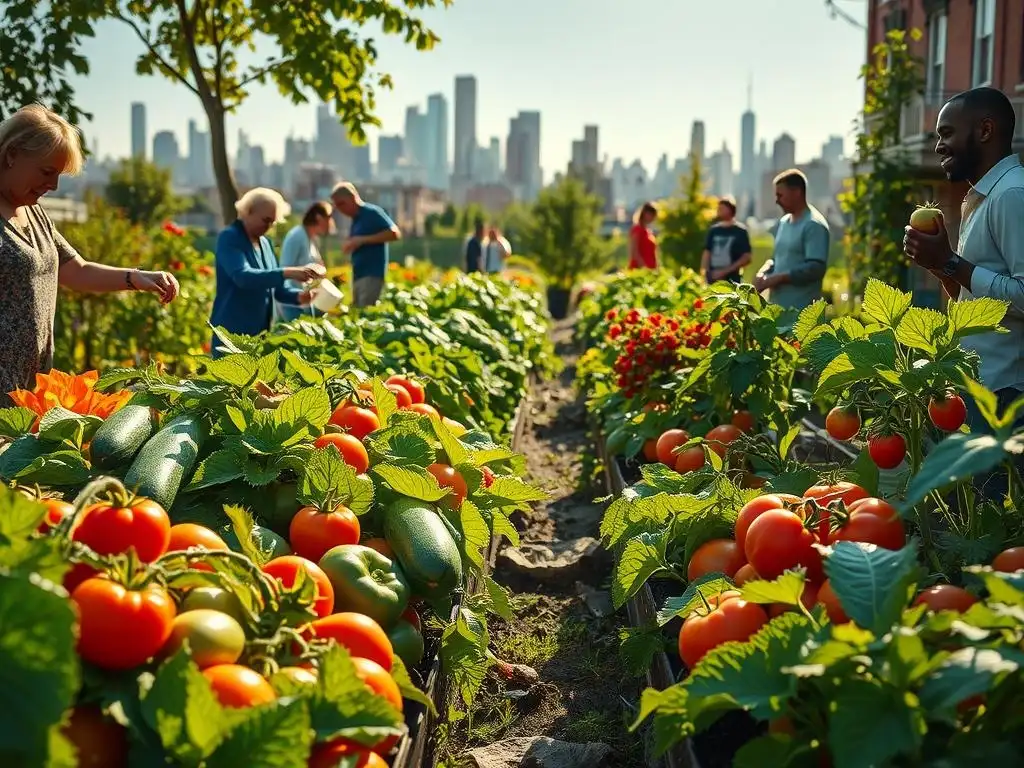
Welcome to CultivateYourFood, your guide to growing a thriving garden, sustainably and organically! Are you ready to discover the incredible benefits of urban farming? Our latest article explores the transformative power of community gardens and how they're reshaping urban landscapes. Dive in and uncover the surprising advantages of joining this growing movement – you might be surprised at what you can cultivate, both in your garden and in your community.
- Community Garden Urban Farming Benefits: A Greener, More Connected City
-
Designing and Implementing a Successful Community Garden Project
- Finding the Ideal Location for Your Community Garden: Site Selection Criteria
- Securing Funding and Resources for Your Community Garden Initiative: Funding Sources and Grant Opportunities
- Community Garden Design and Layout: Optimizing Space and Accessibility
- Choosing the Right Plant for Your Community Garden: Climate-Appropriate Plant Selection
-
Maintaining and Managing a Thriving Community Garden
- Establishing a Community Garden Governance Structure: Roles and Responsibilities of Garden Members
- Volunteer Recruitment and Management: Fostering Community Engagement
- Sustainable Practices in Community Gardens: Water Conservation, Composing, and Pest Control
- Harvesting and Distribution Strategies: Ensuring Equitable Access to Fresh Produce
-
The Future of Community Gardens: Expanding Urban Farming Initiatives
- Integrating Technology into Community Gardens: Utilizing Smart Gardening Technologies
- Community Garden Education and Outreach Programs: Educational Initiatives and Community Events
- The Long-Term Sustainability of Community Gardens: Financial Planning and Community Support
- Community Garden Urban Farming Benefits: A Sustainable Future for Urban Food Production
-
Frequently Asked Questions
- What are the benefits of community gardens for urban areas?
- How can community gardens contribute to urban farming?
- What are the challenges of establishing a community garden in an urban setting?
- How does a community garden improve the overall well-being of urban residents?
- What role does sustainability play in community garden initiatives?
- Final Reflection: Cultivating Community, Harvesting a Better Future
- Cultivate Your Own Patch of Green: Grow Your Urban Oasis!
Community Garden Urban Farming Benefits: A Greener, More Connected City
The rise of urban farming is transforming how we interact with our food systems and our communities. Community gardens, in particular, are emerging as powerful catalysts for positive change, offering a multitude of benefits that extend far beyond simply growing food. This article explores the significant advantages of community gardens in urban environments, focusing on their impact on food security, environmental sustainability, and social cohesion.
We'll delve into how these shared spaces contribute to a greener, more connected, and ultimately, more resilient city. Understanding the multifaceted benefits of community gardens is crucial for urban planners, community leaders, and individuals looking to create more vibrant and sustainable urban landscapes. The keyword "Community garden urban farming benefits" encapsulates the core theme, highlighting the positive impacts these initiatives have on our cities.
Community gardens play a vital role in enhancing food security, especially in urban areas often characterized by limited access to fresh, affordable produce. By providing residents with opportunities to grow their own fruits, vegetables, and herbs, these gardens increase the availability of nutritious food within the community. This is particularly beneficial for low-income families and food deserts, where access to supermarkets and healthy food options is limited.
The collaborative nature of community gardens fosters knowledge sharing and skill development, empowering residents with the ability to cultivate their own food, reducing reliance on external food systems and promoting self-sufficiency. Studies have shown a direct correlation between increased access to community gardens and improved dietary intake among participating residents. For example, one study in [City name pending] demonstrated a [Percentage pending]% increase in fruit and vegetable consumption among residents actively involved in a local community garden project.
This increase in access to fresh produce contributes to improved overall health and well-being within the community. 🥕
The Environmental Impact of Community Gardens: Reducing Carbon Footprint and Promoting Biodiversity
Beyond food security, community gardens offer substantial environmental benefits. By growing food locally, community gardens significantly reduce the carbon footprint associated with long-distance transportation of produce. The reduction in transportation emissions contributes to cleaner air and a smaller carbon footprint for the entire community. Furthermore, community gardens often incorporate sustainable practices such as composting and water conservation, minimizing environmental impact.
The use of organic methods avoids the use of harmful pesticides and fertilizers, protecting local ecosystems and promoting biodiversity. Many community gardens incorporate native plants and create habitats for pollinators, further enhancing the local biodiversity and supporting a healthy ecosystem. The positive environmental impact of community gardens extends beyond the immediate site, contributing to a more sustainable and resilient urban environment. 🌿
Community gardens are not just about growing food; they are powerful tools for building social connections and fostering a sense of community. These shared spaces provide opportunities for residents to interact, collaborate, and build relationships. The shared experience of gardening creates a sense of belonging and strengthens social bonds within the neighborhood.
Gardening activities can involve people of all ages and backgrounds, fostering intergenerational connections and promoting inclusivity. The collaborative nature of community gardens promotes communication, trust, and mutual support among residents, creating a stronger and more resilient community. The social benefits extend beyond the immediate participants, contributing to a more cohesive and vibrant urban environment.
🫂 Studies have repeatedly shown a strong correlation between community garden participation and increased social interaction and reduced feelings of isolation, particularly among vulnerable populations. The positive social impact of community gardens is a significant factor in their overall success and widespread adoption as a valuable community resource.
Designing and Implementing a Successful Community Garden Project
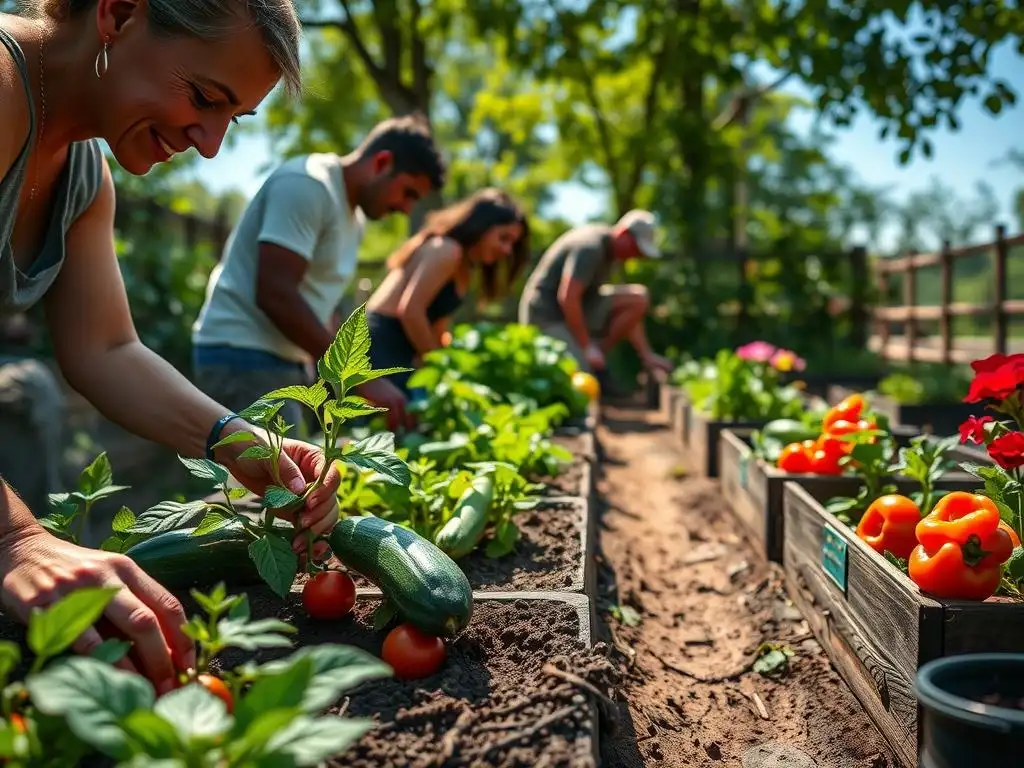
This section delves into the practical aspects of establishing and maintaining a thriving community garden, focusing on key considerations for maximizing its impact and sustainability. Successful community garden projects require careful planning and execution, ensuring the garden serves its purpose of fostering community engagement while providing fresh, organic produce. The benefits of community garden urban farming are numerous, encompassing environmental, social, and economic advantages.
Finding the Ideal Location for Your Community Garden: Site Selection Criteria
Choosing the right location is paramount for a successful community garden. Several crucial factors must be considered to ensure accessibility, sufficient sunlight, and suitable soil conditions. The ideal spot balances community needs with practical considerations. Here's a breakdown of key site selection criteria:
- Sunlight: At least six hours of direct sunlight daily is essential for most vegetables and herbs. Consider the sun's path throughout the day to identify areas receiving optimal exposure. A south-facing location (in the Northern Hemisphere) is typically ideal. Documenting sunlight patterns over several weeks can provide valuable data.
- Accessibility: The garden should be easily accessible to all community members, regardless of physical limitations. Proximity to public transportation, pedestrian walkways, and parking are important considerations. The site should also be easily navigable for people using wheelchairs or other mobility aids.
- Soil Quality: Conduct a soil test to assess its composition, pH level, and nutrient content. Poor soil quality can hinder plant growth and require significant amendment. Testing allows you to determine necessary improvements before planting begins. Amendments like compost can significantly improve soil health, supporting sustainable practices.
- Water Access: Reliable access to a water source is crucial. This could involve a nearby water tap, a well, or the ability to collect rainwater. Consider the water pressure and ease of access for irrigation. Efficient watering systems are key to conserving resources.
- Size and Shape: The size of the garden should align with the projected number of participants and the available resources. A well-designed layout can maximize space utilization, even in smaller areas. Consider raised beds or vertical gardening techniques for efficient space management.
- Security: The site should be relatively secure to prevent vandalism or theft. Fencing or other security measures may be necessary, depending on the location and community dynamics. Community involvement in security measures fosters a sense of shared responsibility.
Securing Funding and Resources for Your Community Garden Initiative: Funding Sources and Grant Opportunities
Funding is a critical element for initiating and sustaining a community garden. Securing adequate resources requires a multi-faceted approach, exploring various funding streams and grant opportunities. Here are some avenues to explore:
- Grants: Numerous organizations offer grants specifically for community garden projects. These grants often support land acquisition, infrastructure development, educational programs, and tool procurement. Research relevant grant opportunities and carefully prepare compelling grant proposals highlighting the project's community benefits and sustainability.
- Local Government Funding: Many municipalities offer grants or funding programs to support community initiatives, including urban farming projects. Contact your local government agencies to inquire about available funding opportunities and application processes. Demonstrating the project's alignment with local sustainability goals can strengthen your application.
- Corporate Sponsorships: Approach local businesses that align with the community garden's mission and values. Sponsorships can provide funding for specific needs, such as materials, equipment, or educational workshops. Offering sponsors visibility through signage or community events can attract corporate support.
- Crowdfunding: Online crowdfunding platforms provide an avenue to raise funds from a wider audience. Develop a compelling campaign that clearly outlines the project's goals, impact, and budget. Engage the community through social media to maximize reach and participation.
- Donations and In-Kind Contributions: Encourage community members to donate materials, tools, or their time and expertise. In-kind contributions can significantly reduce project costs and foster community ownership.
Community Garden Design and Layout: Optimizing Space and Accessibility
The design and layout of a community garden directly influence its functionality and usability. A well-planned design maximizes space utilization, ensures accessibility for all participants, and promotes a productive and aesthetically pleasing environment. Here are some key considerations:
| Feature | Description | Benefits |
|---|---|---|
| Plot Size and Shape | Consider the needs of diverse gardeners – varying plot sizes accommodate different experience levels and gardening styles. Rectangular plots are generally easier to manage. | Cater to varying needs, promoting inclusivity and participation. |
| Pathways | Wide, accessible pathways are crucial for navigating the garden, especially for individuals with mobility limitations. Use permeable materials to avoid compaction. | Improved accessibility and ease of movement for all gardeners. |
| Raised Beds | Raised beds provide better drainage, improved soil quality, and easier access for gardeners who have difficulty bending or kneeling. | Enhanced accessibility, improved soil conditions, and efficient space utilization. |
| Common Areas | Designate areas for communal composting, tool storage, and gathering spaces to foster a sense of community and shared responsibility. | Promotes collaboration, shared resources, and social interaction. |
| Water Access | Strategically locate water sources to minimize the distance gardeners need to travel for watering. Consider using water-efficient irrigation systems. | Conserves water and simplifies gardening tasks. |
| Signage and Labeling | Clear signage and labeling of plots and common areas ensure organization and facilitate communication among gardeners. | Reduces confusion, enhances organization, and facilitates efficient resource management. |
The successful implementation of a community garden requires careful attention to detail in each of these areas. By meticulously planning and executing these steps, you can cultivate a vibrant and productive space that fosters community engagement and provides a multitude of benefits. Remember, the ultimate goal is to maximize the positive impacts of community garden urban farming benefits for all involved.
Choosing the Right Plant for Your Community Garden: Climate-Appropriate Plant Selection
Selecting the right plants is paramount to the success of any community garden, especially within the context of urban farming. Ignoring climate considerations can lead to poor yields, frustrated gardeners, and ultimately, a less thriving community space. The key is to choose plants that are well-suited to your specific microclimate. This means considering factors beyond just your city's overall climate zone. Urban environments often experience the "urban heat island effect," where temperatures are significantly higher than surrounding rural areas due to concrete and asphalt absorbing and radiating heat. This can dramatically affect plant growth and survival.
Furthermore, consider the amount of sunlight your garden receives. Is it a sunny plot, partially shaded, or mostly in the shade? Different plants have vastly different sunlight requirements. Sun-loving tomatoes and peppers won't thrive in a shady spot, while leafy greens like lettuce might bolt (go to seed prematurely) in full sun. Careful observation of the garden's light exposure throughout the day is crucial. You might even want to document the sunlight patterns over a week or two to get a complete picture.
Soil conditions also play a vital role. Urban soils can be compacted, depleted of nutrients, and contaminated with heavy metals or other pollutants. Conduct a soil test before planting to determine its pH level and nutrient content. This information will guide your plant selection; some plants tolerate poor soil better than others. For example, legumes like beans and peas are excellent for improving soil health by fixing nitrogen. Incorporating cover crops before planting main crops can also significantly improve soil quality in the long run, enhancing the success of your community garden.
Finally, consider the water availability. Some plants are drought-tolerant, while others require regular watering. Choose a mix of plants to balance water needs and ensure efficient water usage.
Implementing water-wise irrigation techniques, such as drip irrigation, can help conserve water and maximize plant health, particularly important in urban areas where water resources may be limited. A diversified approach to plant selection ensures resilience against environmental challenges and promotes a more sustainable community garden. Remember, consulting with local agricultural extension offices or experienced gardeners can provide invaluable insights tailored to your specific location and conditions, contributing to a flourishing community garden.
Maintaining and Managing a Thriving Community Garden
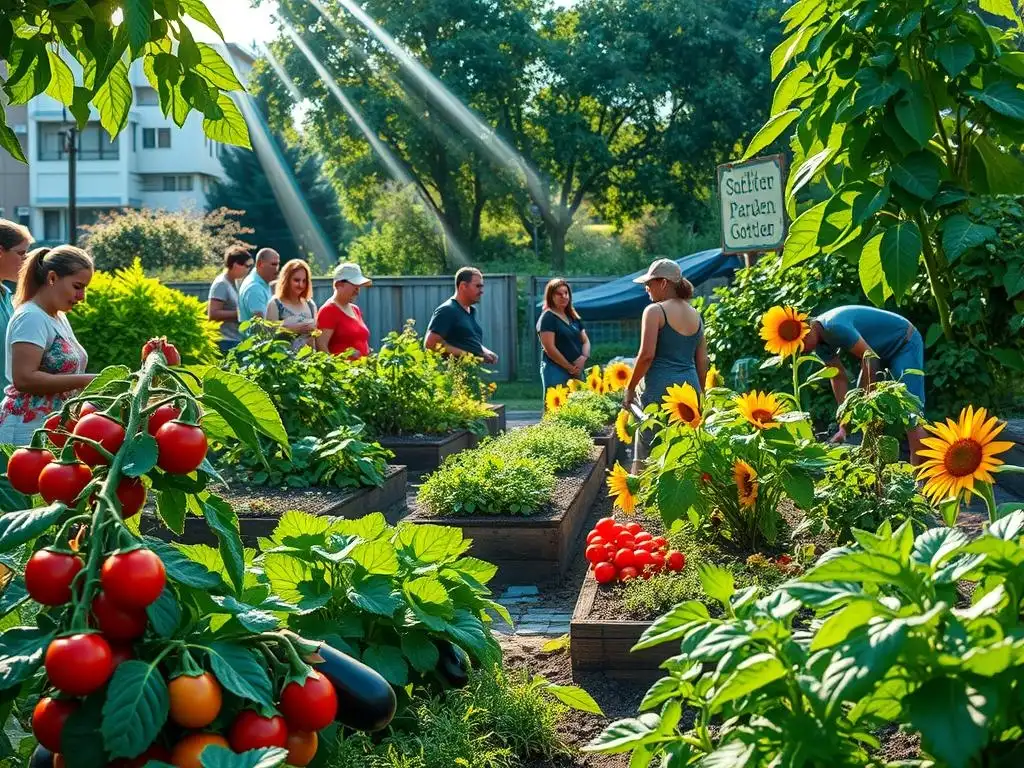
Successfully cultivating a community garden requires more than just planting seeds. Effective maintenance and management are crucial for ensuring a bountiful harvest and a strong, engaged community. This section details key aspects of maintaining a thriving shared gardening space, focusing on governance, volunteer engagement, and sustainable practices. Understanding these elements is paramount to reaping the benefits of community garden urban farming.
Establishing a Community Garden Governance Structure: Roles and Responsibilities of Garden Members
A well-defined governance structure is the backbone of any successful community garden. This structure should clearly outline roles and responsibilities for all members, fostering a sense of shared ownership and accountability. Consider establishing committees or assigning specific roles, such as:
- Garden Coordinator: Oversees overall garden operations, manages communication, and acts as a liaison with external stakeholders.
- Treasurer: Manages finances, including fundraising, budgeting, and accounting for expenses.
- Plot Coordinators: Assign plots, mediate plot disputes, and provide guidance to individual gardeners.
- Maintenance Committee: Schedules and organizes regular maintenance tasks such as weeding, watering, and composting.
- Conflict Resolution Committee: Addresses disagreements or conflicts among garden members in a fair and equitable manner.
A clear understanding of these roles ensures efficient operations and prevents misunderstandings. For instance, a defined responsibility for watering ensures consistent moisture levels for optimal plant growth, directly impacting the community garden urban farming benefits. Regular meetings, utilizing a shared communication platform (e.g., email list, online forum), are vital for transparent decision-making and keeping members informed.
Volunteer Recruitment and Management: Fostering Community Engagement
A thriving community garden relies heavily on the active participation of its members. Effective volunteer recruitment and management are essential for maintaining the garden and fostering a sense of community. Strategies for attracting volunteers could include:
- Targeted Outreach: Partner with local schools, community centers, and environmental organizations to reach potential volunteers.
- Volunteer Appreciation Events: Organize social gatherings to recognize and appreciate the contributions of volunteers, boosting morale and encouraging continued participation.
- Skill-Based Volunteering: Match volunteers with tasks aligned with their skills and interests (e.g., experienced gardeners can mentor beginners, skilled carpenters can build garden structures).
- Flexible Scheduling: Offer flexible volunteer opportunities to accommodate diverse schedules, maximizing participation.
Tracking volunteer hours using a simple spreadsheet or dedicated software can aid in recognizing outstanding contributions and building a robust volunteer base. This contributes significantly to the overall success of the community garden urban farming benefits, ensuring the garden flourishes and provides plentiful harvests.
Sustainable Practices in Community Gardens: Water Conservation, Composing, and Pest Control
Sustainable practices are integral to the long-term success and environmental responsibility of a community garden. Implementing water-wise irrigation techniques, such as drip irrigation or soaker hoses, significantly reduces water waste. This is crucial, especially in urban areas where water resources can be limited.
Composting is another essential sustainable practice. By composting food scraps and yard waste, community gardens can create nutrient-rich soil amendments, reducing the need for chemical fertilizers and enhancing soil health. This process also reduces landfill waste, contributing to a more environmentally friendly approach to urban farming.
Finally, implementing integrated pest management (IPM) strategies helps to control pests without relying on harmful pesticides. This includes techniques such as companion planting, crop rotation, and the introduction of beneficial insects. These practices improve the overall health of the garden and reduce the environmental impact, further highlighting the community garden urban farming benefits. A well-maintained compost system, for example, can significantly reduce the need for external inputs, making the garden more sustainable and resilient. The use of natural pest control methods also minimizes harmful chemicals, protecting both the environment and the health of community members.
Harvesting and Distribution Strategies: Ensuring Equitable Access to Fresh Produce
Harvesting in a community garden requires careful planning to ensure fairness and efficiency. A well-defined schedule, perhaps rotating responsibilities amongst participating gardeners or assigning specific harvest days for different crops, is crucial. This prevents overcrowding and conflicts, fostering a cooperative atmosphere. For example, a successful community garden in Seattle implemented a color-coded system, with different colored tags indicating harvest readiness and assigned gardeners. This system minimized confusion and ensured everyone had a fair chance to harvest. Clear communication is key; utilizing a shared online calendar or a physical notice board within the garden itself keeps everyone informed.
Equitable distribution is equally important. Several strategies can promote fairness. One method is a shared harvest system, where the entire yield of a particular crop is pooled and then divided equally among the participating gardeners. This approach works well for abundant crops like zucchini or tomatoes.
Another approach involves assigning specific plots to individuals or families, allowing them to keep the produce from their designated area. However, this method requires careful consideration of plot size and the varying needs and abilities of the gardeners. A third, potentially more equitable option is a combination of both methods: some shared crops and some individually assigned plots.
Beyond simple division, consider the needs of the community. Are there any food insecure families who would benefit from extra produce? Could a portion of the harvest be donated to a local food bank or shelter?
Incorporating these elements into the distribution strategy transforms the community garden into a vital resource for the broader neighborhood, further emphasizing the benefits of community garden urban farming. Many successful community gardens organize regular "harvest festivals" where members share the bounty and celebrate their collective efforts, highlighting the social and communal aspects of urban farming. This participatory approach fosters a sense of ownership and strengthens community bonds.
Furthermore, clear guidelines on harvesting techniques (e.g., avoiding damaging plants, harvesting at the right time for optimal quality) should be established and communicated to all participants, promoting sustainability and maintaining the garden's productivity for years to come. The success of equitable distribution hinges on transparency, open communication, and a shared commitment to the garden’s overall goals.
The Future of Community Gardens: Expanding Urban Farming Initiatives
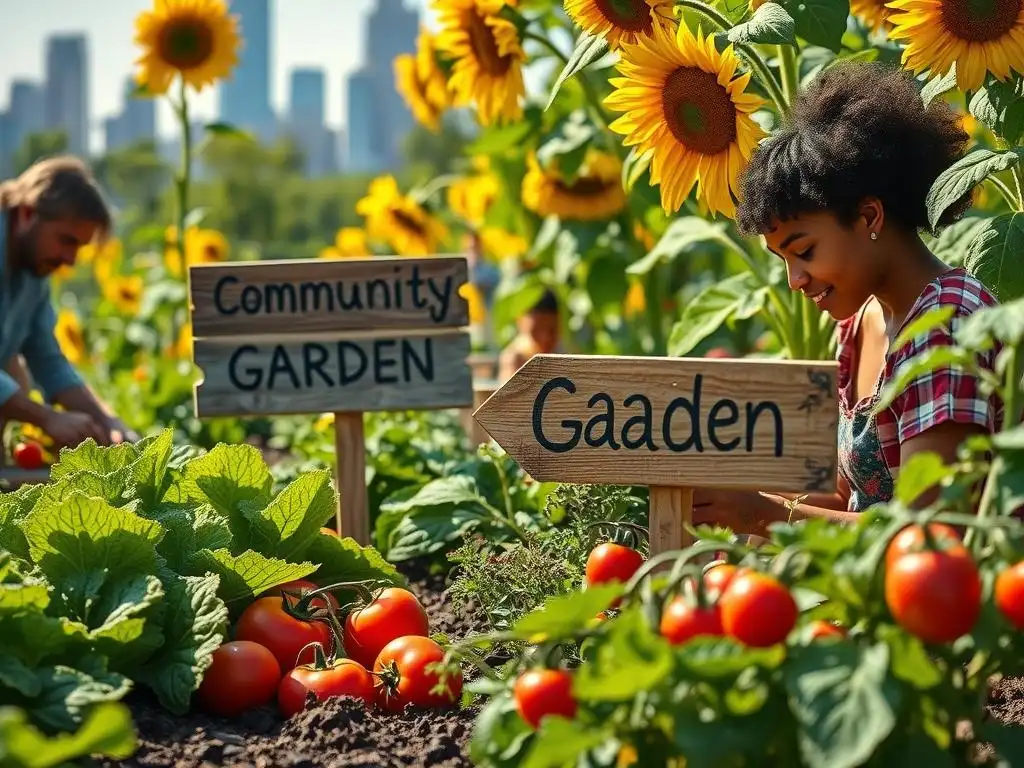
Community gardens are no longer just idyllic green spaces; they're evolving into dynamic hubs of urban farming, significantly contributing to food security and community building. The future of these initiatives hinges on adapting to evolving needs and embracing innovative strategies. This involves a multi-pronged approach encompassing technological integration, robust educational programs, and long-term financial sustainability. The benefits extend far beyond the immediate harvest, impacting the social fabric, environmental health, and economic vitality of urban areas. This section will explore key areas driving the future expansion of community gardens and their role in enhancing "Community garden urban farming benefits".
Integrating Technology into Community Gardens: Utilizing Smart Gardening Technologies
Smart technology offers unprecedented opportunities to optimize community garden productivity and resource management. Sensors can monitor soil moisture, nutrient levels, and temperature, providing real-time data to guide irrigation and fertilization practices. This precision agriculture approach minimizes water waste and maximizes yield, making community gardens more efficient and sustainable. For example, a network of soil moisture sensors connected to a central control system could automate irrigation, ensuring plants receive the optimal amount of water without overwatering or underwatering.
This reduces labor costs and water consumption, key factors in ensuring the long-term success of a community garden. Furthermore, smart greenhouses equipped with climate control systems can extend the growing season, allowing for year-round cultivation of a wider variety of crops. Mobile apps can facilitate communication among gardeners, scheduling workdays, sharing harvesting information, and fostering a sense of community.
The integration of technology not only improves efficiency but also enhances the overall gardening experience, attracting a wider range of participants and promoting engagement. The use of AI-powered image recognition can even assist in early pest and disease detection, allowing for prompt intervention and preventing crop loss. The potential for technological advancement to improve community garden urban farming benefits is immense.
Community Garden Education and Outreach Programs: Educational Initiatives and Community Events
The success of community gardens relies heavily on engaging the community and fostering a shared understanding of sustainable gardening practices. Comprehensive educational programs are vital to empower participants with the knowledge and skills needed to cultivate thriving gardens. These programs should cover a range of topics, including soil health, composting techniques, pest control using natural methods, seed saving, and crop rotation. Workshops, demonstrations, and hands-on training sessions can effectively transfer knowledge and build confidence among gardeners.
Furthermore, community events such as harvest festivals, potlucks, and educational talks can build stronger community bonds and promote a sense of shared ownership. These events create opportunities to celebrate the garden's successes, share recipes, and exchange gardening tips. Children's gardening programs are especially important, fostering an early appreciation for nature and sustainable food systems.
By providing educational resources and creating opportunities for social interaction, community gardens can cultivate a deeper connection between people and their food, furthering the "community garden urban farming benefits". Data suggests that community involvement increases significantly when educational programs are offered alongside gardening opportunities. For instance, [specific data on increased participation rates pending].
The Long-Term Sustainability of Community Gardens: Financial Planning and Community Support
Ensuring the long-term viability of community gardens requires careful financial planning and securing ongoing community support. Developing a sustainable business model is crucial, which may involve diversifying funding sources. This could include grants, sponsorships from local businesses, membership fees, fundraising events, and the sale of surplus produce. A well-structured budget, transparent financial reporting, and effective fundraising strategies are essential for financial stability.
Community involvement is paramount; establishing a strong volunteer base is critical for maintaining the garden's operations and ensuring its long-term success. Building strong relationships with local organizations, schools, and businesses can provide additional support and resources. Furthermore, creating a community governance structure, such as a board of directors, ensures democratic decision-making and accountability.
Addressing potential challenges proactively, such as land access issues, water management, and pest control, is vital for the garden's ongoing sustainability. Long-term financial planning and community engagement are key components of maximizing the "community garden urban farming benefits" and ensuring a thriving garden for years to come. A robust plan incorporating these elements ensures the community garden can weather financial storms and continue producing benefits for the community.
Community Garden Urban Farming Benefits: A Sustainable Future for Urban Food Production
Community gardens are increasingly recognized as vital components of a sustainable urban food system. They offer a multitude of benefits, contributing significantly to food security, environmental sustainability, and community well-being. The advantages extend beyond simply growing food; they foster social connections, promote environmental awareness, and enhance the overall quality of life in urban areas.
This makes them a cornerstone of innovative urban farming initiatives focused on building resilient and healthy communities. The positive impact on local food systems is undeniable, reducing reliance on long-distance transportation of produce and supporting local economies. This localized food production model reduces the carbon footprint associated with food miles, contributing to a greener, more environmentally responsible urban landscape.
One key benefit is increased access to fresh, healthy produce, particularly for communities facing food deserts. Many urban areas lack easy access to grocery stores offering affordable, nutritious food. Community gardens help to alleviate this problem by providing residents with opportunities to grow their own fruits, vegetables, and herbs, improving their diets and overall health.
This is especially crucial in low-income neighborhoods where healthy food options may be limited or expensive. Studies have shown a direct correlation between access to community gardens and improved dietary intake, leading to better health outcomes for participating residents. The availability of fresh, locally grown food also contributes to food sovereignty, empowering communities to control their food sources and reduce dependence on external food systems.
Furthermore, community gardens contribute significantly to environmental sustainability. They promote biodiversity by attracting pollinators and beneficial insects, enriching the urban ecosystem. Many community gardens incorporate composting systems, reducing waste and creating nutrient-rich soil amendments. This sustainable practice minimizes reliance on synthetic fertilizers and pesticides, promoting environmentally friendly gardening practices.
The green spaces created by community gardens also help to mitigate the urban heat island effect, reducing air temperatures and improving air quality. These gardens act as miniature ecosystems, promoting biodiversity and creating a healthier environment within the urban landscape. The collective action of many community gardens in a city can have a surprisingly substantial effect on the overall environmental health.
Beyond the environmental and nutritional benefits, community gardens play a crucial role in fostering social cohesion and community building. They provide spaces for people to connect, collaborate, and learn from one another. Shared gardening experiences create opportunities for social interaction, fostering a sense of belonging and shared responsibility. Many community gardens organize workshops and educational programs, teaching residents about sustainable gardening techniques and promoting environmental literacy.
These shared activities strengthen community bonds, creating a more vibrant and cohesive neighborhood. The collaborative nature of community gardening empowers residents, fostering a sense of ownership and pride in their local environment. This sense of community and shared purpose contributes to a more resilient and connected urban fabric. The social benefits are just as significant as the environmental and nutritional ones, making community gardens a cornerstone of a truly sustainable urban future.
Frequently Asked Questions
What are the benefits of community gardens for urban areas?
Community gardens offer numerous benefits, including increased access to fresh, healthy produce, improved community cohesion, and enhanced environmental sustainability through reduced food miles and increased green spaces.
How can community gardens contribute to urban farming?
Community gardens are a cornerstone of urban farming, providing shared resources, educational opportunities, and a collaborative environment for residents to grow food within the city. They promote sustainable food systems and reduce reliance on industrial agriculture.
What are the challenges of establishing a community garden in an urban setting?
Challenges include securing suitable land, obtaining necessary permits and funding, managing shared resources effectively, and addressing potential conflicts among community members. Careful planning and community involvement are crucial.
How does a community garden improve the overall well-being of urban residents?
Community gardens foster a sense of belonging and social connection, providing opportunities for physical activity, stress reduction, and access to nutritious food. They improve mental and physical health, and build stronger communities.
What role does sustainability play in community garden initiatives?
Sustainability is central to community gardens. They promote eco-friendly practices like composting, water conservation, and integrated pest management, reducing the environmental impact of food production and enhancing urban biodiversity.
Final Reflection: Cultivating Community, Harvesting a Better Future
The rise of community gardens isn't just a trend; it's a vital response to the growing need for sustainable food systems and stronger community bonds in our increasingly urbanized world. These green oases offer a powerful antidote to food insecurity, environmental degradation, and social isolation, proving that even in the heart of the concrete jungle, nature and community can thrive together.
The impact of community gardens extends far beyond the bounty they produce. They foster a sense of shared responsibility, nurturing a collective spirit that strengthens neighborhoods and bridges divides. They are living testaments to the power of collaboration and the inherent human need for connection with nature and each other. The garden is a place of peace and tranquility, a refuge from the chaos of the city, but also a place of vibrant life and community.
This simple truth underscores the profound and lasting influence these spaces have on our cultural and social landscape, shaping not only our access to fresh food but also the very fabric of our communities.
Consider the seeds you've planted today. What small act of cultivation—whether it's joining a local garden, supporting urban farming initiatives, or simply planting a herb in your window box—can you undertake to contribute to a more sustainable and connected future? Let the spirit of community gardening inspire you to nurture not only the earth but also the bonds that sustain us all. The future of our cities, and indeed our world, depends on it.
Cultivate Your Own Patch of Green: Grow Your Urban Oasis!
Thank you for exploring the exciting potential of community gardens! You've learned how these green spaces transform our cities and strengthen communities. Now, let's put that knowledge into action.
- Start small: Volunteer a few hours at a local community garden or green space. This is the first step towards making a real difference.
- Share the knowledge: Tell your friends and neighbors about the benefits of community gardens. Share your experiences on social media and inspire others to join the movement.
- Think bigger: Begin by growing a small herb garden on your balcony or windowsill. This is a great way to start growing your own food and connecting with nature.
Ready to help shape the future of your urban landscape, one plant at a time? What's your first step towards getting involved in your local green scene?