
How to Grow Onions in Hot Climates

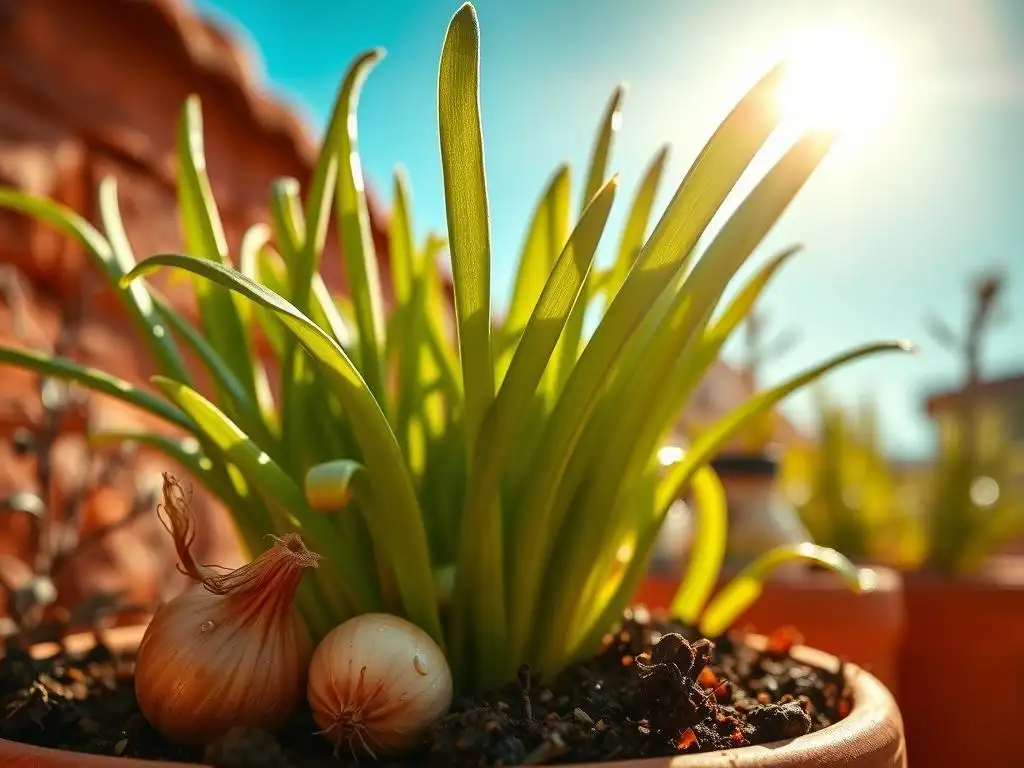
Welcome to CultivateYourFood, your guide to a thriving home garden! Are you ready to unlock the secrets of sustainable and organic food production, right in your own backyard? Even in challenging conditions, you can achieve bountiful harvests. Learn how to conquer the heat and successfully grow onions in hot climates, a surprisingly rewarding endeavor. Discover the simple yet effective techniques that will transform your garden into a vibrant oasis of flavor. Let's get growing!
- Choosing the Right Onion Variety for Hot Weather
- Preparing Your Hot Climate Garden for Onion Planting
- Planting Onions in Hot Weather: A Step-by-Step Guide
- Onion Care in Hot and Dry Environments
- Pest and Disease Management for Onions in Hot Climates
- Harvesting and Storing Onions Grown in Hot Climates
- Troubleshooting Common Onion Growing Problems in Hot Weather
- Frequently Asked Questions
- Final Reflection: Harvesting Success in the Sun's Embrace
- Unleash Your Inner Onion Wizard!
Choosing the Right Onion Variety for Hot Weather
Growing onions in hot climates presents unique challenges, but with careful planning and selection, a bountiful harvest is achievable. This guide focuses on successfully cultivating onions in regions with high temperatures and intense sunshine, providing practical tips and techniques for optimal growth. We'll explore suitable onion varieties, optimal planting times, and effective strategies for dealing with the specific challenges of a hot climate garden. Successfully growing onions in these conditions requires understanding the plant's needs and adapting your cultivation methods accordingly.
This article will equip you with the knowledge to overcome the heat and enjoy a rewarding onion harvest, even in the most challenging environments. From choosing the right cultivar to mastering efficient watering techniques, we'll cover everything you need to know to cultivate these versatile alliums successfully. Remember, patience and the right approach are key to thriving in a hot climate garden.
Heat-Tolerant Onion Cultivars for Success
Choosing the right onion variety is paramount for success in hot climates. Certain cultivars are specifically bred to withstand high temperatures and intense sunlight. These heat-tolerant varieties often mature faster, minimizing exposure to the most scorching summer months. Look for short-day onions, which require fewer hours of daylight to bulb, as these generally perform better in hot climates than long-day varieties. Some examples of heat-tolerant onion cultivars include:
- Texas Early Grano: Known for its fast maturity and ability to withstand heat.
- Red Creole: A flavorful red onion that performs well in warm conditions.
- White Granex: A white onion variety that is relatively heat-tolerant.
- Yellow Grano: Another fast-maturing yellow onion that handles warmer temperatures.
It's crucial to check with your local nurseries or seed suppliers for varieties specifically recommended for your region. They can provide valuable insights based on your local climate and soil conditions. Remember that even heat-tolerant varieties will benefit from proper care and attention to prevent heat stress.
Onion Seed Starting: Timing and Techniques for Hot Climates
Starting onions from seed in a hot climate requires careful timing and technique. Direct sowing in the ground might lead to poor germination rates due to the high soil temperatures. Therefore, starting seeds indoors, several weeks before the last expected frost, is often the preferred method.
This allows the seedlings to develop a strong root system before transplanting into the garden. Use a seed-starting mix that provides excellent drainage to prevent root rot, a common issue in hot, humid conditions. Maintain consistently moist but not soggy soil. Ensure adequate ventilation to prevent damping-off disease, which can decimate young seedlings. Once the seedlings have developed several true leaves and the risk of frost has passed, they can be carefully transplanted outdoors. Consider transplanting in the late afternoon or on a cloudy day to minimize transplant shock.
Remember to harden off seedlings gradually before transplanting them into the garden. This process slowly acclimates them to the outdoor conditions, reducing the stress of sudden exposure to intense sunlight and heat.
Selecting Onion Sets or Transplants for a Hot Climate Garden
Using onion sets or transplants offers another approach to growing onions in hot climates. Onion sets are small bulbs planted directly into the ground. Transplants are seedlings grown in containers that are then transferred to the garden. Both methods can expedite the growing process compared to starting from seed, reducing the amount of time the plants spend in the most intense heat.
When using onion sets or transplants, choose those that are firm, healthy, and free from disease. Plant them at the appropriate depth, ensuring good soil contact around the base. Proper spacing is also essential to allow for adequate air circulation and prevent overcrowding, which can exacerbate heat stress.
Water deeply and regularly, particularly during dry spells, to maintain soil moisture. Mulching around the plants can help to retain moisture and regulate soil temperature, creating a more favorable environment for the onions to thrive. Careful selection and proper planting techniques will help ensure a successful onion harvest even in the heat.
Preparing Your Hot Climate Garden for Onion Planting
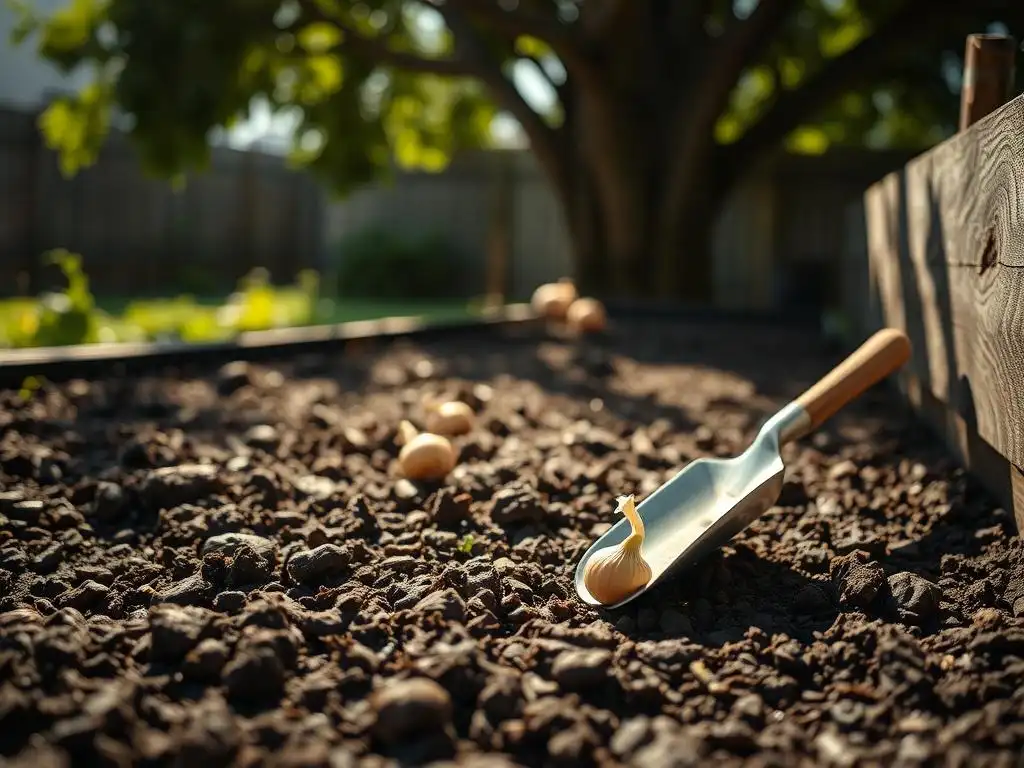
Growing onions in hot climates presents unique challenges, but with careful planning and execution, a bountiful harvest is achievable. This section focuses on preparing your garden bed to optimize onion growth in intense heat. Success hinges on understanding the specific needs of onions in these conditions and adapting your gardening practices accordingly. Mastering these techniques will significantly improve your chances of cultivating healthy and robust onions, even in the most scorching summers. We'll explore soil preparation, nutrient management, and efficient watering strategies crucial for thriving onion plants in a hot climate.
Soil Preparation for Optimal Onion Growth in Heat
The foundation of successful onion cultivation lies in well-prepared soil. In hot climates, the soil tends to dry out quickly, impacting onion growth. Therefore, preparing the soil to retain moisture is paramount. Begin by deeply tilling the soil to a depth of at least 12 inches. This improves drainage and allows for better root penetration.
Amend the soil with generous amounts of organic matter, such as well-rotted compost or aged manure. This not only enhances water retention but also provides essential nutrients, improving soil structure and aeration. The ideal soil should be loose, fertile, and well-draining to prevent waterlogging, a common problem in hot, humid climates. Sandy loam is generally preferred for its excellent drainage and aeration properties, while still retaining sufficient moisture. Incorporating peat moss or coconut coir can further improve water retention in sandier soils.
Remember, proper soil preparation is a critical step in growing onions in hot climates, ensuring the plants can access the necessary water and nutrients for vigorous growth. Avoid planting directly into compacted or poorly amended soil, as this will hinder root development and limit the onions' ability to thrive in hot conditions. Consider performing a soil test to determine its pH and nutrient content; ideally, the soil should have a slightly acidic to neutral pH (6.0-7.0).
Essential Nutrients for Onions in Hot and Dry Conditions
Onions are heavy feeders and require a consistent supply of essential nutrients, especially in hot and dry conditions where nutrient depletion is accelerated. Providing adequate nutrition is crucial for bulb formation and overall plant health. A balanced fertilizer rich in nitrogen (N), phosphorus (P), and potassium (K) is recommended. Nitrogen promotes leafy growth, phosphorus aids root development and flowering, and potassium enhances disease resistance and overall plant vigor. However, excessive nitrogen can lead to excessive leafy growth at the expense of bulb development, so maintaining a balanced NPK ratio is vital.
A slow-release fertilizer is ideal as it provides a consistent nutrient supply throughout the growing season. You can also incorporate organic fertilizers like compost tea or fish emulsion, which are rich in micronutrients that contribute to healthy onion growth. Consider using a fertilizer specifically formulated for alliums, which often provides the optimal nutrient balance for these plants. Regular soil testing can help you monitor nutrient levels and adjust fertilizer applications as needed. This allows for a more precise approach to nutrient management, ensuring the onions receive the necessary nutrients throughout their entire life cycle.
| Nutrient | Role in Onion Growth | Deficiency Symptoms |
|---|---|---|
| Nitrogen (N) | Promotes leafy growth, overall plant vigor | Stunted growth, pale yellow leaves |
| Phosphorus (P) | Aids root development, flowering, bulb formation | Poor root development, delayed maturity, purplish leaves |
| Potassium (K) | Enhances disease resistance, improves overall health | Wilting, leaf burn, poor bulb development |
| Micronutrients | Essential for various metabolic processes | Various symptoms depending on the specific nutrient |
Watering Strategies for Onions in High Temperatures
Consistent and appropriate watering is critical for successful onion cultivation, especially in hot climates. Underwatering leads to stunted growth and small bulbs, while overwatering can cause root rot and other fungal diseases. The key is to maintain consistently moist but not waterlogged soil. In hot, dry conditions, you may need to water more frequently, possibly daily during peak heat. However, avoid shallow watering, which encourages shallow root systems. Instead, water deeply and less frequently, encouraging the roots to grow deeper in search of moisture.
Mulching is a highly effective technique to conserve soil moisture and reduce the frequency of watering. A layer of organic mulch, such as straw or shredded leaves, helps to retain soil moisture, suppress weeds, and regulate soil temperature. This reduces water evaporation and helps to maintain a cooler, more consistent soil temperature, benefiting the onions. Drip irrigation or soaker hoses are excellent methods for delivering water directly to the roots, minimizing water waste and preventing foliar diseases.
Avoid overhead watering, especially during the hottest part of the day, as it can promote fungal diseases. Observe your plants closely; if the leaves begin to wilt, it's a clear sign they need water. Adjust your watering schedule based on weather conditions, soil type, and the stage of onion growth. Remember, consistent moisture is key to nurturing healthy and productive onion plants in a hot climate.
Planting Onions in Hot Weather: A Step-by-Step Guide
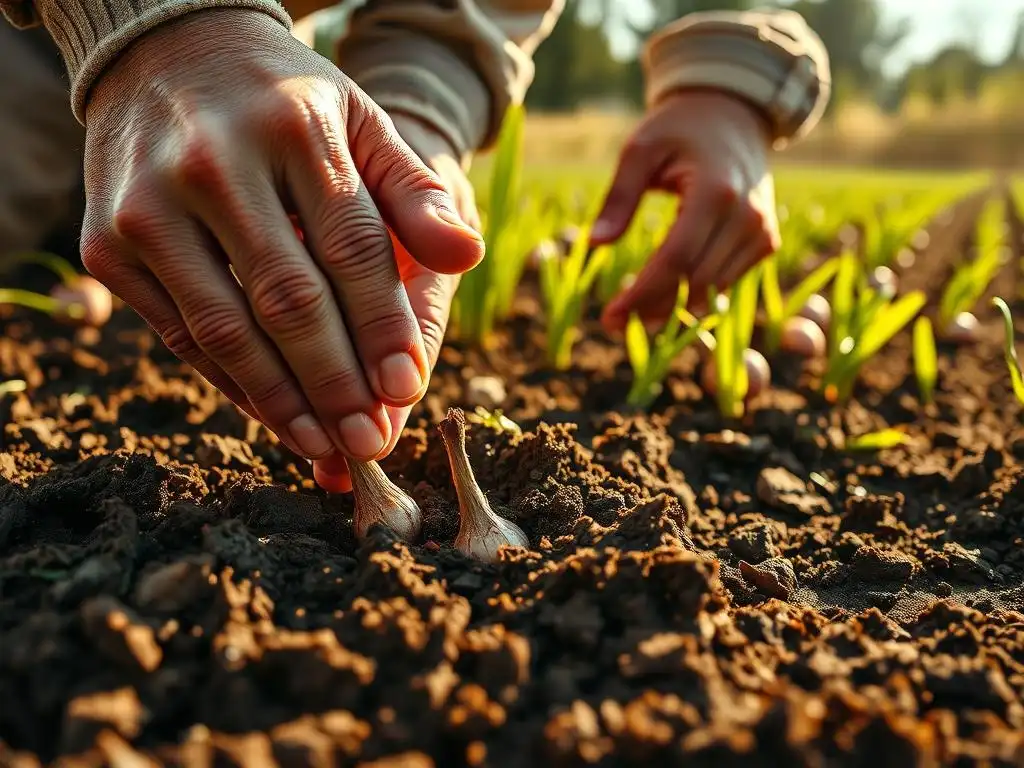
Growing onions in hot climates presents unique challenges, but with the right techniques, a bountiful harvest is achievable. This section details the crucial steps for successfully planting onions in intense heat, focusing on optimizing growth and mitigating heat stress. Remember, proper preparation and consistent care are key to cultivating healthy onions even under challenging conditions. This guide will focus on two primary planting methods: using onion sets and transplanting seedlings.
Planting Onion Sets in Hot Climates
Onion sets, small immature bulbs, offer a convenient and fast way to grow onions. However, planting them in hot climates requires careful timing and technique. The ideal time is during the cooler months, ideally late summer or early fall, depending on your specific region. Planting too early in the scorching heat can result in premature bolting (flowering) and smaller bulbs.
Planting depth is crucial. Plant the sets about 1 inch deep and 2-3 inches apart. Ensure the pointed end faces upwards. Firm the soil gently around each set after planting. Watering immediately after planting helps the sets settle and begin rooting. Consistent, but not excessive, watering is vital, especially during establishment. Overwatering can lead to fungal diseases, which are more prevalent in hot, humid conditions.
Avoid planting onion sets during the hottest part of the day. Early morning or late evening planting provides cooler soil temperatures, reducing transplant shock. Consider using mulch after planting to help retain soil moisture and regulate soil temperature, reducing the impact of the intense sun. Mulching also helps suppress weeds, another crucial aspect of growing onions in hot, competitive environments.
Transplanting Onion Seedlings in Hot Weather
Transplanting onion seedlings, grown from seed indoors or purchased from a nursery, offers more control over the growing process. This method is particularly advantageous in hot climates as it allows you to start seedlings in a controlled environment before transplanting them into the garden. Start seedlings indoors 6-8 weeks before the last expected frost. This allows them to develop a strong root system before facing the heat.
When transplanting, choose a cloudy day or the coolest part of the day to minimize transplant shock. Dig holes slightly larger than the seedling's root ball. Gently remove the seedling from its container, ensuring not to damage the roots. Place the seedling in the hole, ensuring the root crown (where the stem meets the roots) is at soil level. Fill the hole with soil, firming it gently around the roots. Water thoroughly after transplanting. Consistent watering is critical, especially during the initial weeks after transplanting.
Regular monitoring for pests and diseases is essential, as hot, humid conditions can favor their development. Early detection and treatment are crucial for preventing significant crop losses. Consider using organic pest control methods to protect your onion plants.
Spacing and Depth for Optimal Onion Growth in Hot Conditions
Proper spacing and planting depth are crucial for successful onion cultivation, especially in hot climates. Crowding leads to competition for resources, resulting in smaller, less developed bulbs. Adequate spacing allows for better air circulation, reducing the risk of fungal diseases that thrive in humid conditions.
For optimal growth in hot weather, plant onion sets or seedlings 2-3 inches apart in rows spaced 12-18 inches apart. Planting depth should be approximately 1 inch for sets and the same depth as the seedling's root ball for transplants. Ensure that the pointed end of the set faces upwards. A slightly deeper planting might be beneficial in very hot, dry conditions to retain moisture.
The soil should be well-drained to prevent waterlogging, which can damage the roots and encourage fungal growth. Amend heavy clay soils with organic matter to improve drainage and aeration. Regular weeding is also essential to prevent competition for nutrients and water, maximizing the resources available to your onion plants. This helps the plants thrive even under the challenging conditions of a hot climate.
Onion Care in Hot and Dry Environments
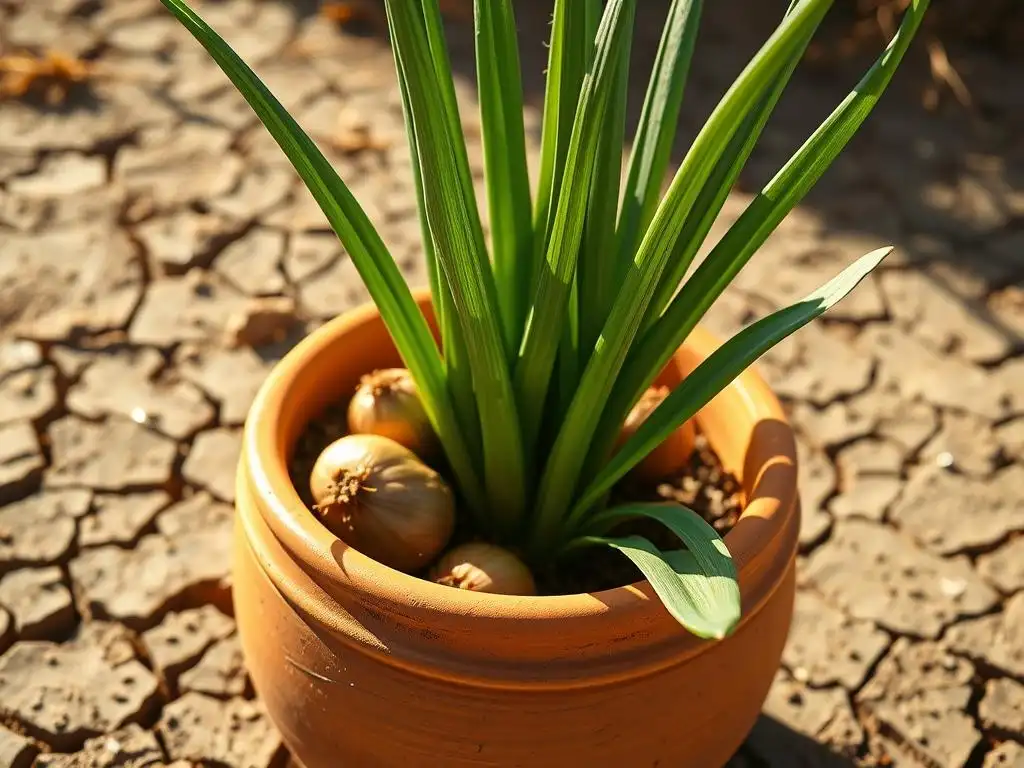
Growing onions in hot climates presents unique challenges, primarily related to water management and heat stress. Successfully cultivating a bountiful onion harvest requires careful attention to detail, particularly concerning watering, mulching, and fertilization. This section focuses on optimizing these aspects for optimal onion growth in hot and arid conditions.
Understanding the specific needs of onions in these environments is crucial for maximizing yields and minimizing losses due to heat stress and drought. The key is to mimic their natural growing conditions as closely as possible, providing the right amount of water, nutrients, and protection from the intense sun. Let's delve into specific techniques to achieve this.
Watering Schedule for Onions During Hot Spells
Consistent moisture is critical, especially during the crucial bulb-forming stage. However, overwatering can lead to root rot, a common problem in hot, humid climates. The ideal watering strategy involves deep, infrequent watering rather than shallow, frequent watering. Aim for deeply saturating the soil to encourage deep root growth, which enhances the plant's resilience to drought.
The frequency of watering depends on several factors, including soil type, temperature, and humidity. Clay soils retain moisture longer than sandy soils, requiring less frequent watering. Monitor the soil moisture regularly.
A simple method is to stick your finger a couple of inches into the soil; if it feels dry, it's time to water. During extremely hot spells (temperatures consistently above 90°F/32°C), you might need to water every other day or even daily, but always ensure the soil doesn't become waterlogged. Consider using a drip irrigation system for efficient water delivery and to avoid wetting the foliage, which can increase the risk of fungal diseases.
Here's a sample watering schedule for onions in hot climates:
| Temperature (°F) | Soil Type | Watering Frequency |
|---|---|---|
| Below 80 | Sandy | Every 3-4 days |
| 80-90 | Sandy | Every 2 days |
| Above 90 | Sandy | Daily or every other day |
| Below 80 | Clay | Every 5-7 days |
| 80-90 | Clay | Every 4-5 days |
| Above 90 | Clay | Every 3-4 days |
Remember to adjust this schedule based on your specific observations and environmental conditions. Consistent monitoring is key to preventing both underwatering and overwatering.
Mulching Techniques to Conserve Moisture and Suppress Weeds
Mulching is a highly effective technique for conserving soil moisture and suppressing weeds, both crucial for growing onions successfully in hot climates. A layer of mulch helps to moderate soil temperature, preventing extreme fluctuations that can stress onion plants. It also reduces evaporation, minimizing the need for frequent watering. Furthermore, mulch helps to suppress weed growth, reducing competition for water and nutrients.
Several materials make excellent mulch for onions, including straw, shredded leaves, wood chips, and even black plastic. Straw is a popular choice because it's readily available, relatively inexpensive, and allows for good water penetration. A layer of 2-4 inches of mulch should be applied around the onion plants, taking care not to pile it directly against the stems to prevent rot.
The benefits of using mulch for growing onions in hot climates extend beyond water conservation and weed suppression:
- Improved Soil Structure: Mulch helps improve soil structure, promoting better aeration and drainage.
- Reduced Erosion: Mulch helps prevent soil erosion, especially on slopes or in areas with strong winds.
- Nutrient Retention: Organic mulches decompose slowly, releasing nutrients into the soil over time.
Choosing the right mulch is important; ensure it's free of weed seeds and other contaminants. Regularly check the mulch layer to ensure it remains effective and replenish it as needed.
Fertilizing Onions in Hot Weather: A Balanced Approach
While onions are relatively low-feeders, providing a balanced fertilizer during hot weather can significantly enhance growth and bulb development. However, excessive fertilization can lead to vegetative growth at the expense of bulb formation, so a balanced approach is vital. Focus on providing sufficient nutrients without overdoing it.
A slow-release granular fertilizer applied at planting time provides a steady supply of nutrients throughout the growing season. Alternatively, you can use a liquid fertilizer, applied every 2-3 weeks, ensuring to follow the recommended dilution rates. Avoid using fertilizers high in nitrogen, as this can promote excessive leaf growth at the expense of bulb development. Instead, opt for fertilizers with a balanced NPK ratio (e.g., 10-10-10 or a similar ratio) or one slightly higher in phosphorus and potassium, which support root and bulb development.
Consider soil testing to determine the nutrient levels in your soil before applying any fertilizer. This will help you tailor your fertilization strategy to the specific needs of your plants and avoid unnecessary fertilizer use. Remember, providing the right nutrients at the right time is crucial for growing healthy and productive onions, even in the heat. Over-fertilizing can be detrimental, leading to issues such as burning the roots or promoting fungal growth. A balanced approach, informed by soil testing and careful observation of your plants, is the key to success. 🧅
Pest and Disease Management for Onions in Hot Climates
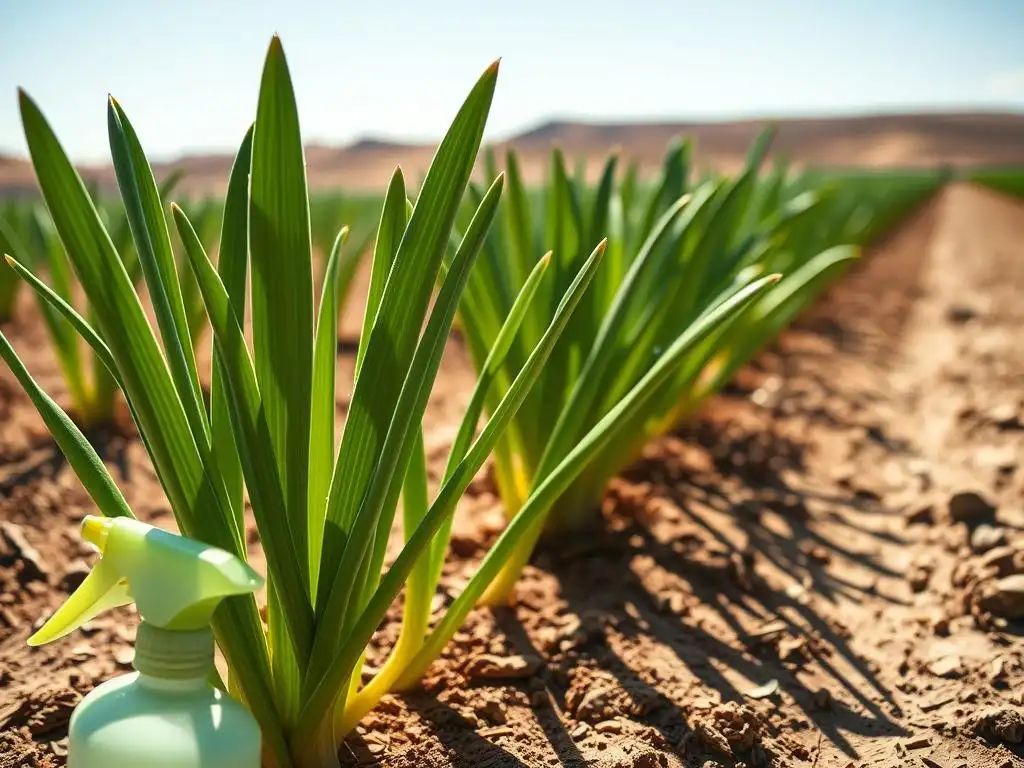
Growing onions in hot climates presents unique challenges, particularly regarding pest and disease management. High temperatures and humidity create ideal breeding grounds for various pests and pathogens, significantly impacting onion yields and quality. Understanding these threats and employing effective control strategies is crucial for successful onion cultivation in warmer regions. This section details common pests and diseases, along with organic and sustainable control methods.
Common Onion Pests in Hot Weather and Their Control
Hot weather exacerbates the problems posed by several common onion pests. Thrips, for instance, thrive in high temperatures and low humidity, feeding on onion leaves and causing significant damage. Their feeding leads to silvery streaking and distorted growth, reducing the onion's marketability and yield. Another significant pest is the onion maggot, whose larvae burrow into the onion bulbs, causing rot and rendering them inedible. These maggots are particularly prevalent in hot, moist soils. Finally, aphids, while a problem in many climates, become especially prolific in hot, dry conditions, weakening plants and potentially transmitting viruses.
| Pest | Description | Damage | Control Methods |
|---|---|---|---|
| Thrips | Tiny, slender insects; difficult to see with naked eye | Silvery streaking, distorted growth, reduced yield | Insecticidal soap, neem oil, diatomaceous earth, beneficial insects (e.g., lacewings) |
| Onion Maggot | Fly larvae; burrow into bulbs | Rotting bulbs, inedible onions | Row covers, beneficial nematodes, crop rotation, trapping |
| Aphids | Small, pear-shaped insects; cluster on leaves | Weakened plants, virus transmission | Insecticidal soap, neem oil, strong water spray, ladybugs |
Effective control often requires an integrated pest management (IPM) approach, combining preventative measures with targeted interventions. For example, rotating crops can disrupt the life cycle of pests like the onion maggot, preventing infestations. Regular monitoring for early detection of pests is also crucial for timely intervention, minimizing the damage before it becomes widespread. Remember, early detection is key to successful pest management.
Diseases Affecting Onions in Hot, Humid Conditions
High temperatures and humidity create a favorable environment for various fungal and bacterial diseases that can decimate onion crops. Downy mildew, for example, is a significant concern in hot, humid climates. This disease manifests as yellowing and browning of leaves, eventually leading to plant death.
Another common disease is purple blotch, a fungal infection that causes purple lesions on leaves and bulbs, reducing the quality of the harvest. Bacterial leaf blight can also be devastating, causing water-soaked lesions that quickly spread, leading to leaf loss and reduced yield. These diseases thrive in conditions of high humidity and poor air circulation.
The impact of these diseases on onion yield can be substantial. For example, a severe outbreak of downy mildew can reduce yields by 50% or more, severely impacting the profitability of the crop. Maintaining good sanitation practices, such as removing plant debris after harvest, helps to prevent the spread of these diseases.
Organic Pest and Disease Control Methods for Onions
Organic gardening practices offer effective and environmentally friendly solutions for managing pests and diseases in onions. These methods focus on preventing problems rather than simply reacting to them. Crop rotation is a cornerstone of organic pest control, disrupting the life cycle of many pests and reducing disease pressure. Companion planting, using plants that repel pests or attract beneficial insects, can also be beneficial. For example, planting marigolds near onions can deter some pests.
Furthermore, maintaining good soil health is crucial. Healthy soil supports strong, resilient plants that are better able to withstand pest and disease attacks. Composting enriches the soil with essential nutrients and improves its structure, promoting healthy growth. Regular watering, particularly during dry spells, helps maintain plant vigor and reduces stress, making plants less susceptible to disease.
Finally, the use of biopesticides, such as neem oil and insecticidal soaps, provides effective control of many common onion pests without harming beneficial insects or the environment. Remember, a proactive, preventative approach is crucial for successful organic onion cultivation in hot climates. Consistent monitoring and timely intervention are key to maintaining healthy crops. 🧅
Harvesting and Storing Onions Grown in Hot Climates
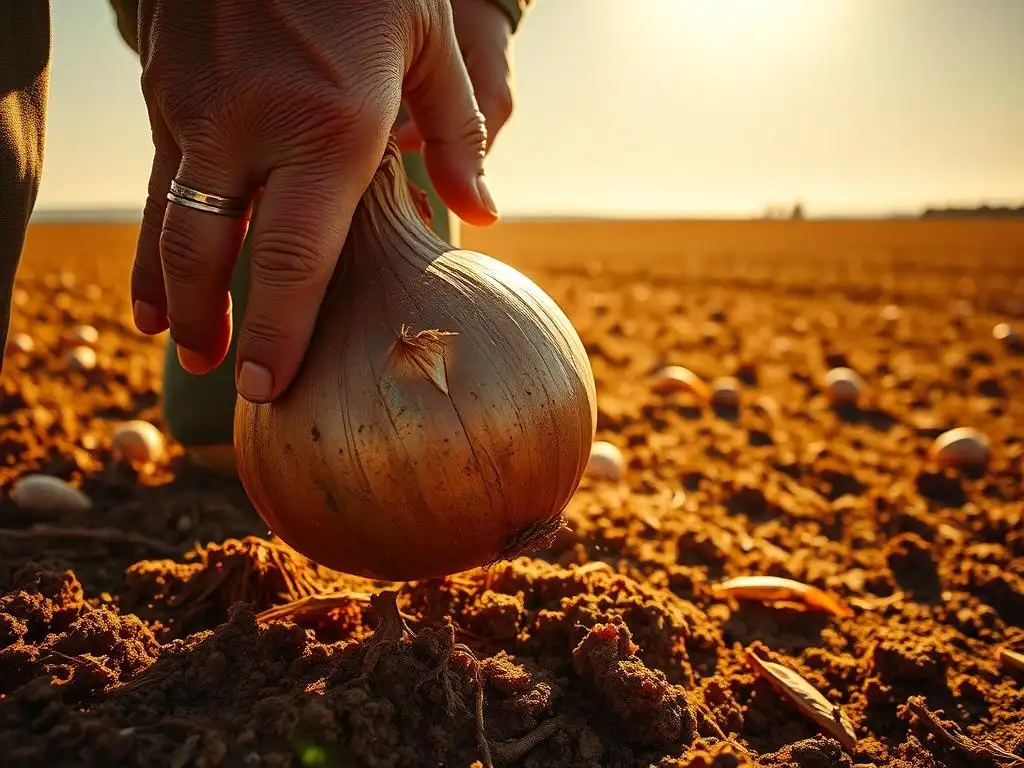
Growing onions successfully in hot climates requires careful attention to detail, especially during the harvesting and storage phases. High temperatures can significantly impact onion quality and shelf life if not managed properly. This section provides detailed guidance on harvesting and storing onions grown in hot, arid, or semi-arid conditions, focusing on preserving their quality and extending their usability. Optimizing these crucial steps ensures a bountiful harvest translates into delicious, long-lasting onions for your culinary endeavors. Remember, proper harvesting and storage are as important as planting and growing when it comes to maximizing your onion yield in a hot climate.
Determining Onion Maturity in Hot Weather
Determining the optimal harvest time for onions in hot weather is crucial. Unlike cooler climates where maturity is often signaled by fully-formed bulbs, hot weather can accelerate the drying process, potentially leading to premature harvesting of undersized bulbs. Instead of solely relying on visual cues, consider these factors:
- Top Growth: While the tops will begin to yellow and fall over, in hot climates this can happen earlier than the bulb is fully mature. The key is to look for complete yellowing and withering – not just partial yellowing.
- Bulb Size: The target size will vary depending on the onion variety, but generally, mature bulbs should feel firm and heavy for their size. Gently pull on a few test onions to assess their size and firmness.
- Neck Thickness: The neck of the onion, where the leaves meet the bulb, should begin to tighten and close. This indicates the bulb has finished its growth cycle and is ready for harvest.
- Timing: Pay close attention to the days to maturity specified on your seed packet or plant tag. In hot climates, you might need to harvest slightly earlier than indicated to prevent premature drying or splitting.
Remember, it's better to harvest slightly early than too late. Under-mature onions will store poorly and may not develop their full flavor.
Harvesting Techniques to Preserve Onion Quality
Once you've determined your onions are ready for harvest, use the following techniques to minimize damage and ensure optimal quality:
- Timing: The best time to harvest is in the early morning or late evening when temperatures are cooler. This reduces the risk of sunscald and stress on the bulbs.
- Gentle Handling: Avoid rough handling that can damage the onion skins. Use a garden fork or trowel to gently loosen the soil around the bulbs before lifting them.
- Top Removal: After lifting, allow the onions to dry in the field for a few hours, then cut the tops about an inch above the bulb. Do not remove the tops entirely at this stage.
- Cleaning: Gently brush off excess soil, avoiding scrubbing, which could damage the outer layers.
- Sorting: Separate the onions by size and quality for easier curing and storage. Discard any damaged or diseased onions.
Curing and Storing Onions Grown in Hot Climates for Extended Shelf Life
Proper curing is essential for extending the shelf life of onions grown in hot climates. Curing allows the onions to dry and develop protective outer layers, preventing spoilage.
- Curing Process: Spread the harvested onions in a single layer in a well-ventilated, shaded area. Ideal conditions include temperatures between 70-85°F (21-29°C) and low humidity. The curing process typically takes 2-4 weeks, depending on the weather conditions and onion variety. During this period, regularly check the onions for signs of spoilage and remove any that show signs of decay.
- Braiding or Hanging (Optional): Once cured, onions can be braided or hung in bunches for storage. This traditional method promotes air circulation and prevents moisture buildup, further extending their shelf life.
- Storage Conditions: After curing, store onions in a cool, dry, and well-ventilated area, such as a pantry or basement. Avoid storing onions in humid or damp environments, as this can lead to rot. Ideally, the storage temperature should be between 32-40°F (0-4°C) for optimal preservation. Keep onions away from potatoes and other produce that release ethylene gas, which can accelerate spoilage. Proper storage can extend the shelf life of your onions for several months.
Following these guidelines for harvesting and storing onions will ensure you enjoy your homegrown harvest for as long as possible, even in the hottest climates. Remember that observation and adaptation are key to success in growing onions under varying conditions. Happy harvesting! 🧅
Troubleshooting Common Onion Growing Problems in Hot Weather
Growing onions successfully in hot climates requires careful planning and attention to detail. While the rewards of homegrown onions are significant, several challenges unique to hot weather can hinder growth. This section addresses some common issues and provides practical solutions to ensure a bountiful harvest, even under intense heat. Understanding these problems and implementing preventative measures is key to mastering the art of growing onions hot climate.
Addressing Yellowing Leaves in Hot and Dry Conditions
Yellowing onion leaves are often a symptom of stress, primarily caused by insufficient water or nutrient deficiencies in hot and dry conditions. The intense sun and high temperatures exacerbate these problems, leading to wilting and ultimately reduced yields.
To combat yellowing leaves, prioritize consistent watering. Deep, infrequent watering encourages deeper root growth, making the plants more resilient to drought. Avoid overhead watering, which can promote fungal diseases. Instead, use drip irrigation or a soaker hose to deliver water directly to the roots.
Furthermore, regular soil testing can identify nutrient deficiencies. Onions are heavy feeders, requiring ample nitrogen, phosphorus, and potassium. Applying a balanced organic fertilizer, such as compost tea or aged manure, can address nutrient imbalances and promote healthy leaf growth. Mulching around the plants helps retain soil moisture and suppress weeds, further reducing stress on the onions.
Remember, consistent monitoring is crucial. Regularly inspect your onion plants for signs of stress, adjusting your watering and fertilization strategies as needed. Early intervention is key to preventing significant damage and maintaining healthy, vibrant plants. The key is to mimic the conditions of a cool, moist environment as much as possible, even in the heat.
Dealing with Onion Bolting in Hot Climates
Onion bolting, the premature formation of flower stalks, is frequently triggered by fluctuating temperatures, especially sudden temperature increases common in hot climates. Bolting results in smaller, less palatable bulbs, significantly impacting the yield and quality of your harvest.
Preventing bolting requires choosing onion varieties specifically bred for heat tolerance. These varieties are less likely to bolt under high temperatures. Furthermore, maintaining consistent soil moisture is critical. Stress from drought can induce bolting. Consistent watering, as discussed previously, helps to mitigate this risk.
Another strategy is to plant onions during the cooler months, either in the fall or early spring, depending on your specific climate. This helps to avoid the most intense heat of the summer. Providing adequate shade during the hottest part of the day can also help to reduce stress and prevent bolting. You can achieve this by using shade cloth or planting taller companion plants nearby. Finally, ensure your onions receive adequate spacing to allow for good air circulation and prevent overcrowding, which can contribute to bolting.
Preventing Onion Root Rot in Hot, Humid Conditions
Hot, humid conditions create an ideal environment for fungal diseases, particularly onion root rot. This disease attacks the roots, hindering nutrient and water uptake, resulting in stunted growth and plant death. The high moisture levels promote the growth of harmful pathogens in the soil.
Prevention is paramount. Well-drained soil is crucial for preventing root rot. Avoid heavy clay soils and amend them with organic matter like compost to improve drainage. Rotating your crops annually helps to break the disease cycle, preventing the build-up of pathogens in the soil.
Avoid overhead watering, as mentioned previously, to minimize leaf wetness and reduce the risk of fungal infection. Proper spacing between plants allows for adequate air circulation, reducing humidity around the plants and inhibiting fungal growth. Consider using a fungicide as a last resort, but always opt for organic options to maintain sustainable growing practices.
Regularly inspect your plants for signs of root rot – wilting, yellowing leaves, and a foul odor emanating from the base of the plant – and take action immediately if you observe any symptoms. Early detection and intervention are key to containing the spread of the disease and saving your onion crop.
Frequently Asked Questions
What are the best onion varieties for hot climates?
Many onion varieties thrive in heat, but short-day onions are best suited for hot climates. These varieties mature quickly, before the extreme heat sets in. Look for varieties specifically labeled for warm climates.
How much sun do onions need in a hot climate?
Onions require at least six hours of sunlight daily, even in hot climates. However, afternoon shade can be beneficial during the hottest part of the day to prevent scorching.
How often should I water onions in a hot climate?
Consistent watering is crucial, especially during hot weather. Aim for deep, infrequent watering rather than shallow, frequent watering, encouraging deep root growth. Avoid overhead watering to prevent fungal diseases.
What are some common pests and diseases affecting onions in hot climates?
Hot, humid conditions can increase the risk of thrips, onion flies, and fungal diseases. Employ good air circulation, organic pest control methods, and disease-resistant varieties to mitigate these problems.
When is the best time to harvest onions in a hot climate?
Harvest when the tops begin to yellow and fall over. This indicates the bulbs are mature. Cure the onions in a dry, well-ventilated area for several weeks before storing.
Final Reflection: Harvesting Success in the Sun's Embrace
The art of cultivating onions in scorching temperatures is not merely a gardening technique; it's a testament to human resilience and our enduring connection to the land. In a world increasingly grappling with climate change and food security concerns, mastering the nuances of growing onions in hot climates becomes not just a hobby, but a vital skill, ensuring access to a fundamental food source even under challenging conditions. The methods outlined in this article offer a pathway towards greater self-sufficiency and a deeper appreciation for the intricate dance between nature and nurture.
The journey of growing onions, particularly in harsh climates, mirrors the human experience itself – demanding patience, perseverance, and a willingness to adapt. It's a process that teaches us the value of observation, the importance of understanding our environment, and the profound satisfaction of harvesting the fruits of our labor. The glory of gardening: hands in the dirt, head in the sun, heart with nature. To nurture a garden is to feed not just the body, but the soul.
This quote perfectly encapsulates the emotional reward that comes with successfully cultivating onions, even under the most challenging circumstances. It's a connection to something larger than ourselves, a tangible link to the earth and its bounty.
Now, consider your own environment. What challenges do you face in your gardening endeavors? What adjustments can you make to your techniques, inspired by the strategies discussed here, to overcome those hurdles? I encourage you to embrace the challenge, to experiment with different methods, and to find your own unique path to success. The journey of growing onions in a hot climate is a journey of self-discovery, a testament to your resilience, and a delicious reward for your efforts. Let the sun shine on your harvest!
Unleash Your Inner Onion Wizard!
Thanks for learning about growing onions in hot climates! You now have the knowledge to cultivate a bountiful harvest, even during the summer. Ready to put your new skills to the test?
- Start your onion patch today! Choose your favorite variety and plant the seeds or transplant seedlings. Enjoy the satisfaction of homegrown onions.
- Share your successes (and challenges!) with our community. We'd love to see photos of your thriving onion plants, or hear about your experiences. Let's grow together!
- Explore our other gardening guides for more tips and tricks on growing your own food.
Ready to harvest your own delicious, homegrown onions? Which variety will you plant first?