
Sheet Mulching: A CostEffective Way to Create New Garden Beds

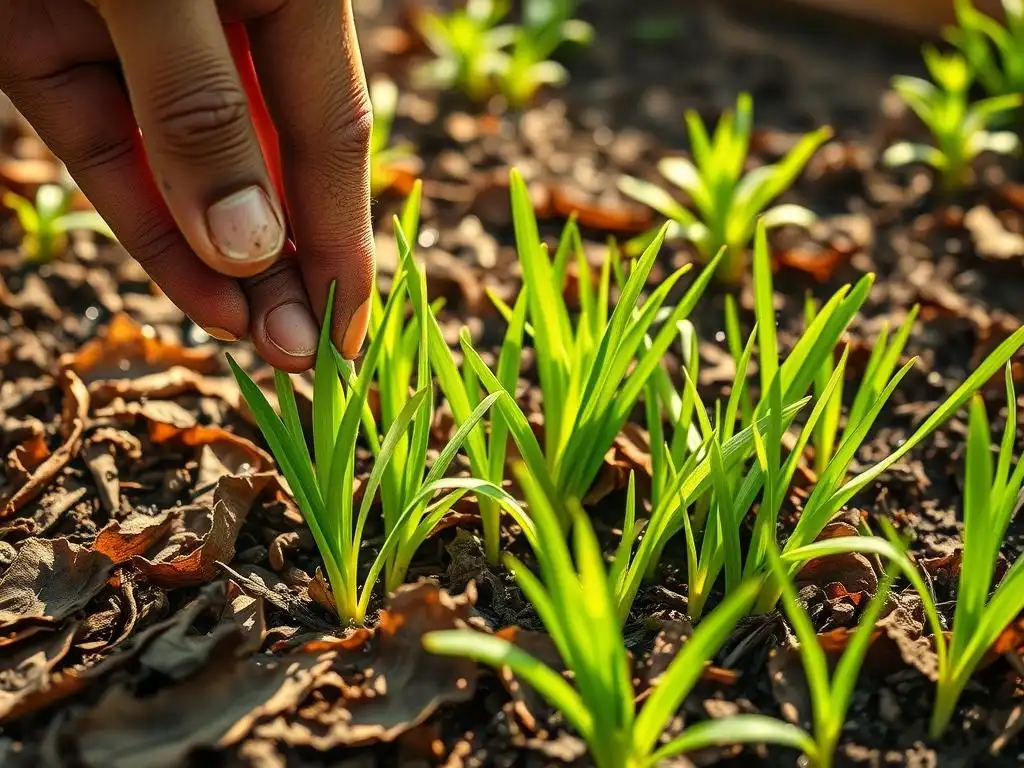
Ready to transform your backyard into a thriving oasis of fresh, organic produce? At CultivateYourFood, we empower you to grow your own fruits, vegetables, and herbs using sustainable methods. Discover how to create bountiful harvests, even on a budget, with our guide on cheap sheet mulch garden beds – a revolutionary technique for building fertile garden beds that’s both environmentally friendly and incredibly cost-effective. Learn the secrets to successful gardening and start cultivating your own food today!
- Understanding the Benefits of Cheap Sheet Mulch Garden Beds
- Planning Your Sheet Mulch Garden Bed: A Step-by-Step Guide
-
The Sheet Mulching Process: A Practical Tutorial
- Layer 1: Cardboard or Newspaper - Suppressing Weeds and Providing a Base
- Layer 2: Brown Materials: Carbon-Rich Additions for Soil Health
- Layer 3: Green Materials: Nitrogen-Boosting Elements for Nutrient-Rich Soil
- Layer 4: Compost: Adding Essential Nutrients and Microbial Life
- Layer 5: Topsoil: A Final Layer for Seed Germination and Planting
- Maintaining Your Sheet Mulch Garden Bed: Long-Term Care
- Harvesting from Your Sheet Mulch Garden: Enjoying the Fruits of Your Labor
- Troubleshooting Common Sheet Mulching Issues
- Sheet Mulching Variations: Adapting to Your Specific Needs
- Frequently Asked Questions
- Final Reflection: Cultivating a Greener Future, One Sheet of Cardboard at a Time
- Unleash Your Inner Gardener: Start Sheet Mulching Today!
Understanding the Benefits of Cheap Sheet Mulch Garden Beds
Sheet mulching, also known as lasagna gardening, offers a revolutionary approach to creating thriving garden beds without breaking the bank. This method leverages readily available materials to build rich, fertile soil, eliminating the need for intensive tilling and expensive soil amendments. This article will guide you through the process of creating cheap sheet mulch garden beds, highlighting the significant cost savings and environmental benefits associated with this sustainable gardening practice.
We'll explore the advantages over traditional methods, delve into how sheet mulching improves soil health, and detail the significant cost reductions achievable through this technique, making it an ideal solution for budget-conscious gardeners seeking to cultivate healthy and productive plants. By the end, you’ll understand why “cheap sheet mulch garden beds” is a truly effective and rewarding approach to gardening.
Why Choose Sheet Mulching? Advantages Over Traditional Methods
Traditional methods of preparing garden beds often involve intensive labor and significant expenses. These methods frequently include:
- Tilling: This practice disrupts soil structure, leading to soil erosion and the loss of beneficial microorganisms. It's also physically demanding and time-consuming.
- Expensive Soil Amendments: Commercial fertilizers and soil conditioners can significantly increase the upfront cost of establishing a new garden bed.
- Weed Control Challenges: Traditional methods often struggle with persistent weed problems, requiring ongoing weeding and herbicide use.
Sheet mulching offers a superior alternative by:
- Improving Soil Structure: By layering organic matter, sheet mulching improves soil aeration, drainage, and water retention, creating a healthier environment for plant roots.
- Suppressing Weeds: The thick layer of organic material effectively smothers existing weeds, reducing the need for constant weeding.
- Building Soil Fertility Naturally: As the organic matter decomposes, it releases nutrients, enriching the soil naturally and reducing reliance on chemical fertilizers.
- Reducing Labor: Sheet mulching requires significantly less physical effort compared to traditional methods, making it ideal for gardeners of all abilities.
Building Soil Health with Sheet Mulching: Improved Fertility and Structure
Sheet mulching dramatically improves soil health by introducing a diverse range of organic materials that create a thriving ecosystem within the soil. This process mimics the natural decomposition processes found in forests and other undisturbed ecosystems. The layers of organic matter, including cardboard, compost, and wood chips, provide several key benefits:
- Enhanced Microbial Activity: The added organic matter provides food for beneficial soil microorganisms, such as bacteria and fungi. These microorganisms break down organic matter, releasing nutrients and improving soil structure. A thriving microbial community is crucial for healthy plant growth.
- Improved Water Retention: The organic layers act like a sponge, absorbing and retaining water, reducing the frequency of watering and minimizing water waste.
- Increased Nutrient Availability: As the organic matter decomposes, it releases essential nutrients like nitrogen, phosphorus, and potassium, making them readily available to plants. This reduces the need for supplemental fertilizers.
- Better Drainage: The layered structure of a sheet mulch bed improves drainage, preventing waterlogging and promoting healthy root development. This is especially beneficial in clay soils. The improved soil structure also allows for better aeration, crucial for root respiration.
Cost Savings: Materials and Labor for Budget-Friendly Gardening
One of the most attractive features of sheet mulching is its affordability. The materials used are often readily available, free, or very inexpensive:
- Cardboard: Used cardboard boxes provide a weed-suppressing base layer. Many businesses are happy to donate their used cardboard.
- Brown Materials: Dried leaves, straw, shredded paper, and wood chips add bulk and carbon to the mix. These materials are often free or inexpensive to source.
- Green Materials: Grass clippings, vegetable scraps, and other green waste provide nitrogen and other essential nutrients. Home composting can provide a readily available source of green materials.
- Compost: While purchasing compost can add to the cost, even a small amount can significantly improve the soil. Home composting is a great way to reduce costs.
The reduction in labor is another significant cost saving. By eliminating the need for intensive tilling and continuous weeding, sheet mulching saves considerable time and effort, making it a truly budget-friendly gardening method. The long-term benefits of improved soil health also translate to reduced costs associated with fertilizers and other soil amendments. In essence, the initial investment in creating a sheet mulch garden bed pays off many times over in reduced costs and increased yields in the following years.
Planning Your Sheet Mulch Garden Bed: A Step-by-Step Guide
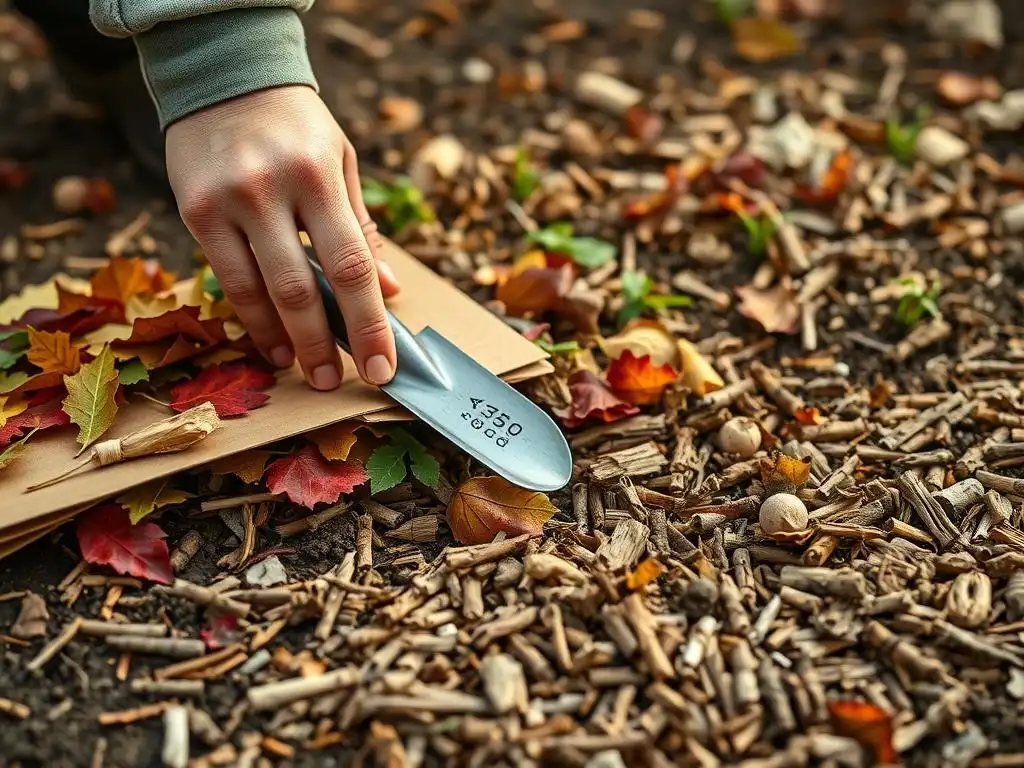
This section details the crucial planning stages before you even begin layering your sheet mulch. Proper planning ensures a thriving garden and maximizes the cost-effectiveness of this method. Remember, a well-planned cheap sheet mulch garden bed is a successful one!
Selecting the Perfect Location for Your Cheap Sheet Mulch Garden
Choosing the right spot is paramount for maximizing sunlight and minimizing challenges. Consider these factors when selecting your location:
- Sunlight: Most vegetables and herbs need at least 6-8 hours of direct sunlight daily. Observe your yard throughout the day to identify areas receiving optimal sun exposure. Note the sun's path; a spot sunny in the morning might be shaded in the afternoon.
- Water Access: Proximity to a water source significantly simplifies watering, especially during dry spells. A garden hose or even a rain barrel nearby can save you time and effort. Consider the slope of the land; avoid areas where water collects, leading to potential waterlogging and root rot.
- Soil Drainage: While sheet mulching improves soil drainage, excessively poorly draining soil needs extra attention. Avoid areas prone to flooding or standing water. Observe the area after a heavy rain to assess its drainage capabilities.
- Accessibility: Easy access is crucial for planting, weeding, harvesting, and general maintenance. Choose a location that's convenient and allows for easy movement around the garden bed. Consider the proximity to your home or other structures.
- Existing Vegetation: Clear the area of existing vegetation before starting. This prevents competition for resources and potential pest problems. However, if you're sheet mulching over existing grass, you can incorporate it into the layering process, reducing the need for additional materials.
Gathering Materials: Sourcing Affordable and Sustainable Components
The beauty of sheet mulching lies in its ability to utilize readily available, often free, materials. This makes it an extremely cost-effective gardening technique. Here's how to source affordable components:
- Carbon-Rich Materials (Brown Materials):
- Dried leaves: Rake up fallen leaves from your yard or a neighbor's (with permission! ).
- Shredded paper: Use newspaper, cardboard (remove tape and labels! ), or shredded office paper (avoid glossy or colored paper).
- Straw or hay: Source these from local farms or agricultural suppliers. Avoid hay treated with herbicides or pesticides.
- Wood chips: Contact local arborists or tree services; they often have excess wood chips available for free or a low cost.
- Nitrogen-Rich Materials (Green Materials):
- Grass clippings: Collect grass clippings from your lawn mowing.
- Compost: Use your own homemade compost or source it from local composting facilities.
- Vegetable scraps: Instead of discarding kitchen scraps, use them in your sheet mulch.
- Manure (optional): If available, composted manure adds valuable nutrients.
| Material Category | Affordable Sources | Considerations |
|---|---|---|
| Carbon-Rich | Fallen leaves, shredded paper, straw | Avoid glossy or treated materials |
| Nitrogen-Rich | Grass clippings, compost, vegetable scraps | Ensure materials are free of pesticides or herbicides |
The key is to prioritize free or low-cost materials whenever possible, making your cheap sheet mulch garden beds a truly sustainable and budget-friendly project.
Assessing Your Soil Conditions Before Sheet Mulching
Before you begin, understanding your existing soil is crucial for optimizing the sheet mulching process. Poor soil will need more attention.
- Soil Texture: Determine if your soil is sandy, silty, clay-like, or a combination. This impacts water retention and drainage. A simple hand test can help identify the texture.
- Soil pH: Knowing your soil's pH helps determine which plants will thrive. A simple soil testing kit can provide this crucial information. Sheet mulching can gradually improve soil pH over time, but starting with a basic understanding is helpful.
- Existing Nutrients: While sheet mulching adds nutrients, assessing the existing nutrient levels informs your choices of green and brown materials. A soil test can reveal deficiencies, allowing you to tailor your sheet mulch layers accordingly, ensuring your cheap sheet mulch garden beds are nutrient-rich.
By carefully assessing your soil, you can fine-tune your sheet mulching strategy, maximizing its effectiveness and ensuring a healthy and productive garden. Remember, understanding your soil is the foundation of successful gardening, regardless of the method used.
The Sheet Mulching Process: A Practical Tutorial
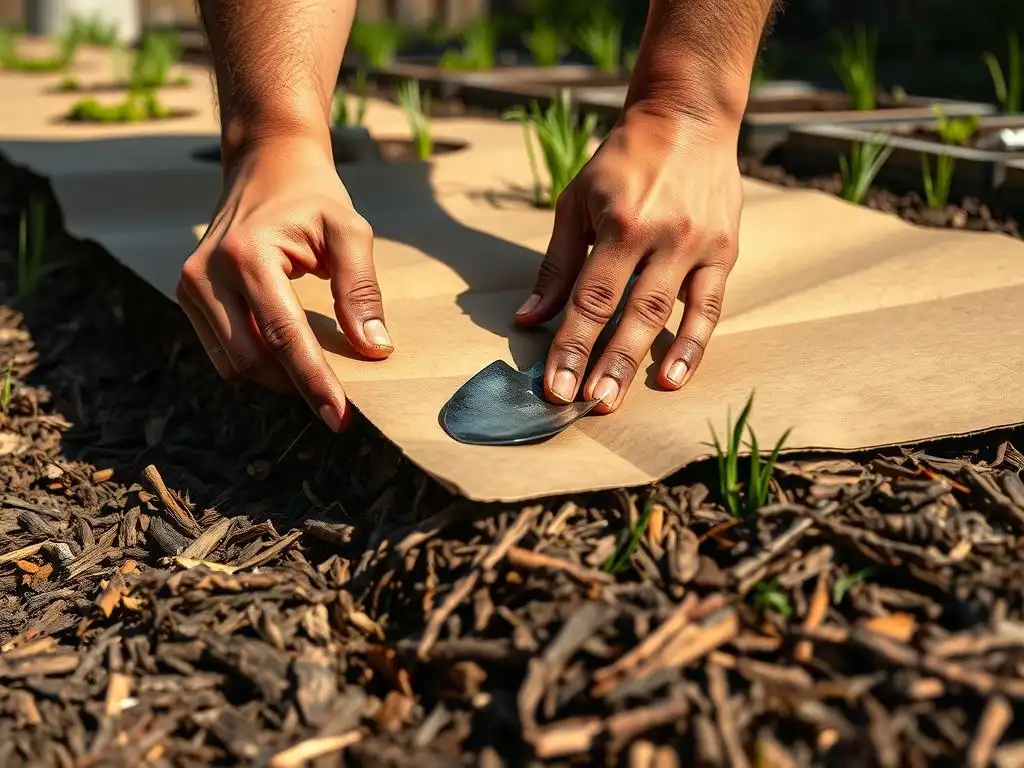
This section details the step-by-step process of creating cheap sheet mulch garden beds, a highly effective and sustainable method for establishing new planting areas. We'll break down the layering process, highlighting the crucial role each component plays in building healthy, fertile soil. Remember, the beauty of sheet mulching lies in its adaptability; you can adjust the layers based on the materials readily available to you, making it a truly cost-effective gardening technique.
Layer 1: Cardboard or Newspaper - Suppressing Weeds and Providing a Base
The foundation of your cheap sheet mulch garden bed is a layer designed to smother existing weeds and prevent new ones from sprouting. Cardboard, ideally corrugated, or several layers of newspaper are ideal choices. Avoid glossy or colored print as the inks can contain harmful chemicals. Aim for a solid, unbroken layer to effectively block sunlight and prevent weed germination. Overlapping edges are crucial.
Consider the following points when selecting your base layer:
- Cardboard: Provides a sturdy, long-lasting base, particularly effective for suppressing persistent weeds. Ensure it's free of staples or tape.
- Newspaper: A readily available and biodegradable option. However, multiple layers are needed for sufficient weed suppression, especially in areas with aggressive weeds. Consider using black and white newspaper for better decomposition.
- Thickness: The base layer should be thick enough to prevent light penetration. For cardboard, one layer is usually sufficient; for newspaper, aim for at least 4-6 layers.
Remember, this layer is temporary; it will eventually decompose, enriching the soil. The goal is to create a weed-free environment for the subsequent layers to thrive.
Layer 2: Brown Materials: Carbon-Rich Additions for Soil Health
This layer focuses on incorporating carbon-rich materials to improve soil structure and water retention. Think of it as building the framework for your new soil. A mix of materials is best for optimal results.
Here are some excellent brown material options for your cheap sheet mulch garden beds:
- Shredded leaves: An abundant and readily available free resource in autumn. They decompose relatively quickly, adding organic matter and improving soil drainage.
- Straw: Provides excellent aeration and helps retain moisture. Avoid using hay, as it often contains weed seeds.
- Dried grass clippings: A good source of carbon, but ensure they're completely dried to prevent mold and encourage decomposition.
- Wood chips: A more long-term addition that slowly breaks down, improving soil structure and drainage over time. Smaller chips decompose faster.
The thickness of this layer depends on the materials used and the existing soil conditions. Aim for a layer at least 4-6 inches deep for optimal results. A diverse mix of brown materials will provide a wider range of benefits for your soil.
Layer 3: Green Materials: Nitrogen-Boosting Elements for Nutrient-Rich Soil
The final layer introduces nitrogen-rich “green” materials, adding vital nutrients to fuel plant growth. This layer helps balance the carbon-rich brown layer, creating a thriving ecosystem within your sheet mulch.
Consider including these green materials in your cheap sheet mulch garden beds:
- Compost: A rich source of nutrients and beneficial microorganisms. Adding mature compost provides an immediate boost to soil fertility.
- Grass clippings (fresh): Unlike dried clippings in the brown layer, fresh grass clippings provide a quick source of nitrogen. Use in moderation to avoid compaction.
- Vegetable scraps: Kitchen scraps (avoid meat or dairy) can be incorporated, adding nutrients and speeding up decomposition. Chop them finely for faster breakdown.
- Cover crops: If you've grown cover crops, incorporating them into the sheet mulch provides a significant nutrient boost.
This layer should be approximately 2-4 inches thick. The combination of brown and green layers mimics the natural process of decomposition, creating a rich, nutrient-rich soil environment for your plants. This process fundamentally contributes to making your sheet mulch garden beds a cheap and effective method for sustainable gardening. Remember to water the completed sheet mulch well after construction to aid decomposition.
Layer 4: Compost: Adding Essential Nutrients and Microbial Life
Compost forms the heart of your sheet mulch, providing a rich source of nutrients and beneficial microbes crucial for a thriving garden. This layer isn't just about feeding your plants; it's about building a vibrant soil ecosystem. Think of it as creating a miniature, self-sustaining world beneath the surface. The quality of your compost directly impacts the overall health and productivity of your garden bed. Using high-quality, well-rotted compost is paramount. Avoid using fresh, uncomposted material, as this can lead to imbalances and even harm your plants.
Aim for a dark, crumbly texture, indicating a complete decomposition process. The ideal compost should be rich in humus, a stable form of organic matter that improves soil structure, water retention, and nutrient availability. A good rule of thumb is to aim for a layer approximately 4-6 inches thick. This ensures sufficient nutrient reserves for your plants throughout their growing season. Adding a generous amount of compost also promotes beneficial microbial activity. These microorganisms break down organic matter, releasing nutrients in a form readily available to your plants.
They also contribute to improved soil structure, aeration, and disease suppression, creating a healthier environment for your plants to flourish. Remember, the microbial life in your compost is just as important as the nutrients themselves. A lively compost layer enhances the overall health and resilience of your sheet mulch garden bed. Consider adding a sprinkle of beneficial mycorrhizal fungi to further boost microbial diversity and plant health. These fungi form symbiotic relationships with plant roots, enhancing nutrient uptake and drought tolerance.
Layer 5: Topsoil: A Final Layer for Seed Germination and Planting
The final layer of your sheet mulch is a thin layer of topsoil, typically 2-4 inches deep. This layer provides a suitable medium for seed germination and planting. It acts as a bridge between the nutrient-rich compost layer below and the plants you'll be growing. The topsoil should be of good quality, loose, and well-drained. Avoid using compacted or clay-heavy topsoil, as this can hinder root development and water penetration. Choosing a topsoil rich in organic matter will further enhance the overall health of your garden bed.
You can even amend your topsoil with additional compost if you feel it needs extra nutrients. This top layer provides the physical support your plants need to establish strong root systems. The depth of this layer depends on the plants you intend to grow. Smaller plants like lettuce or herbs might only require a 2-inch layer, while larger plants like tomatoes or peppers might benefit from a deeper, 4-inch layer. The topsoil layer also allows for easier planting and transplanting. The loose texture of the topsoil makes it easy to work with, allowing you to create holes for planting without disturbing the underlying layers of your sheet mulch.
Once planted, the topsoil ensures that your plants have direct access to the nutrients and moisture provided by the layers beneath. Remember, this final layer is crucial for successful plant establishment and growth. By carefully selecting and preparing your topsoil, you ensure a smooth transition from building your sheet mulch bed to a thriving, productive garden. Consider adding a light layer of mulch on top of the topsoil after planting to retain moisture and suppress weeds. This will further enhance the success of your cheap sheet mulch garden beds.
Maintaining Your Sheet Mulch Garden Bed: Long-Term Care
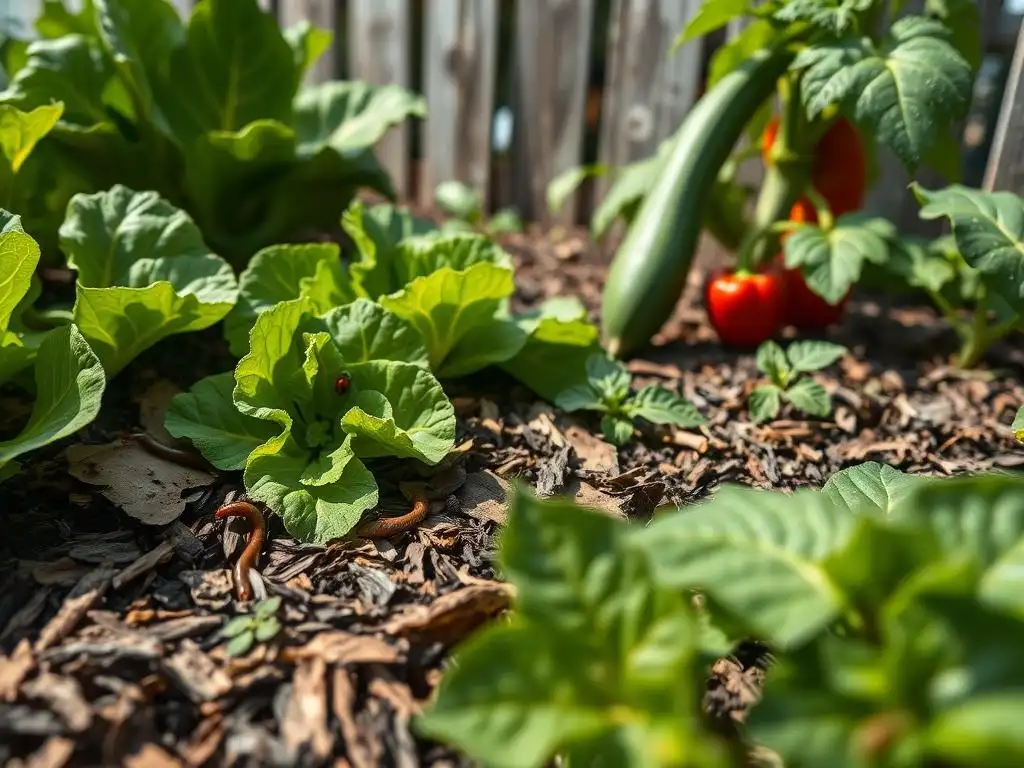
Creating a thriving garden using the cheap sheet mulch method isn't a one-and-done process. Successful sheet mulching requires ongoing maintenance to ensure the health and productivity of your garden bed for years to come. This section details the crucial long-term care aspects to keep your cheap sheet mulch garden beds flourishing. Consistent attention to watering, weed control, and nutrient replenishment will yield abundant harvests and a healthy soil ecosystem.
Watering Your New Sheet Mulch Garden Bed
Proper watering is critical, especially during the initial stages after constructing your cheap sheet mulch garden bed. The goal is to keep the soil consistently moist but not waterlogged. Overwatering can lead to anaerobic conditions, hindering plant growth and potentially creating an environment conducive to fungal diseases. Underwatering, on the other hand, will stress your plants and prevent the decomposition process from proceeding efficiently.
The frequency of watering depends on several factors including climate, soil type, and the types of plants you've chosen. Clay soils retain moisture longer than sandy soils, requiring less frequent watering. Hot, dry climates will naturally necessitate more frequent watering compared to cooler, more humid regions. Observe your soil moisture levels regularly. Stick your finger a few inches into the soil; if it feels dry, it's time to water.
Consider using a soaker hose or drip irrigation system for efficient watering. These methods deliver water directly to the roots, minimizing water loss through evaporation. Avoid overhead watering, as this can compact the soil and spread diseases. Deep, infrequent watering is generally preferred to shallow, frequent watering, encouraging deeper root growth. Remember that established sheet mulch beds will generally require less frequent watering than newly constructed ones, as the organic layers retain moisture effectively.
Monitoring Weed Growth and Addressing Any Issues
Even with the suppression provided by a well-constructed sheet mulch layer, some weeds may still emerge. Regular monitoring is essential to catch any unwanted vegetation early. Small weeds can often be easily removed by hand, minimizing soil disturbance. However, for more persistent weeds, consider using a hoe or cultivator to carefully remove them, being mindful not to damage the underlying sheet mulch layers.
The success of weed suppression in cheap sheet mulch garden beds heavily relies on the initial layer composition and thickness. A thick layer of cardboard or newspaper, combined with a generous layer of compost and other organic matter, provides a more effective barrier against weed germination. If you notice a significant increase in weeds, it may indicate the need for adding more organic matter to your bed to replenish the suppressing layer.
This is particularly important in areas with aggressive weed species. Furthermore, mulching the top layer of your sheet mulch bed with additional straw or wood chips can help further suppress weed growth.
Adding Additional Compost or Organic Matter Over Time
Over time, the organic matter in your cheap sheet mulch garden bed will decompose, reducing its volume and nutrient content. To maintain soil fertility and structure, it's essential to periodically add more compost, aged manure, or other organic materials. This replenishment process helps to sustain the soil's ability to retain moisture, improve drainage, and provide essential nutrients for your plants.
The frequency of adding additional organic matter will depend on factors like the initial layer thickness, decomposition rate (influenced by climate and microbial activity), and the nutrient requirements of your plants. A good rule of thumb is to add a layer of compost or other organic material at least once a year, possibly more frequently if you notice a decline in soil health or plant vigor. This can be done by simply spreading a thin layer of compost over the surface of your bed, allowing it to naturally incorporate into the existing layers.
Adding a layer of mulch on top can help to retain moisture and further suppress weed growth. This simple step keeps your cheap sheet mulch garden beds productive and healthy for the long haul. 🌱
Planning for Future Seasons and Successive Planting
Planning ahead is crucial for maximizing the productivity and longevity of your sheet mulch garden bed. Understanding the growth cycles of your chosen plants is key to successful successive planting. For example, fast-growing leafy greens like lettuce or spinach can be planted early in the season, harvested quickly, and then followed by slower-growing crops like tomatoes or peppers which benefit from the improved soil conditions created by the initial planting.
This method minimizes soil disturbance and maximizes resource utilization throughout the growing season. Consider creating a planting schedule that incorporates both cool-season and warm-season crops, ensuring a continuous harvest throughout the year. This might involve planting fall crops like kale and broccoli after harvesting summer vegetables.
Proper planning also involves considering the nutrient needs of different plant families. While sheet mulching provides a significant boost of organic matter, some plants are heavier feeders than others. Understanding these needs allows you to amend the soil with specific compost or fertilizer additions as needed, without disrupting the integrity of the sheet mulch layer. For instance, heavy feeders like brassicas (cabbage, broccoli, cauliflower) might benefit from supplemental compost tea or a side dressing of aged manure in the second year, while lighter feeders like beans can thrive on the existing nutrients.
Careful observation of your plants will also inform your planning. Note which plants thrived and which struggled in the previous season. This data can inform your planting choices for the next season. Did certain plants suffer from pests or diseases? This knowledge can help you make informed decisions about companion planting or preventative measures for the following season.
Perhaps a particular area of the bed consistently receives less sun than others, necessitating a shift in plant selection for that area. By consistently observing and evaluating your garden, you can refine your planting strategy year after year, creating a more productive and resilient system. This iterative process is a fundamental aspect of sustainable gardening practices. Remember to keep detailed notes on your planting successes and failures to guide your future choices – a gardening journal can be invaluable for this purpose.
Harvesting from Your Sheet Mulch Garden: Enjoying the Fruits of Your Labor
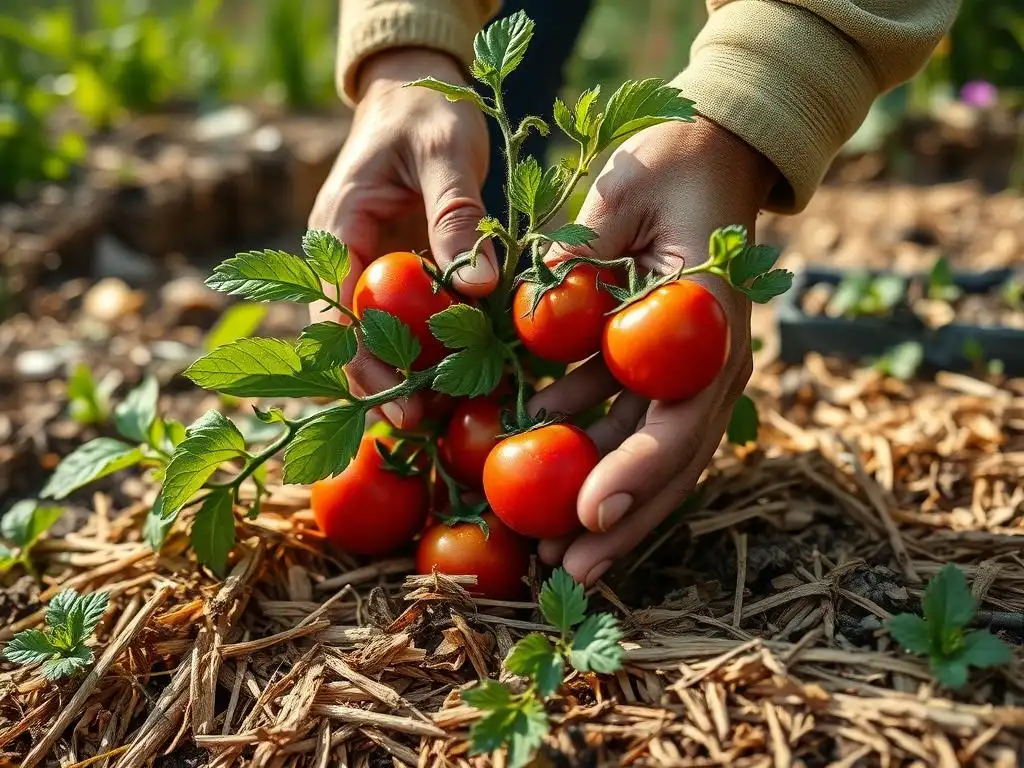
This section focuses on reaping the rewards of your hard work—harvesting the delicious and nutritious produce from your cheap sheet mulch garden beds. Successfully establishing your garden bed is only half the battle; understanding when and how to harvest ensures you get the most out of your sustainable gardening efforts. Proper harvesting techniques are crucial for maximizing yield and maintaining the health of your plants, so let's delve into the specifics.
Recognizing Signs of Maturity in Your Vegetables and Herbs
Knowing when your plants are ready for harvest is key to optimal flavor and nutritional value. This varies greatly depending on the specific plant, but some general indicators include:
- Size and Appearance: Many vegetables reach maturity when they attain a certain size and color. For example, tomatoes should be fully colored and slightly soft to the touch, while peppers should be firm and brightly colored depending on the variety (e.g., red bell peppers, green jalapeños). Herbs are typically ready for harvest when they are robust and have reached a desired height. Overripe herbs can become bitter.
- Taste Test: For some fruits and vegetables, a taste test is the ultimate indicator. A ripe tomato will have a sweet and slightly tangy flavor, while an unripe one will be tart and mealy.
- Seed Development: In many plants, seed development signals maturity. This is particularly true for legumes like beans and peas, where the pods become full and plump. Observe the seeds inside; fully developed seeds are a sign of readiness.
- Plant Specifics: Research your specific plant varieties! Seed packets or online resources often provide detailed information on expected harvest times and size. For example, certain lettuce varieties mature faster than others, impacting when you can start harvesting your cheap sheet mulch garden's leafy greens.
Harvesting Techniques for Different Plants
Different plants require different harvesting methods. Gentle handling is crucial to avoid damaging the plant and future harvests.
- Root Vegetables (carrots, beets, potatoes): These are typically harvested by carefully digging around the plant to loosen the soil and gently lifting the root from the ground. Avoid pulling forcefully, which can damage the root.
- Leafy Greens (lettuce, spinach): Harvest outer leaves first, leaving the inner leaves to continue growing. This promotes continuous growth from your cheap sheet mulch garden beds. Cut leaves cleanly with a sharp knife or scissors, close to the base.
- Fruits (tomatoes, peppers): Harvest fruits when they reach their mature size and color. Use sharp pruning shears or a knife for a clean cut, avoiding bruising the fruit or stem.
- Herbs (basil, rosemary, thyme): Harvest herbs by pinching or cutting stems just above a node (where leaves sprout). This encourages bushier growth. For larger herbs, you might harvest entire stems.
Extending the Harvest Season with Proper Care and Techniques
With proper care, you can enjoy a longer harvest season from your cheap sheet mulch garden beds. Consider these techniques:
- Succession Planting: Plant new crops in stages to ensure a continuous supply of fresh produce. This staggered planting is particularly effective for fast-growing leafy greens.
- Crop Rotation: Rotate crops each year to prevent soil depletion and pest build-up, thus ensuring continued healthy growth from your cheap sheet mulch garden beds.
- Mulching: Maintain a consistent layer of mulch around plants to retain moisture and suppress weeds. This helps maintain a consistent temperature, protecting the plants from temperature fluctuations.
- Watering: Consistent watering is crucial, especially during dry spells. Regular watering keeps the soil moist and prevents stress on your plants, extending your harvest.
- Pest and Disease Control: Monitor your plants regularly for signs of pests and diseases. Address any issues promptly to prevent significant damage and loss of yield from your cheap sheet mulch garden beds. Organic pest control methods are ideal for maintaining the integrity of your sustainable garden.
By following these guidelines, you can enjoy a bountiful and prolonged harvest from your sheet mulch garden, maximizing the return on your investment in this cost-effective gardening method. Remember, careful observation and timely action are key to achieving optimal results with your cheap sheet mulch garden beds.
Troubleshooting Common Sheet Mulching Issues
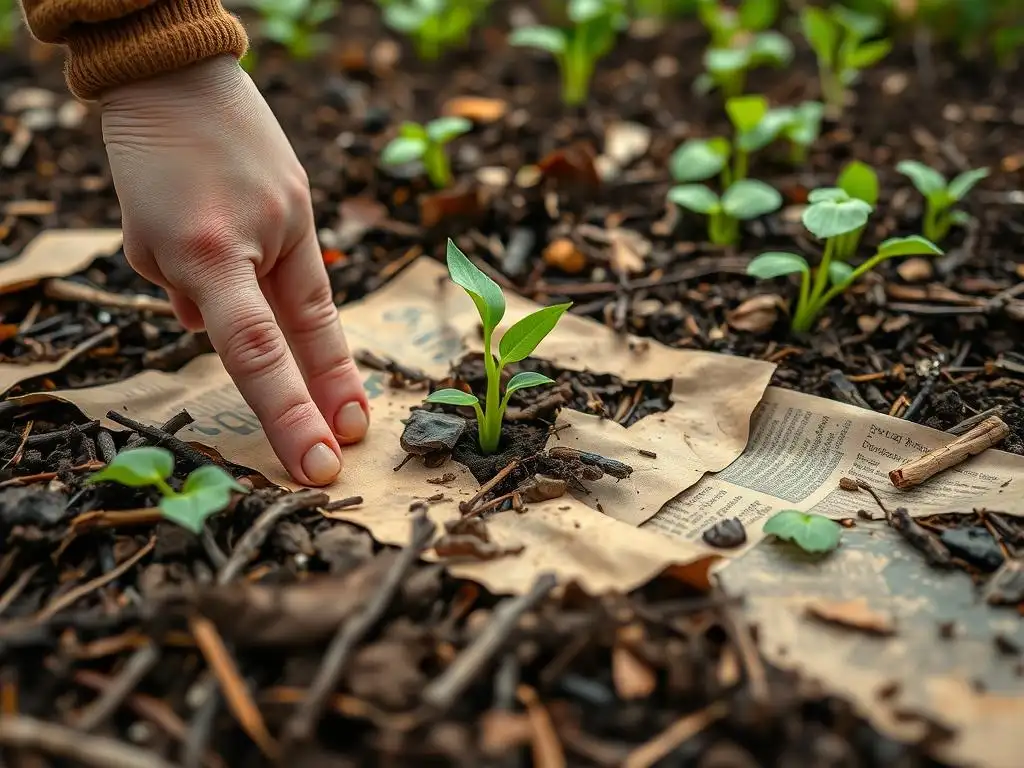
Sheet mulching, while a highly effective and cheap method for creating new garden beds, isn't without its potential challenges. Successfully establishing thriving garden beds using this technique requires careful planning and attention to detail. This section addresses some common issues encountered during and after the sheet mulching process, offering practical solutions to ensure your success in creating cheap sheet mulch garden beds.
Dealing with Unwanted Pests and Diseases
One concern with sheet mulching is the potential for attracting pests and diseases. The decomposing organic matter provides a haven for some organisms, while others may be introduced with the materials themselves. Proactive measures are key to minimizing these risks.
Proper material selection is crucial. Avoid using diseased plants or materials infested with pests. Inspect all components carefully before layering. For example, ensure that any used wood is free from termites or carpenter ants. This preventative step significantly reduces the likelihood of pest infestations in your cheap sheet mulch garden beds.
Even with careful selection, monitoring is vital. Regularly inspect your sheet mulch bed for signs of pests or diseases. Early detection allows for targeted interventions, preventing widespread infestation. Beneficial insects, such as ladybugs and lacewings, can be introduced to help control pest populations naturally. These natural predators are a sustainable and effective way to manage pest problems in your organic garden.
If disease does appear, removing and replacing the affected materials is often necessary. This might involve removing a section of the sheet mulch and starting again with fresh, disease-free materials. In cases of severe infestation, consulting a local gardening expert or agricultural extension service can provide valuable advice and tailored solutions.
Addressing Issues with Water Retention or Drainage
Achieving the right balance of water retention and drainage is crucial for a healthy sheet mulch garden bed. Too much water leads to root rot, while inadequate moisture hinders plant growth. The composition of your sheet mulch layers significantly impacts this balance.
If your cheap sheet mulch garden beds are suffering from poor drainage, consider adding more coarse materials to the base layers. Larger wood chips, gravel, or even shredded cardboard can improve drainage. The key is to create a layered system that allows excess water to percolate through the layers without becoming waterlogged. This will ensure optimal conditions for root development and prevent root rot, a common problem in poorly draining soil.
Conversely, if your sheet mulch is too dry, you may need to adjust the layering to improve water retention. Adding more compost, well-rotted manure, or other high-organic-matter materials can help retain moisture. Mulching the top layer with straw or other organic mulch can also help to reduce evaporation and maintain soil moisture. Regular watering, especially during dry spells, is also essential. Consider using a soaker hose or drip irrigation to deliver water directly to the roots, minimizing evaporation and maximizing water efficiency.
Managing Unexpected Weed Growth After Sheet Mulching
While sheet mulching suppresses weeds effectively, some persistent seeds may germinate. This doesn't negate the benefits of sheet mulching, but it does require some management.
The initial layer of cardboard or newspaper is crucial in suppressing weed growth. Ensure that it's completely overlapped and free of gaps. This prevents sunlight from reaching weed seeds, inhibiting their germination. However, some seeds may still find their way through.
Regularly remove any weeds that do emerge. Hand-weeding is often sufficient, especially in the early stages. Avoid using herbicides, as they contradict the sustainable and organic principles of sheet mulching. As the sheet mulch decomposes and the soil improves, weed growth will naturally decrease. The improved soil structure and competition from your planted crops will further help to suppress weed growth in your cheap sheet mulch garden beds over time. Patience is key; the benefits of a healthy, weed-suppressed soil will manifest over time.
Sheet Mulching Variations: Adapting to Your Specific Needs
Sheet mulching, while fundamentally the same process, offers significant flexibility to accommodate diverse gardening situations. Understanding these variations is crucial for maximizing the technique's effectiveness and achieving optimal results in your specific context. The core principle – layering organic matter to suppress weeds, improve soil, and create a fertile bed – remains consistent, but the specifics can be tailored. This section will explore these adaptations, focusing on how to adjust your sheet mulch recipe for the best outcome. Creating cheap sheet mulch garden beds is all about leveraging readily available materials effectively.
Adapting Sheet Mulching for Different Climates and Soil Types
Climate significantly impacts the decomposition rate of your sheet mulch layers. In warmer climates with ample moisture, decomposition will be faster, requiring less initial material. Conversely, cooler, drier climates may necessitate a thicker layer to ensure sufficient moisture retention and a slower release of nutrients throughout the growing season. Soil type also plays a crucial role. Heavy clay soils benefit from a generous layer of coarse materials like wood chips or straw to improve drainage and aeration. Conversely, sandy soils, prone to rapid water drainage, may require more water-retentive materials like compost and well-rotted manure to maintain moisture.
Consider these regional adaptations:
| Climate Zone | Considerations | Material Adjustments |
|---|---|---|
| Hot & Humid | Faster decomposition; potential for weed seed germination; increased pest activity | Thinner layers, quicker turnover of materials, use of strong weed suppressors. |
| Temperate | Moderate decomposition; good balance of moisture and temperature | Standard layering, focusing on a balanced mix of carbon and nitrogen-rich materials |
| Cold & Dry | Slower decomposition; potential for moisture stress; slower nutrient release | Thicker layers, incorporate water-retentive materials like compost and aged manure. |
Furthermore, soil testing can guide material choices. If your soil is deficient in certain nutrients, you can adjust the sheet mulch recipe to address these deficiencies. For example, adding bone meal to the layers can boost phosphorus levels, while adding blood meal or compost tea can provide nitrogen.
Sheet Mulching for Specific Plants: Vegetables, Herbs, and Flowers
Different plants have different needs. Knowing these requirements is key to tailoring your sheet mulch for optimal growth. For instance, heavy feeders like tomatoes and squash benefit from a nutrient-rich sheet mulch incorporating plenty of compost and aged manure. Root vegetables, on the other hand, may require a looser, more well-drained layer to prevent overcrowding and rot. Herbs and flowers may have specific pH preferences that can be addressed by the selection of materials in the sheet mulch; acidic loving plants may benefit from a layer of pine needles. Consider these examples:
- Vegetables: Heavy feeders like squash and tomatoes benefit from a rich mix of compost, manure, and shredded leaves.
- Herbs: Many herbs prefer well-drained soil; incorporate coarse materials like wood chips to enhance drainage.
- Flowers: Adjust the pH of your sheet mulch based on the specific needs of the flower species being planted.
Careful planning and observation are key to success. Regular monitoring of plant health will help you fine-tune your sheet mulching approach over time, ensuring optimal results for your chosen plants. This iterative process is a crucial part of mastering the cheap sheet mulch garden beds technique.
Combining Sheet Mulching with Other Sustainable Gardening Practices
Sheet mulching is highly compatible with other sustainable gardening practices, creating synergistic effects. Integrating it with techniques like companion planting, crop rotation, and cover cropping can further enhance its benefits.
For example, incorporating cover crops into the sheet mulch layering process (before adding the top layer of soil) provides additional organic matter and suppresses weeds. Similarly, companion planting can be integrated by strategically placing seeds or seedlings within the sheet mulch layer. This integrated approach maximizes resource utilization and promotes biodiversity within your garden.
Combining sheet mulching with other techniques like composting enhances the nutrient richness of the resulting garden bed. The compost itself can be a significant component of the sheet mulch layers, contributing substantial organic matter and nutrients. This synergistic approach results in incredibly fertile and healthy soil, yielding robust and healthy plants. Building cheap sheet mulch garden beds effectively involves optimizing these complementary practices. This layered approach to sustainable gardening is not only environmentally friendly, but also leads to cost-effective and highly productive gardening.
Frequently Asked Questions
What exactly is sheet mulching?
Sheet mulching is a low-cost, no-till method of preparing garden beds. It involves layering cardboard, compost, and other organic materials directly onto existing soil to suppress weeds, improve soil health, and create a rich growing environment for your plants. This method drastically reduces the need for tilling.
How much does sheet mulching cost compared to traditional methods?
Sheet mulching is significantly cheaper than traditional methods. You'll primarily need cardboard, organic materials like leaves and grass clippings, and possibly some compost, all of which are often free or very inexpensive to acquire. This contrasts with the cost of tilling and buying soil amendments.
What kind of cardboard is best for sheet mulching?
Use uncoated, flat cardboard, avoiding glossy or waxed cardboard as these won't break down as quickly. Remove any tape or staples. Newspaper can also be used as a layer but cardboard is generally preferred for its durability.
How long does it take for a sheet mulched bed to be ready for planting?
The time it takes depends on the climate and materials used, but generally, a sheet mulched bed is ready for planting in 3-6 months. The decomposition process needs sufficient time to create a fertile soil environment.
What are the benefits of sheet mulching over traditional gardening methods?
Sheet mulching offers numerous benefits, including reduced weed growth, improved soil structure and fertility, water retention enhancement, and cost savings. It's also a more sustainable and environmentally friendly approach compared to tilling.
Final Reflection: Cultivating a Greener Future, One Sheet of Cardboard at a Time
The principles of sheet mulching offer a powerful, accessible solution to the ever-growing need for sustainable and affordable gardening practices. In a world increasingly concerned with environmental impact and rising costs, this simple yet effective method provides a pathway to creating thriving garden beds without breaking the bank or harming the planet. The ease of implementation and the impressive results make sheet mulching a truly revolutionary approach to gardening for both beginners and experienced cultivators alike.
The impact of sheet mulching extends beyond the individual garden; it speaks to a broader shift in our relationship with the land. By embracing this technique, we actively participate in soil regeneration, reducing our reliance on harmful chemicals, and fostering biodiversity. This resonates deeply with the growing movement towards ecological responsibility. The earth laughs in flowers.
– Ralph Waldo Emerson. This quote beautifully encapsulates the joy and abundance that can be cultivated through mindful and sustainable gardening practices like sheet mulching, transforming even the most barren patches of land into vibrant ecosystems.
Now, consider your own space. Do you have a neglected corner of your yard, a patch of bare earth yearning for life? I encourage you to embrace the simplicity and power of sheet mulching. Transform that space, not just into a beautiful garden, but into a testament to your commitment to sustainable living. Start small, experiment, and witness the magic unfold as you nurture life from the ground up, one layer of cardboard at a time. The rewards – both environmental and personal – are immeasurable.
Unleash Your Inner Gardener: Start Sheet Mulching Today!
Thanks for exploring the world of sheet mulching with us! You've discovered a powerful and cost-effective way to revitalize your garden. Now it's time to put your knowledge into practice.
- Start your sheet mulching project this weekend! Gather your materials, such as cardboard, compost, and other organic matter, and select an area to transform. Even a small space will yield noticeable results!
- Share your sheet mulching journey! Inspire others by posting pictures of your progress on social media using #CultivateYourFoodSheetMulch. We'd love to see your results!
- Experiment with different materials to discover the best approach for your garden and local conditions. You might be surprised by what works best!
Ready to experience the satisfaction of nurturing rich soil and a thriving garden? We'd love to hear about your plans!