
Boiling Water for Weeds: A Simple and Effective Organic Method

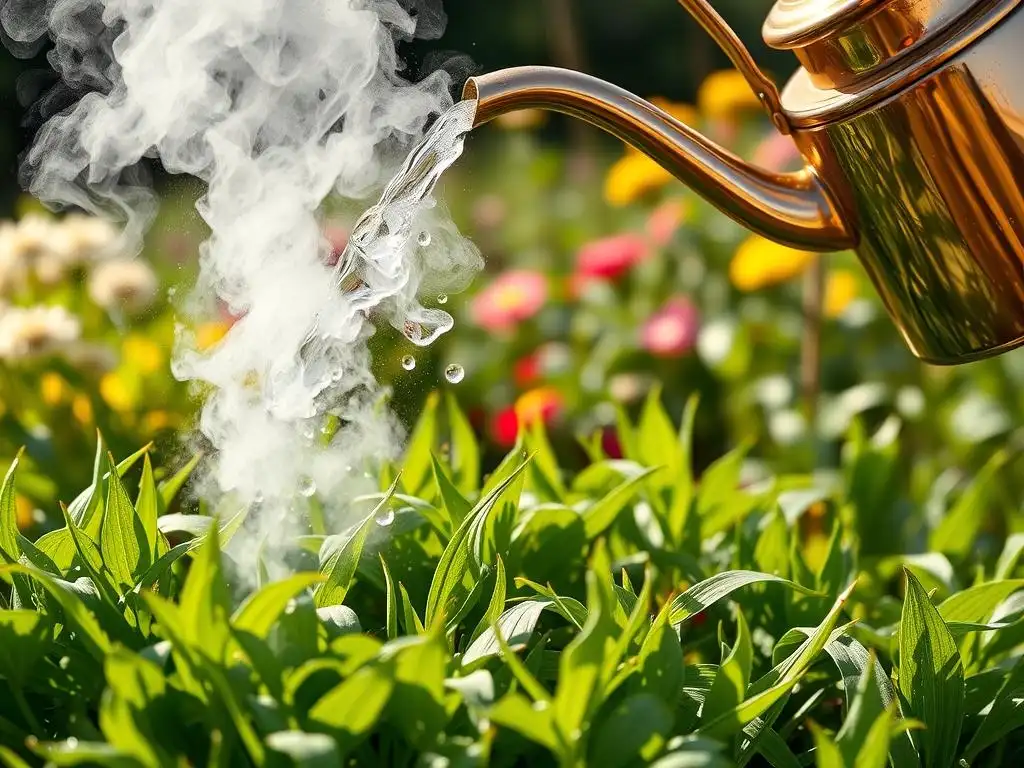
Ready to transform your backyard into a thriving, organic oasis? At CultivateYourFood, we empower you to grow your own delicious fruits, vegetables, and herbs. But what's the secret to a truly bountiful harvest? Sometimes, it's as simple as a kettle. Discover the surprising power of boiling water for weeds – a surprisingly effective and sustainable method to banish unwanted plants from your garden. Learn more about this and other organic gardening techniques to unlock the joys of homegrown goodness!
- Understanding the Effectiveness of Boiling Water for Weed Control
- Preparing and Applying Boiling Water to Eliminate Weeds
- Enhancing Boiling Water Weed Control: Complementary Organic Methods
- Maintaining Your Weed-Free Garden Using Boiling Water
- Frequently Asked Questions
- Final Reflection: The Gentle Power of Boiling Water
- Conquer Your Weeds: Start Boiling Today!
Understanding the Effectiveness of Boiling Water for Weed Control
Boiling water, a readily available and environmentally friendly resource, offers a surprisingly effective method for controlling weeds in your organic garden. This technique, while not a complete eradication solution, provides a powerful tool for targeted weed removal, particularly for small infestations or delicate plants where herbicides are undesirable. This article will delve into the science behind this simple method, explore best practices for maximizing its effectiveness, and outline its limitations to ensure you have realistic expectations.
We'll examine how to effectively use boiling water to kill weeds, focusing on a sustainable and organic approach crucial for maintaining a healthy and thriving garden ecosystem. Understanding the nuances of this technique will empower you to integrate it effectively into your organic weed control strategy, minimizing the need for harsher chemicals and promoting a flourishing garden environment. Let's explore how this age-old method can contribute to your sustainable gardening practices.
How Boiling Water Kills Weeds: The Science Behind It
Boiling water effectively kills weeds by disrupting their cellular structure. The extreme heat, typically around 212°F (100°C), denatures the proteins within the weed's cells, causing them to break down and die. This process is particularly effective on young, tender weeds, whose cells are less resistant to thermal shock.
Mature weeds, especially those with established root systems, may require more concentrated applications or repeated treatments for complete eradication. The speed and effectiveness of this method depend on several factors, including the temperature of the water, the size and type of weed, and the amount of water applied. It's important to note that the boiling water method primarily targets the above-ground parts of the weed; therefore, persistent weeds may re-sprout from surviving roots.
This necessitates careful observation and potentially repeated applications. The process is essentially a form of controlled thermal shock, offering a precise and localized approach to weed control. Think of it as a gentle, yet effective, "scalding" of the unwanted plant.
Targeting Specific Weeds with Boiling Water: Best Practices
For optimal results, apply boiling water directly to the weeds, ensuring thorough coverage of the leaves and stems. A kettle or a watering can with a narrow spout can facilitate precise application. Avoid splashing onto desirable plants. Early morning or late evening are ideal times to apply boiling water, as the sun's intensity is lower, reducing the risk of scorching surrounding plants.
For stubborn weeds or those with extensive root systems, consider repeated applications every few days. This helps weaken the plant and eventually leads to its demise. Remember to always exercise caution when handling boiling water. Use appropriate protective gear, such as heat-resistant gloves, to prevent burns.
While this method is effective, it’s not a one-size-fits-all solution. Some weeds, like those with deep or extensive root systems, may be more resistant and require more frequent treatments or a combination with other organic methods. This targeted approach, however, is environmentally friendly and remarkably efficient for small-scale weed management. Consider using a combination of methods for effective weed control, such as hand-weeding alongside boiling water application.
Limitations of Boiling Water Weed Control: What to Expect
While boiling water offers a simple and organic method of weed control, it's crucial to understand its limitations. Firstly, it's not a complete eradication solution; weeds may re-sprout from surviving roots, requiring repeated treatments. Secondly, this method is best suited for small-scale weed control and may be impractical for large areas infested with weeds. Thirdly, the effectiveness of boiling water can vary depending on the type of weed, its size, and the environmental conditions. Some weeds are naturally more resistant to heat than others.
Finally, it's essential to exercise caution to prevent unintended damage to desirable plants or soil organisms. Despite these limitations, boiling water remains a valuable tool in the organic gardener's arsenal, particularly for spot-treating weeds and promoting a sustainable garden environment. Always consider supplementing this method with other organic techniques for a comprehensive approach to weed management. 🌱
Preparing and Applying Boiling Water to Eliminate Weeds
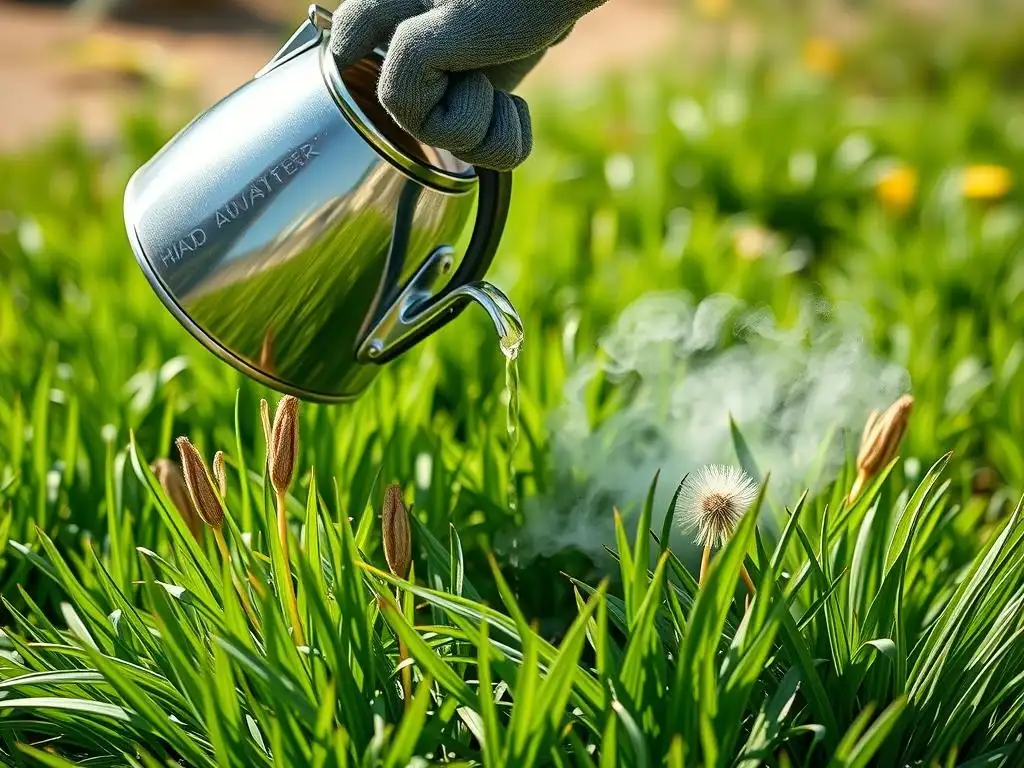
This section details the process of using boiling water to effectively kill weeds in your organic garden, a sustainable and environmentally friendly weed control method. Remember, while boiling water is effective, it's crucial to use it responsibly and safely. This method is best suited for small, isolated weeds or for spot treating weeds in areas where you don't want to disturb beneficial plants or soil structure. It's not a solution for large-scale weed infestations. This method targets the weeds' root systems, leading to effective elimination and minimizing the need for harsh chemicals.
Gathering Your Supplies: Kettle, Watering Can, Protective Gear
Before you begin, gather the necessary supplies. This simple method requires only a few items, but safety should be your top priority.
- Kettle: A stovetop kettle is ideal for quickly boiling a large volume of water. Electric kettles are also suitable, but might require multiple boils for larger areas.
- Watering Can: Choose a watering can with a narrow spout for precise application. Avoid using a can with a rose attachment as it can disperse the water, reducing effectiveness. A smaller, more controlled pouring spout is essential for targeted weed elimination. The spout's design should allow for accurate application, preventing unintended damage to surrounding plants.
- Protective Gear: Boiling water can cause severe burns. Always wear protective gear, including:
- Heat-resistant gloves: Thick, oven mitts are recommended to protect your hands from the extremely hot water.
- Closed-toe shoes: Protect your feet from accidental spills.
- Eye protection: Safety glasses or goggles are essential to shield your eyes from steam or splashes. Even a small splash of boiling water in the eye can be extremely dangerous.
Remember to always prioritize safety when handling boiling water. Careless handling can lead to serious injury.
Boiling Water Safely: Tips for Preventing Accidents
Safety is paramount when working with boiling water. Here are some essential tips to prevent accidents:
- Boil water outdoors: Always boil water outdoors to avoid potential damage to your kitchen or home. This prevents accidental burns and steam damage.
- Supervise children and pets: Keep children and pets away from the area while boiling water and applying it to weeds. Boiling water presents a serious risk of burns to both.
- Use caution when pouring: Pour slowly and deliberately, avoiding sudden movements that could cause spills. Controlled pouring minimizes the risk of accidental burns and ensures efficient weed elimination.
- Handle the kettle carefully: Use oven mitts or heat-resistant gloves even when moving the kettle from the stove or electrical outlet. Even a brief moment of carelessness can lead to a serious burn.
- Be mindful of the wind: Wind can affect the direction of steam and potentially cause burns. Choose a calm day or work in a sheltered area to minimize risk.
- Have a first-aid kit nearby: In case of burns, having a first-aid kit readily available is crucial for immediate treatment. Knowing where it is located and how to use it is vital for emergency situations.
Applying Boiling Water to Weeds: Techniques for Effective Treatment
The effectiveness of this method hinges on proper application. Here's how to do it correctly:
- Target the weeds directly: Pour the boiling water directly onto the weeds, focusing on the base of the plants and their crowns. This ensures the heat penetrates the roots, killing the weed effectively and preventing regrowth. Avoid splashing onto surrounding plants.
- Use sufficient water: Use enough boiling water to thoroughly saturate the weeds. The amount needed depends on the size and type of weed. A generous amount ensures that the heat reaches the roots and effectively kills the weed.
- Repeat as needed: For particularly stubborn weeds, you may need to repeat the process. Multiple applications, especially after a rain shower, might be necessary to guarantee complete weed elimination.
- Monitor the area: After treatment, monitor the area for any signs of regrowth. Early detection allows for timely intervention and prevents the weeds from re-establishing themselves.
- Consider soil type: Soil type can affect the effectiveness of boiling water. Well-drained soils may require less water, while clay soils might need more to thoroughly saturate the weeds. Adjust your application according to your specific soil conditions.
Remember, consistency and careful application are key to successfully using boiling water to kill weeds. This organic method offers a sustainable and effective solution for managing weeds in your garden, but always remember to prioritize safety. This environmentally friendly approach minimizes the need for harsh chemicals, keeping your garden and the environment healthy.
Treating Different Weed Types with Boiling Water: Adapting Techniques for Dandelions, Crabgrass, and Clover
Boiling water is a surprisingly effective method for eliminating weeds, but its effectiveness can vary depending on the type of weed. Different weeds have different root systems and growth habits, requiring slight adjustments to the boiling water application technique for optimal results. Let's explore how to best tackle three common garden invaders: dandelions, crabgrass, and clover.
Dandelions, with their deep taproots, present a unique challenge. Simply pouring boiling water over the leaves may not be enough to kill the entire plant. For optimal dandelion eradication using boiling water, it's crucial to ensure the water directly contacts the crown of the plant, where the leaves emerge from the root. This requires carefully pouring the boiling water slowly and directly onto the crown, ensuring thorough saturation.
You may need to repeat the process a few times, especially for larger, more established dandelions. Consider using a watering can with a narrow spout for precise application. Remember to protect surrounding plants by carefully aiming your pour. This method, while effective, does require patience and precision.
Crabgrass, a notorious summer annual, spreads rapidly through its extensive shallow root system. While boiling water can effectively kill crabgrass, the shallow roots mean a less focused application is often sufficient. A more generous pouring over the affected area is generally effective, ensuring the water reaches the majority of the plant's surface area and underlying roots.
However, because crabgrass spreads so easily, you'll likely need to treat a wider area than just the visible weeds to prevent re-growth from any remaining seeds or root fragments. This method is faster than targeting dandelions but requires a more generous use of boiling water.
Clover, another common garden weed, has a slightly different response to boiling water compared to dandelions and crabgrass. Clover's roots are relatively shallow, but it can spread quickly through stolons (above-ground stems that root at nodes). Therefore, simply pouring boiling water on the visible leaves might not suffice.
To effectively kill clover with boiling water, you need to target not only the leaves but also the stolons. Carefully pour boiling water over the entire visible plant, including the stolons, to ensure complete eradication. Similar to crabgrass, addressing a slightly wider area than just the visible plants is recommended to prevent regrowth from stolons that may extend beyond the visible area.
Be mindful of surrounding plants, and use a watering can for more controlled application. This approach requires a balance between precision and coverage to effectively control the spread of clover. Remember, consistent application is key to effective weed control regardless of the weed type.
Enhancing Boiling Water Weed Control: Complementary Organic Methods
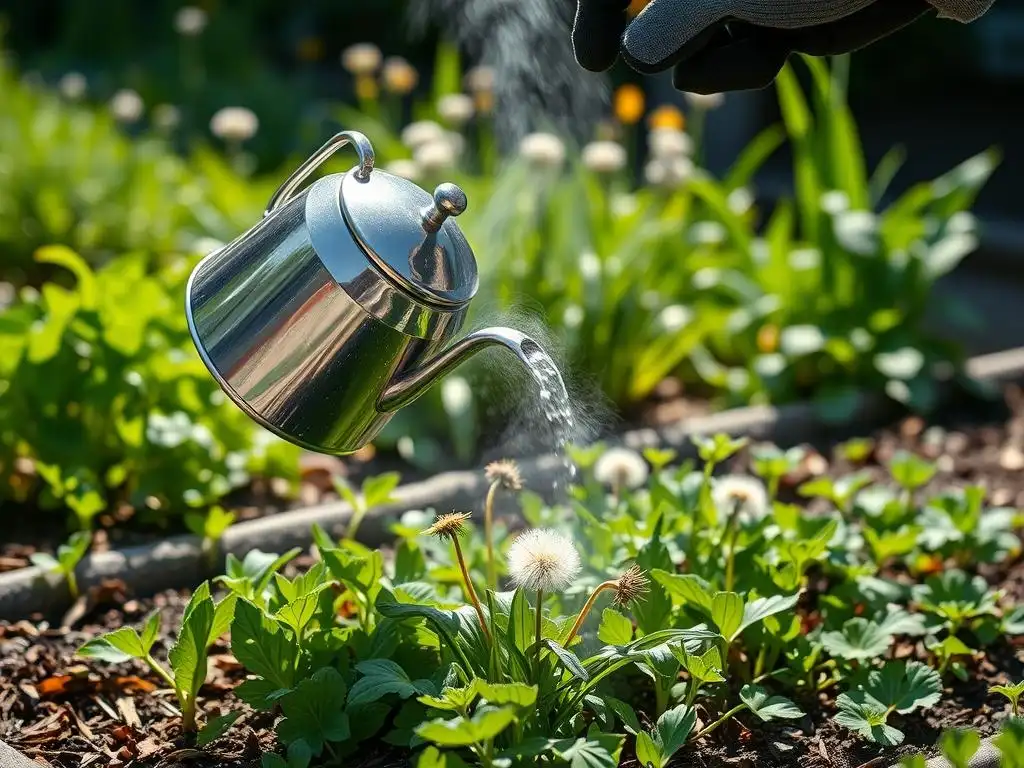
Boiling water is a surprisingly effective method for killing weeds, especially those that are young and tender. However, for lasting weed control and to minimize the frequency of applications, it's crucial to combine this technique with other organic methods. This integrated approach ensures a more sustainable and effective weed management strategy in your organic garden. The goal is not just to kill weeds boiling water, but to prevent their resurgence.
Combining Boiling Water with Mulching for Long-Term Weed Suppression
Mulching is a cornerstone of organic gardening, and it synergizes beautifully with boiling water treatments. Applying a thick layer of mulch – such as straw, wood chips, or shredded leaves – after boiling water treatment prevents weed seeds from germinating and significantly reduces the likelihood of new weeds sprouting. The mulch also helps retain soil moisture, improving the overall health of your plants and further hindering weed growth.
A study by the University of California, Davis, showed that using a 3-inch layer of mulch reduced weed growth by 70% compared to unmulched control plots. Furthermore, the mulch helps regulate soil temperature, preventing extreme fluctuations that can stress your plants and encourage weed growth. Remember, proper mulch application is key; avoid piling it up against the stems of your plants to prevent rot.
Using Boiling Water in Conjunction with Other Organic Weed Killers
While boiling water offers a quick and effective kill for existing weeds, combining it with other organic weed control methods can provide a holistic approach. For example, you can use boiling water to target specific weeds before applying a pre-emergent organic herbicide like corn gluten meal. This prevents new weeds from germinating while addressing existing ones. Another strategy is to use boiling water to weaken established weeds, making them more susceptible to other organic methods like hand-pulling or hoeing.
This combined approach minimizes the reliance on any single method, promoting a more balanced and sustainable ecosystem within your garden. Consider rotating your weed control methods to prevent weed resistance. For instance, using boiling water one week, followed by hand-weeding the next, can be highly effective. [Specific data on effectiveness of rotating methods pending].
Post-Treatment Care: Maintaining a Weed-Free Garden
After using boiling water to kill weeds boiling water, consistent post-treatment care is crucial to maintain a weed-free garden. Regularly monitor the treated areas for any signs of regrowth. Early detection and prompt action are essential to prevent weeds from establishing themselves. Consistent weeding, even of small seedlings, prevents them from developing into larger, more difficult-to-remove plants. Hand-weeding is particularly effective after a boiling water treatment, as the weeds are weakened and easier to pull.
Additionally, maintaining healthy soil conditions through proper fertilization and watering encourages strong plant growth, which can help outcompete weeds for resources. Remember, a healthy garden is less susceptible to weed infestations. Regular soil testing can help determine nutrient deficiencies and guide your fertilization strategy. This proactive approach minimizes the need for frequent boiling water treatments, promoting a more sustainable and environmentally friendly gardening practice.
Maintaining Your Weed-Free Garden Using Boiling Water
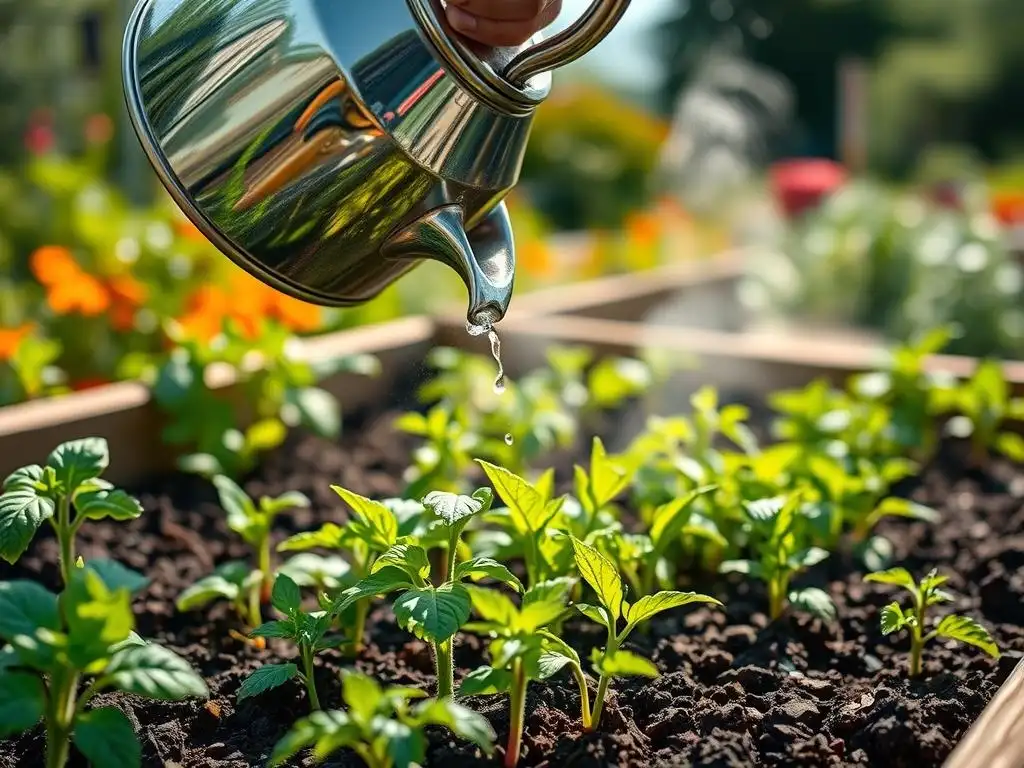
This section focuses on the ongoing maintenance required after initial weed eradication using boiling water, ensuring the long-term effectiveness of this organic weed control method. Consistent application and mindful observation are key to preventing weed resurgence and maintaining a thriving, weed-free garden. Remember, while boiling water is effective, it's a targeted approach; consistent effort yields the best results in killing weeds with boiling water.
Preventing Weed Re-growth: Regular Boiling Water Applications
Preventing weed re-growth requires diligence and a proactive approach. Simply boiling water on weeds once isn't enough for complete eradication, especially for persistent weeds with deep root systems. Regular applications are crucial. The frequency depends on several factors including the type of weed, the time of year, and the amount of rainfall.
For example, annual weeds, which complete their life cycle in a single growing season, may require less frequent treatments than perennial weeds, which return year after year. During periods of heavy rainfall, more frequent applications might be necessary to counter the effects of soil moisture and seed germination.
Consider creating a schedule: A weekly or bi-weekly application during peak growing seasons can effectively suppress weed growth. After initial treatment, you might reduce the frequency to a monthly application to prevent weed resurgence and maintain your weed-free garden. Always ensure the soil is sufficiently dry before applying boiling water to prevent damage to desirable plants.
Remember to thoroughly saturate the weeds with boiling water, ensuring the water reaches the roots. This is crucial for effective weed elimination. Observe your garden regularly and promptly address any new weed growth to prevent them from establishing themselves. This method of killing weeds with boiling water is most effective when applied consistently.
Identifying and Addressing Recurring Weed Problems
Even with regular boiling water applications, some persistent weeds may reappear. Identifying these recurring weed problems is vital for tailoring your weed management strategy. Common culprits include tenacious perennial weeds with extensive root systems.
Keep a detailed record of the types of weeds that reappear. This helps you understand their growth patterns and develop more effective countermeasures. For example, if you notice a particular weed returning consistently in a specific area, consider amending the soil in that area to improve drainage or alter its composition, making it less hospitable to that specific weed. This targeted approach complements the boiling water method.
Consider using other organic weed control methods in conjunction with boiling water to address persistent problems. For instance, mulching can help prevent weed seeds from germinating, while hand-weeding can remove individual weeds before they become established. Combining methods provides a layered approach to weed management, improving the overall effectiveness of your organic weed control strategy.
Long-Term Weed Management Strategies for Your Organic Garden
Long-term success in weed management involves a holistic approach that extends beyond simply killing weeds with boiling water. Integrating various sustainable practices helps create a garden environment that is less hospitable to weeds while promoting the health of your desired plants.
- Soil Health: Healthy soil is less susceptible to weed invasion. Regular soil testing and amendments, such as composting, can improve soil structure and fertility, making it less attractive to weeds. Adding organic matter improves soil health, creating a more competitive environment for beneficial plants.
- Crop Rotation: Rotating crops annually helps break the cycle of certain weeds that thrive on specific plant residues. This diverse planting strategy disrupts weed growth patterns.
- Mulching: Applying a thick layer of mulch, such as straw or wood chips, suppresses weed growth by blocking sunlight and reducing soil moisture. This strategy complements boiling water treatments, offering a double defense against weeds.
By combining regular boiling water applications with these long-term strategies, you can create a sustainable and effective weed management system for your organic garden, ensuring a healthy and productive growing season. This integrated approach to killing weeds with boiling water makes it a truly sustainable and effective method.
Frequently Asked Questions
How effective is boiling water for killing weeds?
Boiling water is a highly effective method for killing weeds, especially smaller ones. It works by denaturing weed proteins, causing them to die. However, it might require repeated applications for larger, more established weeds.
What type of weeds does boiling water work best on?
Boiling water is most effective on young, small weeds. It's less effective on larger, established weeds with extensive root systems. It's ideal for spot-treating unwanted plants in walkways, cracks, or flowerbeds.
Is boiling water safe for my garden plants?
Care should be taken to avoid splashing boiling water onto desirable plants. The heat will damage or kill them just as it does weeds. Precise application is key to success.
How much boiling water do I need per weed?
The amount of boiling water needed depends on the size of the weed. A small weed might only need a cup or two, while a larger one may require more. Thorough saturation of the weed's foliage is important.
Are there any downsides to using boiling water to kill weeds?
While effective, boiling water isn't a long-term solution. Weed seeds may remain in the soil. It's also not environmentally friendly if used excessively, and can harm beneficial soil organisms. Consider it as a supplemental organic weed control method.
Final Reflection: The Gentle Power of Boiling Water
Boiling water, a seemingly simple solution, offers a surprisingly effective and environmentally friendly approach to weed control, a problem impacting gardens and landscapes worldwide. Its accessibility and minimal environmental impact make it a powerful tool in the ongoing quest for sustainable gardening practices, challenging the reliance on harsh chemical herbicides.
The shift towards organic gardening methods is not merely a trend; it's a reflection of a growing awareness of the interconnectedness of our actions and the environment. This simple act of using boiling water to eliminate weeds speaks volumes about our capacity to find effective solutions without resorting to harmful chemicals. The earth provides enough to satisfy every man's needs but not every man's greed.
- Mahatma Gandhi. This quote highlights the importance of mindful resource management, a principle perfectly embodied by this sustainable weed control method.
Consider the impact of your own gardening choices. Will you continue to rely on potentially harmful chemicals, or will you embrace the gentle power of boiling water? This simple act, repeated in countless gardens, can collectively contribute to a healthier planet. Take a moment to reflect on your own gardening practices and explore the possibilities of sustainable solutions. The future of our gardens, and our planet, depends on it.
Conquer Your Weeds: Start Boiling Today!
Thanks for learning about this simple yet powerful weed-control method! You now have a natural and effective way to banish unwanted plants from your garden. Ready to put your knowledge into action?
- Tackle your weediest area first: Focus on the patch needing the most immediate attention. This is the quickest way to see results.
- Share your weed-control success (or challenges!) with other gardeners in the comments below. Let's build a community of natural gardening enthusiasts!
- Experiment with different application methods – a watering can with a rose head allows for precise targeting.
What exciting weed-free results are you hoping to achieve in your garden this week?