
Maximizing Rainwater Collection: Tips and Tricks for Home Gardens

Ready to transform your backyard into a thriving oasis? At CultivateYourFood, we empower you to grow your own fruits, vegetables, and herbs using sustainable methods. Learn how to drastically reduce your water footprint and boost your harvest with our expert guide on collecting rainwater garden efficiently. Discover ingenious techniques and practical tips that will leave you amazed at the abundance your garden can produce. Let's dive into the world of sustainable gardening – your journey to a bountiful and eco-friendly harvest starts now!
- Understanding the Benefits of Rainwater Harvesting for Your Garden
- Essential Equipment for Efficient Rainwater Collection
- Optimizing Your Rainwater Collection System for Maximum Efficiency
- Utilizing Collected Rainwater for Your Garden
- Advanced Techniques for Enhanced Rainwater Collection
- Maintaining Your Rainwater Collection System
-
Frequently Asked Questions
- How can I efficiently collect rainwater for my garden?
- What are the benefits of using rainwater for my garden?
- What type of container is best for rainwater harvesting?
- How do I prevent mosquito breeding in my rainwater collection system?
- How can I integrate rainwater harvesting into my existing garden design?
- Final Reflection: Harvesting the Bounty of the Heavens
- Unlock Your Garden's Potential: Harvest the Rain!
Understanding the Benefits of Rainwater Harvesting for Your Garden
Collecting rainwater for your garden offers a multitude of advantages, contributing significantly to both sustainable gardening practices and your overall well-being. This comprehensive guide will explore effective methods for collecting rainwater efficiently, maximizing its use for irrigation, and ultimately minimizing your environmental impact. We'll delve into the financial savings, environmental benefits, and practical techniques that transform rainwater from a wasted resource into a valuable asset for your thriving home garden.
By embracing rainwater harvesting, you're not only nurturing your plants but also actively participating in responsible resource management, a key element of sustainable living. This approach aligns perfectly with the ethos of CultivateYourFood, empowering you to cultivate fruits, vegetables, and herbs in a way that is both productive and environmentally conscious. Let's explore how you can effectively collect rainwater for a healthier garden and a healthier planet.
Why Collect Rainwater for Efficient Garden Irrigation?
Rainwater is naturally soft, free of chlorine and other chemicals often found in municipal water supplies. This makes it ideal for irrigating plants, as it avoids potential damage from harsh chemicals and promotes healthier plant growth. Moreover, rainwater has a near-neutral pH, making it perfectly suited to most plants' needs. Using rainwater helps avoid soil salinization, a common problem with hard tap water containing high mineral content.
This gentler approach to watering promotes stronger root systems and enhances overall plant health, leading to more abundant harvests. Consider the benefits: healthier plants, stronger root systems, and increased yields—all from a readily available, free resource! This is a key step in collecting rainwater garden efficiently.
Saving Money on Water Bills: Rainwater Harvesting Cost Savings
The financial advantages of rainwater harvesting are substantial, especially in areas with high water costs or during periods of drought. By supplementing or even replacing your reliance on municipal water for irrigation, you can significantly reduce your monthly water bill. The initial investment in a rainwater harvesting system, including tanks and gutters, can be offset by long-term savings. For example, a family using 1000 gallons of municipal water per month for garden irrigation at a cost of $[Specific cost per gallon pending] per gallon could save $[Specific dollar amount pending] annually by utilizing rainwater harvesting.
This savings increases proportionally with larger garden sizes and higher water rates. The long-term cost-effectiveness is undeniable, making it a financially sound and environmentally responsible choice. This is a practical way to collect rainwater garden efficiently.
Environmental Benefits: Reducing Your Water Footprint
Rainwater harvesting contributes directly to a smaller environmental footprint. By reducing your dependence on treated municipal water, you lessen the strain on local water resources and reduce the energy consumption associated with water treatment and transportation. This decrease in energy consumption translates to lower greenhouse gas emissions, contributing to a more sustainable lifestyle. Furthermore, rainwater harvesting helps conserve groundwater supplies, which are crucial for maintaining ecological balance.
Collecting rainwater effectively reduces your overall water consumption, a significant step in mitigating the environmental impact of gardening. This is one of the most significant benefits of collecting rainwater garden efficiently. The environmental benefits extend beyond your garden, contributing to a healthier planet for all.
Improving Soil Health with Collected Rainwater
Rainwater, unlike tap water, is naturally soft and doesn't contain chlorine, fluoride, or other chemicals often added to municipal water supplies. These chemicals can disrupt the delicate balance of your garden soil's microbiome, impacting the beneficial bacteria and fungi crucial for nutrient cycling and plant health. Collecting rainwater allows you to irrigate your plants with a gentler, more natural water source, promoting a thriving soil ecosystem.
The absence of harsh chemicals helps maintain a balanced pH level in your soil, preventing nutrient lock-up and ensuring your plants can readily access essential minerals. This leads to healthier, more vigorous plants that are better equipped to resist diseases and pests.
Furthermore, rainwater often has a slightly acidic pH, which is beneficial for many plants. This natural acidity helps to dissolve nutrients in the soil, making them more readily available for plant uptake. Tap water, on the other hand, can sometimes be alkaline, potentially hindering nutrient absorption. By using collected rainwater, you're effectively mimicking the natural rainfall patterns that your plants evolved to thrive under.
This natural approach to irrigation results in stronger root systems and overall improved plant resilience. The improved soil structure from consistent, gentle watering with rainwater also enhances drainage, preventing waterlogging and root rot, common problems in gardens using untreated tap water. Regular use of rainwater significantly reduces the need for chemical fertilizers and soil amendments, aligning perfectly with sustainable and organic gardening practices. The long-term effects of rainwater irrigation are a healthier, more fertile soil that requires less intervention and produces healthier, higher-yielding crops.
Essential Equipment for Efficient Rainwater Collection
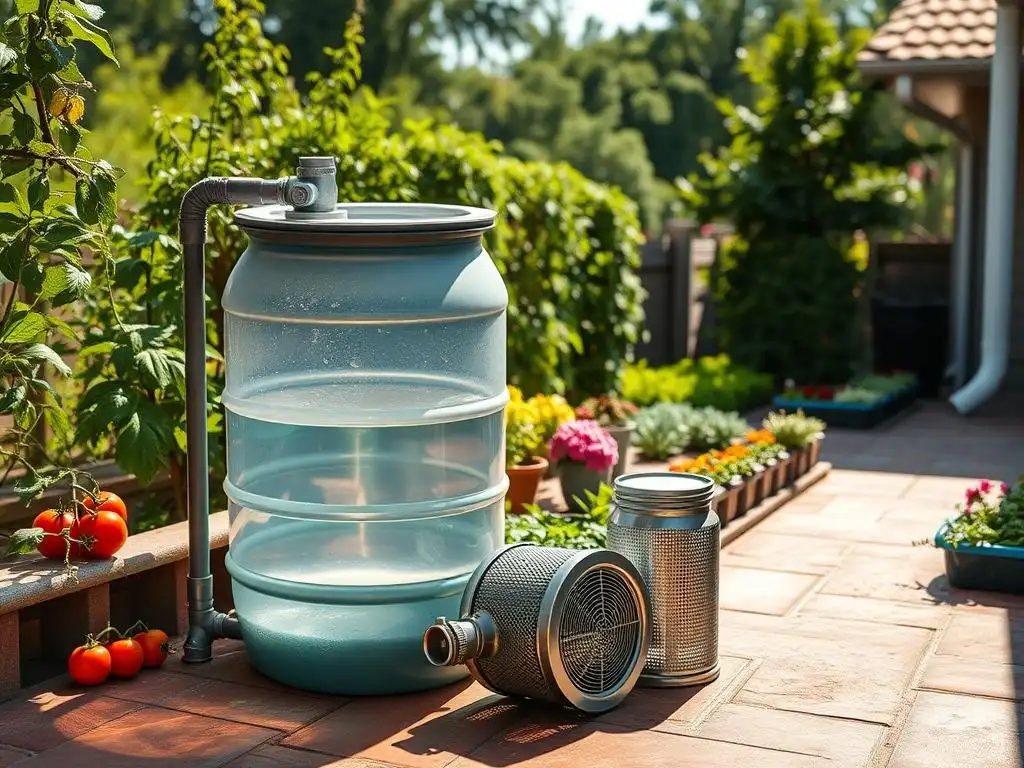
Efficiently collecting rainwater for your garden requires more than just a container. Strategic selection of equipment ensures optimal water capture, filtration, and distribution, maximizing the benefits of this sustainable practice. This section details the key components to consider when setting up your rainwater harvesting system, focusing on how to collect rainwater garden efficiently.
Choosing the Right Rain Barrel Size for Your Needs
The size of your rain barrel(s) directly impacts your water storage capacity. Overestimating needs leads to wasted space and potential overflow; underestimating can leave you short during dry spells. Determining the right size involves careful consideration of several factors.
First, assess your garden's water requirements. A small herb garden will need considerably less water than a large vegetable patch. Consider the average rainfall in your region and the number of plants you intend to water. A good starting point is to calculate your garden's water needs for a week during peak growing season and aim for a barrel capacity that can comfortably meet this demand.
For example, a small garden (50 sq ft) might only require a single 55-gallon rain barrel. A larger garden (200 sq ft), however, might benefit from two 55-gallon barrels or a single larger capacity barrel (100 gallons or more). Remember to account for potential variations in rainfall. Some weeks might be wetter than others, impacting your overall needs. Therefore, having extra capacity is generally preferable to having too little.
Consider also the available space. Larger barrels take up more room, so factor in the physical limitations of your property. Multiple smaller barrels can be a more space-efficient solution for larger gardens than a single enormous barrel.
Selecting the Ideal Location for Your Rain Barrel System
Placement of your rain barrels is crucial for maximizing collection and minimizing risks. The ideal location is both convenient and strategically positioned to capture the most runoff.
Several key factors should guide your decision:
- Downspout proximity: The closer your barrels are to your downspouts, the less piping you'll need, reducing potential leaks and making installation easier. Aim for a direct connection to minimize water loss during transfer.
- Level ground: A level surface is essential for stable barrel placement and prevents tipping. Avoid placing barrels on slopes or uneven ground.
- Accessibility: Consider the ease of accessing the barrels for filling, emptying, and cleaning. Easy access simplifies maintenance and reduces the effort involved in using the collected water.
- Sunlight exposure: Excessive sunlight can increase water temperature and promote algae growth, so consider placing your barrels in a partially shaded area. This helps maintain water quality and prevents the growth of harmful bacteria.
- Drainage: Ensure the area surrounding the barrels has adequate drainage to prevent waterlogging and potential damage. Consider installing a small drainage system if necessary.
Types of Rain Barrels: Materials and Features to Consider
Rain barrels come in various materials, each with its advantages and disadvantages. Choosing the right material depends on your budget, aesthetic preferences, and the lifespan you expect from your system.
| Material | Advantages | Disadvantages | Lifespan |
|---|---|---|---|
| Plastic | Lightweight, inexpensive, readily available | Less durable than other options, can fade | 5-10 years |
| Reclaimed Wood | Attractive, environmentally friendly | More expensive, requires more maintenance | 10-20+ years |
| Metal (Steel) | Durable, long-lasting | Can rust, more expensive | 15-25+ years |
Beyond the material, consider these additional features:
- Overflow system: An essential safety feature preventing overflow during heavy rainfall and potential damage to your property. This system should ideally direct excess water to a secondary location, like a garden bed or another rain barrel.
- Spigot: A conveniently located spigot simplifies the process of accessing the stored water for irrigation.
- Filter: A filter helps remove debris and leaves from the collected water, improving its quality for use on plants.
- Mesh screen: This prevents insects and other unwanted items from entering the barrel, keeping the water cleaner and reducing the need for frequent cleaning. This is especially important for preventing mosquito breeding.
Essential Accessories: Filters, Diverters, and Overflow Systems
Efficient rainwater harvesting for your garden isn't just about the collection tank; it's about the supporting infrastructure that ensures clean water and prevents overflow. Several key accessories play a vital role in optimizing your system and protecting your plants from contaminants and damage. Let's explore some essential components.
First and foremost are filters. These prevent debris like leaves, twigs, insects, and even bird droppings from entering your storage tank. A simple, inexpensive mesh filter placed at the downspout inlet is a great starting point. However, for a more robust system, consider a multi-stage filtration system. These often incorporate a first stage coarse filter to remove larger debris, followed by a finer filter to remove sediment and smaller particles.
The choice depends on the volume of rainwater you collect and the cleanliness of your roof. A poorly maintained roof will require a more robust filtration system to prevent clogging and ensure clean water reaches your plants. Regular cleaning of your filters is crucial; a clogged filter reduces the efficiency of your entire rainwater harvesting system. Think of it like regular maintenance of your garden tools – essential for optimal performance.
Next, consider diverter systems. These clever devices allow you to direct rainwater flow from your gutters to your storage tank only when it's needed. Many systems automatically switch to diverting water to a storm drain when the tank is full. This prevents overflow and potential damage to your property.
Diverter systems are especially useful in areas with unpredictable rainfall patterns, ensuring your tank doesn't overflow during heavy downpours while still collecting water during lighter showers. The size and capacity of your diverter system should match the capacity of your storage tank and the typical rainfall in your area. Investing in a high-quality diverter system will save you from potential headaches and costly repairs.
Finally, an overflow system is an absolute necessity. Even with a diverter, unforeseen circumstances, such as exceptionally heavy rainfall, can lead to tank overflow. An overflow system safely diverts excess water away from your house and garden, preventing water damage and ensuring your system's longevity. This system can be as simple as a pipe leading to a designated drainage area, or it could be more sophisticated, incorporating a secondary storage tank or a rainwater harvesting system for your lawn.
The design of your overflow system depends on the volume of water your tank can hold and the typical rainfall in your region. Careful planning and installation of an efficient overflow system are critical to protect your investment and prevent costly water damage. Consider the drainage capabilities of your property when designing this crucial aspect of your rainwater collection system. Remember, a well-designed overflow system is a critical safety feature.
Optimizing Your Rainwater Collection System for Maximum Efficiency
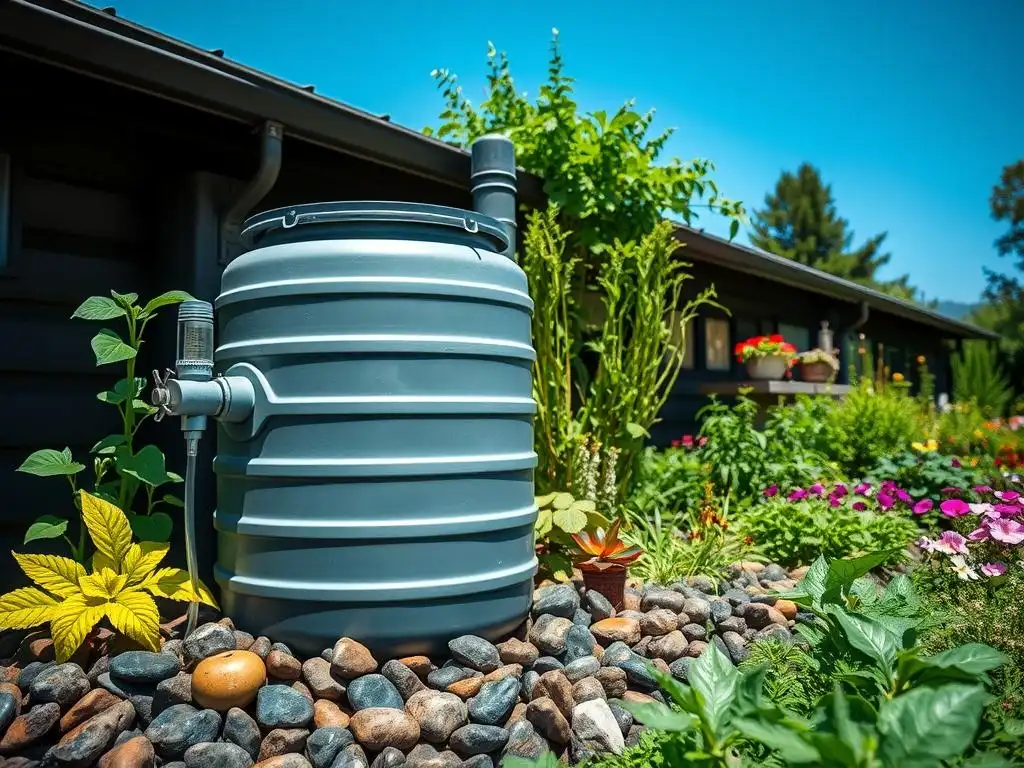
This section delves into practical strategies to boost the efficiency of your rainwater harvesting system, ensuring you collect the maximum amount of water for your home garden. Efficient rainwater collection is crucial for sustainable gardening, minimizing reliance on municipal water supplies and reducing your environmental footprint. We'll explore key areas that often get overlooked, leading to significant water loss. Let's maximize those precious drops!
Roof Surface Considerations for Better Water Collection
The type and condition of your roof significantly impact the quantity and quality of collected rainwater. A clean, smooth roof surface allows for unimpeded water flow directly into your gutters. Conversely, a roof covered in moss, lichen, or debris reduces collection efficiency. Consider these points:
- Roof Material: Metal roofs (steel, aluminum, zinc) generally offer superior rainwater collection compared to asphalt shingles, which can shed debris and potentially contaminate the water. The smoother the surface, the better the flow.
- Roof Cleaning: Regular roof cleaning is paramount. Moss and lichen not only impede water flow but also introduce contaminants into your collected water. A pressure washer (used cautiously to avoid damage) is an effective cleaning tool. Annual cleaning is recommended, with more frequent cleaning in areas with high moss growth.
- Slope and Pitch: A steeper roof pitch generally leads to faster water runoff and can improve collection efficiency. However, excessively steep pitches can cause water to splash over the gutters. Aim for a balance.
- Surface Area: A larger roof area naturally provides a greater volume of rainwater collection. Maximize the capture area by extending gutters to encompass as much of your roof as possible.
Think of your roof as your primary rainwater catchment area. Maintaining its cleanliness and ensuring optimal runoff are crucial steps in efficient rainwater collection for your garden.
Gutter Cleaning and Maintenance for Optimal Flow
Clean gutters are the backbone of an effective rainwater harvesting system. Clogged gutters prevent proper water flow, leading to overflow and significant water loss. Regular maintenance prevents costly repairs and ensures your system functions optimally.
- Frequency: The frequency of gutter cleaning depends on factors like local climate, tree density, and the type of roof. However, at least two cleanings per year – one in spring and one in autumn – are generally recommended. Areas with many trees may require more frequent cleaning.
- Cleaning Methods: Use a sturdy ladder and appropriate safety gear. Remove debris manually using a trowel or scoop. For stubborn clogs, a high-pressure water hose can be effective, but use caution to avoid damaging the gutters.
- Gutter Repair: Regularly inspect your gutters for damage, such as cracks, holes, or loose sections. Prompt repairs prevent leaks and ensure efficient water flow to your collection tank. Consider using sealant to repair minor cracks.
- Downspout Integrity: Ensure downspouts are free from blockages and are securely attached to the gutters. Damaged or misaligned downspouts can cause water to spill and reduce collection efficiency.
Neglecting gutter maintenance can severely compromise your rainwater harvesting efforts. Prioritizing regular cleaning and repairs will dramatically improve the quantity of water collected.
Installing a First Flush Diverter: Preventing Contaminants
The initial rainwater runoff ("first flush") often contains high levels of pollutants, including debris, bird droppings, and other contaminants. A first flush diverter is a simple yet effective device that diverts this initial contaminated water away from your storage tank, ensuring cleaner water for your plants.
- Mechanism: A first flush diverter typically consists of an overflow mechanism that directs the first few minutes or inches of rainfall to a separate drain or away from your collection system. This diverts the initial contaminated water, leaving you with cleaner water for irrigation.
- Installation: Installation varies depending on the specific diverter, but generally involves connecting it to your downspout before the water reaches your storage tank. Follow the manufacturer's instructions carefully.
- Benefits: Installing a first flush diverter significantly improves the quality of your collected rainwater, reducing the risk of introducing harmful contaminants to your garden. This protects your plants and reduces the need for water treatment.
- Types: Diverters come in various designs, from simple overflow mechanisms to more sophisticated systems with automatic shut-off valves. Choose a diverter appropriate for your system's size and capacity.
By installing a first flush diverter, you're investing in the long-term health of your garden and the sustainability of your rainwater harvesting practices. Collecting rainwater efficiently means also collecting clean rainwater.
Effective Filtration Techniques for Clean Rainwater
Collecting rainwater for your garden is a fantastic sustainable practice, but ensuring its cleanliness is crucial for healthy plant growth. Contaminants like dust, pollen, bird droppings, and even pollutants from the air can accumulate in your collection system. Therefore, implementing effective filtration techniques is paramount for collecting rainwater efficiently for your garden. Ignoring filtration can lead to the introduction of diseases and pests into your plants, negating the benefits of using rainwater.
Several filtration methods offer varying degrees of purification. The simplest involves using a mesh screen or filter placed over the collection point, such as a gutter or downspout. This initial barrier traps larger debris like leaves and twigs, preventing them from entering your storage tank. However, this basic filtration isn't sufficient for removing finer particles or potential chemical contaminants.
For more thorough filtration, consider a multi-stage system. This might include a first stage of coarse filtration using a mesh screen, followed by a second stage employing a finer filter such as a charcoal filter or a sediment filter. Charcoal filters are excellent at absorbing dissolved organic compounds and chlorine, while sediment filters effectively trap fine sand, silt, and other small particles. The choice of filter depends on the level of contamination you anticipate in your rainwater. For areas with high air pollution, a more advanced filtration system might be necessary.
Beyond physical filtration, you might also consider biological filtration. This involves incorporating a natural filtration element, such as a layer of gravel or sand, within your storage tank. This layer allows beneficial microbes to colonize and break down organic matter, further purifying the water. This method is particularly effective in removing smaller organic contaminants and improving the overall water quality. However, it’s important to monitor the biological filter regularly to prevent clogging and ensure its effectiveness.
Remember to clean your filters regularly to maintain their effectiveness. The frequency of cleaning will depend on the amount of rainfall and the level of contamination in your area. Neglecting filter maintenance will reduce the water quality and potentially lead to clogging or system failure. Regular maintenance is a key component of collecting rainwater efficiently and sustainably. A well-maintained filtration system ensures your plants receive clean, healthy water, promoting vigorous growth and a bountiful harvest.
Utilizing Collected Rainwater for Your Garden
This section focuses on the practical application of collected rainwater in your home garden, ensuring efficient use and maximizing the benefits of this sustainable resource. We'll explore optimal watering methods and discuss how to tailor your rainwater harvesting system to the specific needs of various plants. Efficiently collecting rainwater for your garden translates to significant water savings and healthier plants.
Watering Techniques for Maximum Efficiency
Efficiently using collected rainwater hinges on understanding your plants' needs and employing appropriate watering techniques. Avoid simply dumping rainwater haphazardly; instead, consider these strategies for maximizing its impact:
- Soaker hoses: These are highly effective for delivering water directly to the roots, minimizing evaporation and runoff. Soaker hoses are particularly beneficial for vegetables and herbs, ensuring consistent moisture without wetting the foliage, reducing the risk of fungal diseases. Consider using different lengths of soaker hoses, strategically positioned to accommodate the varying needs of different plant species.
- Drip irrigation: Similar to soaker hoses, drip irrigation systems deliver water slowly and directly to the roots, promoting deep root growth and reducing water waste. This method is exceptionally useful for larger gardens or those with a diverse range of plants, allowing for customized water delivery to each plant. Data suggests that drip irrigation can reduce water consumption by up to 50% compared to overhead sprinklers.
- Deep watering, less frequently: Instead of frequent shallow watering, opt for deep, infrequent watering. This encourages deep root growth, making plants more drought-tolerant and less reliant on frequent watering. Deep watering, done less often, is more efficient in utilizing collected rainwater. Aim for watering deeply enough to moisten the soil to a depth of at least 6-8 inches.
- Mulching: Applying a layer of mulch around your plants helps retain soil moisture, reducing the frequency of watering and minimizing evaporation. Organic mulches like straw, wood chips, or shredded leaves are excellent choices, providing additional benefits such as soil improvement and weed suppression. Studies indicate that mulching can reduce water usage by up to 30%.
Rainwater Harvesting for Different Plant Types
Different plant types have varying water requirements. Optimizing your rainwater harvesting system requires understanding these differences and adapting your watering techniques accordingly.
| Plant Type | Water Requirements | Rainwater Application Method | Considerations |
|---|---|---|---|
| Vegetables (Lettuce) | High, frequent watering | Drip irrigation, soaker hoses | Avoid wetting leaves to prevent diseases. |
| Tomatoes | Moderate, consistent watering | Drip irrigation, soaker hoses | Avoid overwatering, which can lead to root rot. |
| Herbs (Basil) | Moderate, consistent watering | Drip irrigation, hand watering | Ensure good drainage to prevent waterlogging. |
| Fruit Trees | Moderate to high, depending on size | Deep watering, around the drip line | Water deeply and less frequently, especially during dry spells. |
| Drought-tolerant plants | Low, infrequent watering | Deep watering, infrequent application | Allow soil to dry slightly between waterings. |
Understanding these nuances ensures that your collected rainwater is used most effectively, promoting healthy growth and maximizing yields. Remember to monitor your plants regularly for signs of stress, adjusting watering schedules as needed.
Integrating Rainwater into Your Existing Irrigation System
Integrating your rainwater harvesting system with your existing irrigation setup can significantly enhance its efficiency and effectiveness. There are several ways to achieve this seamless integration:
- Gravity-fed system: If your collection tank is situated at a higher elevation than your garden, you can utilize a gravity-fed system to distribute the water. This simple method eliminates the need for pumps, reducing energy consumption and maintenance.
- Pump-assisted system: For larger gardens or those with lower-lying collection tanks, a pump-assisted system may be necessary. Select a pump appropriate for your system’s capacity and ensure it's energy-efficient.
- Combination system: A combination of gravity-fed and pump-assisted systems can be implemented to optimize water distribution throughout your garden. This approach allows you to leverage gravity where possible, utilizing pumps only when necessary.
Efficiently collecting rainwater for garden use is a crucial step towards sustainable gardening practices. By strategically integrating your rainwater harvesting system into your existing irrigation infrastructure, you'll ensure that this valuable resource is utilized effectively, leading to a healthier, more productive garden, and significantly reducing your reliance on municipal water supplies. Remember that regular maintenance and monitoring are key to the long-term success of your rainwater harvesting system.
Monitoring Water Levels and System Performance
Regular monitoring is crucial for ensuring your rainwater harvesting system operates efficiently and effectively, providing your garden with a consistent supply of water. Neglecting this aspect can lead to system failures, water loss, or insufficient water for your plants. Effective monitoring involves both visual checks and, ideally, the implementation of simple measurement tools.
Visual inspection should be a regular part of your routine. Check for leaks in the collection system, including gutters, downspouts, and storage tanks. Look for signs of clogging in gutters or filters, which can significantly reduce the amount of water collected. Examine the condition of your storage tank for any cracks or damage that could compromise its integrity. Regularly inspect the entire system after significant rainfall events to identify any potential issues promptly.
Beyond visual checks, incorporating simple measurement tools greatly enhances monitoring capabilities. A basic water level indicator, such as a float gauge or a simple measuring stick marked with levels, allows for precise tracking of water levels in your storage tank. This helps you anticipate when you need to refill the system (if it is connected to a secondary source) or when to start rationing water for your garden during periods of low rainfall.
Furthermore, consider tracking rainfall amounts using a rain gauge. This provides valuable data for predicting the water levels in your system and helps you adjust your watering schedule accordingly. This data, combined with your water level readings, allows you to assess the efficiency of your rainwater collection system. Are you collecting the anticipated amount of water based on rainfall? If not, this signals a potential problem that requires attention, such as a leak or a clogged gutter.
By diligently monitoring your system's performance through both visual checks and quantitative measurements, you ensure the long-term health and effectiveness of your rainwater harvesting system, maximizing its contribution to a thriving and sustainable garden. This proactive approach minimizes the risk of system failure and ensures your plants receive the consistent water supply they need to flourish. The investment of time in monitoring is far outweighed by the benefits of a well-functioning system.
Advanced Techniques for Enhanced Rainwater Collection
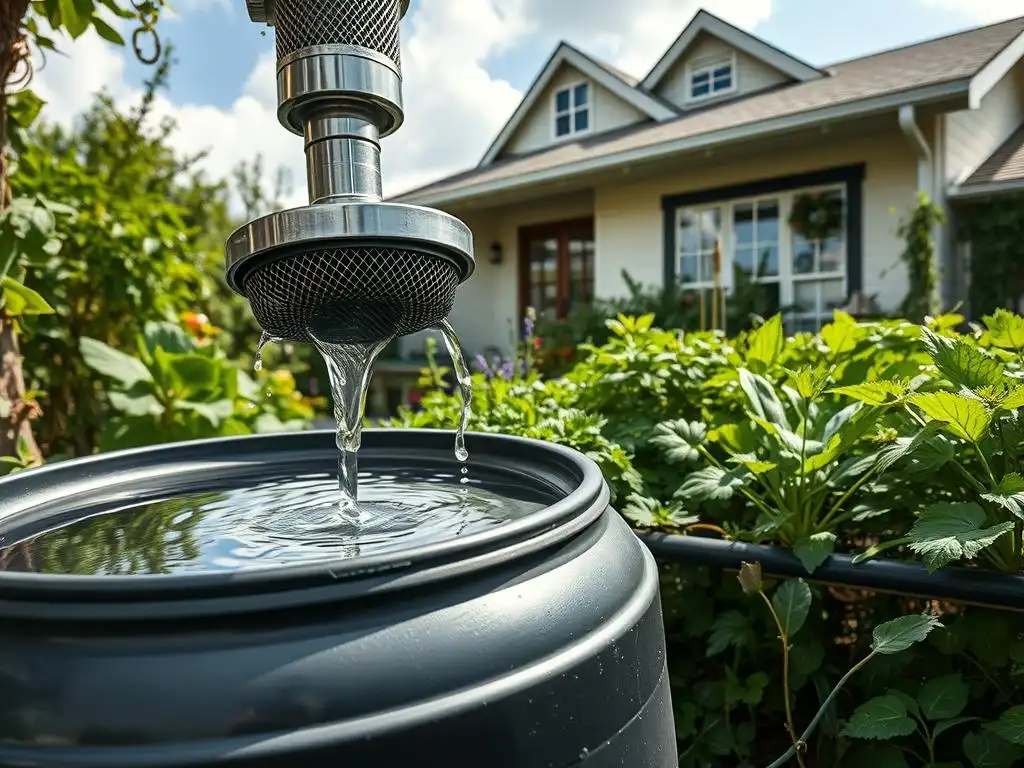
This section delves into more sophisticated methods for collecting rainwater, moving beyond basic barrel systems to maximize water capture for your home garden. Efficient rainwater collection is crucial for sustainable gardening, and these techniques offer significant improvements over simpler approaches. We'll explore strategies that boost your water supply and optimize its use for various gardening needs.
Building a Larger Rainwater Harvesting System
Scaling up your rainwater harvesting system can significantly increase your water availability. Instead of relying on individual barrels, consider a more substantial system. This could involve connecting multiple barrels together, creating a larger cistern, or even installing an underground tank. The size of the system you need depends on several factors: the size of your roof, the average rainfall in your area, and the water requirements of your garden.
Consider these points when designing a larger system:
- Roof Area: A larger roof surface area naturally collects more rainwater. Measure your roof accurately to estimate potential yield. Consider adding gutters and downspouts to every section of your roof to maximize collection.
- Storage Capacity: Calculate your garden's water needs to determine the appropriate tank size. A 1000-gallon tank might suffice for a small garden, while a larger garden might require a 5000-gallon or even larger system.
- Filtration: A larger system necessitates a robust filtration system to remove debris and sediment. This might involve multiple filters or a more sophisticated filtration setup. Regular cleaning and maintenance are vital to prevent clogging and ensure clean water for your plants.
- Overflow Protection: Plan for overflow in case of unexpectedly heavy rainfall. This could involve an overflow pipe leading to a secondary storage area or a drainage system that safely diverts excess water away from your property.
Remember, proper planning and professional installation are crucial for a larger, more efficient system. Improperly constructed systems can lead to leaks, structural damage, and ineffective water collection.
Combining Rainwater with Greywater for Irrigation
Greywater, the relatively clean wastewater from showers, sinks, and laundry (excluding toilet water), can be a valuable supplement to rainwater for irrigation. Combining these water sources can significantly reduce your reliance on municipal water and promote sustainable gardening practices. However, careful planning and filtration are essential to avoid introducing contaminants into your garden soil.
Here's how to safely integrate greywater into your rainwater harvesting system:
- Separate Collection: Collect greywater separately from rainwater. Use dedicated pipes and storage containers.
- Filtration: Greywater requires more thorough filtration than rainwater. A multi-stage filtration system is recommended to remove solids, grease, and other potential contaminants. A simple sand filter followed by a charcoal filter can be effective.
- Dilution: Dilute greywater with rainwater before using it for irrigation. A 50/50 mix is often recommended, but the optimal ratio depends on your greywater's quality and your plants' tolerance.
- Plant Selection: Choose plants tolerant of greywater. Avoid using greywater on edible plants that are consumed raw, as this can pose health risks.
- Soil Monitoring: Regularly monitor your soil's salinity and nutrient levels. Excessive use of greywater can lead to salt buildup and imbalances in soil nutrients.
Integrating greywater with rainwater offers a powerful strategy for efficient and sustainable garden irrigation, but responsible implementation is key.
Using Rainwater for Composting and Soil Enrichment
Rainwater isn't just for irrigation; it plays a vital role in composting and soil enrichment. Using collected rainwater in your composting process helps maintain moisture levels, accelerates decomposition, and creates a nutrient-rich compost ideal for your garden. It also helps to avoid using municipal water for this purpose.
Here's how to utilize rainwater for composting:
- Watering Compost Piles: Regularly water your compost piles with rainwater to maintain optimal moisture. Avoid overwatering, as this can lead to anaerobic conditions and foul odors. Aim for a consistently damp but not soggy compost pile.
- Leaking Compost Bins: If you have a leaky compost bin, the collected rainwater can contribute to the moisture content of the compost.
- Soil Enrichment: Use rainwater to dilute compost tea, a liquid fertilizer created by steeping compost in water. This provides a nutrient-rich solution for your plants.
- Seed Starting: Rainwater is ideal for starting seeds, as it's naturally soft and free of chlorine and other chemicals found in municipal water.
By incorporating rainwater into your composting routine, you create a closed-loop system that maximizes resource utilization and promotes healthy soil for your garden. This sustainable approach minimizes your environmental impact while enhancing the productivity of your garden.
Troubleshooting Common Rainwater Harvesting Issues
Rainwater harvesting, while beneficial for your garden, isn't without its challenges. Understanding and addressing common issues proactively is crucial for maximizing the efficiency of your system and ensuring a consistent supply of water for your plants. Neglecting these problems can lead to system failure, wasted water, and ultimately, a less productive garden.
One frequent problem is clogged gutters and downspouts. Leaves, twigs, and other debris readily accumulate, restricting water flow and reducing the amount collected. Regular cleaning, ideally after each significant rainfall, is essential. Consider installing gutter guards to minimize the buildup of debris, though these may require periodic maintenance as well. A simple visual inspection can often reveal blockages before they significantly impact collection. For stubborn clogs, a garden hose with a strong spray nozzle can often dislodge the obstruction.
Another common issue is leaks in the collection system. These can occur anywhere from the gutters and downspouts to the storage tank and connecting pipes. Regular inspections, particularly after heavy rainfall, are vital. Look for signs of water pooling or dampness around joints and connections. Small leaks can often be repaired with sealant, while larger ones may require more extensive repairs or even replacement of damaged components. Remember, even small leaks can significantly reduce your overall collection capacity over time. Consider using high-quality, durable materials when constructing or maintaining your system to minimize the likelihood of leaks.
Finally, contamination of the harvested water is a serious concern. Pollutants like bird droppings, pesticides, and even roof debris can compromise the water quality, making it unsuitable for your plants. Regular cleaning of the collection system is paramount to prevent contamination. The use of filters, either on the downspout or within the storage tank, can significantly improve water quality.
Consider installing a first-flush diverter, which diverts the initial runoff from the roof, carrying away the most heavily contaminated water. This helps ensure that the water collected is cleaner and safer for your plants. Regularly testing the water's pH level can also help identify potential contamination issues. Remember, clean water is essential for healthy plant growth, so addressing contamination issues promptly is key to successful rainwater harvesting.
Maintaining Your Rainwater Collection System
Efficient rainwater harvesting for your garden isn't a one-time task; it requires ongoing maintenance to ensure the system's longevity and the quality of the collected water. Neglecting maintenance can lead to clogged gutters, contaminated water, and ultimately, a system that fails to effectively collect rainwater, hindering your gardening efforts. This section details crucial steps to keep your rainwater harvesting system in top condition, helping you collect rainwater for your garden efficiently year-round.
Regular Cleaning and Maintenance Schedule
A consistent cleaning schedule is paramount for maintaining a healthy and efficient rainwater harvesting system. The frequency depends on several factors, including your local climate, the amount of rainfall, and the presence of trees or other debris near your collection area. As a general guideline, consider the following:
- Gutters and Downspouts: Inspect these at least twice a year, in spring and autumn. Remove leaves, twigs, and other debris that can clog the system and prevent efficient water flow. A thorough cleaning, perhaps using a gutter cleaning tool, is recommended. Consider cleaning more frequently during periods of heavy leaf fall.
- Collection Tanks: The frequency of tank cleaning depends on the size of your tank and the water clarity. For smaller tanks, a thorough cleaning every 6-12 months might be sufficient. Larger tanks may only require cleaning annually. During cleaning, remove sediment and debris from the bottom of the tank. Use a non-toxic cleaner if necessary, ensuring it's thoroughly rinsed before refilling. Remember to always disconnect the system before cleaning.
- Filters: Regular filter cleaning is crucial. The frequency depends on the type of filter used. Some filters need cleaning after each rainfall, while others may only need cleaning every few months. Refer to your filter's specific instructions for details. A clogged filter reduces water flow and can lead to contamination.
- Pipes and Connections: Check for leaks, cracks, or loose connections regularly. Repair or replace any damaged components promptly to prevent water loss and ensure the system's integrity.
| Maintenance Task | Frequency (Recommendation) | Tools/Materials Needed |
|---|---|---|
| Gutter Cleaning | Twice yearly (Spring/Autumn) | Gutter cleaning tool, ladder, gloves |
| Downspout Cleaning | Twice yearly (Spring/Autumn) | Ladder, gloves, brush |
| Tank Cleaning | Annually or bi-annually | Bucket, hose, non-toxic cleaner (if necessary) |
| Filter Cleaning | Varies (check filter guide) | Filter cleaning instructions, appropriate tools |
| Pipe & Connection Check | Monthly | Visual inspection, possibly tools for minor repairs |
Remember to document your cleaning and maintenance schedule. This helps ensure consistency and allows you to track any potential issues. A simple logbook or a digital spreadsheet can be effective. This proactive approach will significantly extend the lifespan of your system and ensure you efficiently collect rainwater for your garden.
Preventing Algae Growth and Bacterial Contamination
Stagnant water is a breeding ground for algae and bacteria. These contaminants can affect the quality of your collected rainwater and potentially harm your plants. Several strategies can help prevent these issues:
- Proper Tank Placement: Place your collection tanks in a shaded area to minimize sunlight exposure, which promotes algae growth. Avoid placing them near sources of potential contamination, like animal waste or chemical runoff.
- Regular Water Turnover: Ensure a good flow rate through your system. This helps prevent stagnation. Consider adding a small pump to circulate the water if necessary.
- UV Sterilization: For larger systems, UV sterilization is an excellent option. UV light effectively kills algae and bacteria without the use of harmful chemicals.
- Adding Copper: Copper is a natural algaecide. Small amounts of copper can be added to the tank to inhibit algae growth, however, be extremely cautious and follow instructions carefully as copper can be toxic to plants in high concentrations.
- Water Treatment: If you notice algae growth or suspect contamination, treat the water with a suitable non-toxic algaecide or bactericide before using it for irrigation. Always follow product instructions carefully.
The key is to maintain a clean and flowing system. Regular cleaning, proper placement, and preventative measures will go a long way in ensuring the quality of your harvested rainwater, protecting your plants, and helping you collect rainwater for your garden efficiently and safely.
Winterizing Your Rainwater Collection System
In colder climates, preparing your rainwater harvesting system for winter is essential to prevent damage from freezing temperatures. Freezing water expands, potentially causing cracks in pipes, tanks, and other components.
- Emptying the System: The most effective way to prevent damage is to completely empty the collection tank and any connected pipes. This is especially crucial if temperatures regularly fall below freezing.
- Protecting Pipes: If you can't completely empty the system, insulate exposed pipes and connections with pipe insulation sleeves or heat tape. This helps to prevent freezing.
- Cleaning and Drying: Thoroughly clean the system before winter storage. Allow all components to dry completely to prevent mold and mildew growth.
- Covering the Tank: Cover the opening of your collection tank to prevent debris and snow from entering.
- Protecting from Snow Load: Ensure the structural integrity of your tank and supports. Heavy snow accumulation can cause damage. Consider measures to prevent the build up of excess snow if necessary.
Taking these steps will protect your investment and ensure your rainwater collection system is ready for efficient use again in the spring. A well-maintained system is crucial for effective rainwater harvesting, contributing to a sustainable and thriving garden. 🌱
Extending the Lifespan of Your Rain Barrels
Rain barrels, the heart of any efficient rainwater harvesting system for your garden, require regular maintenance to ensure longevity and optimal performance. Neglecting this crucial aspect can lead to premature deterioration, costly replacements, and, ultimately, a less effective water collection system. By implementing a few simple strategies, you can significantly extend the lifespan of your rain barrels and maximize their contribution to your sustainable gardening practices.
One of the most important steps is regular cleaning. Algae and mosquito larvae thrive in standing water, so cleaning your rain barrels at least once or twice a year, depending on your climate and water usage, is essential. A thorough cleaning involves emptying the barrel completely, scrubbing the interior with a stiff brush and a solution of mild soap and water, and rinsing thoroughly.
Avoid using harsh chemicals, as these can damage the barrel and contaminate the collected water. Pay particular attention to the bottom and corners where sediment tends to accumulate. Remember to always disconnect the downspout and any other connected pipes before beginning the cleaning process.
Beyond cleaning, proper placement plays a vital role in barrel longevity. Avoid placing your barrels in direct sunlight, as prolonged exposure to UV rays can degrade the plastic and potentially leach harmful chemicals into the water. Similarly, ensure the barrels are placed on a level surface to prevent stress on the seams and potential leaks. A well-drained location is also crucial to prevent waterlogging and the build-up of moisture around the barrel base, which can accelerate decay. Consider using a sturdy base, like a pallet or concrete slab, to elevate the barrel and improve drainage.
Finally, regular inspection is key to early detection and prevention of problems. Check your rain barrels regularly for any signs of cracks, leaks, or damage. Small leaks can often be repaired using waterproof sealant, but significant damage might necessitate replacement. Inspect the connections between the downspout, the barrel, and any outflow spigots for loose fittings or signs of wear and tear.
Tighten any loose connections and replace worn-out components promptly to prevent leaks and maintain the integrity of your system. A proactive approach to maintenance will ensure your rain barrels continue to serve you efficiently for years to come, contributing significantly to your goals of collecting rainwater for your garden efficiently. Remember, a little preventative maintenance goes a long way in ensuring the long-term success of your sustainable gardening efforts.
Frequently Asked Questions
How can I efficiently collect rainwater for my garden?
You can efficiently collect rainwater using rain barrels connected to your downspouts. Consider the size of your garden when choosing barrel size and number of barrels. Proper placement and filtering are also crucial.
What are the benefits of using rainwater for my garden?
Rainwater is free, naturally soft, and doesn't contain the chemicals often found in tap water, benefiting plant health and reducing your water bill. It also helps conserve precious water resources.
What type of container is best for rainwater harvesting?
Food-grade plastic barrels are a popular and affordable choice. Ensure they are clean and free of contaminants. You can also use other appropriate containers like repurposed cisterns, but ensure they are food-safe.
How do I prevent mosquito breeding in my rainwater collection system?
Use a fine mesh screen on your downspout to prevent mosquito larvae from entering. Regularly clean your barrels and consider adding mosquito dunks which contain Bacillus thuringiensis israelensis (Bti), a bacteria that targets mosquito larvae.
How can I integrate rainwater harvesting into my existing garden design?
Plan the placement of your rain barrels carefully to minimize disruption to your existing garden layout. Consider camouflaging the barrels with plants or creating a visually appealing system that complements your garden's aesthetic.
Final Reflection: Harvesting the Bounty of the Heavens
The efficient collection of rainwater is no longer a niche hobby; it's a crucial step towards sustainable living in a world facing increasing water scarcity. This simple act, once relegated to rural homesteads, is now a vital strategy for urban gardeners and environmentally conscious homeowners alike, offering a powerful way to reduce our reliance on municipal water supplies and lessen our environmental footprint.
The shift towards rainwater harvesting reflects a growing awareness of our interconnectedness with the natural world. We are recognizing the preciousness of this resource, and the impact our actions have on the environment. This isn't just about saving money on water bills; it's about actively participating in a more sustainable future. The earth provides enough to satisfy every man's needs but not every man's greed.
- Mahatma Gandhi. This quote highlights the importance of responsible resource management, a core principle underpinning the practice of efficient rainwater collection.
Consider the potential impact of even a small rainwater harvesting system. Imagine the vibrant blooms of your garden, thriving not on dwindling municipal supplies, but on the freely given gift of the heavens. You have the power to make a difference, starting right in your own backyard.
Begin by assessing your space, researching appropriate collection methods, and implementing even a small system. Every drop collected is a step towards a greener, more resilient future, a future where we work with nature, not against it. Embrace the challenge, and reap the rewards – both for your garden and for the planet.
Unlock Your Garden's Potential: Harvest the Rain!
Thank you for exploring the world of rainwater harvesting for your garden! We hope you've gained valuable insights into maximizing this free, natural resource. Now it's time to put that knowledge into action. Here are a few ways to get started:
- Design your rainwater collection system: Begin with a simple rain barrel and plan its integration into your existing garden. This is a key step to transforming your water usage!
- Share your experience: Connect with other gardeners on our website's forum and share your successes and challenges. Let's build a thriving community of water-wise gardeners together.
- Explore diverse rainwater uses: Consider using harvested rainwater beyond watering plants; for example, cleaning outdoor equipment or refilling your birdbath.
Ready to transform your garden with the power of rainwater? What's your first step towards harvesting rain and enriching your garden?