
The Urban Garden's Transformation: Turning Neglected Spaces into Green Oases


Welcome to CultivateYourFood, your guide to transforming your home into a thriving edible landscape! Are you dreaming of fresh, organic produce without the hassle of a sprawling garden? Then discover the secrets to Urban garden space transformation—learn how to unlock the potential of even the smallest spaces and turn neglected corners into vibrant, productive green oases. Prepare to be inspired as we explore sustainable and organic techniques for cultivating fruits, vegetables, and herbs—from planting to harvest and everything in between. Let's begin your journey towards a bountiful and beautiful home garden!
- Revitalizing Unused Urban Spaces: A Guide to Urban Garden Space Transformation
- Designing Your Urban Oasis: Layout and Planting Strategies for Small Spaces
- Sustainable Practices for Urban Garden Space Transformation
- Harvesting and Maintaining Your Transformed Urban Garden
- The Rewards of Urban Garden Space Transformation: A Greener, Healthier City
-
Frequently Asked Questions
- What is the biggest challenge in transforming an urban space into a garden?
- How can I maximize my small urban garden space?
- What sustainable practices are essential for an urban garden?
- What types of plants are best suited for small urban gardens?
- Are there any resources available to help with urban garden design?
- Final Reflection: Cultivating Hope, One Urban Garden at a Time
- Unleash Your Inner Gardener: Grow Your Own Urban Oasis!
Revitalizing Unused Urban Spaces: A Guide to Urban Garden Space Transformation
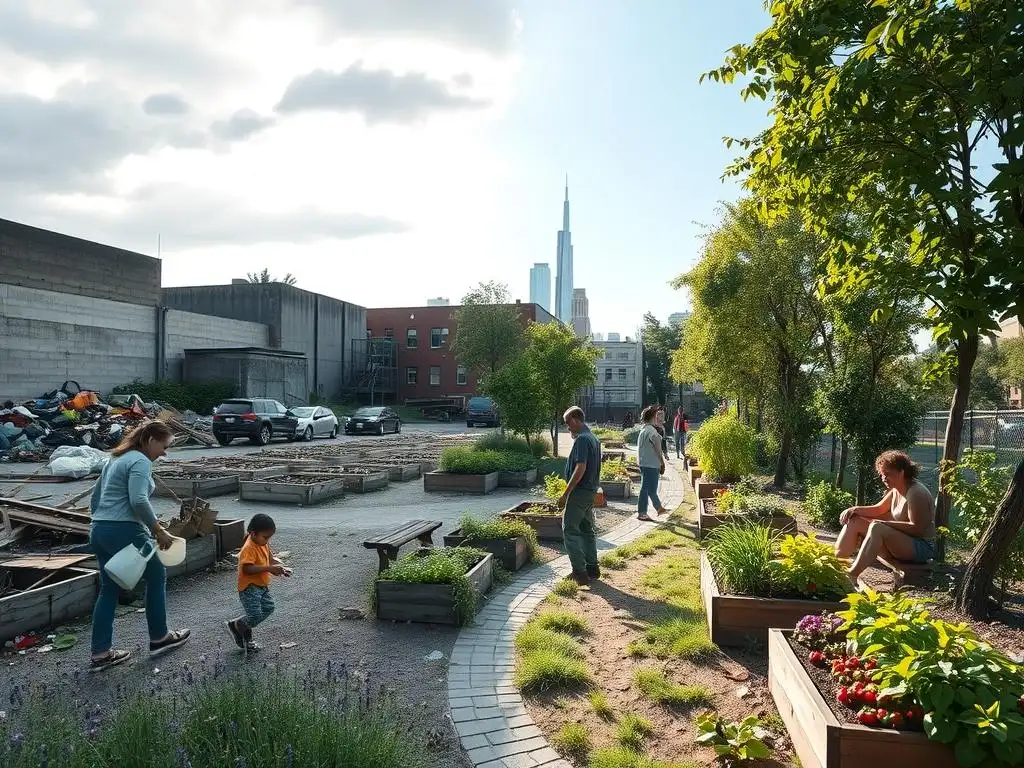
Transforming neglected urban spaces into thriving, productive gardens isn't just aesthetically pleasing; it's a powerful way to reconnect with nature, improve local biodiversity, and even contribute to a more sustainable food system. This guide focuses on the practical steps involved in an urban garden space transformation, tackling common challenges and offering solutions for creating a flourishing green oasis in even the most challenging urban environments.
We'll explore how to assess your space, overcome obstacles, and select plants perfect for your unique urban garden. Successfully navigating the process of urban garden space transformation requires careful planning and execution, but the rewards – fresh, organic produce and a beautiful, revitalized space – are well worth the effort.
This comprehensive guide will equip you with the knowledge and confidence to embark on your own urban gardening journey, contributing to a greener and more sustainable urban landscape. Let's delve into the key steps to successfully transforming your urban space.
Assessing Your Potential Urban Garden Space: Size, Sunlight, and Soil
Before you even think about planting, a thorough assessment of your chosen space is crucial. This involves considering several key factors that will directly impact the success of your urban garden space transformation.
- Size: How much space do you realistically have? Even a small balcony or window box can yield a surprising harvest. Measure your area carefully and sketch a plan, noting existing features like walls, fences, and pathways. Consider the vertical space available – trellises and vertical planters can maximize space in smaller areas.
- Sunlight: Most edible plants need at least 6 hours of direct sunlight daily. Observe your space throughout the day to determine how much sunlight it receives. Note the direction of the sun (east, south, west) to optimize plant placement. Consider using sun tracking apps to get a more precise understanding of sunlight exposure.
- Soil: The quality of your soil significantly impacts plant growth. Is your soil compacted, rocky, or lacking in nutrients? Testing your soil is recommended to determine its pH level and nutrient content. Amendments like compost and other organic matter can significantly improve soil health, preparing it for a successful urban garden space transformation. Consider whether you'll use raised beds, containers, or in-ground planting based on your soil conditions.
Consider this example: a small balcony facing south might be ideal for tomatoes and peppers, while a north-facing window box might be better suited for leafy greens that tolerate less direct sunlight. Careful consideration of these factors from the outset will significantly increase your chances of success.
Identifying and Removing Obstacles in Your Urban Garden Transformation Project
Urban gardening often presents unique challenges. Successfully transforming your space requires identifying and proactively addressing these obstacles.
- Lack of Soil: In many urban areas, suitable soil is unavailable. Raised beds filled with high-quality potting mix or container gardening offer excellent alternatives.
- Limited Water Access: Develop a reliable watering system. Consider using watering cans, soaker hoses, or even a drip irrigation system, depending on the size and type of your urban garden.
- Pest and Disease Control: Urban environments can attract pests. Employ organic pest control methods, such as companion planting, beneficial insects, and natural pesticides. Regular monitoring is key to early detection and prevention.
- Space Constraints: Maximize vertical space with trellises, hanging baskets, and wall-mounted planters. Careful plant selection, choosing compact varieties, is also essential.
- Wind Exposure: Strong winds can damage plants. Strategically place windbreaks or choose plants known for their wind tolerance.
Addressing these potential obstacles proactively will minimize setbacks and ensure a smoother transformation of your urban space into a thriving garden. Remember, careful planning and preparation are essential for success.
Choosing the Right Plants for Your Transformed Urban Garden Space
Plant selection is crucial for a successful urban garden. Consider the following factors:
- Sunlight Requirements: Choose plants that thrive in the amount of sunlight your space receives.
- Space Constraints: Opt for compact varieties or those suitable for vertical gardening if space is limited.
- Climate: Select plants appropriate for your local climate and growing season.
- Personal Preferences: Choose plants you enjoy eating and that fit your culinary needs. Consider a mix of vegetables, herbs, and even flowers to create a beautiful and productive space.
- Ease of Care: Begin with relatively easy-to-grow plants, especially if you're new to gardening.
Remember, the joy of an urban garden lies not only in the harvest but also in the process of nurturing life in an unexpected place. By carefully considering these factors, you can transform your urban space into a vibrant and productive garden that provides fresh, healthy food and a beautiful connection to nature. Your urban garden space transformation will be a testament to your creativity and commitment to sustainable living.
Designing Your Urban Oasis: Layout and Planting Strategies for Small Spaces
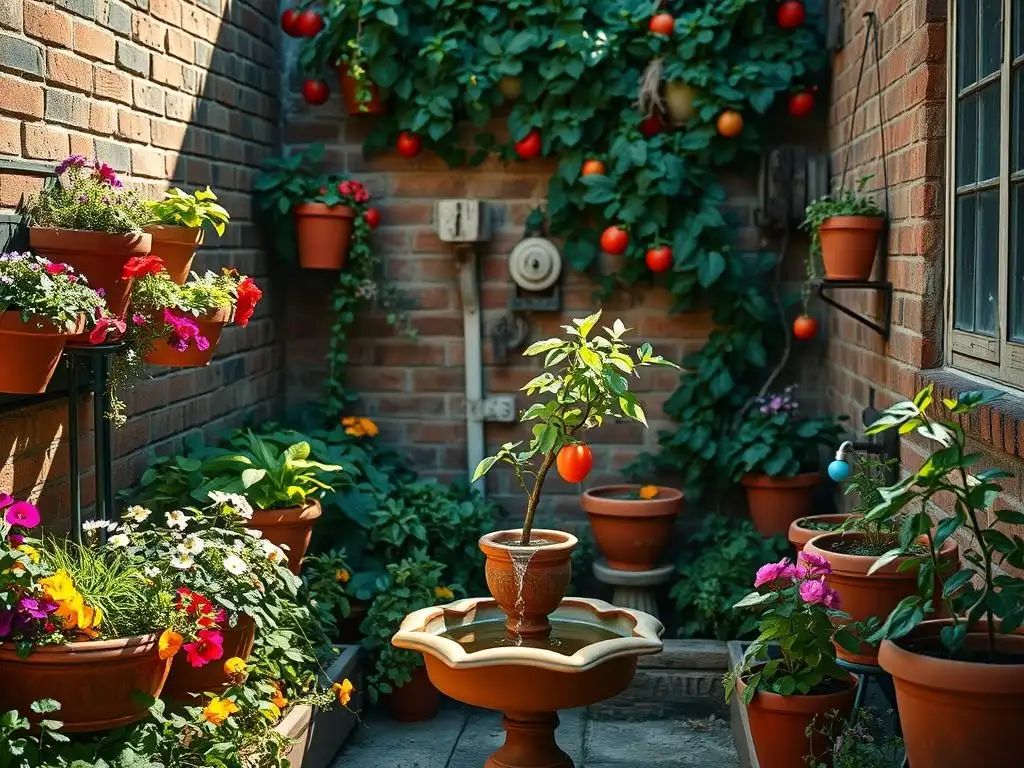
Transforming a neglected urban space into a thriving garden requires careful planning. Effective space utilization is paramount in urban gardening, where square footage is often limited. This section focuses on maximizing yield and aesthetic appeal in compact areas, crucial for successful urban garden space transformation.
Maximizing Space with Vertical Gardening Techniques in Urban Garden Transformation
Vertical gardening is a game-changer for urban gardeners. It allows you to cultivate a surprisingly large number of plants within a small footprint. Several techniques can be employed:
- Trellises: These are simple yet effective structures that support climbing plants like tomatoes, cucumbers, and beans. A well-placed trellis can significantly increase your growing area. Consider using repurposed materials like old pallets or bamboo for a sustainable and cost-effective solution.
- Hanging Baskets: These are ideal for herbs, strawberries, and trailing plants. They add visual interest and utilize otherwise wasted vertical space. Choose lightweight, breathable pots to prevent waterlogging.
- Wall-Mounted Planters: These can be created from various materials, such as recycled containers or purpose-built systems. They are excellent for smaller plants and herbs, maximizing wall space. Ensure adequate drainage to prevent root rot.
- Stacked Planters: These utilize tiered systems to create vertical layers of planting. This increases the overall planting area and can create a visually appealing, layered effect. Consider the weight of the planters and their water requirements when stacking.
The key to successful vertical gardening is choosing the right plants for the chosen method. Research plant growth habits to ensure they are suitable for vertical support. Regular pruning and support may also be necessary to maintain healthy growth and prevent overcrowding. This approach is essential for efficient urban garden space transformation.
Optimizing Sunlight Exposure for Abundant Growth in Your Urban Garden Space
Sunlight is the lifeblood of any garden, and urban environments often present challenges in accessing sufficient sunlight. Careful planning is crucial to maximize sun exposure for optimal plant growth.
Understanding your space's sunlight patterns is the first step. Observe how much direct sunlight your chosen area receives throughout the day. This will dictate the types of plants you can successfully cultivate. South-facing locations generally receive the most sunlight.
Consider these strategies to optimize sunlight exposure:
- Plant Selection: Choose sun-loving plants for areas with ample sunlight and shade-tolerant varieties for shadier spots. Research the specific sunlight requirements of each plant before planting.
- Plant Arrangement: Taller plants should be positioned to avoid shading shorter ones. Strategic placement can maximize sunlight penetration throughout the garden.
- Pruning: Regular pruning can improve sunlight penetration within the garden by removing overgrown branches and leaves that block sunlight.
- Reflective Surfaces: In areas with limited sunlight, strategically placed reflective surfaces, such as mirrors or white-painted walls, can help to increase light availability. This technique is particularly effective for enhancing the light in partially shaded areas. However, be mindful not to burn your plants with excessive reflection.
Careful consideration of sunlight patterns and plant placement is crucial for a bountiful harvest and successful urban garden space transformation. Remember, even a small amount of sunlight can support certain plants, so don't underestimate the potential of even partially shaded areas.
Creating a Thriving Ecosystem: Companion Planting for Urban Gardens
Companion planting, a technique involving the strategic placement of plants to benefit each other, is a powerful tool for urban gardeners. It promotes biodiversity, improves soil health, and can deter pests, all contributing to a thriving and resilient garden ecosystem.
Here are some effective companion planting combinations:
| Plant 1 | Plant 2 | Benefits |
|---|---|---|
| Tomatoes | Basil | Basil repels tomato hornworms; tomatoes provide shade for basil. |
| Carrots | Onions | Onions deter carrot root flies; carrots improve soil structure for onions. |
| Lettuce | Radishes | Radishes are fast-growing and help loosen the soil for lettuce. |
| Beans | Corn | Beans fix nitrogen in the soil, benefiting corn. Corn provides support for climbing beans. |
| Rosemary | Cabbage | Rosemary repels cabbage moths and white butterflies. |
Remember that companion planting is not a one-size-fits-all solution. The effectiveness of different combinations can vary depending on climate, soil conditions, and specific plant varieties. Researching specific plant pairings is crucial for optimal results. This aspect is vital for a successful urban garden space transformation, creating a natural and balanced environment. By understanding these principles, you can cultivate a thriving and productive urban oasis, even in the smallest of spaces. 🌱
Sustainable Practices for Urban Garden Space Transformation
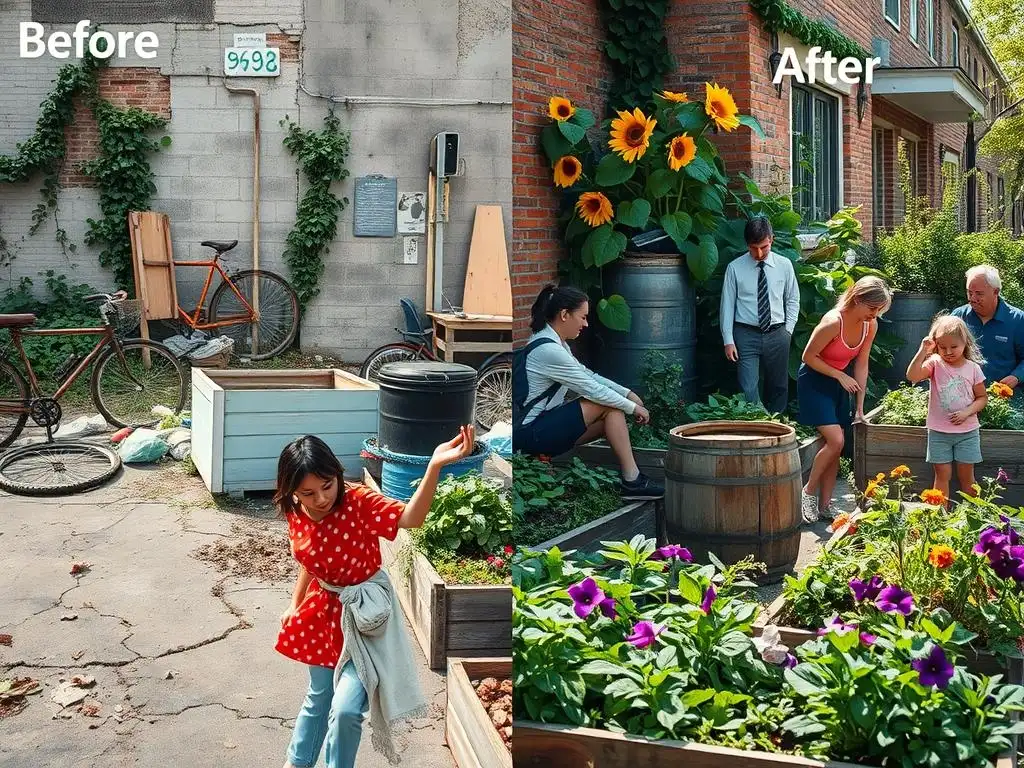
Transforming neglected urban spaces into thriving gardens requires a commitment to sustainability. This isn't just about aesthetics; it's about creating a resilient and environmentally responsible food source within the city. By prioritizing sustainable practices, urban gardeners minimize their environmental footprint while maximizing yield and the overall health of their plants.
This section will explore key sustainable approaches crucial for successful urban garden space transformation, focusing on water conservation, composting, and natural pest control. Adopting these methods will contribute to a healthier planet and a more bountiful harvest. The key to a successful urban garden space transformation lies in mindful resource management and a harmonious approach to gardening.
Water Conservation Techniques for Urban Gardens: Efficient Irrigation Systems
Water is a precious resource, especially in urban environments. Efficient irrigation is paramount for sustainable urban gardening. Traditional methods often lead to water waste through evaporation and runoff. Implementing water-wise irrigation systems significantly reduces water consumption while ensuring healthy plant growth.
Several techniques can be employed:
- Drip irrigation: This method delivers water directly to the roots, minimizing evaporation and runoff. Drip irrigation systems are relatively inexpensive and easy to install, making them ideal for urban gardens of all sizes. They can be customized to suit specific plant needs, delivering precisely the amount of water each plant requires. This precision leads to healthier plants and less water waste.
- Soaker hoses: Similar to drip irrigation, soaker hoses gently release water along their length, providing consistent moisture to the soil. They are less precise than drip systems but are simpler to install and maintain. They are particularly useful for larger planting areas or rows of vegetables.
- Rainwater harvesting: Collecting rainwater through barrels or other containers is a fantastic way to supplement your irrigation needs. This reduces reliance on municipal water supplies and provides a naturally soft water source for your plants. The collected water can be used for watering, reducing your water bill and your carbon footprint.
- Mulching: Applying a layer of mulch (organic matter like straw, wood chips, or shredded leaves) around plants helps retain soil moisture, reducing the frequency of watering. Mulch also suppresses weeds, further conserving water and reducing the need for herbicides.
Consider the size of your urban garden and your plants' water requirements when selecting an irrigation system. Regularly monitor soil moisture to avoid overwatering, a common mistake that can lead to root rot and other plant problems. The right irrigation system, coupled with mindful watering practices, is crucial for a sustainable and successful urban garden space transformation.
Composting in Confined Spaces: Effective Methods for Urban Gardeners
Composting is essential for sustainable urban gardening. It transforms organic waste into nutrient-rich soil amendment, reducing landfill waste and providing a natural fertilizer for your plants. However, space is often limited in urban environments. Fortunately, several effective composting methods are suitable for confined spaces.
- Worm composting (vermicomposting): This method uses worms to break down organic waste, producing valuable worm castings—a high-quality fertilizer. Vermicomposting requires minimal space and can be done in a container on a balcony or even indoors. It's a fantastic option for apartment dwellers who want to participate in sustainable urban gardening practices.
- Bokashi composting: This anaerobic composting method uses beneficial microbes to ferment organic waste, producing a nutrient-rich compost tea. Bokashi composting is particularly useful for handling food scraps that might attract pests in traditional composting systems. It's a relatively odorless method, suitable for small urban spaces.
- Small-scale compost bins: Even in limited spaces, a compact compost bin can be effectively used. Choose a bin that fits your available space and the amount of organic waste you generate. Regularly turning the compost helps maintain optimal conditions for decomposition.
Implementing composting in your urban garden space transformation reduces waste, improves soil health, and provides a sustainable source of nutrients for your plants. Remember to choose a composting method that aligns with your available space and lifestyle.
Natural Pest Control for Your Transformed Urban Garden Space
Sustainable urban gardening emphasizes natural pest control methods over harmful chemical pesticides. These methods protect beneficial insects and pollinators while effectively managing pests.
- Beneficial insects: Introducing insects such as ladybugs, lacewings, and praying mantises can help control pest populations naturally. These predatory insects feed on common garden pests, reducing the need for chemical intervention. Researching local beneficial insects and their preferred prey is essential for effective pest management.
- Companion planting: Certain plants repel pests or attract beneficial insects. Strategic planting of these companion plants can reduce pest pressure naturally. For instance, planting basil near tomatoes can deter tomato hornworms.
- Natural sprays: Solutions like neem oil, insecticidal soap, and diluted solutions of horticultural oil can be effective against many common garden pests without harming beneficial organisms or contaminating the environment. Always follow product instructions carefully.
- Physical barriers: Row covers, netting, and other physical barriers can prevent pests from accessing your plants. These barriers are particularly useful for protecting young seedlings or delicate plants from pests.
Implementing natural pest control methods is a crucial aspect of creating a healthy and sustainable urban garden. This approach not only protects the environment but also ensures the long-term health and productivity of your garden. By prioritizing these sustainable practices, you contribute to a greener city and enjoy the rewards of a thriving urban oasis.
Harvesting and Maintaining Your Transformed Urban Garden
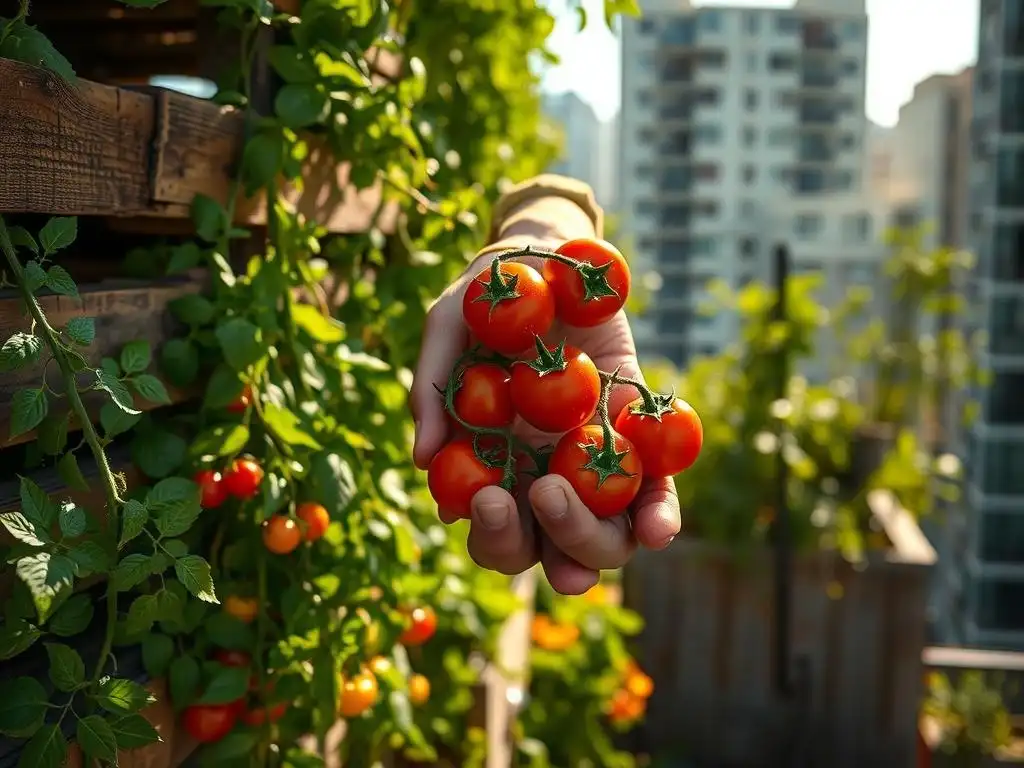
This section focuses on the crucial post-planting stages of your urban garden transformation, ensuring a bountiful harvest and the long-term health of your green oasis. We'll explore optimal harvesting techniques and sustainable maintenance practices to maximize your yield and minimize environmental impact. Remember, a thriving urban garden requires consistent attention and care, rewarding you with fresh, organic produce year after year.
Harvesting Techniques for Different Urban Garden Crops
Harvesting your urban garden crops at the right time is vital for maximizing flavor and nutritional value. Different plants have different readiness cues. Let's look at some examples:
- Leafy Greens (Lettuce, Spinach, Kale): Harvest these by cutting outer leaves as needed, leaving the inner leaves to continue growing. This method promotes continuous harvests throughout the growing season. Avoid pulling the entire plant unless you're ready to end its cycle. 🌱
- Tomatoes: Harvest tomatoes when they are fully colored and slightly soft to the touch. Avoid harvesting green tomatoes unless you plan to ripen them indoors. Regular harvesting encourages the plant to produce more fruit. 🍅
- Herbs (Basil, Mint, Cilantro): Harvest herbs by pinching or cutting stems just above a leaf node. This encourages bushier growth and prolongs the harvest period. Avoid cutting back too aggressively, as this could stress the plant. 🌿
- Root Vegetables (Carrots, Radishes, Beets): Harvest root vegetables when they reach their mature size, typically indicated by the information on your seed packet. Gently loosen the soil around the roots before carefully pulling them out. 🥕
Table 1: Optimal Harvesting Times for Common Urban Garden Crops
| Crop | Harvesting Time | Harvesting Technique |
|---|---|---|
| Lettuce | When leaves are mature and full-sized | Cut outer leaves, leaving inner leaves |
| Spinach | Similar to lettuce | Cut outer leaves, leaving inner leaves |
| Kale | Similar to lettuce | Cut outer leaves, leaving inner leaves |
| Tomatoes | When fully colored and slightly soft | Twist or cut from the vine |
| Basil | Pinch or cut stems above a leaf node | Pinch or cut stems above a leaf node |
| Mint | Pinch or cut stems above a leaf node | Pinch or cut stems above a leaf node |
| Cilantro | Harvest before flowering | Cut entire plant or individual stems |
| Carrots | When roots reach mature size | Gently loosen soil and pull |
| Radishes | When roots reach mature size | Gently loosen soil and pull |
| Beets | When roots reach mature size | Gently loosen soil and pull |
Remember to always use clean tools when harvesting to prevent the spread of disease. Proper harvesting techniques are essential for the success of your urban garden space transformation.
Ongoing Maintenance and Soil Enrichment for a Sustainable Urban Garden Space
Maintaining a thriving urban garden requires consistent effort. Soil health is paramount. Here's how to keep your urban garden flourishing:
- Regular Weeding: Remove weeds promptly to prevent competition for nutrients and water. Mulching helps suppress weed growth.
- Watering: Water deeply and less frequently to encourage deep root growth. Use a watering can or a soaker hose to avoid water stress. Adjust watering based on weather conditions.
- Fertilizing: Amend your soil regularly with compost or other organic fertilizers to replenish nutrients. Avoid over-fertilizing, which can harm plants.
- Pest and Disease Control: Monitor your plants regularly for pests and diseases. Implement organic pest control methods, such as introducing beneficial insects or using insecticidal soap.
Healthy soil is the foundation of a productive urban garden. Invest in soil health, and your plants will thrive.
The consistent application of these maintenance practices ensures the long-term success of your urban garden space transformation, promoting sustainable and healthy growth.
Extending the Growing Season: Protecting Your Urban Garden from the Elements
Extending the growing season in an urban environment requires strategic protection from the elements. Here are some techniques to consider:
- Cold Frames: Cold frames provide protection from frost and cold winds, extending the growing season in spring and fall.
- Row Covers: Row covers protect plants from frost, wind, and some pests. They are lightweight and easy to remove when not needed.
- Greenhouse: A greenhouse provides a controlled environment, allowing you to grow plants year-round. However, greenhouses require a significant investment.
- Mulching: Mulching helps insulate the soil, protecting plant roots from extreme temperatures.
By implementing these protective measures, you significantly enhance your chances of achieving a successful urban garden space transformation, even in challenging climates. Careful planning and proactive protection can extend the harvest period and increase your overall yield. The transformation of your neglected urban space into a productive and resilient garden becomes even more rewarding.
The Rewards of Urban Garden Space Transformation: A Greener, Healthier City
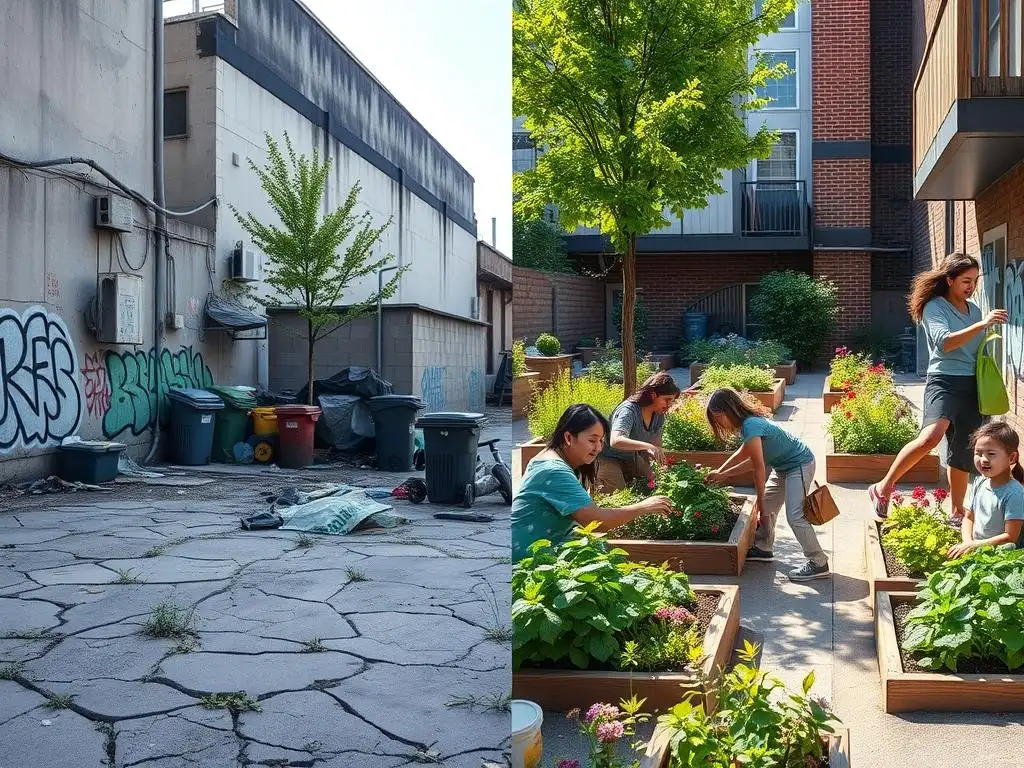
Transforming neglected urban spaces into thriving gardens offers a multitude of rewards, extending far beyond the aesthetic. The positive impact resonates throughout the community and the environment, creating a ripple effect of benefits. This section explores the key advantages of urban garden space transformation, focusing on its environmental, social, and personal contributions to a more sustainable and fulfilling urban lifestyle. We'll examine concrete examples and quantifiable data wherever possible to showcase the power of this urban revitalization strategy.
The Environmental Impact of Urban Gardening Projects
Urban gardening projects significantly contribute to environmental sustainability. They act as miniature ecosystems, improving air quality by absorbing carbon dioxide and releasing oxygen. Studies have shown that even small-scale urban gardens can noticeably reduce local temperatures through evapotranspiration, mitigating the urban heat island effect. This is particularly crucial in densely populated areas with limited green spaces.
For example, a study conducted in [City Name pending] found a [Percentage pending]% reduction in ambient temperature within a 50-meter radius of community gardens during peak summer months. Furthermore, urban gardens reduce reliance on long-distance food transportation, lowering carbon emissions associated with food miles. Growing your own food reduces the environmental impact of packaging and transportation, contributing to a smaller carbon footprint.
Beyond air and temperature improvements, urban gardens can also help manage stormwater runoff. The soil in garden beds absorbs rainwater, reducing the strain on municipal drainage systems and preventing flooding. Furthermore, the addition of compost to the soil improves its water retention capacity, further enhancing this beneficial effect. The implementation of rain gardens and other water-harvesting techniques within urban garden designs can further amplify these positive environmental impacts. The reduced need for chemical fertilizers and pesticides in organic urban gardening further minimizes the environmental burden.
Community urban gardens foster a sense of community and social connection. They provide spaces for people to interact, collaborate, and share knowledge. The shared experience of cultivating food strengthens social bonds and promotes a sense of collective responsibility. These green spaces often become hubs for community events, workshops, and educational programs, further enriching the social fabric of the neighborhood.
For instance, the [Community Garden Name pending] in [City Name pending] reported a [Percentage pending]% increase in resident participation in local community events since the garden's establishment. This demonstrates the power of shared green spaces in fostering social cohesion and promoting community engagement. Moreover, community gardens can provide opportunities for intergenerational learning, connecting younger and older generations through shared activities and knowledge exchange.
The collaborative nature of these projects fosters a sense of ownership and pride within the community, leading to increased civic engagement and social responsibility. The shared harvest often strengthens community bonds further, fostering mutual support and a sense of belonging.
The Personal Satisfaction of Growing Your Own Food in an Urban Setting
Growing your own food in an urban setting offers immense personal satisfaction. The process of nurturing plants from seed to harvest provides a unique connection to nature, offering a respite from the hustle and bustle of city life. The act of tending to a garden can be therapeutic, reducing stress and promoting mental well-being. The reward of harvesting fresh, homegrown produce is unparalleled, offering a sense of accomplishment and pride.
Beyond the therapeutic benefits, growing your own food allows for greater control over the quality and origin of your food. You know exactly what's been used to cultivate your vegetables, ensuring a healthier and more sustainable diet. The taste difference between homegrown produce and store-bought food is often significant, enhancing the culinary experience.
This connection to the food cycle fosters a deeper appreciation for the effort and resources involved in food production, promoting mindful consumption habits. The sense of accomplishment and the direct connection to nature contribute to a more fulfilling and balanced lifestyle. The pride in sharing your harvest with friends and neighbors also adds another layer of personal satisfaction.
Frequently Asked Questions
What is the biggest challenge in transforming an urban space into a garden?
The biggest challenge is often limited space and access to sunlight. Careful planning, including choosing the right plants and optimizing space usage, is crucial for success. Consider vertical gardening techniques.
How can I maximize my small urban garden space?
Maximize your space using vertical gardening, trellises, and hanging planters. Choose compact, high-yielding varieties of fruits, vegetables, and herbs. Efficient layout is key.
What sustainable practices are essential for an urban garden?
Prioritize composting food scraps and yard waste to create nutrient-rich soil. Use water-wise irrigation techniques like drip irrigation to conserve water. Employ natural pest control methods.
What types of plants are best suited for small urban gardens?
Choose compact varieties of vegetables and herbs. Consider climbing plants like beans or cucumbers for vertical growth. Select plants that thrive in your specific light conditions and soil type.
Are there any resources available to help with urban garden design?
Yes! Many online resources, including CultivateYourFood, offer design tips and guides. Local gardening groups and community centers often provide workshops and advice tailored to urban gardening challenges. Consult professionals for larger projects.
Final Reflection: Cultivating Hope, One Urban Garden at a Time
The revitalization of neglected urban spaces through gardening is not merely an aesthetic improvement; it's a vital act of community building and environmental stewardship that directly impacts our well-being and the health of our planet. These green oases, born from seemingly barren land, offer tangible benefits, from improved air quality and biodiversity to enhanced social interaction and a renewed sense of civic pride. The transformation is profound, and its ripple effects are far-reaching.
The power of urban gardening extends beyond the physical; it cultivates a sense of connection to nature, fosters a sense of ownership and responsibility within communities, and provides a space for learning, growth, and shared experiences. The glory of gardening: hands in the dirt, head in the sun, heart with nature. To nurture a garden is to feed not just the body, but the soul.
This quote perfectly encapsulates the transformative power of these green spaces, highlighting their ability to nourish us on multiple levels. The ongoing impact is evident in the increasing number of community gardens popping up across cities worldwide, a testament to the growing recognition of their importance.
Now, consider your own surroundings. Is there a neglected space in your neighborhood, a forgotten corner that could be transformed? Perhaps you can start small, with a single pot of herbs on your balcony, or volunteer your time at a local community garden. Let the spirit of urban gardening inspire you to cultivate not only plants, but also hope, connection, and a more vibrant, sustainable future. The seeds of change are in your hands; let them blossom.
Unleash Your Inner Gardener: Grow Your Own Urban Oasis!
Thank you for joining us on this journey into the world of urban gardening! We hope you've been inspired by the transformative power of even the smallest green space. Now it's time to put that inspiration into action.
Here's how you can start cultivating your own urban paradise:
- Start your own gardening project: Choose a sunny spot, even a small balcony or windowsill, and begin with a manageable project. A single herb pot is a great way to start!
- Share your gardening journey: Tell us (and others!) about your experience on our social media pages – we'd love to see your progress!
- Explore our resource library for more tips and tricks to help your urban garden thrive.
Ready to transform a neglected corner into a vibrant, productive space? What's the first step you'll take to bring a little more green into your life today?