
Best Container Vegetables for Small Spaces

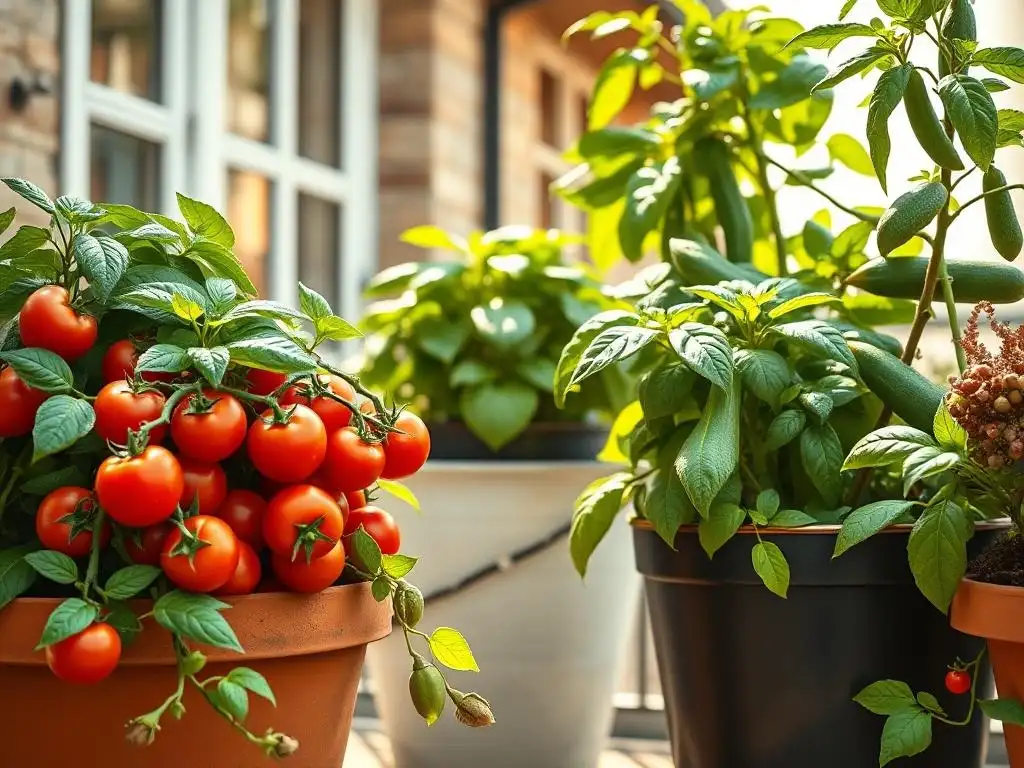
Ready to transform your small space into a thriving edible garden? At CultivateYourFood, we believe everyone can enjoy the bounty of homegrown produce, regardless of space limitations. Discover the secrets to successful container gardening with our expert guide on the best vegetables for small containers. Learn which varieties flourish in limited spaces, and unlock the potential of your balcony, patio, or even windowsill. Let's get growing!
- Choosing the Best Vegetables for Small Container Gardens
-
Top Performing Vegetables for Small Containers
- Cherry Tomatoes: A Bountiful Harvest in Limited Space
- Bush Beans: Easy Growing and Quick to Maturity
- Peppers: Spicy and Sweet Varieties for Small Containers
- Lettuce and Leafy Greens: Successive Planting for Continuous Harvest
- Radishes and Other Fast-Growing Root Vegetables: Quick Returns in Small Spaces
-
Optimizing Your Small Container Vegetable Garden
- Soil Selection and Preparation for Container Vegetables
- Watering Techniques for Container Vegetables: Avoiding Overwatering and Underwatering
- Fertilizing Your Container Vegetables: Nutrient-Rich Soil Amendments
- Pest and Disease Control in Small Container Gardens: Organic Solutions
- Harvesting Your Container Vegetables: Maximizing Yields and Freshness
- Frequently Asked Questions
- Final Reflection: Cultivating Abundance in Confined Spaces
- Unlock Your Urban Garden: Grow More, Worry Less!
Choosing the Best Vegetables for Small Container Gardens
Cultivating a thriving vegetable garden doesn't require acres of land. Even those with limited outdoor space can enjoy the bounty of homegrown produce by embracing container gardening. This comprehensive guide focuses on selecting the best vegetables for small containers, helping you maximize yield and flavor within confined areas. We'll explore space-saving varieties, the importance of proper container sizing, and other crucial considerations for successful container vegetable gardening, ensuring you reap a rewarding harvest, no matter how small your space.
This guide is perfect for apartment dwellers, balcony gardeners, and anyone wanting to bring the freshness of homegrown vegetables to their doorstep, regardless of the size of their plot. Let's delve into the exciting world of compact, high-yielding vegetables perfect for containers! 🎉
Space-Saving Vegetable Varieties: Compact and High-Yielding Options
Choosing the right vegetable variety is paramount for success in container gardening. Many vegetables are naturally compact or can be trained to stay small, making them ideal for small spaces. Here are some top contenders for your container garden:
- Cherry Tomatoes: These prolific producers come in a variety of colors and flavors, and many dwarf varieties remain compact even without pruning. Their relatively small size makes them perfect for even the smallest containers. 🍅
- Bush Beans: Unlike pole beans that need vertical support, bush beans grow in a compact bush, requiring less space. They also produce a plentiful harvest in a short period.
- Lettuce: Loose-leaf lettuce varieties are excellent choices, as they don't require much space and can be harvested continuously. Consider varieties like "Black Seeded Simpson" or "Red Sails" for a beautiful and tasty addition to your garden. 🥬
- Radishes: These fast-growing root vegetables are perfect for small containers. They mature quickly, allowing for multiple harvests throughout the season.
- Peppers (Mini varieties): Choose compact pepper varieties like "Sweet Banana" or "Jalapeño M" for a manageable size and delicious peppers. 🌶️
- Dwarf Zucchini: While zucchini can be prolific, selecting dwarf varieties ensures it remains manageable in a container. Regular harvesting is crucial to prevent overcrowding.
Selecting the Right Container Size for Optimal Growth
The size of your container directly impacts the growth and yield of your vegetables. While small containers can work for certain plants, larger containers generally provide better results, especially for larger plants or those with extensive root systems.
| Vegetable Type | Recommended Container Size (minimum) | Notes |
|---|---|---|
| Cherry Tomatoes | 5 gallons | Larger containers are ideal for more substantial yields. |
| Bush Beans | 3-5 gallons | Well-draining soil is crucial for preventing root rot. |
| Lettuce | 2-3 gallons | Can be grown in smaller containers, but larger ones allow for more plants. |
| Radishes | 1 gallon | Shallow containers are sufficient. |
| Mini Peppers | 3-5 gallons | Larger containers provide better fruit production. |
| Dwarf Zucchini | 10-15 gallons | Requires a spacious container to accommodate its growth. |
Remember to choose containers with adequate drainage holes to prevent waterlogging, which can damage roots.
Essential Considerations for Container Vegetable Gardening in Small Spaces
Successful container gardening requires attention to detail. Here are some key considerations:
- Sunlight: Most vegetables need at least 6-8 hours of direct sunlight daily. Choose a sunny location for your containers. ☀️
- Soil: Use high-quality potting mix formulated for containers; avoid using garden soil. Potting mixes generally contain components that aid drainage, which is essential for container gardening.
- Watering: Container plants dry out more quickly than those in the ground. Water regularly, checking soil moisture frequently.
- Fertilizing: Container vegetables require regular fertilization to ensure optimal growth and yield. Use a balanced liquid fertilizer according to package directions.
- Pest and Disease Control: Monitor your plants regularly for pests and diseases. Address problems promptly to prevent widespread damage.
By carefully considering these factors, you can create a thriving and productive container vegetable garden even in the smallest of spaces. Happy gardening! 🥕
Top Performing Vegetables for Small Containers
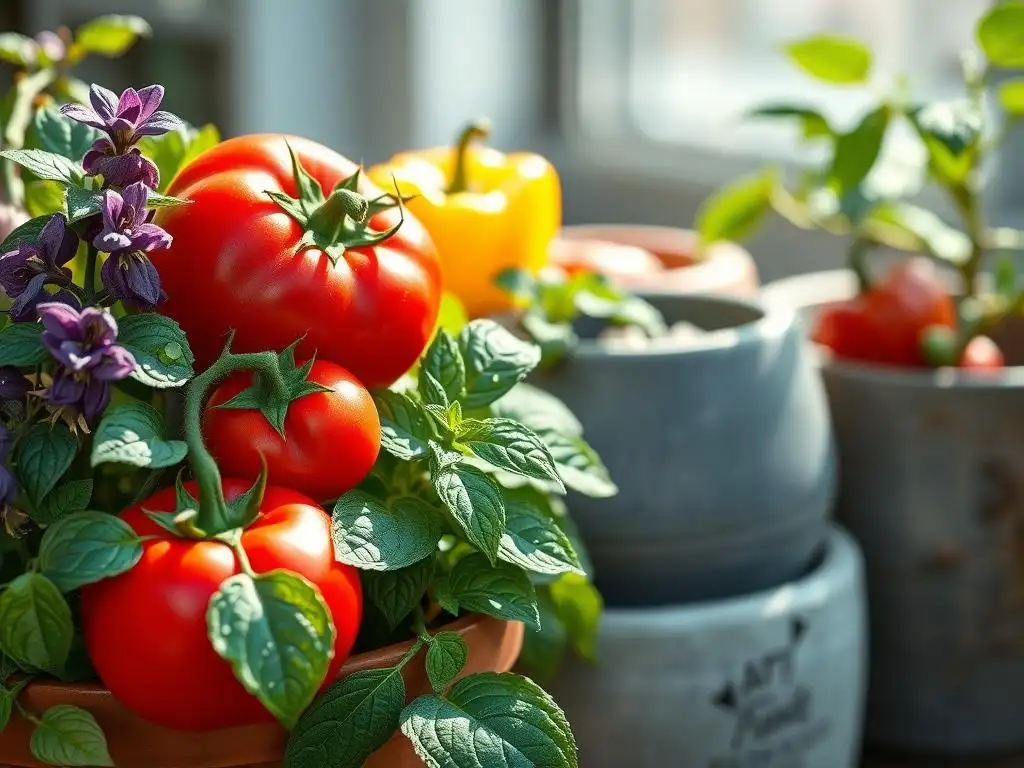
This section explores some of the best vegetables for small containers, focusing on varieties that thrive in restricted root systems and offer a rewarding harvest despite limited space. Choosing the right plant is crucial for successful container gardening, and understanding the specific needs of each vegetable will maximize your yield. We'll delve into the details of three top performers: cherry tomatoes, bush beans, and peppers. Remember, even with the best choices, proper soil, sunlight, and watering are essential for a thriving garden.
Cherry Tomatoes: A Bountiful Harvest in Limited Space
Cherry tomatoes are a fantastic choice for small-space gardening. Their compact nature and prolific fruiting make them ideal for containers. Several varieties are specifically bred for container cultivation, boasting exceptional yields even in limited root zones.
Several factors contribute to their success in containers:
- Determinate Growth Habit: Many cherry tomato varieties are determinate, meaning they grow to a certain height and then stop, unlike indeterminate varieties which continue growing indefinitely. This makes them easier to manage in containers and prevents them from becoming too sprawling.
- Shallow Root Systems: Cherry tomatoes don't require exceptionally deep roots, making them well-suited to smaller containers. A 5-gallon container is generally sufficient for a single plant.
- High Yield: Despite their compact size, cherry tomatoes can produce an abundance of fruit throughout the growing season. You can expect a substantial harvest, even from a single plant in a container.
- Variety: Numerous cherry tomato cultivars are available, offering a range of flavors, colors, and ripening times. Consider exploring different varieties to find your favorites!
For optimal results, choose a container with good drainage and use a high-quality potting mix formulated for vegetables. Regular watering and fertilization are also crucial for a bountiful harvest. Remember to stake or cage your plants to support the weight of the ripening tomatoes.
Bush Beans: Easy Growing and Quick to Maturity
Bush beans are another excellent option for container gardening, particularly for beginners. Their compact growth habit and relatively short growing season make them a low-maintenance, high-reward choice.
Here's what makes bush beans perfect for small containers:
- Compact Size: Unlike pole beans, which require vertical support and climb, bush beans remain relatively compact, making them suitable for smaller containers. A 12-15 inch pot can comfortably support a single bush bean plant.
- Fast Maturation: Bush beans are quick to mature, typically producing their first harvest within 50-60 days of planting. This means you can enjoy fresh beans sooner than with many other vegetables.
- Easy to Grow: Bush beans are generally easy to grow, even for novice gardeners. They require minimal care and are relatively resistant to pests and diseases.
- Variety: A wide variety of bush bean types are available, offering different flavors, colors, and sizes. Explore options like yellow wax beans or green beans for a diverse harvest.
Ensure your container has ample drainage and use a well-draining potting mix. Consistent watering and fertilization will support vigorous growth and a plentiful bean harvest. Regular harvesting encourages continued production.
Peppers: Spicy and Sweet Varieties for Small Containers
Peppers, both sweet and hot, are surprisingly well-suited to container gardening. Many varieties are compact and produce a significant number of peppers even in limited space.
Consider these advantages of growing peppers in containers:
- Compact Varieties: Numerous pepper cultivars are specifically bred for containers, remaining relatively small and manageable. Look for compact or dwarf varieties explicitly labeled for containers.
- Sun-Loving Nature: Peppers thrive in full sun, making them ideal for sunny balconies or patios. Ensure your container receives at least 6-8 hours of direct sunlight daily.
- Long Growing Season: Peppers have a relatively long growing season, so start seeds indoors or purchase transplants to get a head start. This will maximize your yield before the first frost.
- Flavor Diversity: From mild bell peppers to fiery jalapeños, the variety of pepper types is immense. Experiment with different cultivars to discover your favorites.
When growing peppers in containers, choose a pot at least 12 inches in diameter and use a well-draining potting mix. Consistent watering and regular fertilization are key to a successful harvest. Consider using a trellis or stake for taller varieties to prevent them from becoming top-heavy. Remember to protect your plants from strong winds which can damage them.
Lettuce and Leafy Greens: Successive Planting for Continuous Harvest
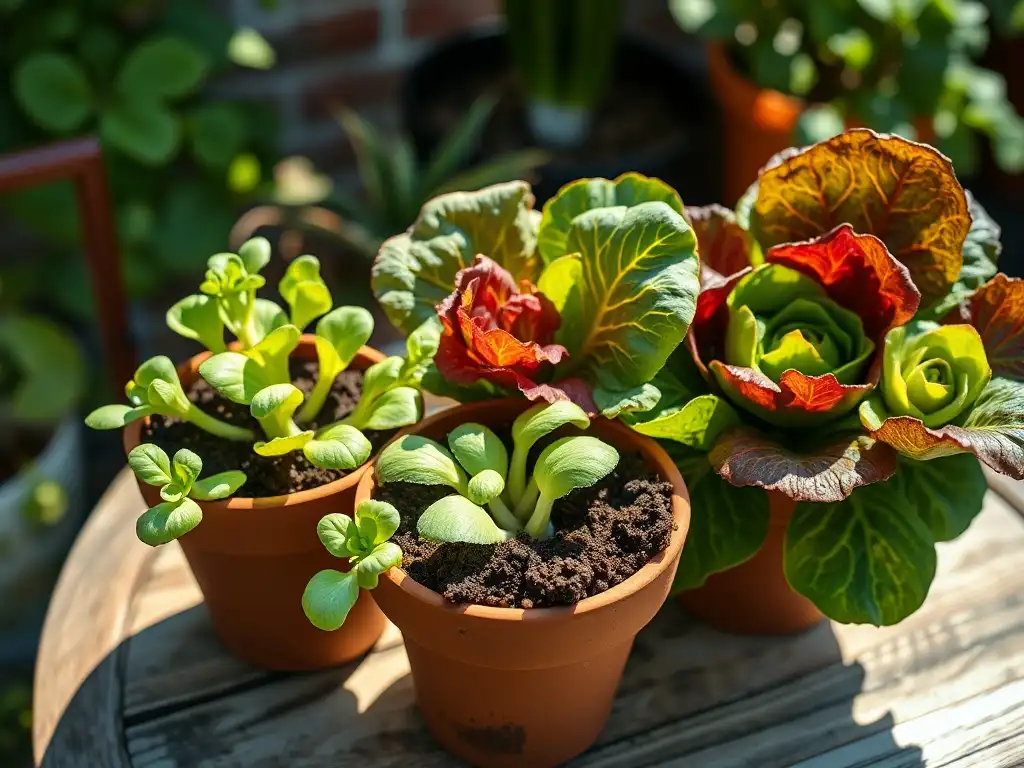
Lettuce, spinach, arugula, and other leafy greens are excellent choices for small containers. Their shallow root systems thrive in relatively small pots, making them ideal for balconies, patios, or even windowsills. The key to maximizing your harvest with these crops is successive planting. Instead of planting all your seeds or seedlings at once, stagger your plantings every two to three weeks. This ensures a continuous supply of fresh greens throughout the growing season.
For example, you could plant a batch of lettuce in April, another in early May, and a final batch in June. This strategy prevents an overwhelming abundance at one time and extends your harvest well into the summer. Consider using different varieties of lettuce to further extend the harvest. Some varieties, like loose-leaf lettuce, mature faster than others, like head lettuce.
By combining fast and slow-maturing varieties in your successive plantings, you’ll enjoy a consistent supply of fresh greens throughout the season. Remember to provide adequate sunlight (at least 6 hours a day) and water regularly, ensuring the soil remains consistently moist but not waterlogged. Proper soil drainage is crucial to prevent root rot, a common problem for container-grown plants. Adding a layer of compost to your potting mix improves soil structure and fertility, promoting healthy growth.
Radishes and Other Fast-Growing Root Vegetables: Quick Returns in Small Spaces
Radishes are a champion of quick-growing vegetables, perfect for small container gardens. Their short growing season (typically 3-4 weeks) means you can enjoy a rapid harvest, even in limited space. A 6-inch pot is often sufficient to grow several radishes successfully. Beyond radishes, consider other fast-maturing root vegetables like carrots (choose smaller varieties like 'Chantenay' or 'Nantes'), turnips, and scallions. These vegetables, while requiring slightly more space than radishes, still fit comfortably in relatively small containers, offering a diverse range of flavors and textures.
When planting, ensure the container has good drainage to prevent root rot and waterlogging. Well-drained soil is essential for healthy root development. Remember to thin your seedlings once they've germinated to give each plant enough room to grow. Overcrowding can lead to stunted growth and smaller, less flavorful vegetables.
For optimal growth, choose a sunny location and water consistently, especially during dry periods. Regular watering is key to preventing the roots from drying out, especially in containers which can dry out more quickly than in-ground gardens. Consider using a container with a water reservoir to help maintain consistent moisture levels. Harvesting early and often will encourage more growth and prevent the roots from becoming woody or bitter.
Optimizing Your Small Container Vegetable Garden
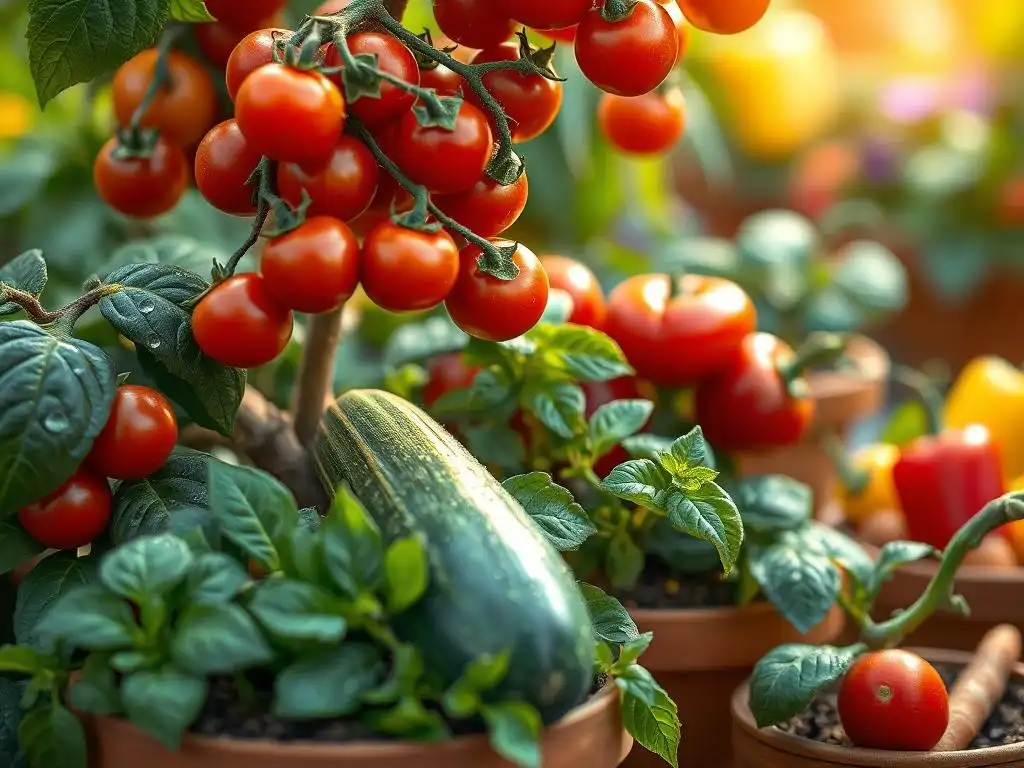
This section focuses on maximizing yield and health in your small-space container vegetable garden. Choosing the right vegetables is only half the battle; proper soil, watering, and fertilization are crucial for success. We'll explore these key elements to help you cultivate thriving plants even in limited areas. Remember, even small containers can produce abundant harvests with the right care. This section will equip you with the knowledge to cultivate the best vegetables for small containers, ensuring a bountiful and sustainable yield.
Soil Selection and Preparation for Container Vegetables
The foundation of a successful container garden lies in the quality of your soil. Unlike in-ground gardening, you have complete control over the soil composition within your containers. Choosing the right soil mix is paramount for optimal growth. Avoid using garden soil directly from your yard, as it can be too heavy and compact for containers, leading to poor drainage and root rot.
Instead, opt for a well-draining, nutrient-rich potting mix specifically designed for containers. Look for mixes that contain a blend of peat moss, coco coir, perlite, and vermiculite. These components provide excellent aeration, water retention, and drainage, crucial for healthy root development. Adding compost to your potting mix further enhances its nutrient content and improves soil structure. Aim for a mix that's light and fluffy, allowing for easy root penetration and oxygen flow. The texture should resemble that of a moist sponge, not heavy clay.
Before planting, it's essential to thoroughly moisten the potting mix. This ensures even hydration throughout the container and helps prevent transplant shock. Gently mix the soil to ensure even distribution of nutrients and avoid creating air pockets. Avoid over-compacting the soil, as this can restrict root growth. Proper soil preparation is a fundamental step in achieving the best vegetables for small containers.
Watering Techniques for Container Vegetables: Avoiding Overwatering and Underwatering
Watering container vegetables requires a delicate balance. Overwatering can lead to root rot and fungal diseases, while underwatering results in wilting and stunted growth. The key is to maintain consistently moist but not soggy soil. The frequency of watering depends on several factors, including container size, plant type, weather conditions, and soil type.
Smaller containers dry out more quickly than larger ones, requiring more frequent watering. Clay pots, being porous, also dry out faster than plastic or metal containers. Check the soil moisture regularly by inserting your finger a couple of inches into the soil. If the soil feels dry to the touch, it's time to water. Water thoroughly until water drains from the drainage holes, ensuring the entire root system receives adequate moisture. However, avoid letting the container sit in standing water, as this can lead to root rot.
Consider using a moisture meter to monitor soil moisture levels accurately. This eliminates guesswork and helps you avoid both overwatering and underwatering. Mulching the surface of the soil with organic matter like straw or shredded leaves can help retain moisture and reduce the frequency of watering. Proper watering techniques are critical for achieving the best results when growing the best vegetables for small containers.
Fertilizing Your Container Vegetables: Nutrient-Rich Soil Amendments
Container gardening often requires more frequent fertilization than in-ground gardening because nutrients are leached out of the soil more quickly due to watering and the limited soil volume. To ensure vigorous growth and high yields, regular fertilization is crucial. Start with a slow-release granular fertilizer incorporated into the soil at planting time. This provides a baseline supply of nutrients throughout the growing season.
Supplement this with liquid fertilizer applications every 2-3 weeks throughout the growing season. Choose a balanced liquid fertilizer formulated for vegetables, providing a ratio of nitrogen (N), phosphorus (P), and potassium (K) appropriate for the growth stage of your plants. Always follow the instructions on the fertilizer label carefully to avoid over-fertilizing, which can damage your plants.
Consider using organic fertilizers such as compost tea or fish emulsion for a sustainable approach. These provide a slow-release of nutrients while improving soil health. Observe your plants carefully for signs of nutrient deficiencies, such as yellowing leaves or stunted growth. Adjust your fertilization strategy accordingly to address any specific needs. Proper fertilization is key to successfully cultivating the best vegetables for small containers.
Pest and Disease Control in Small Container Gardens: Organic Solutions
Growing vegetables in containers offers many advantages, but it also presents unique challenges regarding pest and disease management. The confined space can quickly become a breeding ground for problems if not carefully monitored. Fortunately, effective organic solutions exist to keep your plants healthy and thriving.
One of the most crucial aspects is prevention. Regularly inspecting your plants for any signs of pests or diseases is paramount. Early detection allows for swift intervention, preventing widespread infestations. Look for common culprits like aphids, spider mites, whiteflies, and fungal diseases like powdery mildew and blight. A magnifying glass can be invaluable in identifying tiny pests.
Organic pest control methods are highly effective and environmentally friendly. These include using insecticidal soaps, neem oil, and diatomaceous earth. Insecticidal soaps work by disrupting the cell membranes of soft-bodied insects, while neem oil acts as a natural insecticide and fungicide. Diatomaceous earth, a naturally occurring sedimentary rock, is a powerful desiccant that dehydrates and kills insects. Always follow the instructions carefully when using these products.
For disease control, maintaining good air circulation is vital. Overcrowding can increase the risk of fungal diseases. Proper spacing between plants ensures sufficient airflow, reducing humidity and preventing the spread of pathogens. You can also use organic fungicides like copper sprays or baking soda solutions, but these should be used as a last resort and always applied according to instructions. Regularly removing and disposing of infected leaves can also help limit the spread of disease. Composting infected plant matter is generally not recommended, as this can spread the disease to other plants.
Remember, a healthy plant is less susceptible to pests and diseases. Providing your plants with adequate sunlight, water, and nutrients strengthens their natural defenses. Using high-quality, well-draining potting mix also helps prevent root rot, a common problem in container gardening.
Harvesting Your Container Vegetables: Maximizing Yields and Freshness
Harvesting your container-grown vegetables at the optimal time is key to maximizing yields and enjoying the freshest possible flavor. Different vegetables have different harvesting windows, so understanding the specific needs of each plant is essential.
For example, lettuces and spinach are typically harvested by cutting the outer leaves, allowing the inner leaves to continue growing. This "cut-and-come-again" method prolongs the harvest period and provides a continuous supply of fresh greens. On the other hand, tomatoes should be harvested when they are fully ripe, exhibiting their characteristic color and firmness. Leaving them on the vine too long can lead to splitting or reduced flavor.
Regular harvesting also stimulates further growth. By removing mature fruits or vegetables, you encourage the plant to produce more. This applies to many fruiting vegetables like peppers, cucumbers, and zucchini. The more you harvest, the more the plant will produce, within reason of course. Don't let your plants become overburdened.
The best time to harvest most vegetables is in the morning after the dew has dried. This allows the plants to recover from the stress of harvesting during the cooler part of the day. Harvesting carefully, using sharp scissors or knives, minimizes damage to the plant and prevents the spread of disease. Always handle your vegetables gently to avoid bruising.
Proper storage after harvest is also crucial for maintaining freshness. Many vegetables can be stored in the refrigerator for several days, while others, like leafy greens, are best consumed immediately for optimal flavor and texture. Understanding the proper storage techniques for each vegetable will help extend its shelf life and reduce food waste. Consider using airtight containers or plastic bags to maintain freshness. Proper harvesting and storage practices ensure you enjoy the fruits (and vegetables!) of your labor for as long as possible.
Frequently Asked Questions
What are the best vegetables for growing in small containers?
Many vegetables thrive in containers! Bush beans, cherry tomatoes, leaf lettuce, radishes, and peppers are excellent choices for small spaces due to their compact growth habits. Consider the size of your container when making your selection.
How much sunlight do container vegetables need?
Most vegetables need at least six hours of sunlight per day to produce well. Choose a sunny location for your containers, or supplement with grow lights if necessary. Check the specific requirements for your chosen vegetables.
What type of soil is best for container gardening?
Use a high-quality potting mix, not garden soil, as it's designed for containers and drains well, preventing root rot. Ensure the mix is well-draining and rich in organic matter for optimal growth. Amend with compost for extra nutrients.
How often should I water container vegetables?
Container plants dry out faster than those in the ground. Water regularly, checking the soil moisture daily, especially during hot weather. Water deeply until water drains from the bottom of the container.
What about pest control for container vegetables?
Regularly inspect plants for pests. Use organic pest control methods such as insecticidal soap or neem oil. Beneficial insects can also help keep pests under control. Early detection and preventative measures are key.
Final Reflection: Cultivating Abundance in Confined Spaces
The dream of a bountiful harvest is no longer confined to sprawling gardens. Even the smallest balcony or patio can become a vibrant ecosystem teeming with life, proving that space is not the limiting factor when it comes to growing your own food. This article has highlighted the incredible potential of container gardening, showcasing vegetables perfectly suited to thrive in limited areas.
The impact of accessible gardening extends far beyond the simple act of growing food. It fosters a deeper connection with nature, offering a sense of accomplishment and self-sufficiency that's increasingly valuable in our modern world. The glory of gardening: hands in the dirt, head in the sun, heart with nature. To nurture a garden is to feed not just the body, but the soul.
This quote perfectly captures the transformative power of cultivating even a small patch of earth, regardless of its size. It's a reminder that the joy of gardening lies not in the scale of the operation, but in the nurturing process itself.
Now, consider your own space. What small corner, however seemingly insignificant, could you transform into a thriving vegetable garden? Imagine the satisfaction of harvesting your own fresh herbs, crisp lettuce, or juicy tomatoes, all grown within arm's reach. Don't let limited space deter you; embrace the challenge, select your perfect container vegetables, and begin cultivating your own little piece of abundance. The rewards, both tangible and intangible, are well worth the effort.
Unlock Your Urban Garden: Grow More, Worry Less!
Thanks for exploring the world of compact vegetable gardening! We hope you're feeling inspired to transform even the smallest space into a thriving source of fresh food. Ready to get started?
- Start your own container garden today! Choose a space-saving plant like tomatoes or peppers and begin planting. Even a single pot can make a significant contribution to your food supply.
- Share your gardening successes (or challenges!) with our community on social media using #CultivateYourFood. Let's learn from each other!
- Explore our other articles for more tips on organic gardening and sustainable food choices.
What's the first vegetable you'll grow in your urban oasis?