
Troubleshooting Watering Issues: Identifying and Correcting Problems in Organic Gardens

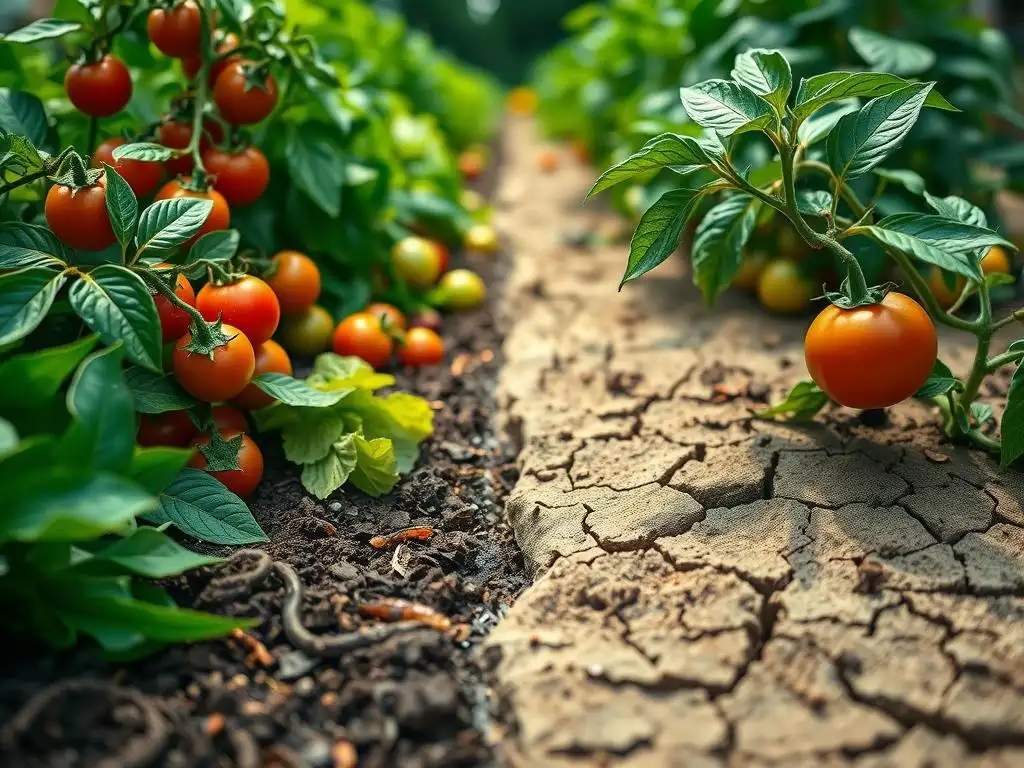
Welcome to CultivateYourFood, your guide to thriving homegrown harvests! Are you struggling with inconsistent yields or wilting plants in your organic garden? Then you've come to the right place. Discover the secrets to success by exploring our comprehensive guide on Organic Garden Watering Problems. Learn how to identify common watering issues and implement effective solutions to nurture your fruits, vegetables, and herbs, ensuring a bountiful and sustainable yield. Let's cultivate a greener future, together!
- Understanding Organic Garden Watering Needs
-
Common Organic Garden Watering Problems & Solutions
- Yellowing Leaves and Wilting: Diagnosing and Treating Water Stress
- Root Rot Prevention and Treatment in Organic Gardens
- Addressing Uneven Watering in Raised Beds and Containers
- Dealing with Waterlogged Soil in Organic Gardens
- Nutrient Leaching and its Impact on Organic Plant Health
- Preventing and Solving Water Runoff Issues in Organic Gardens
-
Optimizing Your Watering Techniques for Organic Success
- Choosing the Right Watering Method for Your Organic Garden
- Implementing Drip Irrigation for Efficient Organic Gardening
- Using Soaker Hoses for Consistent Soil Moisture
- Utilizing Mulch to Conserve Water in Organic Gardening
- Adjusting Watering Frequency Based on Weather Conditions
- Monitoring Soil Moisture Levels with Simple Techniques
-
Advanced Troubleshooting for Organic Garden Watering
- Diagnosing and Fixing Drainage Problems in Organic Gardens
- Identifying and Addressing Pests and Diseases Related to Overwatering
- Using Organic Soil Amendments to Improve Water Retention
- Implementing Water Harvesting Techniques for Sustainable Organic Gardening
- Understanding the Role of pH in Water Quality for Organic Plants
- Frequently Asked Questions
- Final Reflection: The Enduring Bounty of Conscious Watering
- Unlock Your Garden's Full Potential: Thrive with Healthy Watering!
Understanding Organic Garden Watering Needs
Cultivating a thriving organic garden requires a deep understanding of water management. Unlike conventional gardening, organic practices prioritize soil health and biodiversity, making proper watering crucial for plant success and ecosystem balance. This article tackles common organic garden watering problems, equipping you with the knowledge to identify and correct issues, ensuring a bountiful harvest while maintaining the integrity of your soil and minimizing environmental impact. We'll explore the specific water requirements of different plants, methods for assessing soil moisture, and recognizing the telltale signs of both underwatering and overwatering in your organic garden.
By understanding these key aspects, you can optimize your watering techniques and create a flourishing, healthy, and sustainable organic garden. Mastering organic garden watering is not just about providing water; it's about nurturing the entire ecosystem beneath the surface. Let's delve into the specifics!
Water Requirements for Different Organic Plants
Different plants have different thirst levels. Understanding these variations is key to preventing both underwatering and overwatering, both of which can significantly impact plant health and yield. For example, leafy greens like lettuce and spinach generally require more frequent watering than drought-tolerant vegetables such as tomatoes or peppers. Herbs, too, exhibit varying water needs; basil thrives in consistently moist soil, whereas rosemary prefers drier conditions. The following table provides a general guideline, but always remember to check your specific plant's needs based on its variety and environmental factors:
| Plant Type | Water Requirements | Signs of Underwatering | Signs of Overwatering |
|---|---|---|---|
| Leafy Greens | Frequent, consistent moisture | Wilting, leaf curling | Yellowing leaves, root rot |
| Tomatoes | Moderate, well-drained soil | Wilting, blossom end rot | Cracking fruits, fungal diseases |
| Peppers | Moderate, well-drained soil | Wilting, stunted growth | Yellowing leaves, root rot |
| Basil | Consistent moisture | Wilting, leaf drop | Yellowing leaves, fungal diseases |
| Rosemary | Infrequent, well-drained soil | Wilting, leaf browning | Root rot |
| Cucumbers | Consistent moisture, high humidity | Wilting, yellowing leaves | Powdery mildew |
Remember to consider factors like sunlight exposure, temperature, and wind when determining watering frequency. Plants in full sun will require more water than those in partial shade. Hot, windy conditions will also increase water loss through transpiration. Always monitor your plants closely for signs of stress, adjusting watering accordingly.
Assessing Your Soil's Water Retention Capacity
Before you even begin watering, understanding your soil's properties is crucial. Different soil types retain water differently. Sandy soils drain quickly, requiring more frequent watering, while clay soils retain water for longer periods, potentially leading to overwatering if not managed carefully. A simple test can help you determine your soil's water retention capacity:
- Dig a small hole about 6 inches deep.
- Fill the hole with water and let it drain completely.
- Refill the hole with water and time how long it takes for the water to disappear.
- Repeat this process a few times to get an average.
A shorter drainage time indicates sandy soil, while a longer time suggests clay soil. Loamy soil, a mix of sand, silt, and clay, offers the best water retention and drainage balance. Improving your soil's structure through composting and the addition of organic matter can significantly enhance its water retention capacity, reducing the frequency of watering and promoting healthier plant growth. This is especially important for organic gardening, as healthy soil is the foundation of a successful organic garden.
Recognizing Signs of Underwatering in Your Organic Garden
Recognizing the symptoms of underwatering is crucial for timely intervention. Ignoring these signs can lead to stunted growth, reduced yields, and even plant death. Common indicators of underwatering include:
- Wilting: Drooping leaves are a clear sign that your plants are thirsty.
- Leaf Curling: Leaves may curl upwards or downwards as a response to water stress.
- Dry Soil: The top inch or two of soil should be consistently moist, but not soggy. If it feels dry to the touch, your plants need water.
- Stunted Growth: Underwatered plants will often exhibit slow or stunted growth.
- Blossom End Rot (in tomatoes and peppers): This condition is often caused by inconsistent watering.
Addressing underwatering requires immediate action. Water deeply and thoroughly, ensuring that the water reaches the roots. Mulching around your plants can help retain soil moisture and reduce the frequency of watering. Regular monitoring and timely intervention are essential to prevent severe water stress and maintain the health of your organic garden. 🌱
Identifying Symptoms of Overwatering in Organic Plants
Overwatering, a common mistake among novice and even experienced organic gardeners, can severely hinder plant growth and lead to various problems. Recognizing the symptoms early is crucial for effective intervention and preventing irreversible damage. Unlike underwatering, which often presents with visibly wilting plants, overwatering's signs can be more subtle initially, making early detection challenging.
One of the first indicators is yellowing lower leaves. This is because the roots, deprived of oxygen due to waterlogged soil, struggle to absorb nutrients. The plant, in a desperate attempt to survive, redirects its energy to the upper leaves, sacrificing the lower ones. The yellowing often progresses to browning and eventual leaf drop. This is particularly noticeable in plants like tomatoes and peppers, which are relatively sensitive to excess moisture.
Another key symptom is wilting, but unlike the wilting caused by underwatering, overwatered plants might exhibit a limpness that doesn't improve after watering. The soil remains saturated, and the roots are suffocating, unable to uptake water even though it's abundantly present. This wilting is often accompanied by a general lethargy in the plant's appearance; the plant looks droopy and lacks its usual vigor.
Furthermore, you might observe stem rot or root rot. This is a serious issue, often leading to the plant's demise. Stem rot manifests as a soft, mushy area on the stem, near the soil line. Root rot is harder to detect visually, but its presence often leads to wilting, yellowing, and stunted growth. If you suspect root rot, carefully examine the roots after gently removing the plant from the soil. Healthy roots are firm and white or light-colored; rotten roots are dark brown or black and mushy.
Finally, the presence of fungal growth on the soil surface or the plant itself is a strong indication of overwatering. Excess moisture creates an ideal environment for fungal pathogens to thrive, leading to various diseases that weaken the plant and can ultimately kill it. Look for fuzzy white or gray mold, or dark spots on the leaves and stems.
These are clear signals that the soil is too wet and needs to be addressed immediately. Remember, prevention is key; proper soil drainage and mindful watering practices are essential to avoid these problems in your organic garden. Careful observation and prompt action are crucial for maintaining the health and productivity of your plants.
Common Organic Garden Watering Problems & Solutions
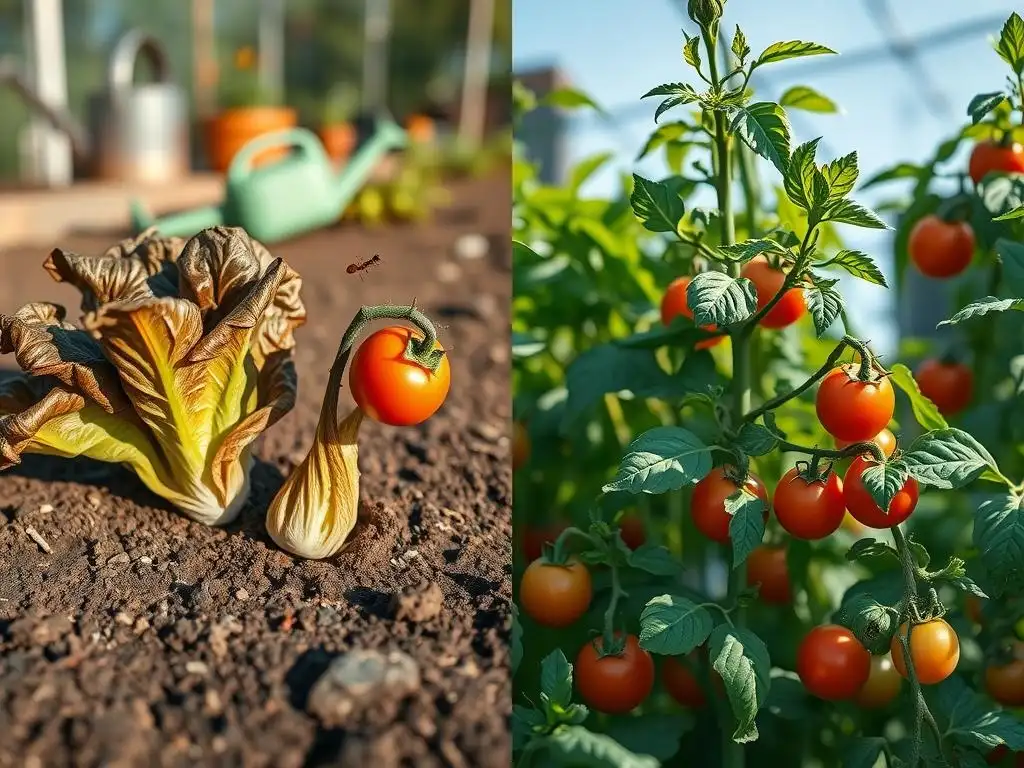
This section dives deep into common watering issues encountered in organic gardens, providing practical solutions to help you cultivate thriving plants. We'll explore the causes and remedies for several prevalent problems, ensuring your organic produce flourishes. Remember, consistent and appropriate watering is crucial for a successful organic garden, so let's address some frequent challenges.
Yellowing Leaves and Wilting: Diagnosing and Treating Water Stress
Yellowing leaves and wilting are classic signs of water stress in plants. However, accurately diagnosing the root cause – whether it's underwatering or overwatering – is key to effective treatment. Sometimes, the symptoms can be deceptively similar.
Identifying the Culprit:
- Underwatering: Leaves will wilt dramatically, especially during the hottest part of the day. The soil will be dry to the touch, even several inches below the surface. Young leaves will often yellow first, followed by older leaves if the drought continues.
- Overwatering: While wilting can also occur with overwatering, it's often accompanied by yellowing lower leaves first, followed by a general decline in plant vigor. The soil will be consistently soggy and may have a foul odor. Root rot is a significant risk.
Treatment Strategies:
- For Underwatered Plants: Deeply water the soil until it's thoroughly saturated. Use a watering can or soaker hose to avoid surface runoff. Mulching helps retain soil moisture and reduces the frequency of watering. Consider installing a drip irrigation system for even moisture distribution. Regularly check soil moisture levels using a moisture meter or by simply digging your finger a few inches into the soil.
- For Overwatered Plants: Improve soil drainage by amending heavy clay soils with organic matter like compost. Ensure containers have adequate drainage holes. Reduce watering frequency and allow the soil to dry out slightly between waterings. In severe cases of root rot, it may be necessary to repot the plant in fresh, well-draining soil, removing any affected roots.
Remember, prevention is better than cure. Consistent monitoring of soil moisture and adjusting watering schedules according to weather conditions and plant needs is crucial for preventing water stress. Observing your plants carefully can help you detect problems early and implement solutions before they become severe.
Root Rot Prevention and Treatment in Organic Gardens
Root rot, a common organic garden watering problem, is a devastating fungal disease that attacks plant roots, hindering their ability to absorb water and nutrients. It thrives in consistently wet, poorly-draining soil. Preventing root rot requires a proactive approach focused on maintaining optimal soil conditions and watering practices.
Prevention Techniques:
- Well-Draining Soil: Amend heavy clay soils with organic matter like compost or coco coir to improve drainage and aeration. Raised beds and containers offer better control over soil drainage.
- Proper Watering: Avoid overwatering. Water deeply but less frequently, allowing the soil to dry slightly between waterings. Water at the base of the plants to avoid wetting the foliage.
- Good Air Circulation: Ensure adequate spacing between plants to promote good air circulation, reducing the risk of fungal growth.
- Disease-Resistant Varieties: Choose plant varieties known for their resistance to root rot.
Treatment Strategies:
Unfortunately, once root rot sets in, it's difficult to completely cure. However, you can take steps to limit the damage and potentially save the plant:
- Improve Drainage: If the plant is in a container, repot it in fresh, well-draining soil, removing any affected roots. For in-ground plants, improve drainage by amending the soil.
- Reduce Watering: Decrease watering frequency to allow the soil to dry out.
- Fungal Treatments: Organic fungicides, such as copper fungicide or neem oil, can help control the fungal growth, but may not always be effective. Often, removing and discarding affected plants is the best option to prevent the disease from spreading.
Addressing Uneven Watering in Raised Beds and Containers
Maintaining consistent moisture levels in raised beds and containers can be challenging, as these systems often dry out more quickly than in-ground gardens. Uneven watering can lead to stressed plants and reduced yields.
Strategies for Even Moisture:
- Soaker Hoses: Soaker hoses provide a slow, even release of water directly to the roots, minimizing evaporation and runoff. They're ideal for raised beds and long rows of plants.
- Drip Irrigation: Drip irrigation systems offer precise control over watering, delivering water directly to individual plants. This is particularly beneficial for containers and raised beds with diverse plant needs.
- Self-Watering Containers: Consider using self-watering containers or pots with reservoirs to maintain consistent moisture levels. These systems reduce the frequency of watering and ensure even moisture distribution.
- Mulching: A layer of organic mulch (straw, wood chips, etc.) helps retain soil moisture, reducing evaporation and the need for frequent watering. This is especially helpful in raised beds and containers.
- Regular Monitoring: Regularly check soil moisture levels in different areas of your raised beds and containers to identify any inconsistencies. Adjust your watering accordingly to maintain even moisture throughout. Remember, consistent monitoring is key to avoiding both underwatering and overwatering. 🌱
Dealing with Waterlogged Soil in Organic Gardens
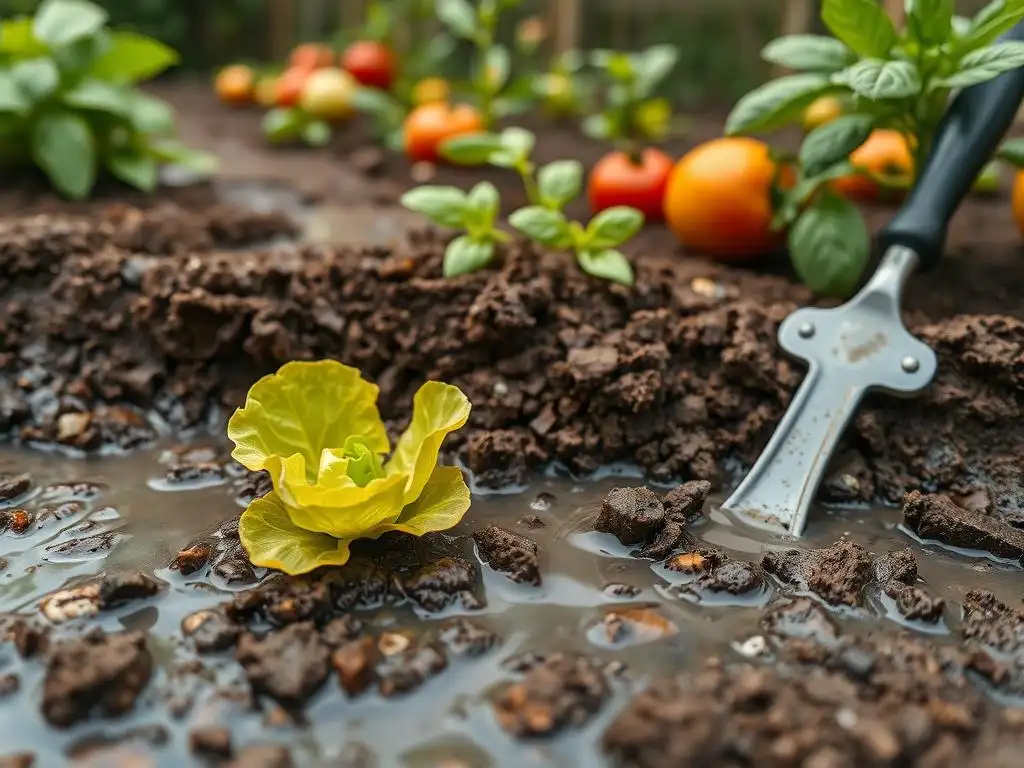
Waterlogged soil is a common problem in organic gardens, especially those with heavy clay soils or poor drainage. Overwatering, insufficient drainage, or prolonged periods of rain can lead to saturated soil conditions. This can severely impact plant health, as roots need oxygen to function properly.
In waterlogged soil, the lack of oxygen leads to root rot, a condition where roots begin to decay and die. This, in turn, prevents the plant from taking up water and nutrients efficiently, causing wilting, yellowing leaves, and stunted growth. Furthermore, waterlogged conditions create an ideal environment for fungal diseases to thrive, further compromising the health of your plants.
To address waterlogged soil, improving drainage is paramount. This might involve amending the soil with organic matter like compost or well-rotted manure. These materials improve soil structure, creating more air pockets and allowing for better water percolation. Raised beds are another effective solution, as they elevate the planting area, promoting better drainage.
If your garden is located in a low-lying area, consider creating swales or diversion ditches to redirect excess water away from the planting area. In severe cases, installing drainage pipes might be necessary. Remember, prevention is key. Always monitor soil moisture levels before watering, and avoid overwatering, especially during periods of heavy rainfall.
Using a soil moisture meter can greatly assist in determining when your plants actually need watering. Regular soil testing can also help you understand your soil’s drainage capacity and adjust your watering practices accordingly. Choosing plants suited to your soil type is also crucial; some plants are more tolerant of wet conditions than others.
Nutrient Leaching and its Impact on Organic Plant Health
Nutrient leaching is a significant concern in organic gardening, particularly when dealing with excessive watering. When you overwater your plants, the soluble nutrients in the soil, essential for healthy plant growth, are dissolved and carried away by the excess water, effectively leaving your plants nutrient-deficient. This is especially true for lighter soils with poor water retention capacity. Nitrogen, a crucial nutrient for leafy green growth, is particularly susceptible to leaching.
Phosphorus and potassium, vital for root development and flowering, are also affected. The consequences of nutrient leaching can be devastating, resulting in stunted growth, reduced yields, and increased susceptibility to pests and diseases. Plants exhibiting nutrient deficiencies often show characteristic symptoms like yellowing leaves (chlorosis), wilting, or discoloration.
Preventing nutrient leaching requires careful management of irrigation. Avoid overwatering; water deeply but less frequently, allowing the soil to dry slightly between waterings. Mulching the soil surface helps retain moisture and reduce evaporation, minimizing the need for frequent watering and thus reducing the risk of nutrient leaching. Applying organic fertilizers regularly, but in appropriate amounts, ensures that plants have a steady supply of nutrients even if some leaching occurs.
Consider using slow-release fertilizers which release nutrients gradually, minimizing the risk of nutrient loss through leaching. Furthermore, applying compost regularly improves soil structure and water retention, helping to minimize leaching. Regular soil testing can help determine nutrient levels and inform your fertilization strategy. This proactive approach ensures your plants receive the necessary nutrients, while avoiding excessive watering that leads to leaching.
Preventing and Solving Water Runoff Issues in Organic Gardens
Water runoff is a problem in sloped gardens or areas with heavy rainfall. When water runs off the surface of the soil instead of being absorbed, it carries away valuable topsoil, along with nutrients and organic matter, leading to soil erosion and nutrient depletion. This negatively impacts plant health and reduces the overall productivity of your organic garden. Runoff can also contaminate nearby water bodies with fertilizers and pesticides (even organic ones), posing environmental concerns. In addition, uncontrolled runoff can lead to waterlogging in lower areas of the garden.
Preventing runoff involves several strategies. Contour gardening, where rows are planted along the contours of the slope, slows down water flow, allowing it to be absorbed by the soil. Terracing, creating level platforms on slopes, further reduces runoff. Mulching the soil surface helps absorb water and reduce surface runoff.
Creating swales or drainage ditches can channel excess water away from the garden beds. Planting cover crops between growing seasons helps improve soil structure and water infiltration. Using rain barrels to collect rainwater for irrigation reduces the need for excessive watering, which can contribute to runoff.
If you have significant slope issues, consider installing a drip irrigation system that delivers water directly to the plant roots, minimizing surface runoff. Regular soil testing can help determine the soil's water retention capacity, allowing you to adjust your watering practices accordingly. By implementing these preventative measures, you can mitigate runoff, preserve your soil health, and create a more sustainable and productive organic garden.
Optimizing Your Watering Techniques for Organic Success
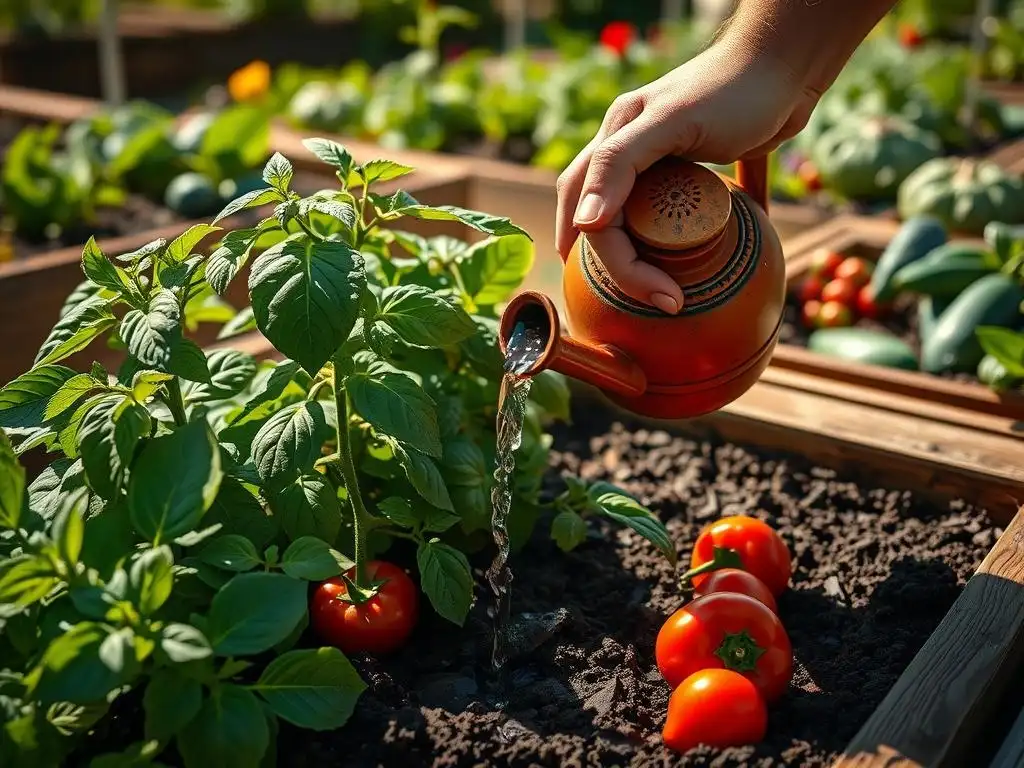
This section focuses on refining your watering strategies to maximize the health and yield of your organic garden. Consistent and appropriate watering is crucial for thriving plants, and understanding the nuances of organic gardening adds another layer of complexity. We'll explore methods that conserve water, minimize nutrient leaching, and promote healthy soil microbiology – all essential components of successful organic cultivation. Remember, overwatering and underwatering are equally detrimental, so careful observation and adaptation are key.
The goal is to achieve consistently moist, but not soggy, soil. This prevents both drought stress and the development of fungal diseases often associated with waterlogged conditions. Proper watering is a cornerstone of thriving organic gardens.
Choosing the Right Watering Method for Your Organic Garden
Selecting the optimal watering method depends on several factors, including the size of your garden, the types of plants you're growing, your available resources, and your personal time commitment. Let's examine some popular choices suitable for organic gardening:
- Drip Irrigation: This method delivers water directly to the roots, minimizing evaporation and runoff. It's highly efficient, particularly for larger gardens or those with diverse plant needs. Drip irrigation systems can be customized to provide precise amounts of water to individual plants, helping you avoid overwatering. This method is particularly beneficial in conserving water, a crucial aspect of sustainable organic gardening.
- Soaker Hoses: These are excellent for smaller gardens or raised beds. They provide a gentle, consistent watering that encourages even soil moisture. Soaker hoses are easy to install and maintain, making them a great option for beginners. They are also gentler on the soil structure compared to overhead watering.
- Overhead Watering (sprinklers): While convenient, overhead watering can lead to significant water loss through evaporation, especially in hot, windy conditions. It also increases the risk of fungal diseases due to prolonged leaf wetness. This method is generally less efficient for organic gardening unless used judiciously and strategically, perhaps early in the morning to minimize evaporation.
- Watering Cans: Ideal for small, container gardens or for targeted watering of individual plants. This allows for precise control over the amount of water delivered, preventing overwatering and ensuring that the water reaches the roots effectively. It's a very hands-on method, but perfectly suitable for smaller organic setups.
The best method is often a combination of these techniques, tailoring your approach to the specific needs of your garden and plants.
Implementing Drip Irrigation for Efficient Organic Gardening
Drip irrigation offers many advantages for organic gardeners. Its precision minimizes water waste, reduces weed growth by keeping the soil surface dry, and prevents the leaching of valuable nutrients. Setting up a drip irrigation system might seem daunting, but it's surprisingly straightforward. Here's a breakdown:
- Planning: Map out your garden, noting the location of each plant and its water requirements. This planning stage is critical for ensuring that your drip system delivers the right amount of water to each plant.
- Components: You'll need a water source, a pressure regulator (to prevent over-pressurization), tubing, emitters (the small devices that release water), and connectors.
- Installation: Carefully lay the tubing, ensuring that emitters are placed directly at the base of each plant. Connect all components securely, and test the system thoroughly before starting regular use.
- Maintenance: Regularly check for leaks or clogs, and flush the system periodically to prevent buildup of minerals.
Properly implemented, drip irrigation can significantly improve the efficiency and sustainability of your organic garden. It allows for targeted watering, which is especially important for organic gardening where nutrient conservation is paramount.
Using Soaker Hoses for Consistent Soil Moisture
Soaker hoses provide a gentle, consistent watering method ideal for many organic gardens. Their porous nature allows water to seep slowly into the soil, promoting even moisture penetration and minimizing runoff. This gentle approach is less disruptive to the soil structure and beneficial for soil microbes which are essential for organic soil health.
- Placement: Lay soaker hoses along the rows of your plants, ensuring they are in contact with the soil. Avoid overlapping hoses excessively, as this can lead to waterlogging in certain areas.
- Water Pressure: Adjust your water pressure to achieve a slow, steady drip. Too much pressure can cause the hose to burst or deliver water too quickly.
- Timing: Water deeply and less frequently, encouraging deep root growth. This is more effective than shallow, frequent watering, which can lead to shallow roots and increased susceptibility to drought stress.
- Maintenance: Check hoses for leaks or clogs regularly, and replace them as needed. Soaker hoses, while durable, can degrade over time, especially if exposed to harsh sunlight or extreme temperatures. Regular inspection and timely replacement are essential for continued efficiency. 🌱 Soaker hoses are a simple and effective tool for cultivating healthy and productive organic gardens.
Utilizing Mulch to Conserve Water in Organic Gardening
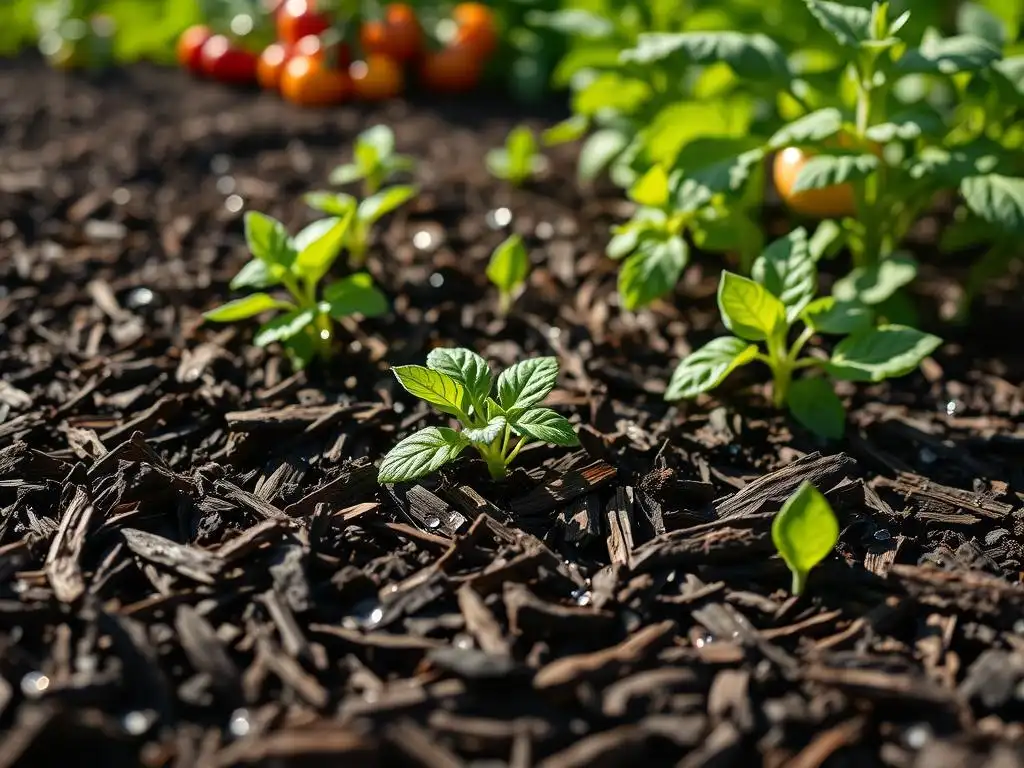
Mulching is a cornerstone of successful organic gardening, and its benefits extend significantly to water conservation. A layer of mulch—whether wood chips, straw, shredded leaves, or even grass clippings—acts as a natural barrier, preventing rapid evaporation from the soil surface. This is crucial in hot, dry climates where water loss through evaporation can be substantial. By reducing evaporation, mulch allows the soil to retain moisture for longer periods, meaning you can water less frequently.
The effectiveness of mulch varies depending on the type and depth of the mulch layer. For example, a 2-3 inch layer of wood chips can significantly reduce evaporation compared to a thinner layer. Furthermore, mulch suppresses weed growth, which further reduces competition for water resources. Weeds aggressively draw moisture from the soil, leaving less available for your plants.
By reducing weed pressure, mulch helps your plants thrive even with less frequent watering. Remember to choose a mulch appropriate for your plants; some mulches might decompose too quickly or alter soil pH negatively, impacting plant health. Regularly replenishing the mulch layer as it breaks down is also key to maintaining its effectiveness. Proper mulching practices are a simple yet powerful technique to optimize water use in your organic garden, contributing directly to sustainable gardening practices.
Adjusting Watering Frequency Based on Weather Conditions
The frequency of watering your organic garden should not be a rigid schedule; instead, it needs to adapt to the prevailing weather conditions. Hot, sunny days with strong winds lead to rapid water evaporation, requiring more frequent watering. Conversely, cloudy, cooler days with higher humidity retain soil moisture for longer periods, allowing you to reduce watering frequency. Regularly monitoring weather forecasts is, therefore, a crucial aspect of effective organic garden management.
Don't rely solely on the calendar; observe the actual conditions. For instance, a seemingly mild day might turn exceptionally hot in the afternoon, leading to increased water stress for your plants. Similarly, a prolonged period of overcast weather might delay the need for watering, even if it's been several days since your last irrigation. Paying attention to these subtle variations can make a significant difference in your plants' health and overall water efficiency.
Consider using rain gauges to measure rainfall accurately and adjust your watering schedule accordingly. This data-driven approach ensures you're neither overwatering nor underwatering your plants, conserving water and promoting healthy growth. Remember that consistently monitoring the weather and adjusting your watering schedule accordingly is a key strategy for successful organic gardening.
Monitoring Soil Moisture Levels with Simple Techniques
Knowing when to water is as important as how much to water. Relying solely on a schedule can lead to either overwatering, which suffocates roots and encourages fungal diseases, or underwatering, which stresses plants and reduces yields. Simple techniques allow you to accurately assess soil moisture levels. The "finger test" is a classic method: dig your finger about 2-3 inches into the soil. If it feels dry, it's time to water.
If it's moist, you can wait a bit longer. Another simple technique involves using a moisture meter, a readily available tool that provides a numerical reading of soil moisture. These meters come in various forms, from simple analog probes to more sophisticated digital devices. For a more visual approach, you can use a soil moisture sensor that changes color depending on the moisture level.
These sensors are often embedded in the soil, providing a continuous visual indicator of soil conditions. Regardless of the method chosen, consistency is key. Regularly checking soil moisture, especially during periods of fluctuating weather, helps you optimize your watering schedule, preventing both overwatering and underwatering. By combining these simple techniques, you can ensure your organic garden receives the precise amount of water it needs, promoting healthy growth and conserving water resources effectively.
Advanced Troubleshooting for Organic Garden Watering
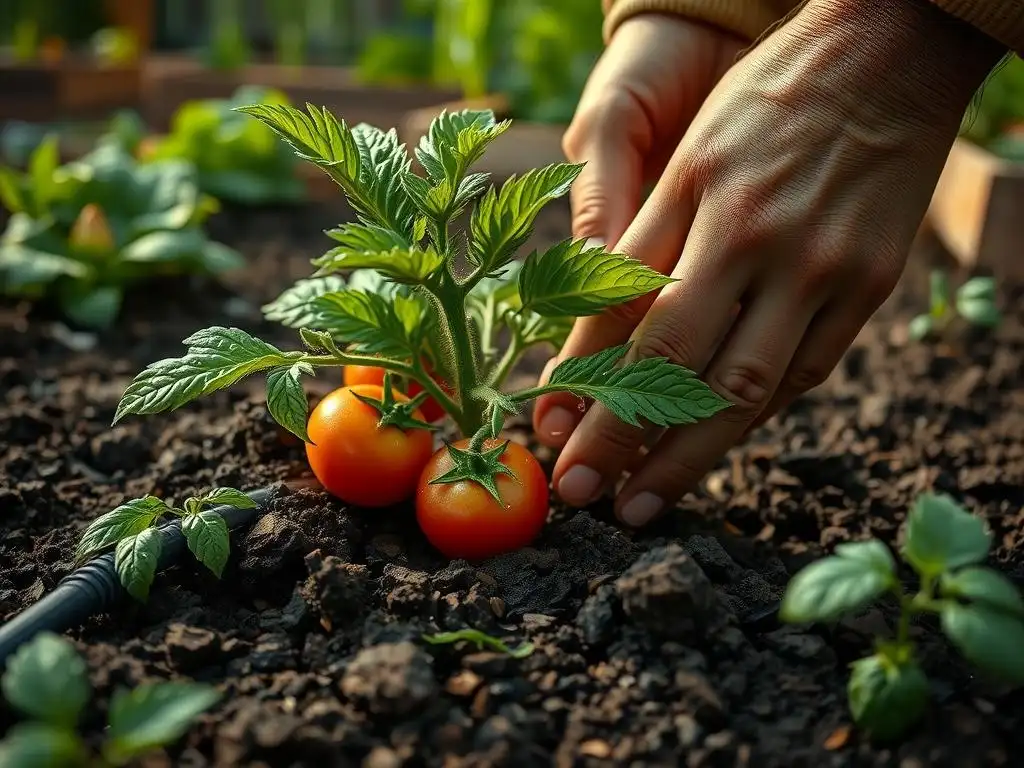
This section delves into more complex watering issues frequently encountered in organic gardening, offering detailed solutions to improve your garden's health and yield. We'll move beyond basic watering techniques and address problems that require a more nuanced understanding of soil dynamics and plant health. Remember, consistent monitoring and proactive adjustments are key to success in organic gardening.
Diagnosing and Fixing Drainage Problems in Organic Gardens
Poor drainage is a significant obstacle in organic gardening, leading to root rot, fungal diseases, and stunted plant growth. This is especially true for clay soils, which retain water excessively. Diagnosing the problem involves observing your soil's texture and drainage rate. A simple test involves digging a hole and filling it with water; if the water takes longer than a few hours to drain completely, you have a drainage issue.
Several organic solutions exist to improve drainage:
- Adding Organic Matter: Incorporating compost, aged manure, or other organic materials significantly improves soil structure, increasing aeration and drainage. Aim for a minimum of 2-3 inches of organic matter worked into the top layer of soil. This not only enhances drainage but also provides essential nutrients for your plants. The addition of organic matter also helps create a crumbly soil structure, allowing for better water infiltration.
- Raised Beds: Constructing raised beds elevates the planting area, allowing for better drainage and warmer soil temperatures, which are beneficial for many plants. The raised bed structure can also help to improve soil aeration, further aiding drainage.
- Soil Amendments: Specific soil amendments can improve drainage. For instance, adding perlite or vermiculite to heavy clay soil can improve its structure and water retention properties without compromising drainage. The addition of these amendments can increase the porosity of the soil, allowing for better water percolation.
- Mulching: While mulch helps retain moisture, using a well-draining mulch like wood chips or straw can help prevent waterlogging, especially in areas with poor drainage. However, ensure the mulch layer isn't excessively thick to avoid suffocating the plants. A layer of 2-3 inches is generally sufficient.
Remember, addressing drainage problems is crucial for the long-term health of your organic garden. Persistent waterlogging can create an environment conducive to diseases and pest infestations, ultimately harming your plants. Regular soil testing and monitoring are also essential to ensure the effectiveness of your drainage solutions.
Overwatering creates a breeding ground for various pests and diseases. Soggy soil becomes an ideal environment for fungal pathogens like Phytophthora and Pythium, causing root rot and damping off, particularly in seedlings. Additionally, overwatering can attract soil-borne nematodes and slugs, further damaging your plants.
Identifying these problems often involves observing symptoms like wilting (even with adequate watering), yellowing leaves, stunted growth, and the presence of visible molds or fungi on the soil surface or plant roots. Early detection is critical.
Organic solutions focus on prevention and natural pest control:
- Improving Drainage: As discussed previously, addressing drainage issues is the primary preventative measure. Good drainage minimizes the time the soil remains waterlogged.
- Proper Mulching: Use appropriate mulch to help regulate soil moisture and suppress weeds, which can compete with your plants for water and nutrients.
- Biological Controls: Beneficial nematodes can help control soil-borne nematodes, while introducing beneficial microbes to the soil can help improve its overall health and resilience to disease.
- Rotating Crops: Rotating crops helps break pest and disease cycles, preventing the buildup of pathogens in the soil.
- Resistant Varieties: Choosing plant varieties known for their resistance to common soil-borne diseases is a proactive strategy to minimize overwatering-related problems.
Using Organic Soil Amendments to Improve Water Retention
While drainage is crucial, maintaining adequate soil moisture is equally important, especially during dry spells. Organic soil amendments can significantly enhance water retention without compromising drainage. This is particularly important for sandy soils, which drain quickly.
Several organic amendments improve water retention:
| Amendment | Benefits | Application |
|---|---|---|
| Compost | Improves soil structure, increases water holding capacity | Mix into the soil before planting or as topdressing |
| Aged Manure | Adds nutrients and improves water retention | Similar to compost |
| Peat Moss | Excellent water retention, improves soil aeration | Mix into soil, especially in sandy soils |
| Coco Coir | Holds water effectively, good for raised beds | Use as a soil component or as a growing medium |
| Vermiculite | Improves aeration and water retention | Mix into soil |
Careful consideration of your soil type and its water retention capabilities is essential. For example, adding peat moss to already waterlogged clay soil could exacerbate drainage problems. Regular soil testing can help you determine the best amendments for your specific needs. The key is to create a balanced soil environment that allows for adequate drainage while also maintaining sufficient moisture for healthy plant growth. This holistic approach is central to successful organic gardening, ensuring your plants receive optimal hydration without succumbing to the problems associated with water excess or deficiency.
Implementing Water Harvesting Techniques for Sustainable Organic Gardening
Implementing water harvesting techniques is a crucial step towards sustainable organic gardening. This practice significantly reduces reliance on municipal water supplies, conserves precious resources, and minimizes environmental impact. Effective water harvesting involves collecting rainwater and storing it for later use in irrigation. This can be achieved through various methods, depending on your available space and budget. Larger gardens might benefit from installing rainwater collection systems comprising gutters, downspouts, and large storage tanks.
These systems can gather substantial amounts of water during rainfall, providing a reliable source for irrigation throughout drier periods. Smaller gardens can utilize simpler methods, such as placing rain barrels under downspouts to collect rainwater runoff from roofs. This collected water can then be used to water plants directly or stored for later use. Remember to filter the collected water to remove debris and prevent the growth of algae and mosquitoes. Regular cleaning and maintenance of the storage containers are also essential to ensure water quality and prevent contamination.
The use of water harvesting systems not only contributes to water conservation but also improves the overall health of your organic garden by providing plants with a naturally soft water source, free from harsh chemicals often found in treated tap water. This is particularly beneficial for sensitive plants. Furthermore, collected rainwater often has a slightly acidic pH, which can be beneficial for certain plants, although pH levels should still be monitored. Careful planning and implementation of a water harvesting system tailored to your specific needs will lead to a more sustainable and resilient organic garden, reducing your water bill and your environmental footprint.
Understanding the Role of pH in Water Quality for Organic Plants
The pH of your irrigation water plays a surprisingly significant role in the health and productivity of your organic garden. pH, which measures the acidity or alkalinity of a solution, directly affects nutrient availability to plants. Ideally, the pH of your watering solution should fall within a range suitable for most plants, generally between 6.0 and 7.0, although some plants may prefer slightly more acidic or alkaline conditions. Water that is too acidic (pH below 6.0) can lead to nutrient deficiencies, particularly of essential minerals like phosphorus and molybdenum. These deficiencies can manifest as stunted growth, yellowing leaves (chlorosis), and reduced yields.
Conversely, water that is too alkaline (pH above 7.0) can hinder the uptake of crucial nutrients like iron, manganese, and zinc, leading to similar symptoms of nutrient deficiency. Testing the pH of your water source is therefore crucial for effective organic gardening. You can purchase inexpensive pH testing kits from most garden centers or online retailers. Regular monitoring allows you to identify and address any pH imbalances promptly. If your water source consistently displays an unsuitable pH, you can adjust it through various methods.
Adding organic materials like peat moss or compost to your soil can help lower the pH, while adding lime can raise it. However, it's important to proceed cautiously and make small adjustments, monitoring the pH regularly to avoid drastic changes that could harm your plants. Understanding the role of pH in water quality is a critical aspect of advanced organic gardening, enabling you to cultivate healthy, thriving plants by optimizing nutrient availability and preventing deficiency-related problems. Remember, consistent monitoring and careful adjustment are key to maintaining the ideal pH range for your organic garden.
Frequently Asked Questions
What are the common signs of underwatering in an organic garden?
Underwatering leads to wilting plants, dry soil, and stunted growth. You might also see crispy leaf edges and reduced yields.
How can overwatering harm my organic plants?
Overwatering causes root rot, leading to yellowing leaves, wilting, and eventually, plant death. Poor drainage is often the culprit.
What's the best way to water my organic garden?
Deep, infrequent watering is ideal. Aim to water deeply enough to moisten the soil several inches down, encouraging strong root growth. Use a soaker hose or drip irrigation for efficient watering.
How can I tell if my soil has good drainage?
Dig a hole and fill it with water. If the water drains away within a few hours, your drainage is good. If it remains standing, you'll need to amend your soil with compost or other organic matter to improve drainage.
Proper watering techniques help prevent many pest problems. However, fungal diseases can thrive in overly wet soil. Ensure good air circulation and consider using organic fungicides if necessary.
Final Reflection: The Enduring Bounty of Conscious Watering
The health of our organic gardens, and indeed the future of sustainable food production, hinges on our understanding and mastery of proper watering techniques. Ignoring the nuances of hydration can lead to stunted growth, disease, and ultimately, a diminished harvest. This knowledge isn't just about plump tomatoes; it's about building resilient ecosystems that thrive even in the face of climate change.
The journey towards truly understanding the water needs of our organic gardens is a continuous learning process. It's a dance between observation, adaptation, and respect for the natural rhythms of the earth. The glory of gardening: hands in the dirt, head in the sun, heart with nature. To nurture a garden is to feed not just the body, but the soul.
This quote beautifully captures the profound connection between our actions and the flourishing of life around us. The challenges we face in watering – from overwatering to underwatering – force us to become more attuned to the subtle signals our plants send, deepening our relationship with the natural world.
You, the gardener, now hold the key to unlocking the full potential of your organic garden. Take the knowledge gained here, apply it to your own plots, and observe the transformation. Don't be afraid to experiment, to adjust your techniques based on your unique environment and the specific needs of your plants. Remember, every drop of water is an investment in a healthier planet and a more bountiful future. Let's cultivate not just thriving gardens, but a thriving relationship with the earth that sustains us.
Unlock Your Garden's Full Potential: Thrive with Healthy Watering!
Thanks for learning about thriving organic gardens! You're now equipped to tackle common watering challenges. Ready to put your new knowledge into practice?
- Prioritize your watering schedule: Develop a consistent watering routine tailored to your plants' specific needs and local climate. This simple step will significantly improve your garden's health.
- Experiment with different watering methods: Try a soaker hose, drip irrigation, or a watering can to find what best suits your garden. Share your findings with the gardening community!
- Keep a watering journal: Record the dates, times, and amounts of water used, along with observations on plant growth and soil moisture levels. This will simplify future adjustments.
What simple change will you make to your watering routine today to benefit your garden?