
Pear Storage: Methods to Keep Them Ripe and Juicy

Ready to unlock the secrets to a bountiful harvest and minimize food waste? At CultivateYourFood, we empower you to grow your own delicious fruits, vegetables, and herbs using sustainable methods. But what happens after the harvest? Learn how to extend the life of your precious produce with our expert guide on "How to store pears longer," ensuring your pears stay ripe and juicy for weeks to come. Discover the simple yet effective techniques within our Fruit Tree Care section and start maximizing your homegrown goodness today!
- Understanding Pear Ripening and Storage Needs
- Optimal Storage Conditions for Pears
-
Methods for Storing Pears: A Comprehensive Guide
- Storing Pears at Room Temperature: Short-Term Storage
- Refrigerating Pears: Extending Shelf Life and Maintaining Quality
- Freezing Pears: Preserving Pears for Long-Term Use
- Storing Pears in a Root Cellar: A Traditional Method for Optimal Preservation
- Using Controlled Atmosphere Storage (CAS) for Pears: Process and Benefits
- Preventing Pear Spoilage and Pests
- Extending the Shelf Life of Pears: Tips and Tricks
- Harvesting and Storing Pears for the Best Results: A Step-by-Step Guide
- Enjoying Your Stored Pears: Recipes and Ideas
- Frequently Asked Questions
- Final Reflection: The Enduring Sweetness of a Perfectly Stored Pear
- Unlock the Secrets to Perfectly Ripe Pears!
Understanding Pear Ripening and Storage Needs
Pears, unlike many other fruits, continue to ripen significantly after they're harvested. This post-harvest ripening process is crucial to understanding how to store pears longer and maintain their delicious, juicy texture. Unlike apples that are typically harvested at their peak ripeness, pears are often picked while still firm and slightly underripe to allow for optimal ripening and storage. This means that understanding the nuances of pear ripening is key to maximizing their shelf life and enjoying their sweet flavor at its best.
This guide will walk you through the process of determining pear ripeness, identifying factors that influence storage longevity, and selecting the perfect pears for long-term storage, ultimately helping you answer the question: "How to store pears longer?" We'll explore sustainable and organic practices to ensure your pears remain ripe and juicy for weeks, even months, after harvest. Let's dive into the details!
Determining Pear Ripeness: A Guide for Home Growers
Knowing when to harvest your pears is the first step towards successful long-term storage. Overripe pears will quickly spoil, while underripe pears may never reach their full flavor potential. Here's how to determine the perfect ripeness for storage:
- Gentle Pressure Test: Gently press the pear near the stem. A slightly soft, yielding feel indicates near-perfect ripeness for immediate consumption or short-term storage. A completely firm pear needs more time to ripen.
- Color Change: The color change varies depending on the pear variety, but generally, a shift towards deeper, richer tones indicates maturity. Consult resources specific to your pear variety for precise color indicators.
- Aroma: A subtly sweet and fragrant aroma is a hallmark of ripening pears. A strong, almost fermenting smell suggests overripeness.
- Stem: While not foolproof, a slightly loose stem can sometimes be an indicator of ripeness, but don't rely solely on this method.
Remember, pears intended for long-term storage should be harvested slightly before they reach their peak ripeness. This allows them to continue ripening slowly during storage, preventing rapid spoilage. Think of it as a controlled ripening process.
Factors Affecting Pear Storage Life: Temperature, Humidity, and Variety
Several environmental factors significantly impact how long your pears will stay fresh and flavorful. Optimizing these factors is crucial for extending their shelf life.
| Factor | Impact on Pear Storage | Optimal Conditions |
|---|---|---|
| Temperature | Too warm leads to rapid ripening and spoilage; too cold can damage the fruit. | Cool, but not freezing (around 30-34°F or -1 to +1°C) |
| Humidity | High humidity prevents shriveling; low humidity can lead to dehydration. | High humidity (around 90-95%) is ideal. |
| Pear Variety | Different varieties have varying storage potentials. | Research the specific storage recommendations for your pear variety. |
Understanding these factors is vital. For example, some pear varieties, like ‘Anjou’ pears, are known for their excellent storage capabilities, while others may be better suited for immediate consumption.
Selecting Pears for Storage: Choosing Mature but Firm Pears
Not all pears are created equal when it comes to storage. To maximize your chances of successful long-term storage, select pears carefully:
- Avoid bruised or damaged pears: Any blemishes provide entry points for decay.
- Choose mature but firm pears: They should yield slightly to gentle pressure but not be mushy.
- Look for uniform color and shape: Avoid pears with uneven coloring or unusual shapes, which may indicate imperfections.
- Handle with care: Avoid dropping or rough handling, as this can cause bruising that accelerates spoilage.
By following these guidelines and using appropriate storage methods, you can significantly extend the shelf life of your homegrown pears, enjoying their delicious flavor for weeks to come. Remember, proper handling and storage are key to answering "How to store pears longer? ".
Optimal Storage Conditions for Pears
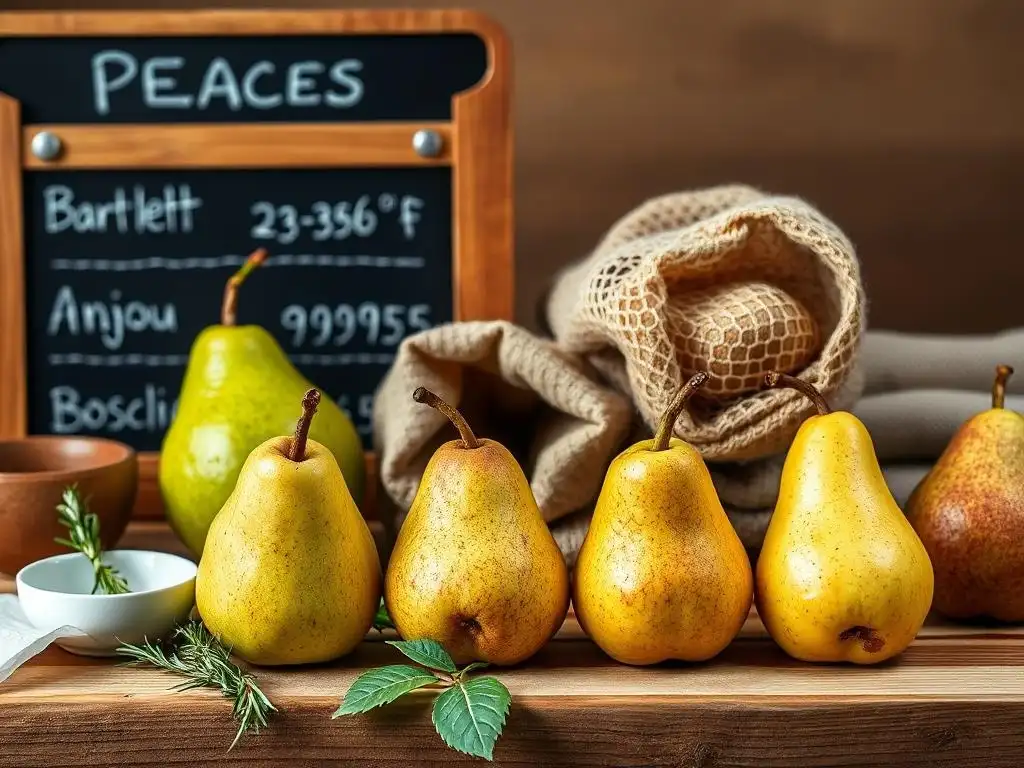
This section delves into the specifics of creating the ideal environment for prolonging the shelf life of your harvested pears. Proper storage significantly impacts the fruit's texture, flavor, and overall quality. Understanding and maintaining these conditions is key to answering the question, "How to store pears longer?" and enjoying your pears at their peak for weeks, even months.
Maintaining Ideal Temperature for Long-Term Pear Storage
The temperature at which you store pears directly influences their ripening rate and susceptibility to spoilage. Too warm, and they'll ripen quickly and potentially rot; too cold, and they might develop chilling injury, resulting in a mealy texture and undesirable flavor. The sweet spot lies between 30°F and 32°F (-1°C and 0°C). This slightly cool temperature slows down the enzymatic processes responsible for ripening, extending the storage period considerably.
Maintaining this temperature consistently is crucial. Fluctuations can lead to uneven ripening and increased spoilage. A refrigerator's crisper drawer is generally a good option, but ensure your refrigerator maintains a stable temperature within the ideal range. For larger quantities, consider a dedicated cold storage unit designed for fruit preservation. Regularly monitoring the temperature with a reliable thermometer is highly recommended – think of it as your pear-preserving insurance! Remember, consistency is key to answering "How to store pears longer? ".
Controlling Humidity Levels to Prevent Pear Spoilage
Humidity plays a vital role in preventing pear spoilage. Low humidity causes pears to lose moisture, resulting in shriveling and a loss of juiciness. Conversely, excessively high humidity promotes the growth of mold and fungi, leading to rot. The optimal humidity level for pear storage is around 90-95%. This high humidity helps maintain the pears' natural moisture content, keeping them plump and flavorful.
Achieving and maintaining this humidity level might require some adjustments to your storage method. For refrigerator storage, placing the pears in a sealed container lined with a slightly damp paper towel can help. However, avoid excessive moisture, as this can lead to condensation and encourage mold growth. Commercial cold storage facilities often employ humidity control systems. If you store pears in bulk, consider investing in a humidity monitor to maintain the ideal range. Paying attention to humidity is a crucial part of knowing how to store pears longer.
Ensuring Proper Air Circulation to Prevent Rot
Adequate air circulation is essential to prevent the build-up of ethylene gas, a natural plant hormone that accelerates ripening and can promote rot. Pears naturally produce ethylene, and if it's trapped, the fruit will ripen and spoil faster. Good air circulation removes this gas, slowing down the ripening process.
Proper spacing of pears within their storage container is therefore critical. Avoid overcrowding, which restricts air flow and promotes ethylene build-up. If using a sealed container, ensure it's not airtight; a slightly loose lid or perforated container is ideal. For larger storage setups, consider using ventilated bins or shelves to maximize air circulation. Remember, preventing ethylene buildup is a significant factor in answering "How to store pears longer?". Proper airflow helps maintain the quality of your pears, extending their shelf life and preserving their delicious flavor for longer.
Methods for Storing Pears: A Comprehensive Guide
This section details various methods to answer the question, "How to store pears longer," focusing on preserving their ripe and juicy quality. The optimal storage method depends on how quickly you plan to consume your pears and the desired level of preservation. We'll explore short-term, medium-term, and long-term storage options. Remember, proper handling and selection of pears before storage significantly impact their longevity and taste.
Storing Pears at Room Temperature: Short-Term Storage
Storing pears at room temperature is ideal for ripening hard, unripe pears. This method is best suited for consumption within a few days. Select pears that are firm to the touch but not rock-hard. Avoid pears with bruises or blemishes, as these areas will spoil more quickly.
The optimal room temperature for ripening pears is between 65-70°F (18-21°C). Place the pears in a single layer on a counter or in a fruit bowl, ensuring good airflow around each pear. Avoid overcrowding, as this can trap moisture and promote decay. Check the pears daily for ripeness. A ripe pear will yield slightly to gentle pressure.
Once ripe, pears should be refrigerated to slow down further ripening and prevent spoilage. Leaving ripe pears at room temperature will cause them to overripen quickly, resulting in mushy texture and loss of flavor. This short-term storage method is perfect for ensuring you have perfectly ripe pears ready for immediate consumption.
Refrigerating Pears: Extending Shelf Life and Maintaining Quality
Refrigeration is the most effective method for extending the shelf life of ripe pears and preventing spoilage. Once pears are ripe (slightly soft to the touch), place them in a perforated plastic bag or a loosely covered container in the refrigerator's crisper drawer. This helps maintain humidity while allowing for proper airflow. The crisper drawer provides a more consistent temperature and humidity level than other parts of the refrigerator, which helps slow down the ripening process.
Refrigerated pears can typically last for 1-2 weeks, depending on their ripeness at the time of storage. Regularly check the pears for signs of spoilage, such as bruising, discoloration, or soft spots. Remove any spoiled pears immediately to prevent contamination of the others. This method is perfect for maintaining the quality and extending the enjoyment of your harvest. Proper refrigeration helps maintain the pear's texture and flavor profile for optimal taste.
Freezing Pears: Preserving Pears for Long-Term Use
Freezing is the best method for long-term storage of pears, allowing you to enjoy your harvest even months later. However, the texture of frozen pears will change slightly; they will become softer after thawing. This method is best suited for using pears in baked goods, smoothies, or sauces where texture is less critical.
Before freezing, wash and peel the pears. You can either slice them, core them, or leave them whole, depending on your preference and intended use. To prevent enzymatic browning (discoloration), treat the sliced pears with lemon juice or a solution of ascorbic acid (vitamin C). This step helps to maintain the pear's color and prevent oxidation.
Place the prepared pears in freezer-safe bags or containers, removing as much air as possible. Properly labeled and dated containers are essential for efficient inventory management. Frozen pears can typically last for 8-12 months, maintaining most of their nutritional value and flavor. Remember to thaw them completely before consumption, ideally in the refrigerator overnight for optimal quality. This method is the ultimate solution for "how to store pears longer" – offering a practical solution for preserving your harvest.
Storing Pears in a Root Cellar: A Traditional Method for Optimal Preservation
Root cellars provide a naturally cool and humid environment, ideal for extending the shelf life of pears. The consistent temperature, typically between 30°F and 40°F ( -1°C and 4°C), slows down the ripening process significantly. Maintaining proper humidity is also crucial; too much moisture can lead to rot, while too little can cause shriveling. To achieve optimal conditions, consider using a humidity monitor and adjusting ventilation as needed.
Properly stored in a root cellar, certain pear varieties can remain fresh and palatable for several months, even up to six months in some cases, depending on the variety and initial ripeness. Before storing, carefully inspect each pear for bruises or blemishes, discarding any damaged fruit. Wrap each pear individually in paper to absorb excess moisture and prevent ethylene gas buildup, a plant hormone that accelerates ripening. Arrange the pears in single layers on shelves or in shallow crates to ensure good air circulation.
Regularly inspect your stored pears, removing any that show signs of spoilage to prevent the spread of rot to other fruits. This traditional method, while requiring a root cellar, offers a remarkably effective way to extend the enjoyment of your homegrown pear harvest. The gentle, consistent environment of a root cellar helps maintain the pears' texture and flavor, resulting in a superior quality compared to other storage methods. Remember that different pear varieties will have different storage durations, so research the specific needs of your pear type for optimal results.
Using Controlled Atmosphere Storage (CAS) for Pears: Process and Benefits
Controlled Atmosphere Storage (CAS) is a more sophisticated technique used commercially to significantly extend the shelf life of pears. This method involves reducing the levels of oxygen and increasing the levels of carbon dioxide within a sealed storage environment. Lowering oxygen levels slows down respiration, the process by which fruits break down sugars and release carbon dioxide, ethylene, and heat. This reduction in respiration greatly inhibits ripening and decay.
The precise levels of oxygen and carbon dioxide vary depending on the pear variety and desired storage duration, but typically involve oxygen levels around 1-3% and carbon dioxide levels around 1-5%. CAS also often incorporates controlled temperature and humidity, typically maintaining a temperature between 30°F and 34°F ( -1°C and 1°C) and high relative humidity (around 90-95%). This precise control over the storage environment allows for the preservation of pears for extended periods, often up to a year, maintaining their quality, texture, and flavor. While CAS systems are expensive and require specialized equipment, making it less practical for home storage, the technology demonstrates the potential for dramatically extending the storage life of pears.
For home growers, understanding the principles behind CAS can inform choices about other storage methods, emphasizing the importance of controlling factors like oxygen levels, temperature, and humidity, even within simpler storage solutions. The benefits of CAS are significant, particularly in commercial settings where maintaining fruit quality over long periods is crucial. However, for the home gardener aiming to “how to store pears longer,” understanding the principles behind CAS can help optimize their chosen storage method.
Preventing Pear Spoilage and Pests
This section focuses on proactive measures to maximize the shelf life of your harvested pears and minimize losses due to spoilage and pest infestations. Proper handling and storage conditions are paramount in achieving this goal. Understanding the factors that contribute to pear deterioration is the first step towards effective preservation. The "how to store pears longer" question hinges on preventing these issues before they arise.
Common Pear Storage Problems and Solutions
Several common issues can lead to premature pear spoilage. These problems, and their solutions, are outlined below:
- Bruising: Rough handling during harvesting and transport is a major cause of bruising. Bruised pears are more susceptible to rot and decay. Careful picking and gentle placement in containers are crucial. Use padded containers and avoid overcrowding.
- Chilling Injury: Storing pears at temperatures that are too cold can lead to chilling injury, characterized by browning of the flesh and a mealy texture. Ideal storage temperatures vary depending on the pear variety, but generally range from 30°F to 32°F (-1°C to 0°C). Always check the specific requirements for your pear type.
- Ethylene Sensitivity: Pears are highly sensitive to ethylene gas, a natural plant hormone that accelerates ripening and senescence. Storing pears with ethylene-producing fruits like apples or bananas will significantly shorten their shelf life. Store pears separately from these fruits.
- Rot: Various fungal and bacterial diseases can cause rot in stored pears. Careful inspection before storage is essential. Remove any pears showing signs of damage or disease. Maintaining proper humidity levels (around 90-95%) helps prevent desiccation, which can also lead to rot.
- Soft Scald: This physiological disorder manifests as browning and soft spots on the pear's skin. It's often triggered by fluctuating temperatures during storage. Maintaining a consistent, cool temperature is key to prevention.
| Problem | Solution |
|---|---|
| Bruising | Gentle handling, padded containers, avoid overcrowding |
| Chilling Injury | Maintain appropriate storage temperature (30-32°F) for your pear variety |
| Ethylene Damage | Store separately from ethylene-producing fruits (apples, bananas, etc.) |
| Rot | Inspect carefully, remove damaged pears, maintain proper humidity (90-95%) |
| Soft Scald | Consistent, cool storage temperature |
Proper storage practices significantly extend the shelf life of your pears, addressing the core of "how to store pears longer."
Identifying and Preventing Pear Diseases During Storage
Preventing disease during storage requires careful attention to sanitation and early detection. Common pear diseases that can impact storage include:
- Brown rot: Caused by Monilinia fructicola, this disease manifests as brown lesions that quickly spread. Proper sanitation practices, including cleaning and disinfecting storage containers, are crucial for prevention. Removing infected pears promptly is also vital to prevent the spread of the disease.
- Blue mold: Caused by Penicillium expansum, blue mold appears as a bluish-green mold growth. Similar to brown rot, good sanitation and prompt removal of infected pears are essential.
- Black rot: Caused by Botryosphaeria dothidea, black rot presents as black spots that eventually engulf the fruit. Again, sanitation and early detection are key preventative measures. Careful selection of healthy pears for storage is crucial.
Regular inspections throughout the storage period are essential to detect and remove any infected pears before the disease can spread. This proactive approach directly answers the question, "how to store pears longer," by preventing widespread contamination.
Protecting Pears from Pests and Insects During Storage
Pests and insects can significantly reduce the storage life of pears. Common culprits include:
- Codling moths: These moths lay eggs on pears, and the larvae bore into the fruit, causing damage and making them unsuitable for storage. Careful inspection of pears before storage is crucial to identify any signs of infestation.
- Pear thrips: These tiny insects feed on pear tissues, causing blemishes and potentially leading to decay. Using appropriate pest control measures during the growing season can significantly reduce the risk of infestation in storage.
- Fruit flies: These flies lay their eggs in ripening fruits, leading to maggot infestations. Protecting your stored pears from fruit flies requires maintaining a clean storage environment and promptly removing any overripe or damaged fruit.
Maintaining a cool, dry, and well-ventilated storage area is helpful in deterring pest infestations. Using appropriate packaging, such as breathable bags or containers, can also help prevent pest access. Remember, prevention is key when addressing "how to store pears longer" and minimizing pest damage. Regular monitoring and prompt action are essential for successful long-term storage.
Extending the Shelf Life of Pears: Tips and Tricks
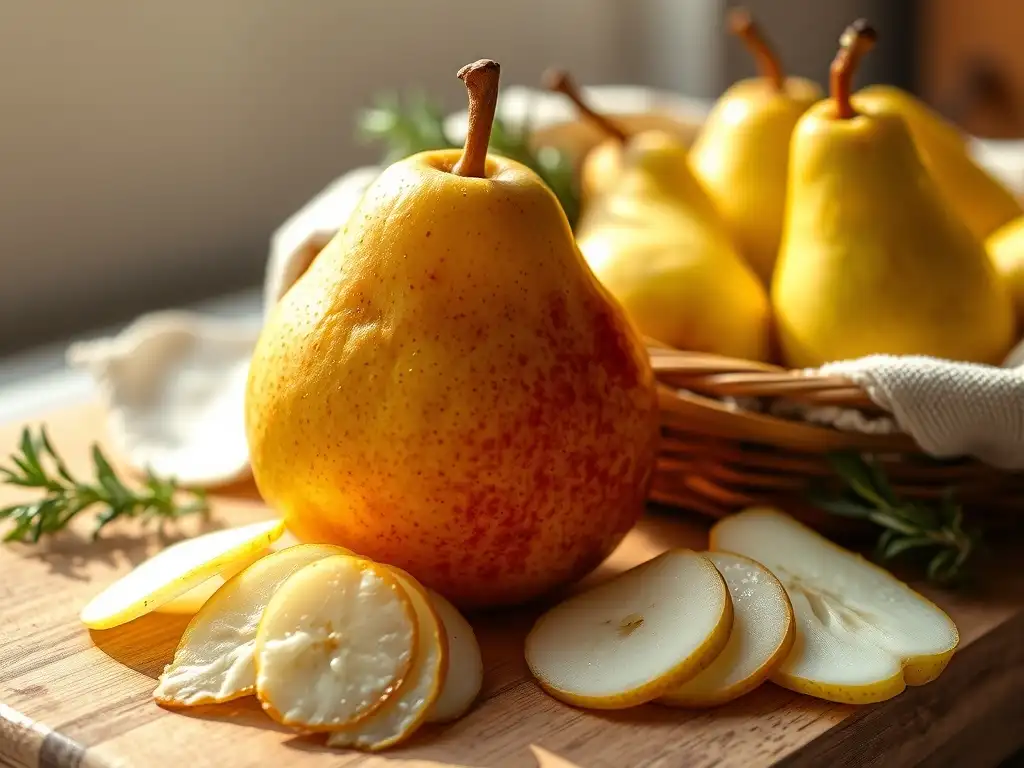
This section focuses on practical strategies to prolong the shelf life of your harvested pears, ensuring they remain ripe and juicy for as long as possible. We'll explore techniques that go beyond simple refrigeration, addressing crucial factors that impact pear longevity. Mastering these methods will help you maximize your harvest and minimize food waste, aligning perfectly with sustainable and organic practices. Learning how to store pears longer is a valuable skill for any home cultivator.
Proper Handling and Preparation for Storage: Minimizing Bruising and Damage
Gentle handling is paramount to extending the shelf life of your pears. Bruises, even small ones, accelerate the ripening process and lead to spoilage. Harvesting pears carefully, avoiding drops and rough treatment, is the first step. Use appropriate containers – preferably shallow, breathable baskets or trays – to transport them from the tree to your storage area. Avoid overcrowding, as this can cause pressure points and increase the risk of bruising.
Once harvested, inspect each pear individually. Discard any fruit showing signs of damage, such as cuts, punctures, or significant blemishes. These damaged areas provide entry points for bacteria and fungi, rapidly leading to decay. Remember, preventing damage upfront is far more effective than trying to remedy it later. Think of it as a proactive approach to how to store pears longer.
A crucial aspect of proper preparation is cleaning. Gently wipe each pear with a clean, damp cloth to remove any dirt or debris that might harbor microorganisms. Avoid washing thoroughly at this stage, as excessive moisture can promote rot. This careful cleaning process is a small but significant step towards maximizing your pears' storage life.
Ethylene Gas and Pear Ripening: Mitigation Strategies
Ethylene gas is a naturally occurring plant hormone that accelerates the ripening process in many fruits, including pears. High concentrations of ethylene can significantly shorten the shelf life of your pears, leading to premature softening and spoilage. Understanding how to mitigate ethylene exposure is key to answering the question, "How to store pears longer? ".
To minimize ethylene exposure, store pears separately from other ethylene-producing fruits and vegetables. These include apples, bananas, avocados, and tomatoes. The proximity of these fruits can drastically increase the ethylene concentration around your pears, leading to rapid ripening and spoilage. Consider storing them in separate airtight containers or in different areas of your refrigerator.
Another effective strategy is to use ethylene-absorbing materials. Some commercial products are designed to absorb ethylene gas, helping maintain a lower concentration within the storage environment. [Specific product recommendations pending]. However, simple techniques like using activated charcoal or placing a bowl of baking soda near your pears can also help. The baking soda, while not a dedicated ethylene absorber, can help neutralize some of the gas.
Using Absorbent Materials to Control Moisture: Specific Materials and Techniques
Maintaining proper humidity levels is critical for preventing rot and preserving the quality of your pears. Excessive moisture creates a favorable environment for mold and bacteria growth, significantly reducing storage life. Using absorbent materials can help regulate humidity and extend the shelf life of your pears.
Paper towels or absorbent cloths are simple and effective options. Place a single layer of paper towel at the bottom of the storage container to absorb excess moisture. Replace the paper towels every few days, or more frequently if they become noticeably damp. This simple technique helps maintain a drier environment, reducing the risk of rot.
Rice hulls are another excellent absorbent material. Their porous structure allows them to absorb moisture effectively. Place a layer of rice hulls at the bottom of the container, nestling the pears gently on top. Rice hulls are also beneficial because they provide excellent ventilation, preventing the build-up of moisture and ethylene gas. This method enhances the effectiveness of your pear storage, offering a more nuanced answer to "how to store pears longer."
Remember, consistent monitoring is crucial. Regularly inspect your pears for signs of spoilage, and remove any affected fruit immediately to prevent the spread of decay. By combining these techniques, you can significantly extend the shelf life of your homegrown pears and enjoy their deliciousness for weeks to come.
Harvesting and Storing Pears for the Best Results: A Step-by-Step Guide
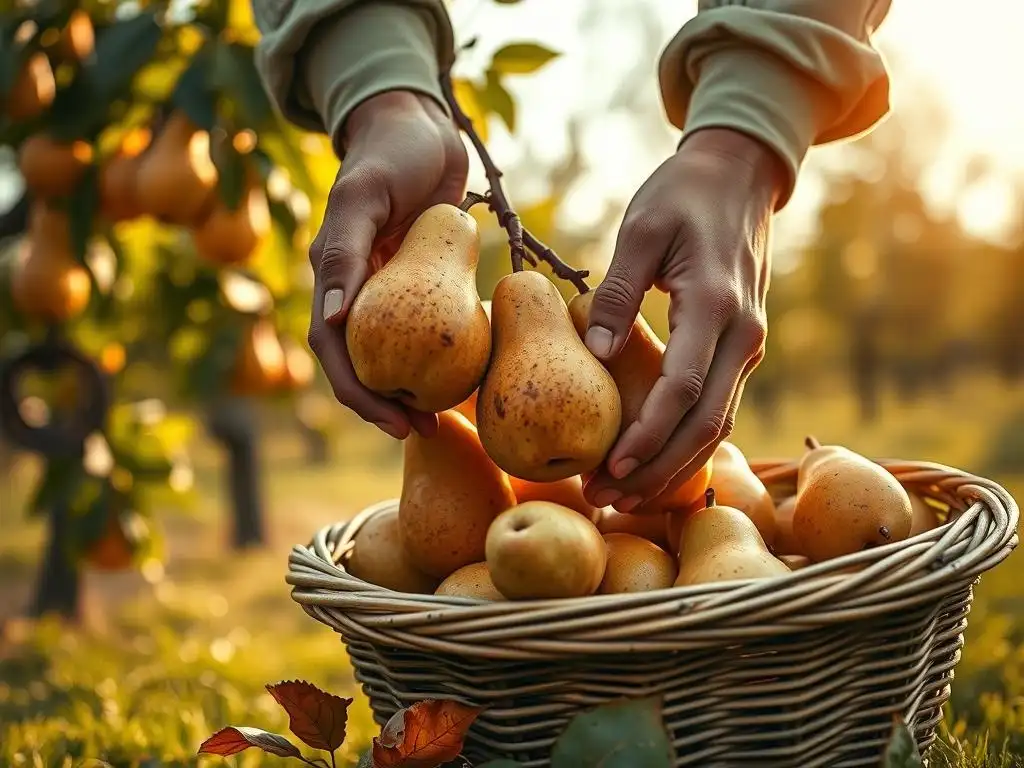
This section details the crucial first steps in extending the shelf life of your homegrown pears: harvesting and pre-storage preparation. Proper techniques at this stage significantly impact how long your pears remain ripe and juicy. Learning how to store pears longer starts long before they even reach your storage area.
Selecting the Optimal Harvest Time
Determining the ideal harvest time is paramount for maximizing pear storage life. Harvesting too early results in underripe, hard pears that won't ripen properly. Harvesting too late leads to mealy, overripe fruit prone to rapid spoilage. The optimal time depends on the pear variety; some ripen on the tree, while others require post-harvest ripening.
Several indicators signal harvest readiness:
- Color Change: Most pear varieties exhibit a characteristic color change as they mature. Consult your specific pear variety's guide for precise color indicators. For example, Anjou pears often transition from green to a yellowish-green.
- Ease of Separation: Gently lift the pear from the branch. A ripe pear will separate easily with a slight twist. If significant force is required, it's not yet ready.
- Slight Give: Gently press the pear near the stem. A ripe pear will yield slightly to gentle pressure, indicating its ripeness. Avoid excessive pressure, as this can damage the fruit.
- Aroma: Some pear varieties develop a subtle, sweet aroma as they ripen. This is a less reliable indicator but can be helpful in conjunction with other methods.
Understanding these cues allows you to harvest pears at their peak, significantly influencing their storage potential and answering the question "how to store pears longer" effectively. Failing to harvest at the right time can drastically reduce storage time, even with the best storage techniques.
Proper Harvesting Techniques to Minimize Damage
Careful harvesting minimizes bruising and damage, extending the pears' shelf life. Rough handling accelerates spoilage, reducing your ability to store pears longer.
Here's a step-by-step guide to proper pear harvesting:
- Use sharp pruning shears or clippers: This ensures a clean cut, reducing the risk of bruising the fruit or damaging the branch. Avoid tearing or pulling the pears from the tree.
- Harvest in the cool of the day: Morning or late afternoon harvesting minimizes sun exposure, reducing the risk of heat stress and damage. This is particularly important on hot days.
- Handle pears gently: Place harvested pears in a soft-lined container, avoiding stacking or overcrowding. Bruises, even small ones, can significantly shorten storage time.
- Inspect each pear: Discard any damaged or bruised pears immediately. These can quickly spoil and contaminate the rest of your harvest. This diligent approach is key to answering "how to store pears longer."
By following these techniques, you can significantly improve the quality and longevity of your pears in storage. Minimizing damage during harvest is a critical factor in achieving optimal storage results.
Pre-Storage Preparation: Cleaning and Sorting Pears
Before storing your pears, cleaning and sorting are essential steps to prevent spoilage and maintain quality. This pre-storage preparation helps you maximize the time you can store pears longer.
- Cleaning: Gently wipe each pear with a clean, damp cloth to remove any dirt, debris, or insects. Avoid washing the pears thoroughly, as excess moisture can promote rot.
- Sorting: Sort pears by size and ripeness. Separate ripe pears that will be consumed soon from those that will be stored for longer periods. This helps you manage your harvest efficiently and prevents premature ripening of the stored pears. Storing pears of similar ripeness together is crucial for even ripening and extended storage.
- Discarding Damaged Pears: Remove any pears with bruises, cuts, or other signs of damage. These can quickly spoil and compromise the quality of your stored pears, hindering your efforts to learn how to store pears longer.
This meticulous preparation significantly enhances the success of your pear storage efforts, ensuring that your harvest remains fresh and flavorful for as long as possible. Careful attention to these details translates directly to longer storage life and better quality.
Implementing Your Chosen Storage Method
Once you've selected the best pear storage method for your needs and the ripeness of your pears, implementing it correctly is crucial for maximizing their shelf life. This involves careful handling to avoid bruising, which significantly reduces storage time. Gently place your pears in the chosen container, ensuring they aren't crammed together. Overcrowding leads to increased ethylene production, accelerating ripening and potentially causing rot. Remember, even slight pressure points can cause damage that will quickly lead to spoilage.
For pears stored in the refrigerator, ensure the crisper drawer is clean and dry. High humidity can promote mold growth, so monitor the drawer's moisture levels. Consider using a paper towel to absorb excess moisture if needed. If using a paper bag, make sure it's breathable—a tightly sealed plastic bag will trap ethylene and cause the pears to spoil faster. Regularly check your pears for signs of spoilage, such as bruising, soft spots, or discoloration. Remove any affected pears immediately to prevent the spread of rot to the others.
For cold storage, maintaining consistent temperatures is paramount. Fluctuations in temperature can stress the fruit, leading to quicker ripening and reduced quality. Therefore, ensure your refrigerator maintains a steady temperature around 30-34°F (-1-1°C). Consistent monitoring is key, especially for larger batches of pears. Remember, even seemingly minor temperature changes can make a significant difference in your pears' lifespan. Proper implementation of your chosen method is the key to successfully extending the shelf life of your harvest. A little care and attention to detail can significantly improve the longevity and quality of your stored pears.
Enjoying Your Stored Pears: Recipes and Ideas
This section focuses on maximizing the deliciousness of your perfectly stored pears. We'll explore creative ways to use pears past their peak ripeness, minimizing food waste and maximizing flavor. Knowing how to store pears longer opens up a world of culinary possibilities beyond simply eating them fresh.
Recipes and Uses for Stored Pears
Stored pears, while perhaps not as firm as freshly picked ones, offer a unique sweetness and softness ideal for various culinary applications. Their texture changes as they ripen, lending themselves to different preparations.
Here are some ideas to inspire you:
- Pear and Walnut Salad: Slightly underripe, firm pears hold their shape well in salads. Combine diced pears with crumbled walnuts, crumbled goat cheese, and a light vinaigrette for a sophisticated and refreshing salad. The sweetness of the pears complements the saltiness of the cheese and the crunch of the walnuts perfectly. This is a great way to use pears that are still a bit firm but are starting to soften.
- Spiced Pear Butter: Softer, more ripe pears are perfect for making pear butter. The longer storage time allows you to accumulate enough pears for a large batch. Simmer the pears with spices like cinnamon, cloves, and nutmeg for a warming and flavorful spread. This is a fantastic way to preserve the pear's sweetness and create a delicious condiment that lasts for months. Consider adding a touch of ginger for an extra layer of complexity.
- Pear Crisp or Crumble: This classic dessert is a fantastic way to use up pears that are slightly overripe. The soft texture of the pears blends beautifully with the crunchy topping. Experiment with different spices and nuts in the crumble topping for added flavor and texture. You can even add oats and a sprinkle of brown sugar for a more robust topping.
- Pear Sauce: A simple and versatile option, pear sauce is perfect for adding to yogurt, oatmeal, or pancakes. It's also a great base for more complex desserts. The sweetness of the pear sauce is enhanced by the slight softening that occurs during longer storage. A hint of lemon juice can brighten up the flavor profile.
- Pear Chutney: For a more savory application, consider making pear chutney. The combination of sweet pears, spices, and vinegar creates a complex and flavorful condiment that pairs well with cheeses, meats, and curries. This is a fantastic way to preserve the pears while adding an interesting twist to your culinary repertoire.
Table 1: Pear Storage and Culinary Applications
| Pear Ripeness | Storage Method | Ideal Uses | Notes |
|---|---|---|---|
| Firm | Cool, dark place | Salads, tarts, grilling | Best within a week of picking |
| Slightly Soft | Refrigerator | Salads, baking (crisps, pies) | Use within a few days |
| Very Soft | Refrigerator | Sauces, butter, chutneys, smoothies | Best used immediately or within 2 days |
Remember to always check your pears for any signs of spoilage before using them. Proper storage methods, as detailed in previous sections, are crucial to ensuring your pears remain delicious and safe for consumption. By understanding how to store pears longer and creatively using them, you can minimize waste and enjoy the bounty of your harvest for weeks to come. 🍎
Frequently Asked Questions
How long can I expect to store pears?
The storage time depends on the pear variety and the storage method. Generally, you can expect to keep pears for 1-3 weeks at room temperature, and 2-4 months in cold storage.
What's the best way to store pears to keep them fresh?
For optimal freshness, store pears in a cool, dark, and dry place at room temperature until ripe. Once ripe, refrigerate them to slow down ripening. Avoid storing them near ethylene-producing fruits like apples.
Can I freeze pears?
Yes, you can freeze pears! Peel, core, and slice them before freezing to maximize space and ease of use later. Freezing pears will extend their shelf life considerably.
How can I tell if a pear is ripe?
A ripe pear will have a slightly soft texture when gently pressed. The aroma will be sweet and fragrant. Avoid pears that are bruised or have blemishes.
What are the best pear varieties for long-term storage?
Some longer-lasting varieties include Anjou, Bartlett, and Bosc pears. These varieties tend to hold their shape and flavor better during storage compared to others.
Final Reflection: The Enduring Sweetness of a Perfectly Stored Pear
The art of preserving the perfect pear extends far beyond mere culinary skill; it's a testament to our appreciation for nature's fleeting bounty. Understanding how to store pears longer isn't just about extending their shelf life; it's about savoring the full spectrum of their flavor and texture, from crisp and tart to mellow and sweet. This knowledge allows us to enjoy the fruits of our labor (or our grocery store trips!) for a longer period, reducing food waste and maximizing enjoyment.
The simple act of properly storing a pear speaks volumes about our relationship with food. We've moved beyond simply consuming; we're actively participating in the preservation of nature's gifts. This mindful approach to food handling resonates deeply with a growing movement towards sustainability and reducing our environmental impact. The best things in life are simple, but not easy.
This holds true for the seemingly mundane task of pear storage; the simplicity of the methods belies the significant impact they have on both our enjoyment and our responsibility towards minimizing waste.
Now, consider your own approach to food storage. What other treasures in your kitchen could benefit from a little extra care and attention? Take a moment to reflect on the small changes that can make a big difference.
By applying the principles discussed in this article – from choosing the right storage method to understanding the nuances of pear ripening – you can extend the life and enjoyment of your produce, and perhaps even inspire others to do the same. Let the enduring sweetness of a perfectly stored pear remind you of the simple joys and mindful practices that enrich our lives.
Unlock the Secrets to Perfectly Ripe Pears!
Thank you for learning how to keep your pears perfectly ripe and juicy! We hope you feel confident in extending the life of your delicious harvest. Ready to put your new knowledge to the test?
- Try these storage methods: Experiment with storing your pears in paper bags, a cool, dark place, or other methods to find what works best for your pears and your storage conditions. Note what you discover—you might find your new favorite tip!
- Share your best pear storage tips with fellow food lovers in the comments below! Let's build a community of pear enthusiasts.
- Try a new recipe: This week, showcase your perfectly preserved pears in a delicious new recipe.
What innovative pear storage technique will you try first?