
Planning Your Garden for a Continuous Harvest

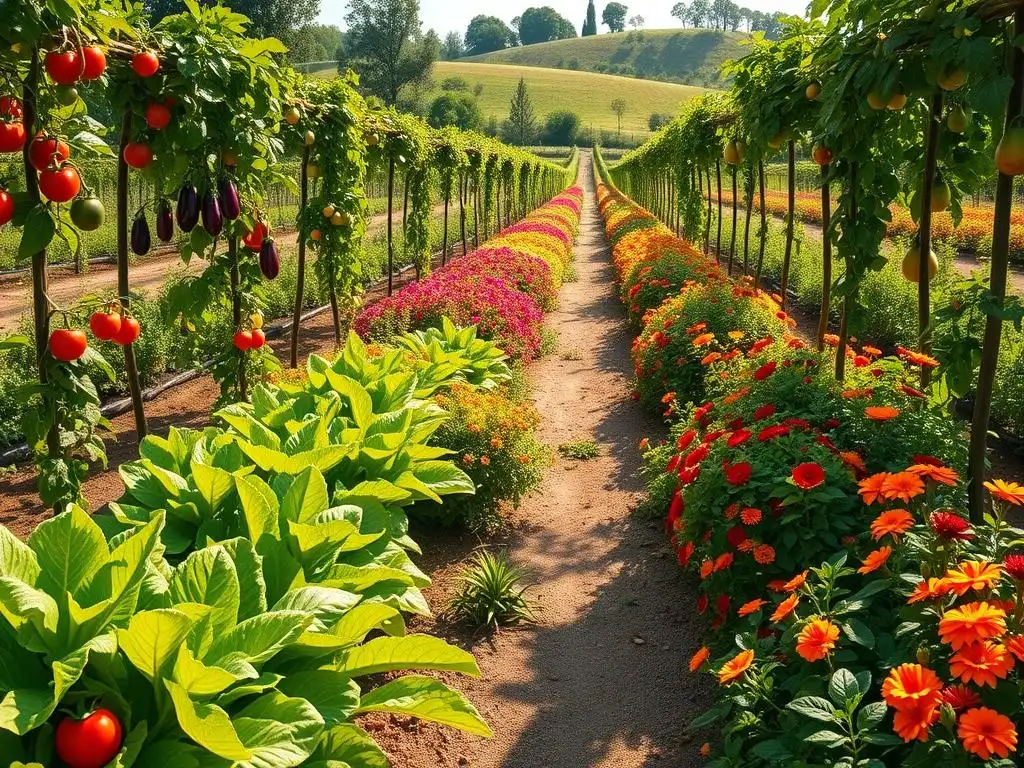
Welcome to CultivateYourFood, your guide to a thriving home garden! Are you ready to experience the joy of fresh, organic produce all year round? We'll unlock the secrets to continuous harvest garden planning, an advanced technique that ensures a bountiful supply of fruits, vegetables, and herbs. Discover how to strategically plan your planting schedule, optimize your space, and master sustainable practices for a truly rewarding gardening experience. Let's get started!
- Understanding Continuous Harvest Gardening
- Planning Your Continuous Harvest Garden Layout
- Selecting the Right Vegetables and Herbs for Continuous Harvest
- Soil Preparation and Ongoing Maintenance for Continuous Yields
- Pest and Disease Management for a Thriving Continuous Harvest Garden
- Harvesting and Preserving Your Continuous Harvest
- Advanced Techniques for Maximizing Your Continuous Harvest Garden
- Frequently Asked Questions
- Final Reflection: Cultivating Abundance: A Continuous Harvest Mindset
- Unleash Your Year-Round Harvest!
Understanding Continuous Harvest Gardening
Planning a garden that provides a continuous harvest throughout the growing season is a rewarding endeavor, transforming your backyard into a vibrant source of fresh produce. This approach, often referred to as succession planting, involves strategically planting crops at different times to ensure a consistent supply of fruits, vegetables, and herbs.
Unlike traditional gardening where harvests happen in bursts, continuous harvest gardening offers a steady stream of produce, minimizing gaps between harvests and maximizing your yield. This article will guide you through the key principles of planning a continuous harvest garden, helping you achieve a year-round bounty using sustainable and organic practices.
We'll cover everything from selecting the right plants to understanding your local growing season and microclimates, ensuring your garden thrives and provides you with delicious, homegrown food for months on end. Mastering continuous harvest garden planning is a significant step toward achieving food independence and enjoying the freshest produce imaginable.
Defining Continuous Harvest and its Benefits
Continuous harvest gardening, at its core, means planning your garden to ensure that something is always ready to harvest. This differs from traditional gardening where you might plant everything at once and then experience a period of abundance followed by a lull. The benefits are numerous:
- Extended Harvest Season: Instead of a few weeks of peak harvest, you can enjoy fresh produce for a much longer period.
- Reduced Food Waste: By harvesting smaller amounts more frequently, you reduce the chance of produce spoiling before it can be used.
- Increased Yield: Strategic planting maximizes space utilization and allows you to reap a greater overall harvest.
- Improved Soil Health: The continuous cycle of planting and harvesting helps improve soil structure and fertility.
- Enhanced Satisfaction: The constant availability of fresh produce boosts your gardening morale and provides a sense of accomplishment.
Let's consider a simple example: instead of planting all your lettuce seeds at once, you plant a new batch every two weeks. This ensures a constant supply of fresh lettuce throughout the growing season. This principle can be applied to various crops, resulting in a remarkably consistent supply of fresh produce.
The key to successful continuous harvest gardening is careful planning and an understanding of the growth cycles of your chosen plants.
Choosing the Right Plants for Continuous Yield
Selecting plants with varying maturity times is crucial for a continuous harvest. Consider these categories:
- Fast-maturing crops: These are ideal for succession planting, allowing you to harvest quickly and replant in the same space. Examples include radishes, lettuce, spinach, and bush beans.
- Medium-maturing crops: These offer a longer harvest period and can be interspersed with faster-growing varieties. Examples include zucchini, summer squash, and many herbs.
- Long-maturing crops: These provide a longer harvest but require more careful planning to avoid overcrowding. Examples include tomatoes, peppers, and certain types of beans.
Think about the spacing requirements for each plant, and plan accordingly to ensure each has enough room to grow without competing for resources. Furthermore, consider the compatibility of different plants. Some plants benefit from being grown together (companion planting), while others may inhibit each other's growth. Researching companion planting can significantly enhance your harvest and overall garden health.
Assessing Your Growing Season and Microclimates
Understanding your local climate is paramount. Knowing your first and last frost dates is vital for planning your planting schedule. You can use this information to determine which plants will thrive in your area and how long your growing season is. Furthermore, consider microclimates within your garden. South-facing areas generally receive more sunlight and are warmer, while north-facing areas may be shadier and cooler.
This can influence your plant choices and planting schedule. For example, you might plant heat-loving tomatoes in a sunny spot and more shade-tolerant lettuce in a cooler area. Careful observation of your garden's microclimates allows for optimal plant placement and maximized yield, enhancing your continuous harvest strategy. Careful planning, considering both your overall climate and specific microclimates, is crucial for success in continuous harvest gardening.
Planning Your Continuous Harvest Garden Layout
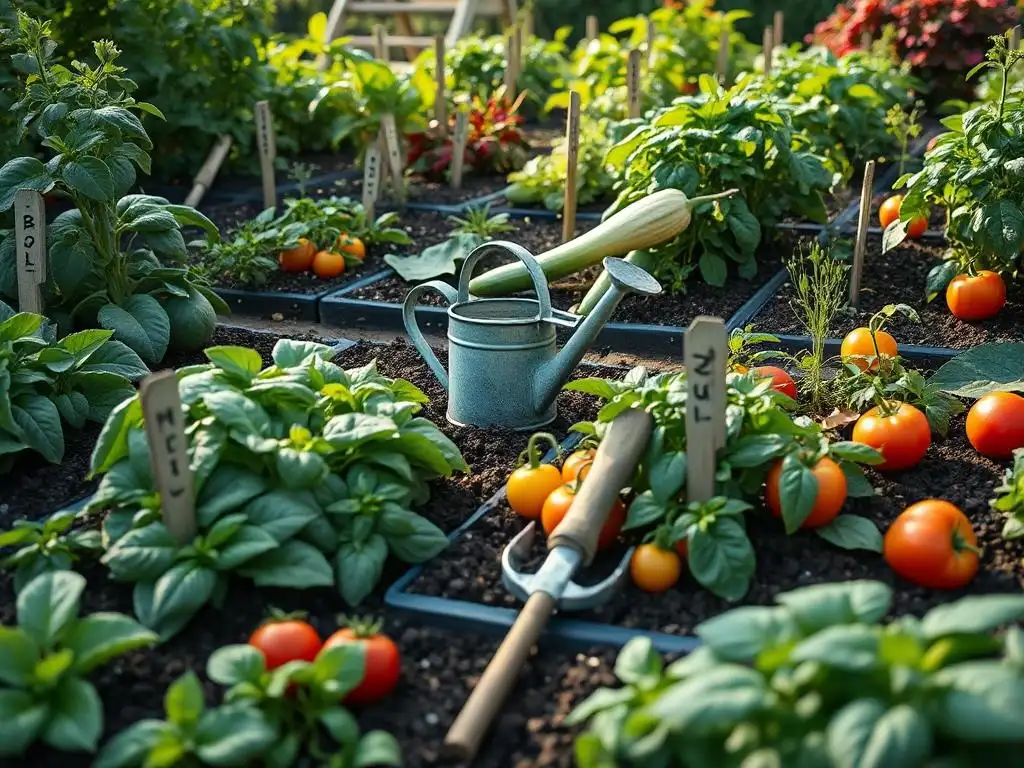
Effective planning is the cornerstone of a successful continuous harvest garden. This involves more than just choosing the right plants; it's about strategically arranging them to maximize sunlight, minimize competition, and optimize resource utilization. A well-designed layout allows for efficient watering, weeding, and harvesting, contributing significantly to your overall gardening success and minimizing wasted effort.
Achieving a continuous harvest requires careful consideration of several key factors, which we will explore in detail. The goal is to create a vibrant, productive space that yields a steady supply of fresh produce throughout the growing season, aligning perfectly with the principles of "continuous harvest garden planning".
Succession Planting Strategies for Extended Harvest
Succession planting is a fundamental technique for achieving a continuous harvest. It involves planting crops in stages, ensuring a steady supply of produce as earlier crops mature and are harvested. Instead of planting an entire bed of lettuce at once, for example, you would plant a portion every two to three weeks. This staggered planting ensures a continuous supply of fresh lettuce throughout the season. The timing of your succession planting depends on the specific crop's growth cycle and your local climate.
Consider this example: For tomatoes, a long-season crop, you might start with early-maturing varieties, followed by mid-season and then late-season varieties. This approach ensures a longer harvest period, extending from early summer well into autumn. Accurate knowledge of your plant's days to maturity is crucial for effective succession planting. Careful record-keeping, noting planting dates and harvest times, helps you refine your strategy year after year, optimizing your "continuous harvest garden planning".
Furthermore, you can apply the principle of succession planting across various crops. For instance, you could plant fast-growing leafy greens between rows of slower-growing root vegetables. Once the greens are harvested, the root vegetables will have ample space to mature. This maximizes space utilization and contributes to a more productive garden. Remember, successful succession planting requires planning and consistent monitoring of your crops' growth.
Companion Planting for Enhanced Growth and Pest Control
Companion planting leverages the synergistic relationships between different plant species to improve overall garden health and productivity. Certain plants, when grown together, can enhance each other's growth, deter pests, or attract beneficial insects. This natural pest control reduces or eliminates the need for harmful chemical pesticides, aligning perfectly with sustainable and organic gardening practices.
For example, basil is a well-known companion plant for tomatoes. It is believed to repel tomato hornworms and other pests while simultaneously improving the flavor of the tomatoes. Similarly, marigolds are often planted among vegetables to repel nematodes and other soilborne pests.
Careful planning of companion plant pairings can significantly reduce pest problems and enhance the overall health of your garden. Understanding which plants complement each other is key to maximizing the benefits of companion planting in your continuous harvest garden. Researching specific companion plant pairings for your chosen crops is a crucial aspect of successful "continuous harvest garden planning".
Utilizing Vertical Space for Maximum Plant Density
Vertical gardening is a powerful technique for maximizing plant density in a limited space. Utilizing trellises, stakes, or hanging baskets allows you to grow climbing plants like cucumbers, beans, and tomatoes upwards, freeing up valuable ground space for other crops. This increased density directly contributes to a higher yield and a more efficient use of your garden space.
Vertical gardening techniques can significantly enhance your continuous harvest strategy. By strategically positioning climbing plants, you can create layers of vegetation, ensuring a continuous harvest from different plants at various heights. This layered approach allows for a longer growing season and a greater diversity of crops. Think of a three-dimensional garden, utilizing every available inch of space, optimizing your yield, and maximizing the potential of your "continuous harvest garden planning". This method is particularly useful for those with limited garden space but a desire for abundant harvests.
Selecting the Right Vegetables and Herbs for Continuous Harvest
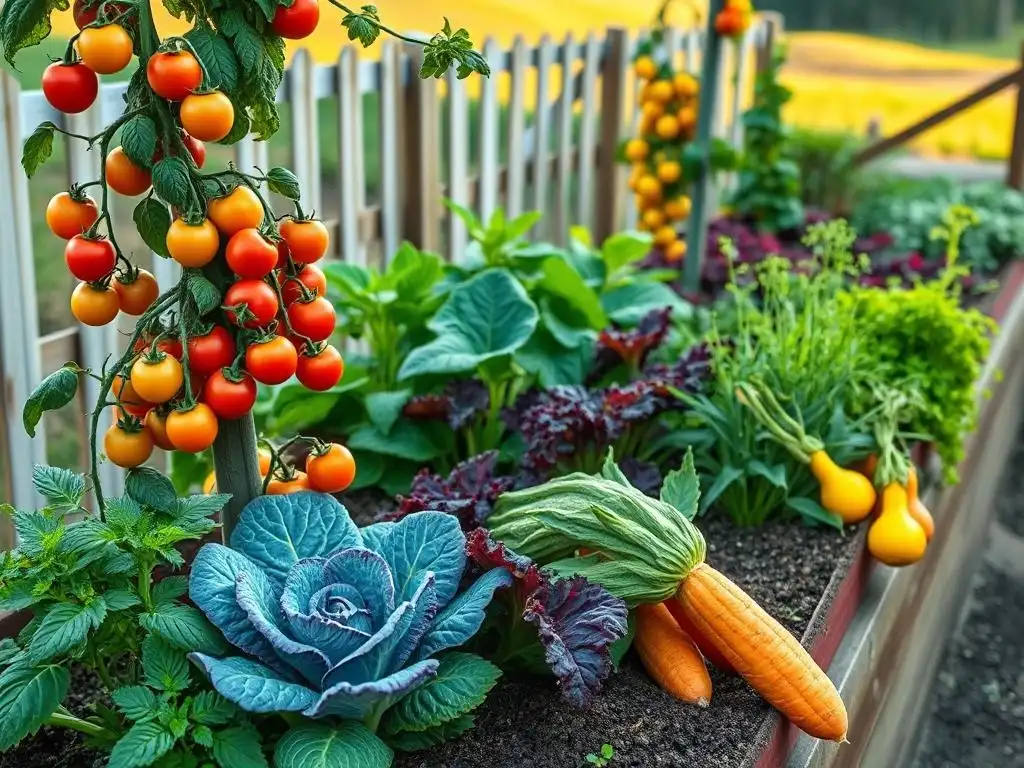
Planning a continuous harvest garden requires careful selection of plants with staggered planting times and varying maturation periods. The goal is to ensure a steady supply of fresh produce throughout the growing season, minimizing periods of scarcity. This involves understanding the growth cycles and harvesting windows of different species. Successful "continuous harvest garden planning" hinges on this crucial step.
Best Vegetables for Continuous Harvesting
Certain vegetables are particularly well-suited for extending the harvest period. These are typically those that produce over a long period, or those that can be successively sown throughout the season. Let's examine some prime examples:
- Leafy Greens: Lettuce, spinach, kale, and chard are excellent choices. They can be planted in succession every few weeks, ensuring a continuous supply. Consider using different varieties with varying maturity times to further extend the harvest. For instance, some lettuce varieties mature faster than others, allowing for a quicker turnaround.
- Root Vegetables: While not continuously harvested in the same way as leafy greens, root vegetables like radishes and carrots can be planted in batches. Radishes mature quickly, providing early harvests, while carrots can be harvested over several months, as you thin and harvest the smaller roots before the larger ones are ready.
- Bush Beans: Bush beans, unlike pole beans, don't require extensive support structures. They produce a concentrated crop over a shorter period, but multiple plantings spaced several weeks apart can create a near-continuous harvest.
- Summer Squash and Zucchini: These prolific producers offer a bountiful harvest for several weeks, and although their main harvest window is limited, you can extend it by regularly harvesting young fruits, which encourages the plant to produce more. The key here is diligent harvesting—the more you pick, the more it produces!
- Tomatoes: While tomatoes have a main harvest period, certain varieties, especially cherry or grape tomatoes, offer a more extended harvest season compared to larger varieties. Consider planting several tomato varieties with different ripening times.
Herbs for a Year-Round Supply
Many herbs thrive in various climates and can be grown throughout the year, even in colder regions with the help of greenhouses or indoor growing setups. A well-planned herb garden contributes significantly to a continuous harvest strategy.
Many herbs are resilient and can withstand cold snaps. This makes them ideal for extending the harvest into cooler months. Consider these options:
- Basil: While basil is a warm-season herb, you can extend its life by planting it in pots and bringing it indoors when temperatures drop. Successive sowings can also extend its availability.
- Rosemary: This hardy evergreen herb can tolerate cold temperatures, making it a great option for year-round harvests in milder climates.
- Thyme: Similar to rosemary, thyme is a very resilient herb that can survive in many climates and will continue to produce over a longer period.
- Mint: Mint is an incredibly vigorous grower, and with proper management (containing its spread), you can harvest it continuously throughout the growing season.
- Parsley: Parsley is a hardy biennial herb that can overwinter in many climates, providing a source of fresh leaves even during the colder months.
Integrating Fruiting Plants into Your Plan
Integrating fruiting plants into your continuous harvest plan adds another dimension. While the main harvest of most fruit trees and bushes is seasonal, careful planning can extend the enjoyment of homegrown fruits.
- Berry Bushes: Raspberries, blueberries, and strawberries (depending on the variety) offer harvests over an extended period. Consider planting different varieties with staggered ripening times.
- Dwarf Fruit Trees: Dwarf fruit trees are space-saving and can be incorporated into even smaller gardens. Choose varieties known for their extended harvest periods.
- Successive Planting of Short-Season Fruits: Some fruits, like melons, can be planted in succession to extend their harvest window. Remember to consider the space and resources required for each planting.
Careful consideration of plant spacing, sunlight requirements, and soil conditions are essential for successful integration of these plants into your continuous harvest garden. Remember that "continuous harvest garden planning" is an iterative process; observe your garden's performance and adjust your planting schedule accordingly in subsequent years. The more you learn about your specific climate and the plants you choose, the more successful you will be at obtaining a continuous harvest.
Soil Preparation and Ongoing Maintenance for Continuous Yields
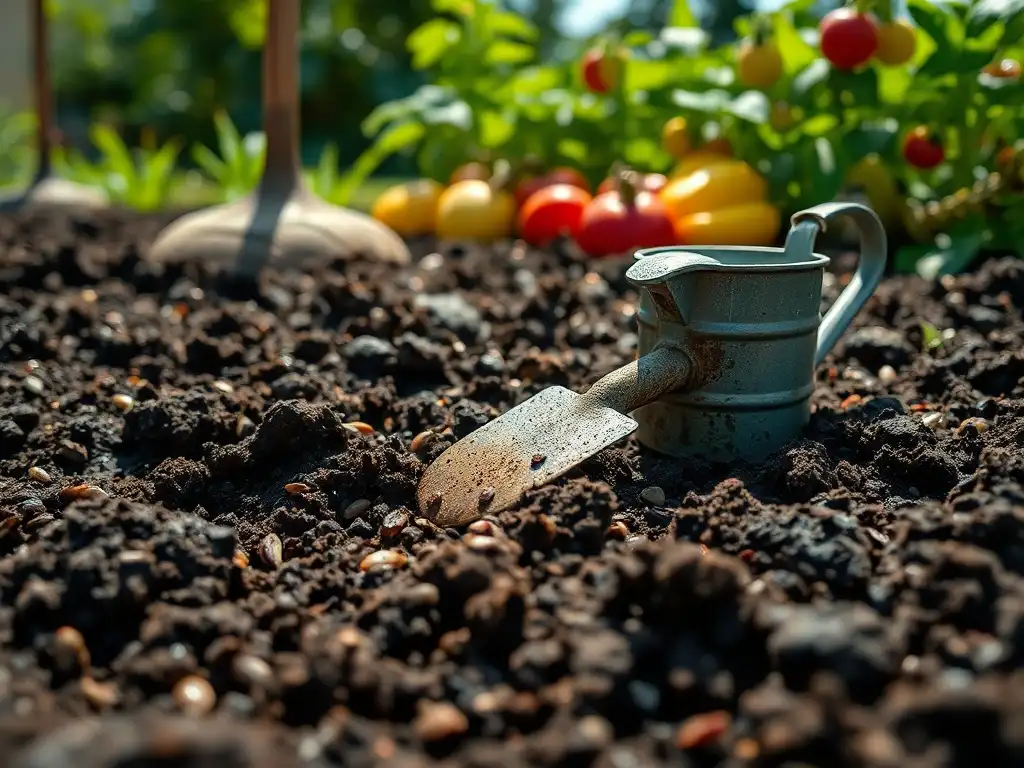
Continuous harvest garden planning hinges on healthy, fertile soil. Preparing the soil correctly before planting and maintaining its health throughout the growing season are crucial for achieving consistent yields. Neglecting either will significantly impact your ability to enjoy a continuous harvest.
Optimizing Soil Health for Continuous Production
Optimizing soil health for continuous production requires a multi-pronged approach. It's not a one-time fix but rather an ongoing process. Think of your soil as a living ecosystem that needs nurturing. First, soil testing is paramount. Knowing your soil's pH and nutrient levels allows you to amend it accordingly. A soil test will reveal deficiencies in vital nutrients like nitrogen, phosphorus, and potassium, which are essential for sustained plant growth. Amendments can include compost, aged manure, or commercially available fertilizers tailored to your soil's needs.
Beyond nutrient levels, soil structure is equally critical. Healthy soil possesses a good balance of sand, silt, and clay, allowing for optimal water drainage and aeration. Adding organic matter, such as compost or leaf mold, improves soil structure, increases water retention, and enhances microbial activity. This microbial activity is key; a thriving soil ecosystem is vital for nutrient cycling and disease suppression, both critical for continuous harvests.
Consider incorporating cover crops like clover or rye between planting cycles. These plants improve soil structure, add nutrients, and suppress weeds, further enhancing the soil's ability to support continuous growth. Regularly turning the soil (avoiding tilling excessively) improves aeration.
Nutrient Management for Extended Productivity
Nutrient management is crucial for a continuous harvest garden. Plants continuously deplete nutrients from the soil, so replenishing them is essential. Simply adding compost isn't always sufficient for extended productivity. A balanced approach using a combination of methods is typically best.
- Composting: Home composting is an excellent way to recycle garden waste and create nutrient-rich compost. This natural fertilizer improves soil structure and provides slow-release nutrients.
- Mulching: Applying a layer of mulch, such as straw or wood chips, helps retain soil moisture, suppresses weeds, and gradually releases nutrients as it decomposes.
- Crop Rotation: Rotating crops helps prevent nutrient depletion in the soil. Different plants have different nutrient requirements, so rotating them ensures a more balanced nutrient uptake.
- Green Manure: Incorporating green manure crops into your rotation adds organic matter and nutrients to the soil.
- Fertilizers: While organic amendments are preferred, supplemental fertilizers might be necessary, especially in poor soils. Opt for slow-release, organic fertilizers to avoid nutrient burn and provide a sustained supply. Always follow label instructions carefully. Observe your plants: yellowing leaves might indicate a nutrient deficiency, while excessive growth could mean an overabundance.
Irrigation Strategies for Consistent Moisture
Consistent moisture is vital for continuous harvests. Overwatering or underwatering can both negatively impact yields. The best irrigation strategy depends on your climate, soil type, and the plants you're growing.
Here's a breakdown of effective irrigation techniques for continuous harvest gardening:
| Irrigation Method | Advantages | Disadvantages | Suitability |
|---|---|---|---|
| Drip Irrigation | Efficient water use, targeted watering, reduces weed growth | Higher initial cost, potential for clogging | Ideal for continuous harvest gardens of all sizes |
| Soaker Hoses | Easy to install, inexpensive, even moisture delivery | Can be less efficient than drip irrigation, prone to kinks | Good for smaller gardens and raised beds |
| Overhead Sprinklers | Quick and easy to install, good for larger areas | Inefficient water use, can lead to disease spread | Less suitable for continuous harvest gardening |
| Hand Watering | Allows for precise control | Labor-intensive, not ideal for large gardens | Best for supplemental watering or small plots |
Careful monitoring is key. Check soil moisture regularly, especially during dry spells. Consider using a moisture meter to avoid guesswork. Adjust your watering schedule based on weather conditions and plant needs. Remember that different plants have different water requirements. A consistent and appropriate watering strategy is fundamental to achieving a continuous harvest. Mulching also plays a significant role here; it helps retain soil moisture, reducing the frequency of watering needed. 🌱
Pest and Disease Management for a Thriving Continuous Harvest Garden
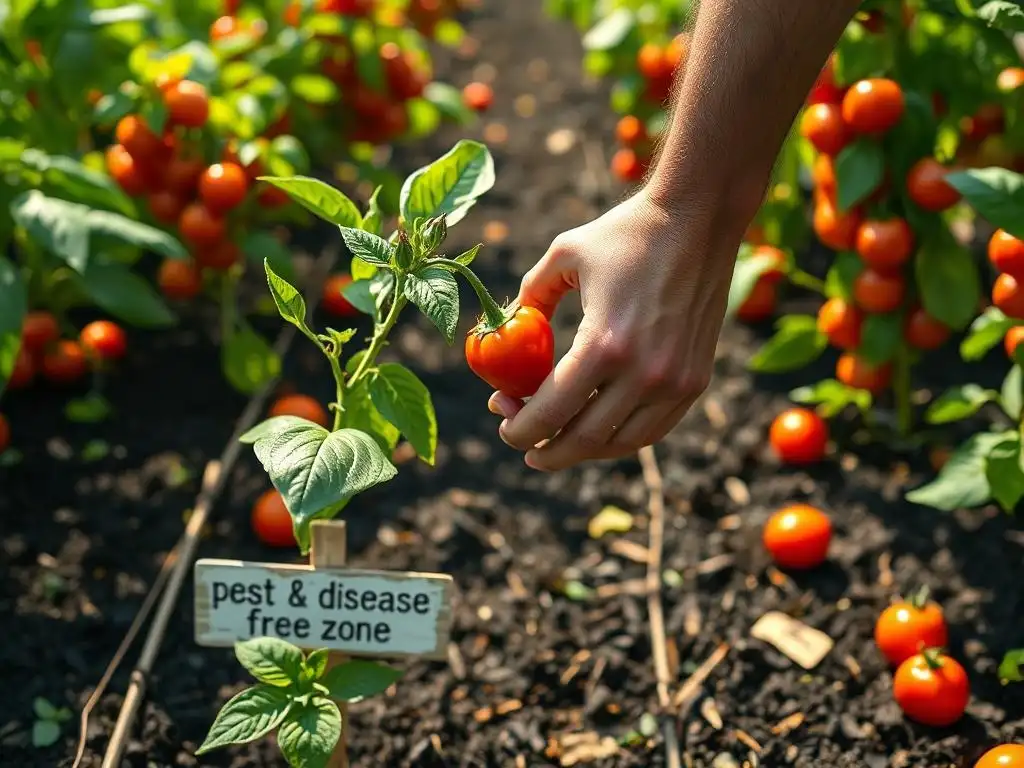
A continuous harvest garden, with its extended growing season and diverse plant populations, requires a proactive and integrated pest and disease management strategy. Ignoring this crucial aspect can quickly undermine your efforts, leading to reduced yields and unhealthy plants. Successful continuous harvesting relies heavily on minimizing pest and disease pressures throughout the growing season. This section details effective methods to achieve this.
Natural Pest Control Methods for Continuous Harvesting
Natural pest control is paramount in an organic, continuous harvest garden. Instead of relying on harsh chemicals, which can harm beneficial insects and contaminate your produce, focus on preventative measures and environmentally friendly solutions.
Several strategies can be implemented to minimize pest problems:
- Companion Planting: Strategically planting certain plants together can repel pests. For example, basil repels aphids and tomatoes benefit from the presence of marigolds. Researching effective companion plant pairings for your specific garden is crucial for continuous success. Consider creating a detailed companion planting chart tailored to your chosen crops and their pest vulnerabilities.
- Beneficial Insects: Attracting beneficial insects, such as ladybugs, lacewings, and praying mantises, is a natural and effective way to control pests. These insects prey on many common garden pests, reducing the need for intervention. Planting flowers that attract these beneficial insects, such as dill and yarrow, is a simple yet powerful technique.
- Physical Barriers: Row covers, netting, and other physical barriers can prevent pests from accessing your plants. This is especially effective for protecting young seedlings from slugs and other crawling insects. Regularly inspect these barriers for tears or damage to maintain their effectiveness.
- Handpicking: Regularly inspect your plants for pests and remove them manually. This is particularly effective for dealing with small infestations before they become major problems. Early detection and intervention are key to maintaining a healthy garden.
Preventing and Managing Common Garden Diseases
Preventing diseases is significantly easier than curing them. A healthy garden, with good soil health and proper plant spacing, is less susceptible to diseases.
Here are some key preventative measures:
- Soil Health: Healthy soil is the foundation of a healthy plant. Regular soil testing and amendment with compost and other organic matter improves soil structure and nutrient content, making plants more resilient to disease. Consider implementing a regular soil testing schedule, at least annually, to monitor its health and adjust your amendments accordingly.
- Crop Rotation: Rotating crops annually helps break disease cycles. Do not plant the same species in the same location year after year. A well-planned rotation can drastically reduce the incidence of soilborne diseases.
- Proper Watering: Avoid overhead watering, which can spread fungal diseases. Water at the base of the plants to keep the foliage dry. Consistent and adequate watering, without overwatering, is crucial for plant health and disease prevention.
- Sanitation: Removing diseased plants promptly and disposing of them properly prevents the spread of disease to healthy plants. Always disinfect your tools after working with diseased plants to prevent cross-contamination.
Monitoring and Responding to Plant Health Issues
Regular monitoring is crucial for early detection of pest and disease problems. A proactive approach, rather than a reactive one, will significantly improve the chances of a successful continuous harvest.
- Regular Inspections: Walk through your garden at least once a week, carefully inspecting plants for signs of pests, diseases, or nutrient deficiencies. Note any unusual patterns or symptoms. Maintain a detailed garden journal recording these observations.
- Early Intervention: Addressing problems early is crucial. Small infestations and minor diseases are much easier to manage than large-scale outbreaks. Early detection significantly reduces the need for more drastic measures.
- Documentation: Keep detailed records of your pest and disease management strategies. This information is invaluable for future planning and helps you track the effectiveness of different techniques. Note the dates of application, the specific treatments used, and the results observed. This detailed documentation allows for continuous improvement of your garden management practices.
The successful management of pests and diseases is integral to achieving a thriving continuous harvest garden. By integrating these preventative and reactive strategies, you can significantly increase the chances of a bountiful and healthy harvest throughout the growing season. Remember, a healthy garden is a productive garden.
Harvesting and Preserving Your Continuous Harvest
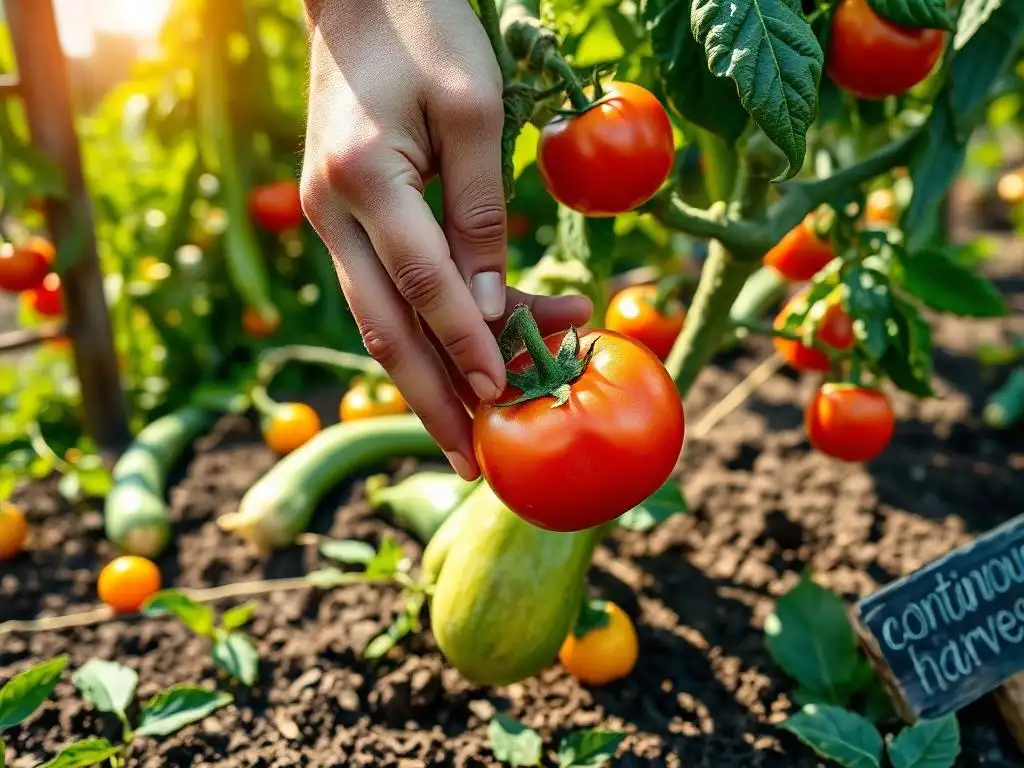
This section delves into the crucial aspects of maximizing your continuous harvest garden's potential, focusing on efficient harvesting techniques and effective preservation methods. Successful continuous harvesting isn't just about planting strategically; it's also about knowing when and how to harvest, and how to store your bounty for long-term enjoyment. Proper planning ensures you reap the rewards of your efforts throughout the year. Let's explore the key strategies for a truly bountiful, year-round harvest.
Harvesting Techniques for Maximum Yield
Optimizing your harvest is key to a successful continuous harvest garden planning strategy. The timing and method you employ significantly impact the quality and quantity of your produce. Here's a breakdown of best practices:
- Regular Harvesting: Frequent harvesting, even if it means picking small amounts, encourages plants to produce more. This applies to many vegetables like lettuce, beans, and zucchini. Think of it as "training" your plants to keep producing. Leaving mature fruits or vegetables on the plant for too long can divert energy from new growth, hindering your continuous harvest goals.
- Selective Harvesting: Don't just harvest everything at once! Carefully examine your plants and pick only the ripe or mature produce. Leaving some fruits or vegetables to mature further can extend the harvest period. For example, with tomatoes, you might pick some when they're still slightly firm for immediate use, while leaving others on the vine to ripen fully for later consumption.
- Proper Harvesting Tools: Using the right tools is essential for minimizing damage to your plants and maximizing yield. Sharp knives and shears prevent bruising and ensure clean cuts, reducing the risk of disease. Investing in quality tools is an investment in your continuous harvest garden's success.
- Harvesting at the Optimal Time: The best time to harvest varies depending on the plant. However, generally, early morning is ideal as the plants are less stressed from the heat of the day. This helps maintain freshness and quality. Check your plant's specific needs for optimal harvesting times.
- Example: Consider a continuous harvest of lettuce. Harvesting outer leaves regularly allows the inner leaves to continue growing, providing a steady supply throughout the season. This is a simple yet effective technique for extending your harvest.
Preservation Methods for Extended Enjoyment
Preserving your harvest extends its lifespan, ensuring you can enjoy the fruits (and vegetables!) of your labor even during the off-season. Several methods exist, each suited to different produce:
- Freezing: Freezing is a versatile preservation method for many fruits and vegetables. Blanching before freezing helps retain color, texture, and nutrients. Properly frozen produce can last for months, providing a continuous supply even during winter.
- Canning: Canning is ideal for preserving fruits, tomatoes, and other vegetables. It involves heating the produce to destroy microorganisms and sealing it in airtight jars. Canning requires careful attention to detail and proper sterilization techniques to ensure food safety.
- Drying: Drying is a great method for preserving herbs, fruits, and some vegetables. Air drying, sun drying, and dehydrators are all effective methods. Dried produce can be stored for months, offering a convenient and flavorful addition to your meals.
- Pickling and Fermenting: Pickling and fermenting are excellent ways to preserve vegetables like cucumbers, onions, and peppers. These methods not only extend the shelf life of your produce but also add unique flavors and textures.
- Root Cellaring: For root vegetables like carrots, potatoes, and beets, a root cellar or cool, dark storage area can extend their shelf life significantly, providing a continuous supply of fresh produce throughout the winter.
Planning for Off-Season Consumption
Even with careful preservation, a true continuous harvest garden planning requires consideration for the off-season. This involves strategic planning to ensure a steady supply of food year-round. Here are some key strategies:
| Strategy | Description | Example |
|---|---|---|
| Succession Planting | Planting new crops in stages to ensure a continuous supply throughout the growing season. | Planting lettuce every two weeks for a constant harvest. |
| Cold-Frame/Greenhouse Use | Extending the growing season by using protective structures to shield plants from harsh weather. | Growing spinach and kale through winter in a cold frame. |
| Crop Rotation | Rotating crops each year to improve soil health and prevent pest and disease buildup. | Alternating tomatoes and beans in the same plot. |
| Seed Saving | Saving seeds from your most productive plants to ensure a continuous supply of homegrown produce in future seasons. | Saving seeds from your best performing pepper plants. |
| Buying Locally (Supplement) | Supplementing your homegrown produce with locally sourced food from farmers' markets during the off-season. | Purchasing winter squash from a local farmer. |
By carefully considering these factors and employing a combination of preservation techniques and strategic planning, you can move closer to achieving a truly continuous harvest garden, maximizing your yield and enjoying fresh, homegrown produce all year long. 🍅🥕🥬
Advanced Techniques for Maximizing Your Continuous Harvest Garden
This section delves into advanced techniques to optimize your continuous harvest garden planning, ensuring a year-round supply of fresh produce. We'll explore strategies beyond basic succession planting, focusing on methods to extend the growing season and maximize yield. Remember, the key to a successful continuous harvest is careful planning and strategic implementation of these techniques.
Using Row Covers and Cold Frames to Extend the Season
Extending your growing season is crucial for a continuous harvest garden. Row covers and cold frames are inexpensive and effective tools to achieve this. Row covers, lightweight fabrics like Reemay, protect seedlings from frost and extend the planting season in spring and fall. They also provide protection from pests and excessive sun. A well-placed row cover can easily add several weeks to your growing season, allowing you to plant heat-sensitive crops earlier and extend the harvest of late-season vegetables.
Cold frames offer even more protection. These miniature greenhouses, often constructed from simple wooden frames and glazing, create a microclimate significantly warmer than the ambient temperature. They are ideal for starting seeds indoors and hardening them off before transplanting, as well as overwintering certain hardy plants. Careful monitoring of temperature and humidity is essential to prevent overheating or dampening off.
Consider these factors when using row covers and cold frames:
- Material Selection: Choose appropriate materials for your climate. Heavier fabrics offer more protection but can also restrict airflow.
- Ventilation: Adequate ventilation is crucial to prevent overheating and maintain healthy humidity levels. Consider using vents or lifting the covers on warmer days.
- Location: Place row covers and cold frames in sunny locations with good drainage.
- Plant Selection: Select cold-hardy or heat-tolerant varieties depending on the time of year and the level of protection offered.
For example, using a cold frame, you could start tomato seedlings indoors in early spring, transplanting them into the garden several weeks earlier than you would normally be able to. Similarly, you can extend the season of leafy greens like spinach and kale into late autumn by covering them with row covers. This strategic use of these simple tools significantly contributes to a more continuous harvest.
Implementing Crop Rotation for Soil Health and Pest Control
Crop rotation is a cornerstone of sustainable gardening practices, playing a significant role in continuous harvest garden planning. Rotating crops prevents the buildup of pests and diseases associated with specific plants, improving soil health and reducing the need for pesticides. Different plant families have different nutrient requirements and susceptibility to pests. Rotating crops ensures that the soil remains fertile and prevents the depletion of specific nutrients.
Here's a simplified example of a three-year crop rotation plan:
| Year | Group 1 (Heavy Feeders) | Group 2 (Moderate Feeders) | Group 3 (Light Feeders/Nitrogen Fixers) |
|---|---|---|---|
| Year 1 | Tomatoes, Peppers, Eggplant | Broccoli, Cauliflower, Cabbage | Legumes (Beans, Peas), Root Vegetables |
| Year 2 | Broccoli, Cauliflower, Cabbage | Legumes (Beans, Peas), Root Vegetables | Tomatoes, Peppers, Eggplant |
| Year 3 | Legumes (Beans, Peas), Root Vegetables | Tomatoes, Peppers, Eggplant | Broccoli, Cauliflower, Cabbage |
This rotation ensures that heavy feeders don't deplete the soil of nutrients in the same spot year after year. Legumes, being nitrogen fixers, enrich the soil, benefiting subsequent crops. This systematic approach minimizes pest and disease pressure, contributing to a healthier garden and a more continuous harvest. Careful planning and record-keeping are essential for successful crop rotation. Understanding the specific nutrient needs and pest vulnerabilities of your chosen plants is vital for effective rotation.
Utilizing Greenhouse or Indoor Growing Space for Year-Round Production
For truly continuous harvest garden planning, consider incorporating greenhouse or indoor growing space. A greenhouse extends the growing season significantly, allowing you to start seeds earlier, grow heat-loving crops throughout the year, and even overwinter some tender plants. Indoor growing, using grow lights and hydroponic or soil-based systems, offers the potential for year-round production, regardless of external weather conditions.
The advantages are numerous:
- Extended growing season: Grow crops regardless of the outdoor climate.
- Climate control: Precisely control temperature, humidity, and light levels for optimal plant growth.
- Pest and disease control: Easier to manage pests and diseases in a controlled environment.
- Increased yield: Potential for higher yields due to optimal growing conditions.
However, indoor and greenhouse growing requires careful planning and management. Factors like lighting, ventilation, watering, and fertilization must be carefully monitored and adjusted to ensure optimal plant health. The initial investment can be significant, but the potential for a continuous harvest of fresh produce throughout the year makes it a worthwhile investment for many gardeners. Careful consideration of the space available, the type of crops you want to grow, and your budget is crucial when planning a greenhouse or indoor growing setup. 🌱
Frequently Asked Questions
What is continuous harvesting?
Continuous harvesting means planning your garden to produce a steady supply of crops throughout the growing season, rather than having one large harvest at the end. This involves strategically planting crops with staggered maturity dates.
How do I plan a continuous harvest garden?
Start by selecting succession planting varieties of your favorite fruits, vegetables, and herbs. Consider planting fast-growing crops alongside slower ones, and use a garden calendar to track planting and harvest times. Crop rotation is also crucial.
What are some good continuous harvest crops?
Excellent choices include leaf lettuces, bush beans, radishes, and summer squash. Consider herbs like basil and cilantro for continuous cutting. Plan for multiple plantings of these throughout the season.
How important is soil health for continuous harvesting?
Healthy soil is essential. It provides the nutrients your plants need for consistent growth and yields. Use compost and other organic matter to improve soil structure and fertility. Regular soil testing is also recommended.
What about pest and disease control in a continuous harvest garden?
Integrated pest management (IPM) strategies are vital. This includes using companion planting, beneficial insects, and natural pest control methods to minimize the impact of pests and diseases on your continuous harvest.
Final Reflection: Cultivating Abundance: A Continuous Harvest Mindset
The principles of continuous harvest gardening aren't just about maximizing yield; they're about fostering a deeper connection with nature and building resilience in the face of unpredictable seasons and resource scarcity. This approach, once considered niche, is now more vital than ever as we grapple with climate change and the increasing importance of local food systems. The ability to consistently provide fresh, healthy food for oneself and one's community is a powerful tool for both individual and collective well-being.
The journey of planning and maintaining a continuous harvest garden is a testament to the enduring power of patience and observation. It's a constant learning process, demanding attention to detail and a willingness to adapt to the ever-changing needs of the plants and the environment. This process mirrors life itself, with its cycles of growth, decay, and renewal. The glory of gardening: hands in the dirt, head in the sun, heart with nature. To nurture a garden is to feed not just the body, but the soul.
This quote perfectly encapsulates the profound satisfaction derived from nurturing a thriving garden, a satisfaction that extends far beyond the bounty it provides.
Now, consider your own life. What aspects of your life could benefit from a "continuous harvest" approach? Where can you cultivate consistent growth and abundance, not just in terms of material possessions, but in relationships, personal development, and overall well-being? Take the lessons learned from planning a continuous harvest garden – careful planning, consistent effort, and mindful adaptation – and apply them to other areas of your life. Embrace the cycle of growth and nurture the seeds of your own potential. The harvest will be bountiful.
Unleash Your Year-Round Harvest!
Thank you for exploring the world of continuous gardening! You now have the knowledge to transform your garden into a vibrant, productive space throughout the year. Ready to put your skills to the test?
- Start planning your succession planting schedule now! This is key to a continuous harvest. Consider which vegetables you'd like to grow and when they'll be ready for harvest.
- Share your best continuous harvest tips with our community in the comments below – let's learn from each other!
- Consider trying a new variety of vegetable this season to increase your garden's biodiversity. Perhaps a rare heirloom tomato or a vibrant purple cauliflower?
What unique approach will you take to ensure your garden yields delicious produce all year long?