
Easy to Grow: ColdTolerant Plants for New Gardeners

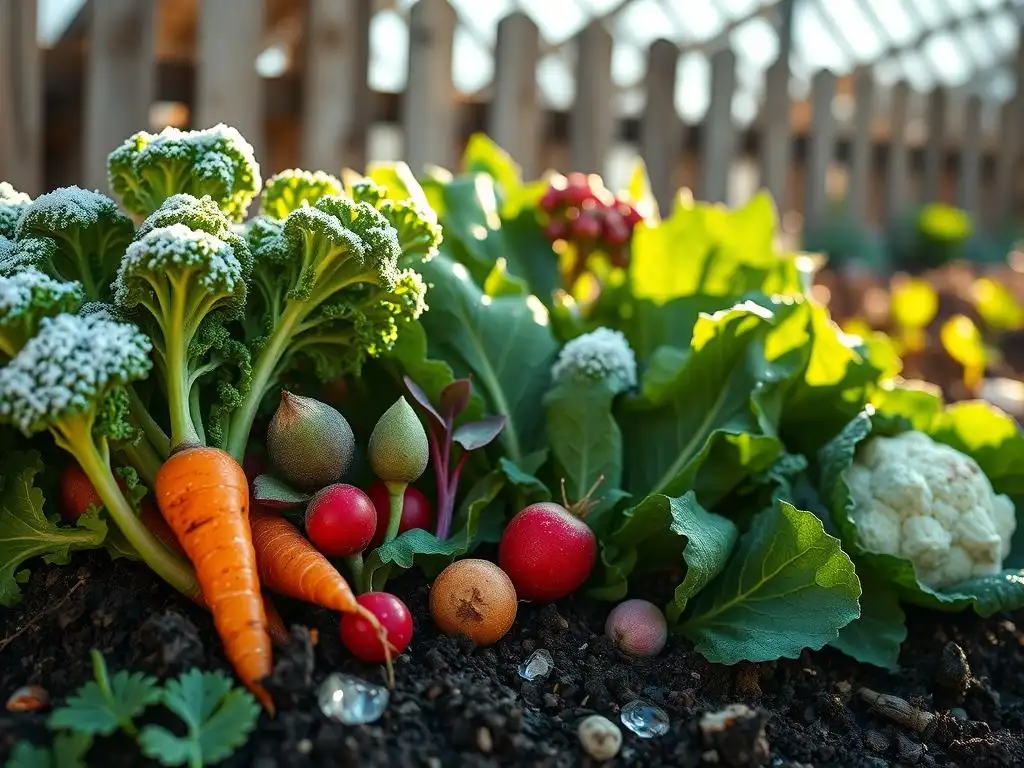
Ready to transform your backyard into a thriving oasis of flavor? At CultivateYourFood, we empower you to grow your own delicious fruits, vegetables, and herbs organically. Discover the secrets to effortless gardening with our guide on cold-hardy vegetables easy gardening, perfect for beginners. Learn how to cultivate a bountiful harvest, even in challenging climates – your journey to fresh, sustainable food starts here!
- Understanding Cold Hardiness for Easy Gardening
-
Top Cold Hardy Vegetables for Easy Gardening Success
- Kale: A Cold-Weather Superstar
- Spinach: A Quick-Growing Green
- Chard: A Versatile Leafy Green
- Radishes: Fast-Growing Root Vegetables
- Lettuce: Cold-Hardy Options for Salads
- Peas: A Classic Cold-Season Vegetable
- Broccoli & Cauliflower: Cold-Hardy Brassicas
- Other Cold-Hardy Vegetables: Arugula, Mustard Greens, Collard Greens
- Preparing Your Garden for Cold-Hardy Vegetables
- Planting and Caring for Cold-Hardy Vegetables
- Harvesting Your Cold-Hardy Vegetables
- Troubleshooting Common Cold-Hardy Vegetable Growing Challenges
-
Frequently Asked Questions
- What are some examples of cold-hardy vegetables suitable for beginner gardeners?
- When is the best time to plant cold-hardy vegetables?
- How much sunlight do cold-hardy vegetables need?
- What are common pests and diseases affecting cold-hardy vegetables, and how can I prevent them?
- What are some tips for successful cold-hardy vegetable gardening for beginners?
- Final Reflection: Cultivating Resilience, One Seed at a Time
- Unleash Your Inner Gardener: Grow a Thriving Cold-Hardy Garden
Understanding Cold Hardiness for Easy Gardening
Embarking on your gardening journey can be incredibly rewarding, especially when you choose plants that thrive in your specific climate. This article focuses on simplifying the process for beginners by highlighting cold-hardy vegetables – those resilient plants that can withstand cooler temperatures and frosts, making them perfect for early spring planting or extending your harvest well into autumn. Successfully cultivating cold-hardy vegetables is key to experiencing a longer growing season and a more abundant harvest, even in regions with shorter, cooler summers.
We'll explore what constitutes cold hardiness, select ideal vegetables for novice gardeners, and discuss crucial factors for success. Mastering these principles will empower you to cultivate a thriving garden, regardless of your climate's challenges, and enjoy the freshest, most flavorful produce directly from your own backyard. This guide is specifically tailored to help you conquer the often-daunting task of "Coldhardy vegetables easy gardening".
Defining Cold Hardiness Zones
Understanding your USDA Plant Hardiness Zone is paramount when selecting cold-tolerant plants. This zone system divides North America into areas based on average annual minimum winter temperatures. Knowing your zone helps you choose plants that are likely to survive the coldest temperatures in your region. For example, a plant rated for Zone 5 will likely survive winters in Zone 5, but might struggle in Zone 4, which experiences lower minimum temperatures. Many cold-hardy vegetables are rated for Zones 3-7, demonstrating their adaptability to a wide range of climates.
It's crucial to check the specific hardiness ratings of the vegetable varieties you choose to ensure optimal growth and survival. Failing to consider your hardiness zone can lead to plant loss and a disappointing harvest. Think of your hardiness zone as a roadmap to gardening success! 🗺️
Selecting Cold-Tolerant Vegetables for Beginners
For new gardeners, selecting the right cold-hardy vegetables is crucial for a positive and encouraging experience. Here are some excellent choices known for their ease of cultivation and resilience to cooler temperatures:
- Leafy Greens: Spinach, kale, lettuce (certain varieties), and arugula are all excellent choices for beginners. They germinate quickly and require minimal care.
- Root Vegetables: Radishes and carrots are relatively easy to grow and tolerate some frost.
- Brassicas: Certain varieties of broccoli, cabbage, and cauliflower are surprisingly cold-hardy, particularly when started as seedlings.
- Other Options: Peas, fava beans, and even some herbs like parsley and chives can tolerate cooler conditions.
Remember to check seed packets or plant tags for specific hardiness information and planting instructions. Starting seeds indoors a few weeks before the last expected frost can give your plants a head start and improve their chances of survival. Choosing varieties specifically bred for your region will also greatly enhance your success rate.
Essential Factors for Successful Cold-Hardy Vegetable Cultivation
Even the hardiest vegetables need proper care to thrive. Several key factors contribute to a successful cold-hardy vegetable garden:
| Factor | Description | Importance |
|---|---|---|
| Sunlight | Most vegetables need at least 6 hours of direct sunlight daily. | Insufficient sunlight leads to weak growth and reduced yields. |
| Well-Drained Soil | Poor drainage can lead to root rot, particularly in cooler, wetter conditions. | Proper drainage is crucial for healthy root development and prevents waterlogging, which can kill plants, especially in cold, damp conditions. |
| Soil Fertility | Healthy soil rich in organic matter provides essential nutrients. | Fertile soil ensures strong plant growth and increased yields. Consider soil testing and amending as needed. |
| Watering | Consistent watering, especially during dry periods, is essential. | Avoid overwatering, which can lead to root rot, and underwatering, which stunts growth. |
| Pest & Disease Control | Regularly inspect plants for pests and diseases. Organic pest control methods are recommended. | Early detection and appropriate intervention are key to preventing significant crop damage. |
| Frost Protection | Use row covers or other frost protection methods if necessary, especially during early spring or late autumn planting. | Protecting plants from unexpected frost can save your entire crop. |
By following these guidelines and selecting appropriate cold-hardy varieties, you'll significantly increase your chances of a bountiful and successful harvest, even in cooler climates. Remember, patience and observation are key to mastering the art of "Coldhardy vegetables easy gardening"! 🌱
Top Cold Hardy Vegetables for Easy Gardening Success
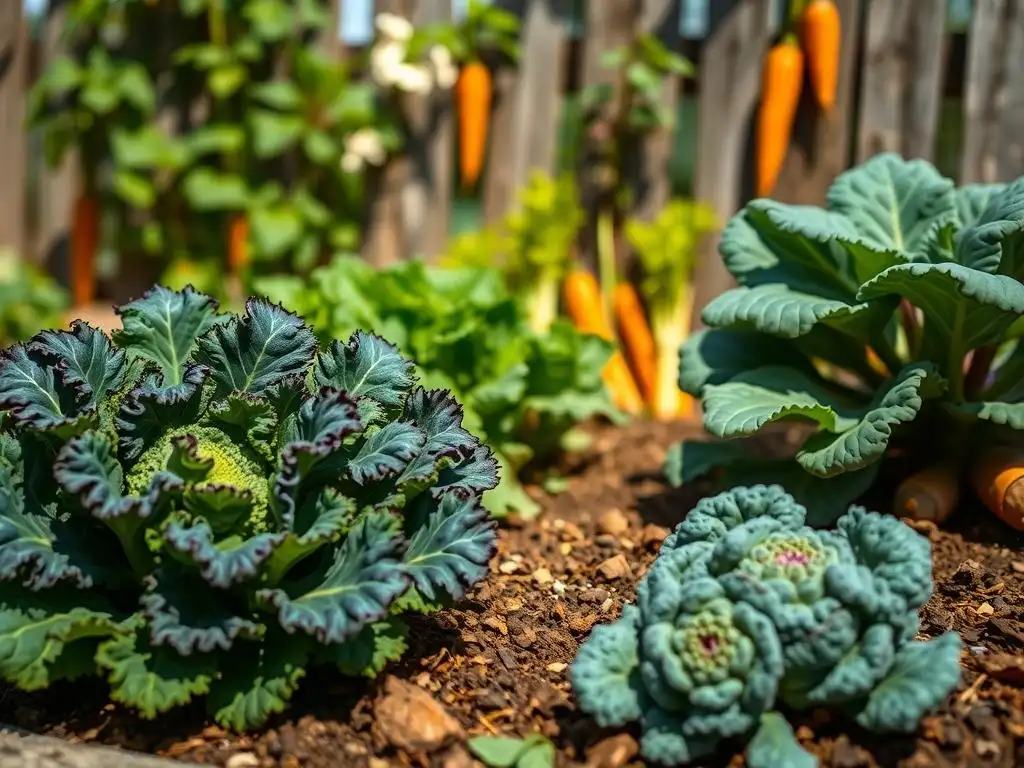
This section focuses on cold-hardy vegetables perfect for beginner gardeners seeking easy gardening success, even in cooler climates. These options require minimal fuss and offer a rewarding harvest, making them ideal for building confidence and enjoying fresh, homegrown produce. Selecting the right cold-hardy vegetables is crucial for a successful fall or early spring garden, ensuring a bountiful harvest despite chilly temperatures. We'll explore some of the easiest options for cultivating coldhardy vegetables in your easy gardening project.
Kale: A Cold-Weather Superstar
Kale thrives in cooler temperatures, actually becoming sweeter and more flavorful as the weather turns colder. This makes it a fantastic choice for fall and early spring planting. Its hardiness means it can withstand light frosts, making it a resilient option for beginner gardeners who might be concerned about unpredictable weather.
Several kale varieties are particularly easy to grow. 'Lacinato' (also known as dinosaur kale) is a popular choice due to its distinctive, ruffled leaves and tolerance to cold. 'Red Russian' kale offers vibrant red stems and leaves, adding visual interest to your garden. Both varieties are relatively pest-resistant, minimizing the need for chemical interventions, aligning perfectly with sustainable and organic gardening practices.
Planting kale is straightforward. Direct sow seeds outdoors after the last frost, or start seedlings indoors 4-6 weeks before the last expected frost. Ensure well-drained soil rich in organic matter. Regular watering is important, especially during dry spells, but avoid overwatering, which can lead to root rot. Harvesting can begin when the leaves are about 6 inches tall; simply pick outer leaves, leaving the inner leaves to continue growing. This allows for a continuous harvest throughout the growing season. Enjoy this nutritional powerhouse in salads, smoothies, or sautéed as a side dish!
Spinach: A Quick-Growing Green
Spinach is another excellent choice for beginner gardeners aiming for coldhardy vegetables and easy gardening. It's a cool-season crop that matures quickly, meaning you can enjoy a harvest in as little as 4-6 weeks from sowing. Its rapid growth cycle makes it less susceptible to pest infestations and diseases compared to longer-season crops.
Choosing the right variety is important. 'Bloomsdale Long Standing' is a popular choice known for its excellent flavor and tolerance to bolting (premature flowering) which can occur in warmer temperatures. 'Melody' is another reliable variety, producing abundant, tender leaves. Planting spinach is similar to kale; direct sow seeds after the last frost or start seedlings indoors.
Ensure loose, fertile soil and consistent moisture. Thin seedlings to about 6 inches apart for optimal growth. Harvest by picking individual leaves or cutting the entire plant at the base when it reaches maturity. This versatile green is perfect in salads, soups, or as a healthy addition to your favorite dishes.
Chard: A Versatile Leafy Green
Chard, a close relative of spinach and beets, offers similar cold hardiness and ease of cultivation, making it another great addition to your coldhardy vegetables list for easy gardening. It's known for its vibrant, colorful stalks (petioles) which come in a range of colors, including red, yellow, orange, and white, adding beauty and visual appeal to your garden.
Chard is remarkably tolerant of cold temperatures, even withstanding light frosts. 'Bright Lights' chard is a popular variety with its multi-colored stalks, providing a visually stunning addition to your garden bed. 'Fordhook Giant' is another excellent choice, producing large leaves and substantial stalks. Planting chard is similar to kale and spinach; direct sow seeds or start seedlings. Ensure well-drained soil and regular watering.
Harvest outer leaves as needed, leaving the inner leaves to continue growing. Chard’s versatility shines through in its culinary uses; it can be steamed, sautéed, added to salads, or even pickled. Its slightly earthy flavor adds a unique touch to many dishes. The colorful stalks offer a beautiful and nutritious addition to your plate.
Radishes: Fast-Growing Root Vegetables
Radishes are a fantastic choice for beginner gardeners seeking cold-hardy vegetables. Their rapid growth cycle – typically maturing in as little as 25-30 days – means you'll enjoy a quick harvest, even in cooler temperatures. This fast turnaround time makes them ideal for short growing seasons or for those eager to experience the satisfaction of a homegrown crop quickly. Planting radishes is straightforward; simply sow seeds directly into well-prepared soil about half an inch deep and a couple of inches apart.
Maintaining consistently moist soil is crucial for optimal growth. Overwatering can lead to cracking, while underwatering results in smaller, tougher roots. Look for varieties specifically bred for cold tolerance, like 'French Breakfast' or 'Cherry Belle', which can withstand light frosts. Harvesting is simple: gently pull the mature radishes from the soil when they reach your desired size.
Remember, the earlier you harvest, the more tender and less spicy the radishes will be. Radishes are also a great way to introduce children to gardening; their quick growth cycle provides immediate gratification and encourages continued engagement in the process. Consider succession planting—sowing new seeds every couple of weeks—to ensure a continuous supply throughout the cooler months. This simple technique maximizes your yield and provides a steady stream of fresh, crisp radishes.
Lettuce: Cold-Hardy Options for Salads
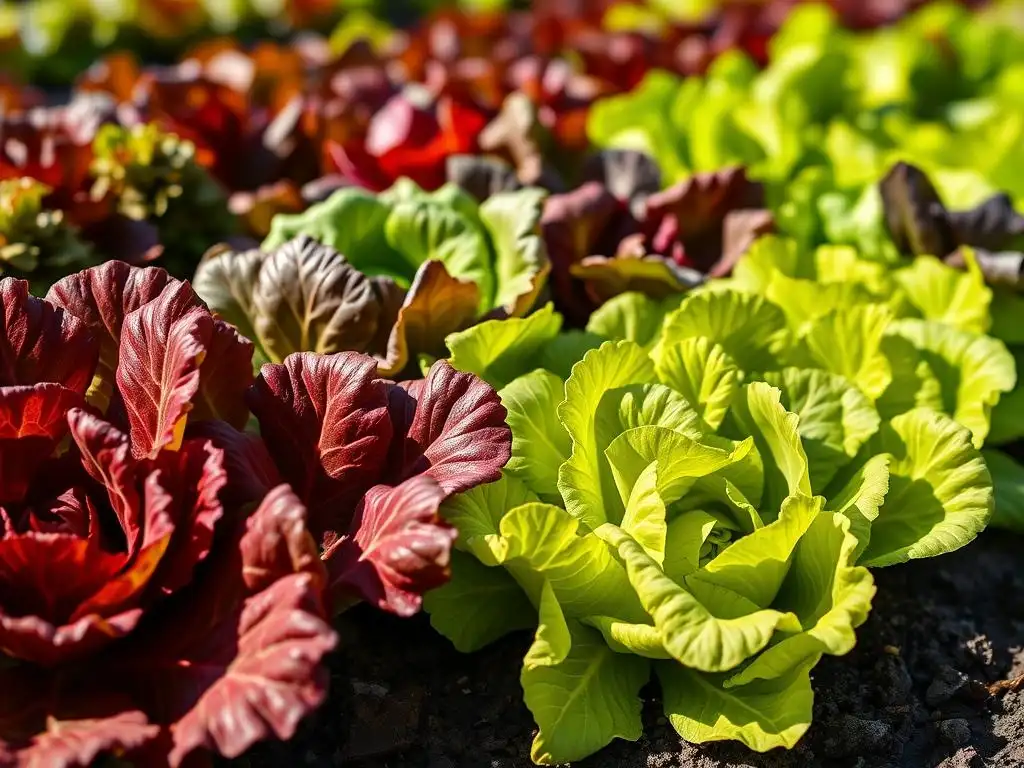
Lettuce is another champion among cold-hardy vegetables, thriving in cooler temperatures and even tolerating light frosts. Many varieties are exceptionally easy to grow, making them perfect for new gardeners seeking "coldhardy vegetables easy gardening". Direct sowing is often the preferred method, although starting seeds indoors a few weeks before the last expected frost can give them a head start. Choose a sunny location with well-drained soil rich in organic matter. Regular watering is key, keeping the soil consistently moist but not waterlogged.
Avoid overhead watering, which can lead to fungal diseases. When selecting lettuce varieties, look for cold-hardy types like 'Black Seeded Simpson', 'Red Sails', or 'Winter Density'. These varieties are specifically bred to withstand cooler temperatures and produce delicious leaves even in challenging conditions. For continuous harvests, consider planting different varieties with varying maturity times. This staggered planting ensures a consistent supply of fresh lettuce throughout the season.
Another tip for success is to provide some shade during the hottest parts of the day, especially in warmer climates. This protection helps prevent bolting (premature flowering), which can make the leaves bitter and tough. Harvesting lettuce is simple: just pick outer leaves as needed, leaving the inner leaves to continue growing. This method allows for a continuous harvest over several weeks.
Peas: A Classic Cold-Season Vegetable
Peas are a classic cold-season vegetable, perfectly suited for those seeking coldhardy vegetables for easy gardening. They are remarkably easy to grow and highly productive, rewarding gardeners with an abundance of sweet, tender peas. Direct sowing is the typical method, planting seeds about 1 inch deep and 2-3 inches apart in rows. Choose a sunny location with well-drained soil. While peas prefer cooler temperatures, they do need consistent moisture, so regular watering is crucial. Consider using a trellis or netting to support the vines as they grow, preventing them from sprawling on the ground and potentially becoming susceptible to pests or diseases.
Support also encourages better air circulation and prevents fungal issues. There are numerous varieties of peas available, including both bush and vining types. Bush peas are compact and require less support, making them a good option for smaller gardens or beginner gardeners. Vining peas, on the other hand, produce a larger yield but require more space and support. When selecting seeds, look for varieties known for their cold hardiness and disease resistance. 'Oregon Sugar Pod II' and 'Little Marvel' are excellent choices for beginner gardeners.
Harvesting peas can begin when the pods are plump and well-filled. For sugar snap peas, harvest before the peas inside become too large. For shelling peas, wait until the pods are full and slightly dry. With proper care and attention, even novice gardeners can enjoy a bountiful harvest of delicious, homegrown peas. Peas are also a great option for crop rotation, improving soil health for subsequent plantings.
Broccoli & Cauliflower: Cold-Hardy Brassicas
Broccoli and cauliflower, members of the brassica family, are celebrated for their resilience to chilly weather. These cold-hardy vegetables thrive in cooler temperatures, even tolerating light frosts. For optimal growth, aim for planting broccoli and cauliflower seeds or seedlings in early spring or late summer, depending on your specific climate. Early spring planting allows for a harvest before the intense summer heat arrives, while a late summer planting ensures a fall harvest. These plants require well-drained soil rich in organic matter. Regular watering is crucial, especially during dry spells, but avoid overwatering which can lead to root rot.
Spacing is important; overcrowding can hinder growth and increase the risk of disease. Ensure adequate spacing between plants to allow for proper air circulation. Regular fertilization with a balanced organic fertilizer will boost growth and yield. Keep an eye out for common pests like aphids and cabbage worms. These can be controlled using natural methods such as introducing beneficial insects or using insecticidal soap. Remember, consistent monitoring and timely intervention are key to ensuring a bountiful harvest of these delicious and nutritious vegetables.
Harvesting broccoli florets should be done when they are firm and tightly closed. Cauliflower heads should be harvested when they are white and compact. With proper care, you can enjoy fresh, homegrown broccoli and cauliflower throughout the cooler months. Their cold hardiness makes them an excellent choice for beginner gardeners seeking easy-to-grow, cold-hardy vegetables. This makes them an excellent addition to your cold-hardy vegetables easy gardening plan.
Other Cold-Hardy Vegetables: Arugula, Mustard Greens, Collard Greens
Beyond broccoli and cauliflower, several other leafy greens excel in cooler climates, making them perfect for the beginner gardener seeking "coldhardy vegetables easy gardening". Arugula, with its peppery bite, is a fast-growing, cold-tolerant green that thrives in temperatures as low as 30°F (-1°C). It can even tolerate light frosts. Plant seeds directly into the garden bed in early spring or fall, ensuring loose, well-drained soil.
Arugula prefers full sun but can tolerate partial shade. Regular watering is essential, keeping the soil consistently moist but not waterlogged. Harvesting can begin when the leaves reach a desirable size, usually about 4-6 weeks after planting. You can harvest the entire plant or simply pick individual leaves as needed, encouraging continuous growth.
Mustard greens, another quick-growing option, are remarkably cold-hardy. They can withstand temperatures well below freezing. Similar to arugula, they prefer full sun and well-drained soil. Their peppery flavor adds a delightful kick to salads and other dishes. Planting in early spring or fall provides the best results. Like arugula, harvest can be done by picking individual leaves or harvesting the entire plant.
Collard greens, known for their hearty texture and slightly bitter flavor, are incredibly cold-tolerant. These can even survive below-freezing temperatures. They're a great addition to any cold-hardy vegetable garden. Plant seedlings or seeds in early spring or late summer, giving them ample space to grow. Collard greens benefit from regular watering and fertilization, particularly during periods of rapid growth.
They are a slow-growing crop compared to arugula and mustard greens and can be harvested for several months. Individual leaves can be harvested as needed, or the entire plant can be harvested once it matures. These cold-hardy greens offer a substantial harvest and add significant nutritional value to your homegrown produce. Including these vegetables in your garden plan is a great way to ensure a bountiful harvest even in colder climates, furthering your success with coldhardy vegetables easy gardening.
Preparing Your Garden for Cold-Hardy Vegetables
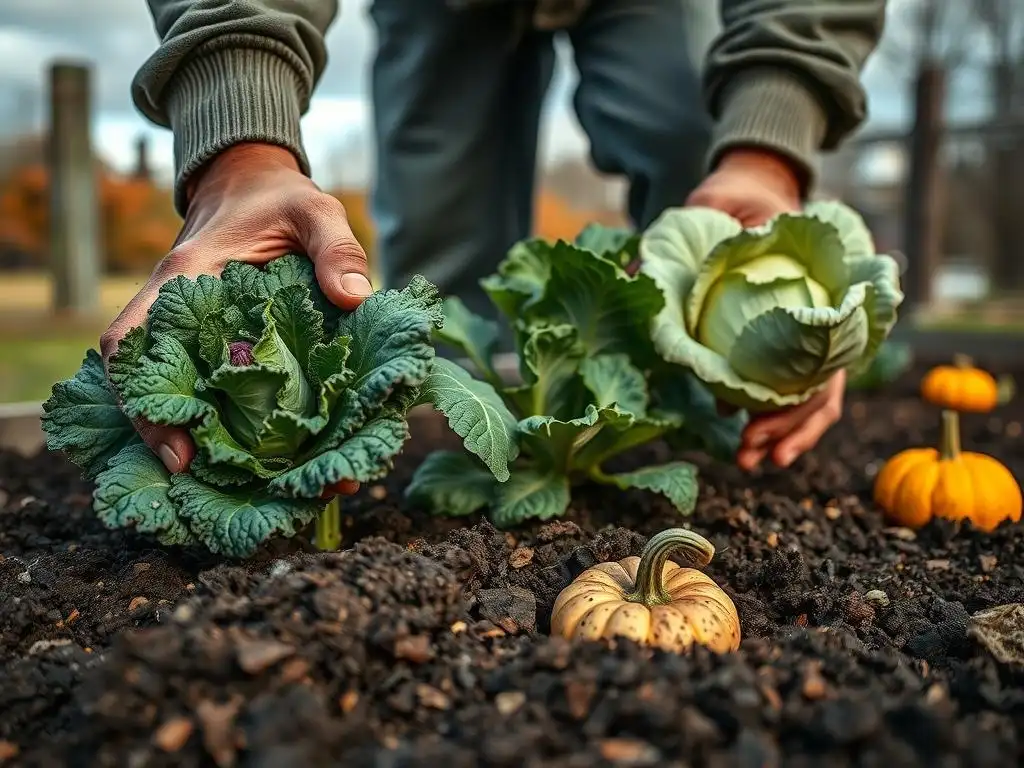
This section focuses on the crucial steps involved in preparing your garden bed for successfully cultivating cold-hardy vegetables, maximizing your chances of a bountiful harvest even in cooler climates. We'll cover site selection, soil improvement, and frost protection – essential elements for achieving optimal growth of coldhardy vegetables in easy gardening situations. Remember, even with cold-tolerant varieties, proper preparation significantly impacts yield and plant health.
Selecting the Right Planting Location: Sunlight and Soil Drainage
Choosing the right location is paramount for growing coldhardy vegetables. While many cold-tolerant varieties can tolerate partial shade, optimizing sunlight exposure is key to maximizing growth. Aim for at least six hours of direct sunlight per day. However, in extremely cold regions, a location sheltered from harsh winds is equally important. These winds can significantly impact plant health and even cause frost damage, particularly to young seedlings.
Soil drainage is another critical factor. Cold-hardy vegetables, like many other plants, dislike sitting in waterlogged soil. Poor drainage can lead to root rot, a common problem that quickly decimates plants. To assess drainage, dig a hole about 12 inches deep and fill it with water. If the water drains completely within a few hours, your drainage is adequate. If it remains standing for much longer, you’ll need to improve drainage before planting. This might involve amending the soil with organic matter or creating raised beds.
Soil Preparation for Cold-Tolerant Vegetables: Amending Soil with Compost
Healthy soil is the foundation of successful gardening, and this is especially true for cold-hardy vegetables. Before planting, enriching your soil with compost is a crucial step. Compost improves soil structure, increases water retention, and provides essential nutrients. Aim for a minimum of 2-4 inches of well-rotted compost incorporated into the top layer of your garden bed. This will provide a rich, nutrient-dense environment that promotes strong root development and vigorous growth, improving your chances of success with even the most challenging coldhardy vegetables easy gardening projects.
Consider a soil test to determine your soil's pH and nutrient levels. This will help you tailor your soil amendment strategy. For example, if your soil is too acidic, you might need to add lime. Conversely, if it's alkaline, you might need to add sulfur. Cold-hardy vegetables generally prefer a slightly acidic to neutral pH (6.0-7.0). Regular soil testing throughout the growing season can help you monitor soil health and make adjustments as needed, maximizing your success with your coldhardy vegetables easy gardening endeavors.
Protecting Plants from Frost: Using Row Covers or Cloches
Even cold-hardy vegetables can suffer damage from unexpected late-season or early-season frosts. Protecting your plants with row covers or cloches is a simple and effective way to mitigate frost damage. Row covers are lightweight, breathable fabrics that create a microclimate around your plants, providing some insulation and protection from freezing temperatures. Cloches are similar but offer more protection, often made of glass or plastic.
When using row covers or cloches, ensure proper ventilation to prevent overheating on warmer days. Remove the covers or open vents during the day when temperatures are above freezing and replace them in the evening or before anticipated frost. This careful management provides a balance of protection from cold snaps while avoiding excessive heat buildup.
Proper use of row covers or cloches can significantly increase the success rate of your coldhardy vegetables easy gardening project, allowing you to extend your growing season and reap a more abundant harvest. Consider using these protective measures even for the hardiest vegetables, particularly during unpredictable weather patterns.
Planting and Caring for Cold-Hardy Vegetables
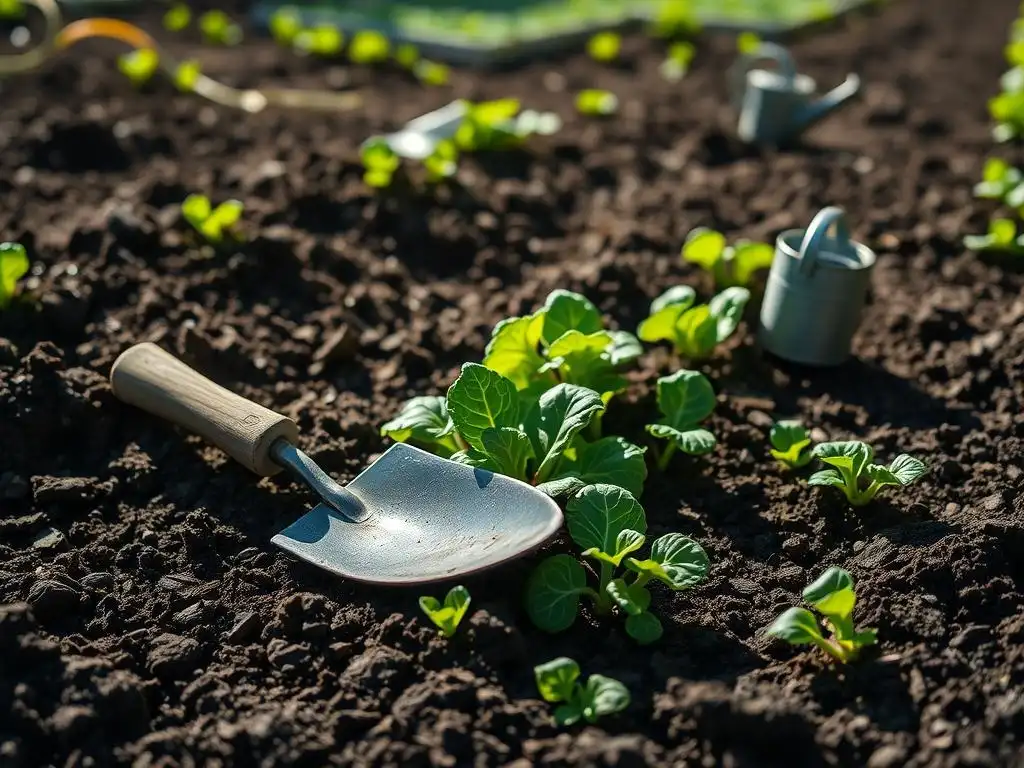
This section delves into the specifics of planting and caring for cold-hardy vegetables, offering practical advice for successful cultivation, even in challenging climates. Mastering these techniques will significantly improve your chances of a bountiful harvest, even for novice gardeners tackling "coldhardy vegetables easy gardening" for the first time.
Planting Depth and Spacing: Guidelines for Each Vegetable
Proper planting depth and spacing are crucial for optimal growth and yield in cold-hardy vegetables. Overcrowding can lead to increased competition for resources, hindering growth and making plants more susceptible to diseases. Conversely, planting too shallow can leave roots exposed to the elements, impacting their ability to absorb nutrients and water.
The following table provides guidelines for planting depth and spacing for several popular cold-hardy vegetables:
| Vegetable | Planting Depth (inches) | Spacing (inches) | Notes |
|---|---|---|---|
| Kale | 1/2 - 1 | 12-18 | Plant in well-drained soil; tolerates partial shade. |
| Spinach | 1/2 - 1 | 6-8 | Prefers cooler temperatures and consistent moisture; direct sow. |
| Chard | 1/2 - 1 | 12-18 | Similar requirements to kale; heat tolerant once established. |
| Broccoli | 1/2 - 1 | 18-24 | Needs consistent moisture; prefers slightly acidic soil. |
| Cabbage | 1/2 - 1 | 18-24 | Requires well-drained soil; space further apart for larger varieties. |
| Lettuce (loose leaf) | 1/4 - 1/2 | 6-12 | Direct sow; prefers partial shade; harvest leaves as needed. |
| Peas | 1 - 2 | 2-4 (rows) | Plant in well-drained soil; needs support for climbing varieties. |
| Radishes | 1/2 | 1-2 | Fast-growing; prefers loose, well-drained soil; thin seedlings early. |
Remember to always check the seed packet or plant tag for specific planting instructions, as requirements can vary slightly depending on the cultivar. Always amend your soil with compost before planting to improve drainage and fertility.
Watering Cold-Hardy Vegetables: Maintaining Consistent Moisture
Consistent moisture is vital for the healthy growth of cold-hardy vegetables. However, overwatering can lead to root rot, while underwatering can stress plants, making them more vulnerable to pests and diseases. The key is to maintain evenly moist, but not soggy, soil.
Several factors influence watering needs, including soil type, weather conditions, and plant maturity. Clay soils retain moisture longer than sandy soils, requiring less frequent watering. Hot, dry weather necessitates more frequent watering than cool, humid conditions. Young seedlings require more frequent watering than mature plants.
Here are some tips for effectively watering cold-hardy vegetables:
- Use a soaker hose or drip irrigation to deliver water directly to the roots, minimizing water loss through evaporation.
- Water deeply and less frequently, encouraging deep root growth. Shallow watering promotes shallow roots that are more susceptible to drought stress.
- Monitor soil moisture regularly, using your finger to check the moisture level a few inches below the surface.
- Mulch around plants to help retain soil moisture and suppress weeds.
Remember that consistent moisture is key. Don't let the soil dry out completely, especially during periods of hot, dry weather. Adjust your watering schedule based on weather conditions and soil type.
Basic Cold-Hardy Vegetable Pest and Disease Control: Using Beneficial Insects
Integrated Pest Management (IPM) strategies, which prioritize the use of beneficial insects and other natural methods, are ideal for organic gardening of coldhardy vegetables and easy gardening practices. This approach minimizes the use of harmful pesticides while promoting a healthy ecosystem in your garden.
Some common pests that may affect cold-hardy vegetables include aphids, slugs, and cabbage worms. Diseases like downy mildew and powdery mildew can also be problematic.
Here are some ways to utilize beneficial insects for pest control:
- Ladybugs: These voracious predators feed on aphids and other soft-bodied insects. Introduce ladybugs into your garden to control aphid populations naturally.
- Lacewings: Lacewing larvae are effective predators of aphids, mealybugs, and other small insects.
- Praying Mantises: These large insects are generalist predators, feeding on a wide range of insects, including many garden pests.
- Trichogramma wasps: These tiny parasitic wasps lay their eggs inside the eggs of many moth and butterfly species, preventing them from hatching. They are particularly effective against cabbage worms.
By encouraging beneficial insects in your garden through practices like providing habitat and avoiding harmful pesticides, you can create a naturally balanced ecosystem that keeps pests under control without resorting to harmful chemicals. Remember to always identify pests accurately before taking action, and consider the least toxic option first. A healthy, thriving garden is the best defense against pests and diseases.
Harvesting Your Cold-Hardy Vegetables
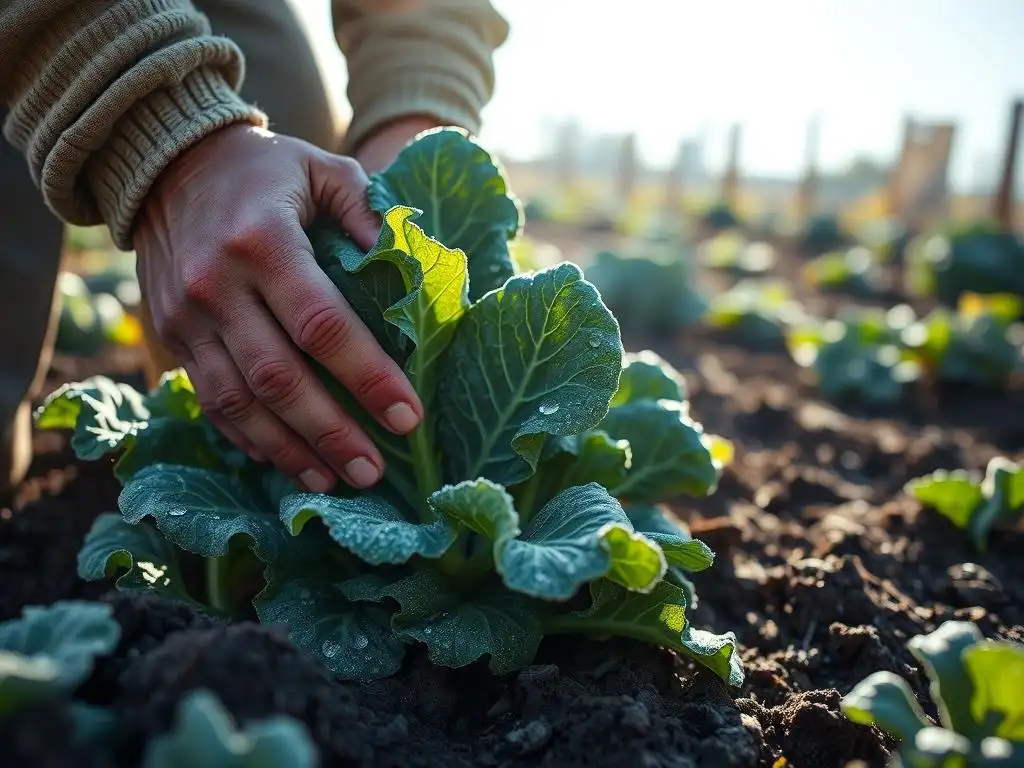
This section focuses on the crucial final step in cultivating your cold-hardy vegetables: harvesting. Getting the timing right maximizes flavor, nutrient content, and overall yield. Proper harvesting techniques also ensure you get the most out of your hard work, minimizing damage and extending the shelf life of your produce. Let's delve into the specifics.
Knowing When to Harvest: Maturity Indicators for Each Vegetable
Knowing when your cold-hardy vegetables are ready for harvest is key to optimal flavor and quality. Each vegetable displays unique maturity indicators. Here's a guide for some popular cold-hardy options:
- Kale & Spinach: These leafy greens can be harvested continuously. Start harvesting outer leaves when they reach a desirable size (usually around 4-6 inches), leaving the inner leaves to continue growing. Harvesting regularly encourages bushier growth. Look for deep green, vibrant leaves free from pests or diseases.
- Lettuce: Similar to kale and spinach, lettuce can be harvested as "baby leaves" or allowed to mature into full heads. Baby leaves can be harvested when they are about 2-3 inches tall. For mature heads, look for firm, tightly formed heads with no signs of bolting (flower stalk development). Harvest by cutting the head at the base.
- Radishes: Radishes are ready for harvest when they reach their mature size, usually indicated on the seed packet. They should feel firm to the touch. Harvest by gently pulling them from the ground. Delayed harvesting can result in tough, woody roots.
- Carrots: Carrots are ready to harvest when they reach the desired length and diameter, typically 6-8 inches long. The tops should be fully developed. Harvest by carefully digging them up with a garden fork or trowel.
- Beets: Beets are ready for harvest when they're about 2-3 inches in diameter, depending on the variety. Tops should be well-developed. Harvest by gently pulling them from the ground or using a garden fork. The leaves are also edible and can be harvested separately.
This table summarizes key maturity indicators for some popular cold-hardy vegetables:
| Vegetable | Maturity Indicator | Harvesting Method |
|---|---|---|
| Kale & Spinach | Deep green, vibrant leaves; 4-6 inches tall | Harvest outer leaves regularly |
| Lettuce | Firm, tightly formed head; no bolting | Cut at the base |
| Radishes | Mature size (indicated on seed packet); firm | Pull gently from the ground |
| Carrots | 6-8 inches long; fully developed tops | Dig up with fork/trowel |
| Beets | 2-3 inches in diameter; well-developed tops | Pull gently or use a fork |
Remember to always check the seed packet or plant tag for specific maturity information for the particular variety you are growing. This ensures you harvest at the optimal time for the best results. Careful observation and patience are key to successful harvesting.
Harvesting Techniques for Optimal Quality: Proper Harvesting Methods
The method you use to harvest your cold-hardy vegetables directly impacts their quality and shelf life. Gentle handling is crucial to avoid bruising or damaging the produce.
- Leafy Greens: Use sharp scissors or a knife to cut leaves cleanly, avoiding tearing. Harvest outer leaves first, leaving the inner leaves to continue growing.
- Root Vegetables: Use a garden fork or trowel to carefully loosen the soil around the roots before gently pulling them up. Avoid pulling too hard, which can damage the roots.
- Other Vegetables: Harvest according to the specific instructions provided for each variety. For example, some vegetables might require cutting at the stem, while others may need to be carefully pulled from the ground.
Following these techniques ensures that your harvest is free from damage, maximizing its quality and appeal. Remember, gentle handling is key to preserving the integrity of your vegetables. A little extra care at this stage pays off handsomely.
Storing Your Harvest: Extending Shelf Life with Proper Storage Techniques
Proper storage is essential for extending the shelf life of your cold-hardy harvest. Different vegetables require different storage methods:
- Leafy Greens: Wash and gently dry the greens before storing them in airtight containers or plastic bags in the refrigerator. To maintain freshness, consider wrapping them in paper towels to absorb excess moisture.
- Root Vegetables: Store root vegetables in a cool, dark, and well-ventilated area, such as a root cellar or refrigerator crisper drawer. Avoid storing them in plastic bags, as this can promote moisture buildup and decay.
- Other Vegetables: Refer to specific storage guidelines for each vegetable type. Some vegetables may benefit from blanching and freezing for longer-term storage.
Proper storage techniques significantly extend the shelf life of your cold-hardy vegetables, allowing you to enjoy your harvest for a longer period. This minimizes waste and maximizes the rewards of your gardening efforts. Consider labeling your stored vegetables with the harvest date for easy tracking and optimal consumption. This is a crucial step in maximizing the benefits of your "coldhardy vegetables easy gardening" efforts. 🥕
Troubleshooting Common Cold-Hardy Vegetable Growing Challenges
This section addresses some common issues faced when growing cold-hardy vegetables, providing practical solutions for successful cultivation. Remember, even cold-hardy plants need care and attention to thrive. Let's tackle some frequent problems associated with "coldhardy vegetables easy gardening."
Dealing with Frost Damage: Recovery and Prevention Strategies
Frost damage can significantly impact the yield and health of your cold-hardy vegetables. Early spring and late autumn frosts are particularly problematic. Recognizing the symptoms is the first step. Wilting, discoloration (often turning dark brown or black), and soft, mushy tissues are all telltale signs. The severity of the damage depends on the intensity and duration of the frost.
While some damage is irreversible, you can take steps to mitigate further harm and encourage recovery. For example, if your leafy greens are slightly affected, simply remove the damaged leaves. New growth will often emerge, provided the plant's crown remains intact. However, severely damaged plants may require removal to prevent disease spread.
Prevention is key. Here are some proactive measures:
- Row covers: These lightweight fabrics create a microclimate that protects plants from frost. They are readily available and relatively inexpensive.
- Cold frames: These miniature greenhouses provide even greater protection, especially for seedlings and young plants.
- Watering before frost: Moist soil retains heat better than dry soil, offering a slight degree of protection.
- Frost monitoring: Use a thermometer or weather app to monitor temperatures and anticipate potential frost events. This allows for timely protective measures.
- Planting location: Consider microclimates within your garden. South-facing slopes, sheltered areas, and locations near walls can provide some natural frost protection.
Addressing Common Cold-Hardy Vegetable Pests: Organic Pest Control Methods
Cold-hardy vegetables, while generally robust, are not immune to pests. Common culprits include aphids, slugs, and cabbage worms. Employing organic pest control methods is crucial for maintaining the integrity of your sustainable garden.
Here's a breakdown of effective organic strategies:
- Aphids: These tiny insects suck sap from plants, causing stunted growth and wilting. Strong water sprays can dislodge them. Ladybugs are natural predators and can be introduced to your garden. Neem oil is also an effective organic insecticide.
- Slugs and Snails: These mollusks feast on leaves and stems, leaving characteristic slime trails. Barriers such as copper tape or crushed eggshells can deter them. Diatomaceous earth, a natural powder, acts as a desiccant, dehydrating slugs and snails upon contact. Beer traps can also be effective, though they may also attract beneficial insects.
- Cabbage worms: These caterpillars are the larvae of white butterflies. Handpicking them is an effective, albeit labor-intensive, method. Row covers can prevent adult butterflies from laying eggs. Bacillus thuringiensis (Bt) is a naturally occurring bacterium that is toxic to cabbage worms and other caterpillars.
| Pest | Organic Control Methods |
|---|---|
| Aphids | Water spray, ladybugs, neem oil |
| Slugs/Snails | Barriers (copper tape, eggshells), diatomaceous earth, beer traps |
| Cabbage worms | Handpicking, row covers, Bacillus thuringiensis (Bt) |
Nutrient Deficiencies in Cold-Hardy Vegetables: Diagnosing and Correcting Deficiencies
Nutrient deficiencies can manifest in various ways, hindering growth and reducing yields. Recognizing the symptoms is crucial for effective intervention. For example, yellowing leaves can indicate nitrogen deficiency, while purplish discoloration might suggest phosphorus deficiency.
Soil testing can provide valuable insights into your soil's nutrient composition. However, even without a test, observant gardeners can often identify deficiencies based on visual cues.
Addressing deficiencies requires providing the missing nutrients. Organic amendments such as compost, well-rotted manure, and cover crops are excellent sources of essential nutrients. Specific fertilizers can also be used, but always choose organic options to align with sustainable gardening practices. Remember to follow the product instructions carefully to avoid over-fertilizing, which can be just as harmful as under-fertilizing. Proper soil preparation before planting, incorporating organic matter, and crop rotation are all preventative measures that contribute to healthy, nutrient-rich soil. This proactive approach is vital for successful "coldhardy vegetables easy gardening." 🌱
Frequently Asked Questions
What are some examples of cold-hardy vegetables suitable for beginner gardeners?
Several easy-to-grow cold-hardy vegetables include spinach, kale, lettuce, radishes, and peas. These plants tolerate cooler temperatures and are relatively low-maintenance, perfect for new gardeners. They require minimal care to thrive.
When is the best time to plant cold-hardy vegetables?
The best time to plant most cold-hardy vegetables is in the early spring or late fall, depending on your specific climate and the vegetable's frost tolerance. Check your local frost dates for optimal planting timing.
How much sunlight do cold-hardy vegetables need?
Most cold-hardy vegetables require at least six hours of sunlight per day to grow well. However, some, like lettuce, can tolerate partial shade, especially during the hottest parts of the day. Pay attention to your plant's specific needs.
What are common pests and diseases affecting cold-hardy vegetables, and how can I prevent them?
Common problems include slugs, aphids, and fungal diseases. Prevention involves good soil drainage, crop rotation, and regular inspection for early detection. Organic pest control methods are recommended.
What are some tips for successful cold-hardy vegetable gardening for beginners?
Start with easy-to-grow varieties, choose a sunny location with well-drained soil, and water regularly but avoid overwatering. Regular weeding and mulching will also help your plants thrive. Enjoy the process!
Final Reflection: Cultivating Resilience, One Seed at a Time
The ability to grow food, even in challenging climates, is not just a skill; it's a vital act of self-sufficiency and connection to the natural world. This article highlighted the surprising bounty available to even novice gardeners, showcasing cold-hardy vegetables that thrive despite the chill. The ease with which these plants can be cultivated empowers individuals to participate in a more sustainable and fulfilling lifestyle, regardless of their experience level or geographical location.
The impact of growing your own food extends far beyond the simple act of harvesting. It fosters a deeper appreciation for the seasons, the land, and the intricate processes that bring food to our tables. The glory of gardening: hands in the dirt, head in the sun, heart with nature. To nurture a garden is to feed not just the body, but the soul.
This quote perfectly encapsulates the transformative power of gardening, a power amplified when we choose resilient plants that can withstand the challenges of a colder climate. It's a journey of learning, patience, and ultimately, immense satisfaction.
Now, consider your own space, your own potential. What small patch of earth, however modest, could you transform into a vibrant garden? What cold-hardy vegetables might you choose to cultivate, not just for sustenance, but for the profound sense of accomplishment and connection to the earth they will bring? Embrace the challenge, embrace the resilience, and begin cultivating your own little piece of paradise. The rewards, both tangible and intangible, await.
Unleash Your Inner Gardener: Grow a Thriving Cold-Hardy Garden
Thanks for joining us on this journey into the world of cold-tolerant plants! You've gained the knowledge to create a beautiful and bountiful garden, even in chilly climates. Ready to get started?
- Begin planting your cold-hardy seeds or seedlings today! Choose a plant that excites you and experience the satisfaction of nurturing it from seed to harvest. This is the first step towards a thriving garden. Consider starting with kale, spinach, or even some hardy varieties of lettuce.
- Share your gardening journey! Post a picture of your plant on social media using #CultivateYourColdHardyGarden. Let's inspire each other!
- Explore more cold-climate gardening tips on our website (cultivateyourfood.org) – discover even more plants that will flourish in your garden.
What's the first cold-tolerant plant you're excited to grow? Let us know in the comments below!