
The Soil Food Web and Organic Matter: The Cornerstone of Soil Health

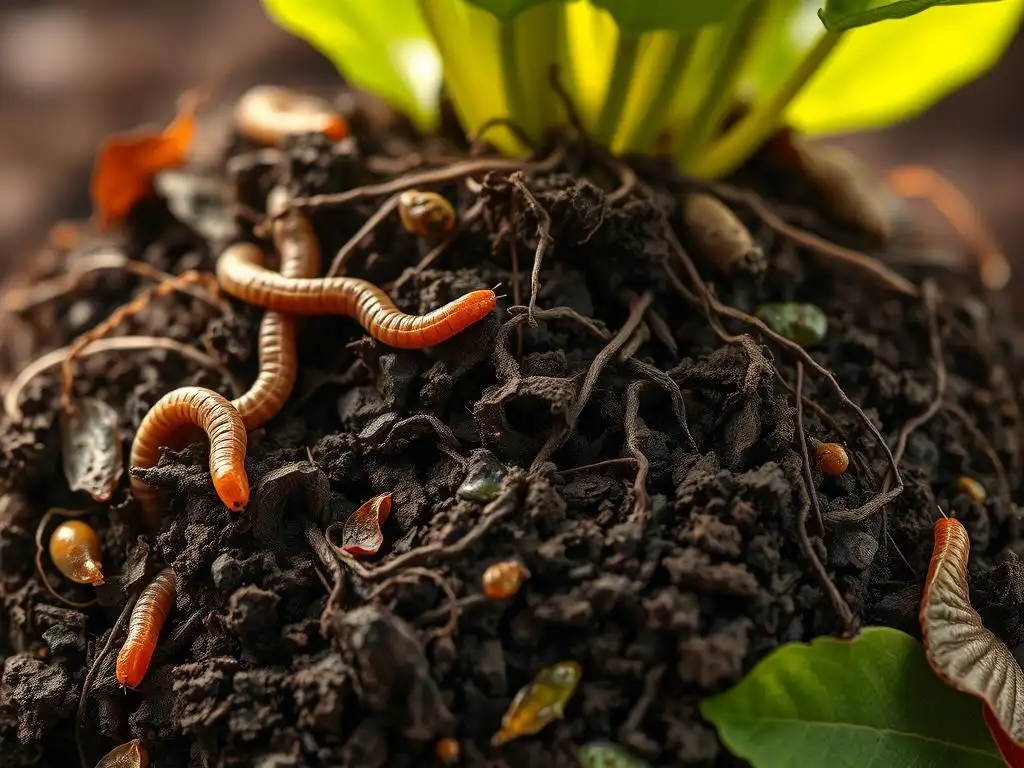
Welcome to CultivateYourFood, your guide to thriving home gardens! Ready to unlock the secrets to bountiful harvests using sustainable, organic methods? We'll show you how. Discover the profound impact of organic soil health benefits and learn how nurturing the soil food web is the cornerstone of a truly successful and vibrant garden. Dive into our article, "The Soil Food Web and Organic Matter," and begin your journey towards healthier plants and tastier produce. Let's cultivate a greener future, together.
- Understanding Organic Soil Health Benefits: A Foundation for Thriving Plants
- Decoding the Soil Food Web: Key Players and Their Roles
- Enhancing Organic Matter for Optimal Soil Health Benefits
- Practical Applications for Improving Organic Soil Health Benefits
- Measuring the Success of Your Soil Health Improvement Efforts
- Frequently Asked Questions
- Final Reflection: Cultivating a Healthier Future, One Soil Particle at a Time
- Unlock Your Soil's Potential: A Journey to Healthier Gardens
Understanding Organic Soil Health Benefits: A Foundation for Thriving Plants
Organic soil health isn't just about growing healthy plants; it's about creating a thriving ecosystem teeming with life beneath the surface. This intricate network, known as the soil food web, is the cornerstone of successful organic gardening. By understanding and nurturing this web, we unlock the full potential of our gardens, producing abundant harvests while minimizing our environmental impact.
This article will explore the crucial role of organic matter in building healthy soil, highlighting the numerous benefits it provides for plant growth and overall ecosystem resilience. We'll delve into the importance of soil biodiversity, the nutrient cycling processes that fuel plant life, and how improved soil structure leads to better water management and overall plant health.
Ultimately, fostering organic soil health translates to healthier plants, richer yields, and a more sustainable gardening practice—a win-win for both your garden and the planet. Let's cultivate a deeper understanding of what makes truly healthy soil.
The Importance of Soil Biodiversity for Organic Gardening Success
A vibrant soil ecosystem is characterized by its biodiversity. This means a rich mix of organisms, from microscopic bacteria and fungi to larger creatures like earthworms and insects, all working together in a complex web of interactions. This biodiversity is essential for several reasons:
- Nutrient availability: Different microorganisms have different roles in breaking down organic matter and making nutrients available to plants. Bacteria, for instance, are crucial in nitrogen fixation, while fungi excel at decomposing complex organic compounds. A diverse community ensures a complete and efficient nutrient cycling system.
- Disease suppression: A healthy soil food web can naturally suppress plant diseases. Beneficial microorganisms compete with pathogens for resources and space, reducing the likelihood of disease outbreaks. This reduces or eliminates the need for harmful chemical pesticides.
- Improved soil structure: The activity of soil organisms, particularly earthworms, helps to improve soil structure by creating channels that enhance aeration and drainage. This improves root penetration and overall plant health.
- Enhanced water retention: A well-structured soil, rich in organic matter and teeming with life, holds water more effectively, reducing the need for frequent watering, especially beneficial during periods of drought.
The presence of various beneficial organisms creates a resilient system less susceptible to environmental stresses. For example, a diverse microbial community can better withstand fluctuations in temperature and moisture levels. Maintaining this diversity requires careful management, avoiding practices that disrupt the delicate balance of the soil food web, such as excessive tillage or the use of harmful chemicals.
Nutrient Cycling and Organic Matter Decomposition: The Engine of Soil Fertility
Organic matter, derived from decaying plant and animal material, is the lifeblood of the soil food web. Its decomposition fuels nutrient cycling, a continuous process where nutrients are released from organic matter and made available to plants. This process is driven by a complex community of microorganisms, each playing a vital role:
- Decomposition: Bacteria and fungi are the primary decomposers, breaking down complex organic compounds into simpler forms. This releases essential nutrients like nitrogen, phosphorus, and potassium, which plants can readily absorb.
- Mineralization: During decomposition, organic forms of nutrients are converted into inorganic forms that are soluble in water. This allows plants to absorb these nutrients through their roots.
- Humification: A portion of the decomposed organic matter forms humus, a stable, dark-colored substance that improves soil structure, water retention, and nutrient-holding capacity. Humus acts as a slow-release nutrient reservoir, providing a steady supply of nutrients to plants over time.
The rate of decomposition and nutrient cycling depends on several factors, including temperature, moisture, and the composition of the organic matter. Adding diverse organic materials like compost, cover crops, and aged manure helps to enhance this process, providing a continuous supply of nutrients to support plant growth. This natural process avoids the need for synthetic fertilizers, contributing to a more sustainable gardening practice.
Building Soil Structure: Improved Water Retention and Drainage
Healthy soil possesses a desirable structure, characterized by a balance of aggregates (small clumps of soil particles) and pores (spaces between aggregates). This structure is crucial for optimal water management and aeration. Organic matter plays a pivotal role in building and maintaining this structure:
- Aggregation: Organic matter acts as a binding agent, gluing soil particles together to form aggregates. This improves soil porosity, creating spaces for water and air to circulate. The presence of fungal hyphae (thread-like structures) is particularly important in this process.
- Water infiltration and retention: Well-structured soil allows water to infiltrate easily, reducing runoff and erosion. The aggregates hold water within their pores, making it available to plant roots. This reduces the frequency of watering and improves drought tolerance.
- Aeration: The pores in the soil also provide spaces for air to circulate. This is essential for root respiration and the activity of soil organisms. Good aeration promotes healthy root growth and reduces the risk of root diseases.
Maintaining good soil structure requires minimizing soil disturbance, such as excessive tillage. Instead, practices like mulching, cover cropping, and the addition of compost help to protect the soil surface and enhance its structure. The resulting improved water retention and drainage contribute directly to healthier, more productive plants.
Decoding the Soil Food Web: Key Players and Their Roles
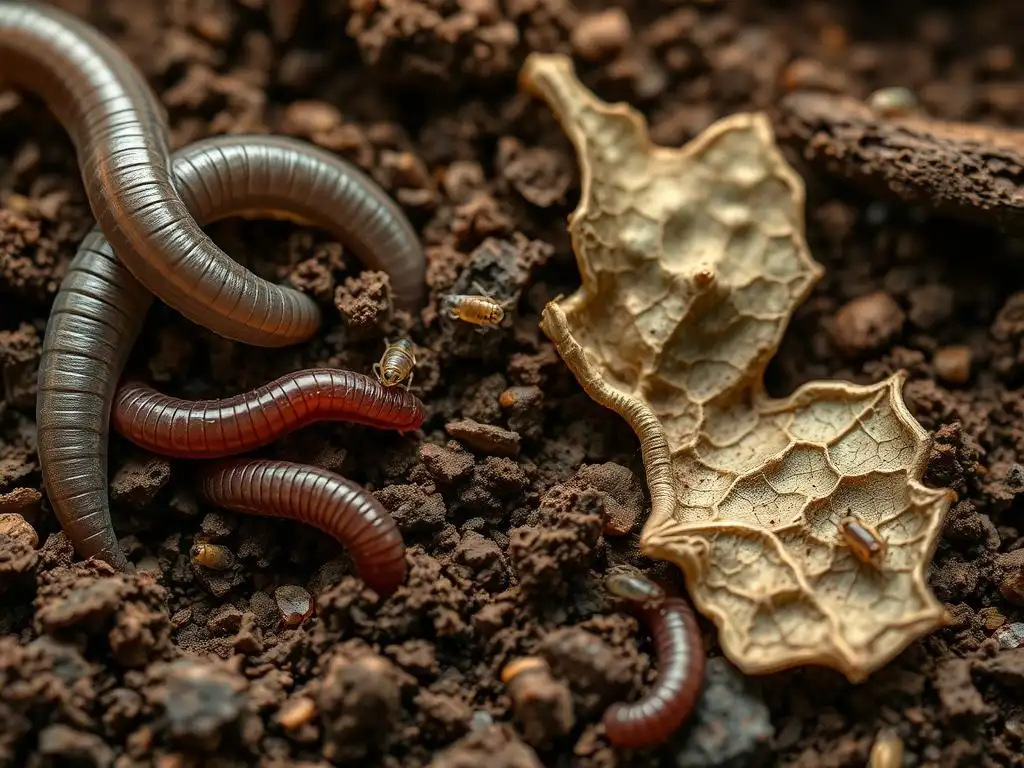
The soil food web, a complex network of organisms interacting within the soil, is the engine driving organic soil health benefits. Understanding its components is crucial for successful organic gardening. This intricate ecosystem isn't just about plants; it's a bustling community of bacteria, fungi, protozoa, nematodes, and countless other microscopic creatures, all working together (and sometimes against each other!) to cycle nutrients, decompose organic matter, and create a thriving environment for plant growth.
The health of this web directly impacts the health and productivity of your garden. A vibrant soil food web is the foundation of fertile, resilient soil, leading to stronger plants and higher yields. Neglecting this intricate system can lead to poor soil structure, nutrient deficiencies, and increased susceptibility to pests and diseases. Let's delve into some key players.
Beneficial Bacteria and Their Contribution to Organic Soil Health
Beneficial bacteria are the workhorses of the soil food web. They are responsible for a multitude of crucial processes, contributing significantly to organic soil health benefits. These microscopic organisms break down organic matter, releasing essential nutrients like nitrogen, phosphorus, and potassium in forms plants can readily absorb. This process is vital for plant growth and development, reducing the need for synthetic fertilizers. Different bacterial species specialize in various tasks; some fix atmospheric nitrogen, converting it into usable forms for plants, while others decompose complex organic compounds.
For example, Azotobacter species are free-living nitrogen-fixing bacteria that enrich the soil with nitrogen. Similarly, Bacillus species produce antibiotics that help suppress plant diseases, contributing to the overall health and resilience of the soil ecosystem. Their activity enhances soil structure by binding soil particles together, improving water infiltration and aeration – all crucial factors for healthy plant roots. Maintaining a diverse population of beneficial bacteria is key to achieving optimal organic soil health benefits. Practices like adding compost, using cover crops, and avoiding the use of harmful chemicals all contribute to thriving bacterial communities.
Mycorrhizal Fungi: Essential Partners for Plant Nutrition
Mycorrhizal fungi form symbiotic relationships with plant roots, extending the plants' reach into the soil and significantly enhancing their nutrient uptake. These fungi create an extensive network of hyphae (thread-like structures) that penetrate the soil, far exceeding the reach of plant roots. This vast network allows the fungi to access nutrients and water from a much larger volume of soil, delivering them directly to the plant. In return, the plant provides the fungi with carbohydrates produced during photosynthesis.
This mutually beneficial partnership is crucial for plant health and growth, particularly in nutrient-poor soils. Mycorrhizal fungi are particularly effective at accessing phosphorus, a nutrient often limiting plant growth. Studies have shown that plants associated with mycorrhizal fungi exhibit increased drought tolerance, improved disease resistance, and enhanced overall growth and yield. The presence of these fungi is a strong indicator of healthy, organic soil. Encouraging their growth through practices such as avoiding tillage, incorporating organic matter, and reducing the use of synthetic fertilizers is crucial for maximizing organic soil health benefits.
Protozoa, Nematodes, and Other Microbes: Maintaining Soil Balance
While bacteria and fungi are the most well-known components of the soil food web, protozoa, nematodes, and a multitude of other smaller organisms also play essential roles. Protozoa, single-celled organisms, feed on bacteria, regulating their populations and releasing nutrients in the process. This nutrient cycling is vital for plant availability.
Nematodes, microscopic worms, occupy various niches in the soil food web, some feeding on bacteria and fungi, others on plant roots (though many are beneficial). The balance between these different nematode populations is essential for maintaining soil health. A healthy soil ecosystem contains a diverse range of these organisms, contributing to a complex and resilient system.
An imbalance, often caused by disruptive agricultural practices, can lead to problems such as nutrient deficiencies or pest outbreaks. Therefore, maintaining biodiversity within the soil food web is paramount for achieving lasting organic soil health benefits. This complex interplay of organisms highlights the importance of holistic approaches to soil management, prioritizing biodiversity and sustainable practices to foster a thriving soil ecosystem.
The Role of Earthworms in Soil Health and Organic Matter Incorporation
Earthworms are often called "nature's plow" and rightfully so. Their tireless work significantly contributes to organic soil health benefits, acting as keystone species within the soil food web. These unsung heroes improve soil structure, aeration, and water infiltration, all crucial for healthy plant growth. Their activity directly impacts organic matter incorporation. As they burrow through the soil, earthworms create channels that allow for better root penetration, improving nutrient and water uptake by plants. This enhanced root access is a direct consequence of increased soil porosity and aeration, leading to stronger, healthier plants. The benefits extend beyond improved root systems.
Furthermore, earthworms actively process organic matter. They ingest organic debris, such as decaying leaves and plant matter, breaking it down into smaller particles and enriching it with their castings. These castings are essentially worm excrement, but they're incredibly valuable. They're rich in nutrients like nitrogen, phosphorus, and potassium, making them a natural fertilizer that improves soil fertility.
The improved nutrient availability directly translates into healthier, more vigorous plants, contributing significantly to higher yields and better quality produce. This natural fertilization process reduces the need for synthetic fertilizers, aligning perfectly with organic gardening principles and contributing substantially to organic soil health benefits. A healthy population of earthworms indicates a thriving soil ecosystem, a testament to the success of your organic gardening practices.
The impact of earthworms extends beyond nutrient cycling. Their burrowing activity enhances soil structure, creating a more stable and less compacted soil profile. This improved soil structure reduces erosion and increases water retention, leading to more efficient water use and a healthier soil environment overall. The combination of improved aeration, nutrient cycling, and enhanced water retention creates a synergistic effect, maximizing the benefits for plant growth and contributing significantly to organic soil health benefits.
A healthy soil teeming with earthworms is a truly fertile ground for flourishing plants. Consider earthworm presence a key indicator of a successful organic gardening approach. Observing their activity, or lack thereof, can help you gauge the overall health of your soil and guide your organic gardening practices.
Enhancing Organic Matter for Optimal Soil Health Benefits

Organic matter is the lifeblood of healthy soil, providing a multitude of benefits that directly impact plant growth and overall soil health. Increasing organic matter content is crucial for achieving optimal "organic soil health benefits," boosting nutrient availability, improving water retention, and enhancing the soil's structure. This section delves into practical methods for enriching your soil with organic matter, focusing on sustainable and organic practices.
The higher the organic matter content, the more resilient your soil becomes against drought, erosion, and pest infestations. This translates to healthier plants, higher yields, and a significantly reduced need for chemical fertilizers and pesticides. We'll explore key techniques, highlighting their individual contributions to a thriving soil ecosystem.
Composting: The Cornerstone of Organic Matter Addition
Composting is arguably the most accessible and impactful method for increasing organic matter. It's a natural process that transforms organic waste – kitchen scraps, yard debris, and even some paper products – into a nutrient-rich amendment. This "black gold" is teeming with beneficial microorganisms that are essential for a vibrant soil food web. Effective composting requires a balance of "brown" materials (carbon-rich, like dried leaves and twigs) and "green" materials (nitrogen-rich, like grass clippings and fruit peels). A good ratio is generally considered to be around 2:1 (brown to green).
The process can be as simple as piling materials in a designated area and letting nature do its work, or it can involve using a composting bin for better control and faster decomposition. Regular turning of the compost pile ensures proper aeration and speeds up the breakdown process. The finished compost should be dark, crumbly, and have an earthy smell.
Avoid adding diseased plants, meat, dairy products, or oily foods, as these can attract pests and create unpleasant odors. Applying compost to your garden beds not only adds organic matter but also introduces beneficial microbes, improving soil structure and nutrient cycling. Regular compost additions can significantly improve your soil's water retention capacity, reducing the frequency of watering and promoting healthier plant growth.
The benefits extend beyond just increased yield; it contributes significantly to the overall health and sustainability of your garden. Think of it as a continuous cycle of replenishment, mimicking nature's own processes. This is a cornerstone of achieving optimal organic soil health benefits.
Cover Cropping: Building Soil Health Through Plant Residue
Cover cropping involves planting specific plants to improve soil health, not for immediate harvest. These plants, grown during fallow periods or between main crops, enhance soil structure, suppress weeds, and add significant organic matter through their roots and above-ground biomass. Legumes, like clover and alfalfa, are particularly beneficial as they fix nitrogen from the atmosphere, enriching the soil and reducing the need for nitrogen fertilizers. Other cover crops, like rye and buckwheat, excel at preventing erosion and improving soil tilth.
The key benefit here lies in the substantial amount of organic matter added when the cover crops are terminated. This can be achieved by tilling them into the soil or by using a "chop and drop" method, leaving the plant residue on the surface as mulch. This residue decomposes over time, enriching the soil with nutrients and improving its physical properties.
The choice of cover crop depends on factors like climate, soil type, and the following main crop. Careful planning is essential to maximize the benefits while minimizing potential drawbacks, such as competition with the main crop. Data shows that consistent cover cropping can lead to a substantial increase in organic matter content over time, resulting in improved water infiltration, enhanced nutrient cycling, and a more resilient soil ecosystem.
This proactive approach significantly contributes to long-term "organic soil health benefits". It is an investment in the future health and productivity of your garden.
Mulching Techniques: Protecting and Enriching Your Soil
Mulching involves covering the soil surface with organic materials like straw, wood chips, shredded leaves, or even grass clippings. This practice offers a multifaceted approach to improving soil health. Firstly, it acts as a physical barrier, preventing weed growth and reducing water evaporation. This leads to less frequent watering and less competition for resources by unwanted plants. Secondly, as the mulch decomposes, it adds organic matter to the soil, gradually improving its structure and fertility. This slow release of nutrients is beneficial for plants, providing a steady supply of essential elements.
The type of mulch used can influence the rate of decomposition and the specific benefits it provides. For instance, wood chips break down more slowly than straw, offering long-term soil protection and gradual organic matter addition. Straw, on the other hand, decomposes more quickly, providing a more immediate boost to soil fertility. Proper application is key; a layer of 2-4 inches is generally recommended, ensuring adequate coverage without smothering plants.
Regular replenishment is necessary to maintain the mulch layer and continue its beneficial effects. By reducing soil erosion, improving water retention, and gradually increasing organic matter content, mulching contributes significantly to achieving optimal "organic soil health benefits". It's a simple yet highly effective practice that can transform your garden's productivity and sustainability. The long-term impact on soil health is undeniable.
Using Compost Tea to Boost Soil Microbial Activity
Compost tea, a liquid extract brewed from compost, is a powerful tool for enhancing organic soil health benefits by significantly boosting soil microbial activity. It's essentially a concentrated solution of beneficial microorganisms, including bacteria, fungi, and protozoa, all vital components of a thriving soil food web. These microbes are the key players in nutrient cycling, breaking down organic matter and making essential nutrients available to your plants. A healthy population of these organisms translates directly to healthier, more vigorous plants.
The process of making compost tea involves steeping compost in water, often with the addition of aeration to promote microbial growth. This aeration is crucial, as it provides the oxygen these aerobic organisms need to thrive. Different brewing methods exist, from simple, passive methods to more complex setups involving specialized equipment. Regardless of the method, the resulting tea is rich in beneficial microbes and organic acids that improve soil structure and nutrient availability.
Applying compost tea to your garden beds or potted plants provides a direct inoculation of beneficial microorganisms. These microbes quickly colonize the soil, outcompeting harmful pathogens and improving the overall health of the soil ecosystem. The benefits extend beyond simply adding microbes; the organic acids in the tea also help to chelate nutrients, making them more readily available for plant uptake. This improved nutrient availability contributes significantly to healthier plant growth and increased yields, enhancing the overall organic soil health benefits.
Furthermore, regular applications of compost tea can help to build soil resilience against environmental stressors, making your plants more resistant to disease and drought. The sustained microbial activity from regular tea applications fosters a more robust and dynamic soil environment, leading to long-term improvement in organic soil health benefits. Consider it a vital investment in the ongoing health and productivity of your garden.
Practical Applications for Improving Organic Soil Health Benefits
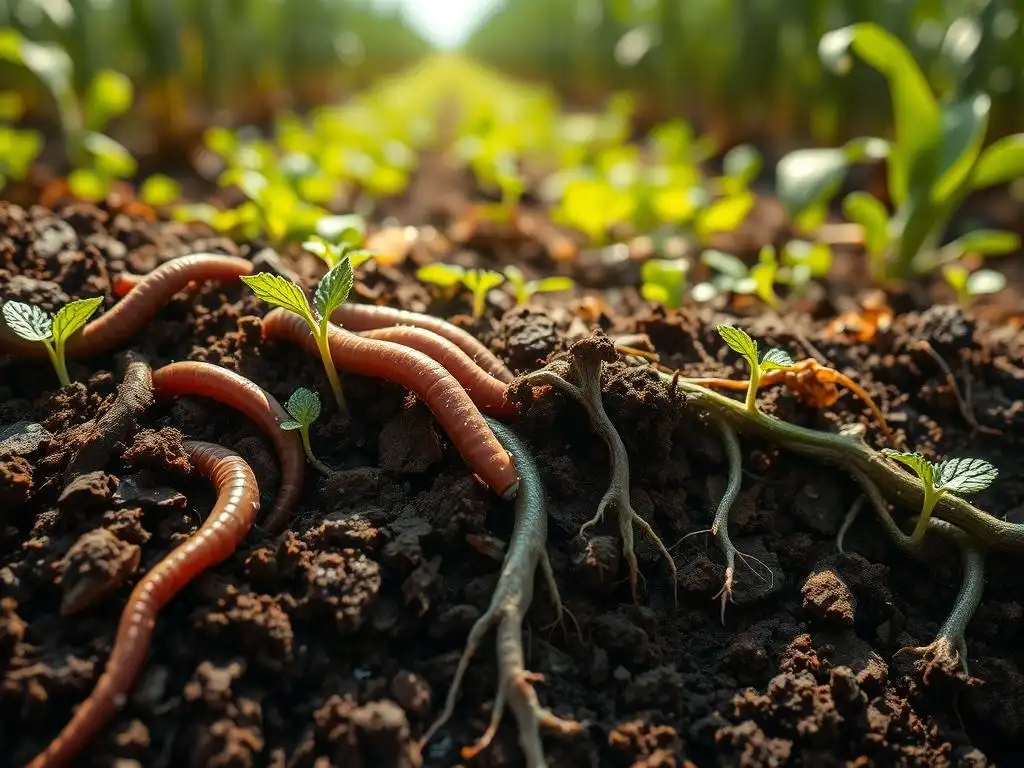
This section delves into practical steps you can take to leverage the power of the soil food web and enhance organic soil health benefits in your home garden. Understanding the intricate relationships within the soil ecosystem allows for targeted interventions that promote thriving plants and a sustainable gardening practice. We'll explore how to analyze your soil, amend it effectively, and avoid practices that undermine its health. The ultimate goal is to cultivate vibrant, fertile soil that supports bountiful harvests year after year.
Soil Testing and Amendments: Tailoring Your Approach
Before embarking on any soil improvement project, understanding your soil's current condition is paramount. A soil test provides invaluable insights into its pH level, nutrient content (nitrogen, phosphorus, potassium – NPK), and overall composition. This information guides your amendment choices, preventing unnecessary expenses and ensuring targeted improvements.
For example, a soil test might reveal a low pH (acidic soil), hindering nutrient uptake by plants. In this case, amendments like lime, a natural source of calcium carbonate, can help raise the pH to an optimal range. Conversely, highly alkaline soil may benefit from the addition of organic matter like composted manure or peat moss, which can help to lower the pH.
Beyond pH, the test will reveal nutrient deficiencies. If nitrogen levels are low, adding compost or nitrogen-rich fertilizers like blood meal or fish emulsion can address the problem. Phosphorus deficiencies can be addressed with bone meal or rock phosphate. Potassium can be supplemented with wood ash or greensand.
The key is to amend your soil based on specific test results, not on general assumptions. A tailored approach maximizes the impact of your efforts and ensures that you are providing your plants with precisely what they need for optimal growth. Remember, consistent soil testing, ideally annually, allows for ongoing monitoring and adjustments to maintain optimal organic soil health benefits.
Sustainable Gardening Practices: Protecting Soil Biodiversity
Maintaining a healthy soil food web requires nurturing the diverse community of organisms living within it. Sustainable gardening practices are crucial in this endeavor. These practices actively support the beneficial microorganisms, fungi, and other organisms that contribute to nutrient cycling, disease suppression, and overall soil health.
- Cover Cropping: Planting cover crops like clover, rye, or alfalfa between growing seasons adds organic matter, improves soil structure, and suppresses weeds. Their roots also help to improve soil aeration and drainage. These plants can be tilled into the soil to add organic matter or left to decompose naturally.
- Composting: Composting kitchen scraps and yard waste provides a rich source of organic matter, improving soil fertility and structure. The process itself fosters a thriving community of decomposers that are essential to a healthy soil food web. Adding finished compost regularly is like giving your soil a nutritious meal.
- Crop Rotation: Rotating different plant families each year prevents the depletion of specific nutrients and helps to manage pests and diseases. This diverse planting strategy supports a broader range of soil organisms, contributing to a more resilient and balanced soil ecosystem.
- Mulching: Applying mulch (wood chips, straw, shredded leaves) to the soil surface helps retain moisture, suppress weeds, and regulate soil temperature. As the mulch decomposes, it adds organic matter, further enriching the soil.
These practices, when implemented thoughtfully, work synergistically to create a thriving soil ecosystem, maximizing organic soil health benefits and promoting vigorous plant growth.
Avoiding Harmful Practices: Pesticides and Soil Degradation
The use of synthetic pesticides can severely disrupt the delicate balance of the soil food web. These chemicals can kill beneficial organisms alongside targeted pests, leading to a decline in soil biodiversity and overall health. This disruption undermines the natural processes that contribute to nutrient cycling and disease suppression. The long-term consequences often include reduced soil fertility, increased susceptibility to pests and diseases, and a compromised soil structure.
Instead of relying on synthetic pesticides, explore integrated pest management (IPM) strategies. IPM involves a combination of techniques to minimize pest damage while minimizing environmental impact. This may include:
- Beneficial Insects: Encouraging the presence of beneficial insects, such as ladybugs and lacewings, that prey on common garden pests.
- Natural Pest Control: Utilizing natural pest control methods, such as companion planting (planting certain plants together to deter pests), hand-picking pests, or introducing nematodes.
- Resistant Varieties: Choosing plant varieties that are naturally resistant to common pests and diseases.
By prioritizing sustainable and organic practices, you can safeguard the health of your soil and ensure the long-term productivity of your garden. Protecting the soil food web is a crucial step towards achieving optimal organic soil health benefits and building a thriving, sustainable garden.
Long-Term Soil Health Management Strategies for Sustainable Organic Gardening
Maintaining vibrant, productive soil isn't a one-time fix; it's a continuous journey. Sustainable organic gardening hinges on implementing long-term strategies that nurture the soil food web and enhance its capacity to support thriving plants. These strategies move beyond quick fixes and instead focus on building soil resilience and fertility over years, even decades. This approach minimizes the need for external inputs like chemical fertilizers and pesticides, reducing environmental impact and promoting biodiversity.
One crucial aspect is crop rotation. Rotating crops prevents the depletion of specific nutrients and reduces the buildup of pest and disease populations. For example, a legume-rich rotation (like beans or peas) can naturally fix nitrogen in the soil, reducing the need for nitrogen-based fertilizers. Following a heavy feeder (like broccoli) with a light feeder (like lettuce) helps balance nutrient consumption. Careful planning, considering the nutrient needs of different plant families, is key to maximizing the benefits of crop rotation for organic soil health benefits.
Cover cropping is another powerful tool. Planting cover crops like rye, clover, or buckwheat during fallow periods adds organic matter, suppresses weeds, improves soil structure, and prevents erosion. These plants, when tilled back into the soil (or left to decompose as green manure), enrich the soil with nutrients and enhance microbial activity. Choosing cover crops tailored to the specific needs of your soil and climate is essential for optimal results. For instance, nitrogen-fixing cover crops are particularly beneficial in nitrogen-deficient soils.
Composting plays a pivotal role in long-term soil health management. By regularly composting kitchen scraps, yard waste, and other organic materials, you create a rich, nutrient-dense amendment that significantly improves soil structure, water retention, and microbial activity. Home composting, while requiring some effort, offers immense benefits in terms of reducing waste and enhancing soil fertility, directly contributing to the organic soil health benefits. The process naturally recycles nutrients, minimizing the need for external inputs and promoting a closed-loop system within your garden.
Finally, minimizing soil disturbance is crucial. Excessive tillage damages soil structure, disrupts the soil food web, and leads to erosion. No-till or low-till gardening practices, such as using raised beds or mulching heavily, protect the soil's delicate structure and promote the growth of beneficial microorganisms. This approach enhances water infiltration, reduces weed pressure, and fosters a more resilient and productive soil ecosystem over time.
The long-term rewards of reduced tillage far outweigh the initial adjustments required to adopt these methods. By embracing these practices, gardeners actively participate in building a healthier, more sustainable, and productive soil ecosystem, reaping the rewards of improved plant health and abundant harvests for years to come. The consistent application of these strategies contributes significantly to long-term organic soil health benefits.
Measuring the Success of Your Soil Health Improvement Efforts
Improving your soil's organic matter content is a journey, not a destination. Consistent effort pays off in bountiful harvests and vibrant plants, but how do you know if your organic soil health benefits are truly taking hold? Measuring success requires a multifaceted approach, combining visual observation with simple biological assessments and, ultimately, the tangible results in your garden. This section will outline practical methods to track your progress and celebrate your achievements in building a thriving soil ecosystem.
Visual Indicators of Healthy Soil: Structure, Color, and Life
The appearance of your soil can tell you a great deal about its health. A visually appealing soil is often a healthy soil, indicating a robust organic soil health benefits. Let's explore key visual cues:
- Soil Structure: Healthy soil boasts a crumbly structure, meaning it's easily broken into small, aggregated particles. This structure allows for excellent aeration, water infiltration, and root penetration. Conversely, compacted soil, lacking in organic matter, is dense and difficult to work with. Compare a handful of your improved soil to a sample from an untreated area. The difference in structure should be noticeable.
- Soil Color: The color of your soil can indicate its organic matter content and overall health. Dark brown or black soil is typically rich in organic matter, a key component for organic soil health benefits. Lighter colors, such as light brown or gray, might suggest low organic matter and potentially nutrient deficiencies. Observe changes in color over time as you incorporate organic amendments. A darkening of the soil is a positive sign.
- Soil Life: A healthy soil teems with life! Look for visible signs of earthworms, beneficial insects, and other soil organisms. These creatures are essential for nutrient cycling and soil structure improvement. The presence of a diverse range of organisms is a strong indicator of improving organic soil health benefits. A noticeable increase in the diversity and abundance of soil life is a great success marker.
Monitoring Soil Biology: Simple Methods for Home Gardeners
Visual inspection is a good start, but a deeper understanding of your soil's biology provides even clearer insight into your progress towards achieving organic soil health benefits. While laboratory analysis is ideal, several simple methods are readily available to home gardeners:
- Worm Count: Earthworms are excellent indicators of soil health. Dig a small pit (approximately 1ft x 1ft x 1ft) in your garden and count the number of earthworms you find. Repeat this process in different areas of your garden and compare the counts over time. A significant increase in worm populations indicates thriving soil biology, a key aspect of organic soil health benefits.
- Soil Texture Test: Assess the soil's texture by feeling a handful of moist soil. Healthy soil feels loose and crumbly, while compacted soil feels heavy and dense. This simple test helps you monitor changes in soil structure over time, a direct result of improving organic soil health benefits.
- Leaf Decomposition Test: Bury several leaves in your soil and check their decomposition rate after a few weeks. Faster decomposition indicates a healthy microbial population, essential for nutrient cycling and a sign of successfully achieving organic soil health benefits.
Harvest Yields and Plant Vigor: Indicators of Soil Health Benefits
Ultimately, the most rewarding measure of your soil improvement efforts is the health and productivity of your plants. Monitor your harvest yields and observe plant vigor to gauge the impact of your soil health improvements:
- Increased Yields: Compare the yields of your plants grown in improved soil with those grown in untreated soil. A significant increase in yields is a clear indication that your efforts have paid off, delivering tangible organic soil health benefits. Keep detailed records of your harvests to track progress over time.
- Improved Plant Vigor: Observe the overall health and growth of your plants. Healthy plants grown in improved soil will exhibit strong growth, deep green foliage, and resistance to pests and diseases. Contrast this with plants grown in less healthy soil, which might exhibit signs of stress such as yellowing leaves or stunted growth. The difference in plant vigor is a powerful demonstration of the organic soil health benefits you've achieved.
| Indicator | Healthy Soil | Unhealthy Soil |
|---|---|---|
| Structure | Crumbly, well-aggregated | Compacted, dense |
| Color | Dark brown or black | Light brown, gray |
| Worm Count | High number of earthworms | Low or absent earthworms |
| Leaf Decomposition | Rapid decomposition | Slow decomposition |
| Yields | Significantly higher than untreated areas | Lower than or similar to untreated areas |
| Plant Vigor | Strong growth, deep green foliage | Stunted growth, yellowing leaves |
By combining visual assessments, simple biological monitoring, and careful observation of plant health and yields, you can effectively measure the success of your soil improvement efforts and enjoy the many rewards of enhanced organic soil health benefits. Remember, building healthy soil is an ongoing process, and consistent monitoring will help you refine your techniques and achieve even greater success in your organic garden.
Frequently Asked Questions
What is the soil food web, and why is it important for organic soil health?
The soil food web is a complex network of organisms living in the soil, including bacteria, fungi, and invertebrates. It's crucial for organic soil health because these organisms break down organic matter, recycle nutrients, and improve soil structure. A healthy food web is essential for thriving plants.
How does organic matter improve soil health?
Organic matter, like compost and cover crops, acts as a sponge, improving water retention and aeration. It also feeds the soil food web, fostering beneficial microbial activity and making nutrients more available to plants. This leads to healthier, more productive soil.
What are the benefits of improving soil health through organic practices?
Improved soil health translates to healthier plants, resulting in increased yields of higher quality produce. You'll also reduce your reliance on chemical fertilizers and pesticides, saving money and protecting the environment. Plus, your soil will become more resilient to drought and disease.
How can I increase organic matter in my soil?
You can add compost, cover crops, or other organic materials like aged manure to your soil. Regularly adding organic matter is key; mulching also helps retain moisture and suppress weeds, contributing to organic matter buildup over time.
What are some signs of unhealthy soil?
Signs of unhealthy soil include poor drainage, compaction, lack of earthworms or other soil life, and stunted plant growth. The soil might also appear dry and dusty, or excessively wet and muddy, indicating imbalances in its structure and microbial activity.
Final Reflection: Cultivating a Healthier Future, One Soil Particle at a Time
The intricate dance of the soil food web and the vital role of organic matter are not just academic concepts; they are the bedrock of a sustainable future. Ignoring this fundamental truth jeopardizes our food security, environmental stability, and ultimately, the health of our planet. The implications are far-reaching and demand immediate attention.
The profound impact of soil health on our lives is often overlooked, yet it underpins everything from the food we eat to the air we breathe. We are inextricably linked to the health of our soils, a connection often lost in the rush of modern agriculture. The nation that destroys its soil destroys itself.
– Franklin D. Roosevelt. This quote, though decades old, rings truer than ever in the face of climate change and dwindling arable land. Understanding the delicate balance within the soil ecosystem is crucial to reversing the damage and building a more resilient agricultural system.
Consider the knowledge you've gained about the soil food web and organic matter. How can you, in your own sphere of influence, contribute to healthier soils? Perhaps it's by choosing organic produce, supporting sustainable farming practices, or simply learning more about the fascinating world beneath our feet. Let this article serve as a catalyst for action, inspiring you to become a steward of the soil and a champion for a healthier planet. The future of our food systems, and indeed our future, depends on it.
Unlock Your Soil's Potential: A Journey to Healthier Gardens
Thank you for exploring the fascinating world of soil health! You've learned how crucial a healthy soil ecosystem is for thriving plants, and now it's time to put that knowledge into practice. Ready to cultivate amazing results?
- Start with a soil test: Understanding your soil's composition is the first step towards building a vibrant and productive garden. It's easier than you think!
- Share your progress: Connect with our community on social media using #SoilHealthRevolution and inspire others to improve their soil health.
- Master composting: Learn advanced composting techniques to significantly increase your soil's organic matter. It's the best thing you can do for your garden!
What small step will you take today to nurture your soil and watch your plants thrive?