
Planning Your Pacific Northwest Garden: Making the Most of Your Space

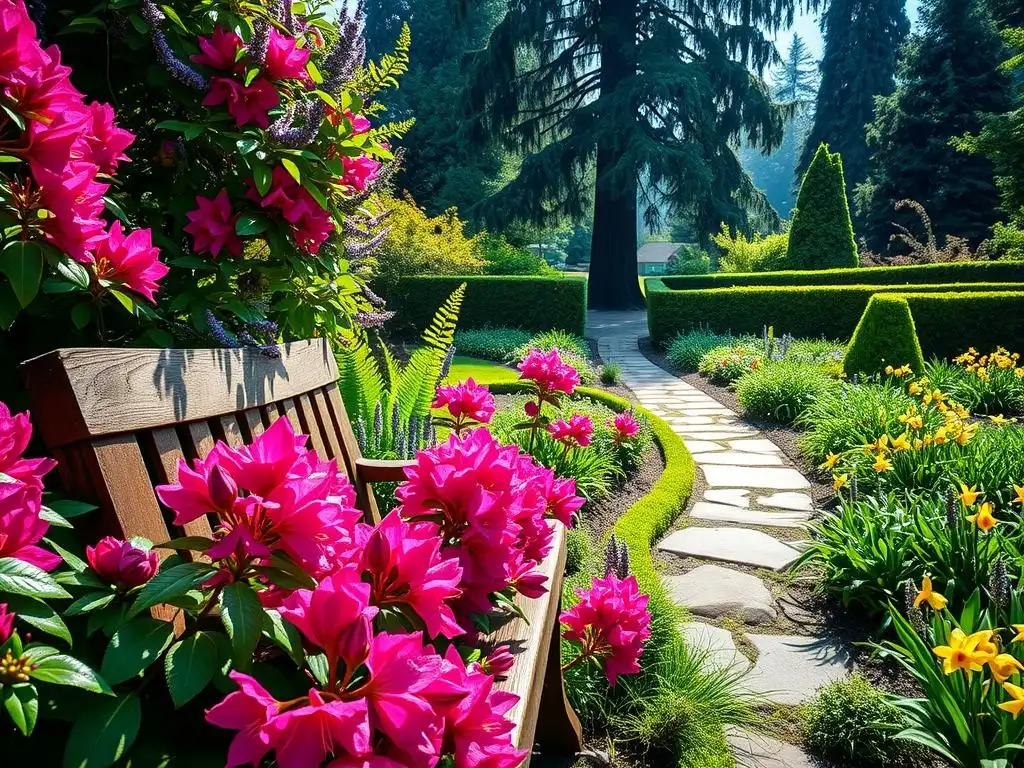
Welcome to CultivateYourFood, your guide to a thriving, sustainable home garden! Are you ready to transform your backyard into a bountiful oasis? Our Pacific Northwest garden planning guide unlocks the secrets to successfully cultivating fruits, vegetables, and herbs in this unique region, covering everything from optimal planting times to effective pest control – all while embracing organic practices. Discover how to maximize your space and yield, and embark on a journey of delicious, homegrown goodness. Let's get started!
- Understanding Your Pacific Northwest Microclimate
- Choosing the Right Plants for Your Northwest Garden
- Designing Your Pacific Northwest Garden Layout
- Preparing Your Pacific Northwest Garden for Planting
- Maintaining Your Pacific Northwest Garden Throughout the Growing Season
- Extending Your Pacific Northwest Growing Season
-
Frequently Asked Questions
- What is the best time to start planning my Pacific Northwest garden?
- Which fruits, vegetables, and herbs thrive in the Pacific Northwest climate?
- How can I maximize my garden space in the Pacific Northwest?
- What are some common Pacific Northwest gardening challenges and how can I overcome them?
- Where can I find more information about sustainable and organic gardening practices in the Pacific Northwest?
- Final Reflection: Cultivating a Northwest Oasis: A Legacy of Growth
- Unleash Your Pacific Northwest Garden's Potential!
Understanding Your Pacific Northwest Microclimate
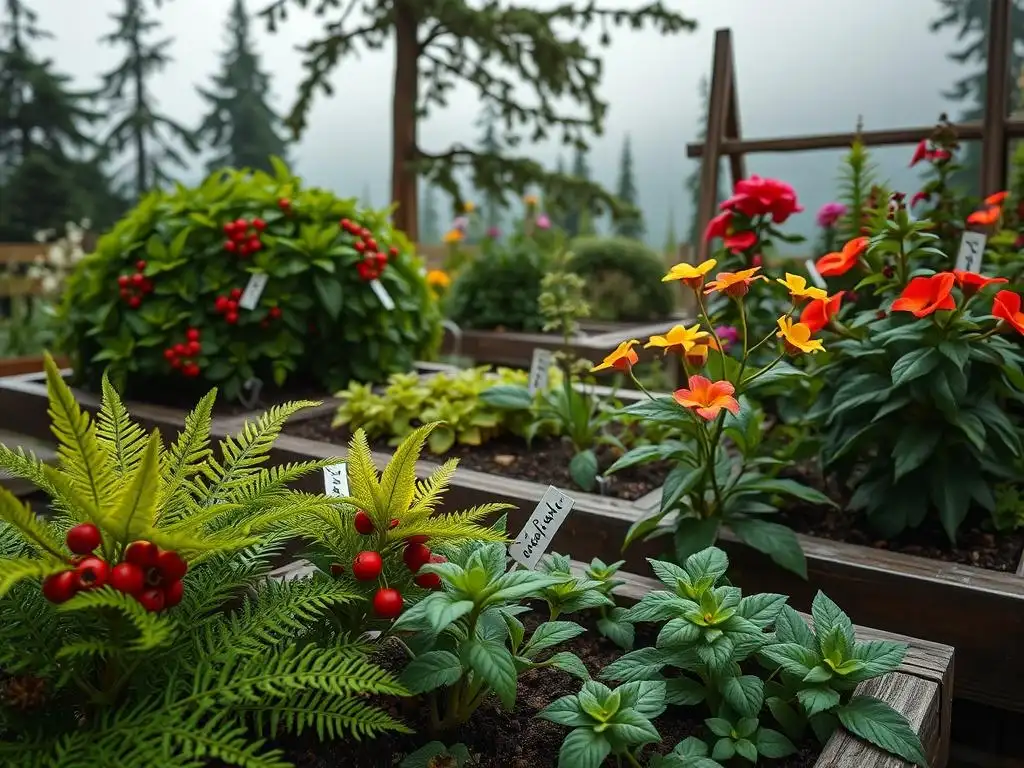
The Pacific Northwest boasts a unique and diverse climate, making garden planning crucial for success. This guide will equip you with the knowledge to effectively plan your Pacific Northwest garden, maximizing yields and minimizing challenges. From understanding sunlight exposure and soil conditions to mastering water management, we'll cover everything you need to cultivate a thriving garden, even within the constraints of a smaller space. This comprehensive guide is your key to unlocking the secrets of successful gardening in this beautiful, yet sometimes unpredictable, region.
We'll explore the nuances of the PNW climate and how to leverage them to your advantage, helping you transform your outdoor space into a bountiful haven of fruits, vegetables, and herbs. This detailed approach will act as your go-to resource for all things "Pacific Northwest garden planning guide," ensuring your gardening journey is both rewarding and fruitful. 🌱
Assessing Your Site's Sunlight Exposure for Northwest Gardening
Sunlight is the lifeblood of any garden, and understanding its impact in the Pacific Northwest is paramount. The region experiences varying levels of sunlight exposure depending on location, elevation, and even the time of year. Before even thinking about planting, you need to carefully assess your garden's sun exposure. This isn't just about the total hours of sun; it's also about the intensity of the sun and the direction it comes from.
Consider these factors:
- Morning Sun vs. Afternoon Shade: Morning sun is generally gentler and can be beneficial for many plants, while harsh afternoon sun can scorch delicate leaves. Observe your garden throughout the day to note the sun's path and the intensity of sunlight at different times.
- Shading Factors: Tall buildings, trees, and fences all cast shadows that can significantly impact sunlight availability. Map out the shadows throughout the day to identify areas with full sun, partial shade, and full shade.
- Microclimates: Even within a small garden, you might encounter microclimates – small areas with different sunlight conditions. A north-facing wall, for example, will receive less sun than a south-facing one. Utilize these microclimates to your advantage by choosing plants suited to each area.
Accurate assessment of your sunlight conditions will determine which plants thrive in your garden. Many vegetables require at least six hours of direct sunlight daily, while others tolerate partial shade. Knowing this will inform your plant selection and increase your chances of a successful harvest.
Soil Testing and Amendment for Optimal Pacific Northwest Plant Growth
The Pacific Northwest's soil can vary dramatically, ranging from rich, fertile loam to heavy clay or sandy soil. Understanding your soil type is critical for successful gardening. Before planting, conduct a soil test to determine its pH level, nutrient content, and texture. This will provide valuable insights into what amendments might be necessary to improve its fertility and drainage.
Soil testing kits are readily available, and many local agricultural extension offices offer testing services. The results will indicate whether your soil is acidic, alkaline, or neutral, and will highlight any deficiencies in essential nutrients like nitrogen, phosphorus, and potassium.
Based on the results, you can amend your soil using organic matter such as:
- Compost: A fantastic all-around soil amendment, improving drainage, aeration, and nutrient content.
- Aged Manure: Adds nutrients and improves soil structure. Ensure it's well-rotted to avoid burning plants.
- Peat Moss: Improves drainage and water retention in sandy or clay soils.
Amending your soil is an investment that pays off handsomely in terms of healthier plants and higher yields. Don't underestimate the importance of this step in your Pacific Northwest garden planning.
Understanding Your Northwest Garden's Water Drainage and Irrigation Needs
Proper water management is crucial for a thriving Pacific Northwest garden. The region experiences periods of both heavy rainfall and drought, so understanding your garden's drainage and irrigation needs is essential.
Poor drainage can lead to root rot and other plant diseases, while inadequate irrigation can stunt growth and reduce yields. Assess your garden's drainage by digging a small hole and filling it with water. If the water drains quickly, you have well-drained soil. If it sits for a long time, you have poor drainage and may need to improve it through amending your soil with organic matter or installing drainage systems.
Irrigation methods depend on your garden's size and your personal preferences. Options include:
- Drip Irrigation: Highly efficient, delivering water directly to the roots of plants.
- Soaker Hoses: Provide consistent moisture to a larger area.
- Watering Can: Suitable for small gardens, but can be labor-intensive.
Regular monitoring of soil moisture is key. Don't overwater, as this can lead to problems. Consider using a moisture meter to check soil moisture levels before watering. Remember that rainfall should be factored into your irrigation schedule. By understanding and managing your garden's water needs, you'll contribute significantly to its health and productivity.
Choosing the Right Plants for Your Northwest Garden
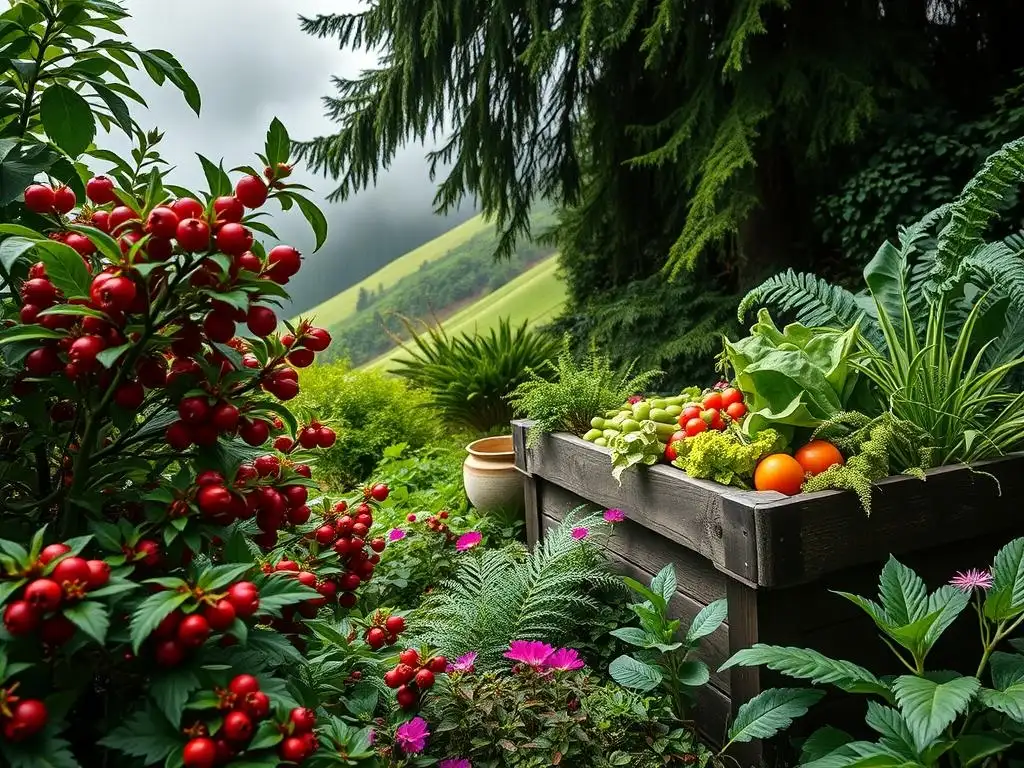
This section focuses on selecting plants ideally suited for the unique challenges and opportunities presented by the Pacific Northwest climate. Understanding your microclimate—the specific conditions of your garden space—is crucial for success. Factors like sunlight exposure, soil drainage, and wind exposure significantly impact plant growth. A thorough assessment before planting is key to maximizing your yield and minimizing frustration. This Pacific Northwest garden planning guide will help you make informed choices.
Selecting Vegetables, Fruits, and Herbs Thriving in the PNW Climate
The Pacific Northwest's climate, characterized by cool, wet winters and mild, relatively dry summers, presents both challenges and advantages for gardeners. Certain vegetables, fruits, and herbs excel in these conditions. For example, cool-season crops like kale, spinach, lettuce, and peas thrive in the spring and fall, tolerating cooler temperatures and even some frost. Root vegetables such as carrots, beets, and potatoes also perform well.
Summer vegetables require careful consideration. While the summers are milder than many other regions, sufficient sunlight and well-drained soil are crucial. Consider heat-tolerant varieties of tomatoes, peppers, and zucchini. Proper spacing and mulching are essential to prevent fungal diseases which are more prevalent in the PNW's humid conditions.
Herbs like mint, chives, parsley, and oregano are generally easy to grow in the PNW and can even handle some shade. Consider berry bushes like blueberries and raspberries, which prefer acidic soil and partial shade. Apples, pears, and cherries are also common fruit trees suitable for the region but require careful planning for pollination and pest control. Remember to choose varieties known for their disease resistance.
Here's a table summarizing suitable options:
| Plant Category | Suitable Options | Considerations |
|---|---|---|
| Vegetables | Kale, Spinach, Peas, Carrots, Beets, Potatoes, Tomatoes, Peppers, Zucchini | Soil drainage, sunlight exposure, disease resistance |
| Fruits | Blueberries, Raspberries, Apples, Pears, Cherries | Pollination, pest control, soil pH |
| Herbs | Mint, Chives, Parsley, Oregano | Sunlight exposure, water requirements |
Choosing the right varieties is crucial for success in your Pacific Northwest garden. Look for varieties specifically labeled as suitable for the PNW climate or those known for their disease resistance.
Incorporating Native Pacific Northwest Plants for Biodiversity and Resilience
Integrating native plants into your Pacific Northwest garden offers numerous advantages. These plants are naturally adapted to the local climate and soil conditions, requiring less water and maintenance than non-native species. They also support local pollinators and wildlife, increasing biodiversity in your garden. Furthermore, native plants often exhibit greater resilience to pests and diseases common in the region.
Consider incorporating plants like salal, sword fern, kincaid's lupine, and camassia. These plants add visual interest and provide habitat for beneficial insects. They also contribute to a healthier soil ecosystem, improving drainage and fertility. Using native plants is a sustainable gardening practice that supports the local environment. This is a key element of a truly successful Pacific Northwest garden planning guide.
Remember to research the specific needs of each native plant you choose, as sunlight and water requirements can vary significantly. Consider the size and mature dimensions of the plant to ensure proper spacing within your garden. Many native plants offer beautiful blooms and attract beneficial insects, enhancing the overall health and beauty of your garden.
Choosing Companion Plants for Enhanced Growth and Pest Control in Your PNW Garden
Companion planting involves strategically placing different plants together to improve their growth and deter pests. This technique leverages the natural interactions between plants to create a more robust and resilient garden ecosystem. In the Pacific Northwest, where fungal diseases and certain pests can be prevalent, companion planting is particularly beneficial.
For example, planting basil near tomatoes can help repel tomato hornworms and whiteflies. Marigolds are known for their pest-repelling properties and can be planted throughout the garden to deter nematodes and other soilborne pests. Similarly, planting garlic near roses can deter aphids.
The benefits extend beyond pest control. Some companion plants can improve soil fertility or attract beneficial insects. Legumes, for example, fix nitrogen in the soil, enriching it for other plants. Dill attracts beneficial insects that prey on aphids.
Careful planning is essential for a successful companion planting strategy. Consider the specific needs of each plant and ensure that they have enough space to grow without competing for resources. A well-planned companion planting scheme can significantly enhance the health and productivity of your Pacific Northwest garden. This aspect is often overlooked in general garden planning guides, but is particularly important for the PNW.
Designing Your Pacific Northwest Garden Layout
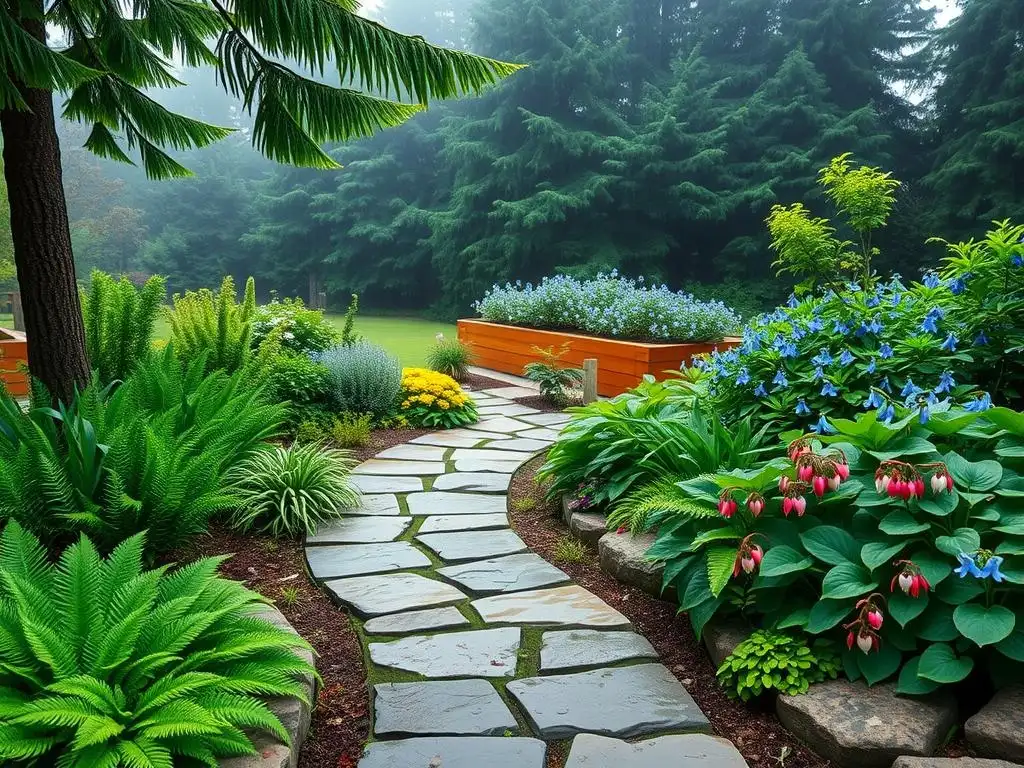
This section focuses on creating a garden plan that maximizes both functionality and aesthetic appeal, specifically tailored for the Pacific Northwest climate. We'll explore practical design elements that ensure your Pacific Northwest garden thrives.
Creating a Functional and Aesthetically Pleasing Garden Design
A successful Pacific Northwest garden balances practicality with beauty. Consider these key elements when designing your space:
- Sun Exposure: The Pacific Northwest experiences variable sunlight. Map the sun's path across your garden throughout the day. This will help you place sun-loving plants (like tomatoes and peppers) in areas with maximum sunlight and shade-tolerant plants (like lettuce and spinach) in shadier spots. Accurate sun mapping is crucial for successful PNW gardening. Detailed observation over several weeks will give you the most accurate data.
- Water Sources: Efficient watering is essential, especially during drier summer months. Plan for proximity to a water source, whether it's a hose, rain barrels, or an irrigation system. Consider using drip irrigation or soaker hoses to conserve water and minimize water waste. This is particularly important for the Pacific Northwest's variable rainfall patterns.
- Soil Composition: Analyze your soil type. The Pacific Northwest boasts a variety of soil conditions. Amend the soil with compost or other organic matter to improve drainage and fertility. Soil testing kits can provide valuable insights into your soil's pH and nutrient levels, guiding you in selecting the right plants and amendments.
- Plant Selection: Choose plants appropriate for the Pacific Northwest climate. Consider selecting varieties known for their disease resistance and tolerance to the region's cool, wet winters and relatively mild summers. Look for plants that are native to the region or that have proven to thrive in similar conditions.
- Pathways and Access: Plan for easy access to all areas of your garden. Include pathways wide enough for comfortable movement and consider using materials that are both durable and aesthetically pleasing. This improves accessibility for maintenance and harvesting. Consider the impact of rain and mud on pathway materials.
Optimizing Space Utilization for Small Pacific Northwest Gardens
Even small spaces can yield abundant harvests in the Pacific Northwest. Maximize your space with these techniques:
- Vertical Gardening: Utilize trellises, walls, and hanging planters to grow climbing plants like beans, cucumbers, and peas vertically. This significantly increases the growing area in a small space. Vertical gardening is a highly effective space-saving technique for the Pacific Northwest gardener.
- Raised Beds: Raised beds improve drainage and soil warmth, crucial in the Pacific Northwest's often damp conditions. They also make gardening easier on your back and can help you control soil composition more effectively. Consider the size and material of your raised beds to maximize their efficiency and lifespan.
- Container Gardening: Use pots, containers, and hanging baskets to grow herbs, vegetables, and flowers. Containers offer flexibility and can be placed strategically to maximize sunlight and space. Choose appropriate sized containers for your plants' root systems.
- Companion Planting: Strategic planting of companion plants can enhance growth and deter pests. For example, basil planted near tomatoes can help repel insects. Careful planning and research on companion planting can significantly improve yield and reduce pest problems. This is especially important in a small garden where pest infestations can quickly overwhelm plants.
Planning for Seasonal Changes and Extended Growing Seasons in the PNW
The Pacific Northwest offers an extended growing season with the use of appropriate techniques:
- Cold Frames and Row Covers: Extend your growing season by using cold frames or row covers to protect plants from frost and cool temperatures. These affordable and easily accessible tools can significantly extend the harvest period. Consider using these tools for both early spring planting and late fall harvesting.
- Microclimates: Identify and utilize microclimates in your garden. South-facing walls or sheltered areas can provide warmer spots for more tender plants. Understanding the microclimates within your garden allows for more diverse plant selection and better adaptation to the variable conditions.
- Succession Planting: Plant crops in succession to ensure a continuous harvest throughout the growing season. For example, plant early-maturing varieties followed by later-maturing ones. A well-planned succession planting schedule is crucial for maximizing yield and extending the harvest season in the Pacific Northwest.
- Season Extension Techniques: Consider using techniques such as using low tunnels or cloches to extend the growing season, particularly for frost-sensitive crops. These techniques provide additional protection and warmth, especially during the shoulder seasons. This is key for achieving a successful and extended harvest in the PNW.
This comprehensive plan, incorporating these strategies, will help you create a thriving and beautiful Pacific Northwest garden, regardless of your space limitations. Remember that careful planning and observation are key to success in the unique Pacific Northwest gardening environment.
Preparing Your Pacific Northwest Garden for Planting
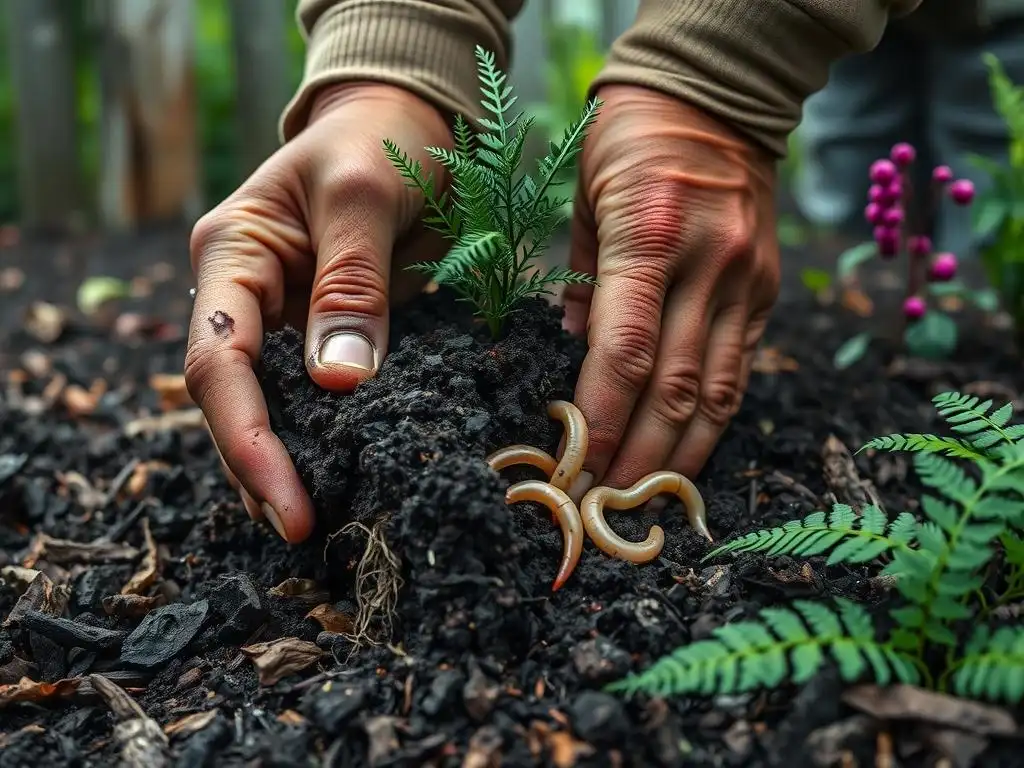
This section delves into the crucial preparatory steps for establishing a thriving Pacific Northwest garden. Understanding your soil, optimizing planting structures, and enriching the soil with compost are key to success in this unique climate. This Pacific Northwest garden planning guide will equip you with the knowledge to cultivate a bountiful harvest.
Soil Preparation Techniques for a Successful Pacific Northwest Garden
The Pacific Northwest boasts a diverse range of soil types, from heavy clay to sandy loam. Proper soil preparation is paramount for optimal plant growth and yield. Before planting, conduct a soil test to determine its pH level and nutrient composition. This will inform your amendment strategy. Many local agricultural extension offices offer affordable soil testing services.
The ideal soil for a Pacific Northwest garden is well-draining yet retains moisture. Heavy clay soils benefit from the addition of organic matter like compost, aged manure, or peat moss to improve drainage and aeration. Sandy soils, on the other hand, require amendments to increase water retention. Adding materials such as coconut coir or well-rotted leaf mold can help achieve this.
Consider the specific needs of your chosen plants. For instance, blueberries thrive in acidic soil (pH 4.5-5.5), while most vegetables prefer a slightly more neutral pH (6.0-7.0). Adjusting your soil's pH can be achieved by adding sulfur (to lower pH) or lime (to raise pH). Always follow product instructions carefully when amending your soil. Remember, consistent soil improvement is an ongoing process, not a one-time task. Regular additions of compost will enhance soil structure and fertility year after year, contributing to a healthier and more productive Pacific Northwest garden.
Building Raised Beds or Utilizing Existing Structures for PNW Gardening
Raised beds offer numerous advantages in the Pacific Northwest, particularly in areas with poorly draining soil or a short growing season. They warm up faster in spring, allowing for earlier planting and extending the growing season. They also improve drainage and aeration, crucial for many plants.
Constructing raised beds is relatively straightforward. Use untreated lumber (cedar or redwood are excellent choices for longevity), or consider more sustainable options like repurposed pallets (ensure they are treated wood-free). Typical dimensions are 4 feet wide, allowing for easy access from both sides, and varying lengths depending on your space. A depth of 12-18 inches is generally sufficient for most vegetables. Line the beds with landscape fabric to prevent weed growth and retain moisture.
Alternatively, you can utilize existing structures such as old planters, repurposed containers, or even stacked tires (ensure they are clean and weather-resistant). Get creative! The key is to provide a well-drained, easily accessible planting area tailored to your space and plant choices. This approach ensures your Pacific Northwest garden planning is efficient and effective.
Composting and Organic Matter Incorporation for Healthy Northwest Soil
Composting is a cornerstone of sustainable gardening, and particularly valuable in the Pacific Northwest. It significantly improves soil structure, increases water retention, and provides essential nutrients for healthy plant growth. Composting reduces reliance on chemical fertilizers and promotes biodiversity in your garden ecosystem.
Start a compost pile or bin using a mix of "green" materials (grass clippings, vegetable scraps) and "brown" materials (dried leaves, twigs, shredded paper). Maintain a good balance between these materials for optimal decomposition. Regularly turn the pile to aerate it and speed up the composting process. Worms can be introduced to further accelerate decomposition and improve soil health. The end result is rich, dark compost that is teeming with beneficial microorganisms – a goldmine for your Pacific Northwest garden.
Incorporating compost into your soil is crucial. Before planting, amend your soil with a generous amount of compost, working it into the top 6-8 inches. This improves soil structure, adds nutrients, and enhances water retention. Top-dressing with compost throughout the growing season also provides a slow-release fertilizer and helps suppress weeds. By embracing composting, you're not just enriching your soil; you're actively contributing to a healthier environment and a more sustainable gardening practice, creating a truly thriving Pacific Northwest garden.
Maintaining Your Pacific Northwest Garden Throughout the Growing Season
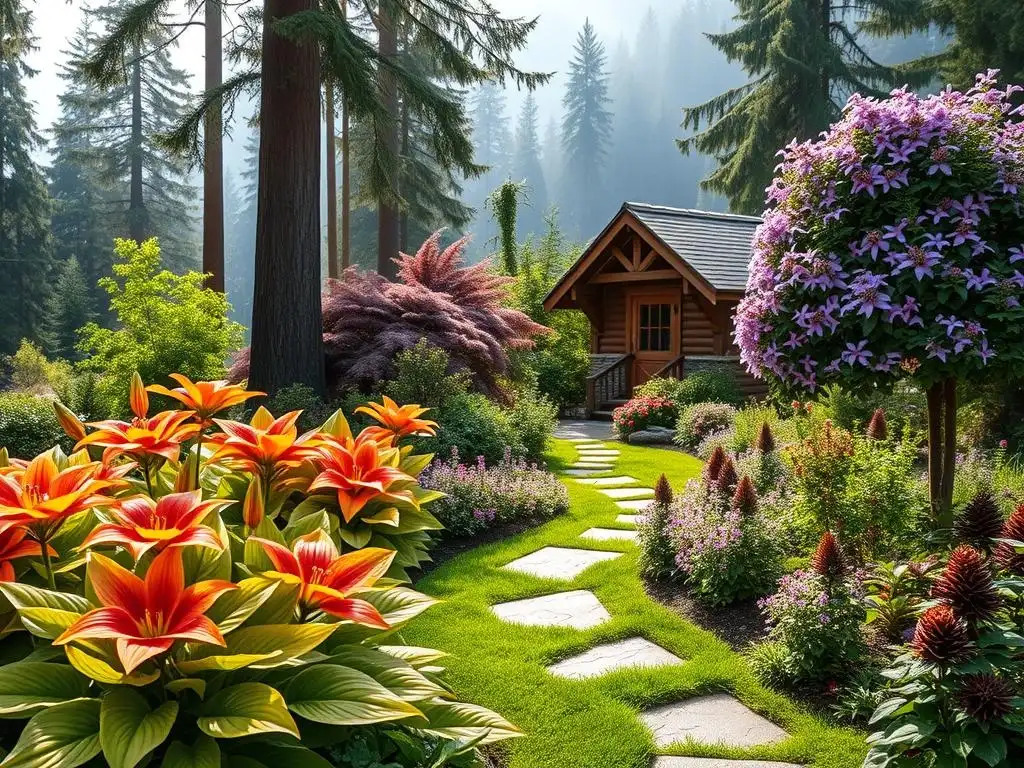
The Pacific Northwest offers a unique gardening experience, characterized by its mild, wet winters and cool, relatively dry summers. Successfully cultivating a thriving garden in this region requires a nuanced understanding of its climate and the specific needs of your chosen plants. Maintaining your garden throughout the growing season involves consistent attention to watering, pest control, and harvesting. This section provides detailed guidance on these crucial aspects of Pacific Northwest gardening, helping you maximize your yield and enjoy a bountiful harvest.
Watering Strategies for Pacific Northwest Gardens
Water is crucial, especially during the drier summer months. Overwatering, however, is a common mistake in the PNW, leading to root rot and other fungal diseases. The key is to water deeply but infrequently. Instead of frequent shallow watering, aim for thorough, deep watering once or twice a week, depending on rainfall and the specific needs of your plants.
Consider using a soaker hose or drip irrigation system for efficient water delivery, minimizing water waste and ensuring the roots receive adequate moisture. Observe your plants carefully. Wilting leaves are a clear sign of thirst, but don't wait until this point before watering. Feel the soil; if it's dry a few inches below the surface, it's time to water.
The type of soil also plays a vital role in watering frequency. Sandy soils drain quickly, requiring more frequent watering, while clay soils retain moisture longer, reducing the need for frequent irrigation. Amend heavy clay soils with organic matter like compost to improve drainage and aeration. Mulching around plants helps retain soil moisture, reducing the need for frequent watering and suppressing weed growth. A 2-3 inch layer of mulch – such as wood chips, straw, or shredded leaves – is ideal for most Pacific Northwest gardens.
Natural Pest and Disease Control Methods for Your PNW Garden
The Pacific Northwest's humid climate can create ideal conditions for pests and diseases. However, you can effectively manage these issues using natural and sustainable methods. Avoid harsh chemical pesticides, which can harm beneficial insects and pollute the environment. Instead, adopt integrated pest management (IPM) strategies.
- Monitoring: Regularly inspect your plants for signs of pests or diseases. Early detection is crucial for effective control.
- Physical Barriers: Use row covers to protect seedlings from pests like slugs and snails. Netting can prevent birds from eating your fruits and vegetables.
- Beneficial Insects: Encourage the presence of beneficial insects like ladybugs and lacewings, which prey on common garden pests like aphids and spider mites. Plant flowers that attract these beneficial insects.
- Companion Planting: Certain plants repel pests. For example, planting basil near tomatoes can help deter tomato hornworms. Research companion planting strategies to optimize your garden's natural pest control.
- Organic Pesticides: If necessary, use organic pesticides like neem oil or insecticidal soap. Always follow label instructions carefully. These options are less harmful to the environment and beneficial insects than synthetic pesticides.
Harvesting and Preserving Your Pacific Northwest Garden Bounty
Harvesting at the peak of ripeness is key to maximizing flavor and nutrient content. Different plants have different optimal harvesting times; research the specific requirements for each plant in your garden. Regular harvesting, especially for leafy greens and certain vegetables, encourages continued growth and production.
Preserving your harvest extends the enjoyment of your garden's bounty throughout the year. Common preserving methods for Pacific Northwest produce include:
| Method | Suitable for | Notes |
|---|---|---|
| Freezing | Berries, vegetables, herbs | Blanch vegetables before freezing for optimal quality. |
| Canning | Tomatoes, jams, pickles, fruits | Requires proper sterilization techniques to prevent spoilage. |
| Dehydrating | Herbs, fruits, vegetables | Provides long-term storage; ideal for herbs and certain fruits. |
| Pickling | Cucumbers, onions, peppers, green beans | Adds unique flavor profiles and extends shelf life. |
| Root Cellaring | Root vegetables (carrots, potatoes, beets) | Requires a cool, dark, and humid environment. |
Remember to carefully clean and prepare your produce before preserving. Proper storage techniques are essential to maintain quality and prevent spoilage. Enjoy the fruits (and vegetables!) of your labor! 🥕🍅🌶️
Extending Your Pacific Northwest Growing Season
The Pacific Northwest's relatively short growing season can be a challenge for home gardeners. However, clever planning and the strategic use of protective structures can significantly extend the time you can cultivate your fruits, vegetables, and herbs. This section focuses on maximizing your harvest by utilizing cold frames and greenhouses, and understanding the specific needs of your PNW garden.
Utilizing Cold Frames and Greenhouses for Extended PNW Gardening
Cold frames and greenhouses offer invaluable protection against the unpredictable weather patterns of the Pacific Northwest. A cold frame, a simple, low-cost structure, provides a warmer microclimate by trapping solar heat. This allows you to start seeds earlier in the spring and extend the growing season into the fall. Think of it as a mini-greenhouse, perfect for hardening off seedlings before transplanting them outdoors. You can even use it to overwinter certain hardy plants.
Greenhouses, on the other hand, offer a much more controlled environment. They allow you to grow heat-loving plants like tomatoes and peppers throughout the entire year, regardless of the outside temperature. Proper ventilation is crucial in a greenhouse to avoid overheating, especially during the warmer months of the PNW summer. Consider the size of your greenhouse carefully, balancing the space needed for your plants with the effort required for ventilation and climate control.
Investing in a greenhouse is a significant undertaking, but the extended growing season and ability to cultivate a wider range of plants can be well worth the expense. Careful planning, including sufficient lighting and heating systems, is essential for optimal results. Remember to monitor temperature and humidity levels regularly to maintain a healthy growing environment. Many PNW gardeners use a combination of cold frames and greenhouses to create a layered approach to extended season gardening.
Protecting Plants from Frost and Harsh Weather in the Pacific Northwest
The Pacific Northwest experiences unpredictable weather patterns, including unexpected frosts even in late spring and early fall. Protecting your valuable plants from these harsh conditions is critical for a successful harvest. Simple methods like covering plants with row covers or blankets on frosty nights can make a significant difference. These lightweight fabrics allow sunlight to penetrate while providing insulation against the cold. For more significant protection, consider using cloches, individual covers placed over individual plants or small groups of plants. These are particularly effective for protecting delicate seedlings and transplants.
Beyond frost protection, strong winds and heavy rainfall can also damage plants. Windbreaks, such as strategically placed shrubs or fences, can help reduce wind exposure. Proper mulching around plants helps to retain moisture and regulate soil temperature, protecting roots from extreme conditions. Consider using raised beds to improve drainage and soil warmth, particularly helpful in areas prone to waterlogging.
Remember that the specific needs for frost and weather protection will vary depending on your microclimate and the type of plants you are growing. Observing local weather forecasts is essential for timely protective measures. Don't underestimate the power of a simple tarp or even a strategically placed bucket to deflect wind or heavy rain.
Planning for Fall and Winter Gardening in the Pacific Northwest
While the growing season is shorter in the Pacific Northwest, there are still opportunities for gardening during the fall and winter months. Many root vegetables, such as carrots, parsnips, and turnips, actually improve in flavor with a touch of frost. These can be left in the ground and harvested throughout the winter, provided the ground isn't frozen solid. Consider planting these crops earlier in the season to allow them sufficient time to mature before the harshest winter weather arrives.
For leafy greens, choose varieties known for their cold hardiness, such as kale, spinach, and chard. These can often withstand light frosts and continue to produce throughout the fall and even into early winter. Planting these in a protected location, such as a cold frame or against a south-facing wall, can further extend their productive life. Consider using a layer of mulch to insulate the soil and protect the roots from freezing temperatures.
Remember that winter gardening in the PNW requires careful planning and selection of appropriate plant varieties, but the rewards of fresh, homegrown produce during the colder months are well worth the effort. Utilizing cold frames or greenhouses also significantly expands your options for winter gardening, allowing you to grow more tender plants than would otherwise be possible. Careful attention to soil preparation and plant selection will ensure a successful fall and winter harvest.
Frequently Asked Questions
What is the best time to start planning my Pacific Northwest garden?
Ideally, begin planning in late winter or early spring. This allows ample time to order seeds, prepare your soil, and get a head start before the growing season begins. Consider your specific microclimate and frost dates.
Which fruits, vegetables, and herbs thrive in the Pacific Northwest climate?
The Pacific Northwest is great for cool-season crops like kale, broccoli, and peas. Berries also do exceptionally well. Consider the specific conditions in your area (sun, shade, soil drainage) when making your selections.
How can I maximize my garden space in the Pacific Northwest?
Utilize vertical gardening techniques like trellises or hanging baskets. Choose compact varieties of plants. Employ companion planting to increase yields and deter pests.
What are some common Pacific Northwest gardening challenges and how can I overcome them?
Expect variable weather, including periods of rain and occasional sun. Proper soil drainage is crucial. Be prepared to deal with pests and diseases common to the region, using organic pest control methods.
Where can I find more information about sustainable and organic gardening practices in the Pacific Northwest?
Explore resources like your local extension office, master gardener programs, and reputable online sources like CultivateYourFood. These offer valuable advice tailored to the region's specific needs.
Final Reflection: Cultivating a Northwest Oasis: A Legacy of Growth
The Pacific Northwest's unique climate and rich biodiversity present both challenges and incredible opportunities for gardeners. Mastering these nuances, as explored throughout this guide, is not merely about cultivating beautiful blooms; it's about creating resilient, thriving ecosystems that reflect the region's spirit and contribute to its ecological well-being.
Designing a Pacific Northwest garden is a deeply personal journey, a testament to our connection with the land and its rhythms. It's about understanding the interplay of sun, shade, and moisture, and choosing plants that not only flourish but also contribute to the larger tapestry of the natural world. The glory of gardening: hands in the dirt, head in the sun, heart with nature. To nurture a garden is to feed not just the body, but the soul.
This quote perfectly encapsulates the profound satisfaction derived from creating a thriving garden, a space that nourishes both the gardener and the environment.
Now, consider your own space. What elements of this guide resonate most with your vision? What plants, techniques, or design principles will you incorporate into your own Northwest garden? Embrace the challenge, experiment with different approaches, and most importantly, enjoy the process of creating a haven that reflects your unique personality and celebrates the beauty of the Pacific Northwest. Let your garden become a testament to your creativity, a vibrant expression of your connection to this remarkable region.
Unleash Your Pacific Northwest Garden's Potential!
Thank you for exploring the magic of Pacific Northwest gardening! We hope you've found inspiration to transform your outdoor space. Now it's time to put those ideas into action.
- Start designing your dream garden today! Grab a pencil and paper (or your favorite digital tool) and sketch out your garden beds, pathways, and plant choices. This is the fun part!
- Share your vision: Post a picture of your garden design on social media using #PNWGardenDreams and let's inspire each other!
- Visit local nurseries to discover unique, region-specific plants that thrive in our climate. You might find some wonderful additions to your garden!
What exciting plant will be the highlight of your Pacific Northwest garden this year?