
How to Choose the Right Soil for Melons and Squash

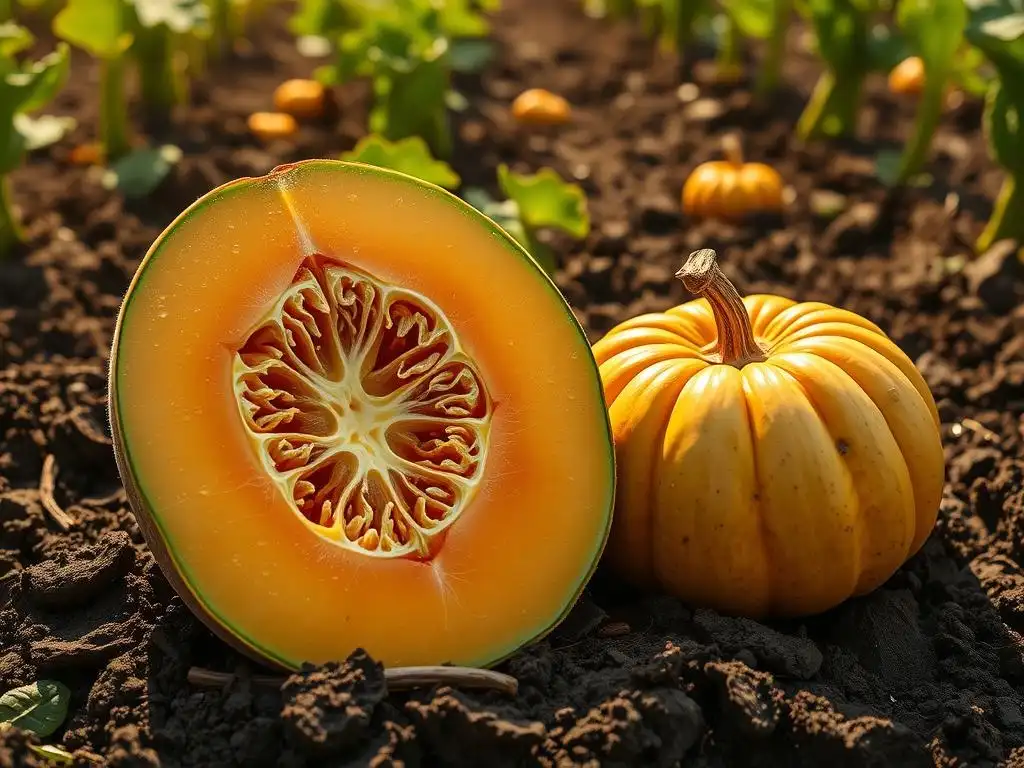
Ready to unlock the secrets to a bountiful harvest of juicy melons and plump squash? At CultivateYourFood, we're passionate about helping you grow your own organic produce. This journey begins with understanding the fundamentals, and that's why we're diving deep into the critical question: What's the best soil for melons and squash? Discover the surprising truth behind achieving optimal growth and yield in our comprehensive guide on vegetable gardening. Let's cultivate success together!
- Understanding the Ideal Soil Composition for Melons and Squash
- Selecting the Right Soil Type for Your Melon and Squash Patch
- Preparing Your Soil for Planting Melons and Squash
- Maintaining Soil Health Throughout the Growing Season
-
Frequently Asked Questions
- What type of soil is best for growing melons and squash?
- How can I improve my soil for better melon and squash growth?
- What pH level is optimal for melons and squash?
- How much sunlight do melons and squash need, and how does this impact soil choice?
- What are the signs of poor soil impacting my melon and squash plants?
- Final Reflection: Cultivating Success: The Right Soil for Bountiful Harvests
- Unlock Your Melon and Squash Potential!
Understanding the Ideal Soil Composition for Melons and Squash
Choosing the right soil is paramount for a successful melon and squash harvest. These vining plants, known for their delicious fruits and vibrant flowers, thrive in specific soil conditions. This guide will delve into the crucial aspects of soil composition – texture, nutrient content, and pH – to ensure your melons and squash receive the optimal growing environment. Understanding these factors will significantly impact the health, growth rate, and ultimately, the yield of your plants.
We'll explore what constitutes the best soil for melons and squash, providing you with the knowledge to cultivate a bountiful harvest using sustainable and organic practices. By carefully considering these soil characteristics, you'll be well on your way to enjoying juicy, flavorful melons and plump, healthy squash. Let's get started! 🍉🎃
Soil Texture: The Importance of Drainage and Air Circulation for Melon and Squash Growth
Melons and squash require well-drained soil to prevent root rot and other fungal diseases. Poor drainage leads to waterlogged soil, depriving roots of oxygen and creating an environment conducive to pathogens. The ideal soil texture for these plants is a loamy soil, a balanced mix of sand, silt, and clay.
- Sand: Provides excellent drainage and aeration.
- Silt: Retains moisture and nutrients better than sand.
- Clay: Holds water and nutrients, but can become compacted, hindering drainage.
A loamy soil offers the best compromise: good drainage to prevent waterlogging, while retaining enough moisture and nutrients to support vigorous growth. The optimal soil structure allows for sufficient air circulation around the roots, crucial for healthy root development and nutrient uptake. Heavy clay soils should be amended with organic matter like compost to improve drainage and aeration. Conversely, sandy soils might benefit from the addition of clay or peat moss to improve water retention. Remember that good drainage is essential for preventing diseases and promoting healthy root systems in your melon and squash plants.
Nutrient Requirements: Essential Macronutrients and Micronutrients for Healthy Melon and Squash Plants
Melons and squash are heavy feeders, demanding a rich soil supply of essential nutrients for optimal growth and fruit production. These nutrients are broadly categorized into macronutrients (needed in larger quantities) and micronutrients (needed in smaller amounts).
Here's a breakdown of the key nutrients:
| Macronutrient | Role | Deficiency Symptoms |
|---|---|---|
| Nitrogen (N) | Leaf growth, chlorophyll production | Yellowing leaves, stunted growth |
| Phosphorus (P) | Root development, flowering, fruit formation | Stunted growth, poor flowering, purplish leaves |
| Potassium (K) | Disease resistance, fruit quality | Yellowing and browning of leaf margins, weak stems |
Micronutrients, while needed in smaller amounts, are equally crucial for overall plant health. These include iron, zinc, manganese, boron, copper, molybdenum, and chlorine. Deficiencies can manifest in various ways, impacting growth and fruit production. Regular soil testing can identify nutrient deficiencies, allowing for targeted fertilization to optimize plant health and yield. Using compost and other organic matter is a great way to naturally enrich the soil with a wide range of nutrients.
pH Levels: Maintaining the Optimal Soil pH for Maximum Melon and Squash Yield
Soil pH, a measure of soil acidity or alkalinity, significantly influences nutrient availability. Melons and squash prefer a slightly acidic to neutral soil pH, ideally between 6.0 and 6.8. At lower pH levels (more acidic), certain nutrients become less available to the plants, potentially leading to deficiencies. Conversely, at higher pH levels (more alkaline), other nutrients may become unavailable.
Regular soil testing is recommended to determine the existing pH level. If the pH is outside the ideal range, amendments can be used to adjust it. For acidic soil, adding lime can raise the pH. For alkaline soil, adding organic matter such as peat moss or sulfur can lower the pH. Maintaining the optimal pH range ensures that essential nutrients are readily available to your melon and squash plants, maximizing their growth potential and resulting in a more abundant harvest. Consistent monitoring and adjustments will ensure your plants thrive in their ideal environment.
Selecting the Right Soil Type for Your Melon and Squash Patch
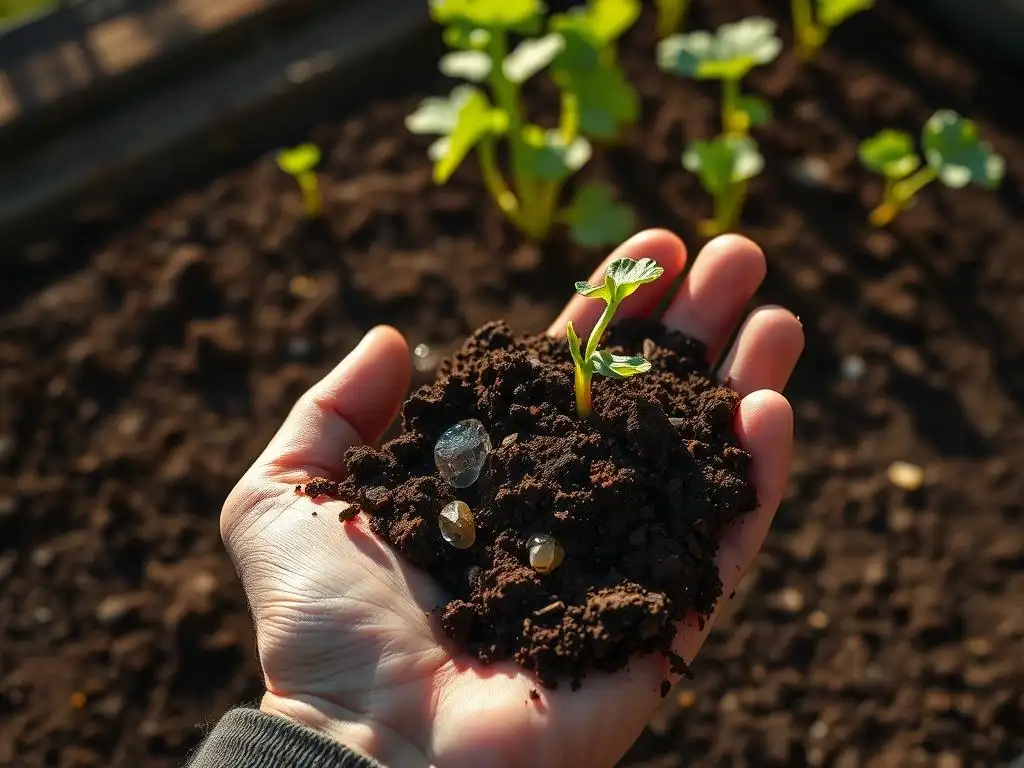
Melons and squash, both members of the Cucurbitaceae family, thrive in well-drained, fertile soil that's rich in organic matter. The "best soil for melons squash" isn't a single type, but rather a range of soil textures and compositions that provide optimal growing conditions. These vigorous plants need loose soil that allows for strong root development and prevents waterlogging, which can lead to root rot and fungal diseases. The ideal soil pH for most melon and squash varieties is slightly acidic to neutral, ranging from 6.0 to 6.8.
However, specific varieties may have slightly different preferences, so always check the seed packet or plant tag for recommendations. Ignoring these factors can significantly impact yield and fruit quality. Let's delve into the specifics.
Choosing Between Different Soil Types: Sandy Loam, Silty Loam, and Clay Loam for Melons and Squash
Choosing the right soil type is crucial for successful melon and squash cultivation. While several soil types can work, some are better suited than others. Let's compare three common loam types:
| Soil Type | Characteristics | Pros for Melons & Squash | Cons for Melons & Squash |
|---|---|---|---|
| Sandy Loam | Well-drained, light, warm-up quickly | Excellent drainage, prevents waterlogging | Poor water retention, may require more frequent watering, nutrient-poor |
| Silty Loam | Holds moisture well, rich in nutrients | Good moisture retention, fertile | Can become compacted, potentially leading to poor drainage if not properly amended |
| Clay Loam | Retains moisture, rich in nutrients, can be dense | Good moisture retention, fertile | Poor drainage, can become waterlogged, requires significant amendment |
Sandy loam offers excellent drainage, preventing the root rot that plagues melons and squash in waterlogged conditions. However, its low nutrient content and poor water retention require frequent watering and fertilization. Silty loam and clay loam, while offering better nutrient retention and moisture, require careful management to ensure adequate drainage. Amendments are often necessary to prevent compaction and waterlogging in these soil types. The best choice depends on your existing soil conditions and your willingness to amend.
Assessing Your Existing Soil: Identifying Soil Type and Addressing Deficiencies
Before planting, assess your existing soil. A simple soil test can provide valuable information about your soil's pH, nutrient levels, and texture. You can perform a basic texture test yourself by taking a handful of moist soil, rolling it into a ball, and then trying to form a ribbon. A sandy soil will crumble easily, while a clay soil will form a long, cohesive ribbon.
Silty soil falls somewhere in between. Additionally, observe your soil's drainage: does water drain quickly or does it puddle? Poor drainage is a major issue for melons and squash. Identifying these characteristics helps determine the necessary amendments.
For example, sandy soil needs organic matter to improve water retention, while clay soil needs organic matter and potentially sand to improve drainage. Nutrient deficiencies can be addressed with fertilizers tailored to the specific needs indicated by your soil test. Ignoring these steps can result in stunted growth and poor yields.
Amending Your Soil: Improving Drainage, Aeration, and Nutrient Content for Optimal Melon and Squash Growth
Amending your soil is crucial for creating the ideal environment for melon and squash. This involves improving drainage, aeration, and nutrient content. For heavy clay soils, incorporating organic matter like compost, well-rotted manure, or peat moss is essential. These materials improve soil structure, creating air pockets that enhance drainage and aeration.
Adding coarse sand can further improve drainage in clay soils. For sandy soils, the focus should be on increasing water retention and nutrient content. Again, organic matter is key, along with the potential addition of clay to improve water holding capacity. Regardless of your soil type, incorporating a balanced fertilizer rich in nitrogen, phosphorus, and potassium (NPK) provides the essential nutrients for healthy growth.
A soil test will guide you on the specific NPK ratio and amounts needed. Remember, consistent soil improvement through annual composting and amendment is a long-term investment in your garden's health and productivity, leading to bountiful harvests of delicious melons and squash. 🌱
Preparing Your Soil for Planting Melons and Squash
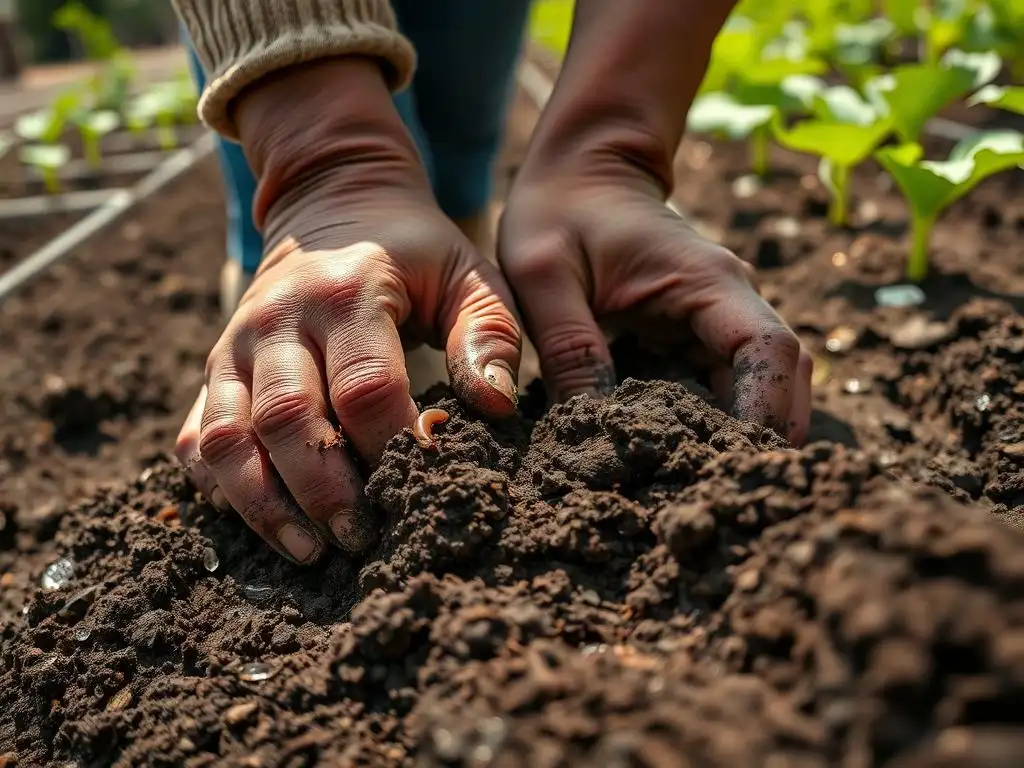
This section focuses on the crucial initial steps in cultivating healthy and productive melon and squash plants: preparing the soil. The success of your harvest hinges significantly on providing the optimal growing environment from the outset. Choosing the best soil for melons and squash isn't just about the type of soil; it's about preparing it correctly. We'll explore the techniques needed to create a thriving ecosystem for these vining wonders.
Soil Preparation Techniques: Tilling, Composting, and Mulching for Melon and Squash Cultivation
Effective soil preparation for melons and squash involves a combination of techniques aimed at creating loose, well-drained soil rich in organic matter. Let's delve into the specifics:
- Tilling: For many gardeners, tilling the soil is the first step. This process breaks up compacted soil, improving aeration and drainage. However, over-tilling can damage soil structure and beneficial microorganisms. Therefore, aim for gentle tilling to a depth of about 12 inches, avoiding excessive disturbance. For smaller gardens, a garden fork can be a gentler alternative to a tiller.
- Composting: Incorporating compost is paramount for enriching the soil with essential nutrients. Compost improves soil structure, water retention, and drainage – all crucial factors for successful melon and squash cultivation. Aim for at least 2-3 inches of well-rotted compost mixed into the top layer of soil. This provides a slow-release of nutrients throughout the growing season. Consider adding vermicompost for an extra boost of nutrients and beneficial microbes.
- Mulching: Mulching offers several benefits, including suppressing weeds, retaining soil moisture, and regulating soil temperature. Organic mulches, such as straw or shredded leaves, are ideal for melons and squash. Apply a 2-4 inch layer of mulch around the plants, being careful not to cover the stems. This will help maintain consistent soil moisture, reducing the need for frequent watering, and keeping the soil cool in hot weather. Choosing the right mulch is a key aspect of creating the best environment for healthy plants, contributing greatly to the overall success of your melon and squash harvest.
Incorporating Organic Matter: Enhancing Soil Fertility and Structure for Melons and Squash
Organic matter is the cornerstone of healthy soil. It's not just about adding compost; it's about understanding why it's beneficial. For melons and squash, which are heavy feeders, providing ample organic matter translates directly to increased yields and healthier plants.
Several methods contribute to boosting organic matter:
- Cover Cropping: Planting cover crops like clover or rye before your melon and squash season improves soil structure, adds nutrients, and suppresses weeds. These crops are then tilled under, adding organic matter directly to the soil.
- Manure: Well-rotted manure, particularly from herbivores, adds essential nutrients and improves soil structure. Ensure the manure is well-composted to avoid burning the plants. Adding manure also introduces beneficial microorganisms to the soil. Remember to avoid using fresh manure directly, as it may contain harmful pathogens.
The benefits of increased organic matter are manifold: improved water retention, better drainage, increased nutrient availability, enhanced soil structure leading to better root penetration and overall plant health. A soil rich in organic matter is the foundation for achieving bountiful harvests of melons and squash.
Avoiding Common Soil Pitfalls: Preventing Soil Compaction and Waterlogging for Healthy Melon and Squash Plants
Even with careful preparation, certain soil issues can hinder melon and squash growth. Understanding and addressing these pitfalls is crucial for success.
- Soil Compaction: Compacted soil restricts root growth, leading to stunted plants and reduced yields. Avoid walking heavily on the soil, especially when it's wet. Regular tilling (as discussed above, in moderation) can help alleviate compaction. Consider raised beds or containers for better control over soil structure, especially in heavy clay soils.
- Waterlogging: Melons and squash require well-drained soil. Waterlogging leads to root rot and other diseases. Amend heavy clay soils with organic matter to improve drainage. Ensure your planting area has adequate slope to prevent water accumulation. Raised beds are also a great solution to combat waterlogging.
- Poor Drainage: Poor drainage can be identified by the presence of standing water after rainfall. If your soil drains poorly, consider adding perlite or other amendments to improve drainage. Raised beds, as mentioned, can be particularly beneficial in addressing drainage problems.
By carefully addressing these potential issues, you'll significantly increase your chances of cultivating healthy, vigorous melon and squash plants, leading to a rewarding harvest. Remember, proactive soil management is key to achieving the best soil for melons and squash, maximizing your yield and ensuring the long-term health of your garden.
Maintaining Soil Health Throughout the Growing Season
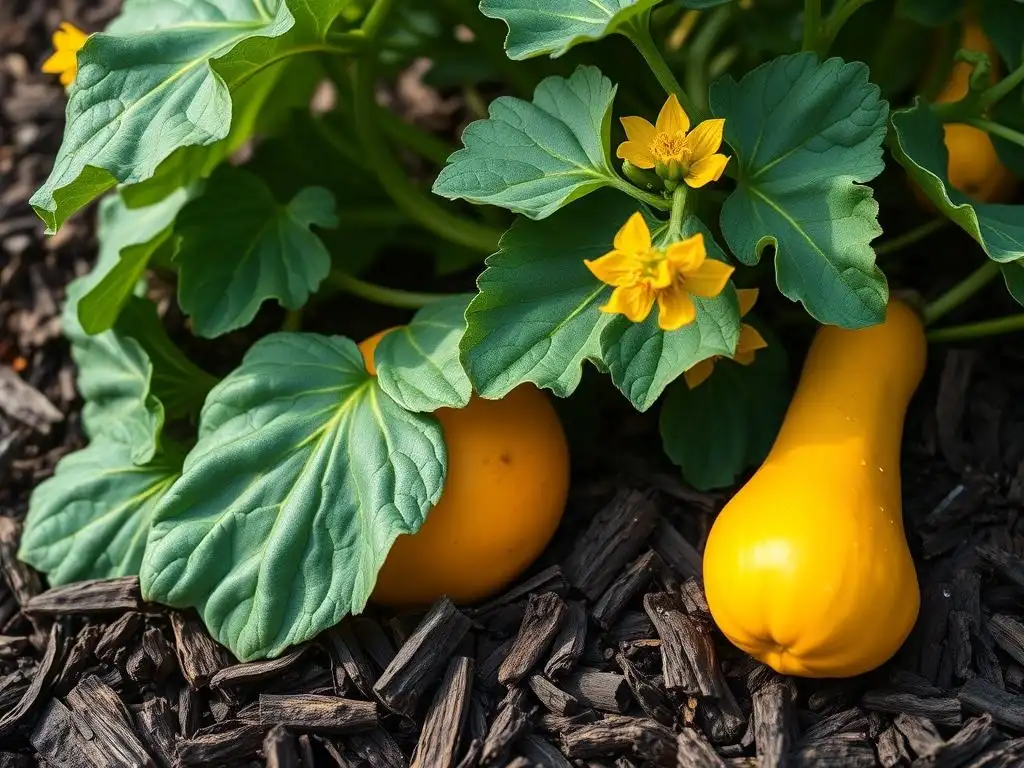
This section focuses on the ongoing care of your soil to ensure optimal melon and squash growth, even after initial planting. Remember, choosing the best soil for melons and squash is only the first step. Maintaining its health is crucial for a bountiful harvest. We'll explore key practices to keep your soil thriving and your plants flourishing.
Watering Techniques: Ensuring Proper Moisture Levels for Melons and Squash
Consistent moisture is paramount for healthy melon and squash plants. Underwatering leads to stunted growth and reduced fruit production, while overwatering can cause root rot and fungal diseases. The ideal watering technique involves deeply watering the soil less frequently, encouraging deep root growth. Avoid frequent shallow watering, which only wets the topsoil and doesn't reach the roots.
Here's a breakdown of effective watering strategies:
- Deep Watering: Aim to water deeply enough to saturate the soil to a depth of 6-8 inches. You can check this by inserting your finger into the soil.
- Frequency: The frequency depends on your climate and soil type. In hot, dry climates, you may need to water every 2-3 days, while in cooler, wetter climates, you might only need to water once a week. Always check the soil moisture before watering.
- Drip Irrigation: This method is highly efficient, delivering water directly to the plant's roots and minimizing water waste. It also helps to keep the foliage dry, reducing the risk of fungal diseases.
- Mulching: Applying a layer of organic mulch (such as straw or shredded leaves) helps retain soil moisture, reducing the frequency of watering and suppressing weeds.
Remember to adjust your watering schedule based on the weather conditions and the stage of plant growth. Young seedlings require more frequent watering than mature plants. Observe your plants carefully; wilting leaves are a clear sign of underwatering.
Fertilizing Your Melons and Squash: Providing Essential Nutrients Throughout the Growing Season
Providing essential nutrients is vital for maximizing yield and ensuring the quality of your melons and squash. While you've likely amended your soil initially with compost, ongoing fertilization is necessary. The best soil for melons and squash remains fertile and productive with proper nutrient replenishment.
Melons and squash are heavy feeders, requiring a balanced supply of nitrogen (N), phosphorus (P), and potassium (K). You can use a variety of fertilizers, including:
- Organic Fertilizers: Compost, well-rotted manure, and seaweed extract are excellent choices. They release nutrients slowly, providing a sustained supply throughout the growing season.
- Balanced Chemical Fertilizers: Choose a balanced fertilizer with a ratio such as 10-10-10 or a similar formulation specifically designed for vegetables. Always follow the package instructions carefully.
- Side-dressing: This involves applying fertilizer around the base of the plant, taking care not to let it touch the stems. Side-dressing is particularly beneficial during the fruiting stage, when plants require extra nutrients.
Here's a sample fertilization schedule:
| Stage of Growth | Fertilizer Type | Application Method | Frequency |
|---|---|---|---|
| Seedling Stage | Compost Tea | Watering | Every 2 weeks |
| Vegetative Growth | Balanced Organic Fertilizer | Side-dressing | Every 3-4 weeks |
| Fruiting Stage | Balanced Chemical Fertilizer (optional) | Side-dressing | Every 2 weeks |
Remember to always follow the instructions on the fertilizer packaging and avoid over-fertilizing, which can damage your plants.
Pest and Disease Management: Protecting Your Melons and Squash from Soilborne Pests and Diseases
Even with the best soil for melons and squash, preventative measures are crucial for managing pests and diseases. Soilborne pathogens can significantly impact your harvest. Proactive strategies are far more effective than reactive treatments.
Common soilborne problems include:
- Fungal Diseases: These can cause root rot, damping-off (in seedlings), and various leaf spots.
- Nematodes: Microscopic worms that attack roots, causing stunted growth.
- Insect Pests: Grubs, wireworms, and other soil insects can damage roots and stems.
Here are some preventative measures:
- Soil Solarization: Covering the soil with clear plastic during hot weather can kill many soilborne pathogens and pests.
- Crop Rotation: Rotating your crops annually helps to break pest and disease cycles.
- Resistant Varieties: Choose melon and squash varieties known for their resistance to common diseases.
- Biological Control: Introducing beneficial nematodes or other beneficial organisms can help control pest populations.
- Good Sanitation: Removing and destroying infected plants promptly prevents the spread of disease.
Regular monitoring of your plants is key to early detection of problems. Addressing issues promptly is crucial to minimize damage and maintain a healthy, productive garden. Remember, proactive pest and disease management is a vital part of cultivating healthy melons and squash.
Frequently Asked Questions
What type of soil is best for growing melons and squash?
Melons and squash thrive in well-draining, loose, and fertile soil. A sandy loam or a loam amended with compost is ideal. Avoid heavy clay soils that retain too much water.
How can I improve my soil for better melon and squash growth?
Amend heavy clay soils with organic matter like compost or well-rotted manure to improve drainage and aeration. For sandy soils, add organic matter to increase water retention and nutrient content. A soil test can help determine specific needs.
What pH level is optimal for melons and squash?
The ideal soil pH for melons and squash is slightly acidic to neutral, ranging from 6.0 to 6.8. You can adjust your soil pH using lime (to raise pH) or sulfur (to lower pH).
How much sunlight do melons and squash need, and how does this impact soil choice?
Melons and squash require at least 6-8 hours of direct sunlight daily. Well-draining soil is crucial to prevent root rot, which is especially important given their high sunlight needs and resulting water evaporation.
What are the signs of poor soil impacting my melon and squash plants?
Poor soil can lead to stunted growth, yellowing leaves, and poor fruit production. Wilting, even with adequate watering, may also indicate drainage problems. Addressing soil quality is key to healthy plants.
Final Reflection: Cultivating Success: The Right Soil for Bountiful Harvests
Choosing the right soil is not merely a gardening task; it's the foundation upon which successful melon and squash cultivation rests. A seemingly small detail, the soil composition directly impacts the health, yield, and overall flavor of your harvest. Ignoring this crucial element can lead to disappointing results, while understanding its importance unlocks the potential for abundant, delicious fruits.
The impact of soil quality extends far beyond the individual garden. It speaks to a larger understanding of our relationship with the natural world, highlighting the interconnectedness of seemingly disparate elements. The glory of gardening: hands in the dirt, head in the sun, heart with nature. To nurture a garden is to feed not just the body, but the soul.
This quote perfectly encapsulates the deeper satisfaction derived from understanding and nurturing the soil, a process that connects us to a timeless tradition of cultivation and the simple joys of harvesting what we've sown. The knowledge gained from selecting the appropriate soil translates into a deeper appreciation for the processes that bring food to our tables.
Now, consider your own garden, or even a single potted plant. What kind of soil are you using? Does it meet the specific needs of your chosen plants? Take this opportunity to examine your approach to gardening, and consider how a deeper understanding of soil composition can elevate your results. Experiment, learn, and most importantly, enjoy the journey of nurturing life from the ground up. The rewards, both tangible and intangible, are well worth the effort.
Unlock Your Melon and Squash Potential!
Thanks for exploring the world of ideal soil for growing melons and squash! You now have the knowledge to cultivate bigger, juicier, and more delicious fruits and vegetables. Ready to put this knowledge to the test?
- Start planting today! Use the soil recommendations from this article to create the perfect soil mix for your garden. Don't wait until next season—get started now and enjoy a fresh harvest sooner!
- Share your gardening success! Tell us about your soil choices and the results on our CultivateYourFood community forum. We'd love to hear about your experiences.
- Experiment with different soil blends for your next planting. What adjustments will you make based on what you've learned?
What type of soil will you choose for your next melon and squash harvest?