
Vertical Gardening with Glass Containers: Stylish and Modern

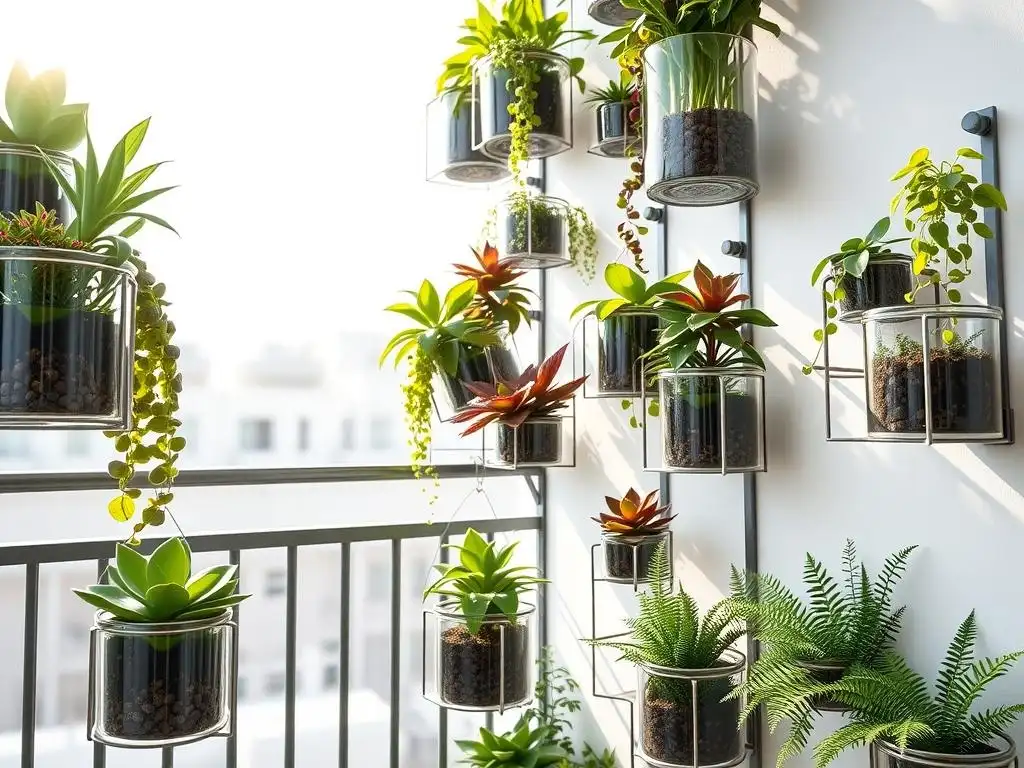
Ready to transform your living space into a thriving oasis? At CultivateYourFood, we believe everyone can enjoy the bounty of homegrown produce, regardless of space limitations. Discover the beauty and practicality of glass container vertical garden ideas, a stylish and sustainable solution perfect for small-space gardening. Intrigued by the possibilities? Let's explore how you can cultivate your own vibrant, organic harvest, one glass container at a time.
- Introduction to Glass Container Vertical Gardens
- Planning Your Glass Container Vertical Garden
- Building Your Glass Container Vertical Garden: Step-by-Step Guide
- Maintaining Your Glass Container Vertical Garden
- Creative Glass Container Vertical Garden Ideas
- Harvesting and Enjoying Your Vertical Garden Bounty
- Advanced Glass Container Vertical Gardening Techniques
-
Frequently Asked Questions
- What are the benefits of using glass containers for vertical gardening?
- What types of glass containers work best for vertical gardening?
- How do I prevent root rot when using glass containers for vertical gardening?
- What plants are best suited for vertical glass container gardening?
- Where is the best place to position my glass container vertical garden?
- Final Reflection: Cultivating Greenery, Cultivating Connection
- Unleash Your Inner Urban Farmer: Grow Vertically Today!
Introduction to Glass Container Vertical Gardens
Vertical gardening is experiencing a surge in popularity, driven by the increasing need for space-saving solutions in urban environments and a growing desire for fresh, homegrown produce. This innovative approach maximizes yield by utilizing vertical space, transforming walls, fences, and even small balconies into productive gardens.
Among the various materials used for vertical gardening, glass containers offer a unique blend of style, functionality, and sustainability, making them an increasingly sought-after choice for both seasoned gardeners and beginners alike. This article delves into the world of vertical gardening with glass containers, exploring the advantages of using glass, the benefits of vertical gardening for small spaces, and guiding you through the process of selecting the perfect glass containers to create your stylish and productive vertical garden.
We'll equip you with the knowledge and inspiration to transform your home into a thriving oasis of fresh herbs, fruits, and vegetables, all while embracing sustainable and organic practices. Learn how to cultivate your food in a beautiful and efficient way with these innovative "Glass container vertical garden ideas".
Why Choose Glass for Vertical Gardening?
Glass offers several compelling advantages for vertical gardening. Its transparency allows for easy monitoring of plant growth and water levels, preventing overwatering or underwatering – common pitfalls for beginner gardeners. This visual access allows you to quickly identify any issues, such as pests or nutrient deficiencies, enabling prompt intervention.
Furthermore, glass is a non-porous material, meaning it doesn't absorb water or nutrients, preventing the build-up of harmful bacteria or fungi that can affect plant health. This reduces the risk of diseases and promotes a healthier growing environment. Unlike some other materials, glass is also inert, meaning it doesn't leach chemicals into the soil, ensuring a safe and organic growing environment for your plants.
Finally, the aesthetic appeal of glass is undeniable; it brings a modern and stylish touch to any space, transforming a functional garden into a beautiful home décor element. The sleek lines and transparent nature of glass containers add a touch of elegance to your vertical garden, making it a visually appealing feature in any room or outdoor setting.
Benefits of Vertical Gardening in Small Spaces
Vertical gardening is particularly beneficial for those with limited outdoor space. It maximizes the use of available area, transforming otherwise unused walls, balconies, or even windowsills into productive growing spaces. This is especially crucial for urban dwellers or those with small yards or patios.
By growing upwards instead of outwards, you can significantly increase your yield in a limited area, allowing you to cultivate a wider variety of plants than traditional ground-level gardening would permit. This technique is also particularly well-suited for growing climbing plants like tomatoes, cucumbers, and beans, which naturally thrive in vertical environments. The improved air circulation in vertical gardens also helps to reduce the risk of fungal diseases, a common problem in crowded or humid growing conditions.
Additionally, the elevated position of plants often means better sunlight exposure, leading to healthier and more productive plants. A well-designed vertical garden can significantly enhance the aesthetic appeal of a small space, adding a touch of greenery and life to a previously underutilized area.
Choosing the Right Glass Containers for Your Vertical Garden
Selecting the appropriate glass containers is crucial for the success of your vertical garden. Consider factors such as size, shape, and drainage. Larger containers provide more space for root development, particularly beneficial for larger plants. The shape of the container should complement the overall design of your vertical garden and the type of plants you intend to grow.
Containers with drainage holes are essential to prevent waterlogging, which can harm plant roots. However, if using containers without drainage holes, ensure you carefully monitor watering to avoid overwatering. The material of the glass itself is also important; thicker glass is more durable and less prone to breakage, especially if your garden is located outdoors. Think about the overall aesthetic you want to achieve – are you aiming for a sleek and minimalist look or a more rustic and eclectic feel?
Your choice of containers will significantly impact the visual appeal of your vertical garden. Remember to consider the weight of the containers when filled with soil and plants, especially if you are mounting them on a wall or other structure. Proper planning and careful consideration of these factors will ensure that your glass container vertical garden is both beautiful and productive.
Planning Your Glass Container Vertical Garden
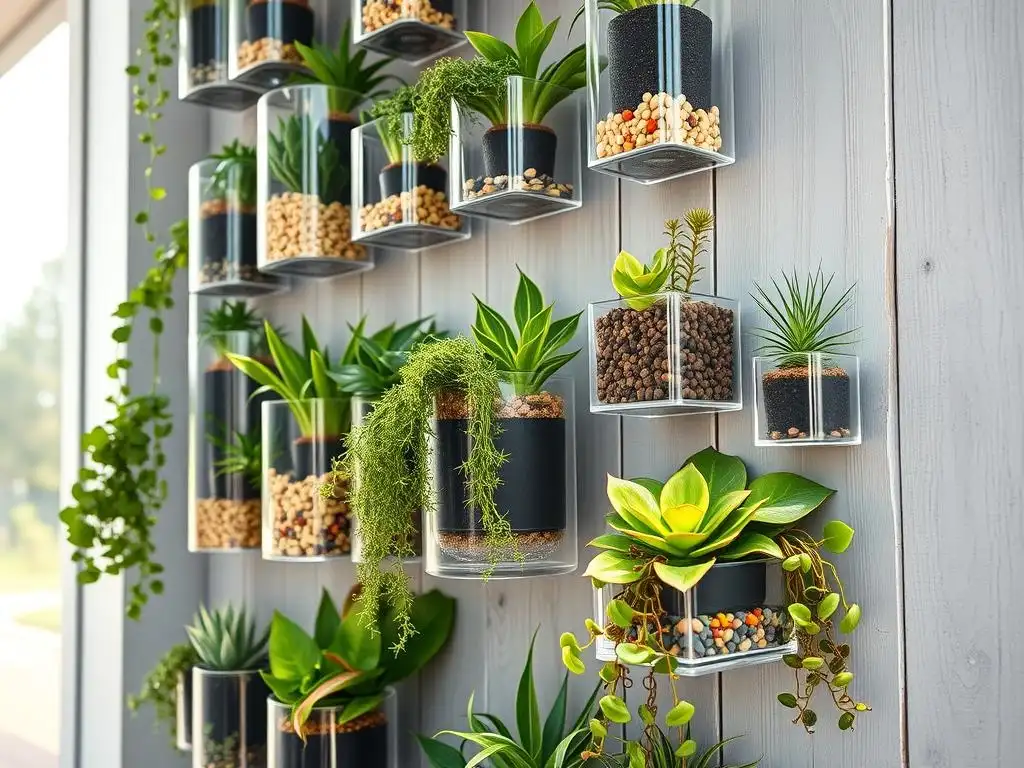
Before embarking on your stylish glass container vertical garden, careful planning is crucial for success. This involves considering several key factors that will directly impact the health and growth of your plants. Ignoring these steps can lead to wilting, stunted growth, and ultimately, a disappointing outcome. Let's delve into the essential aspects of planning your glass container vertical garden to maximize your chances of a thriving, aesthetically pleasing setup.
Selecting Suitable Plants for Glass Container Gardening
Choosing the right plants is paramount for a successful glass container vertical garden. Not all plants thrive in the confined environment of a glass container, particularly indoors. Opt for species that tolerate some degree of root restriction and prefer slightly drier conditions to avoid overwatering issues common in glass containers. Here's a helpful guide:
- Low-maintenance herbs: Basil, mint (in individual containers to prevent takeover! ), chives, and rosemary are excellent choices. Their compact growth habits make them ideal for vertical setups. They also tolerate a degree of neglect better than more demanding plants.
- Trailing succulents: String of pearls, burro's tail, and other trailing succulents are visually appealing and highly adaptable to container life. Their drought tolerance makes them perfect for glass containers which can sometimes dry out quickly.
- Small flowering plants: Consider compact varieties of African violets, orchids (certain types), or small flowering cacti. These add bursts of color and texture to your vertical display, but remember to research their specific light and watering needs.
- Avoid: Plants with extensive root systems (like tomatoes or squash) are not suitable for glass containers due to space limitations. Similarly, plants requiring consistently moist soil might struggle in well-draining glass containers.
Remember to consider the overall aesthetic you're aiming for. Mix and match different textures, colors, and heights of plants for a visually stunning and balanced vertical garden. Planning the arrangement beforehand, perhaps even sketching it out, can prevent later adjustments and potential plant damage.
Light Requirements for Indoor Vertical Gardens
Light is a critical factor in the success of any indoor vertical garden, especially one using glass containers. Glass containers, while aesthetically pleasing, can sometimes magnify sunlight, potentially leading to scorching or uneven light distribution. Understanding your plants' light requirements and providing appropriate conditions is crucial.
The ideal location for your glass container vertical garden will depend on the plants you've chosen. Some plants thrive in bright, indirect light, while others prefer partial shade. Here's a breakdown:
- Bright, indirect light: Most herbs and succulents fall into this category. Avoid placing them in direct sunlight, which can burn their leaves. An east- or west-facing window, or a location a few feet away from a south-facing window, is often ideal.
- Partial shade: Some flowering plants might prefer slightly less intense light. Observe your plants carefully for signs of stress, such as wilting or leaf discoloration, and adjust their position accordingly.
- Supplemental lighting: If natural light is insufficient, consider using grow lights to supplement the light your plants receive, especially during winter months. This ensures consistent and adequate light for healthy growth. Remember to research the appropriate light spectrum and intensity for your chosen plants.
Watering and Drainage Solutions for Glass Containers
Proper watering and drainage are crucial for preventing root rot and ensuring the health of your plants in a glass container vertical garden. Glass, being non-porous, doesn't allow for natural evaporation like terracotta pots, meaning that overwatering is a significant risk. Here's how to address this challenge:
- Drainage holes: Ensure your glass containers have adequate drainage holes. If not, create them carefully using a drill and appropriate drill bit. This prevents waterlogging, a common cause of root rot.
- Watering techniques: Water thoroughly, but less frequently. Allow the soil to dry slightly between waterings to avoid waterlogging. Check the moisture level of the soil by inserting your finger a couple of inches deep. Water only when the soil feels dry.
- Potting mix: Use a well-draining potting mix specifically formulated for containers. Avoid using garden soil, as it tends to compact and retain too much moisture. A mix containing perlite or vermiculite will enhance drainage and aeration.
- Catch trays: Place your glass containers on catch trays to collect excess water. This prevents water from damaging surfaces and allows you to monitor drainage. Empty the trays regularly to prevent standing water.
By carefully considering these aspects of planning, you can significantly increase the chances of success with your glass container vertical garden. Remember, regular observation and adjustment are key to maintaining a thriving and beautiful display. Enjoy the process of cultivating your own mini-ecosystem!
Building Your Glass Container Vertical Garden: Step-by-Step Guide
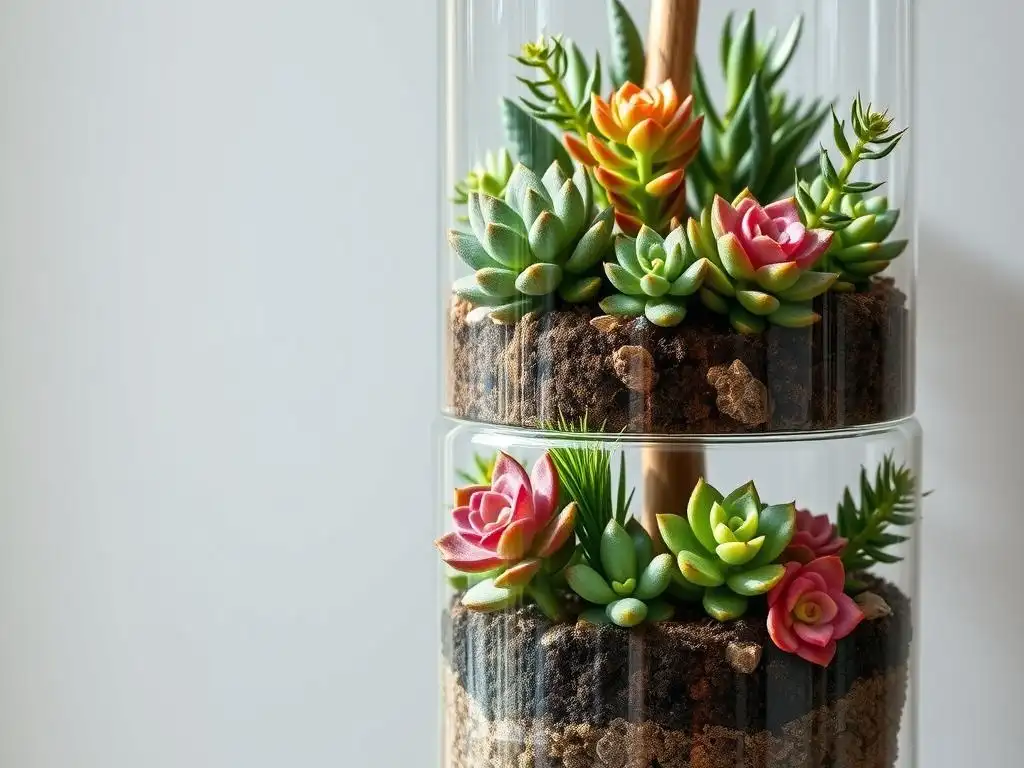
This section provides a detailed, step-by-step guide to building your own stylish and functional glass container vertical garden. We'll cover everything from selecting the perfect location to establishing a robust drainage system, ensuring your plants thrive in this innovative setup. Remember, successful vertical gardening with glass containers hinges on careful planning and execution. Let's get started!
Choosing the Right Location and Setup
The success of your glass container vertical garden heavily depends on the location you choose. Sunlight is paramount for healthy plant growth. Ideally, select a spot that receives at least six hours of direct sunlight daily. Consider the direction your windows face – south-facing windows generally offer the most sunlight in the northern hemisphere, while north-facing windows receive less. Observe the sunlight patterns throughout the day before committing to a location. Insufficient sunlight will lead to weak, leggy plants and poor yields.
Another crucial factor is temperature regulation. Glass containers can amplify heat, potentially scorching your plants during hot summer days. Avoid placing your garden in direct, intense sunlight during the hottest part of the day. Consider using sheer curtains or blinds to diffuse sunlight and prevent overheating, particularly for delicate herbs or seedlings.
Conversely, in colder climates, you may need to supplement with grow lights to ensure adequate light exposure during shorter days. Proper temperature management is key for optimizing plant health and maximizing your harvest. Consider the airflow around your chosen location as well; good air circulation prevents fungal diseases.
Finally, think about accessibility. Choose a location that allows you to easily water, monitor, and maintain your plants. A convenient spot will encourage regular care and increase your chances of success with your glass container vertical garden. Remember, this is a project you should enjoy, so choose a location that makes tending your garden a pleasure.
Preparing the Glass Containers for Planting
Before planting, preparing your glass containers is crucial. Thorough cleaning is the first step. Wash each container thoroughly with warm soapy water to remove any dust, debris, or residue. Pay close attention to the crevices and corners. After washing, rinse thoroughly with clean water to eliminate any soap residue. This ensures a clean environment for your plants and prevents the introduction of unwanted pathogens or pests. Using a mild bleach solution (1 part bleach to 9 parts water) for a final rinse can further sanitize the containers, though ensure they are completely rinsed afterward to avoid harming your plants.
Next, consider the drainage. While many glass containers don't have built-in drainage holes, proper drainage is essential to prevent root rot. You can achieve this in a few ways. You can add a layer of gravel or pebbles to the bottom of each container to improve drainage. This layer provides a space for excess water to accumulate, preventing the soil from becoming waterlogged. Alternatively, you can use self-watering inserts or create small drainage holes yourself (if the glass is not too thick) using a specialized drill bit for glass. Remember to use caution when drilling glass.
Finally, select the appropriate potting mix. Using a well-draining potting mix specifically formulated for containers is vital. Avoid using garden soil directly from your yard, as it can be too dense and retain too much water, leading to root rot. A good quality potting mix will contain a balance of peat moss, perlite, and vermiculite to ensure proper aeration and drainage. This will help your plants thrive in your glass container vertical garden. Remember to choose a potting mix appropriate for the specific plants you intend to cultivate.
Creating a Drainage System for Your Glass Containers
Effective drainage is critical for the long-term health of your plants. Poor drainage can lead to root rot, a common problem in container gardening, significantly impacting plant growth and potentially killing your plants. Several strategies can be implemented to ensure adequate drainage in your glass container vertical garden.
One method is to add a layer of gravel or pebbles to the bottom of each container. This layer acts as a reservoir for excess water, preventing the soil from becoming waterlogged. The water will drain through the soil and collect in the gravel layer, allowing the roots to absorb the moisture they need without sitting in stagnant water. This is a simple yet effective solution for improving drainage. The thickness of the gravel layer should be approximately 1-2 inches, depending on the size of your container.
Another approach involves using self-watering inserts. These inserts are designed to provide a reservoir of water at the bottom of the container, allowing the plants to draw water as needed. This method reduces the frequency of watering and minimizes the risk of overwatering, which is a common cause of root rot. Self-watering inserts are especially beneficial for busy gardeners or those who travel frequently. Make sure to choose inserts that are compatible with the size and shape of your glass containers.
Finally, if your glass containers are suitable for drilling (and you have the proper tools and experience), you can create small drainage holes in the bottom of each container. This allows excess water to drain out freely. However, this method requires caution to prevent cracking the glass. If you’re unsure about drilling glass, consider the other drainage solutions mentioned above. Remember, proper drainage is crucial for the overall success of your glass container vertical garden. Regularly check the drainage and adjust your watering schedule accordingly.
Planting Your Chosen Herbs, Vegetables, and Flowers
Planting your selected herbs, vegetables, and flowers in your glass container vertical garden requires careful consideration of several factors. The success of your vertical garden hinges on providing the right growing conditions for each plant. Remember that different plants have different needs regarding sunlight, water, and soil type. Before you begin, thoroughly research the specific requirements of each plant you've chosen. This will ensure they thrive in their new vertical home.
For example, if you're planting herbs like basil and mint, which prefer moist soil and ample sunlight, position them in a section of your glass container that receives direct sunlight for at least six hours a day. Ensure that the soil you use for these herbs is well-draining but retains moisture. You might consider adding perlite or vermiculite to your potting mix to improve drainage and aeration. Conversely, plants that prefer shade, such as lettuce or certain types of ferns, should be placed in areas of your glass container that receive less direct sunlight.
Consider the mature size of each plant. Overcrowding can lead to competition for resources, hindering growth and potentially leading to disease. Space your plants appropriately, leaving enough room for their roots and foliage to develop fully. This is especially crucial in a vertical garden where space is limited. Refer to the plant tags or online resources for guidance on proper spacing. Remember that some plants, particularly vining ones, might require trellises or supports to climb vertically within your glass container.
When planting, gently remove your seedlings from their original containers, taking care not to damage their delicate roots. Plant them at the same depth they were originally growing. Gently firm the soil around the base of each plant to ensure good contact with the soil and prevent air pockets. After planting, water thoroughly but avoid overwatering, which can lead to root rot.
Monitor your plants closely in the initial weeks after planting, adjusting your watering schedule as needed based on their growth and the prevailing weather conditions. Remember that glass containers can heat up significantly in direct sunlight, so you may need to water more frequently during hot periods. Regular monitoring is key to the long-term success of your glass container vertical garden. This careful attention to detail will ensure a thriving and beautiful display of herbs, vegetables, and flowers.
Maintaining Your Glass Container Vertical Garden
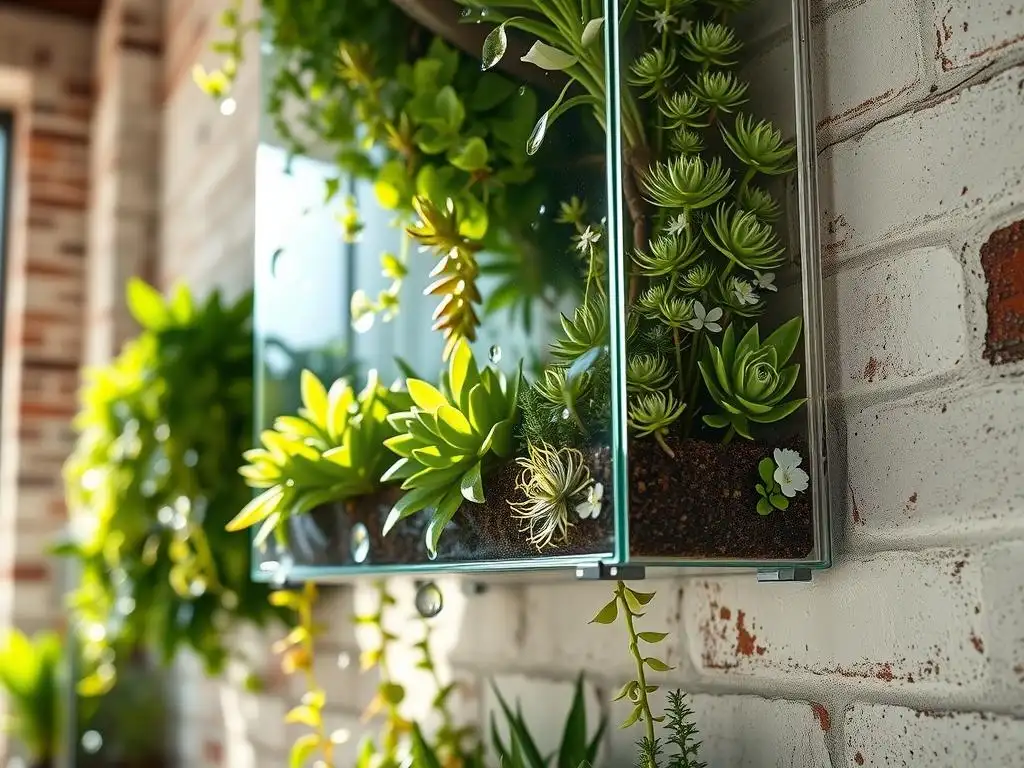
Maintaining a thriving glass container vertical garden requires consistent attention to detail. Unlike traditional soil-based gardens, the contained environment of a glass container necessitates a more careful approach to watering, fertilizing, and pest control. Success hinges on understanding the unique needs of plants grown in this method and adapting your care accordingly. Let's delve into the specifics.
Watering Techniques for Glass Container Vertical Gardens
Proper watering is paramount in glass container vertical gardens. The limited soil volume means plants dry out faster than those in larger, in-ground systems. Overwatering, however, can lead to root rot, a common problem in glass containers due to poor drainage. Therefore, a delicate balance is crucial.
Several factors influence watering frequency: the size of your containers, the type of plants, the ambient temperature and humidity, and the porosity of your growing medium. Smaller containers will require more frequent watering than larger ones. Plants with high water requirements, like lettuce or tomatoes, need more attention than drought-tolerant herbs like rosemary.
- Observe the soil moisture: Before watering, check the moisture level of the soil using your finger. If the top inch feels dry, it's time to water.
- Water thoroughly: When you water, do so thoroughly until water drains from the bottom drainage holes (if present). This ensures the entire root system is hydrated. Avoid letting the plants sit in standing water.
- Consider self-watering systems: For larger setups, consider incorporating self-watering systems to regulate moisture levels more effectively. These systems can significantly reduce the frequency of manual watering, especially during busy periods.
- Adjust watering based on conditions: Increase watering frequency during hot, dry weather and decrease it during cooler, wetter periods. Observe your plants carefully for signs of wilting or overwatering.
Remember, consistent monitoring is key to preventing both underwatering and overwatering, crucial aspects of successful glass container vertical gardening.
Fertilizing Your Glass Container Plants
Because the growing medium in glass containers is limited, nutrient depletion occurs more quickly than in larger gardens. Regular fertilization is essential to maintain healthy plant growth and yield. Opt for liquid fertilizers diluted to half strength to prevent burning the delicate roots. Avoid using granular fertilizers, as they can be difficult to manage effectively in the limited space.
- Choose a balanced fertilizer: A balanced fertilizer (e.g., 10-10-10 NPK) provides a good mix of nitrogen, phosphorus, and potassium, essential nutrients for healthy plant growth. Alternatively, you can use a fertilizer specifically formulated for the type of plants you're growing.
- Follow the instructions: Always adhere to the manufacturer's instructions when diluting and applying liquid fertilizers. Over-fertilizing can be just as detrimental as under-fertilizing.
- Fertilize regularly: The frequency of fertilization depends on the plant type and growth stage. Young seedlings may require fertilization every two weeks, while mature plants may need it once a month or less.
- Observe your plants: Pay attention to the overall health and growth of your plants. If they exhibit signs of nutrient deficiency (yellowing leaves, stunted growth), adjust the fertilization schedule accordingly.
Remember to always use gloves when handling fertilizers and rinse your hands thoroughly afterward. Maintaining a healthy fertilization regime is a crucial element in the successful cultivation of your glass container vertical garden.
Pest and Disease Control in Glass Container Gardens
The enclosed environment of a glass container can sometimes make your plants more susceptible to pest infestations and diseases. Early detection and prevention are crucial. Regularly inspect your plants for signs of pests (insects, mites) or diseases (fungal infections, leaf spots).
- Prevention is key: Maintain good hygiene practices, ensuring your containers and growing medium are clean before planting. Proper watering and fertilization also help to strengthen the plants' resistance to pests and diseases.
- Natural pest control: Consider using natural pest control methods such as neem oil or insecticidal soap to address minor infestations. These are less harmful to beneficial insects and the environment compared to synthetic pesticides.
- Isolate affected plants: If you discover a pest infestation or disease, isolate the affected plants immediately to prevent the spread to healthy plants.
- Remove infected plant parts: Remove and discard any severely infected leaves or stems. Dispose of them properly to avoid re-infestation.
Regular monitoring and prompt action are crucial for maintaining a healthy and pest-free glass container vertical garden. Early detection and the use of appropriate control methods will help you protect your plants and ensure a bountiful harvest. Remember that preventative measures are often the most effective approach.
Troubleshooting Common Issues in Glass Container Vertical Gardens
Maintaining a thriving vertical garden in glass containers requires attention to detail. While aesthetically pleasing, these gardens can present unique challenges. Let's explore some common problems and their solutions. One frequent issue is overwatering, leading to root rot and wilting plants. Glass containers, unlike porous terracotta pots, retain moisture for longer periods.
This means less frequent watering is necessary, but careful monitoring is crucial. Check the soil moisture regularly, using your finger to test for dryness a couple of inches below the surface. If the soil is consistently soggy, reduce watering frequency and consider improving drainage by adding a layer of gravel or perlite to the bottom of your containers. Remember, it's better to underwater slightly than to overwater, especially with glass containers.
Another common problem is light deficiency. Many herbs and vegetables require ample sunlight for optimal growth. If your glass containers are situated in a low-light area, you may notice stunted growth, pale leaves, and reduced yields. To address this, strategically position your vertical garden in a location that receives at least six hours of direct sunlight daily. Supplementing with grow lights, especially during winter months or in areas with limited sunlight, can significantly improve plant health and productivity. Consider the orientation of your glass containers; south-facing locations generally receive the most sunlight in the Northern Hemisphere.
Pest infestations can be a significant concern in vertical gardens. The enclosed nature of a glass container vertical garden can create a microclimate that attracts certain pests. Regularly inspect your plants for signs of infestation, such as aphids, spider mites, or whiteflies. Early detection is key to preventing a widespread problem. Employ preventative measures such as introducing beneficial insects like ladybugs, or using organic pest control methods like neem oil or insecticidal soap. Avoid using harsh chemical pesticides, as these can harm beneficial insects and contaminate your produce. Remember to always follow the instructions on any pesticide product carefully.
Finally, nutrient deficiencies can impact the health and productivity of your plants. Glass containers have a limited soil volume, meaning nutrients can be depleted quickly. Regular fertilization is essential to provide your plants with the necessary nutrients for healthy growth and abundant harvests. Use a balanced, organic fertilizer specifically formulated for vegetables and herbs, following the recommended application rate.
Consider using liquid fertilizers for easier application and quicker nutrient uptake. Remember to always check the pH of your soil and adjust as needed to ensure optimal nutrient availability. A soil testing kit can be a valuable tool in monitoring nutrient levels.
Creative Glass Container Vertical Garden Ideas
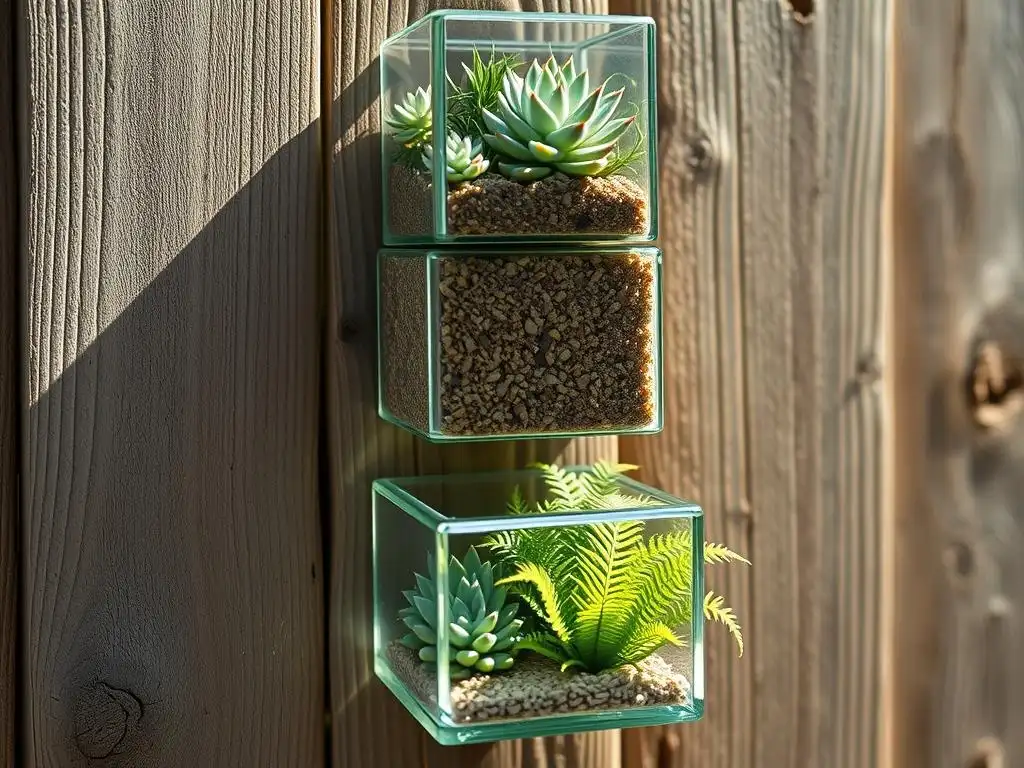
This section explores innovative ways to utilize glass containers for creating stunning and functional vertical gardens. We'll move beyond the basics, offering detailed plans and design considerations to help you cultivate your own stylish and productive vertical garden, perfect for showcasing your "Glass container vertical garden ideas". The beauty of this approach lies in its versatility; you can adapt these ideas to suit your available space, preferred plants, and personal aesthetic. Remember, sustainability is key – repurposing existing glass containers minimizes waste and adds a unique charm to your gardening project.
Repurposing Glass Jars for Vertical Herb Gardens
Repurposing old glass jars offers a charming and efficient way to create a vertical herb garden. The transparent nature of the glass allows for easy monitoring of plant growth and water levels, while the varying sizes of jars offer opportunities for creative layering and visual appeal. Consider using mason jars, spice jars, or even vintage jars sourced from thrift stores.
To begin, thoroughly clean and sterilize your chosen jars. Drill drainage holes in the lids (or the jars themselves, depending on your design) to prevent waterlogging. Next, select your herbs. Basil, mint, chives, and oregano are excellent choices for vertical gardening due to their compact growth habits. Use a well-draining potting mix specifically formulated for herbs.
Fill each jar with the potting mix, leaving some space at the top for watering. Plant your herb seedlings or cuttings, ensuring the roots are adequately covered. Arrange the jars on a wall-mounted rack, a repurposed shelf, or even a ladder for a rustic look. Regular watering and occasional fertilization will ensure healthy, vibrant herb growth. This method allows for easy harvesting and maximizes space utilization, making it an ideal solution for small kitchens or balconies. You can even add labels to each jar for easy identification, enhancing both the functionality and aesthetic appeal of your vertical herb garden.
Using Glass Bottles for a Unique Vertical Flower Display
Glass bottles, particularly those with interesting shapes and colors, can be transformed into eye-catching vertical flower displays. This technique is particularly well-suited for trailing plants like ivy, pothos, or string of pearls, which cascade beautifully from the bottle's opening. The transparency of the glass allows the roots and soil to be subtly visible, adding a unique visual element to your display.
Before planting, thoroughly clean and sterilize the bottles. If using recycled bottles, remove any existing labels carefully. Consider painting or decorating the bottles to complement your existing decor. For drainage, you can either drill small holes near the base of the bottle or use a layer of gravel at the bottom to prevent waterlogging.
Choose a well-draining potting mix suitable for the chosen flowering plants. Fill the bottle, leaving sufficient space at the top for watering. Plant your seedlings or cuttings, ensuring the roots are adequately covered. You can mount the bottles on a wall using hooks, or arrange them on a shelf or other stable surface.
Regular watering and fertilization are essential for maintaining the health and vibrancy of your flowering plants. Experiment with different bottle sizes and plant types to create a truly unique and personalized vertical garden. This is a perfect way to add a touch of elegance and color to any indoor or outdoor space.
Designing a Multi-Tiered Glass Container Vertical Garden
A multi-tiered glass container vertical garden allows for maximum plant density and visual interest. This approach requires careful planning and consideration of plant size and light requirements. You can utilize a variety of glass containers, from jars and bottles to terrariums and even repurposed aquariums, to create a layered effect.
Start by selecting a sturdy base or framework. This could be a repurposed shelf, a custom-built wooden structure, or even a metal ladder. Ensure the structure is capable of supporting the weight of the filled containers. Next, choose your glass containers, considering their size, shape, and compatibility with your chosen plants. A variety of sizes and shapes will add visual interest.
Consider the light requirements of your plants when arranging the containers. Plants needing more sunlight should be placed at the top tiers, while shade-tolerant plants can be placed lower down. Use a well-draining potting mix appropriate for the chosen plants. Before planting, ensure each container has adequate drainage holes.
Plant your seedlings or cuttings, ensuring the roots are covered and the plants have sufficient space to grow. Regular watering and fertilization will be crucial for the success of your multi-tiered vertical garden. This sophisticated approach allows for a diverse range of plants, creating a vibrant and productive vertical garden that maximizes space and showcases your creativity. Remember to monitor the plants closely and adjust watering as needed, ensuring each plant receives the appropriate amount of water and nutrients. This approach offers unparalleled flexibility and potential for creative expression in your "Glass container vertical garden ideas".
Stylish Glass Container Vertical Garden Designs for Small Spaces
Transforming small spaces into vibrant, green havens is achievable with creative vertical gardening. Glass containers, with their inherent elegance and transparency, offer a unique opportunity to showcase your green thumb while adding a touch of modern style to your home or apartment. The beauty of glass lies in its versatility; it allows light to penetrate easily, crucial for healthy plant growth, and its sleek aesthetic complements various interior design styles.
One popular design incorporates a series of varying-sized cylindrical glass jars, hung at different heights on a wall-mounted wooden rack. This creates a visually appealing cascade of greenery, ideal for herbs or trailing plants like pothos or string of pearls. The clear glass allows you to monitor the water levels easily, preventing overwatering, a common issue in vertical gardens. Consider using different colored jars for an even more striking visual impact; perhaps a gradient of blues and greens to complement the plants themselves.
Alternatively, repurposed glass bottles, such as vintage soda bottles or wine bottles, can be creatively arranged to form a unique vertical garden. These bottles, with their individual shapes and sizes, create an eclectic and charming display. You can use wire or strong twine to secure them to a wooden backing or even a repurposed pallet, creating a rustic yet stylish vertical garden piece. This method is perfect for succulents, cacti, or small air plants which require less frequent watering.
For a more minimalist aesthetic, consider using clear, square glass containers, perhaps terrariums or small aquariums, arranged in a geometric pattern on a shelf or windowsill. This creates a clean, modern look, particularly suited for propagating cuttings or displaying small, low-maintenance plants. The transparency of the glass allows you to appreciate the intricate details of the plants' root systems and soil composition.
Remember to choose containers with adequate drainage holes to prevent root rot. This design is perfect for showcasing the beauty of individual plants, allowing each one to shine. The geometric arrangement adds a sophisticated touch, turning a practical vertical garden into a piece of art.
Remember to carefully select the plants based on their light requirements and water needs to ensure their thriving in your glass container vertical garden. Consider using a mix of textures and colors for a visually interesting and dynamic display. With a little creativity and planning, you can create a stylish and functional glass container vertical garden that enhances your living space and brings the beauty of nature indoors.
Harvesting and Enjoying Your Vertical Garden Bounty
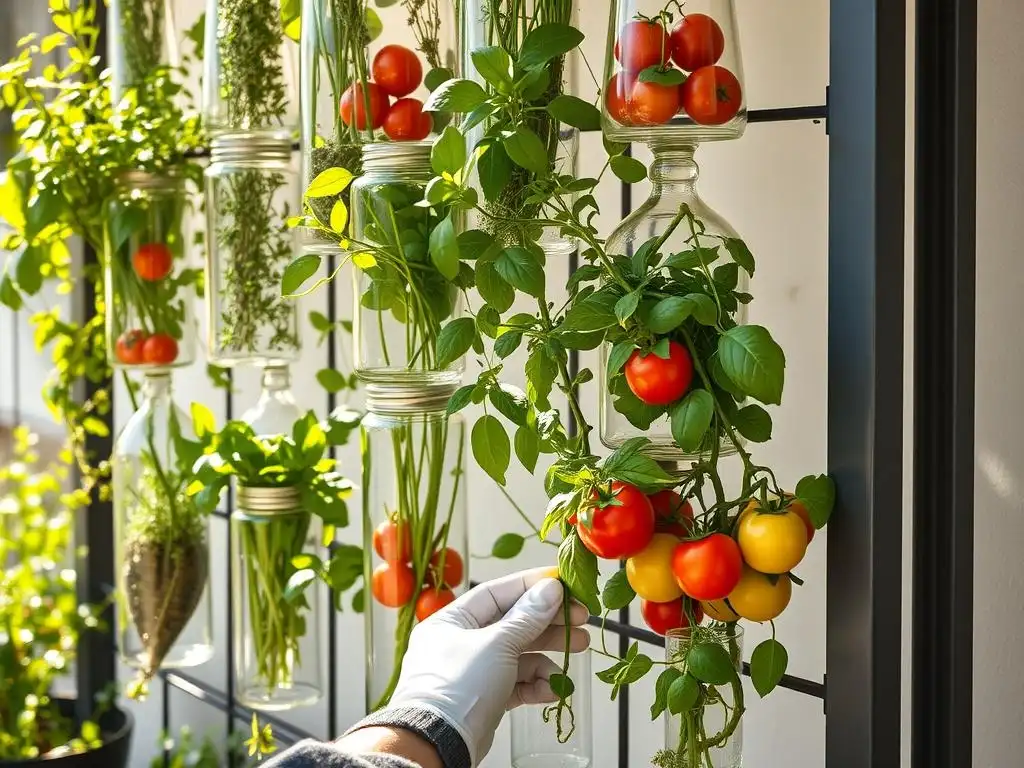
This section focuses on maximizing the yield and longevity of your glass container vertical garden. Proper harvesting techniques and efficient storage methods are crucial for enjoying the fruits (and vegetables!) of your labor. Remember, consistent harvesting encourages further growth, leading to a more abundant and sustained harvest throughout the growing season. This is especially important in vertical gardening, where space is at a premium.
Harvesting Techniques for Different Plants
Harvesting techniques vary depending on the plant. Understanding the specific needs of each plant in your glass container vertical garden is key to maximizing your yield and maintaining the health of your plants. Let's explore some examples:
- Leafy Greens (Lettuce, Spinach, etc.): Harvest these by cutting the outer leaves, leaving the inner leaves intact to continue growing. Avoid pulling the entire plant out. Regular harvesting, even small amounts, will stimulate new leaf growth. Think of it like getting a haircut – it encourages thicker, fuller growth! ✂️
- Herbs (Basil, Mint, etc.): Pinch or cut individual stems just above a leaf node. This encourages bushier growth and prevents the plants from becoming leggy. Harvesting regularly, even just a few leaves at a time, helps maintain their flavor and prevents them from flowering prematurely.
- Tomatoes: Harvest tomatoes when they are fully ripe, exhibiting their characteristic color and firmness. Gently twist the tomato from the vine. Avoid pulling or yanking, as this could damage the plant. Regularly checking your tomato plants for ripe fruit is essential, especially in a vertical garden where you might miss some hidden gems. 🍅
- Strawberries: Harvest strawberries when they are fully red and plump. Gently pull the berry from the plant, leaving the green cap behind. Careful harvesting prevents damage to the plant and encourages further fruit production.
- Peppers: Harvest peppers when they reach their mature size and color, depending on the variety. Use sharp scissors or a knife to cut the pepper from the plant, leaving a short stem attached.
Here's a handy table summarizing ideal harvesting times:
| Plant Type | Harvesting Technique | Maturity Indicators |
|---|---|---|
| Leafy Greens | Cut outer leaves | Vibrant color, firm texture |
| Herbs | Pinch or cut stems | Fully developed leaves, aromatic scent |
| Tomatoes | Twist from vine | Fully red, firm, characteristic color |
| Strawberries | Gently pull from plant | Fully red and plump |
| Peppers | Cut from plant | Mature size and characteristic color |
Remember to always use clean, sharp tools when harvesting to prevent the spread of disease. Regularly inspect your plants for any signs of pests or diseases and take appropriate action. This proactive approach is crucial for maintaining a healthy and productive vertical garden.
Storing and Preserving Your Harvested Produce
Proper storage and preservation techniques are essential for extending the shelf life of your harvest and minimizing waste. Here are some tips:
- Refrigeration: Most leafy greens, herbs, and some fruits (like strawberries) should be refrigerated in airtight containers or plastic bags to maintain freshness. Avoid washing them before storing, as excess moisture can lead to spoilage.
- Freezing: Many fruits and vegetables can be frozen for later use. Blanching (briefly boiling) before freezing helps to preserve color, texture, and nutrients. Freezing is a great way to preserve your bounty for use throughout the year. ❄️
- Drying: Herbs can be dried by hanging them upside down in a cool, dark, and well-ventilated area. Once dried, store them in airtight containers. Dried herbs retain their flavor and can be used in cooking for months.
- Pickling and Canning: Pickling and canning are excellent methods for preserving vegetables and fruits for long-term storage. This requires proper sterilization techniques to prevent spoilage. These methods are ideal for preserving excess produce from a bountiful harvest.
By implementing these storage and preservation strategies, you can enjoy the delicious results of your glass container vertical garden throughout the year, even after the growing season ends. Remember that proper care and attention to detail throughout the entire process, from planting to preservation, is key to maximizing your yield and enjoying a consistently bountiful harvest.
Advanced Glass Container Vertical Gardening Techniques
This section delves into more sophisticated methods for cultivating thriving vertical gardens within glass containers, moving beyond basic planting techniques. We'll explore advanced hydroponics and aeroponics, self-watering systems, and optimized lighting solutions to maximize your yield and minimize maintenance. These glass container vertical garden ideas will transform your indoor space into a productive and visually stunning oasis.
Hydroponics and Aeroponics in Glass Containers
Hydroponics and aeroponics offer exciting possibilities for vertical gardening in glass containers. These soilless methods allow for precise nutrient delivery and efficient water usage, leading to faster growth and higher yields compared to traditional soil-based gardening.
Hydroponic systems, where plant roots are suspended in a nutrient-rich water solution, can be adapted to glass containers of various shapes and sizes. A simple system might involve a reservoir at the bottom of the container, with plants suspended above using net pots or other support structures. The nutrient solution is circulated using a small submersible pump, ensuring consistent access to essential minerals. Regular monitoring of pH and nutrient levels is crucial for optimal plant health. Consider using clear glass containers to visually monitor the water level and root development.
Aeroponics, a more advanced technique, involves suspending plant roots in the air and misting them with a nutrient solution. This method maximizes oxygenation to the roots, leading to exceptionally rapid growth. Adapting aeroponics to glass containers requires more intricate setup, potentially involving a timer-controlled misting system and a carefully designed reservoir. While more complex, the potential for increased yields and faster growth makes it a worthwhile endeavor for experienced gardeners seeking to optimize their glass container vertical garden ideas. Remember, careful planning and meticulous maintenance are key to success with both hydroponic and aeroponic systems.
Creating a Self-Watering System for Glass Containers
A self-watering system is a game-changer for busy gardeners. It minimizes the frequency of watering, reducing the risk of underwatering or overwatering, both of which can significantly impact plant health. For glass containers, a simple capillary mat system can be highly effective. This involves placing a moisture-wicking mat (often made of coconut coir) at the bottom of the container, which draws water from a reservoir below. The mat then provides a consistent supply of moisture to the plant roots.
Another option involves using a reservoir with a water level indicator. This allows you to easily monitor water levels and refill as needed. The reservoir can be integrated into the design of the glass container or placed separately underneath.
Consider using a slow-release fertilizer to supplement the water reservoir, reducing the need for frequent nutrient additions. A well-designed self-watering system minimizes your workload while ensuring your plants receive the hydration they need, adding another dimension to your glass container vertical garden ideas. The key is to select a system appropriate to the size and shape of your container and the type of plants you are growing.
Advanced Lighting Techniques for Indoor Vertical Gardens
Lighting is paramount for successful indoor vertical gardening, especially when using glass containers that may limit natural light penetration. While basic fluorescent lights suffice for some plants, advanced techniques can significantly improve growth and yield.
LED grow lights are increasingly popular due to their energy efficiency and customizable spectrum. Different wavelengths of light affect plant growth differently. For example, red light promotes flowering, while blue light encourages vegetative growth. By carefully selecting an LED grow light with a spectrum tailored to your plants' needs, you can optimize their development.
Consider using a timer to simulate natural day-night cycles, further enhancing plant growth and overall health. Remember to position the lights at the optimal distance to avoid burning or insufficient illumination. Proper lighting is a crucial element in any successful glass container vertical garden, maximizing the potential of your carefully curated glass container vertical garden ideas. Experimentation and observation will help you determine the best lighting solution for your specific setup and plant types.
Frequently Asked Questions
What are the benefits of using glass containers for vertical gardening?
Glass containers offer several advantages. They are aesthetically pleasing, adding a modern touch to your garden. Plus, they're durable and easy to clean.
What types of glass containers work best for vertical gardening?
Various glass containers can be used, from old jars and bottles to recycled aquariums. Consider the size and shape to best suit your plants and space. Clear glass allows for easy monitoring of water levels.
How do I prevent root rot when using glass containers for vertical gardening?
Proper drainage is crucial to prevent root rot. Ensure your containers have adequate drainage holes, or use a layer of gravel or pebbles at the bottom. Well-draining potting mix is also essential.
What plants are best suited for vertical glass container gardening?
Herbs, small succulents, and trailing plants thrive in vertical glass gardens. Choose plants with shallow root systems that won't outgrow the containers quickly. Consider the light requirements of your chosen plants.
Where is the best place to position my glass container vertical garden?
Place your vertical garden in a location that receives adequate sunlight, typically at least 6 hours per day. Consider the temperature and humidity of the location to ensure your plants thrive. A south-facing window is often ideal.
Final Reflection: Cultivating Greenery, Cultivating Connection
The resurgence of vertical gardening, particularly using sleek glass containers, speaks volumes about our growing desire to connect with nature within increasingly urbanized spaces. It's more than just a design trend; it's a conscious effort to bring the calming presence of plants into our homes and lives, transforming sterile environments into vibrant oases. This shift reflects a deeper yearning for sustainability and a renewed appreciation for the beauty of the natural world.
The impact of incorporating greenery into our living spaces is profound. It's not simply about aesthetics; studies show that plants can improve air quality, reduce stress, and even boost productivity. The glory of gardening: hands in the dirt, head in the sun, heart with nature. To nurture a garden is to feed not just the body, but the soul.
This quote perfectly encapsulates the emotional resonance of cultivating a garden, no matter how small or how uniquely designed, like the glass container vertical gardens we've explored. The act of nurturing life, even in a small glass vessel, fosters a sense of connection and responsibility that enriches our daily lives.
Now, consider your own space. Imagine the transformation a simple glass container vertical garden could bring. Perhaps a vibrant herb garden on your kitchen windowsill, a miniature succulent landscape in your living room, or a cascading wall of flowering vines in your office. Don't just read about these ideas – create them. Choose a glass container, select your favorite plants, and begin cultivating your own personal sanctuary. The journey of nurturing life, even in a small space, is a rewarding one, offering both aesthetic pleasure and a profound connection to the natural world.
Unleash Your Inner Urban Farmer: Grow Vertically Today!
Thank you for exploring the world of vertical glass gardening with us! You've learned how to create stunning, space-saving gardens, and now it's time to put that knowledge into practice. Ready to get growing?
- Design your dream vertical garden: Sketch out your ideal setup, considering the available space and the plants you'd like to grow. Think creatively – what unique containers or arrangements could you devise?
- Start small and experiment: Don't feel pressured to create a large-scale installation immediately. Begin with one or two containers and gradually expand your green space as you gain experience.
- Share your progress! We'd love to see the beautiful gardens you create.
What unusual plant will you try growing in your new vertical garden?