
The Hidden World Beneath: Exploring the Intricacies of the Soil Food Web

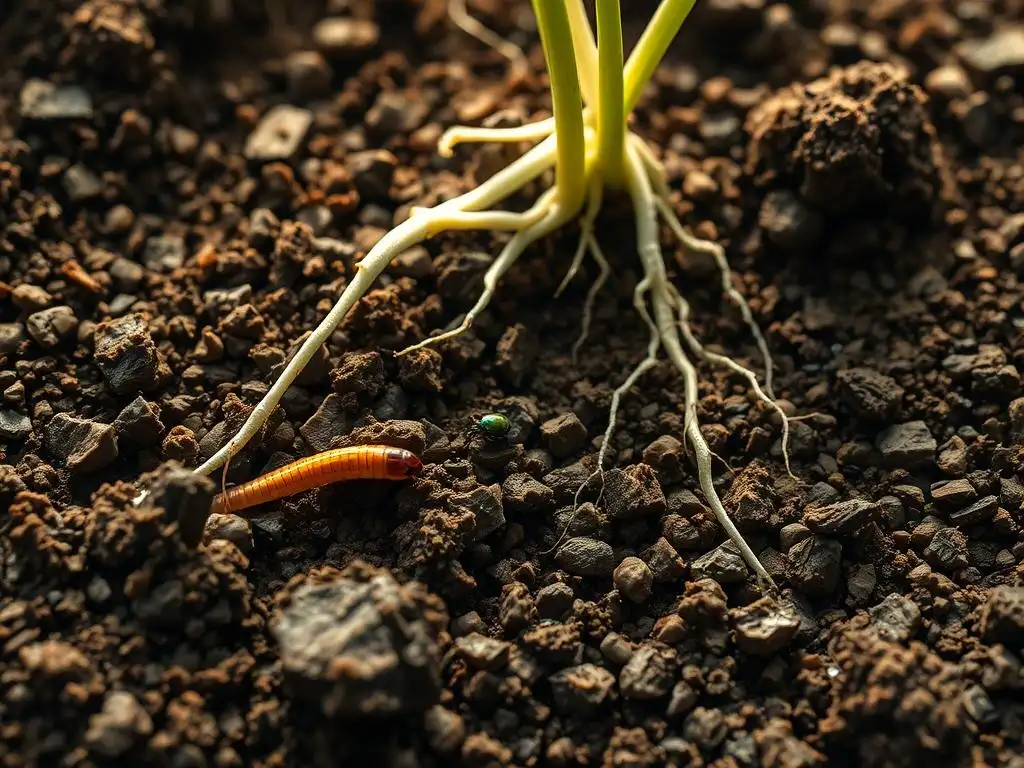
Welcome to CultivateYourFood, your guide to a thriving, sustainable garden! Are you ready to unlock the secrets to bountiful harvests? We delve into the fascinating world of organic gardening, and in this article, we explore the crucial role of a healthy soil food web and its incredible benefits for your plants. Discover how understanding this hidden ecosystem can transform your garden from ordinary to extraordinary – prepare to be amazed by what lies beneath!
- Understanding the Soil Food Web: A Foundation for Healthy Soil
- Healthy Soil Food Web Benefits: Improved Plant Growth and Nutrition
- Building a Healthy Soil Food Web: Practical Tips for Home Gardeners
- Case Study: A Transformation in Soil Health Through Organic Practices
- Maintaining a Vibrant Soil Food Web: Long-Term Strategies
- Frequently Asked Questions
- Final Reflection: Cultivating a Thriving Earth Through Soil
- Uncover Your Soil's Secrets: Grow a Healthier Garden Today!
Understanding the Soil Food Web: A Foundation for Healthy Soil
A thriving garden isn't just about the plants you see above ground; it's deeply rooted in the unseen world beneath. This hidden universe, teeming with life, is the soil food web – a complex ecosystem of organisms interacting in a delicate balance that directly impacts the health and productivity of your plants.
Understanding this intricate network is crucial for any gardener aiming to cultivate healthy, vibrant fruits, vegetables, and herbs using sustainable and organic practices. This article delves into the key components of a healthy soil food web, exploring how its various members contribute to nutrient cycling, disease suppression, and overall soil health, ultimately benefiting your garden's growth and yield.
We will examine the critical roles played by different organisms, highlighting the importance of fostering a diverse and balanced soil food web for optimal results, thereby unlocking the secrets to achieving the numerous benefits associated with a healthy soil food web.
The Key Players: Bacteria, Fungi, and Other Microbes
The soil food web's foundation rests upon microscopic organisms, primarily bacteria and fungi. These tiny powerhouses are essential for nutrient cycling. Bacteria, for example, are crucial in the nitrogen cycle, converting atmospheric nitrogen into forms usable by plants. Different types of bacteria specialize in various processes, some fixing nitrogen, others breaking down organic matter.
Similarly, fungi play a vital role, particularly mycorrhizal fungi, which form symbiotic relationships with plant roots, extending their reach to access water and nutrients more efficiently. This mutually beneficial relationship enhances plant growth and resilience. Beyond bacteria and fungi, other microscopic organisms like actinomycetes (bacteria resembling fungi) contribute to decomposition and antibiotic production, further enriching the soil ecosystem.
A healthy soil boasts a diverse community of these microbes, working in concert to support plant life. The abundance and diversity of these microscopic organisms are key indicators of a robust and productive soil food web. Maintaining a balanced population of these microorganisms is key to building a healthy soil ecosystem.
Decomposers: Nature's Recycling Team and their Role in Nutrient Cycling
Decomposers are the unsung heroes of the soil food web, diligently breaking down organic matter – leaves, stems, roots, and other plant debris – into simpler substances that plants can readily absorb. This process, known as decomposition, is critical for nutrient cycling. Earthworms, often considered the "engine" of the soil food web, play a pivotal role in this process, consuming organic matter and excreting nutrient-rich castings.
Other decomposers, such as springtails, mites, and various insects, work alongside earthworms, each contributing to the breakdown of organic material at different rates and in different ways. The efficiency of this decomposition process directly impacts the availability of essential nutrients for plant growth. A lack of sufficient decomposers can lead to nutrient deficiencies and reduced plant health.
Therefore, encouraging a thriving population of these organisms is paramount for sustainable gardening practices. The presence of a diverse range of decomposers indicates a healthy and balanced soil ecosystem, capable of efficiently recycling nutrients.
Predatory Organisms: Maintaining Balance in the Soil Ecosystem
While decomposers break down organic matter, predatory organisms help regulate their populations and maintain balance within the soil ecosystem. These organisms, ranging from nematodes and protozoa to larger arthropods like beetles and spiders, feed on other organisms in the food web. This predation prevents any single group from becoming overwhelmingly dominant, maintaining biodiversity and preventing imbalances that could harm plant health. For example, predatory nematodes can control populations of harmful root-feeding nematodes, protecting plant roots from damage.
The presence of these predators is an indicator of a healthy and resilient soil food web. A well-balanced soil food web, therefore, includes a healthy population of predatory organisms that contribute to overall ecosystem stability and resilience. This natural pest control mechanism is a significant benefit of a thriving soil food web, reducing the need for synthetic pesticides.
The Importance of Biodiversity in a Thriving Soil Food Web
A healthy soil food web is characterized by its incredible biodiversity. This isn't just about having lots of organisms; it's about having a wide variety of different types of organisms, each playing a unique and vital role. Think of it like a complex ecosystem, but underground! A diverse community of bacteria, fungi, protozoa, nematodes, arthropods, and even earthworms contributes to a robust and resilient soil system, far exceeding the capabilities of a monoculture of a single species.
The more diverse the community, the more resilient it is to environmental stresses and disease. For example, a soil food web with a high diversity of bacteria is better equipped to handle fluctuations in temperature and moisture levels than one dominated by a single bacterial strain. This diversity acts as a buffer, ensuring the continued functioning of essential soil processes even when conditions are less than ideal.
One key aspect of this biodiversity is functional redundancy. Multiple organisms might perform similar functions, such as nutrient cycling or decomposition. If one species is affected by disease or environmental changes, others can step in to fill the gap, maintaining the overall health of the soil food web. This is crucial for the long-term health and sustainability of your garden.
Imagine a scenario where a specific fungus is responsible for breaking down a particular type of organic matter. If that fungus is lost, the organic matter might accumulate, impacting nutrient cycling and overall soil health. However, in a biodiverse soil, other fungi or bacteria might be able to take over this role, preventing a significant disruption.
The benefits of a biodiverse soil food web extend to plant health. A diverse community of microorganisms enhances nutrient availability to plants. Bacteria and fungi break down organic matter, releasing essential nutrients like nitrogen, phosphorus, and potassium in forms that plants can readily absorb. Mycorrhizal fungi, for instance, form symbiotic relationships with plant roots, significantly increasing the plants' access to water and nutrients.
This improved nutrient uptake translates to healthier, more vigorous plants that are better able to withstand pests and diseases. Furthermore, the presence of beneficial nematodes and other soil organisms can help control harmful pathogens and pests, reducing the need for chemical interventions and promoting a truly sustainable gardening approach. A truly thriving soil ecosystem is a self-regulating system, minimizing the need for external inputs and maximizing the natural processes that support healthy plant growth.
Healthy Soil Food Web Benefits: Improved Plant Growth and Nutrition
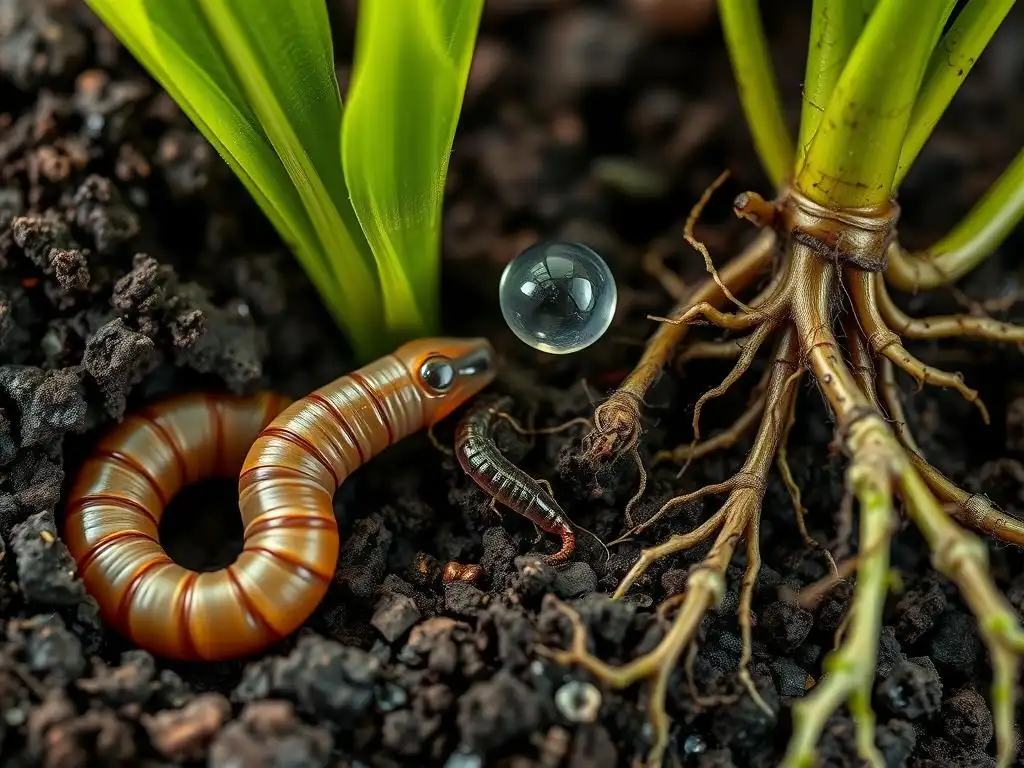
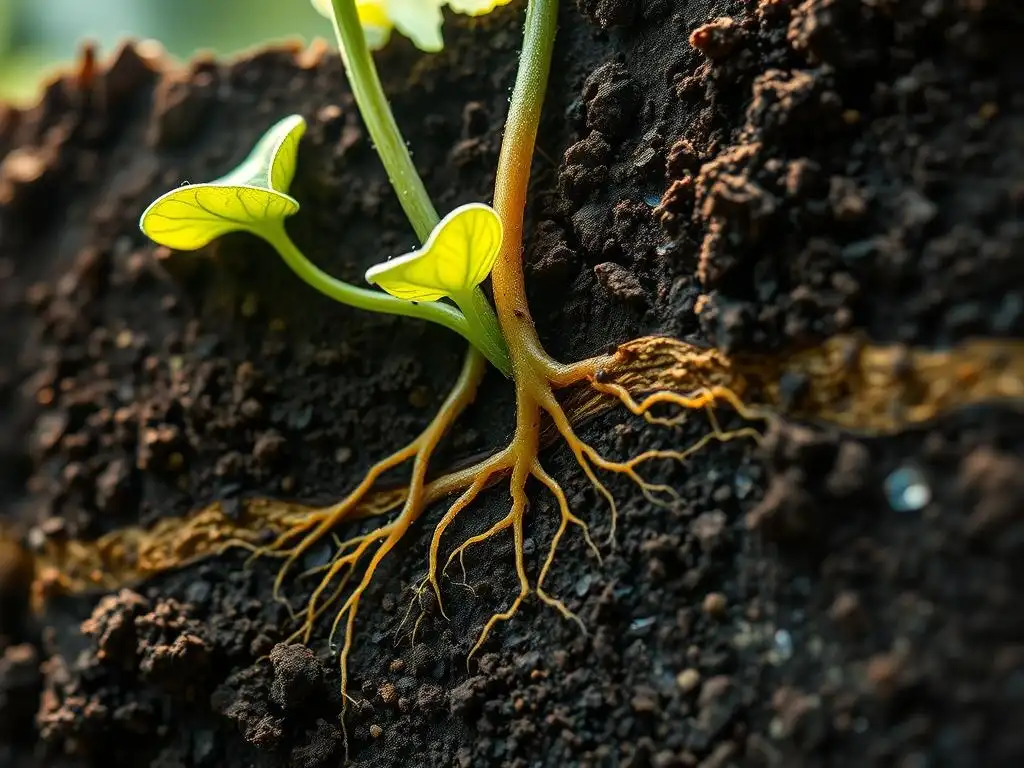
A thriving soil food web is the cornerstone of healthy, productive plants. Understanding its intricate workings unlocks significant advantages for your garden, leading to improved plant growth and enhanced nutritional value. The benefits aren't merely aesthetic; they translate directly into bountiful harvests and robust, resilient plants. Let's delve into the specifics.
Enhanced Nutrient Availability and Uptake
The magic of a healthy soil food web lies in its ability to unlock nutrients otherwise inaccessible to plants. Microbial communities, including bacteria, fungi, and actinomycetes, work tirelessly to decompose organic matter. This decomposition process releases essential nutrients like nitrogen, phosphorus, and potassium into forms readily absorbed by plant roots. For instance, nitrogen-fixing bacteria convert atmospheric nitrogen into plant-available ammonia, a crucial process for plant growth, especially legumes.
Similarly, mycorrhizal fungi, forming symbiotic relationships with plant roots, extend the root system's reach, dramatically increasing the surface area for nutrient absorption. This synergistic relationship between plants and soil microbes significantly boosts nutrient uptake, leading to healthier, more vigorous plants. Studies have shown that plants grown in soils with diverse and active microbial communities exhibit significantly higher nutrient concentrations compared to those grown in sterile or nutrient-poor soils. This translates to improved yield and enhanced nutritional value in the harvested produce.
Consider this example: A tomato plant grown in soil rich in beneficial microbes will exhibit significantly faster growth, larger fruit size, and a richer flavour profile compared to an identical plant grown in poor, depleted soil. The difference isn't merely about added fertilizers; it's about the complex biological processes facilitated by a healthy soil food web that make those nutrients readily available. This difference is readily observable even in home gardens.
Increased Water Retention and Drought Tolerance
A robust soil food web contributes significantly to improved soil structure. The activity of soil organisms, particularly earthworms and fungi, creates aggregates – stable soil clumps that improve soil porosity and aeration. These aggregates act like tiny sponges, increasing the soil's ability to retain water. This enhanced water retention capacity translates directly into increased drought tolerance for your plants.
During periods of water scarcity, plants in a healthy soil food web are better equipped to withstand drought stress, maintaining healthy growth and minimizing yield losses. The improved soil structure also facilitates better water infiltration, reducing runoff and erosion. This is crucial for maintaining soil health and minimizing water waste, a particularly important consideration in sustainable gardening practices.
Data from agricultural studies consistently demonstrate that soils with a well-developed food web exhibit higher water holding capacities compared to those lacking microbial diversity. The difference can be dramatic, especially during extended dry periods. The improved water retention, in conjunction with efficient nutrient cycling, contributes to healthier, more resilient plants, reducing the need for frequent watering and minimizing stress on your plants.
Stronger Plant Immunity and Disease Resistance
A vibrant soil food web acts as a natural defense mechanism against plant diseases. Beneficial microbes compete with pathogenic organisms for resources and space, effectively suppressing the growth of harmful bacteria and fungi. Furthermore, some soil microbes produce antibiotics that directly inhibit the growth of plant pathogens. This natural disease suppression mechanism reduces the need for chemical pesticides, contributing to a healthier and more sustainable gardening approach. The improved plant health resulting from a healthy soil food web also enhances the plants' own natural immune response, making them more resilient to disease.
The presence of diverse microbial communities can significantly reduce the incidence of common plant diseases. For example, studies have shown that soils with high populations of Trichoderma fungi, a known biocontrol agent, exhibit a lower incidence of root rot and other fungal diseases. This natural disease suppression, coupled with enhanced plant nutrition and water retention, contributes to overall plant health and resilience, promoting a healthy and productive garden ecosystem. The benefits extend to decreased reliance on external inputs, fostering a more sustainable and environmentally friendly gardening practice.
Reduced Need for Chemical Fertilizers and Pesticides
A thriving soil food web significantly diminishes the reliance on synthetic fertilizers and pesticides. This is because a balanced ecosystem within the soil naturally provides the nutrients plants need. Beneficial microorganisms, such as mycorrhizal fungi, act as natural fertilizer factories, extending the plant's root system and improving nutrient uptake. They break down organic matter, releasing essential nutrients like nitrogen, phosphorus, and potassium in a readily available form for plants. This reduces, and in some cases eliminates, the need for supplemental chemical fertilizers, contributing to more sustainable and environmentally friendly gardening practices.
The reduction in fertilizer use also minimizes the risk of nutrient runoff, which can pollute waterways and harm aquatic life. Furthermore, a healthy soil food web fosters the growth of beneficial organisms that naturally control pests and diseases. Predatory nematodes, for example, feed on harmful insects, reducing the need for chemical pesticides. This integrated pest management approach is crucial for maintaining a healthy and balanced ecosystem, both above and below ground. The overall effect is a healthier, more resilient plant, less susceptible to disease and stress.
Studies have shown that organically managed farms, which prioritize soil health and a robust food web, often use significantly less chemical inputs compared to conventional farms. This not only benefits the environment but also reduces the long-term costs associated with purchasing and applying these potentially harmful chemicals. The long-term cost savings, coupled with the environmental benefits, solidify the importance of cultivating a healthy soil food web for a truly sustainable approach to gardening. The transition to a reduced-input system may require some initial effort and adjustment, but the long-term rewards in terms of plant health, environmental protection, and cost savings are substantial.
Building a Healthy Soil Food Web: Practical Tips for Home Gardeners
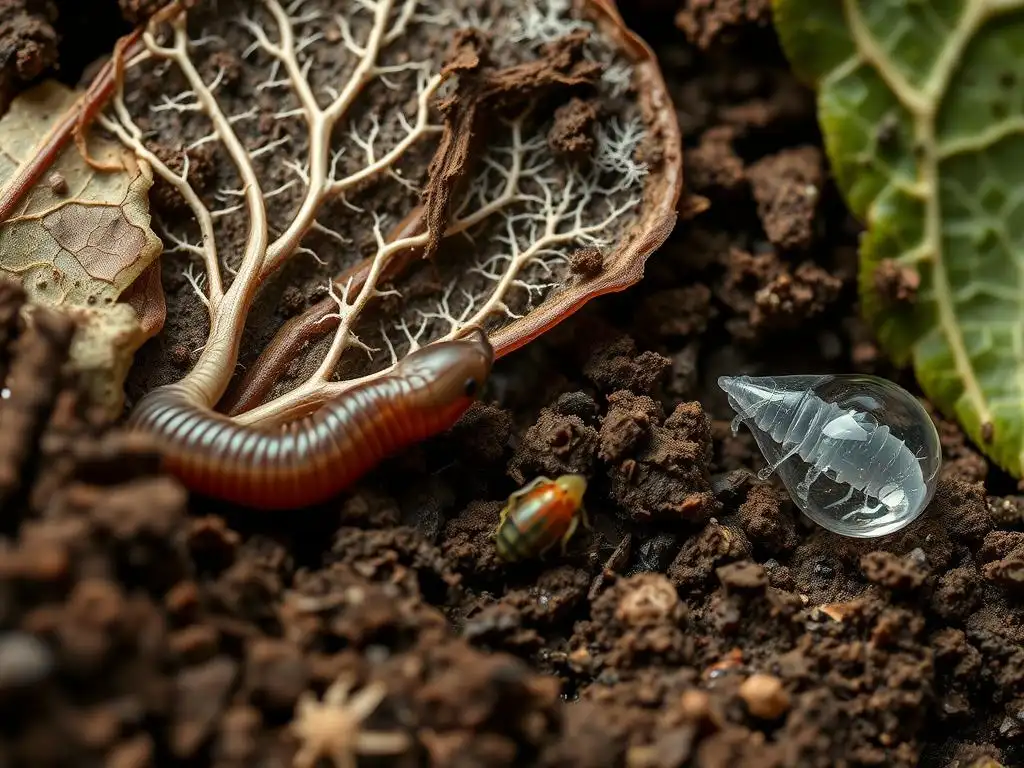
This section delves into actionable steps you can take to foster a thriving soil food web in your home garden, directly impacting the health and productivity of your plants. A healthy soil food web, rich in beneficial microorganisms, is the cornerstone of organic gardening and leads to bountiful harvests. Understanding how to cultivate this intricate ecosystem is key to achieving "Healthy soil food web benefits."
Choosing the Right Organic Matter: Compost, Mulch, and Cover Crops
The foundation of a vibrant soil food web lies in providing ample organic matter. This acts as a buffet for beneficial microbes, fueling their growth and activity. Different types of organic matter offer unique advantages:
- Compost: Mature compost is teeming with life. It improves soil structure, aeration, and water retention, creating an ideal environment for roots and microorganisms. Aim for a dark, crumbly compost with a slightly earthy smell. Avoid using compost that is overly wet or has a foul odor, as this indicates potential problems with decomposition and potentially harmful pathogens. Adding compost regularly, ideally before planting, significantly boosts microbial activity and provides essential nutrients.
- Mulch: Mulching suppresses weeds, conserves moisture, and regulates soil temperature. Organic mulches like wood chips, straw, or shredded leaves gradually decompose, adding organic matter to the soil and feeding the soil food web. Different mulches decompose at varying rates; wood chips, for example, break down more slowly than straw, offering longer-term benefits. Choosing the right mulch depends on your specific needs and the type of plants you're growing.
- Cover Crops: Planting cover crops like legumes (peas, beans), rye, or clover between growing seasons is a powerful technique for building soil health. These plants add organic matter when tilled under (or left to decompose naturally in a no-till system), improving soil structure and adding nitrogen. Legumes are particularly beneficial as they fix atmospheric nitrogen, enriching the soil and reducing the need for synthetic fertilizers. The diversity of cover crops further enhances the diversity of the soil food web, creating a more resilient ecosystem.
Consider the following table for a comparison of different organic matter options:
| Organic Matter Type | Decomposition Rate | Nutrient Contribution | Soil Improvement | Benefits for Soil Food Web |
|---|---|---|---|---|
| Compost | Moderate | High | Improves structure, aeration, water retention | Abundant microbial life, diverse nutrients |
| Wood Chip Mulch | Slow | Moderate | Improves structure, water retention, weed suppression | Long-term organic matter addition |
| Straw Mulch | Moderate | Low | Weed suppression, moisture retention | Provides food and habitat for some microbes |
| Cover Crops (Legumes) | Moderate to Fast | High (Nitrogen) | Improves structure, adds nitrogen | Supports nitrogen-fixing bacteria, enhances biodiversity |
Implementing No-Till Gardening Practices
No-till gardening is a game-changer for soil health. By avoiding tillage, you preserve the soil structure, protecting beneficial organisms and their intricate networks within the soil. Tilling disrupts the soil food web, damaging fungal hyphae and killing many beneficial microbes. The resulting soil compaction hinders root growth and reduces overall plant health.
No-till methods involve adding organic matter directly to the surface, allowing it to decompose naturally. This encourages a rich layer of topsoil, teeming with microbial life. Mulching plays a crucial role in no-till gardening, suppressing weeds and preventing soil erosion. Properly implemented no-till practices lead to improved water infiltration, increased nutrient availability, and a healthier, more resilient soil food web, contributing significantly to "Healthy soil food web benefits."
Avoiding Harmful Soil Practices: Chemical Pesticides and Herbicides
Chemical pesticides and herbicides are detrimental to the soil food web. These chemicals kill not only target pests but also beneficial insects, microorganisms, and earthworms – the very organisms that contribute to a healthy soil ecosystem. Their long-term effects can be devastating, leading to soil degradation, reduced nutrient cycling, and increased susceptibility to diseases. The disruption of the delicate balance within the soil food web can severely hamper plant growth and yield.
Choosing organic pest and weed control methods is crucial for maintaining a healthy soil environment. This includes practices like companion planting, crop rotation, introducing beneficial insects, and using organic pest controls when absolutely necessary. Prioritizing preventative measures and understanding the natural dynamics of your garden ecosystem are essential for minimizing the need for harmful chemicals and maximizing "Healthy soil food web benefits." Remember, a healthy soil food web is your best defense against pests and diseases.
Monitoring Soil Health: Simple Tests and Observations
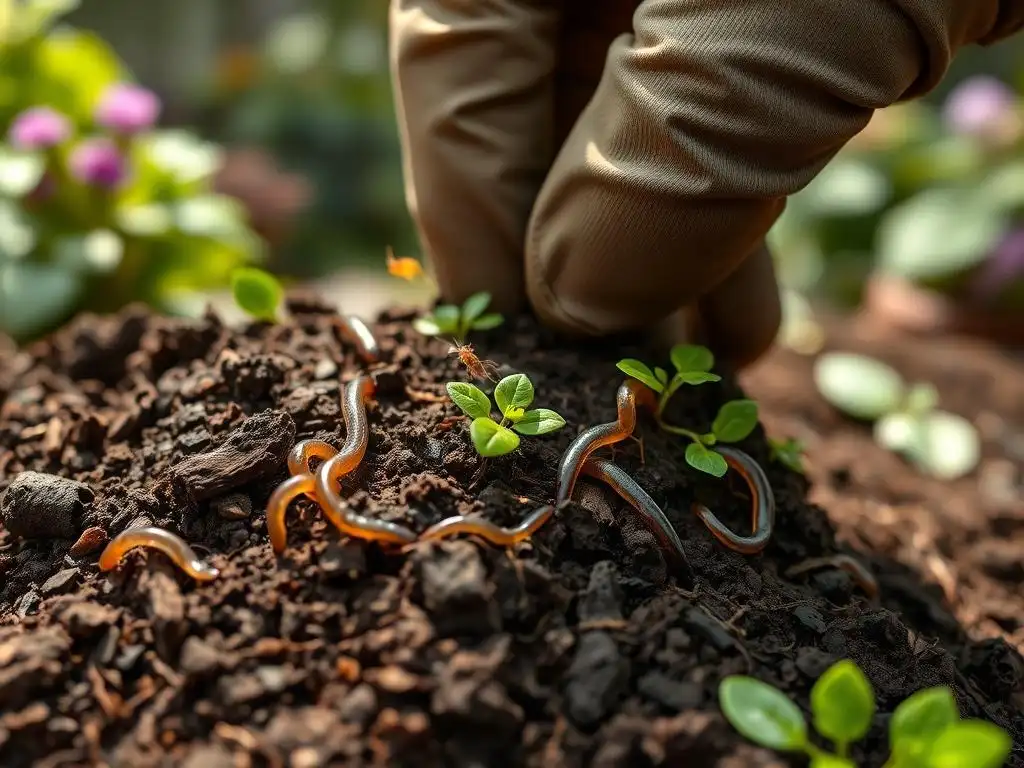
Maintaining a thriving soil food web is crucial for healthy plant growth, and regular monitoring is key to understanding its health. Fortunately, you don't need a laboratory to assess your soil's vitality. Several simple tests and observations can provide valuable insights into the health of your soil food web and guide your gardening practices.
One readily accessible method is visually inspecting your soil. A healthy soil teeming with life will exhibit a rich, dark brown or black color, indicating the presence of abundant organic matter. The texture should be crumbly and loose, allowing for good aeration and water infiltration. Conversely, compacted, clay-like soil suggests poor soil structure and a less diverse microbial community.
The presence of earthworms is a great indicator of healthy soil; their burrows improve aeration and drainage, while their castings (excrement) are rich in nutrients. Look for a variety of earthworm sizes, suggesting a balanced ecosystem. A lack of earthworms might signal problems with soil pH, compaction, or toxic substances.
Beyond visual observation, simple tests can further illuminate the state of your soil food web. A soil texture test, performed by feeling a handful of moist soil, can determine the proportions of sand, silt, and clay. This information is crucial because different soil types support varying microbial communities.
A simple pH test using a home soil testing kit can reveal whether your soil is acidic, neutral, or alkaline. The ideal pH range varies depending on the plants you cultivate, but maintaining a slightly acidic pH (around 6.0-6.8) generally supports a diverse soil food web. While these tests don't directly measure microbial populations, they provide crucial context for interpreting other observations and guide soil amendments to optimize conditions for microbial life.
Regular monitoring, even with these simple methods, allows for proactive adjustments to maintain a healthy and productive soil ecosystem. Remember to perform these tests at different locations within your garden to account for variations in soil conditions.
The Role of Beneficial Nematodes in a Healthy Soil Ecosystem
Beneficial nematodes are microscopic roundworms that play a crucial, often overlooked, role in maintaining a healthy soil food web. These tiny creatures are incredibly diverse, with some species acting as predators, while others are decomposers. Understanding their roles and how to encourage their presence is vital for sustainable gardening.
Predatory nematodes are natural enemies of many common garden pests, including insect larvae, slugs, and other harmful nematodes. They hunt and kill these pests, reducing the need for harmful chemical pesticides. Their impact on pest control can be significant, leading to healthier plants and a more balanced ecosystem. For example, Steinernema carpocapsae is a particularly effective predator of various insect pests, making it a valuable ally in organic pest management. Introducing beneficial nematodes is a natural and sustainable method to control pests, enhancing the overall health of the soil food web.
Decomposer nematodes, on the other hand, break down organic matter, such as decaying plant material and animal waste. This process releases essential nutrients back into the soil, making them available for plant uptake. They contribute significantly to nutrient cycling, improving soil fertility and overall soil health. The activity of decomposer nematodes enhances the availability of essential nutrients like nitrogen and phosphorus, promoting vigorous plant growth.
Their presence indicates a healthy and active soil food web, efficiently recycling nutrients and minimizing waste. By understanding the crucial roles of both predatory and decomposer nematodes, gardeners can create conditions that encourage their proliferation, leading to a more robust and resilient soil ecosystem, ultimately benefiting plant health and reducing the need for external inputs. Maintaining adequate soil moisture and organic matter levels is key to supporting a thriving nematode population.
Case Study: A Transformation in Soil Health Through Organic Practices
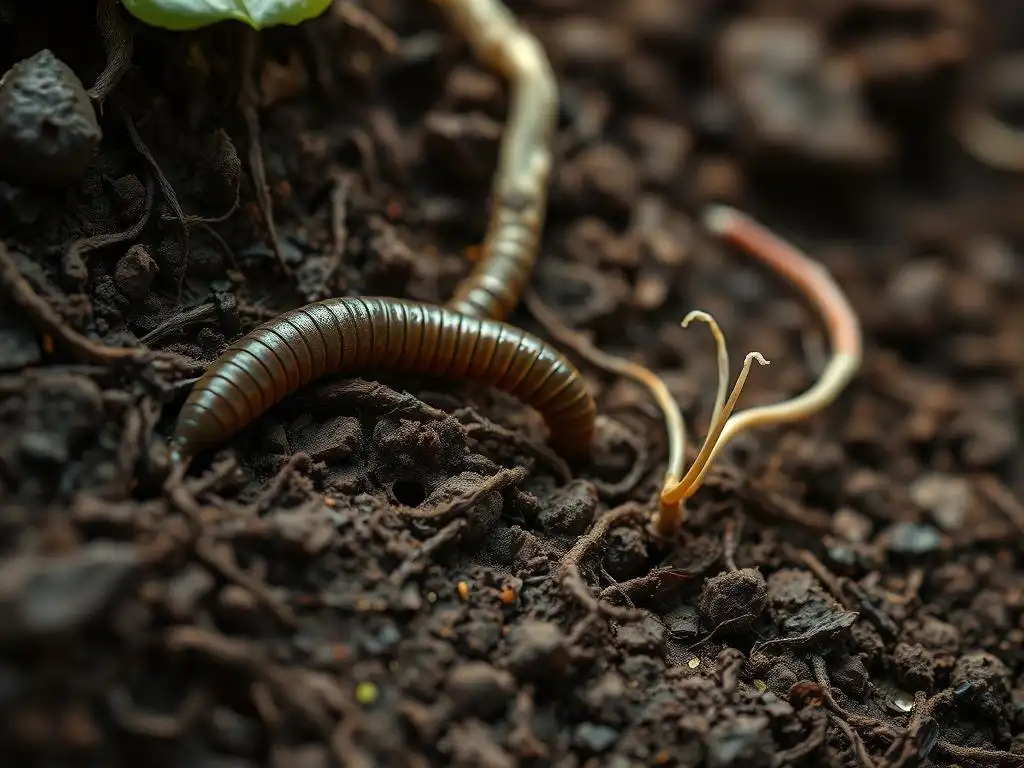
This case study showcases the dramatic improvement in soil health achieved through the implementation of organic practices, highlighting the direct correlation between a thriving soil food web and robust plant growth. We'll examine a specific instance where poor soil conditions were successfully remediated, leading to increased yields and healthier plants. This exemplifies the significant benefits of nurturing a healthy soil food web for sustainable gardening.
The positive impact on the soil's structure, nutrient availability, and overall ecosystem demonstrates the power of organic methods in achieving long-term soil fertility. Understanding this transformation offers valuable insights into the practical application of building a healthy soil food web and reaping the associated rewards. The key here is understanding that a healthy soil food web is the foundation of healthy, productive soil.
Initial Soil Analysis and Challenges
Before implementing any changes, a thorough soil analysis was conducted. The initial results revealed several significant challenges hindering optimal plant growth. The soil exhibited a low organic matter content of only 2%, indicating a depleted soil food web. This was further supported by a low pH level of 5.0, creating an unfavorable environment for many beneficial microorganisms. Furthermore, the soil's structure was compacted, limiting root penetration and water infiltration.
Nutrient levels were also deficient, particularly in essential macronutrients like nitrogen and phosphorus. The lack of earthworms and other visible soil fauna confirmed the impoverished state of the soil ecosystem. This initial assessment clearly pointed towards the need for a comprehensive approach to soil rehabilitation, focusing on building a robust and diverse soil food web. This is a common scenario for many home gardeners who haven't focused on soil health, illustrating the importance of regular soil testing.
Implementing Organic Soil Amendments and Practices
To revitalize the soil, a multi-pronged approach was adopted, centered around organic soil amendments and sustainable practices. First, generous amounts of compost (around 5 cubic feet per 100 square feet) were incorporated into the soil. This provided a substantial boost in organic matter, serving as a food source for beneficial microorganisms.
Cover cropping with legumes like clover and alfalfa was implemented to further enhance nitrogen fixation and improve soil structure. These plants added organic matter upon decomposition, creating a more favorable environment for a thriving soil food web. Additionally, regular mulching with wood chips and shredded leaves helped to retain moisture, suppress weeds, and gradually increase the soil's organic matter content.
No synthetic fertilizers or pesticides were used throughout the process, ensuring the integrity of the soil ecosystem. The focus remained on nurturing the natural processes within the soil to build a self-sustaining system. This holistic approach is key to achieving long-term "Healthy soil food web benefits".
Results: Improved Plant Growth and Soil Health Metrics
After one growing season of implementing these organic practices, the improvements were striking. A follow-up soil test revealed a significant increase in organic matter content to 6%, a 200% improvement. The soil pH had risen to a more optimal level of 6.5, creating a more balanced environment for plant growth and microbial activity. The soil structure had visibly improved, becoming more friable and porous, allowing for better root penetration and water drainage.
Plant growth was significantly enhanced, with increased yields and healthier foliage. The presence of earthworms and other soil organisms was readily apparent, indicating a flourishing soil food web. This demonstrates the powerful impact of organic soil management on improving not just the soil's physical properties, but also its biological health and, ultimately, the health and productivity of the plants.
The transformation showcased the direct link between a thriving soil food web and the numerous "Healthy soil food web benefits" for sustainable gardening. These measurable improvements underscore the importance of investing time and effort in cultivating a healthy soil ecosystem.
Long-Term Sustainability and Maintenance of a Healthy Soil Food Web
Maintaining a thriving soil food web isn't a one-time fix; it's a continuous process demanding consistent effort and mindful practices. The benefits of a healthy soil food web—increased nutrient availability, improved water retention, enhanced plant resilience, and reduced need for chemical inputs—are all dependent on ongoing nurturing. Think of it as cultivating a living ecosystem, requiring regular attention and adjustments.
One crucial aspect is minimizing soil disturbance. Excessive tillage disrupts the delicate balance of the soil food web, damaging beneficial organisms and exposing the soil to erosion. No-till or minimal-till farming techniques, which prioritize leaving crop residue on the soil surface, are significantly better for preserving the intricate network of life beneath. This protective layer acts as insulation, shielding the soil from temperature fluctuations and providing food for beneficial microbes.
Regular soil testing is another vital component of long-term soil food web management. Analyzing your soil's composition allows you to identify any nutrient deficiencies and adjust your fertilization strategy accordingly. Avoid relying solely on chemical fertilizers, which can disrupt the delicate balance of the soil ecosystem. Instead, opt for organic amendments like compost, well-rotted manure, and cover crops. These introduce a diverse range of nutrients and beneficial microorganisms, fostering a more robust and resilient soil food web.
Furthermore, crop rotation is a powerful tool for maintaining soil health. Rotating different plant families helps to prevent the depletion of specific nutrients and reduces the buildup of pests and diseases. This diverse planting strategy supports a more diverse microbial community, enriching the soil food web. Including cover crops in your rotation provides additional benefits, such as improving soil structure, suppressing weeds, and adding organic matter.
Finally, remember the importance of biodiversity. A healthy soil food web is characterized by a wide variety of organisms, each playing a crucial role in nutrient cycling and overall soil health. This biodiversity acts as a buffer against environmental stresses and diseases.
Avoid monoculture practices and strive for a diverse planting scheme, promoting a flourishing ecosystem beneath your soil's surface. By consistently implementing these practices, you can ensure the long-term sustainability and continued benefits of a healthy soil food web, reaping the rewards of increased yields and environmentally friendly cultivation practices. The investment in time and effort translates directly into healthier plants, richer soil, and a more sustainable future for your garden.
Maintaining a Vibrant Soil Food Web: Long-Term Strategies
A healthy soil food web isn't a one-time achievement; it's a dynamic ecosystem requiring consistent nurturing. Think of it like tending a thriving garden – constant attention yields the best results. The benefits of a robust soil food web are numerous, including improved nutrient cycling, enhanced water retention, and increased disease resistance in your plants. Maintaining this vital ecosystem requires a long-term commitment to sustainable practices. Let's delve into some key strategies.
Crop Rotation and Diversification
Crop rotation is a cornerstone of sustainable agriculture and a crucial element in fostering a healthy soil food web. By rotating different plant families each year, you disrupt pest and disease cycles, preventing the buildup of specific pathogens. This also helps maintain soil nutrient levels. For example, legumes (like beans and peas) fix nitrogen in the soil, enriching it for subsequent crops. Rotating between heavy feeders (like broccoli) and light feeders (like lettuce) prevents nutrient depletion. Diversification, growing a variety of plants, further enhances biodiversity in the soil, supporting a wider range of beneficial organisms.
Consider this example:
| Year | Crop Family | Nutrient Impact | Pest/Disease Impact |
|---|---|---|---|
| 1 | Legumes | Nitrogen fixing | Reduces nematode populations |
| 2 | Brassicas | Moderate nutrient use | Breaks pest cycles |
| 3 | Solanaceae | Moderate nutrient use | Different disease pressure |
| 4 | Root Vegetables | Moderate nutrient use | Different pest pressure |
This rotation pattern helps prevent nutrient depletion and minimizes pest and disease build-up, contributing directly to a healthier soil food web. The diversity of root systems also improves soil structure.
Cover Cropping for Soil Improvement
Cover cropping is another powerful tool for enhancing the soil food web. Cover crops are plants grown specifically to improve soil health, rather than for harvest. They act as living mulch, suppressing weeds, preventing erosion, and adding organic matter to the soil. Different cover crops offer unique benefits: legumes add nitrogen, while others improve soil structure or suppress specific weeds.
For instance, planting rye in the fall can protect the soil from winter erosion and add organic matter upon decomposition in spring. The decaying plant matter feeds the microorganisms, stimulating activity within the soil food web. This increased microbial activity directly translates to enhanced nutrient availability for your main crops.
Choosing a diverse mix of cover crops can further amplify these positive effects. Careful planning, considering your climate and soil type, is essential for optimal results. The timing of planting and termination of cover crops is also crucial for maximizing their impact on the soil food web.
Composting: A Continuous Cycle of Nutrient Enrichment
Composting is an integral part of building and maintaining a healthy soil food web. It's a natural process that transforms organic waste into a nutrient-rich humus, a dark, crumbly substance teeming with beneficial microorganisms. These microorganisms are the very foundation of a thriving soil food web. Adding compost to your garden provides a readily available food source for these organisms, stimulating their activity and improving soil structure, water retention, and nutrient availability. Composting not only enriches the soil but also reduces waste, aligning with sustainable gardening principles.
The process itself fosters microbial diversity, contributing to a robust and resilient soil food web. Regular composting, incorporating a variety of organic materials, ensures a continuous cycle of nutrient enrichment, supporting long-term soil health and maximizing the benefits of a healthy soil food web. The benefits are numerous and contribute significantly to healthy soil and thriving plants. 🌱
Avoiding Soil Compaction Through Proper Gardening Techniques
Soil compaction is a significant threat to a thriving soil food web. Compacted soil limits the movement of air and water, hindering the growth of beneficial microbes and plant roots. This, in turn, reduces nutrient availability and overall soil health, directly impacting the "healthy soil food web benefits" we aim for. The good news is that we can actively prevent compaction through mindful gardening practices.
One crucial aspect is minimizing foot traffic in your garden beds. Consider using raised beds or pathways to avoid walking directly on the soil. If you must walk on the soil, do so when it's dry to prevent further compaction. Heavy machinery, like tillers, can also severely compact soil, disrupting the delicate balance of the food web.
Instead, opt for no-till or minimal-till gardening methods. These methods preserve the soil structure, protecting the intricate network of pores and channels essential for aeration and water infiltration. No-till gardening also helps maintain the beneficial soil organisms that contribute significantly to a healthy soil food web. The benefits extend beyond just improved aeration and water penetration; it also helps retain soil moisture, reducing the need for frequent watering and conserving precious resources.
Furthermore, the use of cover crops plays a vital role in preventing soil compaction. Cover crops, such as clover or rye, act as a natural mulch, protecting the soil surface from the impact of rain and wind. Their root systems penetrate the soil, creating channels that improve drainage and aeration.
When these cover crops are eventually tilled under (or left to decompose naturally in a no-till system), they add organic matter, further improving soil structure and promoting a thriving soil food web. The added organic matter also increases the water holding capacity of the soil, providing a more stable environment for beneficial microorganisms and plant roots, resulting in more robust and resilient plants. This, in turn, reinforces the positive feedback loop of a healthy soil ecosystem, enhancing the overall "healthy soil food web benefits".
Choosing the right cover crop for your region and soil type is crucial for maximizing these benefits. Researching regionally appropriate cover crops is key to success in this effort.
Finally, proper watering techniques are essential. Overwatering can lead to soil compaction, especially in heavy clay soils. Aim for deep, infrequent watering rather than frequent shallow watering. This encourages deeper root growth, which helps break up compacted soil and improves overall soil structure.
Deep watering also promotes a healthier root system, allowing plants to access nutrients and water more effectively. This contributes to the overall health of the plants, further bolstering the "healthy soil food web benefits". Consider using a soaker hose or drip irrigation to deliver water directly to the roots, avoiding surface runoff and minimizing compaction. Proper watering practices, combined with other techniques, help create a supportive environment for the organisms which make up a healthy soil food web.
Frequently Asked Questions
What is a soil food web?
A soil food web is the complex network of organisms living in the soil, including bacteria, fungi, protozoa, nematodes, and arthropods. They all interact, breaking down organic matter and cycling nutrients, creating healthy soil.
How does a healthy soil food web benefit my plants?
A thriving soil food web provides essential nutrients to your plants in a readily available form. It also improves soil structure, water retention, and disease resistance, leading to healthier, more vigorous growth.
How can I encourage a healthy soil food web in my garden?
Avoid using chemical pesticides and fertilizers, which can disrupt the delicate balance. Instead, add compost and mulch regularly to provide food for the organisms, and practice crop rotation.
What are the signs of an unhealthy soil food web?
Signs include poor plant growth, compacted soil, erosion, and an abundance of pests or diseases. You might also notice a lack of earthworms or other visible soil life.
Are there specific practices to improve my soil's food web?
Yes! Cover cropping helps build soil health, composting adds organic matter, and minimal tillage protects soil organisms. Introducing beneficial microbes through inoculants can also be beneficial.
Final Reflection: Cultivating a Thriving Earth Through Soil
Understanding the soil food web is not merely an academic pursuit; it's a crucial step towards securing a sustainable future. The intricate relationships within the soil, from microscopic bacteria to earthworms and fungi, directly impact our food security, climate resilience, and overall planetary health. Ignoring this hidden world is ignoring the very foundation upon which our lives depend.
The more I researched the soil food web, the more profoundly I realized its interconnectedness with every aspect of our lives. Its health directly reflects the health of our ecosystems and ultimately, ourselves. The land is our mother, and we must treat her with respect.
This simple statement encapsulates the profound responsibility we have to nurture the soil, recognizing its vital role in supporting all life. The ongoing degradation of soil health, driven by unsustainable agricultural practices and environmental damage, is a stark reminder of the urgent need for change and a deeper understanding of this often-overlooked ecosystem.
Now, consider your own relationship with the earth. What steps can you take, no matter how small, to contribute to a healthier soil food web? Perhaps it's choosing organically grown produce, supporting sustainable farming practices, or simply planting a tree. Every action, however seemingly insignificant, contributes to a larger movement towards a more sustainable and thriving planet. Let the knowledge gained from exploring this hidden world inspire you to become a steward of the soil, ensuring a healthy and fertile future for generations to come.
Uncover Your Soil's Secrets: Grow a Healthier Garden Today!
Thank you for exploring the fascinating world of soil food webs with us! You've gained valuable insights into the unseen forces that drive thriving gardens. Ready to put this knowledge into action?
- Prioritize soil health: Begin by assessing your soil – its texture, moisture content, and color – to understand its specific needs. This simple step is fundamental to a healthier garden.
- Share your observations: Tell us about your soil! What did you discover about its characteristics? We'd love to hear your thoughts and experiences in the comments below.
- Continue learning: Explore resources such as your local agricultural extension office or gardening clubs to further enhance your understanding of soil health improvement.
What small step will you take today to nurture the life beneath your feet?