
Online Gardening Workshops: Container Gardening for Urban Dwellers

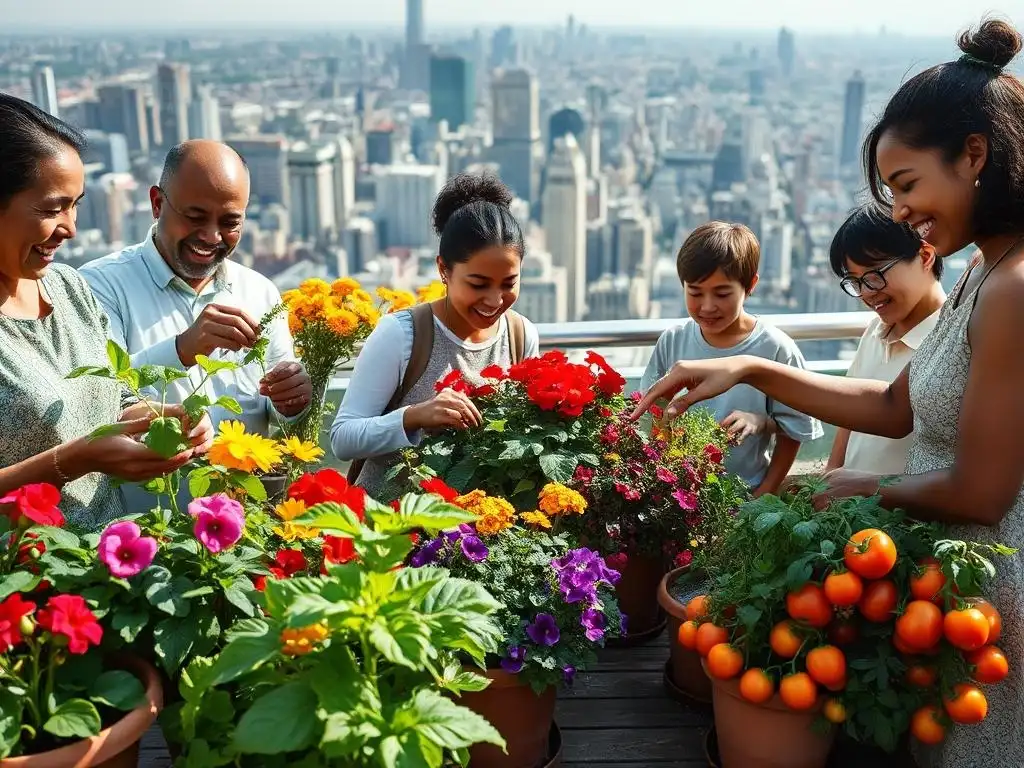
Ready to transform your urban space into a thriving oasis? CultivateYourFood is your guide to sustainable and organic home gardening. We're passionate about helping you grow your own fruits, vegetables, and herbs, no matter how limited your space. Discover the secrets to success with our Urban container gardening workshops, designed to empower you to cultivate your own delicious and healthy food. Learn more and start your gardening journey today!
- Introduction to Urban Container Gardening
- Finding the Best Online Urban Container Gardening Workshops
- Essential Tools & Materials for Successful Container Gardening
- Step-by-Step Guide to Container Gardening Success
- Harvesting and Maintaining Your Urban Container Garden
- Advanced Techniques for Urban Container Gardening
- Resources and Further Learning
- Frequently Asked Questions
- Final Reflection: Cultivating Community, One Container at a Time
- Unleash Your Inner Green Thumb: Grow Your Urban Oasis!
Introduction to Urban Container Gardening
Urban living doesn't mean sacrificing the joys and benefits of gardening! This article explores the burgeoning world of online urban container gardening workshops, designed to empower city dwellers to cultivate their own fruits, vegetables, and herbs, even with limited space.
We'll delve into the reasons why container gardening is perfectly suited for small spaces, highlight the numerous benefits – from fresh, healthy produce to improved mental well-being – and address common challenges such as limited space and soil constraints. Whether you're a seasoned gardener looking to adapt your skills or a complete beginner eager to start your green thumb journey, this guide will provide valuable insights and resources to help you successfully cultivate your own urban oasis.
We'll cover everything from selecting the right containers and soil to choosing suitable plants and implementing effective pest control strategies, all within the framework of sustainable and organic practices. Let's dive into the exciting world of urban container gardening and discover how you can bring the bounty of nature into your city life!
Why Choose Container Gardening for Small Spaces?
Container gardening offers a fantastic solution for urban gardeners facing limited space. Unlike traditional in-ground gardening, it allows you to cultivate a variety of plants on balconies, patios, rooftops, or even windowsills. The flexibility of container gardening is unparalleled; you can easily move containers to optimize sunlight exposure throughout the day and rearrange your garden setup as needed.
This adaptability makes it ideal for apartments, townhouses, and other compact living spaces. Furthermore, container gardening allows for greater control over soil composition and drainage, ensuring optimal growing conditions for your chosen plants. You can select specialized potting mixes tailored to specific plant needs, avoiding soil-borne diseases and improving overall plant health.
This control is particularly beneficial in urban environments where soil quality can be compromised. Choosing the right container size is also crucial; larger containers generally provide more space for root development and retain moisture better, resulting in healthier plants. Smaller containers are suitable for herbs and smaller plants, offering a diverse range of options depending on available space and plant choice.
Benefits of Urban Gardening: Fresh Produce & Mental Well-being
The benefits of urban container gardening extend far beyond simply growing your own food. Having access to fresh, organically grown produce offers significant health advantages, providing you with nutrient-rich fruits, vegetables, and herbs free from pesticides and other harmful chemicals. Knowing exactly where your food comes from allows for greater control over its quality and freshness, contributing to a healthier diet.
Beyond the physical benefits, urban gardening significantly enhances mental well-being. The process of nurturing plants, watching them grow, and harvesting the fruits of your labor is incredibly rewarding and therapeutic. Studies have shown that gardening can reduce stress, improve mood, and promote a sense of accomplishment.
The simple act of connecting with nature in an urban setting can have a profound positive impact on your mental health. Moreover, container gardening can foster a stronger connection with your community, creating opportunities to share your harvest with neighbors and friends, fostering a sense of community and shared experience.
Overcoming Common Challenges: Limited Space & Soil Constraints
While urban container gardening offers many advantages, it also presents certain challenges. Limited space is a primary concern, requiring careful planning and selection of compact plant varieties. Vertical gardening techniques, such as using trellises or hanging baskets, can maximize space utilization. Choosing plants that are suitable for containers and have relatively small root systems is also crucial.
Another challenge is soil constraints. Unlike in-ground gardening, container gardening requires careful consideration of soil composition, drainage, and moisture retention. Using high-quality potting mixes tailored to the specific needs of your plants is essential.
Proper drainage is crucial to prevent root rot, and regular watering is necessary to maintain optimal moisture levels. Addressing these challenges proactively through careful planning and the selection of appropriate containers, soil, and plants ensures a successful and rewarding urban container gardening experience. Regular monitoring of plant health and timely intervention to address any issues will further contribute to a thriving urban garden.
Finding the Best Online Urban Container Gardening Workshops
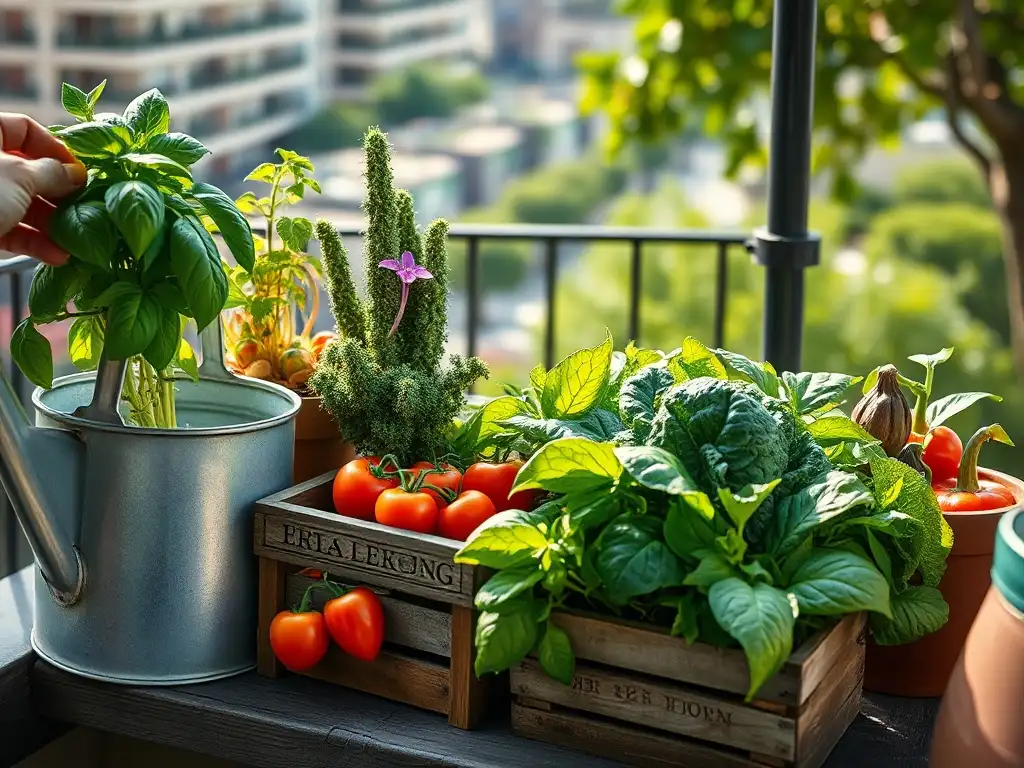
Finding the right online workshop can significantly impact your urban container gardening success. The sheer number of options available can be overwhelming, so a strategic approach is crucial. This section will guide you through identifying the best fit for your needs and experience level, ensuring a rewarding learning journey.
We'll explore key factors to consider, helping you navigate the world of online urban container gardening education and select a course that truly cultivates your skills. Remember, the best workshop isn't necessarily the most expensive; it's the one that best aligns with your individual goals and learning style. Let's get started!
Top Online Platforms Offering Container Gardening Courses
Several excellent online platforms cater specifically to urban container gardeners. These platforms often offer a diverse range of courses, from beginner-friendly introductions to advanced techniques. When evaluating these platforms, consider factors such as instructor credentials, student reviews, course structure, and the overall learning experience. A well-structured course will typically include video lectures, downloadable resources, and opportunities for interaction with the instructor and fellow students. Here's a glimpse into some of the features to look for:
- Comprehensive Curricula: Look for courses covering all aspects of urban container gardening, including plant selection, soil preparation, watering techniques, fertilization, pest and disease management, and harvesting. A truly comprehensive course will leave no stone unturned.
- Interactive Elements: Engaging video lectures are great, but interactive elements like Q&A sessions, forums, or even live webinars can significantly enhance the learning experience. These features foster a sense of community and allow for personalized guidance.
- Practical Exercises: The best courses incorporate practical exercises and projects, allowing you to apply what you've learned immediately. This hands-on approach is crucial for solidifying your understanding and building confidence.
- Supportive Community: A strong sense of community among students and instructors can be invaluable. A supportive environment allows you to ask questions, share experiences, and learn from others' successes and challenges.
Remember to thoroughly research any platform before enrolling. Read student reviews, check the instructor's qualifications, and ensure the course content aligns with your specific needs and interests. Don't hesitate to compare several options before making a decision.
Comparing Course Content
The content of an urban container gardening workshop significantly impacts its value. While some courses might focus solely on the basics of planting and watering, others delve into more advanced topics such as organic pest control, soil science, and even the design aspects of urban container gardens. A thorough comparison is crucial to ensure you're investing your time and money wisely. Here's a helpful table to guide your comparison:
| Feature | Beginner Course | Intermediate Course | Advanced Course |
|---|---|---|---|
| Plant Selection | Basic principles, common easy-to-grow plants | Wider range of plants, including more challenging varieties | Advanced plant selection for specific conditions |
| Soil & Nutrients | Basic soil types, general fertilization tips | Soil testing, tailored nutrient solutions | Advanced soil amendments, nutrient management |
| Watering Techniques | Basic watering schedules | Monitoring soil moisture, adjusting watering based on conditions | Advanced irrigation systems, water conservation techniques |
| Pest & Disease | Common pests and diseases, basic prevention | More detailed pest and disease identification, organic control methods | Advanced pest and disease management strategies |
| Harvesting | Basic harvesting techniques | Optimal harvesting times, post-harvest care | Advanced techniques for preserving the harvest |
Consider your current knowledge and desired learning outcomes when comparing these aspects. A beginner might benefit from a course emphasizing fundamental techniques, while an experienced gardener might prefer a course focusing on advanced topics like sustainable practices or specific plant varieties.
Choosing a Workshop Based on Your Skill Level
Your current gardening experience is a critical factor in choosing the right workshop. Beginner courses provide a solid foundation in basic techniques, while intermediate and advanced courses delve deeper into specific aspects of urban container gardening. Selecting the appropriate level ensures you're neither overwhelmed nor bored.
- Beginner: If you're new to gardening, a beginner course is ideal. These courses typically cover fundamental concepts like plant selection, soil preparation, watering, and basic pest control. They often feature simple, easy-to-follow instructions and plenty of visual aids. Expect a focus on building a solid foundation and gaining confidence.
- Intermediate: Having some gardening experience? An intermediate course allows you to expand your knowledge and skills. These courses often explore more advanced topics, such as organic pest management, advanced fertilization techniques, and more complex plant varieties. They might also include projects that challenge you to apply your knowledge creatively.
- Advanced: For experienced gardeners seeking to refine their techniques or learn specialized skills, an advanced course is the perfect choice. These courses might focus on specific areas like hydroponics, vertical gardening, or advanced composting methods. They often involve in-depth discussions and advanced projects.
Choosing the right workshop is an investment in your urban gardening journey. By carefully considering the factors discussed above, you can find a course that empowers you to cultivate thriving plants and a bountiful harvest, even in a limited space. 🌱
Review of Specific Courses
Several online platforms offer urban container gardening workshops, each with its own strengths and weaknesses. A thorough review considers factors like instructor expertise, curriculum comprehensiveness, student support, and overall value. For example, one popular platform might excel in its visually rich video tutorials demonstrating various container gardening techniques, but might lack robust Q&A forums for student interaction. Another might boast a highly experienced instructor with years of practical urban gardening experience, but perhaps offer a less structured curriculum.
Finding the right fit depends heavily on individual learning styles and preferences. Some learners thrive in highly structured environments with detailed lesson plans and regular assignments, while others prefer a more flexible, self-paced approach. Therefore, reading detailed reviews and comparing course syllabi is crucial before committing to a particular workshop. Pay close attention to student testimonials; they often provide valuable insights into the practical aspects of the course, such as the effectiveness of the teaching methods and the overall learning experience.
For instance, a highly-rated course might emphasize organic pest control methods, showcasing specific techniques for dealing with common urban garden pests like aphids and slugs without resorting to harmful chemicals. Another might focus on maximizing yield in limited spaces, teaching techniques for efficient planting and maximizing sunlight exposure in small containers.
The best courses will not only provide theoretical knowledge but also practical, hands-on guidance that can be immediately applied in a home setting. Look for courses that include downloadable resources, such as planting schedules tailored to different urban climates and guides for choosing the right containers and soil for various plants.
Ultimately, the best urban container gardening workshop will equip you with the knowledge and confidence to successfully cultivate a thriving garden, even in a limited urban space. Remember to factor in your specific needs and goals when selecting a course, and don't hesitate to compare multiple options before making a decision. A well-structured course should address all aspects of urban container gardening, from selecting appropriate plants and containers to harvesting and composting. The quality of the course materials and the level of instructor support are also key indicators of its overall value.
Essential Tools & Materials for Successful Container Gardening
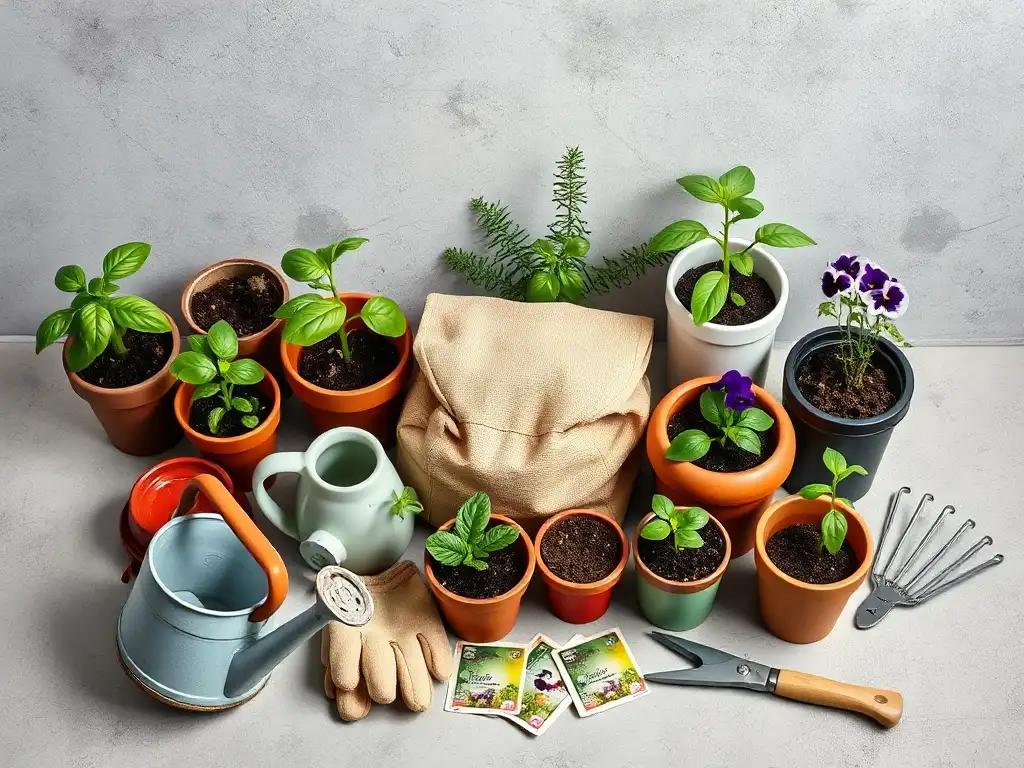
This section details the crucial tools and materials needed to embark on a thriving urban container gardening journey. Success in container gardening hinges on selecting the right equipment and supplies. Investing in high-quality materials upfront will significantly improve your chances of cultivating healthy and abundant harvests, even within the constraints of urban living. Remember, even small spaces can yield bountiful results with the proper planning and resources. Let's delve into the specifics.
Selecting the Right Containers
Choosing the right containers is paramount for successful urban container gardening. The size, material, and drainage capabilities directly impact plant health and growth. Avoid using containers that are too small, as this restricts root development and can lead to stunted growth. Similarly, containers without adequate drainage can lead to root rot, a common problem in container gardening.
Here's a breakdown of factors to consider:
- Size: Consider the mature size of your chosen plants. Larger plants require larger containers. A good rule of thumb is to choose a container at least twice the diameter of the plant's root ball.
- Material: A variety of materials are suitable, each with pros and cons:
- Plastic: Lightweight, inexpensive, and readily available. However, they can overheat in direct sunlight.
- Terracotta: Porous, allowing for good drainage and aeration. However, they dry out more quickly than plastic containers, requiring more frequent watering.
- Wood: Aesthetically pleasing and can add charm to your urban garden. However, they can rot over time and require regular maintenance.
- Metal: Durable and long-lasting but can overheat and may require painting to prevent rust.
- Drainage: Ensure your containers have adequate drainage holes to prevent waterlogging. Without proper drainage, roots can become waterlogged, leading to root rot and plant death. You can add drainage layers to containers lacking holes, using gravel or broken pottery shards.
Choosing the Best Soil Mix for Container Gardening
The soil mix you choose is just as important as the container itself. Unlike in-ground gardening, container gardening requires a specialized soil blend that provides optimal drainage, aeration, and nutrient retention. Using standard garden soil can lead to compacted soil, poor drainage, and ultimately, unhealthy plants.
Here are some key factors to consider when selecting a soil mix:
- Drainage: The soil should drain well to prevent waterlogging. A good mix will allow excess water to drain quickly, preventing root rot.
- Aeration: Good aeration is crucial for healthy root growth. A well-aerated soil mix allows oxygen to reach the roots, promoting vigorous growth.
- Nutrient Retention: The soil should retain enough nutrients to support plant growth throughout the growing season. Consider adding organic matter like compost to enhance nutrient retention.
- Potting Mixes: Commercial potting mixes are formulated specifically for container gardening and typically provide a good balance of drainage, aeration, and nutrient retention. Look for mixes that are peat-free or contain sustainable alternatives. Adding perlite or vermiculite can further improve drainage and aeration.
Essential Gardening Tools for Container Gardening
Having the right tools on hand will make your container gardening experience much easier and more enjoyable. While you don't need an extensive collection, a few essential tools will significantly improve your efficiency and effectiveness.
Here's a list of essential tools:
| Tool | Description | Importance |
|---|---|---|
| Trowel | For planting, transplanting, and weeding. | Essential for all aspects of container gardening. |
| Hand Rake | For mixing soil and removing debris. | Useful for preparing the soil mix and maintaining a clean gardening space. |
| Watering Can | For watering your plants. Choose a can with a rose head for gentle watering. | Crucial for maintaining adequate moisture levels in your containers. |
| Gardening Gloves | To protect your hands. | Protects your hands from dirt, thorns, and potential irritants. |
| Pruning Shears/Secateurs | For trimming and pruning plants. | Important for maintaining the shape and health of your plants, removing dead growth. |
| Soil Thermometer (Optional) | To monitor soil temperature. | Helpful for optimizing planting times and monitoring plant health. |
Remember that proper tool selection and maintenance are key to successful urban container gardening. With these essentials, you'll be well-equipped to cultivate a thriving and productive garden, no matter how limited your space. 🌱
Step-by-Step Guide to Container Gardening Success
This section provides a practical, step-by-step guide to achieving a thriving container garden, even in the most urban of settings. We'll cover key aspects from initial planning to successful harvesting, ensuring your urban container gardening journey is rewarding and productive. Mastering these techniques will significantly improve your chances of success with your urban container gardening workshops.
Planning Your Urban Garden
Before you even think about buying seeds or seedlings, careful planning is crucial for successful urban container gardening. This involves assessing your space, sunlight conditions, and the types of plants you wish to cultivate. Consider these factors:
- Sunlight Exposure: Most vegetables and herbs require at least 6-8 hours of direct sunlight daily. Observe your balcony, patio, or rooftop throughout the day to identify areas receiving ample sunlight. Note the sun's path – it changes throughout the year. South-facing locations generally receive the most sunlight in the Northern Hemisphere.
- Space Constraints: Measure the available space accurately. Containers come in various sizes, and choosing the right size for each plant is key. Overcrowding leads to competition for resources and reduced yields. Consider vertical gardening techniques to maximize limited space.
- Water Access: Easy access to a water source is essential, especially during warmer months. A hose, watering can, or even a strategically placed rain barrel can simplify watering tasks. Consider self-watering containers to reduce the frequency of watering.
- Wind Protection: Strong winds can damage plants and dry out the soil quickly. Locate your containers in a sheltered spot, perhaps near a building or a screen.
Consider creating a simple table to visualize your plan:
| Plant Type | Sunlight Needed (hours) | Container Size (gallons) | Location | Notes |
|---|---|---|---|---|
| Tomatoes | 6-8 | 5-10 | South-facing | Stake or cage for support |
| Basil | 6-8 | 2-3 | South-facing | Pinch back to encourage bushier growth |
| Strawberries | 6-8 | 3-5 | Sunny, well-drained | Choose a variety suitable for containers |
| Lettuce | 4-6 | 2-3 | Partial Shade | Harvest regularly for continuous growth |
Remember, meticulous planning significantly increases your chances of success in urban container gardening workshops.
Selecting Suitable Vegetables, Herbs, and Flowers for Container Gardening
Choosing the right plants is paramount for a thriving container garden. Some plants are better suited to container gardening than others. Consider these factors:
- Plant Size and Maturity: Opt for compact varieties of vegetables, herbs, and flowers designed for containers. These varieties are bred to grow well in smaller spaces and won't become too large for their containers.
- Root Systems: Plants with shallow root systems are generally better suited for container gardening than plants with deep, extensive root systems. Deep-rooted plants might need very large containers.
- Water Requirements: Choose plants with similar water needs to group them together, making watering more efficient. Avoid mixing drought-tolerant plants with those requiring frequent watering.
- Growth Habits: Consider the plant's growth habit (e.g., vining, spreading, upright). Choose plants with compatible growth habits to avoid overcrowding.
Here's a list of excellent choices for container gardening:
- Vegetables: Cherry tomatoes, peppers, zucchini (bush varieties), lettuce, radishes, bush beans.
- Herbs: Basil, mint (in its own container! ), chives, parsley, oregano.
- Flowers: Petunias, marigolds, nasturtiums, zinnias.
Remember to research specific varieties before purchasing to ensure they are suitable for container gardening and your climate. This careful selection process is a key element of successful urban container gardening workshops.
Planting Techniques for Container Gardens
Proper planting techniques are crucial for healthy plant growth in containers. These techniques ensure your plants have the best possible start.
- Choosing the Right Potting Mix: Don't use garden soil. Use a well-draining potting mix specifically formulated for containers. This mix typically contains peat moss, perlite, and vermiculite to ensure proper aeration and drainage.
- Potting and Spacing: Gently remove the plant from its nursery container, avoiding damage to the roots. Place the plant in the container, ensuring the top of the root ball is level with the top of the container. Space plants appropriately according to their mature size to prevent overcrowding.
- Watering: Water thoroughly after planting, ensuring the water drains out of the drainage holes. Avoid overwatering, which can lead to root rot. Check the soil moisture regularly and water when the top inch of soil feels dry.
- Fertilizing: Use a balanced liquid fertilizer every 2-3 weeks during the growing season to provide essential nutrients. Follow the instructions on the fertilizer label carefully, as over-fertilizing can harm plants.
Following these techniques will dramatically improve your success rate in container gardening. Remember, these are fundamental skills often emphasized in urban container gardening workshops. Careful attention to detail in planting ensures a strong foundation for a bountiful harvest. 🌱
Watering and Fertilizing Your Container Garden
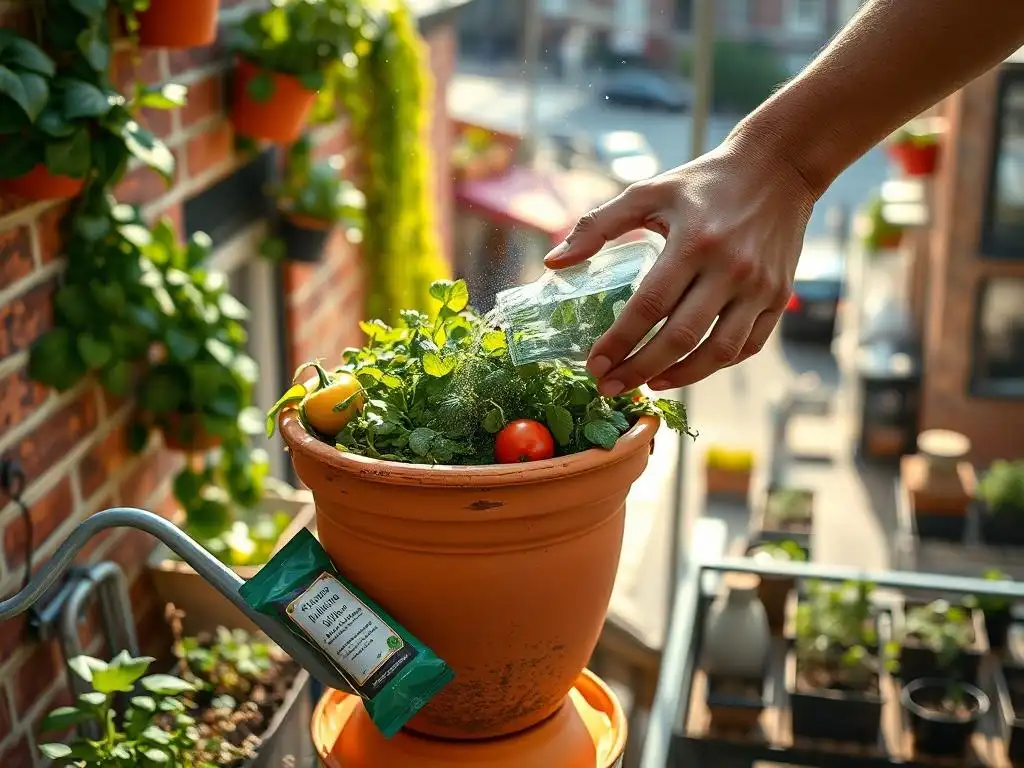
Container gardening, while offering incredible flexibility for urban dwellers, demands a more attentive approach to watering and fertilizing compared to in-ground gardening. The limited soil volume in containers dries out much faster, leading to wilting and stunted growth if not properly managed. Consistent monitoring is key. Check the soil moisture daily, especially during hot and windy periods. Stick your finger a couple of inches into the soil; if it feels dry, it's time to water.
Water thoroughly until water drains from the drainage holes, ensuring the entire root system receives moisture. Avoid letting the containers sit in standing water, however, as this can lead to root rot. The frequency of watering will depend on factors like container size, plant type, weather conditions, and the type of potting mix used. Clay pots, for example, dry out faster than plastic ones.
Fertilizing is equally crucial for thriving container plants. Container soil has limited nutrients, and plants quickly deplete these resources. Use a balanced, water-soluble fertilizer specifically formulated for container gardening. Follow the instructions on the product label carefully, as over-fertilizing can harm your plants.
A good rule of thumb is to fertilize every two to four weeks during the growing season, adjusting the frequency based on plant needs and growth rate. Observe your plants closely; if they show signs of nutrient deficiency—such as yellowing leaves or stunted growth—adjust your fertilization schedule accordingly. Consider using organic fertilizers like compost tea or worm castings for a sustainable approach that benefits both your plants and the environment. Remember that consistent, balanced feeding, combined with proper watering, will contribute significantly to the overall health and productivity of your urban container garden.
Pest and Disease Management in Container Gardens
Container gardens, while convenient, can be particularly susceptible to pest and disease problems due to the close proximity of plants and the limited soil volume. Early detection and preventative measures are crucial for maintaining a healthy garden. Regularly inspect your plants for signs of pests, such as aphids, spider mites, or whiteflies. Look for discoloration, wilting, unusual spots, or the presence of insects themselves.
For minor infestations, you can often manage them with simple, organic methods. A strong spray of water can dislodge many pests, while insecticidal soap or neem oil can effectively control others. Always follow the instructions on the product label and consider the environmental impact before applying any pesticides.
Disease management in container gardens often involves preventative measures. Ensure good air circulation between plants to prevent fungal diseases. Avoid overwatering, as this creates a favorable environment for many pathogens. Choose disease-resistant plant varieties whenever possible. If you notice signs of disease, such as leaf spots or wilting, remove affected leaves or stems promptly to prevent the spread of the disease.
Proper sanitation is also crucial. Clean your gardening tools regularly to avoid spreading pathogens between plants. In severe cases, you may need to consider using organic fungicides, but always opt for the least toxic option first. Remember that a healthy, well-maintained container garden is less likely to suffer from pest and disease problems. Proactive monitoring and timely intervention are key to keeping your urban container garden thriving.
Harvesting and Maintaining Your Urban Container Garden
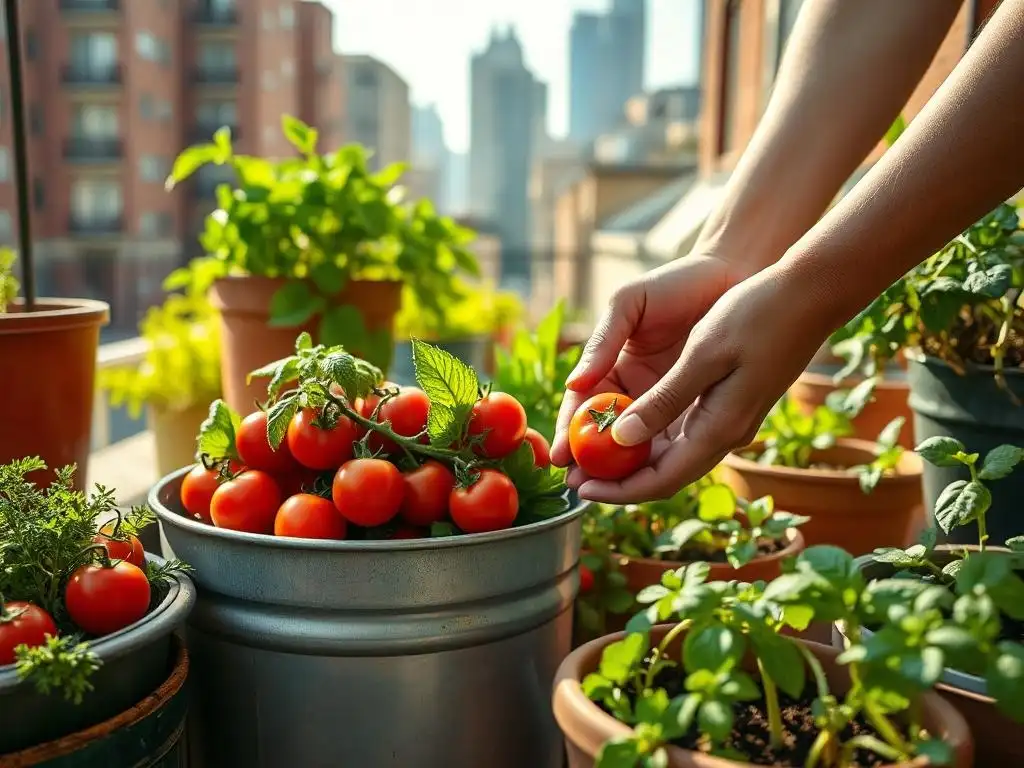
This section focuses on the crucial aspects of harvesting and maintaining your thriving urban container garden. We'll explore best practices to ensure a bountiful harvest and extend the life of your plants, all while minimizing waste through effective composting techniques. Remember, consistent care is key to successful urban container gardening.
Harvesting Techniques for Container-Grown Produce
Harvesting your container-grown produce at the optimal time is essential for maximizing flavor and yield. Different plants have different readiness cues. For instance, tomatoes are typically ready when they exhibit deep color and a slight give when gently squeezed. Similarly, peppers should be fully colored, and zucchini should be harvested while still relatively small and tender, usually around 6-8 inches long. Overripe produce can become less flavorful and attract pests.
Here's a helpful table summarizing ideal harvesting times for common container garden vegetables:
| Vegetable | Harvesting Stage | Additional Tips |
|---|---|---|
| Tomatoes | Deep red color, slight give when gently squeezed | Harvest regularly to encourage continued production. |
| Peppers | Fully colored, firm | Avoid harvesting when the plants are stressed by heat. |
| Zucchini | 6-8 inches long, tender | Harvest frequently to prevent overgrowth. |
| Lettuce | When leaves are fully developed and firm | Harvest outer leaves first to encourage regrowth. |
| Herbs (Basil, etc.) | Harvest leaves regularly, pinching off tips | This encourages bushier growth and prevents flowering. |
Remember to use clean, sharp tools for harvesting to avoid damaging plants. Always handle your produce gently to maintain its quality. Proper harvesting techniques significantly impact the overall success of your urban container garden. Regularly inspecting your plants for ripeness will ensure you get the most out of your harvest.
Extending the Growing Season
Urban container gardening presents unique challenges regarding temperature fluctuations. Extending your growing season requires strategic planning and proactive measures. One key technique is using row covers or cloches to protect your plants from frost and cold snaps. These provide a microclimate that keeps your plants warmer and allows for earlier planting and later harvesting.
Another effective method is to utilize cold frames. These structures, often made of wood or plastic, create a protected environment for seedlings and tender plants. By providing insulation and controlling temperature, cold frames can significantly extend the growing season. They are particularly useful for starting seeds early in the spring or protecting plants during cooler autumn months. Careful monitoring of temperature and ventilation inside the cold frame is crucial.
Furthermore, consider the placement of your containers. South-facing locations receive maximum sunlight, promoting faster growth and extended growing periods. However, remember to protect plants from intense afternoon sun during the hottest parts of the summer using shade cloth or by relocating containers to a partially shaded area. This balance is crucial for optimal growth throughout the season. Careful observation of your plants and adjustments to their environment are key to success.
Composting for Container Gardens
Composting is an essential aspect of sustainable container gardening. It not only reduces waste but also provides a rich, nutrient-rich amendment for your plants. However, composting in limited urban spaces requires a different approach compared to traditional composting methods. Worm composting (vermicomposting) is particularly well-suited for container gardening. It involves using worms to break down organic matter, producing nutrient-rich worm castings that are excellent fertilizer.
A simple vermicomposting setup can be created using a plastic bin with drainage holes, bedding material (shredded newspaper or coconut coir), and red wiggler worms. Regularly adding kitchen scraps (avoiding meat and dairy) and other organic materials will keep your worm composting system thriving. The resulting worm castings can then be used to enrich your container garden soil, providing essential nutrients for healthy plant growth. This reduces the need for chemical fertilizers and promotes sustainable practices.
Alternatively, you can create a smaller-scale compost bin using a bucket or other suitable container. This allows you to compost smaller amounts of organic matter and reduces the space needed. However, this method necessitates regular turning and monitoring to ensure proper decomposition. This method is ideal for smaller spaces or for those who don't want to dedicate a lot of space to a larger compost system. Remember to manage moisture levels carefully to avoid unpleasant odors. Efficient composting is vital for creating a healthy and sustainable urban container garden.
Overwintering Your Plants
Overwintering your container garden successfully in urban environments requires careful planning and execution. Many plants grown in containers aren't naturally hardy enough to survive freezing temperatures. The key is understanding the specific cold-hardiness of your chosen plants. Check plant tags or online resources for information on their minimum temperature tolerance. Some herbs, like rosemary and thyme, are quite resilient, while others, like basil and tomatoes, are extremely frost-sensitive.
For frost-sensitive plants, several strategies can be employed. Bringing them indoors is the most common method. A sunny windowsill or a grow light setup can provide the necessary light for continued growth, although growth will likely slow significantly. Ensure good air circulation to prevent fungal diseases. Remember to reduce watering frequency as the plant's metabolic rate slows during the winter months. Overwatering is a common problem during indoor overwintering.
Alternatively, you can try to protect your plants outdoors. This might involve moving containers to a sheltered location, like a south-facing wall, which retains more heat. Using cloches, row covers, or even simple blankets can provide insulation against freezing temperatures. Mulching the soil surface with organic materials like straw or leaves also helps to insulate the roots and maintain a more stable soil temperature. However, even with these protective measures, some plants may still suffer damage during unusually harsh winters.
Remember that overwintering is not just about protecting plants from the cold; it's also about protecting them from pests and diseases. Regularly inspect your plants for signs of infestation or disease, and take appropriate action if necessary. A thorough cleaning of your containers before bringing them indoors can help prevent the spread of pests and diseases.
Maintaining good hygiene is crucial for the long-term health of your plants. This preventative approach is a key element of successful urban container gardening. Proper overwintering ensures your plants survive the cold months and thrive again in the spring, maximizing the yield from your urban garden.
Advanced Techniques for Urban Container Gardening
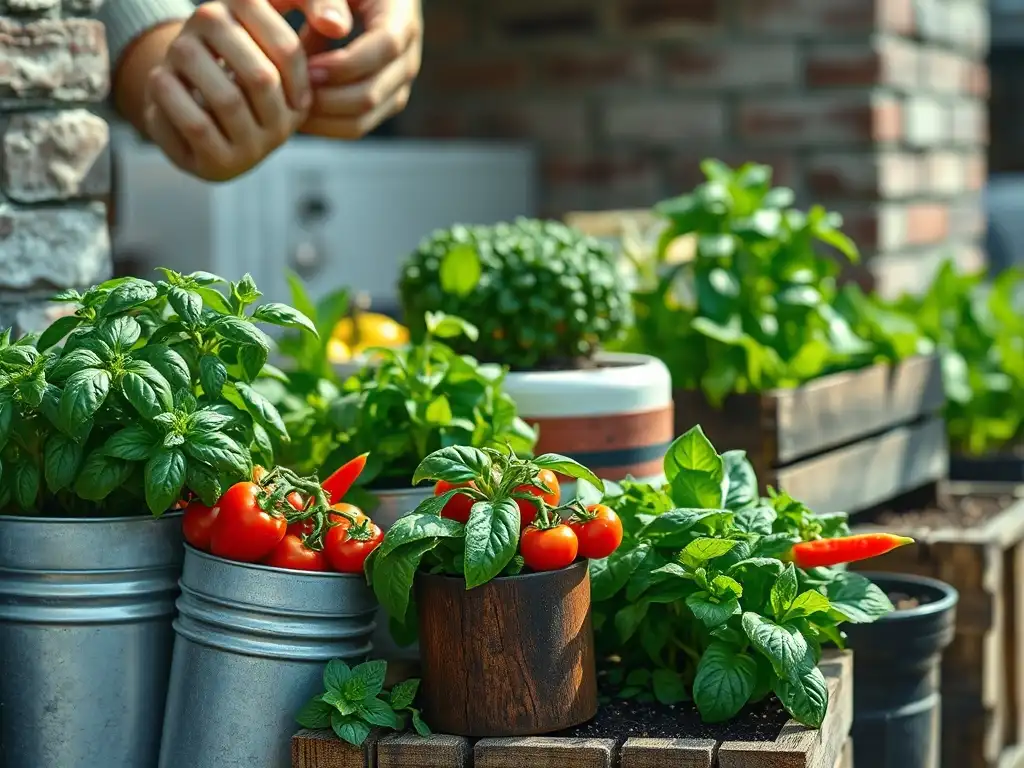
This section delves into advanced techniques to maximize yield and efficiency in your urban container garden, building upon the foundational knowledge of container gardening. We'll explore methods that go beyond basic planting, focusing on space optimization and alternative growing systems. Mastering these techniques will allow you to cultivate a thriving garden even within the confines of a small urban space. The key is to think vertically and strategically utilize every available inch. This is especially crucial for urban container gardening workshops aimed at maximizing yield in limited spaces.
Vertical Gardening Techniques for Maximum Space Utilization
Vertical gardening is a game-changer for urban container gardening. By growing plants upwards instead of outwards, you dramatically increase your growing area without needing more floor space. Several effective methods exist:
- Wall-mounted planters: These can be as simple as repurposed shelves or as sophisticated as purpose-built systems. Consider using lightweight materials like plastic or recycled wood to avoid putting too much stress on your walls. Think about the weight of the planters when they are full of soil and plants! Proper installation is key to prevent damage.
- Hanging baskets: These are ideal for trailing plants like strawberries, petunias, and nasturtiums. Choose baskets made from durable, weather-resistant materials. Ensure adequate drainage to prevent root rot. Remember to rotate your hanging baskets regularly to ensure even sunlight exposure for all plants.
- Stacked planters: Using multiple tiers of planters allows you to maximize vertical space. Choose planters of varying sizes and heights to create a visually appealing and functional system. Consider using different plant heights to optimize sunlight access for all levels. For example, taller plants on the lower levels and shorter ones on top.
This approach significantly boosts the productivity of your urban container garden, allowing you to grow a wider variety of plants within a smaller footprint. Data shows that vertical gardening can increase yields by up to 50% compared to traditional horizontal planting in limited spaces. 🌱
Utilizing Trellises and Supports for Climbing Plants
Climbing plants are another fantastic way to maximize space and add visual interest to your urban container garden. However, they need support to thrive. Trellises and other support structures provide the necessary framework for these plants to climb vertically.
- Types of Trellises: Many options exist, from simple bamboo stakes to elaborate metal structures. The best choice depends on the type of plant and the available space. Consider the weight of the plant when mature and choose a sturdy trellis accordingly.
- Placement and Installation: Proper placement is crucial for maximizing sunlight and air circulation. Ensure the trellis is securely anchored to prevent collapse under the weight of the growing plant.
- Training Plants: Many climbing plants require some guidance to climb the trellis effectively. Gently tie the stems to the support structure using soft materials like garden twine to avoid damaging the plant.
Examples of climbing plants well-suited for container gardening include tomatoes, cucumbers, beans, and various flowering vines. By integrating trellises, you can significantly increase the yield of these plants and enhance the aesthetic appeal of your urban garden.
Hydroponic and Aquaponic Systems for Urban Container Gardening
Hydroponics and aquaponics represent advanced techniques for urban container gardening, offering significant advantages in terms of space efficiency and water conservation.
- Hydroponics: This method involves growing plants without soil, using nutrient-rich water solutions. Various hydroponic systems exist, from simple wick systems to more complex recirculating systems. They require less space than traditional soil-based methods and offer greater control over nutrient delivery. This allows for faster growth and higher yields.
- Aquaponics: This combines hydroponics with aquaculture (raising fish). Fish waste provides nutrients for the plants, creating a closed-loop system that minimizes water usage and waste. This sustainable approach is particularly well-suited for urban environments where resources are often limited. This system requires careful monitoring of water parameters (pH, temperature, etc.) to ensure the health of both plants and fish.
While requiring a higher initial investment and more technical knowledge, hydroponic and aquaponic systems can significantly enhance the productivity and sustainability of your urban container garden. They represent a cutting-edge approach to urban farming, offering a higher yield per square foot compared to traditional methods. Moreover, these systems significantly reduce the amount of water needed compared to traditional soil-based gardening.
Resources and Further Learning
This section provides additional resources to deepen your understanding and skills in urban container gardening, supplementing the knowledge gained from our online workshops. We believe in fostering a continuous learning environment, and these resources are designed to support your journey towards a thriving urban garden.
Recommended Books on Urban Container Gardening
Choosing the right resources can significantly impact your success in urban container gardening. Here are a few highly-recommended books that offer practical advice and inspiration:
- "The Balcony Gardener's Bible": This comprehensive guide delves into the specifics of cultivating a variety of plants in limited spaces, offering detailed instructions and troubleshooting tips for common issues. It covers everything from selecting the right containers to managing pests and diseases in a compact environment. The book provides numerous examples of successful urban container gardens, inspiring you with possibilities for your own space.
- "Container Gardening for Beginners": Perfect for those new to gardening, this book provides a step-by-step approach to starting and maintaining container gardens. It includes clear explanations of fundamental gardening principles, adapted for urban environments and limited space. It emphasizes sustainable practices and organic methods, aligning with our CultivateYourFood ethos.
- "Vertical Gardening for Small Spaces": This book explores the art of maximizing space through vertical gardening techniques. It showcases innovative ideas for creating vertical gardens on balconies, patios, and even rooftops, offering solutions for those with limited horizontal space. The book provides practical advice on building and maintaining vertical gardens, emphasizing sustainable and space-saving solutions.
A well-stocked bookshelf can be a gardener's best friend! These books offer diverse perspectives and practical techniques, enriching your understanding of urban container gardening. Remember to check your local library for these and other relevant titles; you might be surprised at what you find!
Community Gardens and Local Support Networks
Connecting with your local gardening community can provide invaluable support and learning opportunities. Community gardens offer shared space, resources, and the chance to learn from experienced gardeners. These shared spaces often provide opportunities for hands-on learning, skill-sharing, and a sense of community. The social aspect of gardening is often overlooked, but it can be a vital part of the experience.
Finding your local community garden is often as simple as searching online for "[Your City/Town] Community Gardens". Many also offer workshops and classes, expanding your knowledge and skills in urban gardening. Additionally, look for local gardening clubs or societies. These groups often host events, share resources, and provide support to both beginner and experienced gardeners.
Engaging with your community expands your network, offering opportunities for mentorship and collaboration. This support system is crucial, especially when facing challenges in your own urban container garden. Remember, you're not alone in this journey!
Continuing Education Opportunities
The world of urban container gardening is constantly evolving, with new techniques and innovations emerging regularly. Staying abreast of these developments is crucial for maintaining a thriving garden. Consider these avenues for continued learning:
- Online Courses and Webinars: Many online platforms offer specialized courses on urban container gardening, focusing on various aspects like plant selection, soil management, and pest control. These courses often provide detailed information and practical tips, enhancing your skills and knowledge.
- Workshops and Seminars: Local nurseries, botanical gardens, and community organizations often host workshops and seminars on urban gardening techniques. These hands-on learning experiences provide valuable practical skills and allow you to network with other gardeners.
- Gardening Magazines and Blogs: Stay updated on the latest trends and techniques through gardening magazines and blogs. These resources often feature articles on urban gardening, offering valuable insights and inspiration. Look for blogs and magazines focusing on sustainable and organic gardening practices.
Continuous learning is key to success in urban container gardening. By actively seeking out new information and connecting with other gardeners, you can ensure your urban oasis thrives for years to come. Embrace the ongoing journey of learning and discovery!
Frequently Asked Questions
What are the benefits of urban container gardening?
Urban container gardening offers many advantages! You can grow fresh produce even with limited space, improve your mental well-being, and enjoy the satisfaction of harvesting your own food. It's also a great way to reduce your carbon footprint.
Are your workshops suitable for beginners?
Absolutely! Our workshops are designed for all skill levels, including complete beginners. We cover the fundamentals of container gardening, from choosing the right plants and containers to basic care and maintenance.
What topics are covered in your online urban container gardening workshops?
Our workshops provide comprehensive instruction on selecting appropriate plants, choosing suitable containers, soil preparation, watering techniques, fertilizing, and basic pest control specifically for urban container gardening.
What kind of equipment or materials will I need for the workshops?
You won't need much! We'll provide a comprehensive supply list, but generally, you'll only need basic gardening tools, like trowels and watering cans, and access to a computer or tablet for the online sessions.
How do I register for an Urban Container Gardening workshop?
Registration is easy! Simply visit the CultivateYourFood website and look for our "Online Workshops" section. There you'll find details on upcoming workshops, dates, times, and registration links. You can also find information on pricing and payment options.
Final Reflection: Cultivating Community, One Container at a Time
The rise of urban container gardening isn't just a trend; it's a vital movement towards sustainable living and community building in increasingly dense urban environments. More than just a hobby, it offers a tangible connection to nature, a source of fresh produce, and a powerful tool for fostering a sense of belonging within our concrete jungles. The accessibility of online workshops further amplifies this impact, breaking down geographical barriers and making this enriching experience available to everyone.
The shift towards urban container gardening reflects a growing awareness of the importance of environmental sustainability and the desire for a more connected lifestyle. It's a beautiful example of adapting to our surroundings, finding beauty and nourishment even in the most unexpected places. The glory of gardening: hands in the dirt, head in the sun, heart with nature. To nurture a garden is to feed not just the body, but the soul.
This quote perfectly encapsulates the profound impact that even a small patch of cultivated land can have on our well-being, a sentiment amplified by the shared experience fostered by online workshops.
Consider the seeds you've planted today – not just in your containers, but also in your mind. Think about how the skills and knowledge gained from these workshops can not only beautify your living space but also contribute to a greener, more vibrant community. Embrace the opportunity to connect with nature, nurture your own well-being, and share the joy of gardening with others. Let's cultivate a future where urban spaces bloom with life, one container, one workshop, one community at a time.
Unleash Your Inner Green Thumb: Grow Your Urban Oasis!
Thank you for joining us on this journey into the world of container gardening! We hope you've discovered the joy and ease of growing your own food, even in a small space. Now it's time to put your knowledge into practice.
- Start planning your urban garden today! Sketch out your ideal layout, considering sunlight and available space. Think creatively—even a sunny windowsill can become a thriving herb garden!
- Share your experiences with our community! Join the CultivateYourFood forum to connect with other urban gardeners and share your successes and challenges. We can all learn from each other.
- Explore our online workshop schedule for more in-depth gardening tutorials and connect with experienced instructors.
Ready to transform your balcony or window box into a vibrant, productive garden? What's the first plant you're excited to grow?