
The Ultimate Guide to Troubleshooting Container Garden Watering Issues

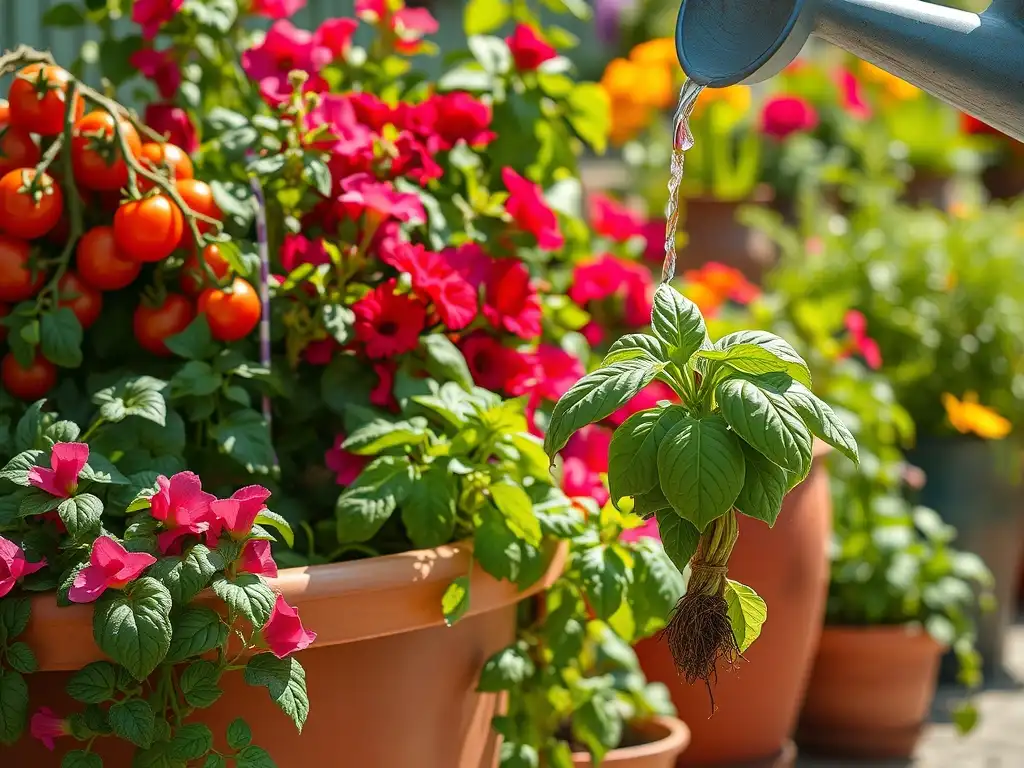
Ready to unlock the secrets to a thriving container garden, even when Mother Nature throws you a curveball? CultivateYourFood is your guide to organic and sustainable home gardening. We're tackling a common challenge many gardeners face: fixing container garden watering problems. Discover expert solutions and learn how to keep your fruits, vegetables, and herbs flourishing, no matter the weather. Let's dive in and cultivate your green thumb!
- Understanding Common Container Garden Watering Problems
- Diagnosing Your Container Garden's Watering Needs
- Effective Watering Techniques for Container Gardens
-
Preventing Future Watering Problems in Your Container Garden
- Creating a Well-Draining Potting Mix for Containers
- Selecting the Right Size and Type of Container
- Implementing a Consistent Watering Schedule
- Monitoring Your Plants Regularly for Signs of Stress
- Choosing the Right Potting Mix for Optimal Drainage
- Mulching to Conserve Moisture and Suppress Weeds
- Understanding Your Local Climate and Adjusting Watering Accordingly
- Advanced Troubleshooting Techniques for Container Garden Watering
- Frequently Asked Questions
- Final Reflection: Cultivating Success in Your Container Garden Oasis
- Unleash Your Green Thumb: Conquer Container Garden Watering!
Understanding Common Container Garden Watering Problems
Container gardening, while offering the convenience of growing fruits, vegetables, and herbs in limited spaces, presents unique challenges, particularly when it comes to watering. Unlike in-ground plants which have access to a larger reservoir of moisture, plants in containers rely entirely on the water you provide. This guide will equip you with the knowledge and techniques to effectively troubleshoot common container garden watering issues, ensuring healthy growth and bountiful harvests.
Mastering this crucial aspect of container gardening is key to success, transforming your patio, balcony, or even windowsill into a thriving oasis of organic produce. We'll explore the telltale signs of both overwatering and underwatering, delve into the underlying causes, and provide practical, sustainable solutions to help you achieve the perfect watering balance for your container garden.
By understanding the nuances of watering container plants, you'll be well on your way to fixing container garden watering problems and reaping the rewards of your efforts. Let's dive into the most frequent issues and how to address them effectively.
Overwatering: Signs, Causes, and Solutions
Overwatering is a common problem in container gardening, often leading to root rot and plant death. The telltale signs are often subtle at first but become increasingly obvious as the problem worsens. You might notice yellowing leaves, even if the soil appears moist. The leaves may also droop, despite recent watering. A more advanced stage shows wilting, even though the soil is saturated. The plant itself may start to look stunted and unhealthy. In extreme cases, you might even notice a foul odor emanating from the soil, a clear indicator of root rot.
Several factors contribute to overwatering. Using containers without adequate drainage holes is a frequent culprit. Poorly draining soil mixes, heavy clay soils, or overzealous watering, even with well-draining pots, can also lead to overwatering. Infrequent, but very heavy watering sessions soak the soil excessively, leaving the roots unable to absorb the excess moisture. This often leads to a build-up of salts in the soil, further hindering the plant’s ability to absorb nutrients.
To solve overwatering issues, start by checking the drainage holes in your containers. Ensure they are clear and unobstructed. Repotting the plant into a container with drainage holes is crucial if the current container lacks them. Improve soil drainage by amending heavy clay soils with perlite, vermiculite, or compost.
Water less frequently, but more deeply, allowing the top inch or two of soil to dry out between waterings. Consider using a moisture meter to gauge soil moisture levels before watering. Furthermore, avoid watering during the hottest part of the day to minimize evaporation and allow the plant to absorb water efficiently. Finally, if root rot has already set in, you may need to remove the affected roots and repot the plant in fresh, well-draining soil.
Underwatered Container Plants: Identifying and Addressing the Issue
Underwatering, while less common than overwatering, is equally damaging to container plants. The symptoms are often the opposite of overwatering: The soil will be dry to the touch, even several inches below the surface. The leaves will wilt and droop noticeably, becoming brittle and discolored (often turning brown and crispy). Growth will be stunted, and flower or fruit production will be significantly reduced or absent. The plant may appear generally stressed and unhealthy.
The main cause of underwatering is simply insufficient watering. This can be due to oversight, infrequent watering schedules, or using containers that dry out too quickly (small containers, porous materials). Hot and windy conditions exacerbate the problem as the soil dries out much faster. Another factor might be the type of soil used; sandy soils drain more quickly than others.
Addressing underwatering involves adjusting your watering schedule. Water more frequently, ensuring that the water penetrates deeply enough to reach the roots. Consider using larger containers to retain moisture for longer periods, especially for plants with high water requirements. You can also group containers together to create a microclimate that retains humidity and reduces evaporation.
Using mulch around the base of the plants can also help retain moisture. Regularly check the soil moisture level, and don't wait until the plant shows severe signs of wilting before watering. Consider using self-watering pots or irrigation systems for a more consistent water supply, especially during busy periods or hot weather.
Inconsistent Watering: The Impact on Plant Health and Yield
Inconsistent watering, fluctuating between overwatering and underwatering, is perhaps the most damaging watering practice for container plants. This creates a stressful environment for the roots, hindering their ability to absorb nutrients and water effectively. The symptoms can be a combination of those seen in both overwatering and underwatering: wilting, yellowing leaves, stunted growth, and reduced yields. The plant struggles to establish a consistent water uptake, leading to inconsistent growth and reduced overall health. The roots are constantly adapting to sudden changes in moisture levels, making them more susceptible to disease.
The causes of inconsistent watering are often related to unpredictable weather patterns, inconsistent watering schedules, or a lack of awareness of the plant’s water needs. For example, watering heavily after a dry spell can lead to overwatering, while forgetting to water for several days can lead to underwatering. Using different types of containers with varying water retention capacities can also contribute to inconsistency.
To prevent inconsistent watering, establish a regular watering schedule based on your plant's needs and the prevailing weather conditions. Use a moisture meter to monitor soil moisture levels and adjust your watering schedule accordingly. Choose containers of a consistent size and material to ensure uniform water retention. Consider using a drip irrigation system or self-watering pots to provide a more consistent water supply.
Observe your plants carefully for signs of stress, adjusting your watering habits as needed. Regularly monitor the weather forecast and adjust your watering routine accordingly. Remember that consistent watering is vital for achieving optimal plant health and maximizing yields in your container garden.
Choosing the Right Watering Method for Your Container Garden
Selecting the appropriate watering method is crucial for thriving container gardens. The best approach depends on several factors, including the size and type of your containers, the plants you're growing, and your available time and resources. Let's explore some popular options and their pros and cons.
One common method is hand watering, using a watering can or hose with a gentle rose attachment. This offers excellent control, allowing you to target specific plants and avoid overwatering. Hand watering is ideal for smaller container gardens or when dealing with delicate seedlings.
However, it can be time-consuming, especially for larger setups, and may not provide consistent moisture levels throughout the container. For instance, if you're using clay pots, you'll need to water more frequently than with plastic pots due to their porous nature. Clay pots allow for more evaporation, which can lead to faster drying of the soil.
Another option is using a drip irrigation system. This method delivers water directly to the roots of your plants, minimizing water waste and ensuring even moisture distribution. Drip irrigation is particularly beneficial for larger container gardens or those with numerous plants. It's also a more efficient way to water during periods of heat and drought. However, setting up a drip irrigation system can require a moderate investment in materials and some basic plumbing knowledge. Proper maintenance is also key; clogged emitters can lead to uneven watering and potential plant stress.
Self-watering containers are a convenient solution for busy gardeners. These containers typically feature a reservoir at the base, allowing plants to draw water as needed. This reduces the frequency of watering, making it ideal for those who travel frequently or have limited time for gardening.
However, self-watering containers can be more expensive than traditional pots, and they require careful monitoring to prevent overwatering, which can lead to root rot. The size of the reservoir will determine how long the plants can go without additional watering. It's critical to check the moisture level in the soil regularly, even with self-watering containers.
Choosing the right watering method for your container garden is a balance between convenience, efficiency, and the specific needs of your plants and your garden setup. Consider your resources and time commitment when making your choice.
Diagnosing Your Container Garden's Watering Needs
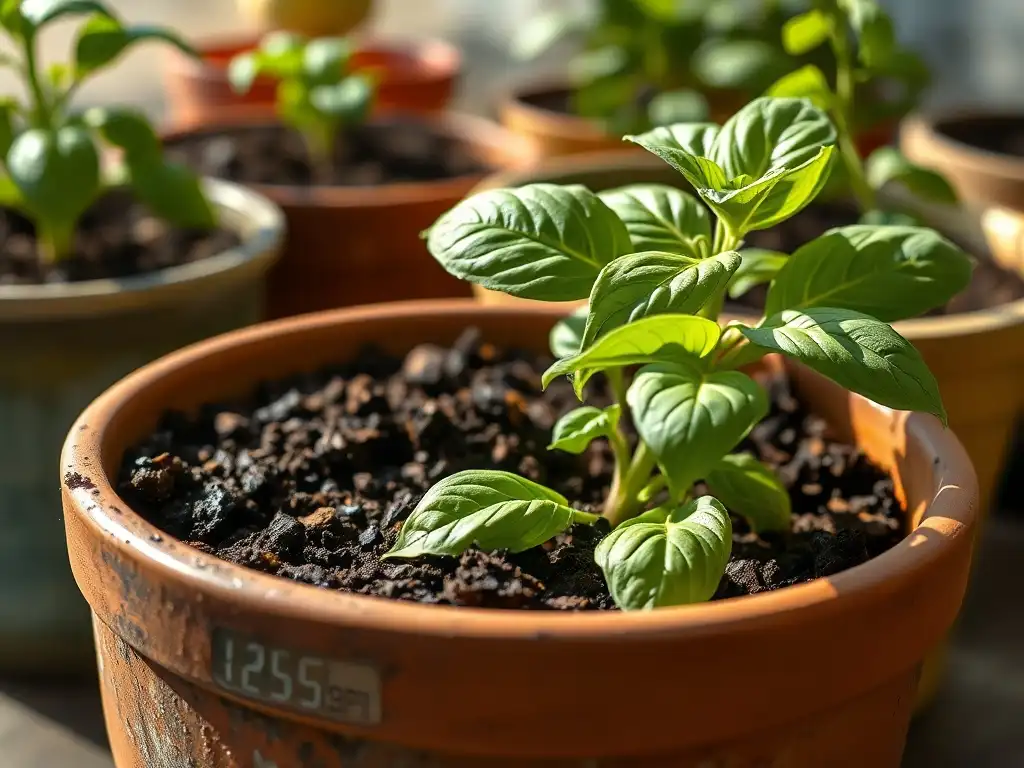
This section focuses on accurately assessing your container garden's hydration levels to effectively address and fix container garden watering problems. Ignoring the subtle signs of underwatering or overwatering can significantly impact plant health and yield. Precise diagnosis is the first step towards a thriving container garden.
Assessing Your Soil Moisture: Effective Techniques and Tools
Accurately determining soil moisture is crucial for preventing both underwatering and overwatering. Relying solely on visual cues can be misleading, as the top layer of soil may appear dry while the lower portions remain moist. Several methods provide a more precise assessment:
- The Finger Test: This simple technique involves inserting your index finger about an inch into the soil. If it feels dry, it's time to water. If it feels moist, wait a bit longer. This method works best for smaller containers.
- Moisture Meters: These handy tools are readily available and offer a quick, numerical reading of soil moisture levels. Simply insert the probe into the soil and check the gauge. Remember to calibrate your meter according to the manufacturer's instructions for optimal accuracy.
- Weighing Your Pots: A consistently heavier pot indicates moist soil, while a lighter pot suggests dryness. This method requires establishing a baseline weight for your pots when they are fully saturated. This technique is particularly useful for larger containers or when comparing multiple pots of the same size and type.
- Wooden Dowel Test: Insert a long wooden dowel deep into the soil. After a few minutes, remove it. A dry dowel indicates dry soil. A moist dowel, clinging to soil particles, suggests sufficient moisture.
| Method | Advantages | Disadvantages | Accuracy |
|---|---|---|---|
| Finger Test | Simple, inexpensive, readily available | Subjective, less accurate for larger containers | Moderate |
| Moisture Meter | Quick, numerical reading, objective | Requires purchase, calibration needed | High |
| Weighing Your Pots | Simple, effective for larger containers | Requires establishing a baseline weight | Moderate to High |
| Wooden Dowel Test | Inexpensive, provides depth assessment | Requires time, slightly messy | Moderate |
Remember to check soil moisture at different depths within the container. The surface may dry out quickly, while the roots deeper down may still be adequately hydrated. Regular monitoring, employing a combination of these techniques, will help you refine your watering schedule and prevent common watering issues.
Recognizing Signs of Water Stress in Different Plants
Plants exhibit various signs of water stress, and recognizing these symptoms is vital for timely intervention. The manifestation of stress varies depending on the plant species and the severity of the problem.
- Wilting: This is a common indicator of underwatering. Leaves droop and appear limp. However, wilting can also occur due to overwatering, as waterlogged soil prevents roots from absorbing nutrients and oxygen. Careful observation is key to differentiate between these two scenarios.
- Leaf Color Changes: Leaves may turn yellow, brown, or even curl. Underwatering often leads to browning at the leaf edges, while overwatering can cause yellowing and leaf drop.
- Soil Conditions: Dry soil is a clear sign of underwatering. Conversely, soggy, overly wet soil indicates overwatering and potential root rot.
- Plant Growth: Stunted growth is a significant indicator of both underwatering and overwatering. The plant struggles to thrive in either extreme.
- Specific Plant Responses: Some plants display unique symptoms of water stress. For example, succulents may shrivel, while herbs may exhibit rapid leaf drop. Understanding the specific needs of each plant in your container garden is crucial for accurately interpreting these signs. Always consult reliable resources on the specific requirements of your chosen plants.
Successfully addressing watering issues necessitates careful observation of these subtle cues. A detailed understanding of your plants' needs and the use of appropriate diagnostic tools will equip you to tackle any watering challenges effectively.
Understanding the Role of Pot Size and Material in Watering
The size and material of your container significantly impact watering frequency. Larger pots retain moisture longer than smaller ones, requiring less frequent watering. Similarly, the material of the pot influences how quickly the soil dries out.
- Pot Size: Larger containers have a greater soil volume, which means they hold more water and take longer to dry out. Smaller containers dry out much faster, requiring more frequent watering. Consider the root system of your plants when choosing pot sizes. Overly large containers can lead to overwatering, while overly small containers can lead to frequent underwatering.
- Pot Material: Terracotta pots are porous, allowing for greater evaporation and faster drying of the soil. Plastic and ceramic pots retain moisture better, requiring less frequent watering. The choice of pot material should be considered in relation to the plant species and the environmental conditions. For example, drought-tolerant plants may thrive in terracotta pots, while plants requiring consistent moisture are better suited to plastic or ceramic containers.
Understanding the interplay between pot size, material, and plant needs is vital for developing a successful watering strategy. Adjusting your watering schedule based on these factors will significantly contribute to a healthy and productive container garden. This detailed approach to diagnosing and addressing watering problems is key to achieving optimal growth and yield from your container gardening efforts. 🌱
Environmental Factors Affecting Container Plant Watering Needs (Sun exposure, wind, temperature)
Sunlight, wind, and temperature significantly impact how quickly your container garden dries out, directly influencing your watering schedule. Understanding these environmental factors is crucial for preventing both underwatering and overwatering.
Sun Exposure: Containers in full sun (6-8 hours of direct sunlight daily) will dry out much faster than those in partial shade (3-6 hours) or full shade (less than 3 hours). The intense heat from direct sunlight accelerates evaporation from the soil, demanding more frequent watering. For example, a tomato plant in a full-sun location might need watering twice a day during a heatwave, while the same plant in partial shade might only need watering once.
This difference highlights the critical role sun exposure plays in determining watering frequency. Consider the intensity of the sun throughout the day; even within a partially shaded location, peak sun hours will lead to increased evaporation.
Wind: Wind acts like a natural dehumidifier, accelerating the rate of evaporation from the soil surface. A breezy location will dry out your containers considerably faster than a sheltered one. Imagine a terracotta pot, known for its porous nature, placed in a windy spot.
The wind will draw moisture out of both the soil and the pot itself, resulting in a rapid loss of water. Conversely, a container nestled amongst other plants or shielded by a wall will retain moisture for longer periods, requiring less frequent watering. The speed and consistency of the wind are key factors here; strong, persistent winds will significantly increase your watering demands.
Temperature: Higher temperatures lead to increased evaporation rates, demanding more frequent watering. During a heatwave, your containers will dry out much more quickly than during cooler periods. A simple experiment could demonstrate this: place two identical containers with the same plant and soil, one in a cool, shaded area and another in direct sunlight. The container in direct sunlight will demonstrably require more frequent watering to maintain optimal soil moisture.
Extreme temperature fluctuations, common in some climates, also influence watering needs. Rapid temperature changes can lead to increased stress on plants, affecting their water uptake and potentially increasing the frequency of required watering. Monitoring these temperature swings can help you fine-tune your watering strategy to optimize plant health and prevent both drought stress and root rot.
Effective Watering Techniques for Container Gardens
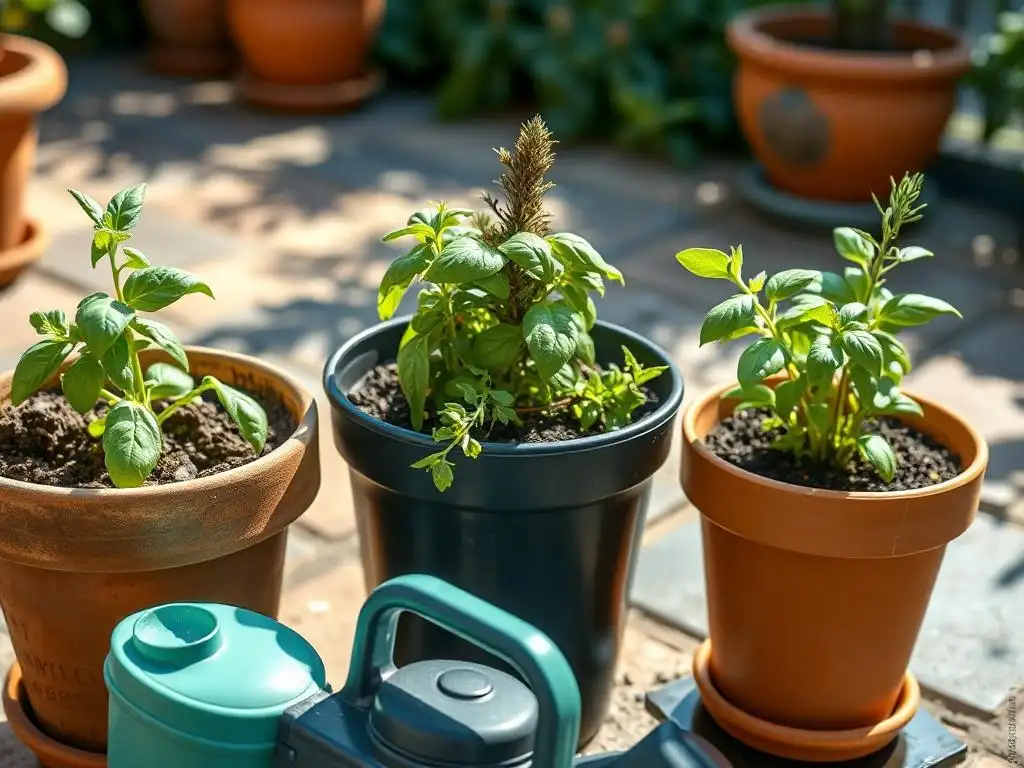
This section delves into the practical application of effective watering methods for your container garden, focusing on techniques that minimize water waste and maximize plant health. Understanding your plants' needs and employing the right watering strategy is crucial for thriving container gardening. Mastering these techniques will help you effectively address and, ultimately, fix container garden watering problems.
Deep Watering vs. Frequent Light Watering: Which is Best?
The age-old question: Should you water deeply and less often, or lightly and more frequently? The answer, as with most things in gardening, is nuanced and depends on several factors, including the type of plant, the size of the container, and the weather conditions. However, deep watering is generally preferred for container gardens.
Frequent, light watering only wets the top layer of soil, encouraging shallow root growth. These shallow roots are more susceptible to drought stress and temperature fluctuations. Furthermore, frequent light watering can lead to increased evaporation and leaching of nutrients, requiring more frequent fertilization – a less sustainable approach.
Deep watering, on the other hand, encourages roots to grow deeper into the pot, seeking out moisture. This results in more resilient plants that are better equipped to handle periods of dryness. A deeply watered plant will also exhibit better overall health and vigor. Think of it like this: a deep drink of water is far more beneficial than many small sips.
To determine if you're watering deeply enough, check the soil moisture at least 2-3 inches down. If it's dry, it's time for a thorough watering until water drains out of the drainage holes. Remember to avoid overwatering, which can lead to root rot.
Using a Watering Can Efficiently: Tips and Tricks
While seemingly simple, using a watering can effectively is crucial for efficient and targeted watering. Many gardeners unknowingly waste water and effort with improper watering can techniques. Here are some tips to maximize efficiency and minimize waste:
- Choose the right watering can: Select a watering can with a rose (sprinkler head) that provides a gentle, even spray. Avoid those with large holes that can lead to soil erosion and uneven watering.
- Water slowly and deeply: Allow the water to soak into the soil gradually, preventing runoff. This ensures that the water reaches the roots effectively. A slow, gentle watering also allows the soil to absorb the water without compacting.
- Water at the base of the plant: Avoid wetting the foliage, as this can lead to fungal diseases. Direct the water stream towards the base of the plant, allowing it to seep into the soil.
- Check for drainage: Always ensure that your containers have adequate drainage holes to prevent waterlogging. Excess water should drain freely from the bottom.
- Monitor soil moisture: Regularly check the moisture level of your soil using your finger or a moisture meter to determine when watering is necessary. This prevents both underwatering and overwatering.
Employing these simple techniques can significantly improve the efficiency of your watering routine and contribute to a healthier, more sustainable container garden.
Utilizing Drip Irrigation for Container Gardens
Drip irrigation systems offer a highly efficient and effective solution for watering container gardens, particularly for larger setups or those with demanding plants. Drip irrigation delivers water directly to the roots, minimizing evaporation and water waste. This method also reduces the risk of fungal diseases by preventing foliage from becoming wet.
Several types of drip irrigation systems are suitable for container gardens, ranging from simple soaker hoses to more sophisticated systems with timers and pressure regulators. The best system for you will depend on the size and complexity of your garden and your budget.
Here are some key advantages of using drip irrigation for container gardens:
| Advantage | Description |
|---|---|
| Water Conservation | Minimizes water waste by delivering water directly to the roots. |
| Improved Plant Health | Reduces the risk of fungal diseases and promotes healthy root development. |
| Time Savings | Automates the watering process, freeing up your time. |
| Targeted Watering | Allows for precise control of water delivery to individual plants or groups of plants. |
| Reduced Weed Growth | Concentrated watering at the base of plants reduces moisture available for weeds. |
Implementing a drip irrigation system might seem like a larger investment initially but the long-term benefits in terms of water conservation and plant health make it a worthwhile consideration, especially for those looking to fix container garden watering problems and maintain a thriving container garden with minimal effort. Careful planning and selection of the appropriate system are key to success.
Self-Watering Containers: Benefits, Types, and Considerations
Self-watering containers offer a convenient and efficient solution to the common problem of inconsistent watering in container gardens. Their design minimizes the frequency of watering, reducing the workload for gardeners and significantly lessening the risk of underwatering or overwatering, both of which can severely impact plant health. This makes them particularly beneficial for busy individuals or those who may struggle to maintain a consistent watering schedule.
The reduced need for frequent watering also contributes to water conservation, aligning with sustainable gardening practices. Furthermore, self-watering systems often provide a more consistent moisture level for the roots, promoting healthier and more vigorous growth.
The benefits extend beyond simple convenience. By maintaining a more stable moisture level, self-watering containers help prevent the stress associated with fluctuating water availability. This resilience to inconsistent watering is particularly valuable during periods of intense heat or unexpected travel.
The improved moisture consistency translates to healthier root systems, which are less vulnerable to diseases and pests. The reduced need for frequent watering also translates to less time spent tending to the garden, freeing up time for other gardening tasks or leisure activities. This makes self-watering containers an excellent choice for those seeking a more hands-off yet productive gardening experience.
Several types of self-watering containers are available, each with its own design and features. Some utilize a reservoir at the bottom of the container, with a wicking system drawing water up to the roots as needed. Others incorporate a water gauge to monitor water levels, allowing gardeners to refill the reservoir at the optimal time. Still others feature an automated watering system, often employing a timer and a pump to deliver water to the plants.
The choice of container type depends on factors such as budget, available space, and personal preferences. Larger reservoirs generally provide longer periods between waterings, while smaller reservoirs require more frequent refills. The complexity of the system also varies, with some being simpler to use and maintain than others.
When selecting a self-watering container, several crucial considerations should be taken into account. The size of the container should be appropriate for the size of the plant. Too small a container might lead to frequent refills, while too large a container might encourage overwatering. The material of the container also impacts its ability to retain moisture and regulate temperature.
Porous materials like terracotta can dry out more quickly than plastic containers, requiring more frequent monitoring. Finally, the quality of the wicking system or automated watering system is critical to ensure consistent and efficient water delivery to the plants. A poorly designed system can lead to uneven watering or clogging, negating the benefits of a self-watering container. Careful consideration of these factors will contribute to a successful and rewarding experience with self-watering container gardening.
Preventing Future Watering Problems in Your Container Garden
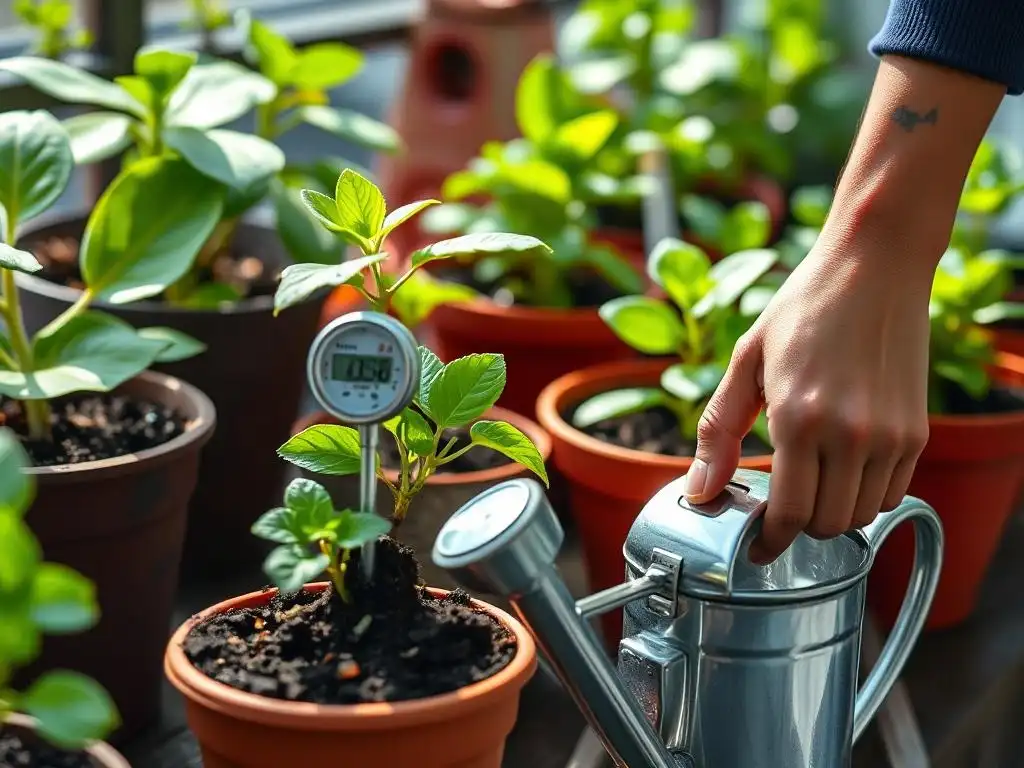
This section focuses on proactive measures to minimize future container garden watering issues. By addressing these preventative steps, you'll significantly reduce the chances of encountering common watering problems and cultivate healthier, more productive plants. Proper planning and preparation are key to successful container gardening, especially when it comes to managing water effectively. Let's delve into the crucial elements of prevention.
Creating a Well-Draining Potting Mix for Containers
A well-draining potting mix is the cornerstone of preventing overwatering. Using garden soil directly in containers is a recipe for disaster; it tends to compact, retaining too much moisture and suffocating roots. Instead, opt for a high-quality, well-aerated potting mix specifically formulated for containers. These mixes typically contain peat moss, perlite, vermiculite, or coco coir, all of which enhance drainage and aeration.
Here's a comparison of common components:
| Component | Benefits | Drawbacks |
|---|---|---|
| Peat Moss | Excellent water retention, good aeration | Can be expensive, environmentally questionable 1 |
| Perlite | Improves drainage and aeration | Can be dusty |
| Vermiculite | Holds moisture and nutrients | Can become compacted over time |
| Coco Coir | Sustainable alternative, good water retention | Can be slightly acidic |
Consider amending your potting mix with extra perlite or other drainage enhancers if you live in a particularly humid climate or are using clay pots which retain a lot of moisture. The goal is to create a mix that allows for easy water penetration and equally important, quick drainage, preventing waterlogged conditions that lead to root rot. Remember, a happy root system is a key to addressing your "fix container garden watering problems".
Selecting the Right Size and Type of Container
Container size and material significantly impact watering frequency. Small containers dry out much faster than large ones, requiring more frequent watering. Conversely, overly large containers can lead to overwatering if you're not careful. Matching the container size to the plant's mature size is crucial for optimal growth and water management.
Choosing the right material is also important. Terracotta pots are porous and allow for evaporation, leading to faster drying. Plastic and glazed ceramic pots retain moisture longer, requiring less frequent watering but increasing the risk of overwatering if not monitored closely. Consider the climate and your watering habits when selecting your container material. For example, terracotta pots might be ideal in hot, dry climates, while plastic pots are better suited for cooler, damper environments. Understanding these factors is a significant step in fixing container garden watering problems.
Implementing a Consistent Watering Schedule
Establishing a regular watering schedule tailored to your specific plants, containers, and climate is vital for preventing both underwatering and overwatering. This requires observation and adjustment. Don't just follow a rigid schedule; instead, check the soil moisture regularly. Stick your finger about an inch into the soil; if it feels dry, it's time to water.
Avoid frequent, shallow watering, which only wets the top layer of soil and encourages shallow root growth. Instead, water deeply and thoroughly until water drains from the drainage holes. This encourages deeper root growth, making plants more drought-tolerant. Consider using a moisture meter to monitor soil moisture levels precisely, especially for beginners. Consistent monitoring and adjusting your watering schedule as needed is an integral part of proactively addressing your "fix container garden watering problems". Remember, prevention is always better than cure!
1 Sustainable alternatives to peat moss are becoming increasingly available and are a better option for environmentally conscious gardeners.
Monitoring Your Plants Regularly for Signs of Stress
Regular observation is key to preventing major watering problems. Learn to recognize the subtle signs of underwatering and overwatering. Wilting leaves, especially during the hottest part of the day, are a classic indicator of thirst. However, wilting can also be caused by other factors, such as disease or nutrient deficiencies, so don't jump to conclusions. Examine the soil moisture; if it's dry several inches below the surface, watering is likely needed. Conversely, yellowing lower leaves, coupled with mushy stems or a foul odor emanating from the soil, might signal overwatering and root rot.
These are crucial indicators that require immediate attention. A healthy plant will exhibit vibrant green foliage and firm stems. Take note of the specific needs of your plants; some, like succulents, prefer drier conditions than others, such as leafy greens. Keeping a detailed gardening journal can help you track your watering schedule and the corresponding plant response, allowing you to refine your technique over time. Regularly checking your plants, even daily during hot spells, is a proactive measure that can prevent many common watering issues.
Don't wait for your plants to show severe signs of stress before acting. Early detection is the best defense against watering problems. Consider using a moisture meter to gauge soil conditions objectively, especially when you are unsure about the dryness. This tool can be especially helpful for beginners who may not yet have developed a keen eye for recognizing subtle signs of stress in their plants. Remember, the goal is to maintain consistently moist, but not soggy, soil.
Choosing the Right Potting Mix for Optimal Drainage
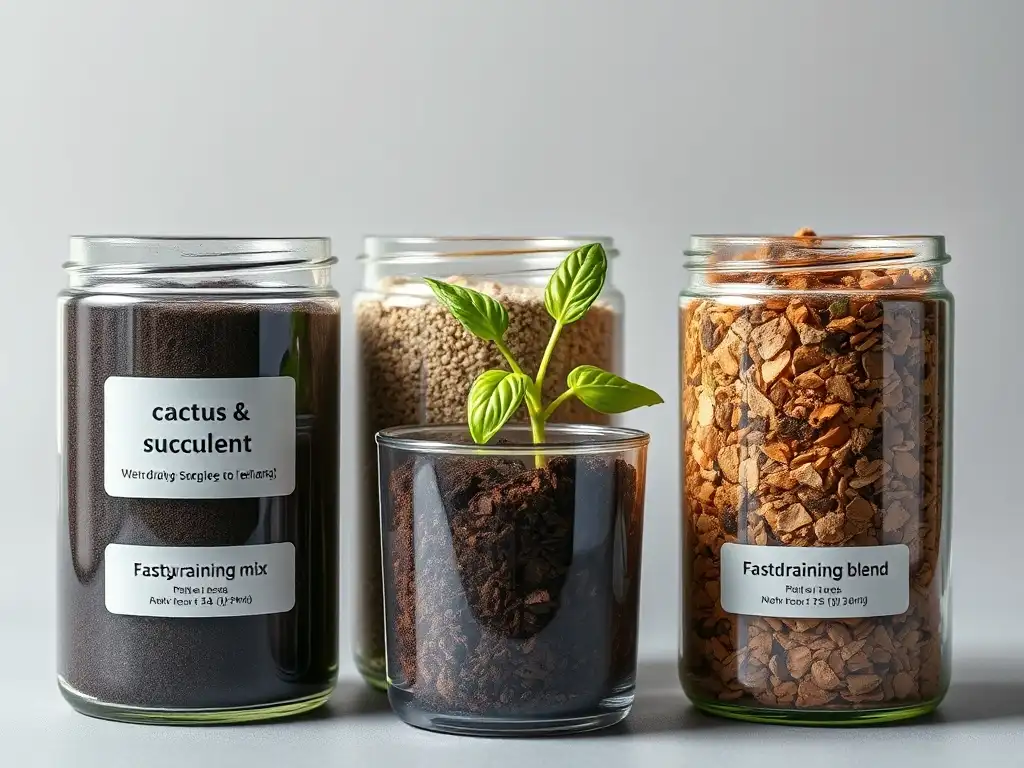
The potting mix you use significantly impacts your container garden's watering needs. A poorly draining mix can lead to waterlogging and root rot, while one that's too well-draining can cause plants to dry out too quickly. High-quality potting mixes typically contain a blend of peat moss, perlite, vermiculite, and composted bark, providing excellent aeration and drainage. Avoid using garden soil directly in containers, as it tends to compact and retain too much water.
Look for mixes specifically designed for containers, as these are formulated to provide optimal drainage and aeration. If you are concerned about drainage, you can amend your potting mix by adding perlite or vermiculite, which increases porosity and allows for better water flow. The texture of the mix should be loose and airy, not dense and compacted.
Testing the drainage is simple: Fill a pot with the mix, add water, and observe how quickly it drains. If the water sits on top for an extended period, you will need a better-draining mix. Investing in a good potting mix is a crucial step in preventing future watering issues, ensuring that your plants receive the right amount of moisture without risking root rot.
Mulching to Conserve Moisture and Suppress Weeds
Mulching is a beneficial practice that can significantly reduce the frequency of watering and help prevent soil moisture fluctuations. A layer of organic mulch, such as straw, wood chips, or shredded bark, helps retain soil moisture by slowing evaporation. This is particularly important during hot and dry periods. Mulch also suppresses weeds, which compete with your plants for water and nutrients.
When applying mulch, ensure that it does not directly contact the stems of your plants, as this can lead to rot. Leave a small gap between the mulch and the plant's base. The ideal mulch depth is typically 2-3 inches. Different types of mulch offer varying levels of moisture retention, so choose one that is suitable for your climate and the plants you are growing.
For instance, straw mulch tends to decompose faster than wood chips, requiring more frequent replenishment. By reducing evaporation and suppressing weeds, mulching helps create a more consistent soil moisture level, minimizing the risk of both underwatering and overwatering. This ultimately simplifies your watering routine and contributes to healthier, more resilient plants. Regularly check the mulch layer to ensure it remains effective and replenish it as needed.
Understanding Your Local Climate and Adjusting Watering Accordingly
Your local climate plays a significant role in determining how frequently you need to water your container garden. Hot, dry climates require more frequent watering than cooler, more humid ones. Pay close attention to weather forecasts and adjust your watering schedule accordingly. Sunny days with high temperatures and strong winds will dry out the soil more quickly than cloudy, cooler days.
Consider the size and material of your containers. Smaller, lighter-colored pots will dry out faster than larger, darker-colored ones. Similarly, terracotta pots are porous and allow for faster evaporation than plastic or metal pots. Monitoring the soil moisture level is crucial, regardless of the climate.
Don’t rely solely on a fixed watering schedule; instead, let the needs of your plants guide your decisions. A thorough understanding of your local climate and its impact on soil moisture is vital for preventing both underwatering and overwatering, ensuring your plants thrive in their containers. Consider installing a rain gauge to monitor rainfall and adjust your watering schedule accordingly. This can help you optimize your watering efforts and conserve water.
Advanced Troubleshooting Techniques for Container Garden Watering
This section delves into more complex issues related to container garden watering, offering advanced troubleshooting techniques to help you cultivate thriving plants. We'll explore how to identify and address serious problems like root rot and how to revive plants suffering from both underwatering and overwatering. Finally, we'll discuss adapting your watering schedule to the vagaries of the weather. Remember, consistent monitoring and proactive adjustments are key to achieving optimal plant health and a bountiful harvest.
Dealing with Root Rot in Container Plants
Root rot, a common problem in container gardens, occurs when the roots of your plants sit in consistently wet soil, leading to fungal infections. This suffocates the roots, preventing them from absorbing water and nutrients. Early detection is crucial for successful treatment.
Signs of root rot include wilting despite adequate watering, a foul odor emanating from the soil, and dark, mushy roots when you examine the plant. Affected plants often have yellowing or browning leaves and a general decline in vigor. Preventing root rot hinges on using well-draining potting mixes and containers with adequate drainage holes.
To address existing root rot, you'll need to act swiftly. First, carefully remove the affected plant from its container. Gently rinse the roots to remove excess soil. Then, inspect the roots, pruning away any that are dark, mushy, or show signs of decay. Use clean, sharp pruning shears to minimize the risk of spreading the infection. You can dip your shears in rubbing alcohol between cuts for sterilization.
Next, repot the plant using fresh, sterile potting mix. Ensure the new container has excellent drainage. Avoid overwatering the plant following repotting. Allow the soil to dry slightly between waterings to prevent recurrence. Consider using a fungicide according to the manufacturer's instructions, but always prioritize improving drainage and watering practices. Regularly check your plants for signs of disease, and take preventative measures.
Recovering Overwatered or Underwatered Plants
Overwatering and underwatering present distinct challenges but share a common consequence: stressed plants. Overwatered plants exhibit wilting, yellowing leaves, and potentially root rot, as discussed above. Underwatered plants, on the other hand, show drooping, browning leaves, and dry, brittle soil.
Recovering an overwatered plant involves allowing the soil to dry completely before watering again. You might need to remove the plant from its container to assess the root system and ensure proper drainage. Improving aeration by loosening the soil can also be beneficial.
Reviving an underwatered plant requires a slow and gradual rehydration process. Don't immediately soak the soil; instead, water deeply but less frequently, allowing the water to penetrate the root zone thoroughly. Monitor the plant closely for signs of improvement. Mulching can help retain soil moisture and reduce the frequency of watering. Consistent monitoring is key to avoiding future occurrences. Remember that the type of plant and the size of the container will influence how quickly the soil dries.
Adjusting Your Watering Practices Based on Weather Conditions
Weather significantly impacts your container garden's water needs. Hot, sunny days lead to rapid evaporation, requiring more frequent watering. Conversely, cloudy, cooler days reduce evaporation, necessitating less frequent watering. Heavy rainfall may eliminate the need for supplemental watering, while prolonged drought necessitates increased watering.
To adapt, monitor your plants daily, checking the soil moisture level before watering. Use your fingers to check the top inch or two of soil; if it feels dry, it's time to water. Consider using a moisture meter for a more precise reading. During periods of extreme heat, consider providing shade for your plants during the hottest part of the day to reduce water loss through transpiration.
You may also need to water twice a day during extreme heat or drought. Always check the weather forecast to anticipate changes and adjust your watering schedule accordingly. Remember that different plants have different water requirements, so research the specific needs of your chosen plants.
A well-maintained watering schedule, tailored to the specific needs of your plants and the prevailing weather conditions, is a cornerstone of successful container gardening. By implementing these advanced techniques, you can effectively troubleshoot common problems and cultivate a thriving, healthy container garden. Remember to observe your plants regularly and adapt your watering practices as needed. Happy gardening! 🌱
Troubleshooting Specific Plant Watering Needs (Examples: Herbs, Vegetables, Fruits)
Different plants have different water requirements, even within the same container garden. Understanding these nuances is crucial for successful container gardening. Overwatering or underwatering can lead to stunted growth, wilting, and even plant death. Let's explore some examples:
Herbs, such as basil and rosemary, generally prefer consistently moist but not soggy soil. Overwatering basil can lead to root rot, manifested by yellowing leaves and a foul odor emanating from the soil. Rosemary, on the other hand, is more drought-tolerant and prefers to dry slightly between waterings. Ignoring these differences can lead to significant problems. Careful monitoring of soil moisture, using your finger to check for dryness an inch or two below the surface, is key. Consider using smaller pots for herbs that require less water to prevent overwatering.
Vegetables, like tomatoes and peppers, are heavy feeders and require more frequent watering, especially during fruiting. However, overwatering can lead to blossom end rot in tomatoes, characterized by a dark, leathery spot at the blossom end of the fruit. This is often caused by inconsistent watering, leading to calcium deficiency. Peppers, while also needing consistent moisture, are more susceptible to fungal diseases in overly wet conditions. Mulching around the base of your plants can help retain moisture and regulate soil temperature, reducing the need for excessively frequent watering. A well-draining potting mix is also crucial for vegetable success.
Fruiting plants in containers, such as dwarf citrus trees or strawberries, have unique watering needs depending on their growth stage. During flowering and fruiting, these plants require more frequent and thorough watering to support fruit development. However, overwatering can cause root rot and fungal diseases, leading to fruit drop and reduced yield. Observe the leaves closely: drooping leaves often indicate underwatering, while yellowing leaves may signal overwatering or nutrient deficiencies.
Regular fertilization, alongside proper watering, is essential for optimal fruit production. Remember to adjust watering based on weather conditions; hotter, drier weather will necessitate more frequent watering. A moisture meter can be a valuable tool for monitoring soil moisture levels, especially for these more demanding plants.
By understanding these specific needs and adapting your watering practices accordingly, you can significantly improve the health and productivity of your container garden. Remember that observation is key – pay close attention to your plants’ visual cues to fine-tune your watering strategy. This attention to detail will lead to a thriving and fruitful container garden. 🌱
Frequently Asked Questions
Why is my container garden constantly drying out?
This likely means your containers are too small or poorly draining. Consider using larger pots with adequate drainage holes and amend your soil with materials to improve water retention. Ensure you're watering deeply and less frequently.
My container plants are wilting even after watering.
Wilting could indicate root rot from overwatering, poor drainage, or a compacted soil mix. Check the soil moisture and drainage; repotting with fresh, well-draining soil might be necessary.
How often should I water my container garden?
Watering frequency depends on factors like weather, container size, and plant type. Check the soil moisture regularly; water thoroughly when the top inch of soil feels dry. Avoid letting the soil completely dry out.
What are the signs of overwatering in container plants?
Overwatered plants exhibit yellowing leaves, soggy soil, and a musty odor. Leaves may also droop even with ample watering. Improve drainage and reduce watering frequency.
My container plants are showing signs of underwatering, what should I do?
Underwatered plants show wilting leaves, dry soil, and potentially leaf browning. Water deeply and thoroughly until water drains from the bottom of the container. Consider using a self-watering system for better moisture management.
Final Reflection: Cultivating Success in Your Container Garden Oasis
The art of successful container gardening hinges on mastering the delicate balance of hydration. A seemingly simple task, watering, often becomes the source of frustration and wilting plants. This guide has explored the multifaceted nature of container watering, from understanding soil types and pot materials to recognizing the subtle signs of underwatering and overwatering. But more than just a troubleshooting guide, it's a pathway to understanding the unique needs of your miniature ecosystems.
The impact of container gardening extends far beyond the aesthetic beauty it brings to our homes and spaces. It fosters a deeper connection with nature, encouraging observation, patience, and a sense of accomplishment. The glory of gardening: hands in the dirt, head in the sun, heart with nature. To nurture a garden is to feed not just the body, but the soul.
This quote beautifully encapsulates the rewarding journey of tending to container gardens, a journey often punctuated by the challenges of proper watering. Understanding these challenges, as explored in this guide, allows us to appreciate the resilience of plants and the satisfaction of nurturing life in even the smallest of spaces.
Now, consider your own container garden. What lessons from this guide resonate most strongly with your experiences? Perhaps you've identified a previously overlooked aspect of your watering routine, or maybe you've gained a new appreciation for the importance of soil drainage. Take this knowledge and apply it to your own green haven. Experiment, observe, and adjust your approach until you achieve the thriving, vibrant container garden you've always envisioned. The journey of a gardener is a continuous learning process, and each successful bloom is a testament to your dedication and understanding.
Unleash Your Green Thumb: Conquer Container Garden Watering!
Thanks for exploring the world of thriving container gardens! You've gained valuable knowledge to overcome even the most challenging watering situations. Ready to apply your new skills?
- Prioritize your plants' needs: Take a few minutes to check the soil moisture in your containers. Adjust your watering schedule accordingly. This simple step can significantly improve your plants' health!
- Share your experiences: Tell us about your greatest watering success (or your biggest challenge!) in the comments below. Let's learn from one another!
- Consider experimenting with different watering methods, such as self-watering pots or soaker hoses. Try a new approach and see how it enhances your garden.
What's your biggest watering success so far, and what new technique are you most excited to try?