
Pollinator Monitoring: How to Track the Health of Your Garden's Helpers

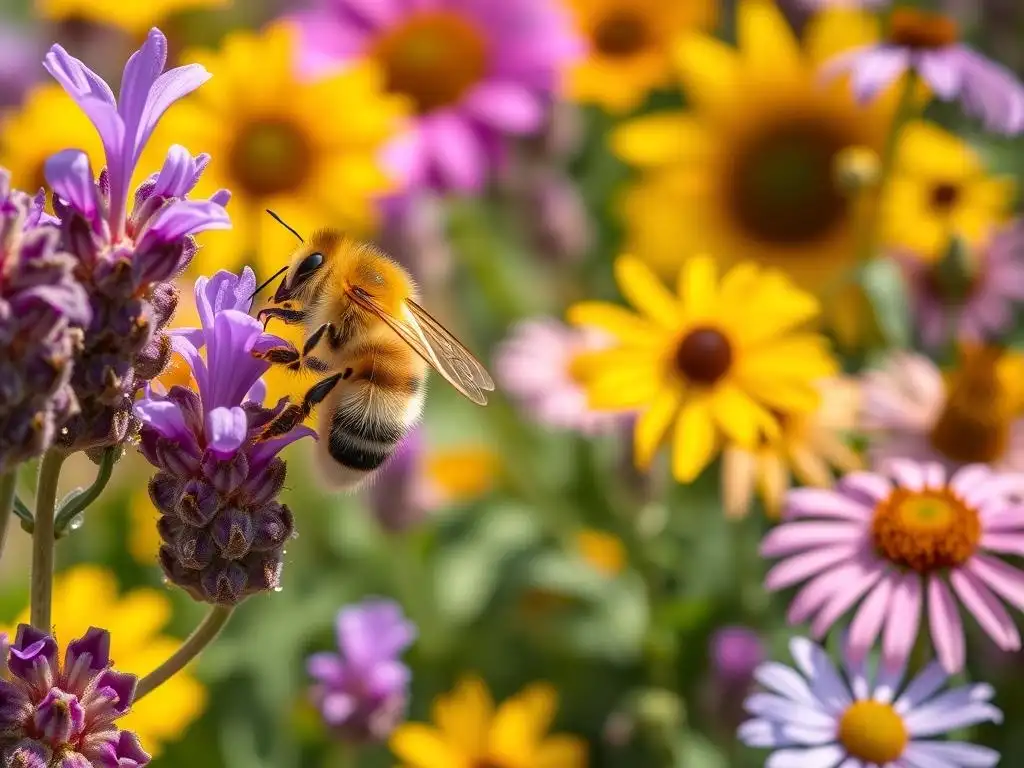
Welcome to CultivateYourFood, your guide to a thriving, sustainable garden! Are you curious about the secret to bountiful harvests and vibrant plant life? It starts with understanding the crucial role of pollinators. Dive into our latest article, "Monitor garden pollinator health," and discover how tracking these tiny helpers can significantly impact the health and productivity of your fruits, vegetables, and herbs. Learn the surprising science behind a flourishing garden and unlock the secrets to truly CultivateYourFood organically.
- Understanding the Importance of Pollinator Monitoring in Your Garden
- Essential Tools and Techniques for Monitoring Garden Pollinators
- Analyzing Your Pollinator Monitoring Data
- Improving Pollinator Health in Your Garden Based on Your Findings
- Resources and Further Learning for Pollinator Conservation
-
Frequently Asked Questions
- What is pollinator monitoring, and why is it important?
- How can I monitor pollinator health in my home garden?
- What are some signs of unhealthy pollinators?
- What plants attract pollinators, and how can I make my garden more pollinator-friendly?
- What should I do if I notice a significant decline in pollinator activity in my garden?
- Final Reflection: The Buzz About Biodiversity and Our Shared Future
- Unleash Your Inner Pollinator Protector!
Understanding the Importance of Pollinator Monitoring in Your Garden
Pollinators are the unsung heroes of our gardens and farms, playing a crucial role in the production of fruits, vegetables, and nuts. Their tireless work ensures biodiversity and healthy ecosystems, impacting not only the yield of our crops but the very fabric of our natural world.
This article delves into the critical practice of pollinator monitoring, providing you with the knowledge and tools to assess the health of your garden's essential helpers and take proactive steps to support their thriving populations. By understanding how to effectively monitor your garden's pollinators, you can contribute to a more sustainable and productive gardening practice, ensuring abundant harvests and a vibrant ecosystem for years to come.
Monitoring pollinator health is not just about maximizing your crop yield; it's about actively participating in the conservation of these vital species and safeguarding the future of our food systems. Let's explore the vital steps involved in this essential practice.
Why Monitor Pollinator Health? Impact on Crop Yields and Biodiversity
Monitoring the health of your garden's pollinator population offers significant benefits. A healthy pollinator population directly translates to higher crop yields. Studies have shown that the presence and abundance of pollinators, such as bees, butterflies, and hummingbirds, are strongly correlated with increased fruit set and seed production in various plant species. For example, apple orchards with diverse and abundant pollinator populations have been shown to yield significantly more fruit compared to orchards with limited pollinator activity. 🍎
Furthermore, the decline of pollinator populations poses a serious threat to biodiversity. Many plant species rely on specific pollinators for reproduction, and the loss of these pollinators can lead to a decline in plant diversity, impacting the entire ecosystem. By monitoring pollinator health, we can identify potential threats early on and implement measures to mitigate their impact, protecting both our food security and the overall health of our environment. This proactive approach allows for timely intervention, preventing potential ecological imbalances and preserving the rich tapestry of life in your garden and beyond.
Identifying Key Pollinators in Your Local Ecosystem
Before you begin monitoring, it's crucial to identify the key pollinator species present in your local ecosystem. This will allow you to focus your observations on the most relevant species and gain a more accurate assessment of their health. Common pollinators include:
- Bees: Various species, including honeybees, bumblebees, and solitary bees, each with unique nesting habits and foraging preferences.
- Butterflies: These colorful insects are attracted to nectar-rich flowers and play a vital role in pollination.
- Moths: Many moth species are active at night and pollinate nocturnal plants.
- Hummingbirds: These tiny birds are important pollinators of many flowering plants.
- Other Insects: Several other insects, such as beetles, flies, and wasps, also contribute to pollination.
Understanding the specific pollinator species in your area will help you tailor your monitoring strategies and interpret your observations more effectively. Consider consulting local resources, such as university extension offices or natural history museums, to identify the pollinators specific to your region. Keep a field guide handy for identification purposes.
Indicators of a Thriving Pollinator Population
Several indicators point towards a healthy and thriving pollinator population in your garden. These include:
- High Abundance: Observing a large number of various pollinator species visiting your flowers is a positive sign.
- Diverse Species: A diverse range of pollinator species indicates a healthy and resilient ecosystem.
- Active Foraging: Observe pollinators actively collecting pollen and nectar, indicating successful foraging.
- Presence of Nests: The presence of bee nests or butterfly larvae suggests successful reproduction and a stable population.
- Absence of Disease or Parasites: Healthy pollinators exhibit normal behavior and lack visible signs of disease or parasites.
By carefully observing these indicators, you can get a good understanding of the overall health of your garden's pollinator population and take appropriate action if necessary. Remember, a healthy pollinator population is essential for a thriving and productive garden! 🐝🦋🌺
Essential Tools and Techniques for Monitoring Garden Pollinators
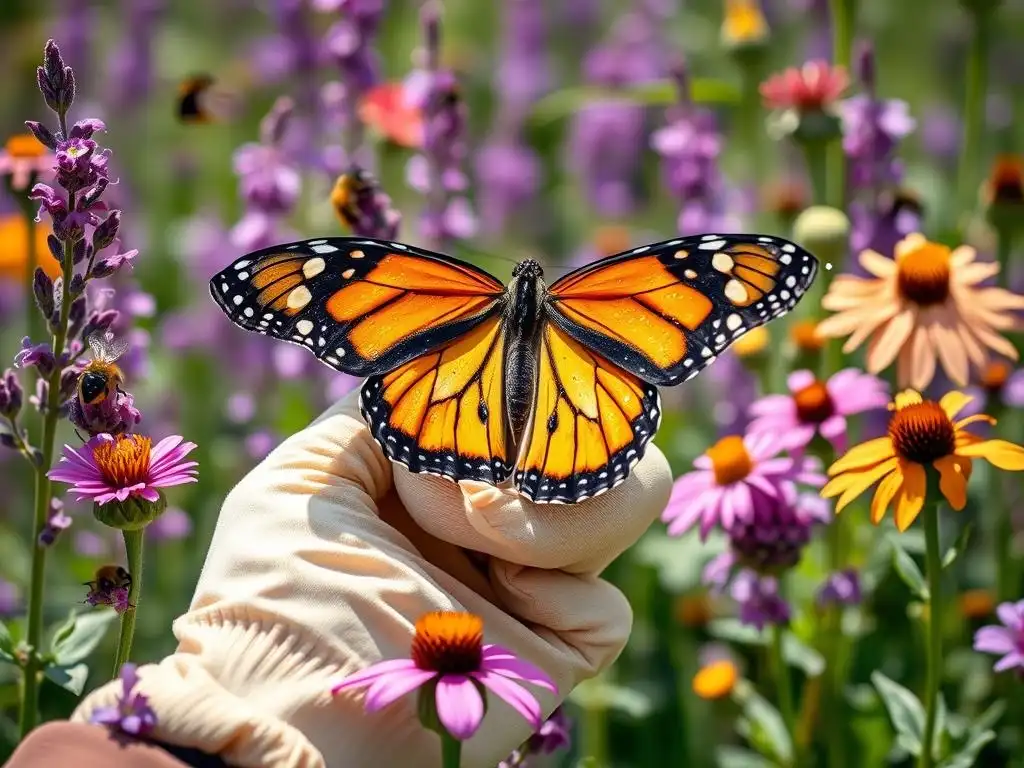
This section details the essential tools and techniques for effectively monitoring the health of your garden's pollinator population. Accurate monitoring provides valuable insights into the effectiveness of your sustainable gardening practices and allows for timely interventions if necessary. Understanding pollinator health is crucial for maximizing your harvest and supporting biodiversity. Remember, healthy pollinators mean a healthy garden! 🐝
Establishing a Pollinator Monitoring Program: Method Selection
Choosing the right method for monitoring your garden pollinators depends on several factors, including the size of your garden, the time you can dedicate to monitoring, and the specific information you want to gather. Several approaches can be combined for a comprehensive assessment. For example, a small garden might benefit from visual surveys, while a larger space might require transect walks supplemented by visual observations.
Consider these factors when selecting your method:
- Garden Size: Smaller gardens are easier to monitor comprehensively using visual surveys. Larger gardens may necessitate transect walks or a combination of methods.
- Time Commitment: Visual surveys require less time than transect walks, which demand more structured observation and data recording.
- Data Needs: Do you need a general overview of pollinator activity, or are you seeking precise abundance data for specific species? This will dictate your choice of method.
- Species Focus: Are you interested in monitoring all pollinators or focusing on specific groups, such as bees or butterflies? This can influence your survey design.
A well-planned monitoring program will yield the most valuable data. Consider creating a schedule detailing when and how often you will conduct your observations to ensure consistency and accuracy. Remember to document weather conditions during each observation, as this can affect pollinator activity.
Visual Surveys: Observing Pollinator Activity
Visual surveys offer a straightforward method for assessing pollinator presence and diversity in your garden. This involves spending a set amount of time in your garden, systematically observing pollinator activity within a specific area. Note the types of pollinators present (bees, butterflies, hummingbirds, etc. ), the plants they are visiting, and the time spent on each plant.
To maximize the effectiveness of your visual surveys:
- Choose a Representative Area: Select an area that accurately reflects the diversity of your garden's plant life.
- Set a Time Limit: Conduct observations for a consistent duration (e.g., 15 minutes) to allow for comparison across different surveys.
- Record Observations: Keep a detailed record of the pollinators observed, including species identification (if possible), the number of individuals, and the plant species visited. A simple notebook and pen are sufficient for this.
- Repeat Regularly: Conduct surveys at regular intervals (e.g., weekly) throughout the growing season to track changes in pollinator abundance and activity. Consistency is key for meaningful data analysis.
Using a checklist can streamline the process and improve data accuracy. For example:
| Pollinator Type | Observed? (Yes/No) | Number Observed | Plant Visited | Date | Time | Weather Conditions |
|---|---|---|---|---|---|---|
| Honeybee | Yes | 5 | Lavender | 2024-07-26 | 10:00 AM | Sunny, 75°F |
| Bumble Bee | Yes | 2 | Sunflower | 2024-07-26 | 10:00 AM | Sunny, 75°F |
| Butterfly | No | 0 | N/A | 2024-07-26 | 10:00 AM | Sunny, 75°F |
Remember that visual surveys provide qualitative data, offering a general impression of pollinator activity rather than precise quantitative measurements.
Transect Walks: Quantifying Pollinator Abundance
Transect walks offer a more quantitative approach to pollinator monitoring, allowing for a more precise assessment of pollinator abundance. This method involves establishing a predetermined route (transect) through your garden and systematically recording the number of pollinators observed along the way.
Here's how to conduct a successful transect walk:
- Establish a Transect Line: Mark a straight line through your garden, ensuring it traverses diverse plant communities. The length of the transect will depend on your garden's size.
- Define Sampling Units: Divide the transect line into smaller, equal-sized units (e.g., 1-meter segments).
- Systematic Observation: Walk along the transect line, carefully observing and recording the number of pollinators within each sampling unit.
- Species Identification: Identify the species of pollinators whenever possible.
- Data Recording: Maintain a detailed record of the number of each pollinator species observed in each sampling unit. Use a spreadsheet or dedicated data logging app for efficient data management.
- Repeat Surveys: Conduct transect walks at regular intervals throughout the growing season to monitor changes in pollinator abundance. Consistent methodology is crucial for reliable data interpretation.
Transect walks provide more precise quantitative data on pollinator abundance compared to visual surveys, allowing for a more detailed analysis of population trends over time. Remember to maintain consistent methodology across all your surveys to ensure the data’s reliability and accuracy in monitoring garden pollinator health.
Camera Traps: Detailed Observation of Pollinator Behavior
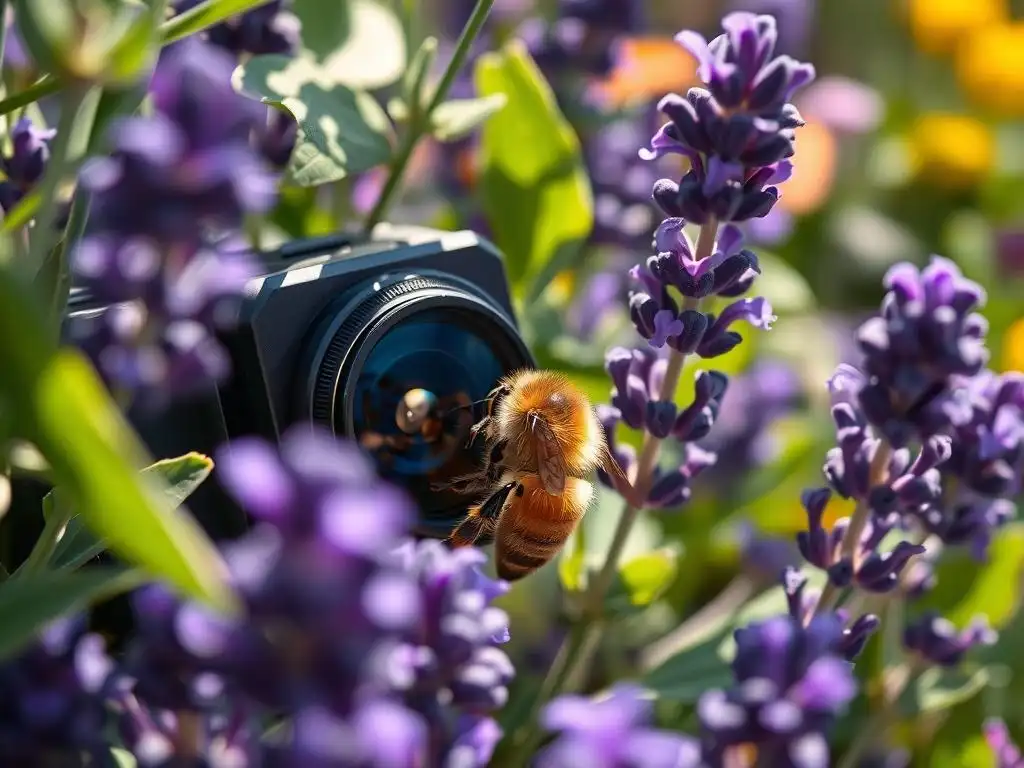
Camera traps offer a powerful, non-invasive method for monitoring pollinator activity within your garden. Unlike direct observation, which can disturb delicate ecosystems and bias results, camera traps allow for passive data collection over extended periods. This provides a more comprehensive understanding of pollinator visitation patterns, species diversity, and even individual pollinator behavior. For example, you can observe how different bee species interact with specific plants, noting their foraging techniques and time spent on each flower. This information is crucial for understanding the effectiveness of your garden's design in attracting and supporting pollinators.
High-quality camera traps with motion sensors and night vision capabilities are essential for capturing detailed images and videos, even in low-light conditions. Strategically placing these cameras near flowering plants, particularly those known to attract specific pollinators, maximizes the chances of capturing valuable data. Careful consideration of camera placement is key; avoid positioning them in direct sunlight or areas prone to obstruction.
Regularly checking and downloading the captured data ensures you don't miss any critical observations. Analyzing this data can reveal valuable insights into the health and abundance of your pollinator population, indicating potential issues like a decline in a particular species or a shift in foraging patterns.
The data can also inform your gardening practices, allowing you to make adjustments to further enhance your garden's attractiveness to pollinators. For instance, you might discover that a particular plant species is underutilized, prompting you to plant more or to explore alternative plant choices that better suit your local pollinator community.
Utilizing Artificial Habitats to Attract and Monitor Pollinators
Creating artificial habitats, such as bee hotels or butterfly houses, provides a controlled environment to attract and monitor specific pollinator groups. These structures offer nesting sites and shelter, increasing the likelihood of observing and tracking pollinator populations. A well-designed bee hotel, for instance, can attract a variety of solitary bee species, providing opportunities to monitor their nesting success and overall abundance.
By regularly inspecting these habitats, you can directly observe the number of occupied nests, the types of bees using them, and any signs of disease or parasites. This provides a hands-on, detailed assessment of the health of specific pollinator communities within your garden.
The design and placement of artificial habitats are crucial for their effectiveness. Bee hotels should be positioned in sunny, sheltered locations, away from strong winds and excessive moisture. Butterfly houses should be situated near nectar-rich plants and should provide adequate protection from predators.
Regular maintenance, including cleaning and replacing old nesting materials, is essential to prevent the spread of disease and maintain the attractiveness of these habitats. Furthermore, documenting the species observed, the number of occupied sites, and any signs of stress or disease within these artificial habitats provides valuable data for tracking pollinator health over time. This data can be compared year to year to observe trends and to identify potential threats to your pollinator populations.
Combining data from artificial habitats with observations from camera traps provides a more comprehensive understanding of your garden's pollinator ecosystem. This holistic approach enhances your ability to effectively monitor and support pollinator health within your own sustainable garden.
Analyzing Your Pollinator Monitoring Data
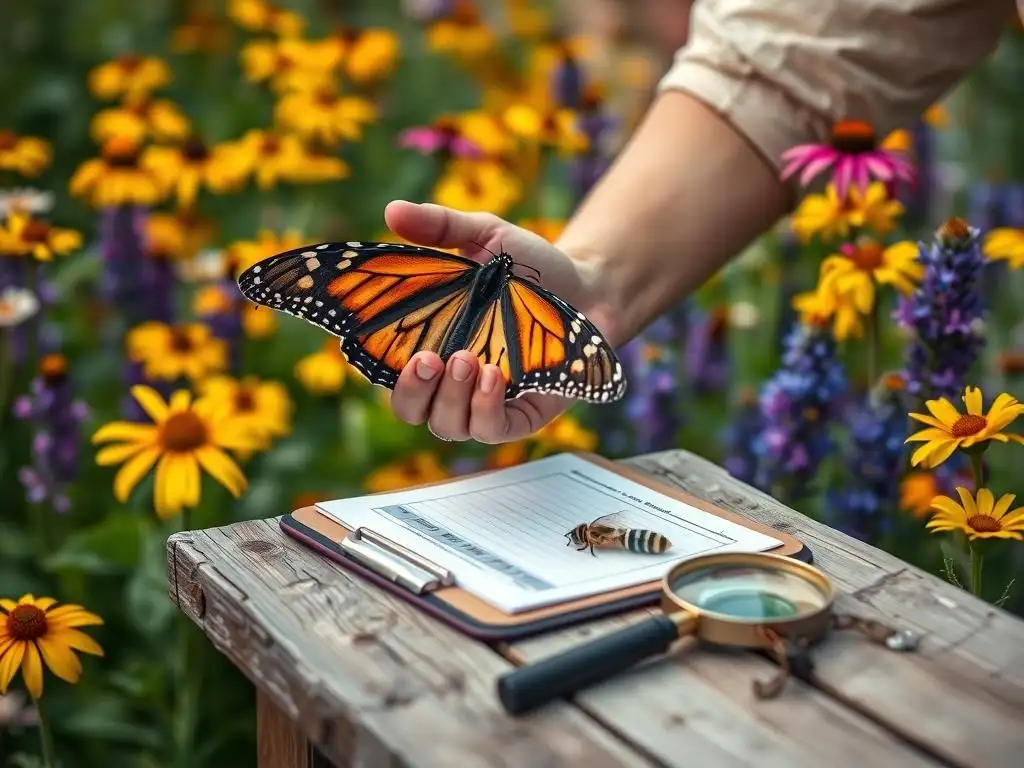
Analyzing the data collected from your pollinator monitoring efforts is crucial for understanding the health of your garden ecosystem and the effectiveness of your pollinator-friendly practices. This analysis allows you to identify trends, potential problems, and areas for improvement in your gardening approach to better support these vital insects. Regular monitoring and thorough analysis are key components of successful "Monitor garden pollinator health" strategies.
Recording and Organizing Observations: Maintaining a Pollinator Monitoring Log
Maintaining a detailed and organized pollinator monitoring log is paramount for effective data analysis. A well-structured log allows you to track changes in pollinator populations over time and correlate these changes with environmental factors or gardening practices. Consider using a spreadsheet or a dedicated notebook. Your log should include the following information for each observation:
- Date and Time: Precise recording of when the observation was made.
- Location in Garden: Specific area where the pollinator was observed (e.g., near sunflowers, by the bee balm).
- Pollinator Species: Identify the pollinator as accurately as possible (e.g., honeybee, bumble bee, butterfly species). Include photos if you are uncertain about identification. Using field guides or online resources can aid in this process.
- Number of Pollinators: Record the number of pollinators observed of each species.
- Weather Conditions: Note the temperature, sunlight, wind, and precipitation at the time of observation. These factors can significantly influence pollinator activity.
- Flower Species Visited: Record which plant species the pollinators were visiting. This helps identify preferred plant species and potential nectar/pollen limitations.
- Observed Behaviors: Note any unusual behaviors, such as sluggishness, or signs of disease or injury.
Example Log Entry:
| Date | Time | Location | Pollinator Species | Number | Weather Conditions | Flower Species Visited | Observed Behaviors |
|---|---|---|---|---|---|---|---|
| 2024-07-26 | 10:00 AM | West Vegetable Bed | Honeybee | 15 | Sunny, 75°F, light breeze | Zucchini flowers | Active foraging |
| 2024-07-26 | 10:30 AM | East Herb Garden | Monarch Butterfly | 2 | Sunny, 75°F, light breeze | Lavender | Active feeding |
Regularly reviewing and updating your log will provide a comprehensive picture of pollinator activity in your garden throughout the growing season. The more consistent your observations, the more meaningful your analysis will become. Remember, consistency is key to effectively "Monitor garden pollinator health".
Data Interpretation: Identifying Trends and Patterns in Pollinator Activity
Once you have collected sufficient data, you can begin to analyze it to identify trends and patterns in pollinator activity. Look for changes in the number and types of pollinators observed over time. For example:
- Increased/Decreased Abundance: A significant increase or decrease in the overall number of pollinators observed could indicate a positive or negative environmental change.
- Species Diversity: Monitor the variety of pollinator species visiting your garden. A decline in diversity might suggest habitat degradation or pesticide exposure.
- Seasonal Variation: Pollinator activity typically follows seasonal patterns. Significant deviations from expected patterns should be investigated.
- Correlation with Weather: Analyze the relationship between weather conditions and pollinator activity. Extreme weather events can significantly impact pollinator populations.
- Correlation with Gardening Practices: Assess whether changes in your gardening practices (e.g., planting specific pollinator-attracting flowers, reducing pesticide use) have had a positive impact on pollinator populations.
By carefully analyzing these trends, you can gain valuable insights into the health and well-being of the pollinator community in your garden. This data-driven approach is crucial for making informed decisions about how to further enhance your garden's pollinator habitat.
Identifying Potential Threats to Pollinator Health
Analyzing your pollinator monitoring data can also help identify potential threats to pollinator health. Look for signs that suggest problems, such as:
- High mortality rates: A significant number of dead or dying pollinators could indicate pesticide poisoning, disease outbreaks, or habitat loss.
- Unusual behaviors: Sluggishness, disorientation, or difficulty flying might suggest pesticide exposure or disease.
- Lack of diversity: A decline in the variety of pollinator species could indicate habitat degradation or the use of broad-spectrum pesticides.
- Reduced visitation to certain plants: This could signal a lack of preferred food sources or the presence of pests or diseases affecting those plants.
If you observe any of these warning signs, consider taking steps to mitigate the potential threats. This might involve reducing or eliminating pesticide use, planting more diverse pollinator-friendly plants, or providing supplemental food and water sources. Remember, proactive measures are essential for maintaining a healthy pollinator population in your garden and ensuring a thriving ecosystem. Continuously "Monitor garden pollinator health" to prevent and address any potential threats promptly.
Longitudinal Data Comparison: Tracking Changes in Pollinator Populations
Analyzing pollinator health isn't a one-time snapshot; it's an ongoing process. To truly understand the trends affecting your garden's pollinators, you need to track changes in their populations over time. This is where longitudinal data comparison becomes invaluable. By consistently monitoring your pollinator activity—for example, recording the number of bee visits to specific plants each week for several months—you can build a detailed picture of population fluctuations.
This data can reveal crucial information about the success of your gardening practices in supporting pollinator health. For instance, a significant decline in bee numbers after the application of a new pesticide would be a strong indicator of its negative impact, prompting a reassessment of your pest control strategy. Conversely, a steady increase in butterfly sightings following the planting of nectar-rich flowers demonstrates the positive effect of habitat improvement.
To maximize the effectiveness of longitudinal data comparison for monitoring garden pollinator health, consider these points:
- Consistency is Key: Maintain a regular monitoring schedule. Whether you choose daily, weekly, or bi-weekly observations, consistency is crucial for identifying meaningful trends. Inconsistent data collection can obscure important patterns and make it difficult to draw accurate conclusions.
- Standardized Methodology: Use the same observation methods and data recording techniques consistently throughout your monitoring period. This ensures data comparability and reduces the risk of introducing bias into your analysis. For example, always count pollinators on the same plants at the same time of day.
- Data Visualization: Represent your data visually using graphs and charts. This will make it much easier to identify trends and patterns in pollinator populations over time. Line graphs are particularly effective for showing changes in population numbers over a period. A simple graph charting bee visits per week, for example, can immediately highlight periods of high and low activity.
- Environmental Factors: Correlate your pollinator data with environmental factors such as rainfall, temperature, and flowering periods. This helps you understand how these factors influence pollinator populations and identify potential threats. For instance, a drop in pollinator numbers during a prolonged heatwave could point to the need for additional water sources in your garden. Analyzing this data holistically allows for a more nuanced understanding of pollinator health.
- Consider Multiple Species: Don't focus solely on one type of pollinator. Track multiple species to get a more complete picture of the overall health of your pollinator community. This provides a more robust and representative assessment of the garden ecosystem. Observing a decline in one species while another thrives might indicate specific habitat needs or sensitivities to environmental changes.
By meticulously collecting and analyzing longitudinal data, you can transform your garden into a thriving pollinator haven, contributing to the broader effort of pollinator conservation. The insights gained through this ongoing monitoring process are invaluable for improving your gardening practices and ensuring a healthy ecosystem for years to come. Remember, consistent monitoring is the cornerstone of successful pollinator health management, allowing for proactive adjustments and ensuring a vibrant garden teeming with beneficial insects.
Improving Pollinator Health in Your Garden Based on Your Findings
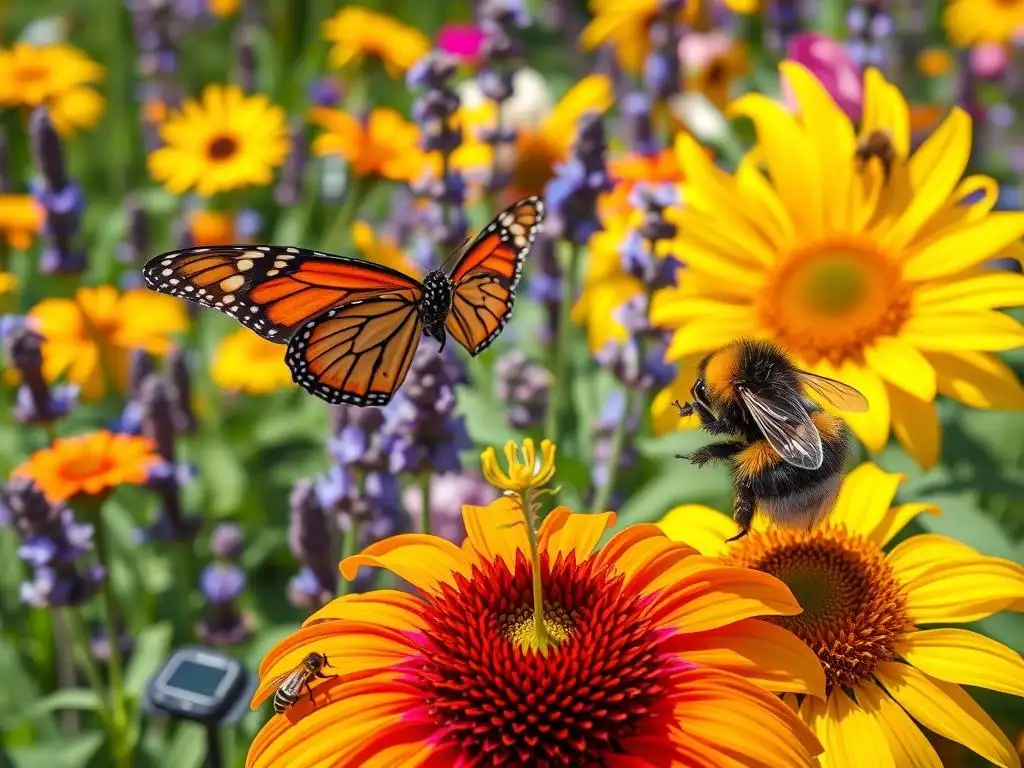
Once you've monitored your garden's pollinators and identified potential issues, you can take proactive steps to improve their health and abundance. This involves creating a supportive environment and minimizing harmful practices. Remember, a healthy pollinator population is crucial for a thriving garden, contributing significantly to fruit and vegetable production. Effective pollinator health monitoring allows for targeted interventions, maximizing your efforts and ensuring a bountiful harvest. Let's explore some key strategies:
Creating a Pollinator-Friendly Habitat
Creating a welcoming habitat is paramount for bolstering pollinator populations. This goes beyond simply planting flowers; it involves considering the pollinators' complete life cycle needs. Think of providing diverse food sources, nesting sites, and shelter from the elements.
Providing diverse flowering plants is crucial. Pollinators have different preferences; some favor specific flower shapes, sizes, and colors. Aim for a mix of native plants that bloom throughout the growing season, ensuring a continuous food source. Consider incorporating plants with varying bloom times to provide nectar and pollen throughout spring, summer, and even fall. For example, early bloomers like crocuses and daffodils are followed by summer favorites such as coneflowers and bee balm, and late-season bloomers like goldenrod and asters provide sustenance into autumn.
Nesting sites are equally important. Many pollinators, especially bees, require suitable places to build nests. Leave patches of bare ground for ground-nesting bees. Consider installing bee hotels, which provide artificial nesting cavities for solitary bees. These simple structures can significantly increase the number of nesting sites available in your garden. Remember to clean and maintain bee hotels regularly to prevent disease spread.
Minimizing Pesticide Use
Pesticides, even those marketed as "bee-friendly," can still harm pollinators, especially when applied improperly or excessively. The impact can be indirect, through disrupting the delicate balance of the garden ecosystem. Therefore, minimizing pesticide use is vital for maintaining pollinator health.
Prioritize integrated pest management (IPM) techniques. This approach emphasizes prevention and utilizes less harmful methods to control pests. This might include physical removal of pests, using beneficial insects like ladybugs to control aphids, or employing natural pest control methods such as companion planting. For example, planting basil near tomatoes can deter tomato hornworms.
When chemical intervention is absolutely necessary, choose the least toxic option and apply it judiciously. Always follow label instructions carefully, paying close attention to application timing and safety precautions. Consider applying pesticides in the evening, when pollinators are less active. Avoid spraying flowers directly, focusing on the affected plant parts. Regular monitoring of pollinator activity after pesticide application can help identify any negative impacts and inform future decisions.
Promoting Garden Biodiversity
A biodiverse garden is a resilient garden, and that resilience extends to its pollinator population. The more diverse your garden's plant life, the more diverse its pollinator community will be. This creates a more robust and stable ecosystem.
Plant a variety of flowering plants, including those that attract different types of pollinators. Consider including trees, shrubs, and herbaceous plants to provide a range of habitats and food sources. For example, a butterfly bush can attract butterflies, while sunflowers can attract bees and other pollinators. A diverse range of plant species ensures a continuous supply of nectar and pollen throughout the growing season, supporting a wider range of pollinator species.
Consider incorporating native plants into your garden design. Native plants are adapted to the local climate and support native pollinator species, creating a synergistic relationship. This contributes to a healthier and more sustainable ecosystem. Native plants often require less maintenance and are more resistant to pests and diseases, reducing the need for pesticides. Researching local native plants that attract pollinators can be highly beneficial for creating a thriving pollinator habitat.
By implementing these strategies based on your pollinator monitoring results, you can significantly contribute to the health and well-being of your garden's essential pollinators. Remember, consistent monitoring and adapting your approach are crucial for long-term success in nurturing a thriving ecosystem. 🌱🐝
Providing Water Sources for Pollinators
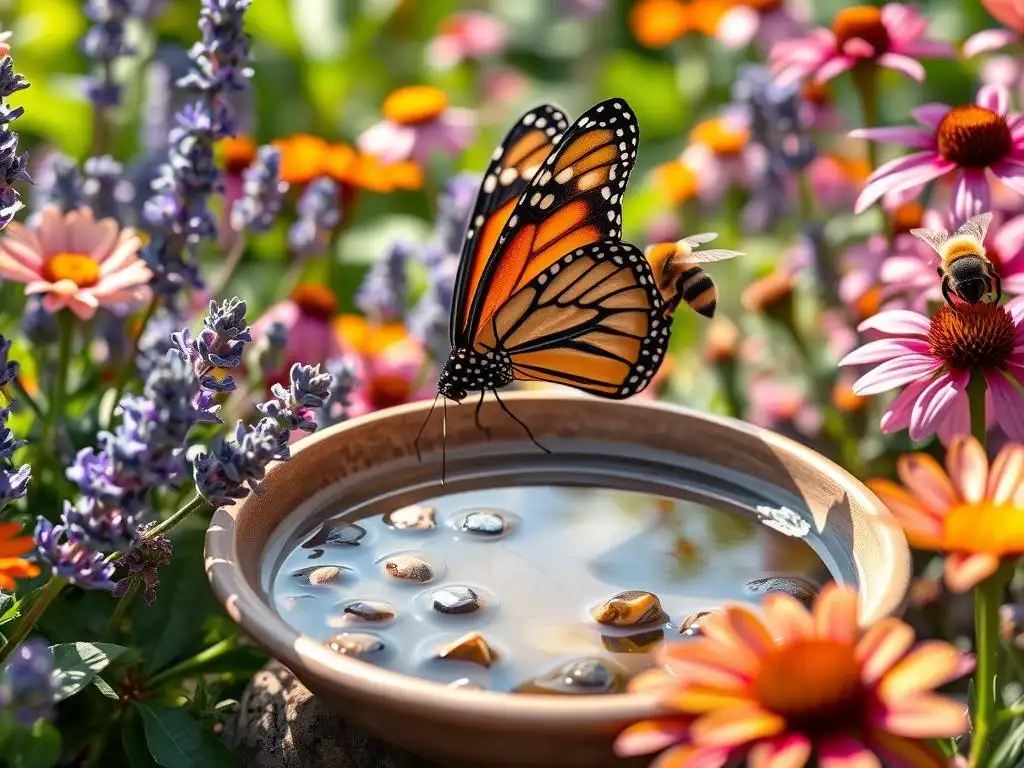
Pollinators, like bees and butterflies, require a reliable water source, especially during hot and dry periods. Dehydration significantly impacts their ability to forage and reproduce, directly affecting the health of your garden. Providing a shallow water source is crucial for their survival and can dramatically improve their activity levels within your garden. A simple solution is a shallow dish filled with water and pebbles or marbles.
The pebbles provide a landing platform, preventing the pollinators from drowning. Consider placing several of these water stations throughout your garden, ensuring accessibility for various pollinator species. The placement of these sources should also consider shade, to prevent rapid evaporation and the growth of algae. Regularly cleaning and refilling these stations is essential to maintain their effectiveness and hygiene.
Beyond simple dishes, consider creating a more elaborate pollinator watering hole with a small birdbath or even a repurposed container, adding a dripping mechanism can further improve the attractiveness and usability for pollinators. Remember to always check the water level and clean the container regularly to prevent the spread of diseases. Providing clean and readily available water is a simple yet impactful step towards supporting a healthy pollinator population in your garden. This simple act of providing water can significantly contribute to your "monitor garden pollinator health" efforts.
Managing Invasive Plants and Maintaining a Healthy Garden Ecosystem
Invasive plants pose a significant threat to pollinator health. They often outcompete native plants, reducing the availability of nectar and pollen, the essential food sources for pollinators. Many invasive species also lack the nutritional value of native plants, leaving pollinators malnourished and vulnerable to diseases. Regularly monitoring your garden for invasive species is crucial for maintaining a healthy ecosystem and supporting pollinator populations.
Identifying and removing these plants, such as kudzu or Japanese knotweed, is a vital step in supporting your garden's biodiversity. This involves both physical removal and, in some cases, the use of environmentally friendly herbicides. Remember to always check local regulations and guidelines regarding the use of herbicides. Beyond removal, focusing on planting native species that are attractive to local pollinators will help create a more balanced and resilient ecosystem.
These native plants often have co-evolved relationships with local pollinator species, ensuring a reliable and nutritious food source. By actively managing invasive plants and promoting biodiversity, you create a thriving environment where pollinators can flourish, directly impacting your ability to monitor garden pollinator health effectively. A healthy, diverse garden ecosystem inherently supports a healthier pollinator population, making monitoring easier and revealing a more positive outcome.
Resources and Further Learning for Pollinator Conservation
This section provides valuable resources to deepen your understanding of pollinator health and contribute to their conservation. Monitoring your garden's pollinators is a crucial first step, but actively supporting their wellbeing requires ongoing learning and engagement. We'll explore reputable organizations, informative websites, and insightful publications that offer further guidance on this important topic.
Reputable Organizations and Websites
Several organizations dedicate themselves to pollinator conservation and research. Engaging with these resources provides access to the latest scientific findings, practical conservation tips, and opportunities to participate in citizen science initiatives focused on monitoring pollinator health. Understanding the current state of pollinator populations and the threats they face is crucial for effective monitoring and conservation strategies.
By actively participating in initiatives focused on monitor garden pollinator health, you can make a tangible difference in the survival of these vital creatures. Here are some examples of organizations and websites that can provide valuable information and opportunities:
- Organizations focused on native pollinators: These organizations often provide region-specific information, crucial for understanding the unique pollinator communities in your area and tailoring your monitoring efforts accordingly. They frequently offer detailed guides on identifying native species, habitat creation, and pest management strategies that minimize harm to pollinators.
- National and international conservation groups: These groups conduct large-scale research and advocacy efforts, providing valuable data on pollinator trends and conservation challenges. Their publications and websites often offer comprehensive overviews of pollinator ecology, conservation strategies, and the impact of habitat loss and pesticide use on pollinator populations. Learning about these larger trends provides context for your local monitoring efforts.
- University research programs: Many universities have dedicated research programs studying pollinators. These programs often publish their findings online, providing access to the latest scientific research on pollinator behavior, ecology, and conservation. This information can inform your monitoring protocols and help you understand the scientific basis for your observations.
- Citizen science projects: Participating in citizen science projects provides a valuable way to contribute to larger-scale pollinator monitoring efforts and learn from experienced researchers and conservationists. These projects often offer structured protocols and data collection tools, ensuring the quality and consistency of data collected across different locations.
Remember, consistent and accurate data collection is essential for effective monitor garden pollinator health. Utilizing these resources can significantly enhance the quality and impact of your monitoring efforts.
Relevant Books and Publications
Supplementing your online research with relevant books and publications provides a deeper understanding of pollinator biology, ecology, and conservation. These resources offer a wealth of detailed information, often including case studies, detailed methodologies, and in-depth analysis of pollinator health issues. They can help you refine your monitoring techniques and interpret your observations in a broader ecological context.
Below are some examples of book categories and publication types that can be valuable resources for understanding and improving pollinator health:
- Field guides to pollinators: These are essential for accurately identifying the pollinator species present in your garden. Detailed identification guides enable you to record your observations with precision, contributing to a more robust dataset for monitoring pollinator health.
- Books on pollinator ecology and conservation: These provide a comprehensive understanding of pollinator biology, habitat requirements, and the threats they face. This knowledge is crucial for interpreting your monitoring data and designing effective conservation strategies.
- Scientific journals and publications: These offer the latest research findings on various aspects of pollinator biology and conservation. Staying updated with current research ensures that your monitoring practices are informed by the most up-to-date scientific knowledge.
- Government reports and policy documents: These often contain valuable data on pollinator populations and conservation initiatives at national and regional levels. Understanding these broader trends provides context for your local monitoring efforts and can inform your advocacy efforts.
By actively engaging with these resources, you can significantly enhance your knowledge and contribution to monitor garden pollinator health, fostering a healthier and more biodiverse garden ecosystem. Remember, continuous learning is vital for effective pollinator conservation.
Frequently Asked Questions
What is pollinator monitoring, and why is it important?
Pollinator monitoring involves tracking the types and abundance of pollinators in your garden. It's crucial because healthy pollinators are essential for fruit and vegetable production, ensuring a thriving garden and ecosystem.
How can I monitor pollinator health in my home garden?
Simple methods include visual observations – noting the types and numbers of pollinators – and using pollinator-friendly plants to attract and support them. Consider keeping a garden journal to track your observations over time.
What are some signs of unhealthy pollinators?
Look for lethargic behavior, deformed wings, or unusual markings. A significant decline in pollinator numbers compared to previous years is also a warning sign. Report any concerns to local authorities or conservation groups.
What plants attract pollinators, and how can I make my garden more pollinator-friendly?
Native flowering plants are ideal, offering a diverse range of nectar and pollen sources. Avoid using pesticides, and provide water sources like shallow dishes with pebbles for pollinators to land on.
What should I do if I notice a significant decline in pollinator activity in my garden?
First, review your gardening practices to eliminate potential causes like pesticide use. Then, consult local resources for advice on supporting pollinator populations and consider planting more pollinator-friendly plants to help attract them back.
The health of our pollinators is not merely a garden concern; it's a critical indicator of the overall well-being of our planet's ecosystems. Ignoring the decline of these vital creatures is akin to ignoring the canary in the coal mine – a silent warning of larger environmental issues that will ultimately impact us all. The simple act of monitoring pollinator activity in our own gardens becomes a powerful act of environmental stewardship, a small step with potentially enormous consequences.
Witnessing the vibrant dance of a butterfly on a flower, the diligent buzz of a bee collecting pollen, or the quiet flitting of a hummingbird – these moments are not just aesthetically pleasing; they are essential threads in the intricate tapestry of life. These interactions, often overlooked, are the foundation of our food systems and the biodiversity that sustains us. As E.O. Wilson eloquently stated, Biodiversity is the key indicator of the health of an ecosystem, and the health of an ecosystem is the key indicator of the health of a planet.
Understanding this connection and actively participating in pollinator monitoring allows us to become more aware and engaged citizens of our planet.
Now, consider your own garden, your own backyard. What steps can you take to create a haven for pollinators? What small changes can you make to your gardening practices to support these essential creatures?
Perhaps it's planting native flowers, reducing pesticide use, or simply taking the time to observe and record the pollinators you see. The future of our planet's biodiversity, and indeed our own future, depends on the collective actions we take today. Let the buzz of a bee, the flutter of a butterfly, inspire you to become a guardian of these vital creatures and a champion for a healthier, more vibrant world.
Unleash Your Inner Pollinator Protector!
Thank you for exploring the world of pollinator monitoring! You now have the tools to understand and support these vital creatures. Ready to put your knowledge into action?
- Start a pollinator monitoring journal: Record your observations, noting the types of pollinators you see, the plants they visit, and any changes over time. This simple act significantly contributes to understanding your garden's ecosystem.
- Share your discoveries: Tell your friends and neighbors about your project and inspire them to participate, creating a community of pollinator enthusiasts!
- Create a pollinator-friendly habitat: Even a small area can attract a surprising variety of bees, butterflies, and other beneficial insects, providing essential food and shelter.
What simple step will you take today to help increase your garden's pollinator population?