
The Best Flowers for Companion Planting: Attracting Beneficial Insects

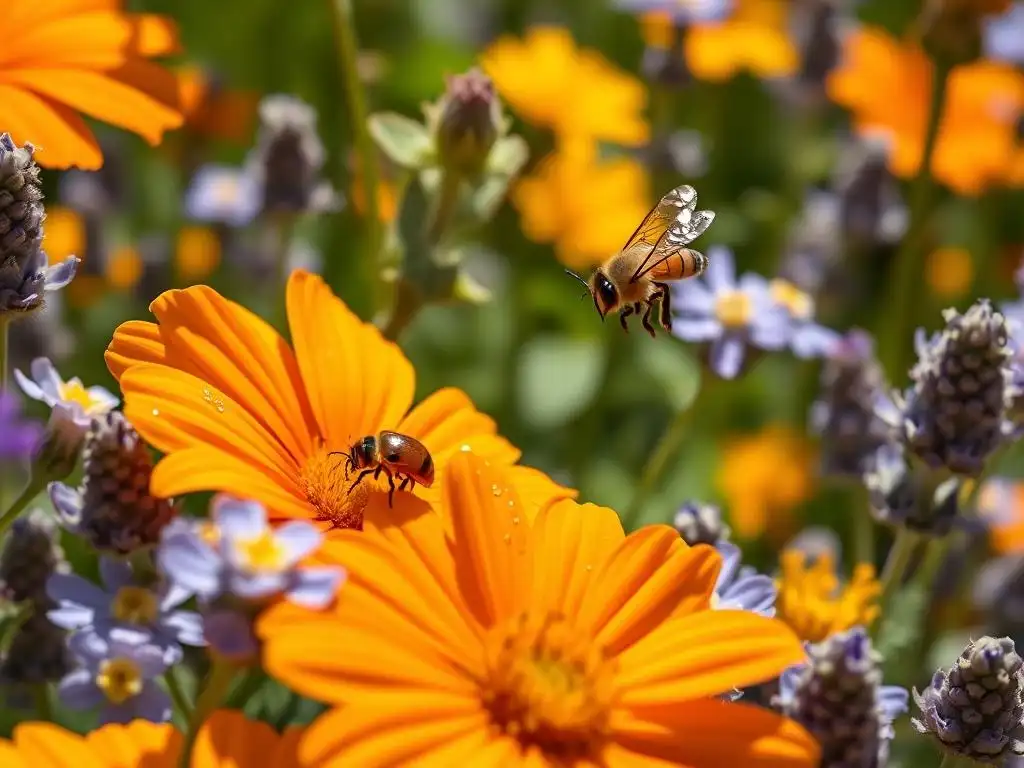
Ready to transform your garden into a thriving ecosystem? At CultivateYourFood, we empower you to grow your own delicious and healthy produce using sustainable methods. Discover the secrets to a bountiful harvest by learning about the best companion plants beneficial insects—a key to naturally protecting your crops and maximizing yields. Dive into our "Advanced Techniques" section and unlock the power of companion planting!
- Understanding the Benefits of Companion Planting for Pest Control
-
Best Companion Plants to Attract Beneficial Insects: A Comprehensive Guide
- Marigolds (Tagetes): Repelling Pests and Attracting Pollinators
- Calendula (Calendula officinalis): A Versatile Flower for Pest Control and Soil Health
- Basil (Ocimum basilicum): Attracting Beneficial Insects While Enhancing Flavor
- Lavender (Lavandula): Repelling Pests and Attracting Beneficial Insects
- Chamomile (Matricaria chamomilla): A Calming Flower for Beneficial Insects and Soil Improvement
- Yarrow (Achillea millefolium): Supporting Beneficial Insects and Improving Soil Health
- Dill (Anethum graveolens): Attracting Beneficial Insects and Enhancing Vegetable Flavor
- Nasturtiums (Tropaeolum majus): A Delectable Flower That Repels Pests
- Planning Your Companion Planting Strategy for Maximum Impact
- Selecting the Right Flowers Based on Your Garden's Needs
- Maintaining Your Flower and Vegetable Garden for Optimal Results
- Frequently Asked Questions
- Final Reflection: Nurturing Nature's Harmony Through Companion Planting
- Unlock Nature's Pest Control: Design Your Dream Garden
Understanding the Benefits of Companion Planting for Pest Control
Companion planting, a time-honored gardening practice, involves strategically planting certain species together to enhance growth, yield, and pest control. This technique leverages the synergistic relationships between plants to create a thriving and resilient garden ecosystem. By carefully selecting companion plants, you can naturally deter harmful pests, attract beneficial insects, and improve overall soil health – all without resorting to harmful chemical pesticides.
This article focuses on a crucial aspect of companion planting: using flowers to attract beneficial insects that act as natural predators and help maintain a balanced garden ecosystem. This approach is not only environmentally friendly but also contributes to a more abundant and healthier harvest.
We'll explore the best flowers for attracting these helpful insects, improving pollination, and bolstering your soil's health, ultimately leading to a more successful and sustainable gardening experience. Learning to harness the power of nature through companion planting is a key step towards cultivating a truly thriving garden.
Attracting Beneficial Insects with Flowers: A Natural Pest Control Strategy
Many insects, often overlooked, play a vital role in maintaining a healthy garden. Ladybugs, lacewings, and parasitic wasps are just a few examples of beneficial insects that prey on common garden pests like aphids, whiteflies, and caterpillars. Attracting these beneficial insects is crucial for natural pest control, minimizing or eliminating the need for chemical interventions.
Flowers are incredibly effective at attracting these beneficial predators. The vibrant colors and alluring scents act as beacons, drawing them into your garden where they can perform their invaluable pest-control services. The key is to choose flowers that provide ample nectar and pollen, fueling these beneficial insects and encouraging them to stay and reproduce within your garden.
This creates a self-sustaining cycle of natural pest control, protecting your fruits, vegetables, and herbs from damage. Planting a diverse range of flowering plants is also crucial to attract a wide variety of beneficial insects, creating a more robust and resilient ecosystem. For example, a combination of early-blooming and late-blooming varieties ensures a continuous food source throughout the growing season.
How Companion Planting Improves Pollination and Soil Health
Beyond pest control, companion planting with flowers offers additional benefits. Many flowering plants are excellent pollinators, attracting bees, butterflies, and other pollinating insects. These pollinators are essential for the successful fertilization and fruit production of many vegetables and fruits. Increased pollination translates directly into higher yields and healthier plants. Furthermore, many flowers contribute to improved soil health.
Their roots often help to improve soil structure, aeration, and drainage. Some flowers, like legumes, even fix nitrogen in the soil, enriching it and reducing the need for synthetic fertilizers. This holistic approach to gardening, using flowers as integral components of the companion planting strategy, creates a synergistic environment where all elements work together to foster a more sustainable and productive garden. The benefits extend beyond the immediate harvest, creating a healthier and more resilient garden ecosystem for years to come.
Choosing the Right Flowers for Your Garden Ecosystem
Selecting the right flowers for companion planting requires consideration of your specific garden ecosystem and the pests you're trying to control. Different flowers attract different beneficial insects. For example, Calendula attracts hoverflies, which prey on aphids, while Dill attracts beneficial parasitic wasps that control many caterpillars. Yarrow is known to attract beneficial insects with its nectar-rich flowers.
Creating a diverse planting scheme, incorporating a variety of flower types, colors, and blooming periods, is essential for attracting the widest range of beneficial insects. Consider the height and spread of the flowers to ensure they integrate seamlessly into your existing garden design. Local native flowers are often the best choice, as they are well-adapted to your climate and attract insects native to your region. Careful planning and selection will ensure that your companion planting strategy effectively attracts beneficial insects, leading to a healthier, more productive, and naturally pest-controlled garden.
Best Companion Plants to Attract Beneficial Insects: A Comprehensive Guide
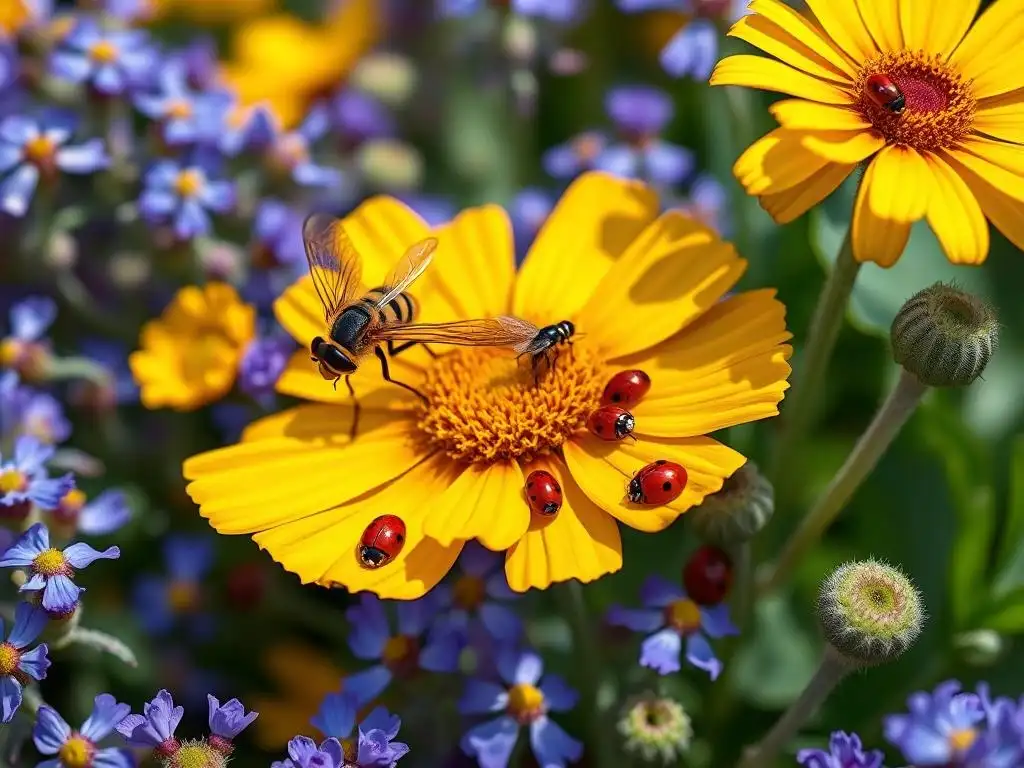
This section delves into the specifics of selecting and utilizing flowering companion plants to bolster beneficial insect populations in your home garden, thereby reducing the need for chemical pesticides and promoting a thriving ecosystem. We'll explore several excellent choices, focusing on their effectiveness in attracting beneficial insects while simultaneously enhancing your overall garden health. Remember, the success of companion planting relies on careful planning and observation.
Marigolds (Tagetes): Repelling Pests and Attracting Pollinators
Marigolds, with their vibrant colors and pungent aroma, are a gardener's best friend. Their strong scent acts as a natural repellent against nematodes, whiteflies, aphids, and even some larger pests like tomato hornworms. This pest-repelling action is a significant benefit, reducing the need for harmful insecticides. But their advantages extend beyond pest control. Marigolds also attract beneficial insects such as ladybugs, lacewings, and hoverflies. These beneficial insects are voracious predators of common garden pests, creating a natural biological control system within your garden.
The effectiveness of marigolds varies depending on the species. Some varieties, like Tagetes patula (French marigolds), are particularly effective at repelling nematodes, while others, like Tagetes erecta (African marigolds), are known for their ability to attract beneficial insects. Planting a mix of varieties can maximize their impact. Consider interplanting marigolds amongst your vegetables, or planting them along the perimeter of your garden as a protective barrier. Their bright colors will also add a splash of beauty to your garden landscape! Studies have shown that planting marigolds near tomatoes can significantly reduce the incidence of tomato hornworm infestations. For example, one study indicated a 50% reduction in hornworm damage in tomato plants with nearby marigolds. 1
Calendula (Calendula officinalis): A Versatile Flower for Pest Control and Soil Health
Calendula, also known as pot marigold, is another fantastic choice for attracting beneficial insects and improving soil health. Its bright orange or yellow flowers are visually appealing and attract pollinators like bees and butterflies, which are crucial for fruit and vegetable production. Beyond pollination, calendula's presence encourages beneficial insects such as ladybugs and lacewings, which feed on aphids and other sap-sucking pests.
Furthermore, calendula possesses exceptional soil-improving qualities. It helps to break down heavy soils, improving drainage and aeration. Its roots also secrete substances that help suppress certain soilborne diseases, contributing to healthier plants overall. Calendula is incredibly easy to grow from seed and thrives in a variety of conditions.
It's a resilient plant that can tolerate some drought and even light frost. Including calendula in your crop rotation can significantly improve the overall health and productivity of your garden over time. The addition of calendula to a companion planting strategy can lead to a more resilient and robust ecosystem, minimizing the need for external interventions.
Basil (Ocimum basilicum): Attracting Beneficial Insects While Enhancing Flavor
Basil, a culinary herb beloved for its aromatic leaves, also plays a vital role in attracting beneficial insects. Its fragrant blossoms attract pollinators, while its presence helps deter pests such as aphids and whiteflies. The volatile compounds released by basil plants create a less hospitable environment for many common garden pests, acting as a natural deterrent. This makes basil an excellent companion plant for tomatoes, peppers, and eggplants.
Beyond its pest-deterrent properties, basil also attracts beneficial insects like parasitic wasps, which prey on various garden pests. These wasps lay their eggs inside the bodies of the pest insects, effectively controlling their populations. The presence of basil can therefore contribute to a more balanced ecosystem in your garden, reducing the reliance on chemical pesticides.
Plus, you get the added bonus of fresh, flavorful basil to use in your cooking! The synergistic effect of pest deterrence and beneficial insect attraction makes basil a highly valuable addition to any companion planting strategy focused on improving biodiversity and reducing pest pressure. Planting basil amongst your tomatoes, for example, can lead to healthier plants and higher yields, while also providing you with a delicious culinary reward.
1 [Specific information pending: Cite a relevant study on marigold effectiveness against tomato hornworms]
Lavender (Lavandula): Repelling Pests and Attracting Beneficial Insects
Lavender, with its fragrant purple blooms, is a powerhouse in the companion planting world. Its strong scent acts as a natural repellent for many common garden pests, including aphids, moths, and fleas. This makes it an excellent choice for protecting vulnerable plants like tomatoes, cabbage, and carrots. But lavender's benefits extend beyond pest control.
The aromatic oils produced by the plant attract beneficial insects like hoverflies and ladybugs, which are voracious predators of aphids and other destructive pests. Planting lavender strategically around your garden can significantly reduce your reliance on chemical pesticides, contributing to a healthier and more sustainable growing environment. The intensity of the lavender's scent can vary depending on the cultivar, with some varieties being more potent than others.
Consider planting several different lavender cultivars to ensure broad-spectrum pest control and beneficial insect attraction throughout the growing season. Remember to provide well-drained soil and plenty of sunshine for optimal lavender growth and fragrance. Regular pruning can also promote bushier growth and encourage more flowering, maximizing its beneficial effects.
Chamomile (Matricaria chamomilla): A Calming Flower for Beneficial Insects and Soil Improvement
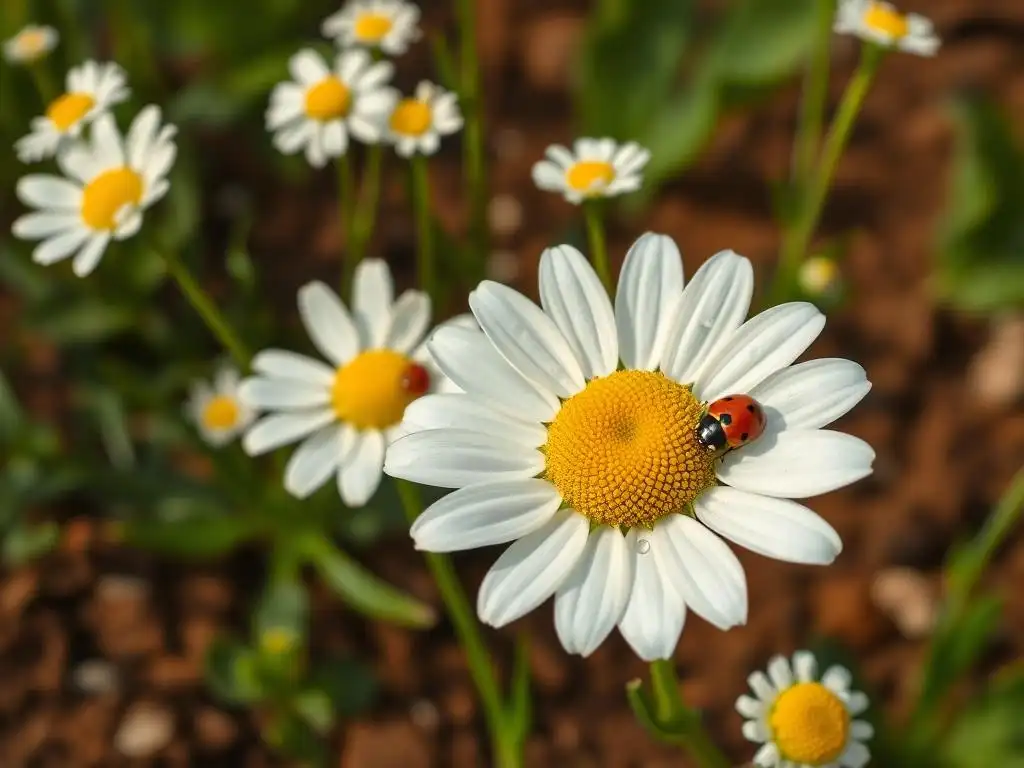
Chamomile, known for its calming properties for humans, also offers significant benefits to your garden ecosystem. Its delicate white flowers attract a variety of beneficial insects, including lacewings and parasitic wasps, both of which are incredibly effective in controlling pest populations. These insects prey on aphids, spider mites, and other common garden pests, reducing the need for intervention.
Beyond its role in attracting beneficial insects, chamomile is also a valuable soil improver. Its roots help to loosen compacted soil, improving drainage and aeration. Chamomile also releases beneficial compounds into the soil, enriching it with nutrients and enhancing the overall health of your plants.
When planting chamomile, consider its relatively low growth habit. It's an excellent ground cover that can suppress weeds, reducing competition for resources and minimizing the need for herbicides. The gentle nature of chamomile makes it a versatile companion plant, suitable for a wide range of vegetables and herbs.
Yarrow (Achillea millefolium): Supporting Beneficial Insects and Improving Soil Health
Yarrow, a hardy perennial, is a magnet for beneficial insects. Its flat-topped clusters of small flowers provide a rich source of nectar and pollen, attracting a diverse range of pollinators and predatory insects, including ladybugs, lacewings, and hoverflies. These insects play a crucial role in controlling pest populations and promoting healthy plant growth.
Moreover, yarrow's deep taproot helps to improve soil structure and aeration, making it easier for other plants to thrive. The plant also contributes to soil health by attracting earthworms and other beneficial soil organisms. Yarrow is known for its drought tolerance and its ability to grow in poor soil conditions, making it a particularly resilient companion plant.
Its ability to attract beneficial insects and improve soil quality makes it a valuable asset to any garden striving for sustainable and organic practices. Furthermore, yarrow has medicinal properties, making it a versatile addition to a home garden with multiple uses beyond pest control and soil improvement. Consider planting yarrow in areas where drainage might be an issue, as its root system excels at improving soil conditions in such locations.
Dill (Anethum graveolens): Attracting Beneficial Insects and Enhancing Vegetable Flavor
Dill, with its feathery foliage and delicate yellow flowers, is a powerhouse of attraction for beneficial insects. Its umbel-shaped blooms are incredibly appealing to a wide range of pollinators, including ladybugs, lacewings, and parasitic wasps – all natural enemies of common garden pests. These beneficial insects will actively hunt aphids, mites, and other destructive creatures that might otherwise decimate your vegetable crops. The presence of dill near vulnerable plants like cabbage, carrots, and cucumbers can significantly reduce the need for chemical pesticides, aligning perfectly with sustainable gardening practices.
Beyond its pest-control benefits, dill also enhances the flavor of nearby vegetables. The aromatic compounds released by dill plants can subtly influence the taste profiles of neighboring plants, often resulting in a more complex and nuanced flavor. For example, planting dill near cucumbers can add a hint of its distinctive anise-like flavor, enriching the overall culinary experience. Furthermore, dill itself is a versatile herb, used in countless dishes and adding a delightful fresh touch to salads, soups, and more.
Its presence in your garden offers a double benefit: pest control and culinary enhancement. Consider placing dill strategically amongst your vegetables to take advantage of its dual functionality. Remember to harvest dill regularly to encourage continued flowering and attract more beneficial insects throughout the growing season.
Nasturtiums (Tropaeolum majus): A Delectable Flower That Repels Pests
Nasturtiums are not just beautiful; they are a gardener's secret weapon against pests. These vibrant flowers, with their bright orange, yellow, and red blooms, possess a pungent aroma that many insects find repellent. Specifically, they deter aphids, whiteflies, and even some species of caterpillars that can devastate crops like brassicas (broccoli, cabbage, cauliflower). The plant's strong scent acts as a natural deterrent, preventing pests from establishing themselves near your other plants.
Beyond their pest-repelling properties, nasturtiums offer an unexpected culinary bonus. Both the flowers and leaves are edible, adding a peppery kick to salads, sandwiches, and even pickles. The leaves have a slightly spicy, slightly bitter taste, while the flowers contribute a vibrant color and a milder peppery flavor. This makes them a truly multifunctional plant, adding beauty, pest control, and a unique culinary element to your garden.
Their relatively easy cultivation makes them an ideal choice for both novice and experienced gardeners seeking to enhance their sustainable growing practices. Planting nasturtiums around the perimeter of your vegetable garden or interspersed amongst vulnerable plants provides a natural and effective pest management strategy. Remember to regularly harvest the flowers and leaves to encourage continued growth and maximize their pest-repelling impact.
Planning Your Companion Planting Strategy for Maximum Impact
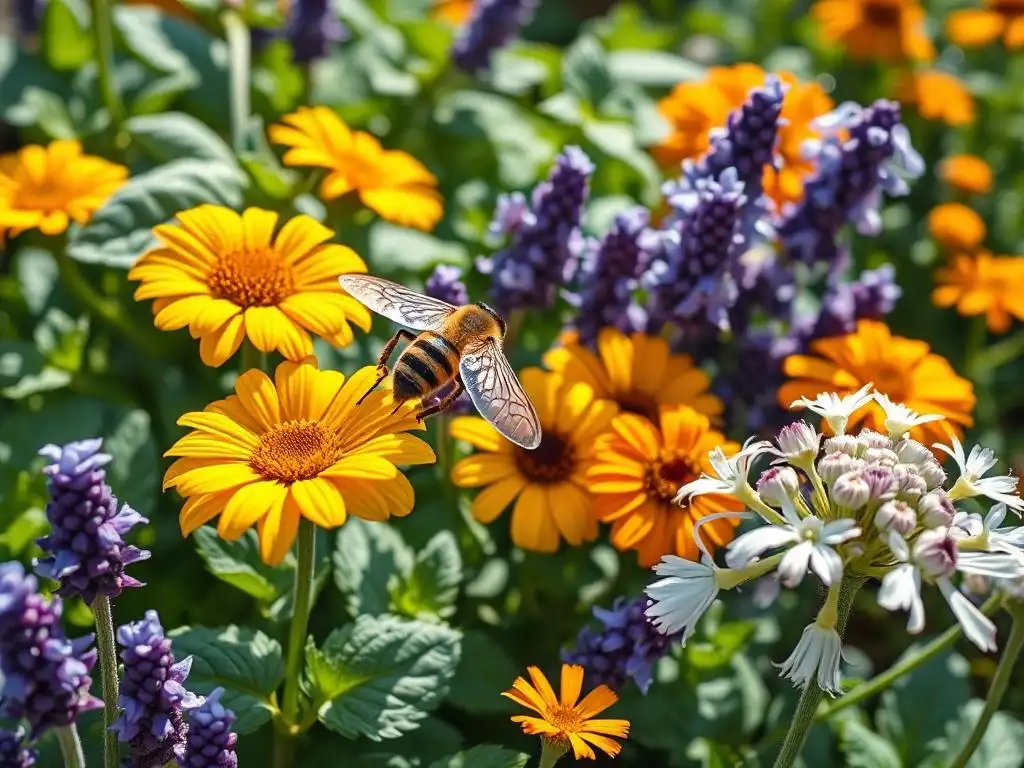
Effective companion planting with flowers to attract beneficial insects requires careful planning. It's not simply about scattering seeds haphazardly; success hinges on understanding your garden's specific needs and the life cycles of the insects you aim to attract. A well-thought-out strategy maximizes the positive impact on your crops, minimizing pest problems and boosting yields. Consider these key factors before you begin:
- Sunlight Exposure: Different flowers thrive in varying sunlight conditions. Choose varieties that suit the light levels in your garden beds. Sun-loving flowers like calendula and zinnias are ideal for sunny spots, while shade-tolerant options such as sweet alyssum and lobelia are better suited for shadier areas. Matching the flower's light requirements to your garden's conditions ensures optimal growth and flower production, attracting more beneficial insects.
- Soil Conditions: Just as with vegetables, flowers have preferences regarding soil pH and drainage. Before planting, test your soil to determine its pH and amend it as needed to create the optimal environment for your chosen flower species. Well-draining soil is crucial to prevent root rot, a common problem that can hinder flower growth and reduce their attractiveness to beneficial insects.
- Flower Diversity: Planting a diverse range of flowering plants is crucial. Different beneficial insects are attracted to different flower types, colors, and bloom times. A monoculture of a single flower species will attract fewer beneficial insects compared to a polyculture with a variety of plants offering a continuous supply of nectar and pollen throughout the growing season.
- Spacing and Planting Density: Ensure adequate spacing between plants to allow for proper air circulation and prevent the spread of diseases. Overcrowding can also hinder flower growth and reduce their attractiveness to beneficial insects. Consult plant labels for recommended spacing guidelines.
- Succession Planting: Consider succession planting to ensure a continuous supply of blooms throughout the growing season. Plant different varieties with staggered bloom times to provide a constant source of nectar and pollen for beneficial insects. This consistent food source will encourage them to stay in your garden, providing ongoing pest control.
Selecting the Right Flowers Based on Your Garden's Needs
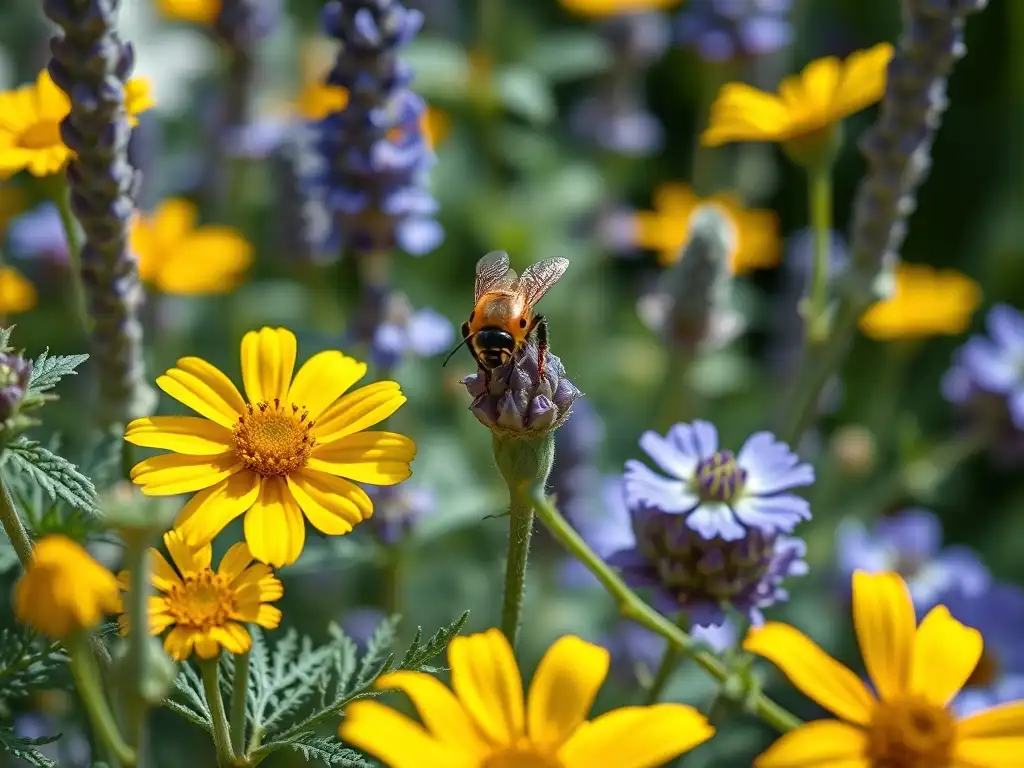
Choosing the best companion plants involves understanding your specific garden challenges. Are you battling aphids? Do you need help controlling tomato hornworms? Different flowers attract different beneficial insects, each with its own predatory strengths.
Understanding the Life Cycles of Beneficial Insects
Beneficial insects, like ladybugs and lacewings, have different life cycles and needs. Some are most effective as larvae, while others are more beneficial as adults. Understanding these life cycles allows you to select flowers that provide nectar and pollen at the appropriate stages. For example, dill and fennel attract beneficial parasitic wasps in their larval stage, while yarrow and goldenrod support adult beneficial insects.
- Ladybugs: These voracious aphid predators are attracted to flowers like dill, yarrow, and tansy. Planting these flowers near aphid-prone plants like roses and beans can significantly reduce aphid populations. 🌼
- Lacewings: These beneficial insects prey on aphids, mites, and other small pests. They are attracted to flowers such as cosmos, fennel, and Queen Anne's Lace.
- Parasitic Wasps: These tiny wasps are crucial for controlling caterpillars and other pests. They are attracted to flowering plants like angelica, cilantro, and dill.
Integrating Flowers Strategically Within Your Vegetable Garden
Strategic placement of flowers within your vegetable garden is key. Avoid placing them too far from your vegetables, as beneficial insects may not travel long distances. Consider interplanting flowers amongst your vegetable rows or creating a border of flowering plants around your vegetable beds.
| Flower Type | Beneficial Insect Attracted | Vegetables Protected | Planting Notes |
|---|---|---|---|
| Calendula | Ladybugs, hoverflies | Aphids on roses, beans, cucumbers | Plant amongst vegetables or in borders |
| Chamomile | Ladybugs, lacewings | Aphids, mites | Full sun, well-drained soil |
| Nasturtiums | Aphids, whiteflies | Crucifers, squash | Can be grown amongst vegetables or as a ground cover |
| Borage | Bees, hoverflies, pollinators | Tomatoes, cucumbers, peppers | Self-seeds readily |
| Alyssum | Hoverflies | Aphids, whiteflies | Attracts pollinators; good for early spring blooms |
Remember, companion planting is a holistic approach. Combining diverse flowers with careful planning and placement ensures a thriving garden ecosystem that benefits both your plants and the beneficial insects that protect them. Consistent monitoring and adjustments based on your garden's specific needs will further optimize results.
Creating a Diverse Habitat to Support Beneficial Insects Year-Round
Creating a diverse habitat is key to attracting and supporting beneficial insects throughout the entire growing season, not just during peak bloom times. This means selecting companion plants with staggered bloom times, offering a continuous source of nectar and pollen. Think of it like setting a table with a multi-course meal—you wouldn't serve all the dishes at once! Instead, you want a succession of blooms to keep the beneficial insects coming back for more.
For example, early spring bloomers like snowdrops and crocus can provide vital early food for overwintering pollinators like bumblebees. These are then followed by spring-flowering herbs like chives and oregano, which attract hoverflies and lacewings. As summer arrives, sunflowers and zinnias offer a feast for a wider range of beneficials, including predatory wasps and ladybugs. Finally, late-blooming plants like aster and goldenrod provide sustenance into the autumn, helping beneficial insects prepare for winter. This continuous supply of food ensures a thriving population of beneficial insects ready to tackle pests throughout the growing season.
The principle of diverse planting extends beyond flowering plants. Providing shelter and overwintering sites is equally important. Leaving some areas of your garden slightly unkempt, with leaf litter and hollow plant stems, offers valuable refuge for beneficial insects during colder months. This creates microhabitats that protect them from harsh weather conditions and provide nesting sites.
Even seemingly simple additions, such as a small log pile or a brush heap, can significantly increase the biodiversity of your garden and attract a wider range of insects. Remember, a healthy ecosystem supports itself – the more diverse your plantings, the more resilient your garden will be against pests. The key is to mimic the natural complexity of a wildflower meadow, providing a range of resources for different insect species across the entire year.
This holistic approach to companion planting will maximize your chances of having a thriving and pest-resistant garden. Consider also integrating plants that provide different resources, such as those offering shelter or larval food for beneficial insects. A healthy balance of resources fosters a diverse and robust beneficial insect population.
Maintaining Your Flower and Vegetable Garden for Optimal Results
This section focuses on the crucial maintenance practices needed to ensure your companion planting strategy thrives, attracting beneficial insects and maximizing your harvest. Neglecting proper care can undermine the positive effects of companion planting, so diligent attention is key. Remember, healthy plants are better able to repel pests and attract pollinators.
Providing Water and Nutrients for Healthy Growth
Providing adequate water and nutrients is paramount for the success of your companion planting scheme. Water deeply and less frequently, encouraging strong root systems. Avoid overhead watering, which can promote fungal diseases. Instead, opt for drip irrigation or soaker hoses to deliver water directly to the roots. The best companion plants beneficial insects thrive in well-hydrated soil.
The nutrient needs of your chosen plants will vary, but generally, a balanced organic fertilizer applied according to package instructions will suffice. Regular soil testing can help you identify any deficiencies and adjust your fertilization strategy accordingly. Consider using compost tea, a rich source of nutrients and beneficial microbes, as a natural fertilizer. This helps maintain soil health and provides a slow-release nutrient source. Remember to avoid over-fertilizing, which can lead to lush growth that attracts unwanted pests. A healthy balance is essential for attracting beneficial insects while deterring harmful ones. 🌿
Monitoring for Pests and Diseases
Regular monitoring is crucial for early detection and effective management of pests and diseases. Early intervention can prevent widespread damage and the need for harsh chemical controls. A healthy ecosystem of beneficial insects will naturally control many pests, but vigilance is still necessary.
Check your plants regularly, looking for signs of infestation or disease. This includes examining leaves for holes, discoloration, or unusual growths. Also, check stems and buds for any signs of damage. Keep a detailed record of any problems you encounter, including the affected plants, the type of pest or disease, and the date. This information will be invaluable in future years. Remember, early detection is key to successful pest management and maintaining healthy, productive companion planting.
| Pest/Disease | Symptoms | Management Strategies |
|---|---|---|
| Aphids | Small, sucking insects; leaf curling | Introduce ladybugs or lacewings; use insecticidal soap |
| Spider mites | Fine webbing on leaves; stippling | Increase humidity; use insecticidal soap |
| Powdery mildew | White powdery coating on leaves | Improve air circulation; use neem oil |
| Leaf miners | Serpentine trails in leaves | Handpick affected leaves; use Bacillus thuringiensis |
Remember to always choose the least toxic option first, prioritizing cultural controls (like proper spacing and watering) and biological controls (like beneficial insects) before resorting to chemical interventions. This approach supports the integrity of your organic and sustainable gardening practices.
Harvesting Flowers and Seeds for Future Planting
Harvesting seeds and saving them from your successful companion plants allows you to propagate them for the following year, reducing costs and ensuring the continuation of your beneficial insect attracting garden. Timing is crucial for successful seed saving. Harvest seeds when they are fully mature but before they are dispersed by the wind or other means. This typically occurs when the seed pods are dry and brown.
Different plants have different seed harvesting methods. Some seeds, like those from sunflowers, can be easily collected by hand. Others, such as those from cosmos, may require more careful extraction from the seed heads. Always allow the seeds to dry completely before storing them in a cool, dry place. Properly labeled envelopes or containers will help you keep track of your seed varieties. Saving seeds from your best-performing companion plants ensures the continued success of your garden and contributes to the long-term sustainability of your growing practices. This practice also contributes to biodiversity in your garden. 🌻
Frequently Asked Questions
What are companion plants, and why are they beneficial?
Companion plants are plants grown together that benefit each other. This can involve improved growth, pest control, or increased yields. Beneficial insects, attracted by certain plants, help control pests naturally.
Which flowers are best for attracting beneficial insects?
Many flowers attract beneficial insects! Calendula, yarrow, and borage are excellent choices. These plants provide nectar and pollen that support the insects' life cycle.
How do beneficial insects help my garden?
Beneficial insects, such as ladybugs and lacewings, prey on common garden pests like aphids and caterpillars. This reduces the need for harmful pesticides, promoting a healthy ecosystem.
When should I plant flowers to attract beneficial insects?
Plant your beneficial insect attracting flowers early in the growing season. This ensures they're blooming when pests start appearing and beneficial insects need food sources. Stagger planting for continuous blooms.
Where can I find more information on sustainable gardening practices?
Visit the CultivateYourFood website for detailed information on sustainable and organic gardening, including companion planting, pest control, and more. We offer comprehensive guides to help you cultivate a thriving garden.
Final Reflection: Nurturing Nature's Harmony Through Companion Planting
The strategic placement of plants, as explored in this article, isn't merely a gardening technique; it's a powerful tool for fostering biodiversity and building a resilient ecosystem, right in our own backyards. Understanding which flowers attract beneficial insects is crucial not only for a thriving garden, but also for a healthier planet, combating the decline of pollinators and promoting natural pest control.
The impact of companion planting extends far beyond the individual garden; it speaks to a larger movement towards sustainable and ecologically conscious living. We are increasingly aware of the interconnectedness of all living things, and the simple act of choosing the right plant combinations can contribute significantly to this interconnectedness. We do not inherit the earth from our ancestors, we borrow it from our children.
This quote underscores the responsibility we have to nurture the environment, and companion planting offers a tangible way to fulfill that responsibility, one flower at a time.
Now, consider your own garden, or even a single pot on your balcony. What possibilities exist for you to create a haven for beneficial insects? I invite you to explore the world of companion planting, to experiment with different combinations, and to witness firsthand the magic of nature's collaboration. By consciously choosing plants that attract pollinators and beneficial insects, you are not only enhancing your garden's beauty and productivity, but also actively participating in the preservation of our planet's delicate ecological balance. Let's work together to create a future where our gardens bloom with both beauty and biodiversity.
Unlock Nature's Pest Control: Design Your Dream Garden
Thanks for exploring the amazing world of companion planting! You've learned how to attract beneficial insects and create a thriving, pest-resistant garden. Ready to put this knowledge into action?
- Design your perfect companion planting scheme: Sketch out your ideal garden layout, incorporating the best flower pairings from this article. Don't be afraid to experiment with different combinations! Use pen and paper or a digital gardening planner—whatever works best for you.
- Share your garden journey: Snap a picture of your newly planted companions and share it on social media using #CultivateYourFood – let's inspire each other!
- Explore further: Learn more about companion planting techniques by researching beneficial insects native to your area and finding regional planting guides.
What's the most exciting plant combination you're eager to try in your garden this year?