
Choosing the Right Plants: HeatTolerant Options for Hot Climates

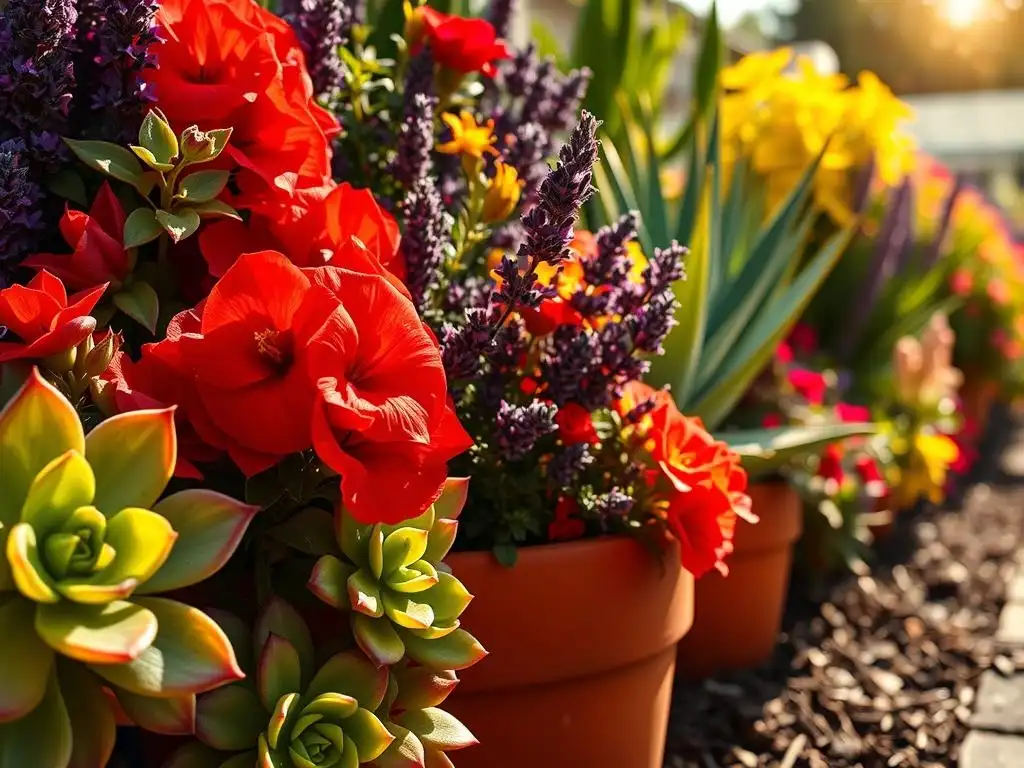
Welcome to CultivateYourFood, your guide to a thriving, sustainable garden! Are scorching summers threatening your harvest dreams? Discover the secrets to a bountiful yield, even in the most intense heat, with our expert advice on heat tolerant garden plants. Learn which resilient varieties will flourish in your climate and unlock the potential of your garden, no matter how high the temperature climbs. Let's cultivate a vibrant, organic oasis together!
- Understanding Heat Tolerance in Garden Plants
- Top Heat-Tolerant Vegetables for Hot Climates
- Heat-Tolerant Fruits for Sunny Gardens
- Herbs that Flourish in Hot and Dry Conditions
- Tips for Successful Heat-Tolerant Gardening
- Choosing the Right Heat-Tolerant Plants for Your Garden: A Summary
- Frequently Asked Questions
- Final Reflection: Cultivating Resilience in a Changing Climate
- Unleash Your Inner Green Thumb: Thrive in the Heat!
Understanding Heat Tolerance in Garden Plants
Choosing the right plants for your garden is crucial, especially if you live in a region with scorching summers. This article focuses on selecting heat-tolerant garden plants, crucial for maintaining a thriving and productive garden even during the most intense heat waves. Successfully navigating the challenges of high temperatures involves understanding what constitutes heat tolerance in plants, identifying factors that influence their resilience, and selecting varieties specifically suited to your local climate.
We'll explore different levels of heat tolerance, the impact of soil conditions, sunlight exposure, and watering techniques, and how to determine the most suitable plants for your specific climate zone and its characteristic heat stress periods. Mastering these elements will unlock the secrets to a flourishing garden, regardless of the summer heat. Let's dive into the details and equip you with the knowledge to cultivate a vibrant, heat-resistant oasis.
Defining Heat Tolerance Levels for Different Plants
Plants exhibit varying degrees of heat tolerance. Some can withstand extreme temperatures with minimal stress, while others wilt and struggle under even moderately high heat. Understanding these differences is paramount for successful gardening in hot climates. We can categorize plants into different heat tolerance levels:
- High Heat Tolerance: These plants thrive in temperatures consistently above 90°F (32°C) and often tolerate temperatures exceeding 100°F (38°C) for short periods. Examples include many varieties of peppers (like jalapeños and habaneros), tomatoes (certain heirloom varieties are particularly robust), and certain herbs like rosemary and oregano.
- Moderate Heat Tolerance: These plants perform well in temperatures ranging from 75°F to 90°F (24°C to 32°C) but may experience stress or reduced growth at higher temperatures. Many common vegetables fall into this category, including zucchini, beans, and cucumbers. Careful watering and shade during the hottest parts of the day are often beneficial.
- Low Heat Tolerance: These plants struggle in temperatures above 80°F (27°C) and require significant shade and consistent watering. Lettuce, spinach, and many flowering annuals are examples of plants with lower heat tolerance. They are best suited for cooler months or shady locations.
It's important to note that even within a species, different cultivars can exhibit different heat tolerances. Always check the plant tag or seed packet for specific heat tolerance information. Choosing varieties explicitly labeled as "heat-tolerant" is crucial for success in hot climates. 🥵
Factors Affecting Heat Tolerance: Soil, Sunlight, and Watering
Several environmental factors significantly influence a plant's ability to cope with heat stress. These include soil type, sunlight exposure, and watering practices.
- Soil: Well-draining soil is critical for heat tolerance. Heavy clay soils retain too much moisture, leading to root rot, a significant problem under high temperatures. Sandy or loamy soils offer better drainage and aeration, helping the roots stay cool and healthy. Adding organic matter like compost improves soil structure and water retention, creating a more favorable environment for heat-stressed plants.
- Sunlight: While many heat-tolerant plants require ample sunlight, excessive exposure during the hottest parts of the day can lead to scorching and wilting. Consider providing afternoon shade, especially for younger or more sensitive plants, using shade cloth or strategic planting. Observe your plants; if they show signs of stress (wilting, leaf burn), adjust their sun exposure.
- Watering: Consistent and deep watering is crucial, especially during hot, dry periods. Avoid shallow watering, which encourages shallow root growth and makes plants more susceptible to drought stress. Water deeply and less frequently to encourage deep root development. Mulching around plants helps retain soil moisture and keeps the roots cool. Early morning or late evening watering is best to minimize evaporation.
Identifying Your Local Climate Zone and its Heat Stress Periods
Knowing your local climate zone and its typical heat stress periods is vital for selecting appropriate heat-tolerant plants. Your local agricultural extension office or gardening center can provide this information. Understanding the average high temperatures, the length of the hot season, and the typical timing of heat waves will help you choose plants that can withstand the specific conditions in your area.
This information, combined with the heat tolerance levels of different plants, will enable you to create a thriving garden even under intense heat. Remember to account for microclimates within your garden; some areas might be hotter or cooler than others due to factors like sun exposure and wind. ☀️
Top Heat-Tolerant Vegetables for Hot Climates
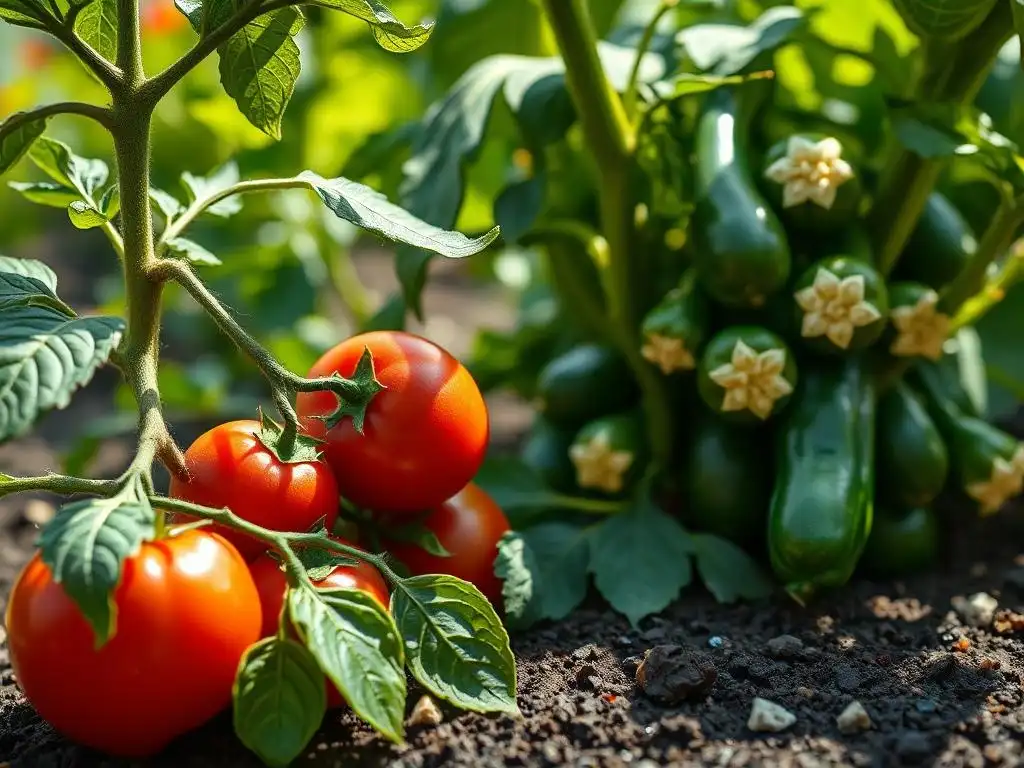
This section focuses on selecting vegetables that not only survive but thrive in intense heat, maximizing your harvest even during the hottest months. Choosing the right heat-tolerant garden plants is crucial for success in warmer climates. We'll explore some of the best options, detailing their specific needs and how to optimize their growth. Remember, even heat-tolerant varieties benefit from proper watering and soil conditions.
Thriving in the Heat: Tomatoes, Peppers, and Eggplants
Tomatoes, peppers, and eggplants are staples in many gardens, but their success in hot climates hinges on choosing the right varieties. Certain cultivars are bred specifically for heat tolerance, offering improved fruit production even under scorching sun.
For tomatoes, look for varieties labeled as "heat-tolerant" or "southern tomatoes." These often exhibit thicker skins, which help prevent sunscald. Consider heirloom varieties like 'Brandywine' or 'Cherokee Purple,' known for their resilience and delicious flavor. Proper spacing is key; overcrowding can lead to poor air circulation and increased susceptibility to disease in high temperatures.
Peppers, particularly those in the Capsicum genus, are generally quite heat-tolerant. However, consistent watering is crucial, especially during fruit development. Consider varieties like 'Cayenne,' 'Poblano,' or 'Anaheim' for reliable yields. These peppers often have a thicker skin, protecting them from sun damage. Remember to provide adequate support, as heavy pepper plants may need staking or caging.
Eggplants also perform well in heat, but require consistent moisture. Choose compact varieties to improve air circulation and reduce the risk of fungal diseases. 'Black Beauty' and 'Fairy Tale' are examples of heat-tolerant eggplant varieties known for their productivity. Regular fertilization helps maintain vigorous growth and fruit production during hot spells.
Heat-Loving Greens: Choosing the Right Lettuce and Spinach Varieties
While lettuce and spinach are typically associated with cooler weather, certain varieties can tolerate warmer temperatures surprisingly well. The key is to choose cultivars specifically bred for heat tolerance and to employ some smart gardening techniques.
Choosing heat-tolerant lettuce varieties is paramount. Look for loose-leaf types, which tend to be more heat-resistant than head lettuces. 'Black Seeded Simpson' and 'Red Sails' are examples of heat-tolerant varieties that can still produce a decent crop even in warmer conditions. Planting in partial shade during the hottest part of the day can significantly improve their performance. Successive sowing is also recommended – plant small batches at intervals to ensure a continuous supply.
Similarly, some spinach varieties are more heat-tolerant than others. 'Bloomsdale Long Standing' is a popular choice, known for its ability to withstand higher temperatures compared to other spinach cultivars. However, expect reduced yields in extreme heat. Planting in a location with morning sun and afternoon shade can help to mitigate the effects of intense heat. Harvesting frequently can also encourage new leaf growth.
Summer Squash and Zucchini: Abundant Harvests in High Temperatures
Summer squash and zucchini are prolific producers, even in high temperatures. Their rapid growth cycle allows them to produce a bountiful harvest before the heat becomes truly oppressive. However, proper care is still important to maximize yield and quality.
These vegetables thrive in warm conditions and require plenty of sunlight. Ensure adequate soil moisture, especially during flowering and fruit development. Regular harvesting is crucial; leaving mature fruit on the vine can slow down production. Consider using mulch to help retain soil moisture and suppress weeds, which compete for resources. Choosing compact or bush varieties can improve air circulation, reducing the risk of fungal diseases. Remember to rotate your crops annually to prevent soilborne diseases. Proper fertilization using a balanced fertilizer will ensure healthy growth and abundant harvests.
Remember to always check the specific requirements of the varieties you choose, as conditions can vary. Happy gardening! 🌱
Root Vegetables for Hot Weather: Adaptable Carrots, Beets, and Radishes
Carrots, beets, and radishes, while often associated with cooler temperatures, can thrive in hot climates with the right approach. The key is selecting the right varieties and employing smart gardening techniques. For instance, choosing early-maturing carrot varieties significantly reduces the time the plants spend in the intense summer heat. These quicker-growing options often produce a smaller root, but their speed to maturity compensates for the heat stress. Think about varieties specifically bred for warmer climates; seed packets often highlight this characteristic.
Furthermore, proper soil preparation is crucial for heat-tolerant root vegetable production. Well-drained soil is essential to prevent root rot, a common problem in hot, humid conditions. Adding organic matter, such as compost, improves drainage and provides essential nutrients, enhancing the plants' resilience to heat stress. Regular watering, especially during dry spells, is critical, but avoid overwatering which can lead to fungal diseases. Deep, infrequent watering encourages deeper root growth, helping the plants access moisture even when the surface soil is dry. This technique is particularly important for carrots and beets, whose roots penetrate deeper into the soil.
Radishes, being a faster-growing option, are even more adaptable to hot weather. However, even radishes benefit from consistent watering and loose, well-drained soil. Planting them in partial shade during the hottest part of the day can significantly reduce heat stress and improve their yield. Remember to harvest radishes promptly once they reach maturity to prevent them from becoming pithy and tough in the heat. Consider succession planting; sow a new batch of radish seeds every few weeks to ensure a continuous harvest throughout the summer.
This strategy helps maximize yield despite the challenging conditions. Choosing different varieties with varying maturation times can also extend your harvest window. Experimenting with different planting times and techniques can reveal the optimal approach for your specific microclimate. Careful observation and adaptation are key to successfully cultivating these root vegetables even in the most intense heat.
Heat-Tolerant Fruits for Sunny Gardens
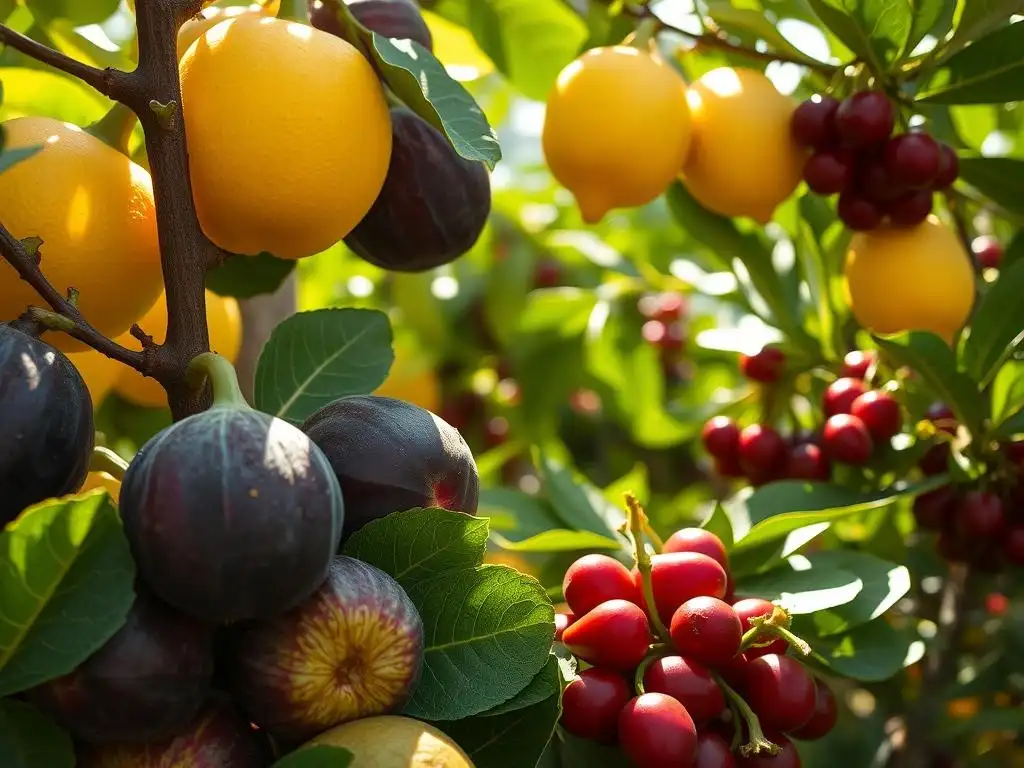
Choosing the right fruit trees and plants is crucial for a successful harvest, especially in hot climates. Many fruits thrive under intense sun and high temperatures, rewarding gardeners with delicious yields even during the hottest months. Selecting heat-tolerant varieties ensures your plants will not only survive but flourish, providing you with abundant, flavorful fruit. Understanding the specific needs of these heat-loving plants is key to maximizing your yield and minimizing stress on your plants. Let's explore some excellent options for your heat-tolerant garden plants.
Citrus Fruits: Oranges, Lemons, and Limes for Hot Climates
Citrus fruits are renowned for their ability to withstand high temperatures, provided they receive adequate water and sunlight. Oranges, lemons, and limes are particularly well-suited to hot climates. However, even these resilient plants benefit from some protection during the hottest parts of the day. Consider providing some afternoon shade, especially for younger trees, using shade cloth or strategic planting.
The key to successful citrus cultivation in hot weather is consistent watering. Avoid letting the soil dry out completely, especially during periods of intense heat. Regular fertilization is also important, providing the essential nutrients needed for healthy growth and fruit production. Choose a well-draining soil mix to prevent root rot, a common problem in hot, humid conditions.
Proper pruning also plays a crucial role in encouraging healthy growth and maximizing fruit yield. Regularly remove dead or damaged branches to improve air circulation and sunlight penetration. Remember, selecting a variety specifically suited to your region’s climate is crucial for optimal growth and fruit production.
Berries that Beat the Heat: Strawberries, Raspberries, and Blackberries
While some berries prefer cooler temperatures, several varieties are surprisingly heat-tolerant. Strawberries, for instance, can produce well in warm climates if provided with adequate moisture and protection from the midday sun. Mulching around the plants helps retain soil moisture and regulate soil temperature, which is particularly beneficial in hot, dry conditions. Choosing a heat-tolerant strawberry cultivar is essential; some varieties are better adapted to high temperatures than others.
Raspberries and blackberries also exhibit varying degrees of heat tolerance. Selecting varieties known for their heat resistance is key. These plants require well-drained soil and consistent watering, especially during fruiting. Providing some afternoon shade can help prevent sunscald and improve fruit quality. Regular pruning and pest management are also crucial for maintaining healthy plants and maximizing your harvest. Proper training and support systems are essential for these plants to thrive and prevent damage from heat stress. Consider using trellises to keep the canes off the ground and improve air circulation.
Melons and Watermelons: Cultivating Juicy Fruits in Summer Heat
Melons and watermelons are quintessential summer fruits, thriving in hot, sunny conditions. These vining plants need plenty of space to spread and ample sunlight for optimal fruit development. Well-drained soil is critical to prevent root rot, a common problem with these moisture-loving plants. Consistent watering is essential, especially during flowering and fruit development. However, avoid overwatering, which can lead to fungal diseases.
Providing support for the vines, either through trellising or ground cover, can help improve air circulation and prevent fruit from rotting on the ground. Regular fertilization ensures the plants receive the necessary nutrients for vigorous growth and abundant fruit production. Careful selection of varieties is important; some melons and watermelons are better adapted to hot climates than others. Pay attention to the days to maturity when choosing your seeds or seedlings to ensure you have enough time for the fruit to ripen before the first frost.
Monitoring for pests and diseases is also crucial for a successful harvest. Early detection and treatment can prevent significant yield losses. A healthy, thriving melon or watermelon patch is a testament to proper planning and care, yielding sweet rewards in the hottest summer months.
Herbs that Flourish in Hot and Dry Conditions
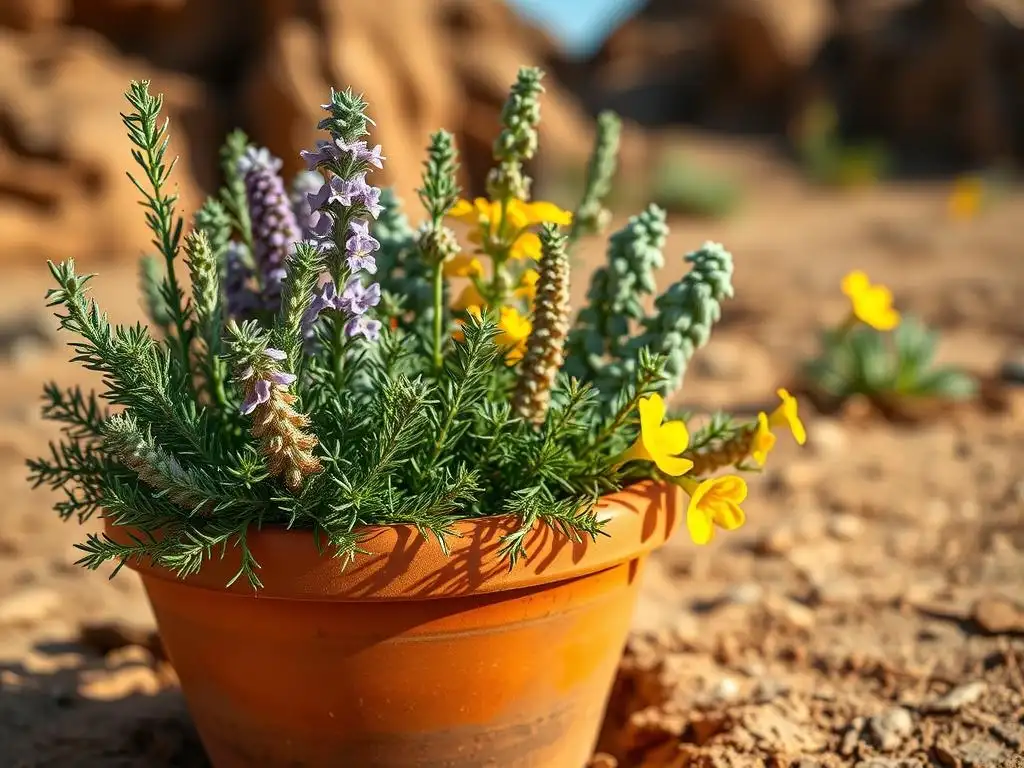
Choosing the right herbs for your garden is crucial, especially if you live in a region with hot and dry summers. Many herbs are remarkably heat tolerant, thriving even under intense sun and limited water. Selecting these varieties ensures a successful and bountiful herb garden, even during the hottest months. Focusing on heat tolerant garden plants will minimize stress and maximize yields. This section will explore some excellent options for your hot climate herb garden.
Mediterranean Herbs: Rosemary, Thyme, Oregano, and Lavender
Mediterranean herbs are renowned for their adaptability to hot, dry conditions. Their evolutionary history in arid climates has equipped them with exceptional drought tolerance and heat resistance. These plants are perfectly suited to heat tolerant gardening.
Rosemary ( Rosmarinus officinalis), with its needle-like leaves and woody stems, thrives in full sun and well-drained soil. It requires minimal watering once established, making it an ideal choice for low-maintenance gardens. It's also incredibly versatile in the kitchen, adding a distinct flavor to roasted meats and vegetables.
Thyme ( Thymus vulgaris) is another low-growing, heat-loving herb that forms a dense mat of fragrant foliage. Its small, aromatic leaves are perfect for adding to soups, stews, and sauces. Like rosemary, thyme is quite drought-tolerant and requires minimal care.
Oregano ( Origanum vulgare), a staple in Mediterranean cuisine, is another excellent choice for hot climates. Its bushy growth habit and small, oval leaves offer a strong, pungent flavor. Oregano tolerates dry conditions and full sun, and it's also a prolific self-seeder, often spreading readily in the garden.
Finally, Lavender ( Lavandula angustifolia) offers both culinary and ornamental value. Its fragrant flowers and silvery-gray foliage are stunning additions to any garden, and the flowers can be used to make soothing teas and potpourri. Lavender is extremely drought-tolerant and prefers well-drained soil and full sun.
Resilient Herbs for High Temperatures: Basil, Chives, and Mint
While often associated with cooler temperatures, certain herb varieties surprisingly demonstrate resilience in hot weather with proper care. These options provide diversity and expand the culinary possibilities of your heat tolerant garden.
Basil ( Ocimum basilicum) is a beloved herb used extensively in Italian and other cuisines. While it prefers consistently moist soil, basil can tolerate some heat, especially if provided with afternoon shade or regular watering during the hottest parts of the day. Several basil varieties, such as ‘Genovese’ and ‘Spicy Globe’, exhibit higher heat tolerance than others.
Chives ( Allium schoenoprasum) are incredibly hardy and adaptable, tolerating both heat and cold. Their delicate, onion-like flavor adds a fresh touch to many dishes. Chives are relatively low-maintenance and require only moderate watering.
Mint ( Mentha spp.) is a vigorous grower that can spread rapidly, requiring some control. However, mint varieties such as spearmint and peppermint are fairly heat-tolerant, though they benefit from consistent moisture, especially during hot spells. Regular harvesting helps to keep the plants from becoming leggy in hot weather.
Using Heat-Tolerant Herbs in Cooking and Preserving
The bounty from your heat-tolerant herb garden can be enjoyed fresh, or preserved for use throughout the year. Preservation techniques extend the usability of your harvest, ensuring you can savor the flavors even after the growing season ends.
Many heat-tolerant herbs, such as rosemary, thyme, and oregano, are ideal for drying. Simply bundle the stems together and hang them upside down in a cool, dry, and well-ventilated area until the leaves are completely brittle. Once dried, store them in airtight containers away from light and moisture.
Basil, while more delicate, can also be dried, although its flavor is best preserved by freezing. Finely chop fresh basil and freeze it in ice cube trays with a little olive oil for easy addition to sauces and other recipes.
Mint leaves can be preserved by making mint jelly or syrup, capturing their refreshing flavor for later use. These preserved herbs add a unique touch to many culinary creations, extending the enjoyment of your carefully cultivated heat-tolerant garden well into the colder months. Proper preservation techniques ensure that your hard work and dedication to growing heat tolerant garden plants result in a year-round supply of delicious herbs.
Tips for Successful Heat-Tolerant Gardening
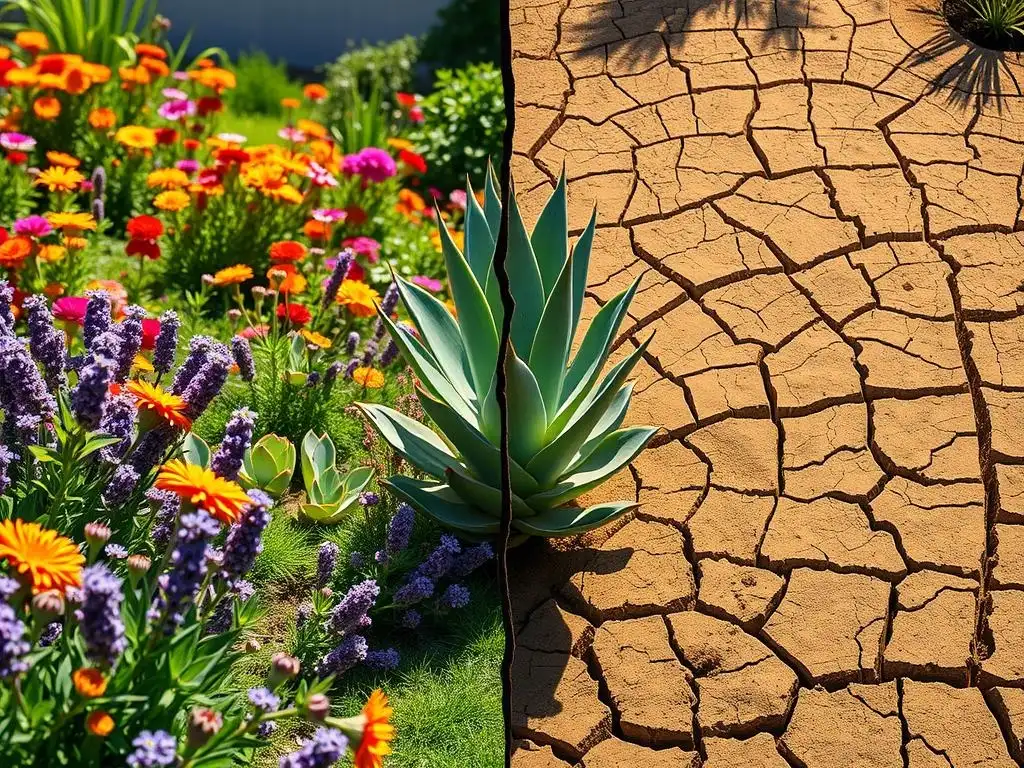
This section delves into practical strategies for cultivating a thriving garden even in the most scorching conditions. Successfully growing heat tolerant garden plants requires a proactive approach, focusing on soil health, efficient irrigation, and smart mulching techniques. Remember, even the most resilient plants need a helping hand to flourish under intense heat. Let's explore the key elements for success.
Optimizing Soil Health for Heat Stress Resistance
Healthy soil is the foundation of a heat-resistant garden. Well-structured soil retains moisture more effectively, provides better aeration for roots, and supports robust plant growth, enhancing their resilience against heat stress. Several practices contribute to this:
- Adding Organic Matter: Incorporating compost, aged manure, or other organic materials significantly improves soil structure. This increases water retention and provides essential nutrients, bolstering plant health and heat tolerance. Aim for at least 2-4 inches of organic matter worked into the top layer of your soil. This slow-release fertilization also reduces the need for frequent watering.
- Improving Soil Drainage: Poor drainage can exacerbate heat stress. Waterlogged soil suffocates roots, making plants more vulnerable to heat damage. Amend heavy clay soils with sand or perlite to improve drainage. For sandy soils, adding organic matter helps retain moisture.
- Regular Soil Testing: Regular soil testing (ideally annually) helps identify nutrient deficiencies. Addressing these deficiencies proactively ensures plants have the resources to withstand heat. This allows you to tailor your fertilization strategy to the specific needs of your heat-tolerant plants, optimizing their growth and resilience. Knowing your soil's pH is also crucial, as many plants thrive within a specific pH range.
Smart Irrigation Techniques for Hot Climates
Efficient irrigation is crucial for heat-tolerant garden plants, especially during extended periods of high temperatures. Simply watering more frequently isn't always the best approach; the goal is deep, infrequent watering to encourage deep root growth.
- Deep Watering: Instead of frequent shallow watering, water deeply and less often. This encourages roots to grow deeper, accessing moisture reserves even during dry spells. Aim to wet the soil to a depth of at least 6-8 inches. A soaker hose or drip irrigation system is ideal for this, minimizing water loss through evaporation.
- Watering Time: The best time to water is early morning. This allows plants to absorb water before the heat of the day causes excessive evaporation. Avoid watering in the evening, as this can promote fungal diseases due to prolonged leaf wetness.
- Water Conservation: Utilize water-wise gardening techniques such as rainwater harvesting and greywater recycling to conserve water and reduce your environmental impact. Consider using mulch (discussed below) to significantly reduce evaporation.
Mulching Strategies to Conserve Moisture and Reduce Soil Temperature
Mulching is a powerful tool in heat-tolerant gardening. A layer of mulch acts as an insulator, reducing soil temperature fluctuations and minimizing water evaporation. This creates a more stable and comfortable environment for plant roots, reducing stress from extreme heat.
- Mulch Types: Organic mulches such as straw, shredded leaves, wood chips, or compost are excellent choices. They decompose over time, enriching the soil with nutrients. Inorganic mulches like landscape fabric or pebbles also help retain moisture but lack the soil-enriching benefits of organic options.
- Mulch Application: Apply a 2-4 inch layer of mulch around plants, keeping it a few inches away from the stems to prevent rot. Regularly replenish the mulch layer as it decomposes to maintain its effectiveness. This simple step can significantly reduce water needs and protect plants from the harsh effects of intense heat. The benefits extend beyond just water conservation; mulch also suppresses weed growth, reducing competition for resources.
Remember, consistent application of these techniques will significantly improve your success with heat-tolerant garden plants, leading to a bountiful and thriving harvest even in the hottest of climates. 🌱
Protecting Plants from Intense Sunlight: Shade Cloths and Strategic Planting
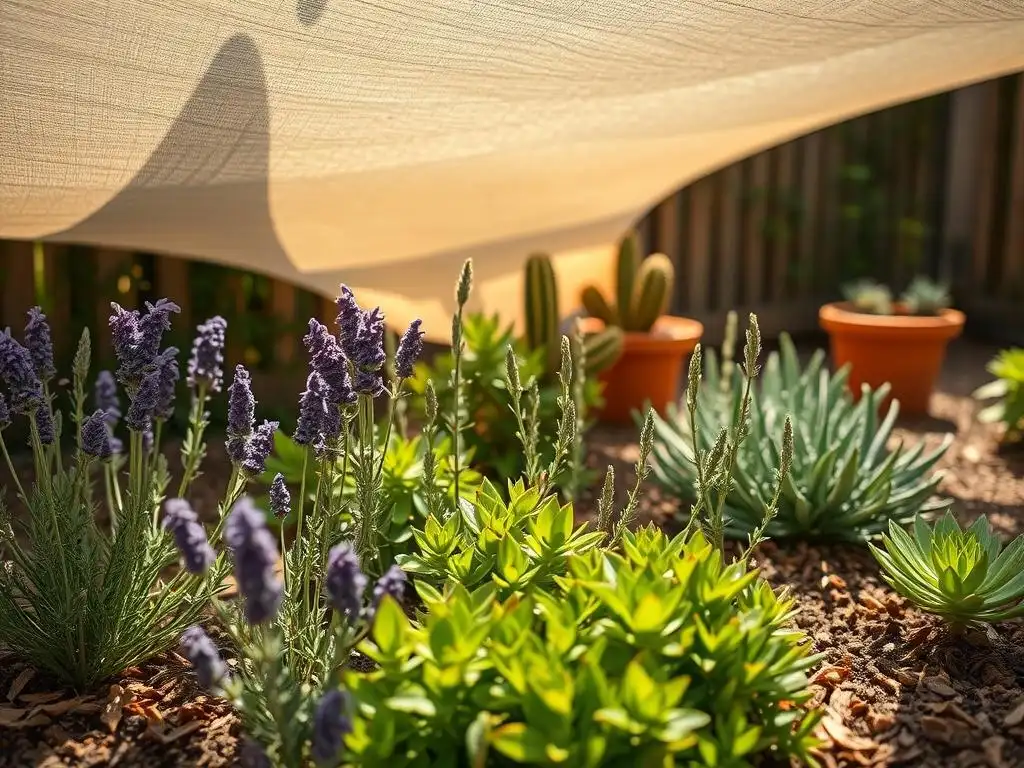
Intense sunlight can scorch even the most heat-tolerant plants. To mitigate this, strategic planting and the use of shade cloths are crucial. Strategic planting involves carefully considering the placement of your plants within your garden. Taller plants can be used to provide natural shade for shorter, more delicate varieties.
For example, placing sunflowers strategically can create pockets of shade for basil or peppers during the hottest parts of the day. This requires careful planning and consideration of the mature height of each plant. Remember to account for the sun's path throughout the day—the best shade will be provided by plants on the west side of your garden, protecting your plants from the late afternoon sun.
Beyond strategic planting, shade cloths offer a valuable tool for controlling sunlight exposure. These lightweight fabrics are available in various densities, allowing you to adjust the amount of shade cast. A 30% shade cloth, for example, will reduce the intensity of sunlight without completely blocking it, providing a balance between sun exposure and protection.
They are particularly useful for seedlings or newly transplanted plants that are more vulnerable to sunburn. Remember to check the shade cloth regularly; strong winds might require additional securing measures such as stakes and weights to prevent it from blowing away and damaging your plants. Proper installation is key to maximizing their effectiveness and preventing damage to your plants.
Improperly installed shade cloth can cause uneven shading or even damage to the plants it's intended to protect. Consider the size and type of your garden when selecting the shade cloth; a larger garden may require multiple cloths or a larger, custom-sized option.
Pest and Disease Management in Hot Weather
Hot, dry weather can exacerbate pest and disease problems. Many pests thrive in these conditions, and stressed plants are more susceptible to disease. Proactive pest and disease management is crucial for maintaining a healthy and productive heat-tolerant garden. Regular monitoring is key—inspect your plants frequently for signs of infestation or disease, such as wilting, discoloration, or the presence of insects. Early detection allows for prompt intervention, preventing widespread damage.
Maintaining proper soil moisture is a significant factor in disease prevention. Well-watered plants are more resilient to pathogens. However, avoid overwatering, which can lead to root rot and fungal diseases. Instead, water deeply and less frequently, encouraging deeper root growth. Mulching around your plants helps to retain soil moisture, suppress weeds (which can harbor pests), and regulate soil temperature. Organic mulches, such as straw or wood chips, are particularly beneficial for maintaining a healthy soil ecosystem.
Organic pest control methods are recommended for sustainable gardening practices. Introducing beneficial insects, such as ladybugs or lacewings, can help to control pest populations naturally. These insects prey on common garden pests like aphids and mealybugs. Neem oil is also a natural pesticide that can be effective against various pests, but always follow the instructions carefully and be mindful of any potential impact on beneficial insects.
In extreme cases, consider using insecticidal soap, but avoid harsh chemical pesticides whenever possible, as they can harm beneficial insects and disrupt the delicate balance of your garden ecosystem. Remember to rotate your pest control methods to prevent pest resistance. Using the same method repeatedly can lead to the development of resistant pest populations, making future control efforts less effective.
Choosing the Right Heat-Tolerant Plants for Your Garden: A Summary
This section provides a concise overview of selecting heat-tolerant plants for your garden, focusing on practical strategies for success in hot climates. Successfully cultivating a thriving garden in intense heat requires careful plant selection, strategic garden design, and diligent monitoring. Remember, even heat-tolerant plants need care and attention to flourish. The key is understanding the specific needs of each plant and adapting your gardening practices accordingly. This is crucial for maximizing yields and enjoying a bountiful harvest, even under challenging conditions. Let's delve into the specifics.
Matching Plants to Your Microclimate
Understanding your specific microclimate is paramount when choosing heat-tolerant garden plants. A microclimate refers to the localized climate conditions within your garden, which can differ significantly from the broader regional climate. Factors influencing your microclimate include:
- Sunlight Exposure: How many hours of direct sunlight does your garden receive daily? South-facing areas generally receive more intense sun.
- Soil Drainage: Well-drained soil is essential for preventing root rot, a common problem in hot, humid climates. Clay soils retain more moisture and may require amendments like compost to improve drainage.
- Wind Protection: Strong winds can exacerbate heat stress. Consider planting windbreaks or strategically positioning plants to shield them from prevailing winds.
- Shade Availability: Even in hot climates, some plants might benefit from afternoon shade during the hottest part of the day. Observe how sunlight falls on your garden throughout the day to identify areas with varying levels of shade.
Matching plants to these specific conditions is crucial. For example, while many herbs such as rosemary, thyme, and oregano thrive in full sun and heat, leafy greens like lettuce might require partial shade during peak sun hours to prevent bolting (premature flowering). Careful observation and adaptation are key to success. Consider keeping a garden journal to record your observations of sunlight, wind, and soil moisture levels in different parts of your garden. This data will be invaluable in planning future plantings and adjusting your gardening strategies for optimal results.
Planning Your Garden Layout for Optimal Sun Exposure and Air Circulation
Effective garden layout is crucial for maximizing heat tolerance. Proper spacing and strategic positioning of plants can significantly impact their ability to withstand high temperatures.
- Spacing: Allow sufficient space between plants to ensure adequate airflow. Overcrowding restricts air circulation, leading to increased humidity and a higher risk of fungal diseases. Check the mature size of your chosen plants to determine the appropriate spacing.
- Plant Height: Consider the mature height of your plants. Taller plants can shade shorter ones, altering sun exposure and potentially creating microclimates within your garden. Strategic placement can be used to create both sun and shade areas within your garden.
- Air Circulation: Maximize air circulation by strategically arranging plants to avoid creating pockets of stagnant air. This helps to dissipate heat and reduce humidity, creating a more comfortable environment for your plants. Avoid planting dense rows; instead, opt for a more open and airy layout.
- Ground Cover: Using ground cover plants can help to moderate soil temperature and reduce moisture evaporation. These plants also help to suppress weeds, reducing competition for resources.
For example, a raised bed garden with ample spacing between plants promotes better air circulation compared to a densely planted in-ground garden. This simple design choice can dramatically improve heat tolerance for your plants. Think of your garden design as a system working in harmony—each plant influencing its neighbors.
Monitoring Plant Health and Adjusting Your Approach as Needed
Regular monitoring of plant health is essential for successful gardening in hot climates. Heat stress can manifest in various ways, including wilting, leaf scorch, and stunted growth. Early detection and prompt action are crucial for mitigating these issues.
- Watering: Proper watering is vital. Deep, infrequent watering encourages deep root growth, making plants more resilient to drought. Avoid frequent shallow watering, which can lead to shallow root systems and increased susceptibility to heat stress. Consider using a soaker hose or drip irrigation system for efficient water delivery.
- Mulching: Applying a layer of mulch helps to retain soil moisture, suppress weeds, and moderate soil temperature. Organic mulches, such as straw or wood chips, are particularly beneficial.
- Fertilization: Proper fertilization provides essential nutrients for healthy growth and heat tolerance. Avoid over-fertilizing, as this can stress plants and make them more vulnerable to heat damage. Choose fertilizers specifically formulated for heat-tolerant plants.
- Pest and Disease Control: Heat stress can weaken plants, making them more susceptible to pests and diseases. Regularly inspect your plants for signs of infestation or disease and take appropriate action promptly. Consider using organic pest control methods.
Regular observation is key. Note any changes in plant appearance or growth patterns, and adjust your watering, fertilization, and pest control strategies as needed. Remember, flexibility and adaptability are crucial for successful gardening in any climate, but especially in hot and dry conditions. A proactive approach, combined with careful observation and timely interventions, will significantly improve your chances of a thriving, heat-tolerant garden.
Frequently Asked Questions
What are some examples of heat-tolerant vegetables?
Many vegetables thrive in hot weather! Tomatoes, peppers, eggplant, and squash are excellent choices. They often produce best in consistently warm temperatures.
Which herbs can withstand high temperatures?
Several herbs are incredibly heat-tolerant. Basil, oregano, thyme, and rosemary are known for their ability to handle intense heat and sun. Lavender is also a great choice.
How can I protect my plants from extreme heat?
Providing adequate watering is crucial. Consider using mulch to retain soil moisture and reduce soil temperature. Afternoon shade can also be beneficial for sensitive plants.
What are the best heat-tolerant fruits for my garden?
Certain fruits flourish in hot climates. Watermelons, cantaloupes, figs, and peppers (yes, they're a fruit too!) are all good options. Proper watering is essential for success.
Are there any specific soil considerations for heat-tolerant plants?
Well-draining soil is vital for heat-tolerant plants. Avoid overwatering, which can lead to root rot, especially in hot conditions. Amend your soil with compost to improve drainage and fertility.
Final Reflection: Cultivating Resilience in a Changing Climate
The quest for heat-tolerant garden plants is no longer a niche interest; it's a vital adaptation to our increasingly warmer world. The choices we make in our gardens, however seemingly small, directly impact our environment and our ability to thrive within it. Ignoring the realities of climate change in our landscaping choices is simply unsustainable.
The shift towards drought-resistant and heat-tolerant flora reflects a broader societal awakening to the urgency of environmental responsibility. We are learning to work with nature, not against it, embracing plants that require less water and withstand higher temperatures. This conscious shift is not merely aesthetic; it's a practical response to a changing planet. The earth laughs in flowers.
– Ralph Waldo Emerson. This simple statement speaks volumes about the power of nature's resilience, a resilience we must actively cultivate in our own gardens and beyond.
Consider the plants you choose for your own space. Will they flourish in the face of rising temperatures and unpredictable weather patterns? Embrace the challenge of creating a thriving, heat-tolerant garden. By selecting the right plants, you are not only beautifying your surroundings but also contributing to a more sustainable and resilient future. Let your garden be a testament to your commitment to a greener, more adaptable world.
Unleash Your Inner Green Thumb: Thrive in the Heat!
Thank you for exploring heat-tolerant plants with us! You now have the knowledge to create a thriving garden, even in the hottest weather. Ready to put your new skills to the test?
- Start planning your heat-resistant garden today! Sketch out your planting area, considering sunlight and soil drainage. Then, choose a few plants from the article to begin your garden. Start small and build from there.
- Share your garden plans (or pictures of your flourishing plants!) on social media using #HeatTolerantHeroes. Let's inspire each other!
- Consider experimenting with unusual heat-loving herbs or vegetables—you might discover a new favorite!
What unexpected heat-tolerant plant are you most excited to grow?