
Natural Pest Control: Tips and Tricks for a Thriving Garden

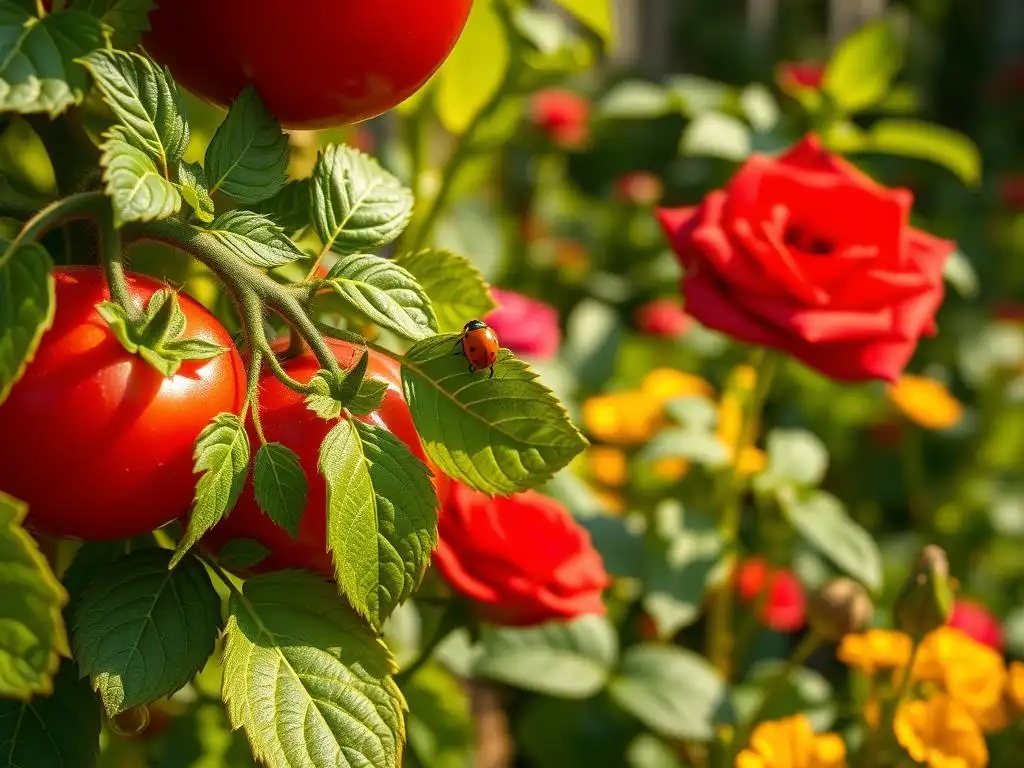
Welcome to CultivateYourFood, your guide to a thriving, sustainable garden! Are you ready to ditch the harmful chemicals and embrace the power of nature? Discover the secrets to organic pest control in your home garden, learning effective and eco-friendly methods to protect your fruits, vegetables, and herbs. We'll equip you with the knowledge and confidence to cultivate a bountiful harvest while nurturing the planet. Let's get started!
- Understanding Organic Pest Control Home Garden Strategies
- Natural Pest Control Methods for Your Home Garden
- Preventing Pest Infestations: Proactive Organic Gardening
- Advanced Organic Pest Control Techniques
- Harvesting and Post-Harvest Pest Management
- Frequently Asked Questions
- Final Reflection: Cultivating a Healthier Future, One Garden at a Time
- Unleash Your Garden's Potential: Grow Naturally!
Understanding Organic Pest Control Home Garden Strategies
Cultivating a thriving home garden, bursting with vibrant fruits, vegetables, and herbs, is a rewarding experience. However, the journey isn't always smooth sailing. Pests, those unwelcome visitors to our green havens, can wreak havoc on our carefully nurtured plants, significantly impacting yields and overall garden health.
This article delves into the world of organic pest control for your home garden, providing practical tips and tricks to effectively manage pests without resorting to harmful chemicals. We'll explore how to identify common pests, assess the damage they inflict, and select the most appropriate organic pest control method for your specific needs, ultimately helping you achieve a bountiful and sustainable harvest. Choosing organic methods not only protects the environment and your family's health but also fosters a healthier ecosystem within your garden, promoting biodiversity and long-term sustainability.
This approach to pest management prioritizes prevention and employs natural solutions to maintain a healthy balance in your garden ecosystem. Let's get started on creating a thriving, pest-resistant garden using environmentally friendly practices!
Identifying Common Garden Pests and Their Damage
Identifying the specific pest plaguing your garden is the first crucial step in effective organic pest control. Different pests cause different types of damage, and knowing the culprit allows for targeted solutions. Let's look at some common offenders and the telltale signs of their presence:
- Aphids: These tiny, soft-bodied insects cluster on stems and leaves, sucking plant sap and causing stunted growth, yellowing leaves, and leaf curling. You might also notice a sticky honeydew substance left behind.
- Spider Mites: These microscopic arachnids create fine webbing on leaves, causing stippling (small, pale spots) and eventually leaf browning and dropping. Look closely for the webbing, a key indicator of their presence.
- Cabbage White Butterflies: The larvae (caterpillars) of these butterflies are voracious eaters of brassica plants (cabbage, broccoli, kale). You'll see holes and chewed leaves, and the caterpillars themselves are often easily visible.
- Slugs and Snails: These slimy creatures leave silvery trails and chew irregular holes in leaves, often targeting young seedlings and tender plants. They are particularly active at night.
- Colorado Potato Beetles: These beetles and their larvae feed on potato plants and other nightshades, leaving behind skeletonized leaves and significant damage.
The severity of the infestation should also be considered. A few aphids on a large plant might not warrant immediate action, but a widespread infestation requires a more robust response. Careful observation and diligent monitoring are key to early detection and prevention of major outbreaks. Remember to check both the tops and undersides of leaves, as many pests prefer to hide in these less visible areas. Using a magnifying glass can help in identifying smaller pests.
Assessing Pest Damage: Severity and Impact on Plants
Once you've identified the pest, evaluating the extent of the damage is critical in determining the best course of action. A simple infestation might require only minor interventions, while a severe infestation may necessitate a more comprehensive approach. Consider these factors:
- Percentage of affected plants: Is the pest affecting a few plants or the majority of your garden? A widespread infestation calls for quicker and more decisive action.
- Extent of damage per plant: Are the leaves slightly damaged, or is the plant severely defoliated or showing signs of significant stress?
- Type of damage: Is the damage superficial (e.g., chewing on leaves), or more systemic (e.g., sap-sucking causing stunted growth)?
- Plant health: Is the plant already weakened due to other factors (e.g., nutrient deficiencies, drought)? Weakened plants are more susceptible to pest damage.
To help visualize the severity, consider using a simple rating system:
| Damage Level | Description | Action Required |
|---|---|---|
| Minor | Minimal damage to a few plants; no significant stress | Monitoring and minor interventions (e.g., handpicking) |
| Moderate | Damage to several plants; some stress is visible | More intensive interventions (e.g., natural sprays) |
| Severe | Widespread damage; plants showing significant stress | Immediate action required (e.g., stronger organic controls) |
This assessment provides a framework for choosing the most appropriate organic pest control strategy. Remember, early intervention is often the most effective and minimizes the need for stronger interventions later.
Choosing the Right Organic Pest Control Method for Your Garden
With the pest identified and the damage assessed, you can now choose the most suitable organic pest control method. Several effective options exist, each with its strengths and weaknesses:
- Handpicking: For small infestations, manually removing pests can be effective and environmentally friendly. This works well for larger pests like caterpillars or beetles.
- Beneficial Insects: Introducing natural predators like ladybugs (for aphids) or lacewings (for many soft-bodied insects) can help control pest populations naturally.
- Neem Oil: This natural insecticide derived from the neem tree is effective against a wide range of pests. It disrupts their life cycle and can be used as a preventative measure.
- Insecticidal Soap: This soap-based solution kills soft-bodied insects by disrupting their cell membranes. It's less harmful to beneficial insects than some other pesticides.
- Diatomaceous Earth: This powder made from fossilized algae acts as a physical barrier, cutting into the exoskeletons of insects and dehydrating them. It's safe for humans and pets.
- Companion Planting: Strategic planting of certain plants together can deter pests. For example, marigolds are known to repel nematodes and some other insects.
The best method depends on the specific pest, the severity of the infestation, and your personal preferences. Always follow the instructions on any organic pesticide carefully and consider the potential impact on beneficial insects and pollinators. Remember that a holistic approach, combining several methods, often yields the best results. Prevention is always better than cure, so focus on creating a healthy and resilient garden environment to minimize pest problems in the first place. This may involve ensuring proper soil health, adequate watering, and appropriate spacing between plants.
Natural Pest Control Methods for Your Home Garden
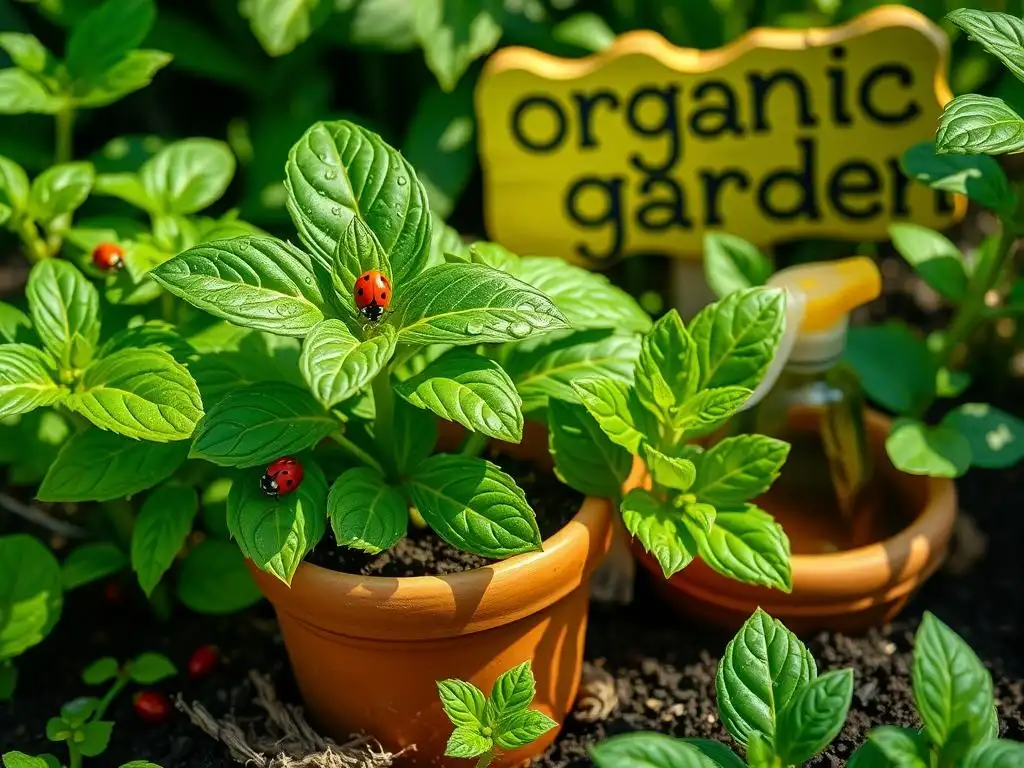
This section delves into effective and sustainable organic pest control strategies for your home garden, focusing on methods that minimize environmental impact while maximizing plant health. We'll explore attracting beneficial insects, creating homemade pest control sprays, and other natural techniques to keep your plants thriving. Remember, a healthy ecosystem is the best defense against pests! This approach to organic pest control home garden management ensures a thriving and productive garden.
Beneficial Insects: Attracting Nature's Helpers
Introducing beneficial insects into your garden is a cornerstone of effective organic pest control. These natural predators significantly reduce the need for chemical interventions, promoting a balanced and healthy ecosystem. By providing habitat and food sources, you can attract these helpful allies to your garden, creating a natural defense system against various pests. This approach to organic pest control home garden is both environmentally friendly and highly effective.
Ladybugs for Aphid Control
Ladybugs are voracious aphid predators, making them invaluable allies in the fight against these common garden pests. A single ladybug can consume hundreds of aphids throughout its life cycle. To attract ladybugs, plant flowers like dill, fennel, and yarrow, which provide both nectar and pollen, essential for their survival and reproduction. Providing shelter, such as leaf litter or small rocks, also encourages ladybug populations to thrive in your garden. Consider releasing commercially-available ladybugs for a quicker boost to your aphid control strategy. This is a key component of effective organic pest control home garden practices.
Lacewings for Various Pest Control
Lacewings, both adult and larval stages, are highly effective in controlling a wide range of garden pests, including aphids, mealybugs, spider mites, and whiteflies. Their larvae are particularly effective predators, consuming large numbers of these pests. Attracting lacewings is similar to attracting ladybugs: plant a diverse range of flowering plants that provide pollen and nectar. These include plants like cosmos, alyssum, and Queen Anne's Lace. Avoid using broad-spectrum insecticides, as these will harm lacewings and other beneficial insects. This is another crucial aspect of successful organic pest control home garden management.
Praying Mantises: Natural Predators
Praying mantises are fearsome predators, known for their ability to control a wide variety of garden pests, including caterpillars, grasshoppers, crickets, and even some larger insects. They are ambush predators, patiently waiting for prey to approach before striking. To attract praying mantises, provide a habitat with tall grasses, shrubs, and other vegetation that offers cover and protection. Avoid disturbing their natural habitat, and they will happily control many garden pests for you. Remember, this adds to the overall effectiveness of your organic pest control home garden strategy.
Homemade Pest Control Sprays: Recipes and Applications
Creating your own homemade pest control sprays offers a safe and effective alternative to commercially produced chemical pesticides. These sprays use natural ingredients that are less harmful to beneficial insects and the environment. Remember to always test a small area first before applying to the entire plant.
Neem Oil Spray for Broad-Spectrum Pest Control
Neem oil is a natural insecticide derived from the neem tree. It disrupts the life cycle of many insects, including aphids, whiteflies, mealybugs, and spider mites. To make a neem oil spray, mix 1 tablespoon of neem oil with 1 quart of water and a few drops of liquid dish soap (to help the oil adhere to the plant leaves). Thoroughly shake the mixture and apply directly to affected plants, focusing on the undersides of leaves. Always follow the instructions on your specific neem oil product. This is a versatile tool in your organic pest control home garden arsenal.
Peppermint Oil Spray for Repelling Pests
Peppermint oil acts as a natural insect repellent, deterring pests such as ants, aphids, and spider mites. Its strong aroma is unpleasant to many insects, causing them to avoid the treated plants. To make a peppermint oil spray, mix 10-15 drops of peppermint essential oil with 1 quart of water and a few drops of liquid dish soap. Shake well and apply to plants as needed. Remember that peppermint oil is a repellent, not a killer, so consistent application may be necessary. This natural approach contributes to a holistic organic pest control home garden plan.
Garlic Spray: A Natural Insect Repellent
Garlic spray is another effective natural repellent that can deter many common garden pests. The strong odor of garlic is unpleasant to many insects. To make a garlic spray, blend several cloves of garlic with a quart of water. Let the mixture steep for at least an hour, then strain out the garlic solids. Add a few drops of liquid dish soap and apply to plants as needed. This method is both simple and effective for a robust organic pest control home garden.
Diatomaceous Earth: A Safe and Effective Insecticide
Diatomaceous earth (DE) is a naturally occurring sedimentary rock composed of fossilized diatoms. Its microscopic, sharp edges act as a physical insecticide, cutting into the exoskeletons of soft-bodied insects like aphids, slugs, and spider mites, causing dehydration and death. It's considered a safe and effective option for organic pest control in home gardens because it doesn't harm beneficial insects or pets in the same way that many chemical pesticides do. However, it's crucial to use food-grade DE, as industrial-grade DE can contain harmful crystalline silica.
Application is straightforward: simply dust the affected plants, focusing on the undersides of leaves where pests often hide. Reapplication after rain is usually necessary, as DE is water-soluble. Remember to wear a mask while applying DE to avoid inhaling the dust.
Consistent application is key to successful pest management using DE; a single application might not eliminate a large infestation, but regular use can significantly reduce pest populations and prevent future infestations. Consider using DE as a preventative measure, dusting plants before pest problems arise, especially during periods of high humidity or drought when pest pressure is typically higher. Many gardeners find that combining DE with other organic pest control methods yields the best results.
Companion Planting: Using Plants to Deter Pests
Companion planting leverages the natural interactions between different plant species to deter pests and improve overall garden health. The principle is simple: certain plants repel or attract beneficial insects that prey on common garden pests, thereby reducing the need for chemical interventions. This strategy is highly effective and promotes biodiversity within your garden ecosystem. Careful planning is essential for successful companion planting.
Research which plants work well together and consider factors like plant height, spacing, and maturity rates. For example, planting strong-smelling herbs amongst vegetables can deter many insects. This practice is a cornerstone of organic pest control for home gardens, reducing reliance on external inputs and creating a more resilient and vibrant garden environment. The benefits extend beyond pest control; companion plants can also improve soil health, attract pollinators, and enhance the overall yield of your crops.
Marigolds to Repel Nematodes and Other Pests
Marigolds ( Tagetes species) are renowned for their ability to repel nematodes, microscopic worms that attack plant roots, causing stunted growth and reduced yields. The strong scent emitted by marigolds disrupts the nematodes' life cycle, preventing them from establishing themselves in the soil. Beyond nematodes, marigolds also deter other pests like whiteflies and aphids. Planting marigolds strategically throughout your garden, interspersing them among susceptible plants, provides a natural barrier against these damaging pests.
Their bright colors also add visual appeal to your garden, making them a beautiful and functional addition to your organic pest control strategy. Different marigold varieties have varying levels of pest-repelling efficacy, so research which varieties are best suited to your specific needs and climate. Remember to plant them at the appropriate time for your region to ensure they are thriving during the peak pest season.
Basil to Repel Flies and Mosquitoes
Basil ( Ocimum basilicum) is not only a delicious culinary herb but also a potent natural insect repellent. Its strong aroma effectively deters flies and mosquitoes, making it a valuable addition to any home garden. Planting basil near tomatoes, peppers, or other vegetables susceptible to these pests can significantly reduce their populations. The effectiveness of basil as a pest repellent stems from the essential oils it contains, which are volatile and repel insects through their strong scent.
This method is particularly useful in areas where flies and mosquitoes are prevalent. Consider planting basil in containers or along the edges of your garden to maximize its effectiveness. The aromatic qualities of basil can also enhance the overall sensory experience of your garden, adding a delightful fragrance to the air.
Garlic to Repel Many Common Garden Pests
Garlic ( Allium sativum) is a versatile plant with potent pest-repelling properties. Its pungent aroma deters a wide range of common garden pests, including aphids, spider mites, and cabbage worms. Planting garlic cloves around vulnerable plants or incorporating garlic spray (made by crushing garlic cloves in water) can significantly reduce pest infestations. The active compounds in garlic disrupt the insects' feeding and reproductive cycles, making it a highly effective organic pest control method.
Garlic is relatively easy to grow, making it a convenient and accessible option for home gardeners. The use of garlic as a natural pest repellent is a sustainable and environmentally friendly approach to protecting your crops. It avoids the use of harmful chemicals and promotes biodiversity in your garden ecosystem. Combining garlic with other companion plants, like marigolds or basil, can further enhance its pest-repelling capabilities.
Preventing Pest Infestations: Proactive Organic Gardening
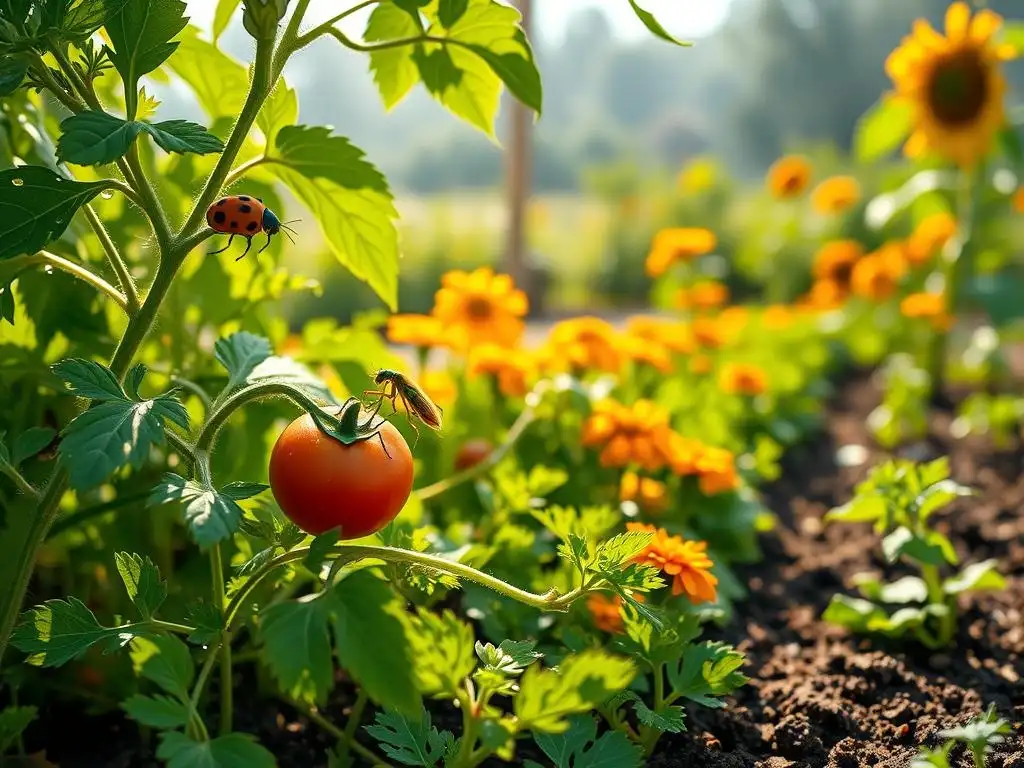
Effective organic pest control for your home garden begins long before you see any unwanted insects or diseases. A proactive approach, focusing on preventative measures, is far more effective and sustainable than reactive treatments. This section details key strategies to minimize pest problems and foster a thriving, resilient garden ecosystem. Implementing these techniques significantly reduces your reliance on chemical pesticides, aligning perfectly with the principles of organic pest control home garden management.
Maintaining a Healthy Soil Ecosystem: Nutrient-Rich Soil
Healthy soil is the cornerstone of a pest-resistant garden. Nutrient-rich soil supports strong, vigorous plant growth, making them less susceptible to pest infestations. Think of it as building a strong immune system for your plants! Plants stressed by nutrient deficiencies are more vulnerable.
Several practices contribute to a healthy soil ecosystem:
- Composting: Regular composting enriches the soil with essential nutrients and beneficial microorganisms. These microbes compete with harmful pathogens and improve soil structure, increasing water retention and aeration. Aim for a consistent compost addition throughout the growing season. A healthy compost pile should exhibit a dark, crumbly texture and a pleasant earthy smell – avoid foul odors, indicating anaerobic conditions.
- Soil Testing: Regular soil testing (at least annually) provides crucial insights into your soil's nutrient levels. This allows for targeted amendment application, ensuring your plants receive the precise nutrients they need, preventing deficiencies that attract pests. Testing reveals pH levels too, crucial for nutrient uptake.
- Crop Rotation: Rotating your crops annually helps break pest cycles and prevents the buildup of soilborne diseases. Different plants have different nutrient requirements and attract different pests. By rotating, you disrupt the habitat and food sources of many common garden pests. For example, rotating heavy feeders like tomatoes with legumes, which fix nitrogen, improves soil health and reduces pest pressure.
Proper Watering Techniques to Avoid Pest-Attracting Conditions
Improper watering practices can inadvertently create conditions that attract pests. Overwatering, especially in poorly draining soil, leads to fungal diseases and attracts slugs and snails. Conversely, underwatering stresses plants, making them more vulnerable to pests.
- Deep Watering: Instead of frequent shallow watering, opt for deep, infrequent watering. This encourages deep root growth, making plants more drought-tolerant and less stressed. Deep watering also helps prevent surface moisture that attracts slugs and other moisture-loving pests.
- Watering at the Base: Avoid overhead watering, which can spread fungal spores and create damp conditions conducive to pest development. Water directly at the base of the plants, using soaker hoses or drip irrigation, to keep foliage dry.
- Mulching: Applying a layer of mulch (organic matter like straw, wood chips, or shredded leaves) helps retain soil moisture, reducing the need for frequent watering and suppressing weeds that can harbor pests. Mulch also regulates soil temperature, creating a more stable environment for plant growth.
Regular Garden Hygiene: Removing Weeds and Debris
Maintaining a clean and tidy garden significantly reduces pest harborage and breeding grounds. Weeds compete with your plants for resources and can harbor pests and diseases. Similarly, plant debris provides shelter and overwintering sites for many pests.
- Weed Removal: Regular weeding is crucial, removing both weeds and their seeds. Hand-weeding is effective for small areas, while hoeing can be used for larger areas. Consistent weeding prevents weed infestation and reduces pest pressure.
- Debris Removal: Regularly remove fallen leaves, dead plant material, and other debris. This eliminates hiding places for pests and reduces the amount of organic matter that can support pest populations. Dispose of infected plant material appropriately to prevent the spread of diseases. Composting healthy debris is a great way to recycle it.
- Sanitation: Clean your gardening tools regularly to prevent the spread of diseases and pests. A simple wipe-down with rubbing alcohol or a diluted bleach solution can make a significant difference. This is especially important after working with infected plants.
By diligently implementing these preventative measures, you’ll create a garden environment less hospitable to pests, promoting a healthy and thriving ecosystem that requires minimal intervention with chemical pesticides, embracing the principles of organic pest control home garden management. Remember, a healthy plant is a resilient plant! 🌱
Crop Rotation: Preventing Pest Buildup
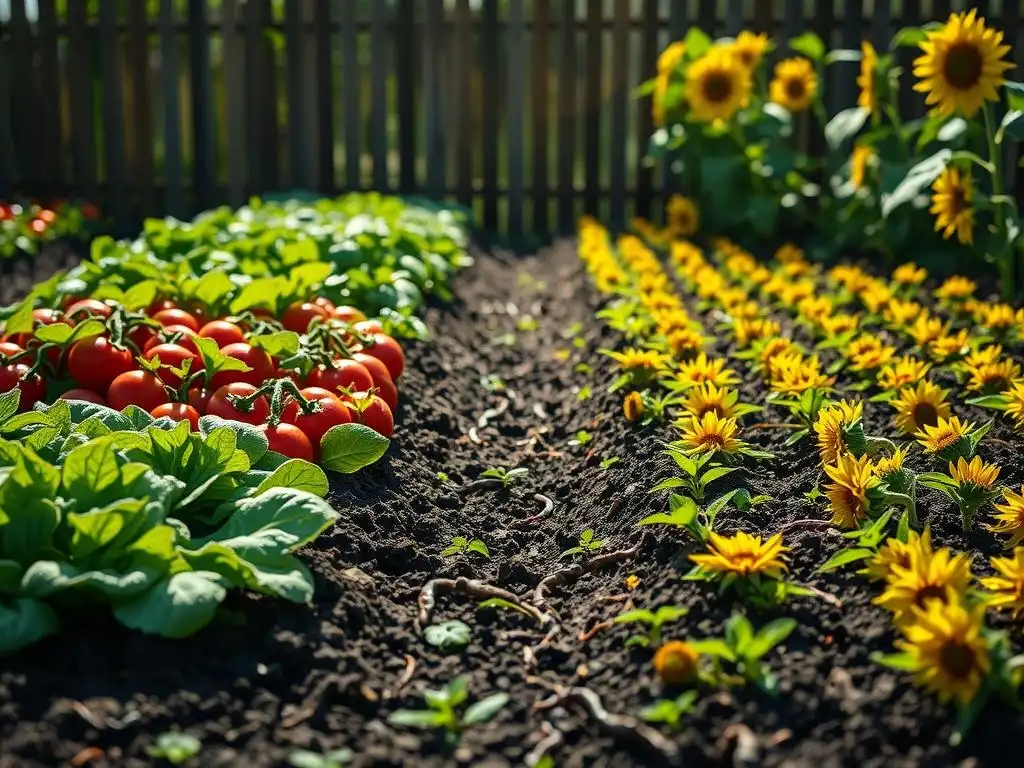
Crop rotation is a cornerstone of organic pest control and a highly effective strategy for minimizing pest infestations in your home garden. The basic principle revolves around systematically changing the types of plants grown in a specific area each year. This practice disrupts the life cycle of many pests, preventing them from establishing large, damaging populations.
For example, if you planted tomatoes in a particular bed this year, which are susceptible to tomato hornworms, planting a completely different type of plant, such as beans or leafy greens, in that same bed next year will significantly reduce the chances of a hornworm infestation. This is because hornworms are specialized feeders, their larvae relying on the specific chemical compounds found within tomato plants. Switching to plants from a different family deprives them of their primary food source, weakening their numbers.
Beyond disrupting pest life cycles, crop rotation also benefits the soil. Different plant families have varying nutrient requirements, and rotating crops helps maintain soil health and fertility, creating a less hospitable environment for many pests that thrive in nutrient-poor or unbalanced soil. For instance, legumes, such as beans and peas, fix nitrogen in the soil, enriching it and benefiting subsequent crops. This improved soil health can indirectly reduce pest pressure, as healthier plants are more resilient to pests and diseases.
Effective crop rotation requires careful planning, considering the specific pest and disease history of your garden and the nutrient needs of different plant families. Resources such as gardening guides and agricultural extension services can provide valuable information on suitable crop rotation plans tailored to your region and the specific plants you're growing. Remember, a well-planned rotation strategy is a proactive and sustainable approach to organic pest control.
Monitoring Your Garden Regularly: Early Detection is Key
Regular monitoring is paramount for successful organic pest control in your home garden. Early detection of pest infestations allows for timely intervention, often preventing minor issues from escalating into major problems. A proactive approach minimizes the need for harsh chemical pesticides and encourages the use of natural, sustainable solutions.
Your monitoring routine should involve a visual inspection of your plants at least once a week, ideally more frequently during periods of rapid plant growth or warm, humid weather when pests are most active. Pay close attention to both the upper and lower surfaces of leaves, stems, and buds. Look for signs of chewing, discoloration, wilting, unusual webbing, or the presence of insects themselves or their eggs and larvae.
Consider using a magnifying glass to get a closer look at smaller pests or their damage. Keep a detailed garden journal noting the types of plants, the date of planting, and any observations of pests or diseases. This record helps track pest activity over time, identifying patterns and potentially predicting future outbreaks. For example, you might notice that aphids consistently appear on your roses in early summer, allowing you to prepare preventative measures like introducing ladybugs or using a neem oil spray.
Early detection doesn't just limit the damage to your plants; it also reduces the overall impact on your garden's ecosystem. A small infestation can often be managed with simple, targeted interventions, avoiding the more disruptive effects of broader-spectrum pest control methods. Remember, consistent monitoring empowers you to take swift and effective action, preserving the health and vitality of your organic garden.
Advanced Organic Pest Control Techniques
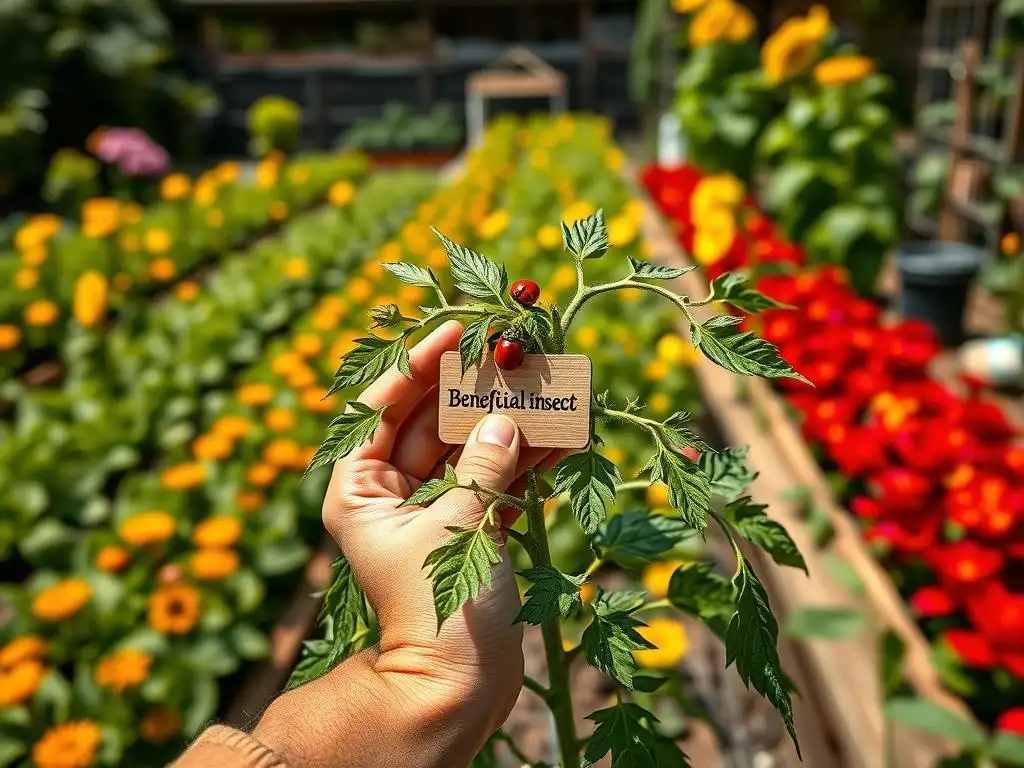
This section delves into sophisticated organic pest control strategies that go beyond basic preventative measures. We'll explore techniques that leverage the natural world to your advantage, minimizing the need for chemical interventions while maximizing the health and yield of your home garden. Effective organic pest control in your home garden requires a multifaceted approach, and these advanced techniques are key components of a robust strategy. Remember, consistent monitoring and early intervention are crucial for success with any organic pest control method.
Using Traps and Barriers to Control Pests
Traps and barriers offer a highly effective and environmentally friendly way to manage pest populations in your organic home garden. They work by physically preventing pests from accessing your plants or by trapping them, thereby reducing their numbers without harming beneficial insects or the environment. Let's examine some examples:
- Sticky Traps: These are particularly useful for flying insects like whiteflies and aphids. Simply place yellow sticky traps amongst your plants; the yellow color attracts the pests, and they become stuck to the trap. Regularly replace the traps for optimal effectiveness. Consider strategically placing traps near known infestation areas for more targeted control.
- Barrier Methods: These methods physically prevent pests from reaching your plants. Examples include:
- Row Covers: Lightweight fabric covers placed over plants create a physical barrier against many crawling insects and some flying insects, especially during their vulnerable larval stages.
- Collars: Placing cardboard or metal collars around the base of young plants can deter many soil-dwelling pests from reaching the stems and roots.
- Mesh netting: This can protect fruits and vegetables from birds and larger insects.
- Pheromone Traps: These sophisticated traps utilize synthetic pheromones (insect hormones) to attract specific pests. The pheromones lure the insects into a trap where they are either caught or killed. These traps are particularly effective for monitoring pest populations and catching males, thereby disrupting their breeding cycles. However, pheromone traps are pest-specific and need to be chosen carefully based on the identified pest.
The effectiveness of traps and barriers is enhanced by combining them with other organic pest control methods. For instance, using sticky traps in conjunction with beneficial insect introductions can significantly reduce pest populations.
Biological Control: Introducing Natural Enemies of Pests
Biological control harnesses the power of nature to control pests. It involves introducing natural predators, parasites, or pathogens of the target pest into your garden ecosystem. This method is highly specific, targeting only the problem pest while leaving beneficial insects unharmed. This is a cornerstone of sustainable organic pest control for the home garden.
Here are some examples:
- Ladybugs: These voracious predators are effective against aphids, mealybugs, and other soft-bodied insects. Introducing ladybugs into your garden can significantly reduce these pest populations.
- Lacewings: The larvae of lacewings are highly effective predators of aphids, mites, and other small insects.
- Praying Mantises: These impressive insects are generalist predators, feeding on a wide variety of insects, including many common garden pests.
- Nematodes: Microscopic worms that parasitize various soil-dwelling pests, such as grubs and slugs.
It's crucial to source your beneficial insects from reputable suppliers to ensure that you are introducing healthy and effective organisms into your garden. Improper introduction can be ineffective or even harmful. Consider the specific pests in your garden when selecting beneficial insects; a targeted approach is more effective.
Integrating Multiple Organic Pest Control Methods for Holistic Approach
A truly effective organic pest control strategy for your home garden relies on integrating multiple methods for a holistic approach. This integrated pest management (IPM) strategy combines preventative measures, cultural controls, biological controls, and physical controls to create a robust and sustainable system.
Consider this example: Let's say you have a problem with aphids. An integrated approach might include:
- Preventative Measures: Planting pest-resistant varieties, ensuring proper plant spacing for good air circulation, and maintaining garden hygiene.
- Cultural Controls: Regularly inspecting plants for early signs of infestation, removing infested leaves, and handpicking pests.
- Biological Control: Introducing ladybugs or lacewings to prey on the aphids.
- Physical Controls: Using sticky traps to catch any remaining aphids.
This multi-pronged approach is far more effective than relying on a single method. It creates a resilient ecosystem that is less susceptible to pest outbreaks and promotes long-term garden health. Remember to carefully observe your garden, adapting your approach as needed. This adaptability is key to successful organic pest control in your home garden. Consistent monitoring and a flexible approach are crucial for success in organic gardening and organic pest control.
Harvesting and Post-Harvest Pest Management
Harvesting your fruits, vegetables, and herbs is a rewarding experience, but it's crucial to remember that pest control doesn't end there. Many pests are attracted to ripe produce, even after it's been picked. Effective post-harvest pest management is vital to preserving your hard work and ensuring a bountiful harvest. This section focuses on safeguarding your precious bounty from further infestation. Implementing these strategies can significantly reduce waste and maximize the enjoyment of your homegrown organic produce. Proper handling and storage are key components of successful organic pest control in the home garden.
Protecting Harvested Produce from Pests
Protecting your harvest begins in the field. Careful inspection during harvesting is paramount. Remove any visibly infested produce immediately and dispose of it properly—composting isn't always suitable for severely infested items. Consider using clean harvesting tools and containers to minimize the spread of pests and diseases.
Once harvested, promptly clean your produce. A gentle wash with cool water can remove many surface pests and their eggs. For more stubborn infestations, a diluted solution of water and white vinegar can be effective. Avoid using harsh chemicals, as this would compromise the integrity of your organic gardening efforts. Remember, the goal is organic pest control home garden.
Consider the timing of your harvest. Harvesting early in the morning, when temperatures are cooler, can help reduce pest activity and slow down the deterioration of your produce. Furthermore, quick processing after harvesting minimizes the window of opportunity for pests to attack.
| Pest | Prevention Method | Post-Harvest Management |
|---|---|---|
| Aphids | Regular inspection, insecticidal soap | Thorough washing, immediate refrigeration |
| Spider mites | Monitoring, predatory mites | Careful inspection, discarding infested items |
| Cabbage worms | Row covers, Bacillus thuringiensis (Bt) | Handpicking, discarding infested leaves |
| Fruit flies | Proper sanitation, traps | Immediate refrigeration, airtight storage |
| Slugs & Snails | Beer traps, diatomaceous earth | Inspect carefully, discard any with slime trails |
This proactive approach minimizes the risk of pest infestation during storage. The table above provides specific examples of preventative measures and post-harvest strategies for common garden pests. Remember, diligent observation and prompt action are key to successful organic pest control in your home garden.
Storage Techniques to Prevent Pest Infestation
Proper storage is crucial for extending the shelf life of your harvest and preventing pest infestations. The best storage techniques vary depending on the type of produce.
- Refrigeration: Many fruits and vegetables benefit from refrigeration. Store them in airtight containers or reusable bags to maintain freshness and prevent moisture loss, which can attract pests. Always wash your produce before storing it in the refrigerator.
- Cool, Dark, and Dry Place: Some produce, like potatoes and onions, should be stored in a cool, dark, and dry place. Avoid storing them in airtight containers, as this can lead to spoilage. Proper ventilation is crucial to prevent fungal growth and pest infestation. This approach aligns perfectly with the principles of organic pest control in the home garden.
- Freezing: Freezing is an excellent method for preserving many fruits and vegetables for extended periods. Blanching vegetables before freezing helps to maintain their quality and texture. Properly frozen produce is less susceptible to pest infestation.
- Drying: Herbs and some fruits can be successfully dried, extending their shelf life and reducing the risk of pest infestation. Ensure proper ventilation during the drying process to prevent mold and mildew growth.
Maintaining cleanliness is also paramount. Regularly clean storage areas to remove any spilled produce or debris that might attract pests. Inspect your stored produce regularly for signs of infestation and remove any affected items immediately. By combining careful harvesting practices with appropriate storage techniques, you can significantly reduce the risk of pest infestation and enjoy the fruits (and vegetables!) of your labor for longer. This contributes greatly to sustainable and effective organic pest control in your home garden.
Frequently Asked Questions
What is organic pest control?
Organic pest control focuses on preventative measures and the use of natural substances to manage pests in your garden, avoiding harmful synthetic pesticides. This promotes environmental health and safe food production.
How can I prevent pests organically in my home garden?
Prevention is key! Healthy plants are more resistant to pests. Practice crop rotation, companion planting, and maintain good garden hygiene by removing weeds and debris.
What natural substances can I use for pest control?
Many options exist! Neem oil, insecticidal soap, and diatomaceous earth are effective against various pests. Beneficial insects, like ladybugs, can also help control pest populations.
Are organic pest control methods effective against all pests?
While highly effective for many common garden pests, organic methods may require more consistent effort and may not be as quick-acting as synthetic pesticides. Integrated pest management strategies often work best.
Where can I learn more about organic pest control for my home garden?
Explore resources like the CultivateYourFood website! We provide detailed guides and tips on various organic pest control techniques for a thriving, healthy garden using sustainable practices.
Final Reflection: Cultivating a Healthier Future, One Garden at a Time
The pursuit of organic pest control in home gardens isn't just a trend; it's a vital step towards a more sustainable and resilient food system. Our planet's health is inextricably linked to the health of our soil and the biodiversity it supports, and embracing natural methods of pest management is a powerful way to contribute to this crucial balance. This shift away from harmful chemicals is not merely a choice, but a necessity for future generations.
The journey towards understanding and implementing natural pest control has profoundly impacted my own gardening practices, transforming it from a purely aesthetic endeavor into a deeply connected and mindful interaction with nature. The glory of gardening: hands in the dirt, head in the sun, heart with nature. To nurture a garden is to feed not just the body, but the soul.
This quote perfectly encapsulates the holistic benefits of embracing organic methods, extending beyond simply growing food to fostering a deeper appreciation for the intricate web of life within our gardens.
Now, it's your turn. Consider the impact of your gardening choices on the environment and your own well-being. Experiment with the techniques discussed in this article, and observe the positive changes in your garden and your connection with the natural world. Remember, every small step towards organic pest control contributes to a larger movement towards a healthier planet and a more sustainable future for us all. Let's cultivate a world where our gardens thrive, not just in abundance, but in harmony with nature.
Unleash Your Garden's Potential: Grow Naturally!
Thank you for learning about natural pest control! We hope you found valuable information on creating a thriving, chemical-free garden. Now it's time to put that knowledge into practice.
- Start with one simple change: This week, try a single natural pest control method, such as companion planting, using neem oil, or introducing beneficial insects. Even a small step can significantly improve your garden's health!
- Share your results: Tell us about your experience in the comments below. What worked well? What unexpected results did you see? We love hearing from our community!
- Learn more: Explore more natural gardening techniques on our site. Discover additional ways to cultivate a healthy and vibrant garden without harmful chemicals.
Ready to see your garden flourish naturally? Which natural pest control method will you try first?