
Implementing a Seasonal IPM Plan: A StepbyStep Guide

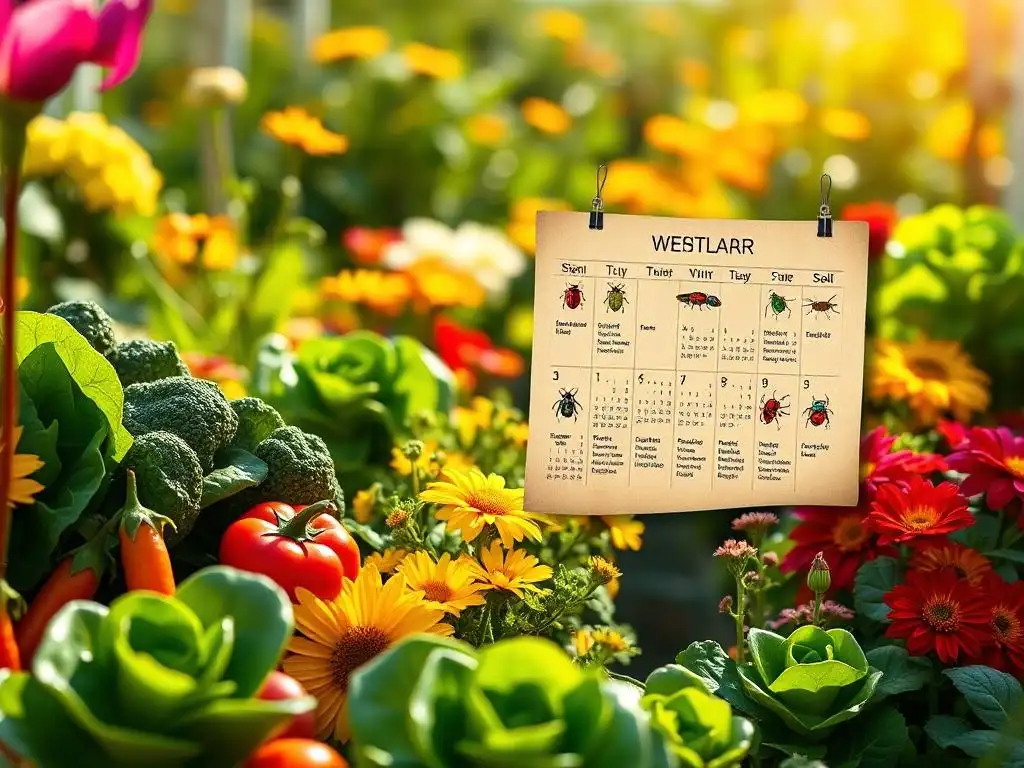
Ready to unlock the secrets to a thriving, organic garden? CultivateYourFood is your guide to growing vibrant fruits, vegetables, and herbs at home. But what if you could prevent pest problems before they even begin? Learn how with our in-depth guide on creating an organic pest control calendar, a crucial component of a successful Integrated Pest Management (IPM) plan. Discover the power of proactive gardening and prepare for a bountiful harvest—explore our Advanced Topics in Pest Management now!
- Understanding Your Organic Pest Control Calendar: A Seasonal Approach
- Spring: Early Season Pest Management and Prevention
- Summer: Peak Growing Season and Pest Management Strategies
- Fall: Harvesting and Preparing for Winter
- Winter: Planning for Next Year's Organic Pest Control Calendar
- Resources for Building Your Organic Pest Control Calendar
- Frequently Asked Questions
- Final Reflection: Cultivating a Sustainable Future, One Season at a Time
- Unleash Your Garden's Potential: Embrace Natural Pest Control!
Understanding Your Organic Pest Control Calendar: A Seasonal Approach
Cultivating a thriving garden organically requires a proactive approach to pest management. Relying solely on reactive measures often leads to significant crop losses and undermines the very principles of sustainable gardening. This is where a well-planned organic pest control calendar becomes indispensable.
This guide provides a step-by-step approach to implementing an Integrated Pest Management (IPM) plan tailored to your specific location and the seasonal variations in pest pressures. By understanding the seasonal cycles of both your plants and their potential adversaries, you can effectively prevent infestations and minimize the need for harsh chemical interventions, ultimately leading to a healthier and more productive garden.
This approach focuses on prevention, early detection, and the use of organic methods to control pests, ensuring a harvest that is both abundant and environmentally sound. We'll explore how to create a customized calendar that accounts for your unique garden conditions and the specific pests prevalent in your region, empowering you to cultivate a flourishing garden year-round.
Assessing Your Garden's Microclimate and Pest History
Before crafting your organic pest control calendar, it's crucial to understand the specific environmental conditions and pest history of your garden. This involves several key steps:
- Microclimate Analysis: Consider factors like sunlight exposure (full sun, partial shade, full shade), soil type (clay, sandy, loamy), wind exposure, and proximity to water sources. These elements significantly influence pest populations. For example, a consistently damp area may favor fungal diseases, while a dry, sunny location might attract specific insect pests. Detailed observation of your garden throughout the year is key to understanding these nuances.
- Pest History: Keep a detailed record of past pest infestations. Note down the specific pests encountered, the time of year they appeared, the severity of the infestation, and any control measures employed. This historical data provides valuable insights into predictable seasonal pest pressures, allowing for preventative measures. A simple notebook or a spreadsheet can be used to document this information. Even seemingly insignificant observations can be useful in the long run.
- Neighboring Gardens: Observe what pests are affecting nearby gardens. Pest populations can easily spread from one garden to another, so understanding the challenges faced by your neighbors can help you anticipate potential problems in your own garden.
Identifying Key Pests and Diseases for Each Season
Understanding the seasonal life cycles of common garden pests and diseases is paramount to effective IPM. Different pests and diseases thrive under specific environmental conditions, which vary throughout the year.
- Spring Pests: Early spring often sees the emergence of aphids, slugs, and snails, attracted by the new growth of tender plants. Fungal diseases like powdery mildew can also become a problem if conditions are damp.
- Summer Pests: Summer brings a wider array of pests, including spider mites, whiteflies, and various caterpillars. High temperatures and dry conditions can exacerbate pest problems.
- Autumn Pests: As the weather cools, some pests enter a dormant phase, while others may become more active in search of overwintering sites.
- Winter Pests: While many pests are inactive in winter, some may persist in protected areas or in the soil. Monitoring for overwintering eggs and larvae is important for early spring prevention.
Creating a list of the common pests and diseases affecting your specific region, categorized by season, is a critical step in building your organic pest control calendar. This list should be tailored to the plants you are growing.
Building Your Organic Pest Control Calendar: A Month-by-Month Breakdown
Now, let's put it all together. Your organic pest control calendar should be a month-by-month guide detailing preventative measures and potential interventions. This requires a combination of planning and observation.
- Preventative Measures: Include steps like crop rotation, companion planting (using plants that repel pests), maintaining good soil health, and regularly inspecting plants for early signs of infestation.
- Monitoring: Regular monitoring is key. Note down the presence of pests or diseases, their severity, and the effectiveness of any control measures.
- Organic Control Methods: Your calendar should outline organic control methods, such as handpicking pests, using insecticidal soaps, introducing beneficial insects (ladybugs, lacewings), applying neem oil, or utilizing other organic pest control techniques appropriate for the season and the specific pest.
- Example: A sample entry for July might look like this: "July: Monitor for spider mites on tomatoes and cucumbers; apply insecticidal soap if necessary; continue regular watering to maintain soil moisture and reduce stress on plants."
Remember, your organic pest control calendar should be a living document, constantly updated based on your observations and the evolving conditions in your garden. This dynamic approach is the core of successful organic pest management.
Spring: Early Season Pest Management and Prevention
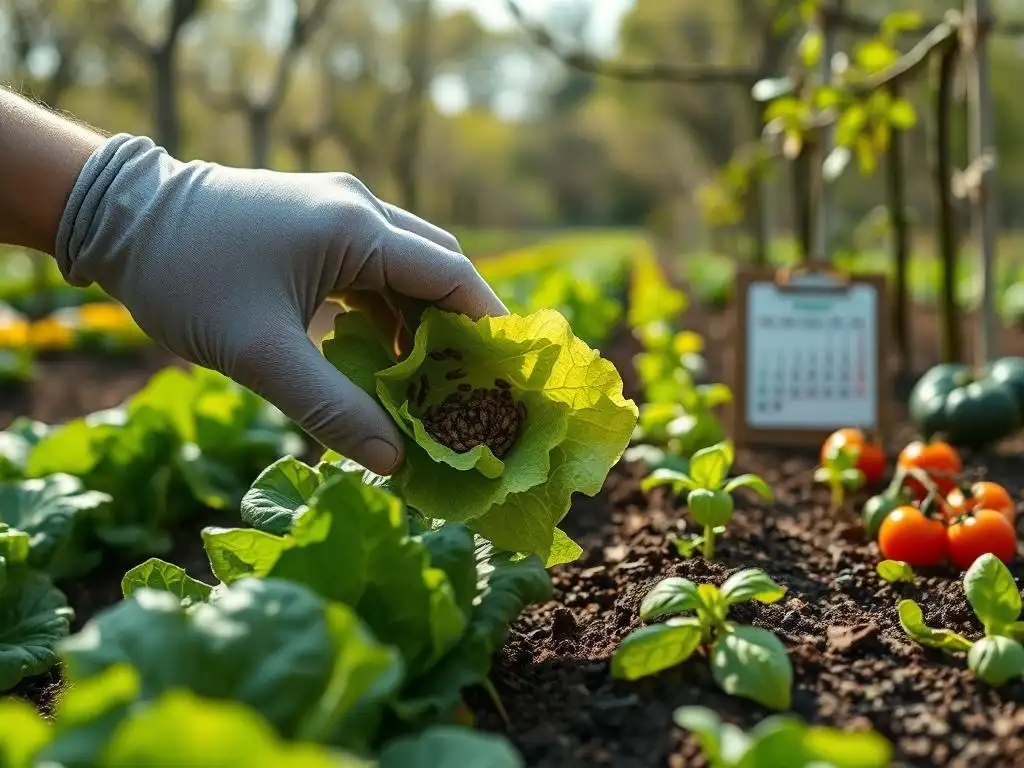
Spring brings the promise of new growth, but also the emergence of early-season pests eager to feast on your budding fruits, vegetables, and herbs. A proactive approach to Integrated Pest Management (IPM) is crucial for a successful organic harvest. This section focuses on implementing effective, sustainable pest control strategies during the spring season, building a robust foundation for healthy plants throughout the year. We'll explore practical techniques to minimize pest damage and maximize yields while adhering to organic principles. This is your guide to creating your own organic pest control calendar tailored to spring's unique challenges.
Early Spring Inspection and Soil Preparation for Pest Control
Before planting, a thorough inspection of your garden beds is paramount. Look for signs of overwintering pests like slugs, aphids, or insect eggs hidden in soil crevices or plant debris. Removing this debris is the first step in your organic pest control calendar. Careful soil preparation plays a vital role in pest prevention. Consider these steps:
- Deep Tilling: Turning over the soil to a depth of 12-18 inches helps expose and eliminate overwintering pests and their eggs, disrupting their life cycle. This is especially effective for soil-borne pests.
- Solarization: Covering the soil with clear plastic during the hottest part of the day for several weeks can raise soil temperatures high enough to kill many soilborne pests and weed seeds. This is a natural and effective method of soil sterilization.
- Composting: Incorporating well-rotted compost into the soil improves soil structure, increases beneficial microbial activity, and provides essential nutrients to plants, making them more resilient to pests. Composting is a cornerstone of organic pest control.
- Crop Rotation: Rotating your crops each year helps to break pest cycles. Avoid planting the same species in the same location consecutively, as this can attract specific pests that build up in the soil.
Preventing Early Season Pests with Companion Planting
Companion planting leverages the synergistic relationships between different plant species to deter pests and enhance overall garden health. This strategy is a cornerstone of effective organic pest control. Here are some examples:
- Marigolds: These vibrant flowers repel nematodes, whiteflies, and other common garden pests. Planting them strategically throughout your garden can provide a natural barrier against infestations.
- Basil: Known for its strong aroma, basil repels aphids, tomato hornworms, and mosquitoes, proving beneficial near tomatoes, peppers, and eggplants.
- Nasturtiums: These edible flowers attract aphids and other pests away from your main crops, acting as a sacrificial plant. They are also edible and add a peppery flavor to salads.
- Garlic: The pungent smell of garlic repels many pests, including aphids, spider mites, and cabbage worms. Planting garlic cloves amongst your vegetables can provide natural pest control.
| Companion Plant | Pests Repelled | Benefits |
|---|---|---|
| Marigolds | Nematodes, whiteflies | Attracts beneficial insects |
| Basil | Aphids, tomato hornworms | Improves flavor of nearby plants |
| Nasturtiums | Aphids, other pests | Edible flowers; acts as trap crop |
| Garlic | Aphids, spider mites | Improves soil health; repels many pests |
Implementing Natural Pest Control Measures in Spring
Beyond companion planting, various natural methods can effectively manage spring pests without resorting to harmful chemicals. Consider these sustainable approaches for your organic pest control calendar:
- Beneficial Insects: Introducing ladybugs, lacewings, and praying mantises into your garden provides natural predators for aphids, mites, and other pests. These insects are readily available from many garden centers.
- Neem Oil: This natural insecticide derived from the neem tree is effective against a wide range of pests, including aphids, mealybugs, and whiteflies. Apply it as a foliar spray according to label instructions.
- Insecticidal Soap: This environmentally friendly solution is effective against soft-bodied insects like aphids, whiteflies, and spider mites. Always test it on a small area first to ensure it doesn't damage your plants.
- Handpicking: For smaller infestations, manually removing pests from your plants is an effective and environmentally friendly control method. This is especially effective for caterpillars and slugs.
Remember, consistent monitoring and early intervention are key to successful organic pest control. By implementing these strategies, you can create a thriving, pest-resistant garden throughout the spring and beyond, creating your own effective and personalized organic pest control calendar. 🌱
Summer: Peak Growing Season and Pest Management Strategies
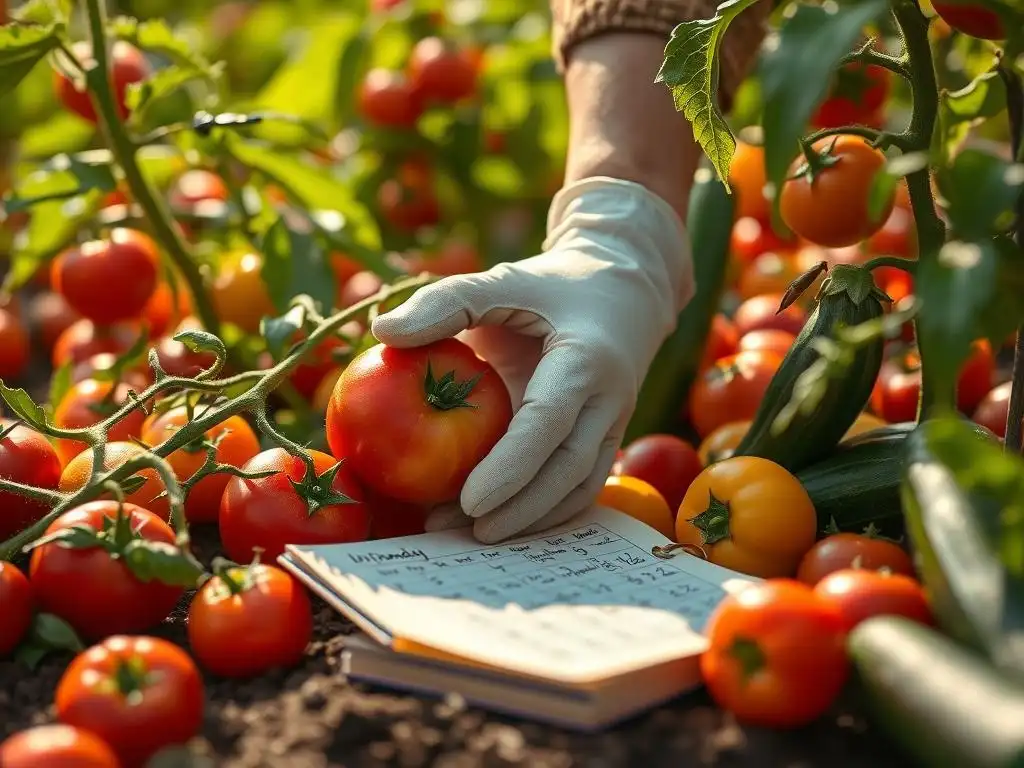
Summer presents the peak growing season for many fruits, vegetables, and herbs, but it also brings a surge in pest and disease activity. A proactive and organic pest control calendar is crucial for successful summer gardening. This section outlines key strategies for monitoring and managing common summer challenges, emphasizing preventative measures and environmentally friendly solutions. Consistent monitoring is key to early detection, allowing for timely intervention before infestations become overwhelming.
Remember, prevention is always cheaper and more effective than cure. The goal is to maintain a healthy balance within your garden ecosystem, minimizing the need for harsh chemicals. This approach ensures both bountiful harvests and a healthy environment.
Monitoring for Common Summer Pests and Diseases
Regular inspection is paramount. Aim for at least a weekly, thorough check of your plants. Look for:
- Visual Signs: Examine leaves for holes, discoloration, webbing, or unusual growths. Check stems and fruits for damage or deformities.
- Insect Presence: Look for aphids, spider mites, whiteflies, cabbage worms, tomato hornworms, and other common summer pests. Pay close attention to the undersides of leaves.
- Disease Symptoms: Watch for signs of fungal diseases like powdery mildew (white coating on leaves), blight (brown or black spots), and leaf spot. Wilting or yellowing leaves can also indicate disease or pest problems.
- Keep a Record: Maintain a detailed journal noting the date, location, type of pest or disease observed, and the severity of the infestation. This record will serve as a valuable resource for future years, helping you anticipate and prevent problems.
Consider using a magnifying glass for closer inspection of smaller insects or disease symptoms. Early detection significantly improves the effectiveness of organic control measures. For instance, identifying a small aphid infestation early allows for simple hand-picking or a targeted application of insecticidal soap, preventing a major outbreak later in the season.
Organic Pest Control Techniques for Summer Vegetables
Summer vegetables are particularly susceptible to various pests. Here are some effective organic pest control techniques:
| Pest | Organic Control Methods | Prevention Strategies |
|---|---|---|
| Aphids | Insecticidal soap, neem oil, ladybugs (beneficial insects) | Plant companion plants like basil and marigolds |
| Squash Bugs | Handpicking, diatomaceous earth, row covers | Rotate crops yearly, remove plant debris |
| Cabbage Worms | Bacillus thuringiensis (Bt), row covers, handpicking | Use resistant varieties, monitor regularly |
| Tomato Hornworms | Handpicking, Bacillus thuringiensis (Bt) | Plant companion plants like basil |
| Colorado Potato Beetles | Handpicking, insecticidal soap (for small infestations), neem oil, row covers | Rotate crops, use resistant varieties, monitor regularly |
Remember to always follow the instructions on any organic pesticide product carefully. Many organic pest control solutions are most effective when applied preventatively or at the first sign of an infestation. Regularly inspect your vegetable plants, and don't hesitate to use a combination of methods for best results. For example, combining row covers with beneficial insects can provide a highly effective and sustainable pest management strategy.
Managing Summer Pests in Fruit Trees and Berry Bushes
Fruit trees and berry bushes require a slightly different approach to pest management due to their size and structure. Common summer pests include:
- Codling Moths: These pests bore into apples and other fruits. Use pheromone traps to monitor populations and consider using burlap bands to trap larvae.
- Japanese Beetles: These metallic green beetles can decimate foliage. Handpicking is effective for small populations. Neem oil can also help manage infestations.
- Spider Mites: These tiny pests suck sap from leaves, causing stippling and webbing. Use insecticidal soap or neem oil. Encourage beneficial insects like ladybugs.
Pruning overgrown branches improves air circulation and sunlight penetration, reducing the humidity that favors fungal diseases and some pests. Proper watering and fertilization practices also contribute to plant health and resilience against pests and diseases. Regularly inspect your fruit trees and berry bushes for signs of damage. Early detection is crucial for successful organic pest management. A well-maintained orchard or berry patch, combined with vigilant monitoring and timely intervention, will lead to healthy plants and abundant harvests. Remember, a healthy plant is better equipped to fight off pests and diseases naturally.
Fall: Harvesting and Preparing for Winter
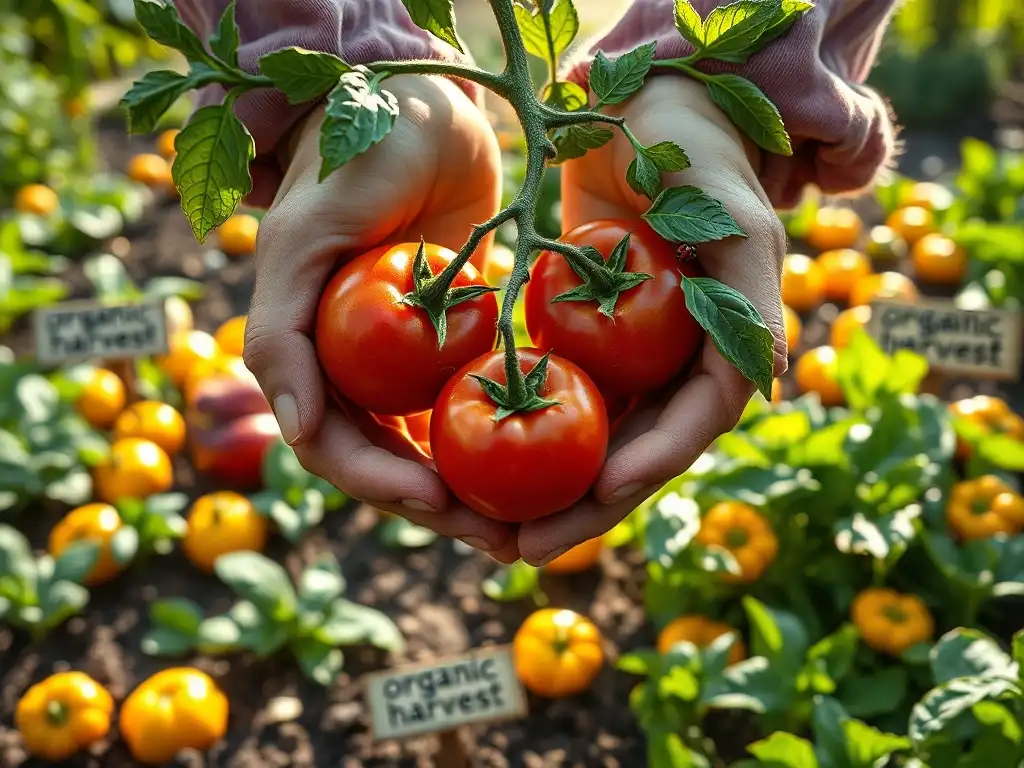
This section focuses on the crucial fall period within your organic pest control calendar, emphasizing harvesting techniques and winter preparations to minimize pest pressure next season. Effective fall management significantly reduces the need for harsh chemical interventions in the spring.
Harvesting and Post-Harvest Pest Management
Harvesting at the optimal time is key to minimizing pest damage and spoilage. Overripe fruits and vegetables are more susceptible to insect infestation and fungal diseases. For example, leaving overripe tomatoes on the vine invites tomato hornworms and other pests. Prompt harvesting and proper storage are essential components of your organic pest control strategy.
Consider these post-harvest practices:
- Thorough Inspection: Carefully inspect all harvested produce for any signs of pests or diseases before storing. Remove any infested items immediately.
- Proper Cleaning: Wash fruits and vegetables gently but thoroughly to remove any lingering pests or soil.
- Appropriate Storage: Store produce in cool, dry, and well-ventilated areas. Using appropriate containers can help prevent pest infestations. Proper storage significantly extends the shelf life of your harvest and reduces waste.
- Composting: Compost healthy plant debris, but avoid adding diseased or pest-infested materials to your compost pile to prevent spreading problems. This is a crucial step in your sustainable organic pest control calendar.
Fall Clean-Up to Prevent Overwintering Pests
Fall clean-up is not merely about tidying your garden; it’s a vital step in your organic pest control calendar. Many pests overwinter in plant debris, soil, or garden structures. Removing these harborages significantly reduces pest populations the following spring. This preventative approach minimizes the need for intervention later.
Here's a detailed checklist for your fall clean-up:
- Remove all plant debris: This includes fallen leaves, spent plants, and weeds. These can harbor eggs, larvae, and adult pests. Dispose of infected material responsibly—don't add it to your compost pile.
- Till or deeply cultivate the soil: This disrupts the overwintering sites of many soil-borne pests.
- Clean and store garden tools: Pests can overwinter on tools. Clean them thoroughly and store them in a dry, protected place.
- Clean and repair garden structures: Repair any damage to fences, trellises, or other structures where pests might hide.
- Remove mulch from around plants: This can expose overwintering pests and improve air circulation, making them less likely to survive.
Proper fall clean-up is a proactive and highly effective part of your organic pest control calendar.
Implementing preventative measures for next year's organic pest control calendar
Planning for next year's growing season is critical. A well-planned organic pest control calendar incorporates preventative measures to minimize pest problems before they arise.
Consider these proactive steps:
- Crop Rotation: Rotate your crops yearly to disrupt pest life cycles. Different plants attract different pests. Rotating crops can help to break those cycles.
- Companion Planting: Incorporate companion plants known to repel specific pests. For example, marigolds are known to repel nematodes and some other insects.
- Soil Health: Healthy soil supports healthy plants that are more resistant to pests and diseases. Maintain soil fertility through composting and other organic methods. Improved soil health is a crucial element of any effective organic pest control calendar.
- Monitoring: Begin monitoring your garden early in the spring to catch pest problems before they escalate. Early detection allows for timely and less intensive interventions.
- Record Keeping: Maintain detailed records of pest activity, your interventions, and their effectiveness. This helps you refine your organic pest control calendar year after year, making it more precise and efficient.
By diligently following these steps, you can significantly reduce pest pressure and create a thriving, healthy garden using sustainable organic pest control methods. Remember, a successful organic pest control calendar is built on proactive planning and consistent monitoring throughout the year. 🐛🌿
Winter: Planning for Next Year's Organic Pest Control Calendar
Winter, while seemingly dormant for your garden, is the ideal time for strategic planning to ensure a thriving and pest-free growing season ahead. This is your opportunity to analyze past successes and failures, refine your approach, and prepare for the next cycle of growth. A well-structured winter planning session is crucial for effective organic pest control, maximizing yield, and minimizing environmental impact. Think of this as your pre-season training for a successful harvest. This is where you build your organic pest control calendar for the year ahead.
Assessing the Success of Your IPM Plan
Reviewing your previous growing season’s records is paramount. Did your integrated pest management (IPM) plan work as intended? Did you successfully control pests organically? What were your biggest challenges? What worked particularly well? To effectively assess your IPM plan, consider these key aspects:
- Pest Identification: Did you accurately identify all pests? Were there any surprises? Keep detailed notes, including photographs if possible, of any pests you encountered. This will help you predict and prepare for future infestations. Accurate identification is the cornerstone of effective organic pest control.
- Treatment Effectiveness: For each pest, note the methods you used for control (e.g., companion planting, beneficial insects, insecticidal soap). Rate the effectiveness of each method on a scale of 1 to 5 (1 being ineffective, 5 being highly effective). This data will be invaluable for refining your organic pest control calendar.
- Environmental Impact: Did your chosen methods have any unintended consequences on beneficial insects or pollinators? Did you observe any negative effects on soil health or plant growth? Sustainable organic gardening requires a holistic approach, considering the entire ecosystem.
- Yield and Quality: Compare your harvest from the previous season to previous years. Note any differences in yield or fruit/vegetable quality. This helps you correlate pest pressure to harvest outcome.
| Pest | Method Used | Effectiveness (1-5) | Notes |
|---|---|---|---|
| Aphids | Insecticidal Soap | 4 | Worked well, but needed repeat applications |
| Cabbage Worms | Row covers | 5 | Completely prevented infestation |
| Spider Mites | Neem Oil | 3 | Partially effective, required additional steps |
By meticulously analyzing this data, you can identify weaknesses in your approach and adjust your strategy for the next season, creating a more robust organic pest control calendar.
Refining Your Organic Pest Control Calendar for Next Year
Based on your assessment, refine your organic pest control calendar. This isn't just about listing pests; it's about developing a proactive, preventative strategy. Consider these points:
- Crop Rotation: Rotating your crops can significantly reduce pest pressure. Pests often thrive on specific plants. Rotating reduces the build-up of pests and diseases associated with specific crops.
- Companion Planting: Strategically planting certain plants together can repel pests or attract beneficial insects. Research companion plants that are effective against the pests you encountered last year.
- Beneficial Insects: Consider ways to attract and support beneficial insects, such as ladybugs and lacewings, which naturally control many common garden pests. Providing habitat and food sources is crucial for their survival.
- Monitoring: Regular monitoring is key to early detection and prevention. Develop a schedule for regular inspections, noting the presence of pests or signs of damage. Early detection is vital for effective organic pest control.
Remember, your organic pest control calendar is a living document. It should be updated and refined each year based on your experiences and new information.
Preparing your tools and supplies for next season
Winter is the perfect time to organize and maintain your gardening tools and supplies. A well-maintained arsenal ensures you're ready to tackle the growing season efficiently. This also includes preparing your organic pest control arsenal.
- Clean and Sharpen Tools: Clean and sharpen all your gardening tools, including shears, pruners, and hoes. This prevents the spread of diseases and ensures efficient work.
- Replenish Supplies: Check your stock of organic pest control materials, such as insecticidal soap, neem oil, and diatomaceous earth. Replenish as needed to ensure you have sufficient supplies for the coming season.
- Organize Your Workspace: Organize your gardening shed or workspace, ensuring easy access to all your tools and supplies. A well-organized space promotes efficiency and reduces stress during the busy growing season.
- Repair or Replace Damaged Items: Repair or replace any damaged tools or equipment. Investing in quality tools pays off in the long run.
By completing these tasks, you'll be well-prepared for the next growing season and ready to implement your refined organic pest control calendar. A proactive approach in winter ensures a healthier, more productive garden throughout the year.
Resources for Building Your Organic Pest Control Calendar
Creating a truly effective organic pest control calendar requires more than just knowing what pests to expect; it demands understanding when they're most active and what preventative or curative measures work best seasonally. This section outlines key resources to help you build a comprehensive and personalized organic pest control calendar tailored to your specific location and the plants you're cultivating. Remember, a proactive approach using an organic pest control calendar is key to minimizing pest damage and maximizing your harvest.
Finding Local Resources for Organic Pest Control
Your local environment plays a crucial role in determining which pests will pose the biggest threat to your garden. Generic pest control guides may offer general advice, but a hyperlocal approach is far more effective. Consider these resources:
- Local agricultural extension offices: These offices often provide free or low-cost consultations and resources specific to your region. They can offer valuable insights into prevalent pests, organic control methods, and the timing of pest activity. They are invaluable for understanding the specific challenges of your area. For instance, you might learn that certain pests are particularly problematic during unusually wet springs in your region.
- Master Gardener programs: Master Gardeners are trained volunteers who provide horticultural expertise to the community. They can offer personalized advice, identify pests, and suggest organic control strategies based on your specific situation. Think of them as your friendly neighborhood pest control experts, offering tailored solutions.
- Local nurseries and garden centers: These businesses often have staff with extensive knowledge of local pests and organic pest control techniques. They might even stock organic pesticides and beneficial insects specific to your area. Don't hesitate to ask for advice; their experience is a valuable resource.
- Local farmers' markets: Speaking with experienced local farmers can provide invaluable insights into pest management practices they've successfully implemented in your area. They often have practical, time-tested solutions based on years of experience battling local pests. Learning from their successes and failures can save you considerable time and effort.
- Community gardening groups: Connecting with other gardeners in your area can create a valuable network for sharing information and experiences related to pest control. This collaborative approach can lead to the development of a collective organic pest control calendar, combining the knowledge and observations of multiple gardeners.
Utilizing Online Tools and Databases for Pest Identification
The internet offers a wealth of information, but it's crucial to use reliable sources when building your organic pest control calendar. Avoid generic advice and focus on reputable sources that provide regionally specific information.
- University extension websites: Many universities have dedicated websites with extensive databases of pests, their life cycles, and organic control methods. These sites often offer detailed information tailored to specific regions and climates, ensuring that the information is relevant to your situation. They are a treasure trove of detailed information, backed by scientific research.
- Specialized gardening websites and forums: Numerous online communities and websites cater to organic gardening enthusiasts. These platforms can provide valuable insights, but always verify information with multiple sources to ensure accuracy. Beware of anecdotal evidence and prioritize information supported by scientific studies or expert opinions.
- Online pest identification tools: Some websites and apps allow you to upload pictures of pests for identification. This can be incredibly helpful in quickly determining the species of pest you're dealing with and finding appropriate organic control measures. However, double-check the identification with other resources to confirm the accuracy of the result. A misidentification can lead to ineffective or even harmful pest control strategies.
- Google Scholar and other academic databases: For more in-depth information, explore academic databases like Google Scholar. This allows you to access peer-reviewed research articles on specific pests and organic pest control methods. This approach provides the most rigorous and accurate information, although it might require some scientific literacy to understand fully.
Remember, building a successful organic pest control calendar is an iterative process. Regular observation, record-keeping, and a willingness to adapt your strategies based on your experiences will ensure its effectiveness over time. Consistent monitoring is key to preventing pest infestations from escalating and damaging your precious crops. 🌱
Frequently Asked Questions
What is an Integrated Pest Management (IPM) plan?
An IPM plan is a sustainable approach to pest control that focuses on preventing pest problems and using the least toxic methods possible. It involves monitoring, prevention, and only using pesticides as a last resort.
Why is a seasonal IPM plan important?
A seasonal plan accounts for the life cycles of pests and the growing seasons of your plants. This allows for targeted and effective interventions, minimizing pesticide use and maximizing results.
How do I create a seasonal organic pest control calendar?
Start by identifying common pests in your region and their active periods. Then, schedule preventative measures like companion planting and beneficial insect introduction. Finally, plan for interventions like hand-picking or using organic pesticides only when necessary.
What are some examples of organic pest control methods?
Beneficial insects, such as ladybugs and lacewings, can be introduced. Natural predators, like chickens or ducks, can also help. Organic pesticides, like neem oil or insecticidal soap, are available as a last resort.
Where can I find more information on organic pest control for my specific region and plants?
Your local agricultural extension office is an excellent resource. You can also find valuable information online through reputable sources like the CultivateYourFood website and other gardening websites and books.
Final Reflection: Cultivating a Sustainable Future, One Season at a Time
The principles of Integrated Pest Management (IPM), once a niche practice, are now essential for building resilient and truly sustainable food systems. Ignoring the interconnectedness of our environment and the devastating impact of unchecked pesticide use is no longer an option; the health of our planet and our communities demands a shift towards proactive, ecologically sound approaches.
Implementing a seasonal IPM plan isn't just about controlling pests; it's about fostering a deep understanding of the natural world and our place within it. It's about recognizing the intricate dance between predator and prey, the delicate balance of ecosystems, and the profound impact our choices have on biodiversity. The Earth provides enough to satisfy every man's needs but not every man's greed.
- Mahatma Gandhi. This quote rings particularly true when considering the unsustainable practices of conventional pest control and the urgent need for change. The journey towards truly organic pest control is a continuous learning process, requiring observation, adaptation, and a commitment to long-term ecological stewardship.
You now possess the knowledge to create your own organic pest control calendar. Take this knowledge and use it to cultivate not only healthy plants, but also a healthier relationship with the environment. Start small, observe closely, and adapt your strategies as needed. Remember, every step you take towards implementing a seasonal IPM plan is a step towards a more sustainable and vibrant future for all. Embrace the challenge, celebrate the successes, and continue learning – the rewards are immeasurable.
Unleash Your Garden's Potential: Embrace Natural Pest Control!
Thank you for exploring the world of seasonal Integrated Pest Management (IPM)! You've gained valuable knowledge to create a healthier, more vibrant garden. Ready to put your new skills into action?
- Develop your IPM plan: Begin by identifying potential pests in your area and create a prevention plan. This is the first step towards a thriving garden.
- Share your experiences: Join our CultivateYourFood community and share your planting and IPM strategies. Let's learn from each other!
- Experiment with companion planting: This natural pest deterrent can also significantly increase your harvest.
Ready to see the amazing results of a proactive approach in your garden?