
Container Plants with Holes in Leaves: Identifying the Pests and Solutions

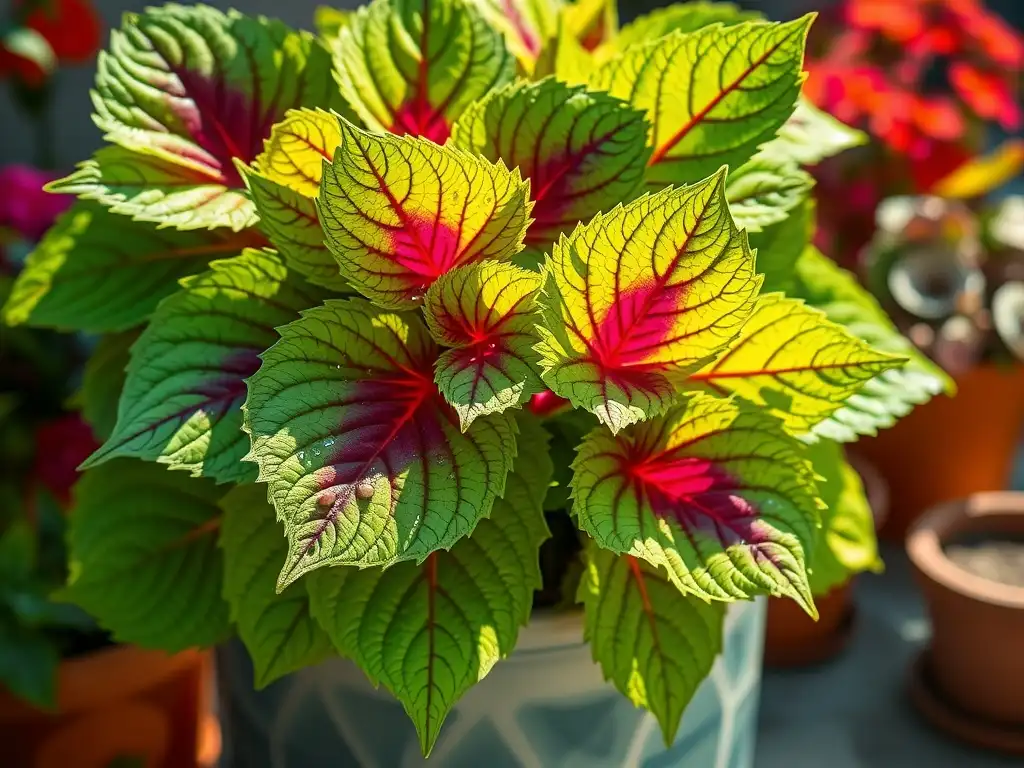
Welcome to CultivateYourFood, your guide to a thriving, sustainable home garden! Are you battling mysterious leaf hole pests in your beloved container plants? We understand the frustration – and we have the answers. Discover effective, organic solutions to reclaim your vibrant harvest and learn how to prevent future infestations. Dive into our Container Gardening section and unlock the secrets to healthy, bountiful yields, no matter the size of your space. Let's cultivate a greener future, together.
- Identifying Leaf Hole Pests in Container Plants
- Diagnosing the Problem: Leaf Hole Pests in Your Specific Plants
- Effective Organic Pest Control Solutions for Container Plants
- Preventing Leaf Hole Pests in Container Plants
- When to Seek Professional Help for Pest Control in Container Gardens
-
Frequently Asked Questions
- What are the common leaf hole pests affecting container plants?
- How can I identify the pest causing the holes in my container plant leaves?
- What are some organic ways to control leaf hole pests in container plants?
- Are there any preventative measures I can take to avoid leaf hole pests?
- What should I do if organic methods fail to control the leaf hole pests?
- Final Reflection: The Unseen Enemies in Our Urban Gardens
- Unveil Healthier Plants: Take Action Now!
Identifying Leaf Hole Pests in Container Plants
Container gardening offers a rewarding way to grow your favorite fruits, vegetables, and herbs, bringing the bounty of nature right to your doorstep. However, the confined environment of containers can sometimes make your plants more susceptible to pest infestations. One common sign of a problem is the appearance of holes in the leaves.
This comprehensive guide will help you identify the culprits behind those pesky holes, understand the specific damage they cause, and learn effective, sustainable solutions to protect your precious container plants. We'll explore the most common leaf hole pests affecting container gardens, offering visual aids and practical advice to ensure a healthy and thriving harvest, all while maintaining organic and sustainable practices.
Learning to recognize these signs early is crucial for preventing widespread damage and maintaining the health of your plants, saving you time, effort, and ultimately, your precious produce. Let's delve into the world of leaf hole pests and equip you with the knowledge to combat them effectively.
Common Pests Causing Holes in Container Plant Leaves
Several pests can cause holes in the leaves of your container plants. Identifying the specific pest is crucial for effective treatment. Some of the most common culprits include:
- Aphids: These tiny, soft-bodied insects cluster on the undersides of leaves, sucking sap and leaving behind stippled or yellowed areas. While not always directly causing large holes, their feeding can weaken plants, making them more susceptible to other issues. Heavy infestations can cause leaf distortion and eventual leaf drop.
- Caterpillars: Various caterpillar species, from the common cabbage worm to tomato hornworms, are voracious eaters, creating large, irregular holes in leaves. Their feeding is often easily visible due to the size and shape of the damage. You might also find caterpillar droppings (frass) near the affected leaves.
- Leafminers: These insects lay their eggs inside leaves, and the larvae then tunnel through the leaf tissue, creating characteristic meandering trails or blotches. While not always holes in the traditional sense, these mines significantly damage the leaf's photosynthetic capabilities.
- Grasshoppers: These jumping insects can cause large, irregular holes in leaves, particularly in plants with softer foliage. They often feed on the leaf edges, creating ragged or notched appearances.
- Beetles: Several beetle species, both larvae and adults, can feed on plant leaves, creating holes of varying sizes and shapes. Colorado potato beetles, for example, are notorious for their damage to potato plants.
Recognizing Leaf Damage from Different Pests: A Visual Guide
Understanding the type of damage is as important as identifying the pest itself. Here's a quick visual guide:
| Pest Type | Description of Damage | Example Plants Affected |
|---|---|---|
| Aphids | Stippling, yellowing, leaf curling, stunted growth | Most plants |
| Caterpillars | Large, irregular holes, often with leaf margins eaten | Cabbage, tomatoes, peppers, many leafy greens |
| Leafminers | Meandering tunnels or blotches within the leaf tissue | Many plants, including herbs and vegetables |
| Grasshoppers | Large, irregular holes, often on leaf edges | Many plants, especially those with softer foliage |
| Beetles | Holes of varying sizes and shapes, sometimes skeletonized leaves | Potatoes, tomatoes, cucumbers, beans, squash |
Remember to always check both the upper and lower surfaces of leaves for signs of pests. A magnifying glass can be helpful for identifying smaller insects like aphids or leafminers.
Distinguishing Pest Damage from Environmental Factors
It's crucial to differentiate pest damage from environmental factors that can also cause leaf holes. For instance:
- Hail: Hailstorms can cause numerous small, round holes in leaves. These holes are usually consistent in size and randomly distributed across the plant.
- Fungus: Certain fungal diseases can cause leaf spots or lesions that might resemble holes. However, these lesions often have a distinct color or texture.
- Nutrient Deficiencies: While not directly causing holes, nutrient deficiencies can weaken plants, making them more vulnerable to pests and diseases. Yellowing or discoloration of leaves can be a sign of nutrient problems.
- Physical Damage: Accidental damage from tools, animals, or strong winds can also cause holes or tears in leaves.
By carefully observing the type and pattern of damage, along with other symptoms, you can accurately diagnose the problem and implement the appropriate organic and sustainable solution. Remember to always consider the overall health of your plant when assessing the damage.
Diagnosing the Problem: Leaf Hole Pests in Your Specific Plants
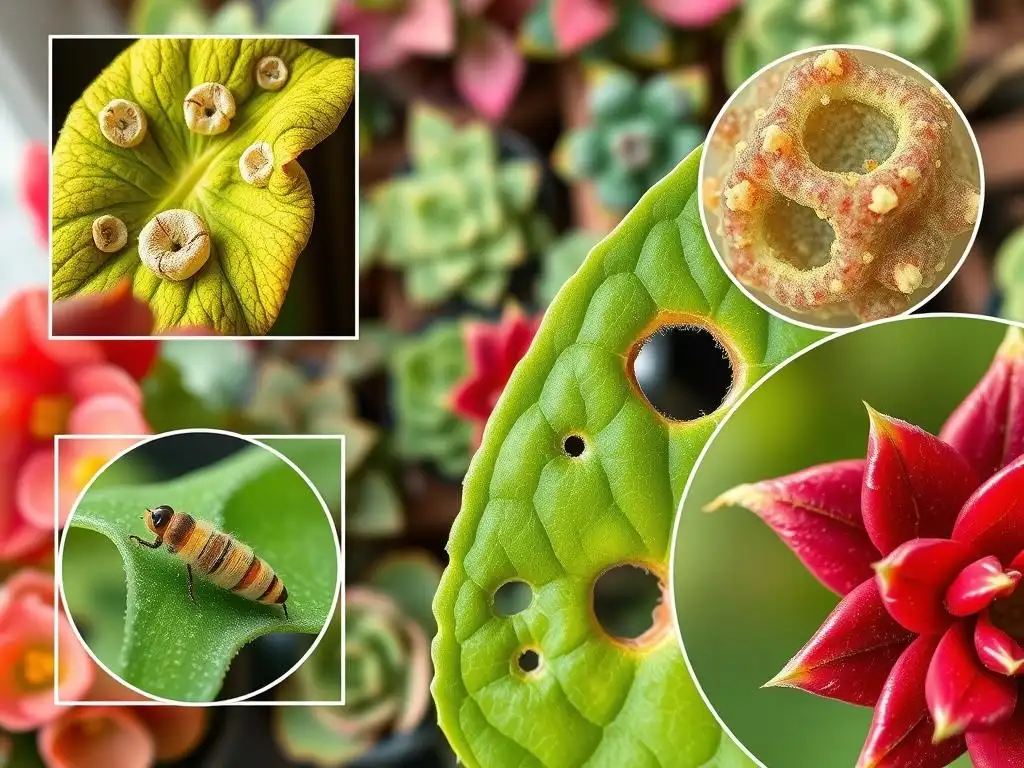
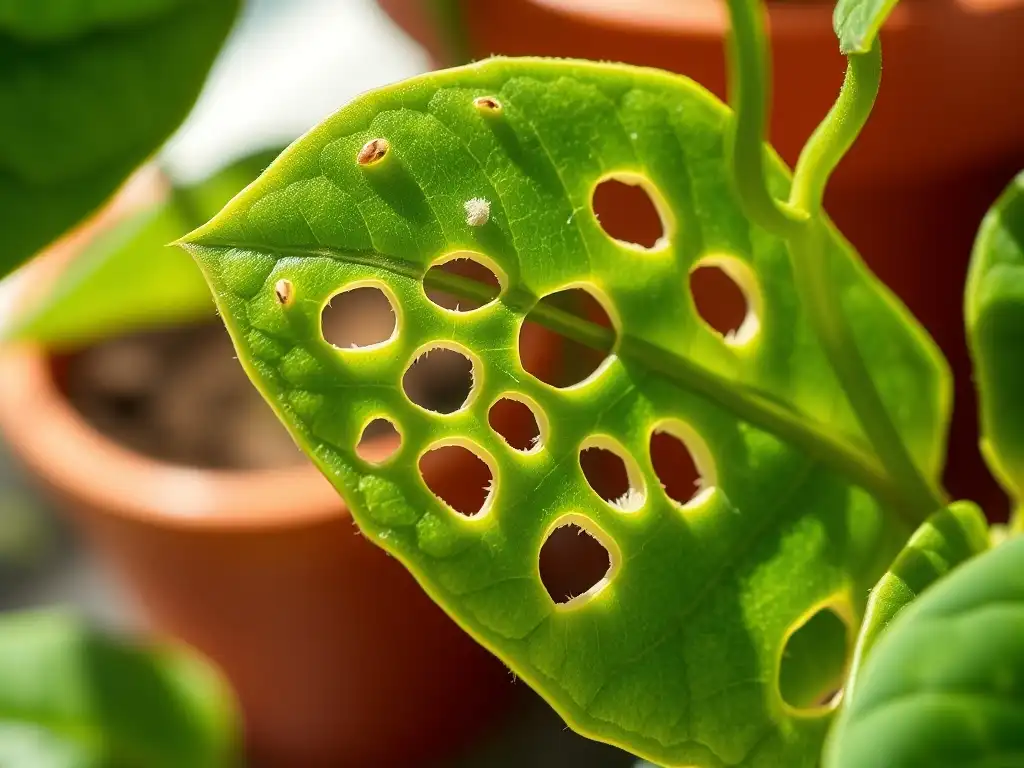
Leaf hole pests in container plants can be frustrating, but identifying the culprit is the first step towards effective treatment. The type of damage—size and shape of the holes, presence of other signs like frass (insect droppings) or webbing—will help pinpoint the pest. Remember, healthy plants are better equipped to fight off infestations, so ensuring proper watering, fertilization, and sunlight are crucial preventative measures. This section focuses on identifying common leaf hole pests affecting popular container plants.
Leaf Hole Pests on Tomatoes and Peppers
Tomatoes and peppers, beloved staples of container gardening, are susceptible to various pests causing leaf holes. The most common culprits include:
- Tomato Hornworms: These large caterpillars create significant, irregular holes in leaves. Look for their distinctive green bodies and horn-like protrusion at the rear. Manual removal is often effective for smaller infestations.
- Aphids: While not always creating large holes, aphids' feeding can cause stippling and discoloration leading to eventual leaf drop. Their presence is indicated by small, clustered insects on the undersides of leaves. A strong spray of water can dislodge them; insecticidal soap is another effective organic control method.
- Leaf-mining insects: These tiny larvae tunnel within the leaf tissue, creating serpentine trails or blotches, eventually leading to holes. Identifying the specific leaf miner requires close examination; often, systemic insecticides are necessary for control.
Consider this example: A tomato plant exhibiting large, irregular holes and frass likely indicates a tomato hornworm infestation. Conversely, small, clustered insects on the undersides of leaves point towards aphids. Careful observation is key to accurate diagnosis. Regular inspection, ideally every 2-3 days during the growing season, is critical for early detection and effective management of these leaf hole pests. Early intervention significantly improves the chances of a successful harvest.
Leaf Hole Pests on Leafy Greens (Lettuce, Spinach, etc.)
Leafy greens, prized for their delicate leaves, are particularly vulnerable to leaf hole pests. Common culprits include:
- Slugs and Snails: These mollusks leave characteristic slime trails and irregular, often ragged holes in leaves. They are most active at night and in humid conditions. Physical barriers (like copper tape), beer traps, or diatomaceous earth can help control them.
- Leaf Miners: As mentioned previously, leaf miners create serpentine trails within the leaves of leafy greens, eventually causing holes. These are more challenging to control organically; preventative measures like row covers are helpful.
- Flea Beetles: These tiny beetles create numerous small, round holes in leaves. They are quick and difficult to spot. Row covers and insecticidal soap can help manage infestations.
The table below summarizes the common leaf hole pests affecting leafy greens and their typical damage:
| Pest | Damage Description | Control Methods |
|---|---|---|
| Slugs & Snails | Irregular, ragged holes; slime trails | Barriers, beer traps, diatomaceous earth |
| Leaf Miners | Serpentine trails within leaf tissue | Row covers, systemic insecticides (as a last resort) |
| Flea Beetles | Numerous small, round holes | Row covers, insecticidal soap |
Addressing these pests requires a multifaceted approach. For example, combining physical barriers with natural predators like nematodes can effectively control slugs and snails. Early detection and prompt action are crucial in minimizing damage. Remember to always check your leafy greens regularly for signs of infestation.
Leaf Hole Pests on Herbs (Basil, Mint, etc.)
Herbs, like leafy greens, often suffer from leaf hole damage. The specific pests vary depending on the herb type and location, but some common offenders include:
- Whiteflies: These tiny insects cluster on the undersides of leaves, causing stippling and yellowing, which can eventually lead to holes. Sticky traps and insecticidal soap are effective controls.
- Spider mites: These microscopic pests create fine webbing on leaves and cause stippling and discoloration, eventually leading to leaf death and holes. Regular misting and insecticidal soap can help control them. Keeping plants well-hydrated is a preventative measure.
- Caterpillars: Various caterpillar species can feed on herbs, creating irregular holes. Manual removal is usually the most effective control method for smaller infestations.
The impact of these pests on the overall health and yield of your herbs can be significant. For instance, a severe whitefly infestation can weaken basil plants, reducing their ability to produce leaves. Therefore, proactive monitoring and timely intervention are crucial for maintaining healthy and productive herb gardens. Regularly inspect your plants, paying close attention to the undersides of leaves, for signs of infestation. Early detection is key to preventing widespread damage.
Leaf Hole Pests on Fruiting Plants (Strawberries, Blueberries, etc.)
Leaf hole damage on fruiting plants like strawberries and blueberries can significantly impact yield and plant health. Several pests can cause this, and proper identification is crucial for effective treatment. One common culprit is the strawberry flea beetle ( Haltica ignita). These tiny, jumping beetles create numerous small, round holes in strawberry leaves, sometimes skeletonizing them completely.
While the damage can be unsightly, it's often more of a cosmetic issue than a major threat unless infestations are severe. However, in large numbers, they can weaken the plants, reducing fruit production. Careful observation will reveal the small, black beetles themselves, often jumping away when disturbed.
Another potential pest is the Japanese beetle ( Popillia japonica), a voracious feeder that attacks a wide range of plants, including blueberries and strawberries. Japanese beetles don't just create holes; they often consume entire leaf sections, leaving behind a lacy skeleton. Their feeding damage is more extensive than that of the flea beetle, and their presence is readily noticeable due to their metallic green bodies and copper-colored wing covers. Large infestations can severely defoliate plants, impacting fruit development and overall plant vigor. Monitoring for these beetles is important, especially during peak feeding periods.
Beyond beetles, certain caterpillars can also cause leaf hole damage. Various moth and butterfly larvae may feed on strawberry and blueberry leaves, creating irregular holes or notches. The size and shape of the holes can vary depending on the caterpillar species. Identifying the specific caterpillar is important to determine the best control method. Often, careful inspection of the plant will reveal the larvae themselves or their droppings (frass) near the damaged areas.
For blueberries specifically, the blueberry maggot ( Rhagoletis mendax) is a significant pest although it doesn't directly cause holes in the leaves. While its primary damage is to the berries themselves, heavy infestations can indirectly weaken the plant, potentially making it more susceptible to other pests and diseases that could cause leaf damage. Therefore, managing blueberry maggots is crucial for overall plant health. This is a good example of how seemingly unrelated pest problems can impact the entire plant. It is important to consider the bigger picture when diagnosing leaf damage.
Effective management strategies for these pests vary. For flea beetles, insecticidal soap can be effective. For Japanese beetles, handpicking is a viable option for small infestations, while larger infestations might require more intensive control measures. Caterpillar control often involves Bacillus thuringiensis (Bt), a naturally occurring bacterium that targets caterpillars. For blueberry maggots, preventative measures like netting and timely harvesting are essential. Remember to always consider organic and sustainable pest control methods whenever possible. Choosing the right approach depends on the specific pest and the severity of the infestation.
Effective Organic Pest Control Solutions for Container Plants
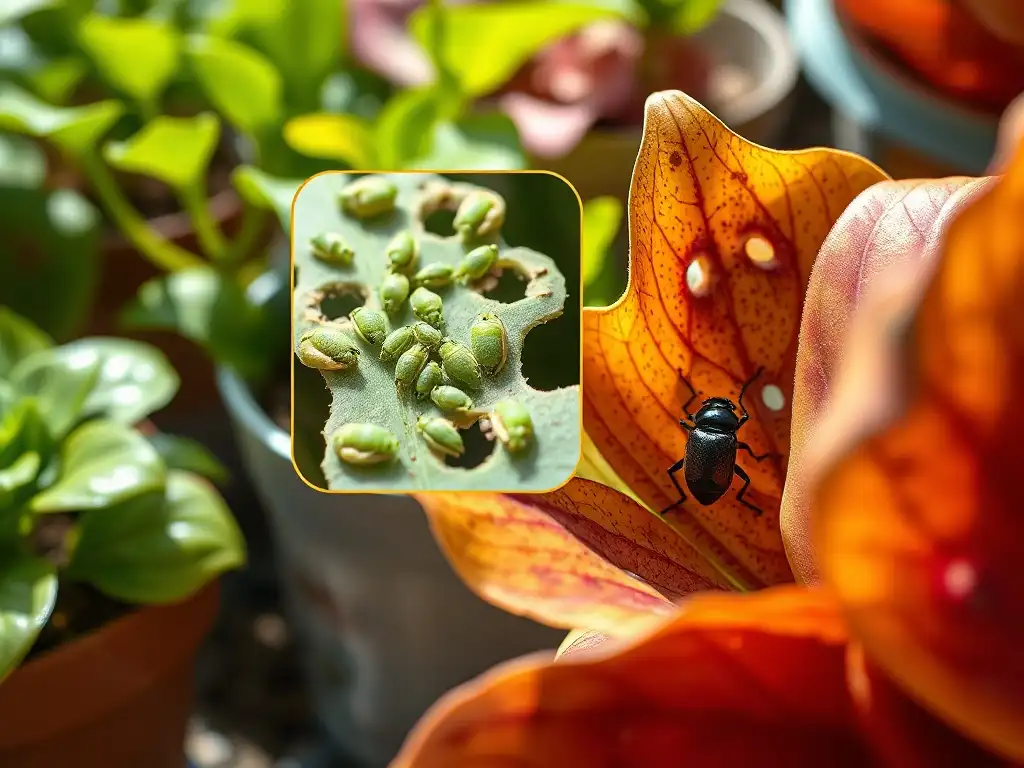
This section focuses on tackling leaf hole pests in your container plants using organic methods, minimizing harm to beneficial insects and the environment. We'll explore several effective strategies to restore the health of your plants and prevent future infestations, all while adhering to sustainable gardening practices. Remember, early detection is key to successful pest management. Regularly inspecting your plants for signs of damage – like those tell-tale holes in leaves – is crucial for preventing a full-blown infestation.
Natural Predators and Beneficial Insects
Introducing beneficial insects into your container garden is a powerful, natural method for controlling leaf hole pests. These tiny allies can significantly reduce pest populations without the use of harmful chemicals. Many insects prey on common leaf-damaging culprits. For example, ladybugs are voracious eaters of aphids, which, while not always the direct cause of leaf holes, can weaken plants and make them more susceptible to other pests. Lacewings are another excellent choice, their larvae feeding on aphids, mealybugs, and other soft-bodied insects.
Consider the specific pest you're dealing with when choosing beneficial insects. Researching the natural predators of your particular leaf hole pest will ensure you introduce the most effective helpers. For instance, parasitic wasps can target caterpillars, which are responsible for many types of leaf damage. Providing habitat for these beneficial insects is crucial for their survival. Planting flowering plants that attract them, such as dill, fennel, and yarrow, will create a haven in your container garden. Avoid using broad-spectrum insecticides, as these will harm beneficial insects along with the pests.
Creating a diverse and thriving ecosystem in your containers attracts a wider range of beneficial insects, leading to better pest control. This approach mirrors the natural balance found in larger ecosystems. A healthy garden is a strong defense against leaf hole pests.
Homemade Pest Control Sprays for Leaf Hole Pests
Several effective homemade pest control sprays can target leaf hole pests without resorting to harsh chemicals. These sprays leverage the power of natural ingredients to deter and eliminate pests. One popular option is a neem oil spray.
Neem oil is derived from the neem tree and disrupts the life cycle of many insects, including those that cause leaf holes. Simply mix a few tablespoons of neem oil with water and a small amount of liquid soap (to help the oil adhere to the leaves) and spray directly onto the affected plants. Always test a small area first to ensure it doesn't damage your plants.
Another effective option is a garlic spray. Garlic's pungent aroma repels many insects. To make a garlic spray, blend several cloves of garlic with water, let it steep for a few hours, strain it, and then spray onto your plants. Peppermint oil spray works similarly, using the strong scent of peppermint to deter pests. Remember to use these sprays liberally and repeat applications as needed, especially after rain. These solutions provide a natural and effective way to combat leaf hole pests in your container plants, protecting your plants and maintaining a healthy garden environment.
| Spray Type | Ingredients | Effectiveness | Frequency |
|---|---|---|---|
| Neem Oil Spray | Neem oil, water, liquid soap | High against many pests | Every 7-10 days |
| Garlic Spray | Garlic, water | Moderate, repellent | Every 3-5 days |
| Peppermint Spray | Peppermint oil, water, liquid soap | Moderate, repellent | Every 3-5 days |
Using Diatomaceous Earth for Pest Control
Diatomaceous earth (DE) is a naturally occurring sedimentary rock composed of fossilized diatoms. Its microscopic particles are sharp and abrasive, causing physical damage to insects that come into contact with it. For leaf hole pests, DE can be an effective control method, particularly for crawling insects like slugs and snails. Apply DE as a fine dust directly onto the soil surface around your plants, making sure to coat the stems as well. Avoid getting it on the leaves, as it can clog pores and hinder plant growth.
DE is non-toxic to humans and pets, making it a safe option for organic gardening. However, it is crucial to use food-grade DE, as other types may contain harmful chemicals. The effectiveness of DE can be reduced by rain or watering, so reapplication may be necessary, especially after periods of heavy precipitation.
While DE is effective against certain pests, it might not be as potent against flying insects that cause leaf holes. It's best used as part of an integrated pest management strategy, combined with other organic methods. Remember to always follow the instructions on the packaging for proper application and safety.
Adjusting Watering and Fertilization Practices to Prevent Pests
Improper watering and fertilization can significantly weaken your container plants, making them more susceptible to pest infestations. Strong, healthy plants are much better equipped to withstand attacks. Think of it like this: a well-nourished, properly hydrated person is far less likely to get sick than someone who is malnourished and dehydrated. The same principle applies to plants.
Overwatering leads to root rot, creating a perfect breeding ground for fungal diseases and attracting pests that thrive in damp conditions. Conversely, underwatering stresses the plant, causing it to become weak and vulnerable. Its leaves might become brittle and more easily damaged by pests, potentially inviting infestations.
Optimal watering depends on several factors including the type of plant, the size of the container, the climate, and the soil type. Generally, you should water deeply but infrequently, allowing the soil to dry out slightly between waterings. Check the soil moisture with your finger – if the top inch or two feels dry, it's time to water. Avoid letting the soil completely dry out, however.
Fertilization plays a crucial role as well. Nutrient deficiencies weaken plants, making them more susceptible to pests. Using a balanced, organic fertilizer specifically formulated for container plants provides the necessary nutrients for robust growth. Avoid over-fertilizing, as this can also stress the plant and lead to nutrient imbalances, attracting pests that feed on weakened tissue.
Always follow the instructions on the fertilizer packaging carefully. Remember that organic fertilizers often release nutrients more slowly than synthetic ones, so you may need to fertilize less frequently. Observe your plants closely; if they show signs of deficiency (yellowing leaves, stunted growth), adjust your fertilization schedule accordingly.
Regular soil testing can help you determine the precise nutrient levels in your soil, allowing for more precise fertilization. This proactive approach to plant care is key to preventing many pest problems before they even begin. A healthy plant is the best defense against leaf hole pests and many other garden problems.
Preventing Leaf Hole Pests in Container Plants
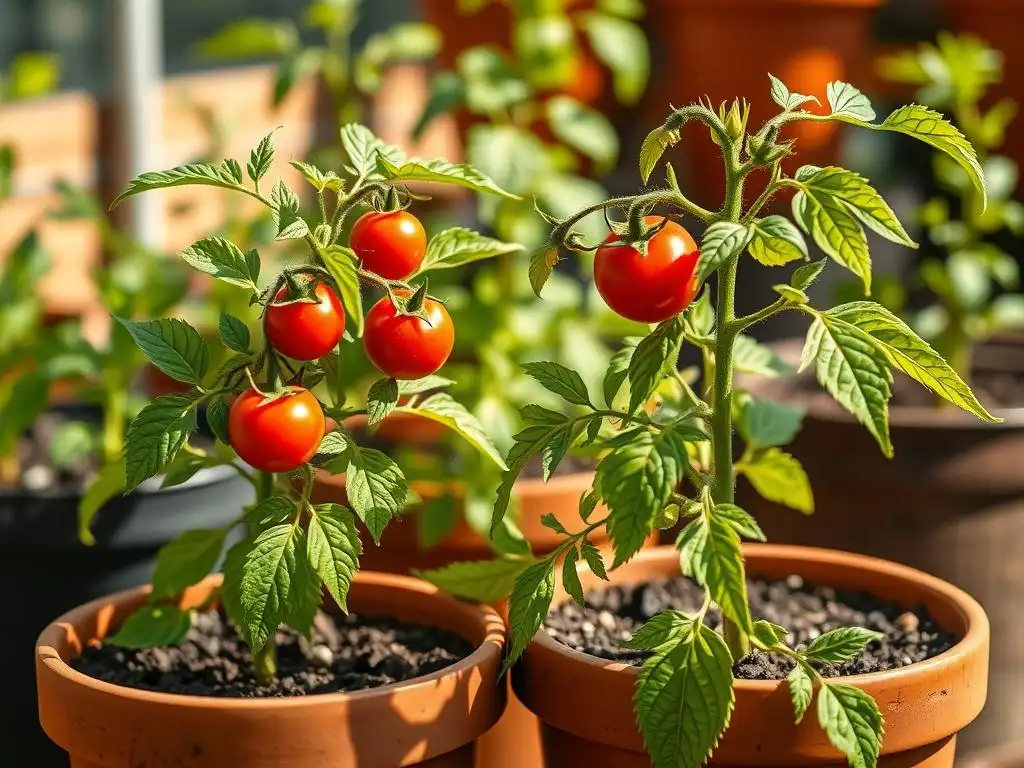
Leaf hole pests in container plants can be a significant nuisance, impacting the aesthetic appeal and productivity of your garden. Proactive prevention is key to minimizing infestations and ensuring a thriving harvest. This section focuses on practical strategies to deter these pests before they become a problem, focusing on proactive measures rather than reactive treatments. Understanding the life cycle of common leaf-hole-causing insects and their preferred habitats is crucial for effective prevention. Remember, a healthy plant is far less susceptible to pest infestations.
Choosing Pest-Resistant Plant Varieties
Selecting pest-resistant plant varieties is the cornerstone of preventative pest management. Many fruits, vegetables, and herbs possess inherent resistance to common leaf-hole-causing insects. For example, certain tomato varieties exhibit greater resistance to leaf miners than others. Similarly, some pepper plants are naturally less attractive to aphids, which can indirectly contribute to leaf hole damage. Before selecting your plants, research varieties known for their robustness against typical pests in your region.
This proactive approach can dramatically reduce your need for pesticides and other interventions. Consult seed catalogs or your local nursery for specific recommendations tailored to your climate and growing conditions. Look for descriptions mentioning resistance to leaf miners, aphids, spider mites, and other common culprits. Investing a little extra time in research upfront can save considerable effort and frustration later. Don't underestimate the power of choosing the right plant from the beginning!
Maintaining Healthy Soil Conditions in Containers
Healthy soil is the foundation of a healthy plant, directly impacting its resistance to pests. Poor soil conditions weaken plants, making them more vulnerable to infestation. Several key factors contribute to healthy container soil:
- Proper Drainage: Ensure your containers have adequate drainage holes to prevent waterlogging. Soggy soil creates an ideal breeding ground for many pests and diseases.
- Nutrient-Rich Soil Mix: Use a high-quality potting mix specifically formulated for containers. This mix should provide the essential nutrients your plants need to thrive. Avoid using garden soil directly in containers, as it can compact and become poorly draining.
- Regular Fertilization: Feed your plants regularly with a balanced fertilizer according to the plant's specific needs. Nutrient deficiencies weaken plants, making them more susceptible to pests. Observe your plants closely for signs of nutrient deficiencies, such as yellowing leaves or stunted growth. Adjust your fertilization schedule accordingly.
- Soil Aeration: Periodically loosen the top layer of soil in your containers to improve aeration and prevent compaction. This promotes healthy root growth and a strong plant overall. Consider incorporating organic matter like compost to improve soil structure and drainage.
Regular Inspection and Early Detection of Pests
Regular inspection of your container plants is crucial for early pest detection. Early detection significantly increases the chances of successfully controlling an infestation before it causes widespread damage. Aim for a weekly inspection, carefully examining both the upper and lower surfaces of leaves, stems, and buds. Pay close attention to any unusual markings, discoloration, or signs of insect activity. A magnifying glass can be helpful for identifying smaller pests.
Early detection allows you to implement targeted interventions, such as handpicking pests or using less toxic control methods before the infestation escalates. Remember, the earlier you identify a problem, the easier it is to resolve. Document your observations – a simple notebook or a gardening app can help track pest activity and treatment effectiveness over time. This record-keeping will be invaluable for future gardening seasons.
Proper Sanitation and Hygiene Practices in Container Gardening
Maintaining impeccable sanitation and hygiene is paramount in preventing leaf hole pests in your container plants. These tiny culprits often overwinter in soil, debris, or even on the containers themselves, waiting for the perfect opportunity to infest your precious plants. A proactive approach to cleanliness can significantly reduce the risk of infestation and minimize the need for harsh chemical interventions, aligning perfectly with sustainable and organic gardening practices.
One crucial step is thoroughly cleaning your containers before reusing them. Scrub them with a stiff brush and a solution of warm water and mild soap, ensuring you remove all traces of old soil and plant debris. For particularly stubborn residue, a solution of bleach and water (diluted appropriately to avoid harming plants later) can be effective, but always rinse thoroughly afterward. Allow the containers to air dry completely in the sun before repotting. This simple act prevents the carryover of pests and diseases from one growing season to the next.
Beyond containers, regular inspection and removal of fallen leaves and plant debris around your containers is crucial. These decaying materials can harbor pests and diseases, providing an ideal breeding ground for leaf-hole causing insects. Composting is a fantastic way to manage this waste sustainably; however, ensure your compost pile reaches sufficiently high temperatures to kill any potential pests before using the composted material in your containers. Regular weeding around the base of your plants also helps to reduce pest hiding places and competition for resources.
Furthermore, consider sterilizing your gardening tools regularly. Secateurs, trowels, and other tools can easily transfer pests and diseases between plants if not cleaned properly. Wiping them down with rubbing alcohol after each use is a simple yet effective method to maintain hygiene.
This is especially important if you've been working with plants showing signs of leaf hole damage, as you'll prevent the accidental spread of the infestation. By consistently implementing these sanitation practices, you create a less hospitable environment for leaf hole pests, promoting the overall health and vigor of your container plants. Remember, prevention is always better than cure, especially when it comes to protecting your plants from harmful pests.
When to Seek Professional Help for Pest Control in Container Gardens
Dealing with pests in your container garden can be frustrating, but often manageable with DIY solutions. However, there are times when the infestation becomes too severe or complex for home remedies. Knowing when to call in the professionals is crucial for saving your plants and preventing further spread. This section focuses on identifying situations requiring expert intervention for effective "Leaf hole pests container plants" control.
Signs You Need Expert Assistance for Pest Infestation
Several warning signs indicate that your pest problem has escalated beyond your capabilities. Don't wait until your plants are severely damaged; early intervention is key. Here are some critical indicators:
- Widespread Infestation: If you notice significant leaf damage across multiple plants, affecting a large percentage of leaves with numerous holes indicative of a "Leaf hole pests container plants" problem, it's time to seek professional help. A single plant with minor damage is manageable, but a widespread infestation requires a more comprehensive approach.
- Unidentified Pests: Are you struggling to identify the culprits causing the leaf holes? Many pests mimic each other, and misidentification can lead to ineffective treatment. A professional can accurately diagnose the pest and recommend the appropriate treatment strategy.
- Failure of Home Remedies: You've tried insecticidal soap, neem oil, and other organic methods, but the pest population persists or even increases. This suggests that the infestation is more resistant or complex than initially anticipated, highlighting the need for stronger, more targeted intervention.
- Severe Plant Damage: Extensive leaf damage, wilting, stunted growth, or even plant death are clear indicators of a serious infestation requiring immediate professional attention. The longer you wait, the less likely your plants are to recover.
- Recurring Infestations: If you've experienced repeated infestations of the same pest despite your best efforts, the problem might stem from underlying environmental factors or a need for preventative measures that require professional expertise.
Finding Certified Organic Pest Control Professionals
Finding a reliable and certified organic pest control professional is essential for maintaining the integrity of your sustainable gardening practices. Look for professionals who:
- Offer Organic Treatments: Ensure they utilize methods aligned with your organic gardening goals. Avoid companies that rely heavily on synthetic pesticides.
- Conduct Thorough Inspections: A professional should conduct a detailed inspection of your container garden to identify the specific pest, the extent of the infestation, and any contributing factors.
- Provide Customized Solutions: A generic approach rarely works effectively. A good professional will tailor their treatment plan to your specific situation and the type of "Leaf hole pests container plants" involved.
- Offer Preventative Strategies: Pest control isn't just about eliminating existing pests; it's also about preventing future infestations. A professional can advise on preventative measures to maintain a healthy garden.
- Have Excellent Reviews and References: Check online reviews and ask for references to ensure their effectiveness and reliability. A professional with a strong track record is more likely to deliver satisfactory results.
Remember, acting promptly is crucial when dealing with severe pest infestations in your container garden. Don't hesitate to seek professional assistance when necessary to safeguard your plants and maintain a thriving, organic growing environment. Early intervention significantly increases the chances of a successful outcome and minimizes long-term damage.
Frequently Asked Questions
What are the common leaf hole pests affecting container plants?
Several pests can cause holes in container plant leaves. Common culprits include slugs, snails, caterpillars, and beetles. Identifying the specific pest is crucial for effective treatment.
How can I identify the pest causing the holes in my container plant leaves?
Carefully examine your plants, looking for the pest itself, its frass (droppings), or evidence of chewing. Consider the size and shape of the holes for clues. Photos can help with identification.
What are some organic ways to control leaf hole pests in container plants?
Handpicking pests, using diatomaceous earth, introducing beneficial insects like ladybugs, and employing physical barriers like row covers are effective organic control methods.
Are there any preventative measures I can take to avoid leaf hole pests?
Yes! Maintaining plant hygiene, using well-draining soil, and regularly inspecting your plants can help prevent infestations. Consider companion planting to deter pests.
What should I do if organic methods fail to control the leaf hole pests?
If organic methods prove insufficient, you may need to resort to insecticidal soap or neem oil. Always follow product instructions carefully and consider the impact on beneficial insects and pollinators.
Final Reflection: The Unseen Enemies in Our Urban Gardens
The seemingly innocuous holes appearing in our beloved container plants are a stark reminder of the constant battle waged between cultivation and infestation. These tiny perforations represent more than just aesthetic damage; they signal a potential threat to the health and vitality of our green companions, impacting not only individual plants but the overall biodiversity of our urban spaces. Ignoring these signs can lead to widespread damage and even plant death.
The pervasive nature of leaf-hole pests highlights the interconnectedness of our environment, underscoring the importance of proactive plant care and responsible pest management. The subtle shift from a thriving plant to one struggling under the weight of unseen enemies is a powerful lesson in observation and intervention. The greatest danger for most of us is not that our aim is too high and we miss it, but that it is too low and we reach it.
- Michelangelo. This quote resonates deeply, reminding us that even seemingly small issues, like leaf holes, deserve our attention and diligent care to prevent larger problems.
So, what will you do with this newfound knowledge? Take a moment to examine your own container plants. Are there any subtle signs of distress? Don't wait for a full-blown infestation to take action. By actively monitoring your plants and employing the preventative and remedial strategies outlined in this article, you can contribute to a healthier, more vibrant urban landscape, one container plant at a time. Let's cultivate a future where our green spaces thrive, free from the unseen enemies that threaten their beauty and well-being.
Unveil Healthier Plants: Take Action Now!
Thank you for learning about common leaf pests and their solutions! We hope you feel more confident in identifying and tackling these tiny troublemakers. Ready to put your new knowledge into practice?
- Prioritize proactive pest control: Regularly inspect your plants for early signs of infestation. Early detection is your best defense against a widespread problem.
- Try a natural pest control method: Experiment with neem oil or insecticidal soap for a natural approach to pest control. Record your results in a garden journal to track their effectiveness.
- Share your successes (and challenges!): Join our online community forum to connect with other gardeners and share your experiences. Let's learn from each other!
What unexpected pest have you encountered, and which solution proved most effective?