
How to Identify and Remove Dead, Diseased, or Damaged Wood

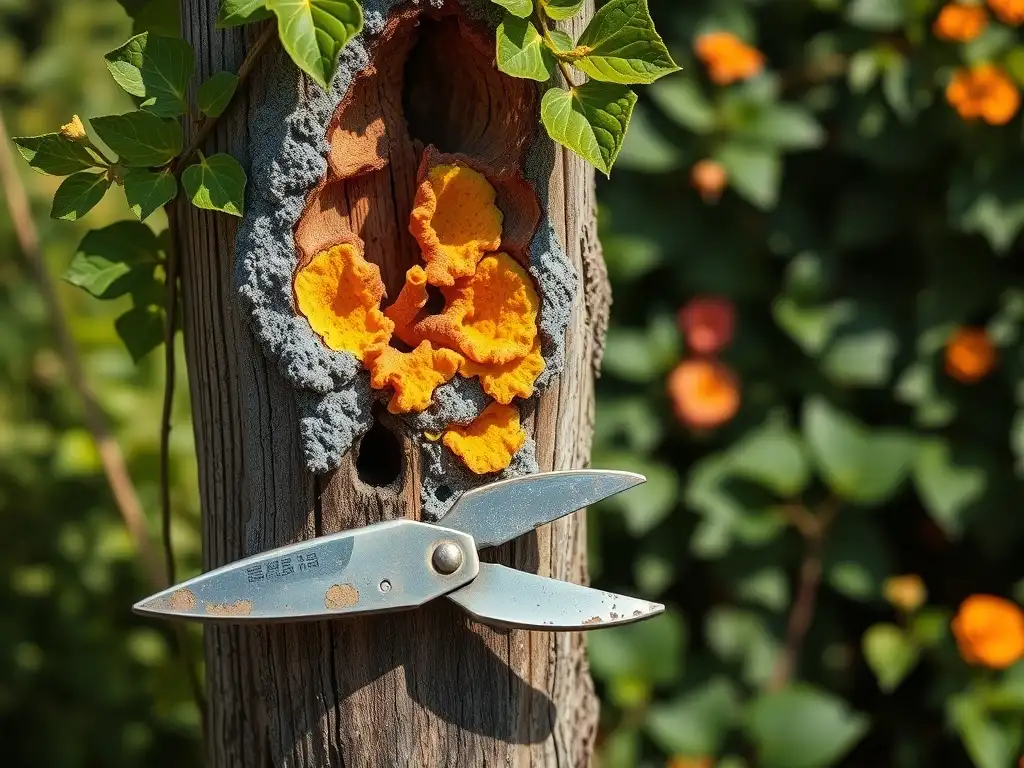
Ready to unlock the secrets of a thriving, sustainable garden? CultivateYourFood is your guide to growing delicious fruits, vegetables, and herbs at home. But what happens when disease strikes? Learning how to properly remove diseased garden wood is crucial for maintaining a healthy ecosystem. Discover essential techniques for identifying and dealing with dead, diseased, or damaged wood in our comprehensive guide on fruit tree care – and ensure a bountiful harvest for years to come. Let's get started!
- Identifying Diseased Wood in Fruit Trees
- Tools and Techniques for Removing Diseased Garden Wood
-
Step-by-Step Guide to Removing Diseased Wood
- Assessing the Extent of Damage Before Pruning
- Making Clean Cuts to Prevent Further Infection
- Pruning Techniques for Different Types of Damage (Dead, Diseased, Damaged)
- Removing and Disposing of Infected Wood Safely: Preventing Disease Spread
- Wound Treatment and Protection After Pruning Diseased Branches
- Preventing Future Problems: Maintaining Healthy Fruit Trees
- Specific Examples of Diseased Wood Removal in Different Fruit Trees
- Recognizing and Addressing Specific Diseases
- Frequently Asked Questions
- Final Reflection: Cultivating a Thriving Garden Through Conscious Pruning
- Revitalize Your Garden: Take Action Now!
Identifying Diseased Wood in Fruit Trees
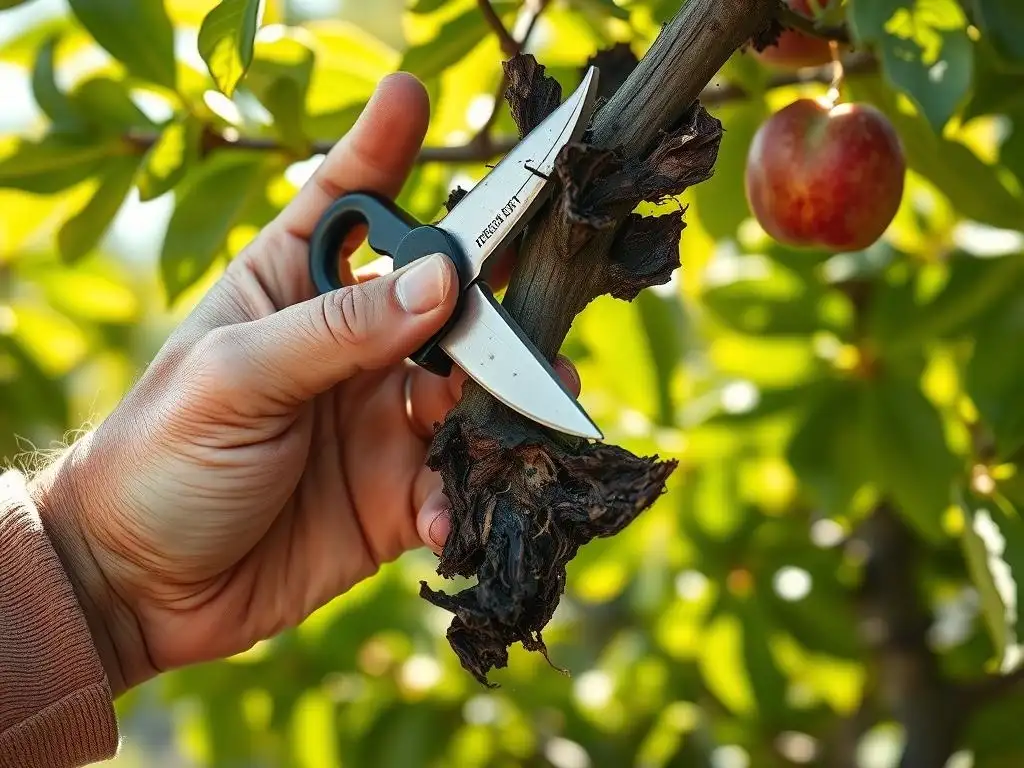
Maintaining the health of your fruit trees is crucial for maximizing yield and ensuring a bountiful harvest. A key aspect of this care involves regularly inspecting your trees and promptly removing dead, diseased, or damaged wood. This process, known as pruning, not only improves the aesthetic appeal of your orchard but also significantly impacts the tree's overall health and fruit production.
Failing to remove affected wood can lead to the spread of disease, attract pests, and ultimately reduce the quality and quantity of your fruit. This comprehensive guide will help you identify problematic wood and provide techniques for its safe and effective removal, contributing to the long-term health and productivity of your fruit trees.
We will cover the identification of various issues, from common diseases to pest damage and environmental stressors, ensuring your trees remain vigorous and fruitful for years to come. Remember, proactive pruning is an investment in a healthier, more productive orchard.
Recognizing Symptoms of Common Fruit Tree Diseases
Fruit trees, like any living organism, are susceptible to a range of diseases. Early detection and removal of infected wood are vital in preventing widespread infestation. Symptoms can vary greatly depending on the specific pathogen, but common indicators include:
- Cankers: Sunken, discolored areas on the bark, often oozing sap or resin. These can girdle branches, ultimately leading to death.
- Leaf Spots and Blights: These manifest as spots or discoloration on leaves, sometimes accompanied by twig dieback. The severity and appearance vary depending on the disease.
- Wilting and Yellowing: Sudden wilting or yellowing of leaves, often accompanied by branch dieback, can signal root rot or other systemic diseases.
- Fruit Rot: Decaying or discolored fruit, often with visible fungal growth, indicates a fruit rot disease. Removing affected fruit is crucial to prevent further spread.
- Dieback: The progressive death of twigs and branches from the tips inward is a strong indication of disease or stress.
Identifying the specific disease requires careful observation and, in some cases, laboratory testing. However, the presence of any of these symptoms warrants a closer examination and prompt removal of the affected wood. Remember to sanitize your pruning tools between cuts to prevent the spread of disease.
Identifying Dead or Dying Branches: Visual Clues
Dead or dying branches often exhibit distinct visual cues that make them easy to identify. These cues are essential for timely removal, preventing the spread of disease and maintaining the overall health of the tree. Key indicators include:
- Bark Changes: Dead wood often displays cracked, peeling, or discolored bark. The bark may appear dry, brittle, and easily separates from the underlying wood.
- Lack of Leaves or Buds: The absence of leaves or buds on a branch, especially during the growing season, is a clear sign of death.
- Brittle Wood: Dead wood is significantly more brittle than healthy wood and easily snaps when bent or broken.
- Color Changes: Dead wood frequently shows a grayish or brownish discoloration, as opposed to the healthy green or brown of living branches.
Regular inspection of your trees, particularly during dormancy and the growing season, is crucial for early detection of dead or dying branches. This allows for timely removal before the issue spreads or weakens the tree.
Detecting Wood Damage from Pests and Environmental Factors
Damage to fruit tree wood isn't always caused by disease. Pests and environmental factors can also inflict significant damage, necessitating removal of the affected wood to prevent further harm. Consider these factors:
- Insect Borers: These insects tunnel into the wood, causing structural damage and weakening the branch. Entry holes and sawdust-like frass (insect excrement) are common indicators.
- Sun Scald: This occurs when intense sunlight damages the bark, particularly on south-facing branches. It often presents as cracked or discolored bark.
- Frost Cracks: These vertical splits in the bark, often appearing during periods of fluctuating temperatures, can weaken the branch and make it susceptible to disease.
- Mechanical Damage: Physical damage from tools, animals, or weather events can also require the removal of affected wood.
Careful examination of the damaged wood can help pinpoint the cause, informing appropriate preventative measures for the future. Removing damaged wood helps prevent secondary infections and infestations, ensuring the overall health and productivity of your fruit trees.
Tools and Techniques for Removing Diseased Garden Wood
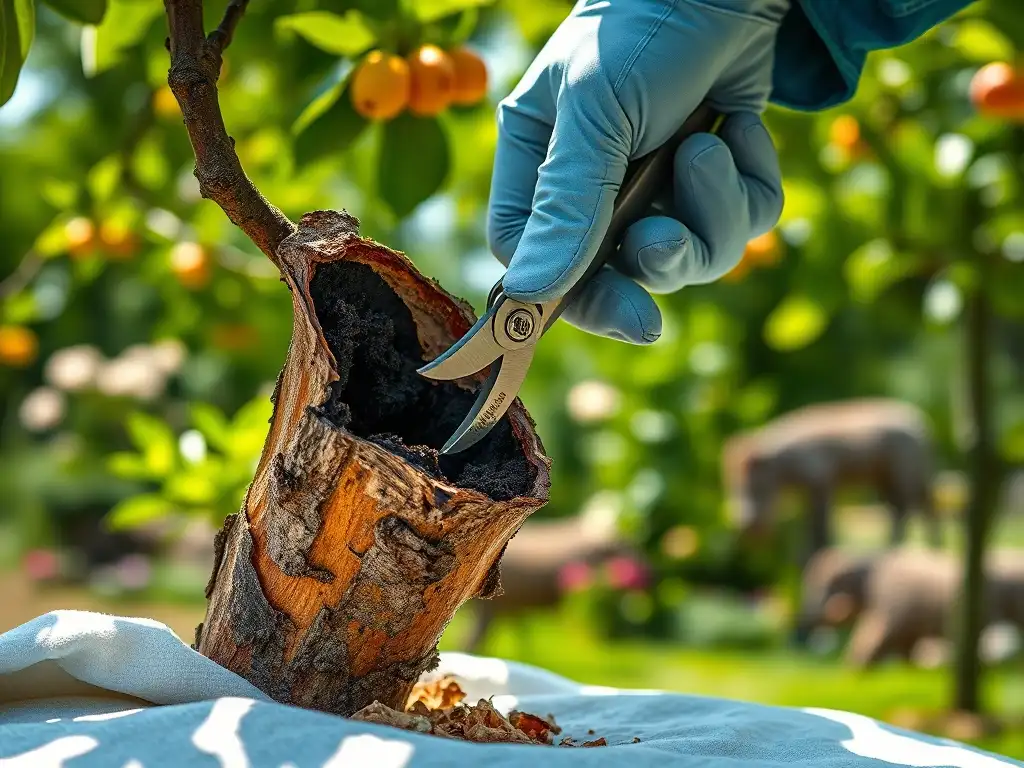
This section details the best tools and techniques for safely and effectively removing diseased, dead, or damaged wood from your fruit trees, maximizing yield and preventing the spread of disease. Remember, the goal is to remove the affected area completely while minimizing damage to the healthy parts of the tree. This process is crucial for maintaining the health and productivity of your orchard and removing diseased garden wood effectively.
Essential Pruning Tools for Safe and Efficient Removal of Diseased Wood
The right tools make all the difference in pruning. Using dull or inappropriate tools can cause more damage than good, potentially creating entry points for disease. Here’s a list of essentials:
- Hand Pruners: Ideal for smaller branches up to ¾ inch in diameter. Choose sharp, bypass pruners that make clean cuts, minimizing tissue damage. Regular sharpening is crucial for maintaining their effectiveness.
- Loppers: Necessary for branches between ¾ inch and 2 inches in diameter. Look for loppers with strong, sharp blades and comfortable handles to reduce fatigue during extended pruning sessions.
- Pruning Saw: Essential for removing larger branches over 2 inches in diameter. A pruning saw with a fine tooth design allows for precise cuts, reducing the risk of tearing the bark. Consider a folding saw for easier storage and transport.
- Pole Saw: For reaching high branches without needing a ladder (always prioritize safety!). Choose a pole saw with a sharp blade and a secure locking mechanism.
- Gloves: Always wear heavy-duty gloves to protect your hands from thorns, splinters, and potential disease exposure.
- Safety Glasses: Protecting your eyes from flying debris is paramount.
Safety Precautions When Pruning Diseased Branches
Pruning diseased branches presents unique safety challenges. The following precautions are absolutely essential:
- Proper Clothing: Wear long sleeves and long pants to protect your skin from thorns and potential irritants.
- Ladder Safety: If using a ladder, ensure it's stable and on level ground. Never overreach. Have someone spot you if possible.
- Sharp Tools: Dull tools require more force, increasing the risk of injury. Keep your tools sharp and well-maintained.
- Disease Awareness: Some diseases can be transmitted through contact. Wash your hands thoroughly with soap and water after pruning, and disinfect your tools (see below).
- Disposal: Proper disposal of diseased wood is crucial to prevent the spread of disease. Do not compost infected material; instead, bag it securely and dispose of it according to local regulations. Burning is an option in some areas but check local fire regulations first.
Proper Sanitation Procedures: Preventing Disease Spread
Sanitation is key to preventing the spread of disease from one tree to another. Follow these steps religiously:
- Disinfection: After removing each diseased branch, disinfect your pruning tools with a 10% bleach solution (1 part bleach to 9 parts water) or a commercial disinfectant designed for pruning tools. Allow the tools to air dry completely before proceeding.
- Wound Care (Optional): For larger cuts, you might consider applying a wound sealant to prevent further infection. However, many experts believe that trees are better able to heal naturally without sealants. Research the best practices for your specific tree species and the severity of the damage.
- Monitoring: Regularly inspect your trees for signs of disease or damage. Early detection is crucial for effective treatment and preventing widespread infection. Regular pruning, even of healthy wood, can help improve air circulation and reduce the risk of disease development. This proactive approach is essential for the long-term health of your fruit trees and for effective removal of diseased garden wood.
Remember, consistent attention to detail in pruning and sanitation is the best way to ensure a healthy and productive orchard, minimizing the need to remove diseased garden wood in the future. Careful observation and prompt action are crucial for maintaining the vitality of your fruit trees.
Step-by-Step Guide to Removing Diseased Wood
This section provides a detailed, practical guide to removing diseased, dead, or damaged wood from your fruit trees. Proper removal is crucial for maintaining the health and productivity of your orchard, preventing the spread of disease, and maximizing your harvest. Remember, timely intervention is key when dealing with diseased garden wood. Ignoring the problem can lead to significant yield reductions and potentially the loss of the entire tree.
Assessing the Extent of Damage Before Pruning
Before you even touch your pruning shears, a thorough assessment is vital. This involves carefully inspecting each branch for signs of disease or damage. Look for:
- Dead wood: Branches that are brittle, gray or brown in color, and lack leaves or buds. These are often easily snapped.
- Diseased wood: Look for discoloration, cankers (sunken, discolored areas), unusual growths, or signs of insect infestation (e.g., borings, frass – insect droppings). Some diseases may manifest as wilting leaves or fruit.
- Damaged wood: This includes branches broken by wind, weight of fruit, or animal activity. Look for cracks, splits, or significant wounds.
Use a sharp knife or pruning tool to gently scrape away a small portion of the bark in suspicious areas. This will help you to identify internal discoloration, a key indicator of disease. Take note of the location and extent of the damage on each branch. A detailed record – even a simple sketch – can be incredibly helpful. This helps you plan your pruning strategy effectively and efficiently. Remember to sanitize your tools between each inspection to avoid inadvertently spreading disease.
Remember, early detection is crucial for effective removal of diseased garden wood. Regular inspections throughout the growing season are recommended.
Making Clean Cuts to Prevent Further Infection
Once you've identified the damaged wood, making clean cuts is crucial to prevent further infection. Improper pruning can create entry points for pathogens and insects. Here's how to do it correctly:
- Use sharp, clean tools: Dull tools crush the tissue, leaving ragged edges that are susceptible to disease. Always sterilize your tools between cuts, especially when dealing with diseased wood (a solution of bleach and water works well).
- Cut just beyond the diseased area: Don't leave any diseased tissue behind. For cankers, extend the cut several inches beyond the visible affected area to ensure complete removal. It's better to err on the side of caution.
- Make angled cuts: Angled cuts (approximately 45 degrees) allow water to run off, preventing the accumulation of moisture that can promote disease.
- Avoid stubbing: Leaving stubs invites infection. Make clean cuts flush with the branch collar (the slightly swollen area where the branch joins the main stem).
Proper pruning techniques are paramount in minimizing the risk of infection. Failure to make clean cuts significantly increases the chances of the disease recurring or spreading to other parts of the tree.
Pruning Techniques for Different Types of Damage (Dead, Diseased, Damaged)
The approach to pruning varies slightly depending on the type of damage:
| Type of Damage | Pruning Technique | Considerations |
|---|---|---|
| Dead Wood | Cut back to the branch collar or a healthy lateral branch. | Ensure the cut is clean and angled. |
| Diseased Wood | Cut several inches beyond the visible affected area. | Sterilize tools frequently. Dispose of diseased wood properly (burning or bagging). |
| Damaged Wood | Remove broken or damaged sections back to a healthy point. | Consider structural support if necessary for larger branches. |
Remember, the goal is to remove all affected wood without unnecessarily stressing the tree. Proper pruning, along with other good orchard management practices, will contribute significantly to the health and productivity of your fruit trees, minimizing the need to remove diseased garden wood in the future. Early detection and prompt action are your best allies in this endeavor. Consistent monitoring and proper sanitation are vital components of successful fruit tree care.
Removing and Disposing of Infected Wood Safely: Preventing Disease Spread
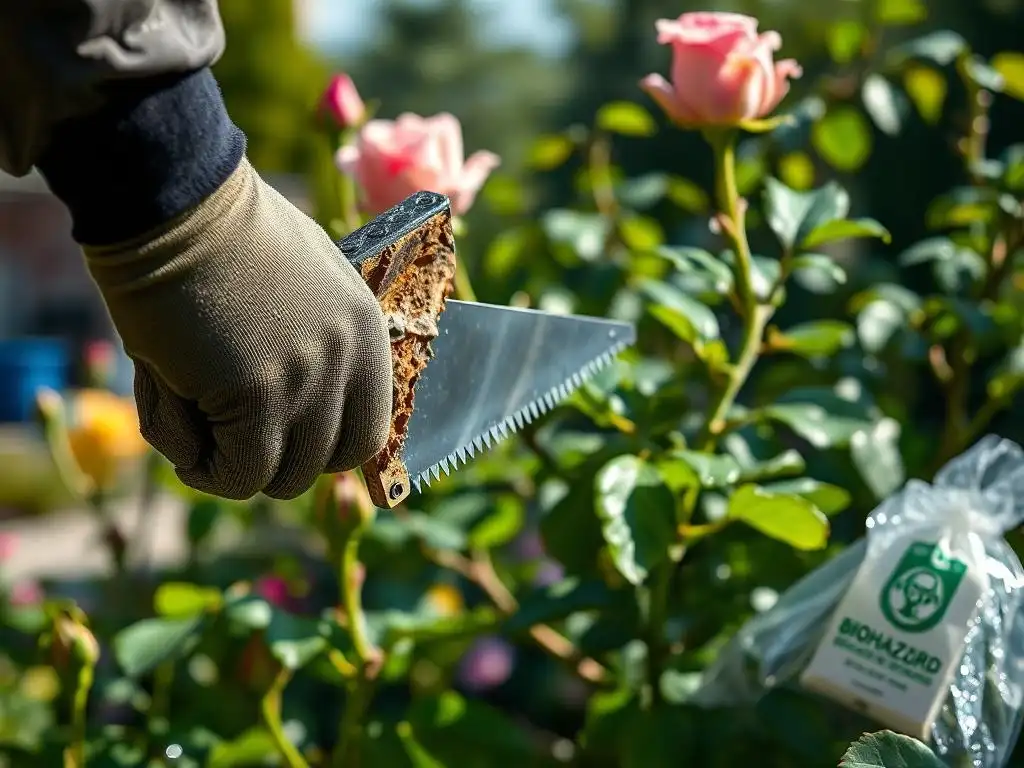
Removing diseased wood is only half the battle; proper disposal is crucial to prevent the spread of infection to healthy plants. Never simply leave infected branches on the ground. Spores and pathogens can easily spread through contact with the soil, wind, or even insects.
The method of disposal depends on the severity and type of disease. For minor infections, such as a small canker on a branch, you can often simply bag the infected wood and dispose of it in your household trash. However, for more extensive infections, particularly those caused by fungal diseases like fire blight or powdery mildew, more stringent measures are necessary.
Consider burning the infected wood if local regulations allow. Burning is an effective method of destroying pathogens, ensuring they don't survive to re-infect your trees or spread to neighboring plants. However, always check with your local fire department and follow all safety precautions before attempting to burn any material. Ensure you have a designated burn pit and that the fire is adequately controlled to prevent accidental wildfires. Never burn diseased wood on windy days.
If burning isn't feasible, another option is to bury the infected wood deeply. This method prevents the immediate spread of the disease but isn't as effective as burning. Bury the wood at least two feet deep in a location away from your fruit trees and other plants. Consider adding a layer of soil and compost on top to further aid decomposition and minimize the risk of spread. This method is best suited for smaller quantities of infected wood.
Always sanitize your pruning tools between cuts, even when dealing with seemingly minor infections. Use a 10% bleach solution or a commercial disinfectant designed for pruning tools. This preventative measure significantly reduces the risk of cross-contamination between plants. Remember, diligent sanitation practices are key to preventing the spread of disease throughout your orchard. The goal is to remove diseased garden wood and prevent its reintroduction.
Wound Treatment and Protection After Pruning Diseased Branches
After removing diseased wood, it's vital to treat the remaining wound to prevent further infection. Leaving open wounds exposes the tree to various pathogens and insects. Proper wound treatment promotes faster healing and reduces the risk of secondary infections. The best approach depends on the size of the wound. Small wounds, less than an inch in diameter, often require minimal intervention. The tree's natural defense mechanisms usually suffice to seal the wound.
For larger wounds, however, applying a wound dressing can be beneficial. Many commercial wound dressings are available, often containing fungicides to prevent fungal growth. These dressings create a protective barrier, preventing moisture loss and pathogen entry. However, avoid using sealants or paints, which can actually hinder the tree's natural healing process by trapping moisture and creating an environment conducive to fungal growth. Proper wound care is essential for the long-term health of your fruit trees.
The timing of wound treatment is also important. Ideally, treat wounds immediately after pruning. This minimizes the time the wound is exposed to potential pathogens. Always clean your pruning tools thoroughly before and after pruning to prevent the spread of diseases between trees.
Careful observation of your trees after pruning is also important. Monitor the treated areas for any signs of infection, such as discoloration, oozing sap, or unusual growth. Early detection of secondary infections allows for prompt treatment, minimizing the potential damage to your trees. By following these steps, you can ensure the successful removal of diseased garden wood and the long-term health of your fruit trees.
Preventing Future Problems: Maintaining Healthy Fruit Trees
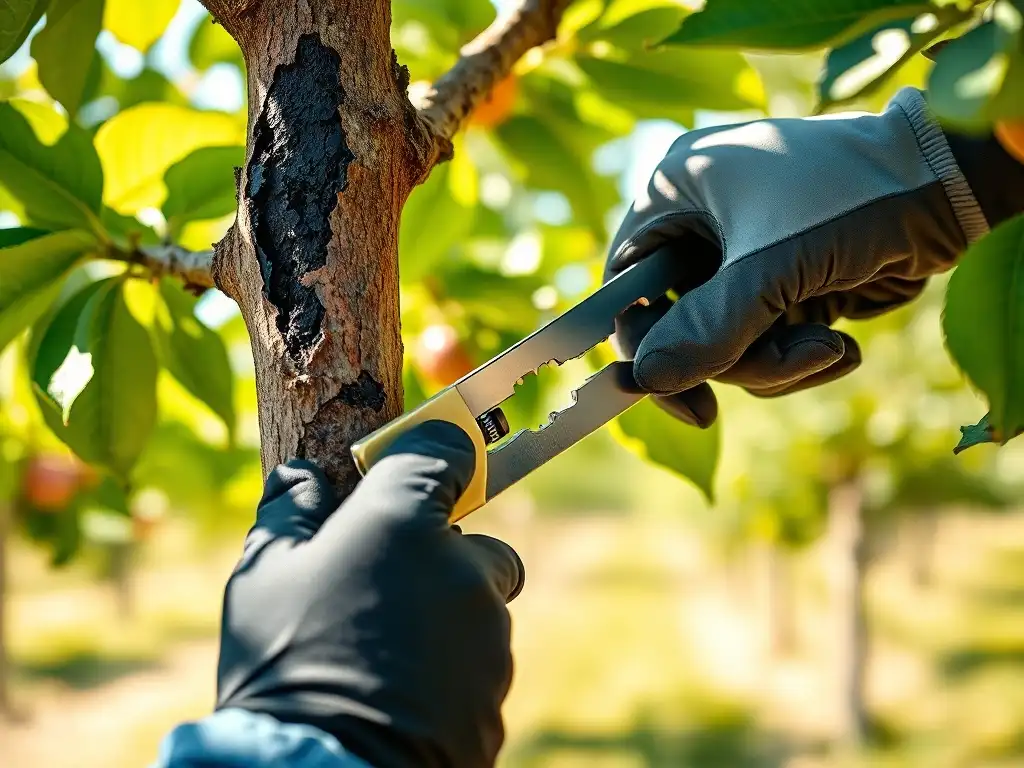
Removing diseased garden wood is a crucial step in maintaining healthy fruit trees, but preventing future problems is equally important. Proactive measures significantly reduce the likelihood of disease and damage, minimizing the need for extensive removal in the future. This section focuses on strategies to cultivate a thriving orchard environment, reducing the need for future interventions.
Implementing Regular Pruning Schedules for Disease Prevention
Regular pruning is paramount for preventing the spread of disease and maintaining the overall health of your fruit trees. A well-structured tree with good air circulation is less susceptible to fungal infections and other diseases that thrive in damp, shaded environments. Pruning also removes weak or damaged branches that are more vulnerable to disease.
Think of it like this: a crowded, overgrown tree is like a city with narrow, congested streets. Disease can easily spread through these tight spaces. Regular pruning opens up the "streets," allowing for better airflow and sunlight penetration, effectively reducing the chance of infection.
A good pruning schedule typically involves:
- Winter pruning: This removes dead, damaged, or diseased wood, and shapes the tree for optimal growth. This is crucial for removing the majority of diseased wood.
- Summer pruning: This focuses on removing water sprouts and suckers, maintaining the tree's structure, and improving fruit production. This helps prevent overcrowding and enhances air circulation.
The frequency of pruning depends on the type of fruit tree and its growth rate. Consult resources specific to your tree variety for tailored recommendations. Remember, consistent, gentle pruning is far better than drastic cuts that can stress the tree and make it more vulnerable.
Maintaining Good Orchard Hygiene: Removing Fallen Fruit and Debris
Maintaining good orchard hygiene is a critical aspect of preventing disease. Fallen fruit and debris on the ground can harbor pathogens and pests that can easily infect your healthy trees. Prompt removal of this material prevents the buildup of disease-causing organisms and helps create a healthier environment for your trees.
Consider the following practical steps:
- Regular ground clearance: Regularly clear the ground around your trees, removing fallen leaves, fruit, and branches. This reduces the overwintering sites for pests and diseases.
- Composting: Compost healthy organic matter, but avoid composting diseased fruit or branches. These should be disposed of properly to prevent the spread of disease.
- Sanitation: Clean and disinfect your pruning tools after each use to prevent the spread of disease between trees. A simple solution of bleach and water is effective.
Remember, a clean orchard is a healthy orchard. This simple practice significantly reduces the risk of future disease outbreaks, minimizing the need to remove diseased garden wood later on.
Soil Health and Nutrient Management for Disease Resistance
Healthy soil is the foundation of a healthy fruit tree. Nutrient-rich soil strengthens the tree's immune system, making it more resistant to diseases and pests. Proper soil management is crucial in preventing the need for extensive disease removal.
Here's how to boost your soil's health and your trees' resilience:
- Soil testing: Regular soil testing helps identify nutrient deficiencies. Addressing these deficiencies through appropriate fertilization strengthens the tree's overall health and disease resistance.
- Organic matter: Incorporating organic matter, such as compost, improves soil structure, drainage, and nutrient retention, creating a healthier environment for your trees' roots.
- Mulching: Applying mulch around the base of your trees helps retain soil moisture, suppress weeds, and regulate soil temperature, creating an optimal environment for root growth and disease prevention.
By focusing on these preventative measures, you significantly reduce the amount of diseased wood you'll need to remove in the future. Remember, a proactive approach to orchard management is far more effective and less labor-intensive than reactive removal of diseased parts. Prioritizing these practices will lead to healthier, more productive fruit trees, year after year. 🌳
Monitoring for Pests and Diseases: Early Detection and Intervention
Regular monitoring is crucial for early detection of pests and diseases, allowing for timely intervention and preventing widespread damage to your fruit trees. This proactive approach is far more effective than reacting to a significant infestation or outbreak. Early detection significantly increases the chances of successful treatment and minimizes the need for harsh chemicals.
Effective monitoring involves regular visual inspections of your trees, ideally weekly during the growing season. Pay close attention to leaves, branches, fruit, and the trunk for any signs of unusual discoloration, wilting, lesions, insect activity (e.g., holes in leaves, webbing, unusual droppings), or the presence of unwanted organisms. Look for signs of common pests like aphids, scale insects, spider mites, and borers, as well as diseases like powdery mildew, fire blight, and leaf spot. Knowing the common pests and diseases specific to your region and the types of fruit trees you grow will significantly aid your monitoring efforts.
Consider using magnifying glasses to examine smaller insects or subtle signs of disease. Keeping detailed records of your observations – including dates, locations on the tree, and descriptions of the issues – can be invaluable in tracking the progression of problems and evaluating the effectiveness of your interventions. Taking photographs can also be helpful for documenting the situation and for comparing progress over time. This record-keeping is especially useful for identifying recurring problems and adjusting your preventative strategies accordingly.
Remember that prompt action is key; the quicker you identify and address a problem, the less likely it is to spread and severely impact your tree's health and productivity. Early detection and intervention are cornerstones of successful organic fruit tree management, leading to healthier trees and bountiful harvests. This proactive approach aligns perfectly with sustainable gardening practices, minimizing the environmental impact of pest and disease control.
Specific Examples of Diseased Wood Removal in Different Fruit Trees
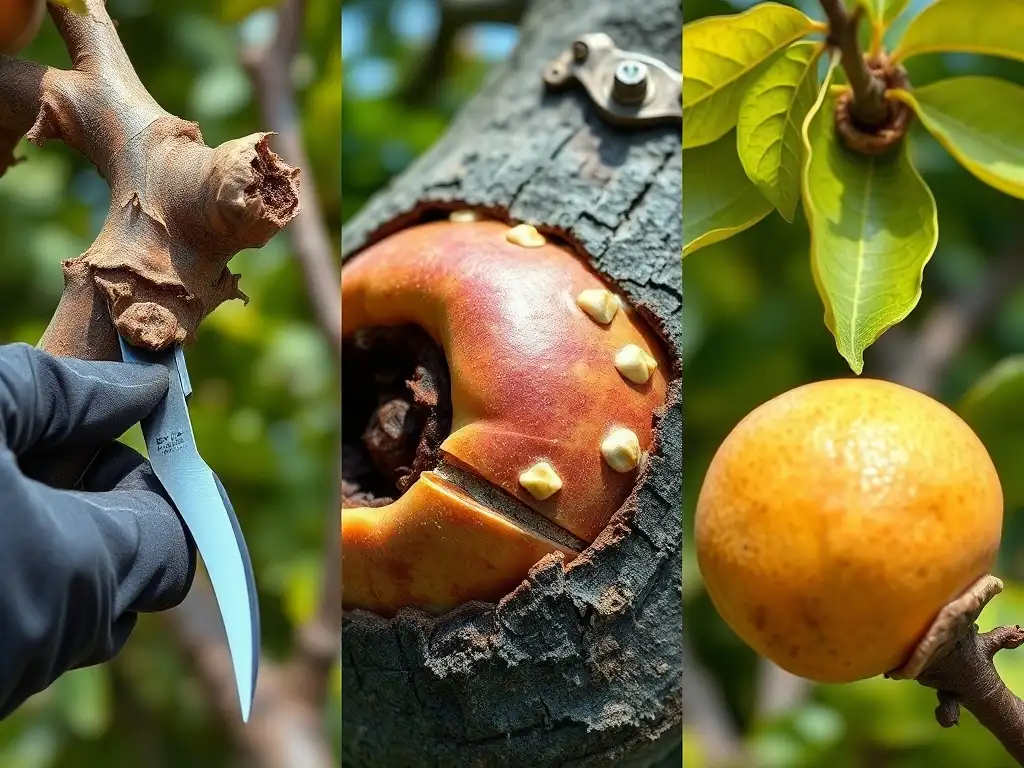
This section provides detailed examples of how to identify and remove diseased wood from various common fruit trees. Remember, proper sanitation is crucial for preventing the spread of disease and maximizing fruit yield. Always sterilize your pruning tools between cuts using a solution of 1 part bleach to 9 parts water to avoid cross-contamination. The goal is to remove diseased wood effectively while minimizing damage to the healthy parts of the tree. This process is key to successful "remove diseased garden wood" strategies.
Removing Diseased Wood from Apple Trees
Apple trees are susceptible to several diseases, including apple scab, fire blight, and canker. Identifying the affected wood is the first step. Apple scab presents as olive-green or brown lesions on leaves and fruit, but can also affect twigs and branches causing cracking and distortion. Fire blight, a bacterial infection, causes a characteristic shepherd's crook appearance in branches, with blackened, water-soaked areas. Canker manifests as sunken, discolored areas on the bark.
When removing diseased wood from apple trees, prioritize thoroughness. For scab and canker, cut back several inches below the visible infection to ensure complete removal. For fire blight, it's vital to remove infected branches well below the affected area, ideally cutting back to healthy wood several inches beyond the visible symptoms. This aggressive approach is necessary because fire blight can spread rapidly. Remember to disinfect your pruning shears between each cut to prevent spreading the disease to healthy parts of the tree. Proper sanitation in "remove diseased garden wood" practices is paramount.
Here's a table summarizing the approach:
| Disease | Symptoms | Removal Technique |
|---|---|---|
| Apple Scab | Olive-green/brown lesions, cracking | Cut several inches below visible infection |
| Fire Blight | Shepherd's crook, blackened, water-soaked | Cut several inches below visible symptoms, beyond visible infection |
| Canker | Sunken, discolored areas on bark | Cut several inches below visible infection |
Removing Diseased Wood from Cherry Trees
Cherry trees are particularly vulnerable to bacterial canker and brown rot. Bacterial canker causes gummosis (the oozing of gum from the bark) and dieback of branches. Brown rot attacks blossoms, fruit, and twigs, causing them to shrivel and turn brown. Identifying the source of the problem is critical for effective removal.
The removal process for cherry trees requires precision. For bacterial canker, remove infected branches well below the affected area, ensuring you cut into healthy wood. The gummosis might be a visual indicator of the extent of the problem. For brown rot, carefully prune away affected blossoms, fruit, and twigs, taking care to remove any mummified fruit (fruit that has dried up and remains attached to the branch) which can serve as overwintering sites for the fungus. Again, sterilizing your tools between each cut is crucial in your "remove diseased garden wood" efforts.
This detailed approach is necessary to prevent the spread of disease within the tree and into other trees in the orchard. Remember to dispose of the diseased wood properly, preferably by burning it or bagging it for disposal to avoid further spread of pathogens.
Removing Diseased Wood from Peach Trees
Peach trees are prone to various diseases, including bacterial spot, peach leaf curl, and brown rot. Bacterial spot causes small, dark lesions on leaves, fruit, and twigs. Peach leaf curl results in thickened, red-purple leaves that eventually drop. Brown rot, as previously mentioned, attacks blossoms, fruit, and twigs.
Removing diseased wood from peach trees involves a similar process as with other fruit trees. For bacterial spot, remove infected twigs and branches, cutting back to healthy wood. For peach leaf curl, since it primarily affects leaves, pruning is less critical, though removing severely affected branches might be beneficial. For brown rot, remove all affected blossoms, fruit, and twigs, including mummified fruit, as this is a key step in your "remove diseased garden wood" strategy. Always sterilize your tools between cuts to prevent the spread of diseases.
Careful observation and swift action are essential to minimizing the impact of these diseases. Early detection and prompt removal of infected wood are crucial for maintaining the health and productivity of your peach trees. Remember, preventing the spread is as important as the removal itself. Proper sanitation and disposal of diseased plant material are vital components of effective orchard management.
Recognizing and Addressing Specific Diseases
This section focuses on identifying and removing diseased wood from your fruit trees to prevent further spread of infection and maintain optimal health and yield. Early detection and prompt action are crucial for effective disease management. Ignoring diseased wood can lead to significant yield reduction and even tree death. Remember, proper sanitation is key to removing diseased garden wood and promoting a thriving orchard.
Fire Blight: Symptoms, Identification, and Removal
Fire blight, caused by the bacterium Erwinia amylovora, is a devastating disease affecting many pome fruits, including apples and pears. It's characterized by a rapid, scorched appearance.
- Symptoms: Initially, blossoms may appear water-soaked and then turn brown and shrivel. The infection can spread quickly down twigs and branches, causing the bark to darken and appear as if it's been burned. Cankers, or sunken areas on the bark, may develop. A characteristic "shepherd's crook" deformity can occur in affected branches. The disease can even affect the fruit, causing them to become brown and mummified. 🍎🔥
- Identification: The rapid progression and characteristic scorched appearance are key indicators. However, confirmation may require laboratory testing, especially if you're unsure. Careful observation of the symptoms described above is crucial for early detection.
- Removal: Sanitation is critical. Remove infected branches well below the visible affected area. Ideally, cut back to healthy wood, several inches below the canker. Sterilize your pruning tools between cuts with a 10% bleach solution or rubbing alcohol to prevent spreading the disease. Dispose of infected plant material properly; burning is often recommended. Remember to always wear protective gloves when handling infected wood. Prompt action is essential to limit the spread of this aggressive disease. Delaying removal can lead to the loss of entire branches or even the tree.
Cytospora Canker: Symptoms, Identification, and Removal
Cytospora canker is a fungal disease that commonly affects stone fruits like plums, cherries, and apricots. It weakens trees, reducing their vigor and yield.
- Symptoms: Cytospora canker manifests as sunken, reddish-brown cankers on branches. These cankers often ooze a gum-like substance. Affected branches may die back, and the leaves may wilt and yellow. The disease typically attacks weakened or stressed trees. 🌳🙁
- Identification: The reddish-brown cankers with gummosis (gum exudation) are distinctive signs. However, other diseases can exhibit similar symptoms, so careful observation is needed. Consider consulting a local arborist or plant pathologist for diagnosis if you are uncertain.
- Removal: Prune out infected branches, cutting several inches below the visible canker. Again, sterilize your pruning tools between cuts. Proper sanitation is essential to prevent the spread of the disease. Remove and destroy all infected plant debris. Improving tree vigor through proper fertilization and watering can help prevent future infections. This fungal infection thrives in weakened trees; focus on preventative care to strengthen your trees' natural defenses.
Peach Leaf Curl: Symptoms, Identification, and Removal
Peach leaf curl, caused by the fungus Taphrina deformans, primarily affects peach and nectarine trees. While it doesn't directly kill the tree, it significantly reduces yield and weakens the plant, making it more susceptible to other diseases.
- Symptoms: The most noticeable symptom is the distortion and thickening of leaves. Leaves become reddish-purple, then yellow, and finally curl and drop prematurely. This occurs in the spring, and the affected leaves are usually easily identified. The fruit is usually unaffected but the tree's overall health suffers. 🍑🍃
- Identification: The characteristic curled and discolored leaves are a clear indication of peach leaf curl. This disease is relatively easy to identify, but its effects can be significant if left untreated.
- Removal: While the fungus overwinters on the tree's buds, removing fallen leaves in autumn helps reduce the fungal load for the next season. Pruning out severely affected branches can also be beneficial, but it's less critical than for other diseases discussed here. The primary management strategy for peach leaf curl focuses on preventative measures, such as applying a dormant spray in late winter or early spring before buds break. This copper-based fungicide helps control the fungus before it infects the new leaves. Regular inspection and preventative measures are key to managing this common disease.
Frequently Asked Questions
How do I identify diseased garden wood?
Look for signs of decay, such as discoloration, soft or mushy areas, and the presence of fungi or insects. Damaged wood might show cracks, splits, or broken branches. Early detection is crucial.
Why is removing diseased wood important?
Removing diseased wood prevents the spread of plant diseases and pests to healthy plants. It improves overall garden hygiene and helps maintain the health of your plants. Early removal is key to prevention.
What tools do I need to remove diseased garden wood?
You'll need sharp pruning shears or loppers for smaller branches and a hand saw or chainsaw for larger pieces. Gloves and safety glasses are essential for protection.
How should I dispose of diseased garden wood?
Do not compost diseased wood. Instead, burn it if permitted in your area, or seal it in plastic bags and dispose of it with your regular trash to prevent the spread of disease.
What preventative measures can I take to avoid diseased wood in the future?
Practice good garden hygiene, including regular pruning, proper watering, and soil testing. Choose disease-resistant varieties of plants whenever possible. Early detection and prompt action are key to preventing future problems.
Final Reflection: Cultivating a Thriving Garden Through Conscious Pruning
The health of our gardens is a direct reflection of our own attentiveness and care. Ignoring the subtle signs of decay in our plants can lead to widespread damage, impacting not only the aesthetic beauty of our green spaces but also their overall vitality. This article has explored the crucial practice of identifying and removing diseased, dead, or damaged wood, a seemingly small act with far-reaching consequences.
The ongoing impact of neglecting plant health extends beyond the individual garden. It affects the wider ecosystem, impacting biodiversity and the overall health of our environment. The simple act of removing diseased wood prevents the spread of pathogens, protecting not only our own plants but also neighboring flora and the beneficial insects and animals that depend on them. The earth laughs in flowers.
– Ralph Waldo Emerson. This quote reminds us of the inherent joy and interconnectedness found within a healthy natural world, a world we actively participate in shaping through our gardening practices.
Now, consider your own garden—or even a single plant on your windowsill. Take a moment to observe closely. Are there any signs of distress? This article has equipped you with the knowledge to identify and address these issues. Embrace the opportunity to become a more mindful gardener, actively participating in the nurturing and preservation of life, one pruned branch at a time. The health of your garden is a testament to your care, a vibrant reflection of your connection to the natural world.
Revitalize Your Garden: Take Action Now!
Thank you for learning how to identify and remove unhealthy wood from your plants! You've gained valuable knowledge to keep your garden thriving. Ready to put this knowledge to work?
- Prioritize removing dead, diseased, or damaged branches from your most vulnerable plants. This immediate action will significantly improve their health and yield.
- Share your before-and-after photos on social media to inspire other gardeners! Let's build a thriving community of plant enthusiasts.
- Consider keeping a detailed journal of your pruning and its effects. This will help you refine your techniques over time.
What's the most important step you'll take today to improve your garden's health?