
Beginner's Guide to Legumes in Crop Rotation: Natural Fertilizers


Ready to unlock the secrets of a thriving, sustainable garden? CultivateYourFood is your guide to growing delicious fruits, vegetables, and herbs at home. But what if you could boost your yields naturally and improve soil health simultaneously? Our beginner legume crop rotation guide, found in our "Advanced Techniques" section, reveals how strategically planting legumes can transform your garden into a vibrant ecosystem. Discover the power of natural fertilizers and prepare to harvest more abundantly than ever before!
- Understanding the Benefits of Legumes in Crop Rotation
- Planning Your Legume Crop Rotation Strategy
- ### Beginner Legume Crop Rotation Guide: A Step-by-Step Approach
- ### Selecting Companion Plants for Enhanced Growth
- ### Common Mistakes to Avoid in Legume Crop Rotation
- Implementing Your Legume Crop Rotation Plan
- Advanced Techniques for Legume Crop Rotation
- Maintaining Soil Health Through Legume Crop Rotation: Long-Term Benefits
-
Frequently Asked Questions
- What are legumes and why are they important in crop rotation?
- How does crop rotation with legumes benefit my garden?
- What are some easy-to-grow legume varieties for beginners?
- How often should I rotate my legumes in my crop rotation plan?
- Where can I find more information on sustainable gardening practices and legume cultivation?
- Final Reflection: The Enduring Power of Legumes in Sustainable Farming
- Unlock Your Soil's Potential: Start Rotating Legumes Today!
Understanding the Benefits of Legumes in Crop Rotation
This beginner's guide to legume crop rotation will unlock the secrets to naturally enriching your soil and boosting your harvest. Learning how to strategically incorporate legumes into your planting schedule is a cornerstone of sustainable gardening, offering significant advantages over relying solely on chemical fertilizers. This guide focuses on the practical application of legume crop rotation, even for those with limited gardening experience. We'll explore the science behind their effectiveness, help you select the best legumes for your garden, and show you how to maximize their benefits for a thriving, organic garden. Understanding legume crop rotation is a key step towards becoming a more self-sufficient and environmentally conscious gardener. You'll learn how to improve soil health, reduce pest problems, and ultimately, cultivate a more abundant and healthier yield, all while minimizing your environmental impact. Let's delve into the world of legumes and discover how they can revolutionize your gardening approach!
Nitrogen Fixation: Nature's Fertilizer
Legumes possess a unique and invaluable ability: nitrogen fixation. Unlike most plants, legumes have a symbiotic relationship with Rhizobium bacteria. These bacteria reside in nodules on the legume's roots. The bacteria convert atmospheric nitrogen (N 2 ), which plants cannot directly utilize, into ammonia (NH 3 ), a form of nitrogen readily absorbed by plants. This process significantly reduces the need for synthetic nitrogen fertilizers, which can harm the environment through runoff and contribute to greenhouse gas emissions. Think of it as having tiny, natural fertilizer factories working tirelessly beneath your soil's surface! The ammonia produced is not only used by the legume itself but also enriches the soil after the legume is harvested or incorporated into the soil as green manure. This natural nitrogen boost benefits subsequent crops in the rotation, promoting vigorous growth and higher yields. The amount of nitrogen fixed varies depending on the legume species and growing conditions, but the impact is consistently positive for soil fertility.
Improving Soil Health with Legumes
Beyond nitrogen fixation, legumes contribute to overall soil health in several ways. Their extensive root systems help improve soil structure, preventing compaction and enhancing water infiltration. This improved drainage reduces the risk of waterlogging and root rot, common problems for many plants. Furthermore, the decaying matter from legume plants, including roots and stems, adds organic matter to the soil. This organic matter improves soil aeration, nutrient retention, and water holding capacity.
The increased organic matter also supports a diverse and thriving soil ecosystem, fostering beneficial microorganisms that further enhance soil health. The result? Healthier, more fertile soil that is better equipped to support a wider variety of plants. This translates to more resilient crops, less susceptibility to diseases, and ultimately, a more bountiful harvest. It's a win-win for your garden and the environment!
Choosing the Right Legumes for Your Garden
Selecting the appropriate legumes for your crop rotation depends on several factors, including your climate, soil type, and the specific needs of your other crops. Some popular choices include:
| Legume Type | Growing Season | Soil Preference | Benefits |
|---|---|---|---|
| Beans (bush/pole) | Varies (short/long) | Well-drained, sunny | Nitrogen fixation, versatile, easy to grow |
| Peas (English/snow) | Cool season | Well-drained, sunny | Nitrogen fixation, quick growing, delicious |
| Clover (red/white) | Cool season | Well-drained, slightly acidic | Excellent ground cover, nitrogen fixation, improves soil structure |
| Alfalfa | Long season | Well-drained, neutral pH | Deep roots, exceptional nitrogen fixation |
Remember to consider the maturity time of your chosen legumes to ensure they fit seamlessly within your overall crop rotation plan. Experimentation is key! Trying different legumes in your garden will help you determine which ones thrive best in your specific conditions and contribute most effectively to your soil's health and the success of your subsequent crops. 🌱
Planning Your Legume Crop Rotation Strategy
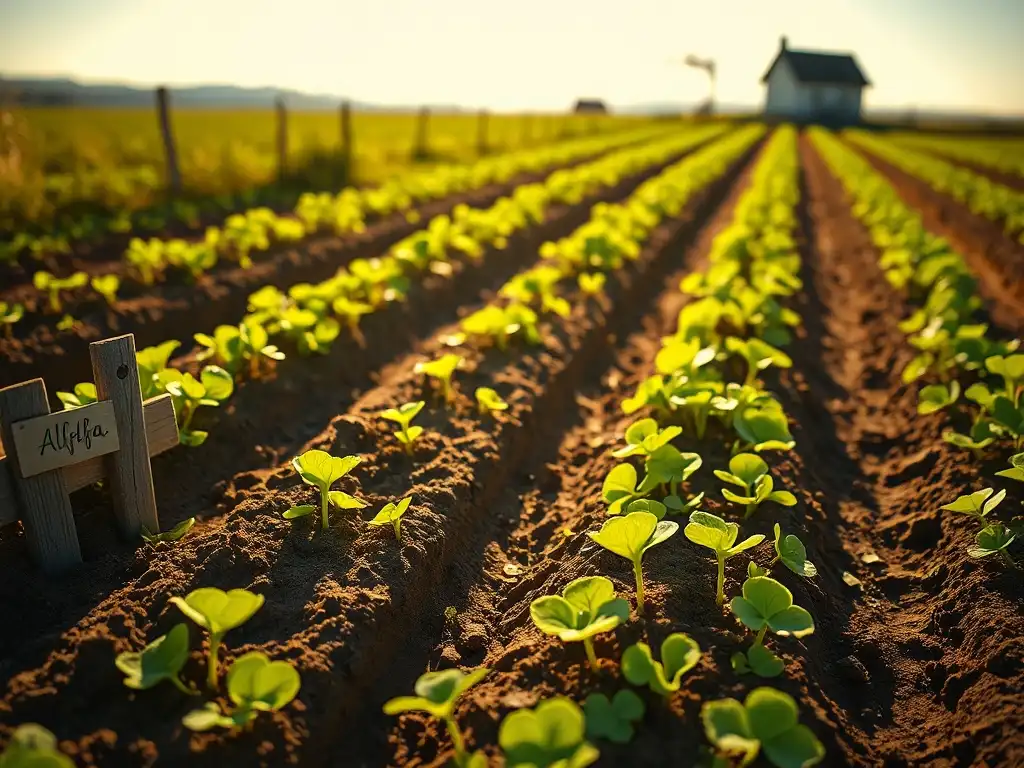
Effective legume crop rotation requires careful planning to maximize benefits. This involves understanding your soil's needs, the specific legumes you'll use, and the other crops in your rotation. A well-planned strategy considers factors like nutrient depletion, pest and disease cycles, and weed management. Ignoring these factors can lead to reduced yields and soil degradation, undermining the very benefits of crop rotation.
Consider these key aspects when planning:
- Soil Analysis: Before starting, conduct a soil test to determine its pH, nutrient levels (especially nitrogen, phosphorus, and potassium), and overall health. This will inform your legume selection and the overall rotation plan. For instance, highly acidic soil might benefit from legumes that tolerate lower pH levels. Knowing your soil's existing nutrient levels prevents over-fertilizing and potential environmental damage.
- Legume Selection: Different legumes fix varying amounts of nitrogen. For example, alfalfa is a heavy nitrogen fixer, ideal for enriching soil significantly, while beans offer a moderate nitrogen contribution. Choose legumes suited to your climate and soil conditions. Consider also the specific needs of your subsequent crops; some plants thrive in nitrogen-rich soil after legumes, while others might prefer a less intense nitrogen boost.
- Rotation Length: A typical rotation might involve 2-4 years, depending on your goals and the crops involved. Longer rotations can be beneficial for managing persistent soil-borne diseases and pests. Shorter rotations might be suitable for smaller gardens or when immediate nutrient replenishment is crucial. Experimentation and observation are key to finding the optimal length for your specific circumstances.
- Crop Sequencing: The order of crops in your rotation is critical. Legumes, being nitrogen-fixers, are strategically placed before heavy feeders, such as brassicas (cabbage, broccoli, etc.) or fruiting vegetables (tomatoes, peppers, etc.). This provides a natural boost to these nutrient-demanding crops.
### Beginner Legume Crop Rotation Guide: A Step-by-Step Approach
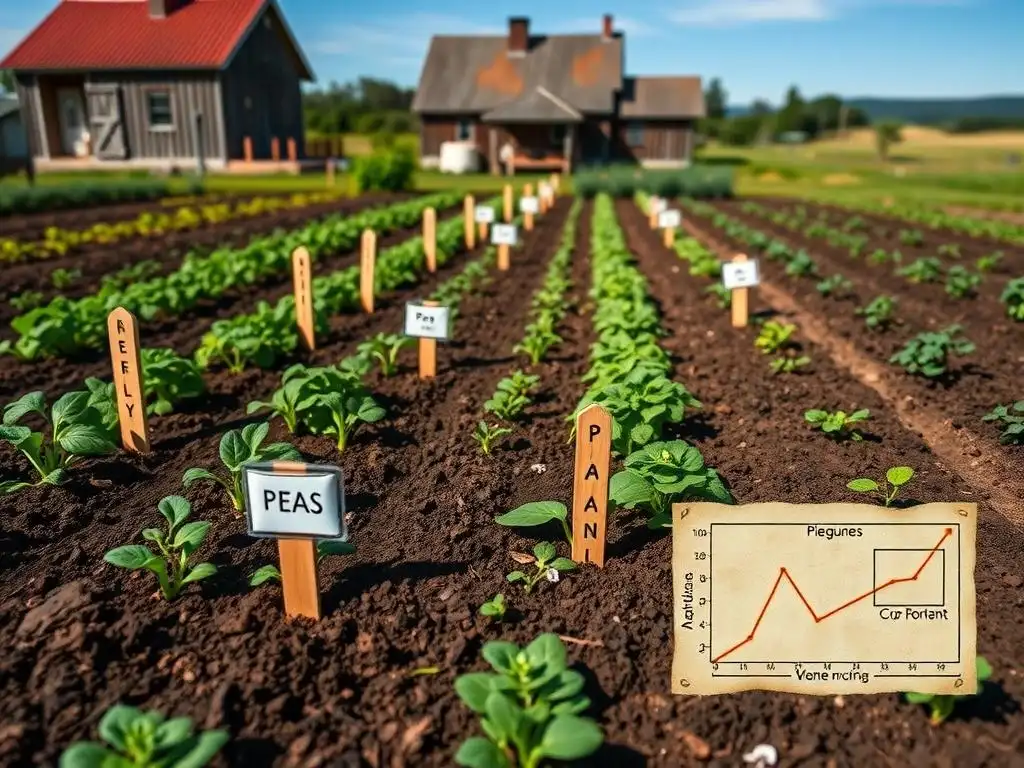
This section provides a practical, step-by-step guide for beginners implementing legume crop rotation. This approach focuses on simplicity and ease of understanding, making it accessible to novice gardeners.
- Assess Your Soil: Begin with a soil test to identify its strengths and weaknesses. This initial step is crucial for informed decision-making throughout the process. Understanding your soil's composition is fundamental to selecting appropriate legumes and planning the entire rotation.
- Choose Your Legumes: Select legumes suitable for your climate and soil type. Consider both the nitrogen-fixing capacity and the growth habit (e.g., vining or bush beans). Variety is key to maximizing benefits and minimizing risks associated with disease or pest infestation.
- Plan Your Rotation: Develop a simple rotation plan. A basic example might be: Year 1: Legumes; Year 2: Heavy feeders; Year 3: Light feeders; Year 4: Soil-improving crops (like cover crops). Adjust this based on your specific needs and available space.
- Plant and Maintain: Follow best practices for planting and maintaining your legumes. This includes proper spacing, watering, and weed control. Careful maintenance ensures healthy legume growth, maximizing nitrogen fixation.
- Incorporate Legumes: Plant legumes according to your rotation plan. Ensure proper planting depth and spacing to optimize growth and nitrogen fixation. Monitor for pests and diseases, addressing any issues promptly.
- Observe and Adapt: Observe your crops' growth and the soil's response. Adjust your strategy based on your observations. Crop rotation is an iterative process; adapting to your specific conditions is crucial for long-term success.
### Selecting Companion Plants for Enhanced Growth
Companion planting, the practice of growing compatible plants together, can significantly enhance the success of your legume crop rotation. Some companion plants attract beneficial insects, deter pests, or improve soil conditions, further supporting the legumes and the overall health of your garden ecosystem.
- Beneficial Companions: Marigolds are excellent companion plants for legumes, repelling nematodes and other harmful pests. Basil can also improve legume growth and flavor. Certain herbs, like oregano and thyme, can also attract beneficial insects that help control pests naturally.
- Avoid Incompatible Plants: Avoid planting legumes near strong-growing plants that might compete for resources. Some plants can even inhibit legume growth. Researching plant compatibility is essential for optimizing your companion planting strategy.
- Strategic Placement: Consider the spatial arrangement of companion plants. For example, placing taller plants strategically can provide shade for smaller, more delicate legumes during hot periods.
- Diversity is Key: A diverse range of companion plants can offer broader protection against pests and diseases. This approach promotes a healthy and resilient ecosystem in your garden, reducing the need for chemical interventions.
### Common Mistakes to Avoid in Legume Crop Rotation
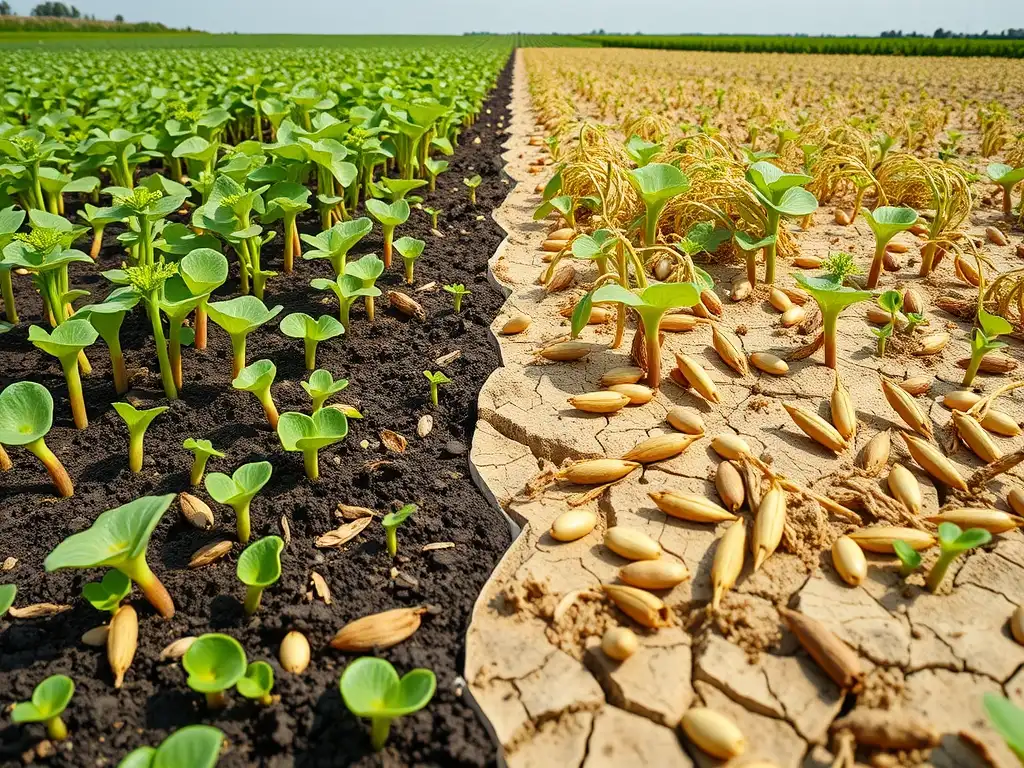
Even experienced gardeners can make mistakes in legume crop rotation. Avoiding these common pitfalls ensures the success of your efforts and prevents unintended consequences.
- Ignoring Soil Testing: Failing to conduct a soil test before planning a rotation is a significant oversight. It can lead to poor legume selection and inefficient nitrogen fixation. A comprehensive soil analysis is the cornerstone of successful crop rotation.
- Over-Reliance on a Single Legume: Using the same legume species year after year increases the risk of disease and pest build-up. Diversity in legume selection is vital for maintaining soil health and crop resilience.
- Neglecting Pest and Disease Management: Even with crop rotation, pests and diseases can still impact your crops. Implementing proper pest and disease management strategies is crucial for maintaining healthy plants and preventing yield losses.
- Insufficient Planning: Inadequate planning can lead to logistical challenges and reduced yields. A well-thought-out rotation plan, considering planting schedules and resource allocation, is essential for maximizing the benefits of legume crop rotation. Thorough planning avoids unexpected issues and ensures a smoother gardening experience.
- Ignoring Crop Needs: Failing to consider the specific nutrient needs of different crops in the rotation can limit the overall effectiveness of the strategy. A balanced rotation caters to the needs of all plants involved, maximizing yields and soil health.
Implementing Your Legume Crop Rotation Plan
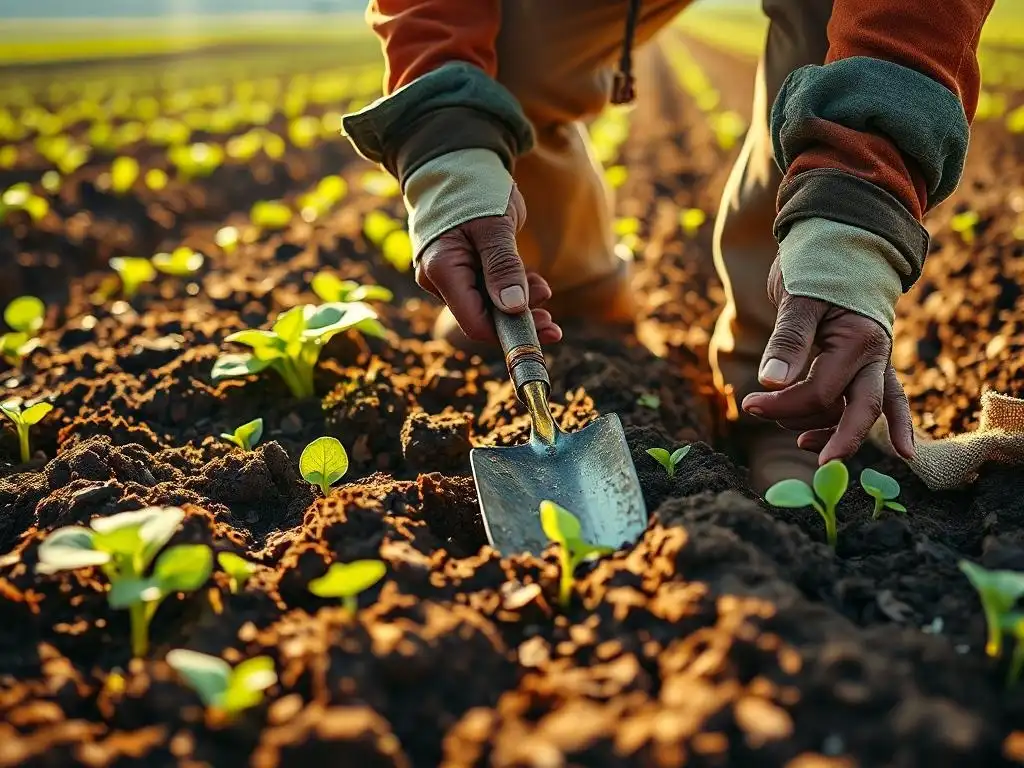
This section details the practical application of incorporating legumes into your crop rotation strategy. Remember, successful legume integration hinges on careful planning and execution. This beginner legume crop rotation guide will walk you through the key steps. Understanding the nitrogen-fixing properties of legumes is crucial; they enrich the soil, reducing the need for synthetic fertilizers – a cornerstone of sustainable gardening. This translates to healthier plants, higher yields, and a more environmentally friendly approach to food cultivation. Let's delve into the specifics.
Planting Legumes: Timing and Techniques
Successful legume cultivation starts with proper timing and technique. Different legumes have varying needs. For example, cool-season legumes like peas and fava beans thrive in cooler temperatures (spring or fall), while warm-season legumes such as beans and soybeans prefer warmer weather (summer). Understanding these nuances is key to maximizing your harvest.
Planting depth also varies depending on the legume. Generally, smaller seeds, like clover, require shallower planting (about ½ inch), while larger seeds, like beans, need slightly deeper planting (1-2 inches). Always refer to seed packet instructions for precise guidance. Proper spacing is equally important; overcrowding can lead to competition for resources and reduced yields. Spacing recommendations are usually found on seed packets or online resources dedicated to specific legume varieties.
Here's a table summarizing planting considerations for some common legumes:
| Legume Type | Planting Time | Planting Depth (inches) | Spacing (inches) |
|---|---|---|---|
| Peas (cool-season) | Spring/Fall | 1-2 | 2-4 |
| Fava Beans | Spring/Fall | 1-2 | 6-12 |
| Beans (warm-season) | Summer | 1-2 | 6-12 |
| Soybeans | Summer | 1-2 | 6-12 |
| Clover | Spring/Fall | ½ - 1 | 2-4 |
Remember to prepare the soil beforehand. Loosen the soil to improve drainage and aeration, ensuring optimal root development. Consider incorporating compost to further enrich the soil and provide essential nutrients. This proactive approach significantly contributes to healthy legume growth and a bountiful harvest. Careful planning and execution during this stage sets the stage for a successful legume crop rotation.
Maintaining Your Legume Crops: Watering and Pest Control
Maintaining healthy legume crops involves consistent watering and proactive pest control. Consistent moisture is crucial, especially during germination and early growth stages. However, avoid overwatering, which can lead to root rot. Water deeply but infrequently, allowing the soil to dry slightly between waterings. The frequency of watering depends on factors such as climate, soil type, and plant stage. Observe your plants closely; wilting indicates a need for watering.
Pest control is another crucial aspect of legume maintenance. Common legume pests include aphids, bean beetles, and spider mites. Implementing integrated pest management (IPM) strategies, such as attracting beneficial insects (ladybugs, lacewings) and using organic pest control methods (neem oil, insecticidal soap), is crucial for sustainable pest management. Regular monitoring for pests and early intervention are essential to prevent significant damage to your crops. Early detection and prompt action are key to minimizing pest infestations and ensuring a healthy harvest. Remember, a healthy ecosystem in your garden naturally supports pest control, reducing your reliance on harsh chemicals.
Harvesting and Incorporating Legumes Back into the Soil
Harvesting legumes depends on the type and intended use. For example, peas and beans are usually harvested when the pods are full and plump. Soybeans are harvested when the pods turn brown and dry. Clover can be cut multiple times throughout the growing season for green manure. Always harvest at the optimal stage to ensure maximum yield and quality.
Once harvested, the remaining plant material (leaves, stems, roots) is a valuable resource. Incorporate this plant matter back into the soil through composting or direct incorporation (tilling it into the soil). This process adds organic matter, improving soil structure, water retention, and nutrient content. The nitrogen fixed by the legumes becomes available to subsequent crops, reducing the need for synthetic fertilizers.
This practice is a fundamental aspect of sustainable and organic gardening, enriching your soil naturally and promoting long-term soil health. By incorporating the legumes back into the soil, you're completing the cycle and laying the groundwork for future successful harvests. This closed-loop system minimizes waste and maximizes the benefits of legume crop rotation.
Advanced Techniques for Legume Crop Rotation
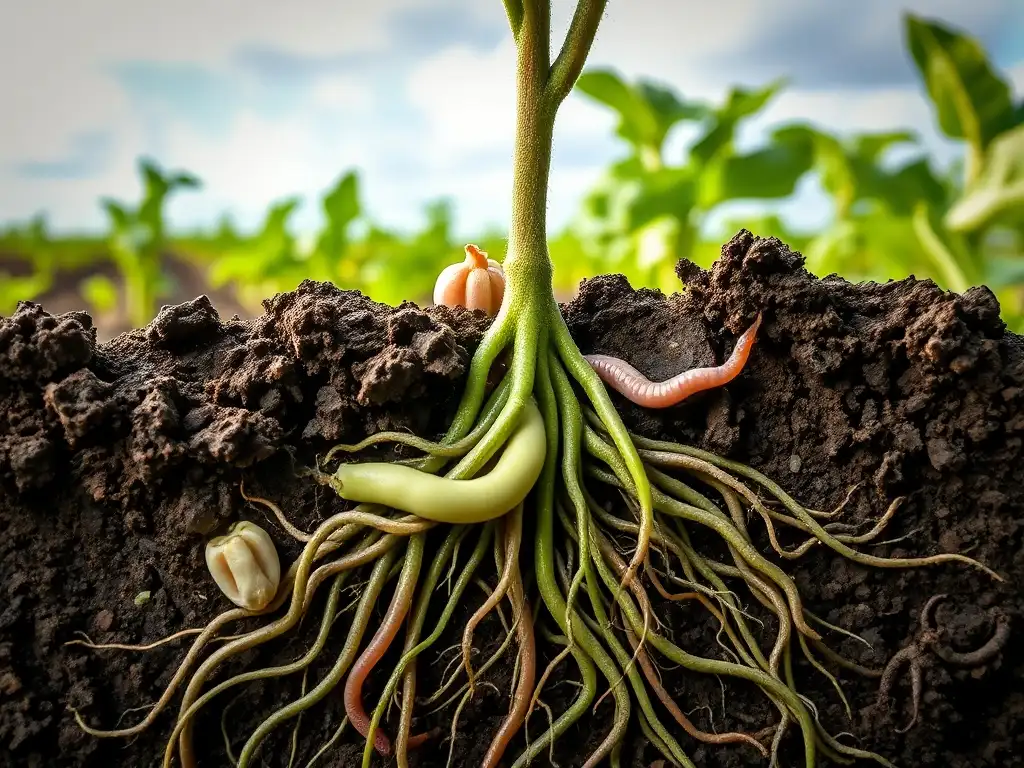
This section delves into more sophisticated strategies for incorporating legumes into your crop rotation plan, going beyond the basics. We'll explore advanced techniques to maximize the benefits of these nitrogen-fixing powerhouses. Understanding these techniques will elevate your gardening game and contribute to healthier, more productive soil for years to come. This beginner legume crop rotation guide will help you master these techniques.
Cover Cropping with Legumes: Maximizing Soil Benefits
Cover cropping with legumes is a powerful technique for improving soil health and fertility. Unlike planting main crops, cover crops are grown primarily to benefit the soil, not for harvest. Legumes excel in this role due to their nitrogen-fixing capabilities. By planting legumes as a cover crop, you can significantly increase the nitrogen content of your soil, reducing the need for synthetic fertilizers.
Several legume species are particularly well-suited for cover cropping. For example, winter vetch thrives in cooler climates and provides excellent winter ground cover, preventing erosion and suppressing weeds. Crimson clover is another excellent choice, known for its rapid growth and abundant biomass. Hairy vetch offers similar benefits and is highly effective at improving soil structure. The choice of legume will depend on your climate and soil conditions, as well as the subsequent crop you plan to plant.
Consider these factors when planning your legume cover crop:
- Planting time: The timing of planting is crucial to ensure the cover crop establishes itself before winter or the onset of hot weather.
- Incorporation: Before planting your main crop, the cover crop needs to be incorporated into the soil. This can be done by tilling or mowing, allowing the plant matter to decompose and release its nutrients.
- Species selection: Choose legumes appropriate to your climate and soil type. Research which varieties thrive in your region for optimal results.
- Biomass production: Select varieties known for high biomass production to maximize the amount of organic matter added to the soil.
Crop Rotation for Specific Legume Varieties
Different legume varieties have varying growth cycles and nutrient requirements. A successful crop rotation plan considers these individual needs to optimize yields and soil health. For instance, beans (like bush beans or pole beans) have a relatively short growing season and can be easily incorporated into a rotation with other vegetables. Peas, on the other hand, can be planted earlier in the season and may require slightly different soil conditions.
Here's a table illustrating the rotation suitability of some common legume varieties:
| Legume Variety | Planting Time | Soil Requirements | Rotation Suggestions |
|---|---|---|---|
| Bush Beans | Spring/Summer | Well-drained | After brassicas, followed by root crops |
| Pole Beans | Spring/Summer | Well-drained | After heavy feeders, followed by light feeders |
| Peas | Spring | Well-drained | Before heavy feeders, followed by brassicas or root crops |
| Lentils | Spring/Summer | Well-drained | After brassicas, followed by leafy greens |
| Clover (cover crop) | Fall/Spring | Varies | Before almost any crop, improves soil structure immensely |
Remember that successful legume integration requires careful observation of your soil's health and the specific needs of the legume variety you've chosen. Regular soil testing can help you fine-tune your approach.
Integrating Legumes into a Multi-Year Crop Rotation Plan
For long-term soil health and optimal crop yields, integrating legumes into a multi-year crop rotation plan is essential. A well-designed plan considers the nutrient needs of different plant families and strategically places legumes to replenish nitrogen levels.
A sample three-year rotation plan could look like this:
Year 1: Heavy feeders (e.g., tomatoes, peppers) followed by a legume cover crop (e.g., clover) in the fall. Year 2: Light feeders (e.g., leafy greens, root vegetables) planted after the cover crop is tilled into the soil. Year 3: Legumes (e.g., beans, peas) planted, further enriching the soil with nitrogen. This is followed by another cover crop.
This cycle can then be repeated, ensuring continuous soil improvement and reducing the need for external inputs. This approach is crucial for sustainable gardening practices and maximizes the benefits of a beginner legume crop rotation guide. Remember to adapt this plan based on your specific needs and climate. Careful planning and observation are key to success. The benefits of a well-planned rotation far outweigh the initial effort, leading to healthier soil and more bountiful harvests. This beginner legume crop rotation guide is designed to provide the foundational knowledge to successfully implement this strategy. 🌱
Maintaining Soil Health Through Legume Crop Rotation: Long-Term Benefits
Legume crop rotation offers a powerful, natural approach to soil enrichment, significantly reducing the need for synthetic fertilizers. This practice is crucial for sustainable gardening, especially for beginners aiming to cultivate healthy, thriving plants year after year. By strategically incorporating legumes into your crop rotation plan, you're not just improving soil fertility; you're building a resilient ecosystem that supports plant growth naturally. This section delves into the long-term advantages of this beginner-friendly technique.
Sustainable Gardening Practices with Legumes
Sustainable gardening hinges on minimizing environmental impact while maximizing yields. Legumes, with their unique ability to fix atmospheric nitrogen into the soil, are key players in achieving this balance. This nitrogen fixation, facilitated by symbiotic bacteria in their root nodules, translates directly into increased soil fertility. Instead of relying on manufactured nitrogen fertilizers, which can harm beneficial soil organisms and pollute waterways, legume crop rotation offers a clean, environmentally friendly alternative.
Consider the following example: A farmer rotates between corn, a heavy nitrogen feeder, and soybeans, a nitrogen-fixing legume. The soybeans enrich the soil with nitrogen, reducing or eliminating the need for nitrogen fertilizer for the following corn crop. This not only saves money but also protects the environment. Moreover, the deep root systems of many legumes improve soil structure, enhancing drainage and aeration.
This improved soil structure further promotes healthy root growth for subsequent crops. The reduced need for chemical inputs also minimizes the risk of soil degradation and contamination, fostering a truly sustainable gardening practice. This holistic approach to soil health is essential for long-term gardening success. The benefits extend beyond just nitrogen; legumes also contribute other essential nutrients, enhancing the overall nutritional profile of the soil.
Assessing the Success of Your Legume Crop Rotation
Monitoring the effectiveness of your legume crop rotation is crucial to ensure its long-term success. Several key indicators can help you assess whether your strategy is working:
- Visual Inspection: Healthy, vigorous growth in subsequent non-legume crops is a strong indicator of successful nitrogen fixation. Look for deep green foliage and robust plant development. Conversely, stunted growth or pale leaves might suggest insufficient nitrogen.
- Soil Testing: Regular soil testing provides quantitative data on nutrient levels. Before and after implementing legume rotation, compare nitrogen levels. A significant increase signifies successful nitrogen fixation. You can even compare results with prior years to track progress.
- Yield Comparison: Track the yield of your crops over several years. If you notice a consistent increase in yields after incorporating legumes, it's a clear sign that your crop rotation is positively impacting soil health and plant productivity. Keep detailed records—this data is invaluable.
- Weed Growth: Improved soil health often translates into reduced weed pressure. Less weed competition indicates a healthier soil ecosystem, which is a positive outcome of your rotation strategy.
| Indicator | Positive Sign | Negative Sign |
|---|---|---|
| Visual Inspection | Lush, green growth in subsequent crops | Stunted growth, pale leaves in subsequent crops |
| Soil Test (Nitrogen) | Significant increase in nitrogen levels | Little or no change in nitrogen levels |
| Yield Comparison | Increased crop yields over several years | Decreased or stagnant crop yields |
| Weed Growth | Reduced weed pressure | Increased weed pressure |
Remember, consistent monitoring and adaptation are key to optimizing your legume crop rotation for maximum benefit. Regular evaluation allows you to fine-tune your strategy, ensuring healthy soil and bountiful harvests for years to come. This iterative process is fundamental to the success of any beginner legume crop rotation guide. The more data you collect, the better you can understand your specific soil needs and adapt your practices accordingly. Don't be afraid to experiment and adjust your approach based on your observations and results.
Frequently Asked Questions
What are legumes and why are they important in crop rotation?
Legumes are plants like beans and peas that fix nitrogen in the soil. This means they add essential nutrients, making them excellent for improving soil health and reducing the need for artificial fertilizers, a key element of sustainable gardening.
How does crop rotation with legumes benefit my garden?
Rotating legumes with other crops helps to break pest and disease cycles, improves soil structure through nitrogen fixation, and ultimately leads to healthier, more productive plants. This is essential for organic and sustainable gardening.
What are some easy-to-grow legume varieties for beginners?
Beans (bush beans and pole beans) and peas (snow peas and snap peas) are excellent choices for beginners due to their relatively low maintenance and high yields. Consider your climate and space when selecting varieties.
How often should I rotate my legumes in my crop rotation plan?
A general guideline is to include a legume crop in your rotation every 3-4 years. However, the exact frequency depends on your specific soil conditions and the other crops you're growing. Observe your soil's health to guide your choices.
Where can I find more information on sustainable gardening practices and legume cultivation?
Visit our website, CultivateYourFood, for comprehensive guides on sustainable gardening techniques, including detailed information on planting, harvesting, and pest control for a wide variety of fruits, vegetables, and herbs, including legumes. We offer resources for all skill levels.
Final Reflection: The Enduring Power of Legumes in Sustainable Farming
The resurgence of interest in sustainable agriculture underscores the critical role legumes play in building healthy soil and reducing our reliance on synthetic fertilizers. This simple yet powerful practice, accessible to even the most novice gardener, offers a tangible path towards a more environmentally conscious approach to food production. The future of farming, in many ways, hinges on embracing these natural solutions.
The impact of legumes extends far beyond the immediate benefits of improved soil fertility. Their integration into crop rotation systems represents a shift in mindset, a move away from exploitative farming practices towards a more holistic and regenerative approach. The land is not an inheritance from our forefathers, but a loan from our children.
This quote encapsulates the responsibility we bear to cultivate healthy soil for future generations, and legumes are a vital tool in fulfilling that responsibility. Their ability to fix nitrogen, improving soil structure and reducing the need for chemical inputs, is a testament to the power of nature's ingenuity.
You, the reader, now hold the knowledge to begin your own journey towards more sustainable gardening or farming. Consider the potential impact of incorporating legumes into your planting schedule. Start small, experiment with different varieties, and observe the transformative effects on your soil and your crops. Remember, every seed you sow is a step towards a healthier planet and a more resilient food system. Embrace the power of legumes – your soil, your crops, and the future will thank you.
Unlock Your Soil's Potential: Start Rotating Legumes Today!
Thanks for exploring the world of legumes and their amazing benefits for your soil! You've learned how these natural fertilizers can boost crop yields and improve soil health. Ready to put this knowledge into action?
- First Step: Develop a legume crop rotation plan this week. Consider your current planting schedule and integrate legumes into your next season's plan.
- Share your experiences and challenges with other gardening enthusiasts in the comments below. Let's build a thriving community of sustainable growers!
- Next season, experiment with a new legume variety. Branch out and try something beyond your usual beans or peas; perhaps explore fava beans or lentils.
What exciting legume will you be adding to your garden this year?