
Cloche Gardening: Simple and Effective Season Extension

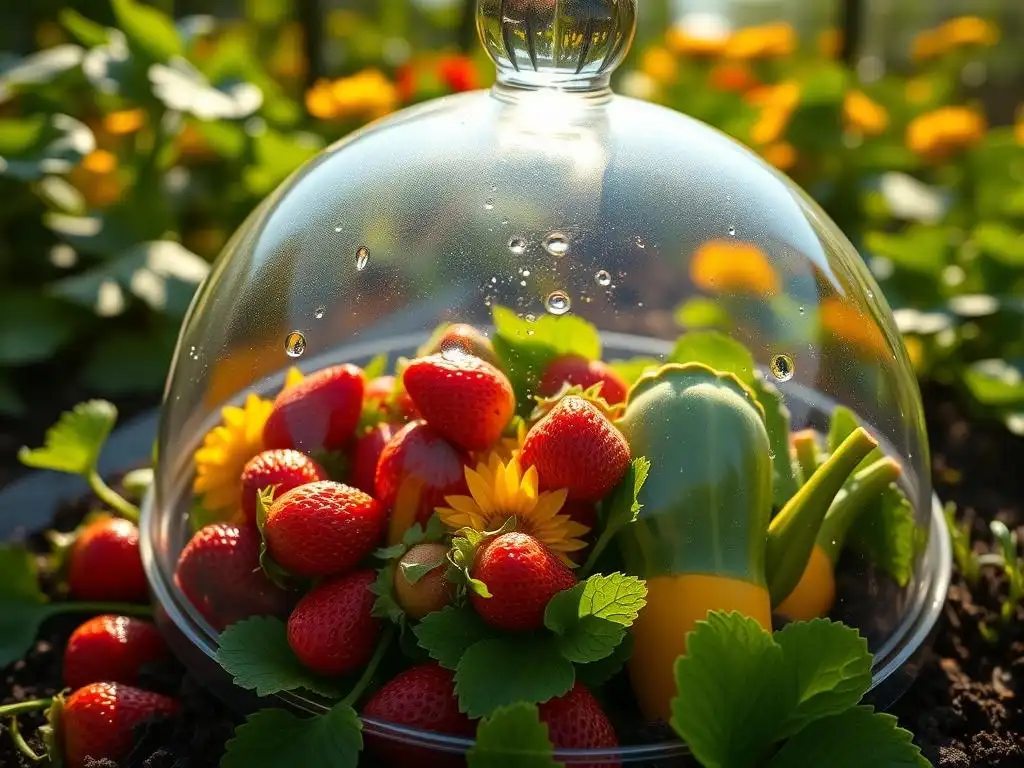
Ready to unlock the secrets to a bountiful harvest, no matter the season? At CultivateYourFood, we empower you to grow your own fruits, vegetables, and herbs organically. Learn how to beat the clock and extend your growing season with our in-depth guide on Extend growing season cloche gardening – a simple yet remarkably effective advanced technique. Discover how to create the perfect microclimate for year-round success and transform your garden into a thriving oasis. Let's cultivate a greener future, together.
- What is Cloche Gardening and How to Extend Your Growing Season with Cloches?
- Planning Your Cloche Garden for Optimal Season Extension
- Setting Up Your Cloche Garden for Season Extension
- Preparing the Soil for Cloche Gardening and Maximizing Yields
- Planting Seeds and Seedlings Under Cloches for Extended Growing Seasons
- Maintaining Your Cloche Garden for Optimal Growth and Season Extension
- Harvesting and Maintaining Your Extended Season Crops with Cloches
- Troubleshooting Common Cloche Gardening Issues and Season Extension Challenges
- Frequently Asked Questions
- Final Reflection: The Enduring Promise of the Cloche
- Unlock Your Year-Round Harvest: Grow Beyond the Seasons
What is Cloche Gardening and How to Extend Your Growing Season with Cloches?
Cloche gardening is a simple yet highly effective technique for extending your growing season, allowing you to enjoy fresh produce well beyond the typical planting timeframe. By creating a microclimate around your plants, cloches protect them from frost, harsh winds, and even some pests, significantly increasing the length of time you can cultivate your favorite fruits, vegetables, and herbs.
This method is particularly beneficial for gardeners in regions with shorter growing seasons or unpredictable weather patterns. This article will explore the various benefits of using cloches, guide you through selecting the appropriate cloche type for your needs, and ultimately help you master the art of extending your growing season using this sustainable and organic gardening practice.
The use of cloches is a key strategy for those looking to maximize their harvest and enjoy homegrown goodness for a longer period. Let's delve into the specifics of how cloches help you extend the growing season and unlock the potential of your garden.
Understanding the Benefits of Cloche Gardening for Season Extension
Employing cloches offers a multitude of advantages for extending your growing season. The most significant benefit is the creation of a warmer microclimate around your plants. This warmth accelerates growth, allowing for earlier planting in spring and later harvesting in autumn. Furthermore, cloches provide protection from frost and unexpected temperature drops, preventing damage to delicate seedlings and established plants. This protection is crucial for extending the life of your crops, especially during the transitional periods of spring and fall.
Beyond temperature regulation, cloches also offer protection from strong winds, which can damage plants and hinder their growth. Finally, some cloche designs can also offer a degree of pest protection, keeping unwanted insects and animals away from your precious plants. The overall result is a healthier, more productive garden, extending your harvest season significantly. This translates to a longer period of enjoying fresh, homegrown produce, reducing reliance on store-bought options.
Types of Cloches: Choosing the Right One for Your Needs
Choosing the right cloche is crucial for maximizing its effectiveness in extending your growing season. Different cloche types offer unique advantages and disadvantages, catering to varying needs and budgets. The three primary types are glass, plastic, and fabric cloches. Each material offers different levels of protection, durability, and cost-effectiveness. Carefully considering your specific gardening needs and climate will help you make an informed decision. Let's examine each type in more detail:
Glass Cloches: Pros and Cons for Season Extension
Glass cloches, often associated with traditional gardening, provide excellent insulation and protection from the elements. They allow ample sunlight penetration, crucial for plant photosynthesis. However, glass cloches can be more expensive and heavier than other options, making them less portable. They are also more prone to breakage. Their weight and fragility can be drawbacks, particularly in areas prone to strong winds or hail. Despite these limitations, for those seeking optimal warmth and light transmission, glass cloches remain a valuable tool for extending the growing season. The superior insulation offered by glass can be especially beneficial during colder periods.
Plastic Cloches: Advantages and Disadvantages for Extended Growing
Plastic cloches are a popular choice due to their affordability and lightweight nature. They are readily available and easy to use. Their transparency allows sufficient sunlight penetration, while offering good protection against frost and wind. However, plastic cloches are generally less durable than glass cloches and can be prone to damage from UV exposure over time, requiring replacement more frequently.
Furthermore, they may not offer as much insulation as glass. Despite these limitations, plastic cloches represent a cost-effective and practical solution for many gardeners seeking to extend their growing season. They are particularly suitable for smaller gardens or for protecting individual plants.
Fabric Cloches: A Budget-Friendly Option for Season Extension
Fabric cloches, often made from row cover material, present a budget-friendly and lightweight option for season extension. They are easy to install and remove, providing flexibility in managing plant protection. They offer decent protection from frost and light winds, and their breathable nature helps prevent excessive moisture buildup within the cloche.
However, fabric cloches offer less protection against strong winds and heavy rain compared to glass or plastic cloches. They also generally offer less insulation, making them less effective in extremely cold conditions. Nevertheless, for gardeners on a budget or those seeking a lightweight and portable solution, fabric cloches provide a viable option for extending the growing season, especially during milder temperature fluctuations.
Planning Your Cloche Garden for Optimal Season Extension
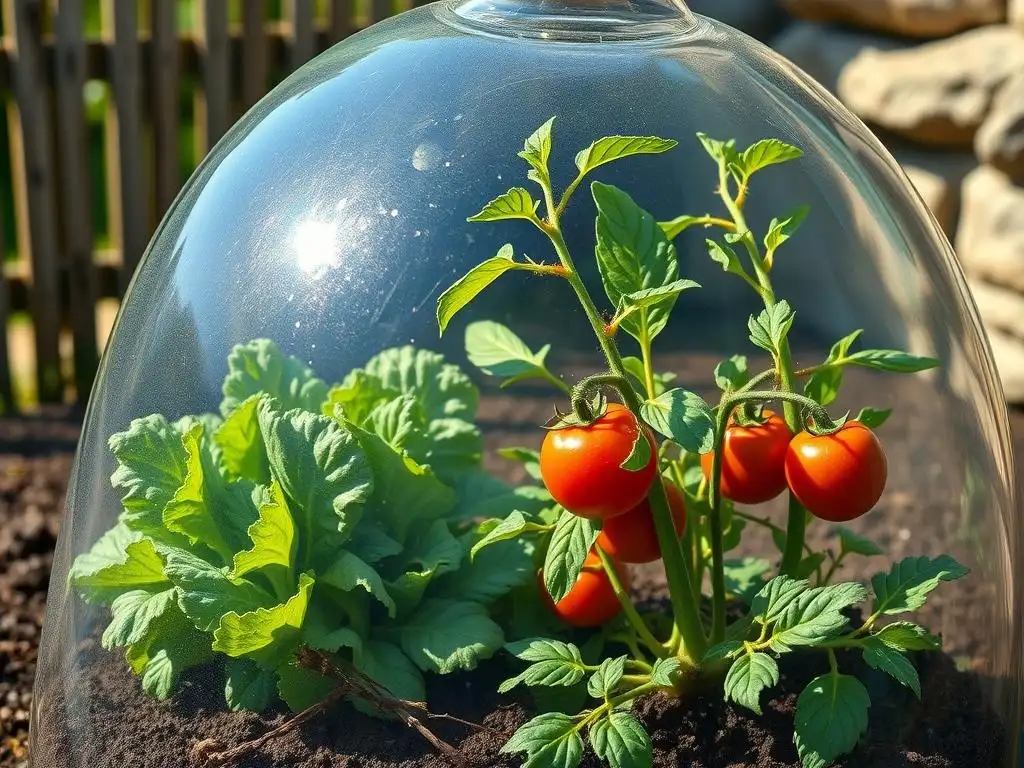
This section focuses on strategic planning to maximize the benefits of cloche gardening for extending your growing season. Proper planning ensures you get the most out of your cloche investment and enjoy a longer harvest. We'll delve into site selection and plant choices crucial for successful season extension using cloches. Remember, careful consideration of these factors directly impacts the success of your extended growing season.
Selecting the Right Location for Your Cloches and Extended Harvest
Choosing the right spot for your cloches is paramount for maximizing their effectiveness in extending your growing season. Sunlight is key; you need at least 6-8 hours of direct sunlight daily. Areas with less sun will limit plant growth and reduce the effectiveness of the cloche in warming the soil and air. Consider the prevailing winds in your garden.
A sheltered location, perhaps near a wall or fence, will protect your plants from strong winds that can damage delicate seedlings and reduce the warming effect of the cloches. Well-drained soil is also vital. Soggy soil can lead to root rot, especially during periods of extended wet weather often associated with early and late seasons.
Finally, ensure easy access to water. You'll want to be able to readily water your plants under the cloches, especially during dry spells. Proper location selection ensures your cloche garden thrives, extending your harvest well beyond the typical growing season.
Choosing the Right Plants for Cloche Gardening and Extended Growing Seasons
Plant selection significantly impacts the success of your cloche gardening efforts. Certain plants are more suited to the microclimate created under a cloche, thriving in the warmer, more humid environment. Choosing wisely will ensure a bountiful and extended harvest. Consider the plant's maturity time and its tolerance to temperature fluctuations. Here's a breakdown of categories particularly well-suited for cloche protection:
Vegetables Ideal for Cloche Gardening and Season Extension
Many vegetables benefit immensely from cloche protection. Leafy greens like lettuce, spinach, and kale appreciate the extended growing season afforded by cloches, producing fresh leaves even in cooler months. Root vegetables like carrots and radishes also perform well, as the cloches protect them from frost and harsh weather.
Cold-hardy crops like broccoli, cauliflower, and cabbage also benefit significantly, with cloches protecting them from early frosts and extending their harvest period. Consider planting fast-maturing varieties to maximize the benefits of your season extension efforts. Planning your planting schedule to take advantage of the cloche's protection is key to a successful harvest.
Herbs Thriving Under Cloche Protection and Extended Growing Periods
Herbs are another excellent choice for cloche gardening. Many herbs, such as basil, parsley, and cilantro, are sensitive to frost and cold temperatures. Cloches provide the necessary protection, allowing you to enjoy fresh herbs well into the fall and even into early winter in milder climates.
Thyme, rosemary, and oregano are more cold-hardy but still benefit from the added warmth and protection offered by cloches, leading to a longer harvest season. Remember to choose varieties known for their resilience and ability to thrive in slightly warmer conditions. Careful planning and selection of herbs will ensure you have a constant supply of fresh herbs throughout an extended growing season.
Flowers Benefiting from Cloche Protection and Extended Blooming Seasons
While primarily known for extending the growing season for vegetables and herbs, cloches can also significantly benefit flower production. Tender annuals and delicate perennials can be protected from frost and harsh weather, extending their blooming periods. For example, pansies and violas are cold-hardy but will bloom more profusely and for a longer duration under cloche protection.
Similarly, many spring-blooming flowers can be started earlier under cloches and protected from late frosts, resulting in an earlier and longer display of color in your garden. By strategically using cloches, you can essentially "trick" your plants into thinking it's warmer, thereby extending their blooming season. Careful selection of flowers and proper cloche placement is essential for a successful and extended display of blooms.
Setting Up Your Cloche Garden for Season Extension
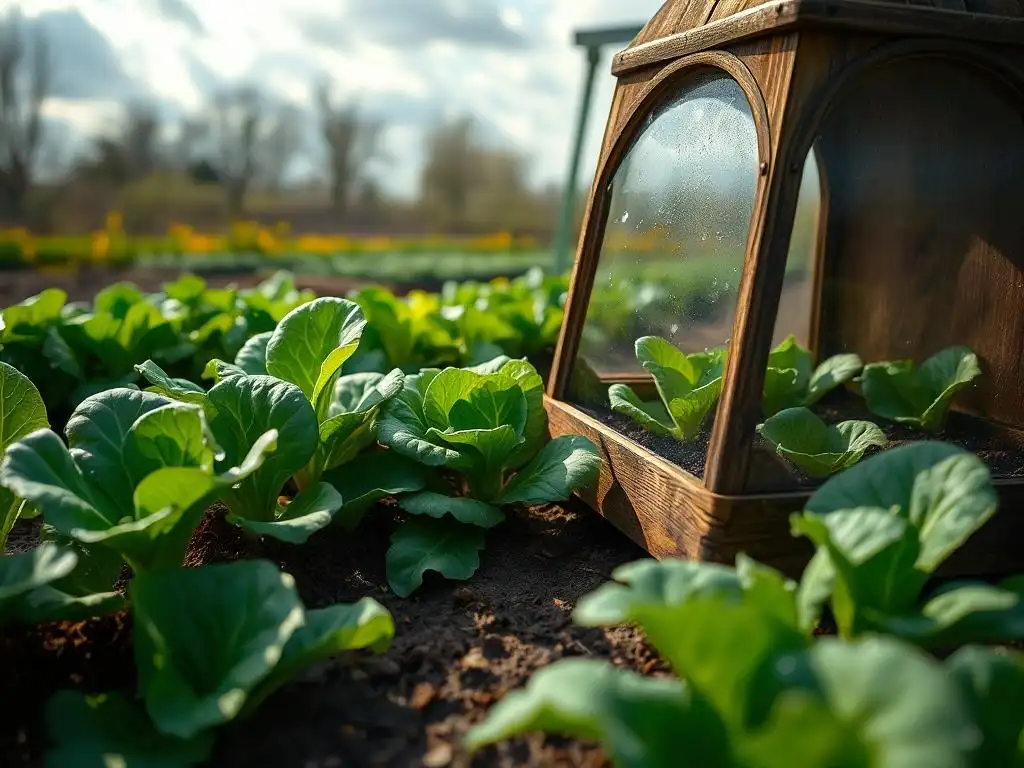
Choosing the right location for your cloche garden is crucial for maximizing the benefits of season extension. Sunlight is key; select a sunny spot that receives at least six hours of direct sunlight daily. This ensures optimal plant growth and development, even during shorter days of spring and fall. Consider the prevailing winds in your area – a sheltered location will protect your plants from harsh winds that can damage delicate seedlings and reduce overall yields.
Proper site selection is the cornerstone of successful cloche gardening and extending your growing season. Don't forget drainage! Poor drainage can lead to root rot and other issues, so ensure your chosen location has well-drained soil.
Preparing the Soil for Cloche Gardening and Maximizing Yields
Soil preparation is paramount for successful cloche gardening and extending your growing season. Before installing your cloches, enrich your soil with plenty of organic matter. This improves soil structure, drainage, and water retention – all essential for healthy plant growth. Compost is an excellent choice, adding vital nutrients and beneficial microbes. Aim for at least 2-3 inches of well-rotted compost incorporated into the top layer of soil.
Consider a soil test to determine your soil's pH and nutrient levels. Adjusting pH levels as needed will ensure your plants have access to the essential nutrients they require for optimal growth throughout the extended growing season. This proactive approach will contribute to higher yields and healthier plants. For example, adding lime will raise the pH, while sulfur will lower it.
Planting Seeds and Seedlings Under Cloches for Extended Growing Seasons
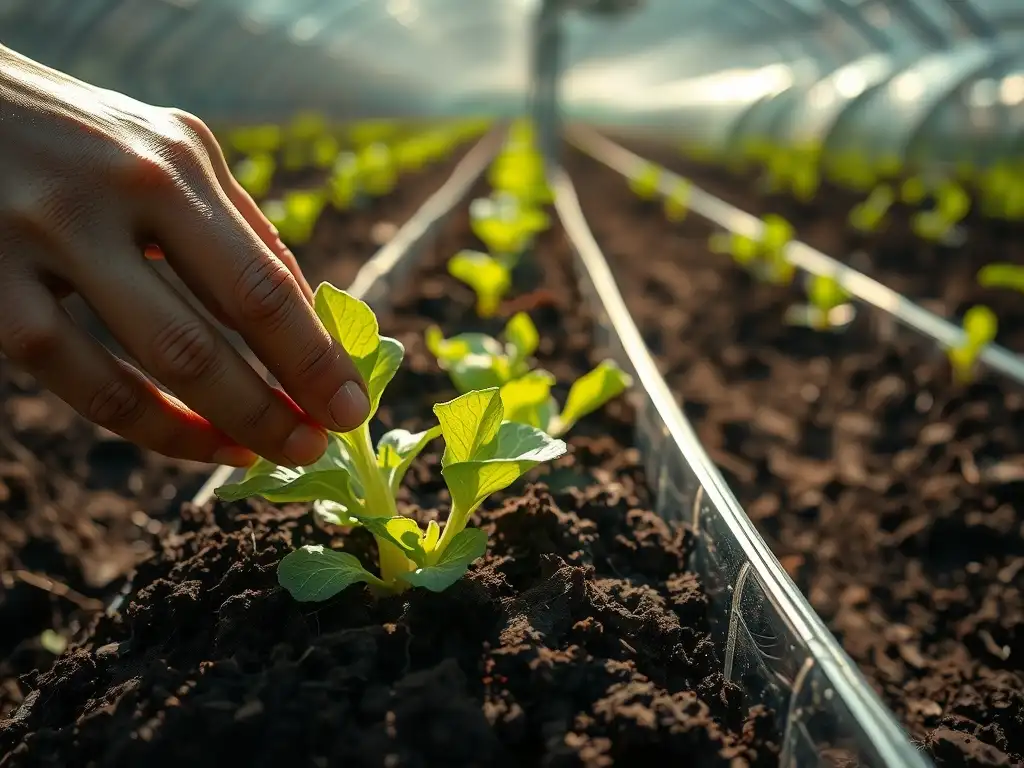
When planting seeds under cloches, consider the specific needs of each plant. Some seeds, like lettuce and spinach, can be sown directly under the cloche. Others, such as tomatoes and peppers, may benefit from starting indoors as seedlings and then transplanting them once they have established a strong root system. Always follow the seed packet instructions for planting depth and spacing. This ensures proper germination and prevents overcrowding, which can hinder growth and lead to disease.
Planting density is key to maximizing yields within the cloche environment. For example, planting lettuce too densely can lead to bolting (premature flowering) and reduce leaf production. Careful planning and spacing are essential for maximizing your harvest and extending your growing season effectively. Remember to gently firm the soil around the seeds or seedlings after planting to ensure good soil contact. 💦
Maintaining Your Cloche Garden for Optimal Growth and Season Extension
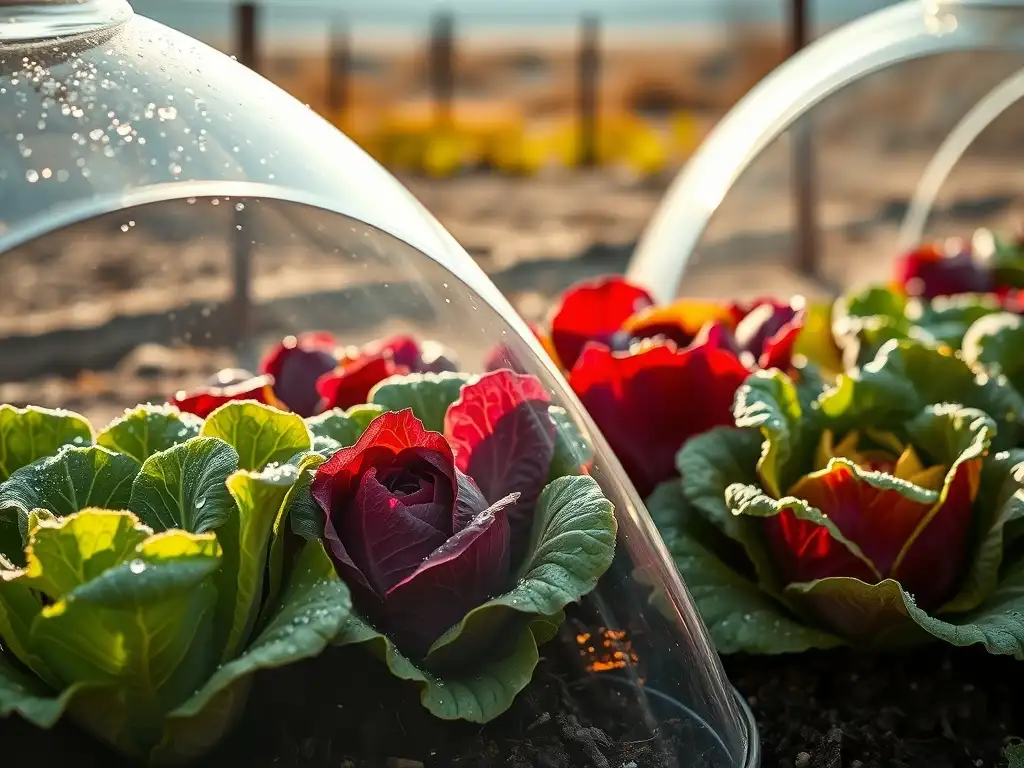
Maintaining your cloche garden is crucial for a successful extended growing season. Regular monitoring is key to identifying and addressing any potential problems early on. This proactive approach will help prevent issues from escalating and impacting your yields. Consistent monitoring will allow you to quickly address any pest infestations or disease outbreaks, and to make necessary adjustments to watering and ventilation as needed. This hands-on approach ensures a healthy and productive cloche garden.
Watering Techniques for Cloches and Extended Growing Periods
Watering techniques within a cloche environment differ from open-field gardening. Because cloches trap moisture and heat, overwatering can easily lead to fungal diseases and root rot. Water deeply but less frequently, allowing the soil to dry slightly between waterings. Observe the soil moisture levels before watering. Using a moisture meter can help determine when your plants need watering. Avoid overhead watering, which can lead to fungal diseases. Instead, opt for drip irrigation or a gentle watering at the base of the plants. This targeted approach delivers water directly to the roots, minimizing moisture buildup on the foliage.
Ventilation and Air Circulation in Cloche Gardening for Season Extension
Proper ventilation is crucial for preventing excessive humidity buildup inside the cloche, which can lead to fungal diseases and pest problems. On warmer days, open the vents on your cloche to allow for air circulation. This helps regulate temperature and humidity levels, providing a more optimal environment for plant growth. The frequency of ventilation will depend on the weather conditions and the type of plants being grown.
On cooler days, you may need to keep the vents closed to retain heat and protect your plants from frost. Monitor temperature and humidity levels regularly to determine the optimal ventilation strategy for your cloche garden. Good air circulation is essential for healthy plant growth and extending the growing season successfully.
Pest and Disease Control within Cloche Environments for Extended Growing
While cloches offer protection from some pests, they can also create a microclimate that encourages certain pests and diseases. Regular monitoring for pests and diseases is crucial. Early detection is key to implementing effective control measures before problems become widespread. Consider using organic pest control methods such as beneficial insects or insecticidal soaps.
These methods are safer for the environment and your plants than harsh chemical pesticides. Proper sanitation and hygiene practices can also help prevent the spread of diseases. Remove any diseased plants immediately and avoid overcrowding to improve air circulation and reduce the risk of disease outbreaks. A healthy and thriving cloche garden is the result of proactive pest and disease management.
Harvesting and Maintaining Your Extended Season Crops with Cloches
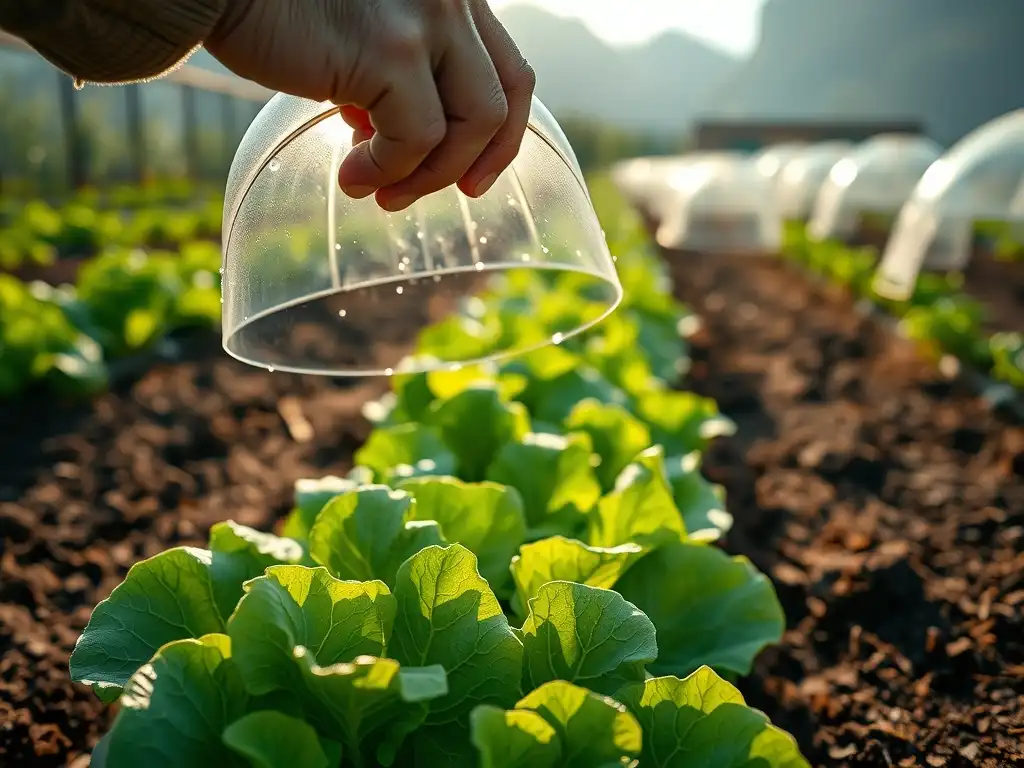
This section focuses on maximizing your harvest and ensuring the longevity of your cloche gardening setup, key aspects of extending your growing season. Proper harvesting and cloche maintenance are crucial for year-round success and sustainable gardening practices. Let's delve into the specifics.
Harvesting Your Cloche-Grown Produce for an Extended Harvest
Harvesting your cloche-protected plants is slightly different than harvesting those grown outdoors. The extended growing season afforded by cloches means you might need to harvest more frequently, but also more strategically. This ensures consistent yields and prevents over-ripening, which can impact quality and taste.
Here's a breakdown of best practices:
- Regular Checks: Inspect your plants regularly, ideally every 2-3 days, to identify produce ready for picking. Look for signs of ripeness specific to the plant, whether it's the color change in tomatoes, the firmness of peppers, or the size of lettuces. Early harvesting of some crops, like certain lettuces, can actually encourage further growth.
- Gentle Handling: Always handle your produce gently to avoid bruising or damage. Use clean tools such as scissors or small knives for cutting larger items like tomatoes or squash. Avoid pulling forcefully; this can damage the plant and reduce future yields.
- Selective Harvesting: Don't harvest everything at once! This can stress the plant and potentially impact future production. Select only the ripe or ready-to-harvest produce, leaving the rest to continue growing and maturing. This promotes a prolonged harvest period, extending the benefits of your cloche gardening.
- Timing Matters: The optimal time for harvesting often depends on the specific crop and its variety. For example, early-morning harvesting is generally preferred for many leafy greens to minimize water loss and maintain freshness. For fruits, harvesting when slightly underripe can sometimes extend their shelf life.
- Succession Planting: By strategically harvesting and replanting (or sowing seeds), you can create a continuous harvest within your cloches. This maximizes space utilization and extends your growing season even further, enabling a continuous supply of fresh produce. For example, after harvesting early season radishes, you can immediately sow fast-growing lettuce varieties.
Cleaning and Storing Your Cloches for Future Use and Season Extension
Proper cleaning and storage are crucial for extending the lifespan of your cloches and ensuring they are ready for the next growing season. Neglecting this can lead to damage, disease, and reduced effectiveness.
Here's a step-by-step guide:
- Thorough Cleaning: After the last harvest, remove all plant debris from inside and outside the cloche. Use a stiff brush or sponge to remove soil and other residue. A mild soap solution can be used, but rinse thoroughly afterwards to avoid leaving any residue that could harm future plants.
- Disinfection (Optional but Recommended): To prevent the spread of diseases and pests, consider disinfecting your cloches. A solution of diluted bleach (follow product instructions carefully) or a commercial disinfectant specifically designed for gardening equipment is effective. Again, rinse thoroughly after disinfection.
- Drying Completely: Allow your cloches to dry completely before storing. Moisture can lead to mold and mildew growth. Store them in a dry, well-ventilated area, ideally away from direct sunlight.
- Storage: Store your cloches in a manner that protects them from damage. If possible, stack them carefully, or use protective covers to prevent scratches or breakage. This careful storage will ensure your cloches remain in excellent condition, ready to extend your growing season year after year. Consider adding a layer of padding between stacked cloches to prevent scratching.
By following these harvesting and maintenance tips, you can significantly extend the benefits of cloche gardening, ensuring a bountiful and sustainable harvest throughout the extended growing season. Remember that consistent attention to detail will make a huge difference in your overall success.
Troubleshooting Common Cloche Gardening Issues and Season Extension Challenges
Cloche gardening, while offering a fantastic way to Extend growing season cloche, isn't without its challenges. Successfully extending your growing season requires proactive monitoring and adjustments. This section addresses common issues and provides solutions to help you maximize your cloche's effectiveness. Remember, even with careful planning, unforeseen circumstances can arise, so regular observation is crucial.
Dealing with Overheating Within Cloches During Extended Growing Seasons
Overheating is a prevalent issue, especially during sunny periods in spring and summer. High temperatures inside the cloche can scorch delicate seedlings and stunt plant growth, negating the benefits of season extension. Several strategies mitigate this risk:
- Ventilation: Adequate ventilation is paramount. Consider using cloches with vents or creating your own ventilation system using small, adjustable openings. These can be easily fashioned with wire mesh or even small pieces of wood. Open vents on warmer days, especially during the peak sun hours. Experiment to find the optimal ventilation level for your specific climate and cloche design. For example, a cloche facing south might require more ventilation than one facing north.
- Shading: On extremely hot days, consider providing temporary shade for your cloche. This could involve using shade cloth draped over the cloche or placing the cloche in a partially shaded area of your garden. Avoid completely blocking sunlight, as this will hinder plant growth.
- Material Selection: The cloche material itself plays a significant role. Clear plastic cloches tend to trap more heat than other materials such as glass or polycarbonate. Consider the material's thermal properties when making your choice. Data comparing the temperature differentials under various materials would be beneficial here. [Specific temperature data pending]
- Watering: Proper watering can also help regulate temperature. Ensure consistent moisture levels in the soil, as dry soil absorbs more heat than moist soil. However, avoid overwatering, which can lead to other issues (discussed below).
Managing Condensation and Moisture Levels Inside Cloches for Season Extension
Excessive condensation inside the cloche can lead to fungal diseases and rot, potentially ruining your crops. Effective moisture management is crucial for successful Extend growing season cloche efforts.
- Ventilation (again!): As mentioned before, proper ventilation is key to reducing condensation. Air circulation helps to prevent moisture buildup.
- Soil Drainage: Ensure your soil has excellent drainage to prevent waterlogging. Amend heavy clay soils with organic matter like compost to improve drainage and aeration.
- Mulching: Applying a layer of mulch around the plants helps to regulate soil moisture and reduce evaporation.
- Avoid Overwatering: Overwatering is a common cause of excessive condensation. Water deeply but infrequently, allowing the soil to dry slightly between waterings. Observe the soil moisture before watering; don't rely on a strict schedule.
- Material Selection (again!): Some cloche materials are more prone to condensation than others. Research the properties of different materials to find the best option for your climate and growing conditions.
Protecting Cloches from Strong Winds and Extreme Weather Conditions for Season Extension
Strong winds and extreme weather can damage cloches and the plants they protect. Protecting your cloches is essential for maintaining their effectiveness and ensuring a successful Extend growing season cloche initiative.
- Securing Cloches: Use stakes or weights to secure your cloches, especially in windy areas. This will prevent them from being blown away or damaged. The weight and type of securing mechanism should be proportionate to the size and weight of the cloche and the expected wind strength.
- Location Selection: Choose a sheltered location for your cloches, away from direct exposure to strong winds. Consider natural windbreaks such as hedges or fences.
- Winter Protection: In colder climates, additional protection might be needed during winter storms or periods of heavy snowfall. This could involve covering the cloches with additional layers of insulation or using snow-removal techniques. [Specific winter protection techniques pending depending on climate]
- Monitoring: Regularly check the condition of your cloches, especially after periods of strong winds or extreme weather. Repair or replace damaged cloches promptly to prevent further damage. A checklist for regular cloche inspections could be beneficial. This could include checking for cracks, damage from hail, and the security of the anchoring system.
By addressing these common issues, you significantly increase your chances of successfully extending your growing season and reaping a bountiful harvest. Remember that continuous observation and adaptation are key to mastering cloche gardening.
Frequently Asked Questions
What is a cloche and how does it extend the growing season?
A cloche is a transparent cover placed over plants, creating a microclimate that protects them from frost, cold winds, and pests. This allows you to plant and harvest crops earlier in spring and later in autumn, effectively extending your growing season.
What are the different types of cloches available?
You can choose from various cloches, including glass cloches, plastic cloches, and even DIY options using readily available materials like plastic bottles or sheets of clear plastic. The best type depends on your budget and gardening needs.
Can I use a cloche for all types of plants?
While cloches benefit many plants, they are particularly useful for frost-sensitive crops like lettuce, spinach, and tomatoes. However, adequate ventilation is crucial to prevent overheating and disease.
How do I properly ventilate a cloche to prevent overheating?
Proper ventilation is key. On warmer days, prop the cloche open slightly to allow for air circulation. For smaller cloches, you might even need to remove it entirely during the hottest parts of the day.
What are the benefits of using a cloche to extend the growing season?
Cloches offer several benefits, including increased yields, earlier harvests, protection from pests and frost, and the ability to grow a wider variety of plants in challenging climates. They are also a sustainable gardening practice.
Final Reflection: The Enduring Promise of the Cloche
The simple act of placing a cloche over vulnerable seedlings is, in reality, a powerful statement about our relationship with nature and our enduring desire to connect with the land. It's a testament to human ingenuity, a small act that yields significant rewards, extending the growing season and bringing fresh, homegrown produce to our tables long after the last frost. This simple technique, readily accessible to everyone, offers a tangible solution to the challenges of a shorter growing season.
The cloche's impact extends beyond the purely practical; it represents a deeper connection to the rhythms of nature and a growing awareness of sustainable practices. It's a quiet rebellion against the homogenization of food systems, a small step towards self-sufficiency and a more mindful approach to food production. As Wendell Berry so eloquently put it: Eating is an agricultural act.
By embracing cloche gardening, we actively participate in this act, fostering a deeper understanding of where our food comes from and the effort involved in bringing it to our tables.
Consider the possibilities. Imagine the vibrant colors of your own homegrown tomatoes ripening weeks earlier than expected, the satisfying crunch of a crisp lettuce leaf plucked fresh from your garden in late autumn. This isn't just about extending the growing season; it's about extending the joy, the connection, and the bounty of the harvest. Embrace the simplicity of the cloche, and discover the profound rewards of nurturing life, one seedling at a time.
Unlock Your Year-Round Harvest: Grow Beyond the Seasons
Thanks for exploring the world of cloche gardening! You've just learned how to dramatically extend your growing season and boost your harvest, regardless of the weather. Now it's time to put that knowledge into practice!
Here's what you can do next:
- Design your ideal cloche garden: Begin by planning the placement of your cloches, considering sunlight, soil type, and the specific plants you'll cultivate. Careful planning is crucial for success!
- Share your cloche gardening plans: Discuss your ideas on our CultivateYourFood forum. We're eager to see your designs and offer any helpful advice!
- Experiment with various cloche materials: Repurpose everyday items to create your own cost-effective cloches. Get creative and explore your options!
What's the first vegetable you plan to protect under a cloche this season? Let's discuss!