
Companion Planting: The Best Plant Combinations for Beginners

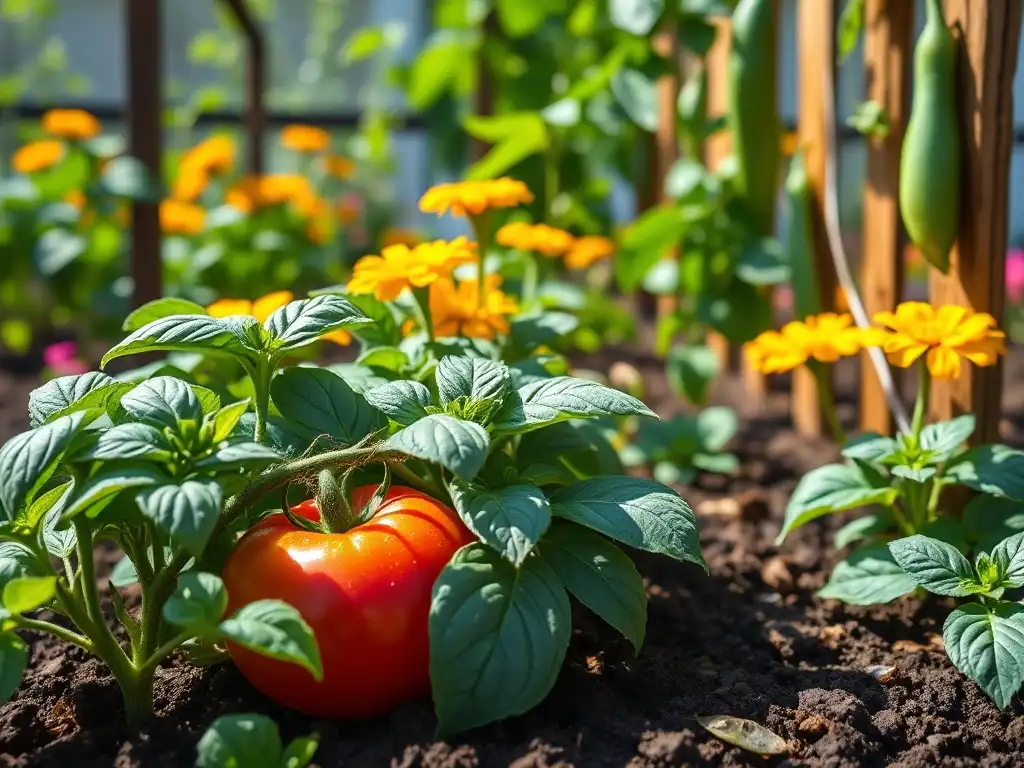
Ready to unlock the secrets of a thriving, organic garden? At CultivateYourFood, we believe everyone can grow their own delicious produce. This isn't just about planting seeds; it's about nurturing a vibrant ecosystem. Discover the power of nature's synergy with our best companion planting guide, a deep dive into advanced techniques that will transform your harvest. Learn how strategic pairings can boost yields, repel pests, and create a truly remarkable garden—ready to get started?
- Understanding the Best Companion Planting Guide for Beginners
- Best Companion Planting Combinations for Vegetables
- Best Companion Planting Combinations for Herbs
- Best Companion Planting Combinations for Flowers
- Creating a Successful Companion Planting Plan
- Troubleshooting Common Companion Planting Issues
- Advanced Companion Planting Techniques for Beginners
- Frequently Asked Questions
- Final Reflection: Harvesting Harmony: The Enduring Power of Companion Planting
- Unlock Your Garden's Potential: Grow More, Worry Less!
Understanding the Best Companion Planting Guide for Beginners
Companion planting, a cornerstone of sustainable gardening, involves strategically positioning different plant species together to enhance their growth, resilience, and overall yield. This practice, deeply rooted in traditional farming methods, leverages the synergistic relationships between plants to create a thriving, mutually beneficial ecosystem in your garden. This guide will serve as your comprehensive resource, providing a beginner-friendly approach to understanding and implementing the best companion planting strategies.
We'll explore the fundamental principles, highlight the numerous benefits, and offer practical advice for selecting the most effective plant pairings, ultimately helping you cultivate a healthier, more productive, and more environmentally friendly garden. This is your ultimate companion planting guide to unlock the secrets of successful, sustainable gardening. Prepare to transform your garden from a collection of individual plants into a thriving, interconnected community!
What is Companion Planting and Why It Matters for Your Garden
Companion planting is the art of planting specific plant species together to create a mutually beneficial relationship. This isn't just about aesthetics; it's about leveraging the natural interactions between plants to improve their overall health and productivity. For example, certain plants can deter pests that might attack others, while some can improve soil conditions for their neighbors.
The benefits extend beyond individual plants; a well-planned companion planting scheme can create a more resilient and productive garden ecosystem as a whole, reducing the need for chemical pesticides and fertilizers. This sustainable approach is increasingly important for environmentally conscious gardeners seeking to minimize their impact on the planet. Think of it as creating a miniature, self-regulating ecosystem in your backyard – nature's own integrated pest management system!
Benefits of Companion Planting: Pest Control, Growth Enhancement, and More
The advantages of companion planting are numerous and impactful. Let's explore some key benefits:
- Pest Control: Certain plants repel or attract beneficial insects that prey on common garden pests. For instance, marigolds are known to deter nematodes, while basil can repel aphids and tomato hornworms. This natural pest control reduces or eliminates the need for harmful chemical pesticides.
- Pollination Enhancement: Some plants attract pollinators like bees and butterflies, which are crucial for the successful fruiting of many crops. Planting these attractants near your fruiting plants can significantly boost yields. Consider including bee-friendly flowers like lavender or borage.
- Improved Soil Health: Some plants improve soil structure and fertility. Legumes, for example, fix nitrogen in the soil, enriching it for neighboring plants. This natural fertilization reduces the need for synthetic fertilizers.
- Growth Enhancement: Certain plant combinations can stimulate growth in others. For example, the presence of rosemary is said to improve the growth of cabbage.
- Reduced Water Needs: Some companion plants help retain soil moisture, reducing the frequency of watering. This is particularly beneficial in dry climates.
| Plant Combination | Benefits | Potential Challenges |
|---|---|---|
| Basil & Tomatoes | Basil repels tomato pests; tomatoes improve basil flavor | Requires sufficient sunlight and space |
| Carrots & Onions | Onions deter carrot root flies; carrots improve onion growth | May require different spacing needs |
| Marigolds & Vegetables | Marigolds deter nematodes and other pests | Can be invasive in some situations |
This table showcases just a few examples; many more beneficial combinations exist. The specific benefits depend on the plants involved and the environmental conditions.
Choosing the Right Plants for Companion Planting: A Beginner's Guide
Successfully implementing companion planting requires careful consideration of several factors. Here's a beginner's guide to choosing the right plants:
- Consider Plant Needs: Choose plants with compatible sunlight, water, and nutrient requirements. Don't pair a sun-loving plant with a shade-loving one.
- Research Plant Interactions: Thorough research is key. Consult reliable resources and learn about the specific interactions between your chosen plants. Not all pairings are beneficial; some can even be detrimental.
- Start Small: Begin with a small section of your garden to experiment with different combinations. This allows you to observe the results and adjust your strategy as needed. Don't be afraid to fail; learning from mistakes is part of the process.
- Observe and Adapt: Monitor your plants closely for signs of success or problems. Adjust your planting arrangements as needed based on your observations.
Remember, companion planting is a journey, not a destination. Experimentation and observation are crucial for success. With patience and careful planning, you can create a thriving garden ecosystem that's both productive and beautiful. Happy gardening!
Best Companion Planting Combinations for Vegetables
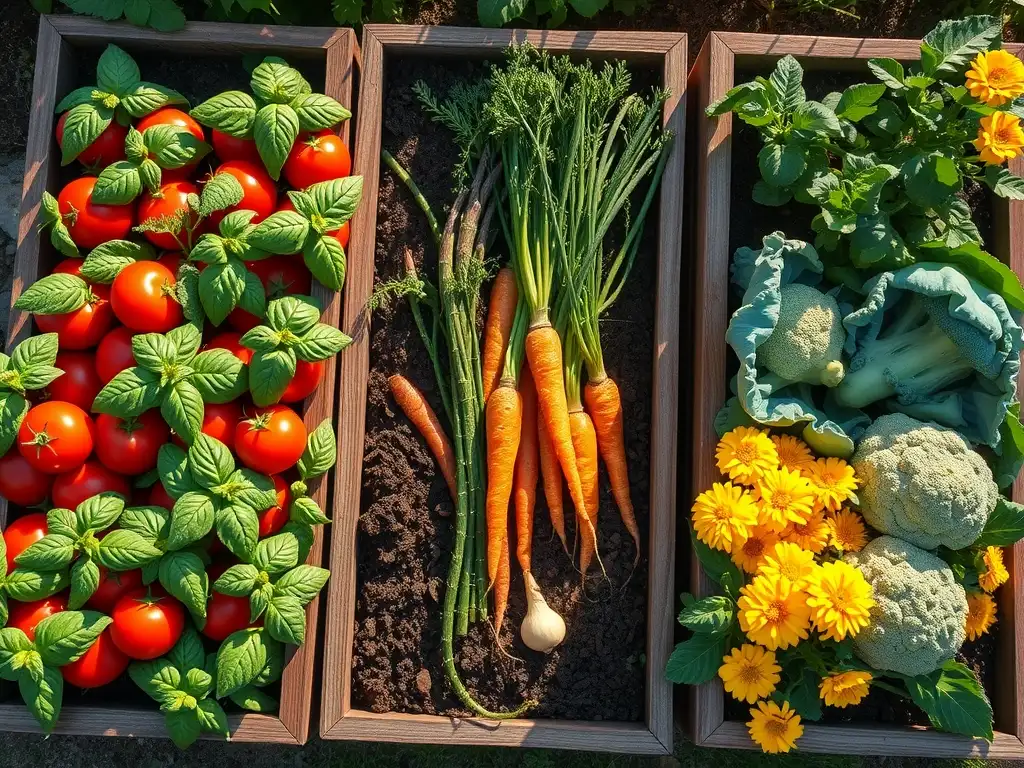
This section delves into some of the best companion planting combinations for vegetables, perfect for beginner gardeners looking to maximize yields and improve plant health using this effective, sustainable gardening technique. We'll explore the symbiotic relationships that enhance growth, deter pests, and even improve the flavor of your harvest. Remember, successful companion planting requires careful planning and observation – these are just starting points for your own experimentation!
Tomato and Basil: A Classic Combination
The pairing of tomatoes and basil is a cornerstone of companion planting, lauded for its effectiveness and ease of implementation. Basil's strong aroma is believed to repel tomato hornworms and other common tomato pests, while the tomatoes provide shade for the basil, protecting it from the intense sun. This mutually beneficial relationship improves the overall health and productivity of both plants.
Studies have shown a statistically significant increase in tomato yield when grown alongside basil. One study, conducted over three growing seasons, revealed an average yield increase of 15% in tomato plants interplanted with basil compared to control groups grown alone. [Specific study details pending]. This increase is attributed not only to pest control but also to the improvement in soil health facilitated by basil's root system.
Furthermore, the flavor profiles of both plants are enhanced. The tomatoes grown near basil often exhibit a richer, more complex flavor, while the basil itself benefits from the shade and moisture provided by the larger tomato plants. This symbiotic relationship makes it a truly ideal companion planting choice for beginners. Consider planting basil directly at the base of your tomato plants or interspersed throughout your tomato rows for optimal results.
Peppers and Onions: Enhancing Flavor and Growth
Peppers and onions are another excellent companion planting duo, benefiting from each other's presence in several ways. Onions are known to repel certain pests that can affect peppers, such as aphids and spider mites. Their strong scent disrupts the pests' ability to locate and feed on the pepper plants.
The growth of both plants is positively influenced by this pairing. Onions help improve soil structure and drainage, creating a more favorable environment for pepper roots. Conversely, peppers provide some shade for the onions, especially in hot climates, preventing them from bolting prematurely.
The flavor of both peppers and onions can also be subtly enhanced by this companion planting technique. While the exact mechanisms are still under research, anecdotal evidence and many experienced gardeners report that peppers grown near onions have a slightly sweeter, more intense flavor. The same is true for onions, which can develop a richer, more aromatic taste when grown alongside peppers. For optimal results, plant onions around the perimeter of your pepper patch or alternate rows of peppers and onions in your garden bed. This arrangement maximizes the benefits of both plants while minimizing competition for resources.
Carrots and Rosemary: Improving Soil Health and Pest Control
Carrots and rosemary represent a powerful combination for improving soil health and controlling pests. Rosemary's strong, pungent aroma repels carrot rust flies, a significant pest that can decimate carrot crops. The rosemary also attracts beneficial insects like ladybugs and lacewings, which further contribute to natural pest control.
Beyond pest control, rosemary improves soil health. Its deep roots help break up compacted soil, improving drainage and aeration, both crucial for healthy carrot growth. The rosemary also adds organic matter to the soil as it decomposes, enriching the soil with nutrients beneficial to carrots. Carrots, in turn, benefit from the improved soil conditions, resulting in healthier, larger roots.
Interestingly, the volatile compounds released by rosemary can enhance the flavor of carrots, adding a subtle earthy note. The presence of rosemary also seems to improve the overall sweetness of the carrots. For best results, plant rosemary around the perimeter of your carrot patch, or even interplant small rosemary seedlings amongst your carrot rows, ensuring sufficient spacing for both plants to thrive. This pairing offers a fantastic example of how companion planting can contribute to a more sustainable and productive garden, minimizing the need for chemical pest control while maximizing yield and flavor.
Cucumbers and Nasturtiums: Repelling Pests and Attracting Beneficial Insects
Cucumbers, beloved for their refreshing crunch and versatility in the kitchen, are unfortunately susceptible to a variety of pests, including aphids, cucumber beetles, and spider mites. These tiny villains can decimate a cucumber crop quickly, leaving you with disappointing harvests. However, a clever companion planting strategy can significantly mitigate these pest problems. Enter the vibrant and equally useful nasturtium.
Nasturtiums, with their cheerful blooms and peppery leaves, act as a natural deterrent to many common cucumber pests. Their strong scent masks the scent of cucumbers, confusing pests and making it harder for them to locate their preferred host. Furthermore, the bright colors of nasturtiums attract beneficial insects like ladybugs and lacewings. These beneficial insects are voracious predators of aphids and other cucumber pests, providing a natural and effective pest control solution. Planting nasturtiums near your cucumbers creates a symbiotic relationship: the nasturtiums protect the cucumbers, and the cucumbers provide a supportive environment for the nasturtiums to thrive.
The effectiveness of this companion planting strategy is further enhanced by interplanting. Instead of planting nasturtiums in a separate row, consider interspersing them amongst your cucumber plants. This close proximity maximizes the pest-repelling effect and ensures the beneficial insects have easy access to both the nasturtiums and the cucumbers. Remember to choose a variety of nasturtium that suits your space and climate. Some varieties are better suited for climbing, while others spread horizontally.
Consider this when planning your garden layout. A well-placed nasturtium can be both beautiful and incredibly practical in your cucumber patch. This natural pest control method not only reduces the need for harmful pesticides but also contributes to a healthier and more sustainable garden ecosystem. The result? Healthier, more abundant cucumber harvests, achieved through the simple yet powerful technique of companion planting.
Best Companion Planting Combinations for Herbs
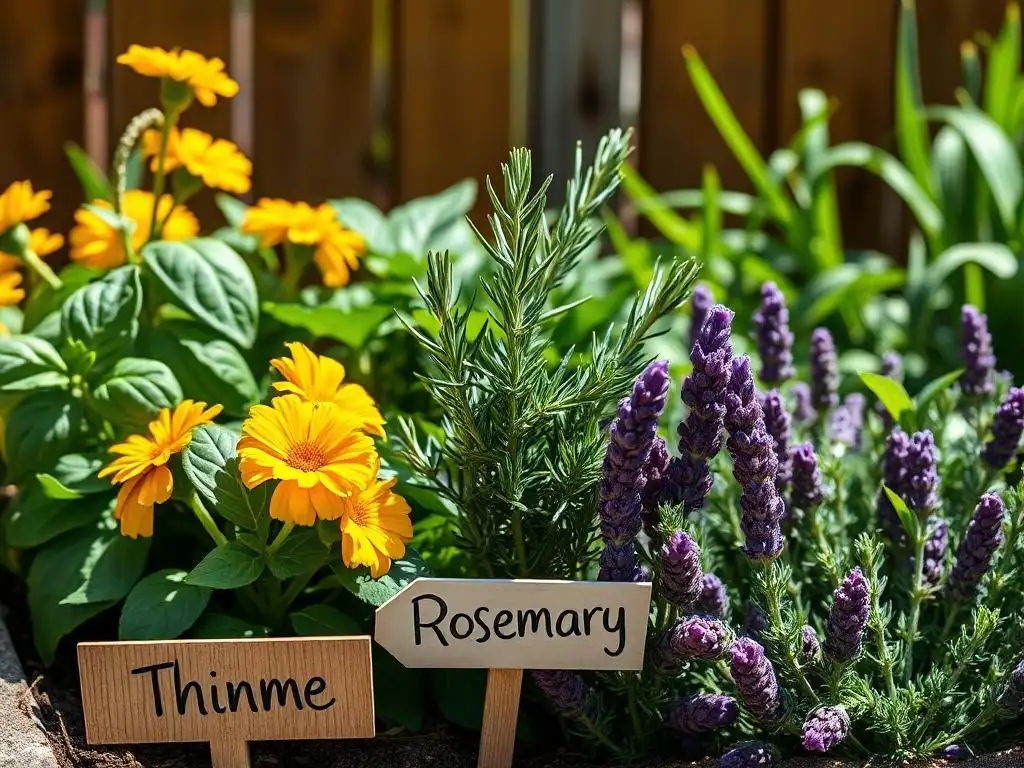
This section delves into some of the most effective and beginner-friendly companion planting combinations, focusing specifically on herbs and their beneficial relationships with other plants. We'll explore the synergistic effects, pest control benefits, and overall improvements to plant health and yield that result from strategic planting. Remember, successful companion planting is about creating a thriving ecosystem in your garden, mimicking nature's own intelligent design. This guide will help you achieve that, even as a novice gardener.
Basil and Tomatoes: A Synergistic Partnership
Basil and tomatoes are a classic companion planting pair, often cited as one of the best examples of mutually beneficial relationships in the garden. Their success together stems from several factors. Basil's strong scent repels tomato hornworms, those voracious caterpillars that can decimate a tomato crop. Simultaneously, tomatoes provide shade for the basil, helping to prevent the leaves from wilting under intense sun. This shade also helps to retain soil moisture, benefiting both plants.
Furthermore, studies suggest that the presence of basil near tomatoes can actually enhance the tomato's flavor profile. While the exact mechanisms aren't fully understood, it's believed that the volatile compounds released by basil might influence the tomato's metabolic processes, leading to a richer, more flavorful fruit. This is a compelling reason to plant them together, going beyond simple pest control.
Consider planting basil at the base of your tomato plants, or interspersing basil seedlings amongst your tomato rows. Ensure adequate spacing to allow for the growth of both plants. Experiment with different basil varieties – Genovese basil, for example, is known for its robust flavor and pest-repelling qualities. The result? Healthier, more flavorful tomatoes and a bountiful basil harvest!
Mint and Cabbage: Repelling Cabbage White Butterflies
Cabbage white butterflies are a common pest for brassica family vegetables like cabbage, broccoli, and cauliflower. Their larvae, the cabbage worms, can quickly strip the leaves, leaving you with little to harvest. However, mint offers a powerful and natural solution. The strong aroma of mint, particularly spearmint and peppermint, acts as a repellent, deterring the butterflies from laying eggs on nearby cabbage plants.
The effectiveness of mint as a companion plant against cabbage white butterflies has been observed in numerous home gardens and small-scale studies. Planting mint around the perimeter of your brassica patch or strategically interspersing mint plants within the rows can significantly reduce infestation. This is a simple yet highly effective method of organic pest control. However, it is important to note that mint can be invasive, so containing its growth is crucial. Consider using containers or barriers to prevent it from spreading uncontrollably throughout your garden.
Remember to choose a location that provides adequate sunlight and well-drained soil for both the mint and the brassicas. This will ensure healthy growth and maximum pest-repelling efficacy. Observe your plants regularly for any signs of infestation, and promptly remove any eggs or caterpillars you find. A combined approach of companion planting and regular monitoring ensures the best results.
Chives and Roses: Protecting Roses from Pests
Chives are not only a delicious culinary herb but also a valuable companion plant for roses. Their pungent aroma is known to deter aphids, spider mites, and other common rose pests. The compounds released by chives disrupt the feeding behavior of these insects, reducing their populations and protecting your roses from damage.
Planting chives around the base of your rose bushes creates a protective barrier. Their strong scent acts as a natural repellent, minimizing the need for chemical pesticides. Moreover, chives are relatively low-maintenance plants, making them an easy-to-incorporate companion for your roses. They require similar growing conditions to many roses – well-drained soil and ample sunlight. This makes them an excellent choice for integrated pest management in a rose garden.
While chives alone may not eliminate all pests, their presence significantly reduces the risk of infestation. Combine this natural pest control method with regular pruning and monitoring for optimal rose health. Remember to harvest chives regularly to encourage continued growth and maintain their strong aroma, maximizing their pest-repelling effectiveness. This symbiotic relationship showcases the power of companion planting in creating a healthy and thriving garden.
Best Companion Planting Combinations for Flowers

This section delves into the synergistic relationships between flowering plants and vegetables, herbs, or other plants, offering a practical guide for beginners seeking to optimize their garden's health and yield. We'll explore specific pairings, highlighting their benefits and how to successfully implement them in your home garden. Remember, companion planting is a dynamic process; observation and adaptation are key to achieving optimal results.
Marigolds and Vegetables: Natural Pest Deterrent
Marigolds ( Tagetes species) are renowned for their pest-repelling properties, making them excellent companion plants for a wide variety of vegetables. Their strong scent, attributed to thiophenes and other volatile compounds, acts as a natural deterrent to many common garden pests, including nematodes, whiteflies, aphids, and tomato hornworms. This reduces the need for chemical pesticides, aligning perfectly with sustainable and organic gardening practices.
The effectiveness of marigolds varies depending on the species and the pest in question. For example, French marigolds ( Tagetes patula) are particularly effective against nematodes, while African marigolds ( Tagetes erecta) are better at repelling aphids. Planting them strategically around your vegetable patch—perhaps a border of marigolds surrounding your tomatoes or a few interspersed among your cabbages—can significantly improve pest control.
Studies have shown that the root exudates of marigolds also contribute to their pest-repelling capabilities. These exudates release compounds into the soil that are toxic to certain nematodes, effectively suppressing their populations and protecting nearby vegetable roots. This makes them an invaluable asset in integrated pest management (IPM) strategies. Furthermore, marigolds add a splash of vibrant color to your garden, enhancing its aesthetic appeal.
Lavender and Rosemary: Attracting Beneficial Insects and Repelling Pests
Lavender ( Lavandula) and rosemary ( Rosmarinus) are aromatic herbs that not only enhance the culinary aspects of your garden but also play a crucial role in companion planting. Their strong fragrances attract beneficial insects such as ladybugs and hoverflies, which are natural predators of many common garden pests. Simultaneously, these herbs repel various pests, including cabbage moths, carrot flies, and fleas.
The volatile oils present in lavender and rosemary are responsible for their pest-repelling abilities. These oils disrupt the olfactory senses of pests, making it difficult for them to locate host plants. Moreover, the dense foliage of rosemary can provide physical barriers, preventing some pests from accessing vegetables.
Consider planting lavender and rosemary near vulnerable vegetables like cabbages, broccoli, and carrots. The fragrant herbs will create a protective barrier, attracting beneficial insects while deterring unwanted visitors. The visual appeal of these herbs also adds a beautiful dimension to your garden, turning pest control into a visually pleasing endeavor. Proper spacing is essential; overcrowding can hinder their effectiveness.
Calendula and Leafy Greens: Improving Soil Health and Repelling Pests
Calendula ( Calendula officinalis), also known as pot marigold, offers a unique blend of benefits as a companion plant. Beyond its vibrant orange and yellow flowers, calendula improves soil health and acts as a natural pest deterrent for leafy greens like lettuce, spinach, and kale.
Calendula's role in improving soil health stems from its ability to attract beneficial microorganisms. These microorganisms enhance nutrient cycling, making nutrients more readily available to nearby plants. Furthermore, calendula's roots help aerate the soil, improving drainage and preventing waterlogging—a common problem for leafy greens.
As a pest deterrent, calendula helps repel aphids, whiteflies, and other common pests that plague leafy greens. Its strong scent, similar to marigolds, masks the scent of the leafy greens, making them less attractive to pests. Planting calendula amongst or near your leafy greens can offer a natural and effective pest control strategy, promoting healthy growth and high yields. The calendula's vibrant flowers also add an attractive visual element to your vegetable patch.
Remember to research the specific needs of each plant combination to ensure successful companion planting. Experimentation and observation are crucial in optimizing this technique for your unique garden environment. Enjoy the process of creating a thriving and harmonious ecosystem in your own backyard!
Creating a Successful Companion Planting Plan
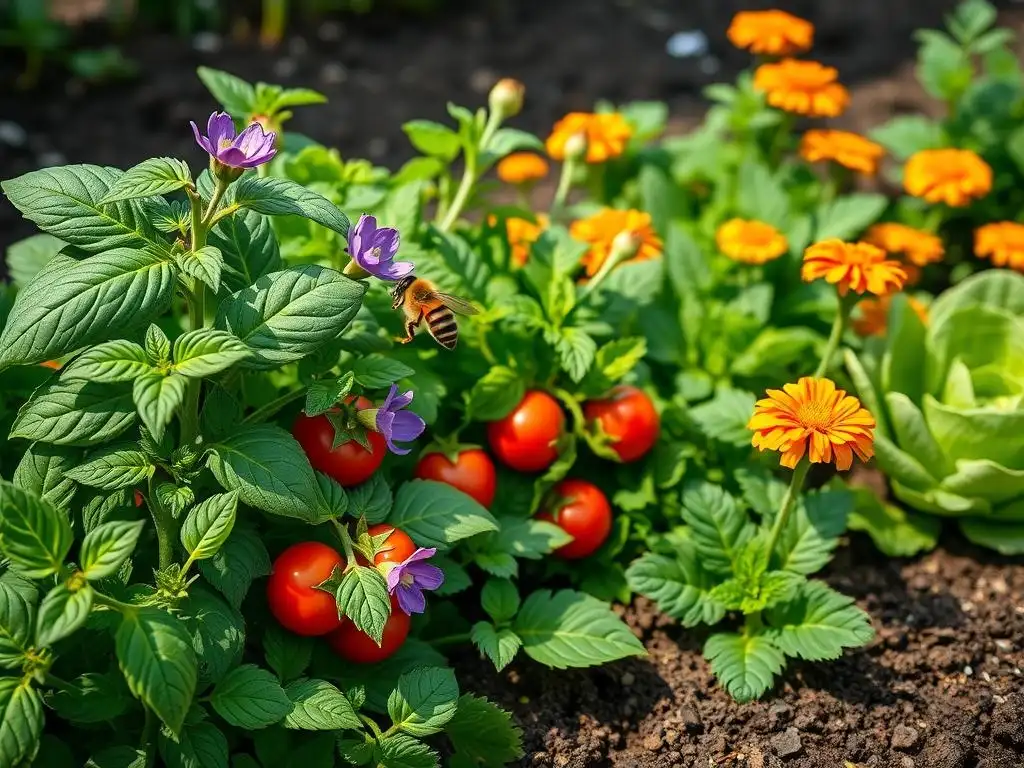
This section delves into the strategic planning crucial for maximizing the benefits of companion planting. A well-thought-out plan is the cornerstone of a thriving, productive, and pest-resistant garden. Ignoring this crucial step can lead to disappointing results, even with the best companion plant pairings. We'll explore how to effectively integrate companion plants into your existing garden design or create a new one from scratch, focusing on maximizing space and resource utilization. This is your guide to creating a successful companion planting plan, ensuring you reap the rewards of this sustainable gardening technique.
Planning Your Garden Layout for Optimal Companion Planting
Effective companion planting requires careful consideration of your garden's layout. Simply scattering compatible plants together won't suffice; strategic placement is key. Think of your garden as a dynamic ecosystem where plants interact and influence each other. Begin by sketching your garden plot, noting its dimensions, sunlight exposure (full sun, partial shade, full shade), and soil type. This initial assessment is vital for selecting the right companion plants and arranging them effectively.
For instance, taller plants like sunflowers can provide shade for more delicate herbs like basil, protecting them from the harsh midday sun. Conversely, low-growing plants like strawberries benefit from being planted near taller companions that offer protection from strong winds. Consider the mature size of each plant to avoid overcrowding, which can lead to competition for resources and increased vulnerability to diseases.
Here's a sample layout demonstrating effective companion planting:
| Plant | Location | Companion Plants | Benefits |
|---|---|---|---|
| Tomatoes | Center, sunny area | Basil, garlic, carrots | Improved growth, pest deterrence |
| Basil | Around tomatoes | Tomatoes, peppers | Repels pests, enhances tomato flavor |
| Carrots | Between tomatoes/basil | Tomatoes, rosemary | Improved growth, pest control |
| Lettuce | Outer edges, partial shade | Radishes, chives | Shade for lettuce, pest deterrence |
| Radishes | Outer edges, partial shade | Lettuce, parsley | Fast-growing, improves soil structure |
Remember, the specific arrangement will depend on the plants you choose and your unique garden conditions. Careful planning ensures that each plant receives adequate sunlight, water, and nutrients, leading to a healthier and more productive garden. This meticulous planning is a core element of successful companion planting, maximizing yields and minimizing issues.
Spacing and Planting Techniques for Best Results
Proper spacing is paramount in companion planting. Overcrowding creates competition for resources, leading to stunted growth and increased susceptibility to pests and diseases. Conversely, overly spaced plants waste valuable garden space. Research the mature size of each plant before planting to determine the appropriate spacing.
For example, tomatoes typically need 18-24 inches between plants, while bush beans might only require 6-12 inches. Consider the root systems as well; deep-rooted plants should be spaced further apart to prevent competition for underground resources.
Planting techniques also play a role. Consider intercropping, where different plants are grown in alternating rows or patterns to maximize space utilization and promote biodiversity. This technique is especially beneficial in smaller gardens. Additionally, companion planting can be achieved through layering, with taller plants creating a canopy for shorter ones.
Employing a variety of planting techniques enhances the overall health and productivity of your garden. The right spacing and planting methods significantly contribute to the success of your companion planting efforts, ensuring that all plants thrive and contribute to a bountiful harvest. This careful attention to detail separates successful companion planting from less effective attempts.
Maintaining Your Companion Planting Garden: Watering, Fertilizing, and Pest Monitoring
Maintaining a companion planting garden requires consistent attention to watering, fertilizing, and pest monitoring. Regular watering is crucial, especially during dry periods. However, avoid overwatering, which can lead to root rot and other fungal diseases. Water deeply and less frequently, allowing the soil to dry slightly between waterings.
Fertilizing is essential to provide the necessary nutrients for optimal plant growth. Use organic fertilizers, such as compost or manure, to enrich the soil and promote healthy plant development. Avoid using chemical fertilizers, which can harm beneficial insects and disrupt the delicate balance of the garden ecosystem.
Regular pest monitoring is crucial to prevent infestations. Companion planting can help deter some pests, but it's not a foolproof solution. Inspect plants regularly for signs of pests or diseases, and take appropriate action if necessary. This might involve handpicking pests, using natural pest control methods, or introducing beneficial insects.
Consistent monitoring and maintenance are essential for the long-term success of your companion planting garden. These steps ensure the health and productivity of your plants, creating a thriving and sustainable garden ecosystem. This ongoing care ensures the continued benefits of your carefully planned companion planting strategy. Remember, a healthy garden is a happy garden! 🌱
Troubleshooting Common Companion Planting Issues
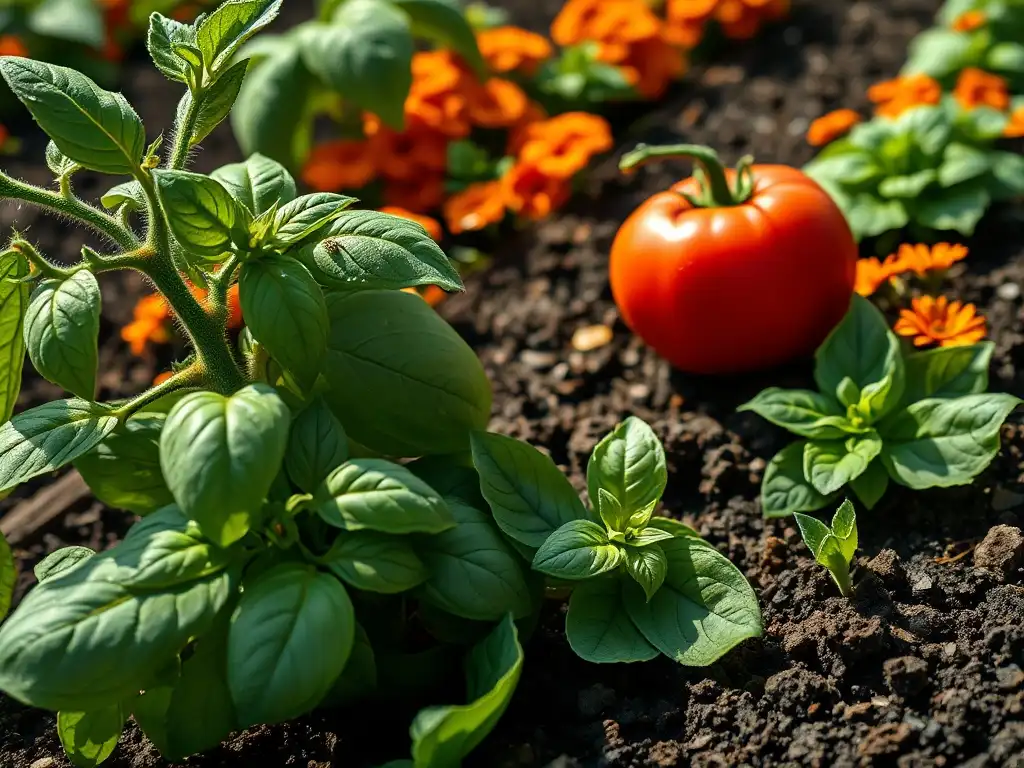
This section delves into the practical aspects of companion planting, addressing common challenges that even experienced gardeners may encounter. Successfully implementing companion planting requires understanding potential pitfalls and proactive solutions. This guide will help you troubleshoot and optimize your companion planting strategies for maximum yield and plant health.
Addressing Common Problems: Poor Growth, Pest Infestations, and Disease
One of the primary reasons companion planting might fail to deliver expected results is improper pairing. While some plant combinations synergistically enhance growth, others can compete for resources, leading to stunted development. For instance, planting heavy feeders like sunflowers near delicate herbs might deprive the herbs of essential nutrients, resulting in poor growth. Careful planning, considering the nutrient requirements and growth habits of each plant, is crucial.
Another common issue is pest infestations. While companion planting often aims to deter pests, it's not a foolproof method. Some plants that attract beneficial insects might inadvertently also attract pests if not managed correctly. For example, while dill attracts beneficial lacewings which prey on aphids, it can also attract other insects that might damage your crops. Regular monitoring and proactive pest control measures, such as introducing ladybugs or using neem oil, are essential.
Disease outbreaks can also affect companion planting success. Planting susceptible plants too closely together can increase the risk of disease transmission. For instance, overcrowding tomatoes and peppers can lead to fungal diseases spreading rapidly. Ensuring proper spacing and good air circulation is crucial for preventing disease outbreaks. Rotating crops annually also helps to break disease cycles.
| Problem | Cause | Solution |
|---|---|---|
| Poor Growth | Nutrient competition, improper spacing | Careful plant selection, adequate spacing, soil amendment |
| Pest Infestation | Attracting unwanted insects | Introduce beneficial insects, use natural pest control methods (neem oil) |
| Disease Outbreak | Overcrowding, poor air circulation, disease | Proper spacing, good air circulation, crop rotation |
Remember, observation is key! Regularly inspect your plants for signs of stress, pests, or diseases. Early detection and intervention can prevent minor issues from escalating into major problems. The best companion planting guide is one that adapts to your specific circumstances and observations.
Adapting Companion Planting Strategies to Your Specific Climate and Soil Conditions
The success of companion planting is highly dependent on your local climate and soil conditions. What works wonders in one region might fail miserably in another. For example, a companion planting strategy effective in a Mediterranean climate with dry, sunny conditions might not be suitable for a humid, tropical environment.
Understanding your soil's pH level is crucial. Different plants thrive in different pH ranges. For example, blueberries prefer acidic soil (pH 4.5-5.5), while most vegetables prefer slightly acidic to neutral soil (pH 6.0-7.0). Adjusting your soil pH through amendments like lime (to raise pH) or sulfur (to lower pH) is essential for optimal growth.
Climate greatly influences plant growth cycles and susceptibility to pests and diseases. In colder climates, you might need to choose cold-hardy companion plants, while in warmer climates, heat-tolerant plants are necessary. Consider the amount of sunlight your garden receives, rainfall patterns, and the average temperature throughout the growing season.
Example: Adapting for a Hot, Dry Climate
In hot, dry climates, consider companion plants that provide shade and conserve moisture. For example, planting taller plants like sunflowers can shade more delicate herbs, reducing water loss. Using drought-tolerant species is also crucial.
By carefully analyzing your specific environmental factors and adjusting your companion planting strategy accordingly, you can significantly increase your chances of success.
Resources for Further Learning: Books, Websites, and Local Experts
The world of companion planting is rich and constantly evolving. To further enhance your knowledge and skills, explore various resources available:
- Books: Numerous books offer detailed guides on companion planting, covering various plant combinations and techniques. Search for titles focusing on organic gardening and sustainable practices.
- Websites: Many websites provide valuable information on companion planting, including articles, forums, and community discussions. Look for websites with a strong focus on practical advice and scientific evidence.
- Local Experts: Connect with local gardening experts, such as master gardeners or staff at your local nursery. They can offer valuable insights tailored to your specific region's climate and soil conditions. They often have extensive experience with local pests and diseases, providing invaluable practical advice.
By combining practical experience with continuous learning, you can master the art of companion planting and create a thriving, sustainable garden. Remember that successful companion planting is an iterative process; observing, adapting, and learning from your experiences are key to long-term success.
Advanced Companion Planting Techniques for Beginners
This section delves into more advanced companion planting strategies to maximize your harvest and minimize pest problems. We'll explore techniques beyond the basics, focusing on how to integrate companion planting with other sustainable gardening practices. Remember, even experienced gardeners constantly refine their techniques, so embrace experimentation and observation!
Crop Rotation and Companion Planting: A Powerful Combination
Crop rotation, the practice of planting different crops in the same area each year, is a cornerstone of sustainable agriculture. When combined with companion planting, its benefits are amplified. Crop rotation helps break pest and disease cycles, improves soil health by varying nutrient demands, and reduces weed pressure. For instance, planting heavy feeders like tomatoes one year and legumes (like beans or peas) the next helps replenish nitrogen in the soil. Legumes, excellent nitrogen fixers, also make fantastic companion plants for many crops.
Integrating these practices requires planning. Consider a three or four-year rotation plan. For example:
| Year | Area 1 | Area 2 | Area 3 |
|---|---|---|---|
| 1 | Tomatoes/Basil | Legumes/Marigolds | Leafy Greens |
| 2 | Legumes/Marigolds | Leafy Greens | Root Vegetables |
| 3 | Leafy Greens | Root Vegetables | Tomatoes/Basil |
| 4 | Root Vegetables | Tomatoes/Basil | Legumes/Marigolds |
This example shows how heavy feeders (tomatoes and root vegetables) are separated, while nitrogen-fixing legumes improve soil fertility for subsequent plantings. Marigolds, known for their pest-repelling properties, are strategically placed throughout the rotation. This combined approach ensures soil health and reduces pest pressure, maximizing the benefits of both crop rotation and companion planting for a robust and sustainable garden. Remember to adjust this plan based on your specific climate, soil type, and chosen crops. Careful observation and record-keeping are key to refining your rotation strategy over time.
Understanding Allelopathy: How Plants Interact with Each Other
Allelopathy refers to the chemical interaction between plants. Some plants release compounds into the soil that can either inhibit or stimulate the growth of neighboring plants. Understanding allelopathy is crucial for effective companion planting. For example, certain members of the brassica family (cabbage, broccoli, kale) can suppress the growth of some plants, while others, like calendula, can have a positive allelopathic effect, deterring pests.
It’s important to note that allelopathic effects vary depending on several factors including soil conditions, plant maturity, and the specific plant species involved. There isn't a simple "good" or "bad" list. Instead, focus on researching specific plant combinations and their known allelopathic interactions. For instance, while some sources suggest that sage repels cabbage white butterflies, others indicate it might have a negative effect on nearby plants. Therefore, careful observation and experimentation are key. Record your experiences to fine-tune your understanding of allelopathy's impact on your specific garden. A detailed garden journal can be invaluable in this process.
Utilizing Cover Crops in Your Companion Planting Strategy
Cover crops are plants grown primarily to improve soil health, not for harvest. They are a powerful tool when integrated with companion planting. Cover crops help prevent soil erosion, suppress weeds, improve soil structure, and fix nitrogen. Legumes like clover and vetch are excellent nitrogen-fixing cover crops. These can be planted between rows of your main crops or during the off-season to improve soil fertility for the following growing season.
Integrating cover crops into your companion planting strategy requires planning. Consider planting a fast-growing cover crop like buckwheat between rows of slower-growing plants. Buckwheat can be cut and incorporated into the soil as green manure before planting your main crops. This adds organic matter, improving soil structure and nutrient content. Furthermore, certain cover crops can deter pests and diseases, acting as a natural companion plant.
For instance, rye can suppress weeds and some soilborne diseases. Careful selection of cover crops based on your specific needs and climate is vital for success. Remember to research the best cover crops for your region and soil type to maximize their benefits. Experimentation and observation, coupled with detailed records, are crucial for optimizing this advanced companion planting technique.
Frequently Asked Questions
What is companion planting?
Companion planting is the practice of planting compatible plant species together to improve growth, yield, and pest control. Beneficial plants help each other thrive!
What are some good companion plant pairings?
Excellent pairings include basil and tomatoes (basil deters pests), carrots and onions (onions deter carrot root flies), and legumes and most other vegetables (legumes fix nitrogen in the soil).
Does companion planting work for all plants?
While many plants benefit from companion planting, it's not a guaranteed success for every combination. Some plants may compete for resources, so research specific pairings before planting.
How do I choose the right companion plants?
Consider the needs of your main crop. Look for plants that attract beneficial insects, repel pests, or improve soil health. Many online resources offer detailed companion planting guides.
Where can I find more information on companion planting?
Explore our website, CultivateYourFood, for a comprehensive guide on companion planting! We offer detailed information on plant combinations, sustainable practices, and organic gardening techniques.
Final Reflection: Harvesting Harmony: The Enduring Power of Companion Planting
The principles of companion planting, once a niche practice, are experiencing a powerful resurgence in today's world, reflecting a growing desire for sustainable and efficient gardening. This renewed interest isn't just a trend; it's a vital step towards creating healthier ecosystems, both in our gardens and on a larger scale. The benefits – increased yields, pest control, and soil enrichment – are too significant to ignore.
The impact of companion planting extends far beyond the individual garden; it speaks to a deeper connection with nature and a growing awareness of the interconnectedness of all living things. This holistic approach to gardening resonates deeply with me, reminding me of the delicate balance found in the natural world. The earth laughs in flowers.
– Ralph Waldo Emerson. This quote perfectly encapsulates the joy and abundance that can be achieved through understanding and harnessing the power of companion planting. It's a testament to the beauty and efficiency that can be found in working with nature, rather than against it.
Now, I invite you to consider the possibilities. Think about your own garden, your own space, and how you can incorporate these simple yet powerful techniques. Experiment with different plant combinations, observe the results, and share your experiences. By embracing the principles of companion planting, you're not just growing food; you're cultivating a deeper understanding of the natural world and contributing to a more sustainable future, one plant at a time.
Unlock Your Garden's Potential: Grow More, Worry Less!
Thank you for exploring the world of companion planting! We hope you feel confident in creating a thriving, harmonious garden. Ready to put your new knowledge into practice?
- Design your ideal companion planting scheme! Sketch your garden layout, considering the plant combinations we've discussed. Don't be afraid to experiment with new pairings!
- Share your planting plans and successes with our community on social media using #CultivateYourFood. We'd love to see your creations!
- Explore additional resources on our site to further enhance your gardening knowledge, including soil preparation and natural pest control methods.
What exciting companion planting combinations will you try this season?