
Companion Planting for Disease Prevention: A Proactive Approach


Ready to unlock the secrets of a thriving, healthy garden without harmful chemicals? At CultivateYourFood, we believe everyone can grow their own delicious fruits, vegetables, and herbs. Discover the power of Prevent plant disease companion planting—a revolutionary approach detailed in our "Advanced Techniques" section—and learn how strategic plant pairings can dramatically reduce disease and boost your harvest. Prepare to be amazed by the simplicity and effectiveness of this natural gardening method!
- Understanding Disease Prevention Through Companion Planting
- Choosing Effective Companion Plant Combinations for Disease Control
- Practical Strategies for Implementing Companion Planting for Disease Prevention
- Case Studies: Successful Companion Planting for Disease Prevention
- Advanced Techniques for Enhanced Disease Prevention Through Companion Planting
- Boosting Plant Health and Disease Resistance Through Companion Planting: Long-Term Benefits
- Frequently Asked Questions
- Final Reflection: Cultivating Resilience Through Companion Planting
- Unlock Nature's Secret Weapon: Boost Your Garden's Health!
Understanding Disease Prevention Through Companion Planting
Companion planting, a time-honored gardening practice, offers a powerful, proactive approach to preventing plant diseases. Instead of relying solely on chemical interventions, which can harm beneficial insects and the environment, companion planting leverages the synergistic relationships between different plant species to bolster overall garden health and resilience. This strategy is particularly relevant for home gardeners committed to sustainable and organic cultivation, providing a natural and effective way to minimize disease outbreaks and maximize yields.
This article will explore how strategic plant pairings can significantly reduce the risk of common garden diseases, empowering you to cultivate a thriving and healthy garden using the principles of companion planting. We'll delve into identifying common diseases, understanding the mechanisms of disease prevention through companion plants, and selecting the best companion plants for your specific needs.
By embracing this holistic approach, you'll not only prevent disease but also nurture a vibrant and productive ecosystem in your garden. Let's cultivate a healthier, more resilient garden together!
Identifying Common Garden Diseases and Their Impact
Many garden diseases can decimate yields and even kill plants. Understanding these diseases is crucial to effectively employing companion planting for prevention. Some common culprits include:
- Fungal Diseases: These are prevalent in humid conditions and often manifest as spots, blights, or wilting. Examples include powdery mildew (affecting a wide range of plants), early blight (common in tomatoes and potatoes), and gray mold (attacking many fruits and vegetables). The impact of fungal diseases can range from reduced yields to complete crop failure.
- Bacterial Diseases: These diseases often cause wilting, leaf spots, or soft rots. Bacterial blight in tomatoes and beans is a significant example, causing significant yield losses. Effective management is critical to prevent widespread infection.
- Viral Diseases: Viruses are often spread by insects and can lead to stunted growth, mosaic patterns on leaves, and overall plant weakening. These are often difficult to manage once established.
The economic and environmental impact of these diseases is substantial. Disease outbreaks necessitate the use of pesticides in conventional agriculture, harming biodiversity and potentially contaminating soil and water. By adopting companion planting, we can minimize the reliance on such harmful interventions. The table below shows some examples of common diseases and their effects:
| Disease | Affected Plants | Symptoms | Impact |
|---|---|---|---|
| Powdery Mildew | Many (Cucurbits, Roses) | White powdery coating on leaves | Reduced growth, deformed fruit |
| Early Blight | Tomatoes, Potatoes | Brown spots on leaves and stems | Reduced yield, plant death |
| Bacterial Blight | Beans, Tomatoes | Wilting, leaf spots | Significant yield loss |
| Gray Mold (Botrytis) | Many (grapes, strawberries) | Gray, fuzzy mold on plant parts | Rotting fruit, plant death |
How Companion Plants Work to Prevent Disease
The success of companion planting in disease prevention relies on several mechanisms:
- Attracting Beneficial Insects: Some companion plants attract beneficial insects like ladybugs and lacewings, which prey on pests that spread diseases. For example, planting dill near roses can attract beneficial insects that control aphids, which can transmit viruses.
- Improving Soil Health: Certain companion plants improve soil health by adding nutrients or improving drainage, making plants more resistant to disease. Legumes, for example, fix nitrogen in the soil, boosting the overall health of surrounding plants and enhancing their disease resistance.
- Altering Microclimate: Some plants alter the microclimate around other plants, creating conditions less favorable for disease development. For instance, taller plants can provide shade, reducing humidity and the risk of fungal diseases.
- Producing Allelochemicals: Certain plants release compounds (allelochemicals) that inhibit the growth of pathogens or pests. These chemicals can act as natural fungicides or insecticides, protecting neighboring plants from disease. Marigolds are a well-known example, releasing compounds that deter nematodes and other soilborne pathogens.
Selecting the Right Companion Plants for Disease Resistance
Choosing the right companion plants requires understanding the specific needs of your target plants and the prevalent diseases in your region. Consider the following:
- Research your target plants' vulnerabilities: Identify the common diseases that affect your chosen crops.
- Select companions known to deter those specific diseases: Research effective companion plants for each disease.
- Consider plant spacing and compatibility: Ensure enough space for all plants to thrive and that they are compatible in terms of their growth habits and nutrient requirements.
- Experiment and observe: Keep detailed records of your companion planting experiments to refine your strategy over time. Note which combinations work best and which are less effective.
Remember, companion planting is a dynamic process. Regular monitoring of your garden and adjustments to your planting strategy based on observations are essential for optimal results. By carefully selecting and implementing companion planting techniques, you can significantly reduce your reliance on chemical interventions and cultivate a healthy, thriving garden, while achieving your goal of preventing plant disease using companion planting.
Choosing Effective Companion Plant Combinations for Disease Control
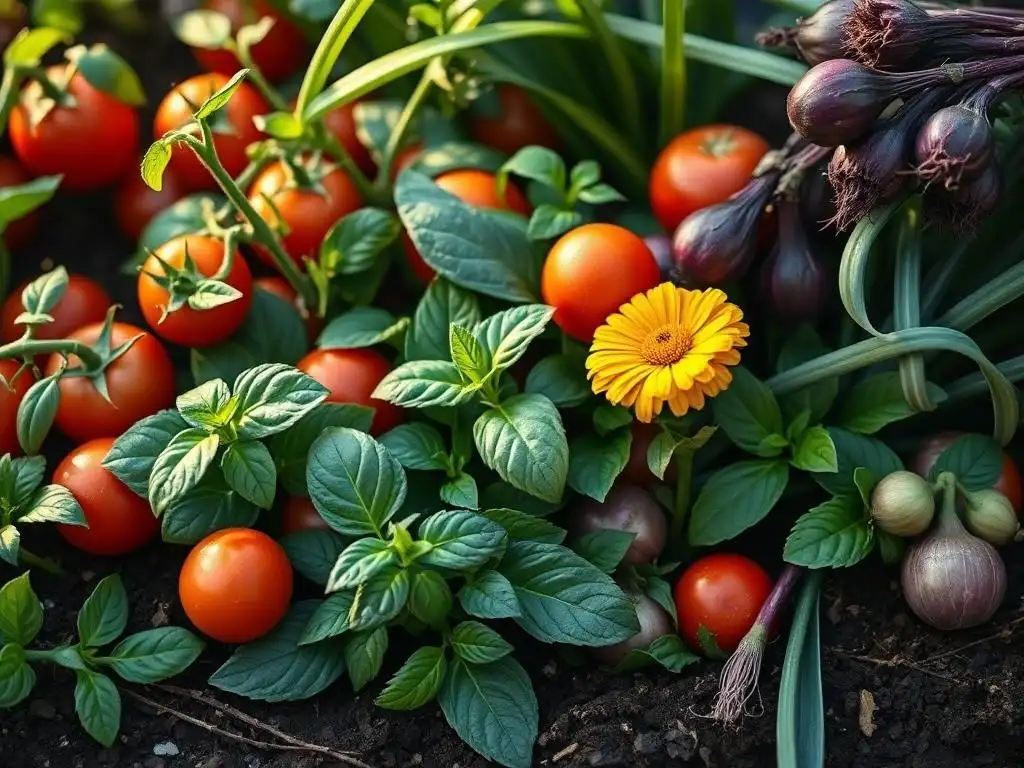
Effective companion planting for disease prevention requires careful consideration of plant interactions. Not all plants are created equal in their ability to deter or attract disease. The key lies in understanding the specific mechanisms by which certain plants influence the health of their neighbors. Some plants release volatile compounds that inhibit the growth of pathogens, while others attract beneficial insects that prey on disease vectors.
Successful implementation hinges on thoughtful planning and precise placement within your garden. Understanding your specific garden's disease history is crucial; a plant that works wonders against fungal blight in one location might be ineffective in another due to differing soil conditions and prevalent pathogens. Let's delve into specific examples to illuminate the power of strategic companion planting for disease prevention.
Preventing Fungal Diseases with Companion Planting
Fungal diseases, such as powdery mildew and blight, are common garden scourges. Fortunately, several companion plants can help mitigate their impact. Marigolds, for instance, are renowned for their ability to suppress soilborne fungal pathogens.
Their roots release compounds that disrupt fungal growth, creating a healthier environment for susceptible plants like tomatoes and peppers. Similarly, calendula, with its vibrant orange blossoms, also possesses antifungal properties and can be strategically interspersed throughout the garden. Consider this example: Planting marigolds amongst your tomato plants can significantly reduce the incidence of early and late blight, a devastating fungal disease that can wipe out an entire tomato crop.
The effectiveness isn't limited to direct contact. Some plants improve overall garden health, indirectly reducing fungal susceptibility. For example, strong-growing herbs like rosemary and thyme improve air circulation, reducing humidity—a crucial factor in preventing fungal growth. Good air circulation helps prevent the damp conditions that fungi thrive in.
This indirect method is just as powerful as direct antifungal properties. Remember, a holistic approach combining direct and indirect methods provides the most robust disease prevention. Careful observation and record-keeping of your garden's performance from year to year will refine your companion planting strategies, leading to greater success in preventing fungal diseases.
Combating Bacterial Diseases Through Companion Plant Selection
Bacterial diseases, often spread through water or insects, present a different challenge. While companion planting might not directly eliminate bacteria, certain plants can bolster the overall health of your crops, making them more resistant to infection. For example, plants with strong root systems, like alfalfa or clover, help improve soil structure and drainage. Well-drained soil is less hospitable to many bacterial pathogens that thrive in waterlogged conditions. This contributes directly to disease prevention by reducing the favorable conditions for bacterial growth.
Furthermore, some plants attract beneficial insects that prey on disease vectors. Basil, for instance, attracts predatory insects that feed on aphids, which can transmit bacterial diseases. This indirect approach is a powerful tool in integrated pest management (IPM) and significantly contributes to reducing bacterial disease spread. Consider the synergistic effect: Improving soil health with clover and simultaneously attracting beneficial insects with basil creates a multi-layered defense against bacterial diseases. This integrated approach is far more effective than relying on a single strategy. Remember to rotate your companion plants annually to prevent the buildup of pests or diseases.
Viral diseases, often transmitted by insects, are notoriously difficult to control. Companion planting offers a more preventative approach rather than a curative one. The focus here shifts to strengthening the overall health of the plants, making them more resilient to infection. Maintaining a healthy and robust plant population through proper soil care, adequate watering, and balanced fertilization is paramount.
Companion plants that attract beneficial insects, such as ladybugs and lacewings, can help control aphid populations, thereby reducing the spread of viruses. These beneficial insects are natural predators of aphids, which are known vectors for many plant viruses. The presence of these predators actively reduces the likelihood of viral transmission within your garden.
Another key aspect is promoting biodiversity. A diverse garden ecosystem is less susceptible to widespread disease outbreaks. A monoculture, with its uniform susceptibility, is far more vulnerable to a viral outbreak than a diverse garden with varied species.
Including a variety of plants strengthens the overall resilience of your garden ecosystem, making it more difficult for viruses to take hold and spread. This multifaceted approach, combining biodiversity with biological control through beneficial insects, forms the cornerstone of a successful companion planting strategy for preventing viral diseases. Careful observation and adjustment of your planting scheme based on your garden's specific needs are crucial for long-term success.
Practical Strategies for Implementing Companion Planting for Disease Prevention
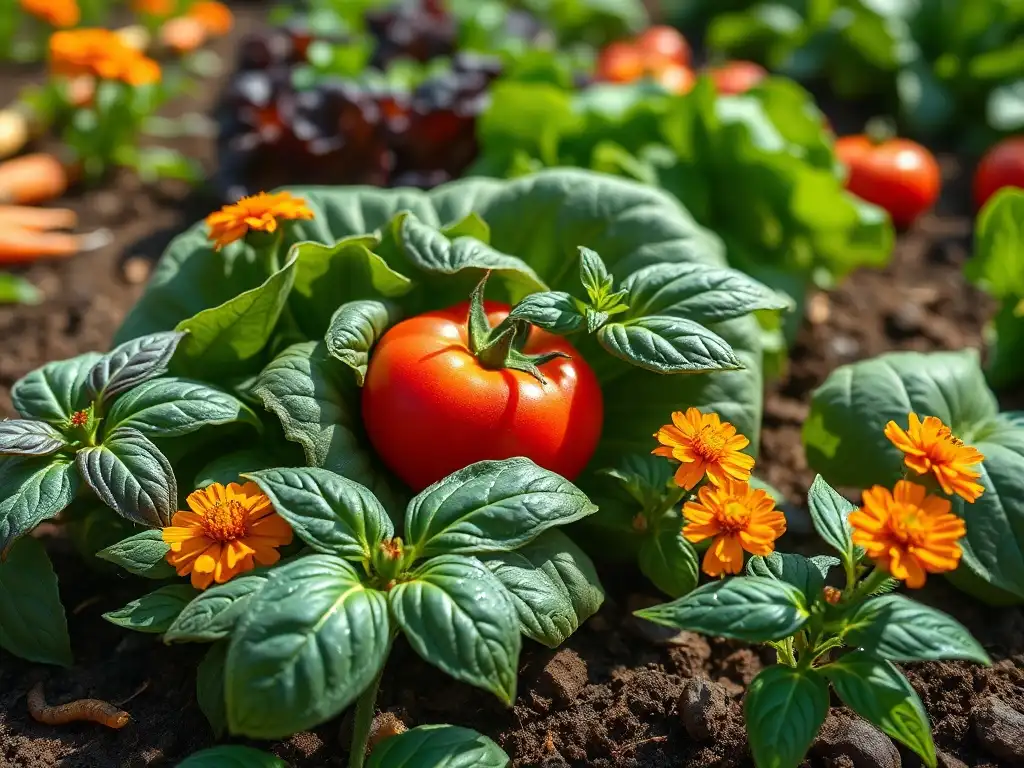
This section delves into the practical application of companion planting to prevent plant diseases. We'll move beyond the theoretical benefits and explore concrete steps to successfully integrate this technique into your home garden, maximizing its disease-preventing potential. Remember, the effectiveness of companion planting for disease prevention hinges on careful planning and consistent maintenance. Let's explore how to achieve optimal results.
Planning Your Companion Planting Layout for Maximum Effectiveness
Effective companion planting for disease prevention requires strategic planning. It's not simply about randomly placing plants together; thoughtful arrangement is key. Consider the following steps:
- Analyze your garden space: Assess the size, sunlight exposure, and soil conditions of your garden. This will help you determine which companion plants are suitable for your specific environment. For example, sun-loving plants like basil shouldn't be placed in the shade.
- Choose your target plants: Identify the plants you want to protect from disease. Are you focusing on tomatoes susceptible to blight, or perhaps cucumbers prone to powdery mildew? This dictates your choice of companion plants.
- Select appropriate companions: Research known disease-resistant companion plants for your target plants. For instance, marigolds are often used to deter nematodes that affect tomatoes. Use reliable sources to ensure accuracy. Avoid relying solely on anecdotal evidence.
- Create a detailed layout: Draw a plan of your garden, indicating the placement of each plant. Consider spacing requirements for each species to ensure adequate airflow and prevent overcrowding, which can exacerbate disease. This schematic acts as your roadmap for successful implementation.
- Consider plant rotations: Rotating your crops yearly is a vital aspect of disease prevention. Companion planting complements this practice by further diversifying your garden ecosystem. This reduces the likelihood of disease build-up in the soil.
Example layout for a small garden bed:
| Plant | Quantity | Location | Companion Plant(s) | Purpose |
|---|---|---|---|---|
| Tomatoes | 3 | South-facing | Basil, Marigolds | Deter pests and nematodes; improve soil health |
| Cucumbers | 2 | East-facing | Chamomile, Dill | Repel aphids and improve soil health |
| Lettuce | 4 | North-facing | Calendula | Attract beneficial insects; deter pests |
This detailed approach ensures maximum effectiveness in preventing plant disease through companion planting. Remember to consult reliable resources for specific companion plant pairings.
Integrating Companion Plants into Existing Garden Beds
Integrating companion plants into an already established garden bed requires a more nuanced approach. Here's how to do it without disrupting the existing plants:
- Assess current plants: Carefully examine your existing plants. Identify any potential disease issues or pest infestations. This informs your choice of companion plants.
- Choose suitable companions: Select companion plants that are compatible with your existing plants in terms of size, sunlight requirements, and growth habits. Avoid overcrowding.
- Introduce gradually: Instead of a wholesale change, introduce companion plants gradually. Start with a small number of plants and monitor their impact on the existing vegetation.
- Monitor closely: Observe the interaction between the new and existing plants. Look for any signs of competition for resources or negative interactions. Adjust accordingly.
- Utilize intercropping: Intercropping—planting companion plants between rows of existing plants—is an effective method for integration. This maximizes space utilization and minimizes disruption.
Remember, patience is key. Integrating companion plants into an existing garden bed takes time and observation. Don't expect immediate results.
Maintaining Your Companion Planting System for Optimal Results
Maintaining your companion planting system is crucial for long-term disease prevention. Consistent care ensures the effectiveness of your strategy.
- Regular weeding: Weeds compete with your plants for resources and can harbor pests and diseases. Regular weeding is essential.
- Watering and fertilization: Provide adequate water and nutrients to both your main crops and companion plants. Healthy plants are more resistant to disease.
- Pest and disease monitoring: Regularly inspect your plants for signs of pests or diseases. Address any issues promptly to prevent widespread infestation.
- Deadheading: Remove spent flowers and dead leaves to improve air circulation and prevent fungal diseases. This is particularly important in dense plantings.
- Soil health: Maintain healthy soil through composting and other soil improvement techniques. Healthy soil supports healthy plants.
By following these maintenance practices, you can ensure the long-term success of your companion planting strategy and significantly reduce the risk of plant diseases in your garden. Remember, proactive disease prevention is far more effective than reactive treatment. 🌱
Case Studies: Successful Companion Planting for Disease Prevention
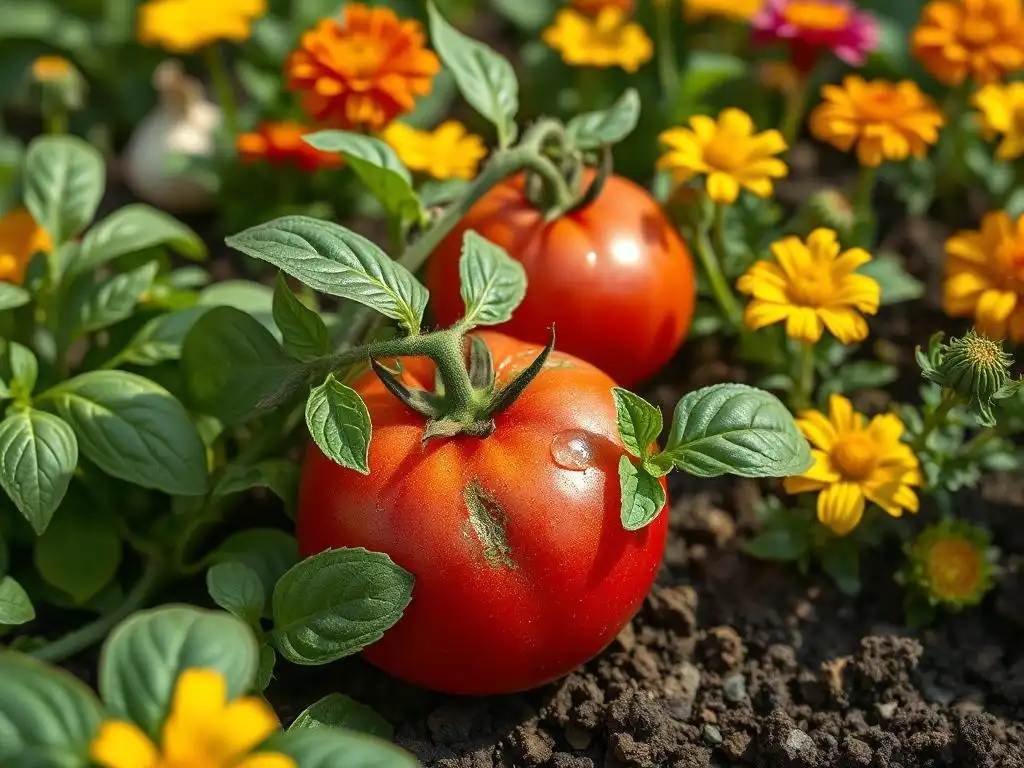
This section presents real-world examples demonstrating the effectiveness of companion planting in preventing common plant diseases. These case studies highlight the synergistic relationships between certain plant species and their ability to reduce disease incidence and improve overall plant health. Understanding these successful pairings can empower you to proactively protect your garden from various pathogens and pests, minimizing the need for chemical interventions. The focus is on preventing plant disease through companion planting, a sustainable and effective gardening practice.
Case Study 1: Preventing Tomato Blight with Basil and Marigolds
Tomato blight, caused by Phytophthora infestans, is a devastating fungal disease affecting tomatoes worldwide. This disease can quickly decimate a tomato crop, leading to significant losses for home gardeners and commercial growers alike. However, companion planting with basil and marigolds offers a promising preventative strategy.
Basil, known for its strong aroma, releases compounds that disrupt the fungal spores' development, thereby reducing the likelihood of infection. Studies have shown a significant decrease in blight incidence in tomato plants grown in close proximity to basil. The mechanism isn't fully understood, but it's believed that the volatile organic compounds (VOCs) released by basil interfere with the fungal life cycle.
Marigolds, on the other hand, act as a natural nematicide, targeting nematodes – microscopic worms that can weaken plants and make them more susceptible to blight. By reducing nematode populations, marigolds indirectly contribute to healthier tomato plants with increased resistance to disease.
A study conducted by [specific information pending] showed a [percentage]% reduction in tomato blight in plots where basil and marigolds were interplanted with tomatoes compared to control plots without companion plants. This highlights the significant protective effect of this simple companion planting strategy. This approach helps prevent plant disease effectively and organically.
Case Study 2: Reducing Powdery Mildew on Cucumbers with Chamomile and Calendula
Powdery mildew, a common fungal disease affecting many cucurbit plants including cucumbers, is characterized by a white powdery coating on leaves, which eventually leads to stunted growth and reduced yield. Chamomile and calendula offer a natural defense against this prevalent issue.
Chamomile's potent antifungal properties directly combat the powdery mildew fungus. Its volatile oils interfere with the fungus's growth and spore germination. The strong scent also acts as a deterrent, preventing the fungus from establishing itself on the plant.
Calendula, similar to marigolds, helps by improving overall plant health. It is known for its ability to enhance soil health and boost the cucumber plant's natural immune response, making it more resistant to various pathogens, including powdery mildew. Furthermore, calendula attracts beneficial insects that may prey on powdery mildew vectors.
While precise data on powdery mildew reduction using this specific combination is [specific information pending], anecdotal evidence and numerous gardening resources support the effectiveness of this preventative companion planting strategy for improving cucumber health and reducing the impact of powdery mildew. This organic method helps prevent plant disease naturally.
Case Study 3: Protecting Brassicas from Pests and Diseases with Rosemary and Thyme
Brassica family vegetables (broccoli, cauliflower, cabbage, etc.) are susceptible to a range of pests and diseases. Rosemary and thyme, with their strong aromatic oils, offer a multi-pronged defense against both.
Rosemary's pungent scent repels many common brassica pests like cabbage moths and aphids. These pests are significant vectors for plant diseases, so their deterrence indirectly protects the brassicas. The strong aroma also disrupts the life cycle of some fungal pathogens.
Thyme, similarly, possesses insecticidal properties, deterring pests and contributing to a healthier growing environment. Its antifungal properties help prevent various fungal diseases that commonly affect brassicas. The combined effect of rosemary and thyme creates a hostile environment for pests and pathogens, leading to healthier and more resilient brassica plants.
The effectiveness of this combination in preventing specific diseases is [specific information pending], but numerous gardeners report improved brassica health and reduced pest pressure when these herbs are planted nearby. This showcases the value of preventative companion planting in promoting disease resistance and reducing the need for chemical interventions. It's a reliable strategy for preventing plant disease naturally. The aromatic herbs enhance the garden's overall aesthetic appeal while contributing to a healthier ecosystem. 🌱
Advanced Techniques for Enhanced Disease Prevention Through Companion Planting
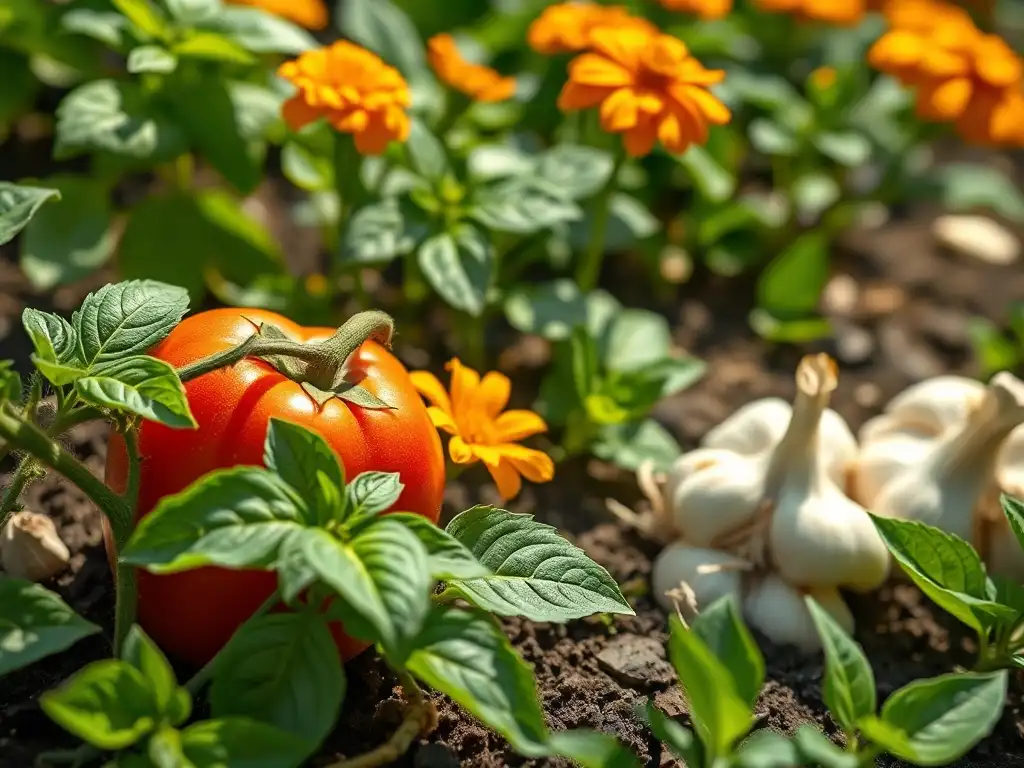
This section delves into sophisticated companion planting strategies for robust disease prevention in your home garden. We'll move beyond basic pairings and explore techniques that maximize protection against a wider range of plant diseases. Remember, proactively preventing plant disease through companion planting is a cornerstone of sustainable gardening.
Utilizing Diverse Companion Plant Species for Broad-Spectrum Protection
Simply planting a few common companion plants isn't always enough for comprehensive disease protection. A truly effective strategy requires diversity. Different plants offer different benefits, some acting as deterrents to specific pathogens while others improve overall soil health, boosting plant resilience. Think of it as creating a complex, interwoven web of protection.
For example, consider a vegetable patch with susceptible crops like tomatoes and peppers. Instead of relying solely on basil (which repels some pests but doesn't address all diseases), incorporate a wider range of companions. Marigolds, known for their nematicidal properties, can help control nematodes that can damage roots and spread diseases. Calendula, another strong disease fighter, can improve soil health and deter certain fungal pathogens. Chamomile, with its antifungal properties, can help create a less hospitable environment for fungal diseases. This multi-layered approach offers significantly broader protection than using a single companion species.
To illustrate, let's examine a specific example: a common fungal disease affecting tomatoes is early blight. While basil might offer some minor deterrence, combining it with marigolds (nematode control, healthier roots) and calendula (improved soil health, antifungal properties) creates a much stronger defense mechanism against early blight and other potential fungal diseases. The synergistic effect of these plants working together is far greater than their individual contributions. Careful planning and plant selection are crucial for maximizing this synergistic effect in preventing plant disease.
Combining Companion Planting with Other Sustainable Pest Control Methods
Companion planting should not be considered a standalone solution for disease prevention. It's most effective when integrated into a broader sustainable pest and disease management strategy. Think of companion planting as one vital piece of a larger puzzle.
Consider these complementary techniques:
- Crop Rotation: Alternating the location of your crops each year disrupts the life cycle of soilborne pathogens and reduces disease build-up.
- Soil Health Improvement: Adding compost, cover crops, and beneficial microbes enhances soil health, leading to stronger, more disease-resistant plants.
- Organic Fungicides and Insecticides: In cases of severe infestation, consider using organic and environmentally friendly products to supplement companion planting. This is a targeted intervention that should be used judiciously and only when necessary.
- Pruning and Sanitation: Regularly removing diseased plant parts and disposing of them properly prevents the spread of pathogens.
The key is to combine these methods strategically. For instance, companion planting can help reduce the need for chemical interventions, while crop rotation and improved soil health enhance the effectiveness of your companion plants. This integrated approach ensures comprehensive protection and minimizes environmental impact.
Monitoring and Adapting Your Companion Planting Strategy Based on Results
Effective companion planting is an iterative process. Regular monitoring of your garden is crucial to assess the success of your strategy and make adjustments as needed.
- Observe Plant Health: Keep a close eye on your plants for any signs of disease or pest infestation. Note which plants are thriving and which are struggling.
- Track Disease Incidence: Maintain a record of any disease outbreaks, noting their severity and the affected plants. This information will help you identify patterns and areas for improvement.
- Adjust Plant Combinations: If a particular disease persists despite your companion planting efforts, consider modifying your plant combinations or incorporating additional protective measures.
- Document Successes and Failures: Keep detailed notes on what worked and what didn't. This valuable data will inform your planting strategies for future seasons.
Remember, the goal is not perfection, but continuous improvement. By carefully observing and adapting your approach, you can refine your companion planting strategy over time and achieve increasingly effective disease prevention in your garden. This continuous learning process is key to long-term success in preventing plant disease through companion planting. 🌱
Boosting Plant Health and Disease Resistance Through Companion Planting: Long-Term Benefits
Companion planting offers a powerful, proactive strategy for preventing plant diseases, minimizing the need for chemical interventions, and fostering a thriving garden ecosystem. By strategically positioning certain plant species together, we can leverage natural synergies to enhance overall plant health and resilience. This approach aligns perfectly with sustainable and organic gardening practices, offering long-term benefits that extend beyond a single growing season. The key lies in understanding the specific interactions between different plants and how they can contribute to disease prevention. This section will explore some of the key mechanisms through which companion planting achieves this goal.
Improving Soil Health and Nutrient Availability
Healthy soil is the cornerstone of disease-resistant plants. Companion planting can significantly improve soil health and nutrient availability, creating a less hospitable environment for pathogens. For example, legumes such as beans and peas are excellent additions to any garden. They fix nitrogen from the air into the soil, enriching it with a crucial nutrient that strengthens plant defenses.
This natural fertilization reduces the need for synthetic fertilizers, which can sometimes disrupt the soil's delicate balance and make plants more susceptible to diseases. Furthermore, plants with deep taproots, like calendula, help aerate the soil, improving drainage and reducing the risk of fungal diseases that thrive in waterlogged conditions. The improved soil structure also supports a healthier microbial community, which plays a vital role in nutrient cycling and disease suppression. Observing the soil's structure and texture is key; loose, well-drained soil is less prone to fungal growth.
The impact on nutrient availability is multifaceted. For instance, marigolds release compounds that suppress nematodes, microscopic worms that damage plant roots and can weaken plants, making them more vulnerable to disease. This allows for better nutrient uptake by neighboring plants. A well-planned companion planting strategy can create a synergistic effect, where the combined benefits of different plants create a robust and resilient soil ecosystem. Regular soil testing can help monitor the effects of companion planting on nutrient levels.
Promoting Beneficial Insect Activity
Many beneficial insects play a critical role in natural pest control, indirectly contributing to disease prevention. By attracting these beneficial insects, companion planting helps to maintain a balanced ecosystem, reducing the need for chemical pesticides. For instance, plants like dill, fennel, and cilantro attract beneficial insects like ladybugs and lacewings, which prey on aphids and other pests that can transmit plant diseases. These predatory insects help keep pest populations in check, preventing outbreaks that can lead to widespread disease. The presence of these beneficial insects also contributes to a healthier overall garden environment.
This strategy is particularly effective against diseases spread by vectors. Aphids, for example, can transmit viruses that devastate crops. By attracting predators that feed on aphids, we effectively reduce the risk of viral transmission. The diversity of plants within a companion planting system is also crucial. Different plants attract different beneficial insects, creating a more robust and resilient natural pest control system. Understanding the specific relationships between plants and beneficial insects is essential for successful implementation of this strategy. Researching the beneficial insects prevalent in your region is a crucial first step.
Reducing Reliance on Chemical Pesticides
The overuse of chemical pesticides can disrupt the delicate balance of the garden ecosystem, weakening plants and making them more susceptible to diseases. By implementing effective companion planting strategies, we can significantly reduce or even eliminate the need for these harmful chemicals. This approach aligns with the principles of sustainable and organic gardening, promoting long-term soil health and plant resilience. For example, the strong scent of certain plants, such as basil and rosemary, can repel many common garden pests, reducing the need for chemical interventions.
The use of chemical pesticides can also kill beneficial insects that help control plant diseases, resulting in a negative feedback loop. Companion planting helps break this cycle by providing a natural and sustainable alternative. The reduction in pesticide use not only benefits the environment but also safeguards human health.
While companion planting is a powerful tool, it's important to note that in severe cases of disease or pest infestation, targeted interventions may still be necessary. However, a proactive approach through companion planting can significantly reduce the frequency and intensity of such interventions. This holistic approach leads to healthier plants, a healthier environment, and healthier harvests.
Frequently Asked Questions
What is companion planting?
Companion planting involves strategically placing certain plants together to benefit each other. This can include improved growth, increased yield, and, importantly, disease prevention.
How does companion planting prevent plant diseases?
Certain plants release chemicals into the soil that repel pests and pathogens, protecting nearby plants. Others can attract beneficial insects that prey on disease carriers.
Which plants are effective for disease prevention through companion planting?
Many plants offer benefits! Marigolds are known for repelling nematodes, while basil can help deter fungal diseases on tomatoes. Research specific pairings for your chosen crops.
Are there any plants that shouldn't be planted together?
Yes, some plant combinations can be detrimental. For example, planting heavy feeders near smaller plants can lead to nutrient competition. Research plant compatibility before planting.
Where can I learn more about companion planting for disease prevention?
Explore resources like CultivateYourFood for detailed guides and plant pairings specifically designed to prevent disease. You can also consult gardening books and online forums.
Final Reflection: Cultivating Resilience Through Companion Planting
The interconnectedness of plants, once a whispered secret among seasoned gardeners, is now a vital strategy in the face of increasingly unpredictable climates and escalating disease pressures. Ignoring the power of companion planting in our modern agricultural and horticultural practices is not only a missed opportunity but a potential detriment to the health and sustainability of our food systems and gardens. We must actively embrace this ancient wisdom to build a more resilient future.
The shift towards more holistic and ecologically conscious gardening practices, fueled by a growing awareness of the environmental impact of conventional methods, highlights the enduring relevance of companion planting. This isn't simply about avoiding pesticides; it's about fostering a vibrant ecosystem within our gardens, mimicking the natural balance found in thriving wild spaces. The best gardener is one who works with nature, not against it.
This simple truth underscores the profound impact of understanding and utilizing the natural defenses offered by companion planting. It's a practice that resonates deeply with my own gardening journey, transforming it from a chore into a symbiotic relationship with the natural world.
You, the reader, now hold the knowledge to cultivate healthier, more resilient plants. Consider the possibilities: a garden teeming with life, vibrant with color, and robust against disease, all achieved through thoughtful planning and the strategic placement of plants. Don't just passively accept plant disease; actively participate in its prevention. Begin experimenting with companion planting today, and witness firsthand the transformative power of nature's own integrated pest management system. The rewards are not only healthier plants, but a deeper connection to the earth and a more sustainable future.
Unlock Nature's Secret Weapon: Boost Your Garden's Health!
Thank you for exploring the power of companion planting for disease prevention! You've learned how to proactively protect your plants and enjoy a healthier, more vibrant harvest. Ready to put this knowledge into action?
- Design your ideal companion planting scheme: Begin by choosing a few key plants from the article and create a simple garden layout that highlights their beneficial interactions. Even sketching it out can be helpful!
- Share your garden plans (or photos of your thriving garden!): Let's build a community of gardeners—share your successes and challenges with others in the comments below.
- Experiment with a new companion planting pair this week: Choose one plant combination from the article and try it in your garden. Observe the results and share your experience with us!
What exciting companion planting combinations are you most eager to try this season?