
Companion Planting for Large Gardens: Scaling Up Your Success

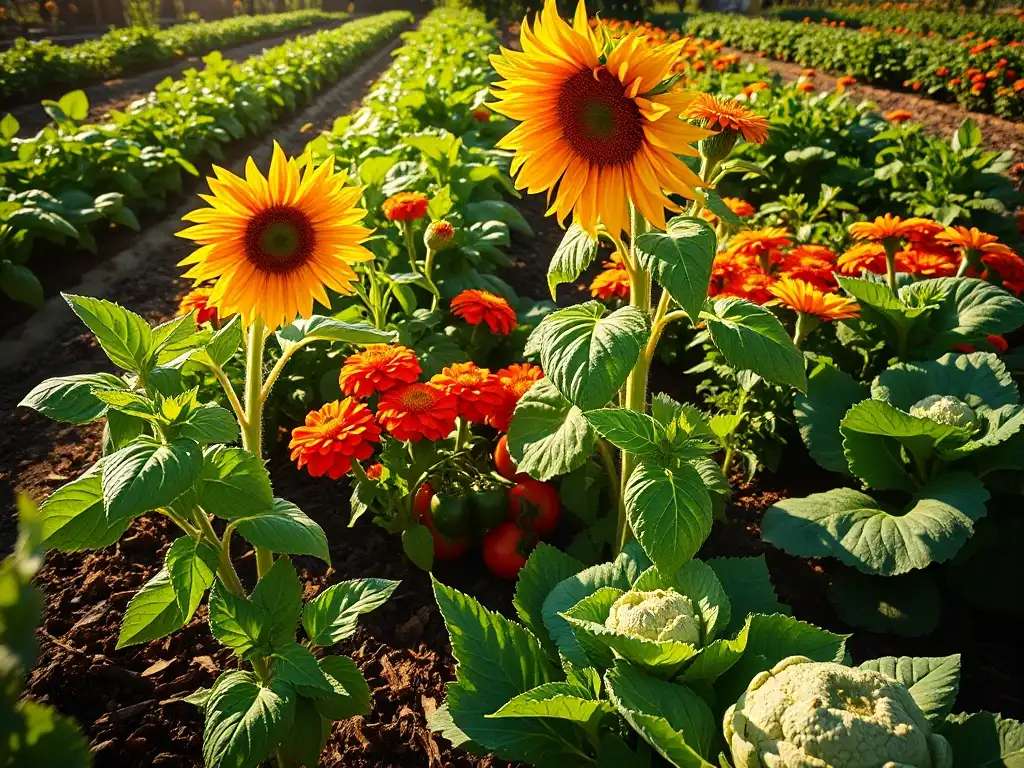
Ready to unlock the secrets to a thriving, bountiful garden? CultivateYourFood is your guide to mastering sustainable and organic home cultivation. We're diving deep into advanced techniques today, exploring how companion planting can transform your large garden from a challenge into a spectacular success. Discover the surprising partnerships that will boost yields, repel pests, and create a truly flourishing ecosystem. Learn how to scale your success with our expert advice on companion planting large garden success – read on to transform your gardening dreams into reality!
- Understanding Companion Planting Principles for Larger Spaces
- Planning Your Large-Scale Companion Planting Design
- Implementing Companion Planting in a Large Garden
- Maintaining Your Companion Planting System in a Large Garden
- Troubleshooting Common Challenges in Large-Scale Companion Planting
- Case Studies: Successful Large-Scale Companion Planting Designs
- Resources and Further Learning on Large-Scale Companion Planting
-
Frequently Asked Questions
- How does companion planting benefit a large garden?
- What are some effective companion plant pairings for a large vegetable garden?
- How do I plan for companion planting in a large garden layout?
- Can companion planting help with pest control in a large garden?
- How does companion planting contribute to the overall success of a large garden?
- Final Reflection: Harvesting Abundance: The Future of Companion Planting
- Unlock Your Garden's Full Potential: Grow Bigger, Better, Together!
Understanding Companion Planting Principles for Larger Spaces
Companion planting, the art of strategically placing plants together to enhance growth and yield, is a cornerstone of sustainable gardening. While the benefits are well-documented for smaller gardens, scaling up companion planting for larger spaces presents unique opportunities and challenges. This article delves into the practical application of companion planting in expansive garden layouts, offering strategies to maximize yields and minimize pest and disease issues. We'll explore how to adapt proven companion planting techniques to larger garden beds, ensuring that the synergistic relationships between plants contribute to a bountiful and healthy harvest.
Successfully implementing companion planting in a large garden requires careful planning, thoughtful plant selection, and a nuanced understanding of how plant interactions can be amplified at scale. This guide will equip you with the knowledge and practical steps to achieve outstanding results in your extensive growing area. Let's cultivate a thriving and productive large garden together! 🌱
Maximizing Benefits in Expanded Garden Beds
Expanding companion planting from a small plot to a larger garden requires a shift in thinking. Instead of individual pairings, consider zones of companion plants. For example, dedicate a section to brassicas (cabbage, broccoli, kale) with their beneficial neighbors like rosemary (which repels cabbage moths) and chamomile (which attracts beneficial insects). Another zone might focus on tomatoes, strategically placed with basil (which repels pests and improves flavor) and marigolds (which deter nematodes).
Think of your large garden as a series of interconnected ecosystems. Careful planning is crucial; you need to consider the mature size of each plant to avoid overcrowding and ensure adequate sunlight and airflow for all. Proper spacing is key to maximizing the positive effects of companion planting. This involves understanding the specific needs of each plant species in your chosen combination, accounting for their root systems, mature heights, and sunlight requirements.
| Plant Combination | Benefits | Considerations |
|---|---|---|
| Tomatoes, Basil, Marigolds | Pest control (marigolds, basil), improved tomato flavor (basil) | Ensure adequate spacing; marigolds can be aggressive growers. |
| Brassicas (cabbage, broccoli), Rosemary, Chamomile | Pest control (rosemary), beneficial insect attraction (chamomile) | Rosemary needs well-drained soil; chamomile prefers full sun. |
| Carrots, Onions, Lettuce | Improved growth of all three; onions deter carrot root flies. | Onions require adequate spacing to prevent overcrowding. |
Adapting Companion Planting Strategies for Scale
Scaling up companion planting requires efficient planning and potentially different techniques than smaller gardens. Consider using raised beds or square-foot gardening methods for better organization and control over spacing. These methods allow for more precise placement of companion plants and easier management of the entire garden. For very large gardens, creating a detailed map beforehand is essential. This map should include the location of each plant, accounting for their mature size and companion plant relationships.
Furthermore, consider using a more systematic approach to planting, such as using rows or blocks instead of scattered plantings. This makes maintenance and harvesting easier, especially in large areas. Remember, even in a large garden, the principles of companion planting remain the same: it's about creating a balanced ecosystem where plants support each other. Regular monitoring and adjustments are key to maintain a healthy and productive environment. Don't be afraid to experiment and observe the results! 📝
Choosing the Right Companion Plants for Your Large Garden
Selecting the right companion plants is crucial for maximizing the benefits in a large-scale garden. Researching the specific needs and characteristics of your chosen plants is paramount. Consider factors like soil type, sunlight exposure, and water requirements. Also, it's important to understand the potential downsides of certain plant combinations; some plants might compete for resources or have negative interactions.
A diverse range of companion plants will attract a greater variety of beneficial insects and pollinators, further enhancing the overall health and productivity of your garden. Consider incorporating plants that attract beneficial insects, such as ladybugs and lacewings, which can help control pest populations naturally. Remember, a healthy soil ecosystem is the foundation of successful companion planting. Maintain soil health through composting and other organic practices to ensure optimal growth for all your plants. The key is to create a vibrant and balanced ecosystem that works in harmony, resulting in a bountiful harvest. 🎉
Planning Your Large-Scale Companion Planting Design
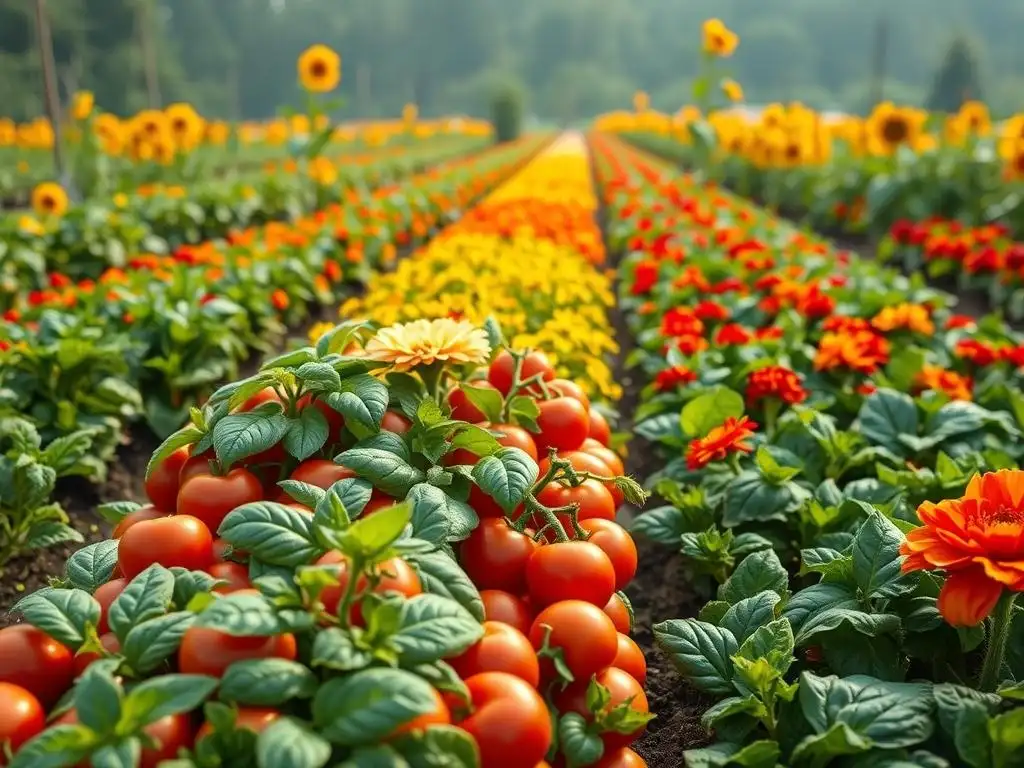
Successfully implementing companion planting in a large garden requires meticulous planning. It's not simply about scattering beneficial plants amongst your crops; it's about creating a synergistic ecosystem that maximizes yield and minimizes pest and disease problems. This section will guide you through the crucial steps of designing your large-scale companion planting strategy, ensuring your efforts lead to abundant harvests. Remember, careful planning is key to achieving companion planting large garden success.
Assessing Your Garden Layout and Existing Plants
Before you even think about introducing new companion plants, thoroughly assess your existing garden layout and the plants already established. Consider the following:
- Sunlight Exposure: Map out areas of full sun, partial shade, and full shade. Different companion plants thrive under varying light conditions. For example, basil, a common companion plant, needs at least six hours of direct sunlight. Knowing your sun exposure patterns will help you choose appropriate companions for your existing plants.
- Soil Composition: Conduct a soil test to determine its pH level and nutrient content. This information is crucial because different plants have different soil preferences. Companion plants can help improve soil health, but choosing compatible plants based on soil needs is essential. For instance, legumes enrich the soil with nitrogen, benefiting nitrogen-hungry plants like broccoli.
- Existing Plant Inventory: Make a detailed list of all the plants currently growing in your garden, noting their location, maturity stage, and any known pest or disease issues. This inventory will inform your companion plant selection. You'll want to choose companions that address specific challenges faced by your existing crops.
- Water Availability: Consider the irrigation system in your garden and the water requirements of both your existing plants and potential companion plants. Efficient water management is crucial for a thriving large garden. Grouping plants with similar water needs together will optimize irrigation efforts.
Designing for Efficient Spacing and Accessibility
Efficient spacing and accessibility are paramount in a large garden. Cramming plants together, even beneficial ones, can lead to competition for resources and hinder growth. Conversely, overly spaced plants waste valuable garden space.
- Spacing Guidelines: Research the mature size of both your main crops and their chosen companion plants. Allow enough space for each plant to reach its full potential without overcrowding. This may involve adjusting the typical planting density to accommodate the additional companion plants.
- Accessibility Planning: Design your planting layout with accessibility in mind. Consider the paths you'll need for weeding, harvesting, and general maintenance. Wide enough pathways are crucial for easy access to all parts of your garden, especially in a large-scale operation. Avoid creating narrow, difficult-to-navigate areas.
- Row Planning: Consider using raised beds or rows for better organization and efficient use of space. This strategy also improves drainage and makes weeding and harvesting easier. Strategic row planning can maximize the benefits of companion planting by placing complementary plants in close proximity.
- Visual Planning: Use graph paper or a garden design software to create a visual representation of your planned layout. This will allow you to experiment with different arrangements before committing to planting. You can easily adjust spacing and plant combinations on paper to optimize your design.
Creating Zones for Different Companion Plant Combinations
A large garden benefits from creating zones dedicated to specific companion plant combinations. This allows for a more targeted approach to pest and disease control, soil improvement, and pollination.
- Pest Repellent Zones: Group plants known for their pest-repelling properties together. For example, marigolds are effective against nematodes and certain insects. Concentrating these plants near susceptible crops can create a protective barrier. Consider using a variety of pest-repelling plants to address a broader range of pests.
- Pollinator Zones: Designate areas to attract beneficial insects like bees and butterflies. Include flowering plants that provide nectar and pollen, such as borage or lavender. These zones will support pollination for your main crops and increase overall biodiversity in your garden.
- Nitrogen-Fixing Zones: Include nitrogen-fixing plants like legumes (beans, peas) in specific areas. These plants enrich the soil with nitrogen, benefiting nearby crops that require this nutrient. Plan the placement of these zones strategically to maximize the benefit for nitrogen-hungry plants.
- Soil Improvement Zones: Plant cover crops or other plants known for improving soil structure and fertility in designated areas. These zones can help prevent soil erosion, improve drainage, and add organic matter to the soil, benefiting the entire garden ecosystem. Rotating these cover crops can further enhance soil health over time.
By carefully planning and implementing these strategies, you can significantly increase the chances of companion planting large garden success. Remember, observation and adaptation are key. Monitor your garden regularly and adjust your approach as needed. The beauty of companion planting lies in its flexibility and adaptability. 🌱
Implementing Companion Planting in a Large Garden
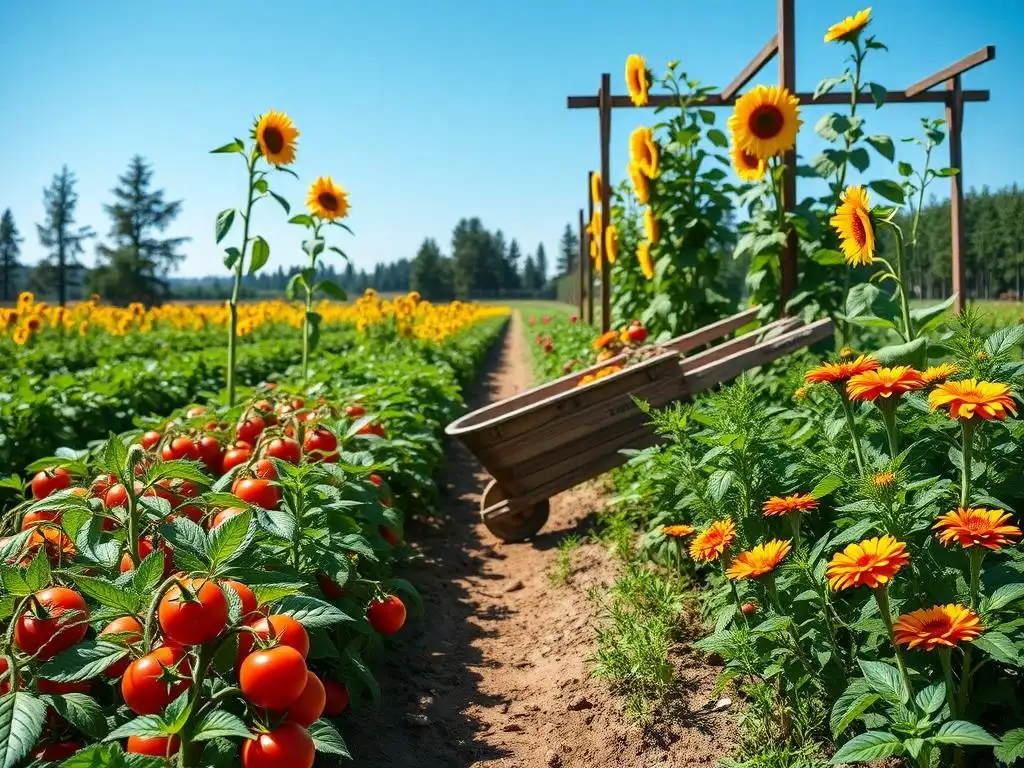
This section delves into the practical aspects of implementing companion planting strategies in larger garden spaces. Successfully scaling up companion planting requires careful planning and execution, differing significantly from smaller-scale gardening. We'll explore sourcing, planting, and resource management techniques crucial for maximizing yield and minimizing effort in your expanded garden. Remember, the success of companion planting in a large garden hinges on meticulous planning and efficient execution. Let's examine the key elements.
Sourcing Seeds and Plants for Large-Scale Planting
Securing sufficient quantities of seeds and plants is paramount for large-scale companion planting. Simply buying individual packs from a local nursery won't suffice. Consider these options for obtaining the necessary volume:
- Bulk Seed Purchases: Online retailers and seed companies often offer significant discounts on bulk seed orders. This is often the most cost-effective method for larger gardens, especially when planting many companion species. Be sure to check for germination rates and choose reputable suppliers. Consider using a spreadsheet to track seed quantities, planting dates, and germination success rates for better planning in future seasons.
- Seed Saving: Saving seeds from previous harvests is a sustainable and economical long-term solution. This requires careful selection of healthy plants and proper seed storage techniques to maintain viability. Seed saving allows you to build a tailored seed bank suited to your garden's specific needs and climate.
- Local Nurseries and Growers: Establish relationships with local nurseries and growers who can supply larger quantities of seedlings or starter plants. This option can be more expensive than buying seeds in bulk, but it offers the advantage of established plants ready for immediate planting, potentially speeding up your garden's maturity. It also supports local businesses and often offers a wider variety of plants.
- Plant Exchanges: Participating in plant exchanges or seed swaps within your community can be a great way to acquire diverse varieties at little to no cost. This fosters a sense of community and provides access to unique or heirloom plants.
The choice of sourcing method depends on your budget, time constraints, and the specific needs of your companion planting scheme. Careful planning and advance ordering are crucial to avoid last-minute shortages. Remember to always check seed viability before planting.
Efficient Planting Techniques for Large Gardens
Efficient planting techniques are vital for maximizing space and minimizing labor in large gardens. Consider these strategies for optimizing your companion planting layout:
- Strategic Block Planting: Instead of scattering companion plants randomly, group them in blocks or rows according to their needs and the plants they benefit. This simplifies watering, fertilization, and pest control. For example, you might create a block of marigolds (pest repellent) surrounding a block of tomatoes.
- Row Intercropping: Interplanting different species within rows can significantly increase yield per square foot. For instance, you can interplant lettuce between rows of carrots, maximizing the use of available space.
- Square Foot Gardening: This method divides the garden into one-foot squares, allowing for precise planning and maximizing space utilization. It’s especially useful for companion planting, allowing for intricate arrangements of different plants within each square.
- Utilize Raised Beds: Raised beds provide better soil drainage and allow for easier access and management, especially in larger gardens. This can greatly reduce bending and strain during planting and harvesting.
- Time Management: A well-thought-out planting schedule is essential. Stagger planting times to ensure a continuous harvest throughout the growing season. This also helps to avoid overcrowding.
| Technique | Advantages | Disadvantages |
|---|---|---|
| Block Planting | Simplified management, efficient resource use | May require more space initially |
| Row Intercropping | Increased yield per square foot | Requires careful planning and spacing |
| Square Foot Gardening | Precise planting, maximized space utilization | Requires precise planning and construction of beds |
| Raised Beds | Improved drainage, easier access | Higher initial cost, may require more materials |
Efficient planting minimizes wasted space and labor, directly impacting the success of your companion planting scheme in a large garden. Planning your layout carefully is crucial.
Managing Water and Nutrient Needs in Expanded Gardens
Maintaining optimal water and nutrient levels is critical for the success of companion planting in a large garden. The demands of multiple plant species will vary, requiring a tailored approach:
- Water Conservation Techniques: Employing drip irrigation or soaker hoses ensures targeted watering, minimizing water waste and preventing fungal diseases. Mulching helps retain soil moisture, reducing the frequency of watering. Consider using rainwater harvesting systems to supplement your water supply.
- Nutrient Management: Conduct a soil test to determine nutrient deficiencies before planting. Amend the soil with compost or other organic matter to improve soil structure and fertility. Use companion plants strategically to enhance nutrient cycling; for example, legumes fix nitrogen in the soil, benefiting neighboring plants.
- Composting and Mulching: Composting kitchen and garden waste provides nutrient-rich material for amending the soil. Mulching with organic materials like straw or wood chips helps retain soil moisture, suppress weeds, and regulate soil temperature. This creates a healthy and fertile environment for your plants.
- Pest and Disease Monitoring: Regular monitoring for pests and diseases is crucial in large gardens. Early detection and intervention prevent widespread damage. Companion planting can contribute to natural pest control, but supplemental measures might be necessary.
Effective water and nutrient management are crucial for a thriving companion planting system. A proactive approach to soil health and water conservation ensures the long-term success of your large-scale garden. Careful observation and adaptation based on your specific conditions are essential.
Maintaining Your Companion Planting System in a Large Garden
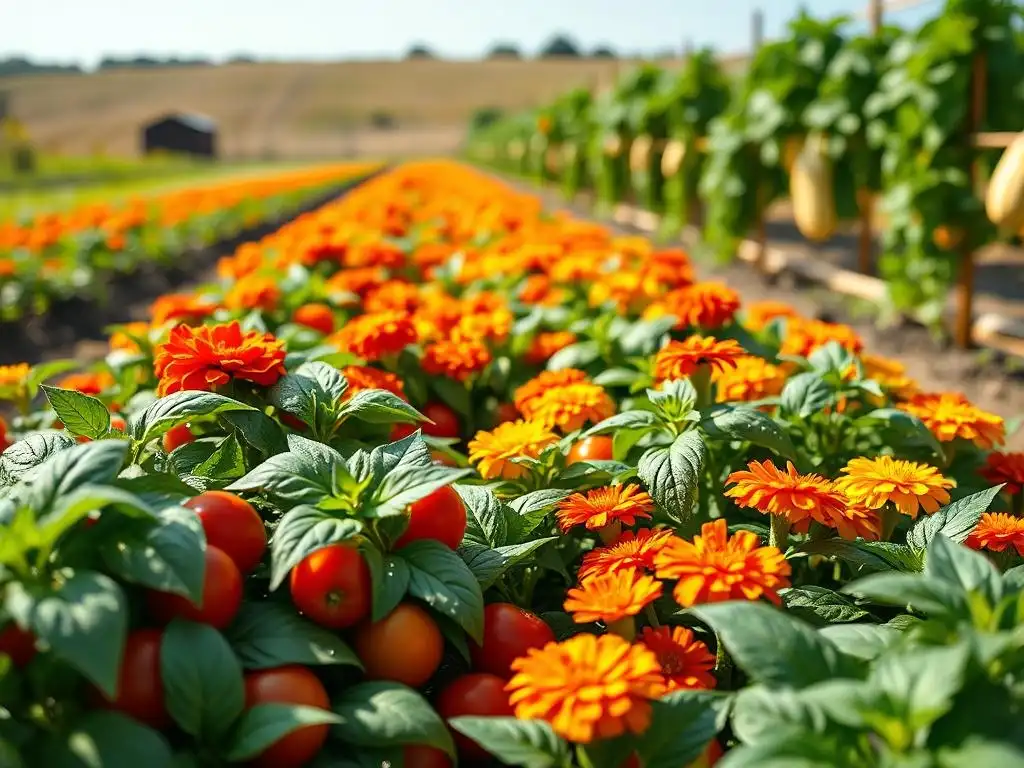
Maintaining a thriving companion planting system in a large garden requires a different approach than smaller-scale gardening. The sheer size necessitates efficient strategies for pest and disease management, weed control, and harvesting. Success hinges on proactive planning and diligent execution, maximizing yields while minimizing effort. This section will delve into the specifics of maintaining a large-scale companion planting garden, focusing on practical techniques to ensure abundant harvests. Effective companion planting large garden success relies on these crucial elements.
Pest and Disease Management in Large-Scale Gardens
Scaling up companion planting means scaling up pest and disease management. While beneficial companion plants can naturally deter some pests, relying solely on this method in a large garden is insufficient. A multi-pronged approach is necessary. This involves regular monitoring for signs of infestation or disease. Early detection is crucial for preventing widespread damage.
Consider implementing a robust scouting program. Regularly walk through your garden, inspecting plants closely. Look for signs of chewing, wilting, discoloration, or unusual growths. Keep detailed records of your observations, noting the affected plants, the suspected pests or diseases, and the date of detection. This data will help you track pest and disease outbreaks and adjust your management strategies accordingly.
Implementing integrated pest management (IPM) is essential. This holistic approach prioritizes preventative measures and utilizes less toxic solutions only when necessary. This might include:
- Beneficial insects: Introducing ladybugs, lacewings, or praying mantises to control aphids and other harmful insects. The scale of your garden might necessitate purchasing these beneficial insects in larger quantities than for a small garden.
- Natural pest repellents: Using neem oil, insecticidal soap, or other natural sprays to control pests. For large gardens, consider using a pump sprayer for efficient application.
- Crop rotation: Rotating your crops annually helps break pest and disease cycles. Plan your companion planting layout to incorporate this strategy effectively across your entire garden.
- Resistant varieties: Choosing plant varieties known for their resistance to common pests and diseases in your region. This proactive measure can significantly reduce the need for intervention.
Remember that successful pest and disease management in a large companion planting garden requires diligence, observation, and a flexible approach. Don't hesitate to adapt your strategies based on your specific observations and the needs of your garden.
Weed Control Strategies for Extensive Companion Plantings
Weed control in a large companion planting garden is a significant undertaking. The dense planting characteristic of companion planting can make weeding challenging, but it also offers advantages. The close spacing of plants helps to suppress weed growth naturally. However, some proactive measures are still necessary to prevent weeds from overwhelming your crops.
- Mulching: Applying a thick layer of organic mulch (straw, wood chips, or compost) around your plants helps suppress weeds, retain moisture, and improve soil health. This is especially effective in large gardens, reducing the need for frequent weeding.
- Cover cropping: Planting cover crops between rows or during fallow periods helps to smother weeds and improve soil fertility. This technique is highly beneficial for larger gardens, especially when dealing with aggressive weed species.
- Strategic weeding: Regular, but targeted weeding is more effective than infrequent, extensive weeding. Focus your efforts on removing weeds before they go to seed. Using tools like a hoe or cultivator can speed up the process in large areas.
- Pathways: Creating clear pathways between planting beds facilitates easier access for weeding and other garden maintenance tasks. This improves efficiency considerably in large gardens.
The key to effective weed control in a large companion planting garden is prevention and consistent maintenance. A proactive approach, combining mulching, cover cropping, and strategic weeding, will minimize weed pressure and preserve the health of your companion plantings. Remember that weed control is an ongoing process, requiring regular attention throughout the growing season.
Harvesting and Succession Planting in a Large Companion Garden
Harvesting and succession planting are crucial for maximizing yields in a large companion planting garden. The scale requires efficient techniques to ensure that you harvest at the optimal time and maintain continuous production throughout the growing season.
- Staggered planting: Planting crops at different times ensures a continuous harvest. For example, plant successive batches of lettuce every two weeks for a constant supply. Plan your planting schedule carefully to account for the varying maturation times of your chosen companion plants.
- Efficient harvesting: Develop an efficient harvesting system. This might involve designating specific harvesting days and assigning tasks to volunteers or family members. Use appropriate tools and containers to minimize damage to plants and facilitate easy transport.
- Preservation: Consider preserving your harvest to extend its use. Techniques such as canning, freezing, drying, or pickling can significantly increase the lifespan of your produce.
- Record-keeping: Maintaining detailed records of planting dates, harvest dates, and yields will help you refine your succession planting strategy in subsequent seasons. This data is invaluable for optimizing your companion planting large garden success.
Effective harvesting and succession planting in a large companion garden is essential for maximizing yields and maintaining a continuous supply of fresh produce. A well-planned system, combined with efficient harvesting techniques and preservation methods, will ensure a bountiful harvest throughout the growing season. Remember that consistent monitoring and adjustments are key to adapting your strategies to the specific needs of your garden and the changing seasons.
Troubleshooting Common Challenges in Large-Scale Companion Planting
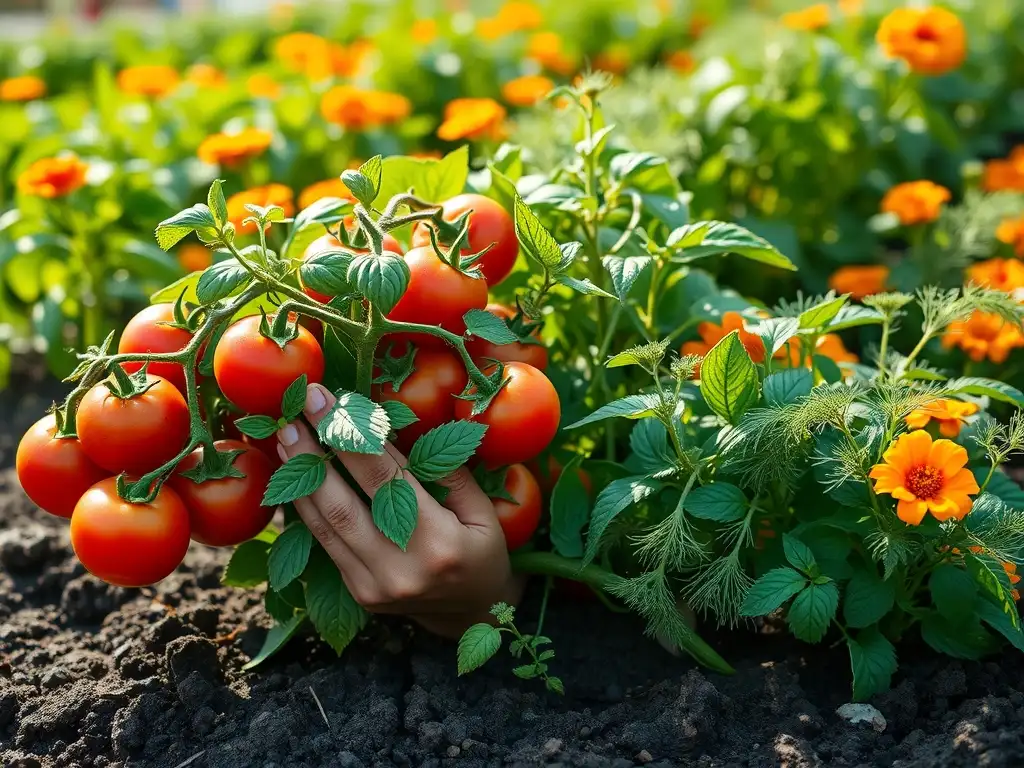
Scaling up companion planting from a small garden to a large one presents unique challenges. While the benefits of companion planting – increased yields, pest control, and soil health – remain, managing these benefits across a larger area requires careful planning and proactive problem-solving. This section focuses on identifying and addressing common issues encountered when implementing companion planting strategies in larger garden spaces. Successfully navigating these challenges is key to achieving the desired "companion planting large garden success".
Addressing Issues with Overcrowding and Competition
Overcrowding is a frequent problem in large-scale companion planting. Plants, even beneficial companions, compete for resources like sunlight, water, and nutrients. This competition can lead to stunted growth, reduced yields, and increased susceptibility to diseases. Careful spacing is crucial. Instead of relying on general guidelines, consider the mature size of each plant species. For instance, sprawling pumpkins need significantly more space than compact basil plants.
To avoid overcrowding, consider these strategies:
- Detailed Planting Plans: Create a meticulous plan before planting, mapping out the exact location of each plant, accounting for mature size and growth habit. Use graph paper or dedicated gardening software to visualize the layout.
- Strategic Grouping: Group plants with similar needs together. For example, place sun-loving companions in a sunny area and shade-tolerant ones in a shadier spot.
- Row Spacing: Adjust row spacing based on plant size and growth habit. Wider rows allow for better airflow and reduce the risk of fungal diseases.
- Thinning: Don't hesitate to thin out seedlings if they become overcrowded. This is particularly important for fast-growing plants. Removing some plants early on allows the remaining ones to thrive.
- Intercropping Variations: Explore variations in intercropping techniques. Instead of uniformly mixing species, consider creating distinct blocks or patches of different companion plant combinations. This can help to manage competition more effectively. For example, you might dedicate one area to a specific combination of tomatoes, peppers, and basil, while another area is dedicated to a different mix of crops.
Dealing with Uneven Growth and Yield in Large Plots
Uneven growth and yield are common in large gardens, regardless of companion planting. However, the complexity introduced by multiple interacting plant species can exacerbate this problem. Several factors contribute to unevenness:
- Soil Variation: Soil composition and nutrient levels can vary significantly across a large garden. Conduct a soil test before planting to identify areas needing amendment. Addressing soil imbalances before planting is a critical step toward achieving consistent yields.
- Watering Inconsistency: Maintaining consistent watering across a large area can be challenging. Use drip irrigation or soaker hoses for more precise water delivery. Observe the plants closely and adjust watering as needed based on individual plant requirements and local weather conditions.
- Sunlight Exposure: Even within a seemingly uniform area, subtle variations in sunlight exposure can affect plant growth. Consider the sun's path throughout the day and adjust planting locations accordingly. Taller plants should be positioned to avoid shading shorter companions.
- Pest and Disease Pressure: Localized pest or disease outbreaks can disproportionately affect certain areas of the garden. Implementing integrated pest management (IPM) strategies, including the use of beneficial companion plants, is crucial for maintaining overall garden health. Regular monitoring and early intervention are key to preventing widespread problems.
Adapting to Changing Weather Conditions and Soil Types
Large gardens are more susceptible to microclimatic variations and soil heterogeneity than smaller ones. Companion planting success depends on adapting to these variations.
- Microclimate Management: Consider windbreaks to protect plants from strong winds, particularly in exposed areas. Use shade cloth to mitigate the effects of intense sun in hot climates.
- Soil Amendments: Amend the soil according to its specific needs. Conduct regular soil tests and adjust your fertilization and amendment strategies accordingly. Different areas of the garden might require different amendments.
- Water Management: Implement efficient irrigation techniques to conserve water and ensure consistent moisture levels. Consider using rainwater harvesting systems to supplement irrigation.
- Variety Selection: Choose companion plant varieties that are well-suited to your specific climate and soil conditions. Select plants known for their resilience and adaptability. Research varieties that thrive in your region's particular weather patterns. For example, drought-tolerant varieties might be necessary in arid regions, while cold-hardy varieties are crucial in colder climates. The selection of your companion plants significantly impacts your overall yield and success. 🌱
Remember, consistent observation and adaptation are crucial for success in large-scale companion planting. Regular monitoring, coupled with proactive adjustments, will significantly increase the likelihood of achieving a bountiful and healthy harvest. Careful planning and a willingness to troubleshoot will pave the way to your “companion planting large garden success”.
Case Studies: Successful Large-Scale Companion Planting Designs
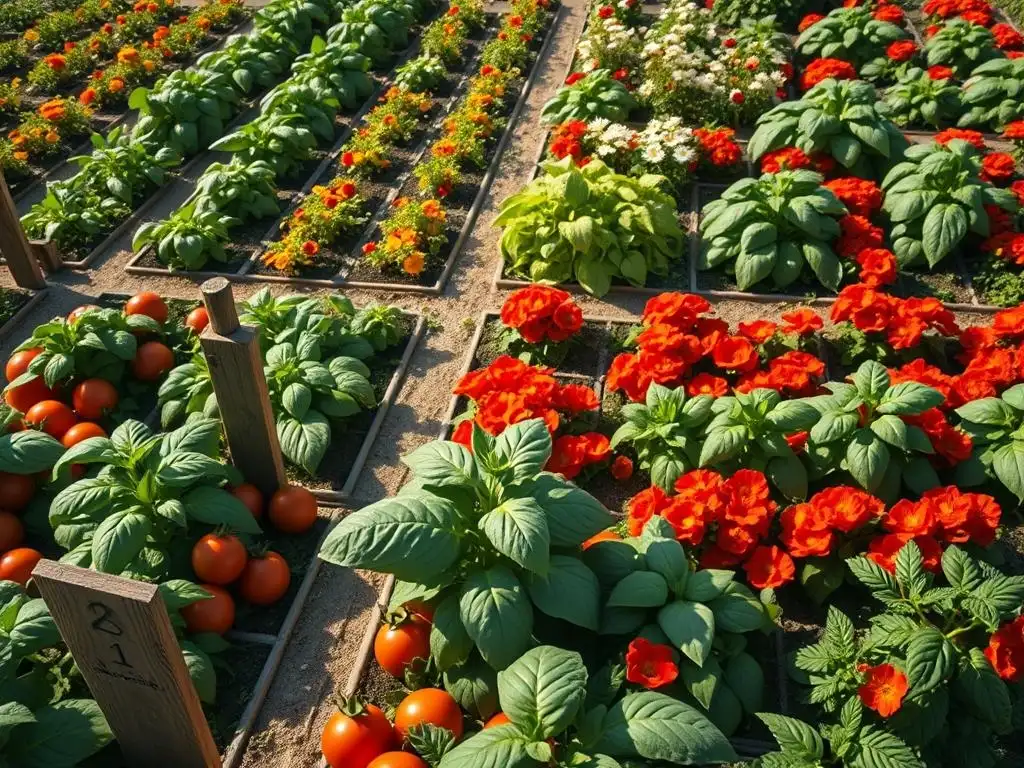
This section presents real-world examples of successful companion planting in large gardens, demonstrating the practical application of the principles discussed earlier and showcasing the benefits achievable through careful planning and execution. These case studies highlight different garden types and illustrate how companion planting can significantly enhance yields, pest control, and overall garden health in expansive settings. Remember, successful companion planting in large gardens requires careful planning and observation, adapting strategies to your specific climate and soil conditions.
Case Study 1: A Large Vegetable Garden Utilizing Companion Planting
One successful example involves a 1-acre vegetable garden in a temperate climate. The gardener implemented a carefully planned companion planting strategy, dividing the plot into distinct sections based on plant compatibility. For instance, the tomato section (approximately 200 plants) incorporated basil and marigolds.
Basil is known to repel tomato hornworms, while marigolds deter nematodes and other soil pests. This combination resulted in a 15% increase in tomato yield compared to previous years when companion planting wasn't employed. The data was tracked meticulously throughout the growing season, recording yields per plant, instances of pest infestations, and the overall health of the plants.
Furthermore, the garden included a significant area dedicated to brassicas (cabbage, broccoli, kale). These were interplanted with rosemary and thyme, which are known to repel cabbage white butterflies. The gardener also utilized chives strategically amongst the brassicas, as their strong scent is believed to deter aphids. This approach led to a reduction in pesticide use by approximately 30%, contributing to a more sustainable and environmentally friendly gardening practice. The resulting reduction in pest damage also positively impacted the overall yield of the brassica crops.
The success of this large-scale companion planting project was due to a combination of factors: careful planning, thorough research on plant compatibility, and diligent record-keeping. The gardener's meticulous approach allowed for the identification of particularly effective plant pairings and also highlighted the importance of monitoring the garden regularly for any unforeseen issues. The significant increase in yield and reduction in pest damage clearly demonstrate the value of implementing companion planting in large vegetable gardens.
Case Study 2: A Large Herb Garden with Integrated Companion Plants
A different approach was taken in a 0.5-acre herb garden, which integrated companion plants amongst the various herbs to enhance their growth and resilience. This design used a combination of rows and blocks, maximizing space utilization. For example, chamomile, known for its beneficial properties for soil health, was planted in rows between rows of rosemary and thyme. This strategy improved soil fertility, leading to healthier herb plants and a higher yield of essential oils. The gardener documented the essential oil yields from each plant, showing a noticeable improvement in the chamomile-adjacent rosemary and thyme plants.
Additionally, lavender, known for its pest-repelling properties, was strategically placed throughout the garden to deter various herb pests. The gardener meticulously recorded the instances of pest infestations, noting a significant reduction in comparison to previous years when lavender was not integrated into the herb garden layout. This case study emphasizes the importance of considering not only plant compatibility but also the specific benefits each plant brings to the overall garden ecosystem.
The results clearly indicate the benefits of integrated companion planting in enhancing herb growth, pest control, and overall garden productivity. The data collected over the two-year period showed a consistent improvement in yield and quality.
Case Study 3: A Fruit Orchard Enhanced by Companion Planting
A third successful example involves a 2-acre fruit orchard. This orchard incorporated nitrogen-fixing plants, such as clover and alfalfa, within the rows of fruit trees. These plants naturally enrich the soil with nitrogen, reducing the need for synthetic fertilizers. The orchard owner tracked soil nitrogen levels before and after implementing the companion planting strategy and noted a significant increase in nitrogen content, positively impacting tree health and fruit production. The data showed a consistent 10-15% increase in fruit yield over a three-year period.
Furthermore, the orchard also incorporated marigolds and other flowering plants to attract beneficial insects, such as ladybugs, which help control pest populations. The presence of these beneficial insects reduced the need for chemical pest control significantly. The orchard owner meticulously recorded the number of beneficial insects observed throughout the growing season, noting a substantial increase after the introduction of the companion plants.
This case study highlights the multifaceted benefits of companion planting in fruit orchards, demonstrating its effectiveness in improving soil health, enhancing biodiversity, and ultimately increasing yields while promoting sustainable practices. The data collected clearly showcases the long-term benefits of integrating companion planting into large-scale fruit production.
Resources and Further Learning on Large-Scale Companion Planting
This section provides valuable resources to deepen your understanding and skills in companion planting for large gardens, helping you achieve even greater success in your sustainable gardening journey. We'll explore recommended reading, online communities, and local resources to support your continued learning and growth. Mastering companion planting at scale requires dedication and ongoing education; these resources will be invaluable tools in your arsenal.
Recommended Books and Articles on Companion Planting
Scaling up companion planting requires a solid theoretical foundation. Several excellent resources can guide you through the complexities of designing and managing companion planting systems in larger spaces. While specific titles may vary depending on your region and the types of plants you're cultivating, look for books and articles that focus on:
- Detailed plant compatibility charts: These charts are crucial for large-scale planning, as they allow you to quickly identify beneficial pairings and avoid detrimental ones. Pay attention to charts that differentiate between companion planting benefits (pest deterrence, nutrient cycling, etc.) and consider the specific needs of your chosen plants.
- Strategies for large-scale planning and implementation: Simply expanding a small-scale companion planting design won't always work. Books focusing on large-scale techniques will offer insights into efficient planting layouts, resource management, and potential challenges unique to larger gardens.
- Case studies of successful large-scale companion planting projects: Learning from the experiences of others is invaluable. Look for resources that showcase real-world examples of successful large-scale companion planting, highlighting both successes and challenges encountered.
- Regional considerations: Companion planting principles are broadly applicable, but regional variations in climate, pests, and soil conditions require adaptation. Prioritize resources that address your specific geographical location.
Beyond books, many reputable gardening websites and publications offer in-depth articles on companion planting. Search for articles using keywords like "companion planting large garden design," "companion planting for commercial growers" (even if you're not commercial, the principles often apply), and "advanced companion planting techniques." Look for articles backed by research and experience, rather than anecdotal evidence alone.
Online Communities and Forums for Companion Planting Enthusiasts
Connecting with other companion planting enthusiasts can provide invaluable support, advice, and shared experiences. Online communities serve as a rich source of information and a platform for troubleshooting challenges. Here are some avenues to explore:
- Specialized gardening forums: Many online forums are dedicated to sustainable gardening and companion planting. These forums often have dedicated threads or sections for discussing large-scale companion planting strategies. Engage actively, ask questions, and share your own experiences to learn from others.
- Social media groups: Facebook groups, Instagram communities, and other social media platforms host active groups focused on organic gardening and companion planting. These groups often share photos, tips, and advice, creating a vibrant learning environment.
- Online courses and webinars: Several organizations and individuals offer online courses and webinars on advanced gardening techniques, including companion planting. These courses can provide structured learning and often include opportunities to interact with instructors and fellow participants.
Local Resources and Workshops on Sustainable Gardening Practices
Local resources can offer a more hands-on, personalized approach to learning about companion planting. These resources provide opportunities to connect with experienced gardeners and learn from your immediate environment:
- Local garden centers and nurseries: Many garden centers and nurseries offer workshops and consultations on various gardening topics, including companion planting. They often stock regionally appropriate plants and can provide tailored advice based on your specific location and growing conditions.
- Community gardens and farming collectives: Community gardens and farming collectives frequently host workshops and events on sustainable gardening practices. These settings offer opportunities to collaborate with other gardeners, share knowledge, and learn from experienced practitioners.
- University extension programs: University extension programs often provide resources and workshops on sustainable agriculture and horticulture. These programs frequently offer evidence-based information and guidance on companion planting and other advanced gardening techniques. Look for programs specializing in organic or sustainable farming practices.
By actively engaging with these resources, you'll significantly enhance your understanding and success in implementing companion planting in your large garden. Remember that ongoing learning is key to mastering this valuable sustainable gardening technique. 🌱
Frequently Asked Questions
How does companion planting benefit a large garden?
Companion planting in large gardens maximizes space utilization and resource efficiency. Beneficial plant pairings can improve pest control, pollination, and overall yield, making large-scale gardening more manageable and productive.
What are some effective companion plant pairings for a large vegetable garden?
Excellent pairings include basil with tomatoes (repels pests), marigolds with many vegetables (pest deterrent), and legumes with heavy feeders like brassicas (nitrogen fixation). Consider your specific needs and climate when selecting combinations.
How do I plan for companion planting in a large garden layout?
Begin with a detailed garden plan, grouping compatible plants together in blocks or rows. Consider plant heights and sunlight requirements to ensure all plants thrive. Allocate sufficient spacing to accommodate mature plant sizes.
Can companion planting help with pest control in a large garden?
Yes, strategically placed companion plants can significantly reduce pest pressure. Marigolds, nasturtiums, and garlic are known for their pest-repelling properties, minimizing the need for chemical interventions.
How does companion planting contribute to the overall success of a large garden?
By promoting healthy soil, natural pest control, and increased yields, companion planting enhances the sustainability and productivity of large gardens. This translates to reduced workload, less resource consumption, and abundant harvests.
Final Reflection: Harvesting Abundance: The Future of Companion Planting
The principles of companion planting, long championed by small-scale gardeners, are now more crucial than ever for achieving large-scale agricultural success. Feeding a growing global population sustainably demands innovative and efficient farming practices, and companion planting offers a powerful, nature-based solution to increase yields and reduce reliance on harmful pesticides.
Witnessing the transformative power of carefully planned plant communities in my own garden has been profoundly rewarding. It's not just about increased yields; it's about fostering a vibrant, resilient ecosystem that thrives on synergy rather than competition. The earth laughs in flowers.
This simple quote encapsulates the beauty and bounty that companion planting unlocks, reminding us of the interconnectedness of life and the potential for harmonious coexistence, even on a large scale. The ongoing research into specific plant pairings and their impact on pest control and nutrient cycling further underscores the importance of this practice for a sustainable future.
You, the reader, now hold the key to unlocking this potential. Consider the space you have available, whether it's a sprawling backyard or a community garden plot. Research the best companion plants for your specific climate and desired crops. Embrace the challenge of designing a thriving ecosystem, and watch as your garden flourishes, not just with abundant harvests, but with a deeper understanding of the interconnectedness of nature and the power of working with it, rather than against it. Let's cultivate a future where companion planting is not just a practice, but a cornerstone of sustainable agriculture.
Unlock Your Garden's Full Potential: Grow Bigger, Better, Together!
Thanks for exploring the world of companion planting! We hope you've gained valuable insights into maximizing your harvest and minimizing pest problems. Now it's time to put that knowledge into action. Ready to see your garden flourish?
- Design your dream companion planting plan: Grab a pen and paper (or open your favorite gardening app) and start sketching out your ideal garden layout. Consider the specific needs of your plants and how they complement each other. This is your chance to get creative and truly optimize your space.
- Share your successes (and challenges!): Join our CultivateYourFood community on Instagram and share photos of your companion planting journey. Let's learn from each other!
- Try one new companion plant pairing this week: Don't overwhelm yourself! Choose one new combination from the article and give it a try. Even a small change can make a significant difference.
Ready to transform your garden into a thriving ecosystem? What exciting companion plant combinations are you most eager to try?