
Companion Planting in Square Foot Gardens: Maximize Space and Protect Your Plants

Ready to unlock the secrets of a bountiful, sustainable harvest right in your backyard? CultivateYourFood empowers you to grow vibrant fruits, vegetables, and herbs organically. Discover the power of companion planting—learn how strategically placed plants can boost yields and protect your crops in our Advanced Techniques article on "Square foot garden companion plants." Prepare to be amazed by what you can achieve in even the smallest of spaces!
Understanding the Benefits of Companion Planting in Square Foot Gardens
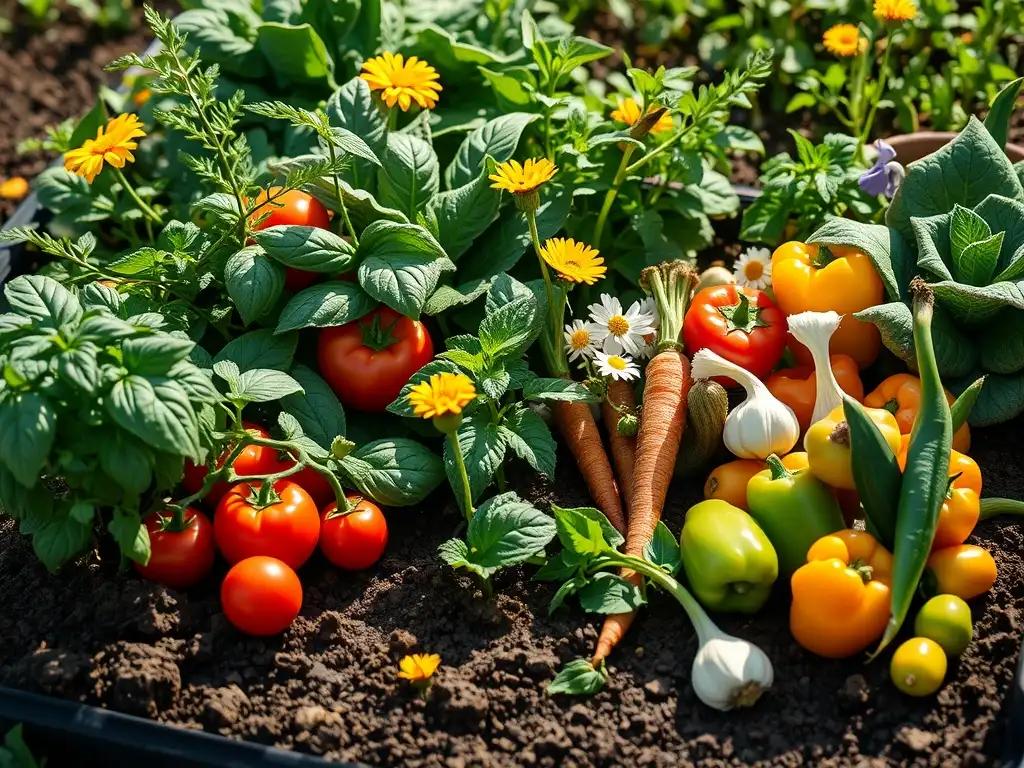
Companion planting, the art of strategically placing plants together to enhance growth and deter pests, is a powerful technique that significantly boosts the productivity of square foot gardens. This method leverages the synergistic relationships between different plant species to maximize space utilization and minimize the need for chemical interventions, aligning perfectly with the sustainable and organic ethos of CultivateYourFood.
By carefully selecting companion plants, you can create a thriving ecosystem within your square foot garden, resulting in healthier, more abundant harvests. This article will delve into the specific benefits of companion planting within the confines of a square foot garden, exploring practical examples and offering guidance on plant selection for optimal results.
We'll uncover how this technique not only increases yields but also contributes to a more resilient and environmentally friendly gardening experience. Let's explore how you can transform your square foot garden into a vibrant, mutually beneficial community of plants.
Maximizing Space Efficiency in Your Square Foot Garden
The limited space inherent in square foot gardening necessitates efficient plant placement. Companion planting helps overcome this challenge. By interplanting fast-growing, low-profile species with taller, slower-growing ones, you can create vertical layers, maximizing sunlight penetration and minimizing wasted space. For example, low-growing lettuce can thrive happily beneath taller tomato plants, utilizing the space beneath the canopy effectively.
This layered approach allows you to cultivate a greater diversity of plants within the same square foot area, leading to a higher overall yield. Careful planning and selection of compatible plant heights are key to success in this aspect of companion planting. Consider creating a visual plan of your garden bed before planting to ensure optimal space utilization. This thoughtful approach can significantly increase the number of plants you can successfully grow within your limited space.
Protecting Your Plants from Pests and Diseases
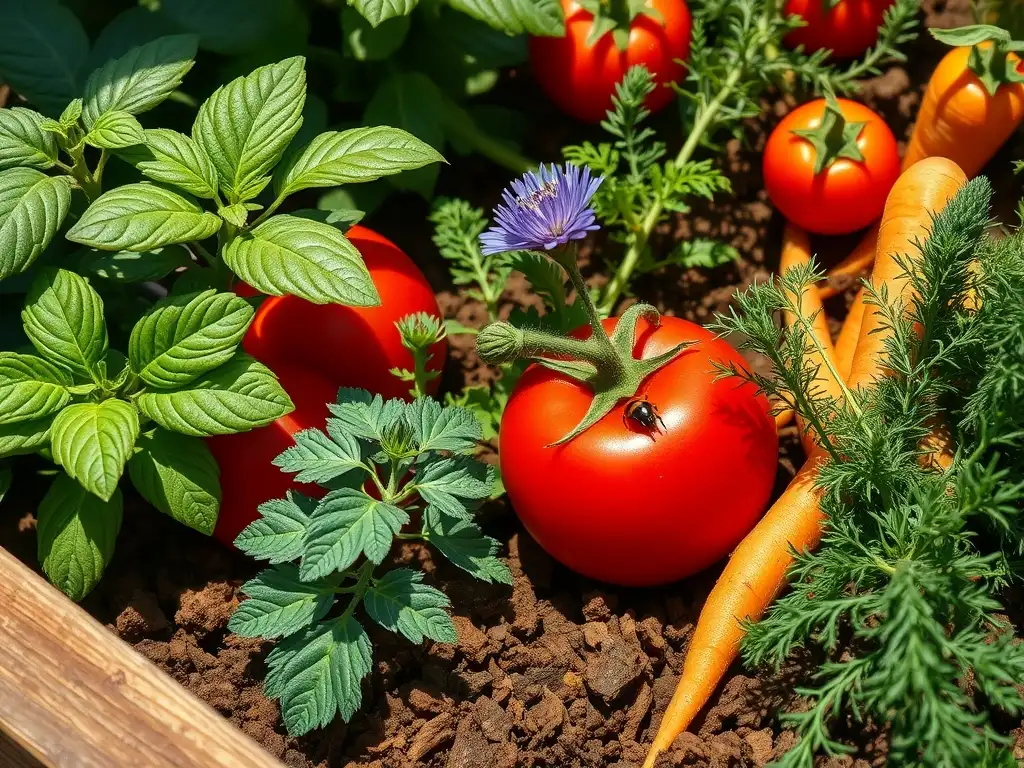
One of the most significant advantages of companion planting is its natural pest and disease control capabilities. Certain plants repel or attract beneficial insects that prey on common garden pests. For instance, planting basil near tomatoes is known to deter tomato hornworms, while marigolds can help repel nematodes and other soilborne pests. These natural deterrents significantly reduce the need for chemical pesticides, contributing to a healthier and more environmentally friendly garden.
The precise mechanisms by which these plants provide pest control vary, but the overall effect is a reduction in pest pressure and a healthier plant environment. [Specific data on pest reduction percentages pending further research]. This natural approach to pest management aligns perfectly with sustainable gardening principles.
Enhancing Pollination and Soil Health
Companion planting can also improve pollination and soil health. Many flowering plants attract beneficial pollinators such as bees and butterflies, which in turn enhance the fruit and seed production of other plants in your garden. Moreover, certain plants, like legumes, fix nitrogen in the soil, enriching it and reducing the need for artificial fertilizers. This symbiotic relationship improves the overall health and fertility of your soil, contributing to stronger, more vigorous plant growth.
The benefits extend beyond a single growing season, creating a more sustainable and self-sustaining gardening system. For example, planting clover between rows of vegetables can significantly improve soil health over time, reducing the need for external inputs. This approach contributes to a more resilient and productive garden in the long run.
Choosing the Right Companion Plants for Your Square Foot Garden
Selecting the right companion plants requires careful consideration of plant compatibility and specific needs. Not all plants are compatible, and some may even compete for resources. It's crucial to research the specific requirements of each plant and choose companions that complement each other, rather than compete. A detailed understanding of individual plant needs—sunlight, water, and nutrient requirements—is essential for successful companion planting.
[Table of common square foot garden plants and their ideal companions pending]. Careful planning and research will ensure that your companion planting strategy enhances, rather than hinders, the growth of your plants. Remember, successful companion planting is about creating a harmonious and mutually beneficial ecosystem within your square foot garden.
Frequently Asked Questions
What are companion plants?
Companion plants are species that, when planted together, benefit each other. This can involve improved growth, pest deterrence, or increased yields. It's a key element of sustainable gardening.
How does companion planting work in a square foot garden?
In a square foot garden, companion planting maximizes limited space by strategically placing plants with synergistic relationships. This allows you to grow more while reducing the need for pesticides.
What are some good companion plant pairings for a square foot garden?
Excellent pairings include basil and tomatoes (basil repels tomato hornworms), carrots and onions (onions deter carrot rust flies), and lettuce and radishes (they have different growth cycles and don't compete for resources).
Are there any plants that shouldn't be planted together?
Yes, some plants are incompatible. For example, avoid planting brassicas (cabbage, broccoli) near strawberries, as they can compete for nutrients and harbor similar pests. Research pairings carefully.
Where can I find more information on square foot garden companion planting?
Explore resources like the CultivateYourFood website for detailed guides and plant pairing charts. Many books and online articles also offer valuable insights into companion planting techniques.
Final Reflection: Harvesting Harmony in the Square Foot Garden
The principles of companion planting, when applied to the efficient design of a square foot garden, offer a powerful pathway to increased yields and healthier plants. This isn't just about maximizing space; it's about creating a thriving ecosystem right in your backyard, a miniature reflection of nature's intricate balance. The benefits extend beyond simply growing more food; they contribute to a more sustainable and rewarding gardening experience.
The impact of companion planting extends far beyond the individual garden. It speaks to a broader shift in our relationship with the natural world, a move away from monoculture and towards a more holistic approach to agriculture. The earth laughs in flowers.
– Ralph Waldo Emerson. This quote beautifully captures the joy and abundance that can be achieved through understanding and respecting the interconnectedness of plants. Witnessing the positive interactions between carefully chosen companions – the deterrents to pests, the improved nutrient uptake, the enhanced growth – is deeply satisfying and reinforces the importance of mindful gardening practices.
You, the gardener, hold the key to unlocking this harmony. Consider the possibilities: a vibrant, productive space teeming with life, created with intention and care. Experiment with different companion plant pairings, observe the results, and learn from the subtle interactions within your square foot garden. Don't just grow food; cultivate a relationship with nature, one carefully chosen plant at a time. The rewards – both tangible and intangible – will far surpass your expectations.
Unleash Your Garden's Potential: Grow Bigger, Healthier Plants!
Thank you for exploring the world of companion planting in square foot gardens! We hope you've gained valuable insights into maximizing your space and increasing your harvest. Now it's time to put your new knowledge into practice.
- Design your ideal companion planting scheme: Grab a pen and paper, or use your favorite garden planning app, and sketch out your square foot garden layout, incorporating the beneficial plant pairings we discussed. Get creative and optimize your growing space!
- Share your plan (and ask questions!): We'd love to see your garden design! Post a picture in the comments below – we're a supportive community ready to help you succeed.
- Try a new companion planting combination: Challenge yourself to try something unexpected. You might discover a surprising new favorite!
What unexpected benefits are you most excited about this season?