
Composting for Square Foot Gardens: Enriching Your Soil Naturally

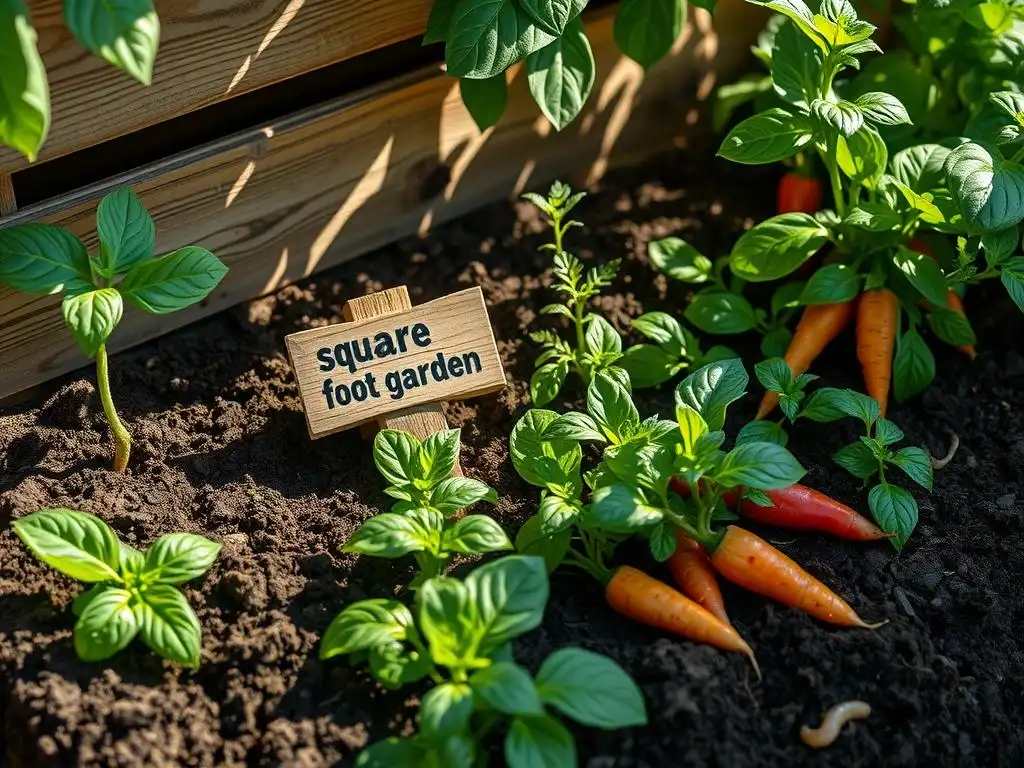
Ready to unlock the secrets to a thriving, organic garden bursting with flavor? CultivateYourFood is your guide to sustainable home gardening. Learn how to transform your garden waste into nutrient-rich soil with our comprehensive Square Foot Garden composting guide, a crucial step in achieving bountiful harvests using advanced techniques. Discover the simple yet powerful methods that will take your gardening to the next level – let's get started!
- Understanding the Benefits of Composting for Square Foot Gardens
- Choosing the Right Composting Method for Your Square Foot Garden
- Creating High-Quality Compost for Your Square Foot Garden
- Integrating Compost into Your Square Foot Garden
- Troubleshooting Common Composting Challenges
- Maintaining Sustainable Composting Practices for Your Square Foot Garden
- Frequently Asked Questions
- Final Reflection: Cultivating a Richer Future, One Compost Bin at a Time
- Unlock Your Garden's Potential: Start Composting Today!
Understanding the Benefits of Composting for Square Foot Gardens
Composting is a cornerstone of sustainable gardening, and its benefits are particularly pronounced in the context of square foot gardening (SFG). This intensive gardening method relies on maximizing yield within a small space, making soil health paramount. A rich, well-structured soil is crucial for healthy plant growth in SFG, and composting provides the perfect pathway to achieve this. This guide will delve into the specifics of composting for your square foot garden, offering a practical, step-by-step approach to enriching your soil naturally and boosting your harvest.
We'll explore how composting improves soil fertility, structure, and water retention, ultimately leading to healthier, more productive plants. This guide serves as your comprehensive "Square foot garden composting guide," empowering you to cultivate thriving plants using environmentally friendly practices. Let's get started!
Enhanced Soil Fertility
Compost acts as a natural fertilizer, providing a slow-release source of essential nutrients vital for plant growth. Unlike chemical fertilizers that can burn plants or leach into the groundwater, compost nourishes the soil gradually, feeding your plants consistently throughout the growing season. The organic matter in compost improves the soil's capacity to hold onto these nutrients, preventing them from being washed away by irrigation or rainfall. This sustained release of nutrients translates to healthier, more vigorous plants with increased yields.
For example, a compost rich in nitrogen will promote lush green foliage, while phosphorus contributes to robust root development and flowering. Potassium, another key nutrient, strengthens plant stems and improves disease resistance. A well-balanced compost will supply a complete spectrum of these essential elements.
Regular composting ensures a continuous supply of these vital nutrients, creating a self-sustaining ecosystem in your square foot garden. The result? Healthier plants and a bountiful harvest!
Improved Soil Structure
The addition of compost significantly improves the soil structure within your square foot garden. Heavy clay soils benefit immensely from compost's ability to improve drainage and aeration. Compost introduces organic matter that breaks up compacted soil, creating air pockets that allow roots to breathe and access water more easily. Conversely, sandy soils, which tend to be poorly structured and drain too quickly, gain improved water retention when amended with compost.
The organic matter in compost acts like a sponge, holding moisture and releasing it slowly to the plants. This improved structure ensures that your plants have consistent access to both air and water, resulting in healthier root systems and overall plant vigor. Imagine the difference: Instead of struggling roots in compacted clay, you'll have thriving roots exploring a loose, well-aerated soil, maximizing nutrient uptake and overall plant health.
Increased Water Retention
One of the most significant advantages of using compost in your square foot garden is its ability to enhance water retention. Compost's high organic matter content acts like a sponge, absorbing and holding water. This is particularly beneficial during dry spells, reducing the frequency of watering and conserving water resources.
By improving soil structure as mentioned above, compost creates a more porous medium that allows water to infiltrate and be held within the soil profile, rather than running off the surface. This improved water retention translates to less frequent watering, saving you time and water. The consistent moisture levels also contribute to more even plant growth, reducing stress on your plants and leading to higher yields.
This is especially crucial in square foot gardening where plants are grown in close proximity, relying heavily on consistent moisture levels for optimal growth. The result? Thriving plants that require less attention and deliver a rewarding harvest.
Reduced Need for Chemical Fertilizers
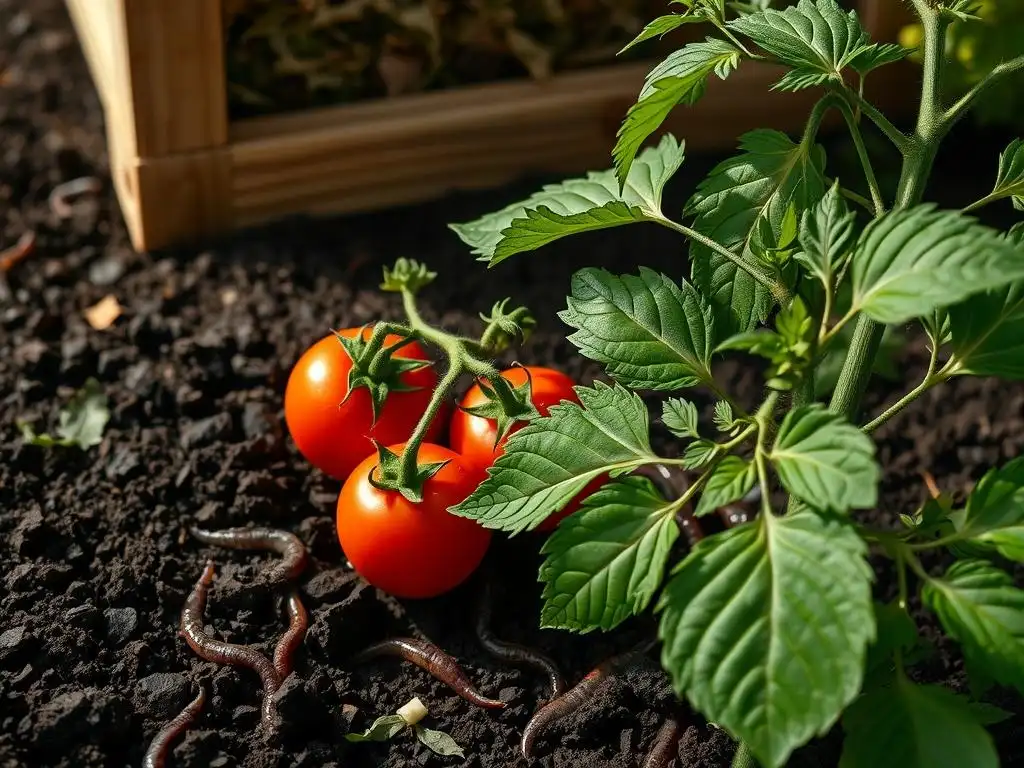
One of the most significant advantages of composting for your square foot garden is the drastic reduction in your reliance on chemical fertilizers. Compost acts as a natural fertilizer, providing a slow-release supply of essential nutrients to your plants. Chemical fertilizers, on the other hand, often provide a quick burst of nutrients that can be easily leached out by watering, leading to wasted resources and potential environmental damage.
Furthermore, the overuse of chemical fertilizers can disrupt the delicate soil ecosystem, harming beneficial microorganisms and potentially leading to soil degradation over time. A well-maintained compost bin, however, will naturally enrich your soil with a balanced blend of nutrients, fostering a thriving environment for your plants and reducing the need for potentially harmful synthetic alternatives. This translates not only to healthier plants but also to a healthier environment, aligning perfectly with the sustainable and organic practices advocated by CultivateYourFood.
Choosing compost over chemical fertilizers is a conscious decision to prioritize the long-term health of your garden and the planet. Think of it as a natural, sustainable investment in your square foot garden's success. The reduced cost associated with less fertilizer purchases is an added bonus!
Improved Soil Structure and Water Retention
Composting significantly improves the structure and texture of your soil within your square foot garden. The addition of compost introduces organic matter, creating a more porous and well-aerated soil. This improved soil structure allows for better water infiltration and drainage, preventing waterlogging which can suffocate plant roots.
Simultaneously, the increased organic matter in the soil enhances its water retention capacity. This means your plants will have access to consistent moisture, even during periods of drought, reducing the frequency of watering and conserving water resources. This is particularly beneficial in square foot gardens, where efficient water management is crucial for optimal plant growth.
The improved soil structure also supports stronger root systems, leading to healthier and more resilient plants capable of withstanding environmental stresses. By enhancing both water infiltration and retention, compost helps create the ideal soil conditions for thriving plants in your compact, highly productive square foot garden. This is a key advantage of using compost over other soil amendments, leading to a more self-sustaining and robust garden ecosystem.
Enhanced Nutrient Availability
Compost doesn't just add nutrients to your soil; it makes existing nutrients more readily available to your plants. The organic matter in compost acts as a natural chelating agent, binding to essential nutrients like iron and zinc and preventing them from being locked up in forms that plants can't readily absorb. This enhanced nutrient availability ensures your plants have the building blocks they need for robust growth and bountiful harvests.
This is particularly important in square foot gardens, where plant density is high, creating more competition for available nutrients. By improving nutrient uptake, compost helps to level the playing field and ensures all your plants receive the nourishment they need to thrive.
Unlike synthetic fertilizers, which can sometimes lead to nutrient imbalances, compost provides a balanced and readily available supply of nutrients, promoting healthy and sustainable plant growth. This holistic approach is crucial for creating a vibrant and productive square foot garden.
Choosing the Right Composting Method for Your Square Foot Garden
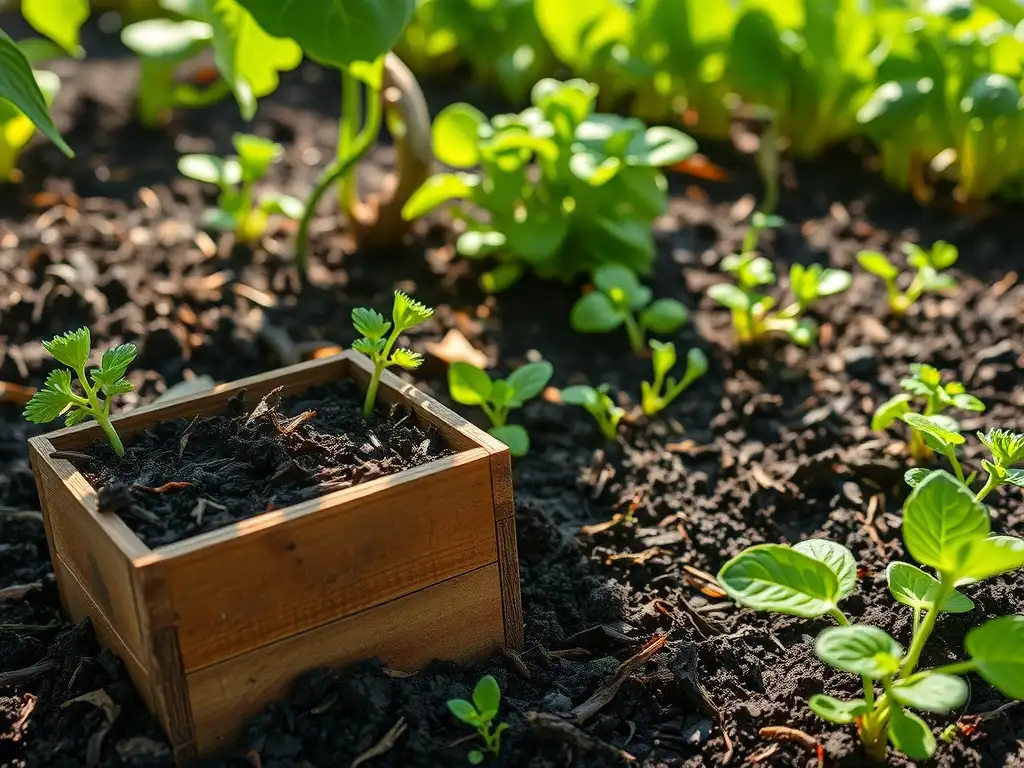
Choosing the right composting method is crucial for maximizing the benefits of your square foot garden. The best approach depends on your available space, the amount of organic waste you generate, and your personal preferences. This section will explore three popular methods, highlighting their advantages and disadvantages in the context of square foot gardening, helping you find the perfect fit for your "Square foot garden composting guide". Remember, regardless of your chosen method, the goal is to create nutrient-rich compost tea to enrich your soil and promote healthy plant growth.
Backyard Composting
Backyard composting is a classic method, ideal for gardeners with sufficient outdoor space. It involves layering brown and green materials in a designated area, typically a compost bin or pile. For a square foot garden, the benefits are significant. The resulting compost is rich in organic matter, improving soil structure, water retention, and aeration – all essential for thriving square foot gardens. However, it requires a dedicated space and regular maintenance, including turning the pile to ensure proper decomposition.
The process is relatively simple. You'll need a compost bin (or designated area), a source of "brown" materials (dried leaves, shredded paper, cardboard), and "green" materials (fruit and vegetable scraps, grass clippings, coffee grounds). Layer these materials, ensuring a balance to promote aerobic decomposition. Regularly moisten the pile and turn it every few weeks to accelerate the process. The decomposition time can vary from several months to a year, depending on factors like temperature and moisture levels.
Successfully managing a backyard compost pile for your square foot garden involves careful monitoring. Too much moisture can lead to anaerobic decomposition and unpleasant odors, while insufficient moisture will slow down the process. Regular turning helps aerate the pile, preventing anaerobic conditions and accelerating decomposition. You'll know your compost is ready when it's dark brown, crumbly, and earthy-smelling, resembling rich topsoil.
Vermicomposting
Vermicomposting, or worm composting, utilizes red wiggler worms to break down organic waste. This method is particularly suited for smaller spaces, making it a fantastic option for those with limited backyard area but still wanting a detailed "Square foot garden composting guide". The worms efficiently convert kitchen scraps and other organic materials into nutrient-rich vermicompost, a highly effective soil amendment for your square foot garden. This "worm tea" is incredibly rich in nutrients, easily absorbed by plants, boosting their growth and overall health.
The setup is relatively straightforward. You'll need a worm bin, bedding material (shredded newspaper or coconut coir), and red wiggler worms. Add your organic waste in layers, ensuring the worms have enough food and moisture. The worms will do the rest, breaking down the waste and producing high-quality castings (worm poop) and nutrient-rich "worm tea". This method produces less odor than traditional backyard composting and requires less space, making it a highly efficient option for many square foot gardeners. However, it requires more attention to moisture levels and temperature, as worms are sensitive to extreme conditions.
Bokashi Composting
Bokashi composting is an anaerobic fermentation process that uses beneficial microbes to break down organic matter, even including meat and dairy products. This method is quite efficient and produces a nutrient-rich compost tea that is highly beneficial for a square foot garden. It is less dependent on ideal environmental conditions compared to other methods, and the resulting compost can be used directly in your square foot garden or further processed.
The process starts by layering organic waste in a Bokashi bin and sprinkling it with Bokashi bran, a mixture of fermented grains and microbes. This bran provides the necessary microbes to begin the fermentation process. The bin is sealed to create an anaerobic environment, which allows the microbes to break down the material without producing unpleasant odors. After a few weeks, the fermented material, called Bokashi, is buried in the soil or further composted.
Bokashi composting is a great way to handle a wide range of organic waste and is particularly useful for those with limited space or who want to compost a wider variety of materials. However, the process is slightly more technical than traditional methods, requiring a specialized bin and understanding of the fermentation process. The end product, however, is excellent for enriching your square foot garden.
Creating High-Quality Compost for Your Square Foot Garden
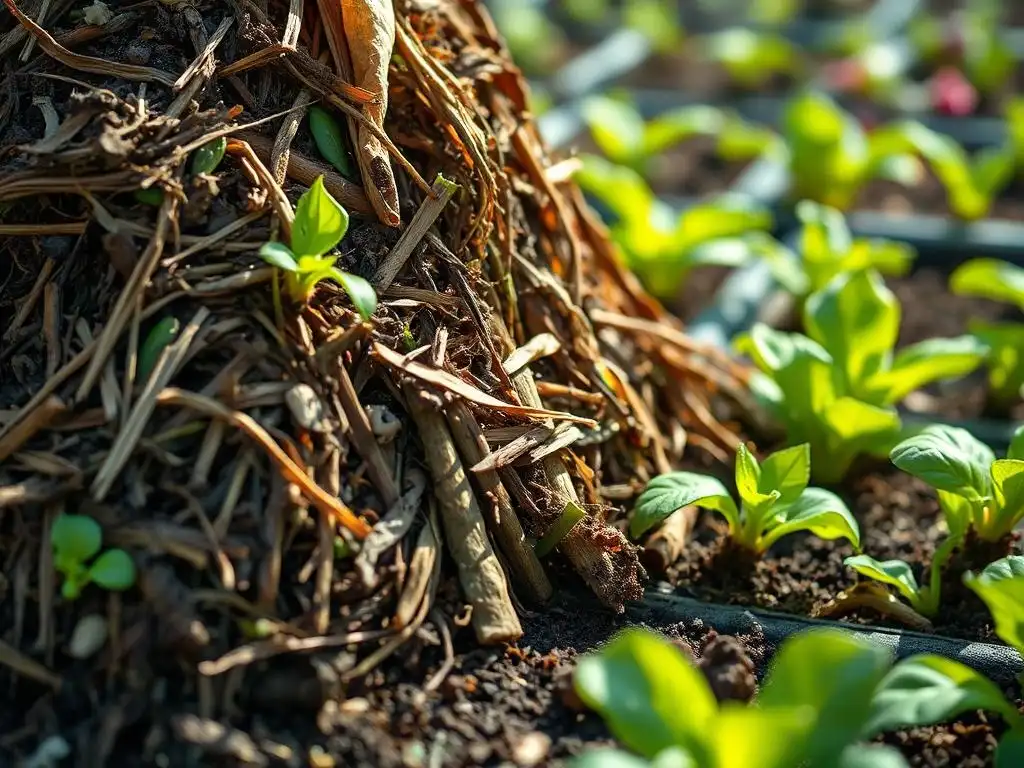
This section delves into the specifics of creating nutrient-rich compost tailored to the unique needs of your square foot garden. We'll explore the essential ingredients, ideal ratios, and crucial moisture management techniques to ensure your compost is a powerhouse of organic goodness, boosting the health and yield of your plants. Remember, successful square foot gardening hinges on healthy soil, and compost is the cornerstone of that success.
This detailed guide will help you master the art of composting for optimal results in your square foot garden. A well-managed compost pile is the key to a thriving square foot garden, providing a rich, nutrient-dense soil amendment that promotes vigorous plant growth and improves soil structure.
Essential Ingredients for Square Foot Garden Compost
Creating effective compost for your square foot garden involves a careful balance of "green" and "brown" materials. "Greens" are nitrogen-rich materials, while "browns" are carbon-rich. The ideal mix ensures proper decomposition and prevents unpleasant odors. Here's a breakdown of suitable ingredients:
- Greens (Nitrogen-Rich):
- Grass clippings (avoid those treated with herbicides)
- Vegetable scraps (avoid diseased plants)
- Fruit scraps (avoid citrus peels in large quantities)
- Coffee grounds
- Tea bags (remove staples)
- Manure (from herbivores only; ensure it's well-aged)
- Browns (Carbon-Rich):
- Dried leaves
- Shredded paper (no glossy or colored paper)
- Cardboard (remove tape and labels)
- Straw
- Wood chips (smaller pieces decompose faster)
- Sawdust (from untreated wood)
It's crucial to avoid adding meat, dairy products, oily foods, diseased plants, or pet waste to your compost pile, as these can attract pests and create foul odors, hindering the decomposition process and potentially harming your plants. Remember, the goal is to create nutrient-rich compost, not a smelly mess! Proper ingredient selection is paramount for a successful composting endeavor in your square foot garden. A balanced mix of greens and browns is vital for optimal decomposition.
The Ideal Compost Ratio
The golden ratio for composting often cited is a 2:1 ratio of browns to greens. However, this is a guideline, not a rigid rule. The actual ratio depends on the moisture content and the specific materials used. For a square foot garden, aiming for a mix that's relatively loose and airy is important. Too many greens can lead to a slimy, smelly pile that doesn't decompose efficiently. Too many browns can result in slow decomposition.
Observe your pile regularly; if it seems too wet or smelly, add more browns. If it's too dry and crumbly, add more greens and water. Think of it as a balancing act, constantly adjusting the ratio to maintain optimal decomposition. Regular monitoring and adjustment are key to maintaining the ideal compost ratio for your square foot garden. Proper ratio management ensures efficient decomposition and prevents issues like unpleasant odors and slow decomposition.
Maintaining Optimal Moisture Levels in Your Compost Pile
Moisture is crucial for successful composting. The pile should be as moist as a wrung-out sponge. Too dry, and decomposition slows down. Too wet, and it becomes anaerobic (lacking oxygen), leading to foul smells and potentially harmful pathogens.
Regularly check the moisture level by squeezing a handful of compost. If water drips freely, it's too wet; if it feels dry and crumbly, it needs more water. A good strategy is to water the pile whenever the top inch or two feels dry. You can also incorporate a moisture-retaining layer like aged manure or compost tea to help regulate moisture levels.
Consistent moisture management is essential for effective composting. Proper moisture content is a key factor in the decomposition process, contributing to a healthy and productive compost pile for your square foot garden. Remember, a well-maintained compost pile is the key to a successful square foot garden, providing a rich, nutrient-dense soil amendment that promotes vigorous plant growth and improves soil structure.
Turning Your Compost Pile
Turning your compost pile, also known as aerating, is a crucial step in the composting process for your square foot garden. It's not just about mixing things up; it's about ensuring proper oxygen flow, which is essential for the aerobic bacteria that break down organic matter. Without sufficient oxygen, anaerobic bacteria take over, leading to foul odors and a slow, inefficient composting process.
The ideal frequency of turning depends on several factors including the size of your pile, the moisture content, and the ambient temperature. A smaller pile might need turning only once a week, while a larger, hotter pile may require turning every 2-3 days. The goal is to maintain a balance: you want the pile to be moist but not soggy, and warm but not excessively hot (ideally around 130-160°F or 54-71°C).
Turning your compost pile isn't just about flipping it over. The process should incorporate mixing the materials thoroughly. This ensures even decomposition and prevents the formation of layers where certain materials break down faster than others. Use a garden fork or a compost turner to effectively mix the inner and outer parts of the pile.
This facilitates the movement of oxygen throughout the pile, creating a more uniform environment for microbial activity. Proper aeration also helps regulate temperature, preventing overheating which can kill beneficial microorganisms. Regular turning also helps to break down larger chunks of organic matter, speeding up the decomposition process and producing a richer compost for your square foot garden.
Remember, consistent turning is key to a successful and efficient composting system. Ignoring this step can significantly hinder the decomposition process, leading to a less effective compost and potentially unpleasant odors. The effort invested in turning is well worth it for the high-quality compost you'll ultimately harvest.
Integrating Compost into Your Square Foot Garden
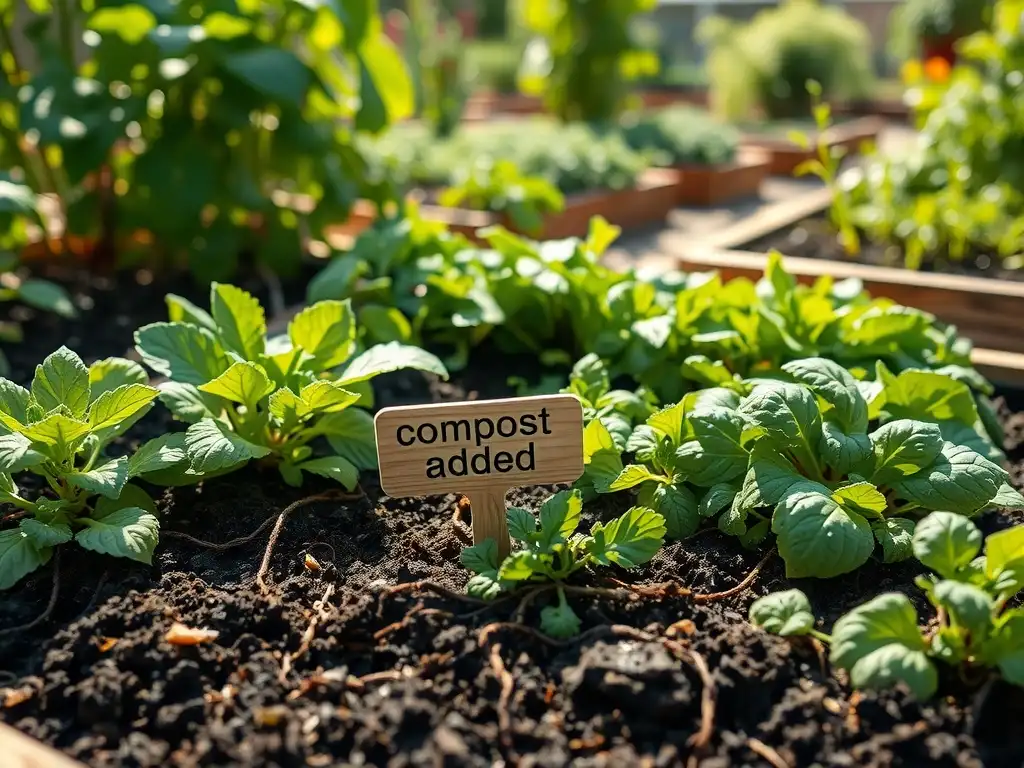
This section delves into the specifics of incorporating compost into your square foot garden, a crucial step in maximizing yields and promoting healthy plant growth. Successful square foot gardening relies heavily on nutrient-rich soil, and compost provides the perfect foundation. We'll explore the optimal methods for integrating this valuable soil amendment into your existing square foot gardening system.
Understanding the nuances of compost application will significantly improve your gardening results and contribute to a thriving, sustainable garden. This guide focuses on leveraging the benefits of compost specifically within the context of a square foot garden, addressing challenges and opportunities unique to this high-density gardening method.
Applying Compost to Your Square Foot Garden Beds
Applying compost to your square foot garden beds requires a delicate balance. Too much can lead to nutrient burn, while too little won't provide the necessary enrichment. The ideal approach involves a layered system. Begin by adding a base layer of about 2-3 inches of well-rotted compost to the bottom of your raised beds before you begin constructing your grid. This provides a rich, nutrient-dense foundation for the plants' roots.
Avoid using fresh, uncomposted organic matter, as it can introduce harmful pathogens and negatively impact your plants. Instead, ensure your compost is fully decomposed, dark brown or black in color, and crumbly in texture. This guarantees a slow and steady release of nutrients throughout the growing season. Think of it as a slow-release fertilizer, providing consistent nourishment to your plants.
This initial layer acts as a reservoir of essential nutrients, improving soil structure and drainage. Further, you can incorporate a smaller amount of compost directly into the planting squares when you plant your seedlings, mixing it gently with the existing soil to ensure optimal nutrient distribution. Remember to use a balanced compost; you don't want to overload your plants with only one type of nutrient. A good quality compost will have a balanced profile of Nitrogen (N), Phosphorus (P), and Potassium (K).
Compost Tea for Square Foot Gardens
Compost tea offers another effective way to leverage the benefits of compost in your square foot garden. This liquid solution, brewed from compost, provides a readily available source of nutrients and beneficial microbes directly to your plants' roots. It's a fantastic supplement to the base layer of compost in your beds. Preparing compost tea involves steeping your compost in water for several days, allowing beneficial microorganisms to multiply.
You can then dilute this concentrated tea and apply it directly to your plants through watering. The benefits extend beyond simple nutrient provision; the beneficial microbes in compost tea help to suppress soilborne diseases and improve overall soil health, leading to stronger, more resilient plants. The application method is simple: dilute the tea according to package instructions (if using a pre-made solution) or generally aim for a ratio of 1:10 (tea:water).
Apply this diluted solution weekly or bi-weekly, ensuring to water at the base of the plants to avoid leaf burn. Regular application of compost tea can result in significantly healthier plants and improved yields, especially noticeable in the square foot gardening system’s high-density environment. Remember to always use fresh tea and avoid leaving brewed tea for extended periods, as it can become anaerobic and lose its effectiveness.
Monitoring Soil Health After Composting
After applying compost, regular monitoring of your soil health is crucial. This ensures that your composting efforts are paying off and that your plants have access to the nutrients they need. Several methods can be used to assess your soil’s health:
- Visual Inspection: Observe the soil's color and texture. Dark, crumbly soil indicates good organic matter content. Poor drainage or compaction suggests adjustments are needed.
- pH Testing: Use a soil testing kit to measure the pH level. Most plants thrive in a slightly acidic to neutral pH range (6.0-7.0). Adjust accordingly using lime (to raise pH) or sulfur (to lower pH).
- Nutrient Testing: A more comprehensive soil test will determine the levels of essential nutrients like nitrogen, phosphorus, and potassium. This helps identify any deficiencies and guide supplemental fertilization.
Regular monitoring allows for proactive adjustments to your composting and fertilization strategies. This iterative approach ensures optimal soil health and maximizes the productivity of your square foot garden. Remember, a healthy soil is the foundation of a successful square foot garden, and regular monitoring helps you maintain that health over time. By consistently tracking your soil's health, you can fine-tune your composting techniques and ensure your square foot garden flourishes year after year. This proactive approach will lead to a more sustainable and productive garden. 🌱
Troubleshooting Common Composting Challenges
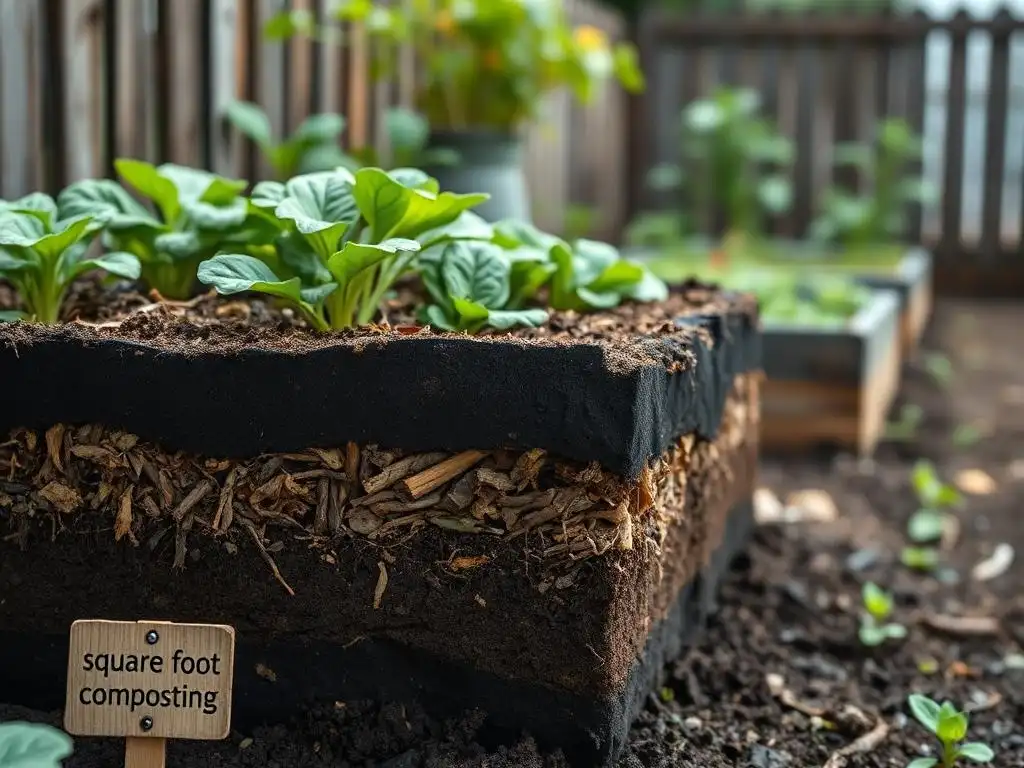
Composting for your square foot garden is a rewarding process, enriching your soil and promoting sustainable gardening practices. However, like any gardening endeavor, you might encounter some challenges. This section provides practical solutions to common composting problems, ensuring your compost bin remains a thriving ecosystem. This guide will help you troubleshoot issues and maintain a healthy, productive compost pile, maximizing the benefits for your square foot garden.
Dealing with Pests and Rodents in Your Compost Pile
Pests and rodents can be a nuisance in your compost pile, attracted by the decaying organic matter. Prevention is key. A well-managed compost pile is less attractive to pests. This means ensuring proper air circulation to prevent anaerobic conditions that attract pests. A tightly constructed bin with small openings can help, as can regularly turning the compost.
Several strategies can effectively deter unwanted visitors:
- Physical Barriers: Use wire mesh or hardware cloth to create a barrier around the base of your compost bin, preventing rodents from burrowing in. Consider using a lid that seals tightly to deter larger animals.
- Natural Repellents: Scattering crushed eggshells or coffee grounds on the surface of the compost pile can act as a physical deterrent to some smaller creatures. Strong-smelling herbs like mint or rosemary placed near the compost bin can also help repel some pests.
- Regular Turning: Frequent turning of the compost pile (at least once a week) helps to raise the temperature, creating an environment inhospitable to many pests and speeding up decomposition. This also helps to reduce moisture levels, making the compost less appealing.
- Cleanliness: Keep the area around your compost bin clean and free of food scraps or other attractants. Don't add meat, dairy, or oily foods to your compost, as these attract pests and slow down decomposition.
Addressing Slow Decomposition
Slow decomposition is a common problem, often stemming from improper compost ratios or insufficient aeration. A balanced mix of "greens" (nitrogen-rich materials like grass clippings and vegetable scraps) and "browns" (carbon-rich materials like dried leaves and twigs) is crucial. Too many greens can lead to a slimy, slow-decomposing mess, while an excess of browns will result in a dry, slow-decomposing pile.
Here's how to accelerate the decomposition process:
- Check Your Carbon-to-Nitrogen Ratio: Aim for a ratio of roughly 30:1 (brown to green). This is a general guideline; the exact ratio can vary depending on the specific materials. If decomposition is slow, add more browns if it's too wet and slimy, or more greens if it's too dry.
- Improve Aeration: Turn your compost regularly to introduce oxygen, which is essential for aerobic decomposition. The more frequently you turn it, the faster the decomposition process. Consider using a compost aerator tool for larger piles.
- Moisture Level: Ensure the compost pile is consistently moist, like a wrung-out sponge. Too much moisture can lead to anaerobic decomposition and foul odors, while too little will slow down the process. Add water if it is too dry, but avoid overwatering.
- Particle Size: Smaller particle sizes decompose faster. Chop up larger materials before adding them to the compost pile to improve the surface area for microbial activity.
Preventing Foul Odors in Your Compost Pile
Foul odors from your compost pile are usually a sign of anaerobic decomposition, caused by a lack of oxygen. This often occurs in overly wet or compacted piles. Addressing this issue involves improving aeration and controlling moisture levels.
Here's how to keep your compost pile smelling fresh:
- Increase Aeration: Regular turning is crucial for introducing oxygen and preventing anaerobic conditions. If your pile is very large, consider using a compost aerator tool to improve air circulation throughout the pile.
- Adjust Moisture Level: A consistently moist, but not soggy, compost pile is essential. Overly wet compost will create anaerobic conditions and foul odors. Allow excess water to drain if needed.
- Avoid Adding Problematic Materials: Meat, dairy products, and oily foods can lead to foul odors and attract pests. Avoid adding these materials to your compost pile.
- Layer Properly: Alternate layers of "greens" and "browns" to create a well-aerated pile. This helps to maintain a good balance of moisture and oxygen.
- Consider Adding Activated Carbon: Activated carbon can help to absorb odors and improve the overall quality of your compost.
By following these guidelines and addressing these common challenges proactively, you can maintain a healthy and productive compost pile, providing valuable, nutrient-rich compost for your square foot garden. Happy composting!
Maintaining Sustainable Composting Practices for Your Square Foot Garden
This section focuses on the long-term sustainability of your composting efforts within the context of your square foot garden. Effective composting isn't just about creating nutrient-rich soil; it's about creating a closed-loop system that minimizes waste and maximizes the health of your garden ecosystem. We'll explore key strategies to ensure your composting practices remain both effective and environmentally friendly. Remember, consistent and well-managed composting is crucial for a thriving square foot garden.
Composting Calendar for Square Foot Gardeners
A well-structured composting calendar is essential for efficient waste management and optimal compost production. This calendar should align with your planting schedule and the seasonal availability of compostable materials. Consider these key points when creating your personal calendar:
- Spring: Focus on collecting green materials (grass clippings, vegetable scraps) to balance the carbon-rich materials accumulated over winter. Begin turning your compost pile more frequently as temperatures rise to accelerate decomposition.
- Summer: The peak growing season generates a wealth of compostable materials. Regularly add kitchen scraps, garden weeds (ensure they are not seeded), and other green waste. Monitor moisture levels carefully, adding water as needed to maintain optimal decomposition.
- Autumn: As temperatures cool, the decomposition rate slows. Add more brown materials (shredded leaves, dried grass) to balance the green materials. Consider covering the compost pile to protect it from excessive rain and freezing temperatures.
- Winter: Decomposition will be at its slowest. You can still add materials, but expect slower breakdown. Consider building a new compost pile for the upcoming growing season.
| Month | Activity | Materials to Add | Notes |
|---|---|---|---|
| March-April | Start new compost pile; turn existing piles | Green waste, shredded leaves | Monitor moisture; increase turning frequency |
| May-June | Frequent additions of green and brown materials | Kitchen scraps, grass clippings, garden weeds | Ensure good airflow; maintain moisture |
| July-Aug | Peak composting activity; regular turning | Abundant green waste; monitor moisture carefully | Consider adding a compost accelerator if needed |
| Sept-Oct | Reduce green waste; add more brown materials | Dried leaves, straw, shredded paper | Cover pile to protect from rain and cold temperatures |
| Nov-Dec | Slow down composting; add brown materials | Wood chips, dried leaves, twigs | Protect pile from freezing; minimize turning |
Recycling Compostable Materials
Recycling compostable materials is a cornerstone of sustainable square foot gardening. It’s not just about discarding kitchen waste; it's about actively transforming it into a valuable resource. This involves careful sorting and processing to maximize the efficiency of your composting system.
- Kitchen Waste: Fruit and vegetable scraps, coffee grounds, eggshells, and tea bags are all excellent additions to your compost pile. Avoid adding meat, dairy products, or oily foods, as these can attract pests and create unpleasant odors.
- Yard Waste: Grass clippings, leaves, weeds (seed-free), and small twigs can be added to your compost. Shredding larger materials will speed up the decomposition process.
- Paper Products: Shredded newspaper, cardboard, and brown paper bags are valuable sources of carbon in your compost. Avoid glossy or colored paper, as these may contain harmful chemicals.
Remember to chop or shred materials before adding them to your compost pile to increase surface area and accelerate decomposition. This simple step significantly improves the efficiency of your composting process. Think of it as increasing the "digestibility" of your compost ingredients for the beneficial microorganisms.
Long-Term Soil Health Management with Compost
The ultimate goal of composting for your square foot garden is to improve the long-term health and fertility of your soil. Compost acts as a natural soil amendment, improving soil structure, water retention, and nutrient availability. This leads to healthier plants and higher yields. Here's how compost contributes to long-term soil health:
- Improved Soil Structure: Compost improves soil aeration and drainage, creating a more hospitable environment for plant roots. This is particularly beneficial in heavy clay soils, which can become compacted and poorly drained.
- Enhanced Water Retention: Compost acts like a sponge, helping to retain moisture in the soil. This is especially important during dry periods, reducing the need for frequent watering.
- Increased Nutrient Availability: Compost provides a slow-release source of essential nutrients, feeding your plants throughout the growing season. This reduces the reliance on synthetic fertilizers, contributing to a more sustainable gardening practice. The slow release minimizes nutrient runoff and maximizes plant uptake.
- Suppressed Soilborne Diseases and Pests: Compost can help suppress the growth of harmful soilborne pathogens and pests, creating a healthier environment for your plants. The beneficial microorganisms in compost compete with harmful organisms for resources.
By consistently implementing these sustainable composting practices, you are not only enriching your soil but also contributing to a more environmentally friendly and efficient gardening approach. Your square foot garden will thrive on the benefits of naturally enriched soil, rewarding you with a bountiful harvest. Remember that patience and consistent effort are key to successful composting and a thriving square foot garden. 🌱
Frequently Asked Questions
What is the benefit of composting for a square foot garden?
Composting provides nutrient-rich soil for your square foot garden. It improves soil structure, water retention, and aeration, leading to healthier plants and higher yields. This is key to organic gardening.
How much compost do I need for a square foot garden?
The amount depends on your garden's size and soil quality. Aim for a layer of 2-4 inches of compost mixed into the top layer of soil. You can also use compost as a top-dressing throughout the growing season.
What materials can I compost for my square foot garden?
Use brown materials (dried leaves, twigs, shredded paper) and green materials (fruit and vegetable scraps, grass clippings) in roughly equal amounts. Avoid meat, dairy, and oily foods, which can attract pests. Avoid diseased plants.
How do I incorporate compost into my square foot garden?
Before planting, thoroughly mix the compost into the existing soil to a depth of about 2-4 inches. This ensures even distribution of nutrients. You can also side-dress with compost during the growing season.
How often should I compost for my square foot garden?
Regular composting is crucial. Aim to add compost annually before planting, and consider top-dressing with fresh compost during the growing season to replenish nutrients as plants consume them. This ensures consistent soil health.
Final Reflection: Cultivating a Richer Future, One Compost Bin at a Time
The practice of composting within the square foot gardening method isn't merely a trend; it's a fundamental shift towards a more sustainable and productive approach to food cultivation. This holistic system, where nutrient-rich compost fuels vibrant growth, offers a powerful antidote to the environmental challenges posed by industrial agriculture. By embracing this method, we actively participate in creating healthier ecosystems, both in our gardens and on a larger scale.
The journey of transforming kitchen scraps and yard waste into black gold is more than just a practical skill; it's a deeply rewarding connection to the natural world. It's a tangible reminder of the cyclical nature of life and the interconnectedness of all things. As the great naturalist, Henry David Thoreau, once wrote: Go confidently in the direction of your dreams. Live the life you've imagined.
Composting, in its simplicity, embodies this sentiment – a dream of self-sufficiency and environmental stewardship brought to life through mindful action.
Now, consider your own garden, your own kitchen. What small steps can you take today to integrate composting into your square foot garden? Imagine the rich, dark soil, teeming with life, that will result from your efforts. Imagine the vibrant vegetables, bursting with flavor and nutrients, that will grace your table. This isn't just about growing food; it's about cultivating a deeper connection with nature, building a more sustainable future, and enriching your life in countless ways. Begin your composting journey today; the rewards are immeasurable.
Unlock Your Garden's Potential: Start Composting Today!
Transform your garden with the incredible benefits of composting! You've discovered a powerful, natural way to enrich your soil and cultivate healthier, more vibrant plants. Ready to put your new knowledge into practice?
- Start composting today! Even a small compost bin can make a big difference. Begin by gathering kitchen scraps and yard waste, and watch your compost pile grow.
- Share your composting experiences with other gardening enthusiasts in the comments below. Let's build a thriving community of composters!
- Explore different composting methods – from worm composting to bokashi – to find the perfect fit for your lifestyle and space.
What's the first step you'll take to improve your garden soil using compost?