
Crop Rotation for Beginners: A Practical Guide to Garden Planning

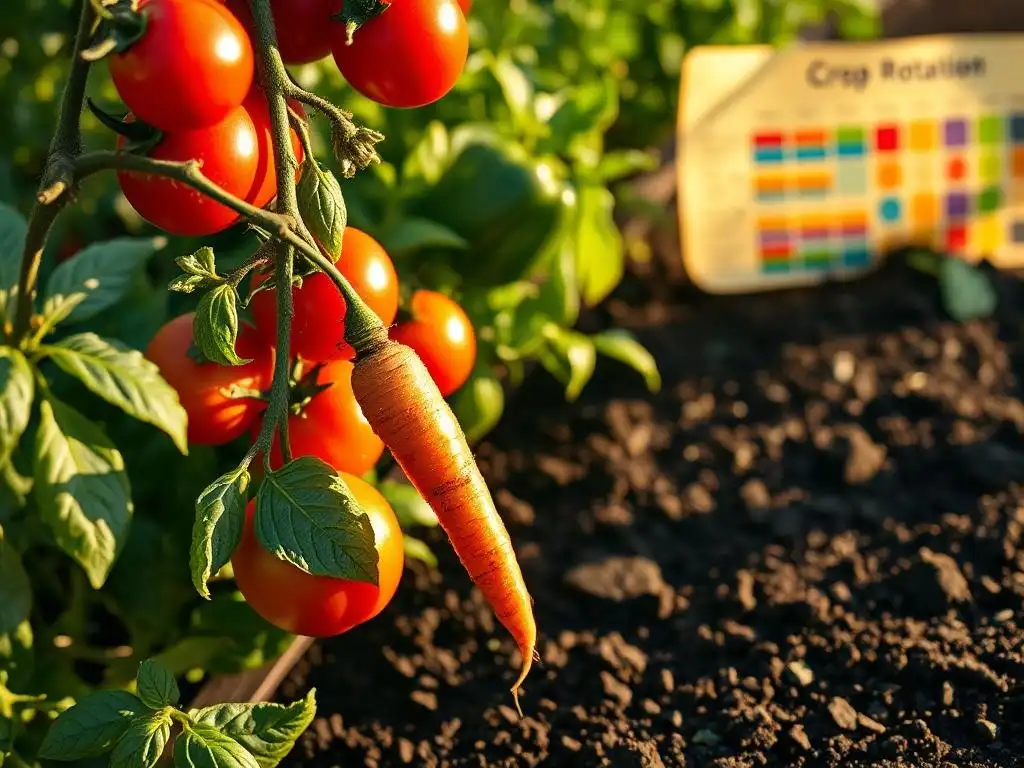
Ready to unlock the secrets to a thriving, sustainable garden? CultivateYourFood is your guide to growing delicious fruits, vegetables, and herbs at home. Our Advanced Techniques section dives deep into proven methods, and we’re starting with the crucial practice of crop rotation. Discover the simple yet powerful strategies within our beginner's guide to crop rotation – and watch your yields flourish like never before! Let's get growing!
- Understanding the Basics of Crop Rotation for Beginners
- Planning Your Crop Rotation Schedule: A Beginner's Guide
- Implementing Your Crop Rotation Plan: Step-by-Step Guide
- Advanced Crop Rotation Techniques for Beginners
- Harvesting and Planning for the Next Season
- Frequently Asked Questions
- Final Reflection: The Enduring Harvest of Crop Rotation
- Unlock Your Garden's Potential: Start Rotating Today!
Understanding the Basics of Crop Rotation for Beginners
Crop rotation, a cornerstone of sustainable gardening, is a simple yet powerful technique that significantly impacts the health and productivity of your home garden. This beginner's guide to crop rotation will equip you with the knowledge and practical steps to implement this essential practice, leading to healthier soil, increased yields, and reduced pest and disease problems. We'll explore what crop rotation entails, its numerous benefits, and different rotation systems suitable for various garden sizes and experience levels. By understanding these fundamental principles, you'll transform your gardening approach from simply planting to strategically planning for a thriving and sustainable harvest year after year.
This guide focuses on providing practical advice for beginners, demystifying the process and making crop rotation accessible to everyone, regardless of their gardening expertise. Let's cultivate a healthier garden together! 🥕
What is Crop Rotation and Why is it Important?
Crop rotation is the practice of planting different types of crops in the same area in sequenced seasons. Instead of planting the same crop in the same spot year after year, you rotate through a planned sequence of plants. This simple strategy offers a multitude of benefits for your garden's long-term health and productivity. Why is it so important?
Because repeatedly planting the same crop depletes the soil of specific nutrients that plant needs, making it more susceptible to pests and diseases which thrive on familiar hosts. Think of it like this: if you eat the same meal every day, your body will eventually crave different nutrients and become more vulnerable to illness. Your garden's soil is similar!
By rotating crops, you break these cycles, fostering healthier soil and stronger plants. This is crucial for maintaining the overall vitality of your garden and maximizing your harvest. It’s a fundamental practice in organic gardening and a key element of sustainable agriculture.
Benefits of Crop Rotation: Healthier Soil & Increased Yields
The advantages of implementing crop rotation are numerous and impactful. A well-planned rotation system contributes significantly to healthier soil and increased yields.
- Improved Soil Health: Different plant families draw different nutrients from the soil. Rotating crops helps prevent nutrient depletion and promotes a balanced soil ecosystem. Leguminous plants, such as beans and peas, are particularly beneficial as they fix nitrogen in the soil, enriching it for subsequent crops. This reduces the need for synthetic fertilizers, aligning perfectly with sustainable and organic practices.
- Pest and Disease Control: Rotating crops disrupts the life cycles of many common garden pests and diseases. Many pests and diseases are specific to certain plants; by changing the plants you grow, you prevent these organisms from building up to damaging levels. This natural pest control reduces or eliminates the need for harmful pesticides.
- Increased Yields: Healthier soil and reduced pest pressure translate directly into increased yields. Plants grown in well-nourished soil, free from disease and pest pressure, are stronger and more productive. You'll see a noticeable difference in the quality and quantity of your harvest.
- Weed Management: Some crops can help suppress weeds. For example, dense-growing plants can shade out weeds, while others can help to improve soil structure, making it harder for weeds to establish.
Types of Crop Rotation: Understanding Simple and Complex Systems
Crop rotation systems can range from simple to complex, depending on the size of your garden and the number of crops you grow.
- Simple Crop Rotation: This involves rotating between two or three main crop types. For example, a simple rotation might involve planting legumes one year, followed by root vegetables the next, and then leafy greens the following year. This is ideal for smaller gardens or beginners.
- Complex Crop Rotation: More complex systems involve rotating a wider variety of crops over several years, often considering plant families and nutrient needs. These systems are more sophisticated and require careful planning, but they can provide even greater benefits in terms of soil health and pest control. This is a great option for larger gardens and more experienced gardeners.
This introductory section provides a solid foundation for understanding the core principles of crop rotation. The following sections will delve deeper into specific rotation plans, plant family groupings, and practical tips for successful implementation. Remember, even a simple rotation plan is better than no rotation at all! Let's get started on building a healthier and more productive garden.
Planning Your Crop Rotation Schedule: A Beginner's Guide
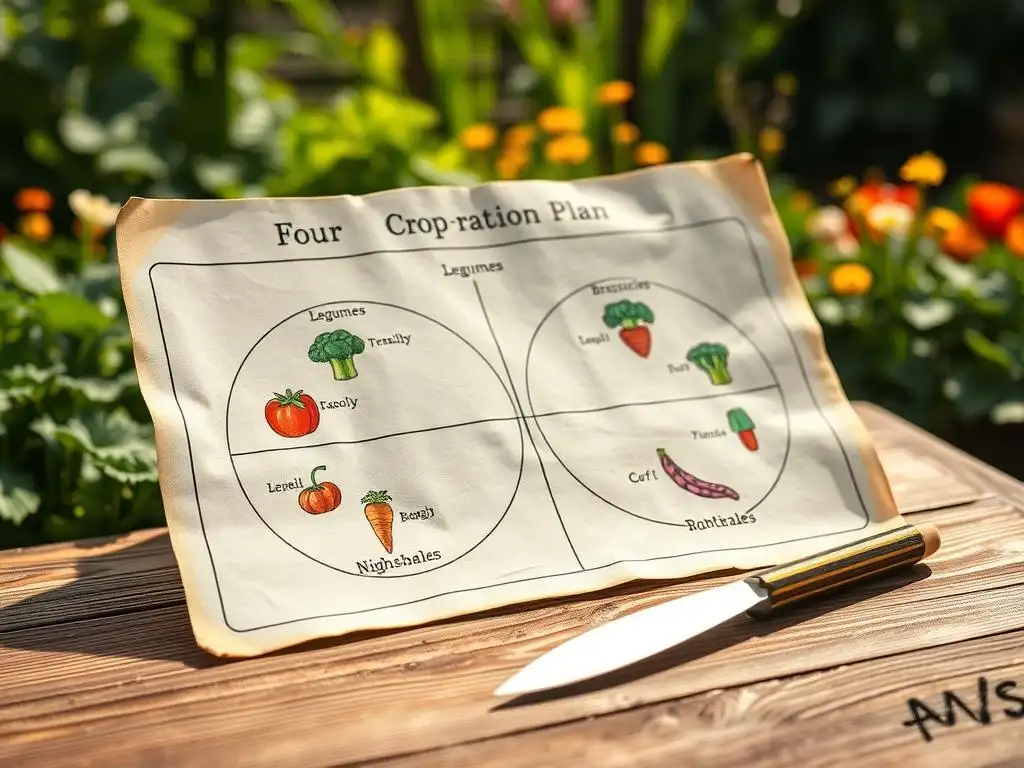
This section provides a practical, step-by-step approach to planning your crop rotation schedule, perfect for beginners. We'll cover assessing your garden space, selecting suitable crops, and creating a simple yet effective rotation plan. Mastering crop rotation is key to maintaining soil health and maximizing your harvest year after year. This beginner's guide to crop rotation will empower you to cultivate a thriving and sustainable garden.
Assessing Your Garden Space and Soil Conditions
Before diving into crop selection, it's crucial to understand your garden's characteristics. This involves evaluating both the physical space and the soil's health. Knowing your garden's limitations and assets will significantly influence your crop rotation strategy.
First, measure your garden's dimensions. Sketch a simple map, noting areas exposed to sun, shade, and wind. Consider the size and shape of your planting beds. A smaller garden might necessitate a more compact rotation plan than a larger one.
Next, assess your soil. Is it sandy, clay-like, loamy, or a mix? Soil texture significantly impacts water retention and nutrient availability. A simple soil test kit can reveal your soil's pH level – essential information for selecting appropriate crops. For example, acidic soil (pH below 6.0) might struggle with certain vegetables like beans, while alkaline soil (pH above 7.0) might need amendments to support acid-loving plants like blueberries. Understanding your soil type is a fundamental aspect of a successful beginner's guide to crop rotation.
Consider also the existing organic matter content. Healthy soil is rich in organic matter, which improves drainage, aeration, and nutrient retention. If your soil lacks organic matter, incorporating compost or other organic amendments is crucial before planting.
Choosing the Right Crops for Your Climate and Soil Type
Selecting the right crops is pivotal for a successful crop rotation plan. Consider your local climate, including the average frost dates, growing season length, and typical rainfall. Match your crop choices to these conditions. For instance, cool-season crops like lettuce and spinach thrive in cooler temperatures, while warm-season crops like tomatoes and peppers require ample sunshine and warmth.
Furthermore, choose crops that are suitable for your soil type. For example, heavy clay soils benefit from deep-rooted crops that help improve soil structure, while sandy soils may require crops that are more drought-tolerant.
Here's a simple table showcasing crop families and their soil preferences:
| Crop Family | Soil Type Preference | Example Crops |
|---|---|---|
| Legumes (beans, peas) | Well-drained, slightly acidic | Beans, peas, lentils, clover |
| Brassicas (cabbage, broccoli) | Well-drained, slightly acidic | Cabbage, broccoli, kale, cauliflower |
| Solanaceae (tomatoes, peppers) | Well-drained, slightly alkaline | Tomatoes, peppers, potatoes, eggplant |
| Cucurbits (squash, cucumbers) | Well-drained, slightly alkaline | Squash, cucumbers, melons, zucchini |
| Root vegetables (carrots, beets) | Loose, well-drained soil | Carrots, beets, turnips, radishes |
Remember that crop rotation also involves considering pest and disease resistance. Rotating crops from different families helps to break pest and disease cycles, reducing the need for chemical pesticides. This is a crucial aspect of organic gardening and is an important element in any beginner's guide to crop rotation.
Creating a Simple Crop Rotation Plan for Beginners
Now, let's create a basic three-year crop rotation plan. This is a flexible framework; adjust it based on your garden's size and the crops you've chosen. Remember, the goal is to diversify plant families to improve soil health and prevent pest and disease buildup.
Year 1: Legumes (e.g., beans, peas) – These nitrogen-fixing plants enrich the soil. Year 2: Heavy feeders (e.g., tomatoes, peppers, brassicas) – These plants benefit from the nitrogen added by the legumes. Year 3: Light feeders (e.g., root vegetables, leafy greens) – These crops require fewer nutrients, allowing the soil to recover before the cycle begins again.
This simple rotation helps maintain soil fertility and reduces the risk of pest and disease problems. Remember to amend your soil with compost annually to further improve its health and structure. This three-year cycle is a great starting point for beginners, but you can adapt it to fit your specific needs and preferences. Careful planning using this beginner's guide to crop rotation will lead to a healthier garden and a more bountiful harvest. Happy gardening! 🌱
Using a Crop Rotation Chart for Easy Planning
Creating a crop rotation chart is a fantastic way to visualize your garden plan and ensure you're following a successful rotation. A simple chart, even a hand-drawn one, can significantly simplify the process, especially for beginners. Think of it as a roadmap for your garden's health and productivity.
You can organize your chart by year, season, or even by individual garden beds. This allows you to quickly see which plants occupied a specific area in previous years, preventing the repetition of plants from the same family in the same spot. This prevents the depletion of specific nutrients in the soil and reduces the risk of pest and disease build-up.
For example, a basic chart might list your garden beds across the top and the years down the side. Each cell within the chart then represents a bed in a particular year. You can then use abbreviations or symbols to represent different plant families (e.g., 'L' for legumes, 'B' for brassicas, 'S' for Solanaceae).
This visual representation makes it easy to see at a glance if you're inadvertently repeating plant families in the same location, a common mistake that can lead to decreased yields and increased pest problems. Even a simple spreadsheet program can be used to create a functional and easily updatable chart. Consider adding color-coding to further enhance visual clarity and aid in quick identification of plant families.
Remember, the level of detail in your chart should match your garden's complexity. A small garden might only need a simple chart showing a three-year rotation, while a larger, more diverse garden might benefit from a more detailed chart spanning several years and incorporating specific plant varieties. The key is to choose a system that works for you and allows you to easily track your crop rotation plan.
The effort invested in creating a clear and concise chart will pay off in healthier soil, more vigorous plants, and ultimately, a more bountiful harvest. Don't be afraid to experiment and adjust your chart as you gain experience and learn more about the specific needs of your garden. This iterative process is part of the fun and learning experience of gardening!
Implementing Your Crop Rotation Plan: Step-by-Step Guide
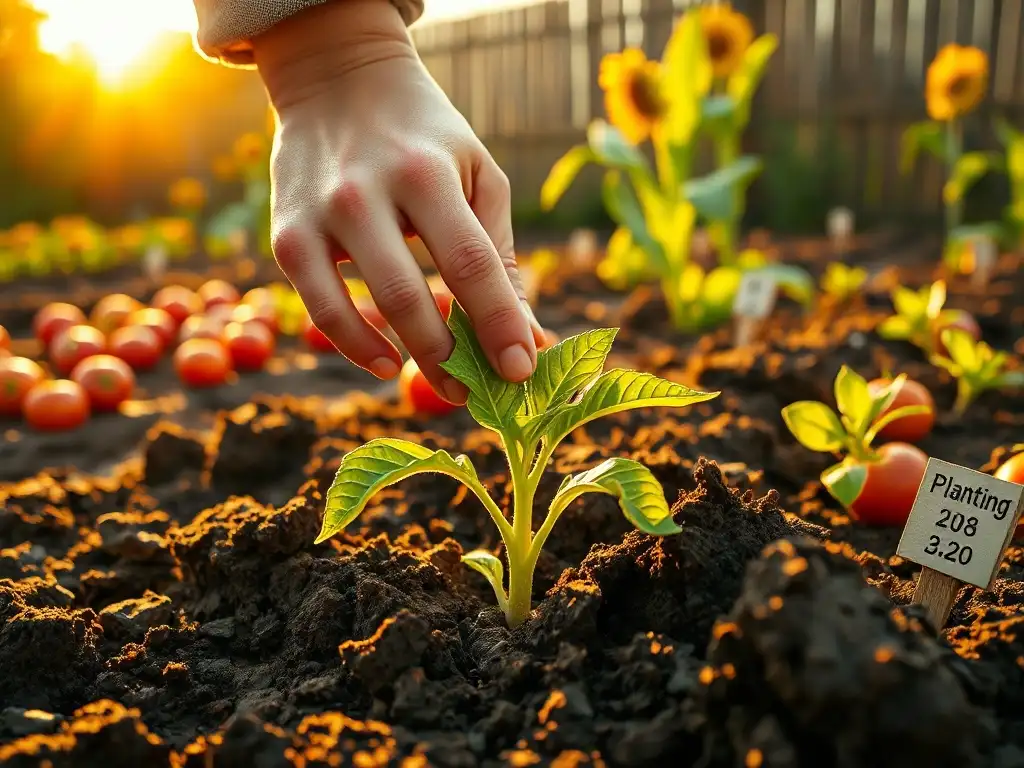
This section provides a practical, step-by-step guide for implementing a crop rotation plan in your home garden, perfect for any beginner's guide to crop rotation. We'll cover the essential steps from preparing your garden beds to maintaining your garden throughout the growing season. Remember, consistent application of these steps is key to successful crop rotation and a thriving garden.
Preparing Your Garden Beds for Planting
Before you even think about planting, proper bed preparation is crucial. This beginner's guide emphasizes the importance of soil health in successful crop rotation. Think of your soil as a living ecosystem; healthy soil equals healthy plants!
First, clear the area of any debris from the previous season. Remove any weeds, leftover plant material, and rocks. Then, conduct a soil test to determine its pH and nutrient levels. This test will inform your decisions regarding soil amendments.
Next, enrich your soil. For example, if your soil test reveals low levels of nitrogen, consider adding composted manure or other organic nitrogen sources. If your soil is too acidic (low pH), add lime; if it's too alkaline (high pH), add sulfur. Remember to always follow the instructions on the packaging of any soil amendments you use.
Finally, till or loosen the soil to a depth of about 12 inches. This improves aeration and drainage, crucial for healthy root development. You can use a garden fork or a tiller, depending on the size of your garden and your personal preference. Integrating cover crops in the off-season can also significantly improve soil health for the next growing season.
Planting Your Crops in the Correct Sequence
This is where your crop rotation plan comes into play. Remember to follow the plan you meticulously created, considering the nutrient needs and disease susceptibility of each plant family. Let's illustrate with a simplified example:
| Year | Planting Sequence (Example) | Notes |
|---|---|---|
| 1 | Legumes (beans, peas) | Nitrogen-fixing; improves soil fertility |
| 2 | Brassicas (broccoli, kale) | Moderate nutrient needs |
| 3 | Root vegetables (carrots, beets) | High nutrient needs; good soil structure |
| 4 | Solanaceae (tomatoes, peppers) | Moderate nutrient needs; pest rotation |
This is just a basic example; your specific rotation plan will depend on your chosen crops and local climate. Ensure proper spacing between plants according to their mature size to prevent overcrowding and competition for resources. Planting depth also varies depending on the seed or seedling type; refer to seed packets or plant labels for specific instructions. Accurate spacing and depth are vital components of a beginner's guide to crop rotation.
Maintaining Your Garden Throughout the Growing Season
Maintaining your garden throughout the growing season is essential to the success of your crop rotation plan. Consistent care will ensure healthy plant growth and yield.
Regular watering is crucial, especially during dry spells. Aim for deep, infrequent watering rather than shallow, frequent watering to encourage deep root growth. Mulching around your plants helps retain soil moisture, suppress weeds, and regulate soil temperature. Consider using organic mulches such as straw, wood chips, or shredded leaves.
Monitor your plants for pests and diseases. Early detection and intervention are key to preventing widespread infestations or outbreaks. Utilize organic pest control methods whenever possible, such as introducing beneficial insects or using insecticidal soap. Regular weeding is also essential to prevent competition for nutrients and water. Remember, a healthy garden is a productive garden—a key takeaway for any beginner's guide to crop rotation. Consistent monitoring and proactive management will yield the best results, contributing to a successful crop rotation cycle and a bountiful harvest. 🥕🍅🥬
Dealing with Pests and Diseases Using Crop Rotation Techniques
Crop rotation is a powerful tool in the fight against common garden pests and diseases. By strategically changing the location of plant families each year, you disrupt the life cycles of many harmful organisms. Many pests and diseases are highly specific to certain plant types. For example, nematodes, microscopic worms that attack plant roots, often target specific plant families.
Rotating your crops prevents the build-up of these pests in the soil. Similarly, fungal diseases like late blight (which affects tomatoes and potatoes) can persist in the soil, infecting subsequent crops of the same family. Rotating to a non-susceptible family breaks this cycle, significantly reducing the risk of infection.
Consider the case of cabbage family crops (Brassicaceae), which are susceptible to cabbage worms and clubroot. Planting these crops in the same location year after year can lead to severe infestations. However, rotating them with legumes (like beans or peas) or root vegetables (like carrots or beets) significantly reduces the pest and disease pressure. The legumes, in particular, improve soil health, further bolstering the crop rotation's effectiveness. This is because legumes fix nitrogen in the soil, improving its overall fertility and making it less hospitable to many pests.
It's crucial to understand the specific pests and diseases common to your region and the crops you grow. Local agricultural extension offices or experienced gardeners can provide valuable information on prevalent issues and appropriate crop rotation strategies. A well-planned rotation considers both the above-ground and below-ground aspects, addressing both foliar diseases and soilborne pathogens. Detailed records of past plantings are invaluable in planning effective crop rotations.
This allows you to track pest and disease occurrence and tailor your rotation plan to minimize future problems. Remember, effective pest and disease management is a holistic approach, and crop rotation is a vital component of a sustainable and organic gardening strategy. Pairing rotation with other organic pest control methods, such as companion planting and beneficial insects, further enhances its effectiveness. 🌱
Advanced Crop Rotation Techniques for Beginners
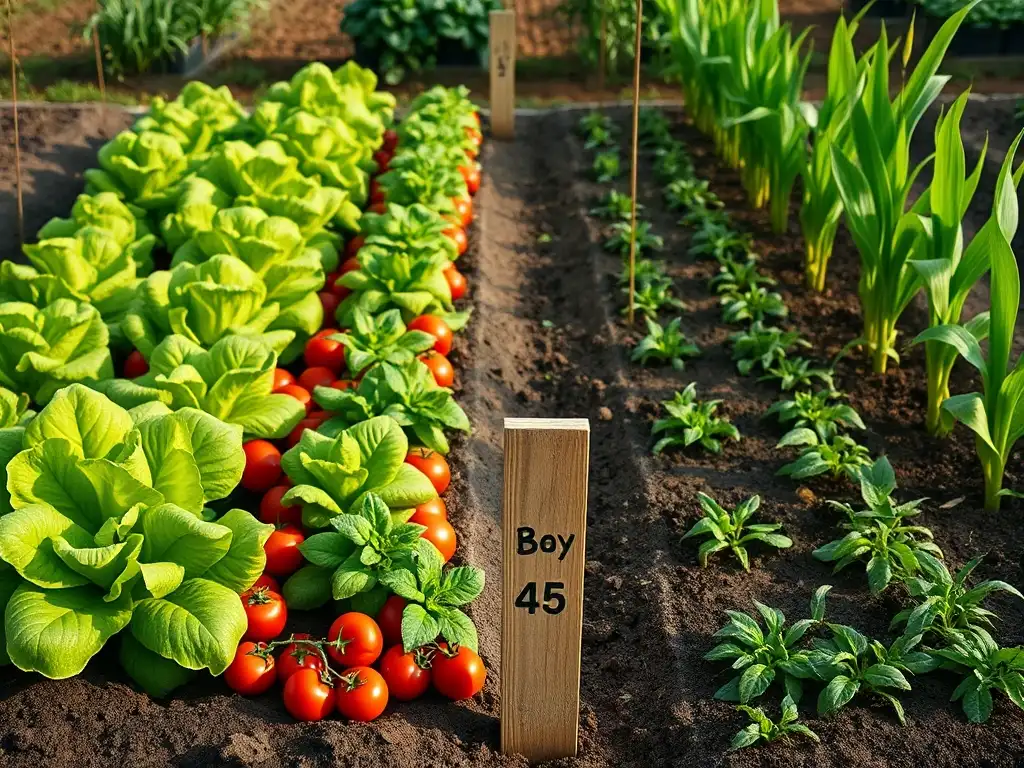
This section delves into more sophisticated crop rotation strategies suitable for beginners who want to elevate their gardening game. We'll explore techniques beyond the basics, focusing on maximizing soil health and yield using sustainable practices. Remember, even advanced techniques should be approached methodically, building upon foundational knowledge of crop families and nutrient needs. This beginner's guide to crop rotation will equip you with the tools to create a thriving, healthy garden.
Incorporating Cover Crops into Your Rotation
Cover crops are unsung heroes in the world of sustainable gardening. These plants, grown specifically to improve soil health, aren't harvested for consumption but instead tilled back into the soil, enriching it with nutrients and improving its structure. Think of them as a "soil conditioner" working tirelessly behind the scenes.
Several benefits arise from integrating cover crops into your crop rotation plan. For instance, legumes (like clover or beans) fix nitrogen in the soil, reducing the need for nitrogen-based fertilizers. This is particularly beneficial for nitrogen-hungry plants like tomatoes and leafy greens. Other cover crops, like rye or oats, suppress weeds, preventing competition for resources and reducing the need for herbicides. Their extensive root systems also help break up compacted soil, improving drainage and aeration.
A typical implementation might involve planting a cover crop like hairy vetch in the fall after harvesting your main crop. Allow it to grow over the winter, then till it under in the spring before planting your next season's vegetables. This process replenishes soil nutrients and provides natural pest control. The timing depends on your climate and the specific cover crop chosen.
Research the varieties best suited for your region and growing season. Remember to consider the specific needs of your subsequent main crops when selecting a cover crop. For example, a heavy-feeding crop like corn might benefit from a nitrogen-fixing cover crop preceding it.
Managing Soil Fertility Through Crop Rotation
Effective crop rotation is intrinsically linked to soil fertility management. By strategically rotating crops with different nutrient requirements, you can prevent nutrient depletion and maintain soil health over time. This "nutrient cycling" is a cornerstone of sustainable gardening.
Consider the following example: Planting heavy feeders like broccoli (which deplete potassium and nitrogen) followed by legumes (which fix nitrogen) and then light feeders like carrots (which have less impact on overall soil nutrients). This sequence helps prevent soil imbalances and reduces the need for external fertilizers. Careful planning is key; understanding the specific nutrient needs of each plant is crucial for successful soil fertility management.
| Crop Type | Primary Nutrients Used | Secondary Nutrients Used |
|---|---|---|
| Leafy Greens | Nitrogen | Potassium, Magnesium |
| Root Vegetables | Potassium, Phosphorus | Magnesium, Calcium |
| Legumes | Phosphorus | Potassium, Magnesium |
| Brassicas | Nitrogen, Potassium | Sulfur, Calcium |
Regular soil testing is recommended to monitor nutrient levels and fine-tune your rotation strategy. Soil tests provide invaluable data on nutrient deficiencies, allowing you to adjust your crop choices and amendment strategies accordingly. This data-driven approach ensures your soil remains fertile and productive year after year. Ignoring the importance of soil testing can lead to nutrient imbalances and reduced crop yields.
Integrating Organic Amendments and Compost
Organic amendments, such as compost, manure, and cover crops, play a vital role in improving soil structure, fertility, and overall garden health. These additions enhance the soil's ability to retain moisture, improve drainage, and support beneficial microbes. Integrating these amendments into your crop rotation strategy is key to long-term soil health.
Compost is a powerhouse of nutrients and beneficial microorganisms. Adding compost before planting each crop provides a slow-release source of nutrients, promoting healthy plant growth. The amount of compost needed depends on your soil's existing condition and the type of crop being planted. A rich, dark compost will improve drainage in clay soils and help retain moisture in sandy soils. The benefits extend beyond just nutrient provision; the improved soil structure supports strong root growth and enhances overall plant health. Think of compost as a natural multivitamin for your soil!
Manure, another excellent organic amendment, adds a significant amount of nutrients to the soil. However, it's crucial to use well-rotted manure to avoid burning plants. Fresh manure contains high levels of salts and ammonia which can be damaging to plants. Well-composted manure, on the other hand, provides a slow-release of nutrients, improving soil structure and fertility. Always choose a manure source that is free from harmful pathogens. The application rate depends on the type of manure and the soil's existing nutrient levels. Consult local agricultural extension services for specific recommendations. 🌱
Troubleshooting Common Crop Rotation Challenges
Even with careful planning, beginner gardeners may encounter challenges when implementing crop rotation. Understanding these hurdles and how to overcome them is crucial for success. Let's delve into some common problems and their solutions.
One frequent issue is forgetting to document your rotations. Without a clear record of what you planted where and when, it's easy to accidentally repeat crops in the same location, negating the benefits of rotation. A simple notebook, spreadsheet, or even a labeled garden map can prevent this.
Consider using a color-coded system to visually represent different plant families, making it easier to identify potential conflicts at a glance. A well-maintained record also helps you track the health of your soil over time, allowing you to make informed decisions about future plantings. For instance, if you notice a consistent decline in yield for a particular crop in a specific area, your rotation records can help you pinpoint the cause, whether it's a nutrient deficiency, pest infestation, or simply the need to rotate that plant family to a different location.
Another common problem is dealing with limited space. In smaller gardens, it can be difficult to adhere strictly to a multi-year rotation plan. However, even in limited spaces, you can still implement basic principles of crop rotation. For example, you can rotate crops within a single season, alternating heavy feeders with light feeders in different sections of your garden.
Consider using vertical gardening techniques, such as trellises or hanging baskets, to maximize space and minimize the impact of crop rotation constraints. Careful planning and creative use of space can effectively mitigate the challenges of crop rotation in smaller garden settings. Remember, even a small improvement in your rotation practice is better than no rotation at all.
Finally, pest and disease management can be tricky. While crop rotation helps reduce pest and disease pressure, it's not a foolproof solution. Some pests and diseases have wide host ranges, affecting various plant families. Therefore, it's essential to combine crop rotation with other integrated pest management (IPM) strategies, such as companion planting, handpicking pests, and introducing beneficial insects.
Regularly inspecting your plants for signs of disease or pest infestation is also crucial. Early detection allows for timely intervention, minimizing the damage and preventing widespread outbreaks. Remember that successful crop rotation is part of a holistic approach to garden health, and combining it with other sustainable practices is vital for long-term success. This integrated approach helps build soil resilience and reduces the reliance on chemical interventions.
Harvesting and Planning for the Next Season
This section focuses on maximizing the yield from your current crop rotation and strategically planning for the next growing season, a crucial aspect of successful crop rotation for beginners. Proper harvesting not only ensures the best quality produce but also provides valuable data for refining your rotation strategy.
Harvesting Your Crops at Their Peak
Harvesting at the optimal time is key to maximizing flavor and nutritional value. Different crops have different harvesting windows. For example, tomatoes should be harvested when they're fully colored and slightly soft to the touch, while lettuce should be harvested before it bolts (goes to seed). Careful observation is paramount.
Consider keeping a detailed harvest journal; note the planting date, the variety of the crop, the harvest date, and the yield. This information will be invaluable when planning your next rotation. This detailed record-keeping is essential for a beginner's guide to crop rotation, allowing for a deeper understanding of your garden's performance over time.
For instance, let's say you planted three varieties of tomatoes: ‘Brandywine’, ‘Roma’, and ‘Cherry’. Your journal might look something like this:
| Crop Variety | Planting Date | Harvest Start Date | Harvest End Date | Approximate Yield (lbs) | Notes |
|---|---|---|---|---|---|
| Brandywine | May 15th | July 20th | August 25th | 15 | Excellent flavor, slightly prone to cracking |
| Roma | May 15th | August 1st | September 10th | 12 | Good yield, ideal for canning |
| Cherry | May 15th | July 10th | September 1st | 8 | Abundant yield, perfect for snacking |
This level of detail allows you to assess which varieties thrived in your specific conditions and inform your choices for the next season. Don't forget to note any pest or disease issues encountered during the growing season as well. This data is crucial for a successful crop rotation strategy. Remember, even small details can make a big difference! 🍅
Evaluating Your Crop Rotation Success
After harvest, it's time to analyze the results of your crop rotation. Did you notice any significant improvements in yield or plant health compared to previous years? Were there fewer pest or disease problems? Did certain plant families seem to thrive more in specific areas of your garden?
Evaluating success goes beyond simply looking at the yield. Consider these factors:
- Soil Health: Did the soil seem healthier after the rotation? Was there an improvement in soil structure, water retention, or nutrient levels?
- Pest and Disease Pressure: Did the rotation help reduce pest and disease pressure on specific crops? Did you notice a decrease in the use of pesticides or other interventions?
- Weed Control: Did the rotation help to suppress weeds? Did you observe a reduction in weed growth compared to previous years?
By carefully analyzing these aspects, you can gain valuable insights into the effectiveness of your crop rotation plan. This iterative process is essential for continuous improvement and is a hallmark of any beginner's guide to crop rotation. Remember, crop rotation is a journey, not a destination!
Adjusting Your Plan for the Next Growing Season
Based on your harvest journal and your evaluation of the season's success, you can now refine your crop rotation plan for the following year. This is where you'll apply the lessons learned.
- Addressing Deficiencies: If you noticed nutrient deficiencies in certain areas, you might consider adding compost or other organic amendments to those areas before planting.
- Rotating Crop Families: Remember to rotate your crops according to their plant families (e.g., legumes, nightshades, brassicas) to prevent the buildup of pests and diseases.
- Improving Soil Health: Use cover crops during fallow periods to improve soil fertility and structure. This practice is essential for long-term sustainability.
- Variety Selection: Based on your harvest records, choose varieties that performed well in your garden. Consider trying new varieties to expand your options.
Planning for the next growing season is an integral part of successful crop rotation. By carefully analyzing your past performance and making informed adjustments, you can steadily improve your garden’s productivity and health, making your crop rotation a truly sustainable and rewarding experience. This iterative process is key to mastering crop rotation, even for beginners. Don't be afraid to experiment and adjust your plan as needed—that's part of the learning process! 🌱
Resources for Continued Learning about Crop Rotation
Continuing your journey into the fascinating world of crop rotation doesn't have to end here! There's a wealth of information available to help you refine your techniques and deepen your understanding. Many excellent books delve into the intricacies of crop rotation, offering detailed charts, planting schedules, and regional advice. Look for titles specifically mentioning "crop rotation for home gardeners" or focusing on organic gardening practices.
These books often provide valuable insights into companion planting, which can further enhance the benefits of crop rotation. They may also offer advice on dealing with specific pests and diseases common in your region, tailoring the rotation plan to your local context. Remember to consider your climate and soil type when selecting a resource, as these factors greatly influence crop suitability.
Furthermore, countless online resources are readily available. Websites dedicated to organic gardening and sustainable agriculture often feature articles, blog posts, and even online courses dedicated to crop rotation. These resources offer a dynamic learning experience, providing up-to-date information and engaging discussions within online communities.
You can find expert advice, practical tips, and firsthand accounts from experienced gardeners. Many online forums and social media groups are specifically dedicated to home gardening, providing a platform to connect with fellow enthusiasts, ask questions, and share your experiences. Actively participating in these communities can accelerate your learning curve and provide invaluable support as you experiment with different rotation schemes.
Don't underestimate the power of local resources either. Your local agricultural extension office is a treasure trove of information tailored to your specific region. They often offer workshops, seminars, and one-on-one consultations on topics such as crop rotation and other sustainable gardening practices. Connecting with local farmers' markets and nurseries can also provide valuable insights and practical advice from experienced growers in your area.
They can offer firsthand knowledge about what works best in your local soil and climate, providing a grounded perspective not always found in generalized resources. By actively seeking out and utilizing these diverse learning opportunities, you can continually improve your crop rotation strategies and achieve even greater success in your garden. Remember, the journey of learning about crop rotation is an ongoing process—enjoy the learning and the delicious harvests it helps you achieve!
Frequently Asked Questions
What is crop rotation, and why is it important for beginners?
Crop rotation is the practice of planting different types of crops in the same area in sequenced seasons. It's crucial for beginners because it helps improve soil health, prevents pest and disease buildup, and increases yields over time.
How do I plan a simple crop rotation schedule for my small garden?
Start with a basic four-year rotation. Group crops into families (e.g., legumes, brassicas, roots). Rotate these families each year to minimize nutrient depletion and pest issues. A simple chart can help visualize your plan.
What are some examples of good crop rotation pairings?
Legumes (peas, beans) are excellent nitrogen fixers, so they're great before heavy feeders like brassicas (cabbage, broccoli). Root vegetables (carrots, beets) can follow legumes. Consider the specific needs of your chosen plants.
Are there specific crops I should avoid planting together?
Yes, avoid planting members of the same plant family consecutively, as they share the same nutrient needs and are susceptible to the same pests and diseases. For example, avoid planting tomatoes (nightshades) year after year in the same spot.
How does crop rotation benefit the soil in my garden?
Rotating crops helps to improve soil structure, increase beneficial microbes, and reduce the need for chemical fertilizers. Different plants have different nutrient requirements, preventing depletion of specific nutrients in the soil.
Final Reflection: The Enduring Harvest of Crop Rotation
The principles of crop rotation, while seemingly simple, offer a powerful and sustainable solution to modern gardening challenges. Understanding and implementing these techniques isn't just about maximizing yields; it's about building healthy soil, reducing pest and disease pressure, and creating a more resilient and environmentally friendly garden for years to come. This is especially crucial in a world facing increasing food insecurity and environmental degradation.
The impact of crop rotation extends far beyond the individual garden; it's a practice that reflects a deeper connection with the natural world. By understanding the interconnectedness of plants and soil, we move away from exploitative farming practices towards a more harmonious and sustainable relationship with our environment. The land is what gives us our living, and it is our duty to give it back what we take from it.
This sentiment, though timeless, rings truer than ever in our modern context, urging us to consider the long-term health of our planet.
Now, consider your own garden, or even your own plate. What steps can you take to incorporate the principles of crop rotation into your own practices? Perhaps you'll start with a simple two-year rotation plan, or maybe you'll delve deeper into the intricacies of companion planting. Regardless of your starting point, the journey towards a healthier, more sustainable garden begins with a single seed – and a commitment to understanding the enduring harvest of crop rotation. Let this guide be your first step towards a more abundant and responsible future.
Unlock Your Garden's Potential: Start Rotating Today!
Thank you for exploring the world of crop rotation! We hope you feel confident in planning a healthier, more productive garden. Ready to put your new knowledge into action?
- Start planning your next planting season now! Grab a pen and paper (or your favorite gardening app) and create a crop rotation plan based on what you've learned. Consider companion planting to maximize your harvest!
- Share your gardening journey! Join our CultivateYourFood community forum to connect with other gardeners, share your experiences, and receive advice. This is a great way to learn more about your soil's needs and the specific requirements of your chosen crops.
- Explore our archive for more sustainable gardening tips and tricks—you might even discover a new favorite plant!
Ready to transform your garden into a thriving ecosystem? What will you plant first in your next rotation?