
Extending the Growing Season with DIY Techniques

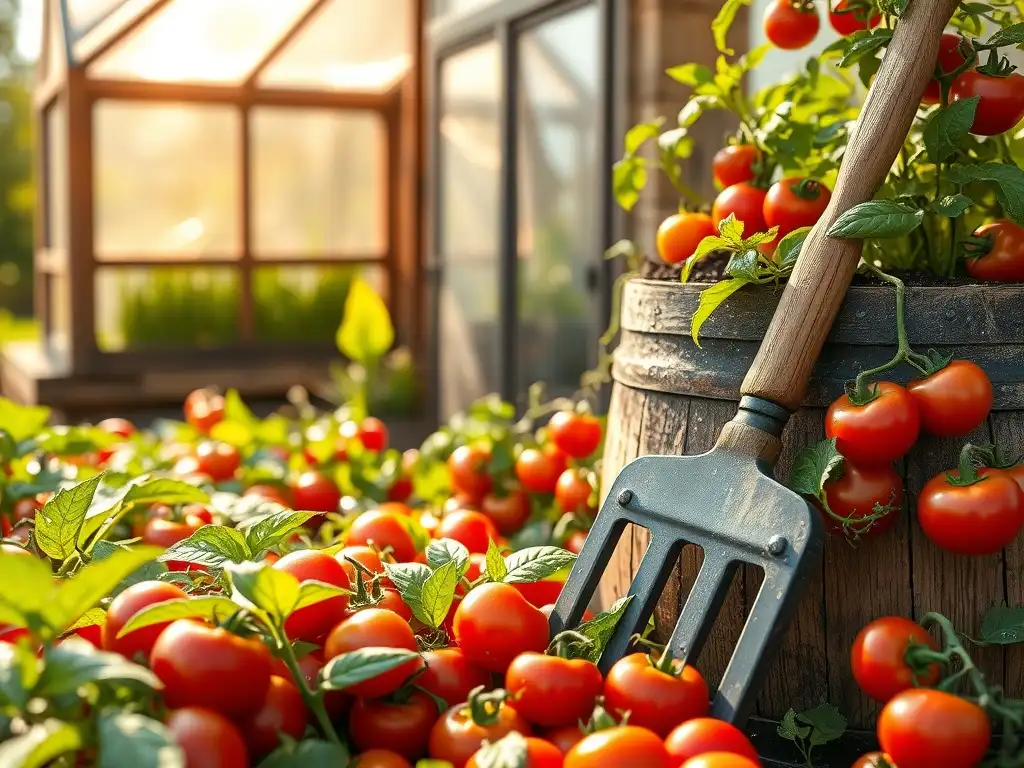
Ready to harvest more from your garden, regardless of the season? CultivateYourFood is your guide to unlocking the secrets of sustainable and organic home cultivation. Learn how to dramatically Extend your growing season with DIY methods, bypassing nature's limitations and enjoying fresh produce year-round. Discover ingenious techniques and practical advice within our Advanced Techniques section – your journey to a thriving, ever-bearing garden begins here!
- Extend Growing Season DIY Methods: Introduction to Season Extension
- Low-Cost DIY Techniques to Extend Your Growing Season
- Advanced DIY Methods for a Longer Growing Season
- Extend Growing Season DIY Methods: Maintaining Your Extended Season Garden
- Extend Growing Season DIY Methods: Case Studies and Examples
-
Frequently Asked Questions
- How can I extend my growing season using DIY methods?
- What are some inexpensive ways to protect plants from frost?
- Are there any DIY methods for warming the soil in early spring?
- What materials are commonly used in DIY season extension projects?
- How can I protect my plants from extreme heat during the summer months?
- Final Reflection: Cultivating Abundance, Year-Round
- Unlock a Longer Harvest: Grow All Year Round!
Extend Growing Season DIY Methods: Introduction to Season Extension
Extending your growing season is a rewarding endeavor for any home gardener, allowing you to enjoy fresh produce for a longer period and significantly increasing your harvest yield. This guide delves into practical, cost-effective, and environmentally friendly DIY methods to beat the limitations of shorter growing seasons. We'll explore how to accurately assess your garden's conditions, select the most suitable techniques for your specific microclimate, and implement them successfully to extend your harvest well into the fall and even into early winter in some cases.
Mastering these techniques will not only improve your gardening success but also reduce your reliance on commercially grown produce, fostering a more sustainable and self-sufficient lifestyle. Learning to extend your growing season using DIY methods is a key step in cultivating a truly thriving and productive garden, regardless of your geographical location.
Let's get started on your journey to a longer and more bountiful harvest! 🎉
Understanding Your Local Microclimate and Frost Dates
Before you even think about extending your growing season, you need a solid understanding of your local climate. This involves more than just checking the average temperatures; it's about grasping the nuances of your specific microclimate. Factors like elevation, proximity to large bodies of water, and even the presence of nearby buildings can significantly influence your garden's temperature and frost patterns.
Understanding your frost dates is crucial. These are the average dates of the last spring frost and the first fall frost in your area. You can usually find this information from your local agricultural extension office or online weather resources. Knowing these dates helps you determine the length of your current growing season and plan accordingly for extending it.
Accurate frost date information is essential for selecting appropriate season-extending techniques. For example, if your last frost is unusually late, you might need more robust protection methods than someone with an early last frost. Keep detailed records of your frost dates year after year to fine-tune your planning.
A detailed understanding of your microclimate helps you make informed decisions about which plants will thrive and which season-extension strategies will be most effective. Consider factors such as prevailing winds, sun exposure, and soil drainage, as these all impact plant growth and survivability during colder periods.
Assessing Your Garden's Sun Exposure and Wind Protection
Sunlight and wind are two major factors influencing plant growth and cold hardiness. Optimizing sun exposure and minimizing wind exposure are crucial steps in extending your growing season effectively.
First, carefully assess your garden's sun exposure. How many hours of direct sunlight does your garden receive each day? Most vegetables and herbs need at least six hours of sunlight, while some require even more. Plants in shadier areas will be more susceptible to cold damage. If your garden lacks sufficient sunlight, consider using supplemental lighting such as grow lights, especially during the shorter days of fall and winter.
Secondly, evaluate the level of wind protection. Strong winds can significantly increase heat loss from plants, making them more vulnerable to frost. Natural windbreaks, such as trees or hedges, can be highly beneficial. If you lack natural windbreaks, consider creating artificial ones using materials like burlap, plastic sheeting, or even tall fences. Strategic placement of these windbreaks can create sheltered microclimates within your garden, providing additional protection for your plants. Remember to consider the direction of prevailing winds in your area when planning the placement of your windbreaks.
Choosing the Right DIY Season Extension Techniques for Your Needs
Once you’ve understood your microclimate and assessed your garden's conditions, you can choose the most suitable DIY season extension techniques. There's a variety of options available, ranging from low-cost, simple solutions to more involved projects.
The best technique will depend on your specific needs and resources. Some popular DIY options include:
- Cold frames: These simple structures provide protection from frost and wind while allowing sunlight to penetrate.
- Row covers: Lightweight fabrics that can be draped over plants to offer insulation and protection from frost.
- Cloches: Individual covers for plants, often made from glass or plastic.
- Low tunnels: More extensive coverings made from plastic sheeting supported by hoops, creating a mini-greenhouse effect.
- Greenhouse: A more substantial investment, but provides excellent protection and allows for year-round growing in certain climates.
Remember to consider factors like the size of your garden, the types of plants you're growing, and your budget when selecting the appropriate method. Many successful gardeners utilize a combination of these techniques to maximize their season extension efforts. Experimentation is key – try different methods to see what works best in your unique garden environment. By carefully considering these factors and selecting the right combination of DIY techniques, you can significantly extend your growing season and enjoy a bountiful harvest throughout the year.
Low-Cost DIY Techniques to Extend Your Growing Season
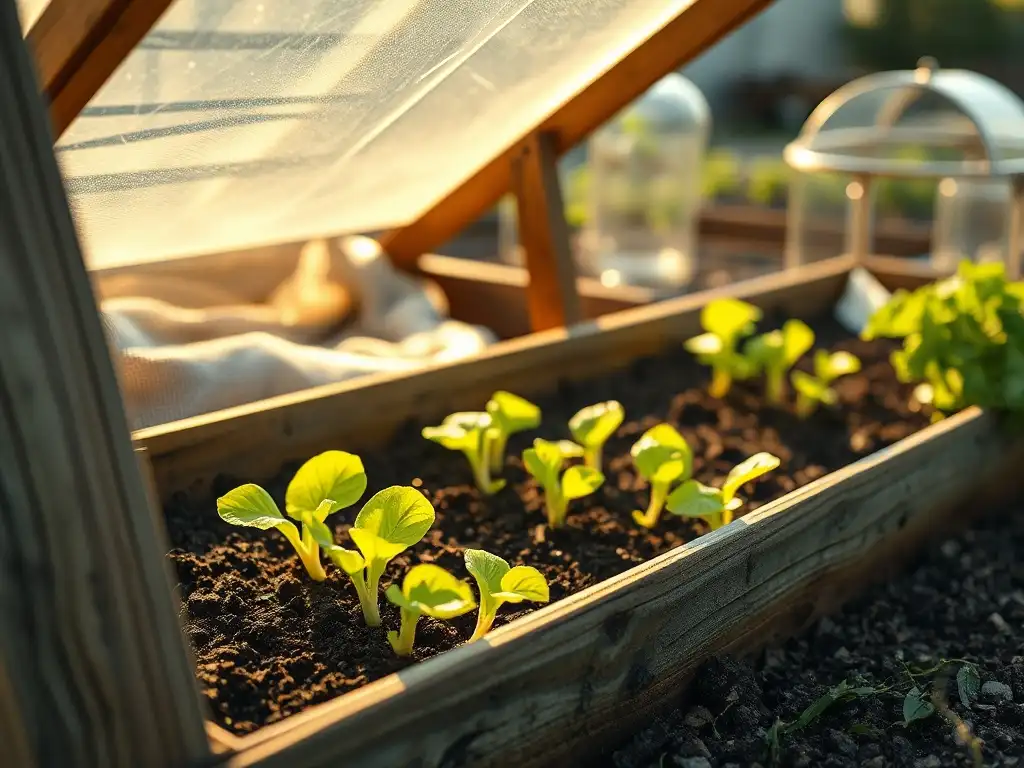
This section explores inexpensive, do-it-yourself (DIY) methods to significantly extend your growing season, maximizing your harvest and reducing reliance on commercially produced solutions. These techniques are perfect for the budget-conscious gardener committed to sustainable and organic practices. We'll delve into the specifics of building and utilizing cold frames, row covers, and cloches – all easily achievable with readily available materials. Mastering these Extend growing season DIY methods will allow you to enjoy fresh produce for a longer period each year.
Cold Frames: Building and Utilizing Simple Cold Frames for Extended Planting
Cold frames offer a simple yet effective way to extend your growing season by creating a microclimate that protects plants from harsh weather conditions. They're essentially miniature greenhouses, trapping solar heat during the day and retaining warmth at night. Building a cold frame is surprisingly easy. You can use readily available materials like reclaimed wood, old window panes, or even sturdy plastic sheeting.
A basic cold frame design involves a frame (typically made of wood) with a transparent covering (glass or plastic). The frame should be positioned on a sunny spot with good drainage. The depth of the frame should accommodate your chosen plants and their root systems. The transparent cover allows sunlight to penetrate while protecting plants from frost and wind.
Consider these points for optimal cold frame utilization:
- Ventilation: Proper ventilation is crucial to prevent overheating and humidity buildup. Include vents or adjustable coverings to regulate airflow, especially on warmer days.
- Soil Preparation: Ensure the soil within the cold frame is well-drained and fertile. Adding compost will enhance soil quality and provide essential nutrients.
- Plant Selection: Choose hardy plants suited for cooler temperatures for early spring or late fall planting. Leafy greens, root vegetables, and even some early-season flowers thrive in cold frames.
- Monitoring: Regularly check the temperature and humidity inside the cold frame. Adjust ventilation as needed to maintain optimal conditions.
A well-maintained cold frame can extend your planting season by several weeks, providing a significant boost to your overall yield. The initial investment is minimal, making it a highly cost-effective method for extending your growing season.
Row Covers: Protecting Your Plants from Frost with DIY Row Covers
Row covers provide a lightweight, flexible barrier against frost and cold temperatures, protecting delicate seedlings and extending the growing season both in spring and fall. You can create effective row covers using readily available materials like old sheets, blankets, or even landscape fabric.
The simplest row covers are made by draping the chosen material over your rows of plants. For added protection, secure the edges with soil, rocks, or clothespins. Remember to remove the covers during the day to allow for sunlight and ventilation.
Here are some crucial considerations when using row covers:
- Material Selection: Choose a material that is lightweight yet durable, allowing sufficient sunlight penetration while providing frost protection. Avoid using materials that retain excessive moisture.
- Proper Placement: Ensure the row cover is securely placed, covering the plants completely without suffocating them. Leave some space for air circulation.
- Timing: Remove row covers during the day when temperatures are above freezing and replace them in the evening to protect plants from overnight frost.
- Plant Compatibility: Some plants may not tolerate the close proximity of a row cover. Monitor your plants closely for signs of stress.
Row covers are a versatile and inexpensive method for extending your growing season, particularly beneficial for protecting vulnerable seedlings from late frosts or early freezes. They represent a practical Extend growing season DIY methods for any gardener.
Cloches: Creating Individual Plant Protection with DIY Cloches
Cloches offer individual plant protection, ideal for seedlings, transplants, or delicate plants needing extra care. They're essentially small, individual covers that create a miniature greenhouse effect around each plant. DIY cloches can be crafted from various materials, including clear plastic bottles (cut in half), glass jars, or even clear plastic cups.
When using plastic bottles or jars, ensure adequate ventilation by removing the cap or creating small openings. Remember to monitor the temperature and humidity inside the cloche, adjusting ventilation as needed to prevent overheating.
Key aspects of using DIY cloches effectively:
- Material Choice: Choose a transparent material that allows sufficient sunlight penetration while providing protection from the elements.
- Size and Fit: Select cloches that are appropriately sized for the plants they will protect. Ensure a good fit to provide adequate protection without restricting growth.
- Placement: Position cloches directly over the plants, ensuring proper ventilation. Avoid placing them too close together to prevent overcrowding and poor air circulation.
- Maintenance: Regularly check the cloches for damage or deterioration. Clean or replace them as necessary to maintain their effectiveness.
Cloches are especially useful for protecting vulnerable seedlings from pests, frost, and harsh weather conditions, allowing you to extend your planting season and increase your harvest. They are another practical example of cost-effective Extend growing season DIY methods. The flexibility and simplicity of cloches make them a valuable tool for any home gardener.
Advanced DIY Methods for a Longer Growing Season
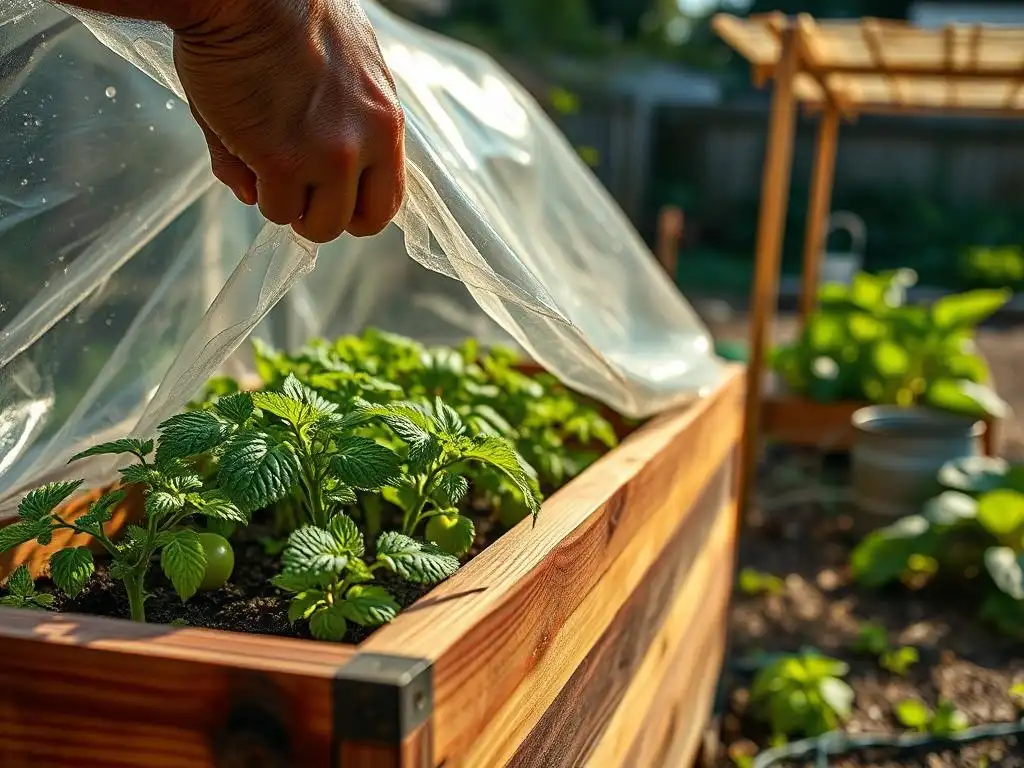
This section details advanced DIY techniques to extend your growing season, focusing on cost-effective and sustainable solutions. Mastering these methods allows for increased yields and a longer harvest period, even in challenging climates. Remember that successful season extension relies on careful planning and observation of your specific microclimate.
DIY Greenhouse Construction: Building a Simple Greenhouse on a Budget
Constructing a DIY greenhouse is a highly effective method to extend the growing season, providing a controlled environment to protect your plants from harsh weather conditions. Even a small, simple structure can significantly impact your harvest. The key is to maximize sunlight and minimize heat loss.
Building a low-cost greenhouse can be achieved using readily available materials. Consider repurposing old windows framed in wood for a charming and functional structure. Alternatively, inexpensive polyethylene sheeting stretched over a simple frame of PVC pipes or bamboo offers a budget-friendly option. For a more robust structure, consider using lumber and polycarbonate panels, offering better insulation and longevity.
Remember to choose a location that receives maximum sunlight throughout the day. Proper ventilation is crucial to prevent overheating and the build-up of humidity, which can lead to fungal diseases. Simple vents can be constructed using hinges and latches, allowing for controlled airflow. Consider adding a layer of insulation, such as bubble wrap or straw bales, to the walls for enhanced temperature regulation. This is especially important in colder climates where you aim to extend growing season DIY methods effectively.
The size of your greenhouse will depend on your needs and available space. Even a small 4' x 8' greenhouse can significantly extend the growing season for several plants. Careful planning and consideration of your budget will lead to a successful and productive greenhouse.
Utilizing Water-Filled Containers for Frost Protection
Water has a high specific heat capacity, meaning it takes a considerable amount of energy to change its temperature. This property can be leveraged to protect plants from frost damage. Placing water-filled containers – such as plastic bottles, jugs, or even buckets – amongst your plants can create a microclimate that mitigates the effects of freezing temperatures.
The water in the containers acts as a thermal buffer, releasing heat slowly as the surrounding air temperature drops. This helps to maintain a slightly warmer temperature around the plants, protecting them from frost damage. This technique is particularly effective for protecting more sensitive plants such as tomatoes, peppers, and herbs.
For best results, use dark-colored containers, as they absorb more heat from the sun during the day. Ensure the containers are filled with water to their maximum capacity. The larger the volume of water, the more effective the frost protection. This simple and inexpensive method is one of the easiest extend growing season DIY methods and is perfect for smaller gardens or individual plants. Remember to empty and clean the containers at the end of the season to prevent the growth of algae and mosquitoes.
Building a Hoop House: A More Advanced Structure for Season Extension
A hoop house represents a step up from a simple cold frame or greenhouse, offering more space and protection. This structure utilizes flexible hoops (typically PVC pipes or metal conduit) bent into arches and covered with polyethylene sheeting or other durable coverings. The design is relatively simple, making it a feasible DIY project, even for beginners.
The advantage of a hoop house lies in its ability to create a larger, more controlled growing environment. This allows for the cultivation of a wider range of plants and a longer growing season. The structure can be anchored to the ground using stakes or weights, providing stability against wind. Proper ventilation is again crucial, and vents can be incorporated into the design or achieved by simply rolling up the sides of the covering.
Unlike greenhouses, hoop houses typically don't require significant foundation work, making them easier and less expensive to build. Consider the size and orientation of your hoop house carefully to maximize sunlight and minimize wind exposure. Proper planning and material selection are key to ensuring a sturdy and long-lasting structure. By using this extend growing season DIY method, you will be able to enjoy fresh produce for much longer. Furthermore, the relative ease of construction makes it a popular choice for extending the growing season in a sustainable and cost-effective manner.
Extend Growing Season DIY Methods: Maintaining Your Extended Season Garden
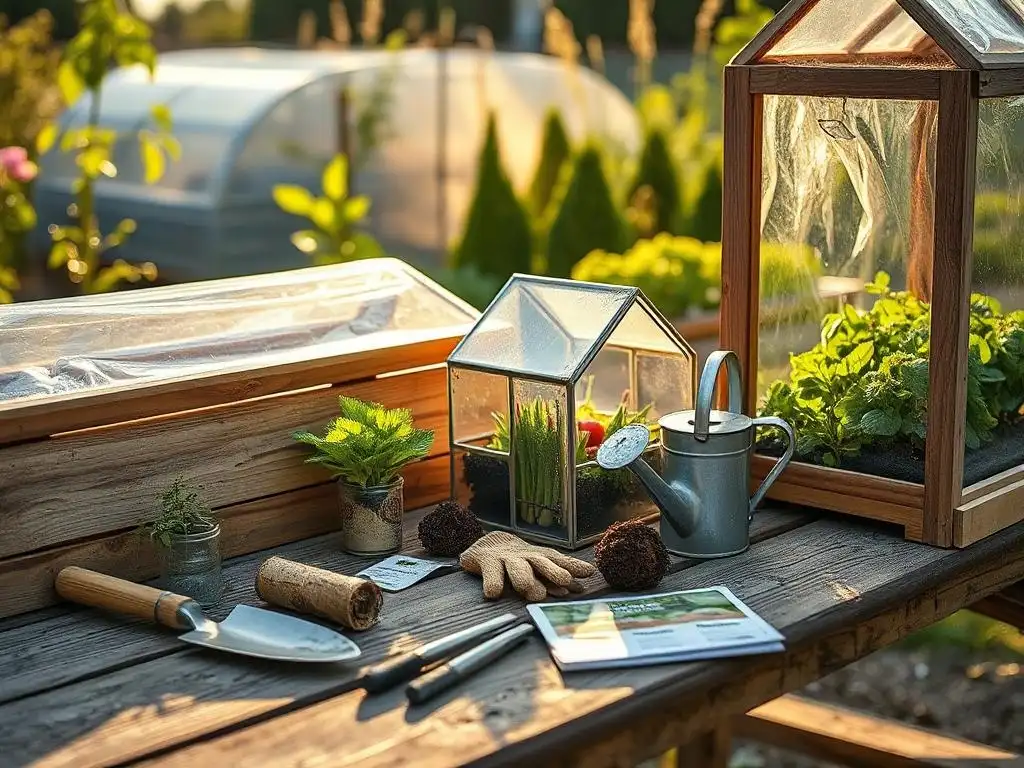
This section focuses on practical, DIY methods to maintain the health and productivity of your extended growing season garden. Successfully extending the growing season requires more than just protection from frost; it demands diligent attention to the specific needs of plants under extended cultivation. We'll explore crucial aspects of maintaining your extended season harvest, focusing on optimizing plant health and yield. This involves careful consideration of watering, fertilization, pest control, and harvesting techniques specifically tailored for an extended growing period.
Watering and Fertilizing Extended Season Plants
Extending your growing season often means your plants are exposed to more variable weather conditions, demanding a more nuanced approach to watering and fertilization. Consistent moisture is crucial, especially during periods of extended sun exposure or dry spells that often accompany later-season growth. Overwatering, however, can lead to root rot, a significant problem in cooler, wetter extended seasons.
The key to successful watering is to monitor soil moisture regularly. Instead of following a rigid schedule, water deeply but infrequently, allowing the soil to dry slightly between waterings. Consider using a moisture meter to gauge soil conditions accurately. This prevents both underwatering and overwatering, crucial for healthy plant growth.
Fertilization is equally important. Extended growing seasons often deplete soil nutrients faster. Instead of relying on chemical fertilizers, consider DIY compost tea. This nutrient-rich liquid fertilizer is easily made at home using your own compost, providing a sustainable and effective way to supplement your plants' needs. For a more potent brew, consider adding beneficial microbes for enhanced nutrient uptake. Remember to adjust the feeding schedule based on the specific needs of your plants and the observed nutrient levels in your soil. Regular soil testing is highly recommended to optimize the application of nutrients and avoid imbalances.
Pest and Disease Control in Extended Season Gardens
Extended growing seasons can increase the susceptibility of plants to pests and diseases. Cooler temperatures and higher humidity can create ideal conditions for fungal diseases. Moreover, the extended period of growth can stress plants, making them more vulnerable to attacks.
Prevention is key. Employing proactive DIY pest control methods is far more effective than reacting to an infestation. Consider using row covers to protect young seedlings from early season pests like slugs and aphids. Regularly inspect your plants for signs of pests and diseases. Early detection is critical for effective management.
For pest control, consider using natural solutions. Diatomaceous earth is a non-toxic powder that effectively dehydrates many common garden pests. Neem oil is another effective natural insecticide with fungicidal properties. These DIY solutions minimize environmental impact while effectively protecting your plants. For diseases, ensure good air circulation by spacing plants appropriately. Avoid overhead watering, which promotes fungal growth. Remove and destroy infected plant material immediately to prevent the spread of disease. Remember that early prevention is the most effective strategy in an extended season garden where vulnerability is heightened.
Harvesting and Storage Techniques for Extended Season Crops
Harvesting techniques in an extended season garden require careful consideration of the changing weather conditions. Timing is crucial, as early or late harvesting can affect the quality and storage life of your crops. For example, harvesting root vegetables before the first frost ensures better quality and storage potential.
Proper storage is essential for preserving your extended season harvest. Some crops, like certain squashes, can be stored for several months in a cool, dry place. Others, like leafy greens, require refrigeration to maintain freshness. Consider using different storage methods depending on the crop. For example, root crops can be stored in sand or sawdust to prevent dehydration, while herbs can be frozen or dried for longer preservation.
Understanding the specific needs of each crop and employing appropriate harvesting and storage methods will significantly extend the enjoyment of your homegrown produce. Proper techniques will not only maintain quality but also ensure that your hard work results in a delicious and abundant harvest throughout the extended growing season. Remember that diligent observation and careful planning are essential to maximize the rewards of your extended season gardening efforts.
Extend Growing Season DIY Methods: Case Studies and Examples
This section delves into practical, successful examples of DIY methods used to extend the growing season, focusing on readily available and affordable materials. We'll explore how simple techniques can significantly impact your harvest, allowing you to enjoy homegrown produce for longer. Remember, the key to success lies in careful planning and observation of your specific climate and plant needs. These methods are tailored to "Extend growing season DIY methods," offering sustainable and organic approaches.
Successful Case Study: Extending the Tomato Season Using Cold Frames
Cold frames are remarkably effective for extending the tomato season, particularly in areas with shorter growing seasons. A simple cold frame, built from readily available materials like reclaimed wood and transparent plastic sheeting, can create a microclimate that protects delicate tomato plants from frost and extends their productive life well into the fall.
One successful example involved a gardener in zone 6 who used a cold frame made from repurposed window panes and a wooden frame. By placing their tomato plants (specifically, 'Brandywine' and 'Roma' varieties known for their later-season production) inside the cold frame in early October, they were able to harvest ripe tomatoes until late November. This extended their harvest by approximately six weeks compared to unprotected plants.
The cold frame provided protection from nighttime temperature drops and increased daytime warmth through solar gain. The gardener also implemented simple ventilation techniques by slightly lifting the window panes on warmer days, preventing excessive humidity buildup, a common issue inside cold frames.
The success of this method hinges on several factors:
- Proper ventilation: Essential to prevent fungal diseases and excessive moisture. Proper ventilation requires careful observation of weather conditions and adjusting the cold frame accordingly.
- Soil preparation: Well-drained, nutrient-rich soil is crucial for healthy plant growth. Adding compost before planting is highly recommended.
- Plant selection: Choosing varieties known for their later-season production is key. Look for varieties with longer maturity times.
- Monitoring: Regularly checking the temperature and humidity inside the cold frame is essential to ensure optimal growing conditions.
This simple, cost-effective approach demonstrates how even basic DIY methods can dramatically impact the length of your growing season, increasing yields and extending the enjoyment of fresh, homegrown tomatoes. The key is careful planning and consistent monitoring.
Successful Case Study: Protecting Peppers from Early Frost with Row Covers
Peppers are particularly susceptible to early frost damage, often resulting in significant yield losses. Row covers provide a simple and effective way to protect pepper plants from unexpected temperature drops, extending their productive life well into the fall. Row covers, also known as floating row covers, are lightweight fabrics that allow sunlight and moisture to penetrate while providing a barrier against frost and wind.
A gardener in a zone 7 climate successfully used row covers to protect their bell pepper plants (specifically, 'California Wonder' and 'Sweet Banana' varieties) during an unexpectedly early frost in October. By draping lightweight row covers over their pepper plants in the evenings and removing them during the day, they were able to prevent frost damage and harvest ripe peppers for an additional three weeks.
The row covers provided a protective layer, preventing the plants from freezing, while still allowing sufficient sunlight for photosynthesis. This resulted in a significant increase in the total yield compared to unprotected plants in the same garden.
The success of this method depends on several factors:
- Material selection: Choosing a lightweight, breathable row cover is crucial. Heavier materials can restrict sunlight and ventilation.
- Installation: Proper installation is essential to ensure complete coverage of the plants without restricting air circulation.
- Timing: Applying the row covers at the first sign of frost or freezing temperatures is critical.
- Ventilation: Removing the row covers during warmer daytime hours is necessary to prevent excessive humidity and overheating.
This example showcases the effectiveness of row covers as a readily available and inexpensive method for extending the growing season for sensitive crops like peppers. By utilizing this simple technique, gardeners can significantly improve their harvest and enjoy fresh peppers longer into the fall. Strategic planning and proper implementation are crucial for maximizing the effectiveness of this "Extend growing season DIY methods" approach.
Frequently Asked Questions
How can I extend my growing season using DIY methods?
You can extend your growing season using several DIY techniques, including building low-cost cold frames or cloches to protect plants from frost, utilizing row covers for added insulation, and employing simple season extension techniques like planting in raised beds for better drainage and warming.
What are some inexpensive ways to protect plants from frost?
DIY cold frames made from recycled materials like window panes and pallets are a cost-effective solution. You can also use plastic bottles or sheets of plastic as makeshift cloches to cover individual plants. Even simple mulching can provide significant protection.
Are there any DIY methods for warming the soil in early spring?
Yes! Using black plastic mulch helps absorb and retain sunlight, warming the soil more quickly. You can also try building raised beds which tend to warm up faster than the surrounding ground. Solarizing the soil the previous fall is another effective method.
What materials are commonly used in DIY season extension projects?
Common materials include recycled wood pallets, old window panes, clear plastic sheeting, landscape fabric, PVC pipes, and bricks. The key is to reuse and repurpose readily available materials to minimize costs.
How can I protect my plants from extreme heat during the summer months?
While the focus is on extending the growing season, you can also use shade cloth or DIY shade structures to protect plants from intense summer heat. Proper watering and mulching are also crucial for preventing heat stress.
Final Reflection: Cultivating Abundance, Year-Round
Extending the growing season isn't just about longer harvests; it's about fostering a deeper connection with nature and building resilience in the face of a changing climate. The DIY methods explored in this article offer practical solutions for individuals to increase their food security and reduce their environmental impact, proving that sustainable practices can be both accessible and effective. This is crucial in a world increasingly grappling with food shortages and the urgent need for eco-conscious living.
The simple act of extending the growing season, whether through cold frames, cloches, or low tunnels, has profoundly impacted my own relationship with the land. It's a reminder that even small actions can yield significant results. The glory of gardening: hands in the dirt, head in the sun, heart with nature. To nurture a garden is to feed not just the body, but the soul.
This quote perfectly encapsulates the transformative power of engaging in these DIY projects, fostering a sense of accomplishment and a deeper appreciation for the natural world. It's more than just growing food; it's cultivating a mindful connection with our environment.
Now, I invite you to consider how you can extend your own growing season. Perhaps you'll build a simple cold frame, experiment with row covers, or even design a more ambitious greenhouse. No matter the scale, the act of actively participating in the cycle of life, of nurturing growth from seed to harvest, is a deeply rewarding experience. Embrace the challenge, get your hands dirty, and discover the abundance that awaits you, even beyond the traditional growing season.
Unlock a Longer Harvest: Grow All Year Round!
Thank you for exploring the possibilities of extending your growing season! We hope you've discovered valuable strategies to maximize your garden's potential. Now it's time to put your new knowledge into practice. Let's get growing!
- Design your extended-season garden: Carefully plan your garden layout, considering which techniques—such as cold frames, row covers, or other suitable methods—best suit your local climate and available space. This initial planning phase is crucial for a bountiful, year-round harvest.
- Share your gardening journey: We'd love to hear about your plans! Which new techniques are you most excited to implement? Share your thoughts in the comments below—we value our community's input and experience.
- Explore further: Learn more about specific techniques by exploring our website's detailed articles on cold frames, vertical gardening, hydroponics, and other relevant methods.
Ready to transform your garden into a year-round source of fresh produce? What's the first step you'll take to extend your growing season?