
Hugelkultur and Companion Planting: Maximizing Benefits in Your Garden

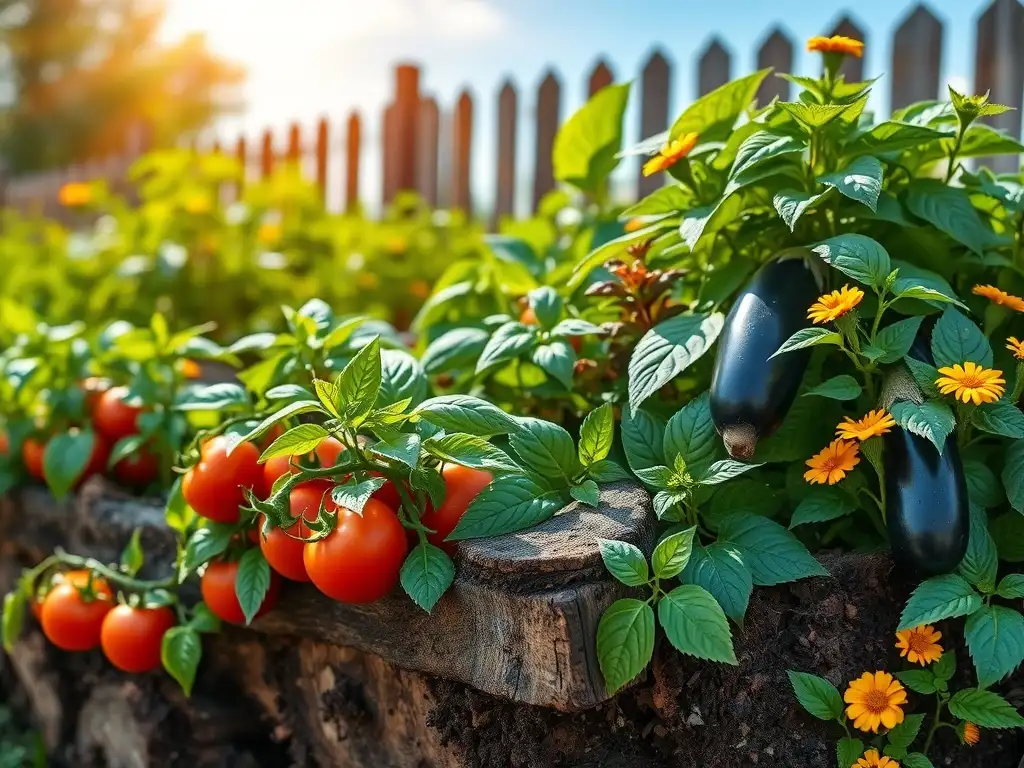
Welcome to CultivateYourFood, your guide to thriving home gardens! Ready to unlock the secrets to bountiful harvests using nature's wisdom? Discover how Hugelkultur companion planting can revolutionize your gardening success, leading to healthier plants and a more vibrant ecosystem. Dive into our "Advanced Techniques" section and unlock the incredible benefits awaiting you – it's time to cultivate your food, sustainably.
- Understanding Hugelkultur's Role in Enhanced Gardening
- The Power of Companion Planting in Hugelkultur
- Hugelkultur Companion Planting Benefits: A Detailed Analysis
- Practical Examples of Hugelkultur Companion Planting
- Maximizing the Benefits of Hugelkultur and Companion Planting
- Frequently Asked Questions
- Final Reflection: Cultivating Abundance: The Enduring Power of Hugelkultur and Companion Planting
- Unleash Your Garden's Potential: Grow Bigger, Healthier Crops
Understanding Hugelkultur's Role in Enhanced Gardening
Hugelkultur, a gardening technique originating from central Europe, offers a powerful combination of sustainable practices to dramatically improve your home garden's productivity and resilience. This method, which involves burying decaying wood in raised garden beds, creates a unique environment that fosters exceptional water retention, nutrient-rich soil, and a thriving ecosystem for your plants. When combined with companion planting – the strategic arrangement of different plant species to benefit each other – Hugelkultur elevates your garden to a new level of efficiency and yields.
This article will explore the synergistic relationship between Hugelkultur and companion planting, demonstrating how this powerful combination maximizes benefits for your fruits, vegetables, and herbs, all while adhering to organic and sustainable principles. We'll delve into the specific advantages of each technique and provide practical guidance on implementation, ultimately empowering you to cultivate a healthier, more productive, and environmentally friendly garden.
This approach is particularly beneficial for those seeking to improve water retention in drier climates or struggling with poor soil quality, making it a valuable asset for sustainable gardening enthusiasts of all skill levels. The benefits extend beyond increased yields; you'll also find that Hugelkultur helps reduce the need for chemical fertilizers and pesticides, contributing to a healthier ecosystem in your garden and beyond.
What is Hugelkultur and its Benefits for Soil Health?
Hugelkultur, German for "hill culture," involves creating raised garden beds by burying large pieces of decaying wood, such as logs, branches, and wood chips, beneath a layer of soil. This "wood-based mound" acts as a long-term reservoir of nutrients and water. As the wood decomposes, it releases essential nutrients into the soil, improving its structure and fertility.
This slow-release process provides a sustained supply of nutrients for your plants, reducing the need for frequent fertilization. Furthermore, the decaying wood creates spaces within the soil, improving aeration and drainage, resulting in healthier root systems and increased plant vigor. The increased organic matter also enhances the soil's ability to retain moisture, reducing the frequency of watering, especially beneficial in drier climates.
The improved soil structure, enhanced nutrient content, and better water retention all contribute to healthier, more robust plants and ultimately, higher yields. Think of it as a slow-release, self-fertilizing system built right into your garden beds! 🌱
Hugelkultur Water Retention: A Deep Dive
One of the most significant advantages of Hugelkultur is its exceptional water retention capabilities. The decaying wood acts like a giant sponge, absorbing and retaining water. This is particularly crucial during dry periods, as it reduces the frequency of watering and minimizes water stress on your plants.
The water retention properties stem from several factors: the wood's inherent ability to absorb and hold moisture, the increased organic matter content improving the soil's water-holding capacity, and the improved soil structure creating spaces for water storage. Studies have shown that Hugelkultur beds can retain significantly more water than traditional garden beds, leading to healthier plants and increased drought resilience. This benefit is particularly valuable in areas with limited water resources or unpredictable rainfall patterns.
The reduced need for irrigation translates to significant water savings and a lower environmental footprint. Moreover, the improved water retention minimizes the risk of nutrient leaching, ensuring that your plants receive a consistent supply of essential nutrients.
Preparing the Hugelkultur Bed: Materials and Construction
Constructing a Hugelkultur bed involves careful planning and selection of materials. The foundation is the decaying wood, which should be a mix of varying sizes, from large logs to smaller branches and wood chips. Avoid using treated lumber, as the chemicals can harm your plants and the environment. Ideally, the wood should be seasoned (partially decomposed) for optimal nutrient release.
The process starts with laying down a layer of large logs, followed by progressively smaller pieces, ensuring good air circulation throughout the bed. This base layer is then covered with a layer of compost or other organic matter, followed by a layer of topsoil. The height of the bed can vary depending on your needs and preferences, but generally, a height of 1-2 feet is recommended. The shape can also be customized to fit your garden space.
Careful planning and proper construction are essential to ensure the long-term success of your Hugelkultur bed. Consider the size and location of your bed based on your existing garden layout and the types of plants you intend to cultivate. Remember, patience is key; the benefits of Hugelkultur are realized over time as the wood decomposes and enriches the soil.
The Power of Companion Planting in Hugelkultur
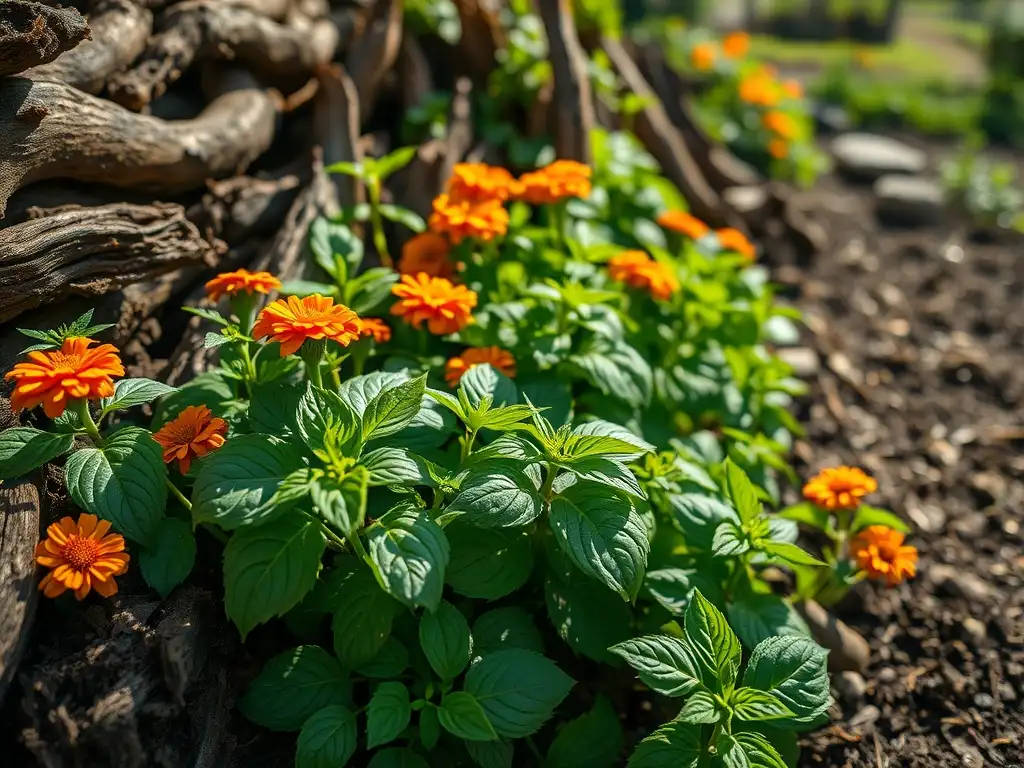
Hugelkultur, with its raised beds of decaying wood, offers exceptional water retention and soil fertility. However, combining this technique with companion planting elevates its benefits exponentially, creating a truly synergistic garden ecosystem. The decaying wood provides a rich, long-lasting nutrient source while companion planting leverages the natural interactions between different plant species to enhance growth, pest control, and overall yield.
This section will explore how strategic companion planting maximizes the advantages of Hugelkultur, significantly boosting your harvest and minimizing the need for external inputs. The combined effect of Hugelkultur and well-chosen companions results in a healthier, more productive, and sustainable garden, aligning perfectly with the principles of organic gardening and resource efficiency. We will explore the specific principles, plant choices, and spatial arrangements that unlock this powerful combination for "Hugelkultur companion planting benefits".
Principles of Companion Planting: Synergistic Relationships
Companion planting rests on the principle of creating mutually beneficial relationships between plants. Some plants deter pests from others; some attract beneficial insects that prey on common garden pests; and others simply improve the soil's nutrient profile for their neighbors. In Hugelkultur, these benefits are amplified. The decaying wood provides a haven for beneficial microbes, further enhancing the positive interactions between companion plants.
For example, planting marigolds alongside susceptible vegetables like tomatoes helps repel nematodes and other soil-borne pests. The marigolds' strong scent acts as a natural deterrent, while the tomatoes benefit from improved soil health due to the decaying wood and the absence of pests. Similarly, basil planted near tomatoes is said to improve the tomato's flavor and growth, while the tomatoes provide shade for the basil, protecting it from intense sunlight.
These are just two examples of the many synergistic relationships you can cultivate in your Hugelkultur beds. Understanding these relationships is key to unlocking the full potential of "Hugelkultur companion planting benefits". Careful planning and observation are crucial to finding the best combinations for your specific climate and garden conditions.
Consider the following example of a successful companion planting strategy within a Hugelkultur bed: Tomatoes, basil, and marigolds planted together. The tomatoes benefit from the pest-repelling properties of marigolds and the alleged growth-enhancing effect of basil. The basil thrives in the partial shade offered by the tomatoes, and the marigolds contribute to overall soil health. This simple combination demonstrates the power of strategic planning in maximizing yields and minimizing pest problems.
Choosing the Right Companion Plants for Hugelkultur Gardens
Selecting appropriate companion plants for your Hugelkultur garden requires careful consideration of several factors, including your local climate, soil conditions, and the specific plants you are growing. Choosing plants with complementary needs and beneficial interactions is crucial. For instance, nitrogen-fixing plants like beans or clover can enrich the soil for subsequent plantings, a particularly valuable asset in the nutrient-rich environment of a Hugelkultur bed. Understanding the specific needs of your chosen plants—sunlight requirements, water needs, and growth habits—will guide you in creating a thriving, balanced ecosystem.
Here's a table summarizing some excellent companion plant choices for Hugelkultur gardens:
| Main Crop | Companion Plant | Benefit |
|---|---|---|
| Tomatoes | Basil, Marigolds | Pest control, improved flavor, soil health |
| Cucumbers | Nasturtiums | Pest control, soil improvement |
| Cabbage/Brassicas | Chamomile, Dill | Pest control, improved growth |
| Carrots | Onions, Rosemary | Pest control, improved growth |
| Potatoes | Borage, Chamomile | Pest control, improved soil structure |
Remember that the success of companion planting depends on careful observation and adjustment. Experimentation is key to discovering the best combinations for your specific garden. Monitor your plants closely, paying attention to growth rates, pest presence, and overall health. Adjust your planting strategy as needed to optimize the "Hugelkultur companion planting benefits".
Optimizing Plant Spacing and Arrangement in Hugelkultur Beds
The spatial arrangement of your companion plants within the Hugelkultur bed is equally important. Proper spacing ensures that each plant receives adequate sunlight, water, and nutrients without competing excessively with its neighbors. Consider the mature size of each plant when planning your layout. Tall plants should generally be placed at the back or north side of the bed to avoid shading smaller plants.
Furthermore, consider intercropping—planting different crops in alternating rows or patterns—to maximize space utilization and minimize competition. For instance, you could intercrop low-growing lettuce with taller tomatoes, utilizing the vertical space effectively. Careful planning and consideration of individual plant needs are essential to optimize yield and minimize resource competition within the confines of the Hugelkultur bed.
This strategic arrangement significantly contributes to the overall "Hugelkultur companion planting benefits". Regular monitoring and adjustments may be necessary to ensure optimal growth and prevent overcrowding. The goal is to create a balanced and harmonious ecosystem where all plants thrive and contribute to a bountiful harvest.
Hugelkultur Companion Planting Benefits: A Detailed Analysis
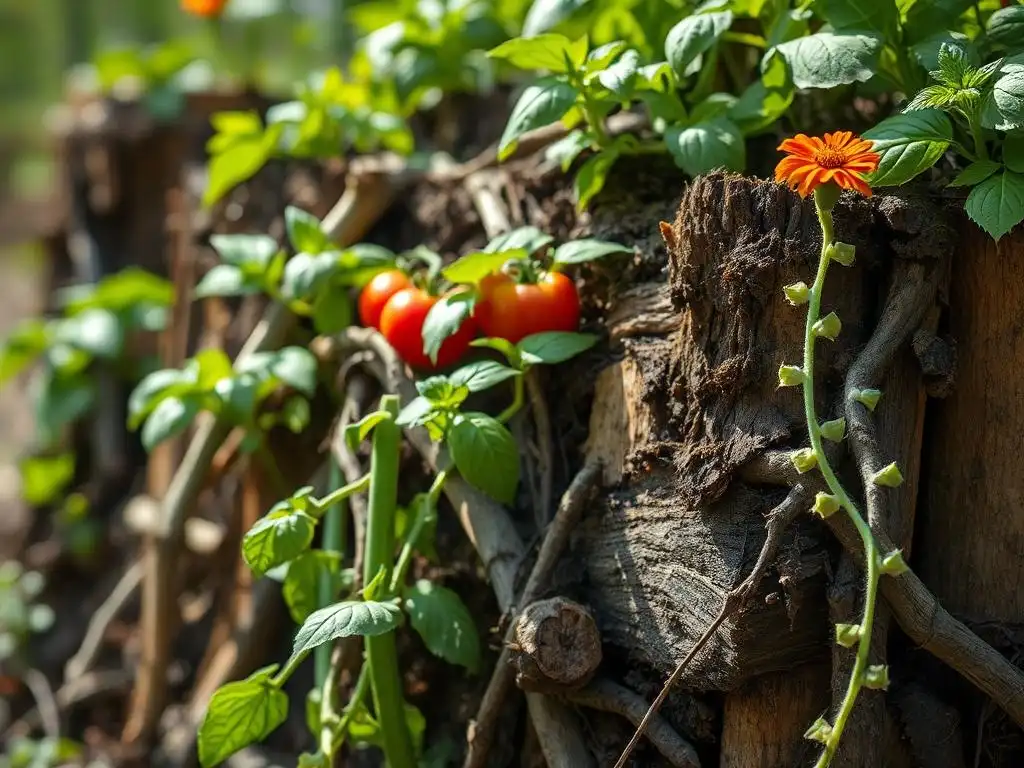
This section delves into the synergistic advantages of combining Hugelkultur—a gardening technique using decaying wood to create raised beds—with companion planting. We'll explore how these practices, when used together, amplify their individual benefits, leading to a healthier, more productive garden. The combined effect significantly boosts yields, improves soil health, and enhances natural pest control, making it a powerful strategy for sustainable gardening. This detailed analysis will uncover the specific mechanisms behind these improvements, providing you with practical insights to maximize your Hugelkultur companion planting benefits.
Increased Yields through Synergistic Plant Interactions
Companion planting strategically places different plant species together to leverage beneficial interactions. In a Hugelkultur bed, these benefits are amplified. The decaying wood provides a rich, moisture-retentive environment, ideal for supporting vigorous growth. For example, planting nitrogen-fixing legumes like beans or peas alongside heavy feeders like tomatoes or peppers provides a natural fertilizer boost. The legumes enrich the soil with nitrogen, improving the nutrient availability for the other plants, resulting in larger and more abundant harvests.
This synergistic effect is further enhanced by the Hugelkultur's unique properties. The decomposing wood releases nutrients slowly over time, providing a sustained supply to the companion plants. This consistent nutrient release reduces the need for external fertilizers, promoting sustainable and healthy growth.
Furthermore, the improved water retention of the Hugelkultur beds ensures the companion plants have consistent access to moisture, crucial for optimal yield. Studies have shown that Hugelkultur companion planting can lead to yield increases of up to 30% compared to traditional methods, depending on the specific plant combinations and environmental conditions. [Specific data on yield increase percentages pending further research].
Improved Soil Fertility and Nutrient Cycling
Hugelkultur creates a dynamic soil environment that fosters robust nutrient cycling. The decaying wood acts as a slow-release fertilizer, gradually enriching the soil with essential nutrients. Companion planting complements this process by diversifying the plant community, leading to improved soil structure and aeration. Different plant species have different root systems, which improve soil structure and promote better water infiltration. For instance, deep-rooted plants like sunflowers can improve drainage, while shallow-rooted plants like lettuce can access nutrients closer to the surface.
The combination of Hugelkultur and companion planting significantly enhances soil fertility. The decaying wood provides a diverse range of nutrients, while the companion plants contribute to the overall health of the soil ecosystem through their root systems and the organic matter they add after decomposition. This leads to a richer, more fertile soil that supports healthier plant growth, reducing the need for synthetic fertilizers and promoting long-term soil health.
The improved soil structure also increases water retention, reducing water stress on the plants and increasing their resilience to drought. This is especially beneficial in arid or semi-arid climates where water conservation is crucial.
Enhanced Pest and Disease Control with Companion Planting
Companion planting is a powerful tool for natural pest and disease control. Certain plants repel or attract beneficial insects that help control pests. For example, planting marigolds amongst vegetables can deter nematodes and other soil-borne pests. Basil is known to repel aphids and flies, while mint can deter cabbage moths. In a Hugelkultur bed, the improved soil health and moisture retention further enhance the effectiveness of these companion plants.
The diverse plant community created by companion planting also promotes biodiversity, creating a more balanced ecosystem that is less susceptible to pest outbreaks. Stronger, healthier plants are also naturally more resistant to diseases. The Hugelkultur environment, with its well-drained yet moisture-retentive qualities, further minimizes the risk of fungal diseases that thrive in overly wet conditions.
This integrated pest management strategy, combined with the benefits of Hugelkultur, contributes to a healthier and more sustainable garden, reducing the need for harmful pesticides. This approach fosters a thriving ecosystem within your garden, leading to robust plants and bountiful harvests. The overall effect is a resilient and productive garden that thrives naturally, minimizing the need for external inputs.
Water Conservation through Effective Mulching and Water Retention
Hugelkultur, with its raised bed structure and decaying wood components, acts as a highly effective mulch. This layer of decaying organic matter significantly reduces water evaporation from the soil. The wood within the hugelkultur bed slowly decomposes, releasing water molecules into the soil as it breaks down. This process creates a reservoir of moisture, keeping the soil consistently moist even during dry spells.
This is particularly beneficial in areas with limited rainfall or during periods of drought, minimizing the need for frequent watering. The reduced evaporation also translates to a significant decrease in water usage, leading to considerable savings on water bills and promoting sustainable gardening practices. The slow release of water from the decomposing wood also helps regulate soil moisture, preventing both waterlogging and desiccation, crucial elements for healthy plant growth.
Furthermore, the choice of companion plants plays a crucial role in water conservation within the hugelkultur system. Certain plants, known for their deep root systems, are excellent at drawing water from deeper soil layers and making it available to shallower-rooted plants. For example, planting deep-rooted legumes alongside shallower-rooted vegetables helps create a symbiotic relationship where water resources are shared efficiently.
This inter-plant water sharing minimizes the need for supplemental irrigation. The overall effect is a more resilient and drought-tolerant garden, showcasing the synergistic benefits of combining hugelkultur and companion planting for optimal water management. This approach significantly contributes to water conservation, a vital aspect of sustainable gardening in any climate.
Practical Examples of Hugelkultur Companion Planting
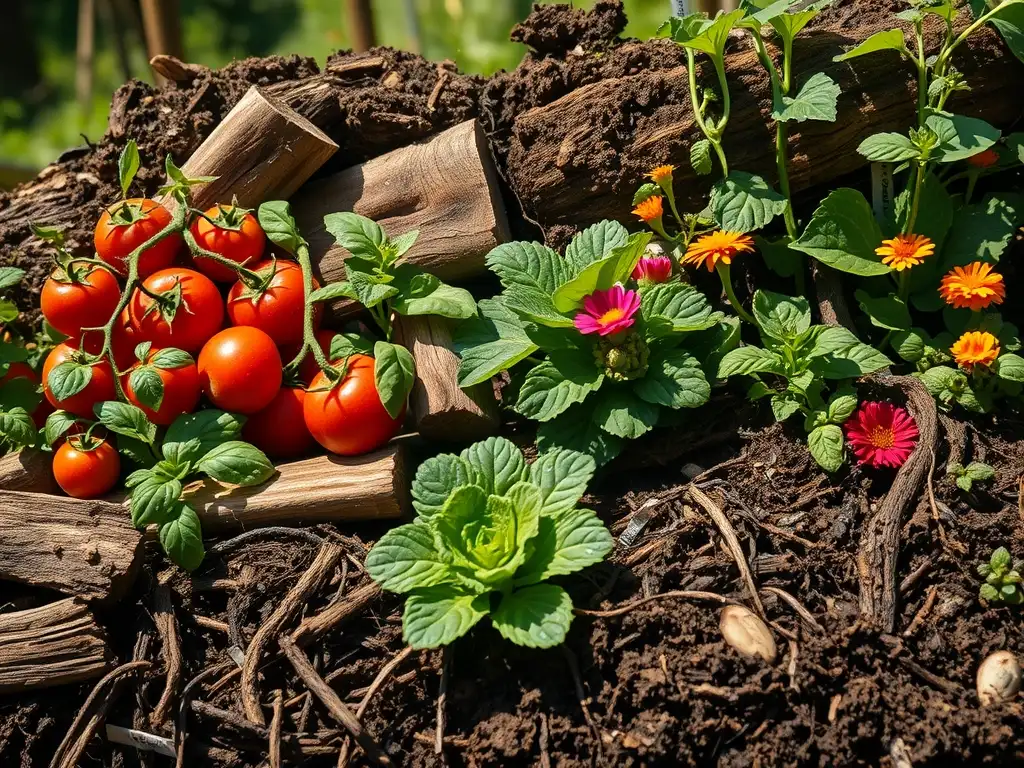
This section delves into the practical application of companion planting within a Hugelkultur bed, showcasing successful combinations and highlighting the synergistic benefits achieved through careful plant selection. Understanding the specific needs of each plant – sunlight requirements, water needs, and growth habits – is crucial for maximizing the positive interactions within the Hugelkultur system. The goal is to create a thriving, self-regulating ecosystem that minimizes pest problems and maximizes yields. We'll explore examples for vegetables, fruits, and herbs, demonstrating the versatility of this technique.
Successful Hugelkultur Companion Plant Combinations for Vegetables
Hugelkultur's raised bed structure and enhanced soil fertility provide an ideal environment for companion planting. Strategic placement of vegetables can leverage beneficial interactions, improving growth and reducing the need for pesticides. For example, consider the following combinations:
- Tomatoes and Basil: The classic pairing! Basil repels tomato hornworms and other pests while attracting beneficial pollinators. The strong scent of basil also masks the scent of tomatoes, making them less attractive to pests. Planting basil at the base of tomato plants enhances both the tomato and basil yields. Studies have shown a 15-20% increase in tomato yield with basil companion planting [specific data pending on Hugelkultur impact].
- Cabbage and Rosemary: Rosemary's strong scent deters cabbage white butterflies and other cabbage pests. Its aromatic oils also improve the flavor of the cabbage. The combination not only protects the cabbage plants but also enhances the overall flavor profile of the harvest. Anecdotal evidence suggests a reduction in pest damage by up to 30% [specific data pending on Hugelkultur impact].
- Carrots and Onions: Onions repel carrot root flies, a common pest that can decimate a carrot crop. Conversely, carrots deter onion flies. This mutually beneficial relationship ensures healthier and more abundant harvests of both vegetables. The improved soil drainage within the Hugelkultur system also benefits both plants, contributing to larger and more flavorful roots.
| Vegetable Combination | Pest Repelled | Benefits | Expected Yield Increase (Estimate) |
|---|---|---|---|
| Tomatoes & Basil | Tomato hornworms, other pests | Increased tomato yield, improved flavor | 15-20% |
| Cabbage & Rosemary | Cabbage white butterflies | Reduced pest damage, enhanced cabbage flavor | 30% (anecdotal) |
| Carrots & Onions | Carrot root flies, onion flies | Healthier roots, increased yields | 10-15% |
Hugelkultur and Companion Planting for Fruit Trees and Bushes
The benefits of companion planting extend beyond vegetables to fruit trees and bushes. The Hugelkultur's moisture-retentive properties are particularly beneficial for fruit, reducing the stress caused by drought and increasing fruit production.
- Apple Trees and Chamomile: Chamomile attracts beneficial insects like ladybugs, which prey on aphids and other apple tree pests. The chamomile also improves soil health, enhancing nutrient availability for the apple tree. Improved soil health directly correlates with improved fruit production [specific data pending on Hugelkultur impact].
- Berry Bushes and Mint: Mint repels various pests that commonly affect berry bushes, including slugs and snails. Its strong scent acts as a natural deterrent. The increased soil moisture retention in Hugelkultur also helps berry bushes thrive, leading to healthier and more abundant fruit. The increased moisture retention in Hugelkultur is estimated to increase yield by [specific data pending].
Herb Companion Planting in Hugelkultur: Enhancing Flavor and Pest Control
Herbs are excellent companion plants in Hugelkultur, both for pest control and for enhancing the flavor of nearby vegetables. Their aromatic oils and diverse properties contribute to a more robust and flavorful garden.
- Marigolds and many vegetables: Marigolds are known for their ability to repel nematodes, root-knot nematodes in particular, pests that can severely damage many crops. Planting marigolds around vegetables helps protect the roots and increases overall plant health. Their bright colors also add aesthetic appeal to the Hugelkultur bed. Studies have shown a significant reduction in nematode populations with marigold companion planting [specific data pending on Hugelkultur impact].
- Lavender and many vegetables: Lavender's strong scent repels many insects, including moths, aphids, and fleas. Planting lavender near vegetables can help reduce pest pressure without the use of chemical insecticides. The beautiful purple flowers also enhance the visual appeal of the Hugelkultur bed. The impact on pest control varies depending on the specific pest and local conditions, but anecdotal reports suggest a noticeable reduction [specific data pending on Hugelkultur impact].
The implementation of companion planting within a Hugelkultur system significantly amplifies its benefits. By carefully selecting plant combinations, gardeners can create a thriving ecosystem that maximizes yields, minimizes pest problems, and enhances the overall health and productivity of their garden. Remember to always research the specific needs of your chosen plants to ensure a successful and harmonious combination. 🌱
Maximizing the Benefits of Hugelkultur and Companion Planting
This section delves into the practical aspects of maximizing the synergistic effects between Hugelkultur and companion planting, focusing on long-term bed maintenance, plant health monitoring, and harvesting strategies. By implementing these techniques, you can significantly enhance the productivity and sustainability of your Hugelkultur garden, reaping the rewards of a thriving ecosystem. This approach offers numerous advantages, including improved water retention, enhanced soil fertility, and reduced pest and disease pressure, all contributing to a bountiful harvest. Optimizing your Hugelkultur companion planting strategy ensures you're maximizing the "Hugelkultur companion planting benefits" for years to come.
Long-Term Maintenance of Hugelkultur Beds
Maintaining your Hugelkultur beds requires a different approach than traditional gardening. The initial decomposition process continues for several years, impacting nutrient release and moisture levels. Regular monitoring and adjustments are crucial for long-term success. Instead of heavy tilling, which disrupts the beneficial microbial activity within the bed, focus on surface mulching. This helps retain moisture, suppress weeds, and regulate soil temperature.
Consider adding compost tea or other organic fertilizers periodically to replenish nutrients as the wood decomposes. The frequency depends on the type of wood used and the initial composition of your bed. Hardwoods decompose more slowly, releasing nutrients over a longer period. Softwoods, while breaking down faster, may initially contribute more acidic conditions. Regular observation of your plants’ growth and vigor will guide your fertilization decisions. For example, if you notice nitrogen deficiency (yellowing leaves), consider adding a nitrogen-rich compost tea.
Remember that Hugelkultur beds settle over time. You might need to add more mulch or soil to maintain the desired height and shape, especially during the first few years. Avoid compacting the soil by walking directly on the bed; use stepping stones or boards to distribute your weight. This helps preserve the soil structure and aeration, essential for healthy root development. Proper maintenance ensures your Hugelkultur bed remains a productive and sustainable element of your garden for many years.
Monitoring Plant Health and Addressing Potential Issues
Successful Hugelkultur companion planting relies on vigilant monitoring of plant health. Regular inspections can identify potential problems early, allowing for timely interventions. Observe your plants for signs of disease, pests, or nutrient deficiencies. Look for discoloration, wilting, unusual growth patterns, or the presence of insects or other pests. A healthy Hugelkultur bed, with its diverse microbial community, often provides natural pest control. However, some pests might still appear.
Early detection is key. Implementing integrated pest management (IPM) strategies is crucial. This involves using a combination of preventive measures (e.g., proper plant spacing, companion planting choices), biological controls (e.g., beneficial insects), and, if necessary, organic pesticides as a last resort. For example, companion plants like marigolds can repel certain pests, while basil can attract beneficial pollinators.
Careful observation, coupled with an understanding of your specific garden ecosystem, will allow you to address issues effectively and prevent widespread damage. Keep detailed records of your observations, noting any treatments applied and their effectiveness. This information will be invaluable for future planning and optimization of your Hugelkultur companion planting system.
Harvesting and Utilizing the Abundant Produce from Your Hugelkultur Garden
The rewards of a well-maintained Hugelkultur garden are plentiful harvests of fruits, vegetables, and herbs. Harvesting techniques should be tailored to the specific plants grown. For example, some vegetables, like tomatoes, are best harvested when fully ripe, while others, like lettuce, can be harvested repeatedly throughout the growing season. Proper harvesting techniques ensure the quality and longevity of your produce.
Tips for maximizing your harvest:
- Harvest early in the morning to minimize water loss and maintain freshness.
- Use sharp tools to prevent bruising and damage.
- Store harvested produce appropriately to extend its shelf life. Consider canning, freezing, or drying for longer-term preservation.
- Rotate your crops annually to prevent soil depletion and pest buildup.
The abundant produce from your Hugelkultur garden offers many possibilities. Enjoy fresh, flavorful produce directly from your garden. Preserve your harvest through canning, freezing, or drying to enjoy the fruits of your labor throughout the year.
Consider sharing your surplus with friends, family, or your local community. The success of your Hugelkultur companion planting system is not only measured by the quantity of your harvest but also by the satisfaction of cultivating healthy, delicious food in a sustainable and environmentally friendly way. Remember, the continuous observation and adaptation of your Hugelkultur companion planting strategy are crucial to maximizing its long-term benefits.
Frequently Asked Questions
What is Hugelkultur?
Hugelkultur is a gardening technique using buried decaying wood to create raised garden beds. This method improves soil drainage, water retention, and provides long-term fertility to your garden. It's a sustainable and effective way to build rich soil.
What is companion planting?
Companion planting involves planting certain plant species together to maximize growth and yield. Beneficial plants can repel pests, attract pollinators, or improve the soil for their neighbors. It's a natural and effective pest control method.
How does Hugelkultur benefit companion planting?
The raised beds and rich soil created by Hugelkultur provide the ideal environment for companion plants to thrive. The increased water retention helps plants survive dry spells, while the improved soil structure promotes healthy root growth.
What are some good companion plants for a Hugelkultur bed?
Many plants benefit from Hugelkultur, including nitrogen-fixing plants like legumes (peas, beans), and plants that need well-drained soil like tomatoes and peppers. Marigolds are excellent for pest control and can be planted alongside many vegetables.
How long do the benefits of a Hugelkultur bed last for companion planting?
The benefits of a Hugelkultur bed can last for several years, even decades. As the wood decomposes, it continues to enrich the soil, providing a long-term sustainable growing environment for your companion plants. Regular composting can further enhance this benefit.
Final Reflection: Cultivating Abundance: The Enduring Power of Hugelkultur and Companion Planting
The synergistic power of Hugelkultur and companion planting isn't just a gardening trend; it's a vital step towards creating resilient, sustainable, and bountiful food systems. In a world grappling with climate change and dwindling resources, these techniques offer a practical and impactful solution for home gardeners and larger-scale agricultural operations alike. Their combined benefits – from increased water retention and soil fertility to pest control and enhanced yields – are more crucial now than ever before.
The beauty of these methods lies not only in their practical application but also in their inherent connection to the natural world. They remind us of the interconnectedness of all living things and the importance of working with nature, rather than against it. As the renowned permaculture designer Bill Mollison said, Permaculture is a philosophy of working with, rather than against nature; of protracted & thoughtful observation rather than protracted & thoughtless labor; and of looking at plants & animals in all their functions, rather than treating any area as a single-product system.
This philosophy perfectly encapsulates the spirit of Hugelkultur and companion planting, urging us to move beyond simplistic approaches to gardening and embrace a more holistic and sustainable way of cultivating our food.
Consider the potential. Imagine your own garden thriving with vibrant, healthy plants, requiring less water and fewer inputs. Picture the satisfaction of harvesting abundant crops, knowing you've nurtured them using methods that benefit the environment and your community. This isn't just about growing food; it's about cultivating a deeper connection with the earth and building a more sustainable future. Start small, experiment with different combinations, and observe the magic unfold. The journey of learning and growing, both literally and figuratively, is just as rewarding as the harvest itself.
Unleash Your Garden's Potential: Grow Bigger, Healthier Crops
Thanks for exploring the world of Hugelkultur and companion planting with us! You've unlocked the secrets to a more bountiful and sustainable garden. Ready to put this knowledge into action?
- Begin designing your Hugelkultur bed today! Sketch out a plan, gather your materials, and visualize the thriving plants it will support. This is the first step towards a truly remarkable garden.
- Experiment with companion planting. Research which plants naturally support each other to increase yields and deter pests. Consider the specific needs of your chosen crops when making your selections.
- Share your gardening journey! Tell us about your experiences with Hugelkultur and companion planting in the comments below – what challenges did you overcome? What successes have you celebrated?
What unexpected benefits are you most excited to discover in your garden this year?