
Hugelkultur and the Cycle of Life: Understanding Decomposition

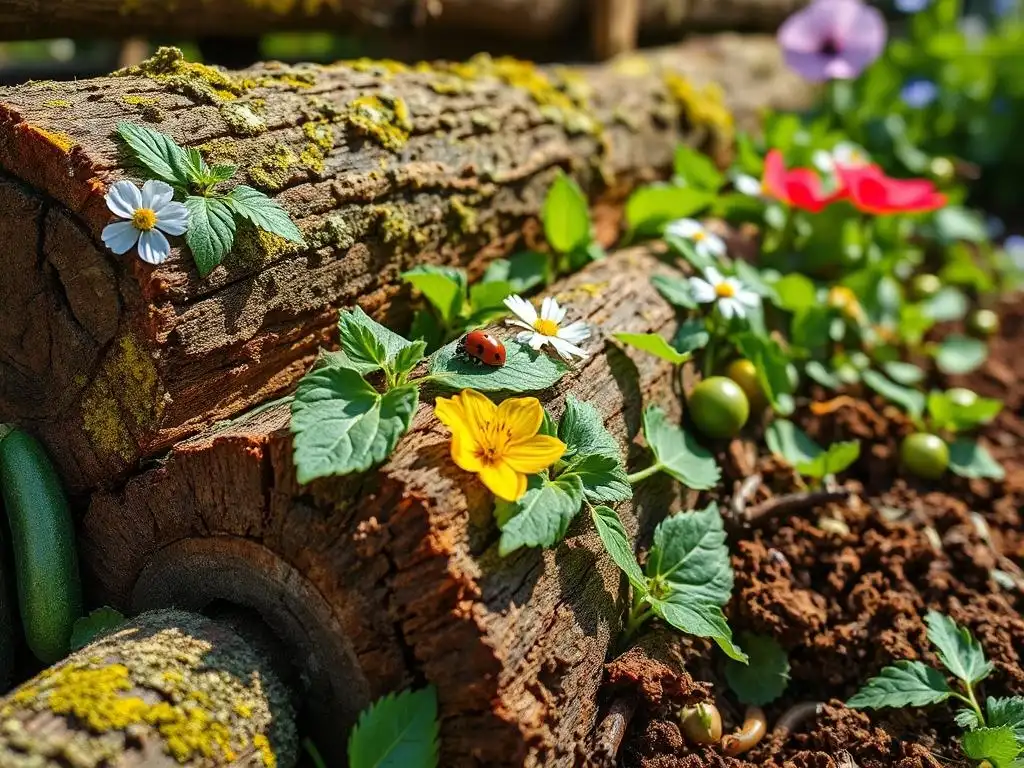
Ready to unlock the secrets of a thriving, sustainable garden? At CultivateYourFood, we empower you to grow your own delicious fruits, vegetables, and herbs. But did you know that understanding Hugelkultur decomposition benefits is key to unlocking even greater yields and soil health? Dive into our "Advanced Techniques" section to discover how this ancient practice can revolutionize your gardening journey and transform your understanding of the natural cycle of life. Let's cultivate a greener future, together.
- Hugelkultur Decomposition Benefits: A Foundation for Soil Health
- Monitoring Hugelkultur Decomposition: Signs of a Healthy Bed
- Optimizing Hugelkultur Decomposition for Maximum Benefits
- Maximizing Hugelkultur's Long-Term Benefits Through Decomposition Management
- Troubleshooting Common Hugelkultur Decomposition Issues
-
Frequently Asked Questions
- What is Hugelkultur, and how does it relate to decomposition?
- How long does the decomposition process in a Hugelkultur bed take?
- What are the benefits of the decomposition process in Hugelkultur?
- What are the signs that the decomposition process is working effectively in my Hugelkultur bed?
- Are there any potential drawbacks to the decomposition process in Hugelkultur?
- Final Reflection: Hugelkultur's Legacy: A Living Testament to Decomposition
- Unlock Nature's Bounty: Build Your Own Hugelkultur Bed!
Hugelkultur Decomposition Benefits: A Foundation for Soil Health
Hugelkultur, a gardening technique originating in Central Europe, leverages the power of decomposing wood to create exceptionally fertile and water-retentive garden beds. Understanding the decomposition process is crucial to maximizing the benefits of this sustainable gardening method. This article delves into the intricate role of decomposition in Hugelkultur, exploring how it contributes to improved soil health, enhanced water retention, and a thriving garden ecosystem.
We will examine the factors influencing the rate of decomposition, the types of nutrients released, and the long-term advantages of incorporating this natural process into your gardening practices. This knowledge will empower you to build and maintain highly productive Hugelkultur beds, contributing to a more sustainable and bountiful harvest. The key to unlocking the full potential of Hugelkultur lies in understanding the intricate dance of decomposition – a natural cycle that underpins the technique’s remarkable success.
Successfully harnessing this cycle will lead to healthier plants and a more resilient garden overall. Let's explore the fascinating world of Hugelkultur decomposition and its profound benefits.
The Role of Wood Decomposition in Hugelkultur Beds
The core principle of Hugelkultur hinges on the slow decomposition of large pieces of wood buried within the garden bed. This buried wood acts as a sponge, absorbing and retaining significant amounts of water. As the wood decomposes, it releases essential nutrients into the soil, providing a slow-release fertilizer that nourishes plants over an extended period.
This process significantly improves soil structure, creating a rich, airy environment ideal for root growth. The decomposition also contributes to a thriving soil microbiome, teeming with beneficial bacteria and fungi that further enhance soil fertility and plant health. The gradual breakdown of the wood creates air pockets within the soil, improving drainage and aeration, crucial factors for healthy root development.
This contrasts sharply with traditional gardening methods that often result in compacted soil, hindering root growth and water infiltration. The benefits extend beyond improved drainage; the added organic matter from decaying wood increases the soil's water-holding capacity, reducing the frequency of watering, especially beneficial in drier climates. 🌳
Accelerated Decomposition: Factors Influencing the Process
Several factors influence the rate at which wood decomposes within a Hugelkultur bed. The type of wood used plays a significant role; hardwoods like oak decompose more slowly than softwoods like pine. The size of the wood pieces also matters; larger pieces will take longer to break down than smaller ones. The moisture content of the bed is crucial; a consistently moist environment promotes faster decomposition, while excessively dry conditions will slow the process.
Soil temperature also plays a part; warmer temperatures generally accelerate decomposition. Furthermore, the presence of microorganisms like fungi and bacteria is essential for breaking down the wood. A healthy soil microbiome, rich in these organisms, will significantly speed up the decomposition process. Proper bed construction, ensuring good aeration and moisture retention, will also influence the rate of decomposition.
Finally, the addition of nitrogen-rich materials, such as compost or manure, can further accelerate the breakdown of the wood. Careful consideration of these factors will allow you to optimize the decomposition process and maximize the benefits of your Hugelkultur bed. 📈
Nutrient Release from Decomposing Wood: A Time-Release Fertilizer
As wood decomposes, it releases a wide array of essential nutrients beneficial for plant growth. These nutrients are released slowly over time, providing a sustained supply of nourishment to plants. This slow-release mechanism prevents nutrient leaching and ensures plants receive a consistent supply throughout the growing season. The specific nutrients released depend on the type of wood used, but generally include nitrogen, phosphorus, potassium, and various micronutrients. The decomposition process also improves the overall soil fertility, making it more conducive to healthy plant growth. This natural fertilization method reduces or eliminates the need for synthetic fertilizers, contributing to a more sustainable and environmentally friendly gardening approach. The slow release of nutrients mimics the natural nutrient cycling processes found in healthy ecosystems, promoting a balanced and sustainable garden environment. The long-term benefits of this time-release fertilization are significant, resulting in healthier plants, increased yields, and a more resilient garden overall. 🌱
Monitoring Hugelkultur Decomposition: Signs of a Healthy Bed
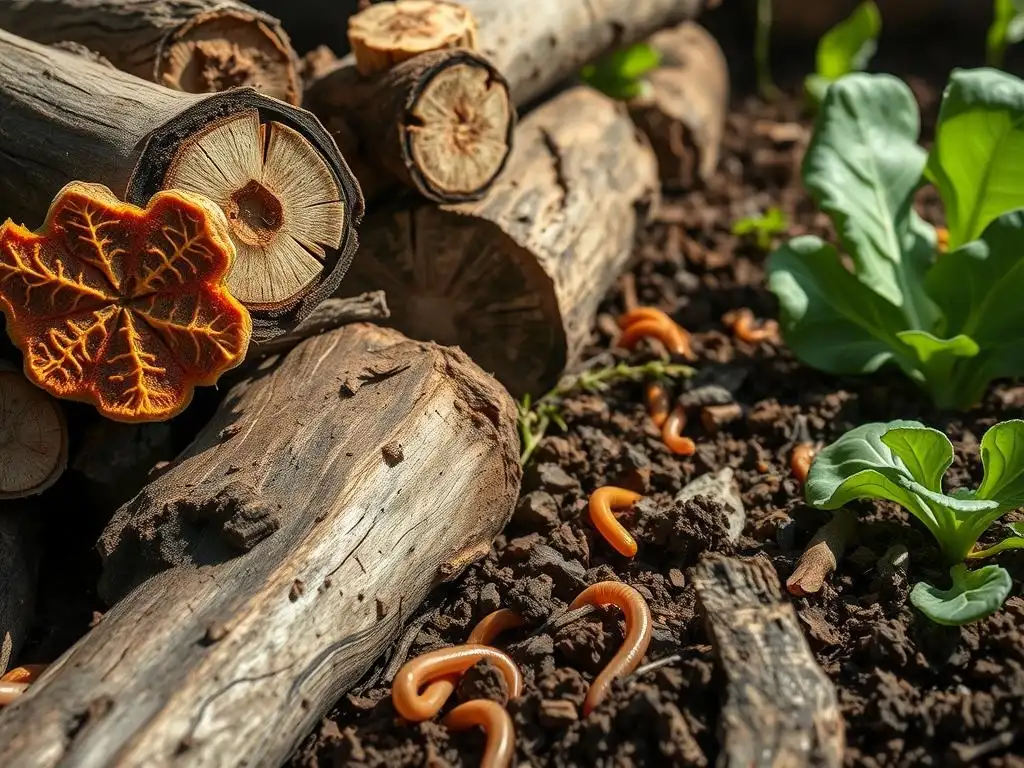
Hugelkultur, with its buried wood element, relies heavily on the decomposition process for its success. Monitoring this decomposition is crucial for maximizing the benefits of a Hugelkultur bed and ensuring its long-term health. Understanding the signs of healthy decomposition allows for timely intervention if issues arise, preventing potential problems and maximizing the nutrient release for your plants. This section details how to effectively monitor the decomposition process in your Hugelkultur bed, focusing on visual cues, soil conditions, and potential pitfalls. Successful Hugelkultur decomposition benefits your garden in many ways, from improved water retention to enhanced nutrient cycling.
Visual Indicators of Successful Decomposition
Observing your Hugelkultur bed visually is the first and easiest step in monitoring decomposition. Several key indicators signal healthy decomposition:
- Shrinking Wood Mass: Over time, you should notice a gradual reduction in the volume of the visible wood components. This is a clear sign that microbial activity is breaking down the wood. Initially, large logs might show little change, but smaller branches and twigs should visibly shrink and soften. The rate of shrinkage will depend on the wood type, size, and the overall conditions of your bed. For example, softer woods like willow will decompose faster than hardwoods like oak.
- Increased Soil Depth: As the wood decomposes, it creates a rich, humus-like soil. You should observe a gradual increase in the overall depth of your Hugelkultur bed's topsoil layer. This is a direct result of the wood's breakdown and the accumulation of organic matter. Measuring the soil depth at regular intervals will help quantify this increase.
- Healthy Microbial Activity: While you won't see microbes directly, signs of their activity are readily apparent. The presence of earthworms, beneficial fungi (like mycorrhizal fungi), and other soil organisms indicates a thriving ecosystem within your Hugelkultur bed, essential for efficient decomposition. A diverse range of organisms is a strong indicator of a healthy decomposition process.
- Changes in Soil Structure: The soil should become increasingly friable and well-structured, with improved aeration and drainage. The decomposed wood contributes to enhanced soil aggregation, creating a crumbly texture that is ideal for plant growth. This improved structure is a key benefit of Hugelkultur decomposition.
Assessing Soil Temperature and Moisture Levels
Beyond visual cues, monitoring soil temperature and moisture levels provides valuable insights into the decomposition process. These factors significantly influence microbial activity and the rate of decomposition.
- Temperature: Decomposition is a biological process fueled by microbial activity. Optimal temperatures for most decomposers range between 15-30°C (59-86°F). Using a soil thermometer, regularly check the temperature of your Hugelkultur bed at various depths. Consistently low temperatures might indicate a slow decomposition rate, potentially due to insufficient sunlight or poor aeration. Conversely, excessively high temperatures could indicate anaerobic conditions, potentially harming beneficial microbes.
- Moisture: Moisture is crucial for microbial activity. The Hugelkultur method is designed to retain moisture, but monitoring levels is still important. Soil moisture should be consistently moist but not waterlogged. Waterlogged conditions can lead to anaerobic decomposition, producing harmful gases and hindering the decomposition process. Using a soil moisture meter will provide accurate readings, allowing you to adjust watering accordingly. The ideal moisture level will vary depending on your climate and the composition of your Hugelkultur bed.
Identifying Potential Problems During Decomposition
While Hugelkultur is designed to self-regulate, certain problems can hinder decomposition. Identifying and addressing these issues promptly is essential for the success of your Hugelkultur bed.
- Anaerobic Conditions: If decomposition slows or stops, and you notice foul odors (like rotten eggs), it might indicate anaerobic conditions. This usually results from poor drainage or excessive watering. Improving drainage, aerating the soil with a garden fork, and reducing watering can help alleviate this problem. The resulting anaerobic decomposition can negatively impact the Hugelkultur decomposition benefits.
- Nutrient Imbalances: While Hugelkultur provides a wealth of nutrients, imbalances can occur. Regular soil testing can identify deficiencies or excesses. Addressing these imbalances through appropriate amendments is crucial for optimal plant growth and decomposition. Testing for nitrogen, phosphorus, and potassium levels is a good starting point.
- Pest Infestations: While Hugelkultur generally discourages many pests, monitoring for infestations is still important. Addressing any pest problems promptly can prevent significant damage to your bed and slow down the decomposition process. This can involve using sustainable pest control methods.
- Slow Decomposition: If decomposition seems slower than expected, consider factors like wood type (hardwoods decompose slower), bed design (adequate aeration is crucial), and climate (colder temperatures slow decomposition). Adjusting these factors can help speed up the process. Understanding the factors affecting decomposition is key to maximizing the Hugelkultur decomposition benefits.
Understanding and monitoring these aspects of Hugelkultur decomposition is crucial for maximizing its benefits. Regular observation and testing will allow you to identify and address any potential issues, resulting in a thriving and productive Hugelkultur bed. Remember that patience is key; the decomposition process takes time, but the rewards are well worth the wait.
Optimizing Hugelkultur Decomposition for Maximum Benefits
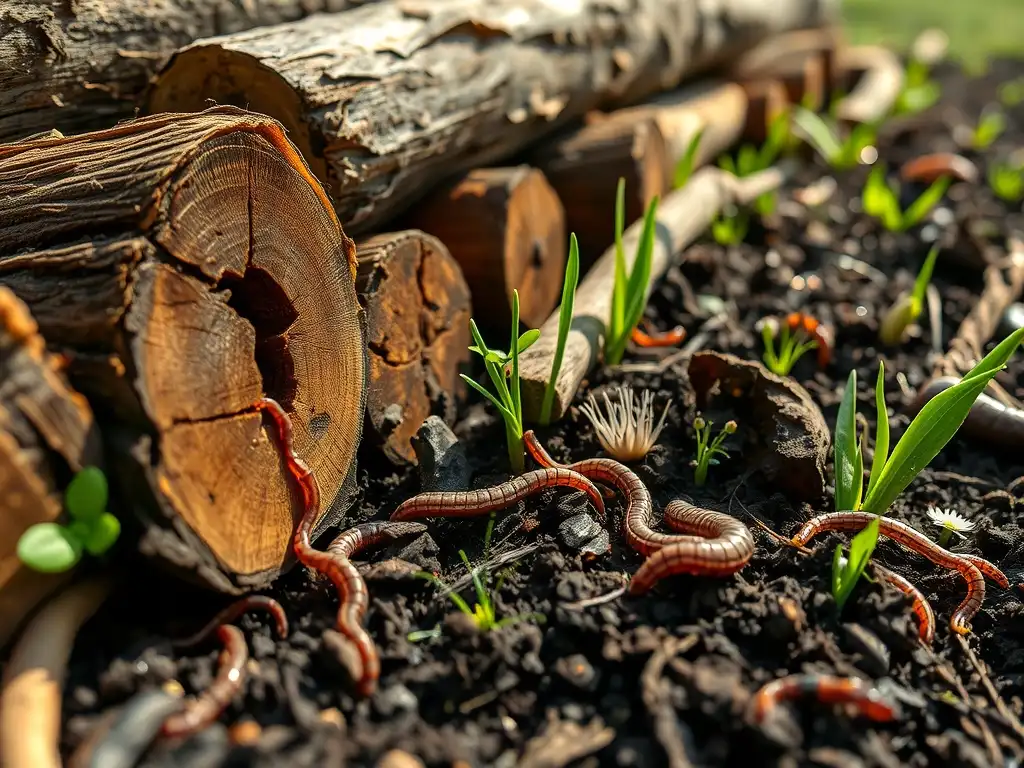
Hugelkultur, with its foundation of decaying wood, offers a unique approach to gardening that leverages the natural process of decomposition for significant benefits. Understanding and optimizing this decomposition process is key to unlocking the full potential of a Hugelkultur bed. This involves careful selection of wood, precise moisture management, and an awareness of the crucial role played by beneficial microorganisms.
By focusing on these elements, gardeners can maximize nutrient release, enhance water retention, and create a thriving environment for plant growth. The benefits of optimized Hugelkultur decomposition are numerous, impacting everything from soil structure to long-term garden productivity. This section will explore the key factors influencing decomposition rates and how to manage them effectively for optimal results.
Choosing the Right Wood for Your Hugelkultur Bed
The type of wood used significantly impacts the speed and efficiency of decomposition in your Hugelkultur bed. Hardwoods, while decomposing more slowly, offer a longer-lasting source of nutrients and structure. Softwoods, conversely, break down faster, providing a quicker initial boost of nutrients but potentially requiring more frequent replenishment.
The ideal approach often involves a blend of both. Consider using a mix of hardwoods like oak, ash, or maple for long-term structure and nutrient release, combined with faster-decomposing softwoods like pine or fir for quicker initial nutrient contributions. Avoid using treated lumber, as the chemicals used in the treatment process can be harmful to plants and soil organisms.
Similarly, avoid diseased or insect-infested wood, which could introduce pathogens into your garden. The size of the wood pieces also matters; larger pieces decompose slower, providing a longer-lasting structure, while smaller pieces break down faster. A combination of sizes ensures a gradual and sustained release of nutrients.
| Wood Type | Decomposition Rate | Nutrient Release | Longevity in Bed |
|---|---|---|---|
| Hardwood (Oak) | Slow | High | Very Long |
| Softwood (Pine) | Fast | Moderate | Moderate |
| Mixed Hardwoods & Softwoods | Moderate | High and sustained | Long |
Managing Moisture Levels for Efficient Decomposition
Maintaining the right moisture level is critical for efficient Hugelkultur decomposition. Too little moisture slows down the decomposition process, while excessive moisture can lead to anaerobic conditions, creating unpleasant odors and potentially harming beneficial microorganisms. The ideal moisture content should resemble a damp sponge – not soaking wet, but consistently moist.
Regular monitoring is essential. During dry periods, supplemental watering might be necessary. However, avoid overwatering, which can lead to waterlogging and hinder decomposition. Mulching the surface of the Hugelkultur bed with organic matter like straw or wood chips can help retain moisture and regulate temperature, further optimizing the decomposition process. Proper drainage is also crucial; ensure your bed is well-drained to prevent waterlogging and maintain optimal moisture levels for thriving microbial activity. This balance between sufficient moisture and proper drainage is key to achieving the desired decomposition rate and maximizing the benefits of your Hugelkultur bed.
The Impact of Microorganism Activity on Decomposition Rates
The decomposition process in a Hugelkultur bed is largely driven by the activity of a diverse community of microorganisms, including bacteria, fungi, and other decomposers. These organisms break down the organic matter, releasing nutrients into the soil. A healthy and diverse microbial community is essential for efficient decomposition. Several factors influence microbial activity, including moisture levels, temperature, and the availability of oxygen.
Optimizing conditions for these microorganisms is crucial. A balanced mix of carbon and nitrogen sources within the decaying wood and added organic matter provides an ideal environment for microbial growth. Introducing compost tea or other beneficial microbial inoculants can further enhance microbial activity and speed up the decomposition process. Avoid disturbing the bed excessively, as this can disrupt the delicate balance of the microbial community.
By understanding and supporting the activity of these essential microorganisms, you can significantly enhance the nutrient release and overall success of your Hugelkultur garden. The diverse microbial ecosystem is the engine driving the decomposition process, contributing significantly to the long-term success and fertility of a Hugelkultur bed. Monitoring soil health and addressing any imbalances promptly will ensure a thriving microbial community, leading to optimal decomposition and nutrient cycling.
Maximizing Hugelkultur's Long-Term Benefits Through Decomposition Management
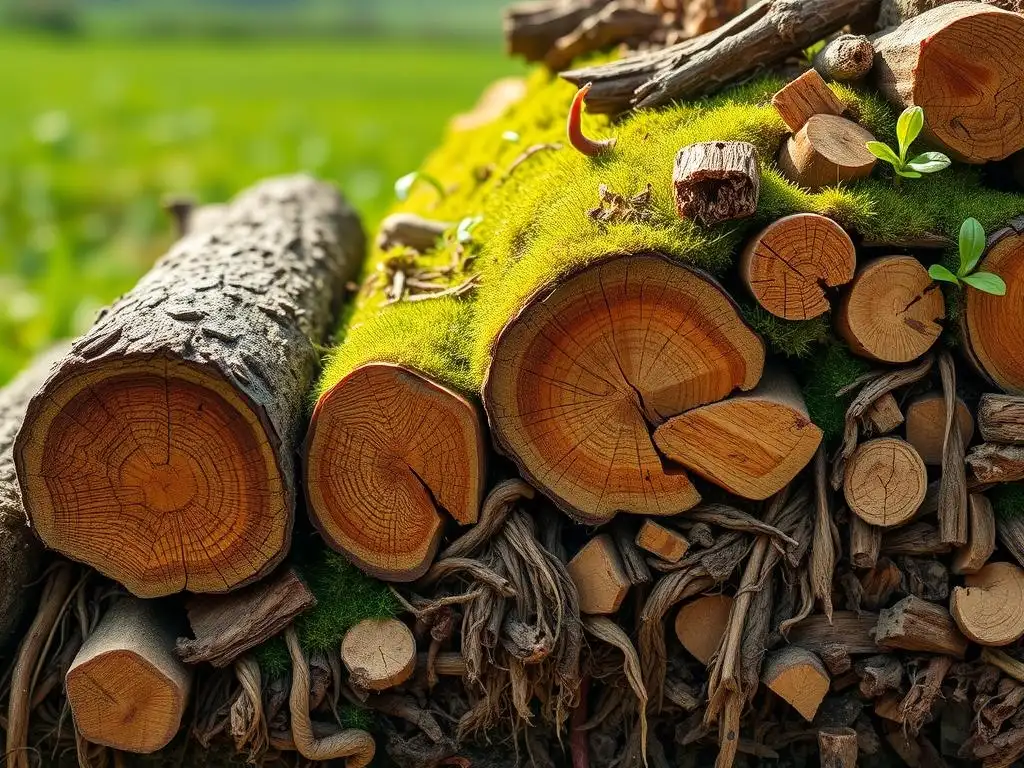
Hugelkultur, with its unique blend of decaying wood and organic matter, offers significant advantages for water retention and soil health. However, maximizing these benefits hinges on effectively managing the decomposition process. Understanding the phases of decomposition and implementing strategies to optimize them is crucial for long-term success. The rate of decomposition is influenced by several factors, including wood type, moisture levels, and the overall microbial activity within the bed.
Careful planning and monitoring are key to harnessing the power of Hugelkultur decomposition for years to come. Ignoring this aspect can lead to nutrient imbalances, pest problems, and ultimately, a less productive Hugelkultur bed. This section will explore strategies for ensuring a healthy and efficient decomposition process, maximizing the benefits of Hugelkultur for your garden.
Sustaining Soil Fertility Through Ongoing Decomposition
The beauty of Hugelkultur lies in its slow-release nutrient system. As the wood decomposes, it releases essential nutrients like nitrogen, phosphorus, and potassium, feeding your plants over an extended period. This sustained fertility reduces the need for frequent fertilization, aligning perfectly with sustainable gardening practices.
To optimize this process, consider incorporating a diverse range of organic materials beyond wood. Adding things like compost, leaf mold, and well-rotted manure introduces a wider array of microorganisms, accelerating decomposition and enriching the soil with a broader spectrum of nutrients. Monitoring soil nutrient levels through regular testing can inform adjustments to your organic matter additions, ensuring a balanced and fertile Hugelkultur bed.
This continuous cycle of decomposition and nutrient release is the cornerstone of Hugelkultur's long-term success. Think of it as a slow-burning, natural fertilizer factory right in your garden! The initial nutrient burst from readily available organic matter is followed by a steady, long-term release from the decaying wood, creating a truly self-sustaining system.
Preventing Negative Impacts from Incomplete Decomposition
While slow decomposition is a desirable trait in Hugelkultur, incomplete decomposition can lead to several problems. Unbalanced decomposition can result in the release of excessive nitrogen, potentially leading to lush foliage growth at the expense of fruit or flower production. Furthermore, incompletely decomposed wood can create anaerobic conditions in the bed, hindering root growth and potentially attracting pests. To mitigate these risks, ensure proper aeration during construction.
This involves incorporating sufficient amounts of readily decomposable materials alongside the larger wood pieces. This helps maintain a balanced microbial community and facilitates oxygen flow within the bed. Regular monitoring for unpleasant odors (indicating anaerobic conditions) is crucial.
If such odors arise, you might need to aerate the bed by gently turning the top layer, incorporating more readily decomposing organic matter, or even creating small channels for air circulation. Preventing these issues ensures a healthy and productive Hugelkultur system, maximizing its benefits while avoiding potential setbacks. Careful planning and ongoing observation are key to achieving this balance.
Hugelkultur and Carbon Sequestration: A Sustainable Approach
Hugelkultur plays a significant role in carbon sequestration, a crucial aspect of sustainable gardening and combating climate change. The large quantities of woody material incorporated into the bed store substantial amounts of carbon, removing it from the atmosphere. This carbon is then slowly released during decomposition, providing nutrients for plant growth while leaving a net positive impact on the environment. Choosing sustainably sourced wood, such as reclaimed lumber or pruned branches from your own property, further enhances the environmental benefits.
This responsible sourcing minimizes the carbon footprint associated with Hugelkultur construction. The long-term carbon storage capacity of a well-managed Hugelkultur bed contributes significantly to soil health and environmental sustainability. This makes Hugelkultur not just a beneficial gardening technique, but also a powerful tool for mitigating climate change, offering a tangible way to participate in environmental stewardship.
By embracing Hugelkultur, you are actively contributing to a healthier planet while simultaneously improving your garden's productivity. This is a win-win situation for both your garden and the environment. The “Hugelkultur decomposition benefits” are extensive, impacting both your garden's health and the global environment.
Troubleshooting Common Hugelkultur Decomposition Issues
Hugelkultur, while a remarkably effective gardening technique, isn't without its potential pitfalls. Understanding the decomposition process and addressing challenges proactively is key to maximizing the benefits of this method. Successful Hugelkultur relies on a balanced ecosystem, and issues often arise from imbalances in moisture, aeration, or the microbial community itself. This section focuses on common problems and their solutions, ensuring your Hugelkultur bed thrives and provides years of bountiful harvests. Optimizing Hugelkultur decomposition benefits requires attention to detail and a proactive approach to problem-solving.
Addressing Slow or Incomplete Decomposition
Slow or incomplete decomposition in a Hugelkultur bed is often a sign of an imbalance within the system. Several factors can contribute to this issue. Insufficient nitrogen is a primary culprit; the microbes responsible for breaking down woody material need a readily available nitrogen source. This can manifest as a slow rate of decomposition, with large pieces of wood remaining largely intact after a year or more.
Another common cause is poor aeration; a waterlogged bed restricts oxygen flow, hindering microbial activity and slowing down the decomposition process. Finally, the initial wood selection itself can play a role. Using only very dense, slow-decaying hardwoods without a sufficient quantity of softer, faster-decomposing materials can lead to uneven and sluggish decomposition.
To address slow decomposition, consider these steps:
- Boost Nitrogen Levels: Incorporate nitrogen-rich materials like compost, aged manure, or cover crops into your Hugelkultur bed. The addition of nitrogen-fixing plants, such as clover or alfalfa, can also significantly improve the nitrogen availability for decomposition.
- Improve Aeration: Ensure proper drainage to prevent waterlogging. If necessary, create channels or incorporate porous materials within the bed to enhance airflow. Avoid compacting the bed during construction.
- Monitor Moisture Levels: Aim for consistently moist but not waterlogged conditions. Regularly check the moisture content of your bed and adjust watering accordingly. A consistently dry bed will also hamper decomposition.
- Diversify Wood Selection: In future Hugelkultur builds, incorporate a more diverse range of wood types, including both hardwoods and softer woods. This will ensure a wider range of decomposition rates, leading to a more even breakdown of materials over time.
Managing Excess Moisture or Dryness
Maintaining the correct moisture level is crucial for optimal Hugelkultur decomposition. Too much moisture leads to anaerobic conditions, inhibiting microbial activity and potentially leading to foul odors and the growth of undesirable fungi. Conversely, excessively dry conditions will also slow decomposition, as microbes require moisture to thrive. The ideal moisture content should be consistently moist but well-drained. Think of a wrung-out sponge – not soaking wet, but definitely damp.
Managing moisture levels requires careful monitoring and adjustments based on weather conditions and the composition of your Hugelkultur bed.
- Drainage Solutions: For excessively wet beds, consider improving drainage by adding more gravel or creating channels for water runoff. The addition of highly porous materials, such as chipped bark, can also help improve drainage and aeration.
- Mulching: For dry conditions, a layer of mulch on top of the bed helps retain moisture and regulate temperature. Organic mulches like straw or wood chips are ideal choices, providing additional organic matter for decomposition.
- Watering Strategies: Irrigate the bed consistently, but avoid overwatering. Observe the soil moisture regularly and water deeply but less frequently, allowing the soil to dry slightly between waterings.
Dealing with Unwanted Pests and Fungi During Decomposition
While the decomposition process is largely beneficial, it can also attract unwanted pests and fungi. These organisms can sometimes interfere with the desired decomposition process or even damage nearby plants. Early detection and appropriate management are crucial. This is a natural part of the cycle, but preventative measures and timely intervention can minimize issues.
Common challenges and their solutions:
| Pest/Fungi | Description | Management Strategies |
|---|---|---|
| Fungal Growth | White or grey mold, potentially indicating anaerobic conditions. | Improve aeration, reduce moisture levels, ensure proper drainage. In severe cases, remove affected material. |
| Insect Infestations | Termites, carpenter ants, or other wood-boring insects. | Inspect wood for infestation before use. Use treated wood only if absolutely necessary and follow all safety guidelines. |
| Rodents | Mice or voles seeking shelter and food. | Keep the area around the Hugelkultur bed tidy and free of debris. Consider using rodent deterrents if necessary. |
By proactively addressing these potential issues, you can ensure your Hugelkultur bed functions optimally, providing exceptional soil health and water retention for years to come, maximizing the Hugelkultur decomposition benefits. Remember that regular monitoring and adjustments are key to success with this dynamic gardening method.
Frequently Asked Questions
What is Hugelkultur, and how does it relate to decomposition?
Hugelkultur is a gardening technique using buried decaying wood to create raised garden beds. The decomposition process within the bed provides long-term nutrients and improves soil structure. This creates a rich, fertile environment for plants.
How long does the decomposition process in a Hugelkultur bed take?
Decomposition in a Hugelkultur bed is a gradual process, lasting several years. The rate depends on factors like wood type, moisture levels, and microbial activity. You'll still see benefits even after the initial phase.
What are the benefits of the decomposition process in Hugelkultur?
Decomposition provides essential nutrients to plants over an extended period, reducing the need for fertilizers. It also improves water retention and soil aeration, creating a healthier growing environment.
What are the signs that the decomposition process is working effectively in my Hugelkultur bed?
Look for healthy plant growth, improved soil structure (less compaction), and reduced need for watering. You may also notice a reduction in the size of the buried wood over time, indicating decomposition.
Are there any potential drawbacks to the decomposition process in Hugelkultur?
While generally beneficial, uncontrolled decomposition can lead to nitrogen tie-up in the early stages, potentially impacting plant growth. Proper planning and material selection are crucial to mitigate this.
Final Reflection: Hugelkultur's Legacy: A Living Testament to Decomposition
The power of decomposition, once viewed as mere decay, is now recognized as a cornerstone of sustainable agriculture and a vital component of a thriving ecosystem. Hugelkultur, with its intentional embrace of decaying wood, stands as a powerful example of how we can harness this natural process to create fertile, resilient gardens and landscapes. This method isn't just a trend; it's a return to fundamental ecological principles that offer a pathway towards a more sustainable future.
The beauty of Hugelkultur lies not only in its practical benefits – increased water retention, improved soil structure, and enhanced nutrient availability – but also in its philosophical implications. It challenges our anthropocentric view of nature, reminding us that decay is not an ending, but a crucial transition, a vital link in the cycle of life. Nature does not hurry, yet everything is accomplished.
– Lao Tzu. This ancient wisdom perfectly encapsulates the patient, yet profoundly effective, work of decomposition within a Hugelkultur bed. The slow release of nutrients mirrors the slow, steady growth of the plants it nourishes, a harmonious rhythm reflecting the interconnectedness of all living things.
Consider the implications of this for your own garden, your own life. What aspects of "decay" or "letting go" might you be resisting? Embrace the natural processes of decomposition, not just in your garden, but also in your own life.
Let go of what no longer serves you, allowing space for new growth and renewal. By understanding and actively participating in the cycle of life, we can cultivate not only healthier gardens, but also healthier, more resilient lives. Begin today, by observing the decomposition in your own backyard, and consider how you can integrate the principles of Hugelkultur into your own sustainable practices.
Unlock Nature's Bounty: Build Your Own Hugelkultur Bed!
Thanks for exploring the fascinating world of Hugelkultur and the magic of decomposition! We hope you feel empowered to create a thriving garden using this powerful technique. Ready to get started?
- Start planning your Hugelkultur bed today! Sketch a design, gather your materials—including wood, compost, and other organic matter—and consider the specific needs of your garden and its location.
- Share your Hugelkultur journey with our community! Let's inspire each other with photos and tips in the comments below.
- Explore different composting techniques to maximize your garden's potential. Research various methods and choose the one that best suits your lifestyle and resources.
What unique element will you incorporate into your Hugelkultur design to enhance its benefits?