
The Importance of Biodiversity: Creating a Resilient Garden

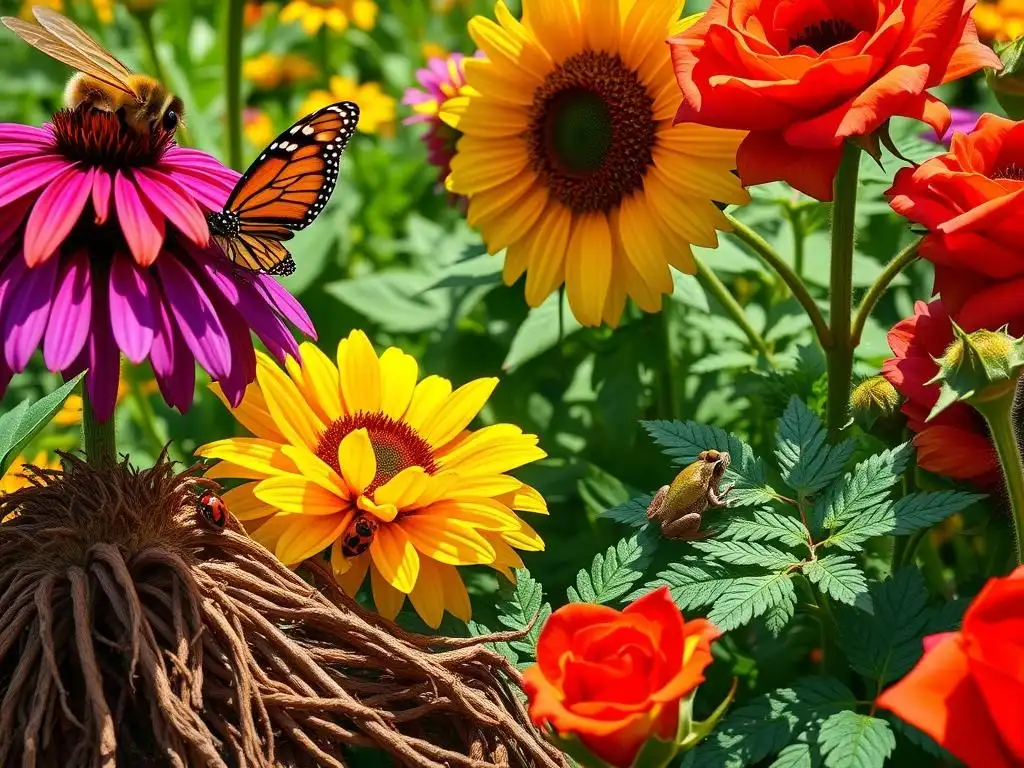
Welcome to CultivateYourFood, your guide to nurturing a thriving and sustainable garden! Are you ready to unlock the secrets to a truly resilient and productive food source? Discover how embracing garden biodiversity can transform your yields and create a haven for both plants and beneficial insects. Learn more about the incredible Resilient garden biodiversity benefits in our "Advanced Techniques" section and begin your journey towards a bountiful, eco-friendly harvest.
- Understanding Biodiversity in Your Home Garden: A Foundation for Resilience
- Designing a Biodiverse Garden: Practical Steps for Beginners
- Enhancing Biodiversity Through Sustainable Practices
-
Resilient Garden Biodiversity Benefits: Long-Term Advantages
- Increased Resistance to Pests and Diseases: A Natural Defense System
- Improved Soil Fertility and Water Retention: Building a Self-Sustaining Ecosystem
- Enhanced Pollination and Fruit/Vegetable Production: Maximizing Yields
- Attracting Beneficial Insects and Wildlife: Supporting Natural Ecosystem Services
- Maintaining Biodiversity: Ongoing Care and Monitoring
- Frequently Asked Questions
- Final Reflection: Cultivating Resilience, One Seed at a Time
- Unleash Your Garden's Potential: Grow a Thriving Ecosystem!
Understanding Biodiversity in Your Home Garden: A Foundation for Resilience
Creating a resilient garden isn't just about growing beautiful plants; it's about building a thriving ecosystem that can withstand environmental challenges and produce abundant harvests year after year. This involves embracing the principles of biodiversity, a cornerstone of permaculture and sustainable gardening practices.
This article will explore the crucial role of biodiversity in building a resilient garden, focusing on how diverse plant life, beneficial insects, and healthy soil microbes work together to create a robust and productive growing space. We'll delve into the specific benefits of biodiversity, highlighting how it contributes to natural pest control, disease resistance, and improved soil health, ultimately leading to a more successful and sustainable home garden.
Understanding and implementing these principles will significantly enhance your garden's ability to thrive, even in the face of unpredictable weather patterns, pests, and diseases. The benefits extend beyond a bountiful harvest; a biodiverse garden contributes to a healthier environment overall.
Defining Biodiversity and its Role in a Thriving Ecosystem
Biodiversity, simply put, refers to the variety of life. In the context of a garden, this encompasses the diversity of plant species, the range of beneficial insects and other animals, and the complexity of soil microorganisms. A monoculture – planting only one type of plant – is the antithesis of biodiversity. Such a system is inherently vulnerable.
If a disease or pest targets that single plant, the entire crop could be wiped out. In contrast, a biodiverse garden is more resilient. The diverse range of plants reduces the risk of widespread damage, as pests and diseases are less likely to find a suitable host for every plant. Furthermore, a diverse plant community supports a wider array of beneficial insects, pollinators, and other organisms that contribute to the overall health and productivity of the ecosystem.
A healthy ecosystem, in turn, creates a self-regulating environment that reduces the need for external inputs like chemical pesticides and fertilizers. Think of it like a complex web; each element supports and interacts with the others, creating a more robust and sustainable system. This interconnectedness is key to achieving a truly resilient garden.
The Interplay of Plants, Insects, and Soil Microbes in a Biodiverse Garden
The health of your garden relies heavily on the intricate relationships between plants, insects, and soil microbes. A diverse range of plants provides habitats and food sources for numerous beneficial insects, such as ladybugs that prey on aphids, or hoverflies whose larvae feed on other garden pests. These beneficial insects act as natural pest control agents, reducing the need for harmful chemical interventions. Simultaneously, different plants have varying nutrient requirements, which helps to prevent nutrient depletion in the soil.
The roots of different plants also contribute to improved soil structure, creating a more hospitable environment for beneficial soil microbes. These microbes, in turn, help break down organic matter, releasing essential nutrients that feed the plants. This complex interplay creates a self-sustaining system where each component supports the others.
For example, nitrogen-fixing plants like legumes enrich the soil with nitrogen, benefiting other plants in the garden. This natural synergy minimizes the need for artificial fertilizers and promotes long-term soil health. The result is a more productive and resilient garden that requires less human intervention.
Benefits of Biodiversity: Pest Control, Disease Resistance, and Enhanced Soil Health
The benefits of a biodiverse garden are numerous and interconnected. Firstly, biodiversity significantly improves natural pest control. A diverse range of plants and insects creates a complex food web, where natural predators keep pest populations in check. This reduces or eliminates the need for harmful chemical pesticides, promoting a healthier environment for you, your family, and beneficial organisms.
Secondly, biodiversity enhances disease resistance. A monoculture is extremely vulnerable to disease outbreaks, while a diverse garden reduces the risk of widespread infection, as diseases are less likely to find suitable hosts across all plant species. Finally, biodiversity leads to enhanced soil health. The diverse root systems of different plants improve soil structure, aeration, and water retention.
The increased microbial activity further enriches the soil with essential nutrients, reducing the need for external inputs. This creates a fertile and resilient growing medium that supports healthy plant growth, leading to a more abundant and sustainable harvest. The long-term benefits of a biodiverse garden extend beyond a single growing season, creating a foundation for a thriving and resilient ecosystem year after year. This translates to less work, healthier plants, and a more sustainable gardening practice overall.
Designing a Biodiverse Garden: Practical Steps for Beginners
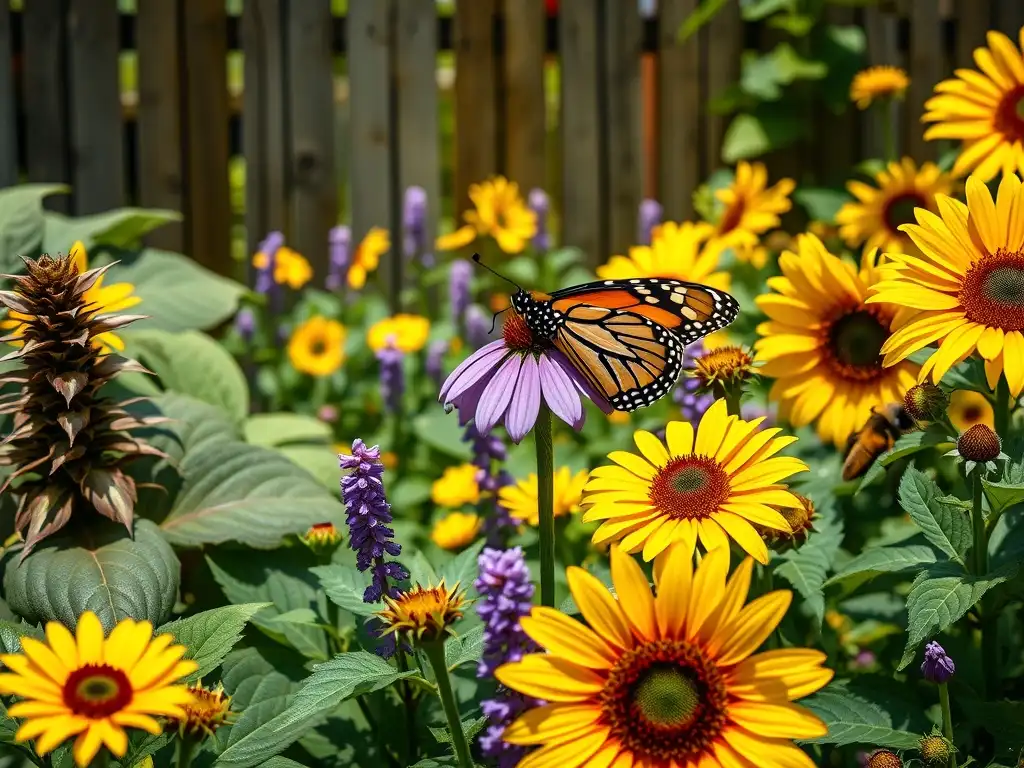
Creating a resilient garden hinges on embracing biodiversity. A diverse garden is not just aesthetically pleasing; it's a robust ecosystem better equipped to withstand pests, diseases, and climate fluctuations. This section provides practical steps for beginners to design a garden teeming with life and resilience. The key is to move beyond monoculture planting and embrace the synergistic relationships between different plants and organisms. This approach offers significant advantages in terms of reduced pest pressure, improved soil health, and increased yields. Remember, a truly resilient garden biodiversity benefits from a multifaceted approach.
Choosing Diverse Plant Species: A Guide to Companion Planting
Companion planting, a cornerstone of biodiverse gardening, involves strategically placing plants that benefit each other. For example, planting basil near tomatoes repels tomato hornworms and improves tomato flavor. Marigolds deter nematodes, while borage attracts pollinators beneficial to many vegetables. Careful consideration of plant families is also crucial. Avoid planting members of the same family too close together, as this increases susceptibility to shared diseases.
Here's a table showcasing some effective companion plant pairings:
| Plant | Beneficial Companion | Detrimental Companion | Benefits |
|---|---|---|---|
| Tomatoes | Basil, Marigolds, Chives | Potatoes, Cabbage | Pest deterrence, improved flavor, growth |
| Carrots | Rosemary, Onions, Lettuce | Fennel, Dill | Pest deterrence, improved growth |
| Cabbage | Rosemary, Chamomile, Thyme | Strawberries, Tomatoes | Pest deterrence, improved health |
| Beans | Corn, Potatoes, Marigolds | Garlic, Onions | Nitrogen fixation, pest deterrence |
| Strawberries | Garlic, Rosemary, Chamomile | Cabbage, Tomatoes | Pest deterrence, improved yield and flavor |
Remember that these pairings are guidelines. Your specific climate and soil conditions will influence plant compatibility. Experimentation and observation are key to perfecting your companion planting strategy. The rewards—a healthier, more productive garden—are well worth the effort. Successful implementation contributes significantly to achieving a resilient garden; the biodiversity benefits are numerous.
Incorporating Native Plants for Enhanced Ecosystem Support
Integrating native plants into your garden significantly boosts biodiversity and resilience. Native plants are adapted to your local climate and soil conditions, requiring less water and fertilizer. They also provide crucial habitat and food sources for native pollinators and other beneficial insects. This creates a self-sustaining ecosystem that's less reliant on external inputs. Choosing a variety of native plants with different blooming periods ensures a continuous supply of nectar and pollen for pollinators throughout the growing season. This is crucial for a thriving and resilient garden; biodiversity benefits extend beyond aesthetics.
Consider the following when selecting native plants:
- Local Ecosystem: Research plants native to your specific region and microclimate.
- Soil Type: Choose plants suited to your soil's texture and drainage.
- Sunlight Exposure: Select plants that thrive in the amount of sunlight your garden receives.
- Plant Height and Spread: Consider the mature size of the plants to avoid overcrowding.
By incorporating native plants, you not only enhance the beauty of your garden but also contribute to the health of the local ecosystem. This strengthens the overall resilience of your garden against pests and diseases.
Creating Diverse Habitats: Providing Shelter for Beneficial Insects and Wildlife
A truly resilient garden provides habitat for beneficial insects and wildlife. These creatures play vital roles in pest control, pollination, and soil health. Creating diverse habitats involves incorporating elements that offer food, water, and shelter.
Here are some ways to achieve this:
- Leave some areas unkempt: Allowing some areas of your garden to grow wild provides shelter for beneficial insects and small animals.
- Build a bug hotel: A simple structure made from various materials like wood, bamboo, and straw can provide shelter for beneficial insects.
- Install a birdhouse or bird feeder: Birds are valuable allies in the garden, consuming many common pests.
- Provide a water source: A small pond or even a shallow dish of water will attract beneficial insects and birds.
- Plant flowering plants: These provide food for pollinators and other beneficial insects.
A diverse and thriving insect population is a crucial component of a resilient garden. The biodiversity benefits are substantial: improved pollination, natural pest control, and enhanced soil fertility. By providing suitable habitats, you actively contribute to a self-regulating ecosystem that requires less human intervention. This is the essence of a truly resilient garden; its biodiversity benefits are self-perpetuating.
Enhancing Biodiversity Through Sustainable Practices
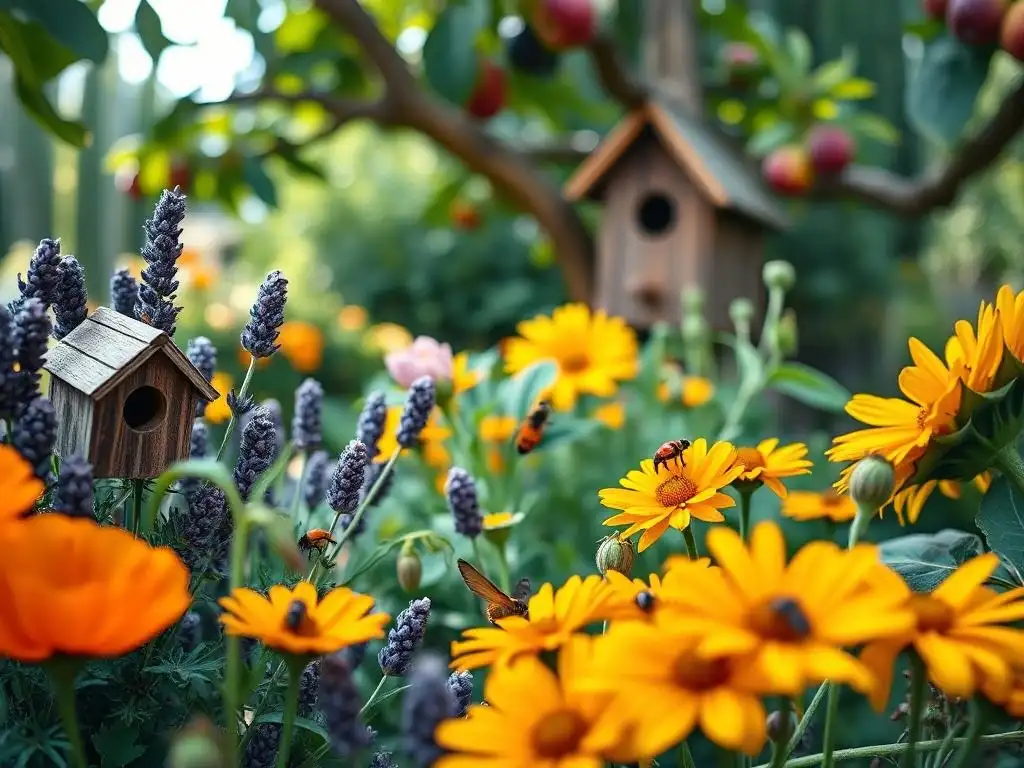
This section explores how implementing sustainable practices directly contributes to a resilient garden brimming with biodiversity. A resilient garden, rich in biodiversity, is better equipped to withstand environmental stresses, pest infestations, and disease outbreaks. The key lies in mimicking natural ecosystems, fostering a complex web of life that strengthens the entire system. This approach moves beyond simply growing plants; it's about cultivating a thriving ecosystem within your garden space.
The benefits of a resilient garden, fueled by biodiversity, are numerous, including increased yields, improved soil health, and enhanced resistance to environmental challenges. This translates to a more productive and sustainable gardening experience, aligning perfectly with the principles of permaculture. Let's delve into specific techniques that promote this vital biodiversity.
Organic Gardening Techniques: Avoiding Harmful Chemicals
The cornerstone of a resilient garden is organic gardening. Avoiding synthetic pesticides, herbicides, and fertilizers is crucial for protecting beneficial insects, pollinators, and soil microorganisms. These chemicals disrupt the delicate balance of the ecosystem, harming not only pests but also the beneficial organisms that keep your garden healthy. Synthetic fertilizers, while providing a quick boost, often deplete soil nutrients in the long run and reduce microbial diversity.
Instead, embrace organic methods. This involves using natural pest control strategies like introducing beneficial insects (ladybugs for aphids, for example), employing companion planting (basil repels tomato pests), and using homemade organic sprays such as neem oil or diluted insecticidal soap. Regular crop rotation also helps prevent pest build-up and soil depletion. Choosing disease-resistant plant varieties further reduces the need for chemical intervention.
Remember, a healthy soil teeming with life is the foundation of a resilient garden. The absence of harmful chemicals allows this beneficial soil biodiversity to flourish, resulting in healthier, more vigorous plants. This organic approach significantly contributes to the overall health and resilience of your garden ecosystem.
Composting and Mulching: Building Healthy Soil with Organic Matter
Healthy soil is the bedrock of a biodiverse garden. Composting and mulching are two fundamental practices that significantly enhance soil health and, consequently, biodiversity. Composting transforms organic waste—kitchen scraps, yard debris, etc.—into nutrient-rich humus. This humus improves soil structure, aeration, and water retention, creating an ideal environment for a wide range of beneficial organisms, including earthworms, fungi, and bacteria. These organisms are essential for nutrient cycling and decomposition, forming the very heart of a productive ecosystem.
Mulching, the application of organic material like straw, wood chips, or shredded leaves, further enhances soil health. It suppresses weeds, regulates soil temperature and moisture, and provides a habitat for beneficial insects and other organisms. The decomposition of mulch also adds organic matter to the soil, enriching its nutrient content and improving its overall quality. By regularly composting and mulching, you're not only improving your soil's physical properties but also significantly boosting its biological activity, contributing substantially to your garden's resilience and biodiversity. This translates to healthier plants, better yields, and a more robust ecosystem overall.
Water Management: Conserving Resources and Supporting Plant Health
Efficient water management is vital for a thriving, biodiverse garden. Overwatering can lead to fungal diseases and waterlogged soil, harming beneficial organisms. Conversely, underwatering stresses plants, making them more susceptible to pests and diseases. Implementing water-wise strategies is essential for both conserving resources and promoting plant health.
Consider using drip irrigation or soaker hoses to deliver water directly to the roots, minimizing evaporation and runoff. Employing mulch helps retain soil moisture, reducing the frequency of watering. Selecting drought-tolerant plants suited to your climate further reduces water needs. Proper soil preparation, ensuring good drainage, also contributes to efficient water use.
By focusing on water conservation and implementing these sustainable practices, you create a more resilient and healthier environment for your plants and the beneficial organisms that support them. This balanced approach strengthens the entire garden ecosystem and promotes the biodiversity crucial for long-term success. 💧 Efficient water management isn't just about saving water; it’s about fostering a healthier, more resilient garden ecosystem.
Resilient Garden Biodiversity Benefits: Long-Term Advantages
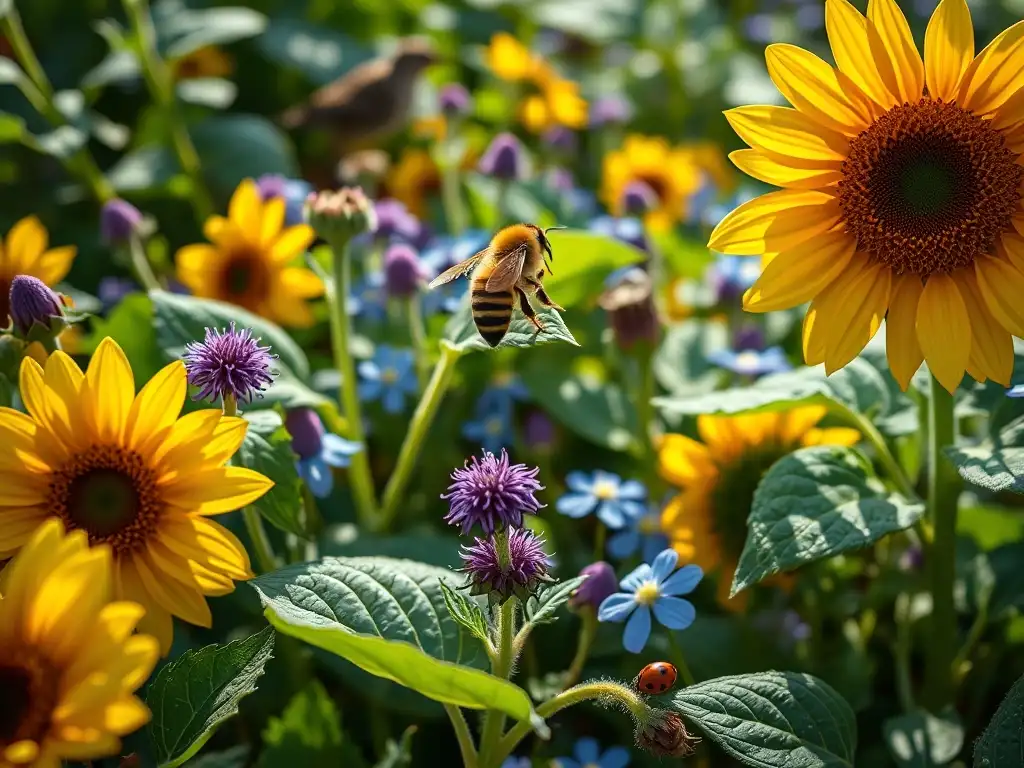
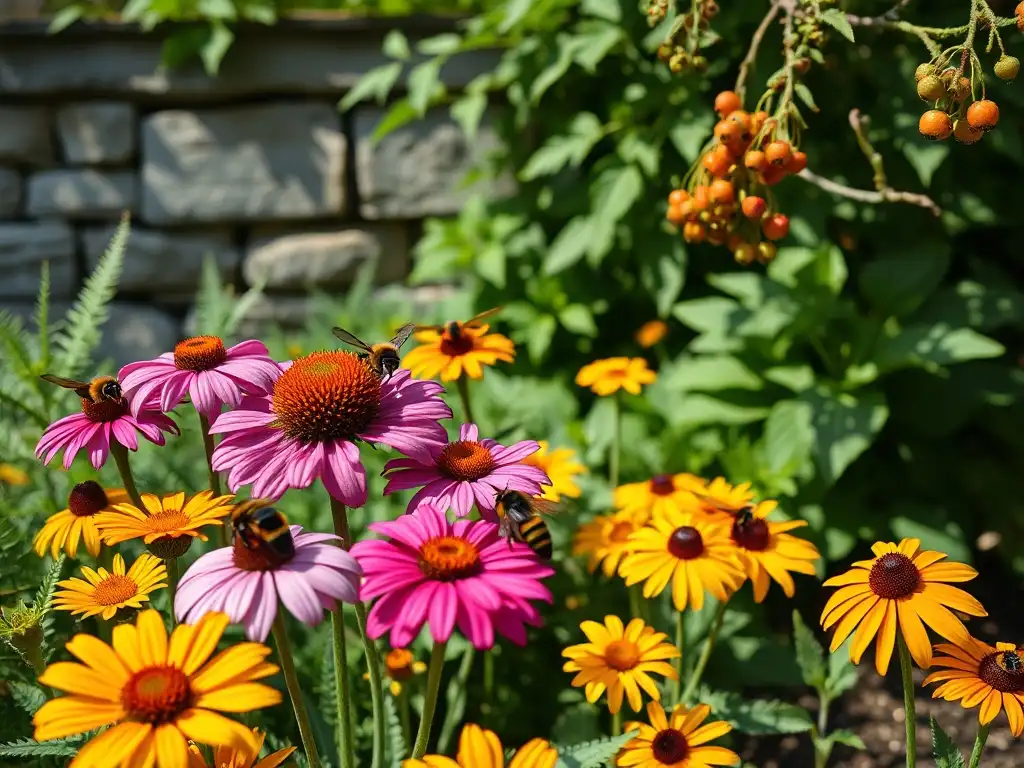
This section explores the crucial role of biodiversity in creating a resilient garden, focusing on the long-term advantages it offers. A biodiverse garden, teeming with a variety of plants, insects, and microorganisms, is inherently more robust and productive than a monoculture. Understanding these benefits is key to achieving sustainable and thriving home cultivation. The advantages of fostering "resilient garden biodiversity" translate to healthier plants, richer soil, and ultimately, a more abundant harvest.
Increased Resistance to Pests and Diseases: A Natural Defense System
A diverse garden acts as a natural defense against pests and diseases. Planting a variety of species disrupts the life cycles of many common garden pests. Monocultures, on the other hand, create ideal breeding grounds for specific pests, leading to widespread infestations.
For instance, a garden solely dedicated to tomatoes is far more susceptible to tomato blight and hornworms than a garden with a mix of tomatoes, peppers, herbs, and flowers. The diversity introduces beneficial insects, such as ladybugs 🐞 and lacewings, which prey on many common garden pests, providing natural pest control. Furthermore, a diverse range of plants can outcompete weeds, reducing the need for herbicides and promoting a healthier ecosystem.
This natural balance minimizes the reliance on chemical interventions, contributing to a more sustainable and resilient gardening practice. The introduction of companion plants, those that benefit each other through pest deterrence or nutrient cycling, further enhances this natural defense system. For example, basil planted near tomatoes is known to repel tomato hornworms.
Improved Soil Fertility and Water Retention: Building a Self-Sustaining Ecosystem
Biodiversity plays a crucial role in improving soil health. A wide variety of plants with different root systems access nutrients at different depths, preventing nutrient depletion and improving soil structure. Deep-rooted plants, like alfalfa, bring up nutrients from deeper soil layers, making them available to shallower-rooted plants. This creates a more fertile and productive environment.
Moreover, diverse plant communities enhance water retention in the soil. Different plants have varying water requirements and root structures, leading to improved soil aggregation and water infiltration. The presence of cover crops and organic matter further enhances this effect. The decomposition of plant material adds organic matter to the soil, improving its water-holding capacity and fertility.
This reduces the need for frequent watering, contributing to water conservation and a more sustainable gardening approach. Healthy soil is the cornerstone of a resilient garden, and biodiversity is the key to achieving it. Consider the difference between a garden with only compacted soil versus one with a thriving ecosystem of plant roots, earthworms 🪱, and beneficial microorganisms. The latter will be far more resilient to drought and other environmental stresses.
Enhanced Pollination and Fruit/Vegetable Production: Maximizing Yields
A diverse garden attracts a wider range of pollinators, leading to increased fruit and vegetable production. Bees 🐝, butterflies 🦋, and other pollinating insects are essential for the reproduction of many plants. A monoculture might attract only a limited number of pollinator species, potentially leading to poor pollination and reduced yields.
A diverse garden, however, provides a habitat for a wider variety of pollinators, ensuring more effective pollination and higher yields. The presence of flowering plants, even those not directly used for food, attracts pollinators, creating a supportive environment for the entire garden ecosystem. This synergistic effect boosts the overall productivity of the garden.
For example, a patch of wildflowers interspersed amongst vegetable crops can significantly enhance pollination rates for the vegetables. This increased pollination translates directly to increased fruit set and higher yields, making the garden more productive and ultimately more rewarding. Data shows that gardens with higher plant diversity consistently yield more fruit and vegetables compared to monocultures, highlighting the importance of biodiversity for maximizing production.
Attracting Beneficial Insects and Wildlife: Supporting Natural Ecosystem Services
A biodiverse garden acts as a haven for beneficial insects and wildlife, significantly boosting its resilience. This natural support system reduces the need for harmful pesticides and herbicides, aligning perfectly with sustainable and organic gardening practices. The presence of diverse plant species provides food and shelter for a wider range of creatures, creating a complex food web that naturally controls pest populations. For example, ladybugs feed on aphids, reducing the need for chemical intervention against these common garden pests. Lacewings and praying mantises are other beneficial insects attracted to diverse plantings, further contributing to natural pest control.
Beyond insects, a variety of wildlife, such as birds and toads, can also inhabit a biodiverse garden. Birds consume numerous insects and weed seeds, providing additional pest control and weed suppression. Toads, similarly, are voracious eaters of insects, further contributing to a balanced ecosystem within the garden.
Providing habitat features like birdhouses, brush piles, or rock piles can encourage these beneficial animals to stay and thrive, enhancing the garden's overall resilience. The presence of these natural predators significantly reduces the reliance on artificial pest control methods, leading to a healthier and more sustainable garden ecosystem. This approach contributes directly to a resilient garden, reducing the risk of crop failure due to pest outbreaks.
The more varied the plant life, the more varied the beneficial species that will be attracted, creating a robust and self-regulating system. This natural pest control mechanism is arguably one of the most significant benefits of fostering biodiversity in your home garden. It represents a shift from reactive pest management to proactive ecosystem management, creating a healthier and more sustainable environment.
Maintaining Biodiversity: Ongoing Care and Monitoring
Creating a resilient garden isn't a one-time project; it's an ongoing process requiring consistent effort and attention. Maintaining biodiversity demands regular monitoring and adjustments to ensure your ecosystem thrives. The benefits of a resilient garden, fueled by robust biodiversity, are numerous, from increased pest resistance to improved soil health. Let's explore how to keep your garden flourishing.
Regular Observation and Assessment of Your Garden Ecosystem
Regular observation is crucial for understanding the dynamics of your garden's biodiversity. Think of it as taking the pulse of your ecosystem. What are you looking for? A healthy, biodiverse garden will exhibit a vibrant array of life. This includes:
- Abundant pollinators: Are bees, butterflies, and other pollinators regularly visiting your plants? A decline in their numbers could signal an issue.
- Beneficial insects: Ladybugs, lacewings, and praying mantises are natural predators of garden pests. Their presence indicates a balanced ecosystem. Observe their populations – a sudden surge or decline warrants attention.
- Soil health indicators: Examine your soil regularly. Is it rich in organic matter? Are earthworms present? These are vital signs of a healthy soil ecosystem, directly contributing to resilient garden biodiversity benefits.
- Plant health: Monitor the overall health of your plants. Are they growing vigorously? Are there any signs of disease or pest infestation? Early detection is key to preventing widespread problems.
A simple logbook, noting observations weekly or bi-weekly, can be invaluable. Record the presence and abundance of different species, noting any significant changes. This data will help you track the health of your garden over time and make informed decisions about managing it. For example, a sudden increase in aphids might prompt you to introduce more beneficial insects or adjust your pest control strategy. This proactive approach ensures the long-term success of your resilient garden.
Adapting Your Practices: Responding to Changes in the Garden Environment
The garden environment is dynamic. Weather patterns, pest pressures, and even soil conditions can change over time. A resilient garden design anticipates these changes and allows for adaptation. Your practices should be flexible and responsive to these shifts. Consider these points:
- Responding to pest outbreaks: A sudden increase in a particular pest doesn't necessarily mean resorting to harsh chemicals. Instead, consider introducing natural predators, using companion planting techniques, or employing other organic pest control methods. This approach protects biodiversity and avoids harming beneficial insects.
- Adjusting to changing weather patterns: Extreme weather events, like droughts or heavy rainfall, can significantly impact your garden. Implementing drought-tolerant plants or improving soil drainage can help mitigate these effects.
- Soil amendments: Regularly testing your soil and amending it with compost and other organic matter is essential for maintaining soil fertility and supporting a thriving ecosystem. This directly supports resilient garden biodiversity benefits.
- Crop rotation: Rotating your crops annually helps prevent soil depletion and reduces the risk of pest and disease buildup. This is a cornerstone of sustainable gardening practices and a key element in building a resilient garden.
Continuous Learning and Improvement: Staying Informed on Biodiversity Best Practices
Maintaining a biodiverse, resilient garden is a journey of continuous learning. The more you learn about your local ecosystem, the better you’ll be able to manage your garden effectively. Here's how to stay informed:
- Join gardening communities: Connect with other gardeners, both online and in person. Sharing experiences and learning from others' successes and failures is invaluable.
- Read books and articles: Stay updated on the latest research and best practices in sustainable gardening and permaculture. There's always something new to learn about maximizing resilient garden biodiversity benefits.
- Attend workshops and courses: Hands-on learning can greatly enhance your understanding of biodiversity in the garden. Workshops on permaculture, organic gardening, and pest management can provide practical skills and knowledge.
- Experiment and observe: Don't be afraid to experiment with different techniques and observe the results. This iterative process is key to refining your approach and maximizing the resilience of your garden. Documenting your experiments, noting successes and failures, will help you refine your practices over time. This continuous refinement is vital to cultivating a truly resilient and biodiverse garden.
Frequently Asked Questions
What are the benefits of a biodiverse garden?
A biodiverse garden is more resilient to pests and diseases. It also supports pollinators, leading to increased yields and healthier plants. Biodiversity enhances the overall health and productivity of your garden ecosystem.
How do I increase biodiversity in my garden?
Introduce a variety of plants with different heights, flowering times, and needs. Include native plants to attract local wildlife. Consider adding beneficial insects and composting to enrich the soil.
What role do pollinators play in a resilient garden?
Pollinators, like bees and butterflies, are crucial for fruit and vegetable production. A diverse range of plants attracts a variety of pollinators, ensuring successful pollination and higher yields. Healthy pollinators mean a healthy garden.
How does biodiversity protect against pests and diseases?
A diverse garden is less susceptible to widespread pest and disease outbreaks. Natural predators among the plants and insects help control pest populations. Healthy soil also contributes to plant resistance.
What are some sustainable practices to promote biodiversity?
Avoid using harmful pesticides and herbicides. Practice crop rotation to prevent soil depletion and pest build-up. Use organic fertilizers and compost to enrich the soil and support beneficial microorganisms.
Final Reflection: Cultivating Resilience, One Seed at a Time
The interconnectedness of biodiversity and a resilient garden is not merely a horticultural concept; it's a vital lesson for our survival. A thriving ecosystem, whether in a meticulously planned garden or a sprawling wilderness, is a testament to the power of diversity and its ability to withstand challenges. The fragility of monocultures, starkly contrasted with the robustness of biodiverse systems, underscores the urgent need to embrace this principle in all aspects of our lives.
The impact of biodiversity extends far beyond the aesthetic beauty of a flourishing garden; it speaks to the very fabric of our existence. The resilience we cultivate in our gardens mirrors the resilience we need to build in our communities and our planet. The diversity of life is what makes our planet livable. It is the foundation of our food security, our health, and our economy.
This quote perfectly encapsulates the profound implications of understanding and actively promoting biodiversity, not just for our gardens, but for the future of humanity.
Consider the lessons learned within the pages of this article. Think about the small changes you can make, from choosing native plants to creating habitats for pollinators. You have the power to contribute to a more resilient world, one seed, one plant, one garden at a time. Embrace the beauty and strength of biodiversity; let it inspire you to create not just a thriving garden, but a thriving future.
Unleash Your Garden's Potential: Grow a Thriving Ecosystem!
Thanks for exploring the world of biodiversity and resilient gardening! You've learned how a diverse garden can thrive and withstand challenges. Now it's time to put that knowledge into practice.
- Design your own biodiversity haven: Start small! Plan a section of your garden focusing on a variety of plant species – consider varying heights, bloom times, and plants that attract beneficial insects. Even a few carefully chosen plants can make a significant difference.
- Share your gardening journey: Inspire others by posting pictures of your biodiverse garden on social media using #CultivateBiodiversity. Let's build a vibrant community of gardeners dedicated to resilience!
- Explore further: Discover more tips and resources on our website to further enhance your garden's biodiversity.
Ready to transform your garden into a thriving ecosystem? What's the first plant you'll add to increase its biodiversity?