
Permaculture Principles: Designing Your Home Garden for Sustainability

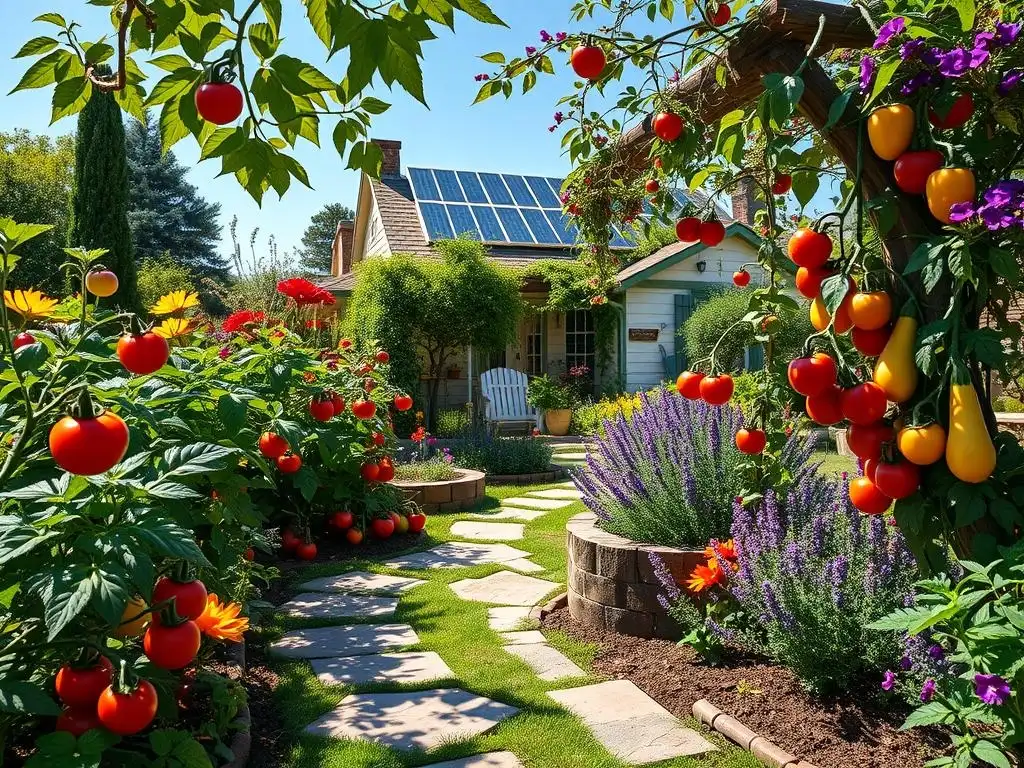
Ready to transform your backyard into a thriving, sustainable oasis? CultivateYourFood is your guide to growing your own fruits, vegetables, and herbs organically. Dive into the world of sustainable home garden design – learn advanced techniques and discover how permaculture principles can help you create a bountiful harvest while minimizing your environmental impact. Let's cultivate a greener future, together.
- Understanding Sustainable Home Garden Design Principles
-
Key Permaculture Design Principles for a Sustainable Home Garden
- Working with Nature, Not Against It: Harnessing Natural Processes
- Energy Efficiency in Design: Minimizing Work and Maximizing Yields
- Diversity as a Cornerstone: Creating a Resilient Ecosystem
- Edge Effects and Guilds: Maximizing Interactions in Your Garden
- Small-Scale Intensification: High Yields in a Small Space
- Appropriate Technology: Choosing the Right Tools for Sustainable Gardening
-
Implementing Permaculture Principles in Your Home Garden Design
- Water Management for a Sustainable Garden: Rainwater Harvesting and Irrigation
- Soil Health and Fertility: Composting, Mulching, and Cover Cropping
- Pest and Disease Control: Natural Methods for a Healthy Garden
- Planning for Succession Planting: Year-Round Harvest and Soil Improvement
- Choosing the Right Plants: Selecting Species Suitable for Your Climate and Soil
- Integrating Animals into Your Garden: Beneficial Insects and Poultry Integration
- Maintaining Your Sustainable Home Garden: Long-Term Strategies
- Case Study: A Successful Sustainable Home Garden Design
-
Frequently Asked Questions
- What is permaculture, and how does it relate to sustainable home garden design?
- How can I incorporate permaculture into my existing home garden?
- What are some key design elements for a sustainable home garden?
- How can I minimize water usage in my sustainable home garden?
- What role does composting play in a sustainable home garden design?
- Final Reflection: Cultivating a Sustainable Future, One Garden at a Time
- Unleash Your Inner Gardener: Design a Thriving Permaculture Garden!
Understanding Sustainable Home Garden Design Principles
Designing a sustainable home garden isn't just about growing food; it's about creating a thriving ecosystem that works with nature, not against it. This approach, deeply rooted in permaculture principles, minimizes environmental impact while maximizing yields and creating a beautiful, productive space.
This article will explore key permaculture principles to guide you in designing your own sustainable home garden, focusing on practical strategies for reducing your ecological footprint and fostering biodiversity. We'll delve into the ethical foundations of permaculture, the importance of site observation, and practical design elements for creating a truly sustainable and resilient food-producing landscape right in your backyard.
By embracing these principles, you'll not only cultivate healthy food but also contribute to a healthier planet. This guide will help you navigate the journey towards a flourishing, sustainable home garden, ranking highly for the keyword "Sustainable home garden design" and providing you with the knowledge to create your own eco-friendly oasis.
The foundation of permaculture rests on three core ethics: Earth care, people care, and fair share. These aren't simply abstract ideals; they are guiding principles that inform every decision in the design process.
- Earth Care: This involves minimizing environmental impact through practices like water conservation, soil improvement, and biodiversity enhancement. It means choosing appropriate plants for your climate and soil type, avoiding harmful pesticides, and protecting beneficial insects and pollinators. Examples include using compost tea instead of chemical fertilizers and employing companion planting to deter pests naturally.
- People Care: This focuses on meeting the needs of your family and community while promoting health and well-being. It involves creating a garden that is accessible, enjoyable, and productive, providing nutritious food for yourself and potentially others. This could involve designing raised beds for easier access or choosing plant varieties suited to your dietary needs and preferences.
- Fair Share: This principle emphasizes equitable resource distribution and limits overconsumption. It encourages mindful use of resources, avoiding waste, and ensuring that the benefits of your garden are shared appropriately within your community, if possible. This might involve sharing surplus produce with neighbors or donating to local food banks.
These three ethics are interconnected and interdependent. A truly sustainable garden must honor all three, creating a harmonious balance between ecological responsibility, human needs, and social justice.
Designing for Minimal Impact: Reducing Your Ecological Footprint in the Home Garden
Reducing your ecological footprint in your home garden is crucial for sustainable design. This involves minimizing resource consumption and waste generation while maximizing the garden’s positive impact on the environment.
Several key strategies contribute to a low-impact garden:
- Water Conservation: Implementing efficient irrigation systems like drip irrigation or rainwater harvesting significantly reduces water waste. Careful plant selection, choosing drought-tolerant varieties, and mulching to retain soil moisture further enhance water efficiency. Consider the local rainfall patterns and soil characteristics when making choices regarding irrigation.
- Waste Reduction: Composting kitchen and garden waste reduces landfill waste and creates nutrient-rich soil amendment. Vermicomposting, using worms to break down organic matter, is another effective method. Avoid single-use plastics and opt for reusable containers and tools.
- Soil Health: Building healthy soil is paramount. No-till gardening, cover cropping, and the addition of compost and other organic matter improve soil structure, fertility, and water retention. Healthy soil is the foundation of a productive and sustainable garden. Regular soil testing can help to monitor its health and guide amendments.
- Pest and Disease Management: Employing integrated pest management (IPM) strategies minimizes the use of harmful pesticides. This involves using natural predators, companion planting, and other biological controls to manage pests and diseases. Early detection and intervention are also crucial.
Observing Your Site: Assessing Your Land for Optimal Permaculture Design
Before even thinking about planting, understanding your site is paramount. Careful observation is the cornerstone of successful permaculture design. This involves assessing several key factors:
- Sunlight: Note the amount of sun your garden receives throughout the day. This dictates which plants will thrive and how to best arrange them. Consider the sun's path throughout the year and how it affects different areas of your garden.
- Water: Observe drainage patterns, identifying areas prone to flooding or drought. This informs irrigation strategies and plant selection. Note the source of water available and how it can be effectively utilized.
- Soil: Conduct a soil test to determine its composition, pH, and nutrient levels. This informs soil amendments and the selection of appropriate plants. Understanding the soil's texture and drainage is also crucial.
- Microclimate: Identify microclimates within your garden, such as sheltered areas or those exposed to strong winds. This helps to optimize plant placement and protect vulnerable species. Consider the impact of windbreaks and other microclimate modifications.
- Existing Features: Take inventory of existing trees, shrubs, and other features. These can be incorporated into your design, minimizing disturbance and maximizing existing resources. Consider how these features can be used to create beneficial microclimates and provide habitat for pollinators. Planning around existing elements ensures a more harmonious and efficient design.
By carefully observing and analyzing your site, you lay the groundwork for a truly sustainable and productive permaculture garden. This detailed assessment ensures that your design complements, rather than conflicts with, the natural environment.
Key Permaculture Design Principles for a Sustainable Home Garden
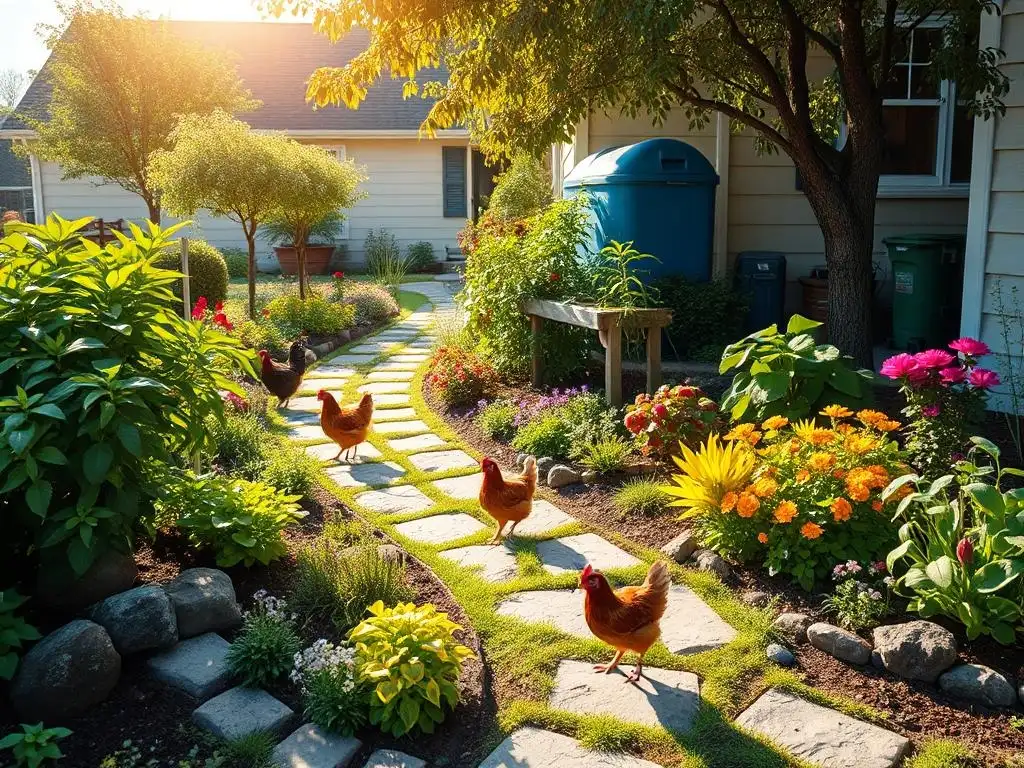
This section delves into the core permaculture principles crucial for crafting a thriving and sustainable home garden. We'll explore how these principles translate into practical design choices, maximizing yields while minimizing environmental impact. Remember, a sustainable home garden design isn't just about growing food; it's about creating a resilient and harmonious ecosystem.
Working with Nature, Not Against It: Harnessing Natural Processes
Successful sustainable home garden design hinges on understanding and working with natural processes, rather than fighting against them. This means observing your specific site's microclimate, soil composition, and existing flora and fauna. Instead of importing large quantities of amendments, focus on building soil health naturally.
For example, instead of tilling, which disrupts soil structure and beneficial microbial life, consider techniques like sheet mulching. This involves layering cardboard, compost, and mulch directly onto the soil surface, gradually improving soil fertility and suppressing weeds. This method mimics natural decomposition processes, enriching the soil organically over time.
Another key aspect is water management. Observe natural water flow patterns on your land. Consider creating swales – shallow ditches designed to capture and retain rainwater – to minimize runoff and irrigate your garden efficiently. This reduces reliance on external water sources and conserves precious resources. Proper water harvesting and greywater recycling systems can further enhance water efficiency in your sustainable home garden design.
Implementing these practices not only promotes soil health and water conservation but also reduces your reliance on synthetic inputs, leading to a healthier and more ecologically sound garden.
Energy Efficiency in Design: Minimizing Work and Maximizing Yields
A truly sustainable home garden design minimizes energy expenditure, both human and otherwise. This involves strategic planning to reduce labor and maximize the natural resources available. Consider the following:
- Careful Site Selection: Choose a location that receives optimal sunlight and is sheltered from harsh winds. This reduces the need for supplemental lighting or windbreaks.
- Efficient Garden Layout: Design your garden beds to minimize walking distance and optimize sunlight exposure for different plants. Companion planting, where beneficial plant combinations are strategically placed, can also reduce pest problems and enhance yields.
- Appropriate Plant Selection: Choosing plants well-suited to your climate and soil conditions reduces the need for extensive irrigation or fertilization. Selecting drought-tolerant varieties, for example, minimizes water consumption.
- Mulching: A thick layer of mulch suppresses weeds, retains moisture, and regulates soil temperature, reducing the need for frequent weeding and watering.
The goal is to create a self-regulating system that requires minimal intervention. By thoughtfully designing your garden layout and selecting appropriate plants, you can significantly reduce the amount of time and effort required for maintenance, while maximizing the yields from your efforts. This is a key component of a truly sustainable home garden design.
Diversity as a Cornerstone: Creating a Resilient Ecosystem
Biodiversity is the cornerstone of a resilient and sustainable home garden. Monocultures, while efficient in some respects, are vulnerable to pests and diseases. A diverse garden, however, is far more robust.
Consider incorporating a variety of plants, including:
- Different species: Grow a range of fruits, vegetables, herbs, and flowers.
- Different growth habits: Include plants with varying heights and root depths to optimize resource utilization.
- Nitrogen-fixing plants: Legumes like beans and peas enrich the soil with nitrogen, reducing the need for synthetic fertilizers.
This diversity not only enhances the aesthetic appeal of your garden but also creates a more complex and resilient ecosystem. A diverse garden attracts beneficial insects and pollinators, naturally controlling pests and improving pollination rates. This ecosystem approach significantly reduces the need for external interventions, creating a more self-sufficient and sustainable system.
This complexity is a key feature of any robust sustainable home garden design. A diverse planting scheme also improves the overall health and resilience of your garden, making it less susceptible to the impacts of climate change or pest outbreaks. The resilience fostered by diversity is a crucial element of long-term sustainability.
Edge Effects and Guilds: Maximizing Interactions in Your Garden
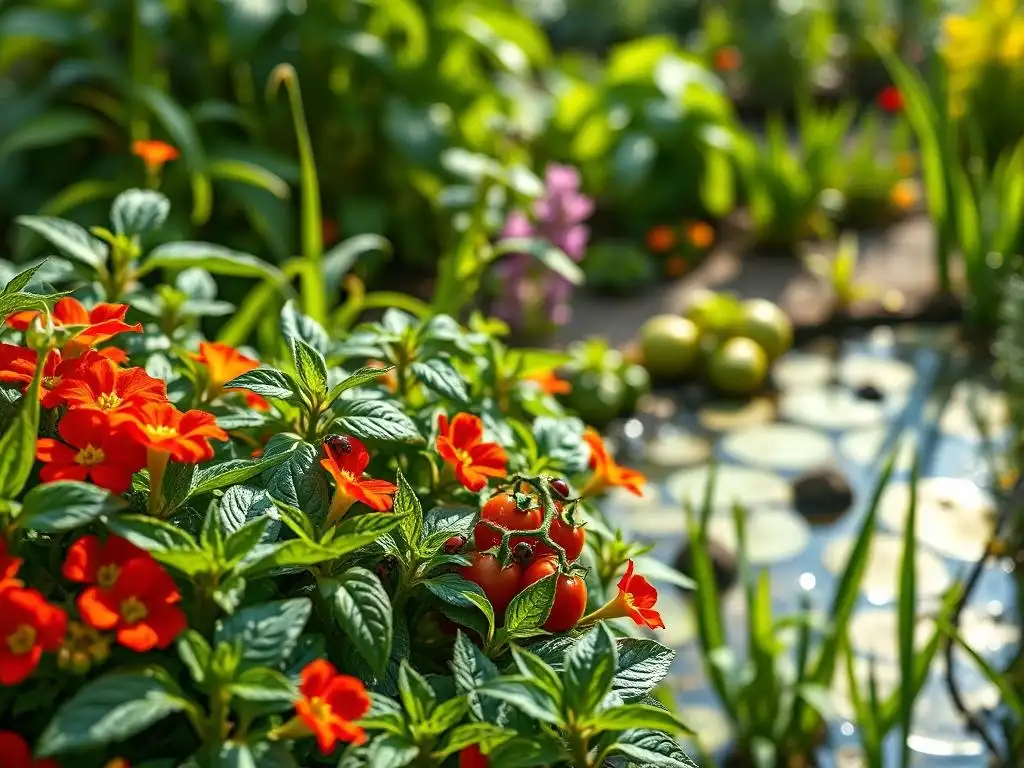
Edge effects in permaculture refer to the increased biodiversity and productivity found at the boundaries between different habitats. In your home garden, this translates to strategically placing plants with differing needs close together to create synergistic relationships. For example, the edge between a sunny herb patch and a shady vegetable bed can be a perfect spot for plants that tolerate partial shade, like certain lettuces or chard. This maximizes the use of available sunlight and space.
Guilds, on the other hand, are carefully selected groups of plants that work together to enhance each other's growth and health. A classic example is a "three sisters" guild, combining corn, beans, and squash. The corn provides support for the beans, the beans fix nitrogen in the soil benefiting the corn and squash, and the squash spreads its large leaves, suppressing weeds and retaining soil moisture. Designing your garden around these principles allows you to reduce the need for external inputs like fertilizers and pesticides, promoting a truly sustainable approach to sustainable home garden design.
Careful observation of your specific microclimate and soil conditions is crucial for successful guild implementation. Consider the needs of each plant – sun exposure, water requirements, and nutrient uptake – to create a harmonious and productive guild. Experimentation is key; you might discover unexpected benefits from combining seemingly disparate plants.
Small-Scale Intensification: High Yields in a Small Space
Small-scale intensification (SSI) is a core tenet of sustainable home garden design, focusing on maximizing yields from limited space. This is particularly relevant for urban gardeners or those with smaller plots. Key strategies for SSI include vertical gardening techniques like trellises and stacked planters, maximizing vertical space to grow more plants. Employing raised beds increases efficiency by improving soil drainage and warming, allowing for earlier planting and longer growing seasons. Furthermore, companion planting, as discussed in the previous section, increases efficiency by optimizing resource utilization within a small area.
Efficient water management is another crucial aspect of SSI. Employing techniques like drip irrigation or rainwater harvesting minimizes water waste and ensures that plants receive the necessary moisture. Mulching helps retain soil moisture, reducing the frequency of watering. Careful selection of compact and high-yielding plant varieties is also essential. Consider dwarf or bush varieties of fruits and vegetables, which produce abundant harvests while requiring less space than their larger counterparts. By meticulously planning and implementing these techniques, you can achieve significant yields even in a limited space, showcasing the power of sustainable home garden design.
Appropriate Technology: Choosing the Right Tools for Sustainable Gardening
Choosing the right tools is paramount for sustainable gardening. Avoid using gas-powered tools, opting instead for hand tools or human-powered equipment like wheelbarrows. This reduces your carbon footprint and minimizes noise pollution. Investing in high-quality, durable tools reduces the need for frequent replacements, decreasing waste. Simple tools like hand trowels, hoes, and rakes are often sufficient for most gardening tasks. Consider the long-term impact of your tool choices on the environment and your overall gardening experience.
Furthermore, consider tools that promote soil health. Broad forks are excellent for minimal soil disturbance, preserving soil structure and beneficial microorganisms. Composting bins and tools, like pitchforks and aerators, are essential for creating nutrient-rich compost. By prioritizing appropriate technology, you're not only contributing to a sustainable garden, but also to a more sustainable lifestyle.
This alignment with environmentally conscious practices reinforces the core values of sustainable home garden design. The selection of tools should always align with the scale and nature of your garden, ensuring efficiency and minimizing environmental impact. Research and compare different tools before purchasing to find the best fit for your needs and gardening style.
Implementing Permaculture Principles in Your Home Garden Design
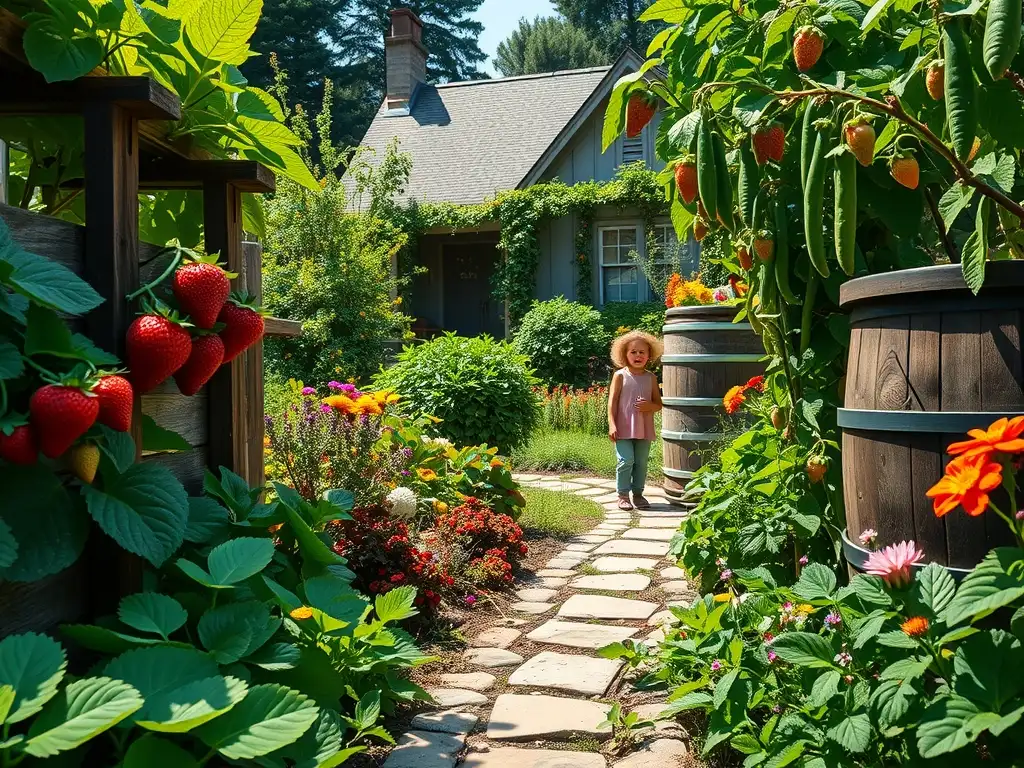
This section delves into the practical application of permaculture principles within the context of a sustainable home garden design. We'll explore key strategies to create a thriving, resilient, and environmentally friendly food-producing space. The focus will be on integrating natural processes to minimize external inputs and maximize resource efficiency. This approach is crucial for achieving a truly sustainable home garden design.
Water Management for a Sustainable Garden: Rainwater Harvesting and Irrigation
Efficient water management is paramount for a sustainable garden, especially in regions with water scarcity. Rainwater harvesting is a cornerstone of permaculture, significantly reducing reliance on municipal water supplies. This involves collecting rainwater from rooftops and other surfaces and storing it in tanks for later use. The size of the tank needed depends on the size of your garden and the average rainfall in your area. For example, a 1000-square-foot garden in an area with moderate rainfall might require a 500-gallon tank, while a larger garden in a drier climate would necessitate a much larger capacity.
Implementing a rainwater harvesting system involves several steps: installing gutters and downspouts to direct rainwater to a collection point, using filtration systems to remove debris, and storing the water in appropriate tanks. The collected water can then be used for irrigation via drip systems or soaker hoses, minimizing water loss through evaporation. These methods deliver water directly to the plant roots, improving water efficiency compared to overhead sprinkler systems.
Beyond rainwater harvesting, efficient irrigation techniques are crucial. Consider using:
- Drip irrigation: Delivers water directly to plant roots, minimizing evaporation and weed growth.
- Soaker hoses: Similar to drip irrigation but less precise, suitable for larger areas.
- Mulching: Reduces water evaporation from the soil surface.
By combining rainwater harvesting with efficient irrigation techniques, you can significantly reduce your water footprint and create a sustainable home garden design that thrives even during dry periods. This approach contributes to a lower environmental impact and reduces your reliance on external water sources.
Soil Health and Fertility: Composting, Mulching, and Cover Cropping
Healthy soil is the foundation of a productive and sustainable garden. Permaculture emphasizes building soil fertility through natural methods, avoiding the use of synthetic fertilizers and pesticides. Composting is a central practice, transforming organic waste into nutrient-rich humus. This involves combining green (nitrogen-rich) and brown (carbon-rich) materials, such as kitchen scraps, yard waste, and dried leaves, in a compost bin or pile. Regular turning ensures proper aeration and decomposition, resulting in a valuable soil amendment within months.
Mulching plays a vital role in soil health. Applying a layer of organic material, such as wood chips, straw, or shredded leaves, on the soil surface helps retain moisture, suppress weeds, and regulate soil temperature. Furthermore, as the mulch decomposes, it adds organic matter to the soil, improving its structure and fertility.
Cover cropping is another valuable technique. Planting fast-growing plants, such as legumes or grasses, during fallow periods helps prevent soil erosion, suppress weeds, and fix nitrogen in the soil. These cover crops can then be incorporated into the soil as green manure, further enriching its fertility.
| Method | Benefits | Materials Needed |
|---|---|---|
| Composting | Improves soil structure, adds nutrients, reduces waste. | Organic waste (kitchen scraps, yard waste, etc.) |
| Mulching | Retains moisture, suppresses weeds, regulates soil temperature. | Wood chips, straw, shredded leaves, etc. |
| Cover Cropping | Prevents erosion, suppresses weeds, fixes nitrogen, adds organic matter. | Legumes, grasses, other fast-growing plants |
This integrated approach to soil management is essential for a sustainable home garden design, ensuring long-term soil health and reducing the need for external inputs. The resulting fertile soil supports vigorous plant growth and a thriving ecosystem.
Pest and Disease Control: Natural Methods for a Healthy Garden
A sustainable home garden design prioritizes natural pest and disease control methods, minimizing or eliminating the use of harmful synthetic pesticides. This approach relies on creating a balanced ecosystem where beneficial insects and microorganisms help regulate pest populations.
Several strategies can be implemented:
- Encourage beneficial insects: Planting flowers that attract ladybugs, lacewings, and other predatory insects provides natural pest control.
- Use companion planting: Planting certain plant species together can deter pests or attract beneficial insects. For instance, basil planted near tomatoes can repel tomato hornworms.
- Introduce beneficial nematodes: These microscopic worms are natural predators of many soil-borne pests.
- Practice crop rotation: Rotating crops annually helps break pest and disease cycles.
- Handpick pests: Regularly inspecting plants and removing pests manually is an effective method for small infestations.
- Use natural sprays: Neem oil, insecticidal soap, and other natural sprays can control pests without harming beneficial insects or the environment.
By implementing these natural methods, you can create a sustainable home garden design that is both productive and environmentally friendly. This approach minimizes the risk of harming beneficial organisms and reduces the reliance on harmful chemical pesticides. Remember that prevention is key; healthy plants are less susceptible to pests and diseases. Regular monitoring and early intervention are crucial for effective natural pest control. 🌱
Planning for Succession Planting: Year-Round Harvest and Soil Improvement
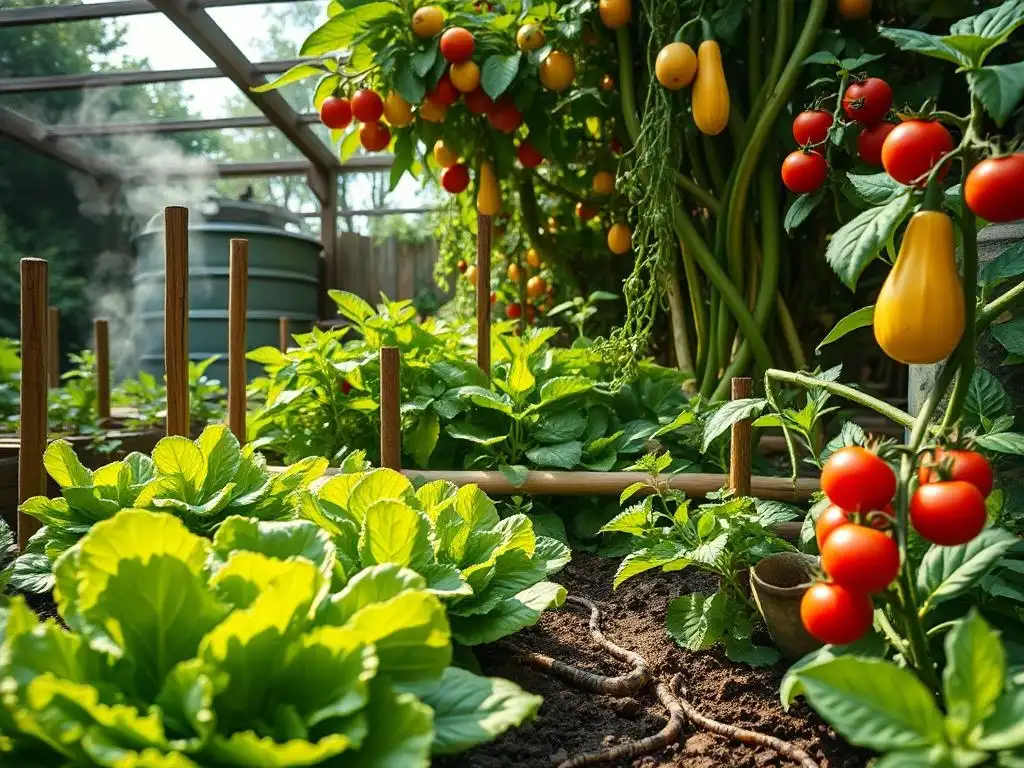
Succession planting is a cornerstone of sustainable home garden design, maximizing yields and improving soil health. Instead of planting everything at once, you stagger plantings throughout the growing season. This ensures a continuous harvest and prevents periods of low productivity. For example, you might plant early-season lettuce in spring, followed by heat-tolerant peppers and tomatoes, then finally cool-season kale and spinach in the fall. This strategy keeps the soil covered, suppressing weeds and preventing erosion.
The constant cycle of planting and harvesting also contributes to improved soil fertility. As plants mature and are harvested, their root systems decompose, adding organic matter to the soil. This organic matter improves soil structure, water retention, and nutrient availability, reducing the need for synthetic fertilizers. Careful planning is crucial; you need to understand the growing season in your area and the specific needs of each plant. A detailed planting calendar, customized to your location and microclimate, is an invaluable tool.
Consider using a combination of fast-growing and slow-growing crops to maintain a continuous yield. For instance, you could plant radishes (fast-growing) between rows of slower-growing carrots, maximizing space utilization and harvest frequency. Furthermore, integrating cover crops into your succession planting plan can further enhance soil health. These crops, such as clover or rye, are planted to improve soil structure and fertility, often being tilled under before planting the main crop. This technique significantly reduces soil degradation and improves long-term sustainability.
Choosing the Right Plants: Selecting Species Suitable for Your Climate and Soil
Selecting the right plants is paramount for a thriving and sustainable home garden. Understanding your local climate—including average temperatures, rainfall, and sunlight hours—is essential. Choosing plants adapted to your specific conditions minimizes the need for supplemental watering and fertilization, key components of sustainable gardening. For instance, selecting drought-tolerant plants in arid climates reduces water consumption significantly. Similarly, choosing sun-loving plants for sunny areas and shade-tolerant plants for shaded areas ensures optimal growth and minimizes stress on the plants.
Soil testing is equally vital. Different plants have different nutrient requirements and pH preferences. A soil test can identify deficiencies and guide you in selecting plants suited to your soil type. For example, if your soil is acidic, you might choose plants that thrive in acidic conditions, such as blueberries or azaleas. Conversely, if your soil is alkaline, you might select plants that prefer alkaline conditions, such as lavender or rosemary.
Beyond climate and soil, consider the space available in your garden. Choose plants that are appropriately sized for the space you have allocated. Overcrowding can lead to competition for resources, reducing yields and increasing the risk of pest and disease problems. Careful plant selection, based on a thorough understanding of your site conditions and resource availability, is an essential element of a sustainable home garden design. The selection process should also consider plant diversity to create a resilient ecosystem within your garden that is less susceptible to pests and diseases.
Integrating Animals into Your Garden: Beneficial Insects and Poultry Integration
Integrating animals into your garden design offers numerous benefits for a sustainable and productive system. Beneficial insects, such as ladybugs and lacewings, are natural predators of many common garden pests. Attracting these insects through the planting of specific flowering plants, which provide nectar and pollen, can significantly reduce the need for chemical pest control. For example, planting dill and fennel attracts beneficial insects like parasitic wasps that control aphids. This natural pest control method is a key component of sustainable home gardening.
Similarly, integrating poultry, such as chickens, can provide several benefits. Chickens can provide a source of eggs and meat while also controlling pests and weeds. Their foraging behavior helps reduce the need for weeding and helps improve soil fertility through their droppings. However, responsible poultry integration requires careful planning. You need to provide appropriate housing and feeding, and manage their access to the garden to prevent overgrazing.
Proper management is vital to ensure a balanced ecosystem and to prevent damage to your plants. Consider rotating the chickens' access to different areas of the garden to prevent soil depletion and allow for plant regeneration. Careful planning is essential to avoid potential issues like overgrazing or soil compaction. The key is to create a symbiotic relationship where the animals contribute to the health and productivity of the garden while also benefiting from it. This integration of animals reflects a holistic approach to sustainable home garden design, mirroring natural ecosystems.
Maintaining Your Sustainable Home Garden: Long-Term Strategies
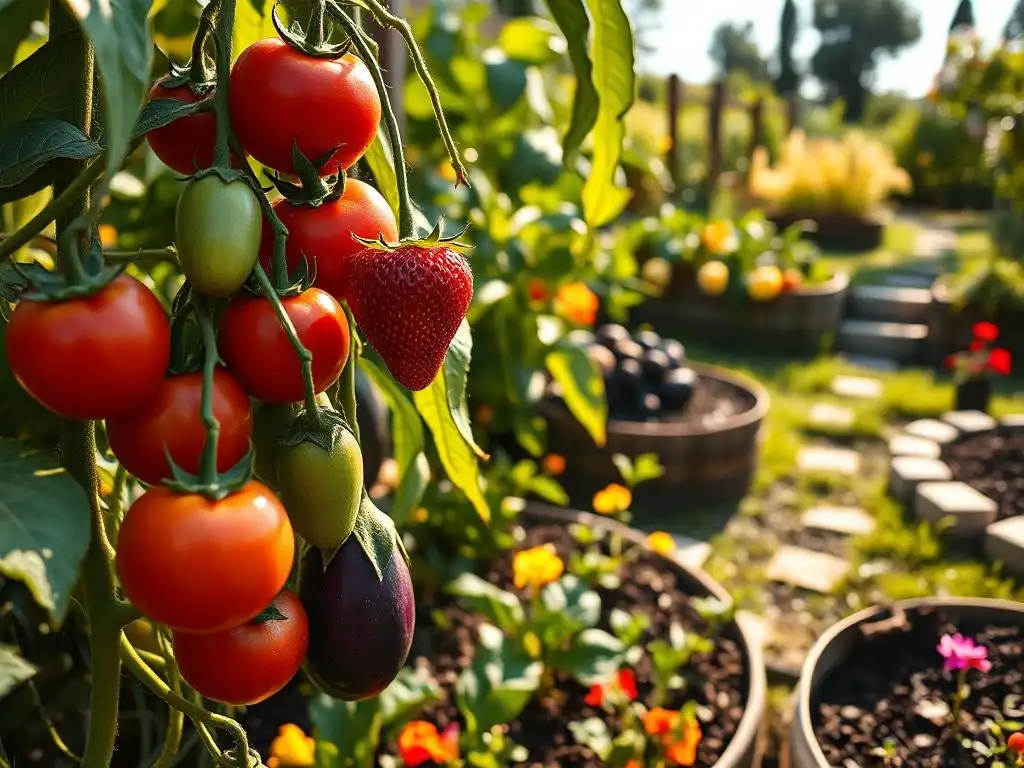
A sustainable home garden design isn't a "set it and forget it" project. True sustainability requires ongoing effort and adaptation. Think of your garden as a living, evolving ecosystem that needs consistent care and attention to thrive. The initial design is just the foundation; long-term success hinges on proactive maintenance and a commitment to continuous improvement.
This section will explore key strategies for maintaining the health and productivity of your sustainable garden over the long haul. We will cover regular observation, adaptation, continuous learning, and community building – all crucial components of a truly sustainable approach to home gardening. By embracing these practices, you’ll not only ensure a bountiful harvest but also contribute to a more environmentally responsible way of life. This aligns perfectly with the principles of sustainable home garden design and permaculture.
Regular Observation and Adjustment: Adapting Your Design Over Time
Regular observation is the cornerstone of any successful sustainable home garden design. Think of it as a form of ongoing research tailored to your specific plot of land and microclimate. What works exceptionally well one year might need tweaking the next. Factors like rainfall, temperature fluctuations, and soil conditions can significantly influence plant growth and overall garden health. Consistent monitoring allows you to identify issues early on, preventing them from escalating into larger problems.
For example, you might notice that a particular section of your garden receives less sunlight than anticipated, impacting the yield of sun-loving vegetables. This observation might lead you to adjust the layout, perhaps by moving sun-loving plants to a sunnier spot or adding trellises to maximize sunlight exposure for climbing plants. Similarly, you might discover that certain pests are targeting specific plants more aggressively than others.
This could prompt you to implement targeted pest control methods, such as companion planting or introducing beneficial insects, rather than resorting to harmful chemicals. Regularly noting the successes and challenges in your garden provides invaluable data for continuous improvement. This iterative process is key to achieving a truly resilient and productive sustainable home garden design.
Consider keeping a detailed garden journal. Note down planting dates, harvest dates, weather patterns, pest infestations, and any adjustments you make to your garden design. Over time, this data will become an invaluable resource, helping you to refine your techniques and optimize your garden's performance year after year. This data-driven approach is crucial for the long-term success of a sustainable home garden.
Continuous Learning and Improvement: Staying Updated on Permaculture Practices
The world of permaculture is constantly evolving. New techniques, innovative tools, and improved understanding of ecological principles emerge regularly. To maintain a truly sustainable home garden, you must commit to continuous learning and improvement. This doesn't just mean reading books and articles (though that's certainly helpful!). It also involves actively seeking out opportunities to expand your knowledge and skills. Attend workshops, connect with experienced permaculture practitioners, and participate in online forums and communities dedicated to sustainable gardening.
Staying abreast of the latest research and best practices will enable you to refine your techniques, enhance the efficiency of your garden, and address emerging challenges proactively. For instance, new composting methods might significantly improve your soil fertility, while advancements in water conservation techniques could reduce your water footprint. Similarly, learning about new pest-resistant plant varieties could minimize the need for chemical interventions.
Embracing continuous learning is not merely an option; it's a necessity for building a truly resilient and sustainable home garden that can adapt to changing conditions and thrive for years to come. This commitment to lifelong learning is essential for the ongoing success of your sustainable home garden design.
The principles of sustainability extend beyond the boundaries of your own garden. Sharing your knowledge and experience with others fosters a community of like-minded individuals who can learn from each other and collectively contribute to a more sustainable future. Consider offering workshops or gardening classes in your community, mentoring new gardeners, or simply sharing your insights and experiences with friends and neighbors. This collaborative approach not only benefits others but also enriches your own understanding and appreciation of sustainable gardening practices.
Participating in local gardening groups or online forums provides valuable opportunities for networking, exchanging ideas, and learning from the experiences of others. By actively engaging in these communities, you can contribute to a broader movement towards sustainable living, fostering a more environmentally responsible and interconnected society. Sharing your passion for sustainable home garden design with others creates a ripple effect, inspiring more people to embrace environmentally friendly gardening practices and build a more sustainable future. This collaborative approach is a vital aspect of a truly sustainable home garden.
Case Study: A Successful Sustainable Home Garden Design
This case study examines a specific example of a sustainable home garden design, highlighting the challenges encountered and the solutions implemented to achieve a thriving and productive space. The principles of permaculture, a design system that mimics natural ecosystems, were central to this project, leading to a significant reduction in resource consumption and an increase in biodiversity. The garden's success demonstrates the practicality and benefits of incorporating sustainable home garden design principles. This case study focuses on a garden in a suburban setting, demonstrating that sustainable practices are achievable even with limited space.
Challenges Faced and Solutions Implemented
The initial design faced several challenges common to many urban and suburban gardens. Limited space was a primary constraint. The homeowner, initially, wanted to maximize yield, leading to potential issues with soil depletion and pest infestations. Furthermore, water conservation was a key concern given local water restrictions. Finally, the initial plan lacked sufficient consideration for biodiversity, potentially leading to an imbalance in the ecosystem.
The solutions implemented were multifaceted and reflect core permaculture principles. To address space limitations, vertical gardening techniques were employed, including trellises for climbing plants like cucumbers and tomatoes, and raised beds to maximize growing area within a small footprint. To prevent soil depletion, a composting system was established, utilizing kitchen scraps and yard waste to create nutrient-rich compost. This compost was then incorporated into the soil, improving its structure and fertility. Integrated pest management (IPM) techniques were implemented, focusing on attracting beneficial insects and using natural pest control methods rather than harmful chemicals.
This involved planting flowering plants to attract pollinators and predators of common garden pests. Finally, efficient irrigation methods were implemented, including drip irrigation and rainwater harvesting, to conserve water resources. The homeowner also carefully selected drought-tolerant plant varieties appropriate for the local climate. This significantly reduced the need for supplemental watering.
Results and Lessons Learned
The implemented sustainable home garden design resulted in a significant increase in the garden's productivity while minimizing resource use and environmental impact. The yield of fruits, vegetables, and herbs was substantially higher than expected, exceeding the homeowner's initial goals. The composting system effectively reduced waste and provided a continuous supply of nutrient-rich compost, improving soil health. The integrated pest management strategy proved successful in controlling pests without the use of harmful chemicals, promoting biodiversity within the garden ecosystem.
Water usage was significantly reduced due to efficient irrigation and the selection of drought-tolerant plants. The garden's success also demonstrated the importance of careful planning and observation. Regular monitoring allowed for quick adjustments to the design and management practices as needed.
The homeowner learned several key lessons throughout the process. The importance of careful site analysis, considering factors such as sunlight, water availability, and soil conditions, was paramount. The iterative nature of permaculture design was also emphasized; adjustments and refinements were made throughout the growing season based on observations and feedback from the garden itself.
Finally, the homeowner gained a deeper appreciation for the interconnectedness of elements within the garden ecosystem, understanding how each component contributes to the overall health and productivity of the system. This project successfully demonstrates that a sustainable home garden design is not only achievable but also highly rewarding, providing both abundant yields and ecological benefits. The success of this garden serves as a compelling example for others seeking to cultivate their own sustainable food sources.
Frequently Asked Questions
What is permaculture, and how does it relate to sustainable home garden design?
Permaculture is a design system that mimics natural ecosystems to create self-sustaining and productive landscapes. Applying permaculture principles to your home garden results in a more resilient and environmentally friendly space requiring less maintenance and resources.
How can I incorporate permaculture into my existing home garden?
Start by observing your garden's microclimate – sunlight, water flow, soil type. Then, integrate permaculture elements like companion planting, water harvesting, and mulching gradually. Focus on improving soil health and minimizing waste.
What are some key design elements for a sustainable home garden?
Key elements include optimized water use (rainwater harvesting, drip irrigation), soil improvement (composting, cover cropping), biodiversity (variety of plants), and pest control through natural methods. Consider the placement of plants to maximize sunlight and minimize competition.
How can I minimize water usage in my sustainable home garden?
Implement water-wise gardening techniques, such as using drought-tolerant plants, employing drip irrigation instead of sprinklers, and collecting rainwater in barrels. Mulching helps retain soil moisture, reducing the need for frequent watering.
What role does composting play in a sustainable home garden design?
Composting is crucial for creating healthy, fertile soil naturally. It reduces waste, improves soil structure and nutrient content, and minimizes the need for chemical fertilizers, contributing significantly to a sustainable and thriving garden.
Final Reflection: Cultivating a Sustainable Future, One Garden at a Time
The principles of permaculture offer not just a blueprint for a thriving home garden, but a pathway towards a more sustainable and resilient future. In a world grappling with climate change and resource depletion, the ability to design and maintain a self-sufficient food system, even on a small scale, becomes increasingly crucial. This is more than just a trend; it's a necessity for creating a healthier planet and a more secure food supply.
The shift towards sustainable home gardening is more than just a practical choice; it's a powerful act of reclaiming our connection to the natural world. It's about understanding the intricate web of life that supports us and actively participating in its flourishing. As Wendell Berry so eloquently stated, The practice of gardening is a practice of hope, a practice of faith in the future.
This hope extends beyond the bounty of our own gardens; it represents a broader commitment to ecological responsibility and a more harmonious relationship with the environment. We are not merely consumers of resources, but active participants in a regenerative cycle.
Now, consider your own space. What small changes can you implement to bring permaculture principles into your life? Perhaps it's starting a small herb garden, composting your food scraps, or simply learning more about the plants native to your region. Every step, no matter how small, contributes to a larger movement towards sustainability. Embrace the challenge, nurture your connection with nature, and let your garden become a testament to your commitment to a greener, more resilient future.
Unleash Your Inner Gardener: Design a Thriving Permaculture Garden!
Thank you for exploring the world of permaculture! We hope you've gained valuable insights into designing a sustainable and productive home garden. Now it's time to put your new knowledge into practice.
Here's how to begin:
- Sketch your dream permaculture garden: Grab a pen and paper, or open your favorite design software, and start planning your ideal space, incorporating the permaculture principles we've discussed. Don't worry about creating a perfect plan—just let your creativity flow!
- Share your garden vision: Post a picture of your initial sketch or a description of your plans on our CultivateYourFood community forum. Let's inspire each other with our designs!
- Consider attending a local permaculture workshop: Expand your skills and network with other passionate gardeners in your area. These workshops offer invaluable hands-on experience and networking opportunities.
What unique permaculture element are you most excited to incorporate into your garden design?