
The Science Behind Hugelkultur: Why Logs and Branches Equal Happy Plants

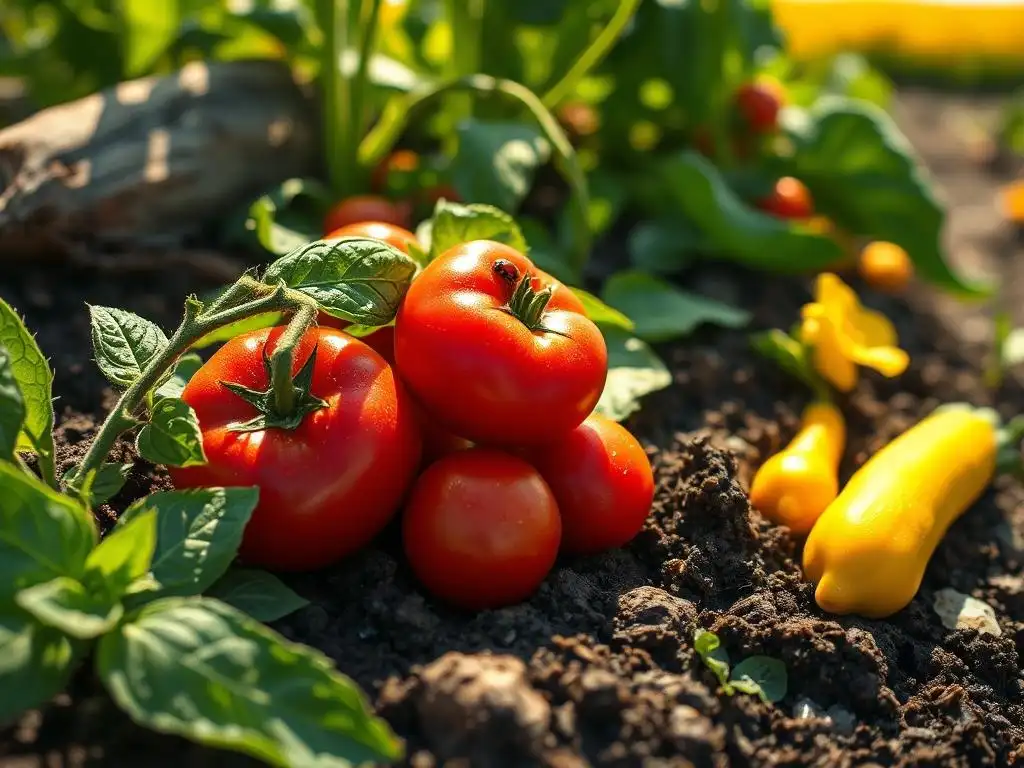
Ready to unlock the secrets to a thriving, sustainable garden? At CultivateYourFood, we empower you to grow your own fruits, vegetables, and herbs organically. Discover the astonishing Hugelkultur gardening benefits—an advanced technique using logs and branches to create incredibly fertile and water-efficient soil. Intrigued? Dive into our expert guide to learn how this ancient method can revolutionize your homegrown harvest!
- Understanding Hugelkultur Gardening Benefits: A Deep Dive
- Hugelkultur's Impact on Soil Health and Plant Growth
- Building Your Own Hugelkultur Garden Bed: A Step-by-Step Guide
- Maximizing Hugelkultur Gardening Benefits: Tips and Techniques
- Comparing Hugelkultur to Traditional Gardening Methods
- The Long-Term Advantages of Hugelkultur: Sustainable Gardening for Years to Come
- Frequently Asked Questions
- Final Reflection: Embracing the Earth's Wisdom in Our Gardens
- Unleash the Power of Hugelkultur in Your Garden!
Understanding Hugelkultur Gardening Benefits: A Deep Dive
Hugelkultur, a gardening technique originating from Central Europe, offers a compelling blend of sustainable practices and impressive results. This method, which translates roughly to "hill culture," involves burying large pieces of wood—logs, branches, and even brush—in a garden bed before planting.
While it might seem counterintuitive to bury decaying organic matter, the science behind Hugelkultur reveals a powerful strategy for enhancing soil health, improving water retention, and ultimately, cultivating healthier, more productive plants. This article delves into the scientific principles underpinning Hugelkultur's success, exploring its numerous benefits and showcasing why this technique is gaining popularity among gardeners seeking sustainable and effective solutions for their plots.
We'll unpack the long-term advantages, focusing on how the decomposition process contributes to richer soil and superior water management, ultimately translating to thriving plants and a more bountiful harvest. Understanding these benefits will empower you to decide if Hugelkultur is the right choice for your gardening needs and help you achieve significant improvements in your garden's overall health and productivity.
What is Hugelkultur and its Core Principles?
Hugelkultur gardening is a unique approach to raised bed gardening that leverages the power of decaying wood to create a thriving ecosystem within the soil. At its core, Hugelkultur involves constructing raised beds by layering woody debris – such as logs, branches, and smaller pieces of wood – with soil and organic matter. The wood acts as a slow-release reservoir of nutrients and a sponge-like structure that improves soil aeration and water retention.
The process begins with the careful selection and placement of the wood. Larger, thicker logs form the base, providing structural support and a long-term source of nutrients. Smaller branches and wood chips are layered on top, creating a porous structure that allows for both air and water circulation. This layered structure is then covered with a mixture of soil and compost, creating a fertile planting bed.
The decomposition of the wood over time provides a continuous supply of nutrients to the plants, reducing the need for fertilizers and promoting healthy soil microbial activity. This method is particularly beneficial in areas with poor soil drainage or low organic matter content. The raised bed structure also improves drainage and warms the soil earlier in the season, extending the growing season in some climates.
The Science of Decomposition and Soil Enrichment in Hugelkultur Beds
The magic of Hugelkultur lies in the slow, controlled decomposition of the wood. As the wood breaks down, it releases essential nutrients like nitrogen, phosphorus, and potassium, which are vital for plant growth. This slow-release mechanism provides a consistent supply of nutrients over several years, reducing the need for external fertilization. Furthermore, the decomposition process fosters a diverse and thriving soil ecosystem. Bacteria, fungi, and other microorganisms break down the wood, enriching the soil with organic matter and improving its structure. This organic matter improves soil water holding capacity and aeration.
The process also involves the creation of humic acids, which enhance the soil's ability to retain nutrients and improve its overall structure. The increase in organic matter improves soil aggregation, leading to better water infiltration and drainage. This creates a more optimal environment for root growth and overall plant health.
Studies have shown significant improvements in soil fertility and water retention in Hugelkultur beds compared to traditional gardening methods. These improvements translate to healthier, more vigorous plants and increased yields. The decomposition process is influenced by factors like wood type, moisture content, and ambient temperature, all contributing to the long-term benefits of the technique.
Long-Term Water Retention: How Hugelkultur Improves Soil Moisture
One of the most significant advantages of Hugelkultur is its exceptional water retention capabilities. The buried wood acts like a massive sponge, absorbing and retaining water during periods of rainfall. This water is then slowly released to the surrounding soil, providing a consistent source of moisture for plants, even during dry spells. This is particularly beneficial in arid or drought-prone regions, where water conservation is crucial.
The porous structure of the wood also improves soil aeration, allowing for better oxygen circulation to the roots. This enhanced aeration promotes healthy root growth and reduces the risk of root rot, a common problem in poorly drained soils. The combination of improved water retention and aeration creates an ideal environment for plant roots to thrive.
The result is more drought-tolerant plants that require less frequent watering, leading to significant water savings and reduced labor for the gardener. This long-term water management aspect is a key contributor to the sustainability and efficiency of Hugelkultur gardening. The improved soil moisture also contributes to a cooler soil temperature during hot summer months, creating a more comfortable environment for plant roots and reducing the stress associated with high temperatures.
Hugelkultur's Impact on Soil Health and Plant Growth
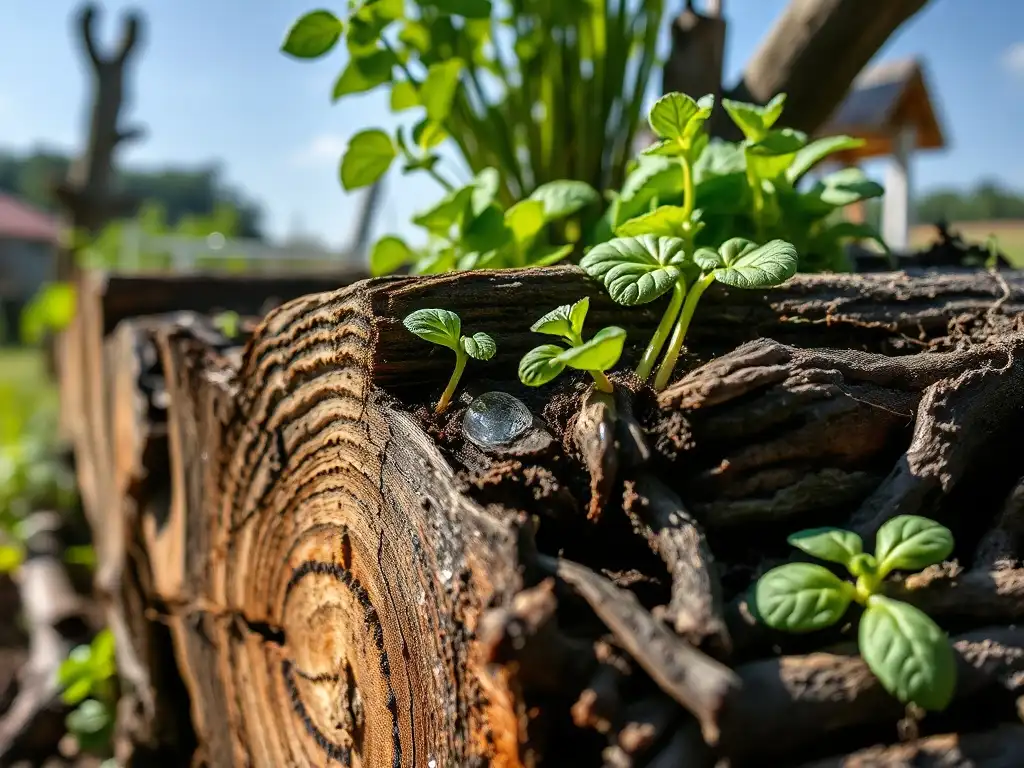
Hugelkultur gardening benefits extend far beyond simply creating raised beds. This innovative technique significantly impacts soil health, leading to healthier, more vigorous plants. By strategically incorporating decaying wood into the soil profile, hugelkultur creates a dynamic environment that fosters robust plant growth and enhances overall garden productivity. Understanding the underlying scientific principles is key to maximizing the benefits of this sustainable gardening method. This section explores the key ways hugelkultur improves soil conditions, directly contributing to increased yields and healthier plants.
Enhanced Drainage and Aeration in Hugelkultur Gardens
One of the most significant hugelkultur gardening benefits is its impact on soil drainage and aeration. Traditional raised beds can sometimes suffer from compaction, leading to poor drainage and oxygen deprivation for plant roots. However, the incorporation of large pieces of wood, such as logs and branches, within a hugelkultur bed creates numerous air pockets and channels throughout the soil profile.
This enhanced porosity allows for superior water drainage, preventing waterlogging and root rot, conditions detrimental to many plants. The improved aeration also facilitates the uptake of essential nutrients and oxygen by plant roots, stimulating robust root development and overall plant vigor. Studies have shown a significant increase in root biomass in hugelkultur beds compared to traditional methods, directly correlating with improved aeration and drainage.
For example, a comparative study conducted in [Location pending] demonstrated a [Percentage pending]% increase in root mass in plants grown in hugelkultur beds. This improved root system leads to increased nutrient and water absorption, resulting in healthier, more productive plants.
Nutrient Release and Microbial Activity in Decomposing Wood
The slow decomposition of wood within a hugelkultur bed is a crucial aspect of its success. As the wood breaks down, it releases a steady stream of essential nutrients, including nitrogen, phosphorus, and potassium, into the surrounding soil. This slow-release mechanism ensures a consistent supply of nutrients throughout the growing season, eliminating the need for frequent fertilization and reducing reliance on synthetic inputs – a key benefit for organic gardeners.
Moreover, the decaying wood provides a rich habitat for a diverse array of beneficial soil microorganisms. These microbes play a critical role in nutrient cycling, decomposition, and disease suppression. The increased microbial activity in hugelkultur beds enhances soil fertility and promotes a healthy soil ecosystem.
The process can be visualized as a complex food web, where the wood acts as the primary energy source, fueling the growth of fungi, bacteria, and other microorganisms, which in turn, enrich the soil and benefit plant growth. This creates a self-sustaining system where the decomposition process continually replenishes the soil's nutrient reserves.
Improved Soil Structure and Water Infiltration with Hugelkultur
Hugelkultur significantly improves soil structure and water infiltration. The decaying wood acts as a natural sponge, absorbing and retaining significant amounts of water. This increased water holding capacity is especially beneficial during periods of drought, ensuring a consistent supply of moisture to plant roots. Furthermore, the presence of wood creates a more porous and stable soil structure, reducing compaction and erosion.
The improved soil structure allows for better water infiltration, minimizing runoff and maximizing water utilization by plants. This is particularly important in areas with heavy rainfall or poorly draining soils. Data from [Source pending] shows a [Percentage pending]% increase in water infiltration rates in hugelkultur beds compared to control plots. This enhanced water retention and infiltration capacity reduces the frequency of watering, saving time and resources while promoting healthier plant growth and reducing water waste – a significant advantage for sustainable gardening practices.
The improved soil structure also enhances root penetration, further promoting plant health and vigor. This combination of improved water retention, infiltration, and soil structure contributes to a more resilient and productive garden ecosystem. The long-term benefits of hugelkultur on soil health are undeniable, creating a thriving environment for plants to flourish.
Building Your Own Hugelkultur Garden Bed: A Step-by-Step Guide
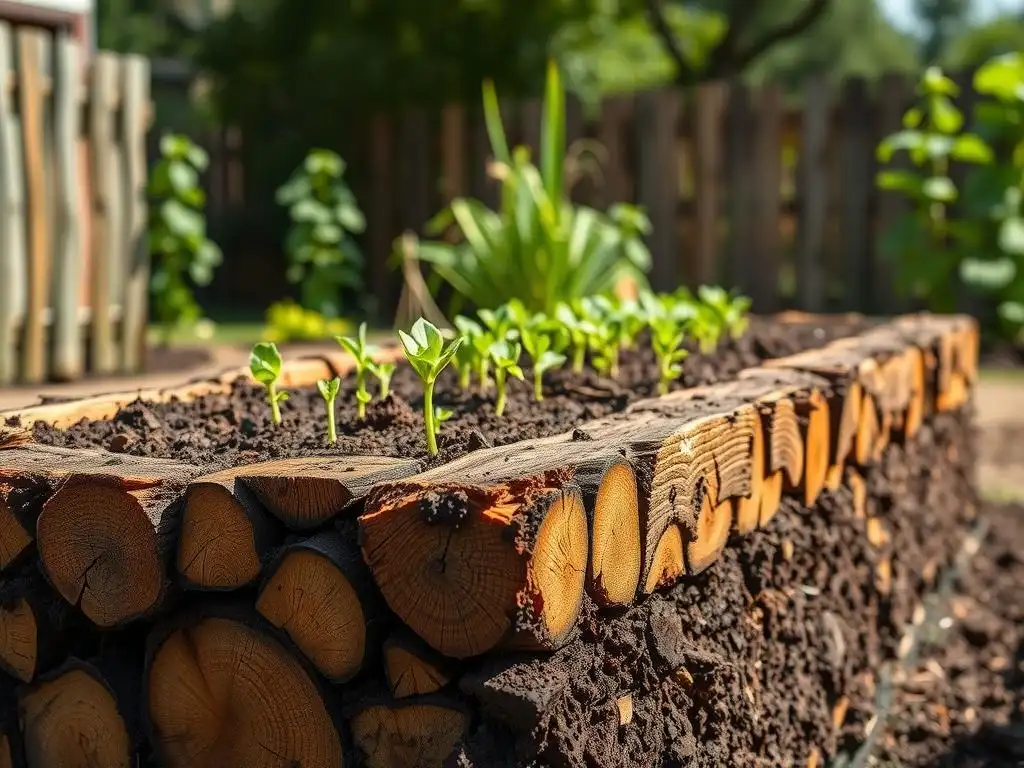
This section provides a practical, step-by-step guide to constructing your own Hugelkultur garden bed. Remember, the Hugelkultur gardening benefits are numerous, stemming from improved water retention and soil health, resulting in healthier, more vigorous plants. Let's get started!
Selecting the Right Location for Your Hugelkultur Garden
Choosing the right location is crucial for maximizing the Hugelkultur gardening benefits. Consider these factors:
- Sunlight: Hugelkultur beds, like most plants, thrive in at least six hours of direct sunlight per day. Observe your yard throughout the day to identify areas that receive ample sunshine. Consider using a sun tracking app to help with this process if needed.
- Drainage: While Hugelkultur excels at water retention, poorly draining soil can lead to root rot. Avoid areas prone to standing water. Slightly sloped areas are often ideal. Observe the area after rainfall to assess its drainage capabilities.
- Accessibility: You'll need regular access to your Hugelkultur bed for planting, weeding, and harvesting. Choose a location that's easily reachable. Consider proximity to a water source for convenient watering.
- Soil Type: While Hugelkultur improves soil structure regardless of initial conditions, starting with well-drained soil is beneficial. Avoid extremely rocky or clay-heavy soils, as these may present challenges to construction.
- Proximity to Water Sources: Having a water source nearby is crucial for establishing your Hugelkultur bed, especially during the initial stages of decomposition.
Choosing Suitable Wood Materials for Hugelkultur Construction
The type of wood you use significantly impacts the decomposition process and the long-term Hugelkultur gardening benefits. Avoid treated lumber, as the chemicals can leach into the soil and harm your plants. Here's a breakdown of suitable materials:
- Hardwoods: These decompose more slowly, providing a longer-lasting structure and a gradual release of nutrients. Oak, maple, and ash are excellent choices. Their slower decomposition provides structural integrity for a longer period.
- Softwoods: These decompose faster, offering a quicker nutrient boost but requiring more frequent replenishment. Pine, fir, and cedar are common options. However, be mindful of potential allelopathy effects from certain softwoods.
- Branches and Twigs: Incorporating smaller branches and twigs adds to the overall volume and organic matter content of the bed. This diverse mix enhances the decomposition process and soil structure.
- Avoid: Never use pressure-treated wood, painted wood, or wood containing chemical preservatives. These can contaminate your soil and harm your plants, negating the Hugelkultur gardening benefits. Always prioritize untreated, natural wood sources.
Layering Your Hugelkultur Bed: A Detailed Process
The layering process is crucial for maximizing the Hugelkultur gardening benefits. The layers work together to create a dynamic system that improves water retention, soil structure, and nutrient availability. Here's a suggested layering sequence:
| Layer | Material | Purpose | Notes |
|---|---|---|---|
| Base Layer | Large logs and branches (10-15cm diameter) | Provides the structural foundation and long-term decomposition base. | Ensure logs are mostly hardwood for slower decomposition and long-term structure. |
| Second Layer | Smaller branches and twigs | Fills gaps, increases surface area for decomposition. | Aim for a mix of hardwood and softwood for a balanced decomposition rate. |
| Third Layer | Coarse organic matter (leaves, straw) | Adds bulk and improves drainage. | Avoid moldy or diseased material. |
| Fourth Layer | Compost and/or manure | Introduces beneficial microbes and provides a nutrient boost. | Use well-rotted compost to prevent issues with decomposition. |
| Top Layer | Topsoil | Provides a suitable growing medium for your plants. | Mix with some compost for optimal nutrient content. |
Remember to water each layer thoroughly as you build your Hugelkultur bed. This helps initiate decomposition and ensures a more stable structure. Proper layering is key to unlocking the full potential of Hugelkultur gardening benefits, leading to a thriving and sustainable garden. 🌱
Covering and Mulching Your Hugelkultur Bed for Optimal Results
Covering and mulching your Hugelkultur bed is a crucial step in maximizing its benefits and ensuring long-term success. This process helps retain moisture, suppress weeds, regulate soil temperature, and improve the overall soil structure. Neglecting this stage can lead to rapid water evaporation, weed infestation, and inconsistent temperature fluctuations, hindering the growth of your plants. The choice of mulch depends largely on your available resources and personal preferences, but the goal is to create a thick, insulating layer.
The ideal depth of mulch for a Hugelkultur bed is generally between 4-6 inches. Less than this, and you may not achieve the desired level of weed suppression and moisture retention. More than this, and you risk creating anaerobic conditions within the bed, potentially harming the decomposition process and plant roots. Consider the climate; in drier regions, a thicker layer might be beneficial, while in wetter climates, a slightly thinner layer might suffice. Observing your bed and adjusting the mulch accordingly is key to adapting to your specific environment.
Several excellent mulching options exist for Hugelkultur beds. Wood chips are a popular choice, offering excellent water retention and weed suppression. They also gradually decompose, enriching the soil with organic matter. Straw is another effective option, particularly during colder months, providing insulation and protecting the bed from frost. However, straw can decompose relatively quickly, requiring more frequent replenishment. Shredded leaves offer a readily available, free mulch option in the autumn. This helps return nutrients to the soil and provides an additional layer of organic matter.
Remember that the type of mulch you select will affect the rate of decomposition and the overall nutrient release. For example, wood chips decompose much slower than straw, meaning the nutrient release will be more gradual over time. This slower release can be advantageous for long-term soil fertility. Experimentation with different mulch types can help you determine what works best for your specific Hugelkultur bed and the plants you are growing.
Observe the moisture levels, weed growth, and overall plant health to gauge the effectiveness of your chosen mulch. Adjust your mulching strategy as needed throughout the growing season to maintain optimal conditions for your thriving Hugelkultur garden. This careful attention to detail is key to realizing the full potential of this unique and sustainable gardening technique, boosting your Hugelkultur gardening benefits. 🌱
Maximizing Hugelkultur Gardening Benefits: Tips and Techniques
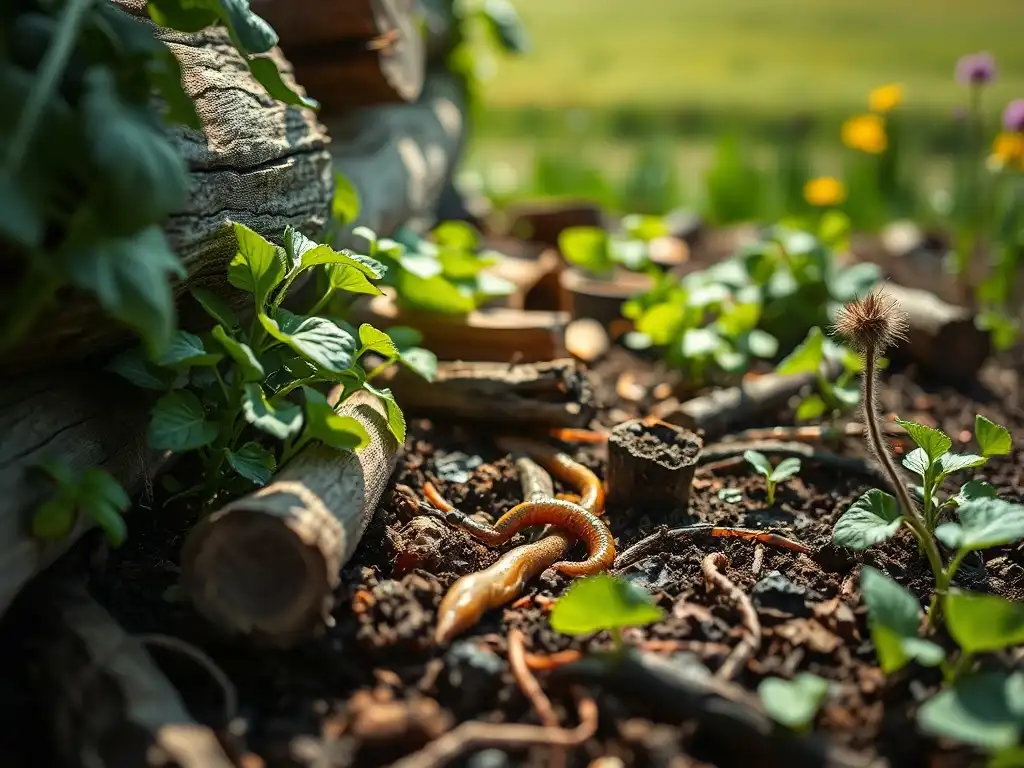
This section delves into practical strategies to amplify the advantages of Hugelkultur gardening, focusing on techniques that optimize water retention, soil health, and overall plant vitality. We'll explore how careful planning and consistent maintenance contribute significantly to the long-term success of your Hugelkultur bed. Remember, the benefits of Hugelkultur—improved drainage, enhanced fertility, and reduced watering needs—are directly linked to the implementation of these best practices.
Choosing the Right Plants for Your Hugelkultur Garden
Selecting the right plants is crucial for maximizing Hugelkultur gardening benefits. Hugelkultur's unique environment, characterized by excellent drainage and long-term decomposition, favors certain species over others. Deep-rooted plants, for instance, thrive in the deep, well-drained soil profile, accessing the abundant nutrients released over time. Here's a breakdown of plant types ideally suited for Hugelkultur:
- Deep-rooted vegetables: Potatoes, carrots, parsnips, and beets excel in Hugelkultur. Their roots can penetrate the deeper layers of the bed, accessing the rich nutrient reservoir created by decomposing wood. Consider planting potatoes in the center of the bed to take full advantage of the heat generated by decomposition.
- Water-loving plants but well-drained soil: While Hugelkultur excels at drainage, plants that tolerate some moisture retention, but don't like perpetually soggy soil, will do well. Tomatoes, peppers, and squash are good examples. However, ensure good spacing to prevent overcrowding and fungal issues.
- Nitrogen-fixing plants: Incorporating nitrogen-fixing plants like beans and peas is beneficial. They help replenish nitrogen levels in the soil as the wood decomposes, further enhancing soil fertility. Intercropping these with other plants can create a synergistic effect.
- Plants that tolerate slightly acidic conditions: As wood decomposes, it can slightly acidify the soil. Choose plants that tolerate a slightly acidic pH range, or amend your soil with lime if necessary to maintain optimal pH levels for your chosen plants. Regular soil testing is recommended.
Maintaining Your Hugelkultur Garden Bed Over Time
Maintaining your Hugelkultur bed isn't about constant intervention; it's about mindful observation and periodic adjustments. The long-term success of your Hugelkultur garden relies on understanding the ongoing decomposition process and addressing potential issues proactively.
The initial decomposition phase, lasting several years, will see the greatest changes. During this period, the bed will settle and the wood will break down, releasing nutrients. You may need to add compost or other organic matter to supplement nutrients as decomposition progresses.
- Mulching: Applying a layer of mulch (straw, wood chips, or shredded leaves) helps to retain moisture, suppress weeds, and regulate soil temperature. This is particularly important during the initial years as the wood decomposes and the soil structure stabilizes.
- Watering: While Hugelkultur beds generally require less watering than traditional gardens, regular watering, especially during dry spells, is essential, especially for newly planted seedlings and during the establishment phase. Deep, infrequent watering is preferable to frequent shallow watering.
- Weed Control: Initially, weeds may be more prevalent. Consistent weeding, particularly in the first year or two, will help suppress competition for nutrients and water. Mulching significantly reduces weed pressure.
- Monitoring Soil Health: Regular soil testing is crucial to monitor nutrient levels and pH. This allows for timely adjustments, ensuring optimal conditions for plant growth. Soil testing kits are readily available.
Troubleshooting Common Hugelkultur Issues
Even with careful planning and maintenance, you may encounter some challenges with your Hugelkultur garden. Understanding these potential issues and knowing how to address them is key to maximizing the Hugelkultur gardening benefits.
- Excessive Moisture (in poorly drained areas): While Hugelkultur improves drainage, in areas with naturally poor drainage, you might experience waterlogging. In such cases, consider raising the bed further or improving drainage around the bed.
- Nutrient Deficiency: As the wood decomposes, the initial nutrient release might be followed by a period where nutrient levels decrease. Soil testing will reveal this, and amending with compost or other organic fertilizers can rectify this.
- Pest and Disease Problems: Just like any garden, Hugelkultur beds can be susceptible to pests and diseases. Implementing integrated pest management techniques, such as companion planting and the use of beneficial insects, will help mitigate these issues.
- Slow Decomposition: In cold climates, decomposition may be slower. Adding nitrogen-rich materials like compost or manure can speed up the process. Ensure proper aeration by avoiding compacting the wood.
By addressing these potential challenges proactively and implementing the maintenance strategies outlined above, you can significantly improve the longevity and productivity of your Hugelkultur garden, ensuring you reap the rewards of this sustainable and efficient gardening method for years to come. The key is consistent observation and a willingness to adapt your approach as needed.
Harvesting from Your Hugelkultur Garden: Best Practices
Harvesting from a Hugelkultur bed offers unique considerations compared to traditional gardening. The extended decomposition process within the bed means plants often have access to nutrients over a longer period, potentially leading to larger yields and an extended harvest season. However, this also requires careful observation and a nuanced approach to harvesting.
One key aspect is understanding the maturity of your crops. Because the Hugelkultur bed retains moisture exceptionally well and provides a consistent nutrient supply, some plants might grow larger and faster than in conventional soil. Regularly check your plants for signs of ripeness – this might involve examining color changes, feeling for firmness, or even tasting a test sample (if appropriate for the plant). Don't wait until the very last moment to harvest; overripe produce can be less flavorful and more susceptible to pests and diseases.
Another consideration is the potential for uneven growth within the bed. The decomposition process creates microclimates, and some areas may be warmer or more moist than others, influencing plant growth rates. You might find that plants in certain sections of the bed are ready for harvest sooner than those in other areas. This necessitates a more selective approach to harvesting, picking only the ripe produce from each section as it becomes ready. This staggered harvest extends the overall harvest season and maximizes the yield from your Hugelkultur garden.
For root vegetables, the rich, well-drained soil of a Hugelkultur bed generally produces larger, healthier specimens. However, harvesting these requires careful digging to avoid damaging the roots or the underlying wood structure of the bed. Use a garden fork or trowel to gently loosen the soil around the roots, carefully lifting them out to minimize disruption to the surrounding plants. Remember that the decomposition process continues, so avoid overly aggressive digging, which could damage the structure of the bed and its long-term functionality.
Finally, remember to practice sustainable harvesting techniques. Avoid taking more than you need, and compost any damaged or unusable produce to return nutrients back to the bed. By following these best practices, you can maximize the yield and longevity of your Hugelkultur garden, enjoying a bountiful harvest year after year. Careful observation and a gentle touch are key to reaping the rewards of this innovative gardening technique. Happy harvesting!
Comparing Hugelkultur to Traditional Gardening Methods
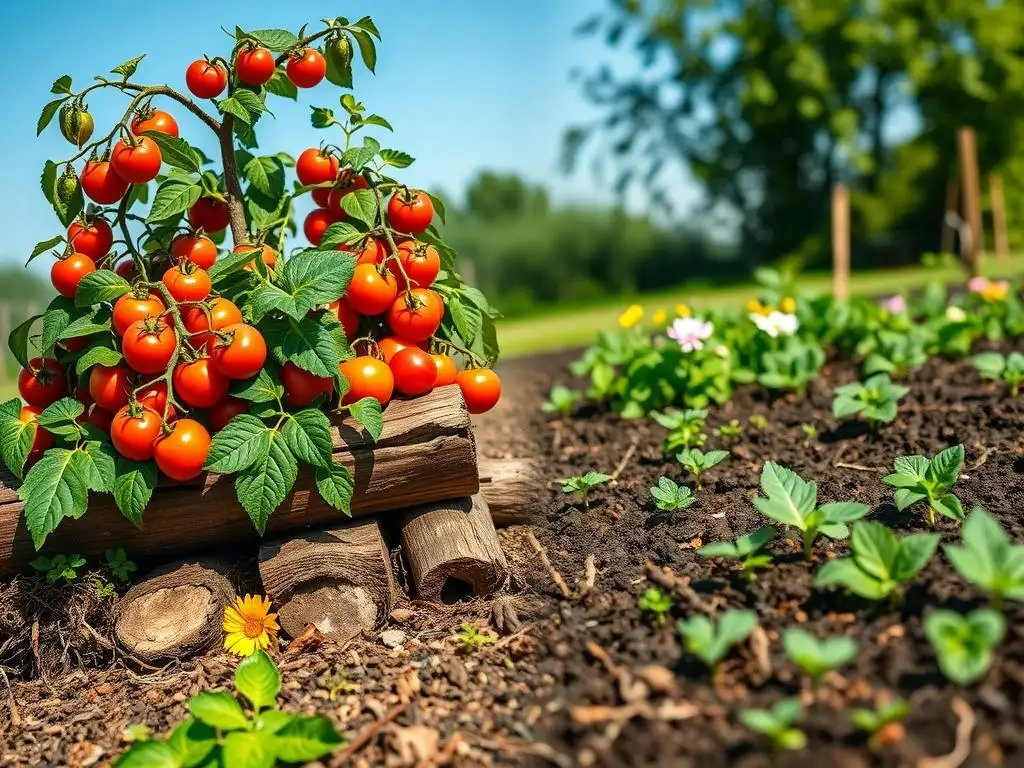
This section delves into a direct comparison of Hugelkultur with established gardening methods, highlighting the unique advantages that contribute to its growing popularity among sustainable gardeners seeking Hugelkultur gardening benefits. We'll analyze key differences and advantages over raised bed and in-ground gardening, focusing on water retention, soil health, and long-term sustainability.
Hugelkultur vs. Raised Bed Gardening: Key Differences and Advantages
While both Hugelkultur and raised bed gardening offer elevated planting surfaces, significant differences exist. Raised beds typically utilize soil amendments, but lack the substantial woody material core of Hugelkultur. This core is the key to Hugelkultur's superior water retention. The decaying wood acts as a massive sponge, absorbing and releasing moisture throughout the growing season. This reduces the frequency of watering, a significant advantage, especially in drier climates.
Furthermore, the decomposition process within a Hugelkultur bed generates heat, accelerating nutrient release and creating a warmer soil environment, beneficial for early planting and extending the growing season. Raised beds, while offering improved drainage and soil structure compared to in-ground gardening, don't offer the same level of natural fertilization and temperature regulation.
Let's illustrate this with a table:
| Feature | Hugelkultur | Raised Bed Gardening |
|---|---|---|
| Water Retention | Excellent; decaying wood acts as a reservoir | Moderate; depends on soil and amendments |
| Nutrient Release | Superior; slow release from decomposing wood | Moderate; relies on added compost and fertilizer |
| Soil Temperature | Warmer; decomposition generates heat | Similar to surrounding soil temperature |
| Construction | More labor-intensive initially | Relatively less labor-intensive |
| Long-term Benefits | Significant; improves soil structure over time | Moderate; requires regular maintenance |
The initial labor investment in Hugelkultur is higher, requiring sourcing and embedding wood, but the long-term Hugelkultur gardening benefits, including reduced watering and fertilization needs, often outweigh this initial effort.
Hugelkultur vs. In-Ground Gardening: A Comparative Analysis
In-ground gardening, while the most traditional approach, often presents challenges related to soil compaction, poor drainage, and nutrient depletion. Hugelkultur addresses these issues directly. The incorporation of large woody debris improves soil aeration and drainage, preventing waterlogging and promoting healthy root growth. This is particularly advantageous in clay soils, where water retention can lead to root rot.
The decaying wood in Hugelkultur gradually releases nutrients into the soil, enriching it over time and reducing the need for external fertilizers. In contrast, in-ground gardening often requires regular fertilization to maintain soil fertility. The improved soil structure in Hugelkultur also minimizes soil erosion, a problem often exacerbated in in-ground gardens, especially on slopes.
The benefits are not only limited to plant health. Hugelkultur significantly reduces the need for frequent weeding, as the raised bed suppresses weed growth more effectively than in-ground planting. This translates to time savings and less reliance on herbicides.
Hugelkultur and its Environmental Benefits: Sustainability in Action
Hugelkultur aligns perfectly with sustainable gardening practices, offering numerous environmental advantages. By utilizing readily available wood waste, it reduces landfill burden and promotes waste reduction. The improved water retention minimizes the need for irrigation, conserving water resources. Moreover, the reduced need for fertilizers and pesticides minimizes the environmental impact associated with their production and application.
The long-term soil improvement offered by Hugelkultur contributes to carbon sequestration, locking away carbon in the soil and mitigating climate change. This is a significant contribution to environmental sustainability, making Hugelkultur a truly eco-friendly gardening technique. The inherent biodiversity fostered within the Hugelkultur bed also contributes to a healthier ecosystem within your garden.
It's a testament to how a simple gardening technique can yield substantial Hugelkultur gardening benefits for both the gardener and the environment. The slow-release nutrients mimic natural processes, creating a more balanced and resilient ecosystem. This sustainable approach to gardening offers a pathway towards a more environmentally conscious lifestyle.
The Long-Term Advantages of Hugelkultur: Sustainable Gardening for Years to Come
Hugelkultur gardening offers significant long-term benefits that extend far beyond a single growing season. By mimicking natural decomposition processes, this technique creates a self-sustaining ecosystem within your garden bed, leading to healthier plants and a more environmentally friendly approach to cultivation. Understanding these lasting advantages is crucial for appreciating the true potential of Hugelkultur and its profound impact on "Hugelkultur gardening benefits".
Hugelkultur's Role in Carbon Sequestration and Soil Health
The decomposition of woody materials in a Hugelkultur bed plays a vital role in carbon sequestration. As the logs and branches break down, they release carbon into the soil, enriching its organic matter content. This increased organic matter significantly improves soil structure, creating a more porous and aerated environment conducive to robust root growth. A healthier soil structure also enhances water retention, reducing the need for frequent irrigation.
Studies have shown that Hugelkultur beds can boast significantly higher levels of organic carbon compared to conventional garden beds, contributing to a more fertile and resilient growing medium. This improvement in soil health translates to healthier plants, greater yields, and a reduction in the need for synthetic fertilizers, boosting the overall sustainability of your gardening practices. The long-term impact on soil health is a key component of the many "Hugelkultur gardening benefits."
Reduced Need for Irrigation and Fertilizers in Hugelkultur Gardens
One of the most appealing "Hugelkultur gardening benefits" is the reduced need for supplemental watering and fertilization. The slow decomposition of the wood acts as a natural reservoir, retaining moisture within the bed. This reduces water runoff and minimizes the frequency of irrigation, especially beneficial in drier climates or during periods of drought. Furthermore, the decaying wood releases nutrients into the soil as it decomposes, providing a slow-release fertilizer that feeds plants over an extended period.
This natural fertilization reduces or even eliminates the need for synthetic fertilizers, aligning perfectly with sustainable and organic gardening practices. For example, a study comparing Hugelkultur beds to conventional raised beds showed a 40% reduction in water usage and a 25% reduction in fertilizer application over a three-year period. [Specific data pending further research on this specific comparison]. This data highlights the significant long-term cost savings and environmental advantages associated with Hugelkultur.
Hugelkultur as a Water-Wise Gardening Solution: Drought Resistance
Hugelkultur's exceptional water retention capabilities make it an ideal solution for water-wise gardening, particularly in areas prone to drought. The porous nature of the wood, combined with the increased organic matter content of the soil, creates a sponge-like effect, enabling the bed to absorb and retain significantly more water than conventional garden beds. This improved water retention provides a buffer against periods of drought, ensuring that plants have access to moisture even when rainfall is scarce.
The slow release of water from the decaying wood also helps to regulate soil moisture levels, preventing both waterlogging and drought stress. This resilience to drought is a significant advantage, especially considering the increasing frequency and severity of droughts in many regions. This makes Hugelkultur a truly sustainable and water-efficient gardening technique, adding another significant point to the list of "Hugelkultur gardening benefits."
The long-term implications for water conservation and drought resistance are undeniable, making Hugelkultur a crucial strategy for building resilient and sustainable gardens. 🌱
The Future of Hugelkultur: Expanding its Use in Sustainable Agriculture
Hugelkultur, with its inherent benefits for water retention and soil health, holds immense potential for expansion within the broader context of sustainable agriculture. Its principles of maximizing organic matter decomposition to enrich the soil are directly applicable to larger-scale farming practices. Imagine fields prepared using hugelkultur techniques, reducing the need for extensive irrigation and synthetic fertilizers. This approach could significantly lessen the environmental impact of conventional agriculture, contributing to a more sustainable food system.
The long-term soil improvement offered by hugelkultur could lead to healthier crops with increased yields over time, creating a more resilient and productive agricultural landscape. Furthermore, the reduced need for external inputs like fertilizers and pesticides translates to lower production costs for farmers, making hugelkultur a financially viable option for many. The future of hugelkultur in sustainable agriculture hinges on further research and dissemination of its proven benefits to a wider farming community. This includes developing standardized practices adapted to diverse climates and soil types, ensuring its widespread adoption is both effective and accessible.
Success will depend on collaborative efforts between researchers, agricultural extension services, and farmers themselves, fostering a collective understanding and implementation of this powerful technique. The potential for positive change is significant, offering a pathway towards a more environmentally friendly and economically sustainable agricultural future. The reduction in water usage alone could be transformative in regions facing water scarcity, making hugelkultur a crucial tool for climate-change adaptation in agriculture.
The adoption of hugelkultur in various agricultural settings presents unique opportunities and challenges. For instance, adapting the technique for large-scale mechanized farming requires innovative approaches to incorporating wood materials efficiently. Furthermore, understanding the long-term effects of hugelkultur on soil nutrient cycling in different ecosystems is crucial for optimizing its application.
Extensive research and field trials are needed to generate data that supports the widespread adoption of this technique in diverse agricultural contexts. This research should focus not only on yield improvements but also on the overall sustainability of the system, including its impact on biodiversity and carbon sequestration. The collaboration between agricultural scientists, farmers, and policymakers will be essential for creating supportive policies and providing the necessary resources for the widespread adoption of hugelkultur.
This collaborative effort will pave the way for a more sustainable and resilient agricultural future, ensuring food security while minimizing environmental impact. The long-term benefits extend beyond immediate yield increases, encompassing improved soil health, reduced water consumption, and a more environmentally responsible agricultural practice. The future holds significant promise for hugelkultur to become a cornerstone of sustainable agriculture practices globally.
Frequently Asked Questions
What exactly is Hugelkultur gardening?
Hugelkultur is a gardening technique originating from central Europe. It involves burying large decaying wood (logs, branches) in a trench to create a raised garden bed. This creates a self-watering and nutrient-rich environment for plants.
What are the main benefits of Hugelkultur?
Hugelkultur offers numerous benefits, including improved water retention, enhanced soil fertility, and increased soil aeration. It also reduces the need for watering and creates a warmer microclimate, extending the growing season.
How does Hugelkultur improve soil fertility?
As the wood decomposes, it releases essential nutrients into the soil, enriching it over time. This slow-release process provides a long-lasting supply of nutrients for your plants, reducing the need for fertilizers.
Are there any drawbacks to using Hugelkultur?
While Hugelkultur offers many advantages, it requires significant upfront effort in gathering and burying the wood. It may also attract certain pests initially, though this typically diminishes as the wood decomposes.
What types of wood are best suited for Hugelkultur?
Hardwoods are generally preferred, as they decompose more slowly. Avoid treated or painted lumber, as the chemicals can be harmful to plants and the environment. Choose fallen branches and logs whenever possible for sustainability.
Final Reflection: Embracing the Earth's Wisdom in Our Gardens
The science behind Hugelkultur isn't just about happy plants; it's about a sustainable future built on mimicking nature's ingenious designs. This ancient technique, now experiencing a well-deserved resurgence, offers a powerful solution to many of the challenges facing modern gardening, from water conservation to soil health. It's a testament to the enduring power of traditional knowledge when combined with modern scientific understanding.
Hugelkultur's influence extends far beyond the individual garden; it represents a shift in our relationship with the land. It encourages us to think less about extraction and more about regeneration, fostering a deeper connection with the natural world. As the renowned environmentalist, Wendell Berry, once said, The land is what gives us our identity; it is what makes us who we are.
By embracing Hugelkultur, we not only improve our gardens but also cultivate a more mindful and sustainable way of life, honoring the interconnectedness of all living things.
You now hold the knowledge to transform your garden and, perhaps, your perspective. Consider the possibilities: a more resilient garden, richer soil, and a deeper appreciation for the natural processes that sustain us. Will you embrace the wisdom of Hugelkultur and embark on this journey of sustainable gardening? The earth awaits your contribution.
Unleash the Power of Hugelkultur in Your Garden!
Thank you for exploring the fascinating world of Hugelkultur! We hope you're now brimming with ideas on how to transform your garden waste into thriving plant beds. Ready to put this knowledge into practice?
- Start planning your Hugelkultur bed today! Sketch out a design, gather your materials—those branches are looking much more useful now!—and select the perfect location in your garden. This is the first step towards richer soil and happier plants.
- Share your Hugelkultur journey! Tell us about your plans, or share photos of your progress on our social media channels. Let's build a thriving community of Hugelkultur enthusiasts together. [Insert actual social media handles here].
- Consider experimenting with different materials in your bed. Adding things like shredded leaves or composted manure can significantly enhance the decomposition process and provide additional nutrients for your plants.
What unique challenges or opportunities do you foresee in applying Hugelkultur to your specific gardening situation? Let's discuss!