
Simple Crop Rotation: A StepbyStep Plan for Home Gardens

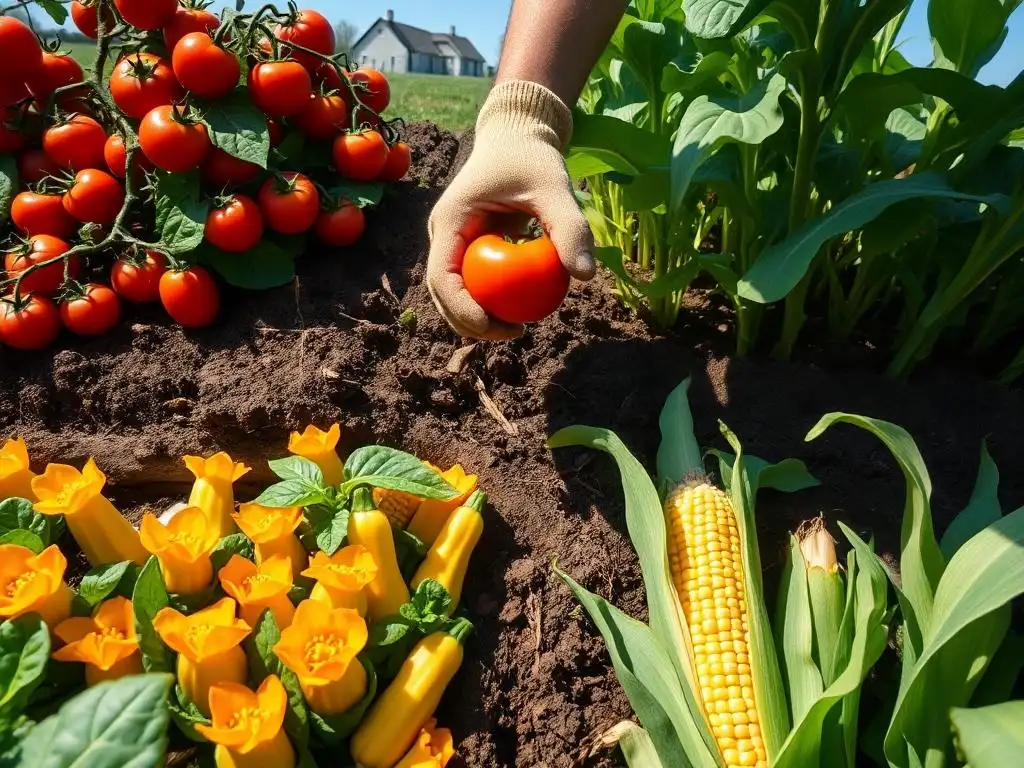
Ready to unlock the secrets to a thriving, sustainable home garden? CultivateYourFood is your guide to growing delicious fruits, vegetables, and herbs organically. This website is dedicated to helping you achieve bountiful harvests, and we're starting with something truly transformative: easy home garden crop rotation. Learn how this simple yet powerful technique can revolutionize your gardening success – discover the step-by-step plan and unlock the potential of your own backyard oasis. Let's get growing!
- Understanding Easy Home Garden Crop Rotation: Benefits and Basics
- Planning Your Easy Home Garden Crop Rotation Schedule
-
Step-by-Step Guide to Implementing Easy Home Garden Crop Rotation
- Step 1: Analyzing Your Current Garden Layout and Soil Conditions
- Step 2: Selecting Your Crops Based on Plant Families and Needs
- Step 3: Creating Your Rotation Plan Using a Chart or Calendar
- Step 4: Preparing the Soil for Planting: Enhancing Soil Fertility
- Step 5: Planting Your Crops According to Your Rotation Plan
- Step 6: Monitoring Your Plants and Soil Health: Adapting as Needed
- Step 7: Harvesting and Compost Management: Closing the Loop
- Maintaining Your Easy Home Garden Crop Rotation System
-
Frequently Asked Questions
- What is crop rotation, and why is it important for my home garden?
- How do I create a simple crop rotation plan for my small home garden?
- What are some examples of good crop rotation pairings for my home garden?
- Can I rotate crops in containers, or is crop rotation only for in-ground gardens?
- What are the benefits of using an easy home garden crop rotation plan like the one described on CultivateYourFood?
- Final Reflection: Cultivating a Sustainable Future, One Garden at a Time
- Unlock Your Garden's Potential: Start Rotating Today!
Understanding Easy Home Garden Crop Rotation: Benefits and Basics
Planning a thriving home garden often involves more than just selecting the right seeds. Effective crop rotation is a cornerstone of sustainable gardening, significantly impacting your garden's long-term health and productivity. This step-by-step guide will demystify the process of easy home garden crop rotation, showing you how to improve soil health, boost yields, and minimize pest and disease problems – all while using sustainable, organic practices. We'll explore the fundamental principles behind crop rotation, making it accessible even for beginner gardeners.
This guide focuses on simple, manageable strategies perfect for small home gardens, ensuring you can reap the rewards of healthy, abundant harvests year after year. Learning to rotate your crops effectively is a key component of achieving an easy and successful home garden, and this guide provides the knowledge and practical steps you need to get started. Let's delve into the details!
Why Rotate Crops in Your Home Garden? Improving Soil Health and Yield
Rotating your crops offers a multitude of benefits for your home garden. Think of it as giving your soil a much-needed vacation and a nutritious boost. By strategically changing the types of plants you grow in a particular area each year, you can significantly improve soil health and increase your yields. Here's why:
- Nutrient replenishment: Different plant families draw different nutrients from the soil. Rotating crops helps prevent nutrient depletion, ensuring your soil remains fertile and rich in essential minerals. For example, heavy feeders like tomatoes and peppers deplete certain nutrients, while legumes like beans and peas actually add nitrogen back into the soil.
- Pest and disease management: Many pests and diseases are specific to particular plant families. Rotating crops disrupts their life cycle, reducing the risk of infestations and outbreaks. Leaving a plot fallow for a season can also help.
- Weed control: Certain crops can help suppress weed growth, making weeding easier. Including cover crops in your rotation can further enhance this effect.
- Improved soil structure: Different root systems have different effects on soil structure. Rotating crops with varying root depths helps improve soil aeration and drainage.
- Increased yields: Healthy soil equals healthy plants, leading to higher yields and more abundant harvests. A well-planned rotation contributes directly to this success. You'll notice a significant difference in the overall health and productivity of your garden over time.
Identifying Your Garden's Plant Families: A Crucial First Step for Effective Rotation
Before you start planning your crop rotation, it's crucial to understand plant families. Knowing which plants belong to the same family helps you avoid planting similar species consecutively. This is because plants within the same family often share similar nutrient requirements and are susceptible to the same pests and diseases. Here are some common plant families found in home gardens:
- Nightshades (Solanaceae): Tomatoes, peppers, eggplants, potatoes
- Legumes (Fabaceae): Beans, peas, lentils, clover
- Cucurbits (Cucurbitaceae): Cucumbers, squash, melons, pumpkins
- Brassicas (Brassicaceae): Broccoli, cauliflower, cabbage, kale, Brussels sprouts
- Alliums (Alliaceae): Onions, garlic, leeks, chives
Grouping your plants into these families is the first step towards a successful rotation plan. Remember, the more diverse your plant families, the more effective your rotation strategy will be. Consider creating a simple chart to keep track of which plant families you've grown in each area of your garden.
Basic Crop Rotation Principles for Beginners: Understanding Plant Needs
A simple three-year rotation is a great starting point for beginners. This involves dividing your garden into three sections and rotating the plant families through these sections each year. Here's a sample plan:
| Year | Section 1 | Section 2 | Section 3 |
|---|---|---|---|
| Year 1 | Legumes (Nitrogen-fixing) | Brassicas | Nightshades |
| Year 2 | Brassicas | Nightshades | Legumes |
| Year 3 | Nightshades | Legumes | Brassicas |
This plan ensures that no plant family occupies the same section for consecutive years. Remember, this is a basic framework; you can adjust it based on your specific needs and preferences. Consider factors such as the size of your garden, the types of plants you want to grow, and the specific pest and disease pressures in your area. Observe your garden closely each year, paying attention to plant health and soil conditions.
Adjust your rotation as needed to optimize your garden's productivity and health. Remember to always prioritize organic methods and sustainable practices to ensure the long-term well-being of your garden and the environment. 🌱
Planning Your Easy Home Garden Crop Rotation Schedule
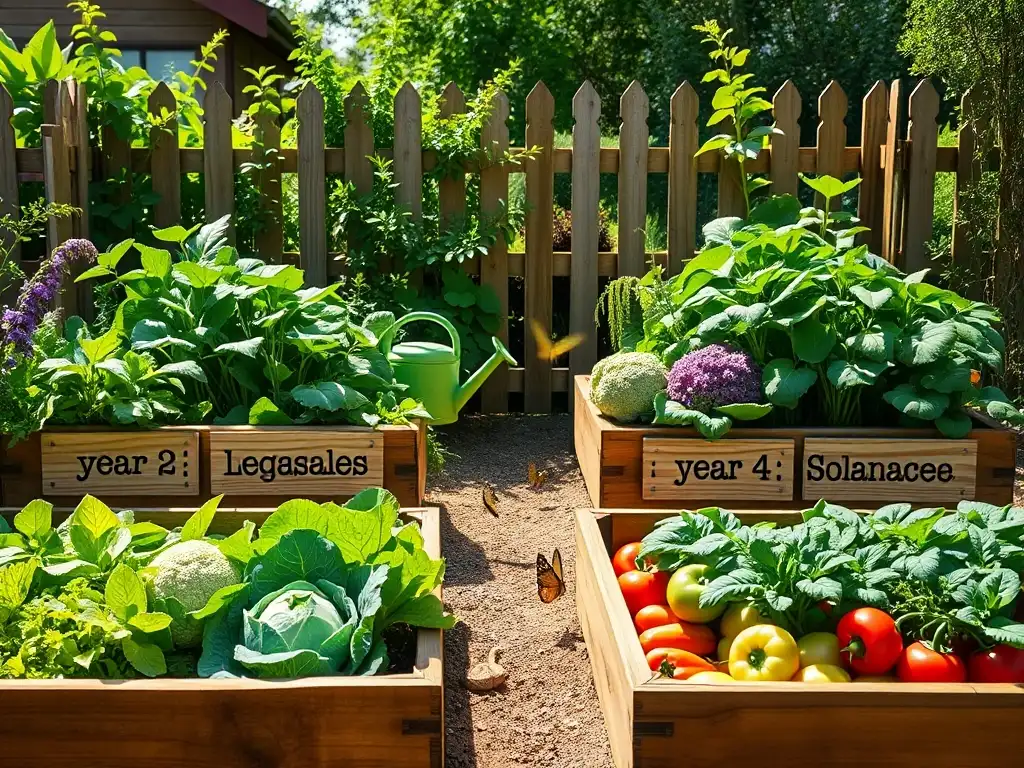
This section details how to plan a simple yet effective crop rotation schedule for your home garden, maximizing yield and minimizing pest and disease issues. Remember, even a small garden benefits immensely from thoughtful planning. The key is to understand your space and the needs of your chosen plants. This "easy home garden crop rotation" approach prioritizes simplicity and practicality for beginners.
Assessing Your Garden Space and Planting Seasons: A Personalized Approach
Before diving into specific plant pairings, assess your garden's unique characteristics. This personalized approach is crucial for successful crop rotation. Consider these factors:
- Garden Size and Shape: A small, square garden will have different rotation possibilities than a long, narrow one. Sketch your garden to visualize planting zones.
- Sunlight Exposure: Note which areas receive full sun, partial shade, or full shade throughout the day. Different plants have varying sunlight requirements. For example, tomatoes thrive in full sun, while lettuce prefers partial shade.
- Soil Type: Conduct a soil test to determine its composition (clay, sandy, loamy). This influences which plants will flourish. Clay soils retain moisture but can be poorly draining, whereas sandy soils drain quickly and need more frequent watering.
- Local Climate and Growing Season: Your region's frost dates dictate when you can plant and harvest certain crops. Knowing your last spring frost and first fall frost is essential. Consult local gardening resources or online tools to determine your frost-free days.
- Water Availability: Consider your water source and access. Efficient watering is crucial, especially during dry spells. Grouping plants with similar water needs together can streamline irrigation.
This information allows you to create planting zones within your garden, further optimizing your crop rotation strategy. For instance, you might designate a sunny area for heat-loving vegetables like tomatoes and peppers, and a shadier area for leafy greens.
Choosing Compatible Plants for Successive Planting: Maximizing Your Harvest
Successive planting, a key component of easy home garden crop rotation, involves planting fast-growing crops after early-season harvests. This maximizes space and yield throughout the growing season. Here's how to choose compatible plants:
- Heavy Feeders vs. Light Feeders: Alternate heavy feeders (e.g., tomatoes, broccoli) with light feeders (e.g., lettuce, spinach). Heavy feeders deplete soil nutrients more quickly.
- Different Plant Families: Rotating plants from different plant families helps prevent the buildup of pests and diseases specific to one family. For example, avoid planting members of the nightshade family (tomatoes, peppers, eggplant) consecutively in the same spot.
- Root Depth: Consider root depth. Deep-rooted plants (e.g., carrots) can be followed by shallow-rooted plants (e.g., radishes) to prevent competition for resources.
- Growth Habits: Pair plants with different growth habits. For example, vining plants can be followed by bushy plants to maximize space utilization.
Here's a table illustrating compatible plant pairings for successive planting:
| Previous Crop | Successive Crop(s) | Notes |
|---|---|---|
| Peas | Brassicas (cabbage, kale) | Peas fix nitrogen in the soil, benefiting subsequent plants. |
| Tomatoes | Legumes (beans, peas) | Improves soil fertility. |
| Lettuce | Root vegetables (carrots) | Short growing season allows for efficient space use. |
This strategic pairing ensures healthy soil and a bountiful harvest throughout the season. Remember to amend your soil with compost regularly to replenish nutrients.
Creating a Simple Rotation Plan: A 3-Year Rotation Example for Beginners
A three-year rotation plan is a great starting point for beginners. This simple system ensures sufficient nutrient replenishment and pest control. This example focuses on easy-to-grow vegetables and herbs, ideal for beginners practicing easy home garden crop rotation.
Year 1:
- Zone 1: Legumes (beans, peas) – Nitrogen-fixing plants improve soil health.
- Zone 2: Heavy Feeders (tomatoes, peppers) – Benefit from nutrient-rich soil from the previous year.
- Zone 3: Leafy Greens (lettuce, spinach) – Relatively low nutrient demand.
Year 2:
- Zone 1: Root Vegetables (carrots, radishes) – Different root structure compared to previous year.
- Zone 2: Leafy Greens (kale, chard) – Different leafy greens compared to Year 1.
- Zone 3: Heavy Feeders (squash, zucchini) – Different heavy feeders compared to Year 1.
Year 3:
- Zone 1: Heavy Feeders (broccoli, cauliflower) – Different heavy feeders compared to previous years.
- Zone 2: Legumes (beans, peas) – Replenishes nitrogen.
- Zone 3: Root Vegetables (beets, turnips) – Different root vegetables compared to Year 2.
This 3-year cycle ensures that the same plant family isn't planted in the same zone for three consecutive years, minimizing disease and pest pressure. Remember to amend the soil with compost annually to maintain fertility. This simple approach provides a strong foundation for practicing easy home garden crop rotation, even for novice gardeners. Enjoy your bountiful harvests!
Sample Crop Rotation Plan for Small Home Gardens: Vegetables and Herbs
Creating a successful crop rotation plan for a small home garden requires careful consideration of your space, the vegetables and herbs you want to grow, and their specific needs. A well-planned rotation minimizes pest and disease buildup, improves soil health, and maximizes yields. Let's look at a sample plan for a typical small garden, focusing on common vegetables and herbs.
This plan assumes a three-year rotation, a manageable timeframe for most home gardeners. Remember to adapt this plan to your specific climate, soil conditions, and personal preferences. Always research the specific needs of the plants you choose to ensure compatibility within the rotation.
This example focuses on maximizing space and minimizing overlap in plant needs. We'll use a simple three-year rotation, assigning plant families to different garden beds each year. This approach helps break pest and disease cycles, preventing a build-up of pathogens in the soil. Efficient space utilization is key in small gardens, so selecting compact varieties is crucial.
Year 1:
- Bed 1: Leafy greens (lettuce, spinach, kale) – These plants are relatively low-maintenance and don't deplete soil nutrients excessively.
- Bed 2: Legumes (beans, peas) – Legumes are nitrogen-fixing plants, enriching the soil for subsequent crops. They also tend to deter some common garden pests.
- Bed 3: Root vegetables (carrots, radishes) – Root vegetables generally have different nutrient needs compared to leafy greens and legumes. This diversification helps maintain soil balance.
- Bed 4: Herbs (basil, parsley, dill) – Herbs often have shallow root systems and can be interplanted with other crops.
Year 2:
The plants in Year 1 are rotated to different beds, following a pattern to avoid planting the same family in the same bed for consecutive years. For example:
- Bed 1: Root vegetables (beets, turnips) – Different root vegetables help maintain soil health.
- Bed 2: Leafy greens (chard, arugula) – A change in leafy green variety helps prevent pest build-up.
- Bed 3: Herbs (oregano, thyme, rosemary) – Variety in herbs promotes biodiversity and helps prevent pest issues.
- Bed 4: Legumes (soybeans, fava beans) – A different legume variety provides continued soil enrichment.
Year 3:
This year continues the rotation, ensuring no plant family occupies the same bed for two consecutive years. This helps prevent the buildup of soilborne diseases and pests specific to certain plant families. Consider adding cover crops during fallow periods to improve soil health further. Examples could include:
- Bed 1: Legumes (broad beans, cowpeas) - Different legumes provide continued soil enrichment.
- Bed 2: Root vegetables (parsnips, potatoes) – Rotating root vegetables prevents disease buildup.
- Bed 3: Leafy greens (lettuce, spinach) – Different varieties of leafy greens maintain diversity.
- Bed 4: Herbs (mint, chives, cilantro) – Herb variety is essential to maintain biodiversity and soil health.
This sample plan is a starting point. You can adjust it based on your garden's size, your preferred vegetables and herbs, and your local climate. Remember to always research the specific needs of your chosen plants to ensure a successful and productive crop rotation. Careful planning and observation are key to achieving a thriving and easy home garden crop rotation. 🌿
Step-by-Step Guide to Implementing Easy Home Garden Crop Rotation
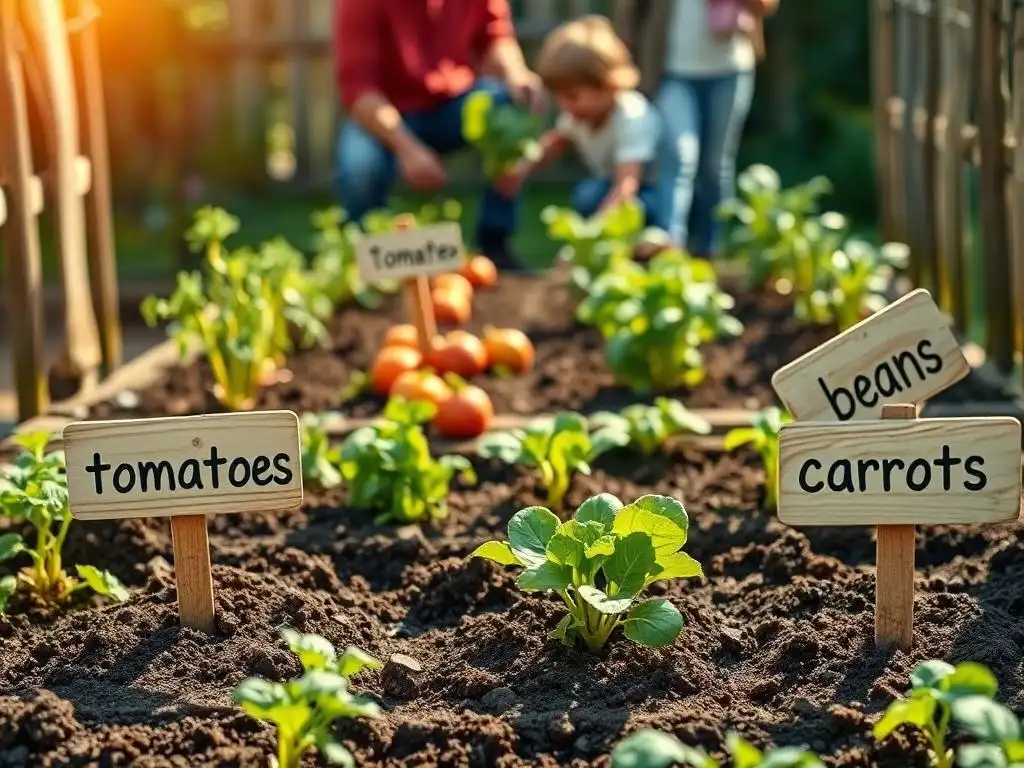
This section provides a practical, step-by-step guide to implementing easy home garden crop rotation, a crucial technique for maintaining soil health and maximizing yields in your sustainable garden. We'll break down the process into manageable steps, making crop rotation accessible even for beginner gardeners. Remember, the key to easy home garden crop rotation is planning and understanding your garden's unique needs.
Step 1: Analyzing Your Current Garden Layout and Soil Conditions
Before diving into crop selection, a thorough assessment of your garden is paramount. This involves understanding your existing layout and the condition of your soil. Knowing where different plants grew last year is fundamental to effective rotation.
Consider these points:
- Garden Map: Sketch a simple map of your garden, noting the location of each plant bed or raised container. Label each area with the plant grown there in the previous season (or seasons, if you have records). This visual representation makes planning significantly easier.
- Soil Testing: Soil testing kits are readily available and provide invaluable information about your soil's pH, nutrient levels, and overall health. Knowing your soil's pH is especially important, as different plant families have varying pH preferences. For example, tomatoes prefer slightly acidic soil (pH 6.0-6.8), while potatoes thrive in slightly alkaline soil (pH 5.5-7.0).
- Past Plant Performance: Review your gardening journal (if you keep one) or recall the performance of plants in each area. Did any areas struggle with particular diseases or pests? This information helps inform your rotation strategy, preventing the recurrence of problems. For example, if you experienced significant blight on your tomatoes last year, avoid planting tomatoes or other nightshades (peppers, eggplants) in that same location this year.
Step 2: Selecting Your Crops Based on Plant Families and Needs
Effective crop rotation involves grouping plants based on their botanical families. This helps prevent the buildup of soilborne diseases and pests specific to certain families. Understanding plant nutrient needs is also crucial.
Here's a simplified approach:
- Plant Families: Categorize your crops into families. Common examples include:
- Brassicas: Broccoli, cabbage, cauliflower, kale, mustard greens.
- Legumes: Beans, peas, lentils.
- Nightshades: Tomatoes, peppers, eggplants, potatoes.
- Cucurbits: Cucumbers, squash, melons, pumpkins.
- Alliums: Onions, garlic, chives.
- Nutrient Needs: Different plant families have varying nutrient requirements. Legumes, for instance, are nitrogen-fixing, enriching the soil. Heavy feeders like broccoli require more nutrients, while others are more modest in their demands. Consider this when planning your rotation, ensuring a balance of nutrient-demanding and nutrient-providing plants.
- Example Rotation: A simple three-year rotation might look like this:
| Year 1 | Year 2 | Year 3 |
|---|---|---|
| Legumes | Brassicas | Nightshades |
| Cucurbits | Alliums | Root Vegetables |
This example demonstrates a basic rotation cycle designed to minimize pest and disease buildup, while ensuring adequate soil nutrient replenishment. Remember to adjust based on your specific needs and available space.
Step 3: Creating Your Rotation Plan Using a Chart or Calendar
Once you've analyzed your garden and selected your crops, translate your plan into a visual format. A chart or calendar is an excellent way to visualize your rotation and ensure you don't plant incompatible crops in the same location.
- Chart Method: A simple chart, similar to the example above, allows for easy visualization of the three-year (or longer) rotation plan. Clearly label each year and plant family.
- Calendar Method: If you prefer a more detailed approach, a calendar can be used to track planting and harvesting dates for each crop. This method is especially helpful for planning succession planting – planting a new crop immediately after harvesting the previous one.
- Software and Apps: Numerous gardening apps and software programs can assist in planning crop rotations. These tools often offer features like plant family categorization and integrated calendars, simplifying the process.
Remember, flexibility is key. Adjust your plan as needed based on your garden's performance and any unexpected challenges. The goal is to create a sustainable and productive garden using simple, easy home garden crop rotation techniques. By following these steps, you'll be well on your way to a thriving and healthy garden.
Step 4: Preparing the Soil for Planting: Enhancing Soil Fertility
Before planting your carefully selected crops, enriching your soil is crucial for a successful harvest. This step is essential for maximizing the benefits of your easy home garden crop rotation plan. Healthy soil provides the necessary nutrients and structure for strong, productive plants. Neglecting this step can lead to stunted growth and reduced yields, undermining the whole purpose of crop rotation.
One of the most effective methods is composting. Composting kitchen scraps and yard waste creates a nutrient-rich amendment that improves soil structure, drainage, and water retention. A well-rotted compost adds vital organic matter, feeding beneficial soil microbes. Aim for a compost mix that’s dark brown and crumbly, indicating full decomposition. Avoid using fresh compost, as it can contain harmful pathogens that may damage young plants. The addition of aged compost is a cornerstone of sustainable gardening practices and directly supports the easy home garden crop rotation strategy.
Beyond composting, consider incorporating cover crops. Cover crops like clover or rye, planted in the off-season, prevent soil erosion, suppress weeds, and fix nitrogen into the soil. They improve soil structure and fertility, making it easier to work with and more receptive to your chosen vegetables and herbs. Tilling the cover crops into the soil adds organic matter, mimicking the benefits of composting. This is a natural and effective way to boost soil fertility without relying on synthetic fertilizers, aligning perfectly with sustainable and organic principles. Remember to choose cover crops suited to your climate and soil type.
Finally, soil testing can provide invaluable insights into your soil's nutrient levels. A soil test identifies any deficiencies, allowing you to amend your soil with specific nutrients as needed. This targeted approach ensures that you are only adding what your plants actually require, minimizing waste and environmental impact. Using a soil test kit or sending a sample to a local agricultural extension office allows for informed decision-making, optimizing the results of your easy home garden crop rotation plan.
Step 5: Planting Your Crops According to Your Rotation Plan
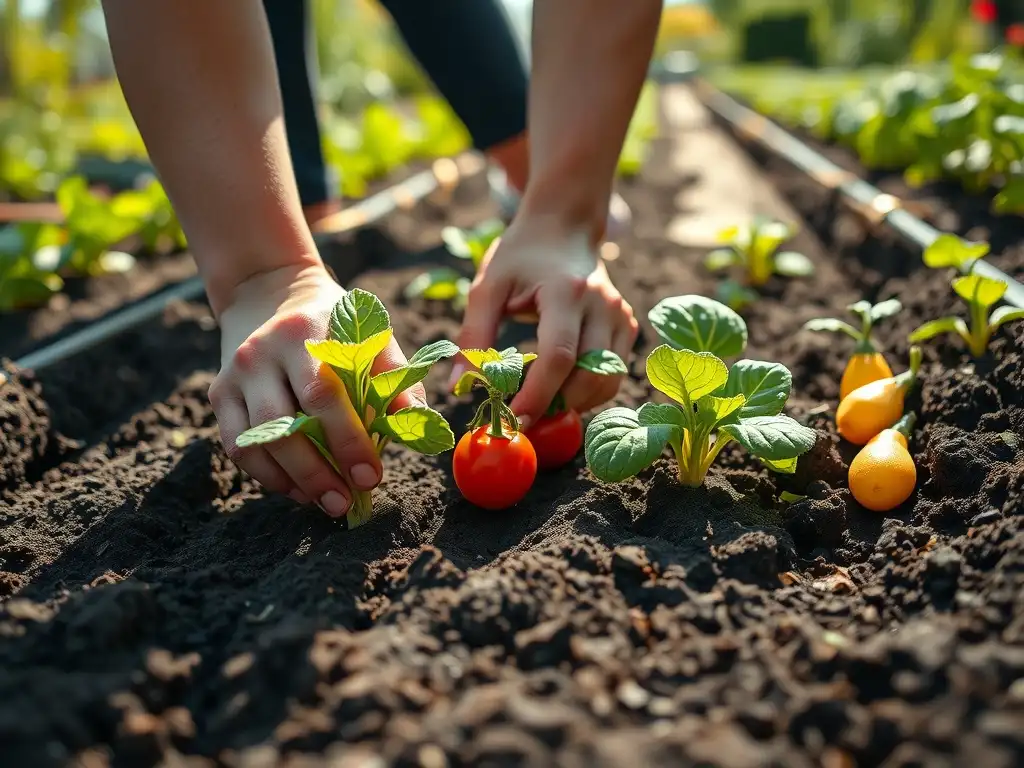
With your soil prepared, it's time to put your crop rotation plan into action. This step requires careful attention to detail, as planting the correct crops in the designated areas is crucial for the success of your easy home garden crop rotation strategy. Accurate placement prevents the buildup of pests and diseases associated with specific plant families.
Begin by referring to your rotation plan, which you developed in the earlier steps. This plan should clearly outline which crops will be planted in each bed or section of your garden for each growing season. For example, if your plan designates a specific bed for legumes this year (like beans or peas), ensure you plant only legumes in that area. This precision is key to effective crop rotation and disease management.
When planting, consider spacing. Proper spacing allows for adequate sunlight, air circulation, and nutrient uptake. Overcrowding can lead to competition for resources, weakening plants and making them more susceptible to pests and diseases. Consult seed packets or gardening guides for recommended spacing for each crop. This ensures optimal growth and maximizes your yield, reinforcing the benefits of your easy home garden crop rotation.
Pay attention to the depth and method of planting. Different crops have different planting requirements. Some prefer direct sowing, while others need to be started indoors as seedlings. Follow the instructions on seed packets for optimal germination and growth. Using the right technique ensures that your plants get the best possible start, contributing to a successful and bountiful harvest. This attention to detail will greatly improve your chances of a successful yield.
Step 6: Monitoring Your Plants and Soil Health: Adapting as Needed
Even the best-laid plans can encounter unforeseen challenges. Regular monitoring is crucial for identifying potential problems early and adjusting your easy home garden crop rotation accordingly. This proactive approach ensures a healthy garden and a successful harvest.
Consistent observation of your plants is key. Look for signs of pests, diseases, or nutrient deficiencies. Early detection allows for timely intervention, preventing widespread damage. Regularly check leaves for discoloration, wilting, or unusual spots, and examine stems and roots for signs of insect infestation. A keen eye can make all the difference in maintaining a healthy garden.
Soil health monitoring is equally important. Observe the soil's moisture level, ensuring it’s neither too dry nor too waterlogged. Regularly check the soil's texture and color, noting any changes that might indicate nutrient deficiencies or compaction. Maintaining a healthy soil structure is vital for optimal plant growth.
If problems arise, adapt your approach. This might involve adjusting watering schedules, applying appropriate organic pest control measures, or amending the soil with additional compost or nutrients. Flexibility is crucial in gardening, and being prepared to adapt to changing conditions is key to success. Remember to document your observations and adjustments to refine your easy home garden crop rotation strategy for future seasons. This continuous learning process is essential for long-term success in sustainable gardening.
Step 7: Harvesting and Compost Management: Closing the Loop
Harvesting your crops is more than just picking the ripe fruits and vegetables; it's a crucial part of successful crop rotation and sustainable gardening. As you harvest, carefully inspect your plants for any signs of disease or pests. This vigilance helps you monitor the health of your garden and identify potential problems early, preventing them from spreading to future crops.
Remember to harvest at the optimal time for each variety to ensure maximum flavor and nutritional value. For example, tomatoes should be harvested when they're fully colored and slightly soft to the touch, while peppers can be harvested at various stages of ripeness depending on your preference. Proper harvesting techniques, such as using clean tools and avoiding bruising the produce, also contribute to reducing waste and maintaining the overall health of your garden.
Composting plays a vital role in closing the loop of your crop rotation system. Instead of discarding plant debris, including stems, leaves, and even diseased plants (after proper sterilization), incorporate them into your compost pile. This process enriches the soil with essential nutrients, reducing your reliance on chemical fertilizers. A healthy compost pile is a dynamic ecosystem, breaking down organic matter into a nutrient-rich humus that feeds your plants.
By adding your harvested plant materials to the compost, you're essentially recycling nutrients back into the soil, creating a self-sustaining system. This also helps to reduce the amount of organic waste going to landfills, contributing to a more environmentally friendly gardening practice. Different composting methods exist; you can choose between simple heap composting, bin composting, or even vermicomposting (using worms), based on your space and preferences. Regardless of your method, ensure proper aeration and moisture levels for optimal decomposition.
Remember to regularly turn your compost to facilitate the breakdown process and prevent unpleasant odors. The end result—rich, dark compost—is the perfect soil amendment for your next crop rotation cycle, ensuring healthy and thriving plants. This complete cycle, from planting to harvesting and composting, exemplifies the principles of easy home garden crop rotation and sustainable gardening.
Maintaining Your Easy Home Garden Crop Rotation System
This section focuses on the long-term success of your easy home garden crop rotation. Consistent application is key to reaping the benefits of improved soil health, pest resistance, and increased yields. Remember, even the simplest crop rotation plan requires ongoing attention and adjustments. Think of it as a living document, constantly evolving with your garden's needs and your learning process.
Avoiding Common Mistakes in Crop Rotation: Troubleshooting Tips
Many beginner gardeners make common mistakes that can undermine their crop rotation efforts. Let's address some of the most frequent issues and how to avoid them. One prevalent error is insufficient planning. Failing to adequately research the nutrient needs of different plant families can lead to soil depletion and reduced yields. For example, planting heavy feeders like tomatoes ( Solanaceae family) year after year in the same spot will rapidly deplete essential nutrients.
Another common pitfall is neglecting soil testing. Regular soil testing reveals nutrient deficiencies and pH imbalances, allowing for targeted amendments. Ignoring this crucial step can lead to poor plant health and reduced yields. Consider testing your soil annually, or even more frequently if you suspect problems.
Finally, inconsistent record-keeping is a significant hurdle. Without tracking what you planted where and when, you'll struggle to maintain a proper rotation. A simple notebook or a digital spreadsheet can be invaluable for tracking planting history, pest issues, and harvest yields. This information is crucial for identifying patterns and making informed decisions in subsequent years. Remember, data-driven gardening is smart gardening!
Adapting Your Crop Rotation Plan: Dealing with Pests and Diseases
Even with a well-planned crop rotation, pests and diseases can still impact your garden. However, a strategic rotation can significantly minimize their impact. Rotating crops disrupts the life cycle of many common pests and reduces the buildup of soilborne diseases. For example, rotating away from susceptible plants like brassicas (cabbage, broccoli, etc.) can greatly reduce the risk of infestations by cabbage worms.
Consider the specific pest and disease pressures in your region. Local agricultural extensions or gardening groups can offer valuable insights into common problems and effective management strategies. Implementing companion planting, using beneficial insects, and practicing organic pest control methods can further enhance the effectiveness of your rotation. Remember, a healthy ecosystem is a resilient ecosystem. Diversifying your plantings, including cover crops, and maintaining soil health are crucial components of an effective integrated pest management strategy.
Keeping Records of Your Crop Rotation: Learning From Experience
Maintaining detailed records is crucial for refining your easy home garden crop rotation strategy over time. This isn't just about remembering what you planted where; it's about tracking the overall health of your plants, pest occurrences, and harvest yields. Detailed records allow for insightful analysis and informed adjustments for future planting seasons.
Consider using a spreadsheet or a dedicated gardening journal. Document the date of planting, the type of plant, the location in your garden, the amount harvested, any pest or disease issues observed, and notes on soil conditions. This data will be invaluable for identifying patterns, such as which plant families thrive in specific areas or which plants are particularly susceptible to certain pests in your garden’s microclimate. This continuous process of observation and adaptation is fundamental to the ongoing improvement of your easy home garden crop rotation system.
Remember, successful gardening is a journey of continuous learning! Analyzing your data allows you to refine your approach each year, leading to a more productive and resilient garden. This is the key to unlocking the full potential of your easy home garden crop rotation plan.
Long-Term Benefits of Consistent Crop Rotation: Sustainable Gardening Practices
Implementing a consistent crop rotation plan in your home garden offers numerous long-term benefits that extend beyond simply improving yields in a single growing season. It's a cornerstone of sustainable gardening practices, contributing significantly to the overall health and productivity of your garden soil and plants.
One of the most significant advantages is the improvement of soil health. Crop rotation helps break the cycle of pest and disease buildup. By rotating crops, you prevent the depletion of specific nutrients in the soil. For example, heavy feeders like tomatoes and peppers deplete certain nutrients, while legumes, like beans and peas, actually replenish nitrogen in the soil through a symbiotic relationship with nitrogen-fixing bacteria in their roots.
This natural fertilization minimizes the need for synthetic fertilizers, a key element of sustainable gardening. The cyclical nature of crop rotation prevents soil compaction and improves soil structure over time, leading to better water retention and aeration. This, in turn, fosters a thriving environment for beneficial soil organisms, crucial for nutrient cycling and overall soil fertility. Think of it like giving your soil a much-needed vacation and a nutritional boost every year!
Another crucial benefit is the reduction in pest and disease pressure. Many pests and diseases are specific to certain plant families. By rotating your crops, you disrupt the life cycle of these harmful organisms, preventing them from building up to damaging levels. For instance, continuously planting susceptible crops like potatoes in the same spot can lead to a severe infestation of potato blight. However, rotating potatoes with a non-susceptible crop, like beans, breaks this cycle, significantly reducing the risk of future infestations. This is a natural pest control method, reducing your reliance on potentially harmful chemical pesticides.
Finally, consistent crop rotation contributes to increased biodiversity. By diversifying the types of plants you grow, you attract a wider range of beneficial insects and pollinators. These beneficial creatures help control pest populations naturally, further reducing the need for external interventions.
This biodiversity enhances the overall resilience of your garden ecosystem, making it less susceptible to environmental stresses and more productive in the long run. A diverse and healthy garden is a more sustainable and rewarding garden. The long-term rewards of implementing a well-planned rotation strategy far outweigh the initial effort, leading to a healthier, more productive, and truly sustainable home garden.
Frequently Asked Questions
What is crop rotation, and why is it important for my home garden?
Crop rotation is the practice of planting different types of crops in the same area each year. It's important because it helps improve soil health, prevents pest and disease buildup, and increases nutrient availability.
How do I create a simple crop rotation plan for my small home garden?
Start by grouping your crops into families (e.g., legumes, nightshades). Then, create a four-year rotation plan, ensuring you don't plant crops from the same family in the same spot consecutively. A simple chart can be very helpful.
What are some examples of good crop rotation pairings for my home garden?
Excellent pairings include planting legumes (peas, beans) after heavy feeders like tomatoes, followed by leafy greens and then root vegetables. This sequence improves soil fertility and minimizes pest problems.
Can I rotate crops in containers, or is crop rotation only for in-ground gardens?
Yes, you can absolutely rotate crops in containers! Simply ensure you thoroughly clean your pots between uses to prevent disease carryover. Follow the same basic principles as in-ground rotation.
What are the benefits of using an easy home garden crop rotation plan like the one described on CultivateYourFood?
Using a simple plan, like those found on CultivateYourFood, helps you maximize your harvest, maintain healthy soil, and minimize your reliance on chemical pesticides and fertilizers, promoting sustainable gardening practices.
Final Reflection: Cultivating a Sustainable Future, One Garden at a Time
The principles of simple crop rotation, as detailed in this guide, are not merely gardening techniques; they are fundamental building blocks for a more sustainable and resilient food system. Understanding and implementing these practices, even on a small scale, directly impacts our ability to nurture healthy soil, reduce reliance on chemical inputs, and increase the overall yield and quality of our homegrown produce. This is more crucial now than ever, as concerns about food security and environmental stewardship grow.
The impact of crop rotation extends far beyond the individual garden; it's a ripple effect that touches upon broader ecological and social concerns. By consciously choosing to rotate our crops, we actively participate in a larger conversation about responsible land management and the interconnectedness of our actions. As the renowned botanist, Luther Burbank, once said: The greatest discovery of all time is that a person can change his future by merely changing his attitude.
This applies equally to our gardening practices; a shift in attitude towards sustainable methods like crop rotation can profoundly impact the health of our gardens and the planet.
Now, consider your own garden. What small changes can you implement today to embrace the principles of crop rotation? Perhaps you'll start with a simple two-year plan, meticulously tracking your plantings and observing the results. Or maybe you'll delve deeper, exploring the nuances of different plant families and their specific nutrient needs. Regardless of your starting point, remember that every step you take towards sustainable gardening is a step towards a healthier future, for yourself, your community, and the environment. Let's cultivate a legacy of mindful gardening, one rotated bed at a time.
Unlock Your Garden's Potential: Start Rotating Today!
Thank you for learning about the benefits of crop rotation! You now have the knowledge to create a healthier, more productive garden. Ready to put your new skills into practice?
- Start your crop rotation plan now: Sketch out your garden beds on paper or using a digital document, and begin assigning next year's crops based on the guidelines you've learned.
- Share your knowledge: Tell your gardening friends and family about the advantages of crop rotation and encourage them to try it too!
- Keep a detailed garden journal: Record your planting, harvesting, and pest control efforts to refine your rotation strategy next year. You'll be surprised by what you discover!
What vegetable will you strategically plant in your next rotation? Let's discuss your plans in the comments below!